
How Walmart Is Using Next-Generation Fulfillment to Battle Amazon on Speed
Walmart and Amazon are locked in a long-running competition over the most valuable metric in modern retail: delivery speed. Both companies know that customers don’t just compare prices — they compare how quickly a package arrives at their door. And as the video reveals, Walmart is now reshaping its fulfillment network with automation, software, and AI to close the speed gap and, in some markets, surpass Amazon entirely.
The New Race: Minutes, Not Days
Consumers have been conditioned by Amazon Prime to expect fast delivery. Now both Walmart and Amazon are pushing toward same-day and, increasingly, minute-level delivery windows.
Amazon is testing 30-minute grocery delivery and building proximity-based micro-fulfillment sites near dense populations.
Walmart is rolling out systems that give customers up-to-the-minute delivery updates and is actively piloting models that compress order-to-delivery cycles across their network.
Both retailers understand the same truth: once customers experience dependable ultra-fast delivery, slow fulfillment becomes a deal-breaker.
Automation Is the Core Weapon
Speed is no longer achievable with labor alone. Walmart and Amazon are using automation to shrink physical handling time and eliminate manual bottlenecks.
A Five-Step, Mostly Automated Fulfillment Workflow
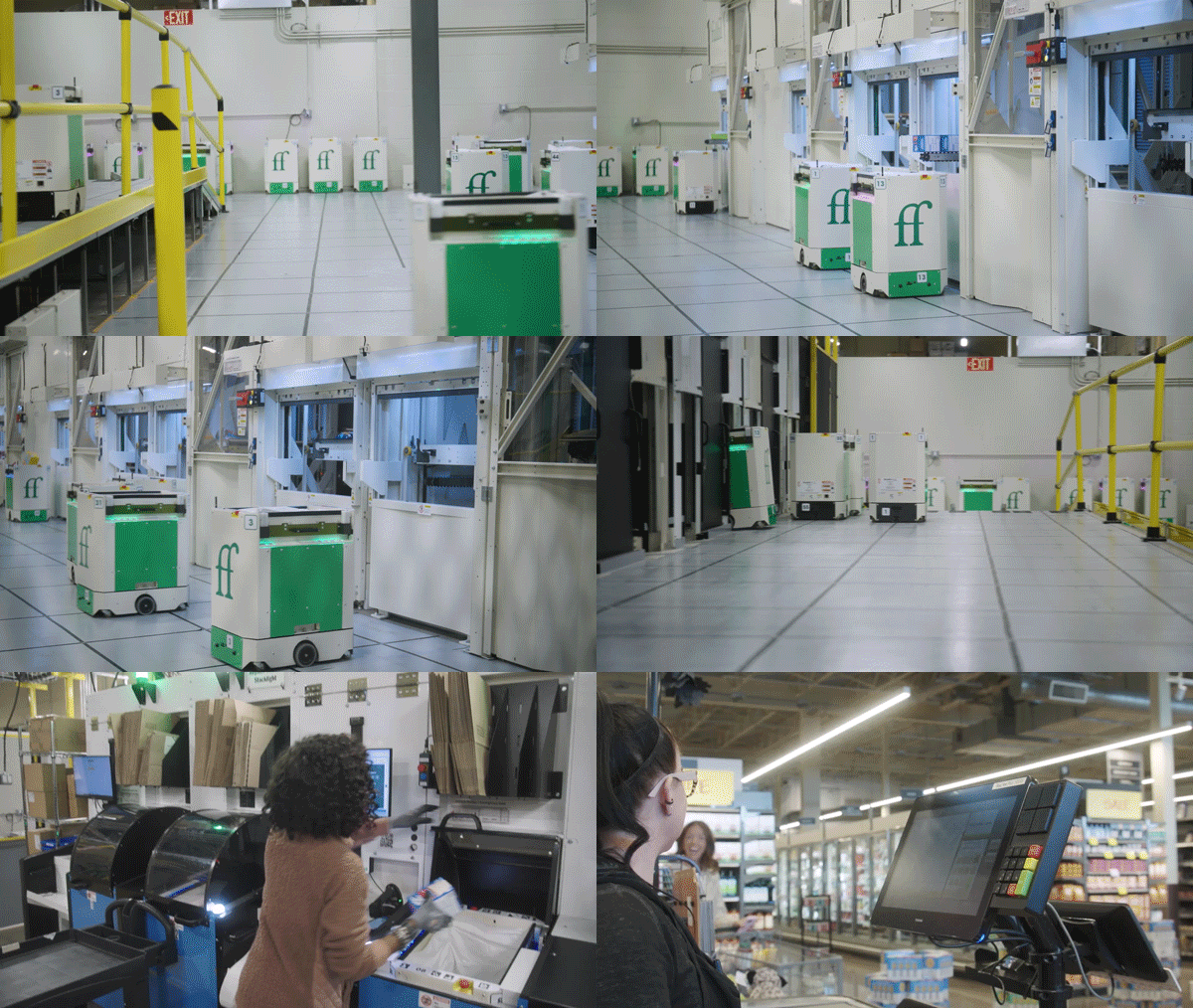
The video highlights one of Walmart’s next-generation fulfillment centers, where a traditional 12-step process has been streamlined into just five steps. Nearly all movement inside the building is automated.
Key moments from the video include:
1. Automated Unloading
Workers unload inbound freight, and from that point, conveyor systems take over. Boxes move automatically to the next stage with minimal human intervention.
2. Robotic Item Induction
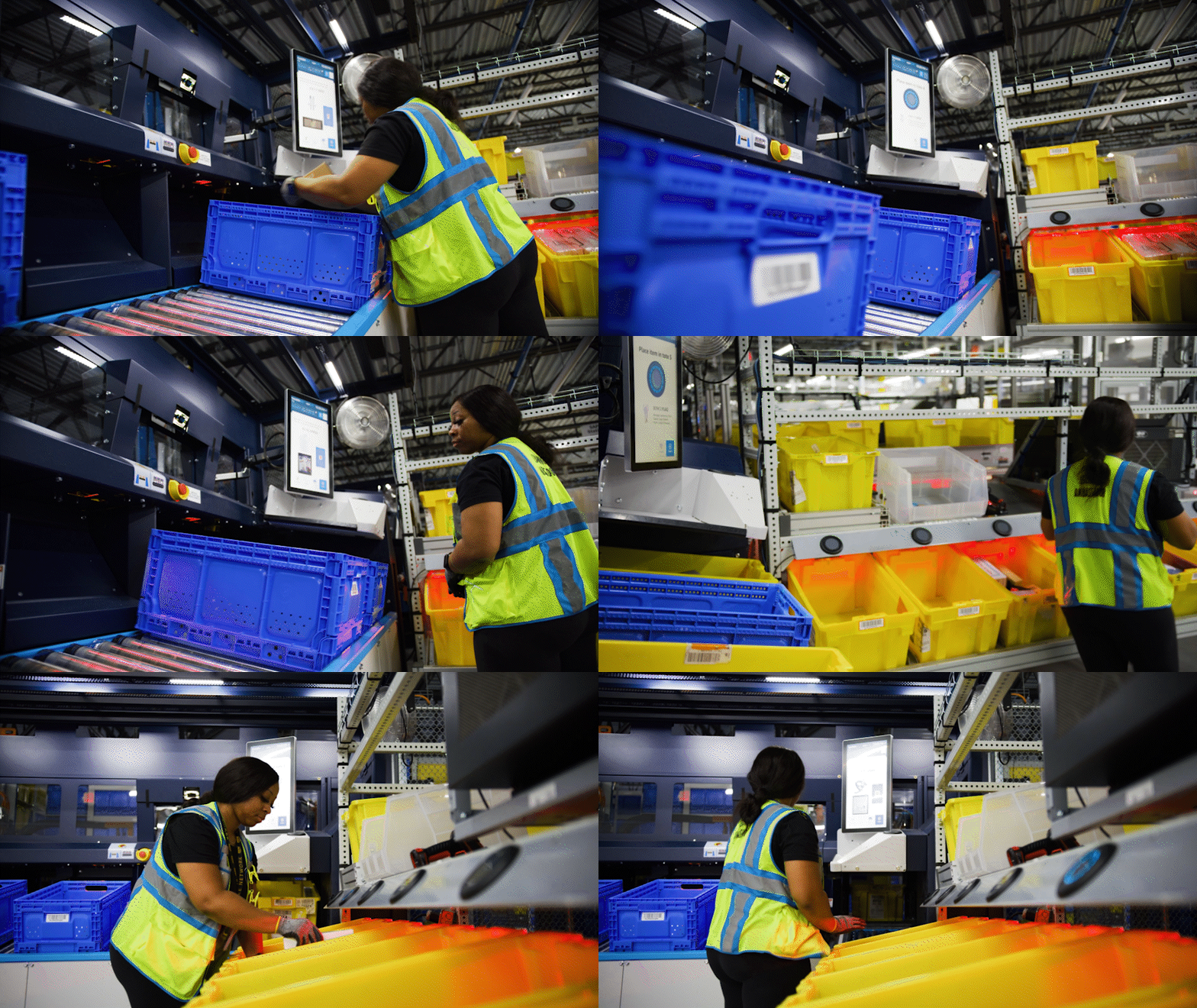
Instead of manually sorting and placing products into totes, machines handle most of the movement. Employees simply remove items from containers and place them into totes — the system handles the rest.
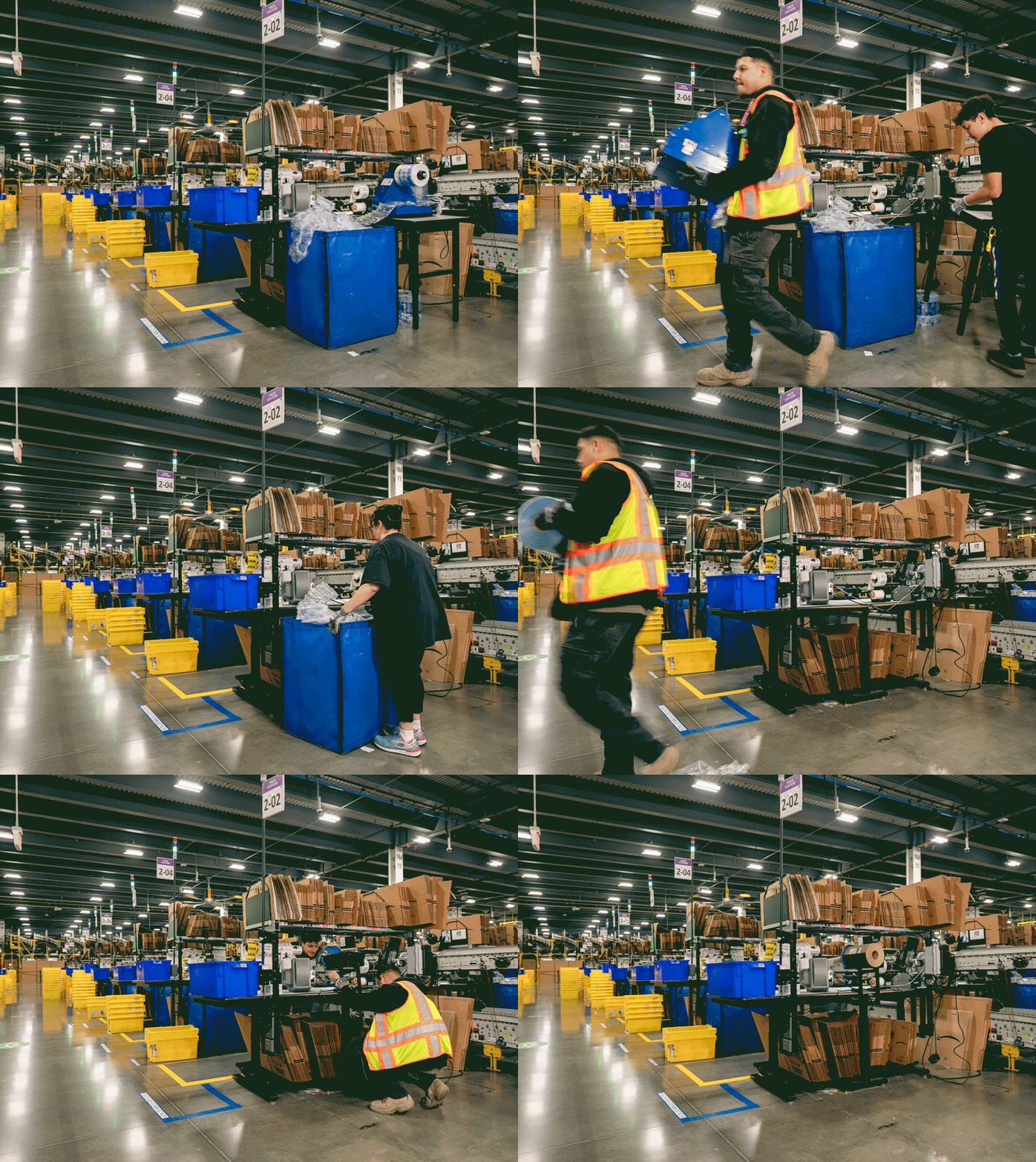
3. Machine-Measured Packaging
One of the biggest pain points in e-commerce is oversized packaging for small items. Walmart is solving this with automated dimensioning systems that:
Scan the exact size of each item you ordered
Automatically build a custom-size box
Reduce wasted space, improve transportation efficiency, and lower material costs
This is a direct example of how Walmart is integrating automation not just for speed, but for precision and cost savings.
4. High-Throughput Order Assembly
Robotic systems move totes between induction, storage, picking, and packing stations — eliminating a large amount of manual walking time.
5. Same-Day and Next-Day Trailer Loading
Packages move straight from the automated pack line to outbound trailers. According to the video, a single fulfillment center can process hundreds of thousands of orders per day, even during peak season.
The result: orders leave the building quickly enough to make same-day, next-day, or two-day delivery routine.
Why Walmart Is Doing This Now
The video makes it clear: “The name of the game is speed.”
Walmart knows that Amazon continues to push the ceiling on ultrafast delivery — especially with its expanding same-day network anchored by smaller, high-velocity fulfillment nodes.
To compete, Walmart is betting on:
More automation
Fewer manual steps
Higher throughput
Better software coordination across stores + fulfillment centers
Smarter packaging
Faster outbound handling
The strategy is straightforward: remove as much friction from the physical process as possible.
The Bigger Picture: Software and AI Behind the Machines
Even though the clip focuses on physical movement, the real differentiator is the software layer that orchestrates everything:
Routing each item to the right station
Predicting high-volume periods
Pre-positioning fast-moving SKUs
Sequencing orders for same-day delivery
Managing the custom-box algorithm
Prioritizing loads for outbound trailers in real time
This is the same area where Amazon has historically excelled — and where Walmart is now making its biggest leap forward.
Amazon’s Countermove
Amazon isn’t standing still. The company is:
Expanding same-day sites closer to customers
Deploying its own custom box-making systems
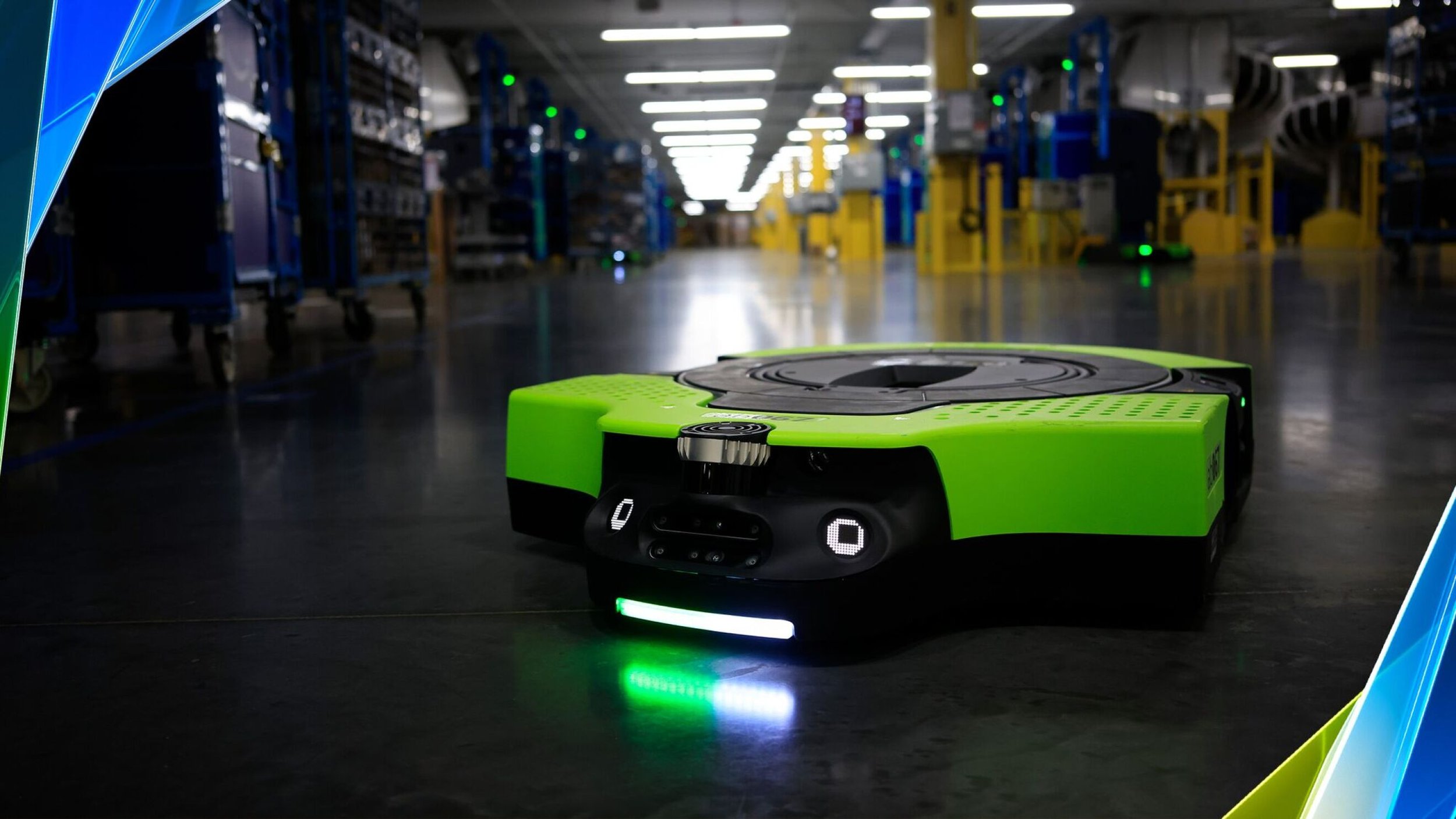
Doubling down on robotics through Amazon Robotics / Kiva successors
Building predictive last-mile routing models
Using data to decide the exact inventory placement for each market
Both companies are converging on the same playbook: build a highly automated, highly synchronized network that moves products with minimal latency.
This Battle Matters for Every Retailer
Retailers often assume Walmart and Amazon operate in a different universe. But the technologies shown in the video represent trends that will reach the broader industry:
Automation to reduce steps
Smaller, smarter packaging
AI-driven picking and routing logic
Store-level fulfillment integration
Real-time order visibility
Within a few years, these expectations will flow downstream to mid-market and regional retailers — because once customers get accustomed to speed, they expect it everywhere.
How Walmart Can Offer Minute-Level Online Delivery — and Others Can’t
A look at the flexibility, automation, and network design powering Walmart’s speed advantage.
Walmart’s latest test — an AI-supported system that gives online shoppers down-to-the-minute delivery estimates — isn’t happening in a vacuum. It’s the result of a multi-year push to make Walmart’s digital fulfilment network one of the fastest and most flexible in North America.
While other major retailers struggle to keep pace with consumer expectations around speed, precision, and convenience, Walmart has quietly built a delivery infrastructure capable of supporting real-time prediction at national scale.
And now, the company is confident enough in that network to layer AI directly on top of it.
A Retailer That Can Deliver to 95% of the U.S. in Under Three Hours
Walmart’s Q3 results paint a clear picture:
Revenue up 5.8% to $179.5B
Global e-commerce up 27%
Walmart U.S. online sales up 28%, with 70% growth in same-day delivery
Nearly 35% of store-fulfilled orders delivered in under three hours
Behind this growth is an aggressive expansion of automated fulfilment technology.
More than 60% of U.S. stores now receive freight from automated distribution centers.
Over 50% of e-commerce fulfilment center volume runs through automated systems.
These investments have driven double-digit shipping-cost reductions for many quarters — giving Walmart the flexibility to promise faster service without eroding margins.
This level of throughput and predictability is the foundation that makes real-time delivery estimation possible.
Why Walmart Is Testing AI Delivery Windows Now
Walmart’s new system replaces static one-hour delivery windows with real-time, minute-by-minute estimates.
The model combines:
Live traffic conditions
Real-time driver location
Fulfilment center processing times
Store-level capacity
Historical route performance
Some customers are already seeing sub-30-minute delivery estimates — something almost unheard of at national scale.
Walmart plans to roll the system out by the end of its fiscal year (Jan. 31), making it one of the first major retailers to deploy an AI-powered ETA engine across such a large logistics network.
This is a direct result of the flexibility Walmart has built into its omni-channel supply chain — and a capability most retailers simply don’t have.
Why Walmart Can Do This — and Others Can’t (Yet)
Target: Strong Stores, But Slower Digital Adaptation
Target has an impressive store-based fulfilment model, but its network isn’t automated at the same depth.
Manual picking dominates many Target backrooms.
Local delivery depends heavily on labor availability.
Throughput varies drastically by location.
Target has grown same-day services, but its system wasn’t designed for dynamic, algorithm-driven delivery promises. Its fulfilment times often fluctuate, and scaling real-time delivery estimates across thousands of stores remains a technical and operational challenge.
Kroger: The Ocado Bet Didn’t Deliver Flexibility
Kroger’s automation strategy has relied heavily on large Ocado customer fulfillment centers (CFCs) — high-capex facilities optimized for batch picking, not rapid, flexible, store-driven delivery.
The model struggled to translate in the U.S. market:
Slow ramp-up
Geographic limitations
High operating costs
Long delivery distances from CFCs to customers
This lack of hyperlocal flexibility is the exact opposite of Walmart’s network, where thousands of stores now operate as mini-fulfillment hubs.
Kroger is now closing multiple Ocado facilities and pivoting its strategy — a sign that achieving Walmart-level speed requires a different operational foundation.
Automation Is the Quiet Engine Behind Walmart’s Confidence
Walmart’s ability to test dynamic delivery windows comes from something simple but difficult to replicate: a deeply automated, highly distributed supply chain.
Recent company disclosures highlight:
Autonomous loading & unloading forklifts
High-density storage and retrieval systems (ASRS)
Sensor-driven inventory accuracy
Next-generation automated fulfilment centers for store-replenishment mix-case palletizing robots that are twice as productive as legacy facilities
Automation now touches nearly every part of Walmart’s logistics ecosystem, improving throughput, cost structure, and consistency.
Those factors matter — because AI prediction isn’t useful without reliable operational execution behind it.
What This Means for the Future of Retail Delivery
Walmart’s test represents a turning point for consumer expectations. Just as ride-hailing normalized real-time ETAs, Walmart is pushing retail toward a world where delivery windows are precise, not approximate.
Retailers that rely on slower manual processes or siloed automation systems will find it increasingly difficult to compete. Target, Kroger, and others will need to rethink how flexible — and how automated — their supply chains truly are.
In the coming year, we can expect:
More retailers experimenting with AI-powered ETA engines
Increased automation investments as companies try to match Walmart’s speed
A shift toward store-based fulfilment as the default model for grocery and general merchandise
Pressure on legacy automation systems (like CFCs) that prioritize batching over responsiveness
Walmart isn’t just testing technology — it’s signaling where the next phase of e-commerce competition will be fought: real-time delivery confidence.






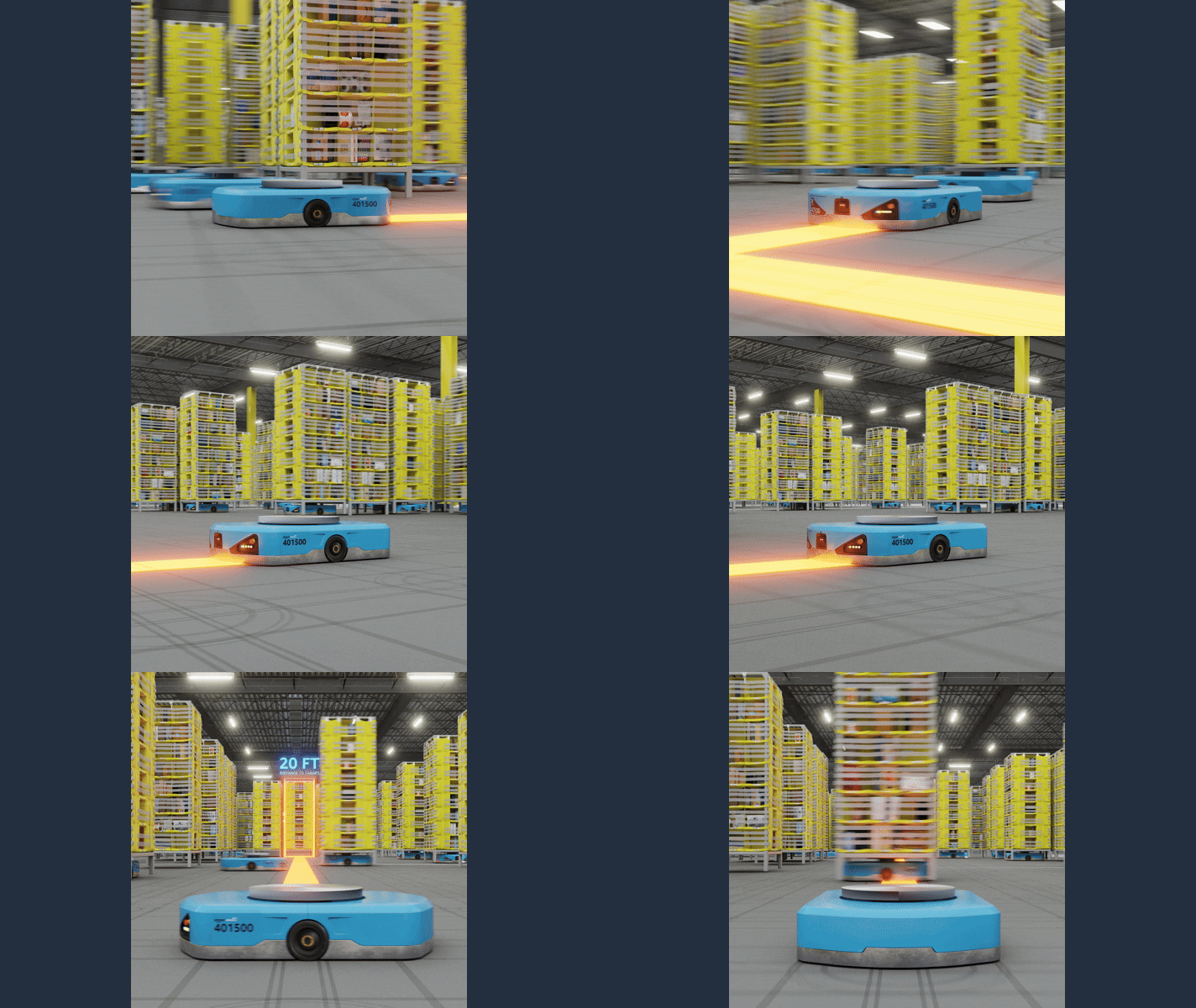


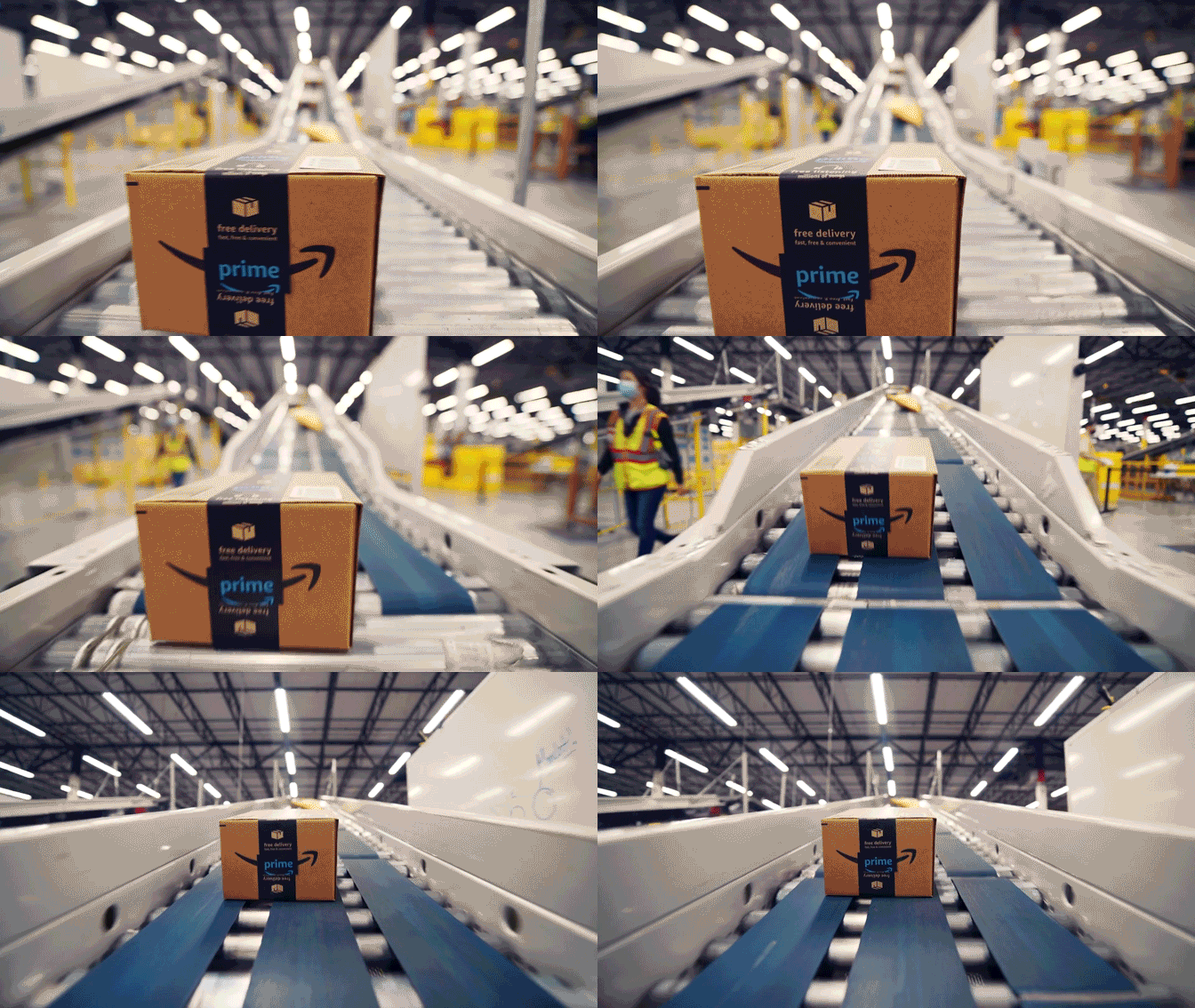

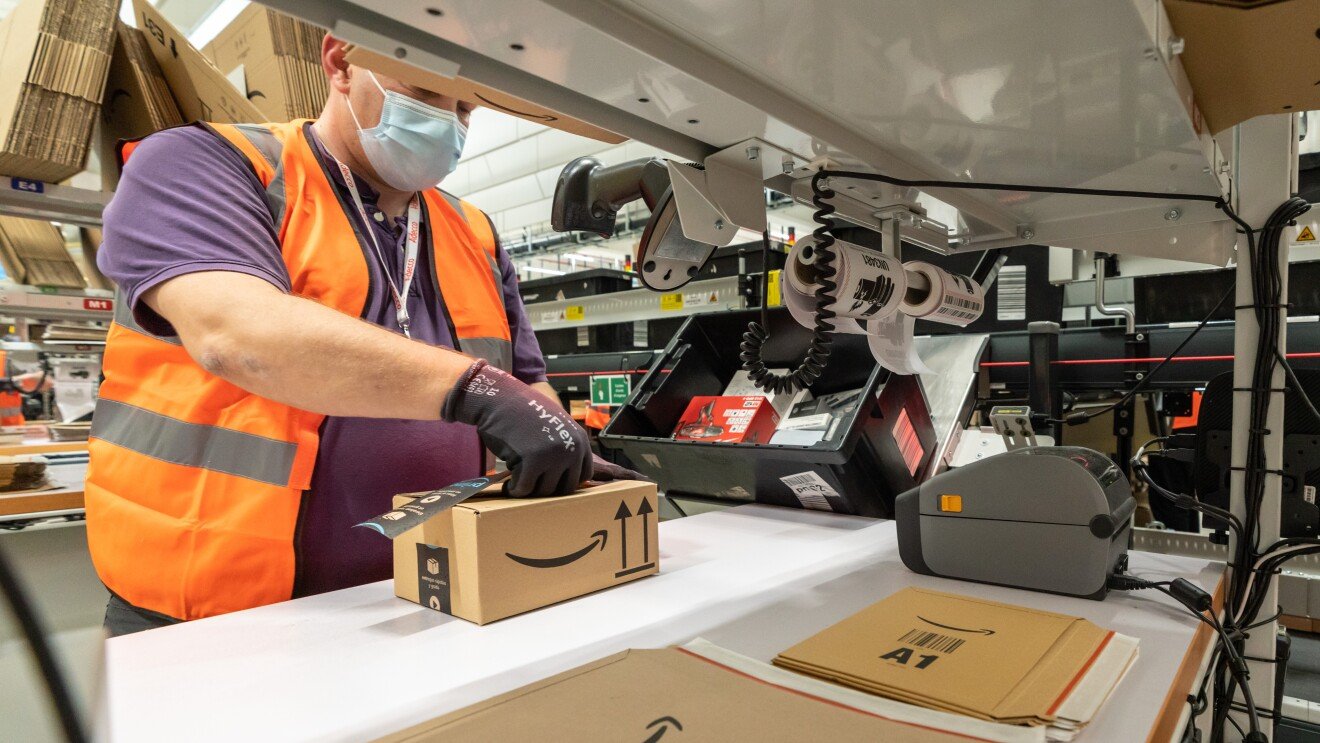

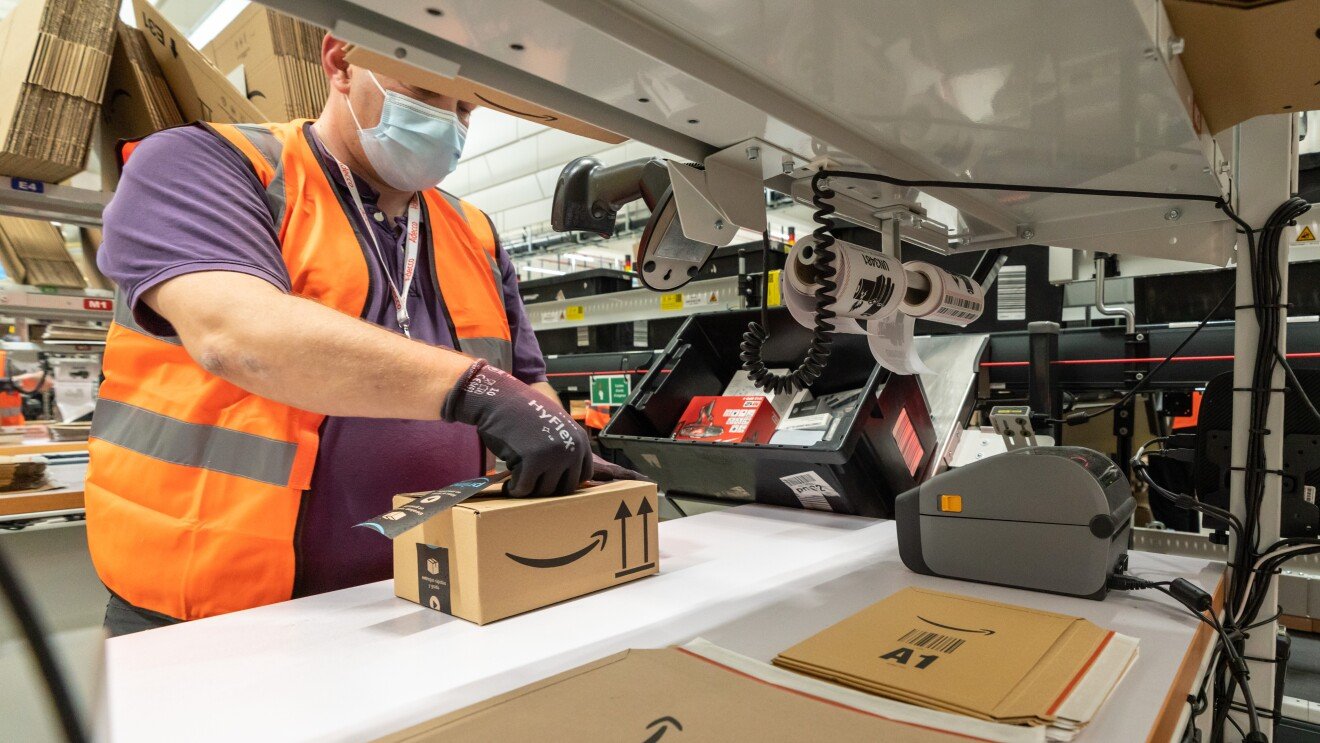
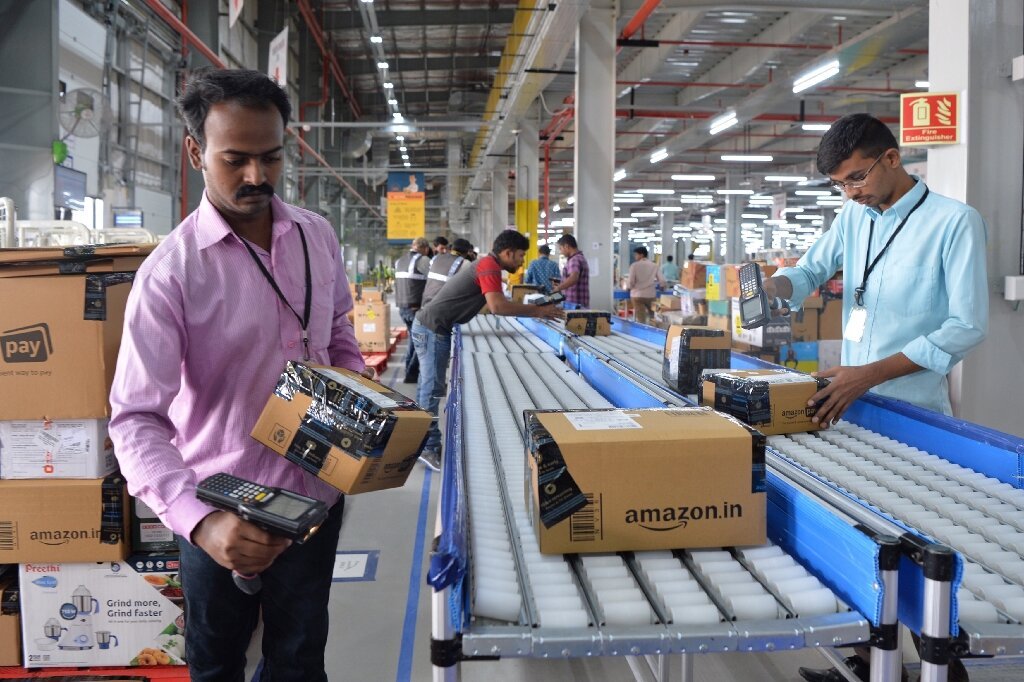
These smaller, high-velocity facilities store frequently purchased products—from fresh food and groceries to personal-care items and small electronics.