
Amazon Completes Major Sustainability Shift: Plastic Air Pillows Replaced with Paper Filler Across North America
In a sweeping sustainability effort that concluded at the end of 2024, Amazon has officially eliminated plastic air pillows from all its delivery packaging across North America, replacing them with 100% recycled paper filler. The initiative, now fully implemented, has removed nearly 15 billion plastic pillows annually from the e-commerce giant’s supply chain.
This marks the largest plastic packaging reduction initiative in Amazon’s North American history, and sets a new bar for sustainable logistics at scale.
“We’re proud of how our teams came together across engineering, operations, and sustainability to execute this transition quickly and effectively,” said Pat Lindner, VP of Mechatronics and Sustainable Packaging. “This wasn’t just about replacing a material—it was about creating a better customer experience while reducing our environmental footprint.”
Behind the Shift: From Concept to Continental Rollout
The transition began in late 2023 at Amazon’s automated fulfillment center in Ohio, which piloted the use of curbside-recyclable paper filler. Within 12 months, the program scaled to hundreds of fulfillment centers across North America, with new machines, retrained staff, and supplier partnerships all focused on replacing plastic with paper—without compromising product protection.
Third-party lab testing confirmed that the paper filler performed as well as, or better than, the plastic air pillows it replaced. Equally important, the paper filler is easier for customers to recycle at home, supporting Amazon’s long-term packaging goals.
Prime Day 2024: A Turning Point
The company’s Prime Day 2024 served as a major milestone—nearly all customer orders shipped without plastic air pillows. The event acted as a soft launch for the broader rollout, showcasing Amazon’s ability to coordinate change across its massive logistics network.
Feedback from employees was overwhelmingly positive. Many fulfillment center associates reported that the new paper systems were more efficient and made packaging stations easier to manage.
“Switching to paper has been a win for everyone,” said Christian Garcia, a fulfillment associate at Amazon’s Bakersfield, California facility. “It’s easier to work with, and customers appreciate that it’s recyclable. It’s a small change that makes a big difference.”
Part of a Broader Sustainability Strategy
This effort is just one of many steps in Amazon’s evolving approach to sustainable packaging. Through programs like Ships in Product Packaging, where items are sent without additional Amazon-branded boxes, the company continues to explore ways to reduce waste and streamline the customer experience. By 2022, over 11% of Amazon’s global deliveries shipped without added packaging.
Now, in 2025, the company’s move away from plastic air pillows stands as a case study in rapid, scalable environmental innovation—one made possible by cross-functional coordination, long-term supplier partnerships, and a relentless focus on customer satisfaction.
Amazon’s full transition away from plastic air pillows isn’t just a packaging update—it’s a significant move toward scalable sustainability in e-commerce. Eliminating 15 billion plastic pillows a year sets a powerful precedent for what’s possible when operational scale meets environmental responsibility.
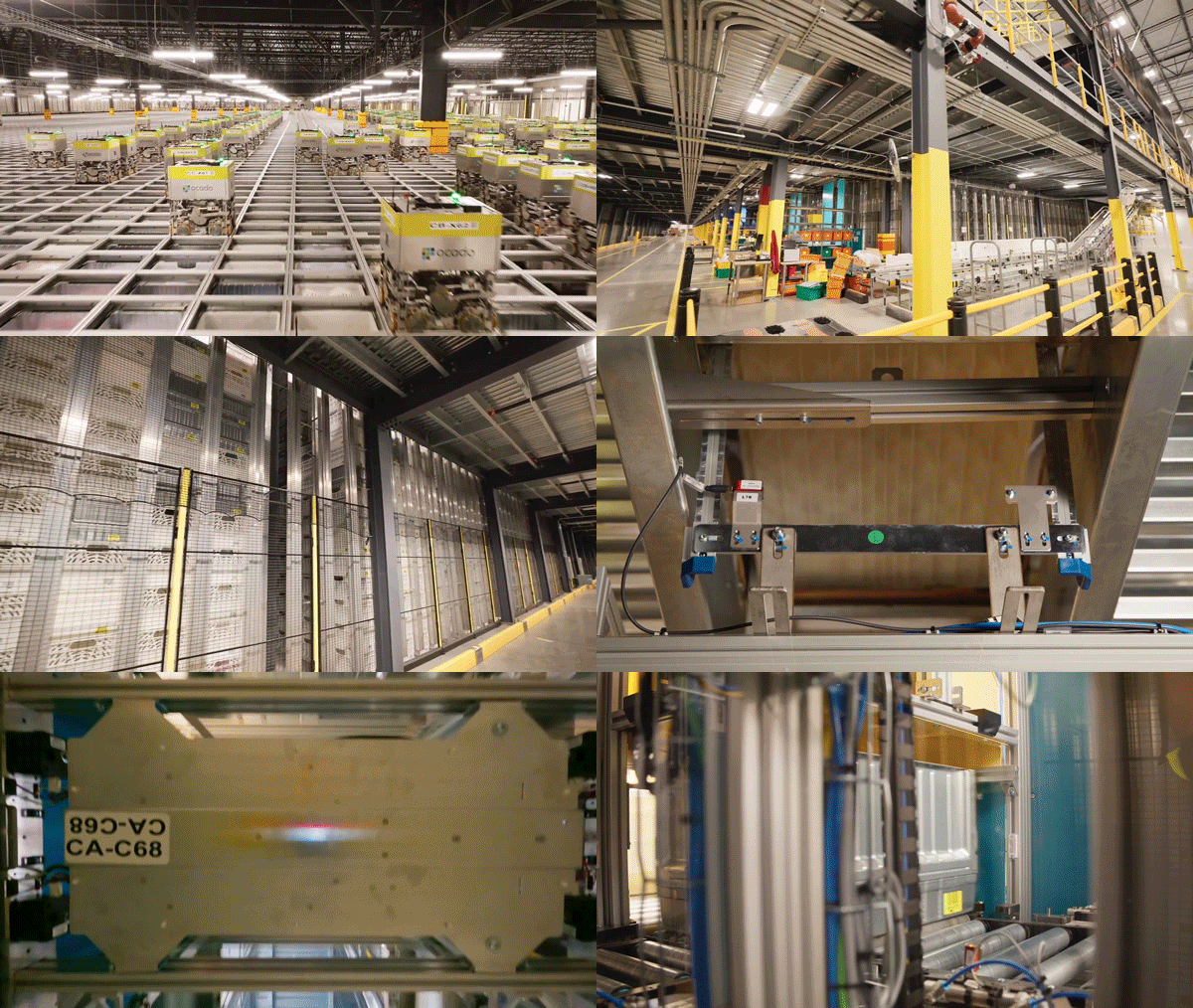
Flexport has opened its first fully automated fulfillment center just outside Chicago.
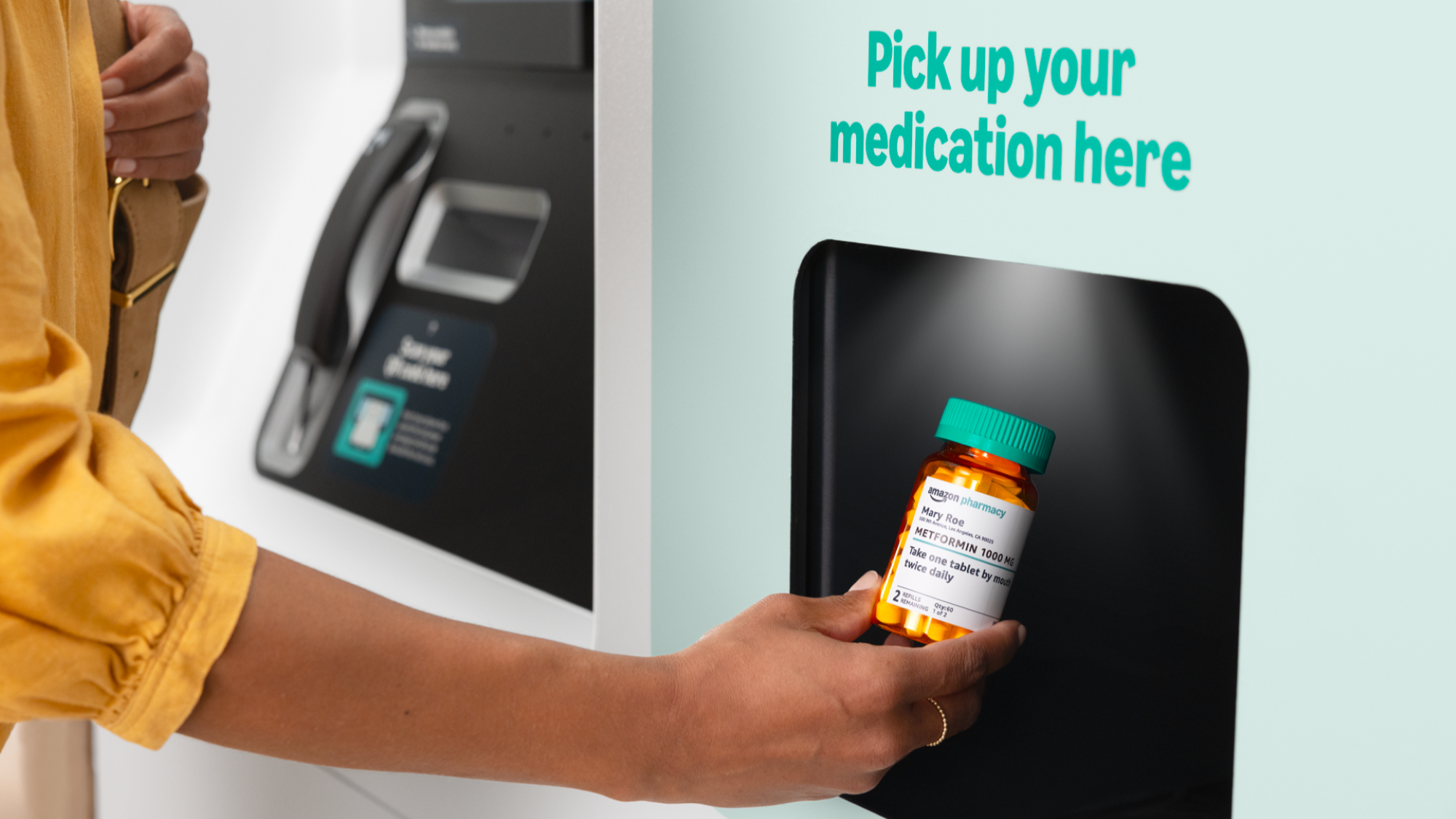
Last year, Amazon Pharmacy debuted pharmacy kiosks—somewhat like vending machines—for quick and convenient prescription fills.

The Los Angeles-based activewear firm is moving into an existing building and will occupy up to 1.2 million square feet
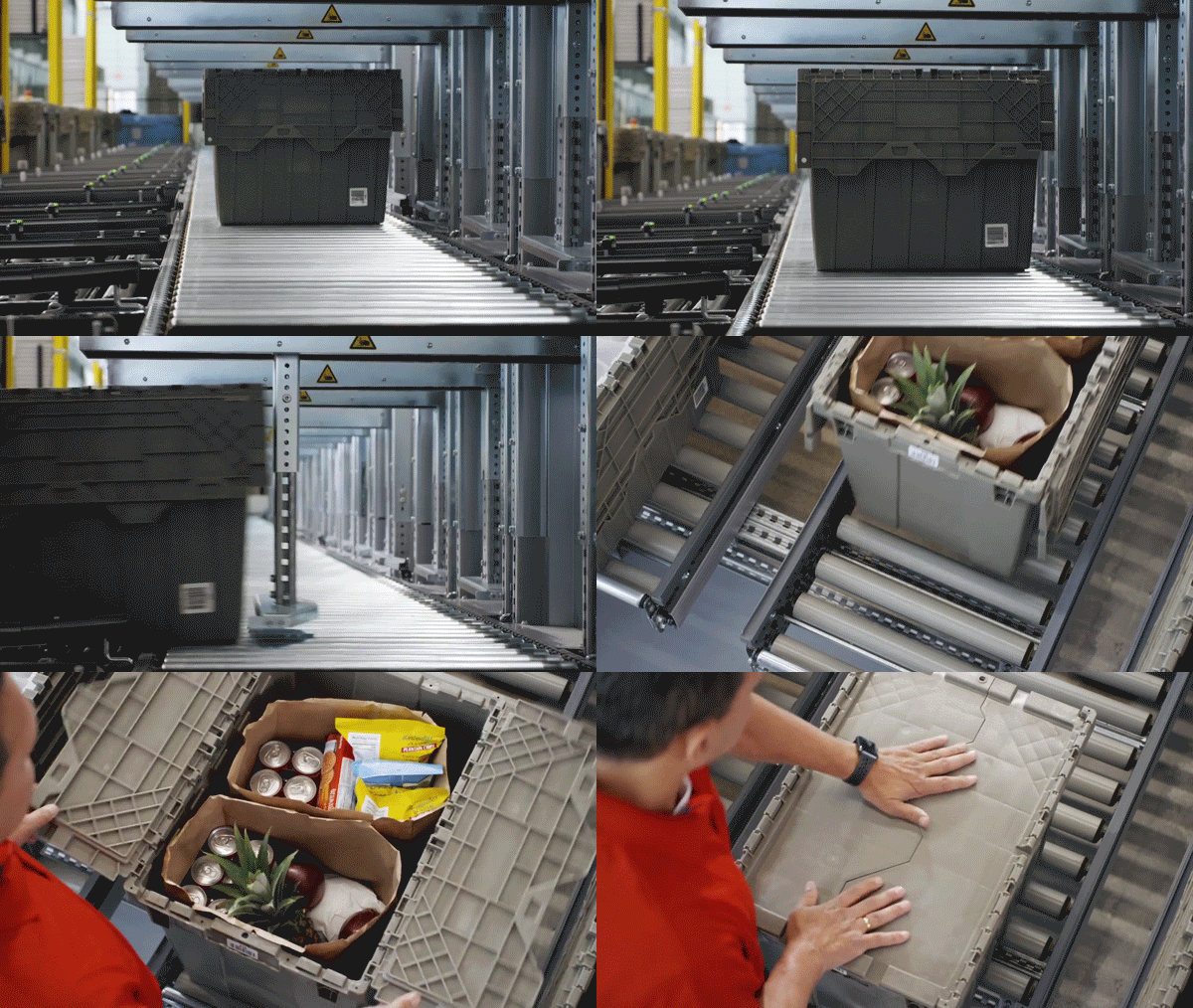
750,000 sq. ft. Metro Vancouver food distribution terminal could strengthen Canada's food security
Procter & Gamble (P&G) is pursuing an ambitious expansion of robotics and automation across its global manufacturing and distribution network
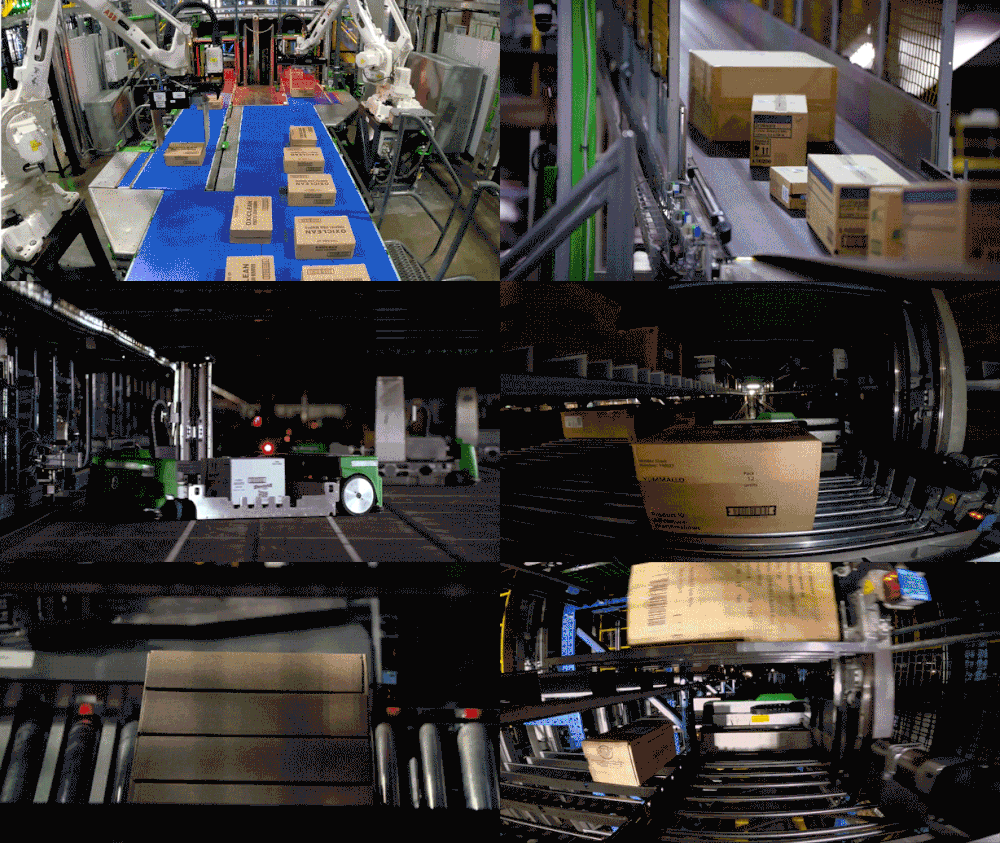
Symbotic became the largest warehouse automation vendor in the Americas by market share in 2025, overtaking several established providers

Pattison Food Group Modernizes Langley Distribution Centre with Advanced Grocery Automation.
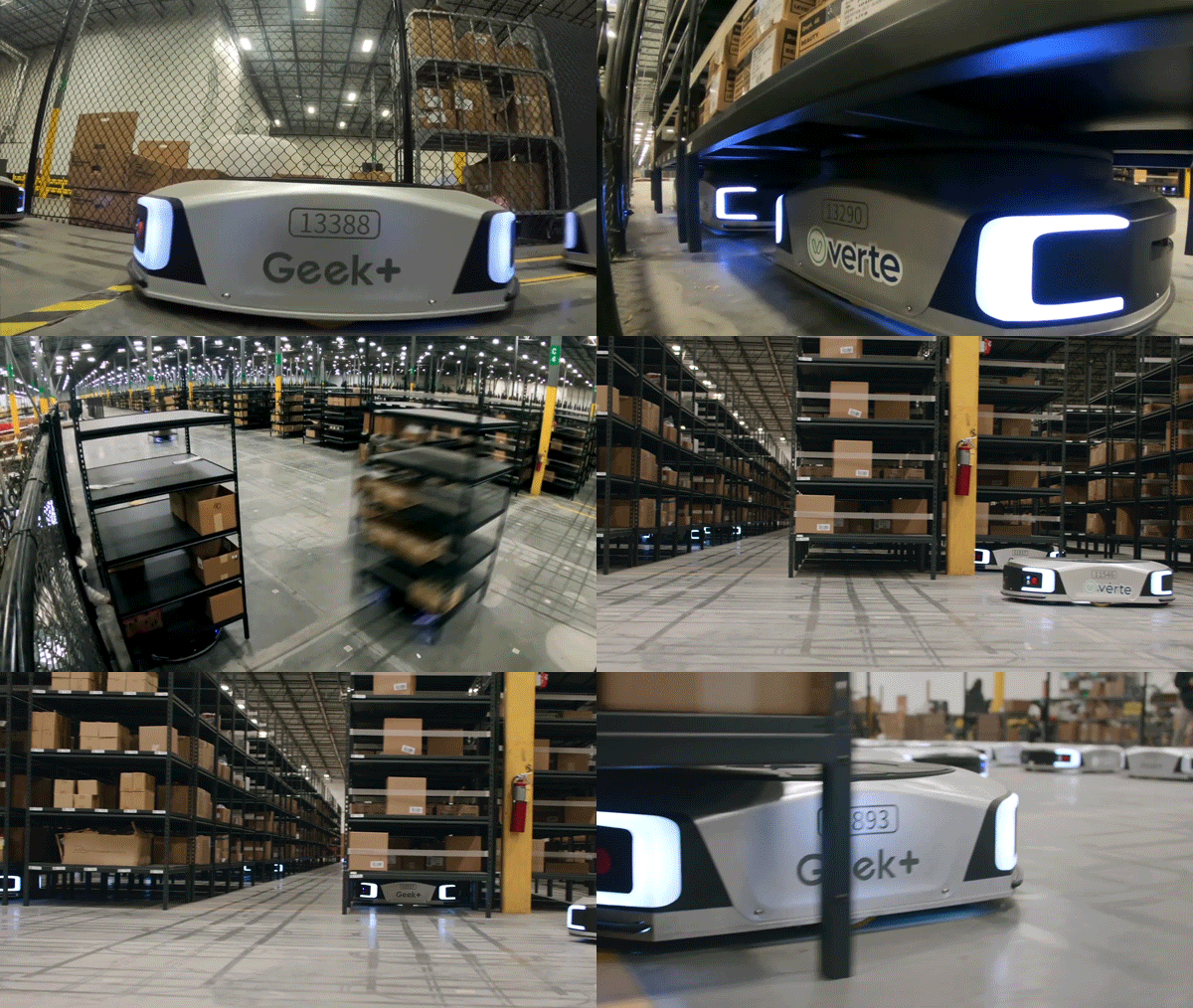
As part of an ongoing warehouse automation modernization project, a fleet of pre-owned ASRS robots is available for purchase.
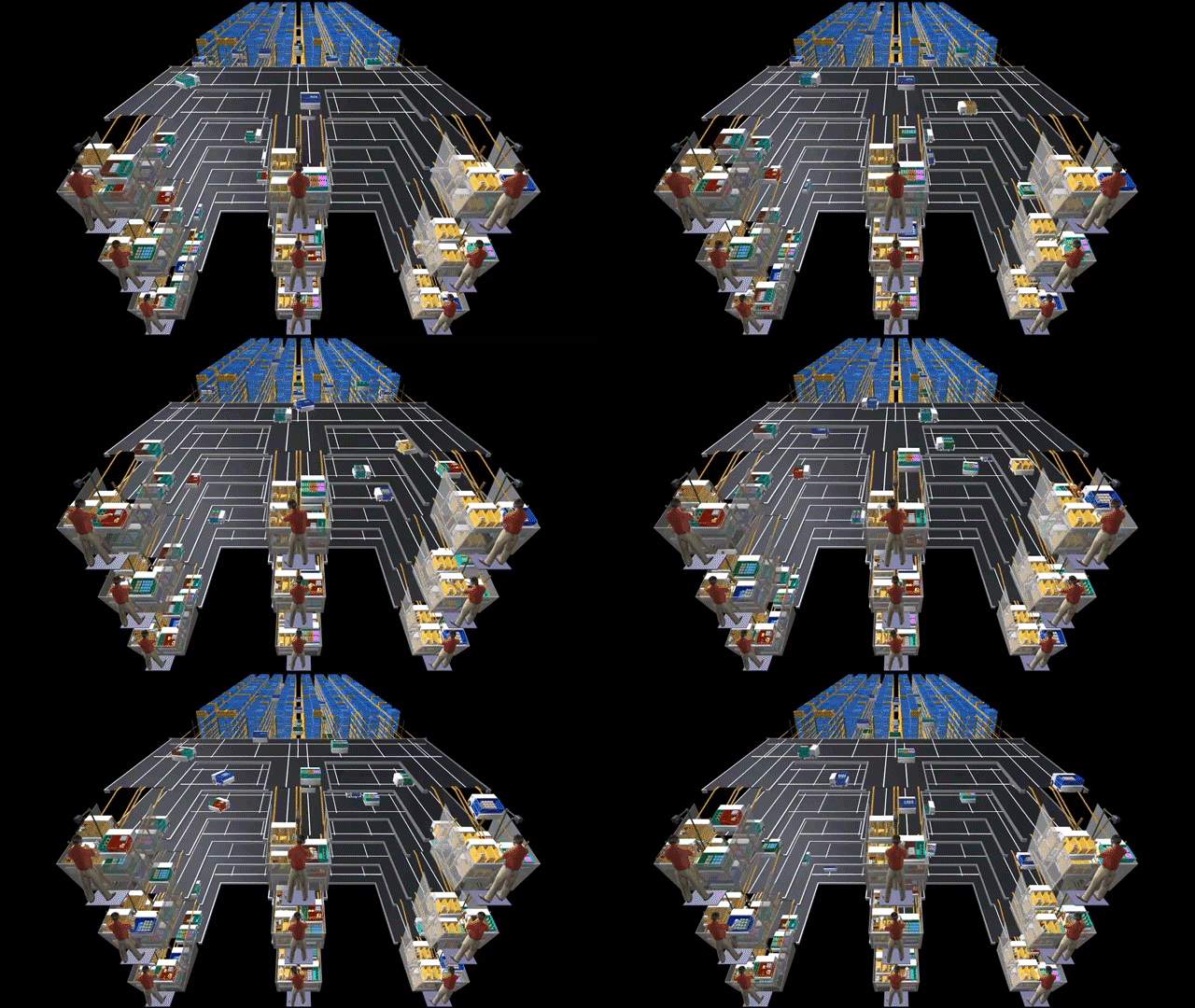
Symbotic’s new SymMicro system begins its first in-store installation, with the potential to expand to 400 Walmart locations.
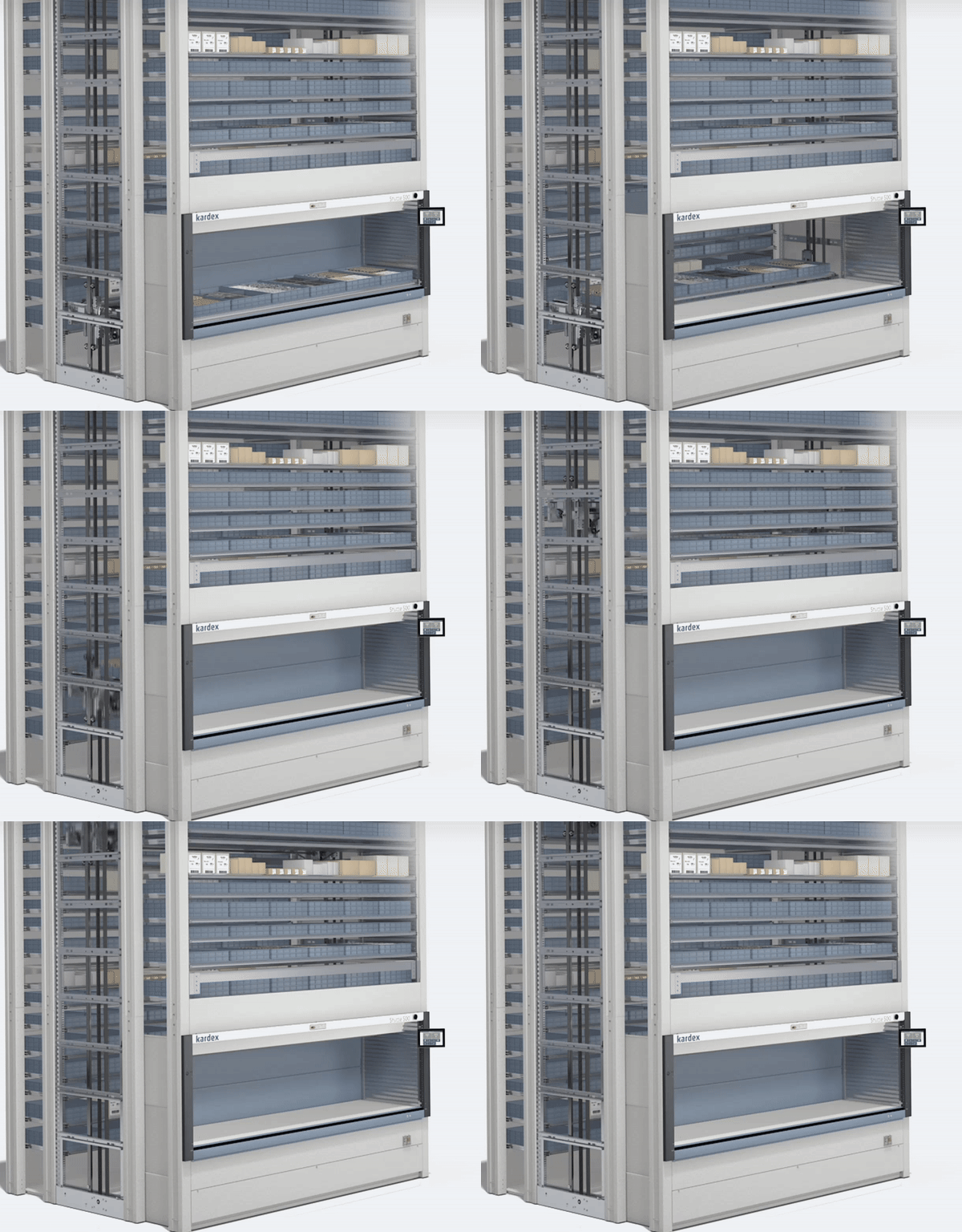
Two brand-new Kardex Shuttle XP 500 vertical lift modules are available for immediate delivery.
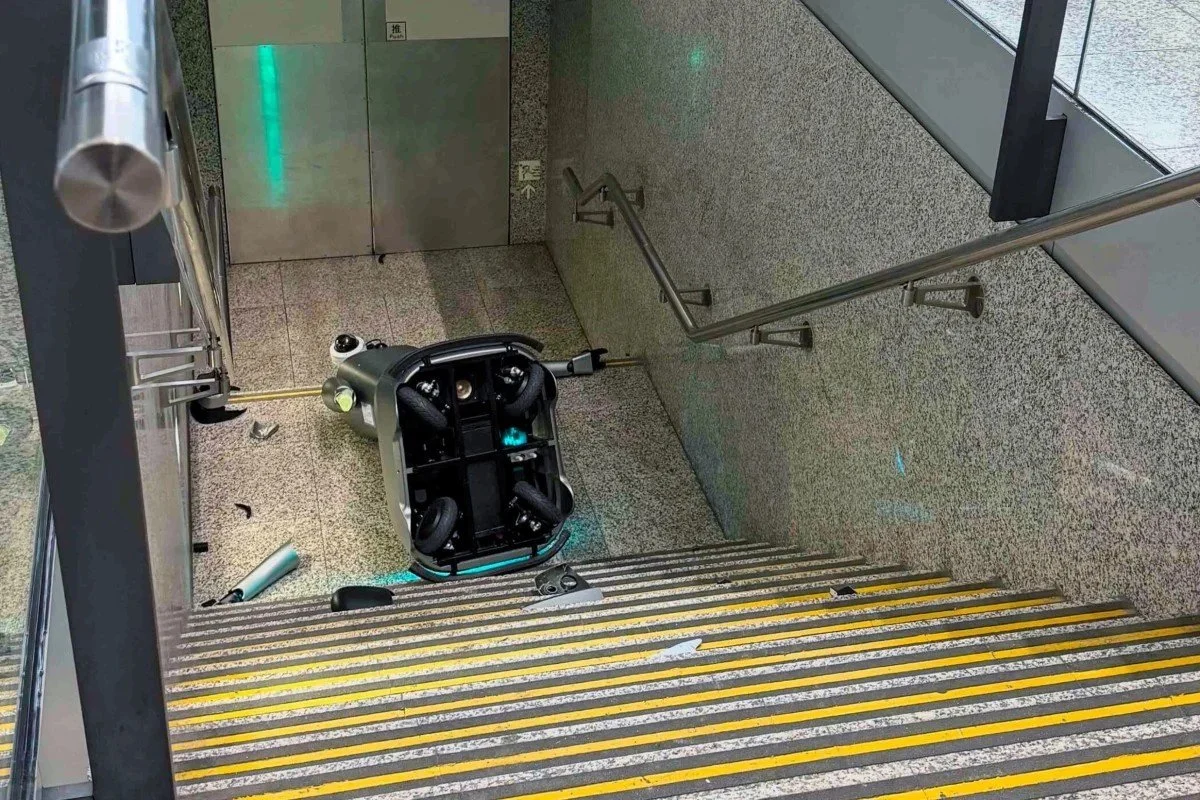
A robot accident at Hong Kong International Airport offers an important lesson about mobile robot safety
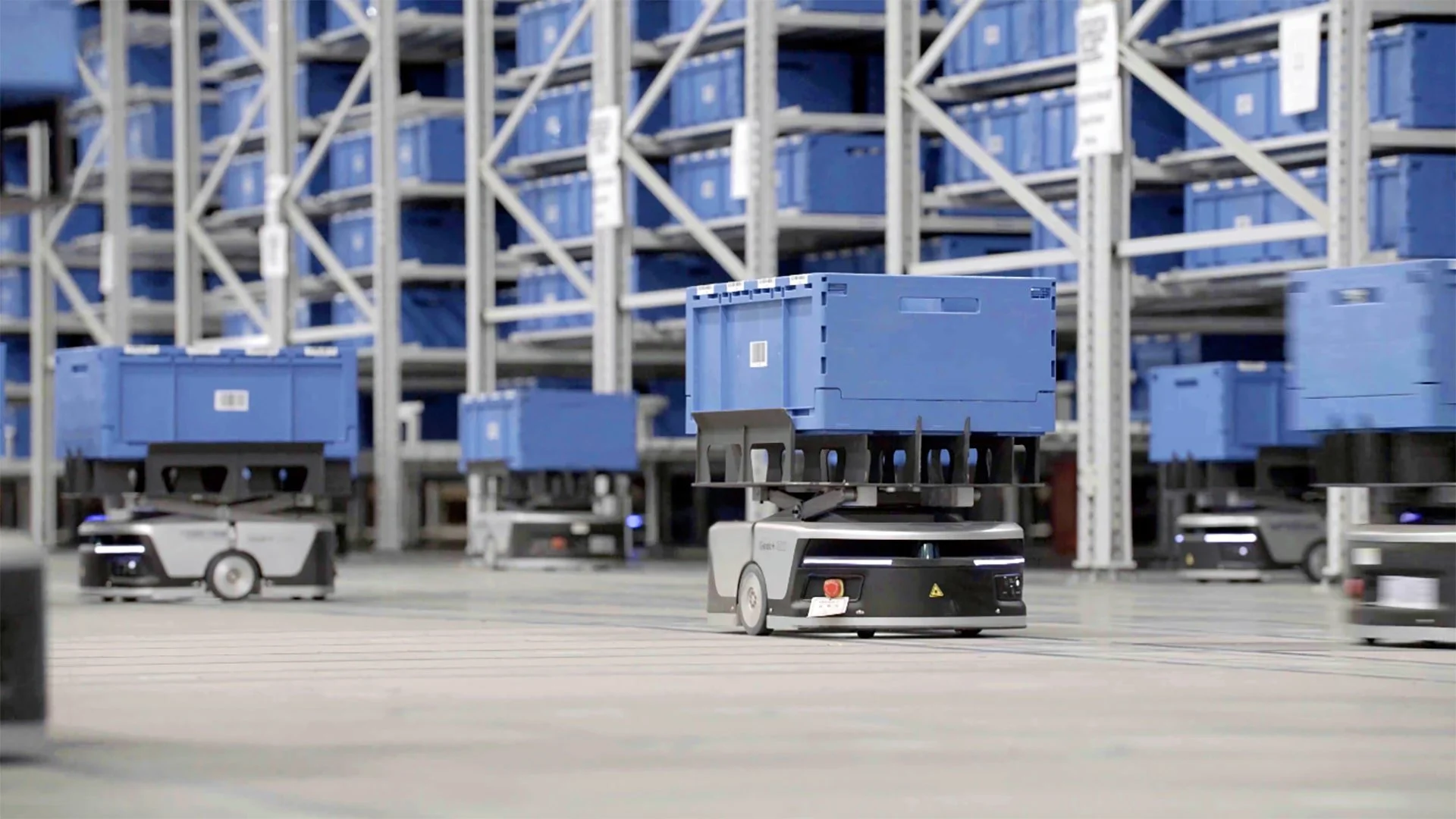
Recent Updates to FCC Covered List Regarding Foreign-Produced Advanced Robotic Devices
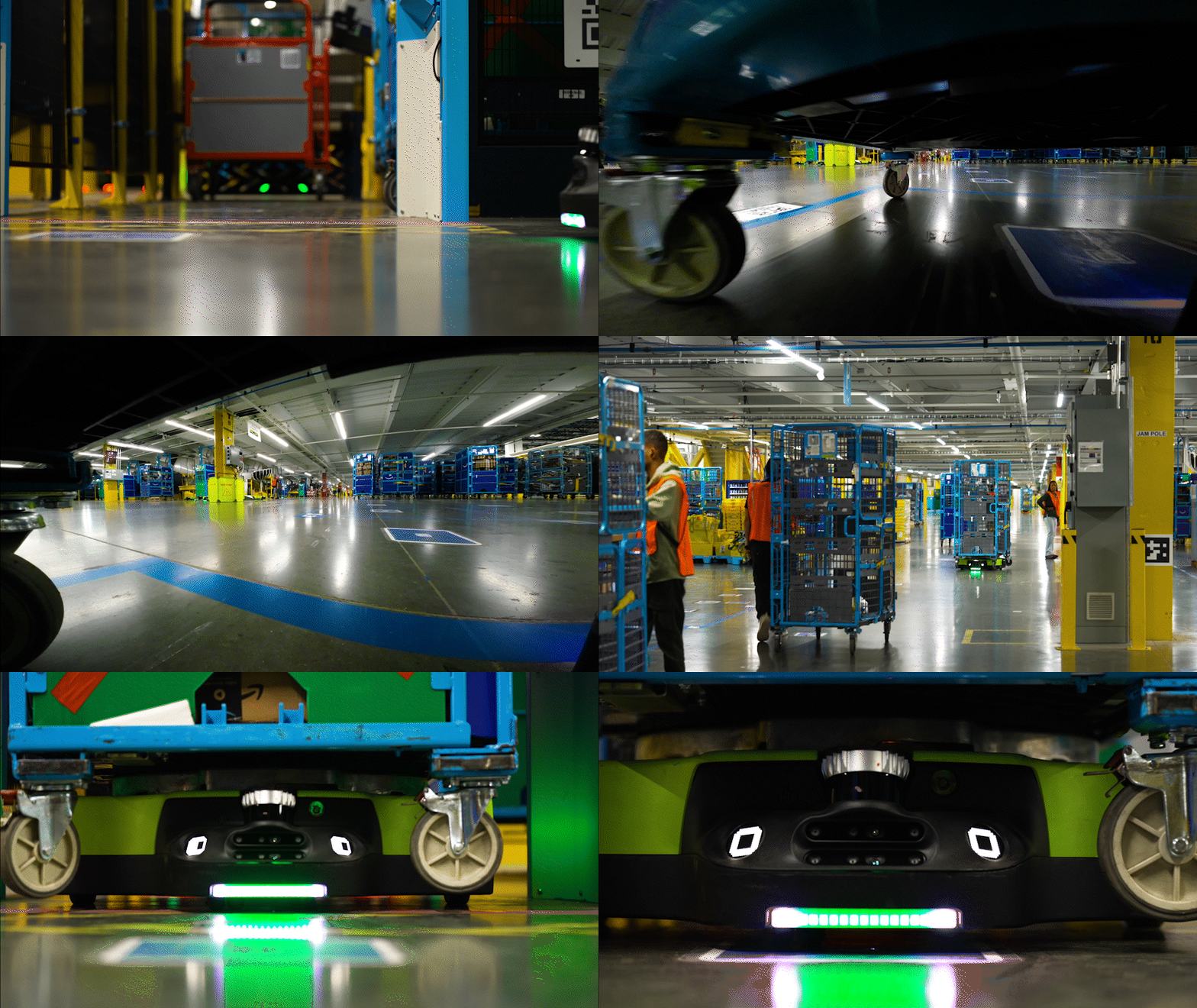
There is another major advantage of automation that is often overlooked.
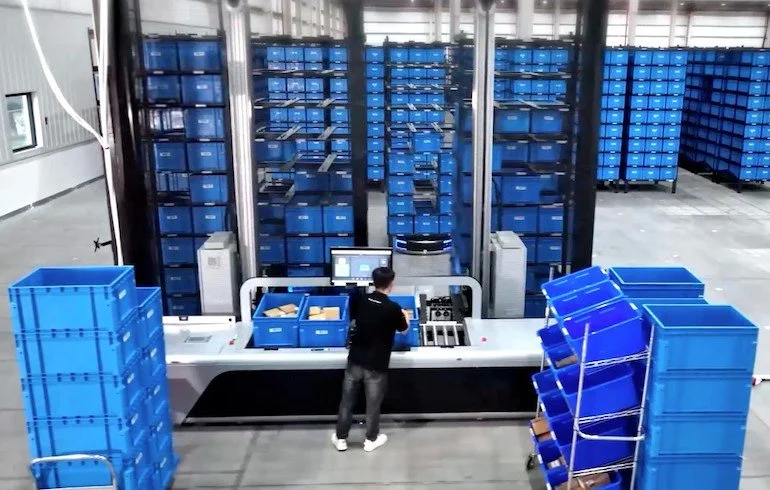
S&S Activewear is one of the more technology-forward apparel companies in North America’s branded-apparel distribution market.

Situated in Arvin, California, the new 700,000 square foot facility is described as its largest and most technologically sophisticated distribution center to date.

SoftBank is reportedly selling its remaining 9.65% stake in Boston Dynamics to Hyundai Motor Group for US$325 million.
The company had automation. It had robotics. It had government support, customer momentum, press attention, and a massive facility.
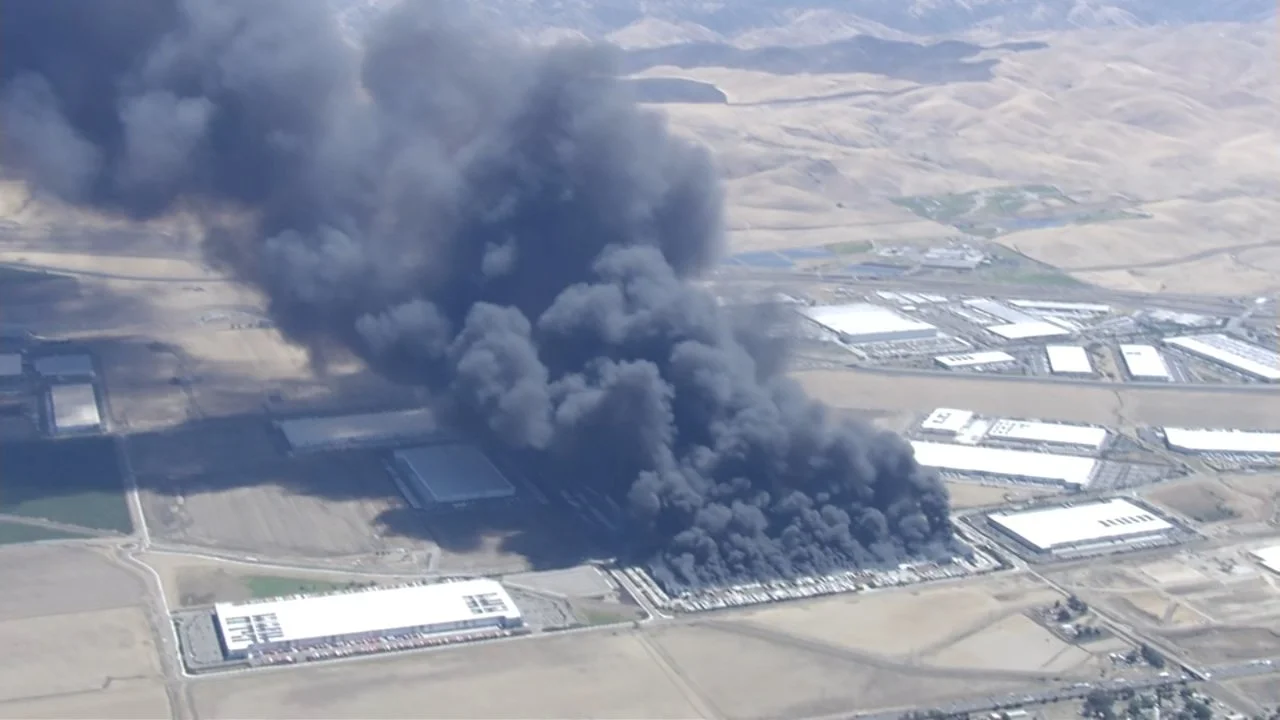
Massive fire destroys 1 million-square-foot Tracy Medline Industries distribution facility
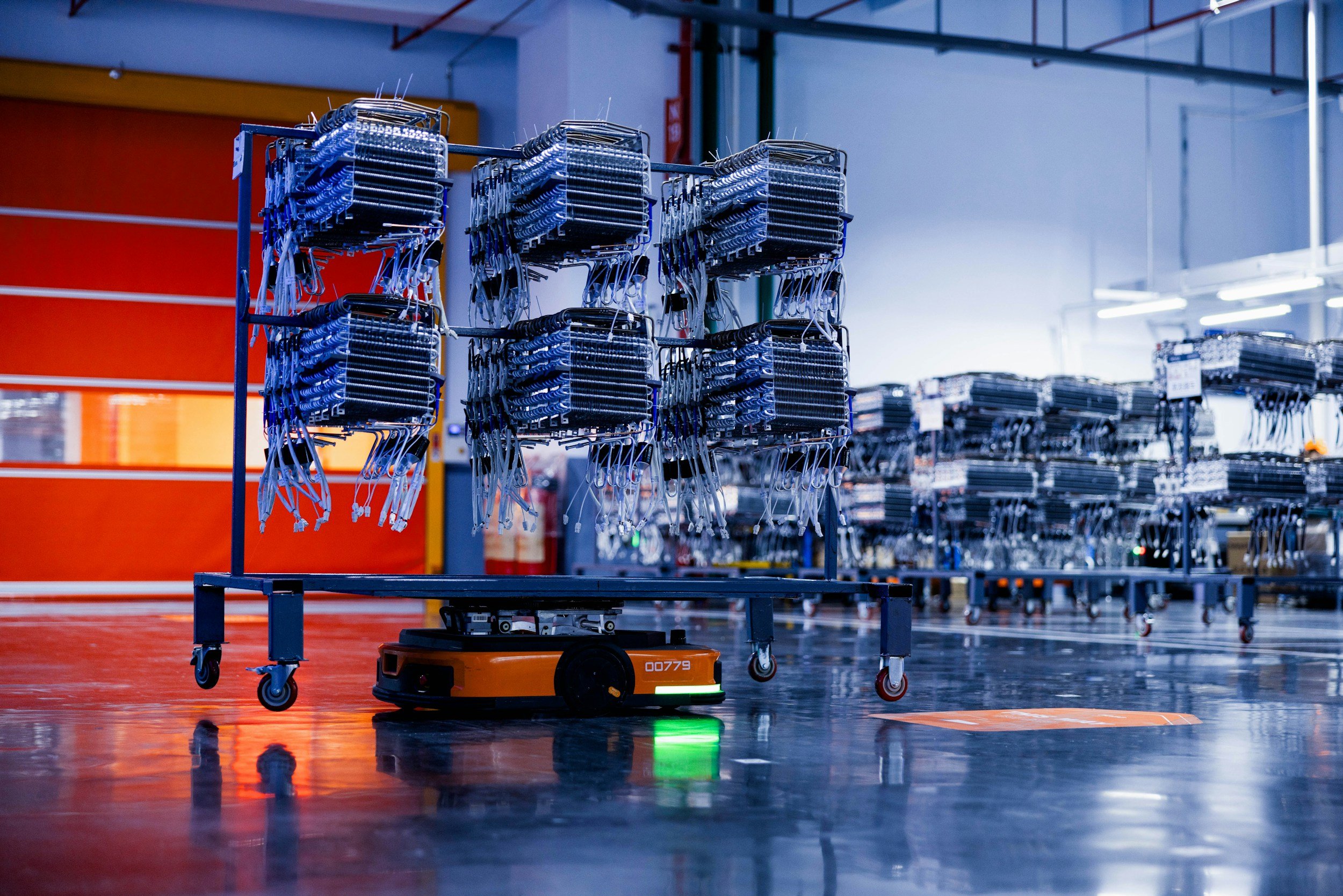
Artificial Intelligence and LLMs are currently being pushed aggressively into logistics, warehouse operations, robotics, and supply chain execution.
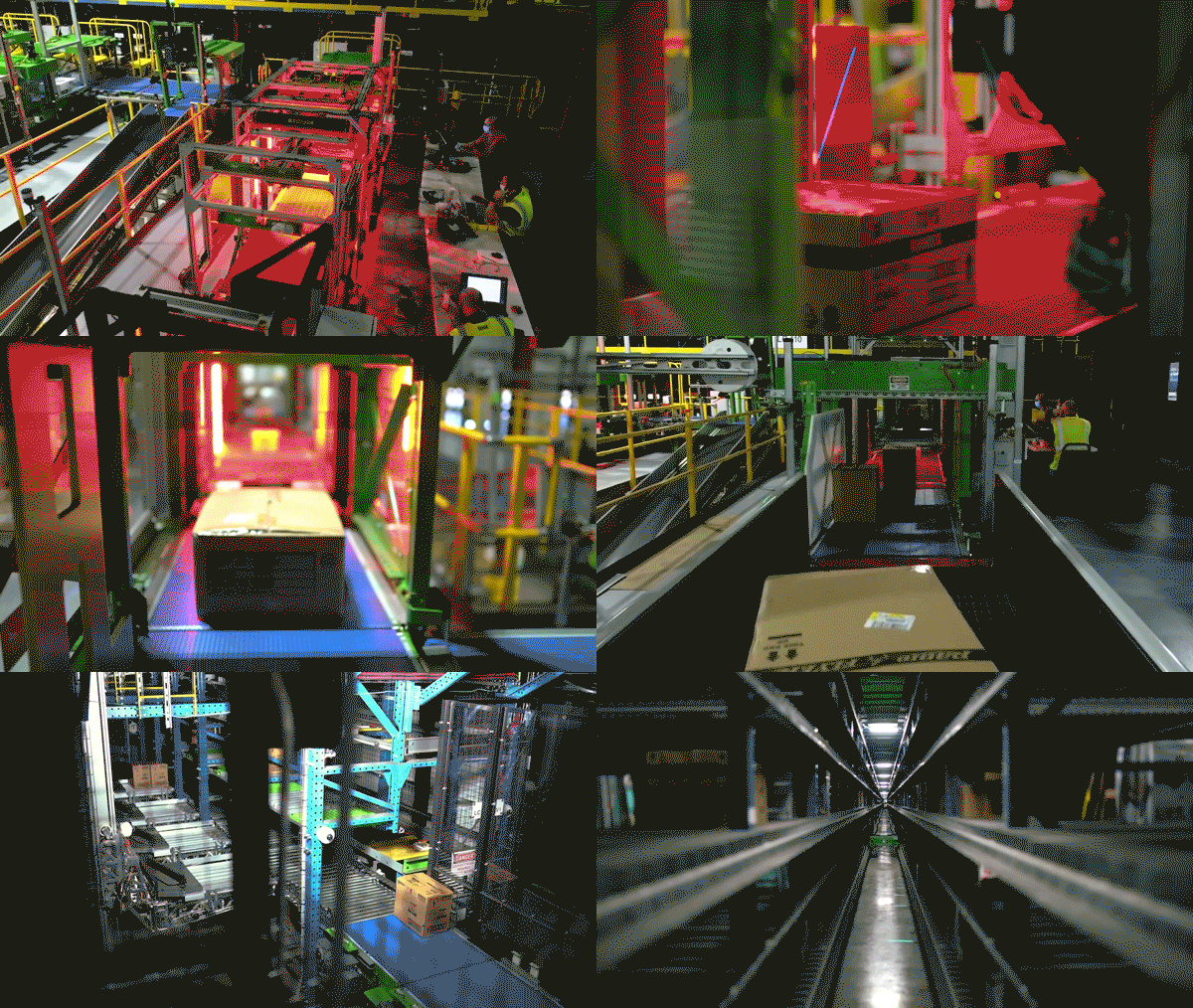
Walmart’s latest comments around same-day fulfillment, 30-minute delivery windows, AI-driven inventory positioning, and supply chain automation should be a wake-up call for the entire retail industry.
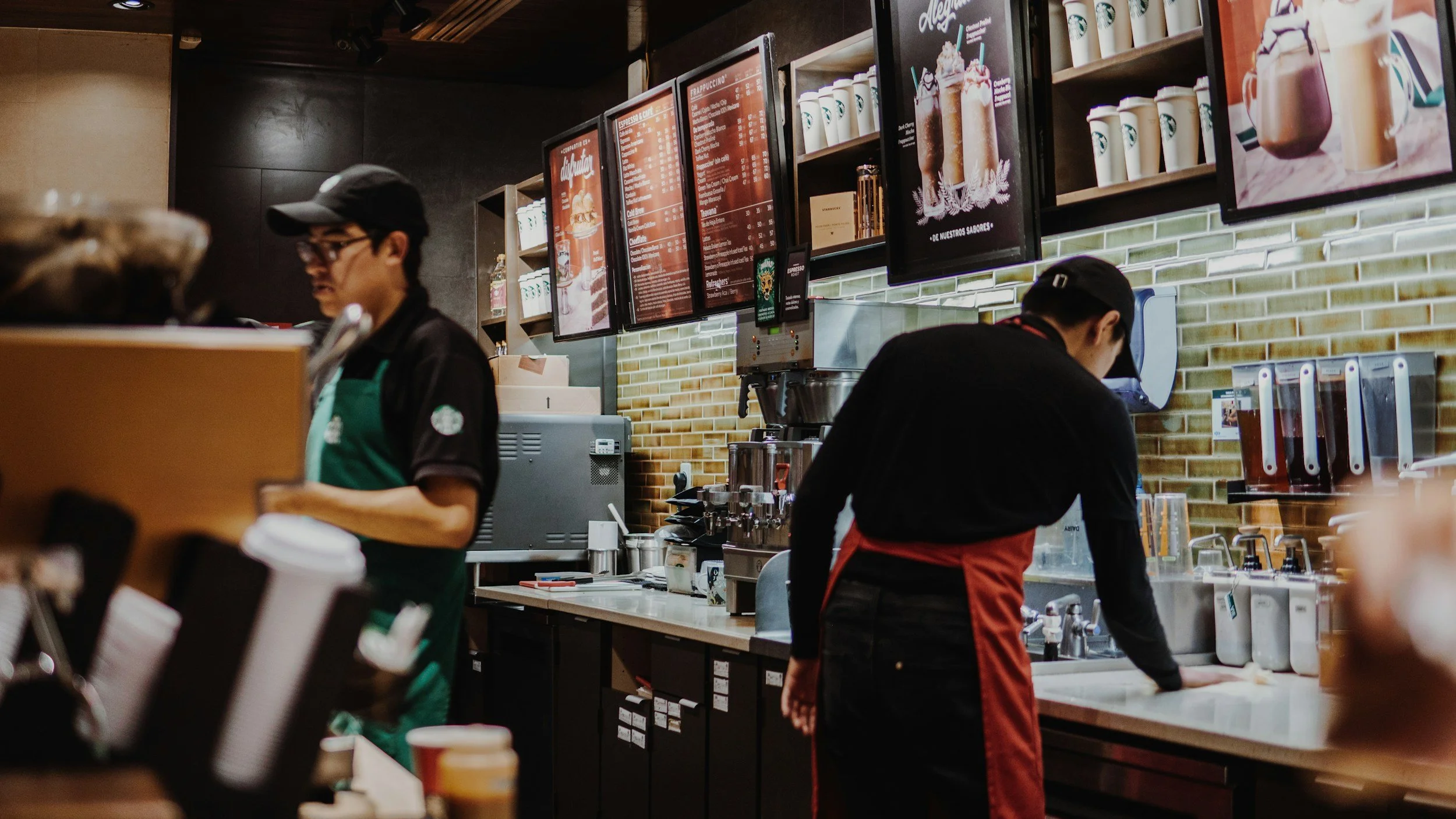
The promise made to Starbucks CEO Brian Niccol was enticing. To eliminate persistent product shortages that hurt sales, the company deployed an automated counting system.
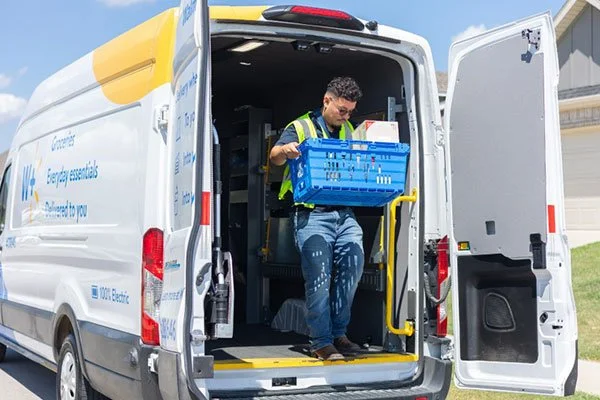
The retail giant is using unlikely spaces to push against Amazon’s recent strategies to capture more customers.

Traditional WMS lacks the real-time visibility into the availability of automated materials handling equipment that a WES brings to the table.
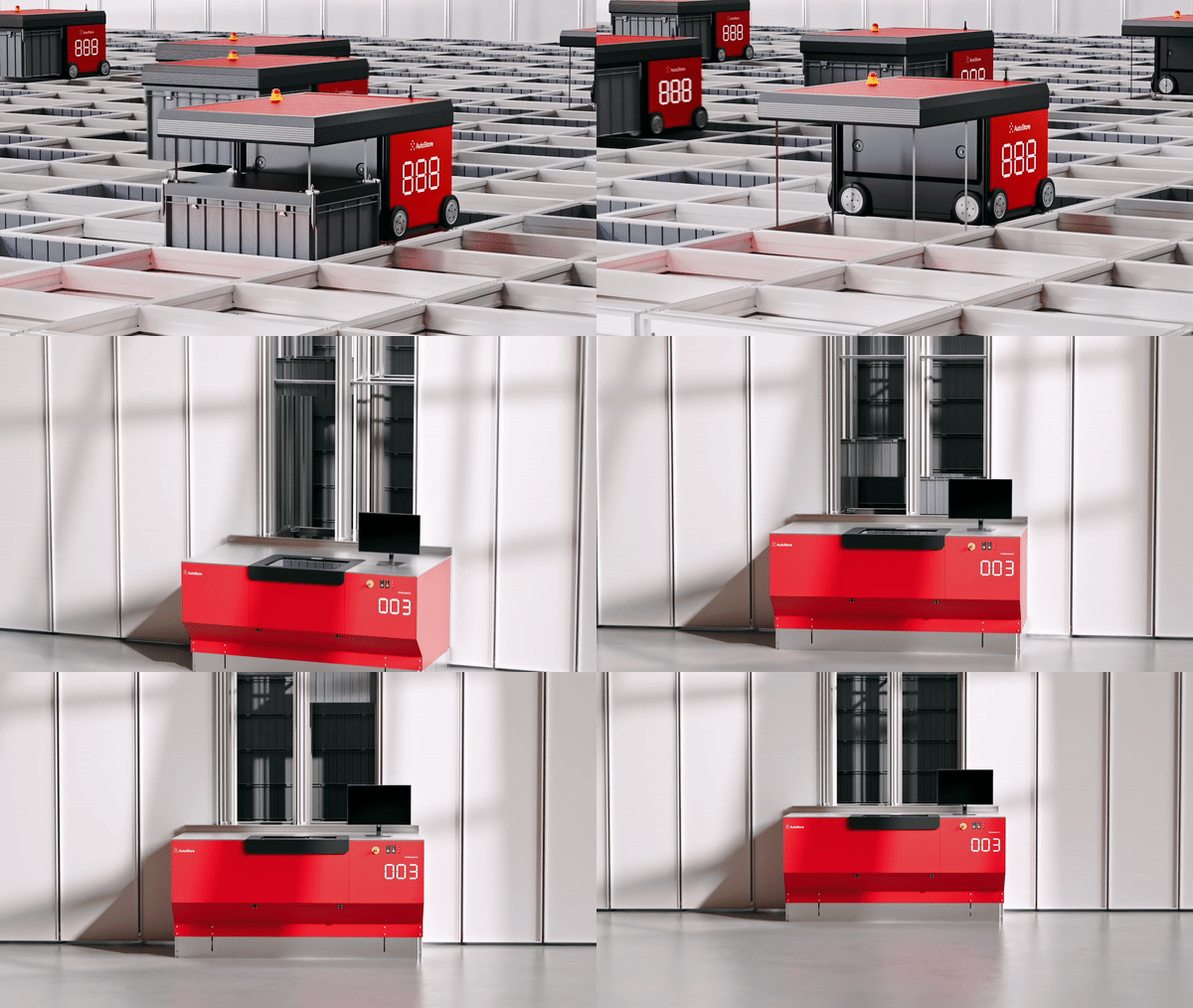
Ulta Beauty has selected AutoStore technology for its new Utah regional distribution hub supporting both stores and growing e-commerce fulfillment.
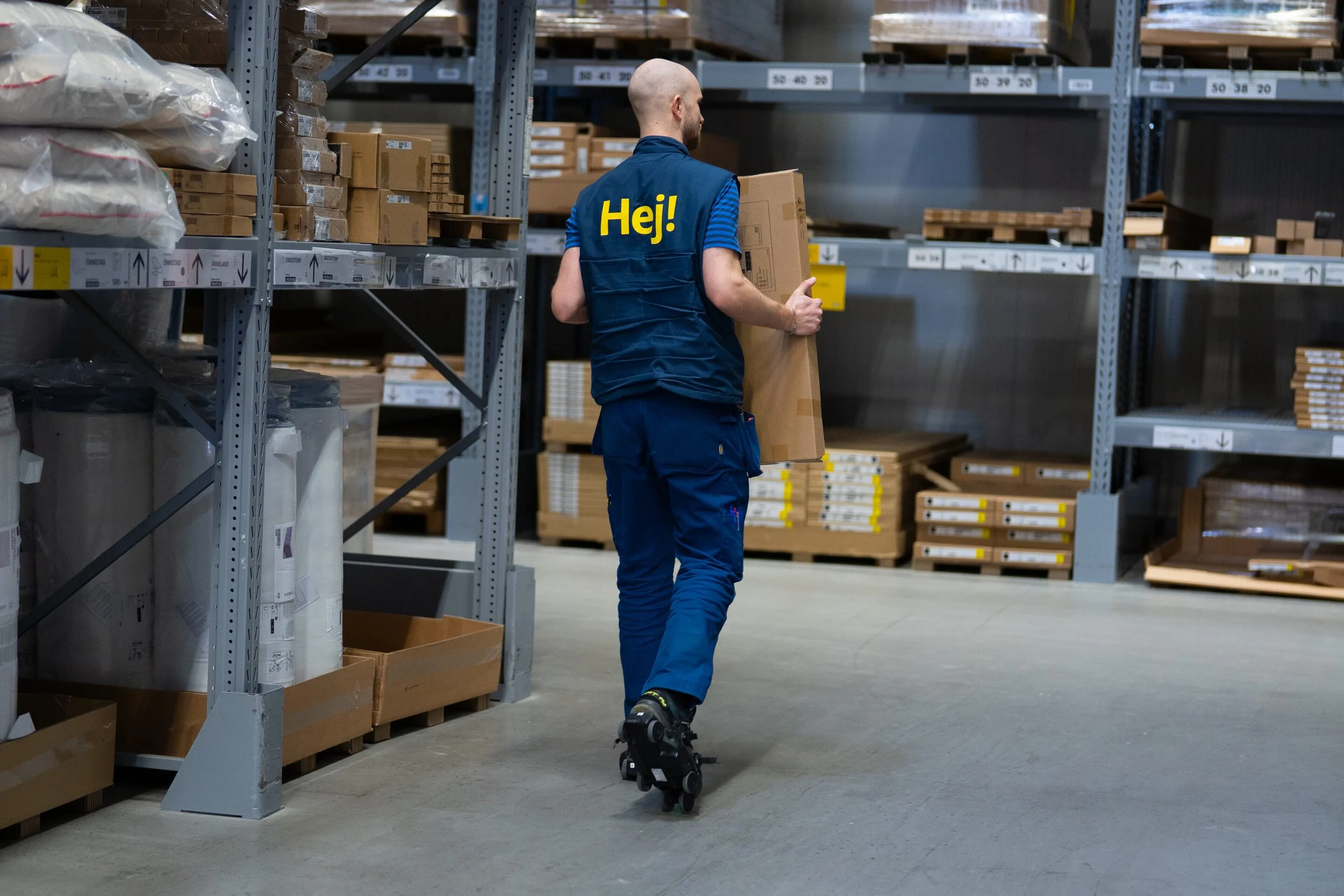
Ikea is testing robotic boots in Helsingborg, Sweden, to speed up order picking and reduce physical strain. Initial measurements showed that employees walked up to twice as fast, and average hourly picking productivity increased by 16%.
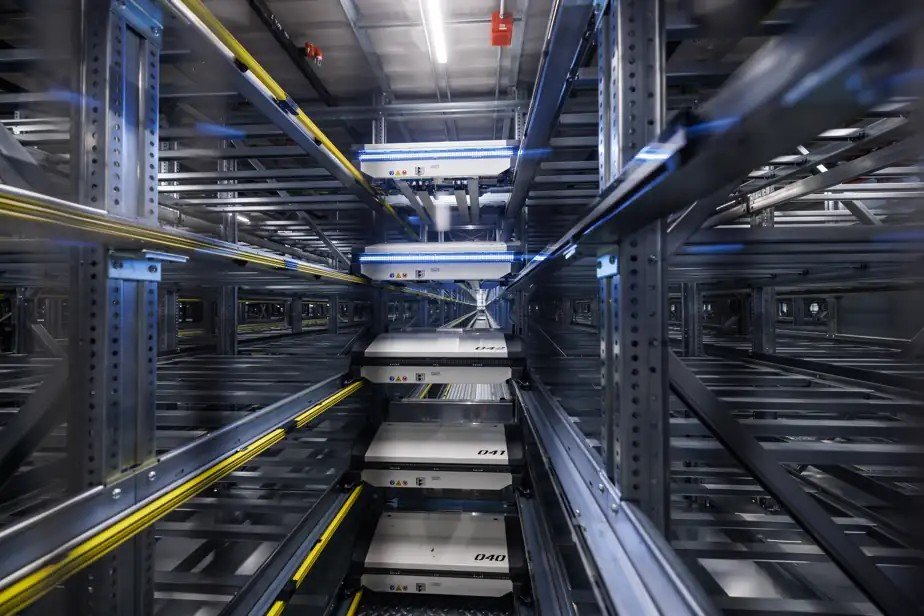
The cost of the SAQ's automated distribution center project, scheduled to begin operations next year, has gone from $48.5 million to $300 million in four years.
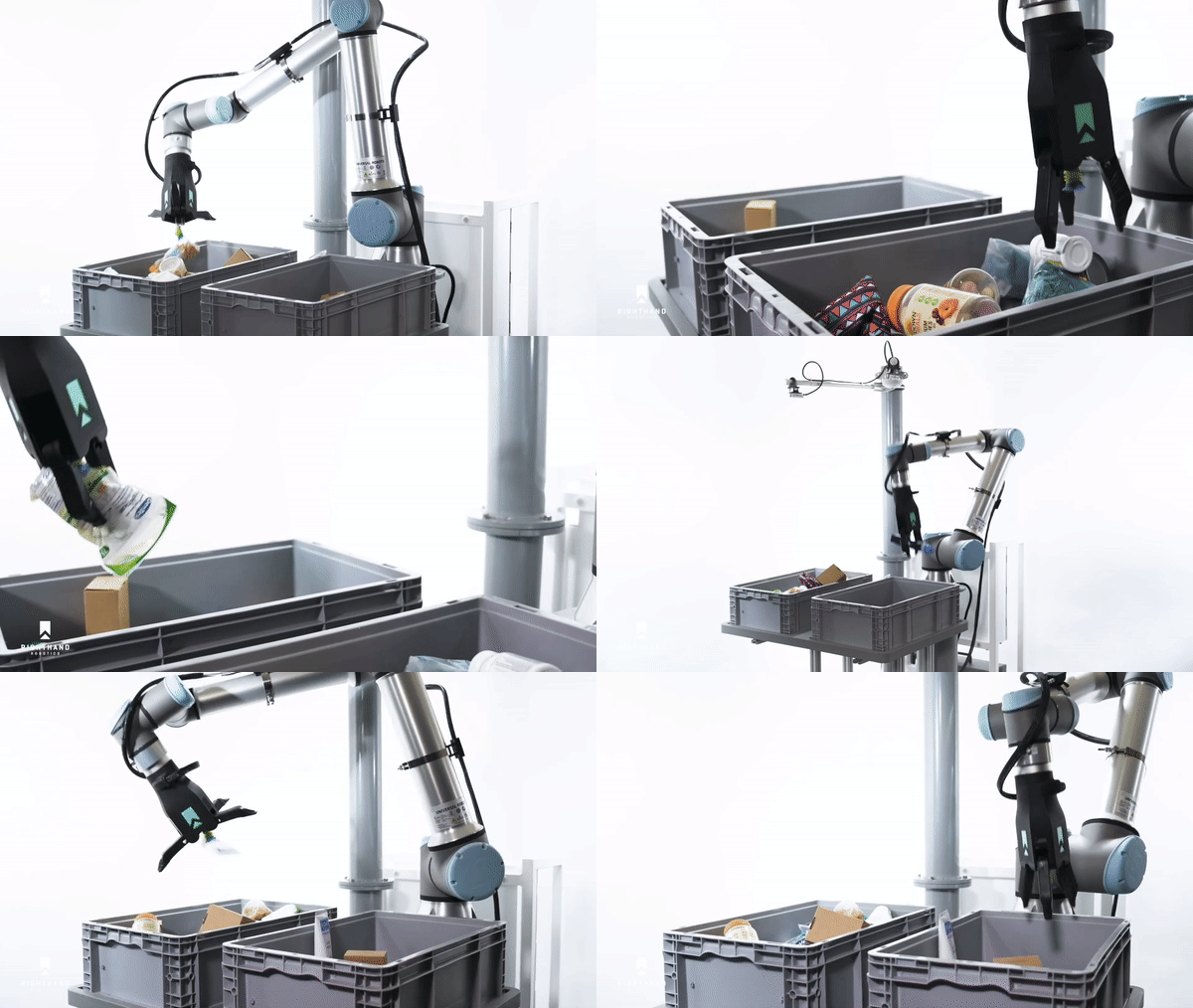
Piece-picking robots are currently one of the hottest solutions in warehouse automation
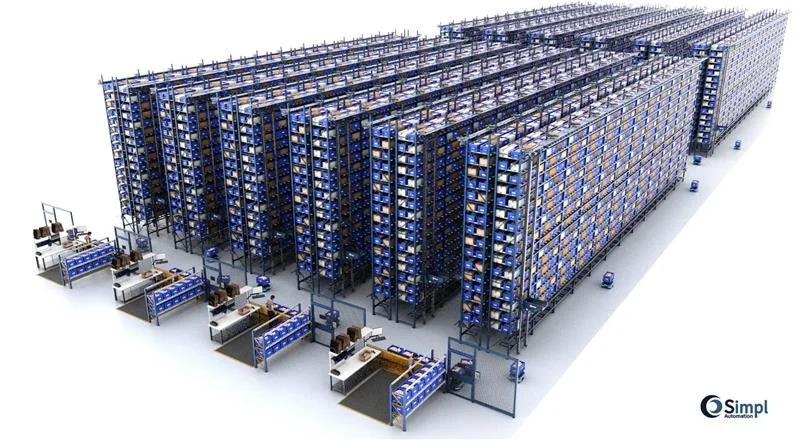
Home Depot acquires warehouse tech firm to boost fulfillment strategy
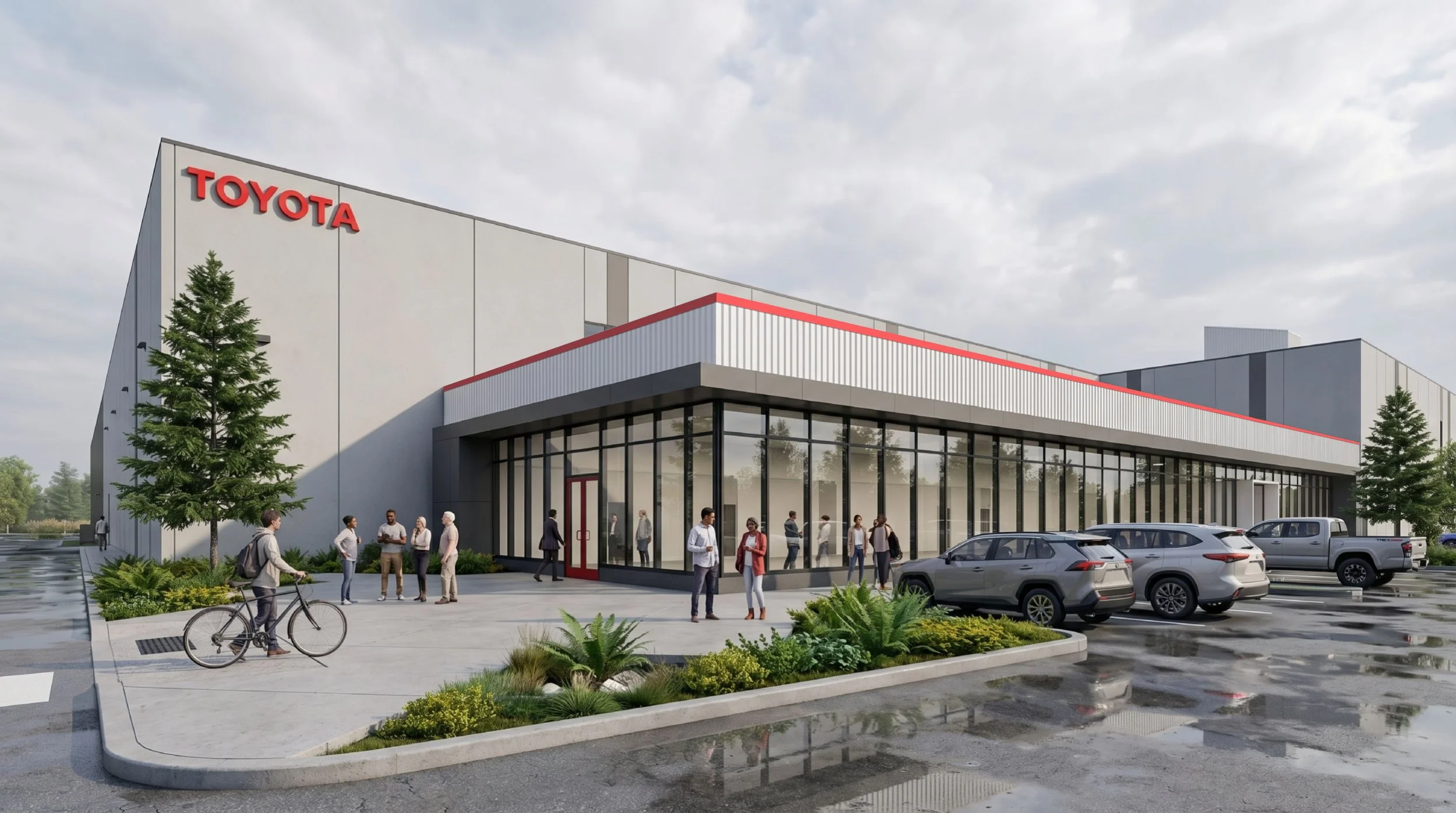
The Surrey facility will primarily serve British Columbia, while Calgary will cover Alberta, Saskatchewan, and surrounding regions.
At Hannover Messe 2026, SAP and Vodafone showcased a pilot conducted at Vodafone’s warehouse in Duisburg,