
U.S. Online Grocery Sales Jump 19% in 2024
The US eGrocery market saw a significant boost in December 2024, with sales climbing to $9.6 billion, an 18.7% increase compared to the same month the previous year. This growth marks the fifth consecutive month where eGrocery sales have exceeded $9.5 billion, capping off a year that saw a notable shift in consumer behaviour.
A Tale of Two Halves
The year 2024 can be effectively divided into two distinct periods for eGrocery sales. The first half of the year experienced flat growth, with only a 0.3% increase compared to the first half of 2023. However, the second half of 2024 witnessed a remarkable surge of 17.7% year-over-year growth, driving overall annual sales up by 9.1% compared to 2023. This dramatic shift is primarily attributed to the widespread availability of deep discounts on annual subscriptions and memberships.
The Power of Discounts
The introduction of substantial discounts, ranging from 33% to 80% off, by various marketplace providers, mass retailers, and supermarkets, proved to be a significant catalyst for growth. These discounts resonated with consumers, offering them an opportunity to save money and encouraging them to invest in specific providers. This increased investment led to more frequent orders, benefiting providers with a larger share of the grocery wallet, as well as improved customer engagement and retention.
Delivery, Pickup, and Ship-to-Home All See Gains
All three primary methods of receiving online grocery orders—delivery, pickup, and ship-to-home—saw a positive shift in sales performance in the second half of 2024.
Delivery: Growth jumped from less than 4% in the first half of the year to over 25% in the second half. In December 2024, delivery sales reached $4.0 billion, a 24.6% YOY increase, accounting for 41.7% of total eGrocery sales.
Ship-to-Home: Growth also increased dramatically, from 5% to approximately 20% between the two halves of the year. December 2024 sales surged nearly 40% YOY to $1.8 billion, contributing 18.9% of total eGrocery sales.
Pickup: This method shifted from a 4% decline in the first half to nearly an 8% gain in the second half. Pickup sales in December 2024 climbed 5.3% YOY to $3.8 billion, accounting for 39.4% of the market share.
Challenges for Grocery Operators
Despite the overall growth in the eGrocery market, grocery operators face stiff competition from mass retailers. Over half of all monthly active users (MAUs) completed online grocery orders with a mass retailer in December 2024, compared to only approximately one-third with a grocery operator. Furthermore, a third of grocery's MAU base also placed orders with mass retailers in the same month, highlighting the challenge of retaining customers. Mass retailers also demonstrate stronger repeat customer intent for both delivery and pickup services, although the gap has narrowed compared to the previous year.
Strategies for Success
To compete effectively, regional grocers are advised to focus on delivering real savings and targeted loyalty perks. By leveraging AI-driven personalisation and integrated loyalty solutions, grocers can convert occasional shoppers into loyal digital customers, driving repeat orders and larger baskets across both online and in-store channels.
Key Takeaways
The eGrocery market experienced significant growth in December 2024, reaching $9.6 billion.
Deep discounts on subscriptions and memberships fuelled growth in the second half of 2024.
All three fulfillment methods—delivery, pickup, and ship-to-home—saw substantial sales increases.
Grocery operators face stiff competition from mass retailers and need to focus on loyalty and personalised offers.
This data is based on the Brick Meets Click/Mercatus Grocery Shopper Survey, an ongoing independent research initiative. The survey was conducted on December 30-31, 2024, with 1,694 adult participants.

Amazon’s Project Tetromino Takes Aim at the Last Mile’s Hardest Automation Problem.
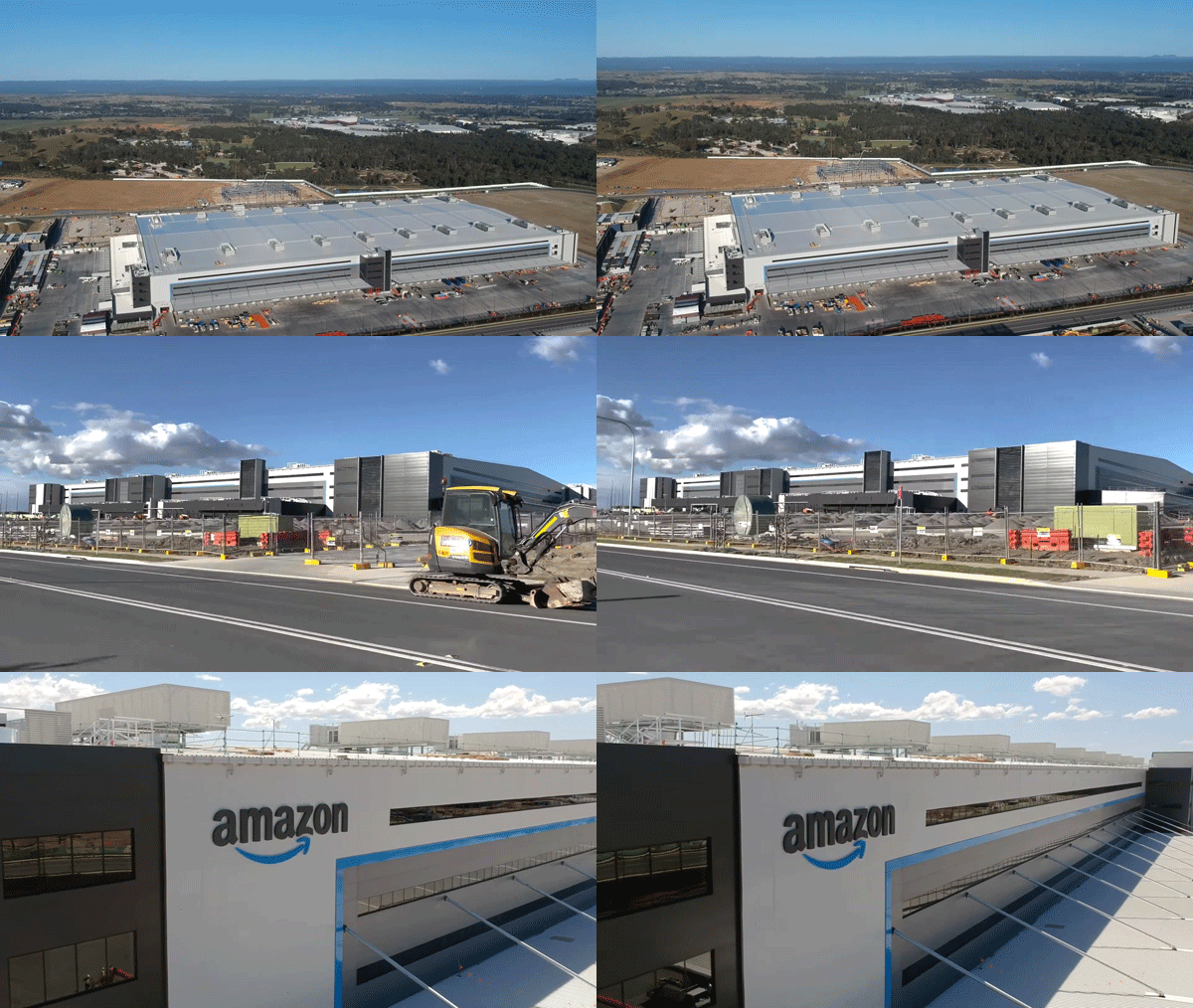
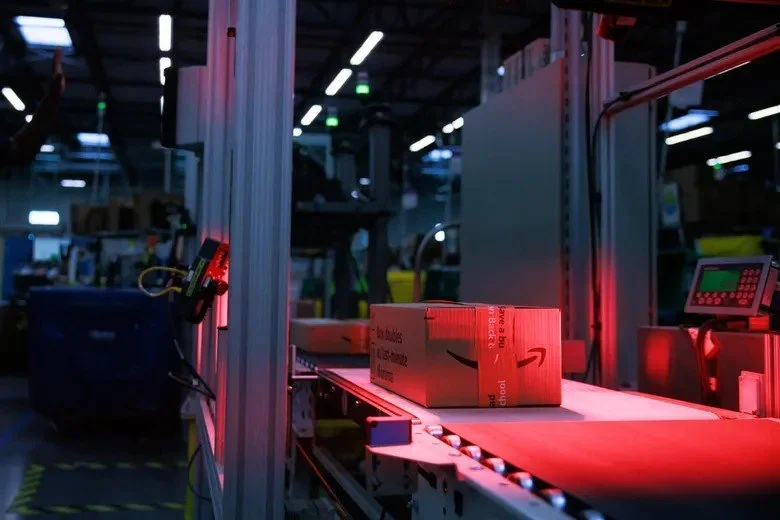
If you’ve ever wanted to see inside one of Amazon’s fulfilment centres, here’s your chance to see how your online shopping cart gets to your doorstep.
Amazon announced a major €10 billion investment to expand and modernize its European fulfillment network.
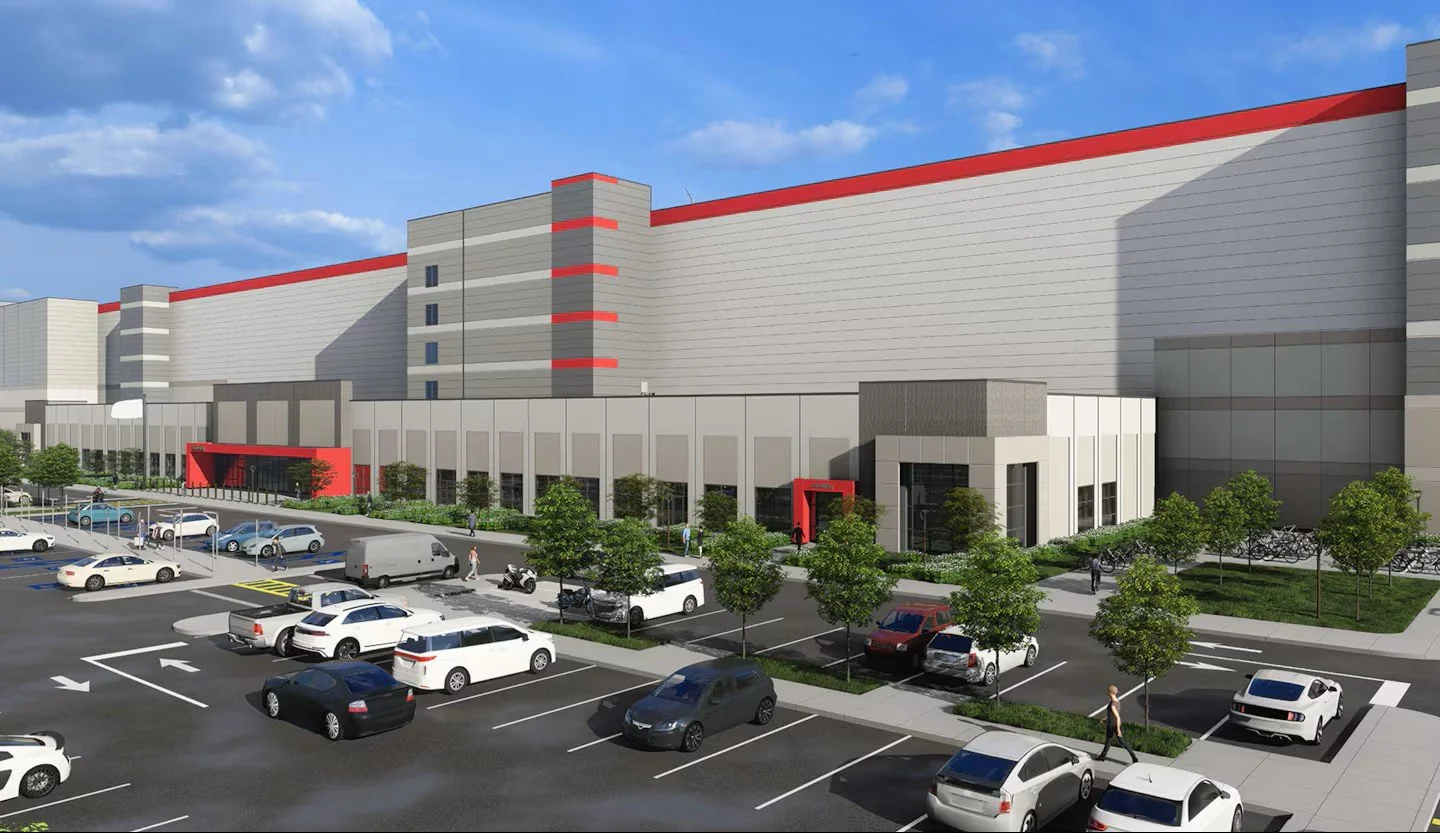
Amazon is dismantling part of its largest facility under construction in Ottawa — a rare move that suggests a shift in how the site is being designed and automated.

Amazon is essentially "franchising" its fulfillment infrastructure to solve the rural density problem.
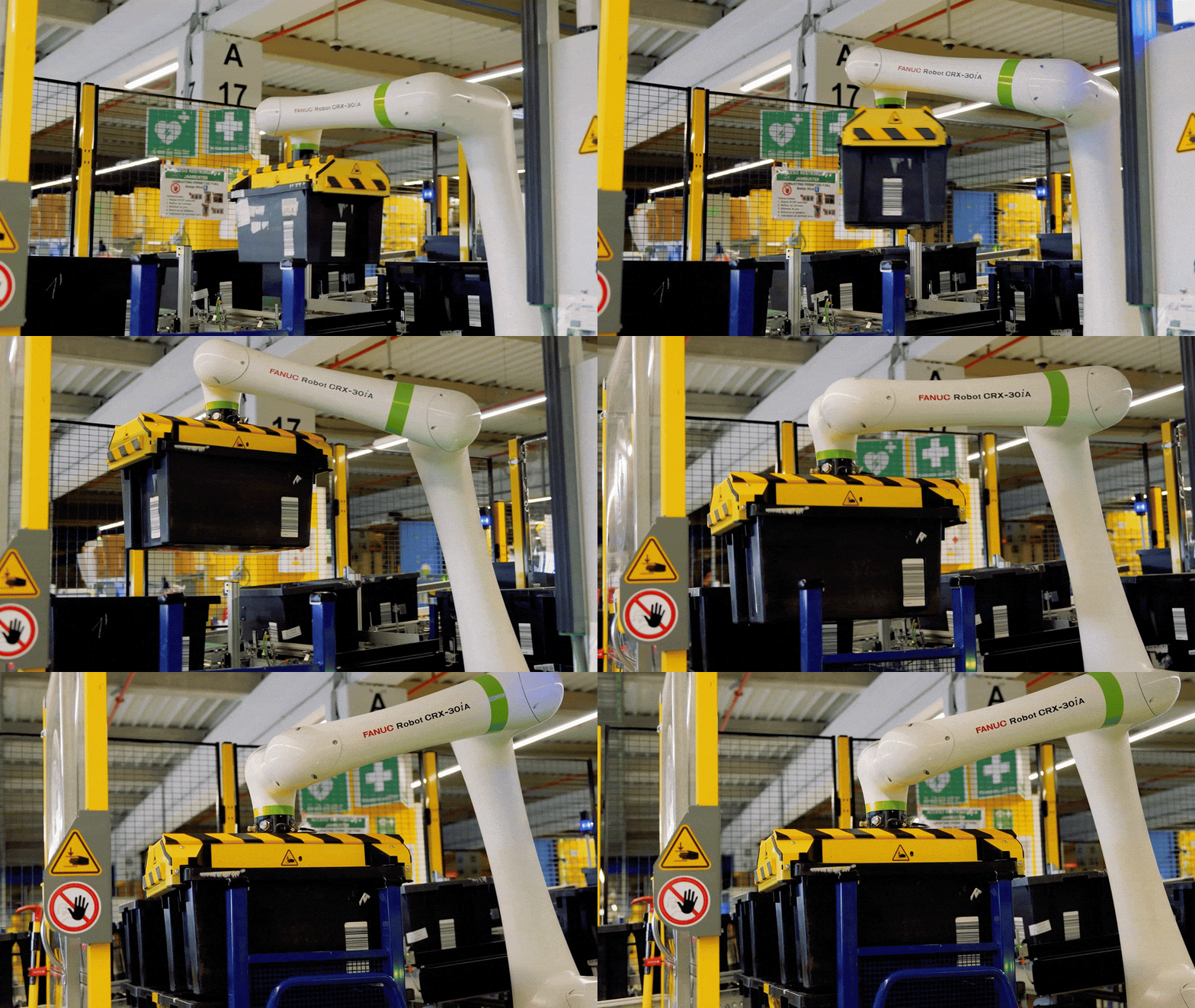
The robots inside Amazon's Kent Fulfillment Center are getting smarter — and the company is pressing forward with new technology.
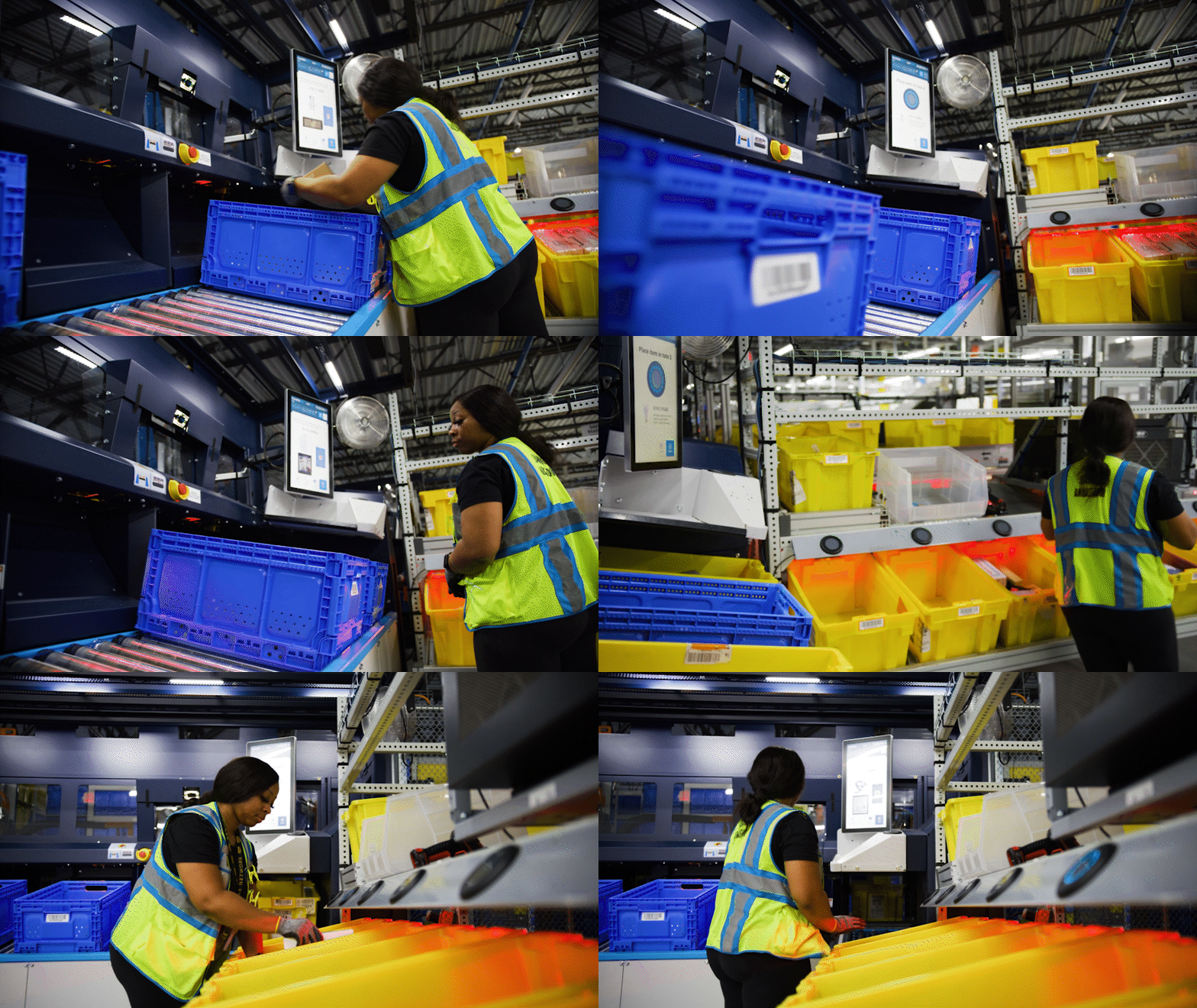
Amazon did not achieve this speed through a single breakthrough technology
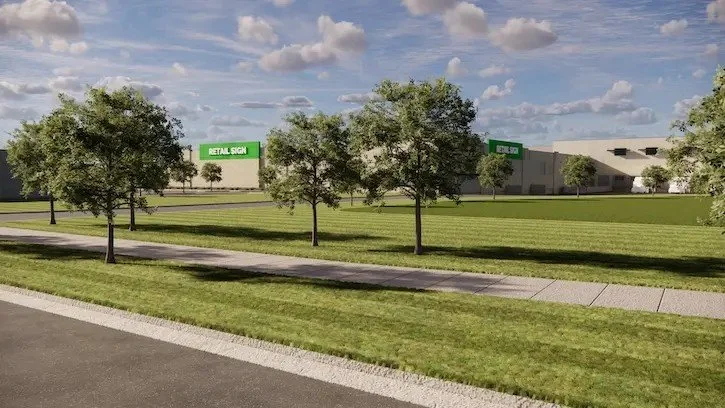
What the Orland Park retail proposal reveals about Amazon’s push into Walmart-scale physical retail

The model is specifically built for single-item, impulse, and urgent purchases, a category with high repeat potential and strong margin dynamics once density is optimized.

Amazon has opened a new kind of warehouse in Elkhart, Indiana — one that challenges nearly every convention in logistics facility design.
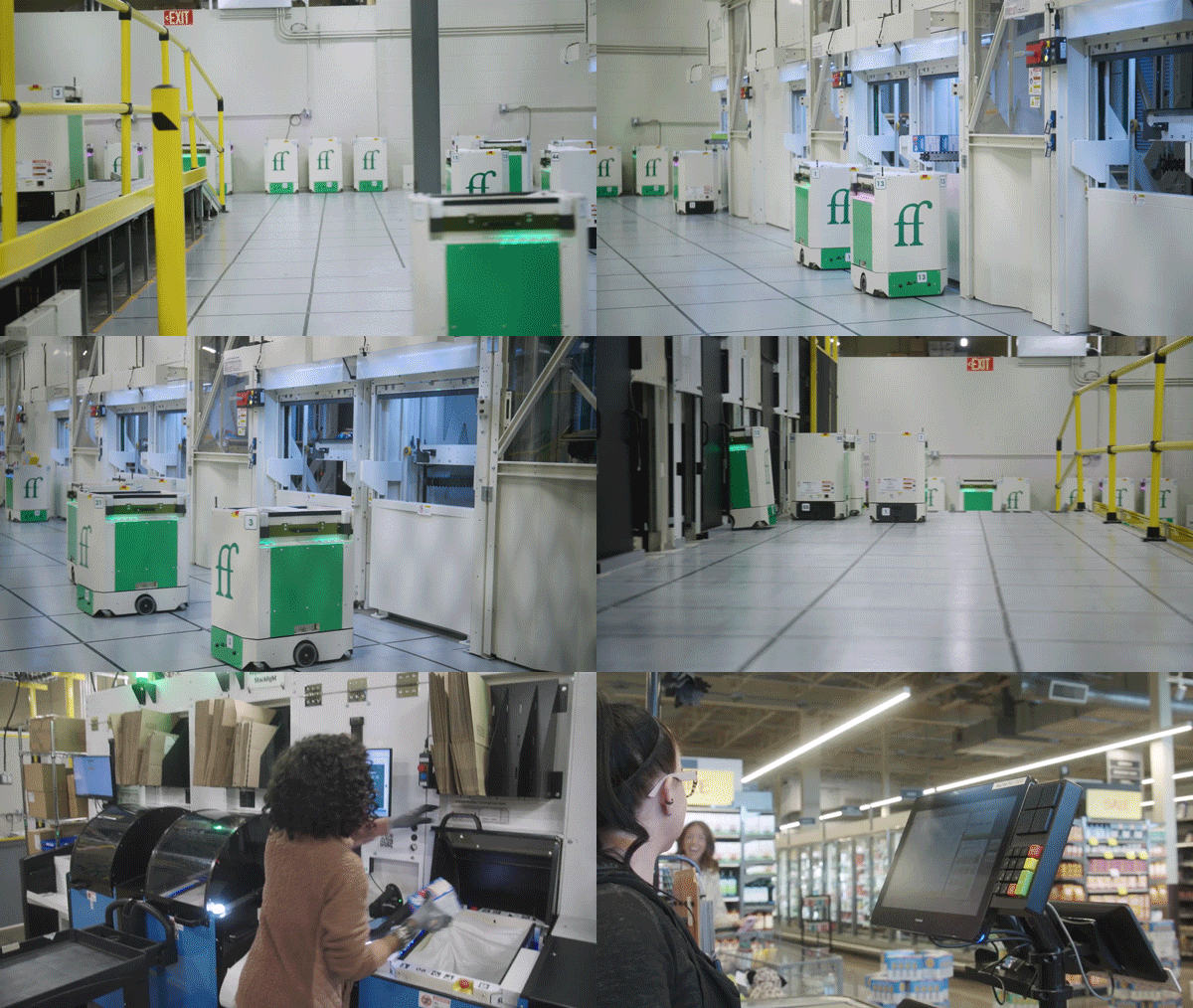
Amazon has built a 10,000-sq-ft automated micro-fulfillment center inside Whole Foods — where customers can scan, order, and pick up items in minutes.

These smaller, high-velocity facilities store frequently purchased products—from fresh food and groceries to personal-care items and small electronics.

Meet Sparrow, Cardinal and Proteus. They’re the robots that, step by step, are replacing human workers in the company’s warehouses.
Amazon Robotics' Chief Technologist discusses his journey to helping the world's largest retailer deploy one million robots.

Amazon’s new smart glasses bring AI and computer vision directly into the delivery workflow.

Amazon is taking steps to address how artificial intelligence and automation is changing its workforce.

It’s built to do something no other Amazon robot has done before — perform multiple tasks at once.

The offer builds on Amazon fulfillment service for merchants on other sales channels, including eBay, Etsy, Temu and TikTok Shop.

Ever wondered how that Amazon package arrives on your doorstep with remarkable speed?
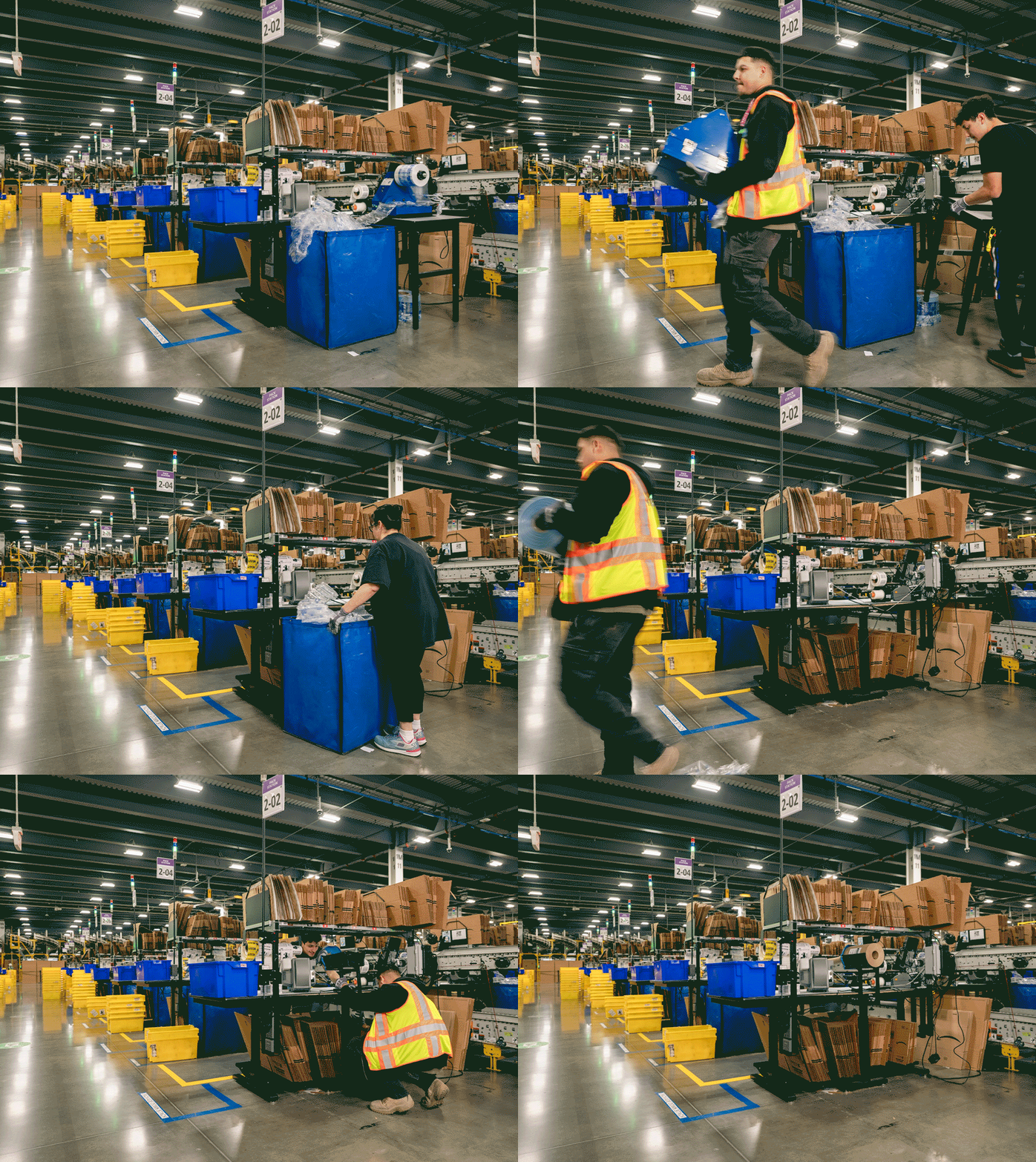
Amazon’s Ohio facility was its first U.S. center to eliminate plastic delivery packaging,

A worker loads a truck for shipment at the Amazon MCO-01 robotic fullfillment center in Orlando.
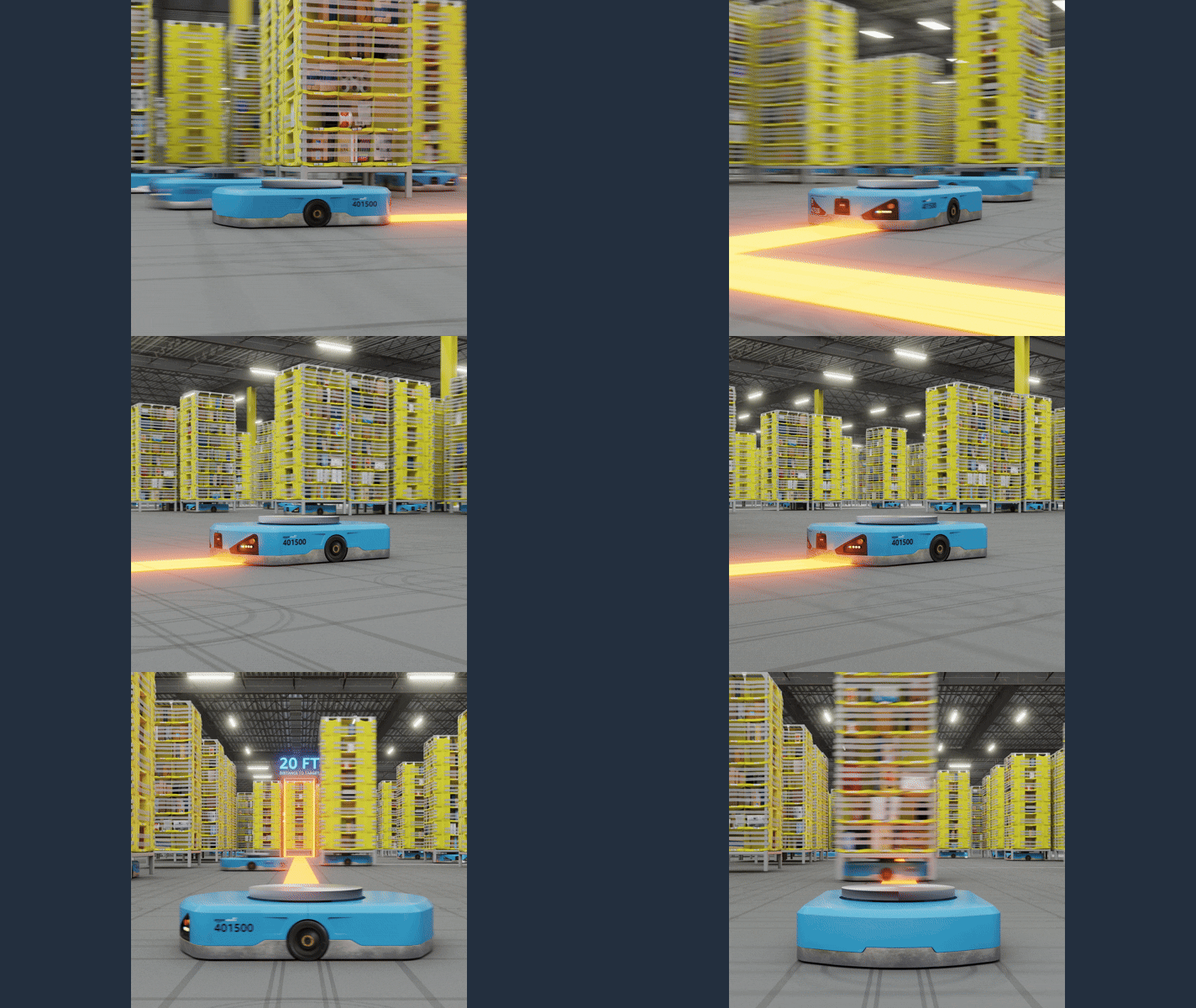
Amazon Robotics Vice President explains how robots are helping Amazon employees deliver on Prime Day.

Amazon UK has announced a national roll-out of its partnership with on demand delivery specialist Gopuff.

But for the right buyer, these assets could offer not just a salvage opportunity—but strategic leverage.

The retailer will soon use custom box-making technology to reduce waste from packaging across Europe.

It’s a testbed for the convergence of agentic AI and dynamic robotics—where hardware and software fuse to reimagine the last mile.

Amazon has been on a multi-billion dollar and decade-plus long crusade to be a leader in robotics.

Online retail giant provides “Buy with Prime” service for Prime subscribers who purchase Adidas goods stored in its DCs.

Amazon just announced the expansion of one-hour and three-hour delivery across the U.S.