
Airbus Specialist Satair Launches Its Third AutoStore in Singapore
Airbus spare-parts specialist Satair has launched its third AutoStore installation, strengthening aerospace logistics capacity across Asia Pacific.
For aerospace operators, spare-parts logistics is not simply about warehouse efficiency. The speed, accuracy, and reliability of parts availability can directly affect maintenance schedules, aircraft turnaround times, and customer service levels across an entire region.
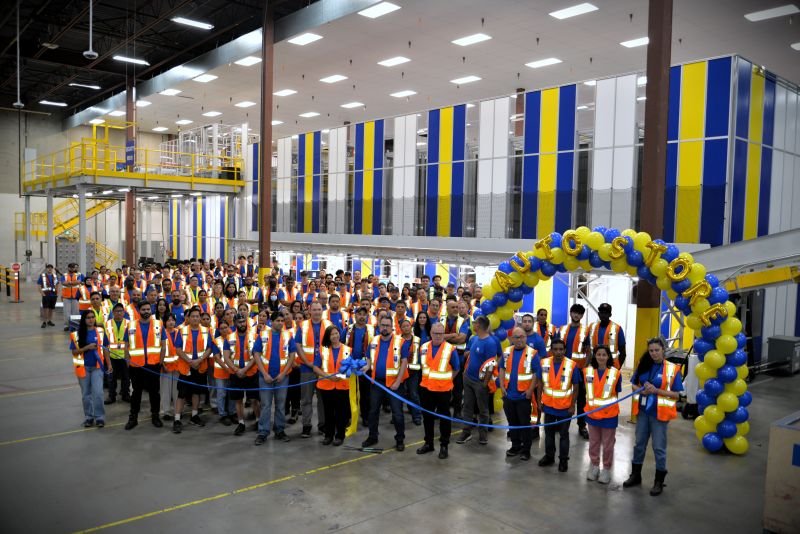
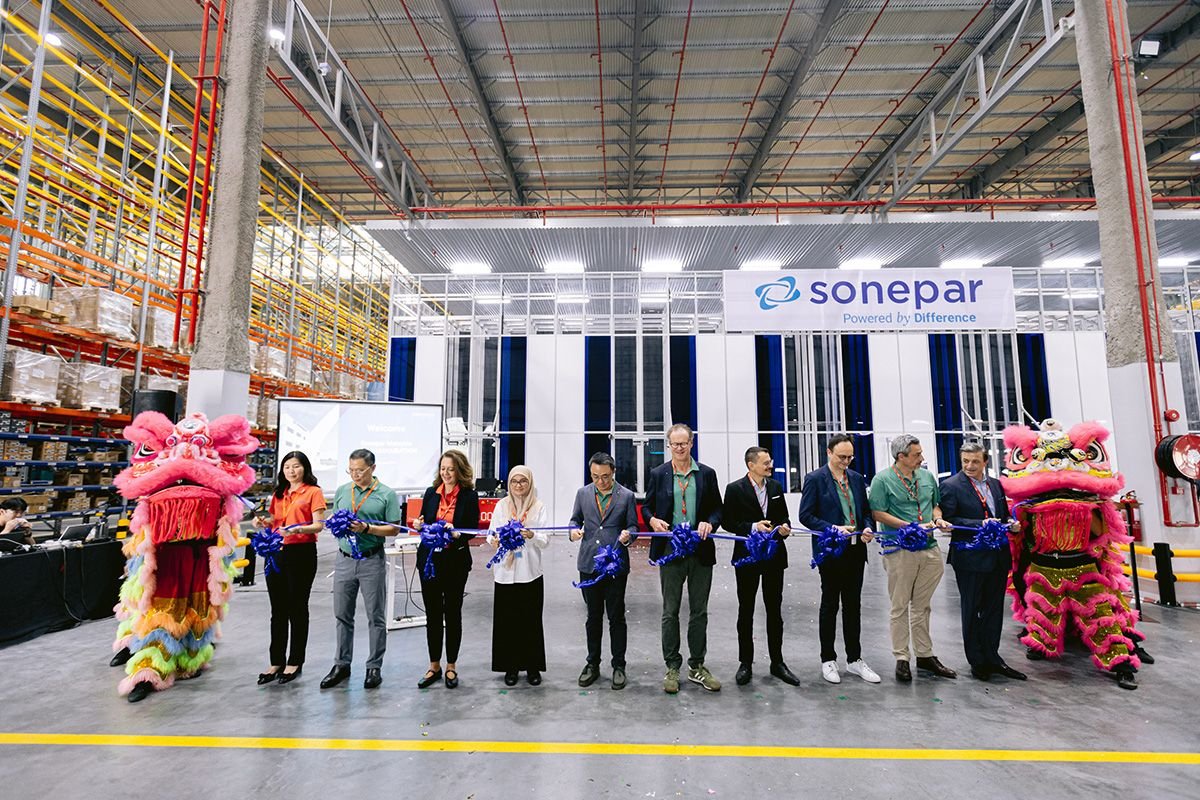
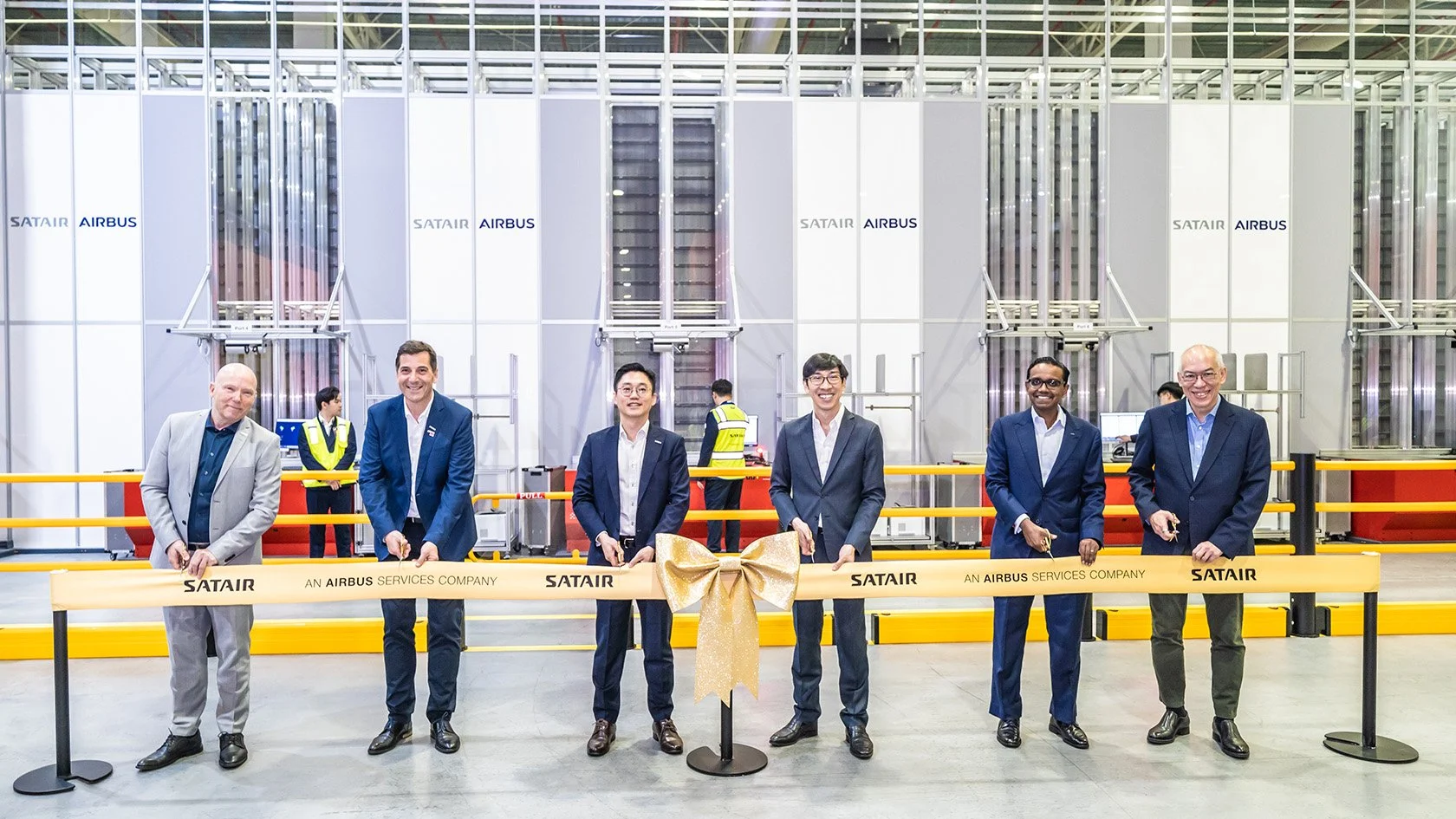
Satair, Airbus’ commercial spare-parts and logistics specialist, has officially inaugurated a new AutoStore system at its Singapore facility. The installation is the company’s third AutoStore deployment, following earlier systems in Hamburg and Dulles, and forms part of a broader global automation strategy intended to support growing demand with greater storage density, consistency, and scalability.
The Singapore project is particularly important because Asia Pacific continues to experience strong fleet growth, increasing maintenance activity, and rising demand for aftermarket parts support. Satair’s investment is designed to ensure that its regional logistics operation can expand without relying solely on additional warehouse space or manual labour.
A High-Density Spare-Parts Operation
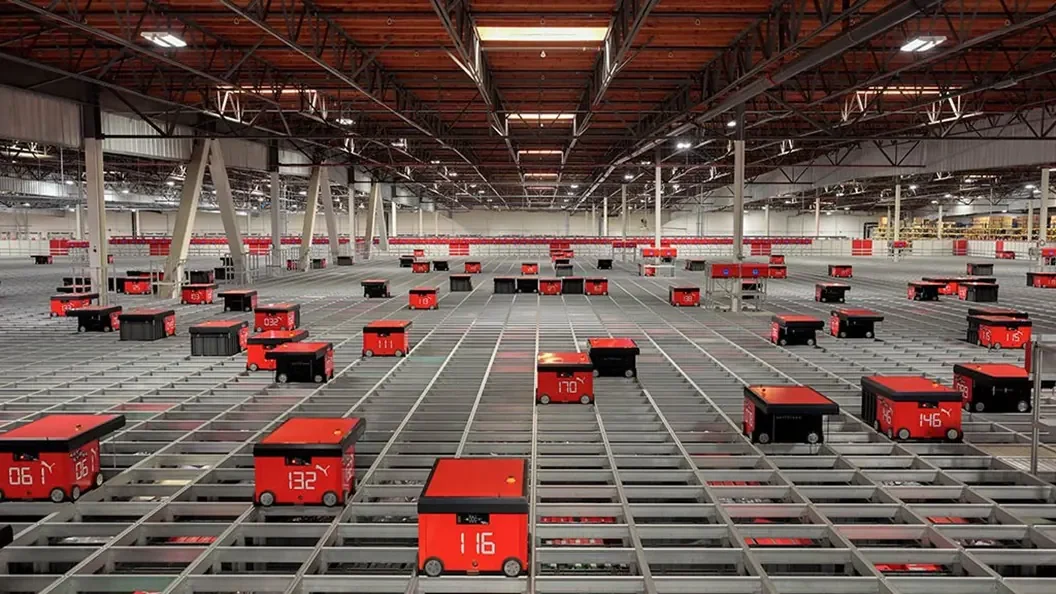
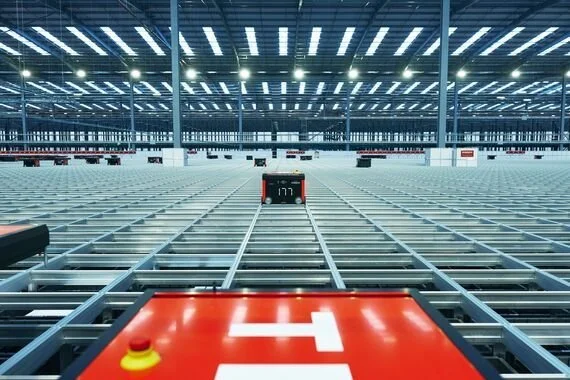
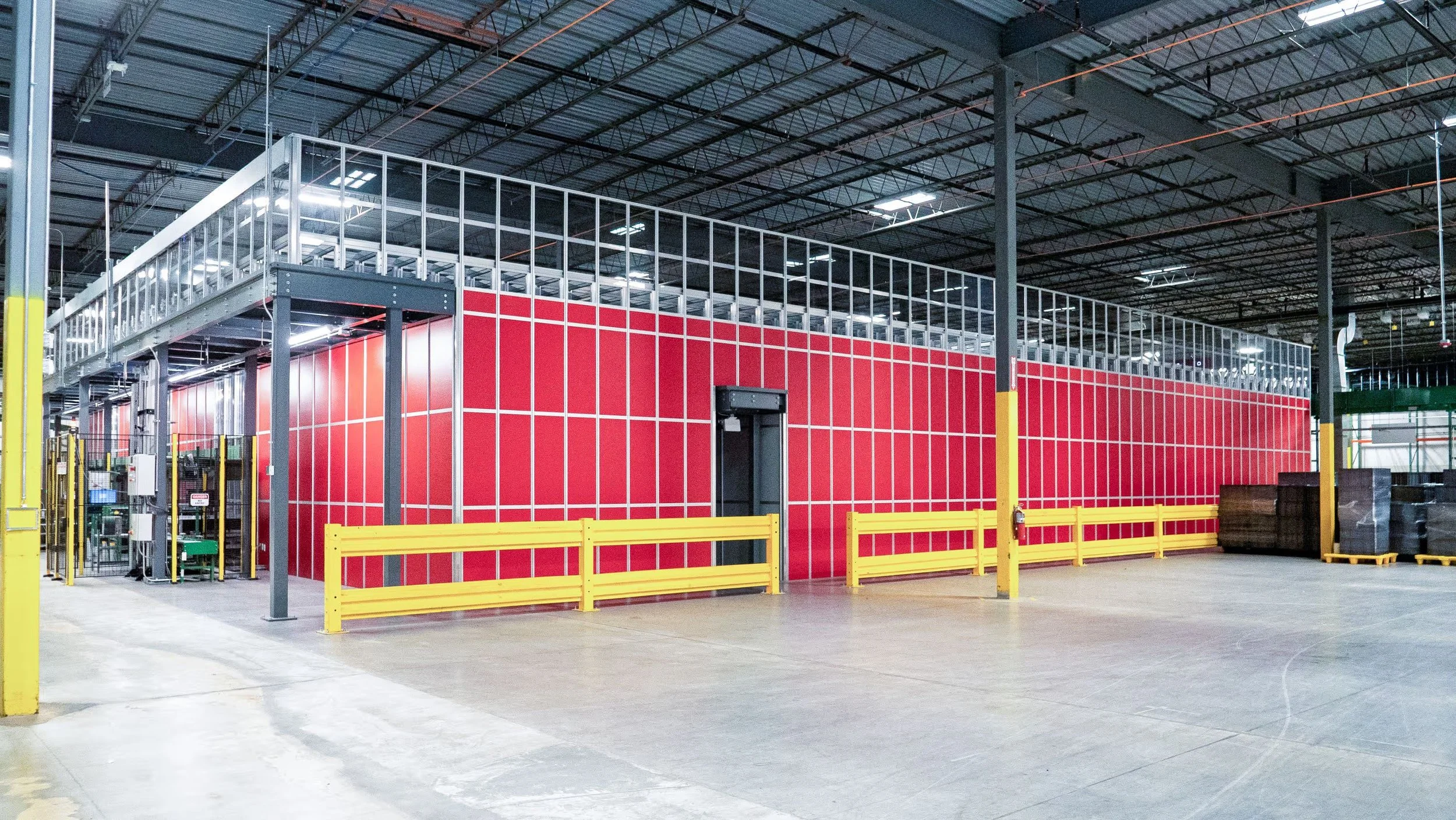
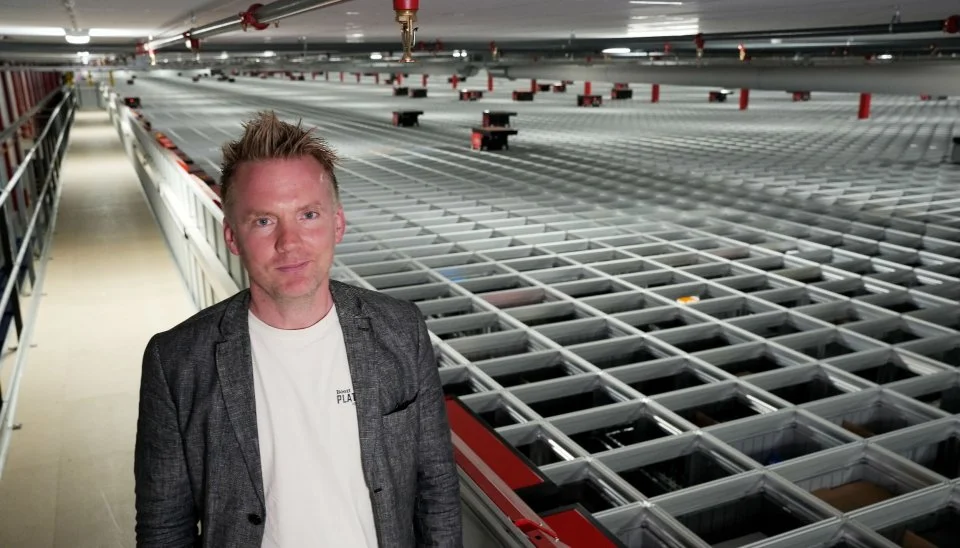
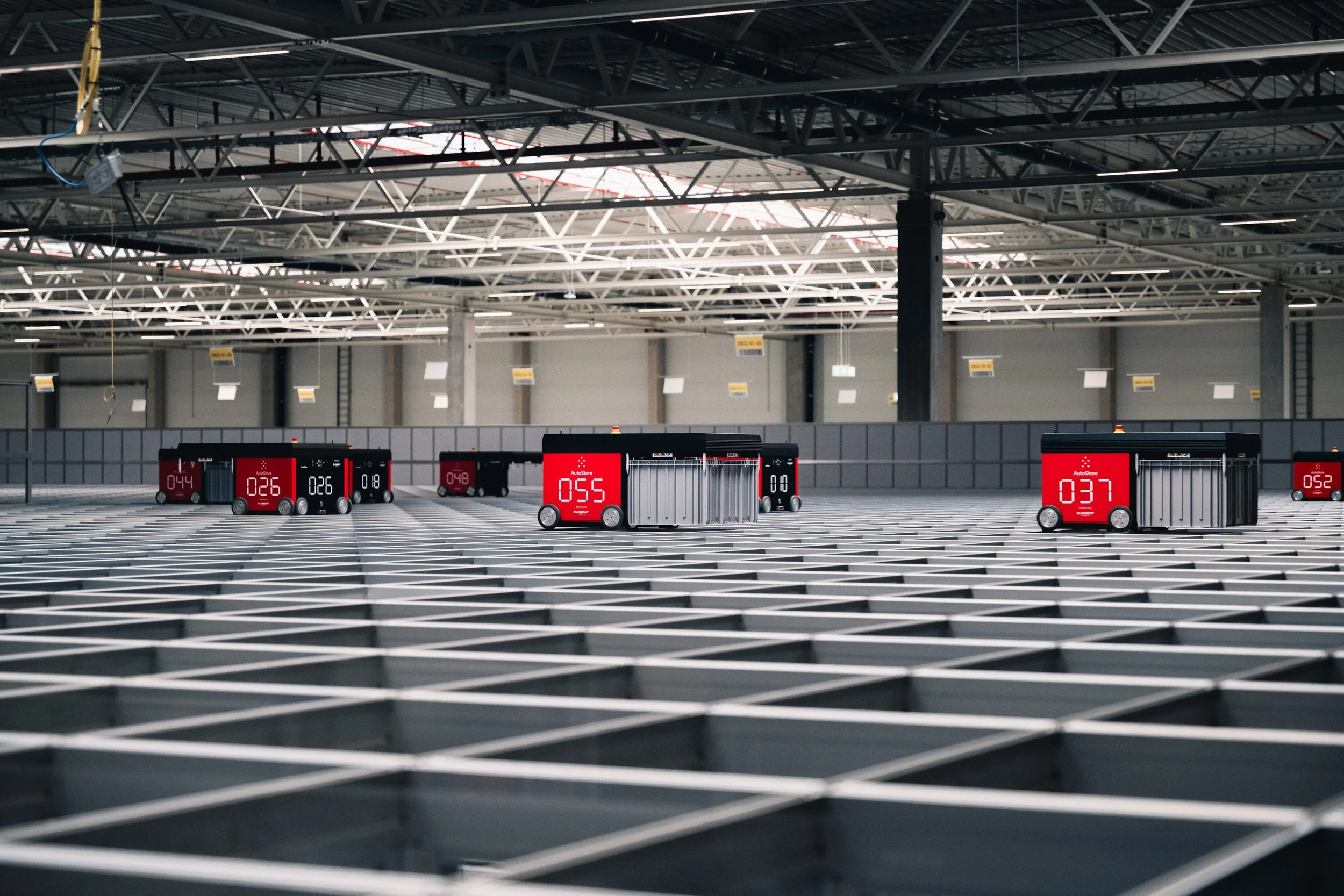
The new AutoStore system stores approximately 80% of Satair Singapore’s small and medium-sized parts inventory inside an automated cube.
The installation includes:
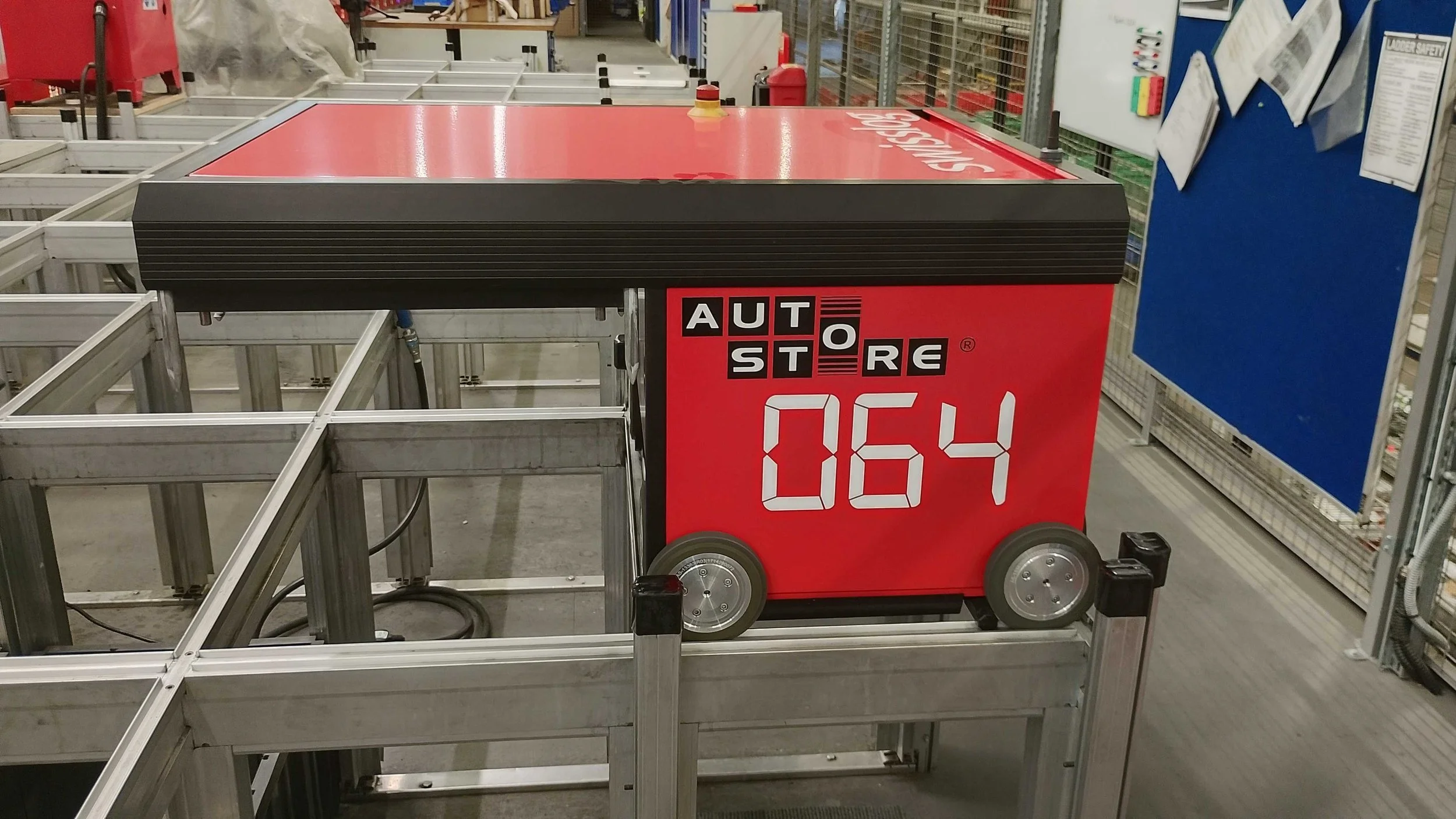
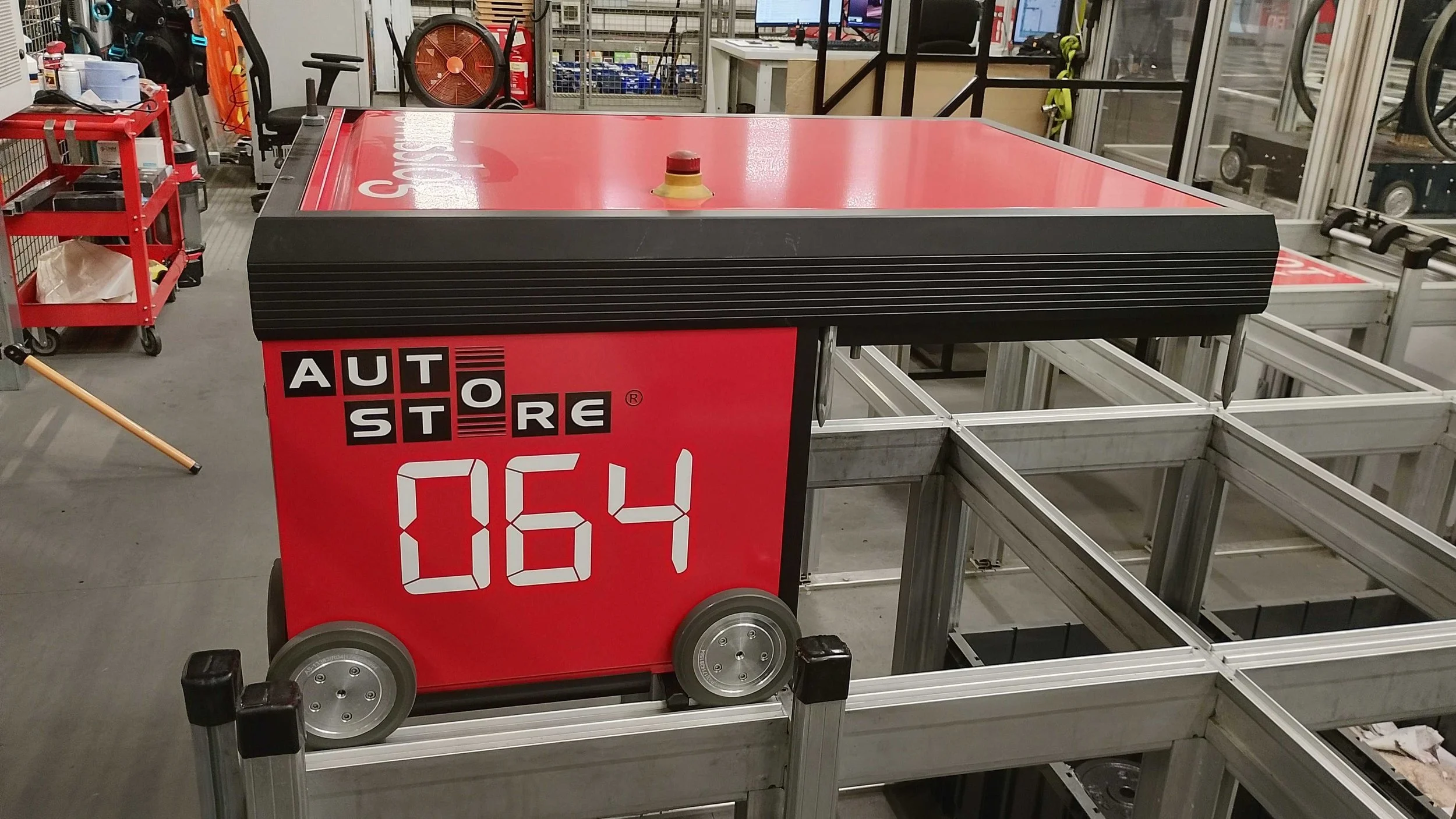
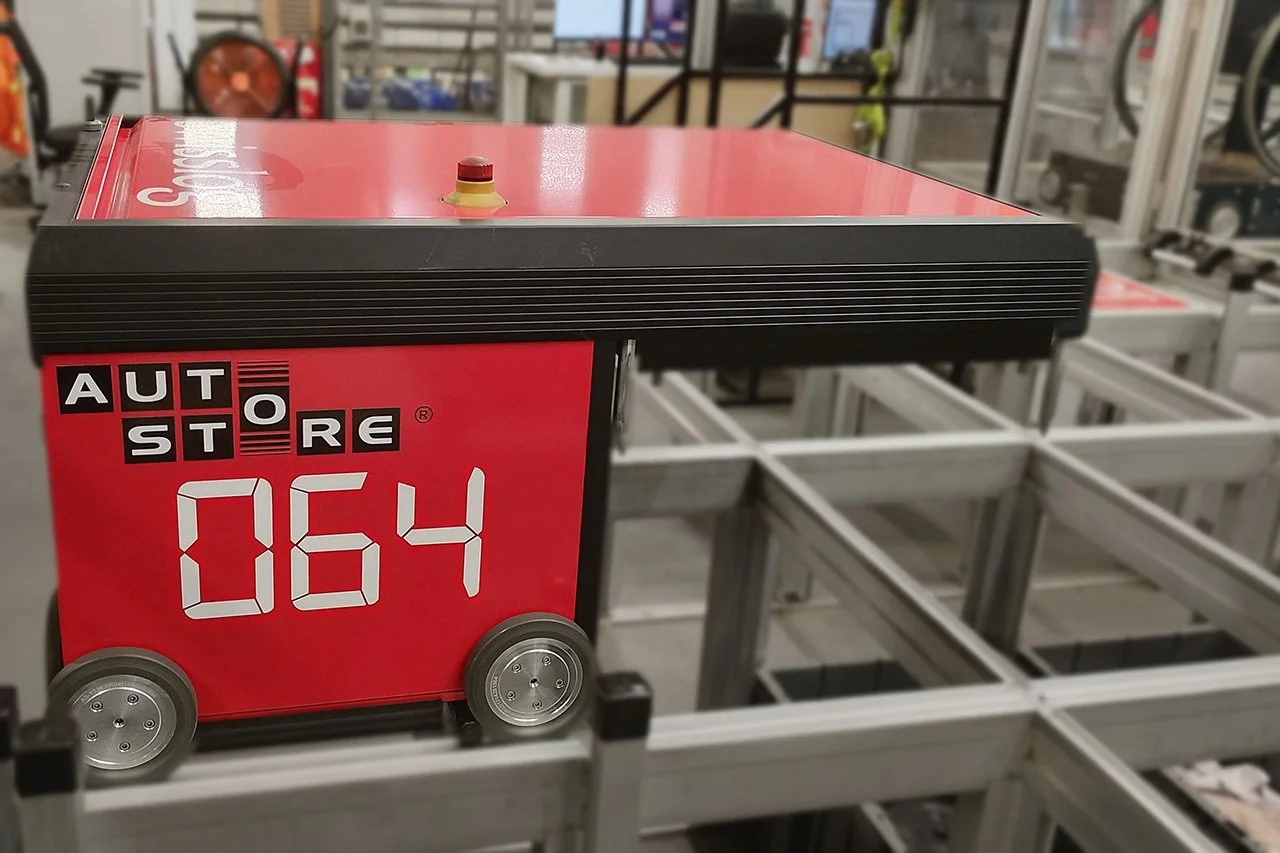
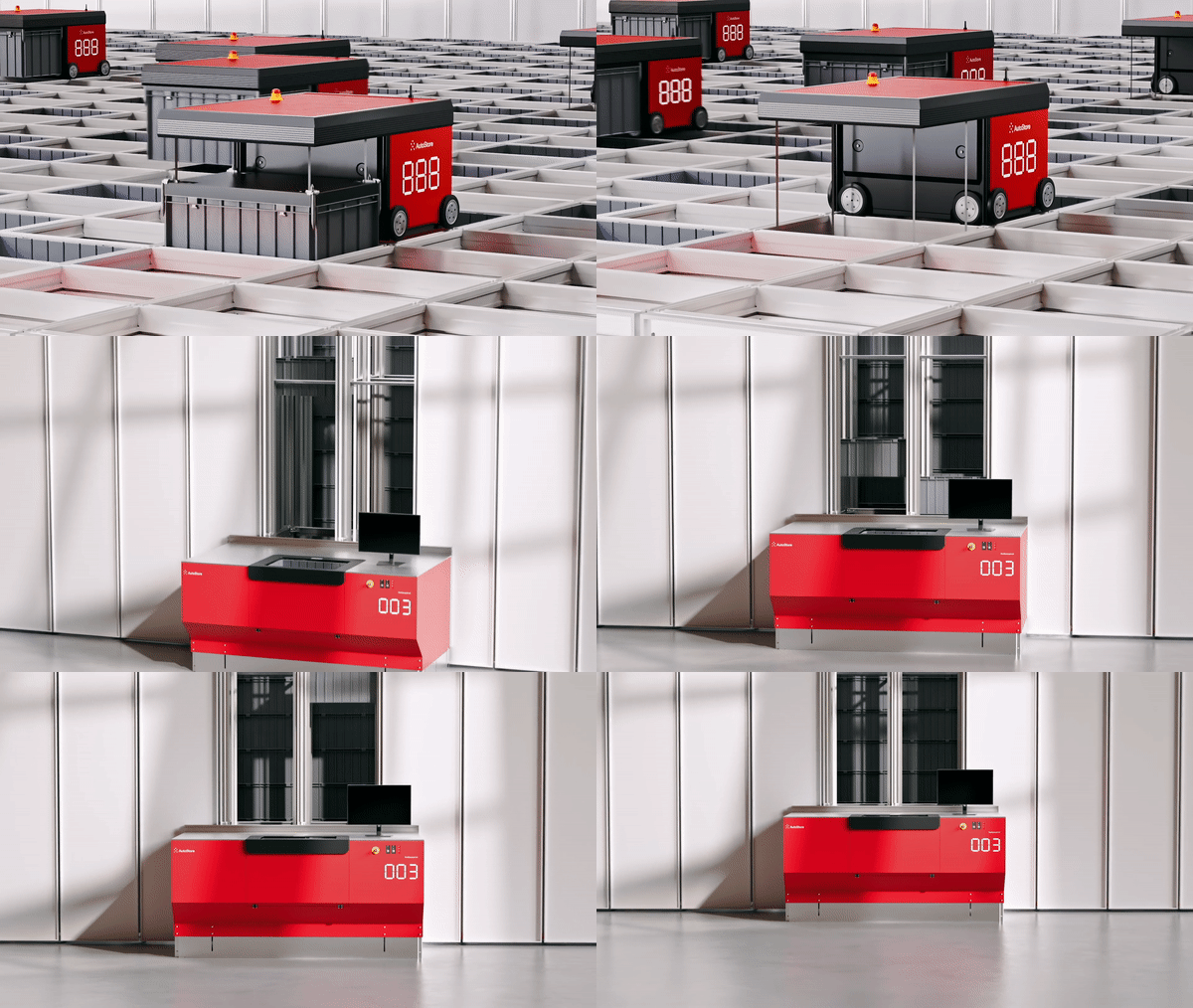
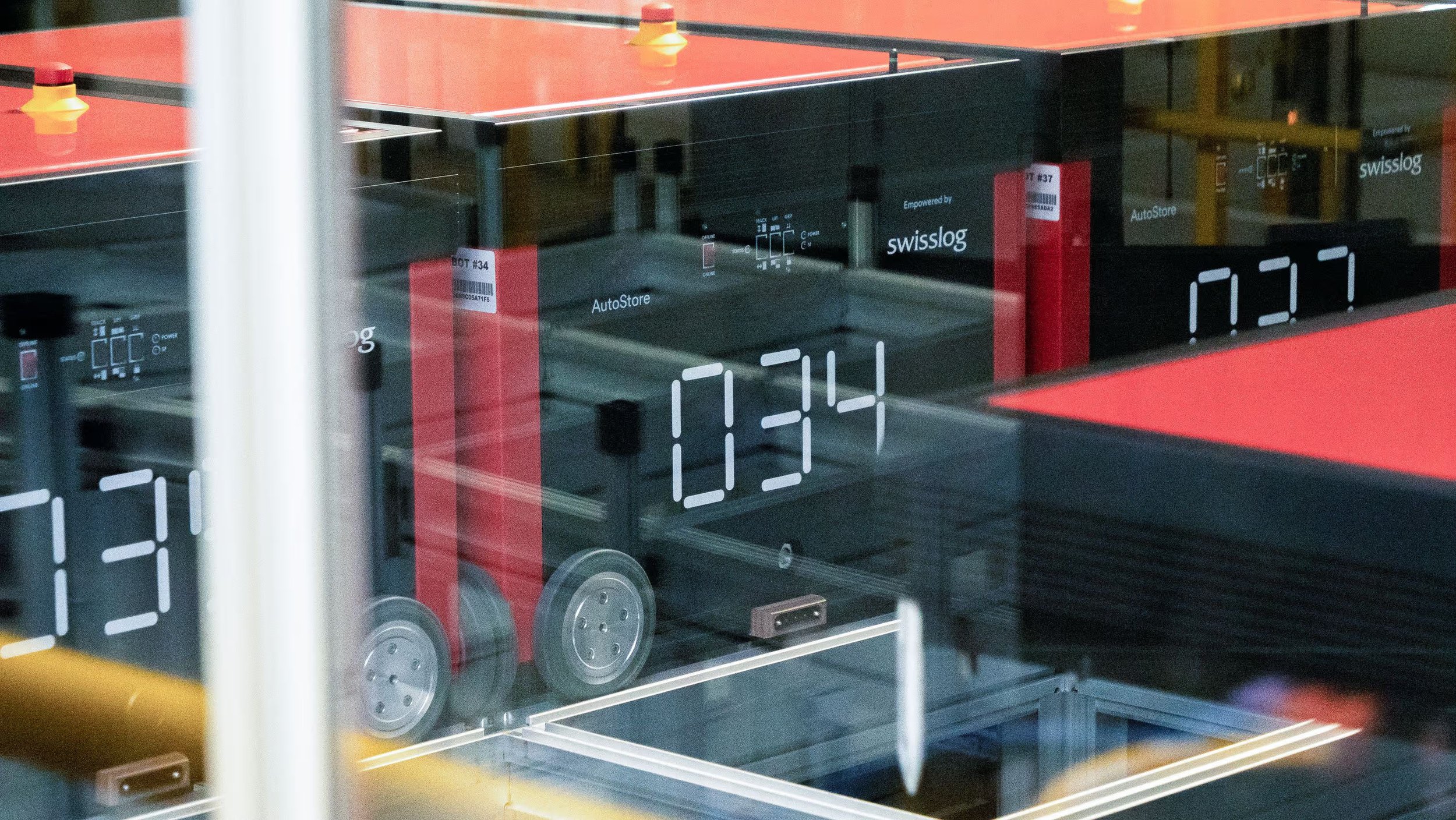
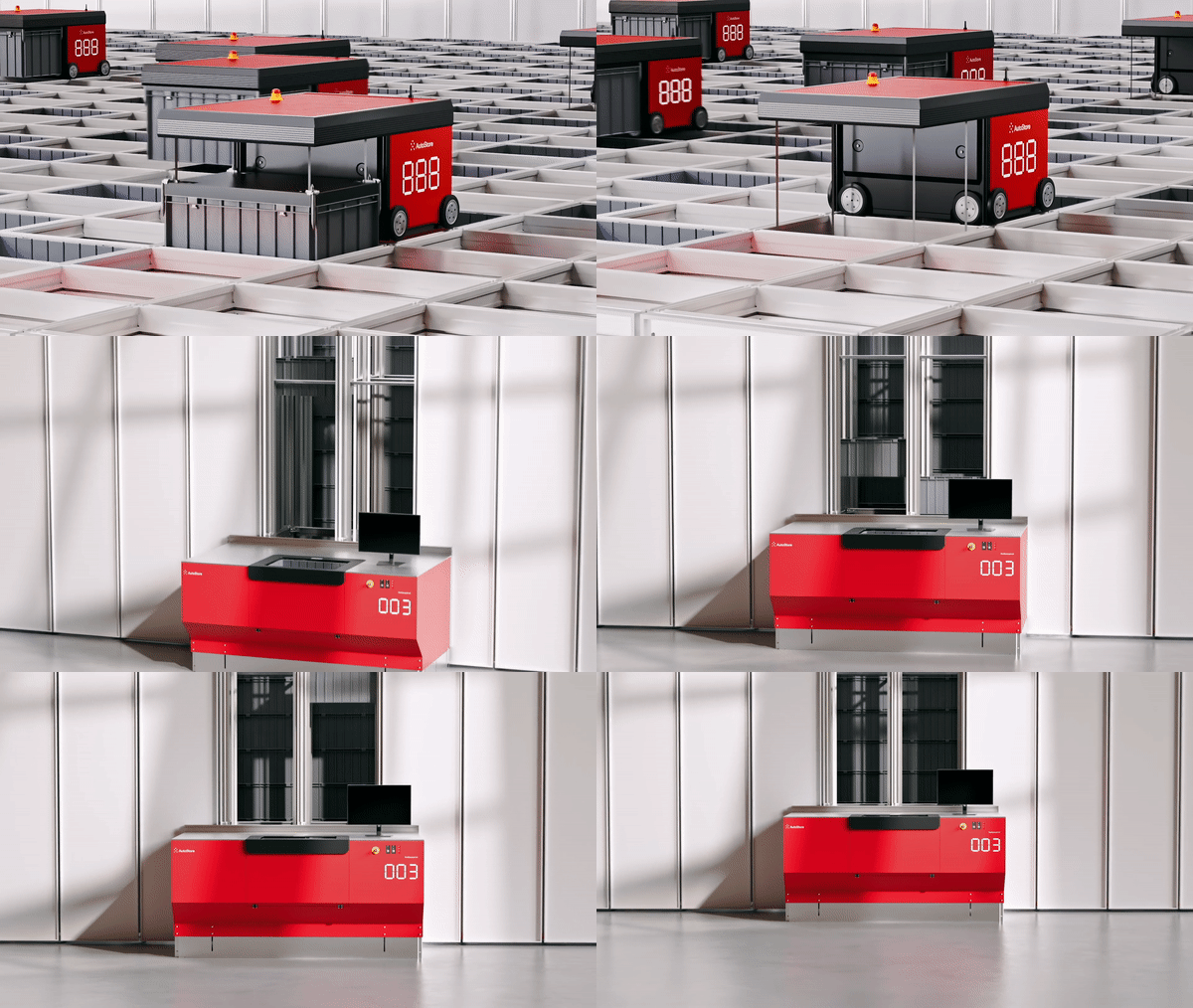
23 AutoStore robots
60,000 bins
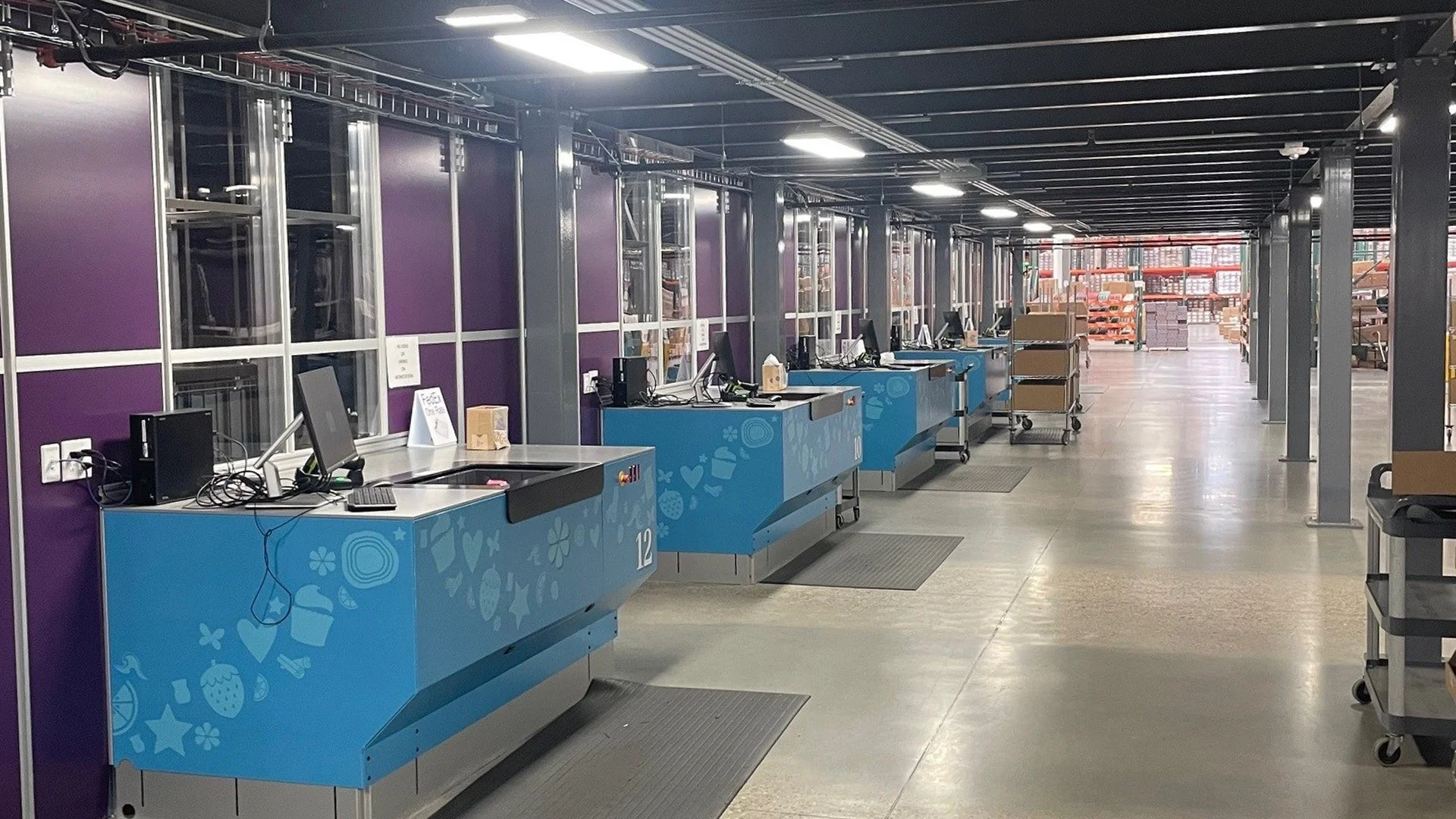
7 workstation ports
More than 1,000 m² of automated storage space
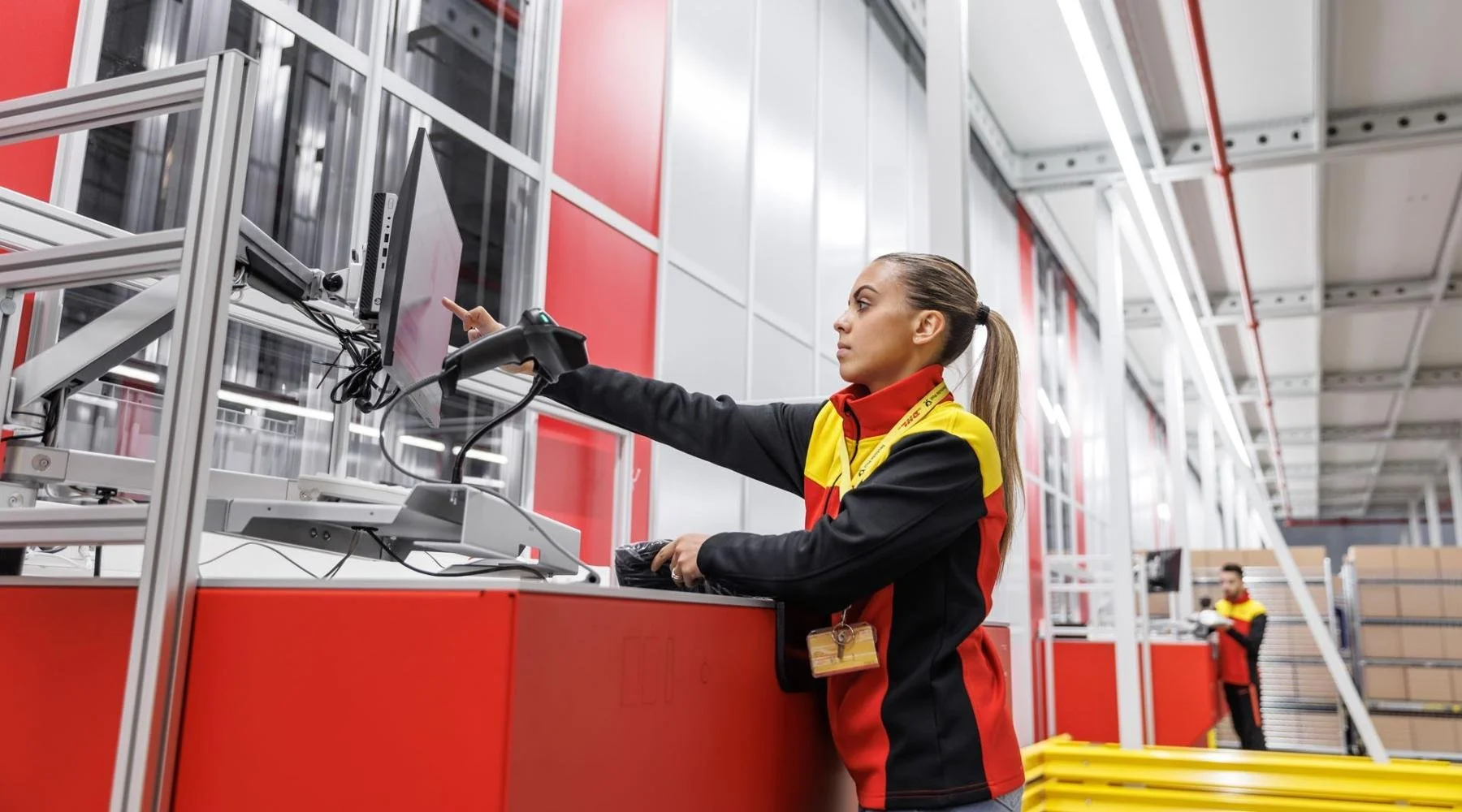
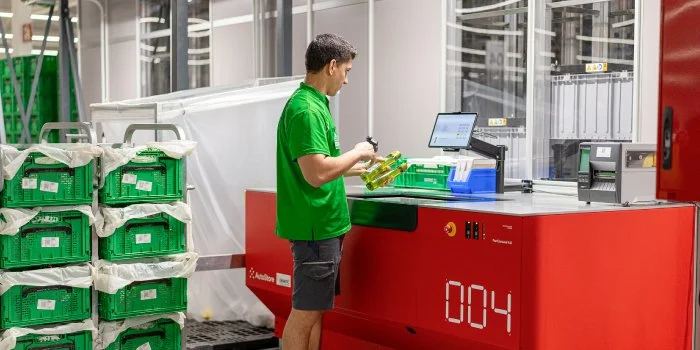
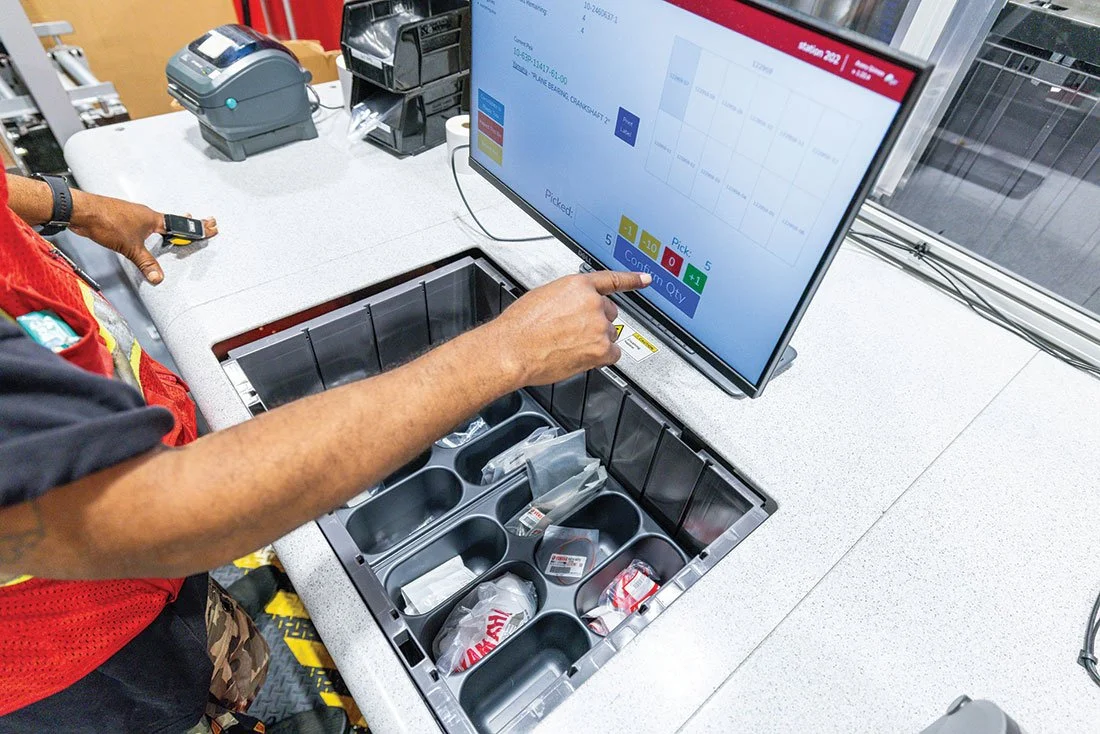
Rather than requiring warehouse operators to travel through traditional storage aisles to locate individual parts, AutoStore robots retrieve inventory bins directly and deliver them to workstations for picking and replenishment.
This goods-to-person approach reduces unnecessary operator travel, improves picking consistency, and allows a much larger volume of inventory to be stored within the same building footprint. For a high-value aerospace spare-parts operation, where inventory availability and accuracy are critical, the ability to manage a large number of small components within a compact automated system is a major advantage.
Building More Reliable Service Levels
For Satair’s customers, the value of the system is not only higher storage density. It is the ability to process orders more consistently and respond more effectively when demand changes.
Automated put-away and picking reduce internal handling time and limit manual touches throughout the process. This can improve order accuracy while helping the operation manage peak periods and time-sensitive parts requests more reliably.
The system also supports 24/7 access to inventory, giving Satair greater flexibility to respond to changing order volumes and customer requirements across the region.
Marcus Schwarz, Head of Logistics & Repair at Satair, said the investment will allow the company to scale with customer demand while improving efficiency and storage density.
For aerospace logistics, this matters because service levels need to remain stable even as order volumes increase. Airlines, maintenance providers, and operators depend on predictable access to parts, particularly when aircraft availability is affected by maintenance requirements or unexpected component demand.
A Global Automation Standard
The Singapore installation builds on Satair’s experience with AutoStore in Hamburg and Dulles.
Having similar automation platforms across multiple global logistics hubs can provide important operational advantages. Satair can apply lessons learned from one location to another, standardize processes, improve training, and create more consistent service levels for customers operating across different regions.
This is especially valuable in aerospace, where global customers expect reliable support whether a part is required in Europe, North America, or Asia Pacific.
Satair’s strategy appears to be focused on building a harmonized logistics network rather than implementing isolated automation projects. The goal is not simply to install robots in individual warehouses. It is to create a repeatable operating model that can support global growth while maintaining high service standards.
AutoStore Is Only the First Step
The AutoStore installation is expected to become part of a wider automation roadmap for the Singapore site.
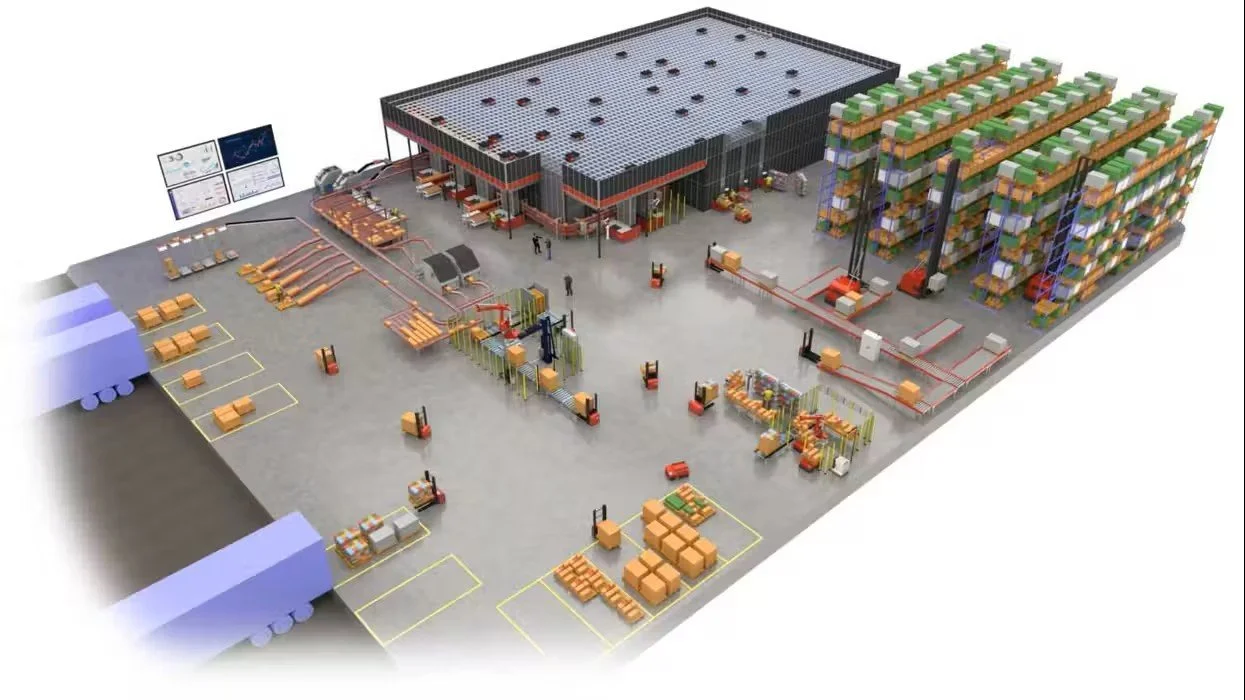
Satair has indicated that it is preparing for additional technologies, including conveyors, Autonomous Mobile Robots, and Automated Guided Vehicles. These future systems could further automate the movement of parts from picking through packing and shipping.
This is an important distinction. AutoStore improves the storage, retrieval, and picking portion of the operation, but the full value of warehouse automation often comes from connecting multiple processes into one coordinated flow.
Conveyors, AMRs, and AGVs could reduce manual travel between workstations, packing areas, staging locations, and shipping operations. When properly integrated, these technologies can increase throughput, reduce labour dependency, and create a more scalable end-to-end fulfilment operation.
Supporting Asia Pacific Aerospace Growth
The Singapore facility is positioned as an important regional logistics hub for Satair and Airbus.
As fleet numbers and maintenance activity continue to grow across Asia Pacific, spare-parts organizations will need to process higher order volumes while maintaining strong reliability and response times. Traditional warehouse operations can struggle to scale efficiently when parts inventories become larger, SKU counts increase, and customer expectations become more demanding.
Satair’s new AutoStore system provides a foundation for handling that growth.
By increasing inventory density, improving picking consistency, and creating the capacity for additional automation around the system, Satair is preparing its Singapore operation for higher future demand without requiring a proportionate increase in warehouse space or manual labour.
The project also demonstrates how AutoStore is increasingly being used beyond traditional retail and e-commerce applications. Aerospace spare-parts operations handle large numbers of small, high-value, and time-critical components—an environment where dense automated storage and reliable goods-to-person picking can deliver meaningful operational benefits.
Satair’s Singapore AutoStore installation is another example of how companies are using automation not only to reduce warehouse costs, but to build stronger service levels, improve resilience, and create the capacity required for long-term growth.
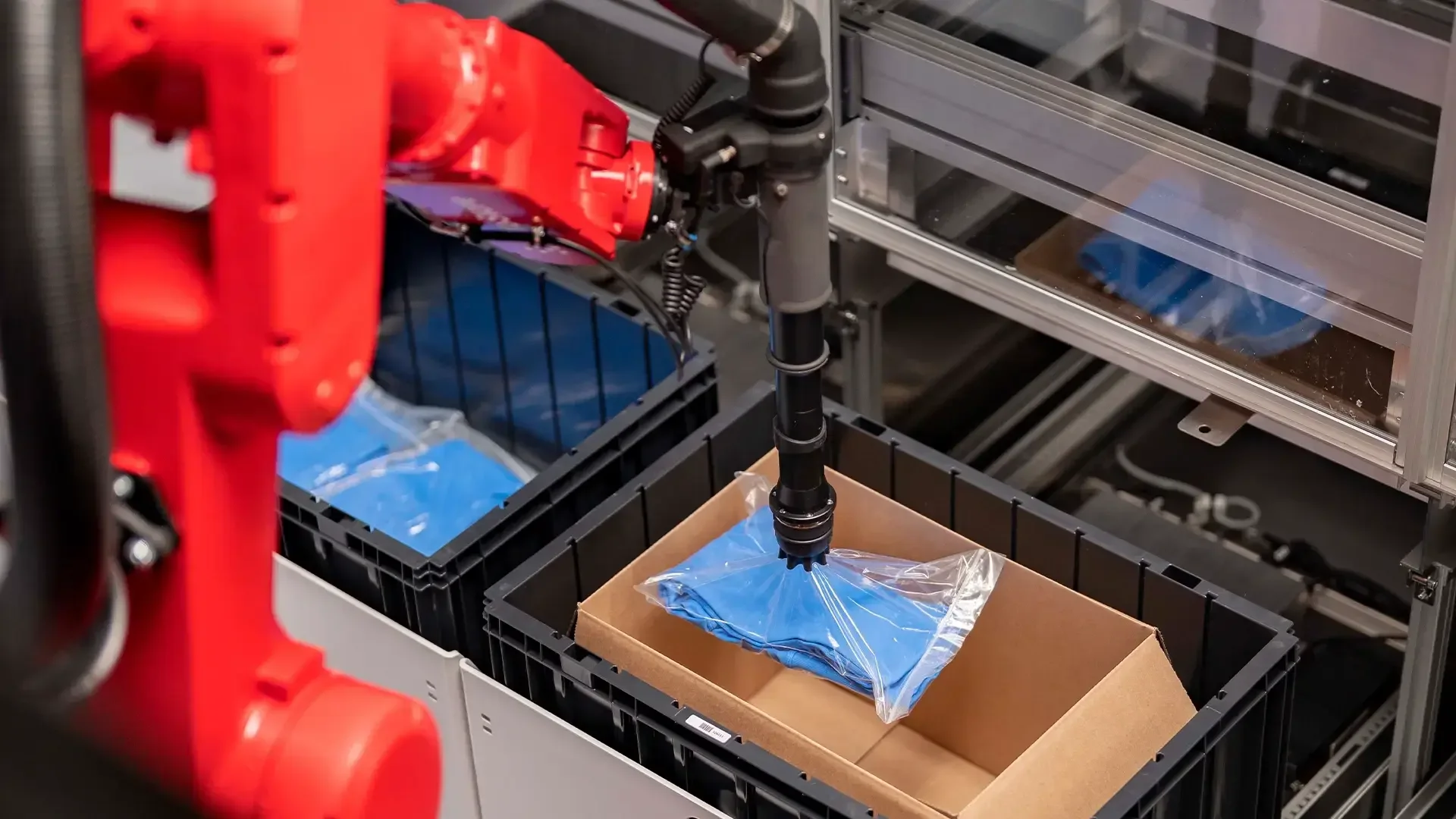



DHL Supply Chain is now operating a fully-automated robot picking system at a logistics center in Staufenberg Germany