
Leading Online Food Retailer Launches AutoStore-Powered Hub
Looking to Scale Its Operations, Mercadona, Spain’s Largest Online Food Retailer, Is Implementing Its First AutoStore System
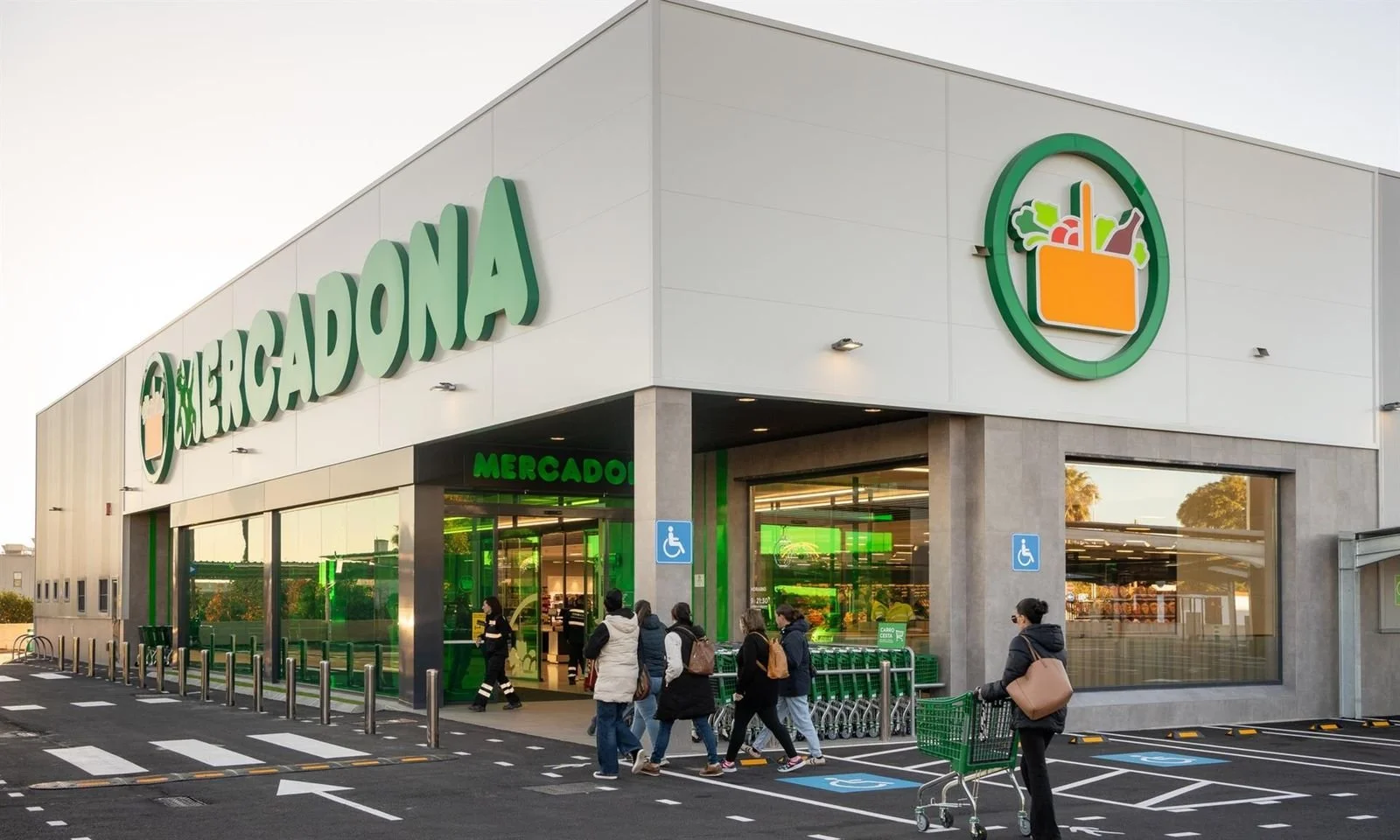
Mercadona is a family-controlled Spanish supermarket retailer with a major physical-store network across Spain and Portugal. In 2025, the company generated €41.858 billion in total sales.
Its online business has become substantial. Mercadona reported €1.061 billion in online sales during 2025, an increase of 26% over the previous year.
According to ECDB’s 2025 Spanish food e-commerce ranking, Mercadona is Spain’s largest online food retailer by GMV, ahead of Carrefour in second place and Amazon in third.
Mercadona calls its dedicated online fulfilment centres “Colmenas,” or hives. The company now operates seven Colmenas in Spain, including three in the Madrid region.
Mercadona’s New Madrid AutoStore Hub
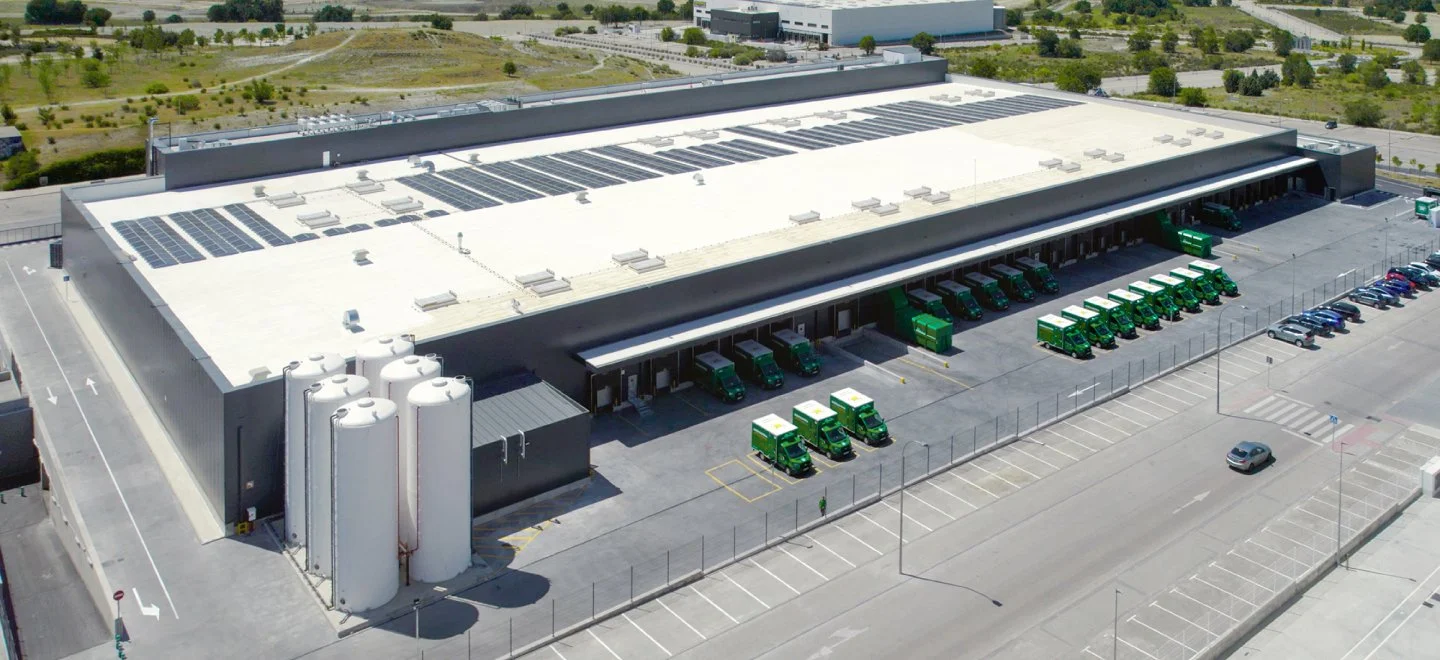
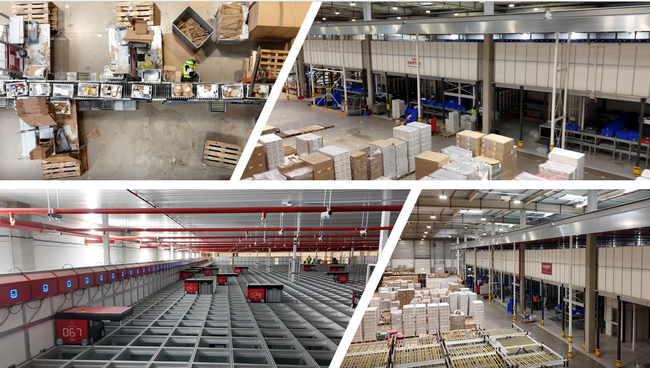
Mercadona’s new Vallecas Colmena is its largest online grocery hub to date and its first automated Colmena.
The company invested €54 million in the 32,000-square-metre operation, which will employ approximately 700 people and has capacity to prepare up to 5,000 online grocery orders per day.
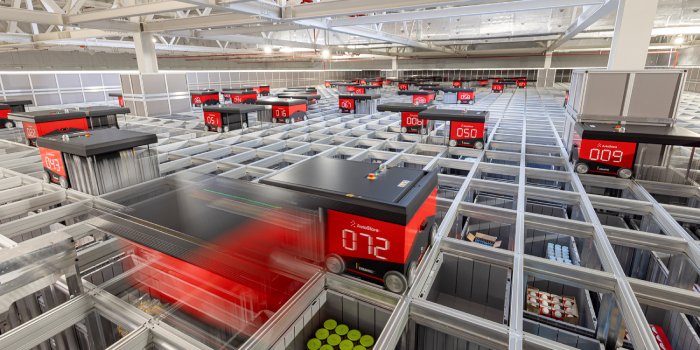
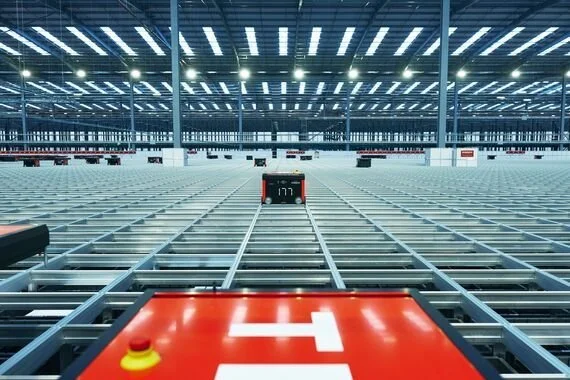
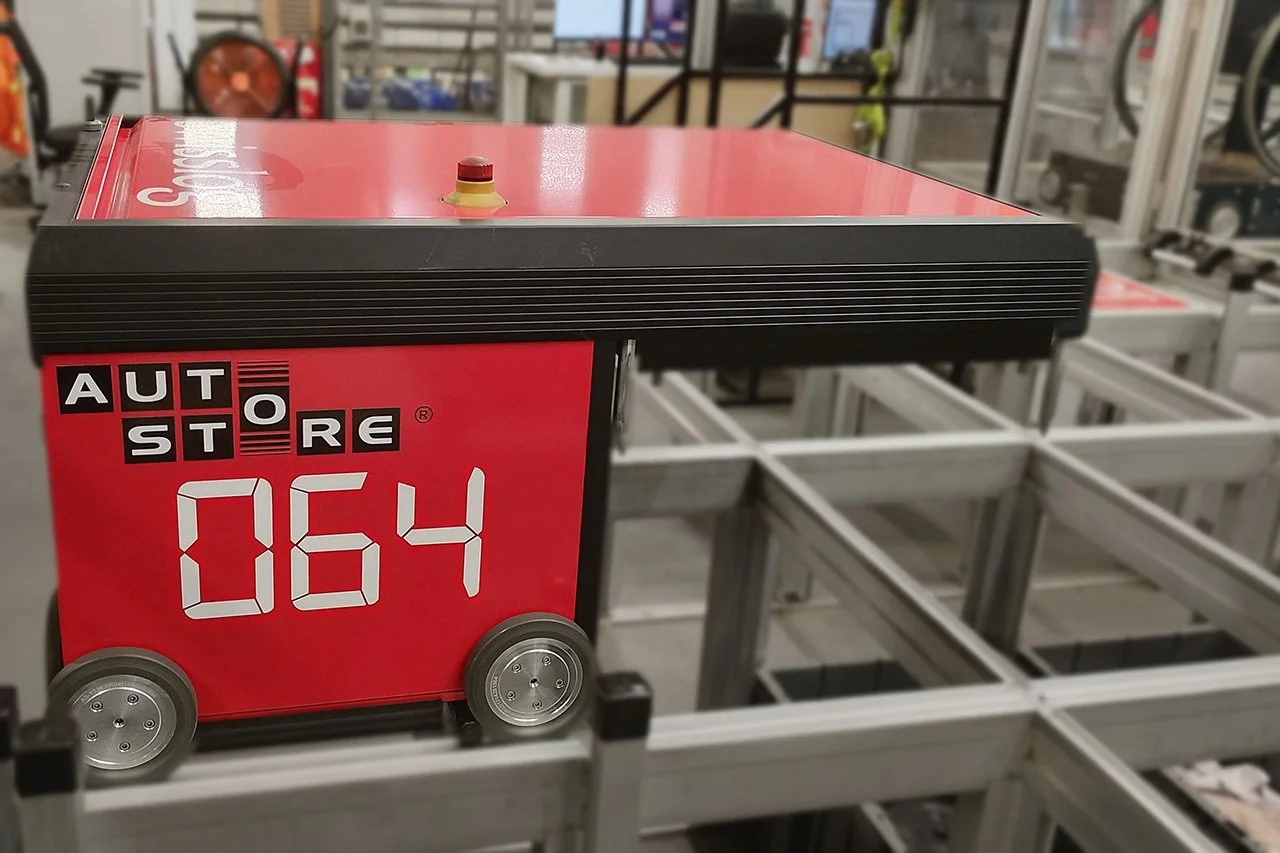
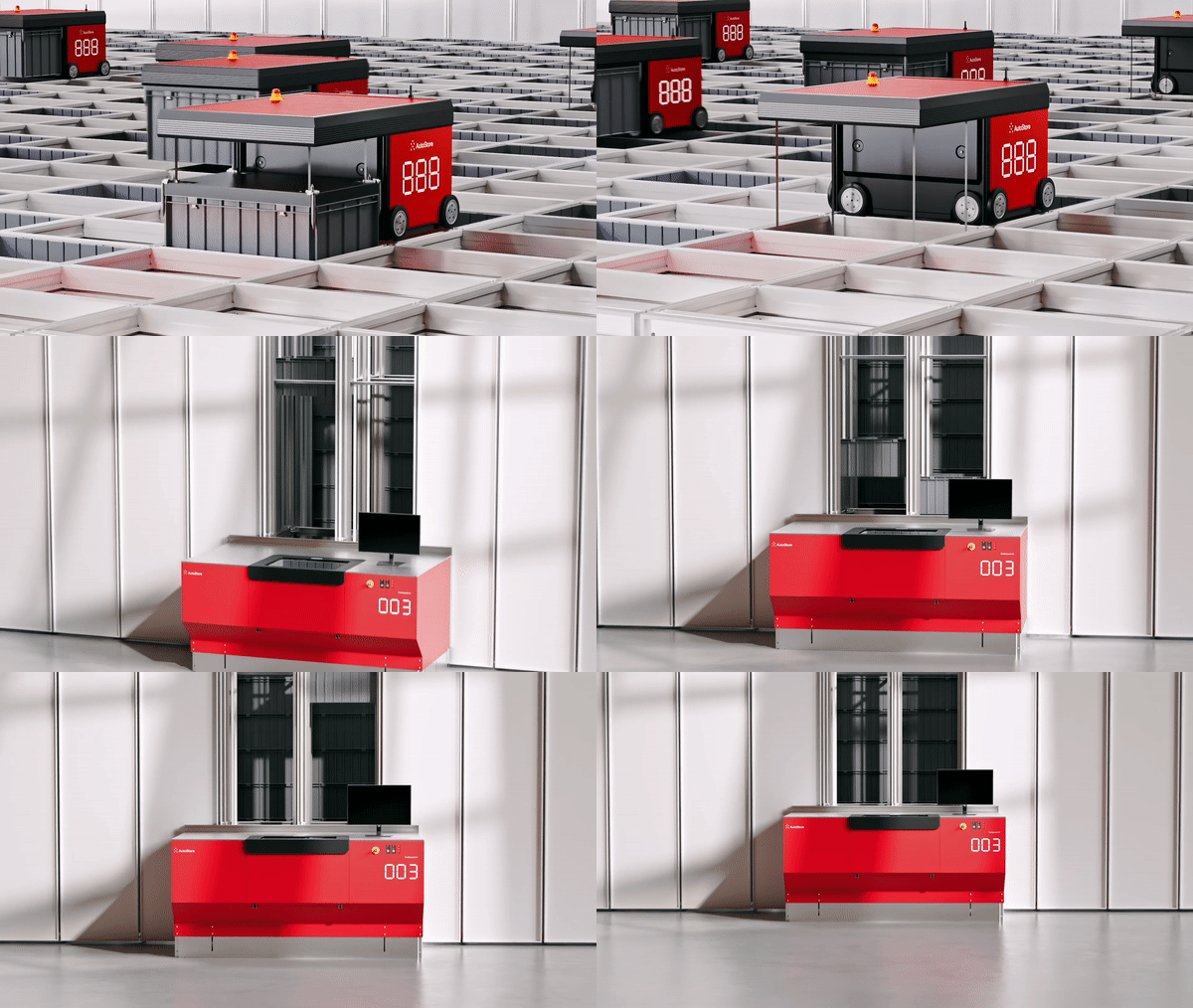
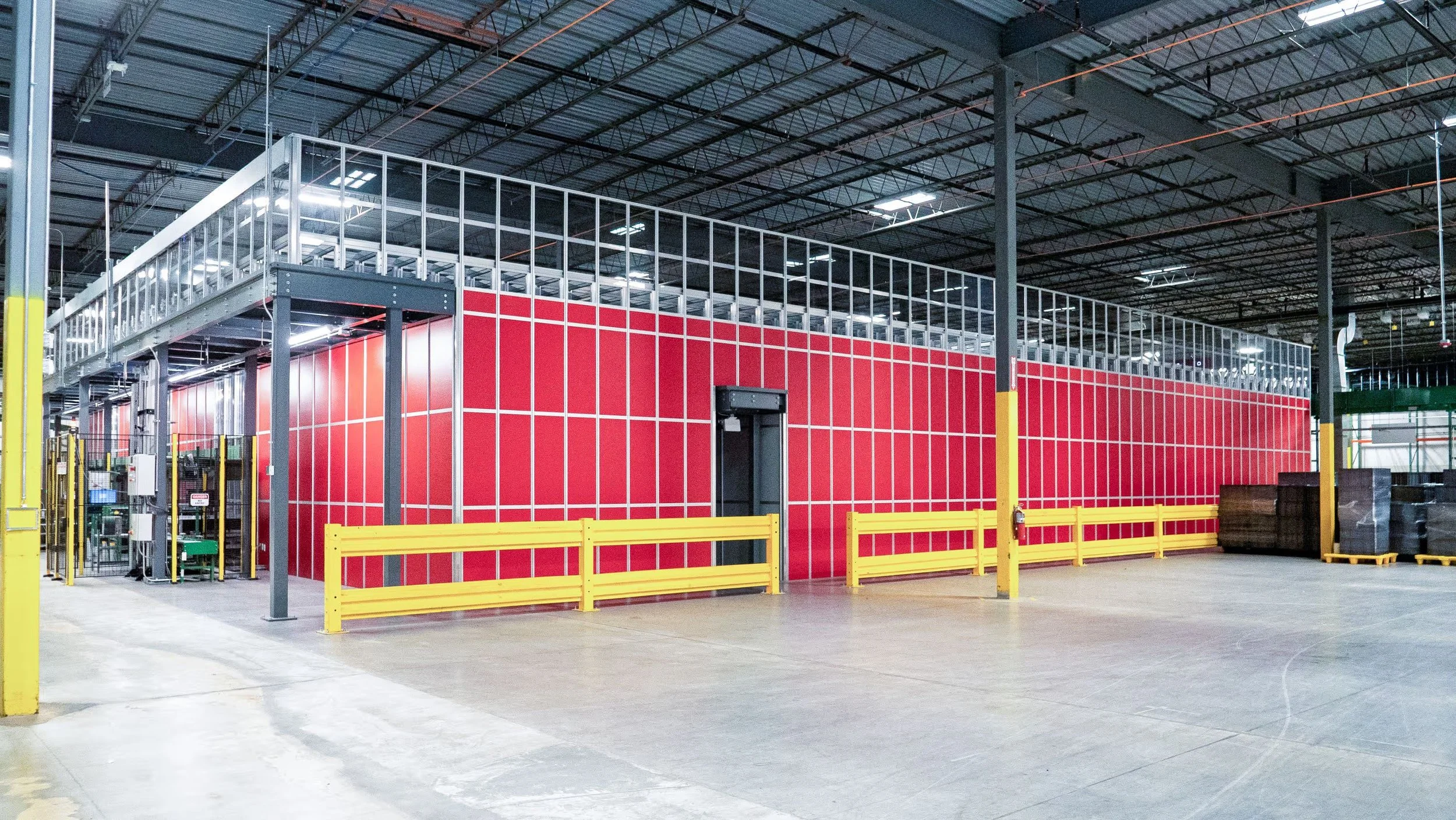
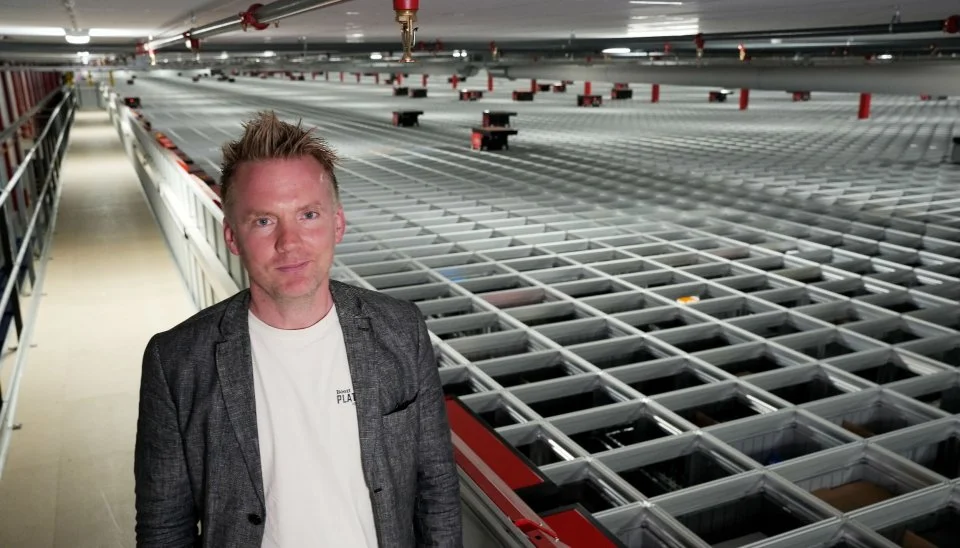
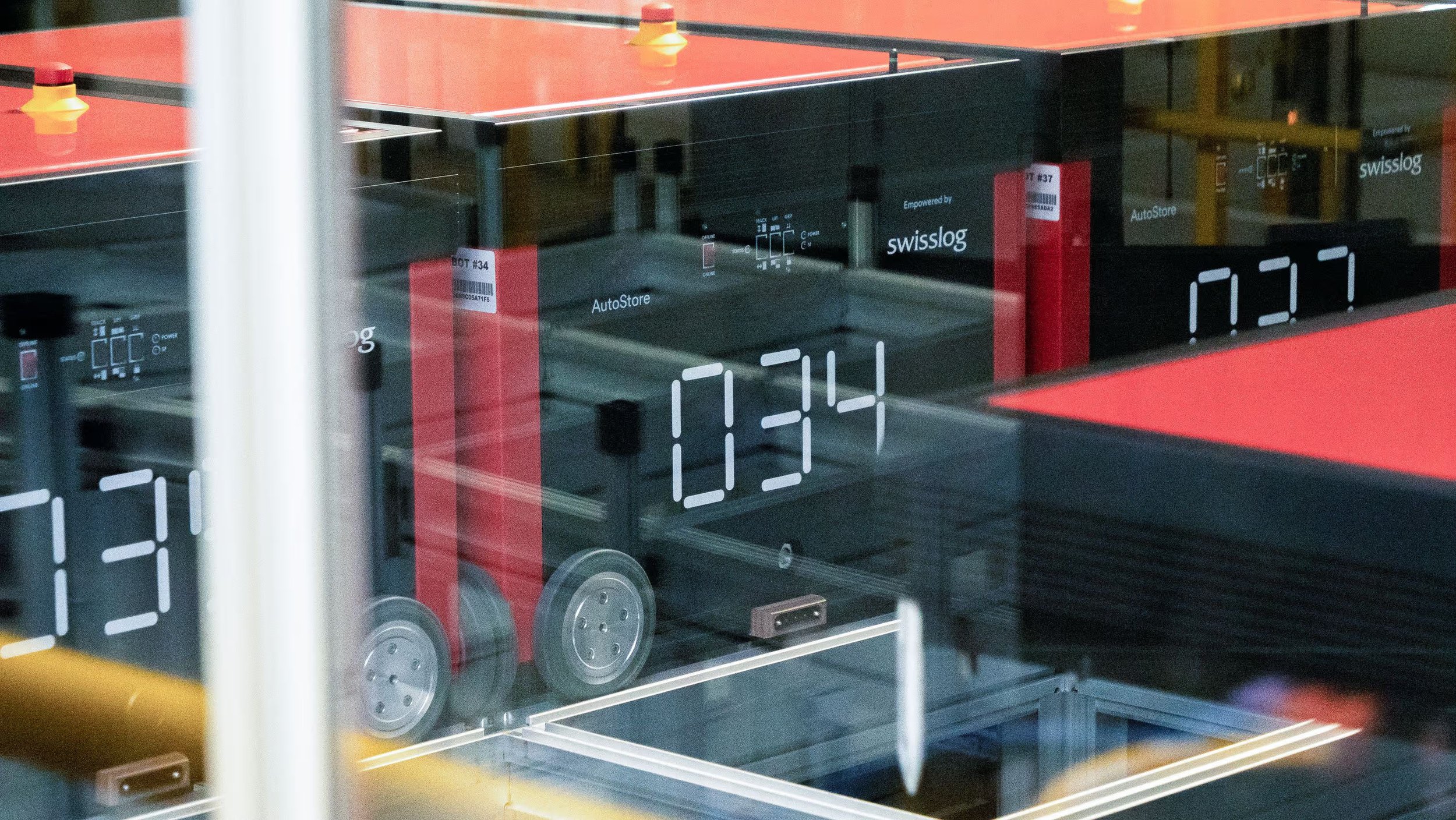
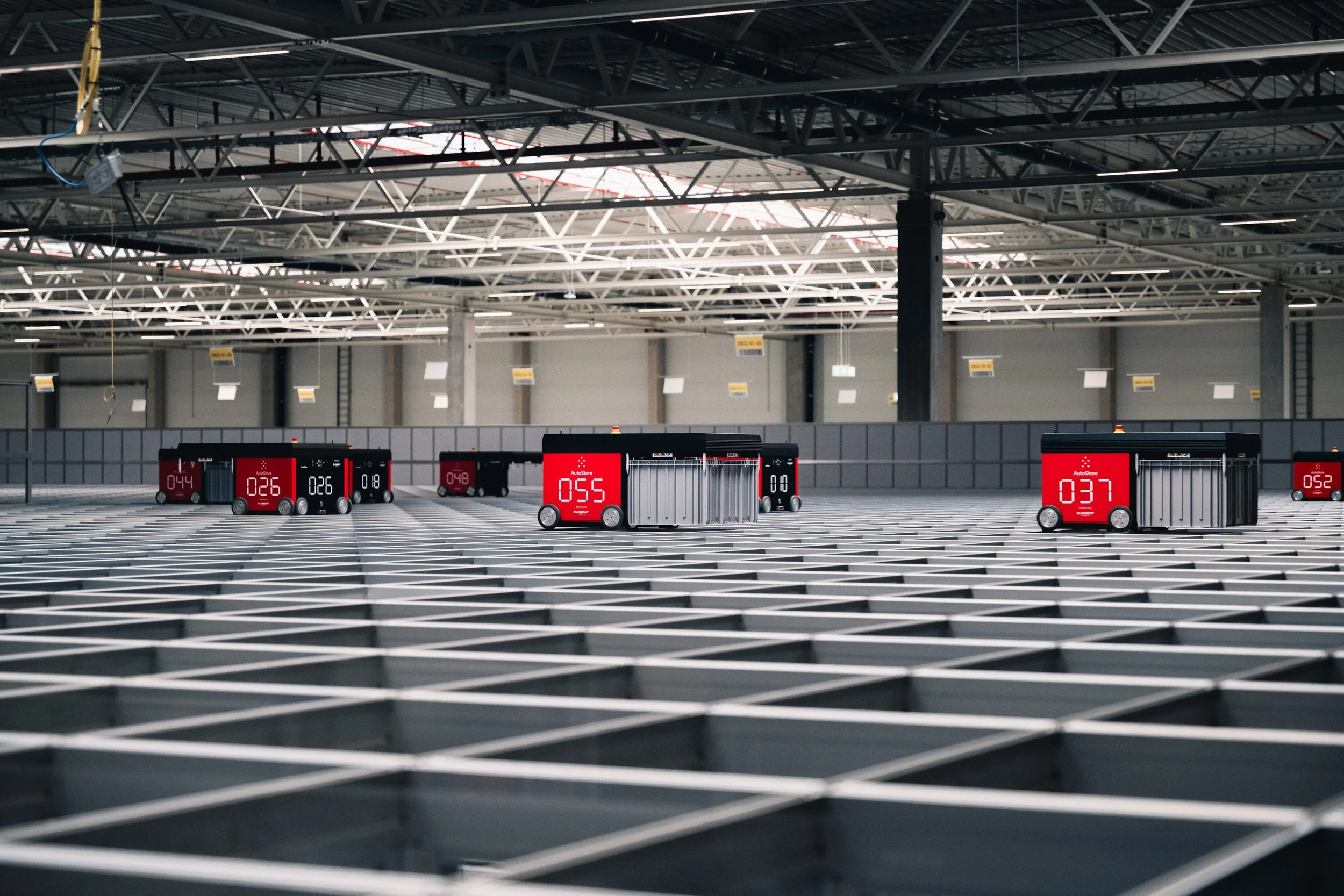
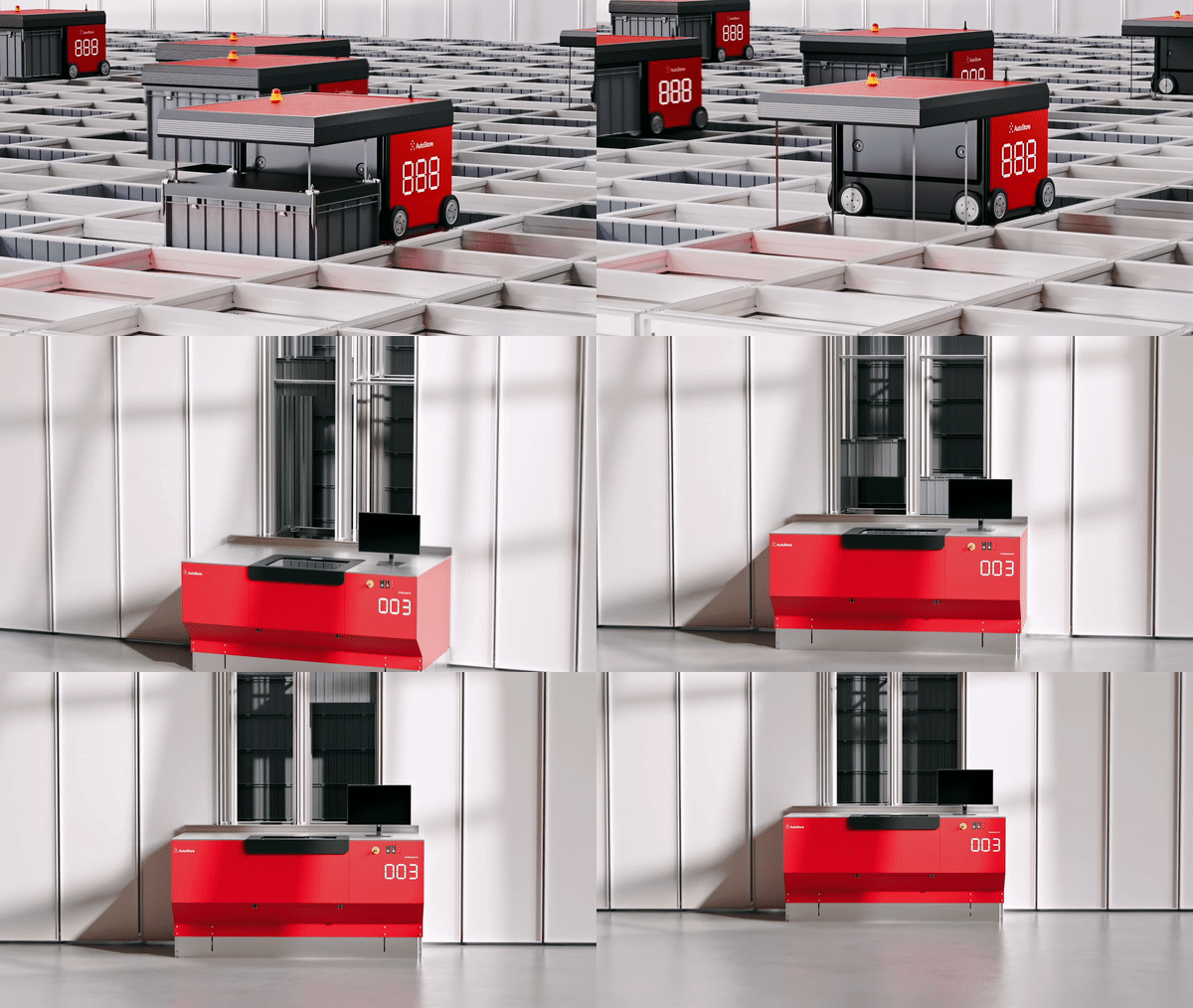
The facility uses 70 AutoStore robots to automate the preparation of more than 2,700 non-perishable dry-goods products.
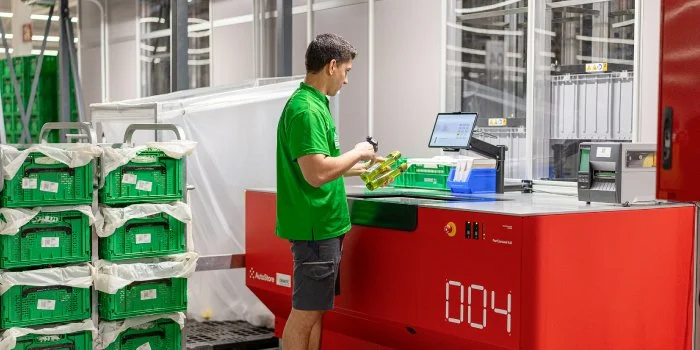
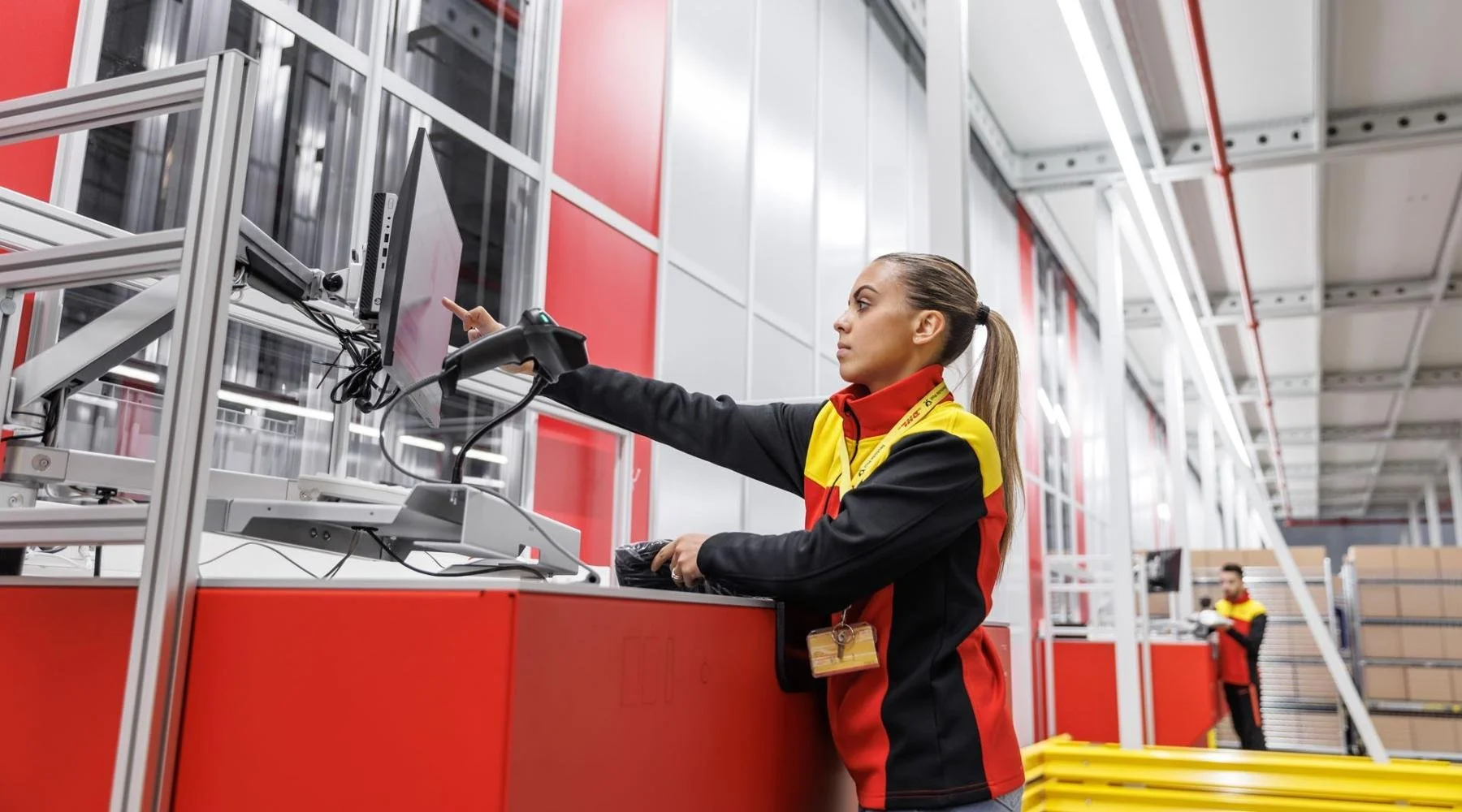
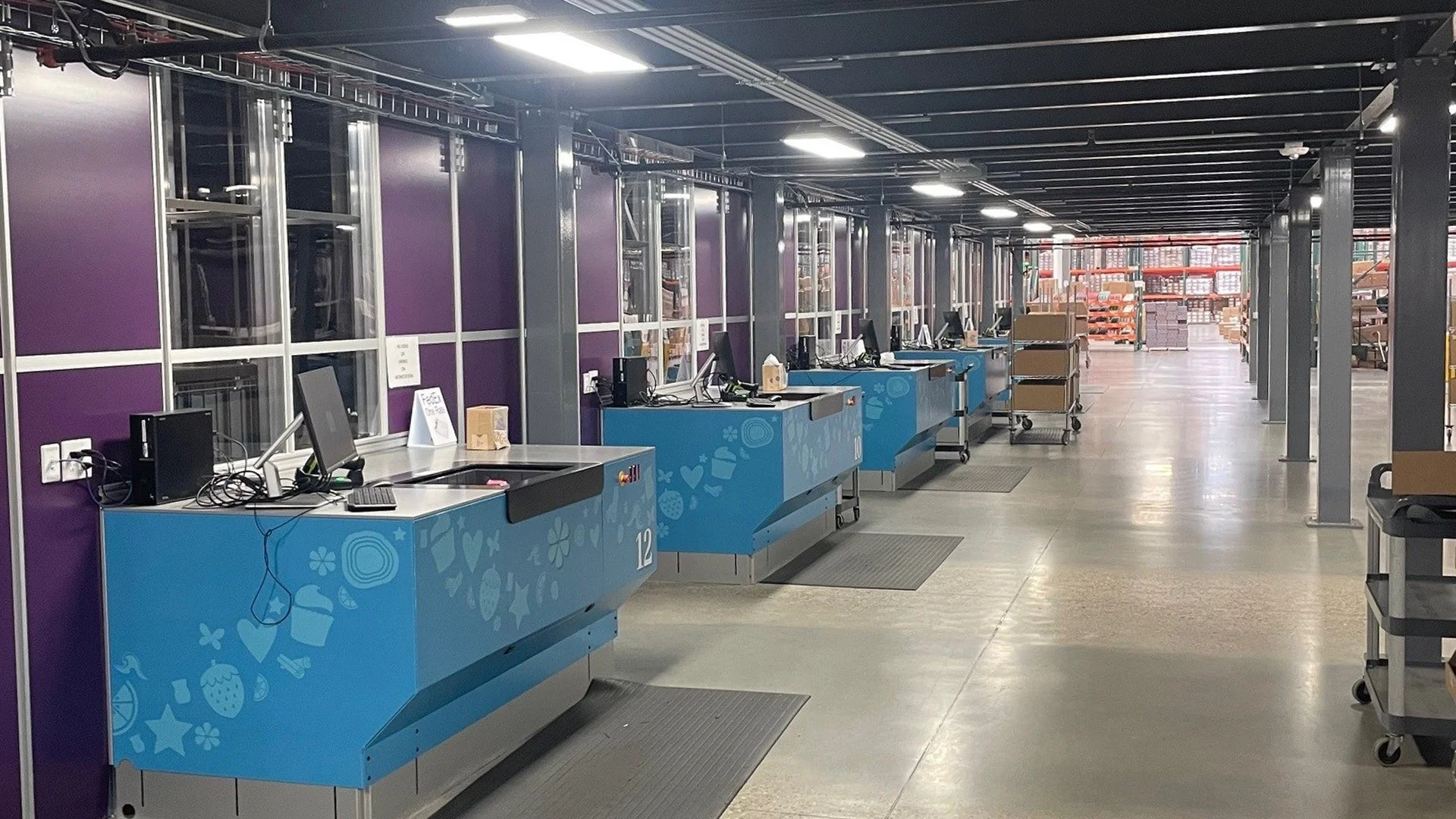
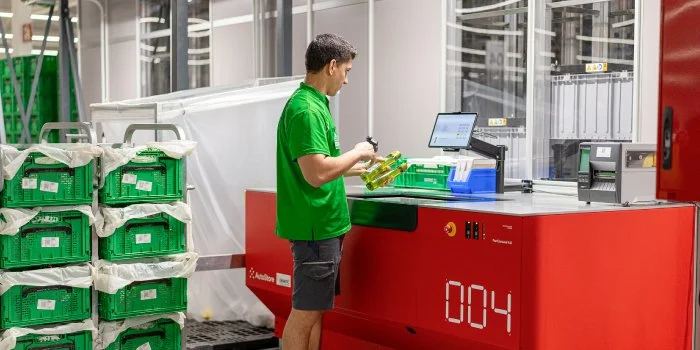
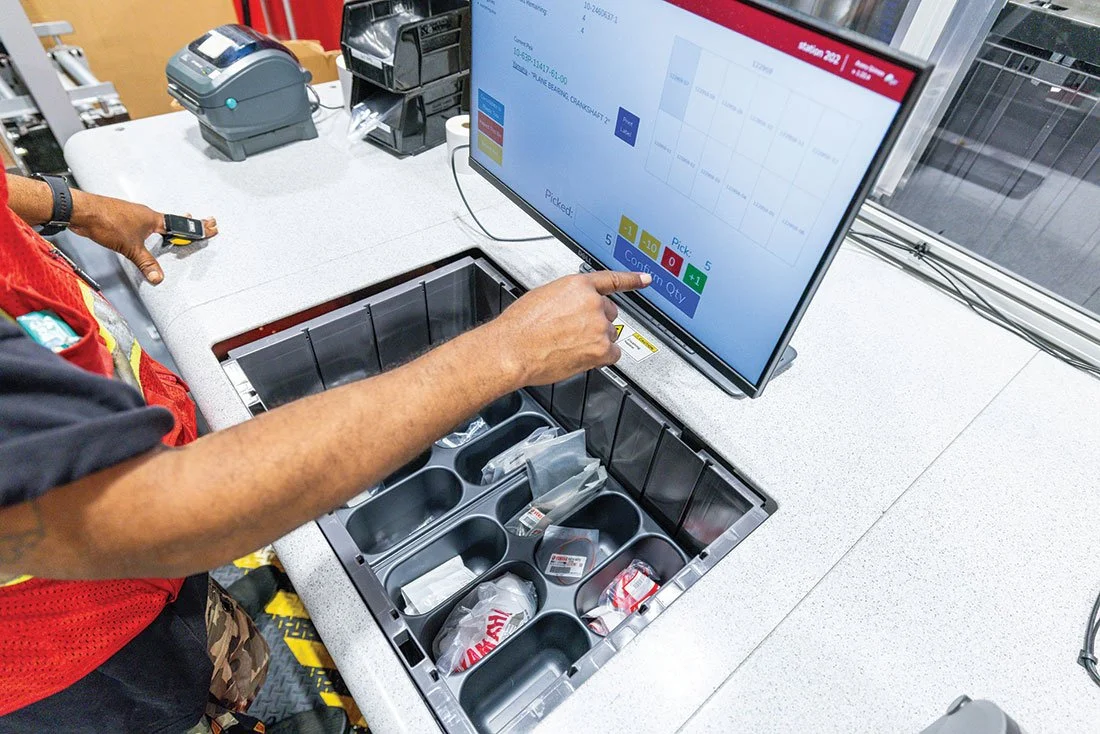
Instead of employees walking warehouse aisles to locate products, the AutoStore robots retrieve inventory and bring it directly to order-preparation stations. The system automates high-density storage and retrieval for dry goods while employees prepare orders at the workstations.
The Vallecas site increases Mercadona’s potential online fulfilment capacity in the Madrid region to approximately 8,000 orders per day. It will also operate 175 delivery vans, bringing Mercadona’s regional online delivery fleet to more than 300 vehicles.
North American Grocery Retailers Are Rethinking Centralized Online Fulfilment
The U.S. and Canadian grocery markets are not moving in one direction. However, several high-profile projects show that large centralized automated fulfilment centres are being reassessed.
Kroger announced in late 2025 that it would close three Ocado-powered automated customer fulfilment centres in Wisconsin, Maryland, and Florida. The decision resulted in a US$2.6 billion impairment charge. Kroger retained five other Ocado facilities while expanding its use of store fulfilment and third-party delivery partners.
Ahold Delhaize USA has also moved away from centralized e-commerce fulfilment. Giant Food and The GIANT Company announced the closure of six centralized facilities across Pennsylvania and Virginia, including The GIANT Company’s automated Philadelphia e-commerce fulfilment centre. The company said it would move toward a local, store-first network to provide faster delivery, broader assortment, and greater delivery availability.
Takeoff Technologies represents a separate but related automation model failure. Takeoff was not a centralized customer fulfilment model. It was a grocery micro-fulfilment technology provider, primarily built around smaller automated facilities. The company filed for Chapter 11 protection in 2024.
Walmart and Target continue to rely heavily on their store networks for online order fulfilment. Amazon is pursuing a different model, testing automated urban micro-fulfilment, manual urban dark stores, and store-within-store concepts that combine Whole Foods grocery products with Amazon’s broader household assortment.
Canada is more mixed. Jim Pattison Food Group has tested one automated micro-fulfilment operation in B.C. with little success and decided not to scale the model. Sobeys continues to operate Ocado-supported customer fulfilment centres in Toronto and Montreal while also using Ocado’s in-store software fulfilment technology. However, Sobeys closed its Calgary robotic facility in early 2026, and its planned Vancouver customer fulfilment centre has been cancelled, and the new building is currently up for sale.
These decisions do not mean grocery automation has disappeared from North America. They show that centralized fulfilment models become difficult when customer density, delivery radius, online order volume, and delivery economics do not support the original business case. North American online food operators are also being very cautious about adopting automation without a strong business case.
European Retailers Continue to Build Automated Online Grocery Hubs
The current direction in Europe appears different.
Mercadona is opening a new centralized automated grocery hub in Madrid. Bon Preu is building a new robotic Ocado customer fulfilment centre near Barcelona. European retailers continue to invest in dedicated online grocery operations where dense urban markets, concentrated delivery routes, and higher online order volumes can support centralized fulfilment.
Large centralized online grocery hubs are easier to justify when a retailer can concentrate high daily order volumes within a compact delivery area. They are less forgiving when customers are dispersed across large service areas and stores are already close to the customer.
AutoStore has become one of the leading robotic solutions for this model. Its high-density storage system is well suited to the dry-goods portion of the grocery basket, where thousands of regularly ordered products can be stored compactly and delivered directly to picking workstations.
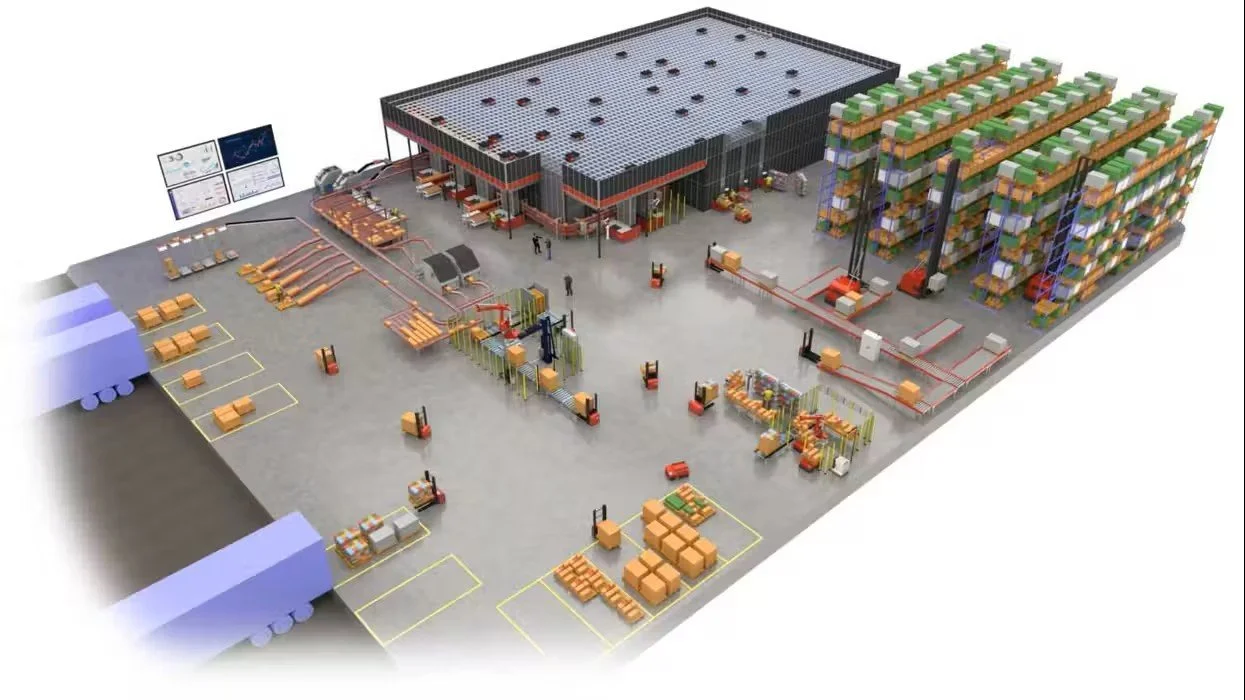
Mercadona has not attempted to place its entire grocery assortment inside one robotic system. The AutoStore installation automates dry-goods order preparation, while fresh, chilled, frozen, bulky products, packing, staging, dispatch, and delivery remain part of the wider fulfilment operation.
Mercadona is using AutoStore to automate a defined, high-volume part of the grocery basket inside a dedicated online grocery hub built to support thousands of daily orders.
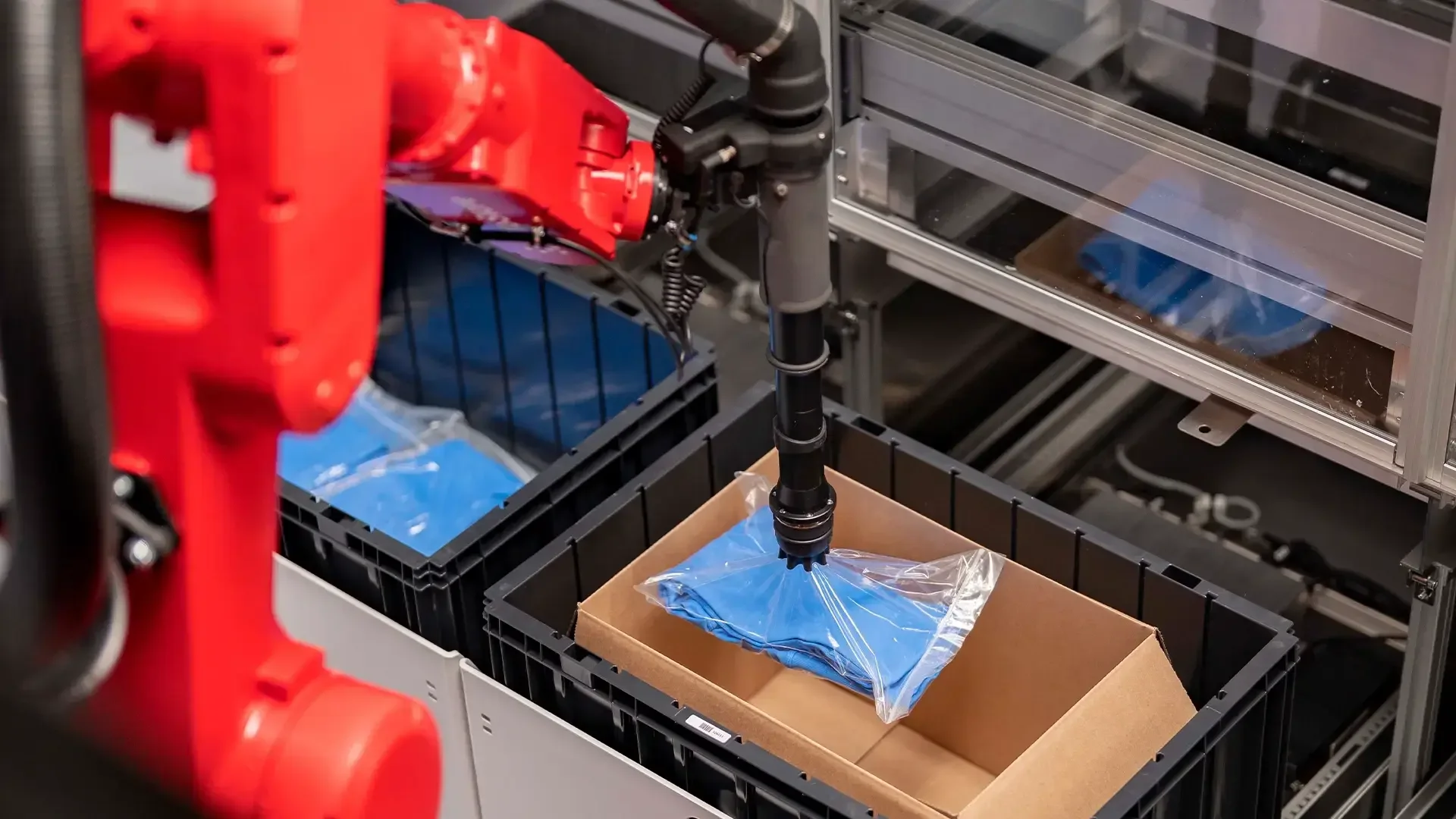


DHL Supply Chain is now operating a fully-automated robot picking system at a logistics center in Staufenberg Germany