
SoftBank Gives Up on Humanoids
SoftBank is reportedly selling its remaining 9.65% stake in Boston Dynamics to Hyundai Motor Group for US$325 million. Hyundai already controls more than 90% of the company, so the transaction would give it complete ownership of the robotics business behind Atlas.
The obvious reading is that Hyundai is doubling down on humanoid robots. It wants to own Boston Dynamics outright, build Atlas into its manufacturing network, and test whether a human-shaped robot can eventually take on physically demanding work inside its automotive plants.
But there is another reading that deserves more attention.
SoftBank is leaving.
That does not prove SoftBank has concluded that humanoids are a failed technology. The reported transaction is tied to a put option agreed when Hyundai took control of Boston Dynamics in 2021. There may be perfectly reasonable contractual and financial reasons for SoftBank to sell its remaining stake.
Still, SoftBank had every opportunity to remain involved in what is supposedly one of the most important future technology markets in the world. It owned Boston Dynamics during the period when Atlas became the most recognizable humanoid robot ever built. It saw the engineering, the demonstrations, the media attention, the investor excitement, and the enormous claims now being made about humanoids transforming factories, warehouses, construction sites, and eventually homes.
It is now prepared to walk away.
That is worth thinking about.
Boston Dynamics is not an unknown startup trying to raise a seed round. It is one of the most advanced robotics companies in the world. Atlas is not a concept drawing or a prototype with two promotional videos. It is arguably the most capable humanoid robot platform ever developed. If there were an obvious and near-term commercial market for humanoid robots, Boston Dynamics would be one of the most logical companies for an investor to remain involved with.
Instead, Hyundai will carry the entire bet.
Hyundai’s position is understandable. It has factories, capital, engineering capability, manufacturing expertise, and a controlled environment in which to test Atlas. It can afford to spend years improving the machine. It can put Atlas into selected processes, measure what works, absorb early failures, and keep investing even if the robot is nowhere near commercially viable for an outside customer.
That is a very different situation from saying the humanoid market is ready.
Hyundai has announced that Atlas could begin parts-sequencing work at its Georgia Metaplant in 2028. It has spoken about expanding from there into other manufacturing tasks over time. That is a sensible place to start. Parts sequencing is repetitive, physically demanding, and time-sensitive. It is also structured enough that a company can define the task, design the work area, control the materials, and create a protected operating environment for the robot.
But even that target says a great deal about where humanoids really are today.
Atlas is not being deployed broadly across Hyundai plants now. It is not replacing teams of workers today. It is not being sold into hundreds of independent factories and warehouses. Hyundai is talking about beginning with carefully selected tasks in its own facilities, years from now.
That is not a criticism of Boston Dynamics. It is simply the reality of industrial automation.
A robot can be technically remarkable and still have no commercial business case.
The problem with humanoids is not that they cannot walk, lift objects, recognize parts, or perform impressive movements. Atlas has already demonstrated capabilities that would have looked impossible only a few years ago. The problem is that factories and distribution centres do not buy robotics because it is impressive. They buy it because it improves throughput, reduces labour dependency, improves safety, lowers cost, and delivers predictable performance every day.
That is where humanoids become much harder to justify.
A humanoid has to walk on two legs, maintain balance, navigate around people, manipulate objects with hands, manage battery life, recognize parts, avoid collisions, recover from errors, and work safely in a shared environment. Every one of those requirements adds cost, engineering complexity, maintenance requirements, safety questions, and potential failure points.
Most industrial automation avoids these problems by not trying to copy a person.
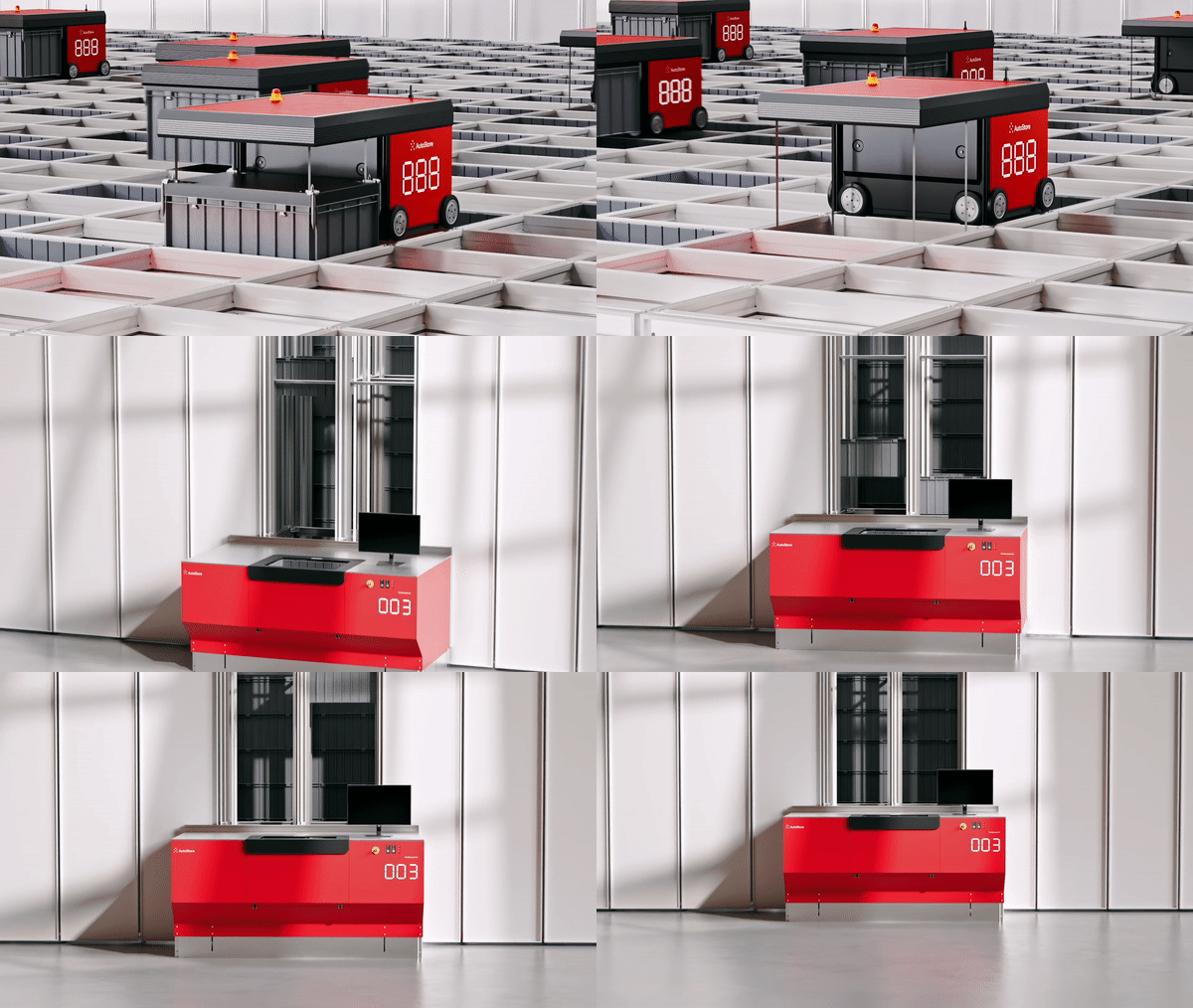
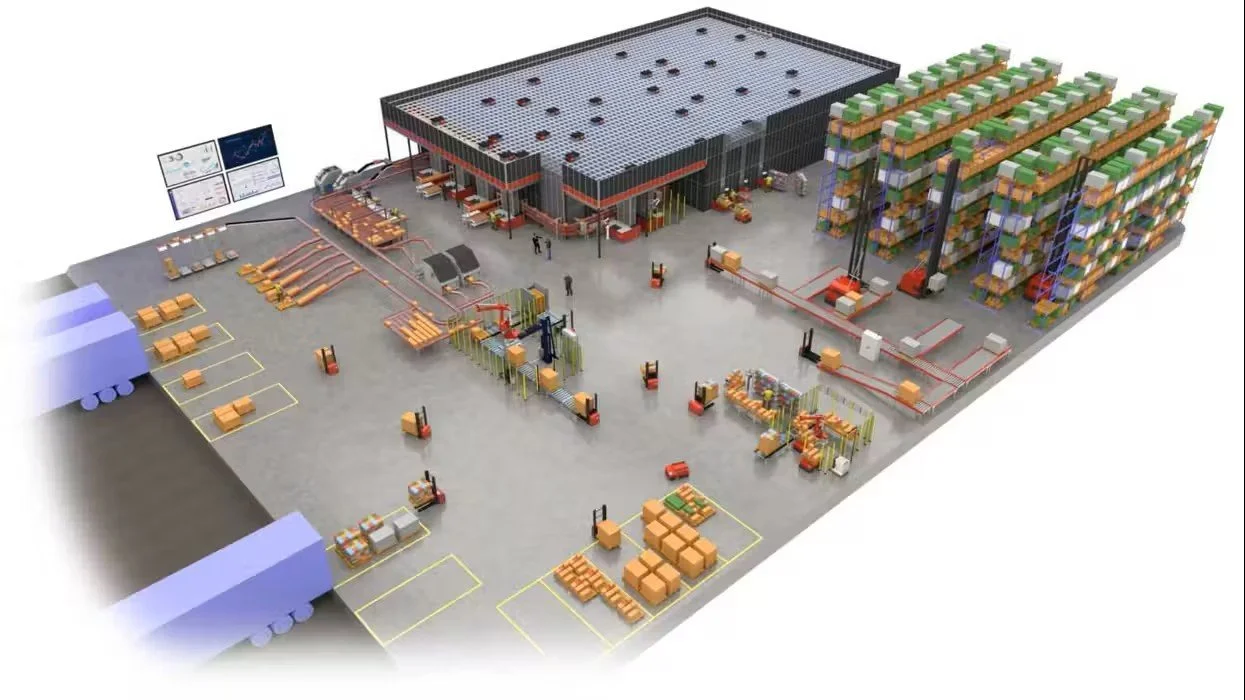
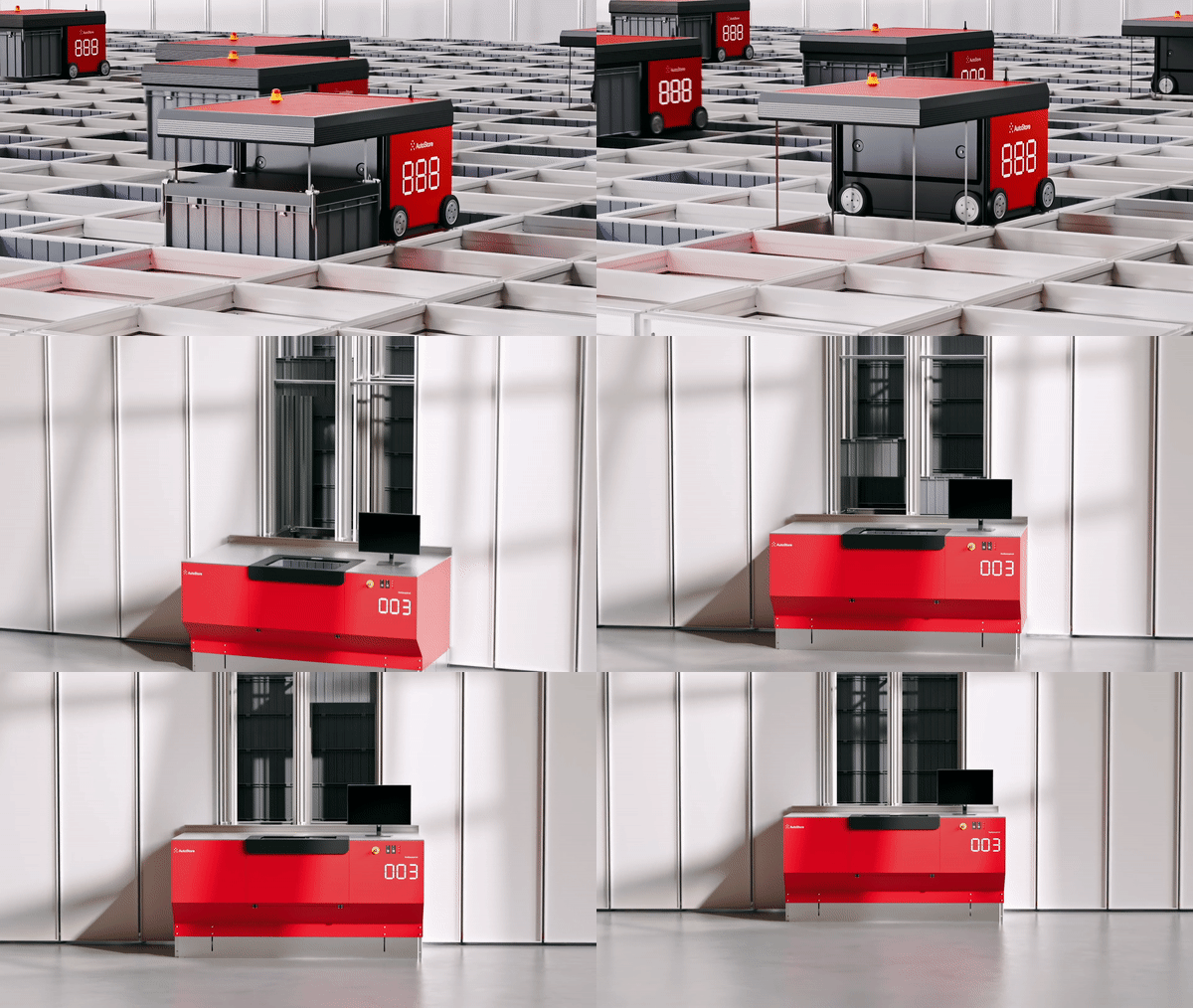
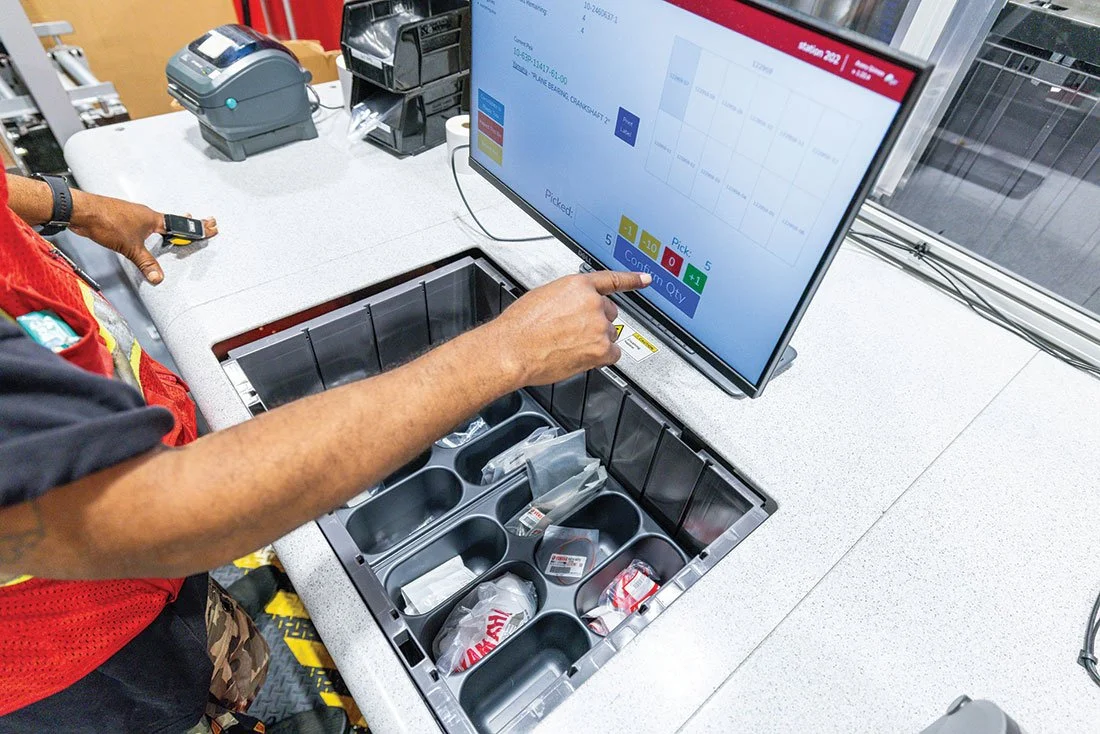
A conveyor does not need legs. An ASRS does not need arms, knees, hands, or balance. A robotic arm does not need to navigate an aisle or step around a pallet. An AMR does not need to replicate a human body to move a tote from one location to another. A goods-to-person system does not need a robot to walk through a warehouse because it brings the inventory directly to the operator.
That is why purpose-built automation has succeeded.
It is designed around a specific task, a specific flow, a specific throughput requirement, and a measurable return on investment. It may not look as exciting as a humanoid robot walking through a factory, but it is normally faster, cheaper, safer, easier to maintain, and more reliable.
A humanoid is essentially trying to become a universal substitute for human physical work. That is a far more difficult goal than automating a defined process.
The industry keeps talking about humanoids because factories, warehouses, and buildings were designed around people. That part is true. But the logical conclusion is not necessarily that we should build robots shaped like people. In many cases, the better answer is to redesign the process so that people do not need to walk, bend, lift, search, carry, or perform repetitive work in the first place.
That is what good automation design has always been about.
The best warehouse automation does not attempt to reproduce a warehouse worker. It removes unnecessary travel, reduces touches, simplifies material flow, automates repetitive decisions, and brings products to the point where work can be completed efficiently.
The best manufacturing automation does not attempt to duplicate a factory operator from head to toe. It isolates the specific motion, task, or handling problem and designs the most practical machine around it.
Humanoids are a fascinating engineering project. They may eventually have highly specialized roles in environments that cannot be redesigned, where the task changes frequently, and where the cost of introducing dedicated automation is too high. But that is a very narrow industrial argument. It is not the same as saying humanoids are about to become a large-scale replacement for warehouse workers, factory operators, construction workers, or service employees.
That broad market does not exist today.
More importantly, there is no convincing evidence that it is close.
There are impressive videos. There are predictions. There are enormous market forecasts. There are future production targets and investor presentations. But there is very little public evidence of humanoids delivering sustained, independently verifiable industrial performance at the level required to compete with existing automation.
The key questions remain unanswered. Can a humanoid work reliably through an entire shift? Can it maintain industrial cycle times? Can it operate without frequent human intervention? Can it be serviced economically? Can it work safely beside people? Can it achieve better economics than an AMR, robotic arm, conveyor system, or ASRS designed specifically for the task?
Until those questions are answered with real operating data, humanoids remain a technology demonstration rather than a serious automation category.
That is why SoftBank’s exit matters.
Again, it is not proof that SoftBank has abandoned humanoids as a future concept. It is not proof that Atlas will fail. Hyundai may eventually build a successful internal program around the robot.
But it is a legitimate signal that a sophisticated technology investor may not see enough near-term commercial value to justify maintaining its position in the company most closely associated with humanoid robotics.
Perhaps the market is much smaller than people believe. Perhaps the investment required is too large relative to the likely return. Perhaps the technology is still far too early. Or perhaps the real commercial opportunity is so far away that it does not justify treating humanoids as a serious industrial automation investment today.
Tesla Optimus should be viewed through the same lens.
Tesla has shown Optimus walking, handling objects, and performing selected tasks. Those demonstrations are interesting, but they do not establish that Optimus is ready to become a factory worker. Tesla’s own stated objective is to create a general-purpose, bipedal autonomous humanoid robot capable of performing repetitive or unsafe tasks. That is an ambitious goal. It is not evidence that the goal has been achieved.
There is no public operating data showing that Optimus can work through full factory shifts, maintain required cycle times, achieve dependable uptime, operate safely around workers, recover from errors with limited human intervention, or produce a measurable return on investment.
Those are the only measures that matter.
Tesla may eventually be able to manufacture Optimus at a lower cost than competitors. It has strong manufacturing experience, access to its own factories, and the ability to test the robot internally. But lower-cost production does not solve the fundamental problem. A cheaper humanoid robot that cannot perform reliable, useful work is still not a commercial product.
It is simply a cheaper demonstration.
The Tesla narrative relies heavily on the assumption that once the hardware is manufactured at scale, the market will appear. That may be true for some consumer electronics. It is not how industrial automation works.
Industrial customers do not buy robots because the manufacturer has announced a future production capacity. They buy robots because the system can be proven to solve a real operational problem, with a defined throughput, uptime, maintenance model, safety case, and return on investment.
Until Tesla produces that evidence, Optimus should be treated as an unproven concept surrounded by very ambitious promotion.
The same applies to Atlas, Figure, and the growing number of humanoid startups attracting investment because they can produce compelling videos.
The real automation opportunity today is not humanoids. It is better software, better process engineering, better material flow, better robotics integration, better ASRS design, better AMR deployment, better robotic picking, and better orchestration between the systems already operating in warehouses and factories.
Those are not futuristic ideas. They are practical tools that are already delivering value.
Humanoids may have a role one day. But the industry should stop pretending that a robot with legs and hands is automatically the next logical step in automation.
It is not.
It is one of the most complex, expensive, and difficult approaches imaginable to solving problems that purpose-built automation already solves better.
SoftBank’s exit from Boston Dynamics may not be the end of humanoid robotics.
But it may be a useful reminder that the gap between an impressive robot and a viable commercial market is much larger than the current hype cycle wants to admit.
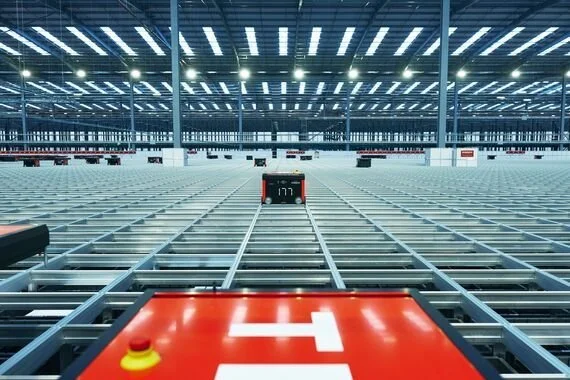
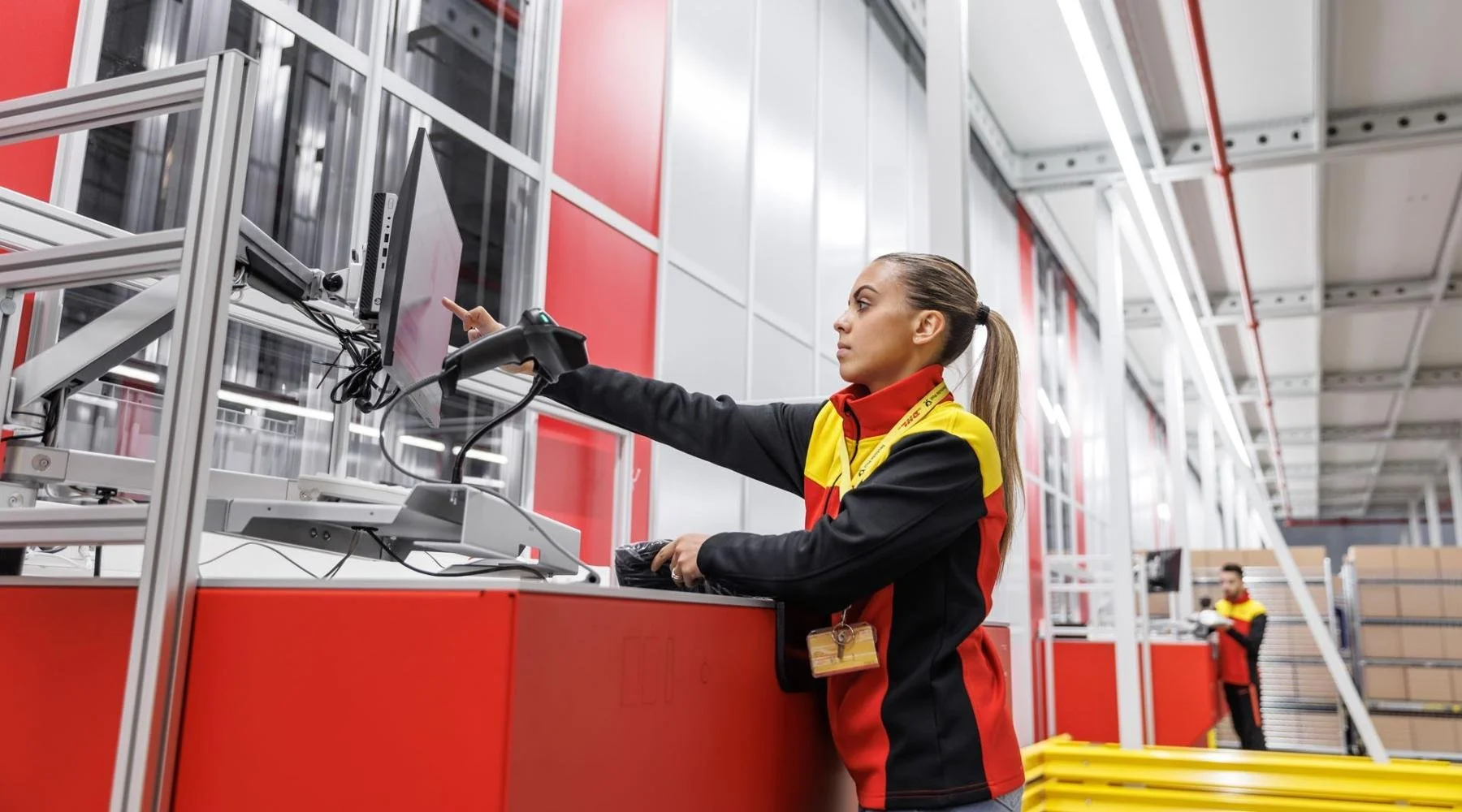
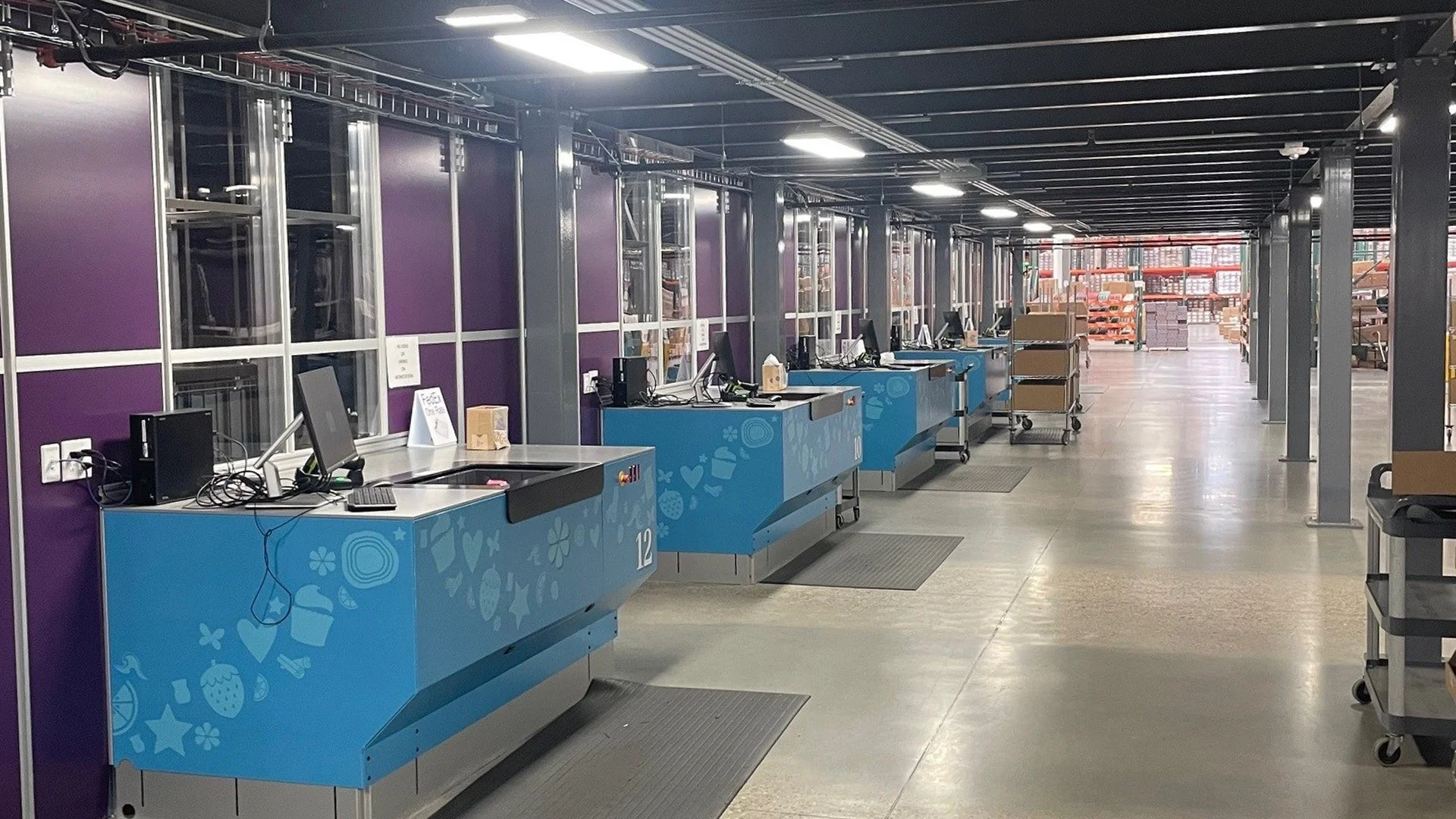
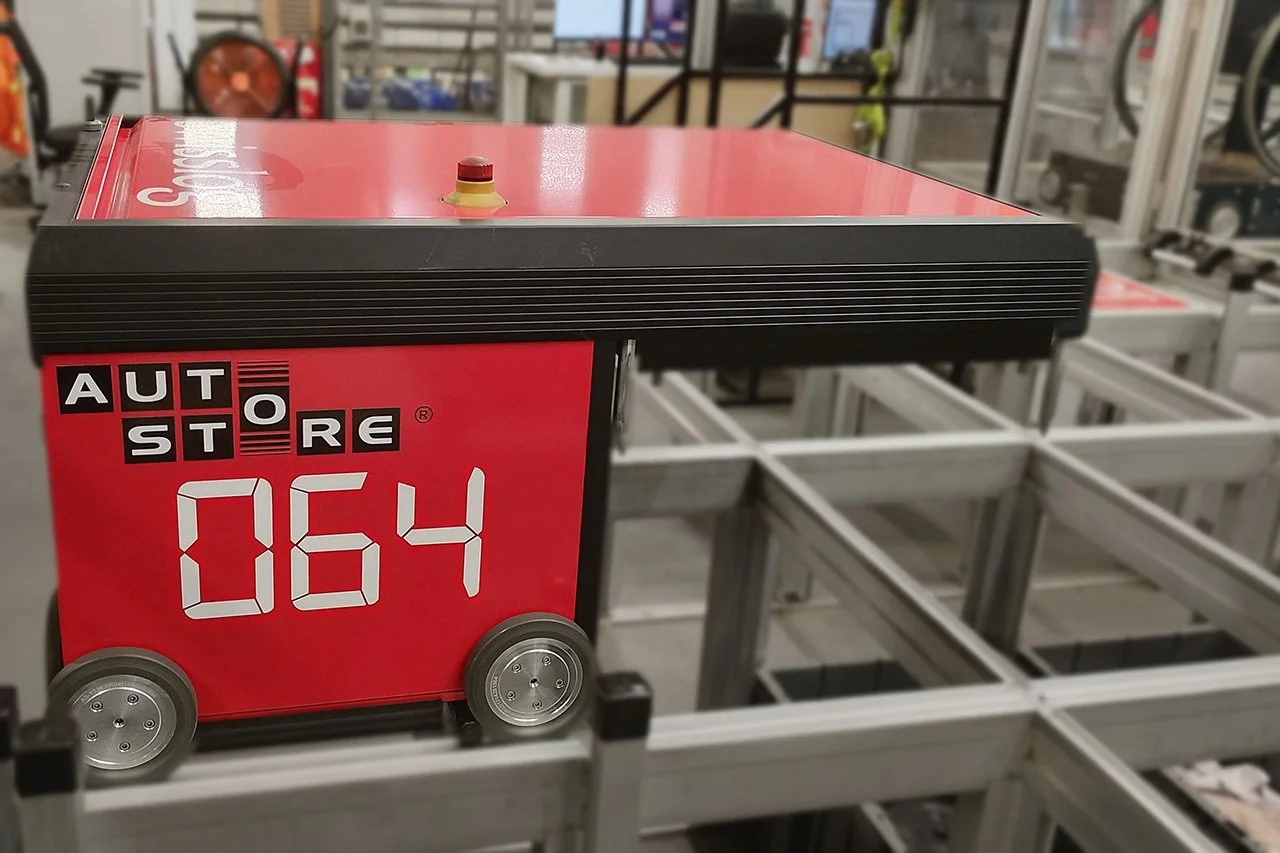
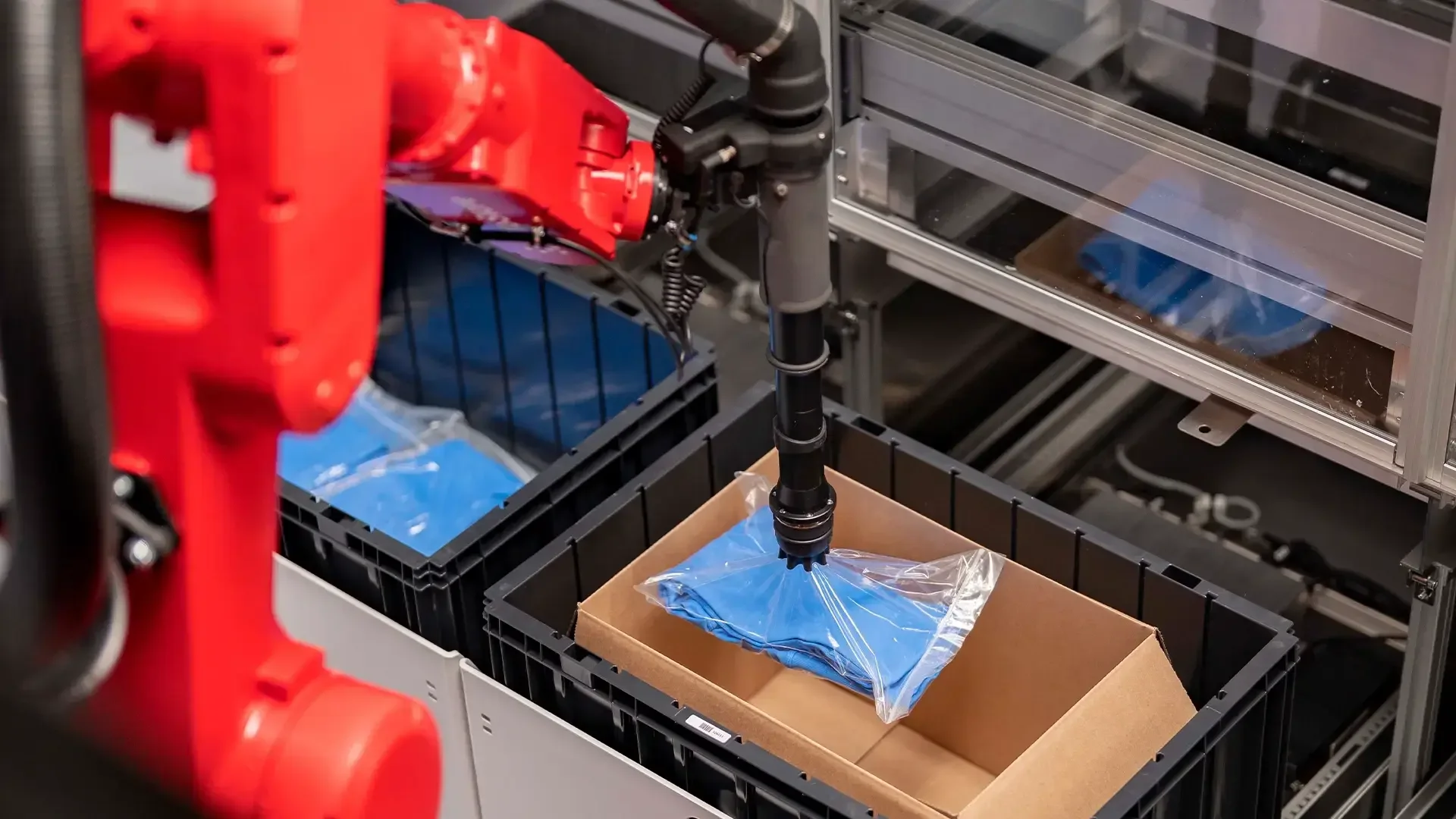
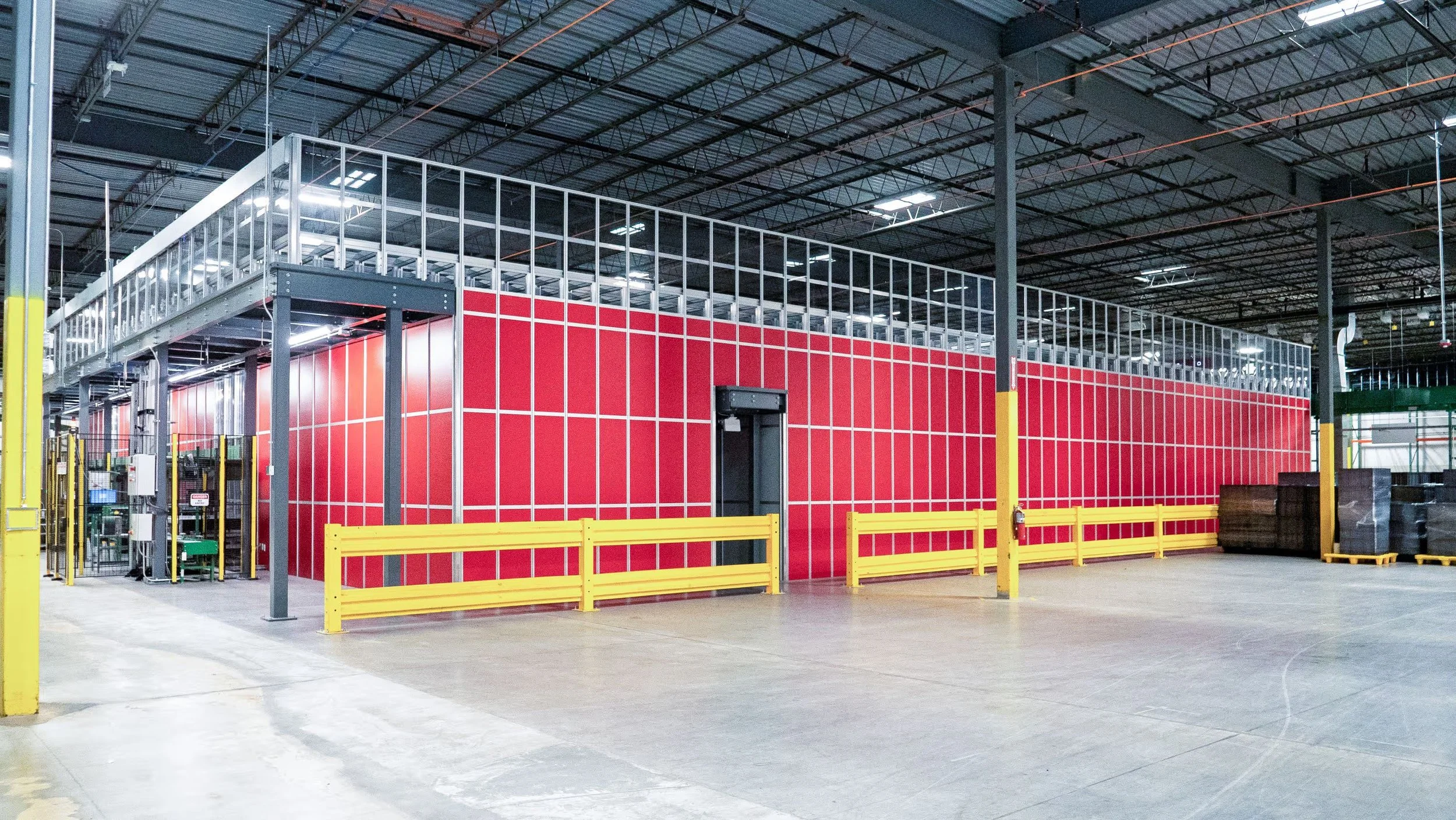
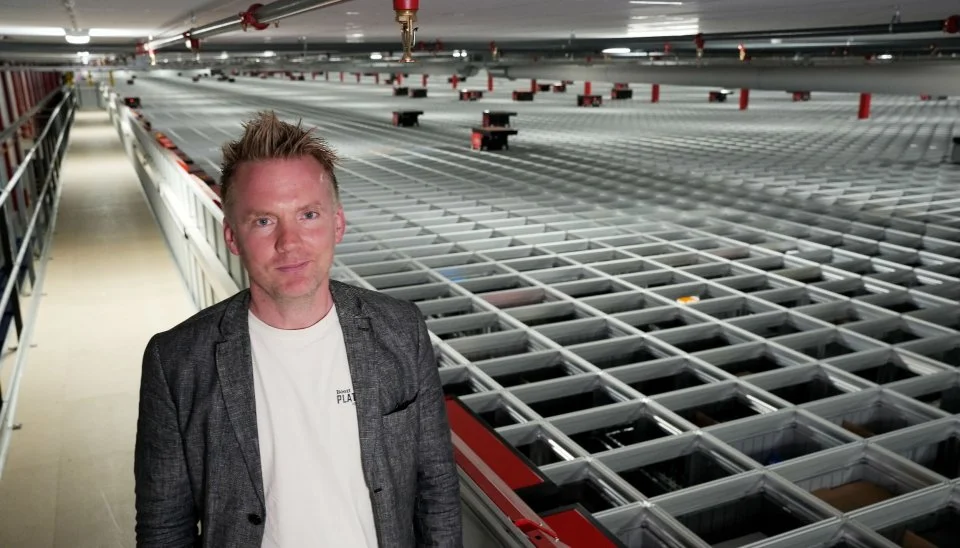
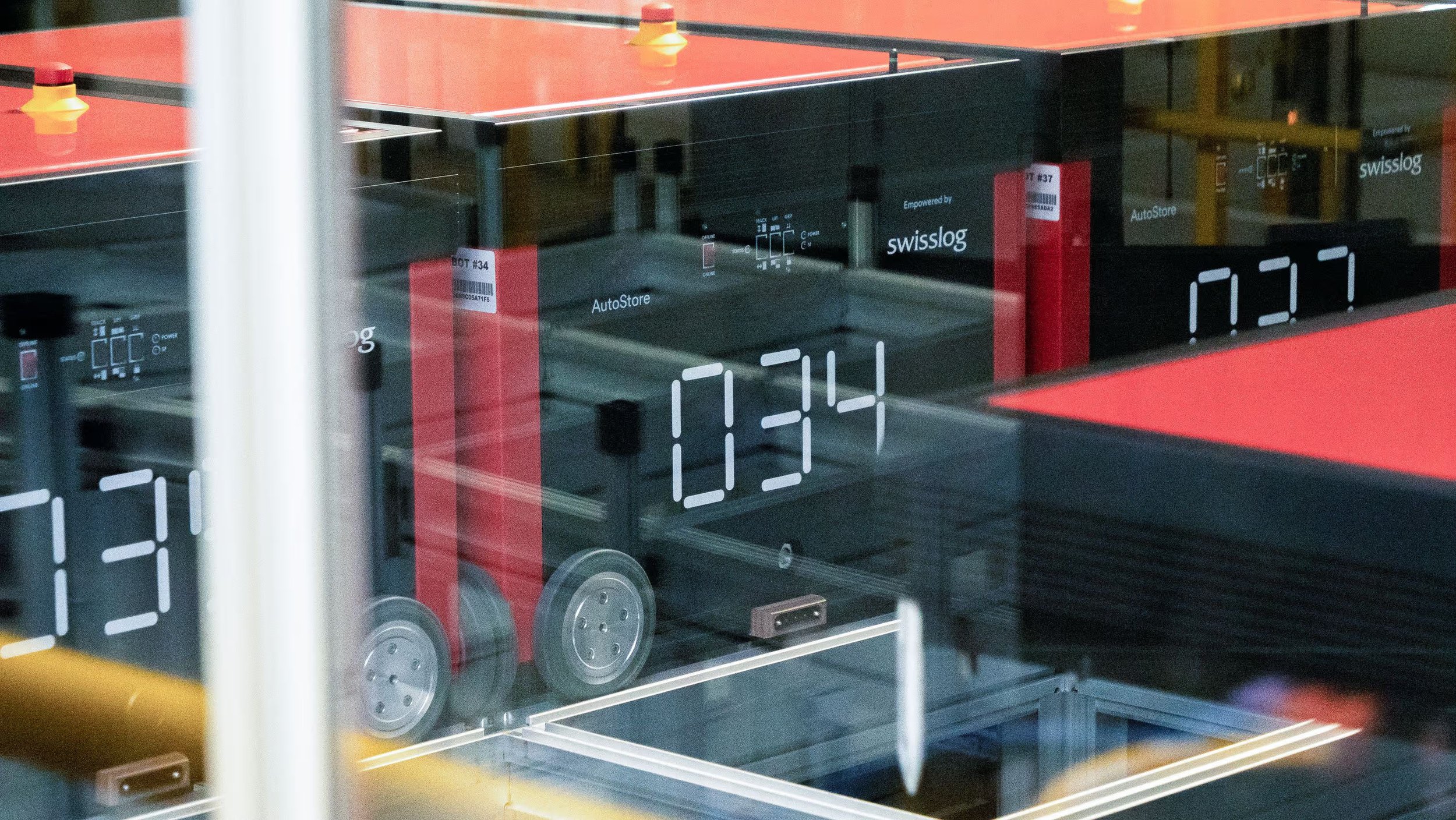
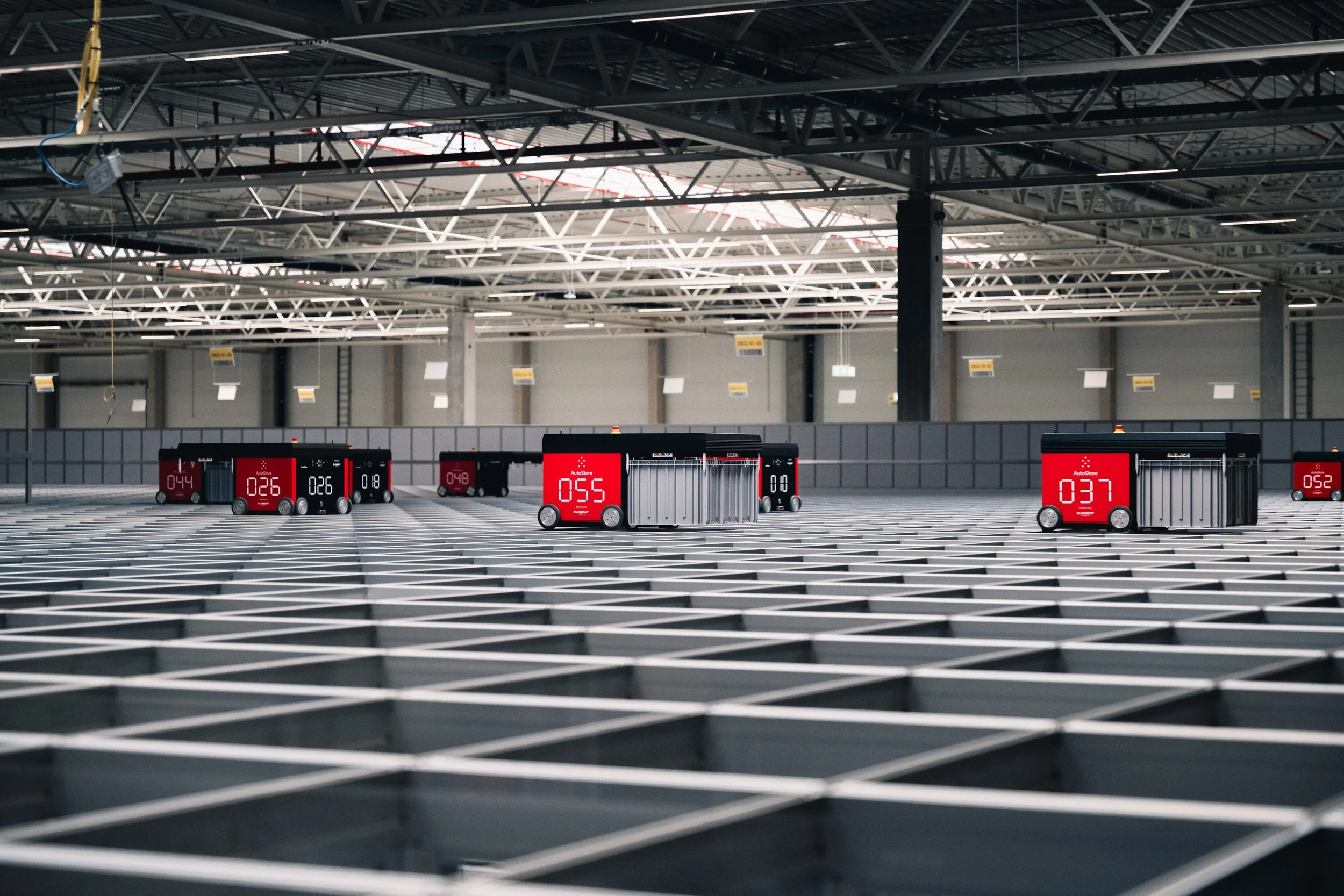
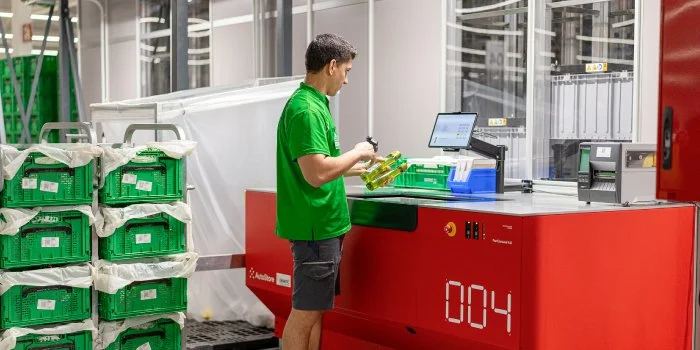
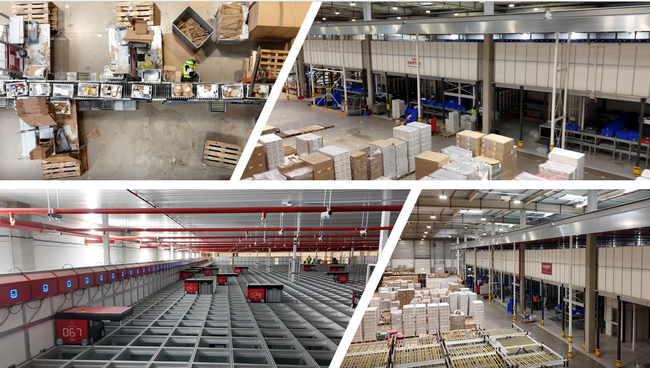
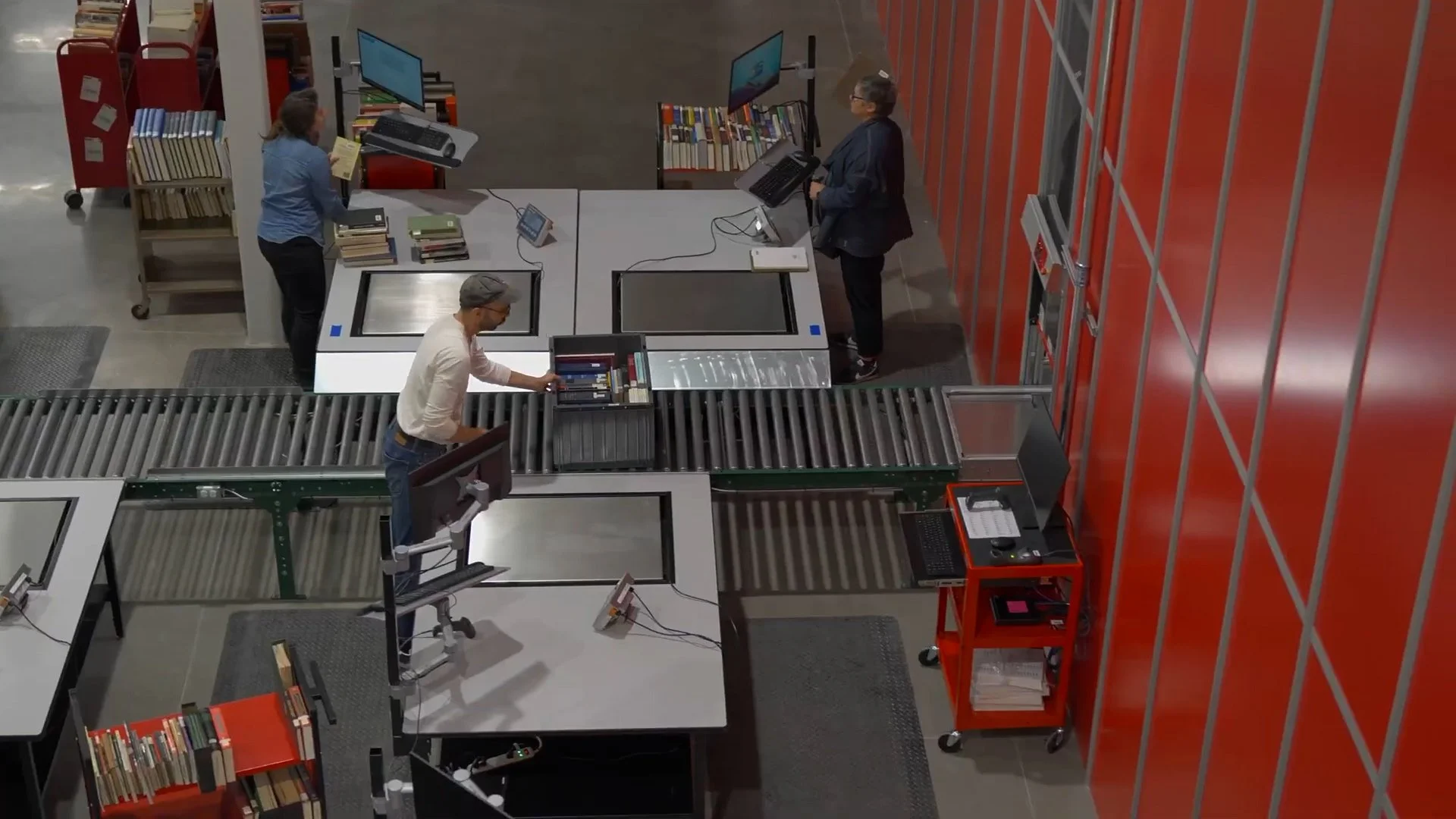



DHL Supply Chain is now operating a fully-automated robot picking system at a logistics center in Staufenberg Germany