
Walmart’s latest comments around same-day fulfillment, 30-minute delivery windows, AI-driven inventory positioning, and supply chain automation should be a wake-up call for the entire retail industry.
The retail battle is no longer being fought only on product selection or pricing. Increasingly, it is being fought on speed — specifically, how fast a retailer can position inventory, fulfill orders, and place products at the customer’s doorstep.
During Walmart’s latest earnings update, CEO John Furner revealed that Walmart delivered more than 3.5 billion units same-day or next-day globally, while more than 36% of all Walmart U.S. online orders fulfilled through stores were delivered in less than three hours. Walmart also stated that customers in many markets can now receive products in as little as 30 minutes. (diginomica.com)
Those numbers are not simply operational statistics. They signal a major structural shift happening across retail logistics.
Most retailers today still operate around delivery windows of roughly 5 to 7 business days for a large portion of online orders.
But Walmart’s latest comments clearly show where the industry is heading.
Next-day delivery will increasingly become the expected standard across large parts of retail. And shortly after that, many retailers will face growing pressure to enable same-day fulfillment capabilities in major urban markets.
The implications are massive.
To support these fulfillment expectations, retailers will likely require:
far more localized inventory positioning
highly automated fulfillment operations
real-time inventory visibility
AI-driven fulfillment decision engines
dynamic order orchestration
highly optimized last-mile delivery infrastructure
faster warehouse throughput
stronger integration between stores, micro-fulfillment, and distribution centers
This is exactly why Walmart continues investing aggressively into supply chain automation, fulfillment infrastructure, AI systems, and real-time operational visibility. According to Furner, approximately half of Walmart U.S. e-commerce fulfillment center volume is now automated, while automated distribution centers are increasingly feeding stores across the network. (diginomica.com)
What many retailers may still underestimate is that fulfillment speed is no longer only a logistics problem. It is rapidly becoming a core customer experience expectation.
Consumers are being conditioned by companies like Walmart and Amazon to expect near-immediate fulfillment. Once customers become accustomed to receiving products in hours instead of days, slower fulfillment models begin creating friction very quickly.
This shift could place enormous pressure on retailers still operating highly manual fulfillment environments or legacy distribution models originally designed around traditional store replenishment rather than real-time omnichannel fulfillment.
At the same time, achieving these fulfillment speeds is extraordinarily difficult operationally.
Faster delivery is not simply about adding more drivers or building additional warehouses. The real challenge is orchestration — the ability to dynamically coordinate inventory, labor, automation systems, robotics, transportation, fulfillment priorities, and customer promises together in real time.
This is where AI, warehouse orchestration software, automation infrastructure, ASRS systems, robotics, and modern fulfillment platforms increasingly become strategic competitive assets rather than optional technology investments.
The retailers that successfully combine:
localized inventory
automation
real-time orchestration
AI-driven fulfillment optimization
high-speed last-mile delivery
may ultimately create fulfillment capabilities that become extremely difficult for competitors to replicate.
Most retailers are still operating supply chain models designed for a completely different era of retail.
The future retail winners may not simply be the retailers with the lowest prices.
They may increasingly become the retailers capable of delivering almost instantly.

Best Buy Canada has put 60 robots to work inside its distribution center in Langley, British Columbia.
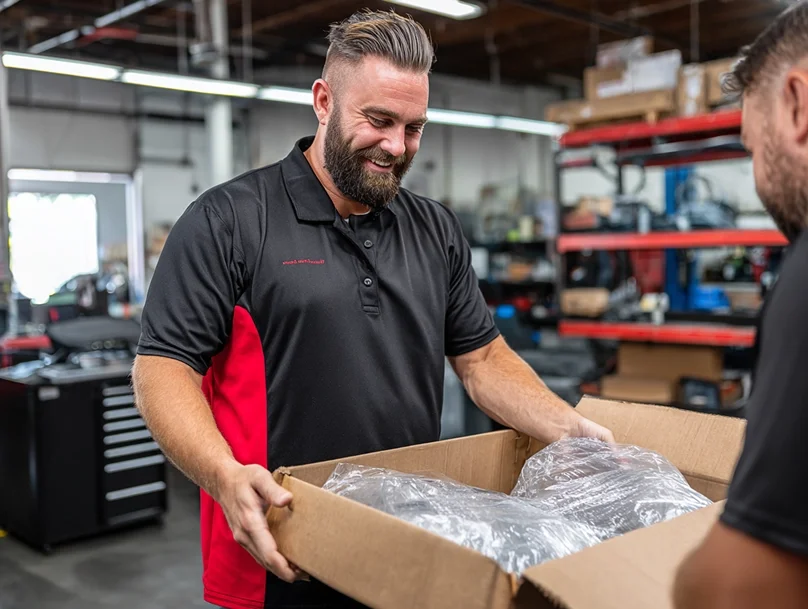
Worldpac announced plans to open its first automated distribution center, a new 413,000-square-foot facility in Forest Park, Georgia.
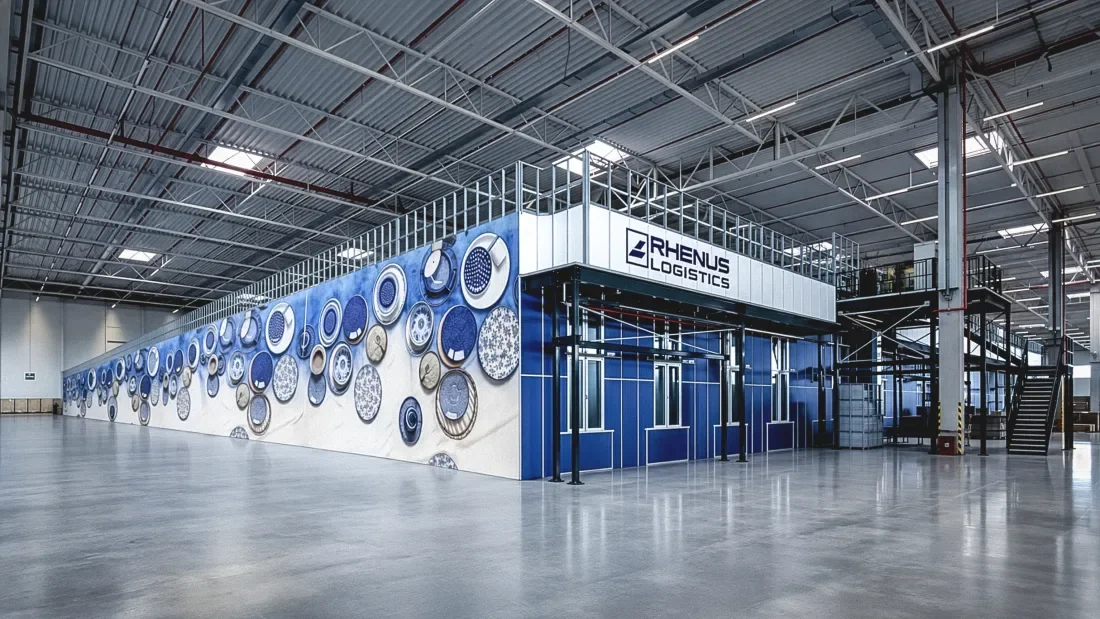
Rhenus Warehousing Solutions has officially launched one of Poland’s largest AutoStore installations at its logistics centre in Bolesławiec

PUMA and ID Logistics have brought a new 70,000-bin AutoStore system into operation at Vendenheim, near Strasbourg, for PUMA’s French B2B distribution.

The Stevens Company has officially expanded its Western Canadian operations with the opening of a new 44,000 sq. ft. distribution facility in Winnipeg.
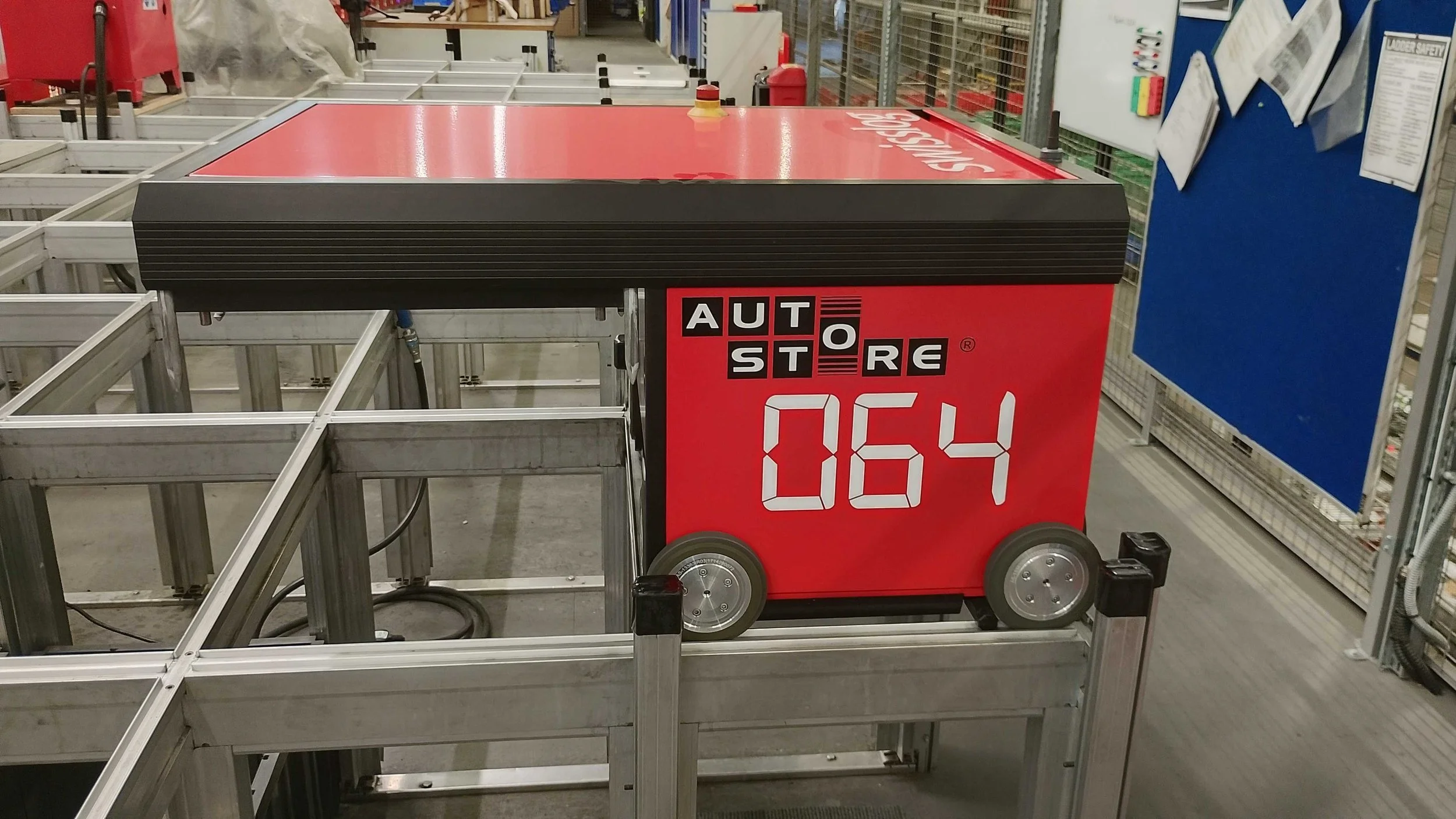
An AutoStore system currently operating within Ocado’s UK distribution network is becoming available for relocation.
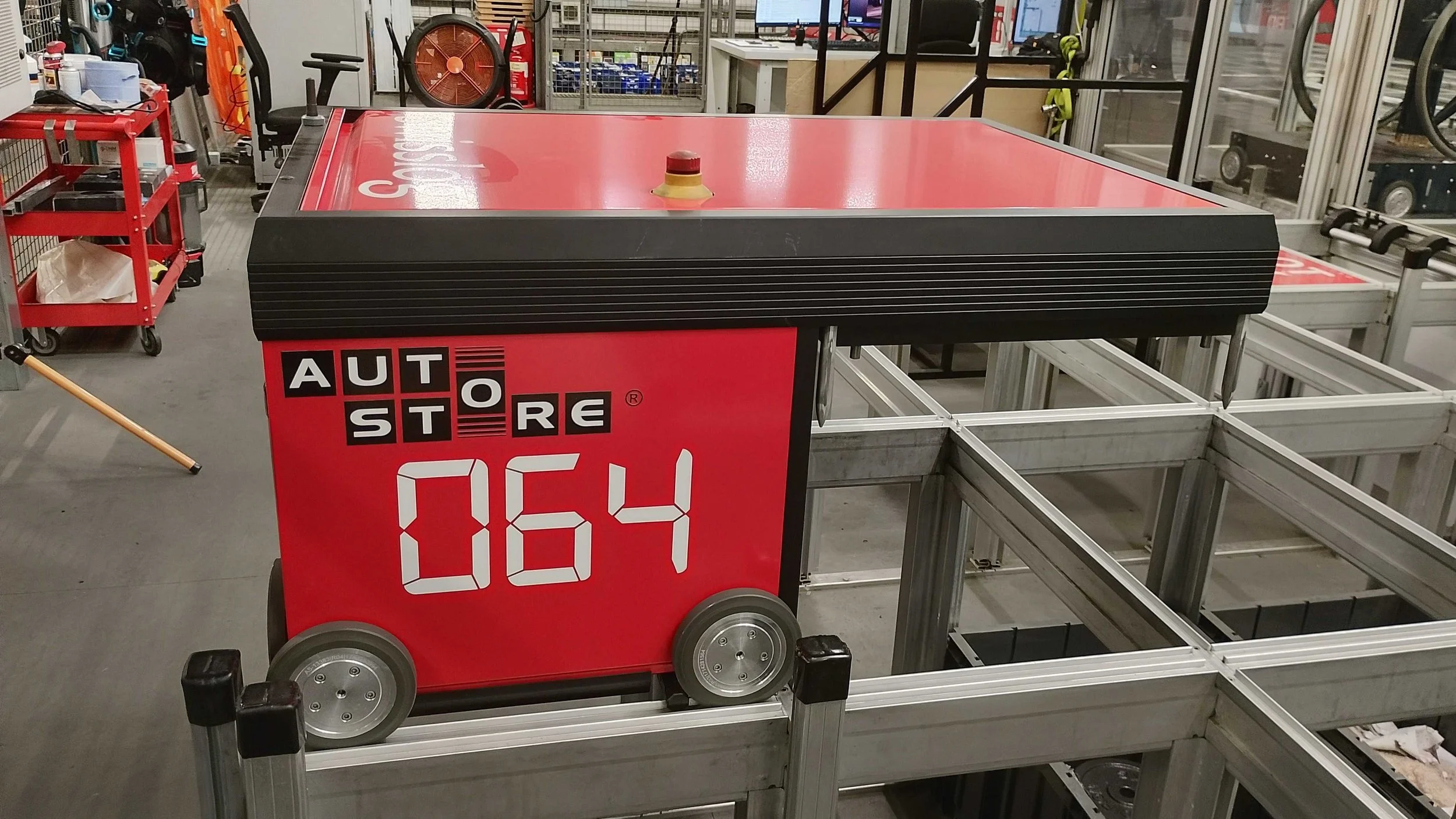
A used AutoStore system currently operating within Ocado’s UK distribution network is becoming available for relocation.
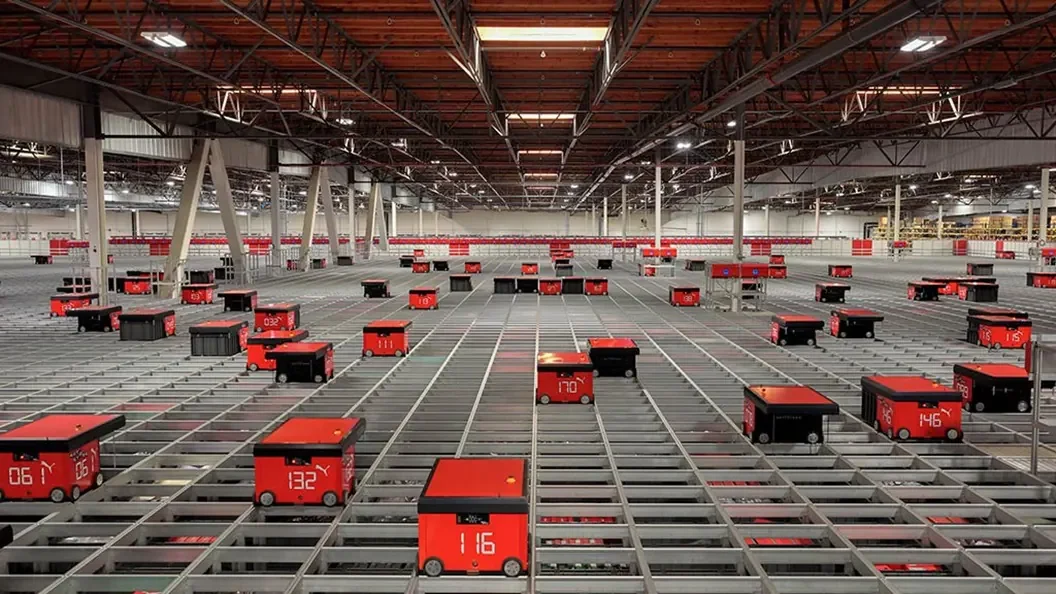
Maersk is expanding its relationship with PUMA by taking over the management of three highly automated U.S. distribution centers — all operating with AutoStore systems.
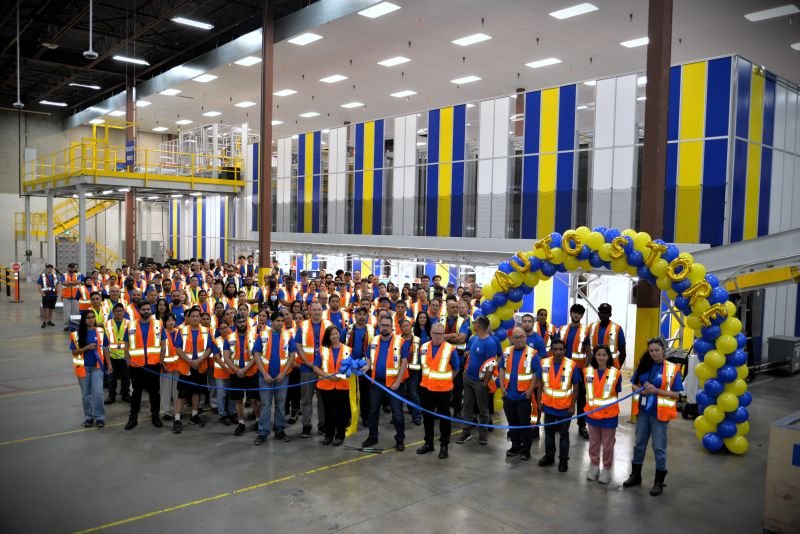
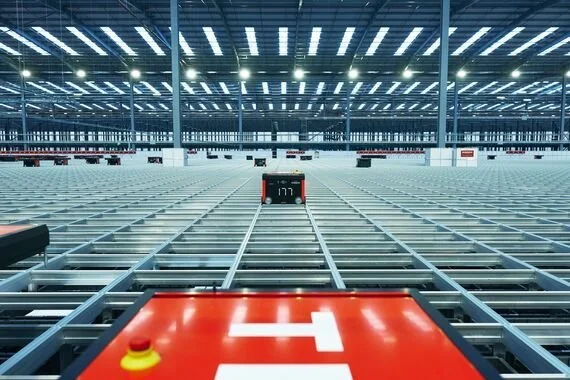
A technology-driven American 3PL is entering the Canadian market—and its automation strategy could change what customers expect from their logistics providers.
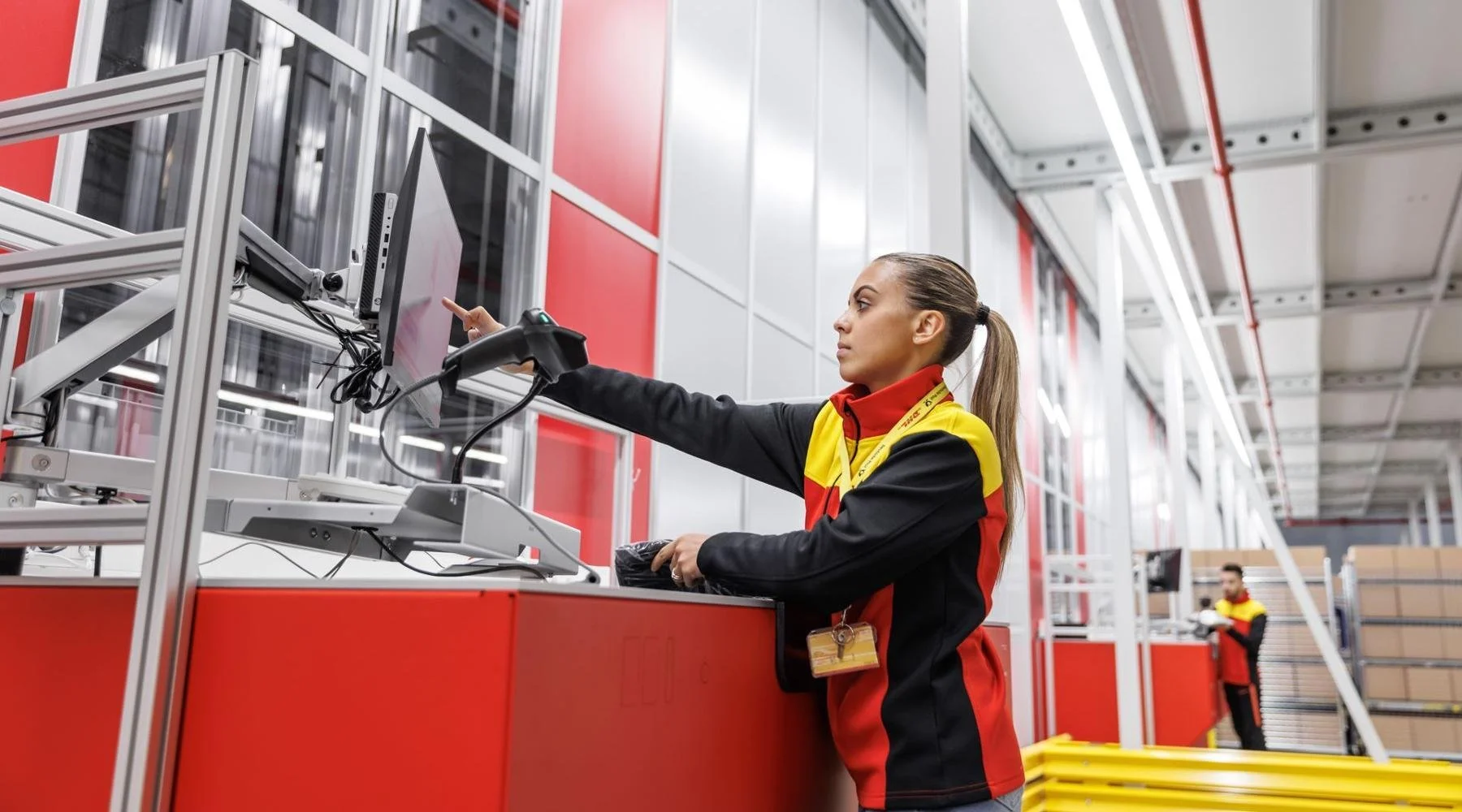
DHL Supply Chain Implements AutoStore Solution in Finland to Support ABB’s Manufacturing Logistics.
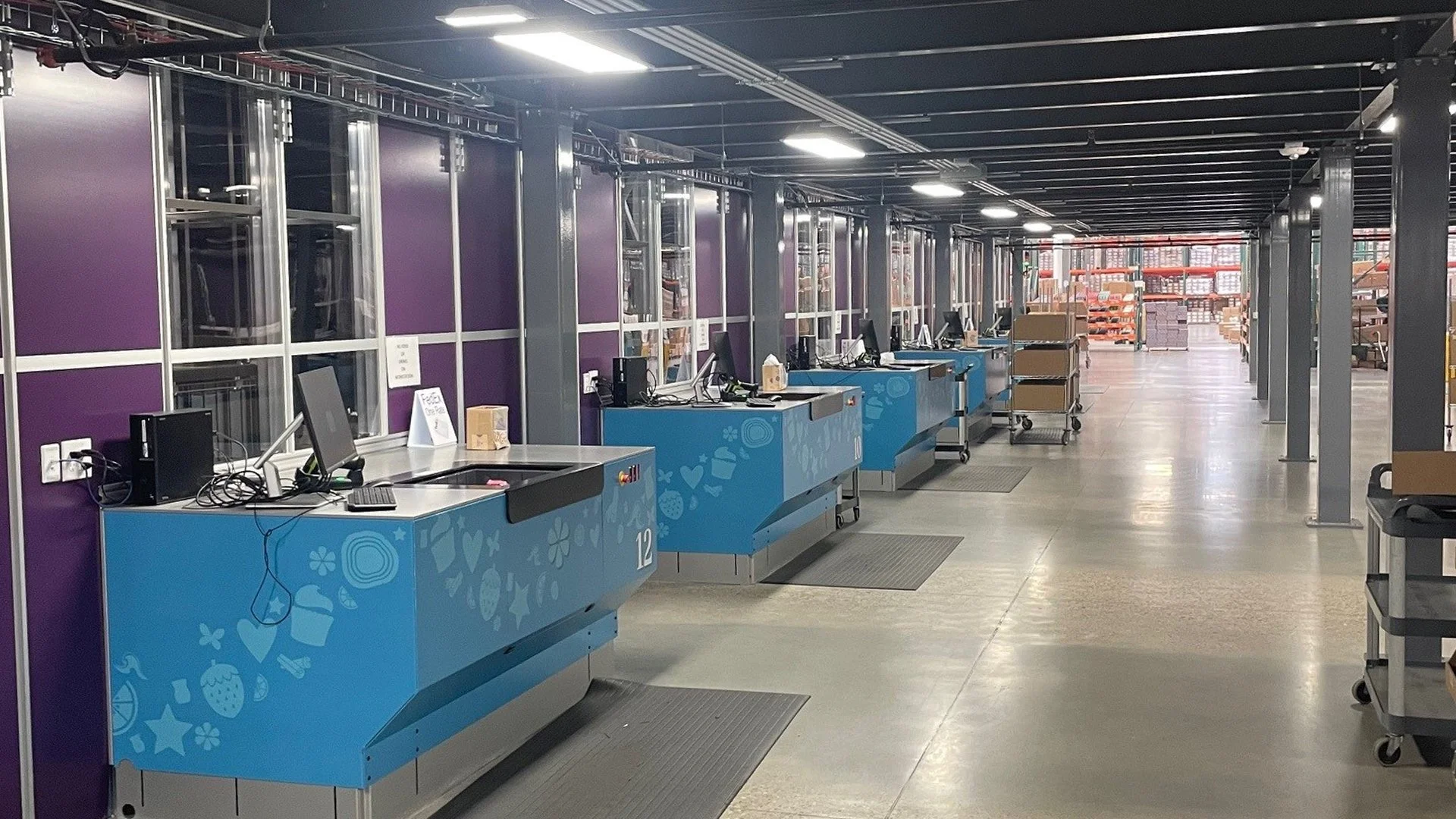
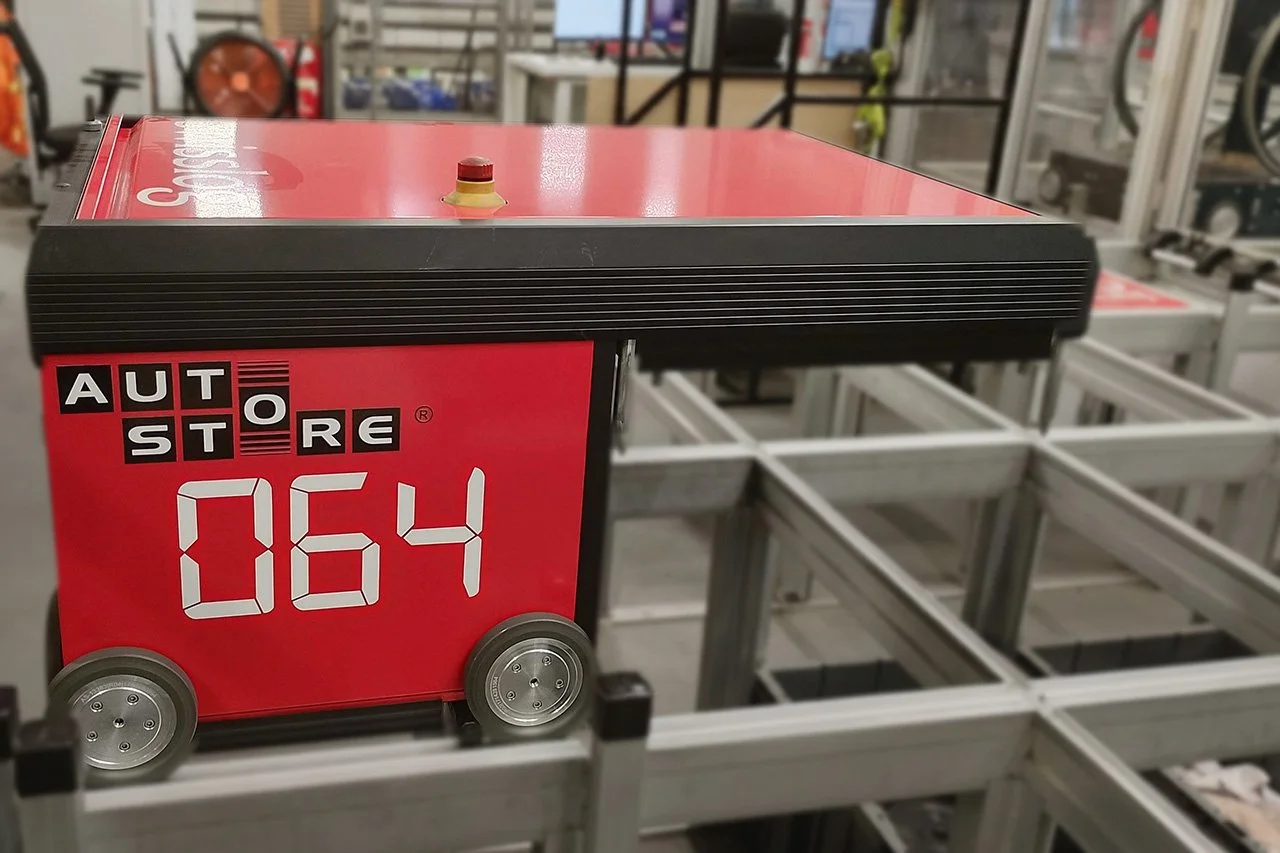
The facility is one of lululemon’s largest distribution operations in North America and is now home to Canada’s largest AutoStore robotic cube-storage installation.
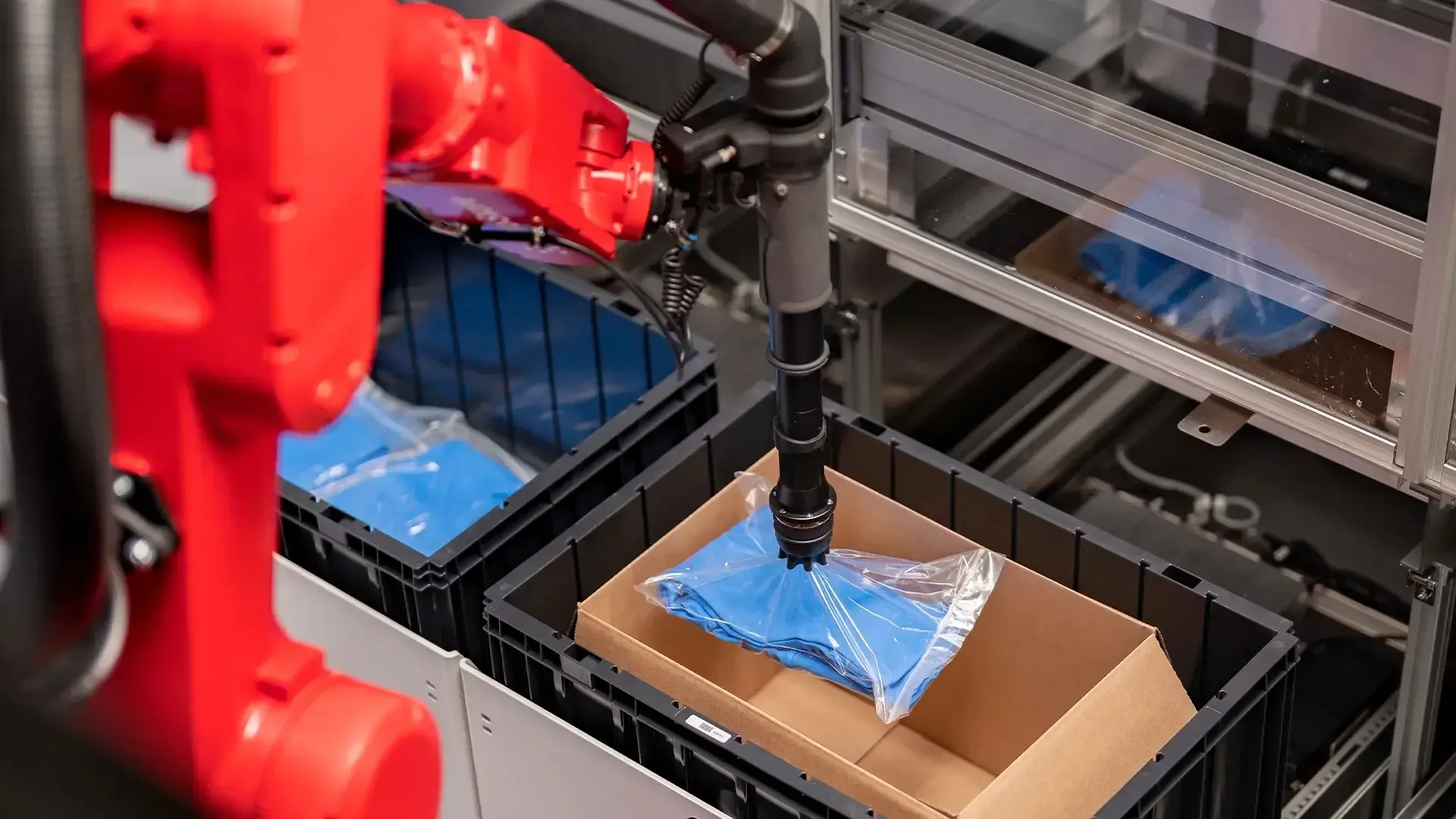
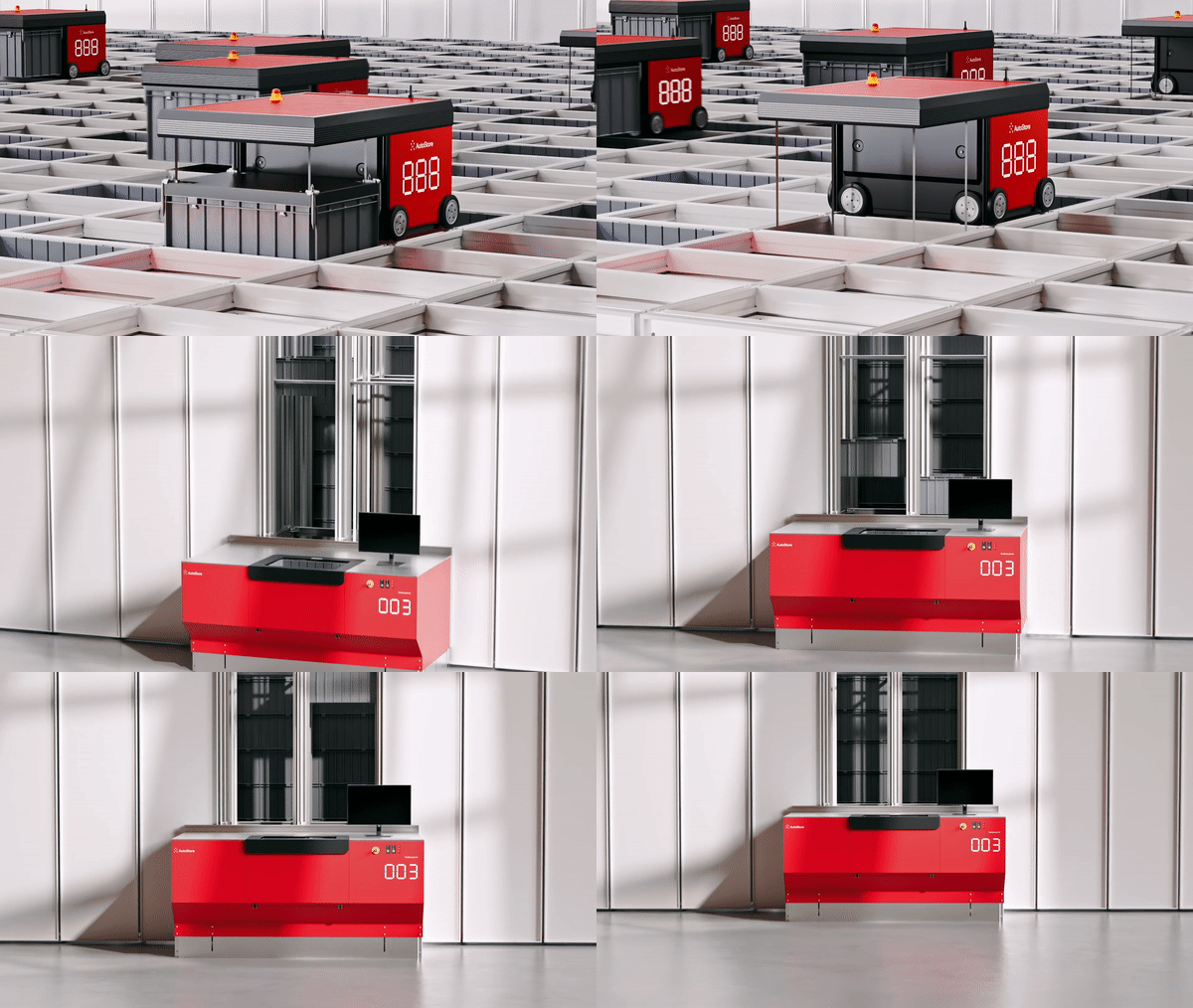
VersaAI is an advanced robotic piece-picking workstation designed by AutoStore to automate warehousing workflows.
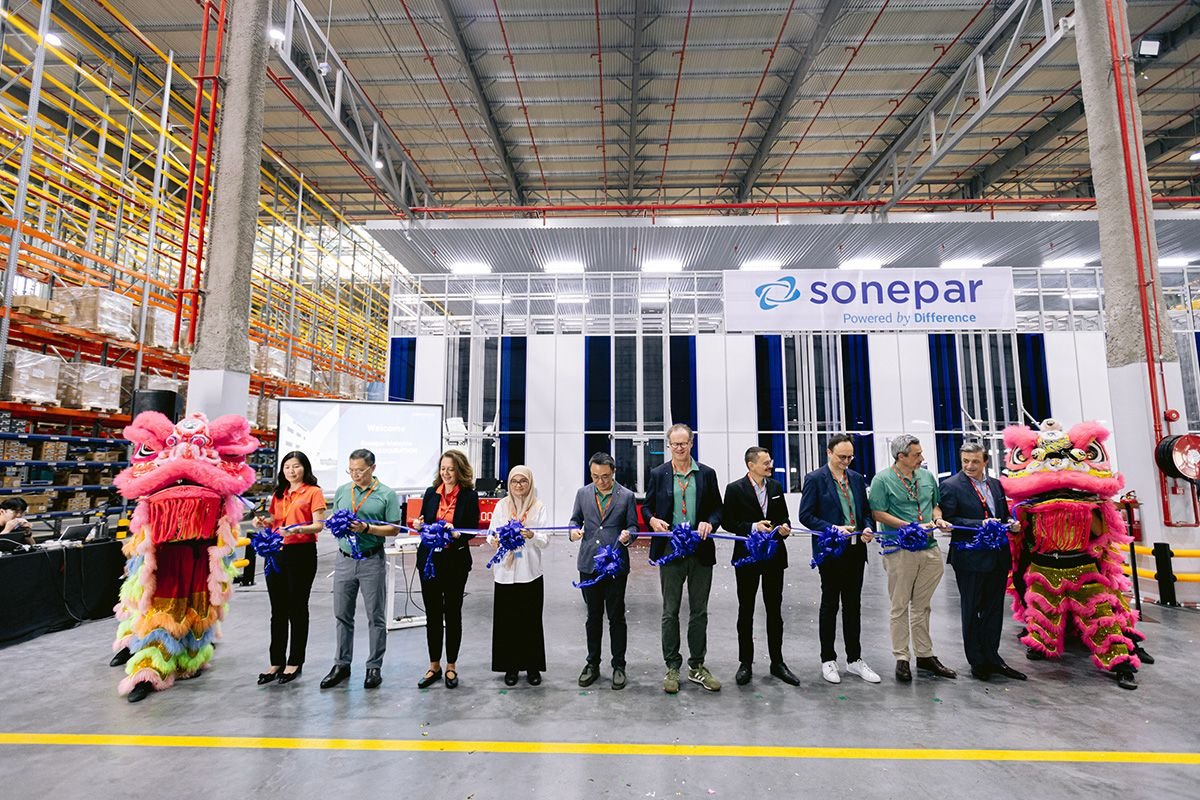
The new CDC showcases advanced automation and digital integration designed to redefine warehouse operations in Malaysia.
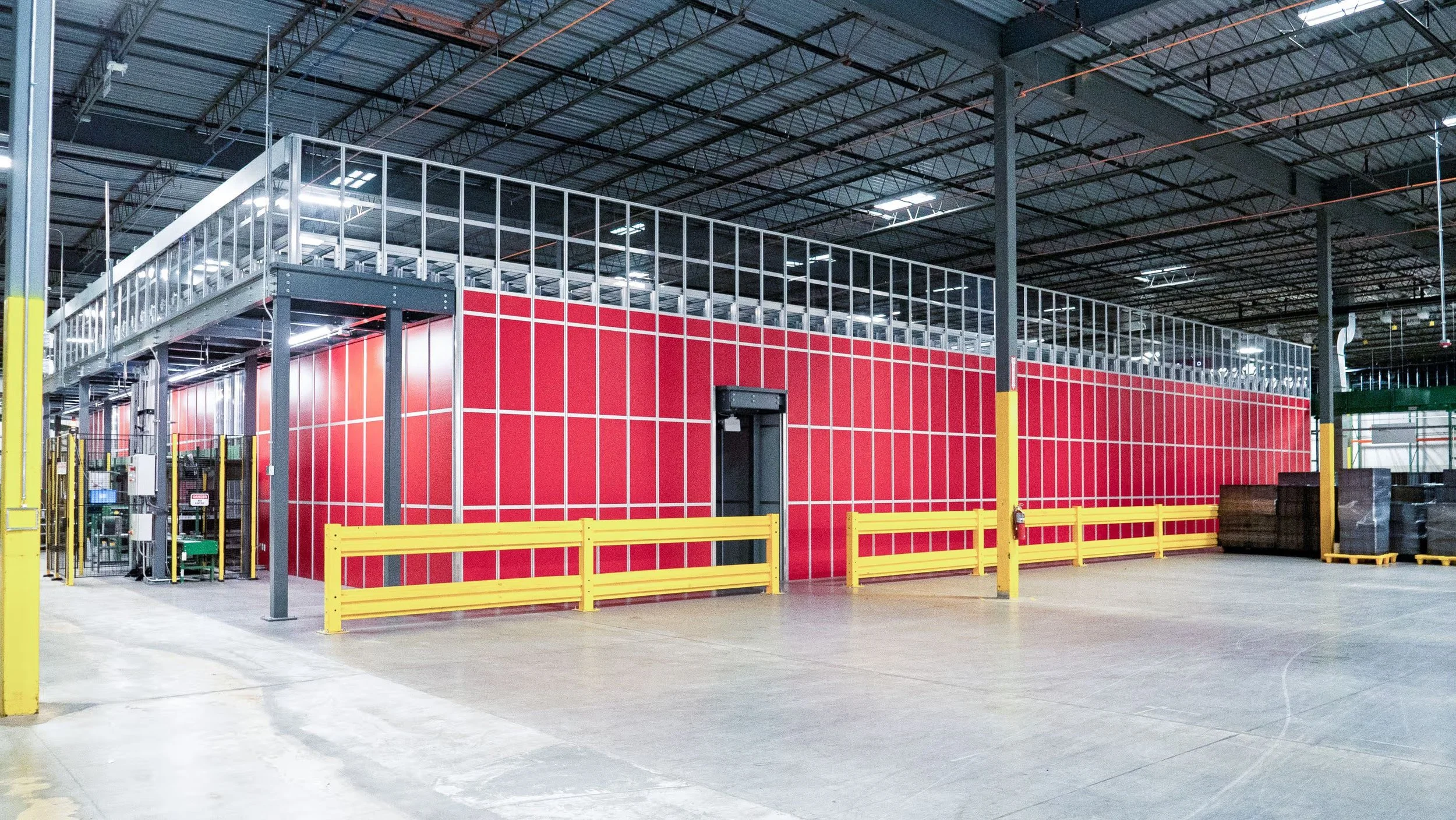
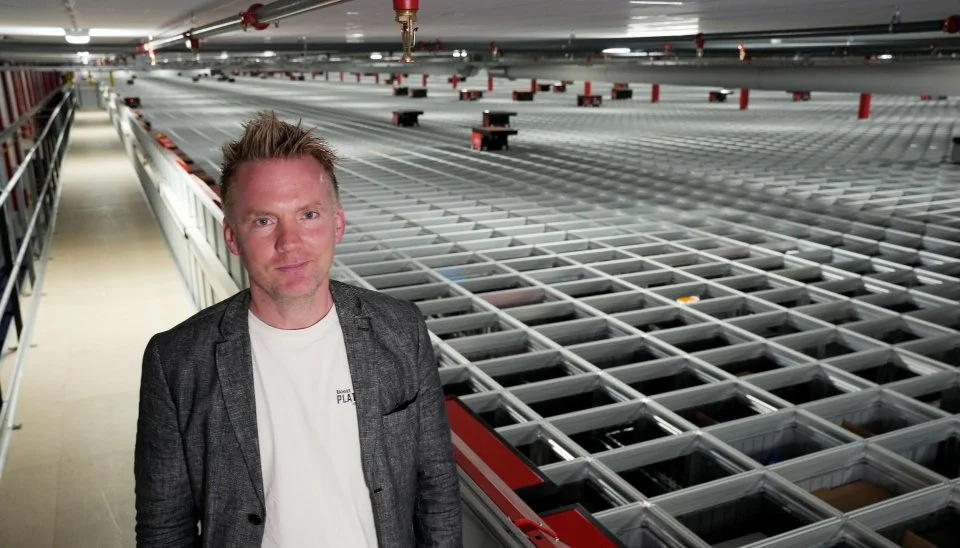
Nordic e-commerce leader Boozt operates the World's Largest AutoStore fulfillment center in Ängelholm, Sweden.
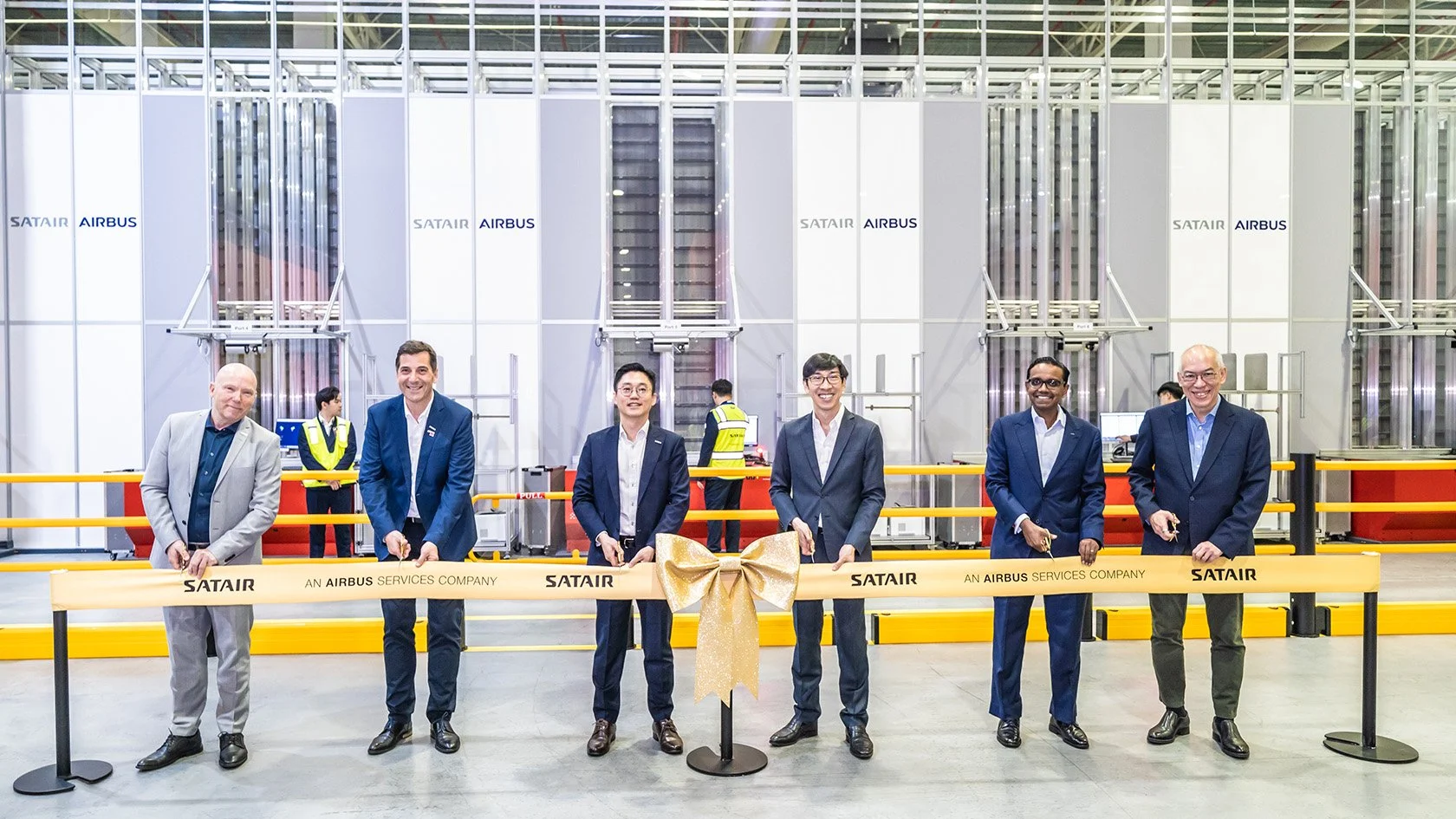
The new AutoStore system stores approximately 80% of Satair Singapore’s small and medium-sized parts inventory inside an automated cube.
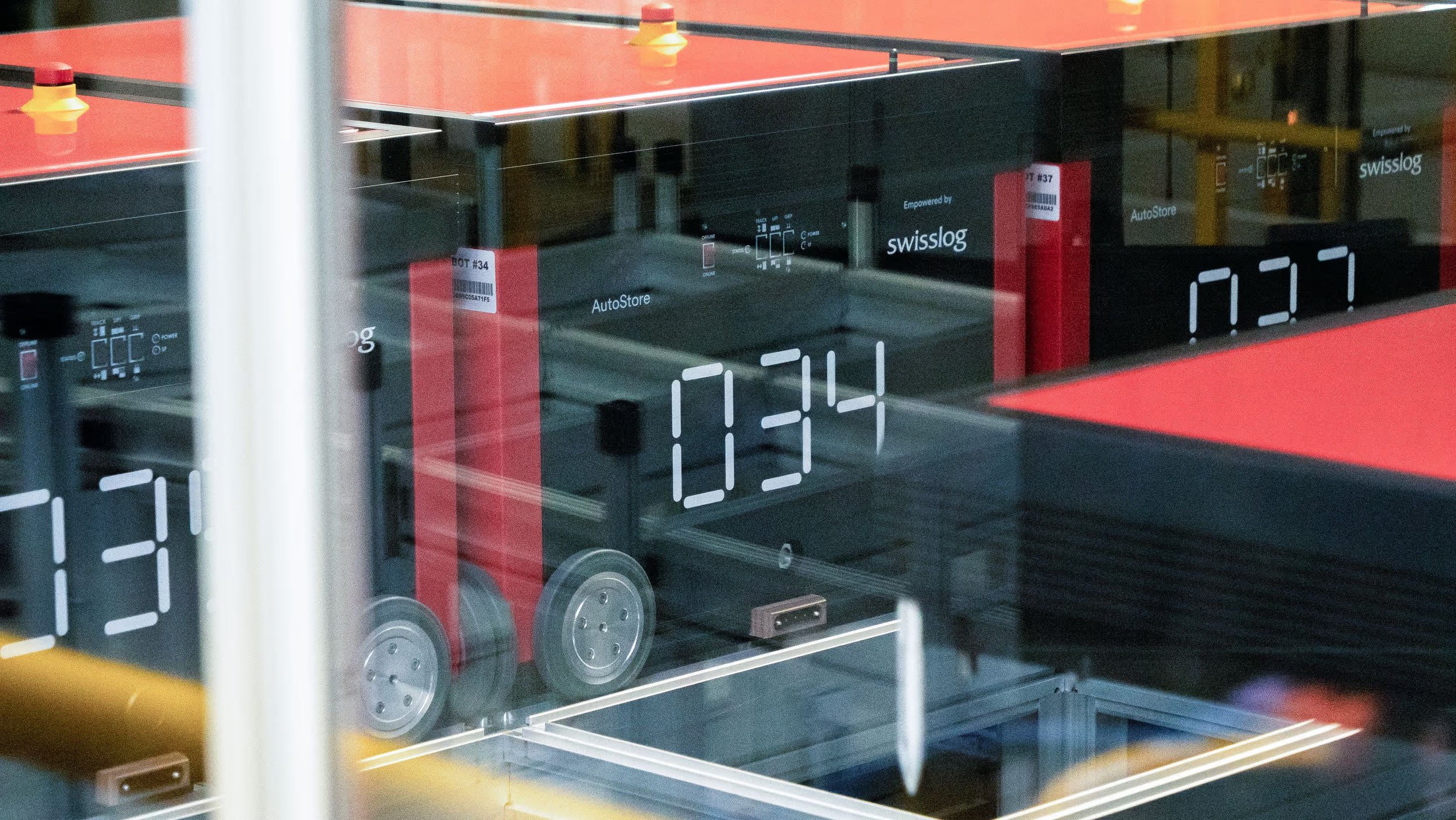
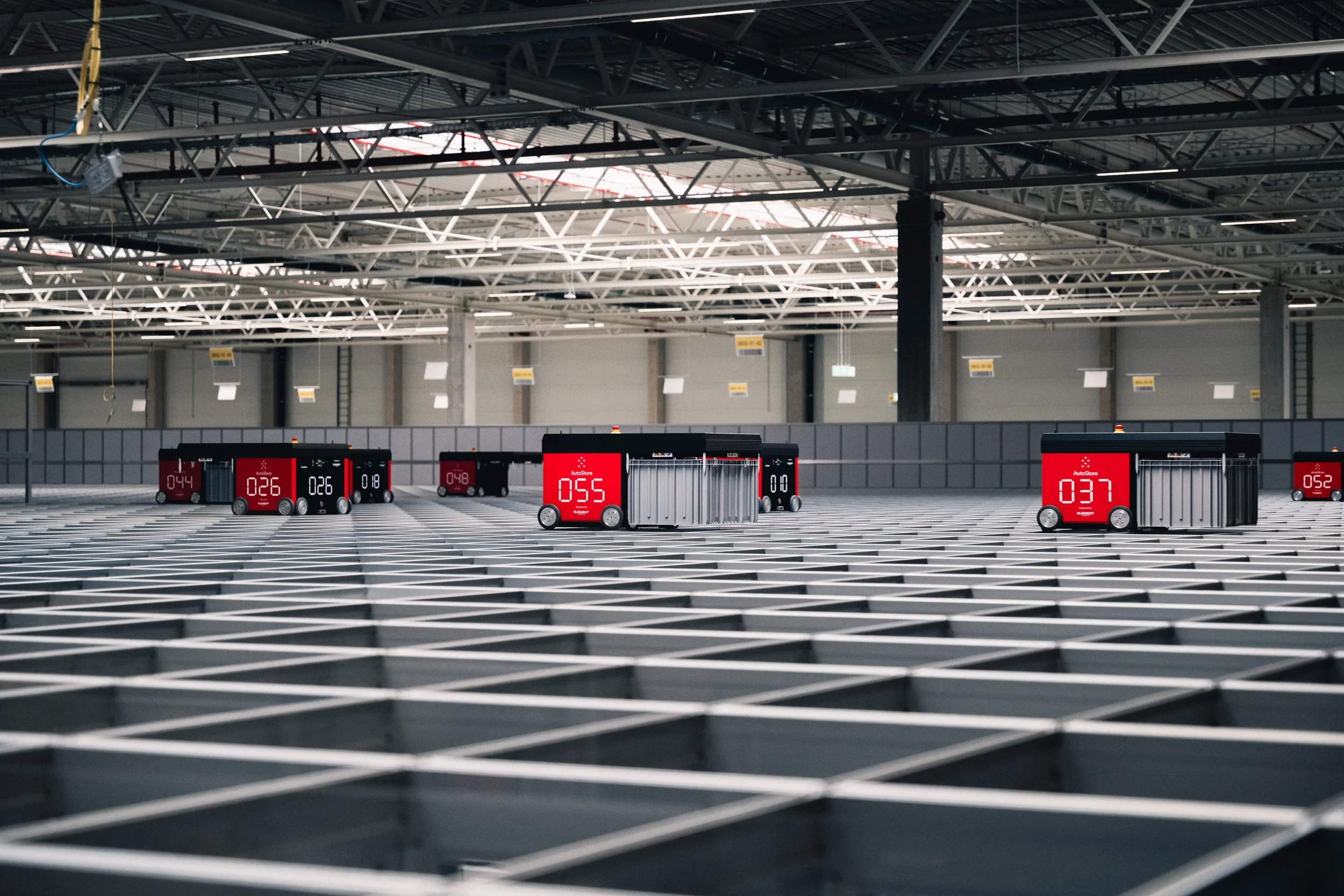
DP World, a globally operating logistics company, manages the day-to-day operations at the GPC on behalf of Daimler Truck.
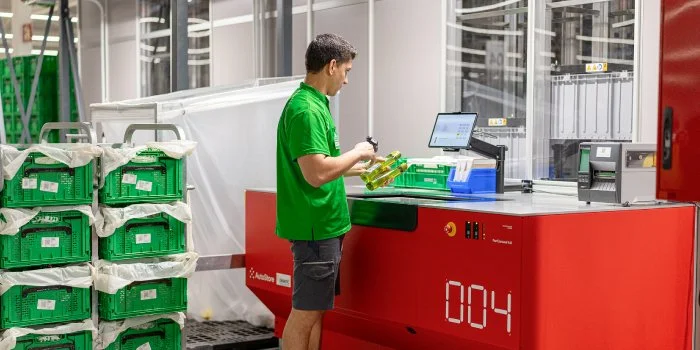
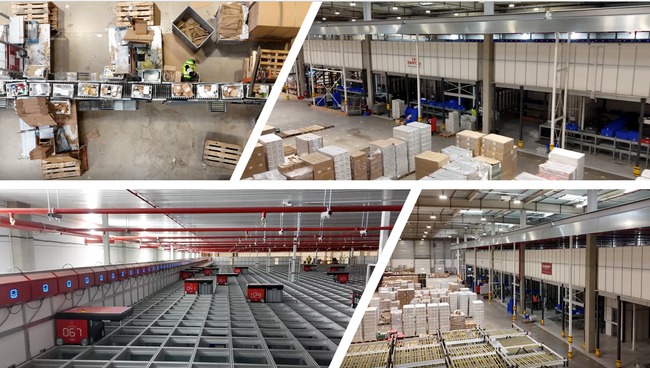
25 000 bacs qui sont manipulés par 112 robots dans un incroyable ballet au millimètre près.
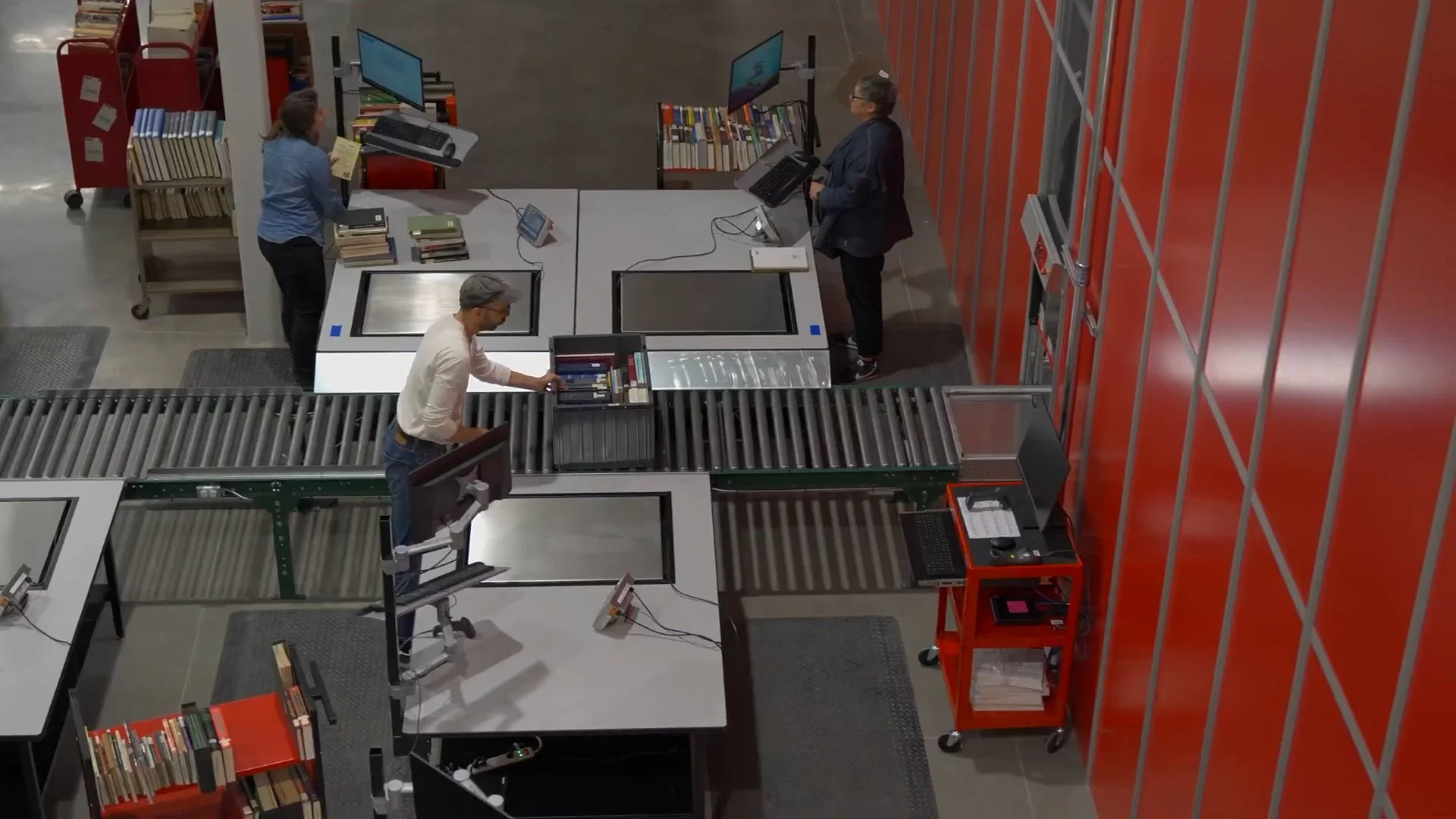
The McGill University Collections Centre is one of the more interesting non-traditional deployments of the AutoStore™ robotic solution.
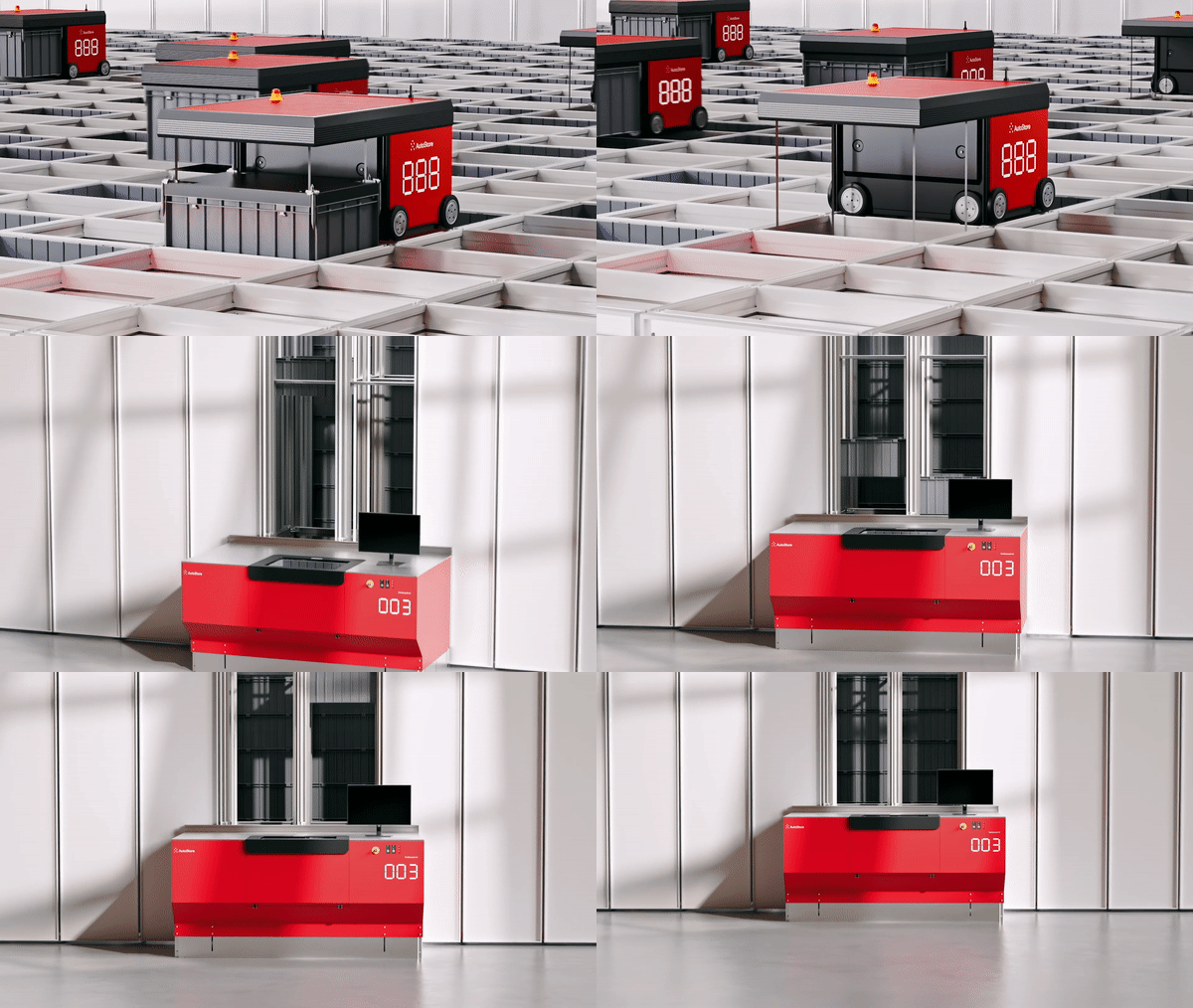
Ulta Beauty has selected AutoStore technology for its new Utah regional distribution hub supporting both stores and growing e-commerce fulfillment.
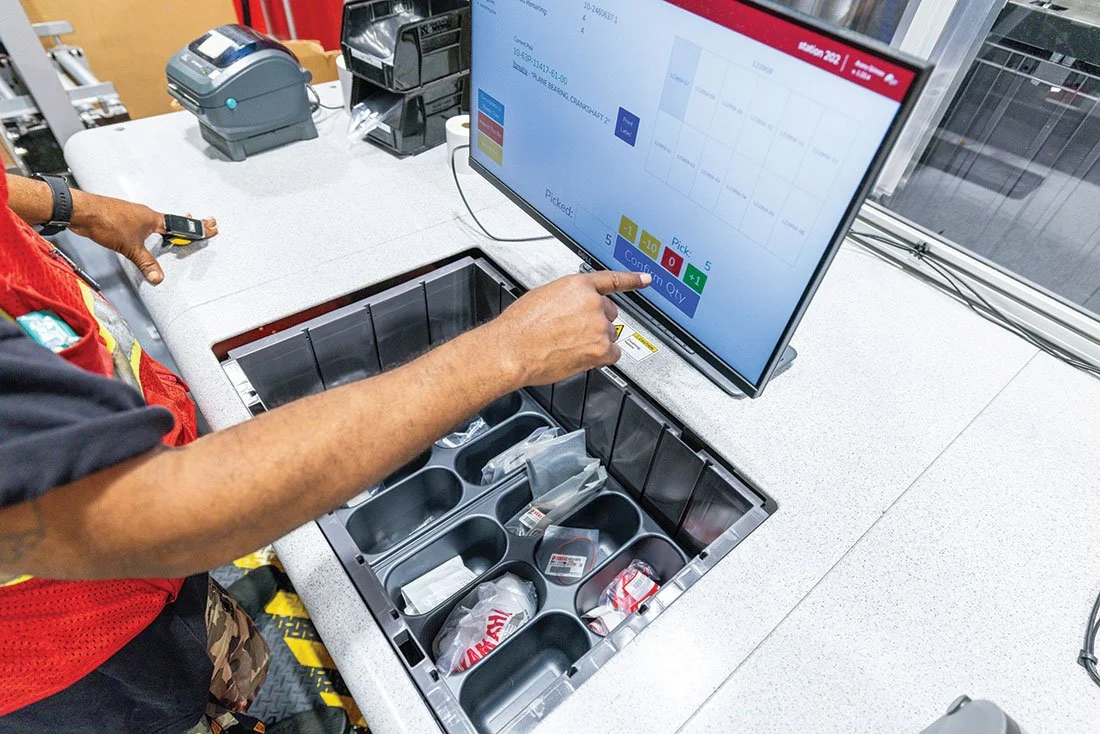
Mercedes-Benz's performance and sports car brand has commissioned a container storage system at its Affalterbach plant to more efficiently supply the production of its V8 engines.

The Canadian medical supply leader has announced a groundbreaking advancement in warehouse operations