
Why Starbucks AI Inventory Tracking Technology Was a Massive Flop
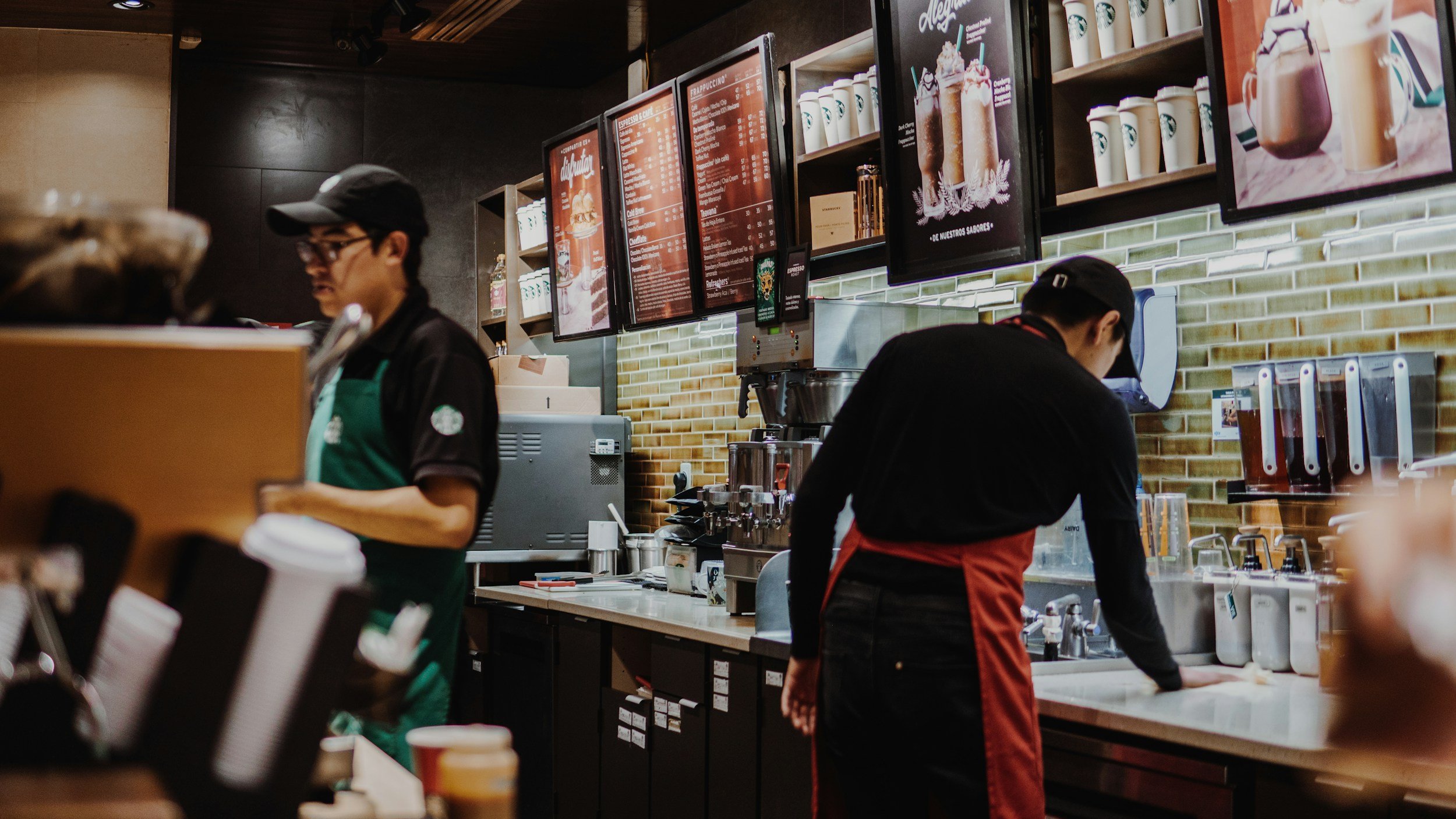
The AI Mirage: Why Starbucks Scrapped Its Inventory Tech and What It Teaches the Supply Chain
In the supply chain, logistics, and warehousing worlds, there is one non-negotiable metric: accuracy. Whether you are managing an automated distribution center or a fast-paced retail stockroom, a 95% accuracy rate is a failure. In our industry, we need 100% precision. If the system says a pallet of product or a crate of ingredients is there, it has to be there.
Lately, however, logistics executives have been bombarded by slick, "snake oil" sales pitches from tech companies promising that Artificial Intelligence is the magic wand that will solve every inventory woe.
But a massive reality check just hit the industry from one of the world's largest supply chains.
On May 21, 2026, Reuters reported that Starbucks officially axed its AI-driven inventory management program across North America—just nine months after a massive rollout.
The coffee giant’s multi-million-dollar failure is a cautionary tale for any supply chain leader currently being wooed by AI vendors. It proves a hard truth: blind trust in "so-called AI" is not just failing; it is actively injecting chaos into operations and pushing front-line workers to their breaking point.
The Pitch vs. The Reality
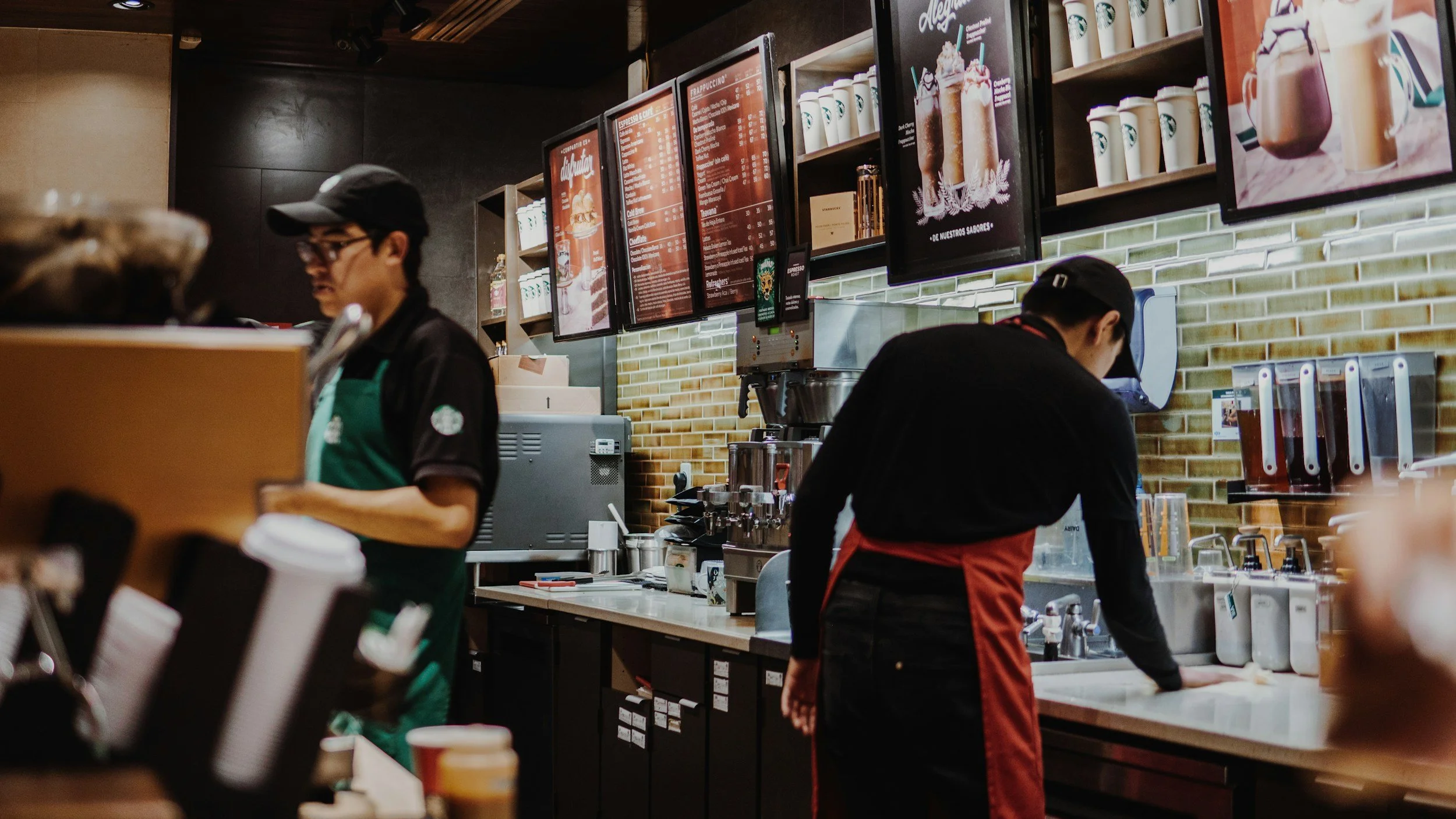
The promise made to Starbucks CEO Brian Niccol was enticing. To eliminate persistent product shortages that hurt sales, the company deployed an automated counting system. It was a buzzy cocktail of tech: computer vision, 3D spatial intelligence, and augmented reality. Front-line employees were given handheld tablets to scan shelves, and the AI was supposed to do the rest.
The reality? It was an operational nightmare.
According to internal communications, the AI proved highly unreliable. It frequently miscounted inventory and mislabeled items. In the real world of logistics, details matter. The AI couldn't reliably differentiate between similar types of milk and completely missed items sitting right on the shelves.
Instead of streamlining operations, the technology added a massive layer of friction.
Frustrating the Front Line: The Real Cost of Bad Tech
When a tech company sells an unproven AI solution to corporate executives, they rarely account for the human cost.
In the Starbucks case, store employees—the line workers who actually keep the supply chain moving—expressed immense frustration. When the AI hallucinated or miscounted, it wasn't the software engineers in Silicon Valley who suffered; it was the baristas and floor managers who had to deal with the resulting stockouts, angry customers, and the extra labor of double-checking a broken machine.
When automation makes a worker's job harder and more confusing, it has failed. Starbucks ultimately listened to its workforce. In an internal newsletter, they announced "Automated Counting will be retired," and the company is returning to manual, standardized inventory practices to focus on execution and consistency.
The Rise of Supply Chain "Snake Oil"
The Starbucks story highlights a broader epidemic in the warehousing and logistics sectors. We are seeing a flood of tech startups slapping the "AI" label on basic software or unrefined computer vision tools. They promise predictive ordering, flawless slotting, and autonomous inventory tracking.
But the physical world is messy. A warehouse has variable lighting, damaged packaging, obstructed views, and thousands of look-alike SKUs. Training an AI to navigate these variables with 100% accuracy requires more than a glossy sales deck.
When companies rush to deploy these half-baked solutions to ride the AI hype wave, they don't optimize their supply chain—they disrupt it. They introduce data corruption, distort demand forecasting, and create artificial bottlenecks.
The Takeaway for Warehouse and Logistics Leaders
Am I saying we should reject innovation? Absolutely not. Automation, when done right, is the backbone of modern logistics.
But the lesson from Starbucks is that smart companies are starting to do their research. They are refusing to be guinea pigs for tech companies selling vaporware.
Before you sign a contract for the next "revolutionary AI" warehouse tool, ask the hard questions:
Can it guarantee 100% accuracy in a chaotic, real-world environment?
Has it been stress-tested by actual line employees, or does it only work in a pristine test lab?
Does it solve a problem, or does it just add an expensive, frustrating layer to an already functional process?
Sometimes, a well-executed, standardized manual or traditional automated process is infinitely better than a broken "smart" one. Don't let the hype cycle break your supply chain.
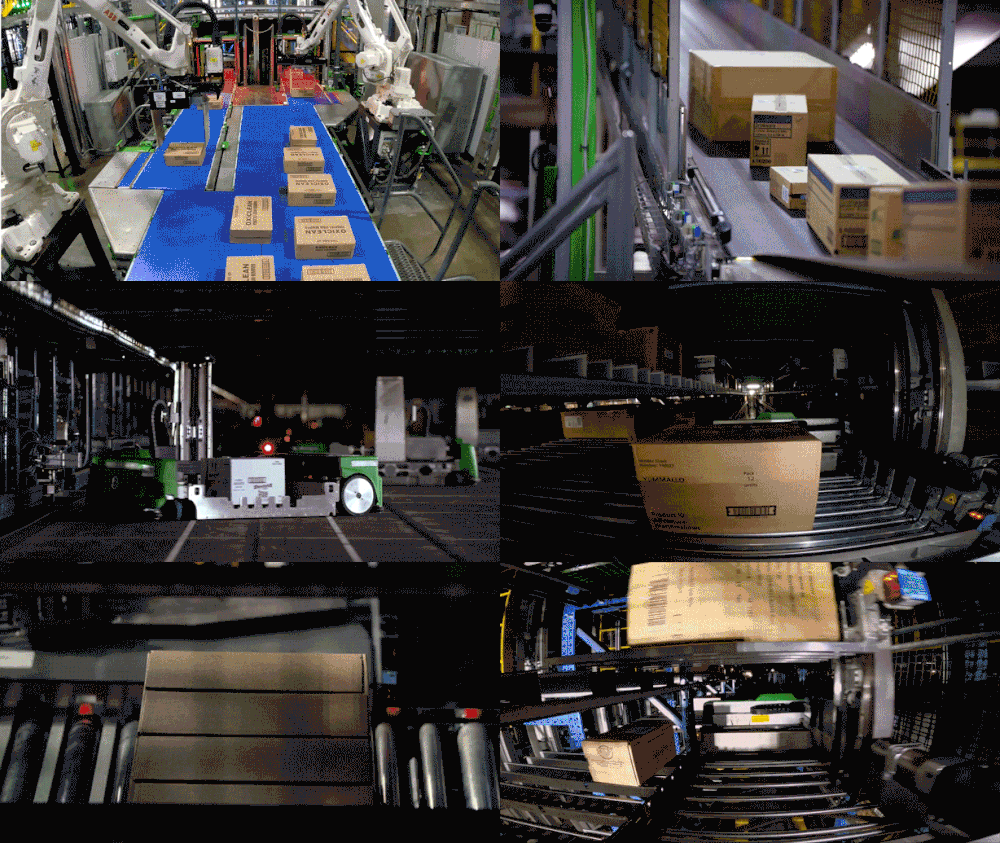

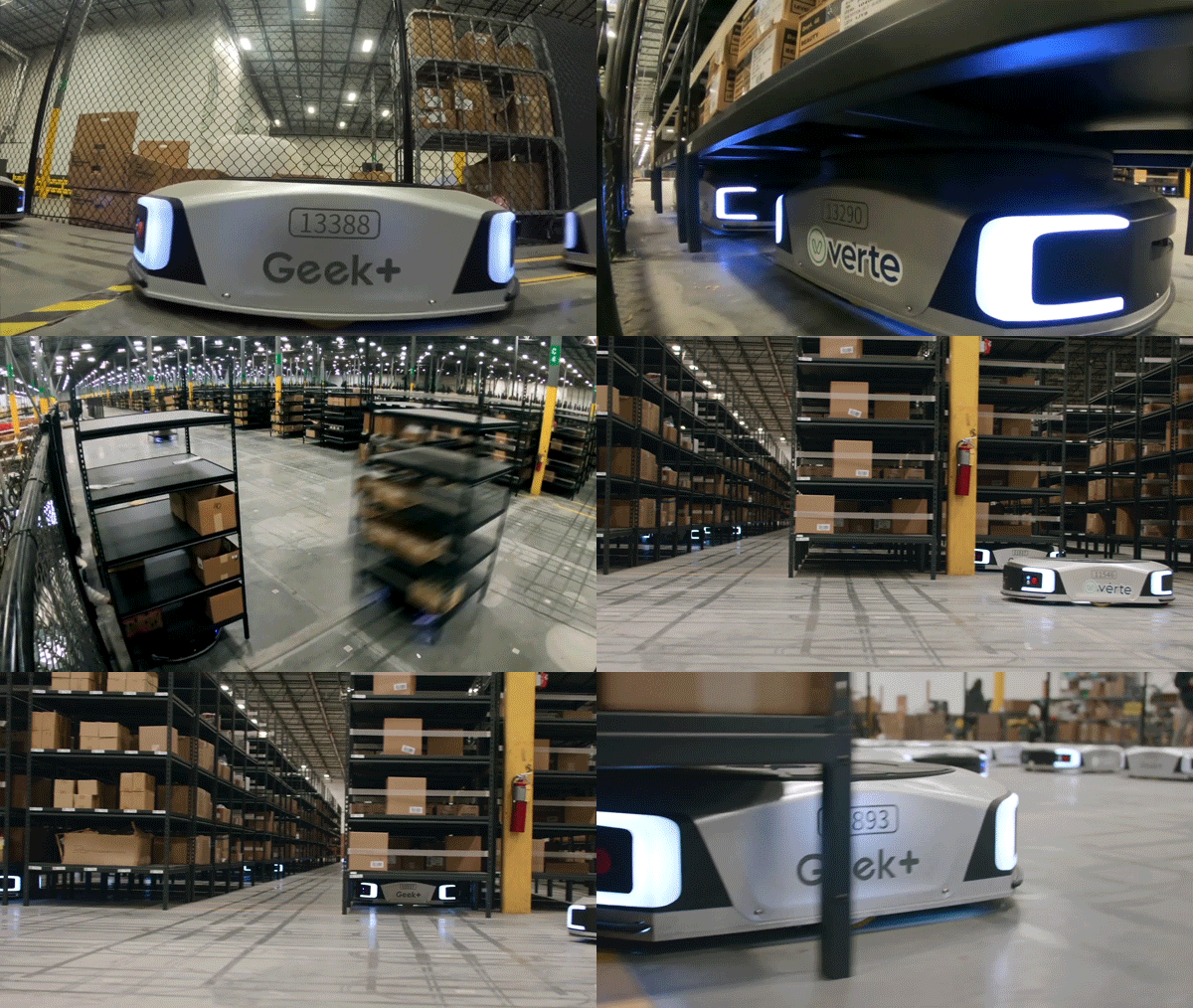
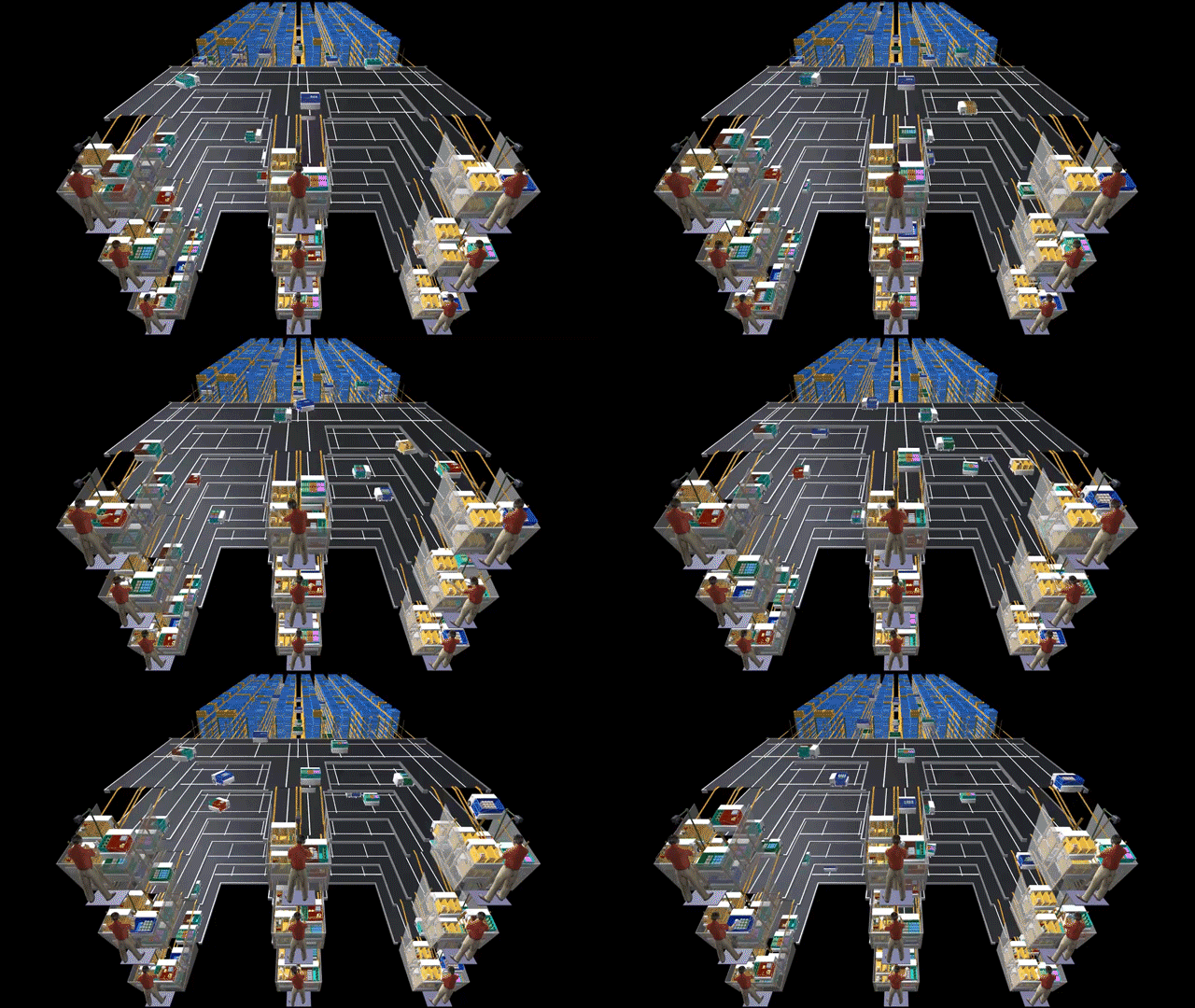
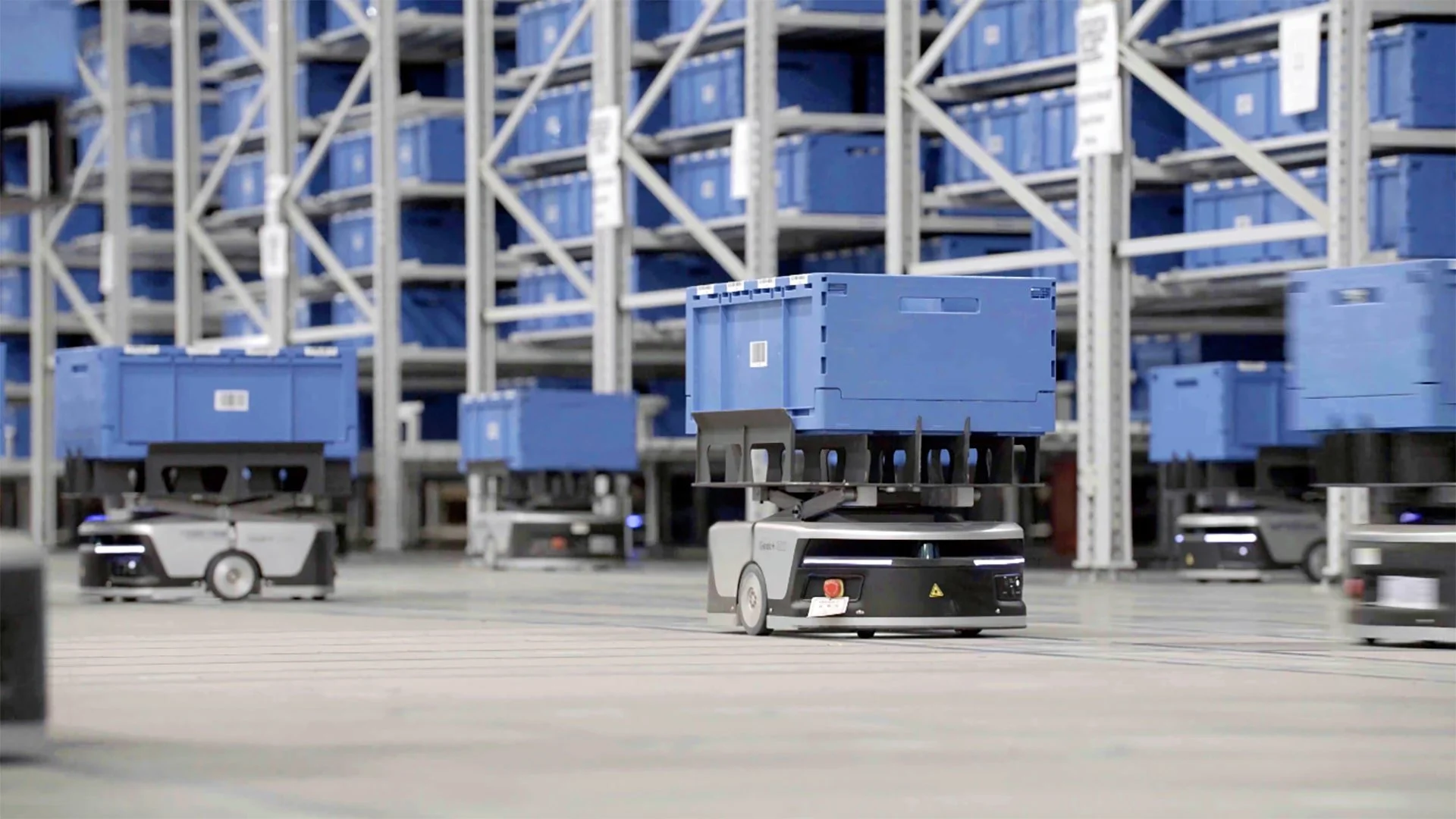
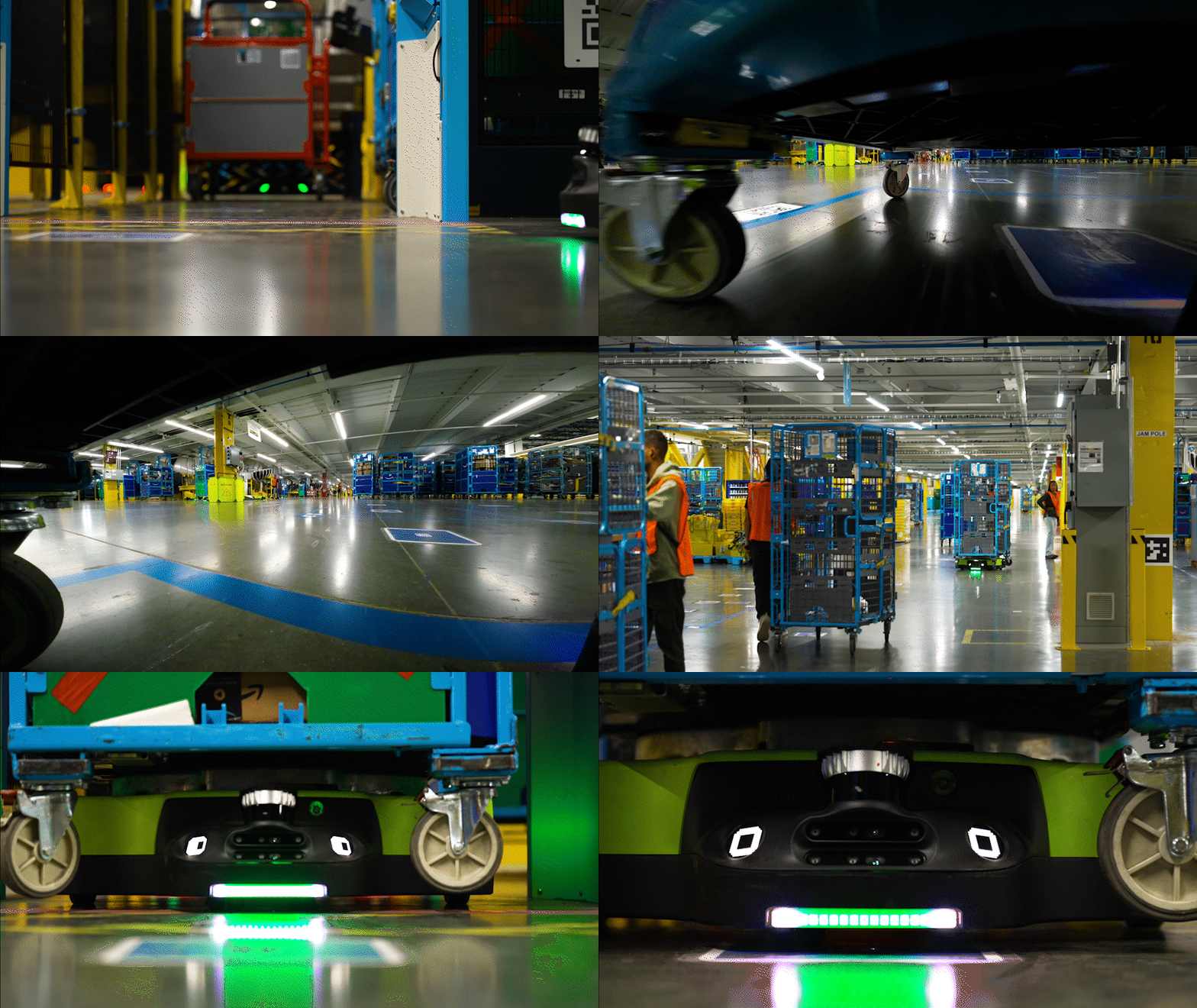

At Hannover Messe 2026, SAP and Vodafone showcased a pilot conducted at Vodafone’s warehouse in Duisburg,