
Why AI Still Cannot Think Like a Warehouse
Artificial Intelligence and LLMs are currently being pushed aggressively into logistics, warehouse operations, robotics, and supply chain execution. Every software vendor now seems to claim that AI will optimize workflows, orchestrate warehouses, improve fulfillment, reduce labor, and autonomously manage operations.
But there is one major problem that almost nobody wants to openly discuss:
The memory is still terrible.
Today’s AI systems can appear highly intelligent during short conversations or isolated tasks. They can summarize documents, generate reports, answer operational questions, analyze spreadsheets, and even write software code surprisingly well.
But logistics is not built on isolated tasks.
Logistics operates on continuity, operational state awareness, sequencing, dependency management, exception handling, and thousands of interconnected decisions that must remain consistent over long periods of time.
This is where the cracks begin to appear.
Modern logistics environments depend on maintaining accurate operational context continuously across inventory, orders, automation systems, transportation workflows, replenishment priorities, labor constraints, carrier cutoffs, production dependencies, and customer commitments — all simultaneously.
A warehouse cannot afford hallucinations.
A transportation management system cannot suddenly forget operational constraints.
An orchestration engine cannot invent information.
An automation control layer cannot lose context halfway through execution.
Yet current LLM-based AI systems still regularly lose context, misinterpret prior instructions, forget operational constraints introduced earlier in workflows, generate inconsistent outputs, and occasionally fabricate information with extremely high confidence.
In marketing, this may create an awkward email.
In logistics, this can stop production lines, miss outbound trucks, create inventory corruption, disrupt automation workflows, generate shipping failures, or potentially create major safety risks.
One of the biggest misunderstandings surrounding AI in logistics today is that supply chains do not operate like conversations.
They operate through layered operational decision logic.
Modern logistics environments are essentially enormous chains of interconnected “if this, then that” workflow decisions continuously stacking on top of one another across the entire operation.
If inventory drops below threshold → trigger replenishment.
If replenishment inventory is unavailable → redirect allocation.
If outbound carrier cutoff approaches → reprioritize wave execution.
If robot congestion increases in one zone → rebalance workload.
If contractor orders arrive late → override lower-priority replenishment tasks.
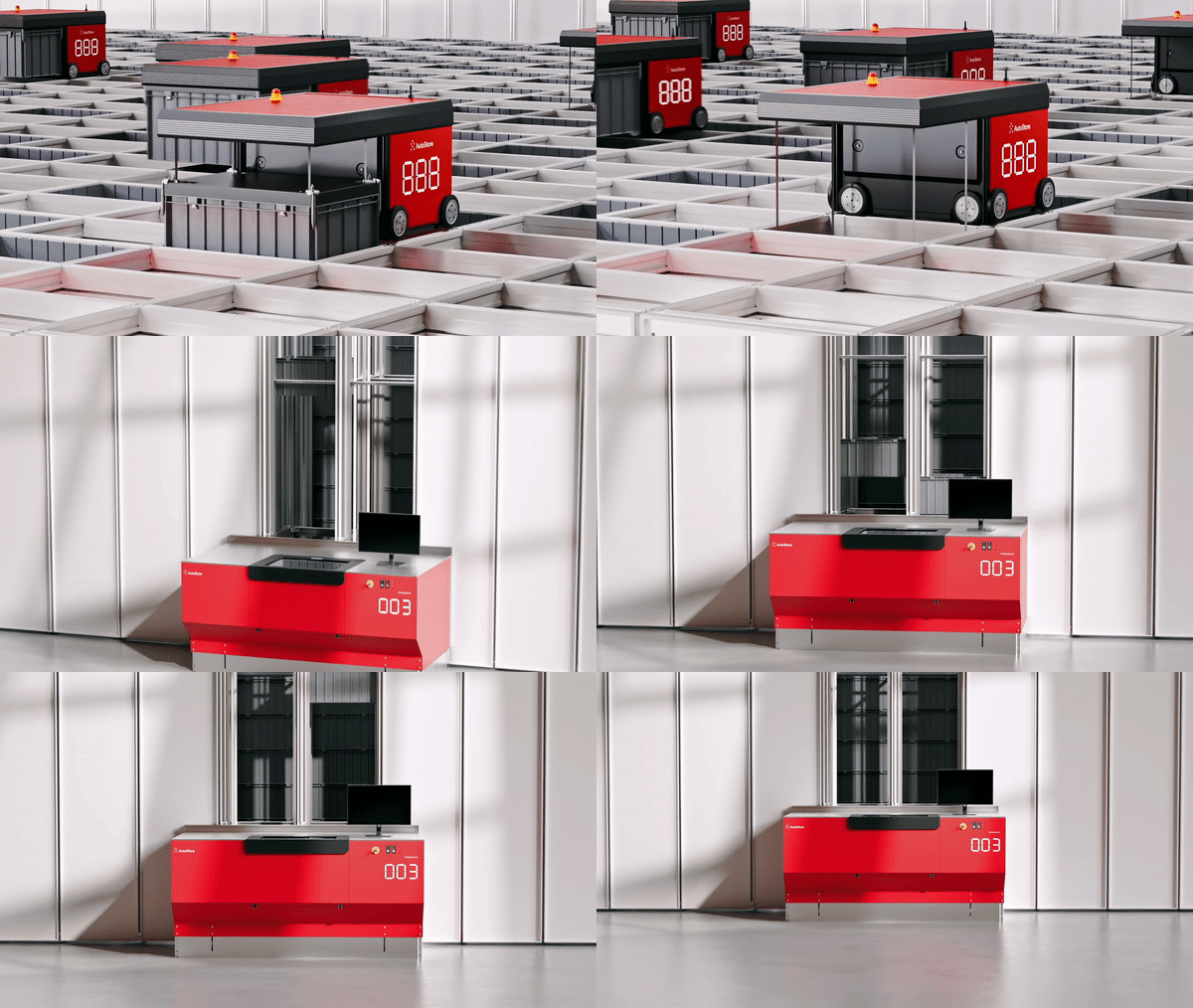
If AutoStore port utilization exceeds threshold → dynamically reduce batch sizes.
If a conveyor fault occurs → reroute operational flow.
Every operational decision affects another decision downstream.
This is how ERP systems, WMS platforms, warehouse orchestration layers, transportation systems, and automation controls have operated for decades. The logic is structured, deterministic, rule-based, state-aware, and continuously dependent on accurate operational context.
The problem is that today’s LLM-based AI systems are not truly operating from stable operational memory or deterministic execution logic.
They generate probabilistic responses.
That distinction is extremely important.
A warehouse orchestration engine cannot “mostly remember” the operational state of a facility.
A supply chain execution platform cannot reinterpret rules differently depending on context.
A robotics control layer cannot hallucinate exceptions.
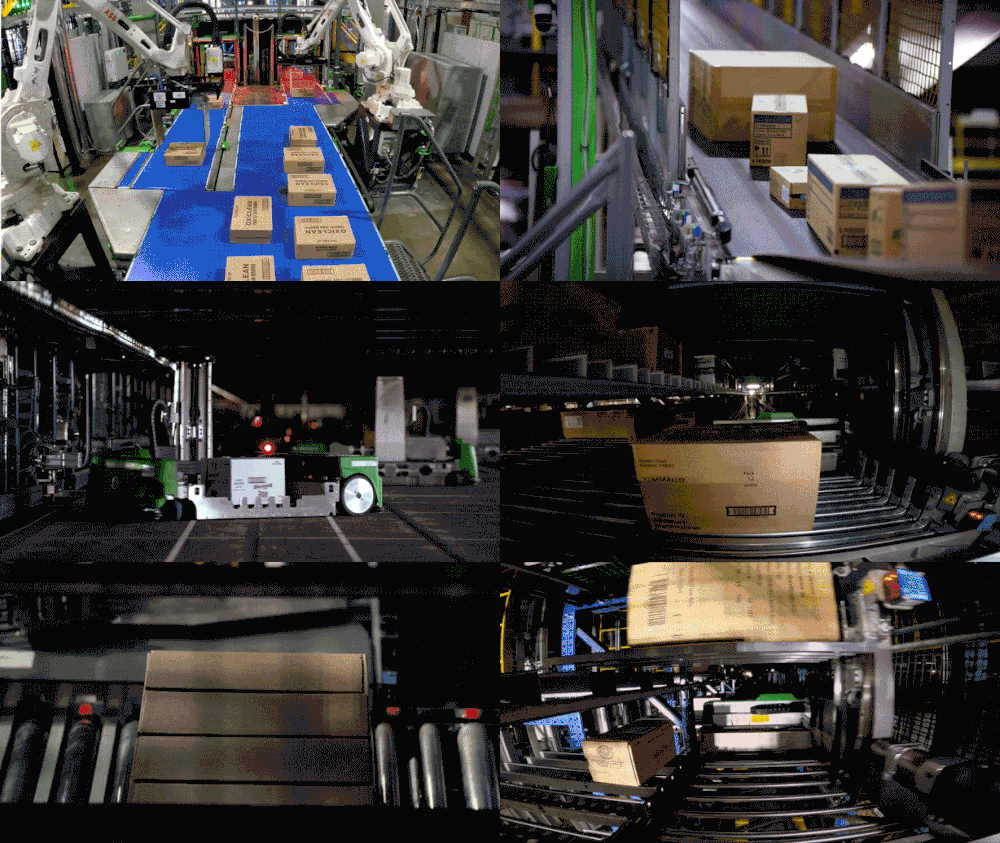
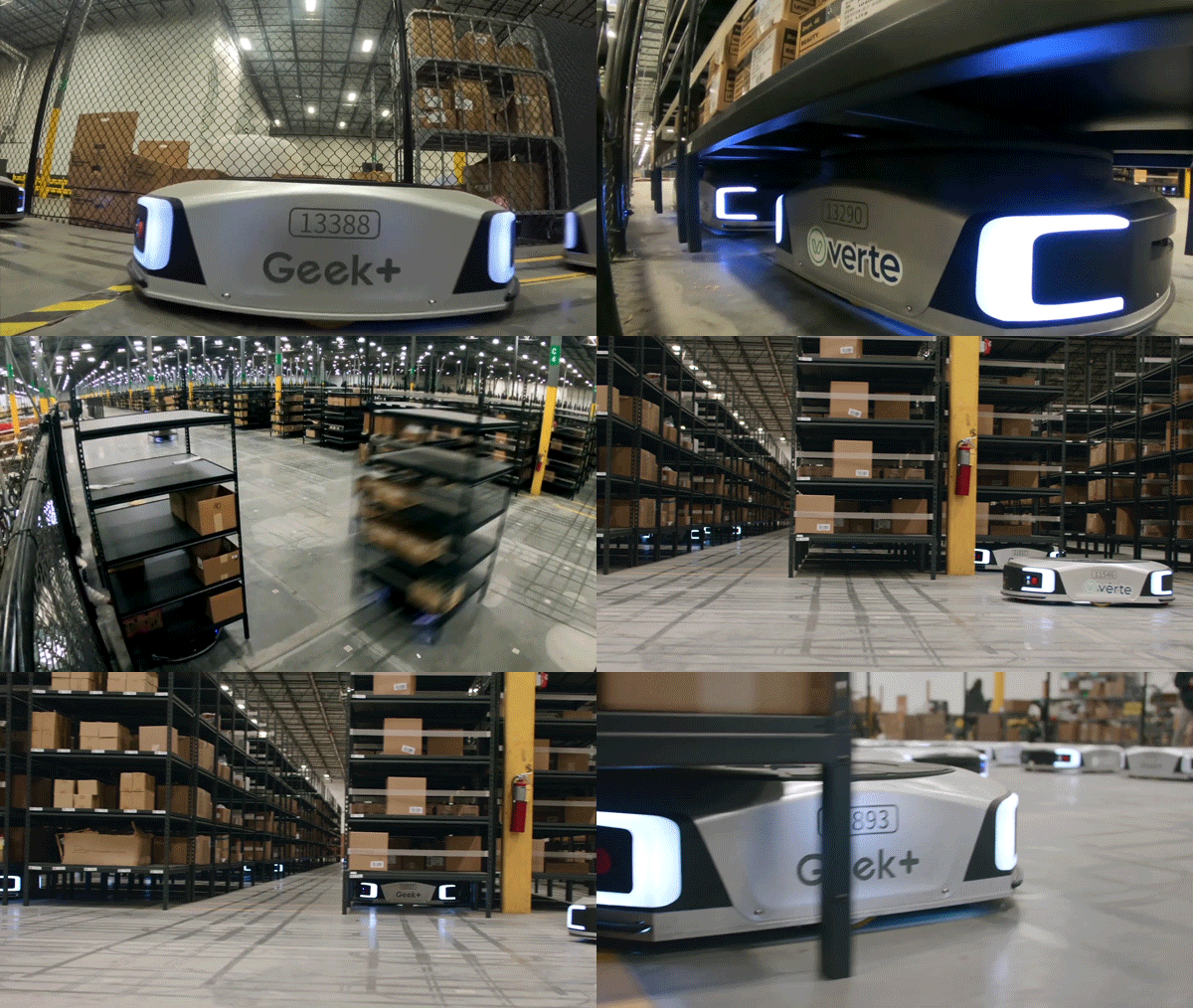
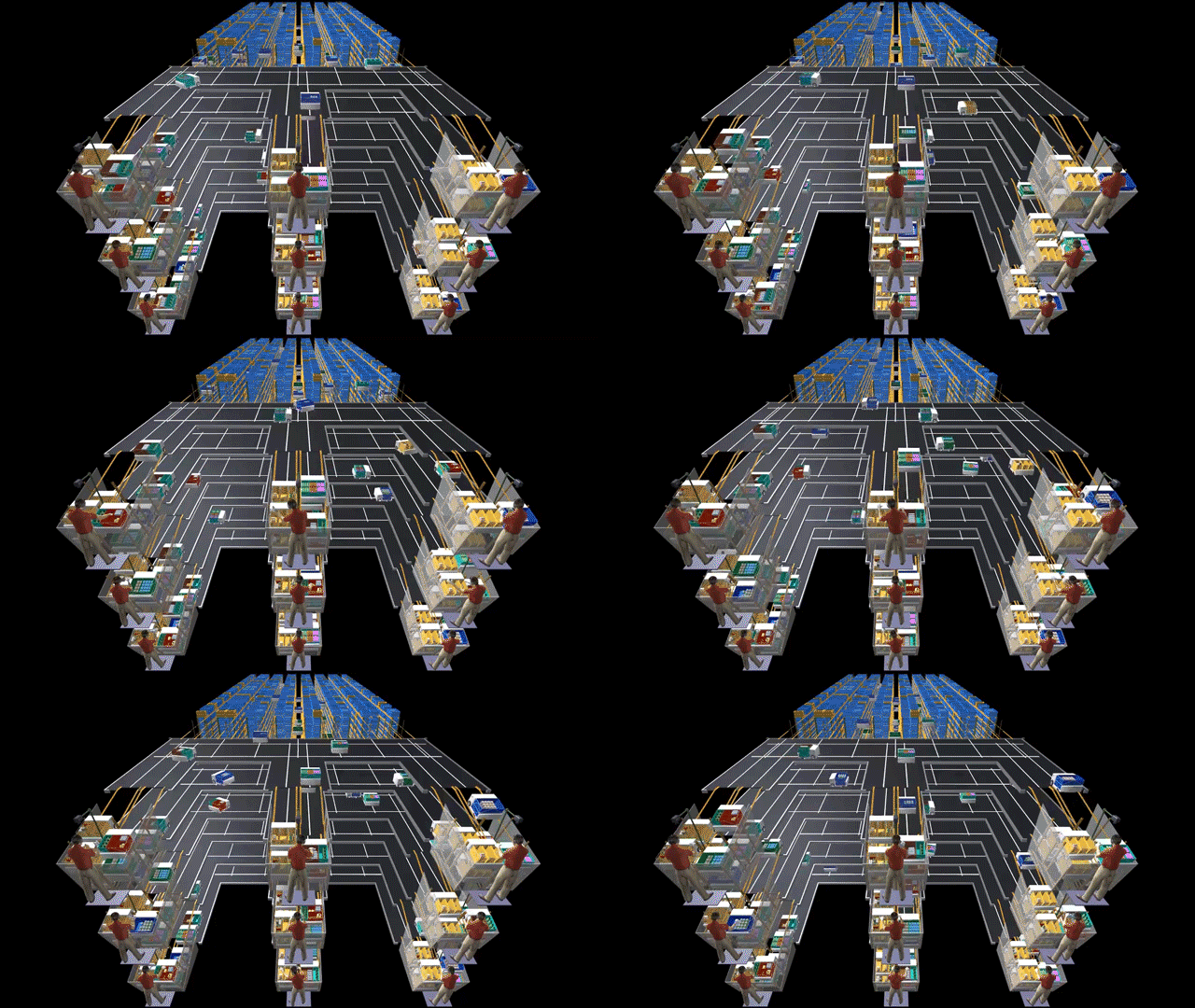
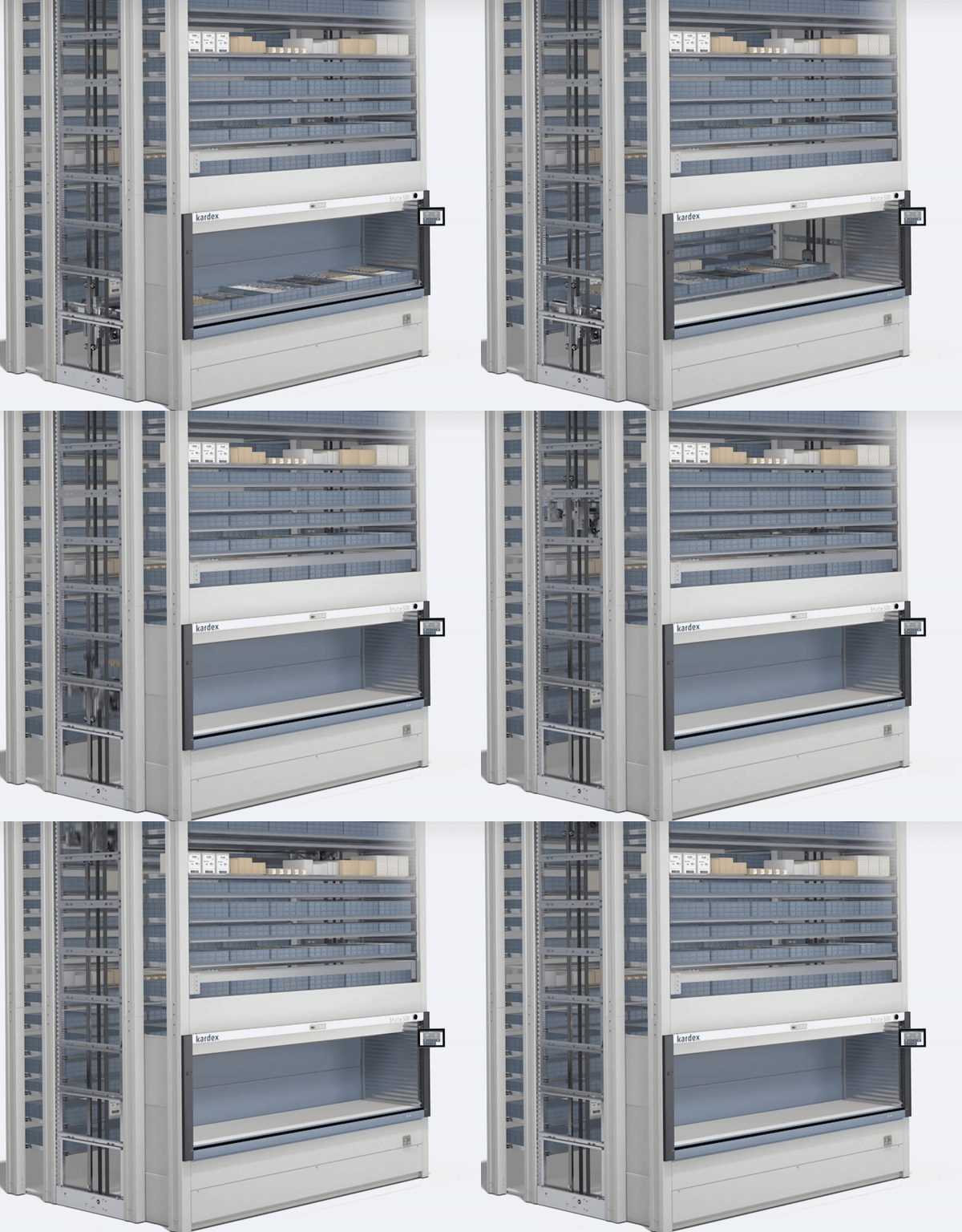
And this becomes even more critical as warehouses become increasingly automated. Once robots, ASRS systems, conveyors, sortation, AutoStore grids, AMRs, shuttle systems, and transportation workflows become interconnected together, operational decisions compound on each other extremely quickly.
One incorrect assumption upstream can create cascading operational consequences downstream across the entire facility.
This is why many experienced supply chain and automation engineers remain cautious about the current AI hype cycle.
The issue is not whether AI is impressive.
The issue is whether it can consistently maintain operational state, context continuity, deterministic decision-making, and execution reliability across hundreds of thousands of interconnected logistics decisions without failure.
That is a much harder problem than generating intelligent-looking answers.
The future potential for AI in logistics is enormous. AI will almost certainly become highly valuable for operational analysis, forecasting, labor planning, simulation, exception identification, engineering support, slotting optimization, transportation planning, and decision assistance.
But fully autonomous operational execution inside real-world supply chains is a very different challenge altogether.
Because logistics does not reward intelligence alone.
It rewards precision, consistency, memory, operational discipline, and flawless execution under pressure.

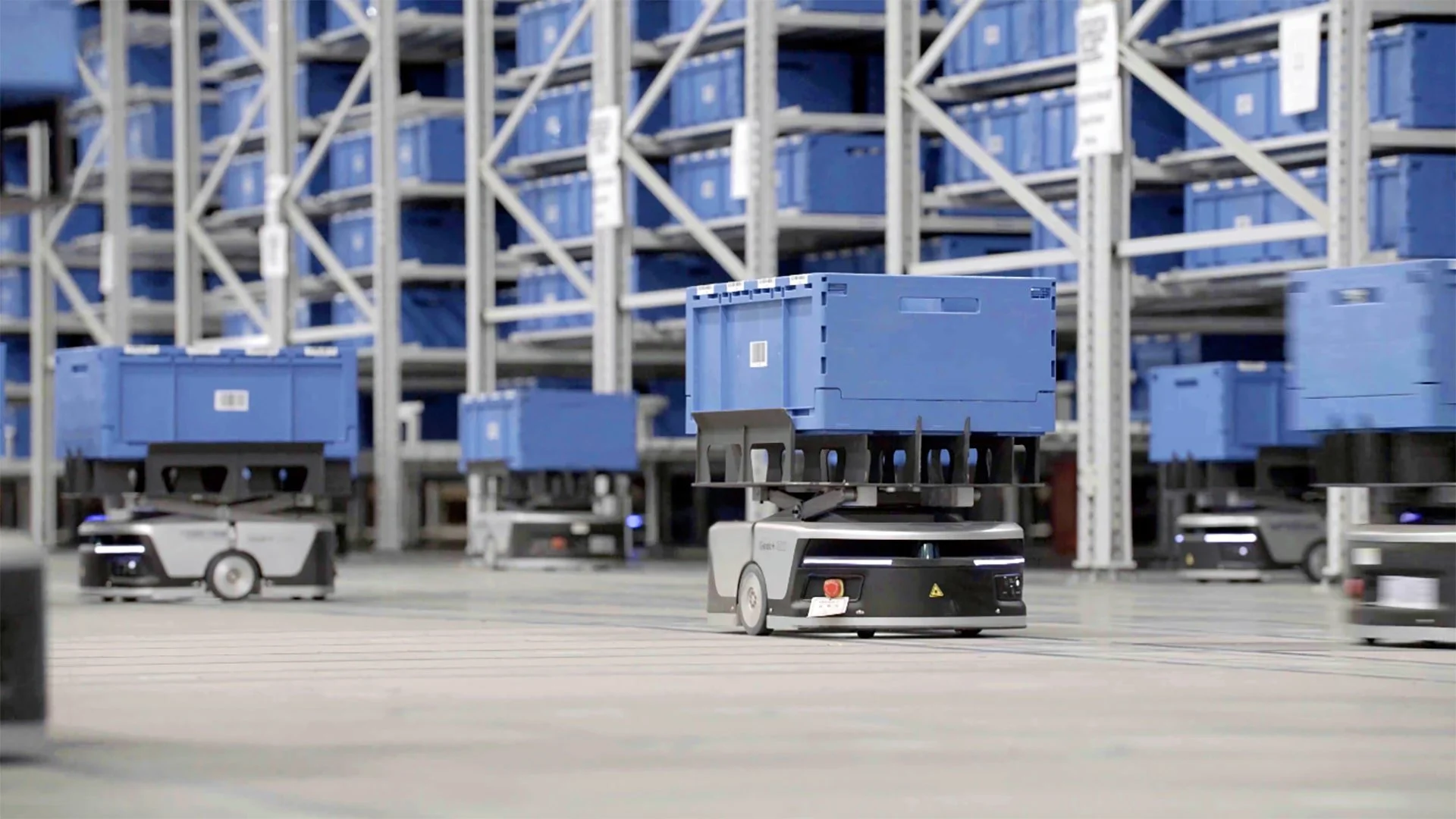
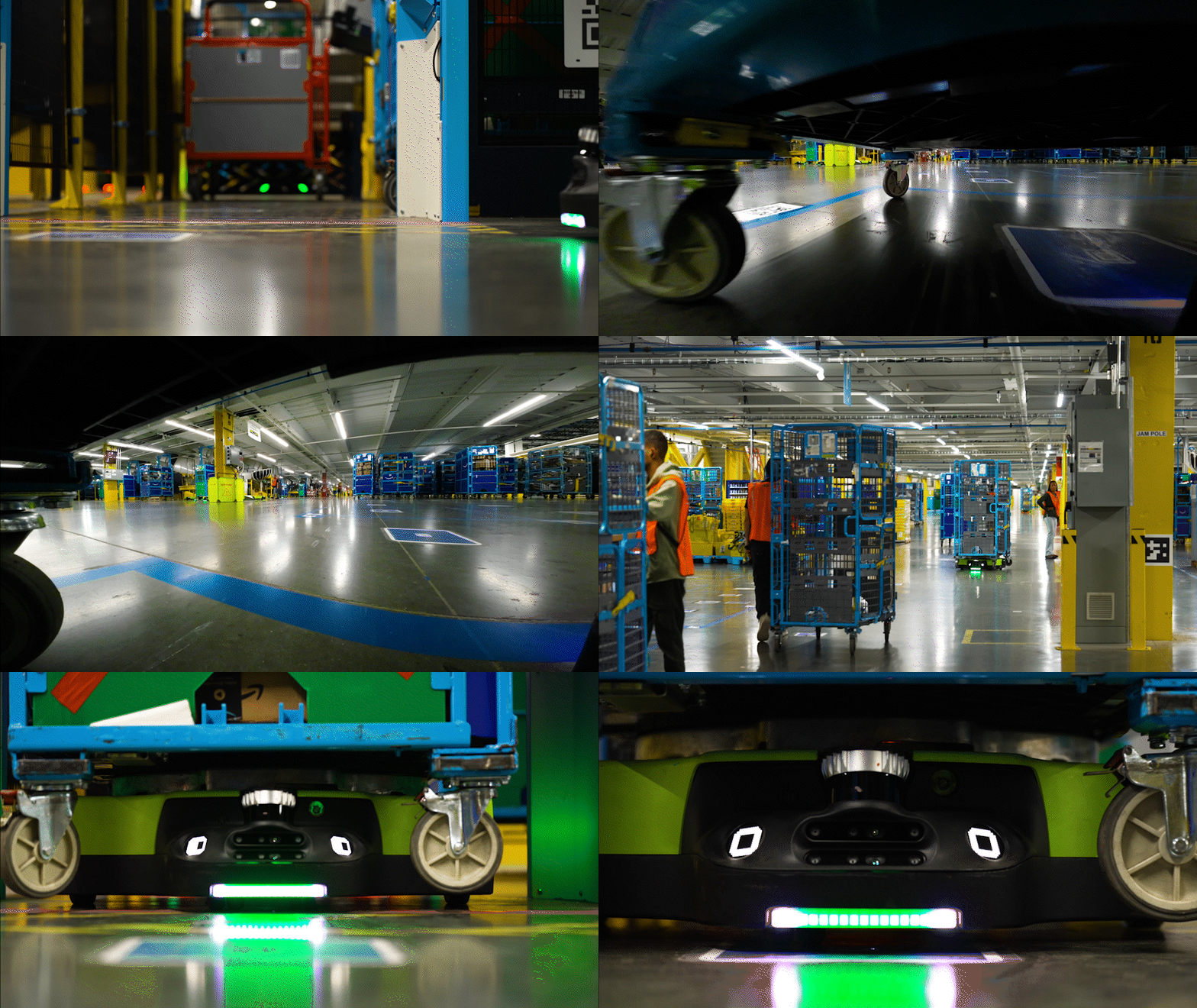
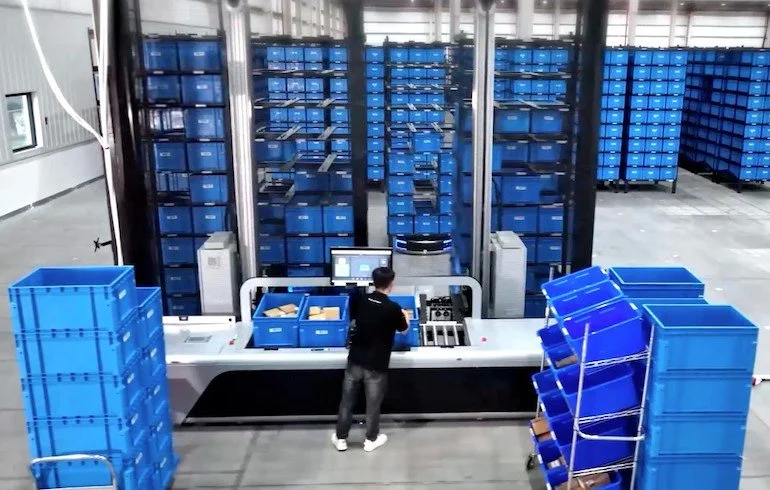








At Hannover Messe 2026, SAP and Vodafone showcased a pilot conducted at Vodafone’s warehouse in Duisburg,