
How Automation Allows Companies to Maximize Their Labor
When companies evaluate warehouse automation and robotics, the discussion usually focuses on familiar benefits: fewer employees, higher picking productivity, better order accuracy, increased storage density, and lower operating costs.
All of these benefits are real. However, there is another major advantage of automation that is often overlooked.
Automation allows companies to maximize the value of the labor they still need.
This may sound obvious, but in many manual logistics operations, a large portion of the labor cost is not connected to employees actively performing productive work. It is connected to employees waiting for work, waiting for instructions, dealing with exceptions such as missing inventory, waiting for inventory, looking for overstock, waiting for equipment, waiting for replenishment, waiting for a supervisor, or waiting for the next task to appear.
In a large manual distribution center with hundreds or even thousands of employees, these small periods of waiting can become one of the most expensive hidden costs in the entire operation.
The hidden cost inside manual operations
Most manual warehouse operations are not continuously productive.
An employee may finish picking an order and then wait for the next assignment. A forklift driver may wait for a replenishment request. A packing team may wait for completed orders to arrive. A shipping department may wait for labels, trailers, paperwork, or completed pallets. A supervisor may need to manually rebalance work because one area is overloaded while another is running out of tasks.
In some facilities, these delays are caused by outdated systems, spreadsheets, printed pick lists, manual planning processes, poor inventory visibility, disconnected workflows, or simple communication delays between departments.
Even in facilities with a warehouse management system, the work is often released in waves that do not reflect real-time conditions. Employees may be available and ready to work, but the next work is not yet ready for them.
The result is that companies are paying for labor capacity that is not being fully used.
A few minutes of waiting may not appear important when looking at one employee. However, when multiplied across hundreds of people, multiple shifts, and an entire year, the financial impact becomes very significant.
A distribution center may believe it has a labor productivity problem, when in reality it has a work orchestration problem.
Labor is expensive when it is waiting
Human labor has a continuous cost.
An employee waiting for a task still needs to be paid. The employer is also paying for benefits, payroll taxes, training, management, supervision, safety programs, workstations, equipment, and facility space required to support that employee.
This is not a criticism of warehouse employees. In many cases, the employees are ready to work and want to be productive. The problem is that the operation has not organized the work well enough to keep them continuously productive.
Manual facilities often depend on people to coordinate other people.
Supervisors must decide which orders should be released next. Team leads must move employees between departments. Planners must update spreadsheets. Managers must chase problems across the building. Employees may need to ask where they should go, what they should work on, or whether inventory is available.
This creates a large amount of waiting, decision-making, and unnecessary movement throughout the day.
The larger the facility becomes, the more expensive this problem becomes.
Robots can wait without creating the same labor cost
This is where automation creates a benefit that is rarely discussed clearly enough.
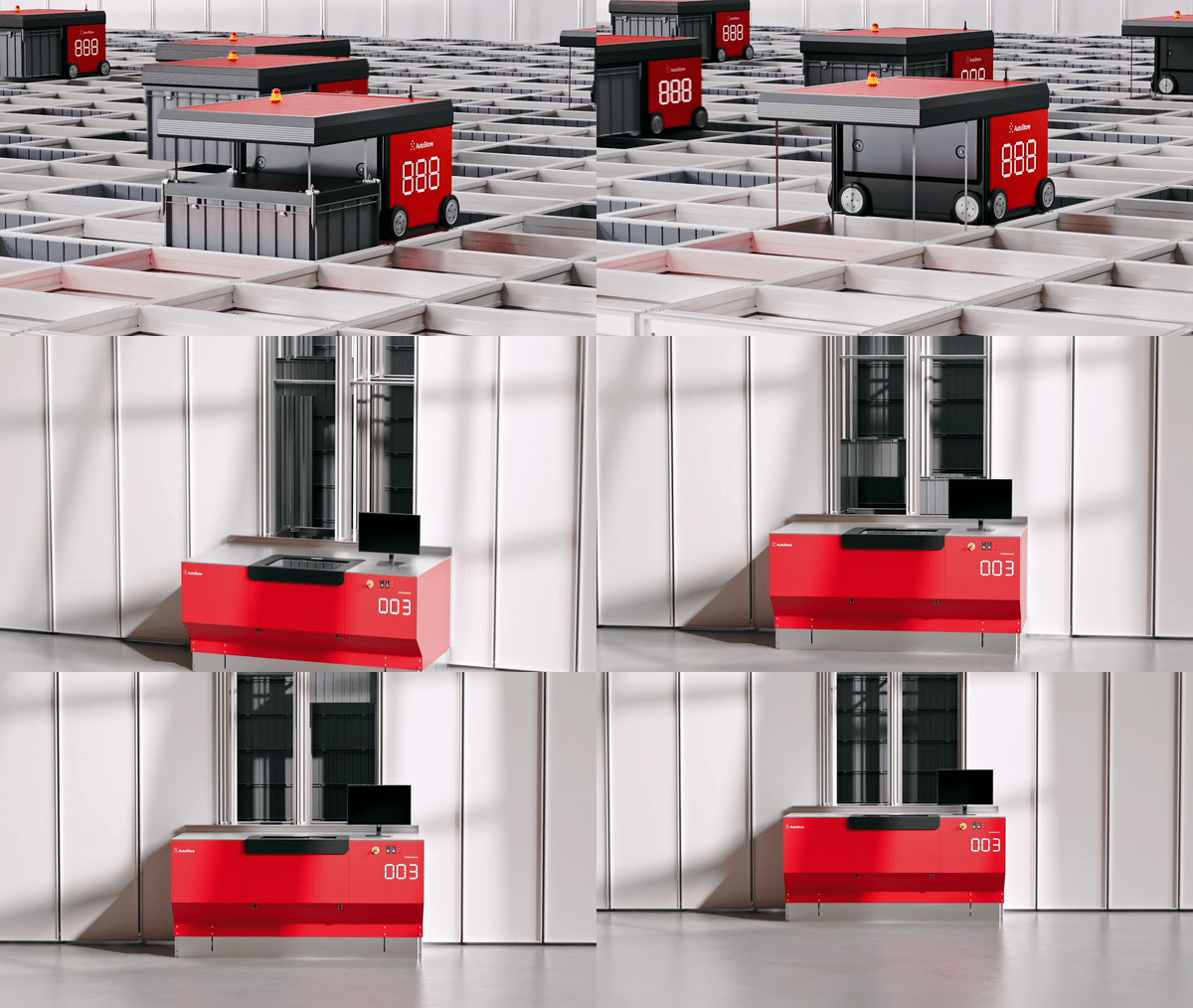
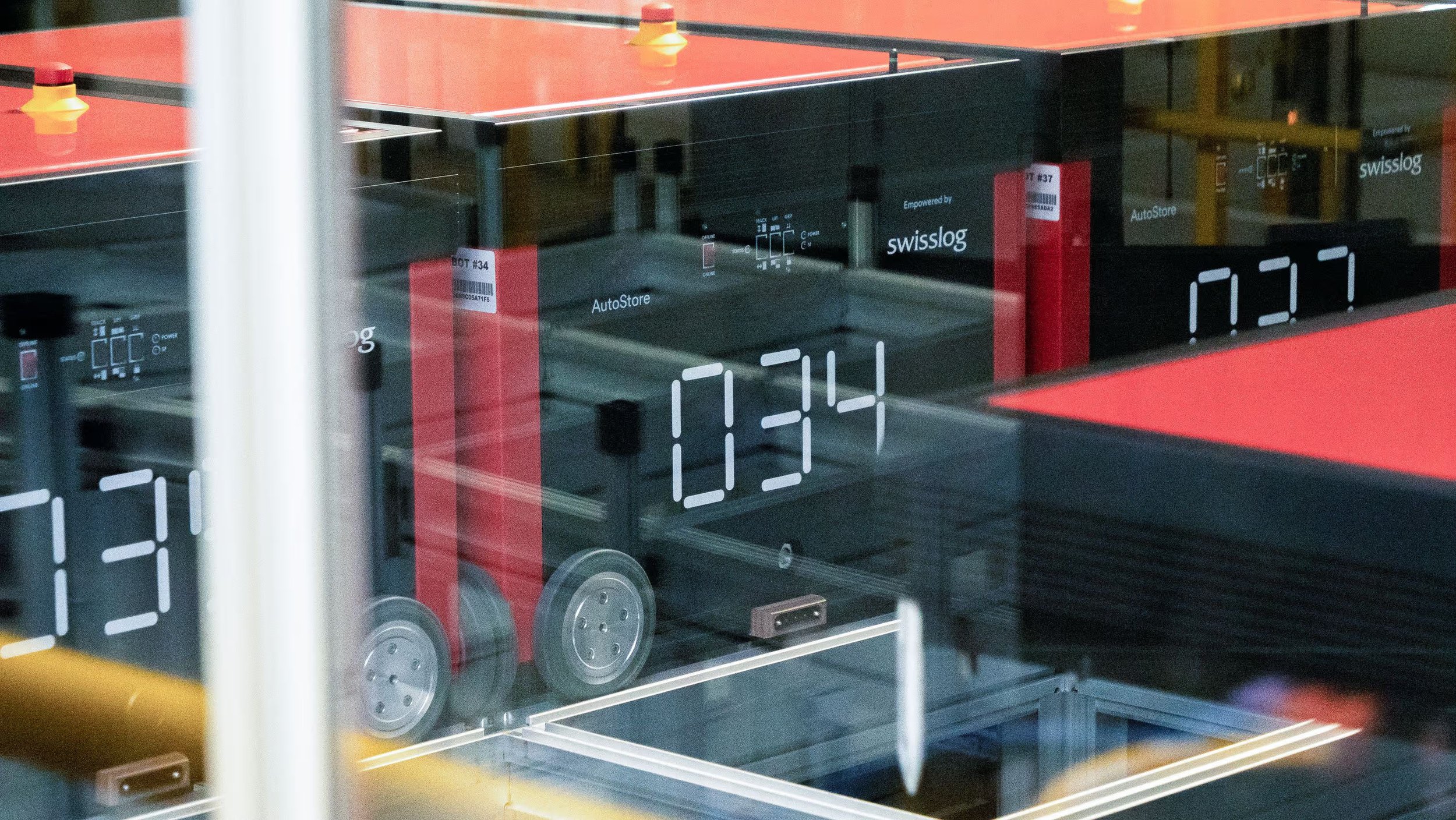
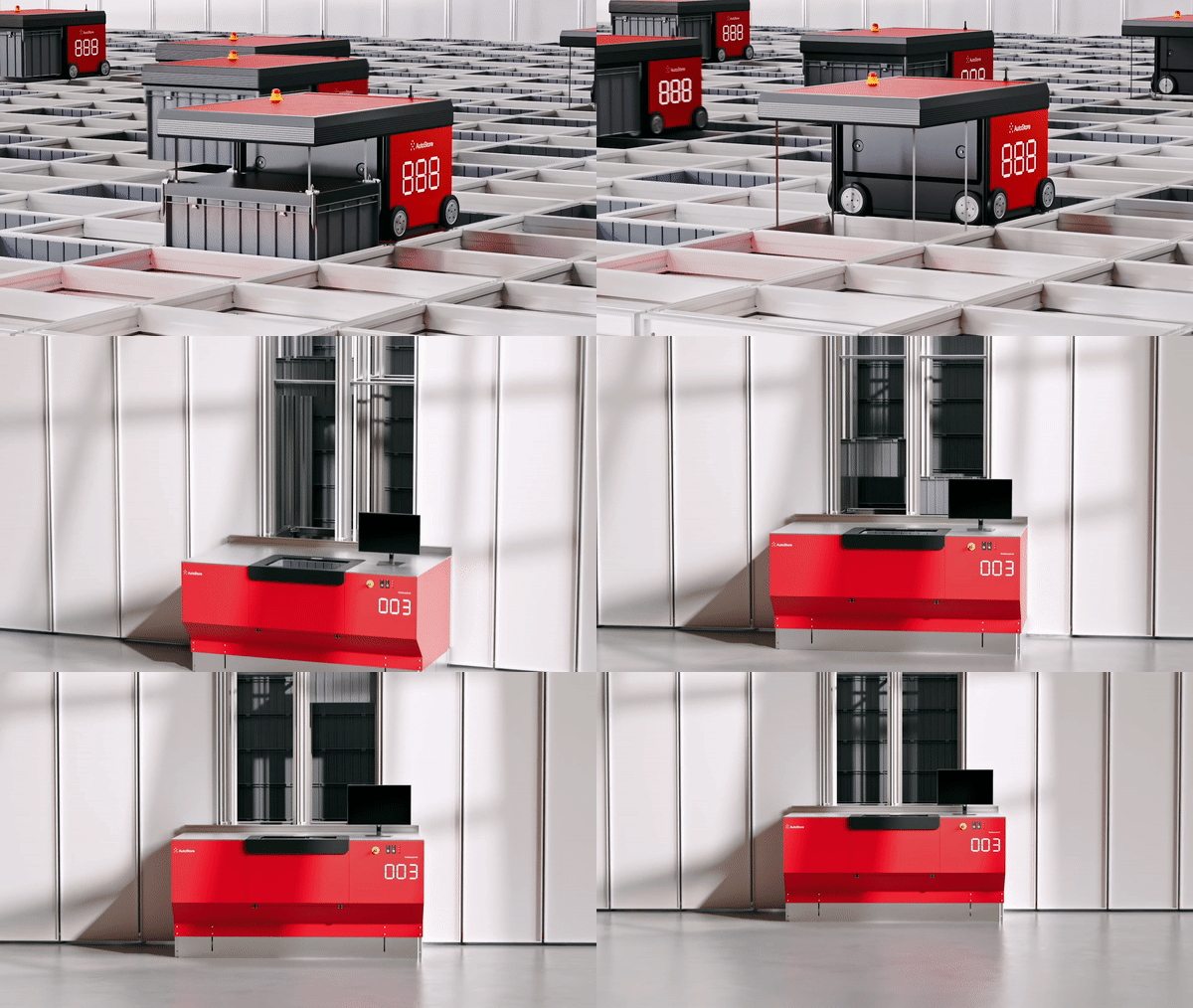
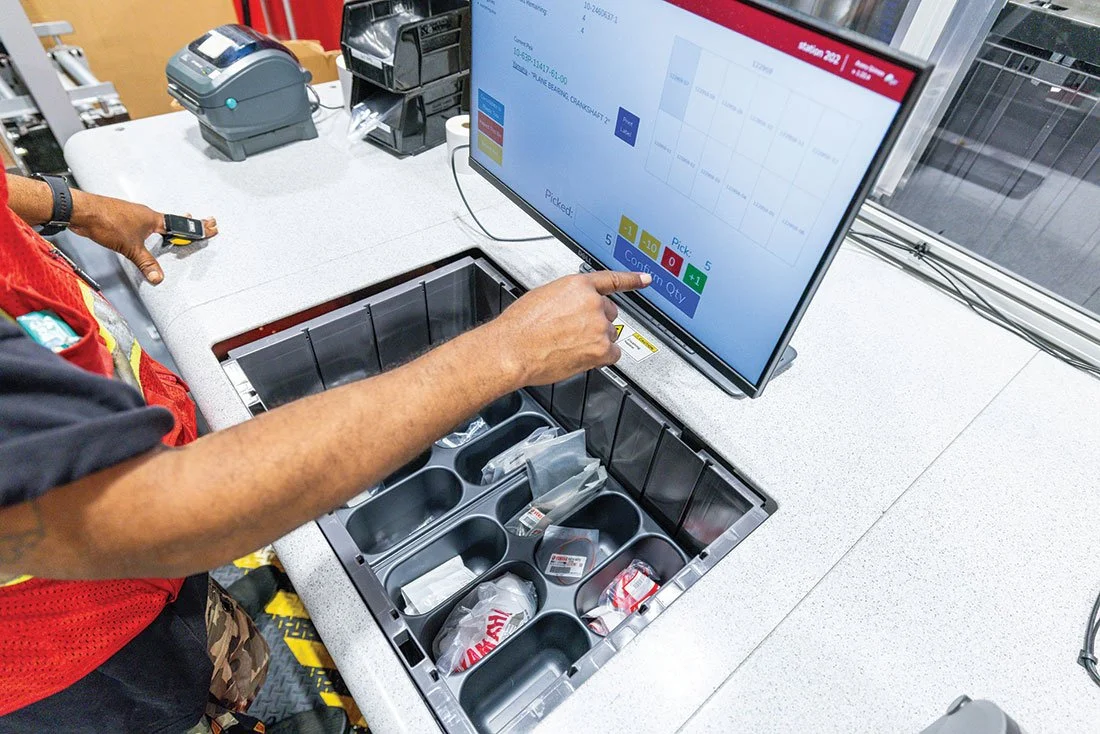
When a robot, shuttle, conveyor, AutoStore robot, AMR, palletizing cell, or automated workstation is waiting for its next task, the marginal cost of that waiting time is very low compared with a human employee waiting for work.
The equipment has already been purchased or leased. It still has maintenance, energy, software, depreciation, and support costs, but it does not have the same direct hourly labor cost as a large workforce standing by for the next instruction.
This changes the economics of waiting.
In a manual operation, poor task sequencing can create immediate labor waste. In an automated operation, the system can often absorb small delays, short gaps, changing priorities, or uneven work arrival without creating the same direct labor cost.
That does not mean automated equipment should sit idle. A poorly designed automated facility can still waste significant capital and miss service-level commitments.
However, the cost of a robot waiting for the next assignment is fundamentally different from the cost of hundreds of employees waiting for their next task.
The real value is orchestration
The most advanced automated and robotic logistics facilities are not simply using machines to move boxes.
They are using software to orchestrate the entire operation.
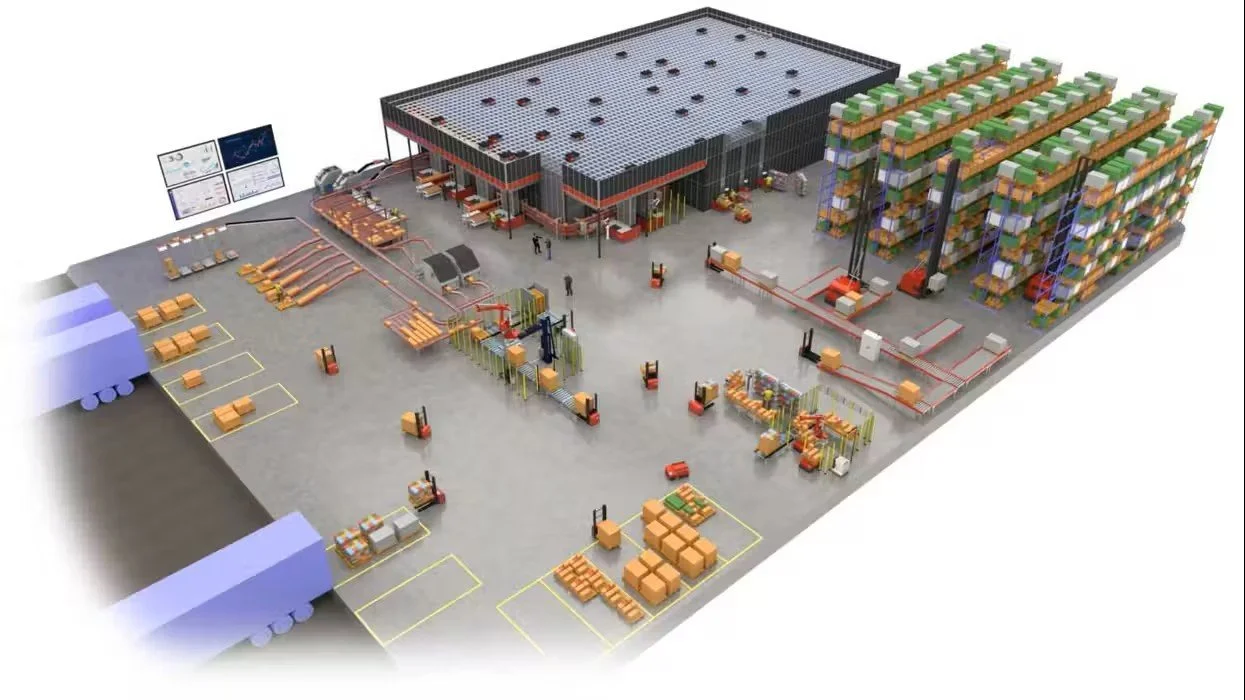
A properly designed warehouse execution system, warehouse control system, or automation platform can plan and sequence a large portion of the day’s work in advance.
This can include:
Customer order priorities
Carrier cut-off times
Store delivery schedules
Truck departure times
Available inventory
Replenishment requirements
Packing capacity
Shipping capacity
Labor availability
Robotic capacity
Workstation capacity
Urgent order requirements
Batch logic
Wave release timing
Instead of waiting for a supervisor to decide what should happen next, the system can continuously prepare and release the next best task.
Instead of employees waiting for work, work should be waiting for employees.
That is a major difference.
In a well-orchestrated automated operation, much of the next shift, the next wave, or even the full operating day may already be planned before the first employee begins work.
The operation does not need to react manually to every routine event. It only needs human intervention when an exception occurs.
Exceptions should be managed by people, not routine work
This is where companies often misunderstand automation.
The objective should not always be to remove people from the operation. The objective should be to remove people from repetitive coordination, waiting, searching, chasing information, and manually managing predictable work.
People should be focused on exceptions, customer issues, quality problems, damaged inventory, equipment recovery, process improvement, and decisions that require judgment.
Routine workflows should be orchestrated automatically.
For example, a system should already know which orders need to leave on the next truck, which inventory needs replenishment, which picking stations should receive work, which packing lanes are approaching capacity, and which orders require priority treatment.
A human supervisor should not need to manually chase all of this information across spreadsheets, emails, radio calls, and conversations on the warehouse floor.
When the routine work is managed properly by software and automation, the workforce becomes more valuable because employees can focus on work that truly requires human capability.
Automation creates a more flexible labor model
Another important benefit is that automation can allow companies to operate with a smaller but more highly utilized workforce.
Instead of staffing every area for peak demand, the operation can use automation to absorb volume changes and handle routine fluctuations.
During slower periods, fewer employees may be required because automated systems can continue to manage inventory movement, order sequencing, replenishment, and task allocation.
During peak periods, employees can be directed toward the areas where human labor adds the most value, such as packing, exception handling, quality control, inbound processing, or customer-specific requirements.
This can help companies reduce the need to carry excess labor simply because the operation is too difficult to coordinate manually.
It also reduces the dependency on constantly finding, hiring, training, and retaining large numbers of temporary employees.
For many companies, this may become one of the most important reasons to automate.
The best automation projects do not simply eliminate labor
The strongest automation projects do not view labor as something to eliminate.
They view labor as a scarce and expensive resource that should be used carefully.
A company may still need hundreds of employees after automation. However, those employees should be completing productive work rather than waiting for instructions, walking long distances, searching for inventory, manually updating spreadsheets, or standing idle because the next process is not ready.
This is especially important in large distribution centers where even small amounts of waiting can become extremely expensive.
A company with 300 employees may lose thousands of productive hours each year if every employee waits only a few minutes per shift for the next task, equipment, inventory, or instruction.
The problem is that this waiting time is almost impossible to measure accurately or cost out. It is spread across hundreds of employees, multiple departments, different shifts, changing workloads, and countless small interruptions throughout the day.
A picker may wait two minutes for the next assignment. A forklift driver may wait five minutes for a replenishment request. A packer may wait for completed orders to arrive. A supervisor may spend time manually reallocating labor because work is unevenly distributed. None of these delays may be recorded as “idle time,” yet the labor cost continues every minute.
As a result, the financial impact is largely invisible inside normal productivity reports. But it is real, and in large manual operations it can represent a major hidden cost of poor workflow orchestration.
The overlooked automation advantage
The future of logistics automation should not only be measured by picks per hour, robots per site, or total headcount reduction.
A better question may be:
How much of every paid labor hour is being used productively?
Manual operations often struggle because work arrives unevenly, planning is reactive, systems are disconnected, and employees wait for the operation to catch up with them.
Advanced automated operations are different.
They can plan more work in advance, sequence tasks intelligently, prepare the next activity before the current one ends, and use people where they create the greatest value.
Automation does not simply allow companies to do more work with fewer employees.
It allows companies to make better use of every employee they already have.
That may be one of the most valuable and least discussed benefits of warehouse automation and robotics.
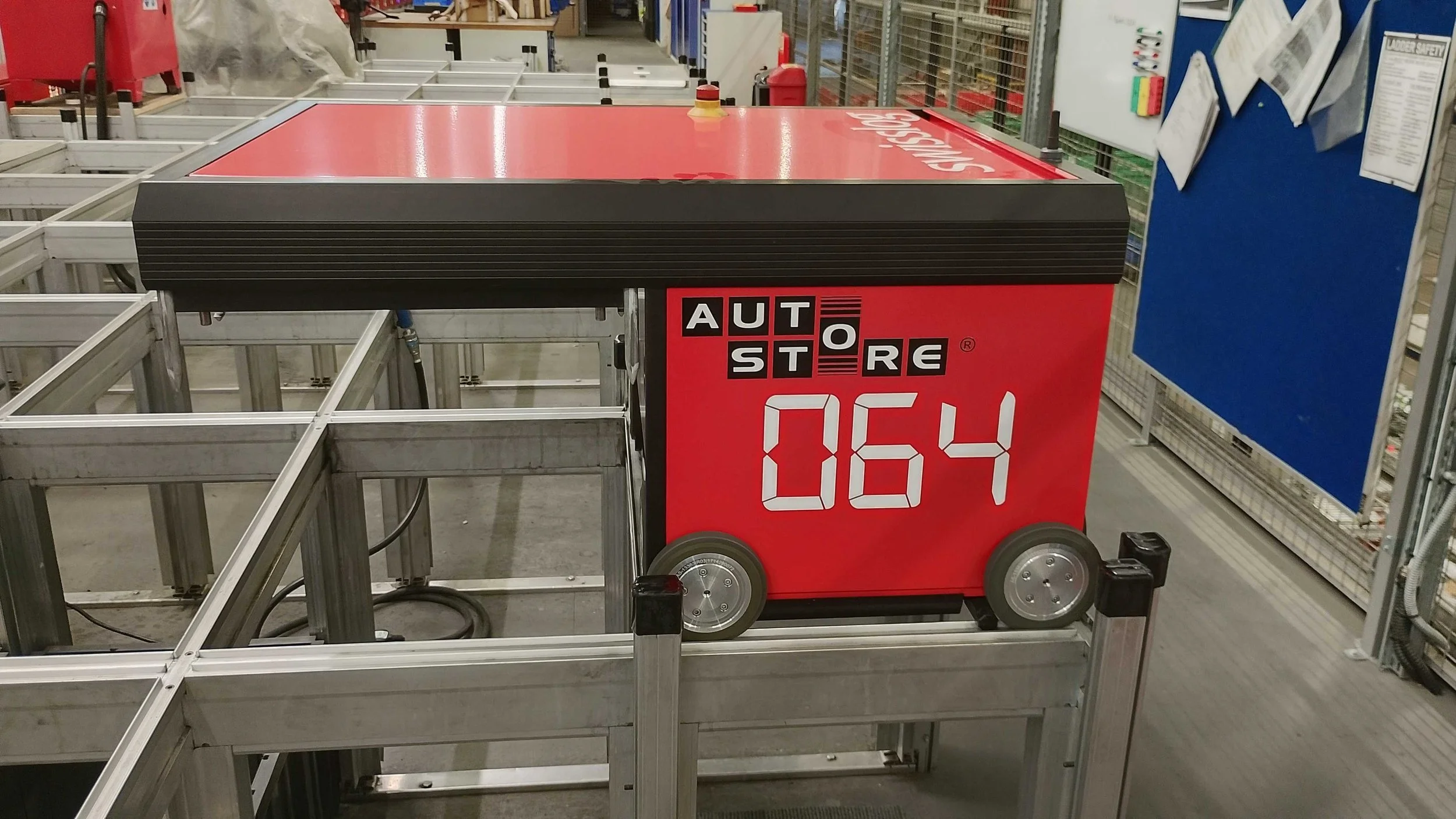
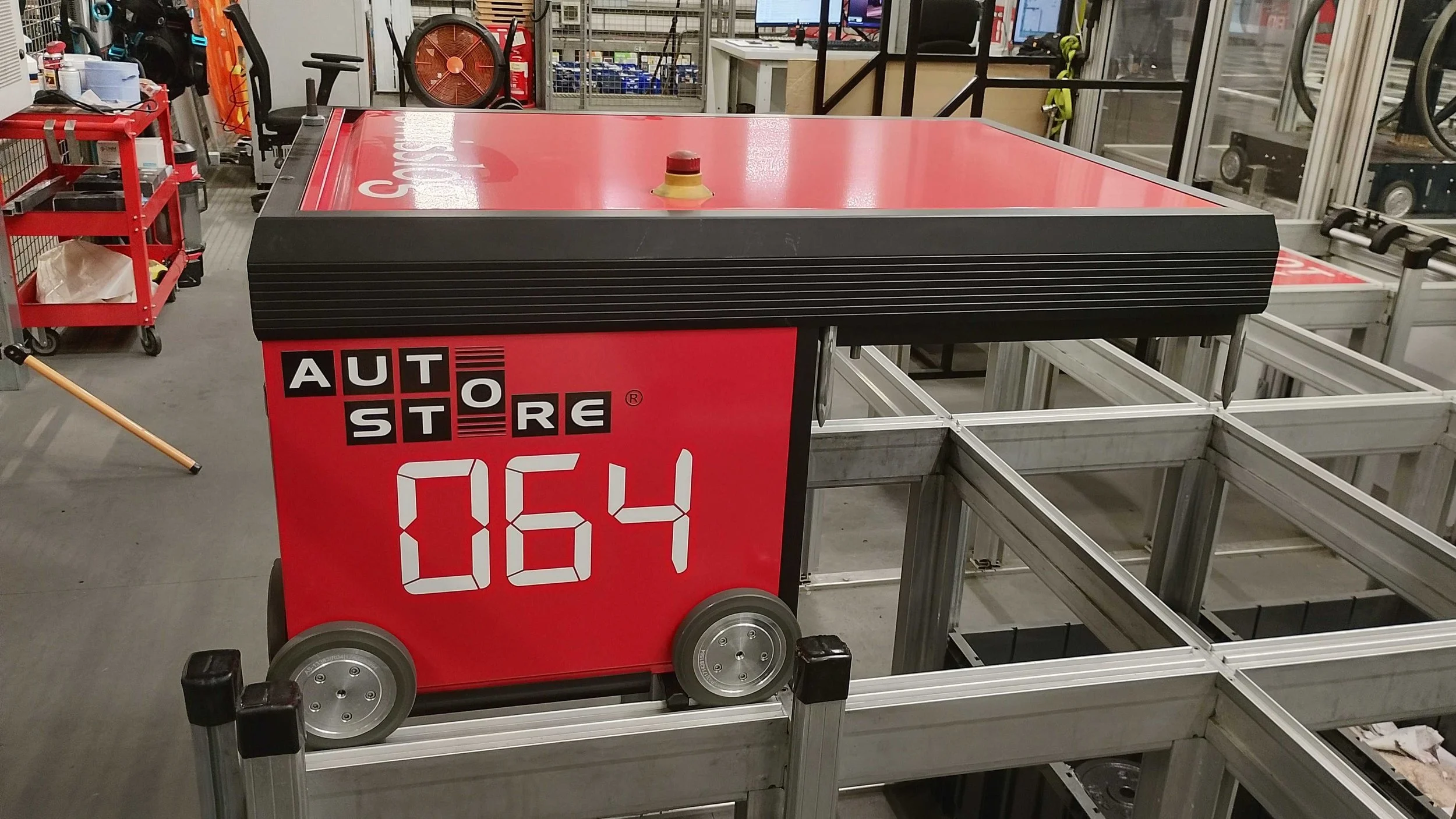
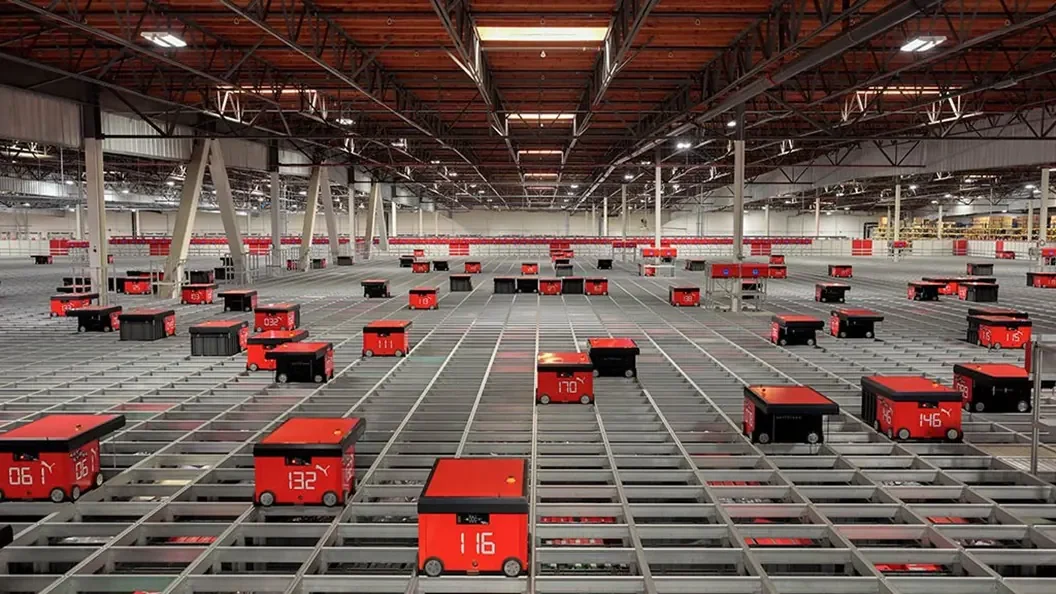
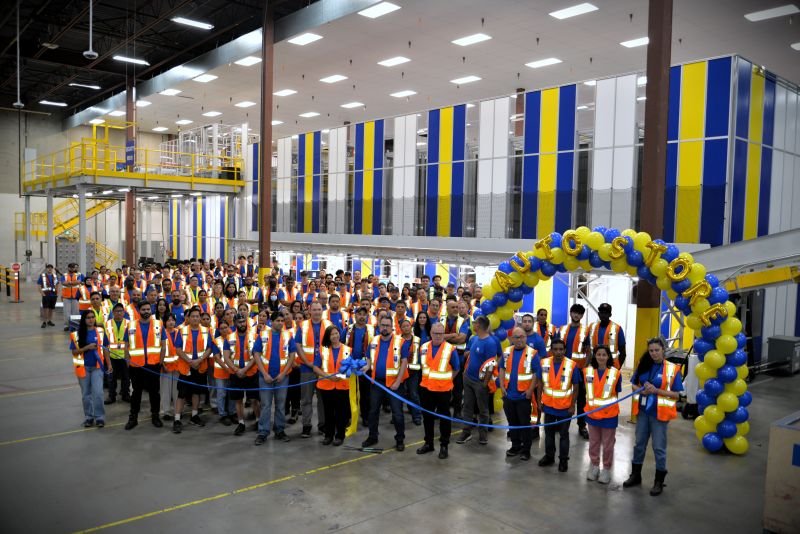
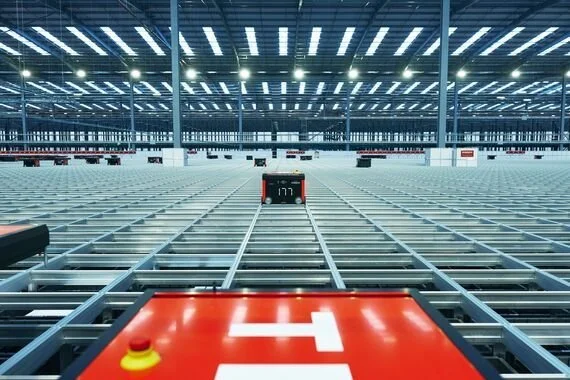
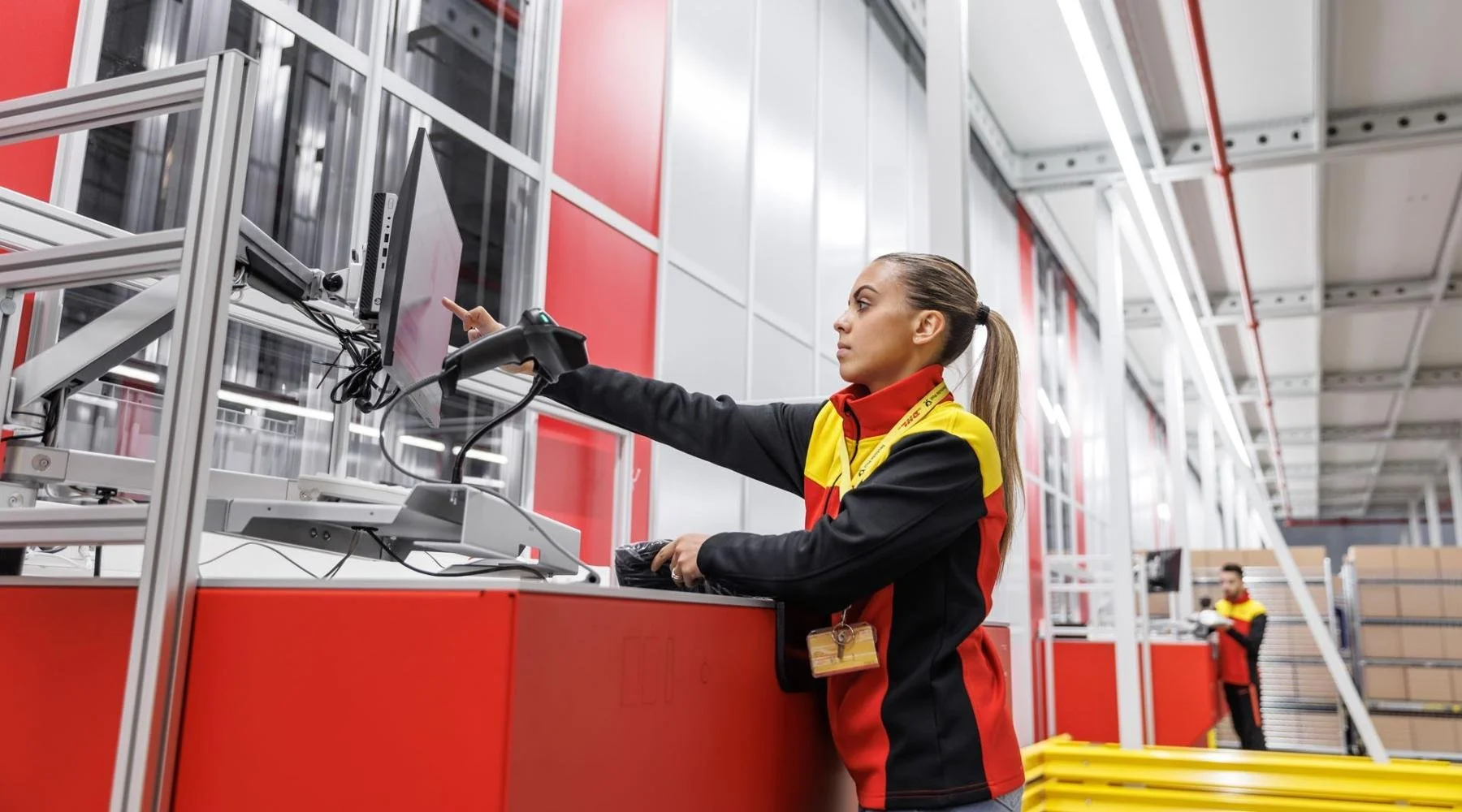
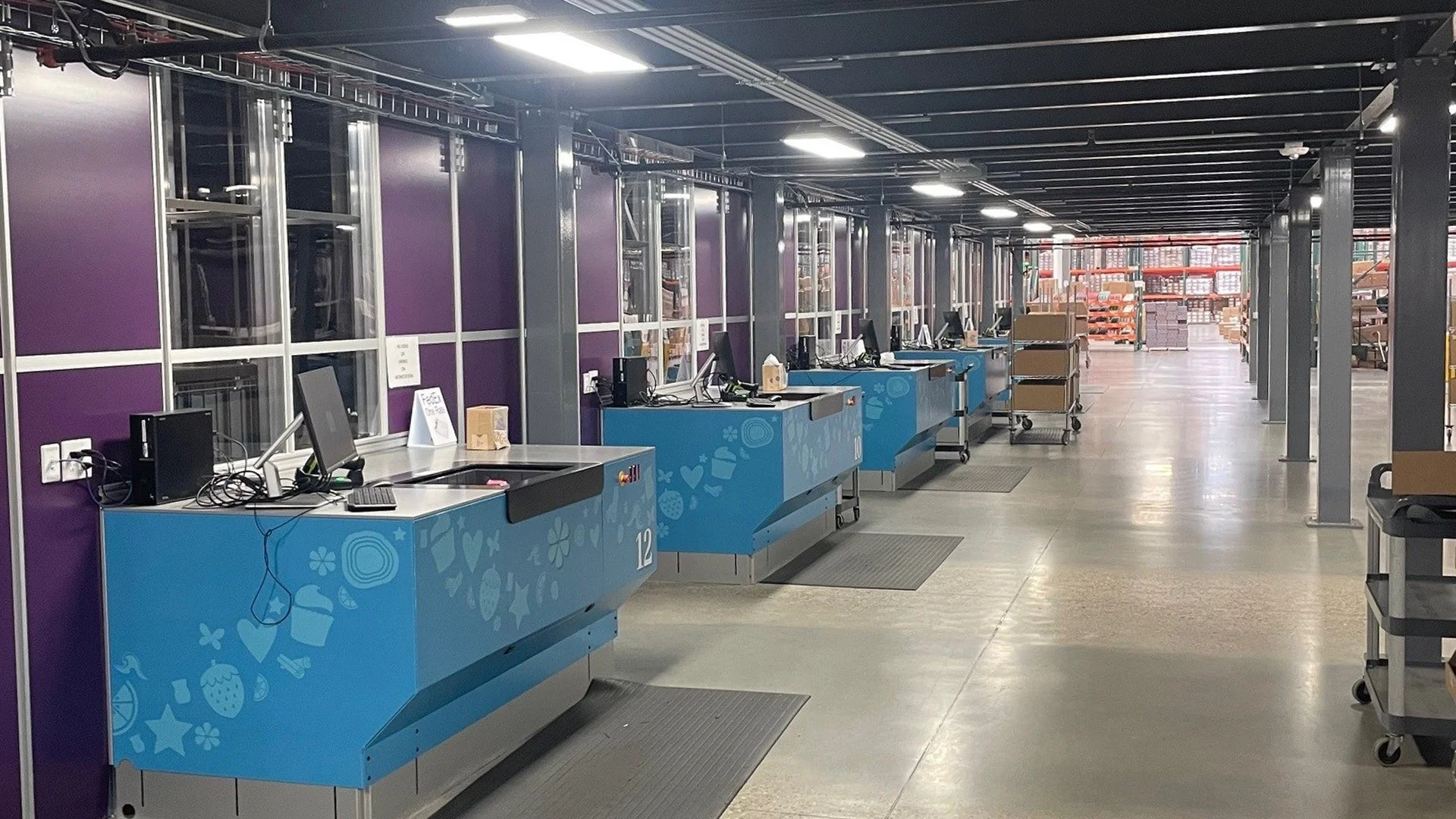
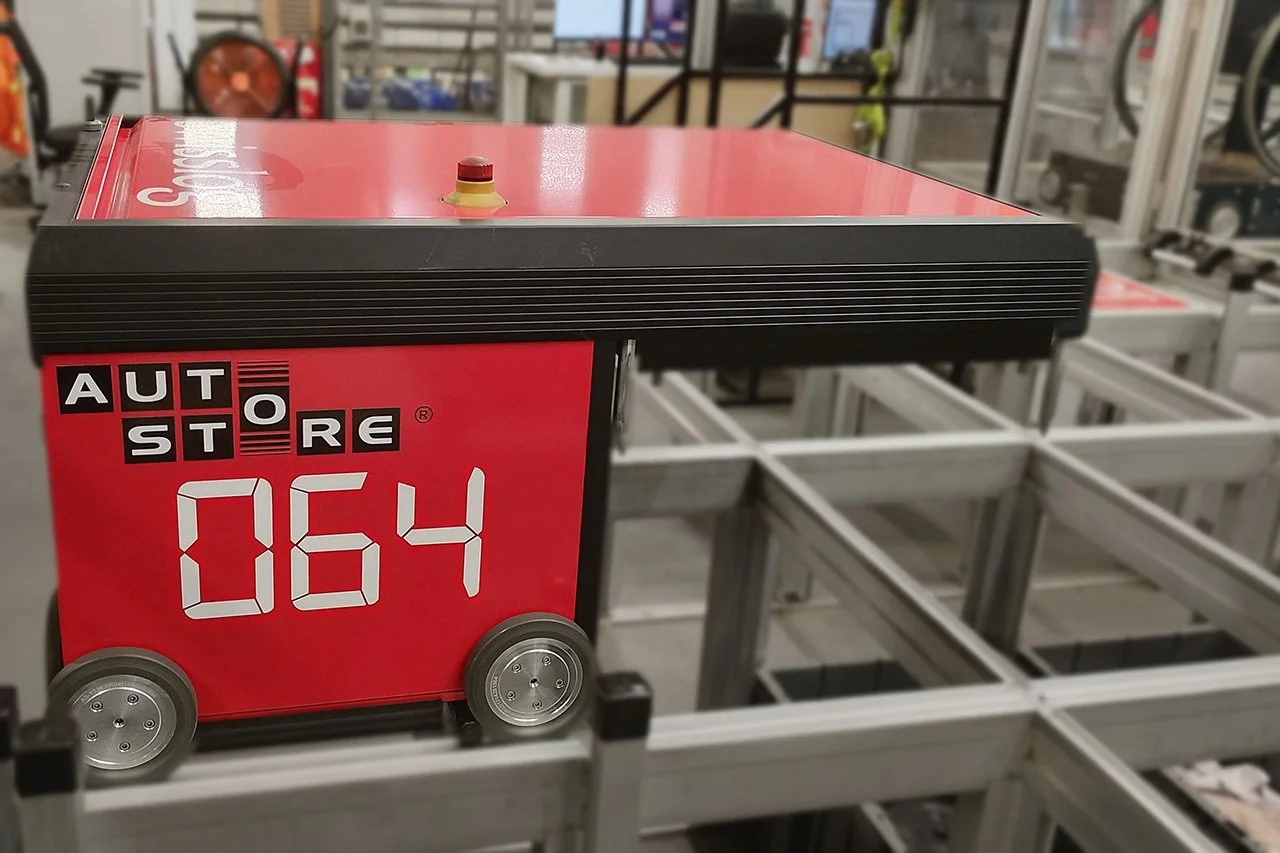
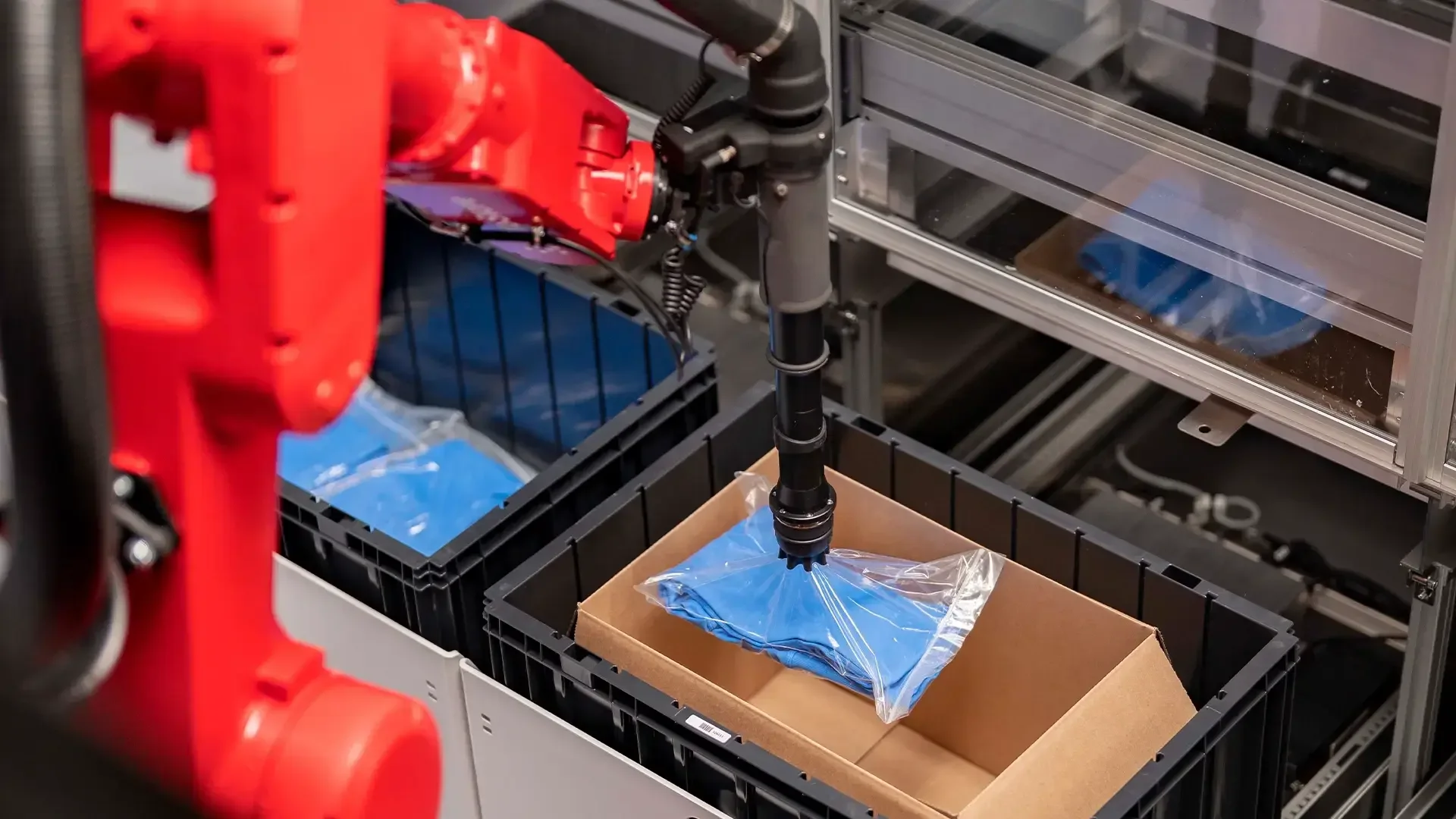
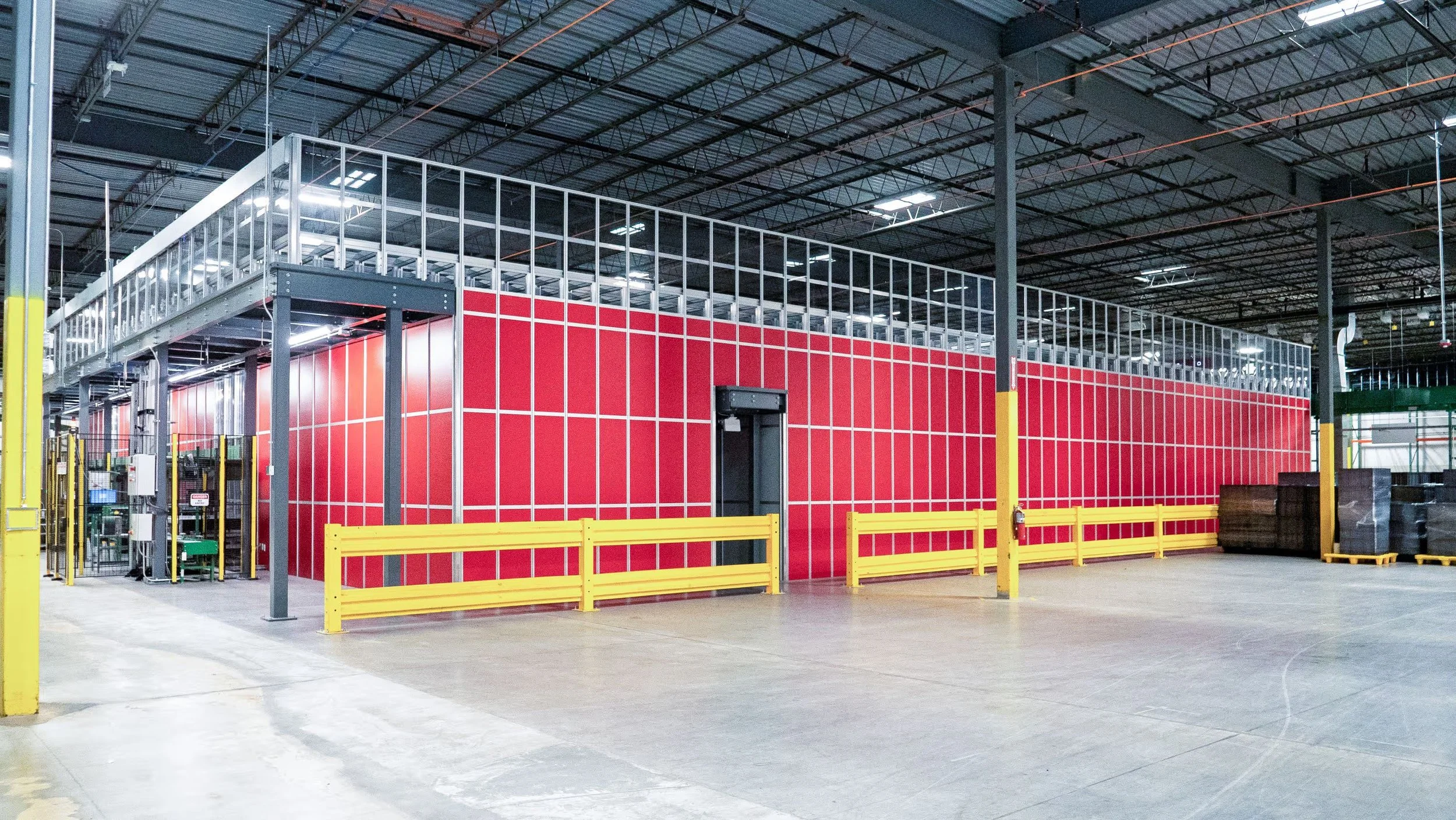
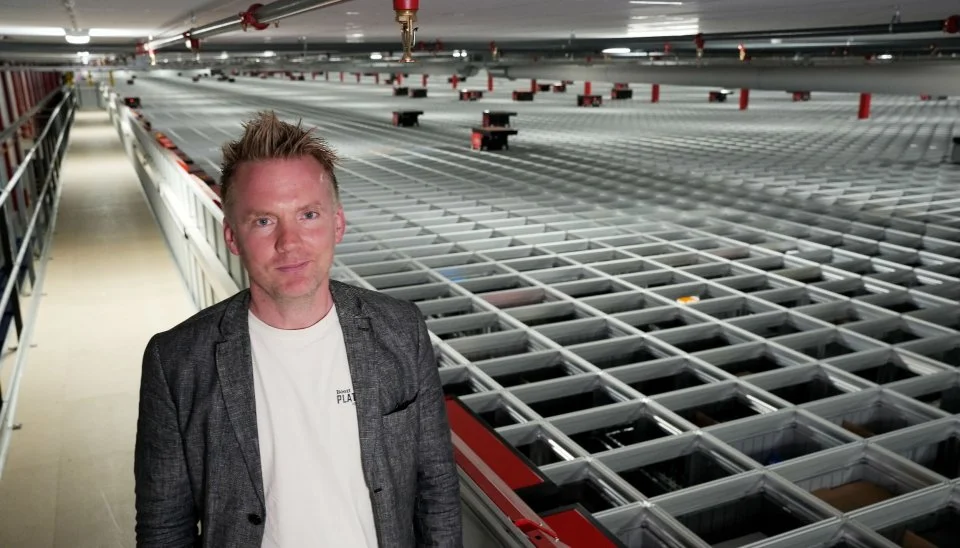
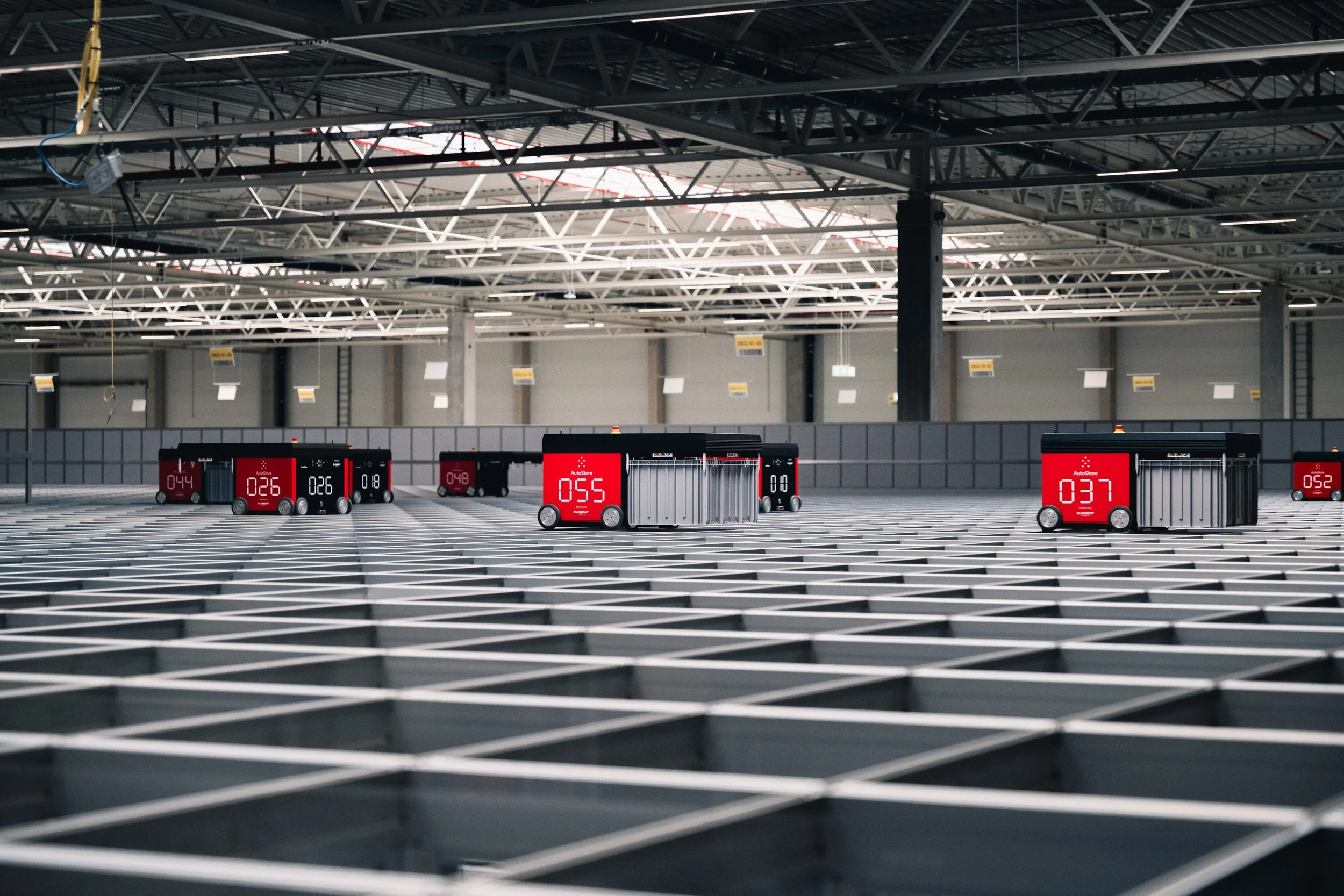
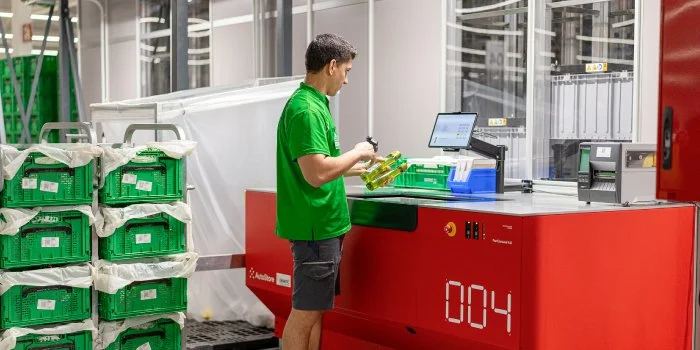
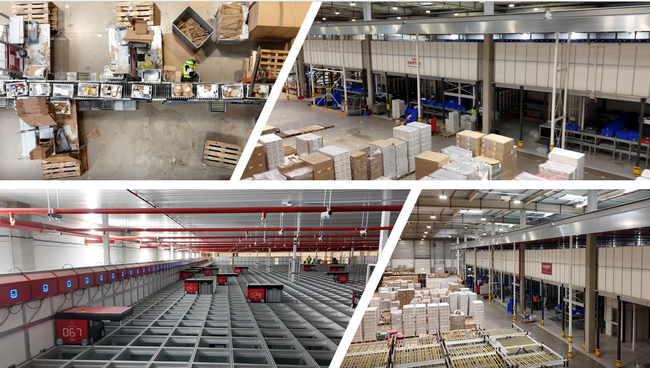



DHL Supply Chain is now operating a fully-automated robot picking system at a logistics center in Staufenberg Germany