
Walmart Brings ‘Fresh’ Automation to the Back of Stores
A new robotic micro-fulfillment system aims to scale online pickup and delivery without turning customer aisles into warehouse picking zones.
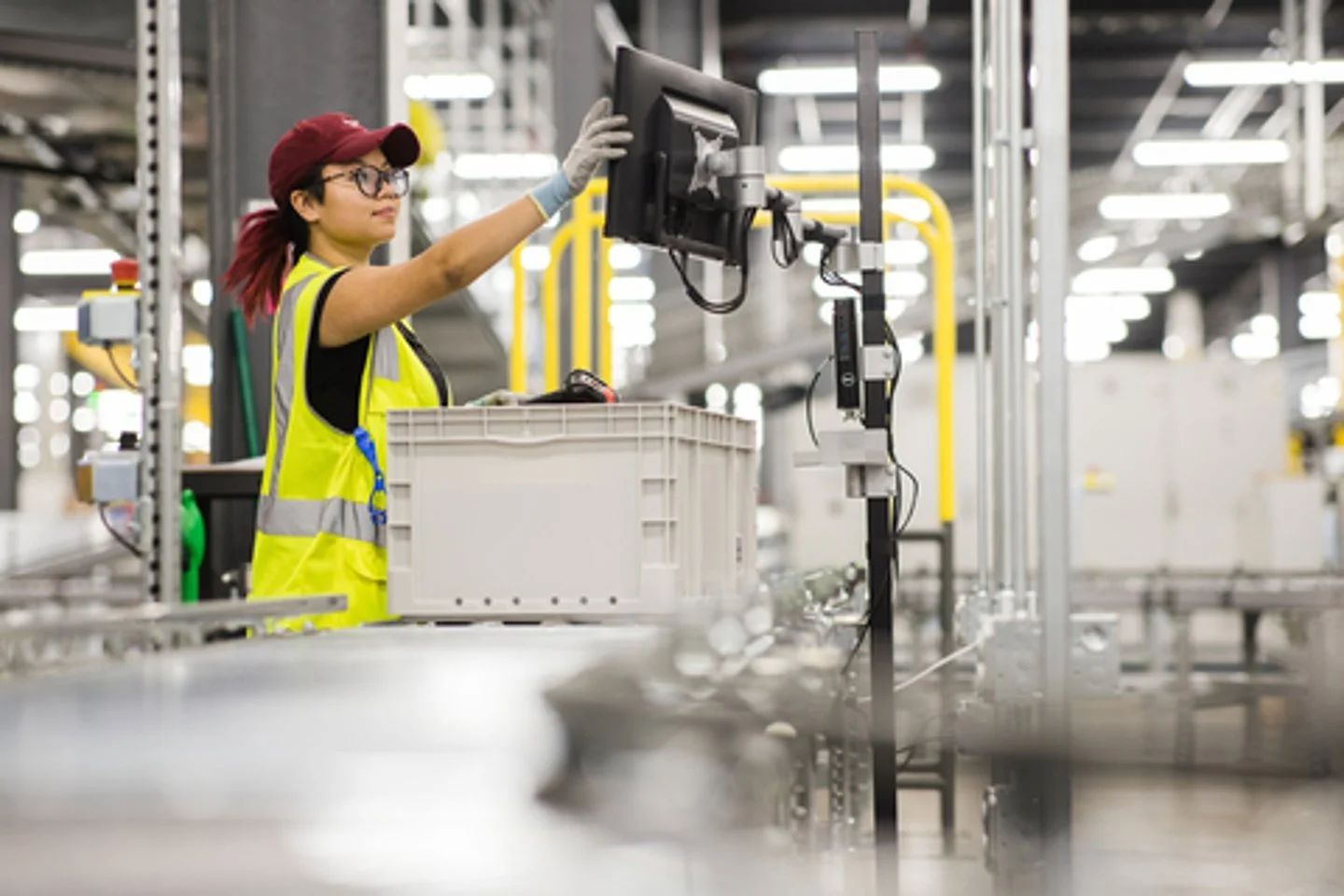
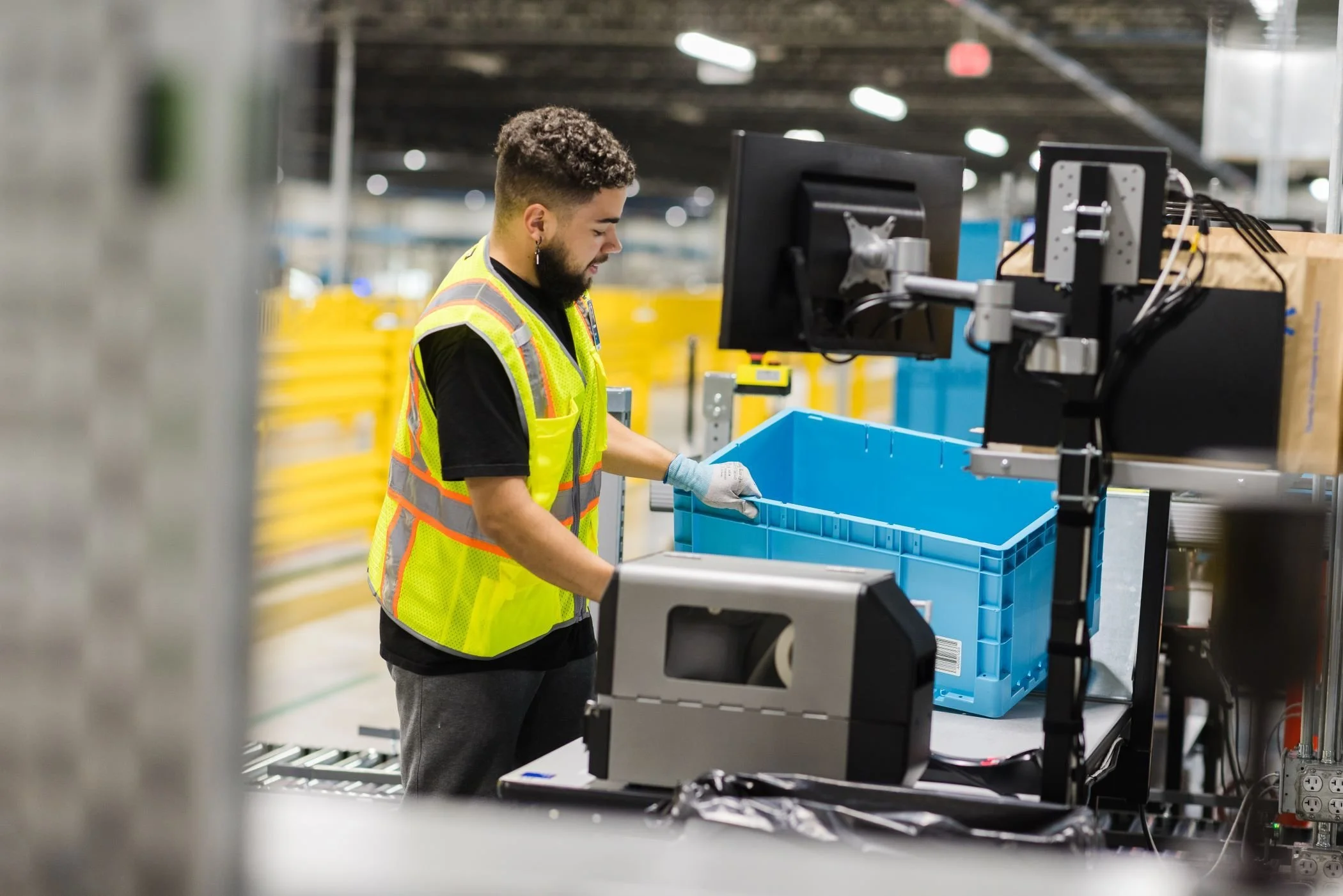
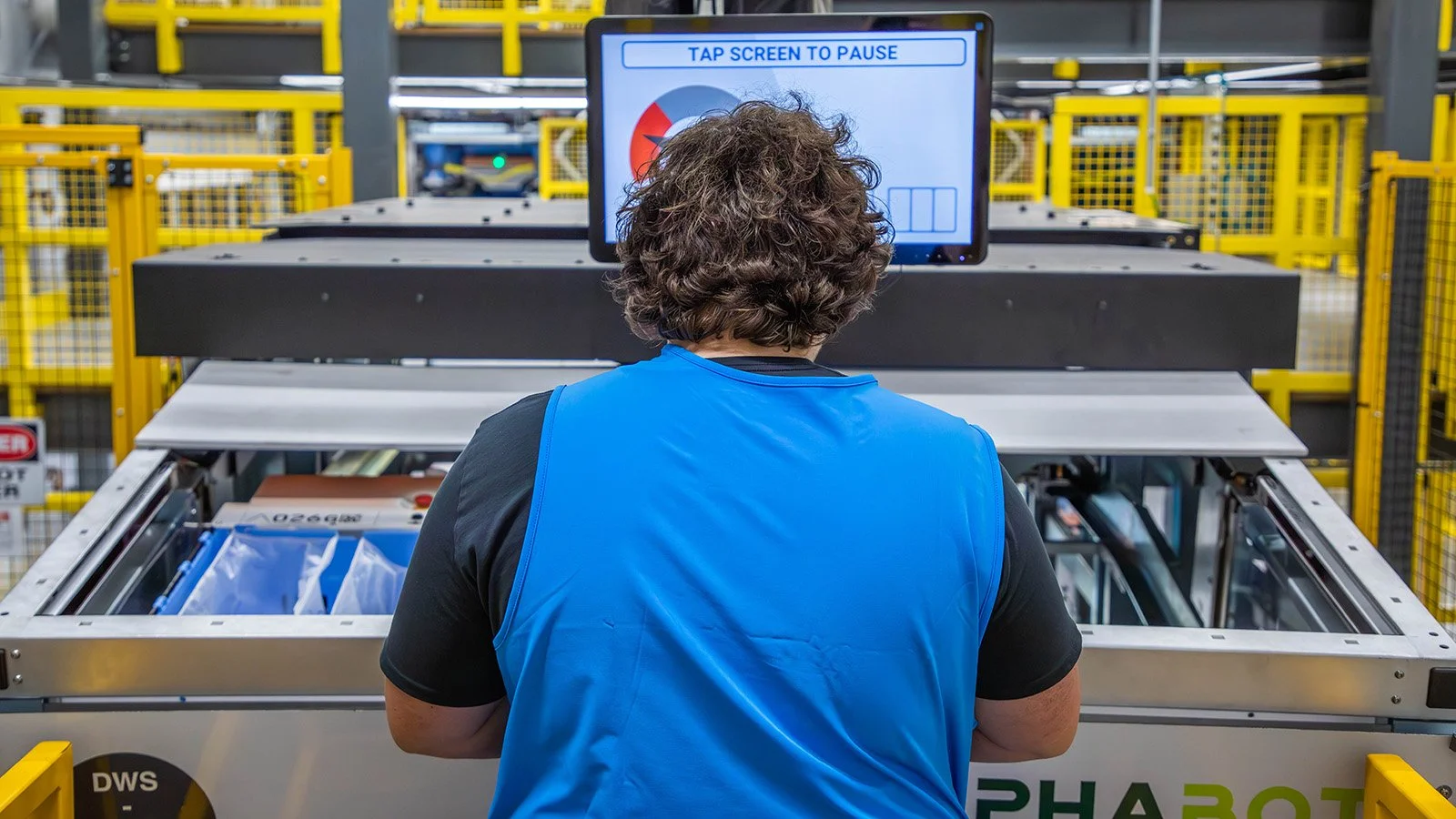
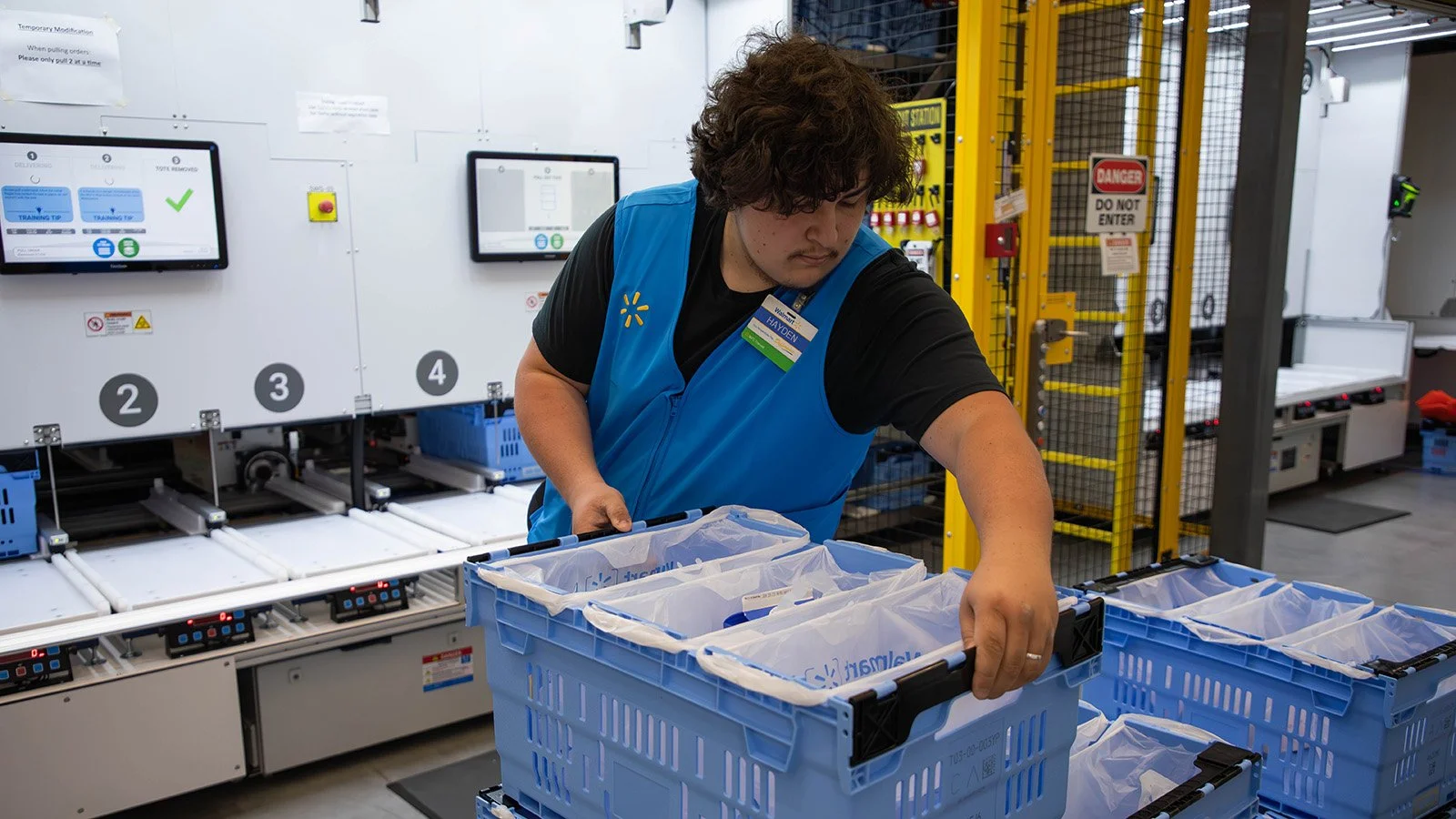
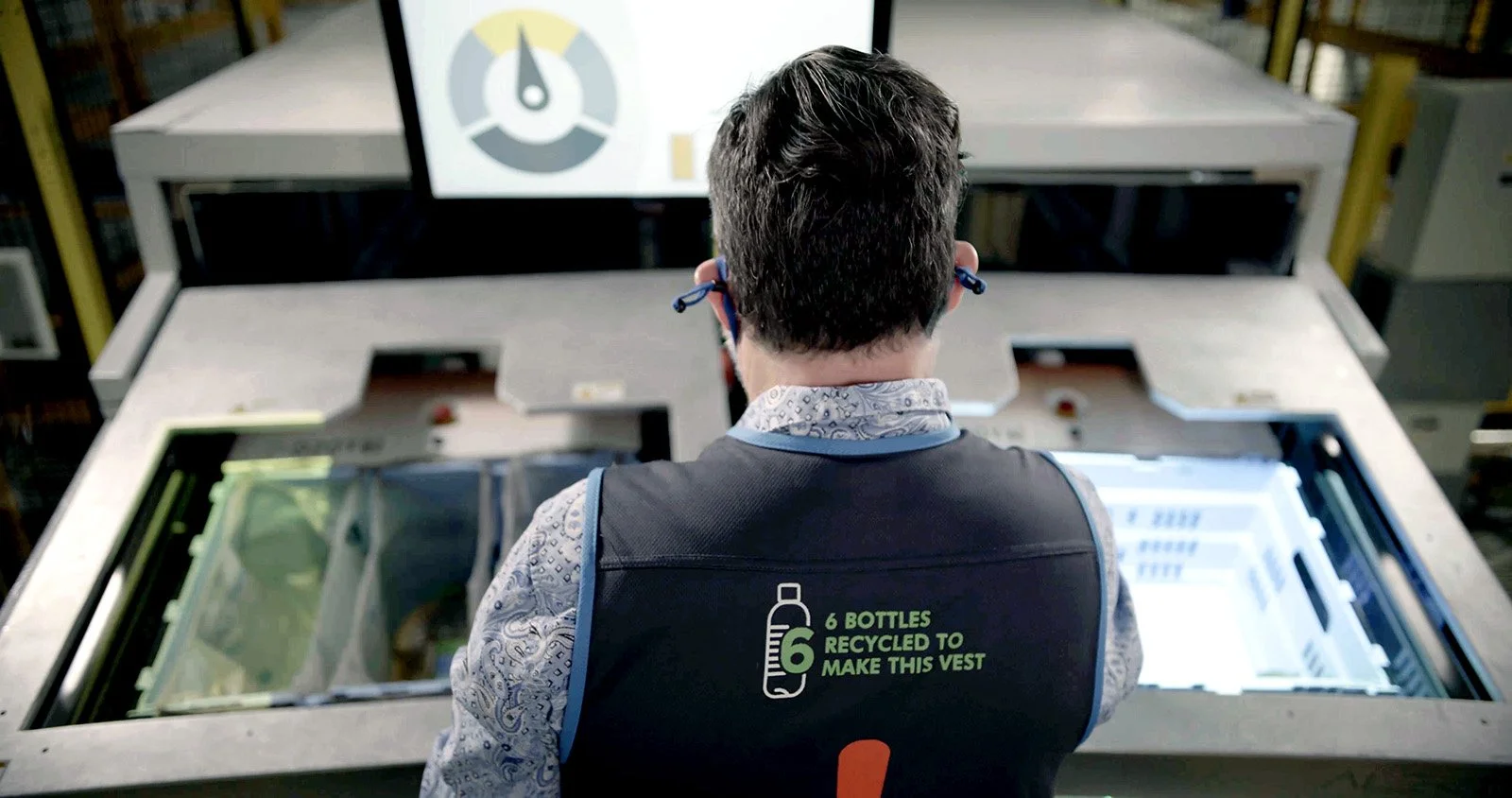
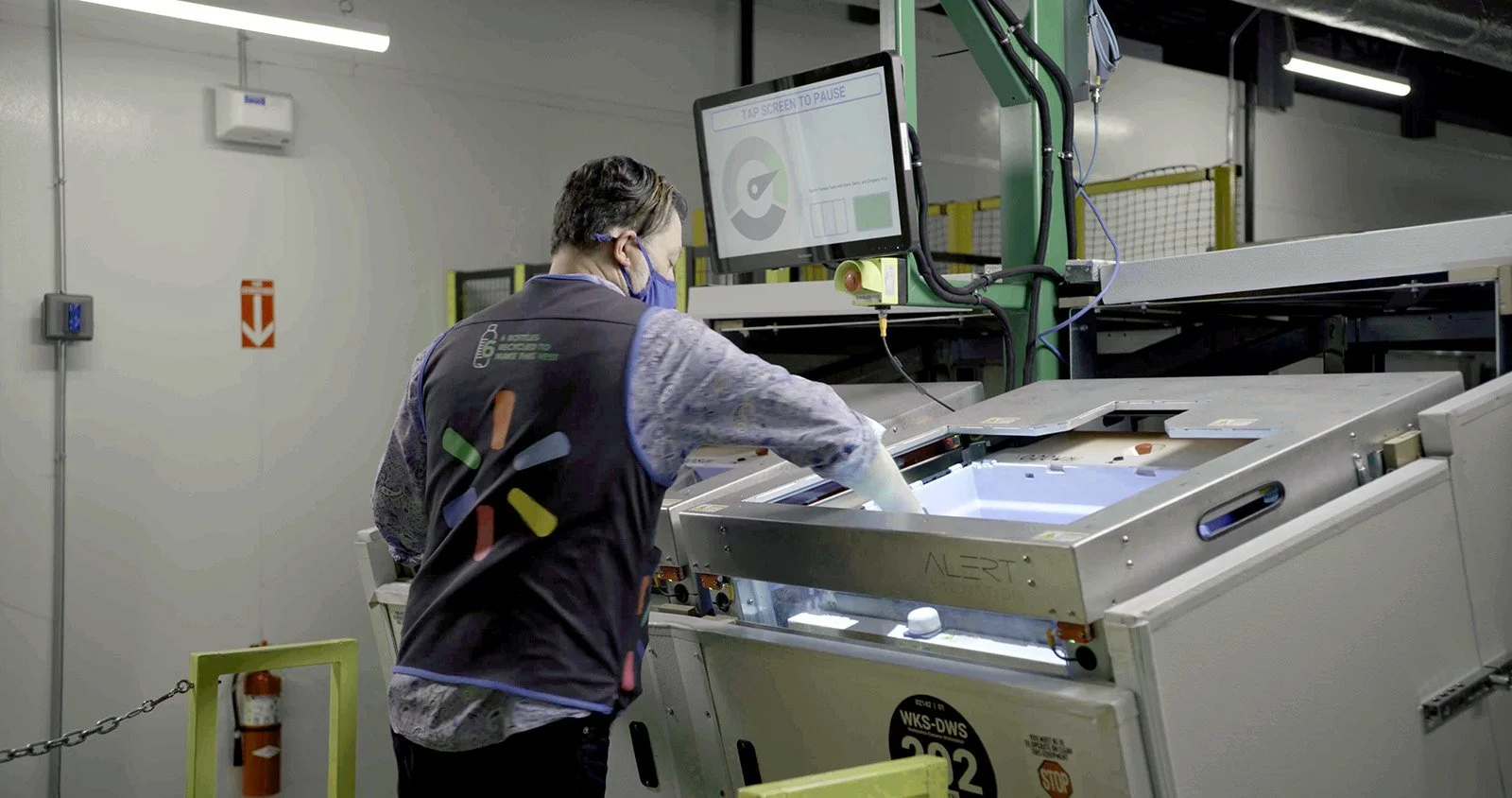
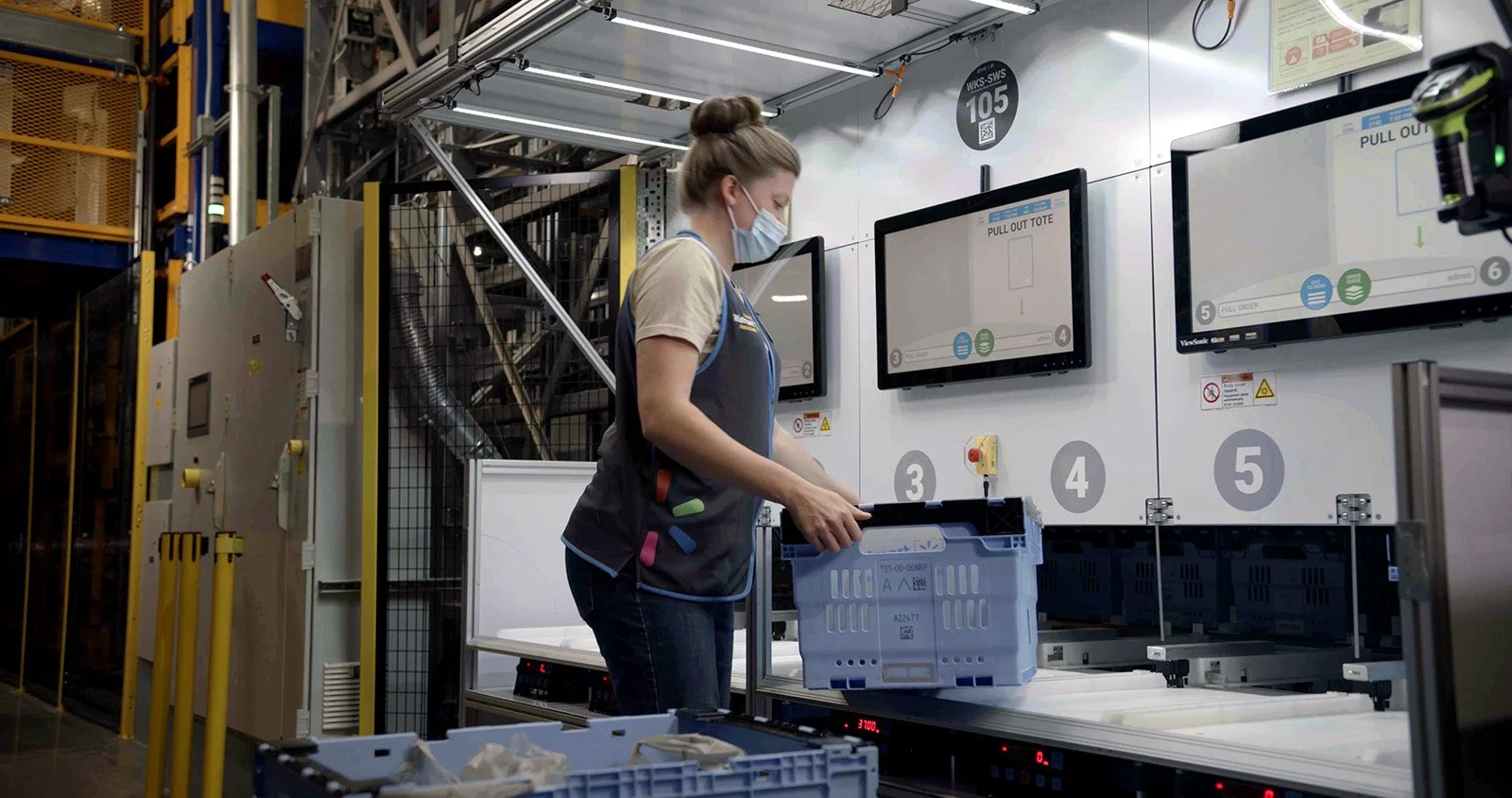
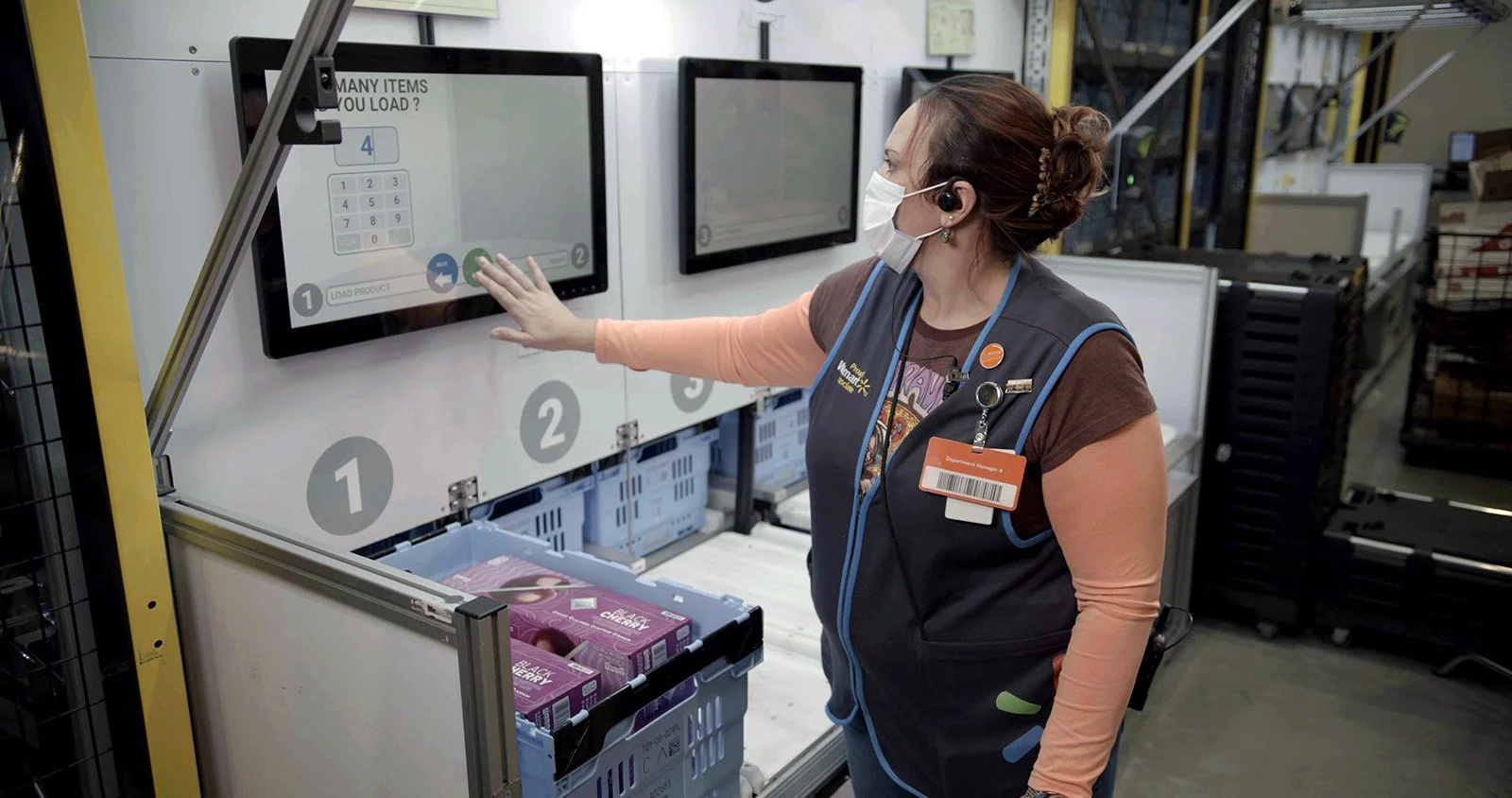
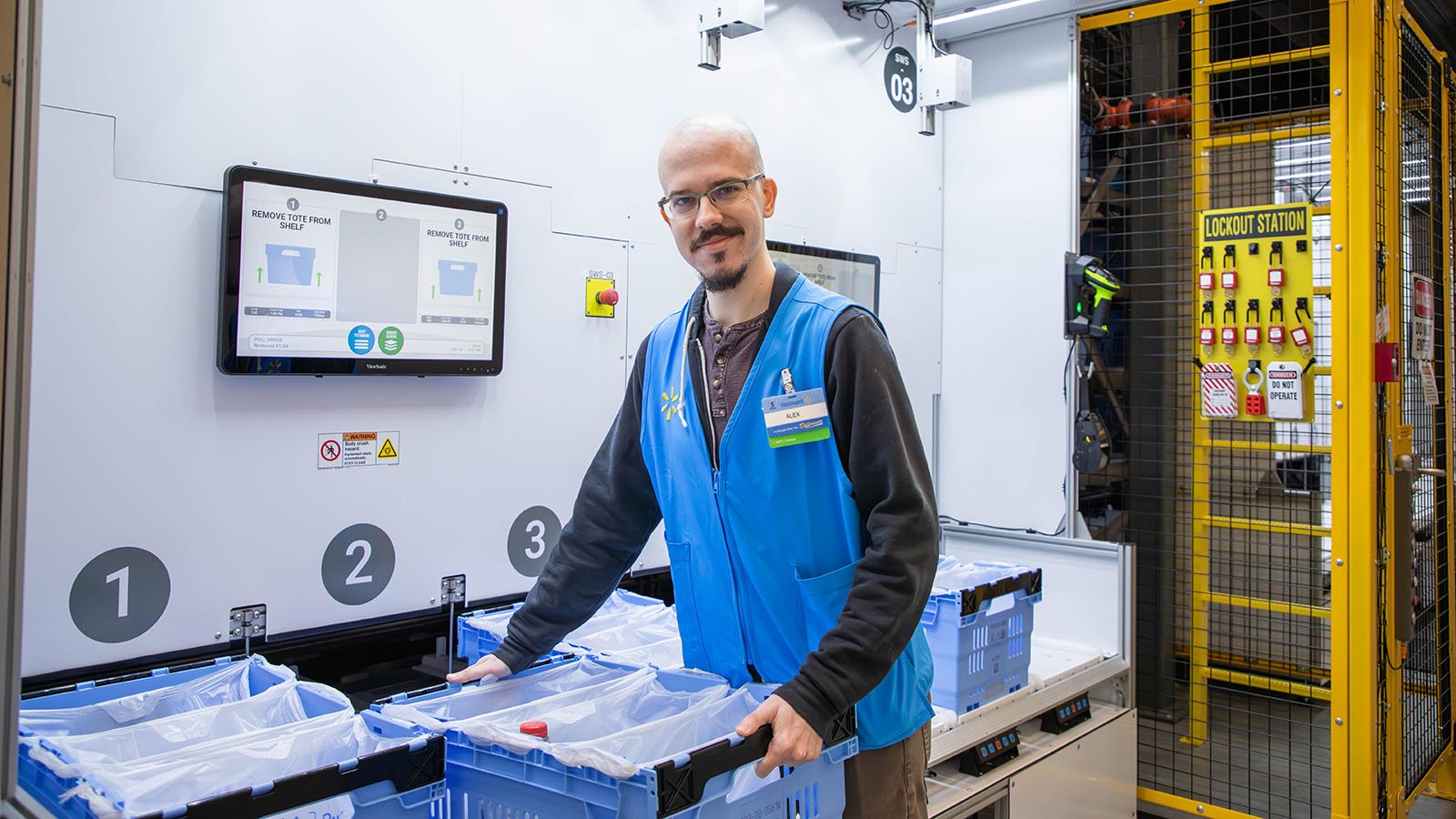
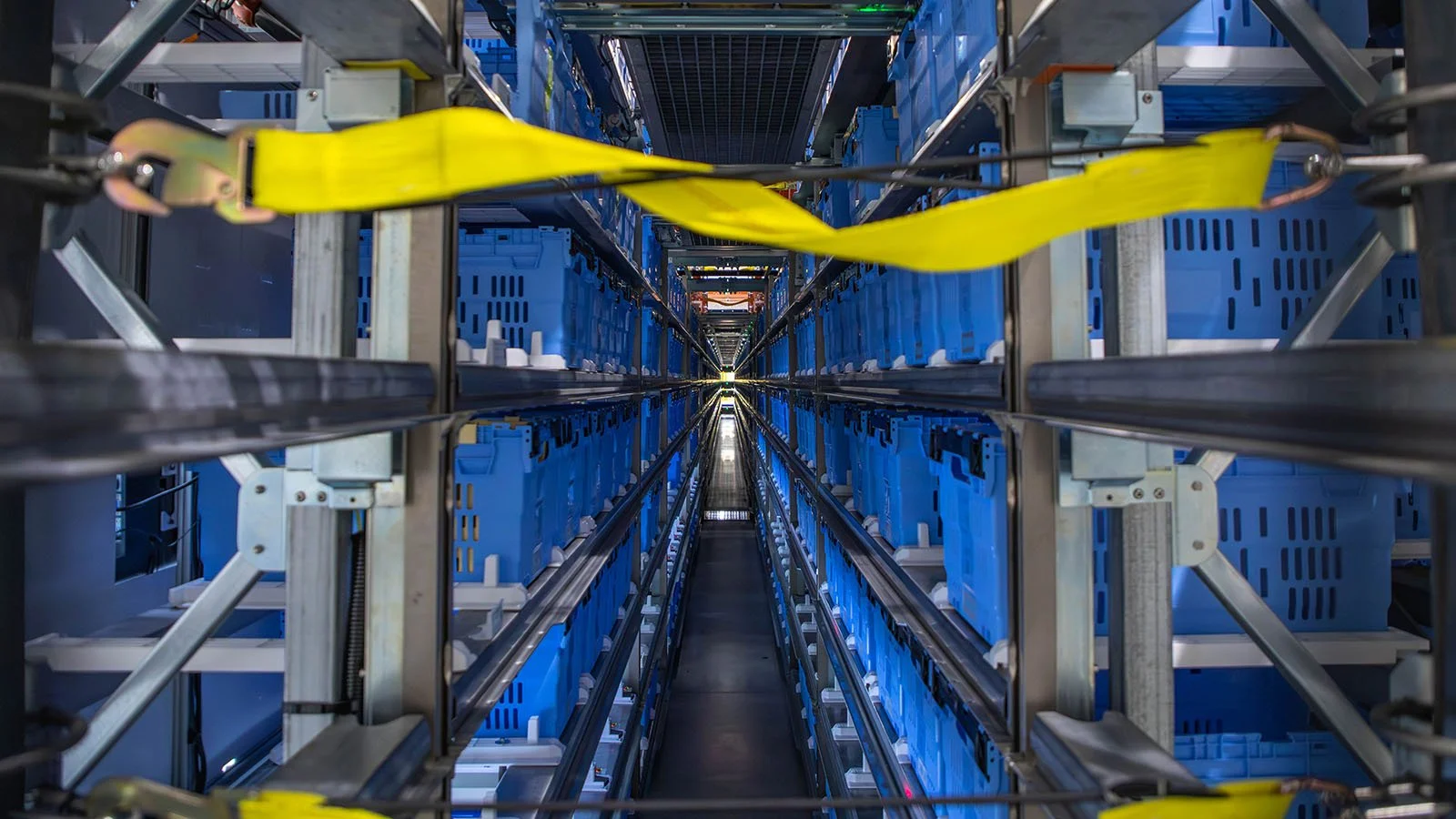
Walmart has begun installing a new robotic micro-fulfillment system in the back of an undisclosed U.S. store. The system is intended to automate the storage and retrieval of products for online pickup and delivery orders, reducing the need for associates to travel through customer aisles while assembling orders.
The project could represent an important next step in Walmart’s strategy to use its stores as local fulfillment centers. With more than 4,600 U.S. locations—and approximately 90% of the population living within ten miles of one—Walmart already possesses an enormous network of potential last-mile fulfillment sites.
However, manually picking rapidly growing volumes of online orders from store shelves will eventually reach a practical limit. As more associates and picking carts travel through the aisles, they compete with customers for space, interfere with replenishment, remove products from displays and create additional congestion around staging and dispatch areas. A retail store designed around the customer shopping experience can gradually become an improvised and increasingly chaotic warehouse logistics environment. Productivity becomes difficult to predict, inventory accuracy becomes more critical, substitutions increase and the in-store customer experience begins to deteriorate. The challenge for Walmart is therefore not simply fulfilling more online orders, but finding a fast, accurate and economically sustainable way to scale store-based fulfillment without disrupting the retail operation.
The new system is being developed by warehouse robotics company Symbotic and is branded SymMicro. It is designed to transform back-of-store space into an automated inventory and order-fulfillment operation capable of handling ambient, refrigerated and frozen products.
If the system meets Walmart’s performance requirements, it could become the foundation for automated fulfillment systems at 400 Walmart locations. This would make the program one of the largest deployments of store-based micro-fulfillment technology attempted anywhere.
However, the installation currently underway is not yet the beginning of that commercial rollout. It is effectively a full-scale development and validation system that must prove the technology, software and operating processes can function reliably inside a live Walmart store.
The first store will be a proving ground
Symbotic CEO Rick Cohen said the first system is expected to become operational in approximately six months, placing its anticipated startup in early 2027. A second Walmart installation is expected to follow shortly afterward.
The first system is deliberately being “overbuilt” to ensure that it works reliably. Symbotic then plans to redesign the solution to make it smaller, more efficient and less expensive before moving toward broader deployment.
“We’re going to overbuild this, but we probably won’t build 400 of the version we’re building now,” Cohen explained. “But I think the one after this, we will.”
This distinction is important. The first installation will test whether the operating concept works under real store conditions. The next version will need to demonstrate whether the system can be standardized, cost-reduced and repeatedly installed across hundreds of Walmart stores with different building layouts, order volumes and infrastructure constraints.
Proving that one highly engineered prototype works is only the beginning. The larger challenge will be developing a repeatable product that can be manufactured, installed, commissioned and supported economically across Walmart’s store network.
Walmart’s micro-fulfillment journey did not begin with SymMicro
Although SymMicro is a new Symbotic brand, Walmart’s micro-fulfillment initiative has been underway for almost a decade.
Walmart began working with Alert Innovation in 2016 on what became the Alphabot micro-fulfillment system. The first Walmart Alphabot pilot began operating in Salem, New Hampshire, in late 2019.
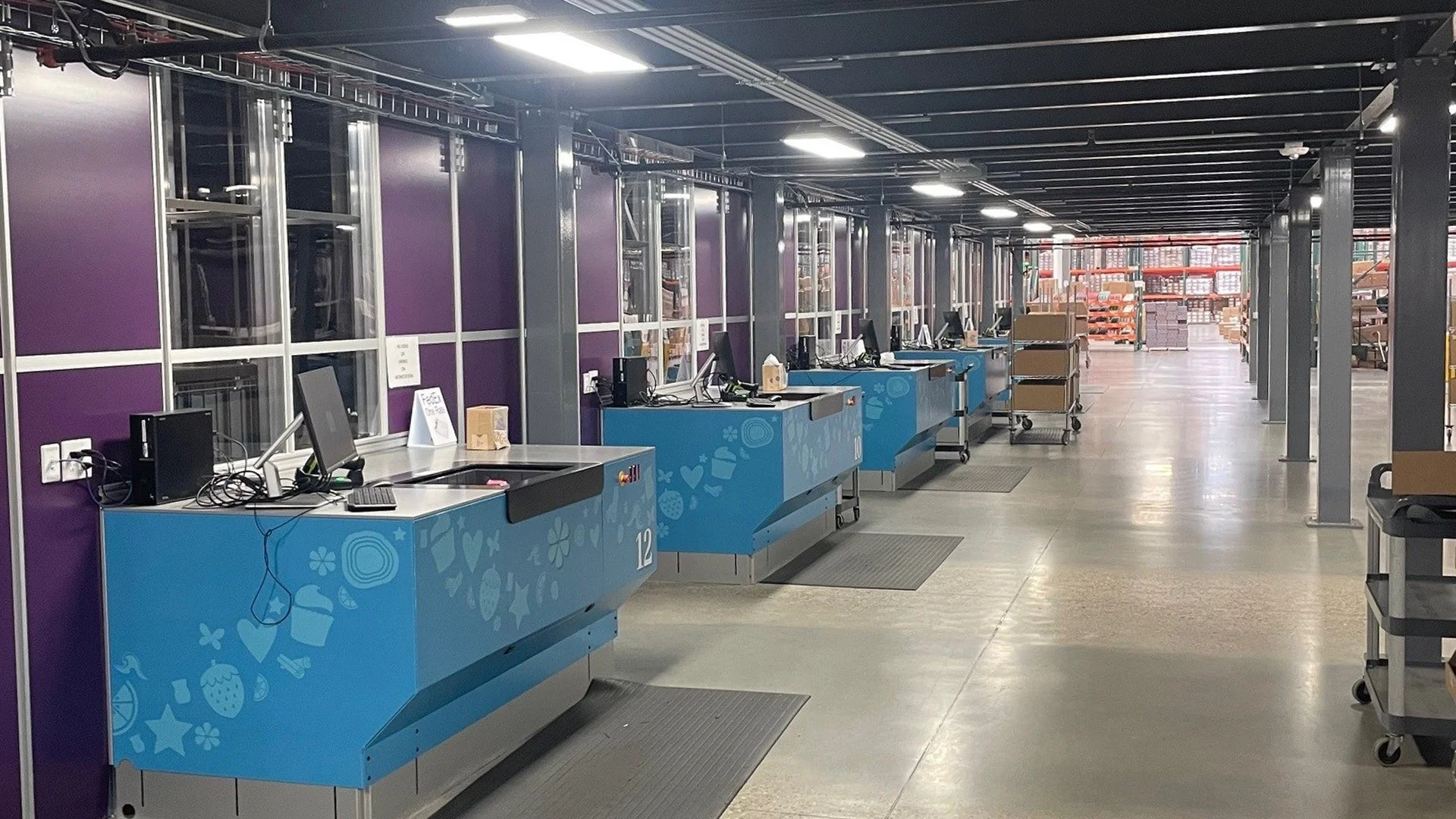
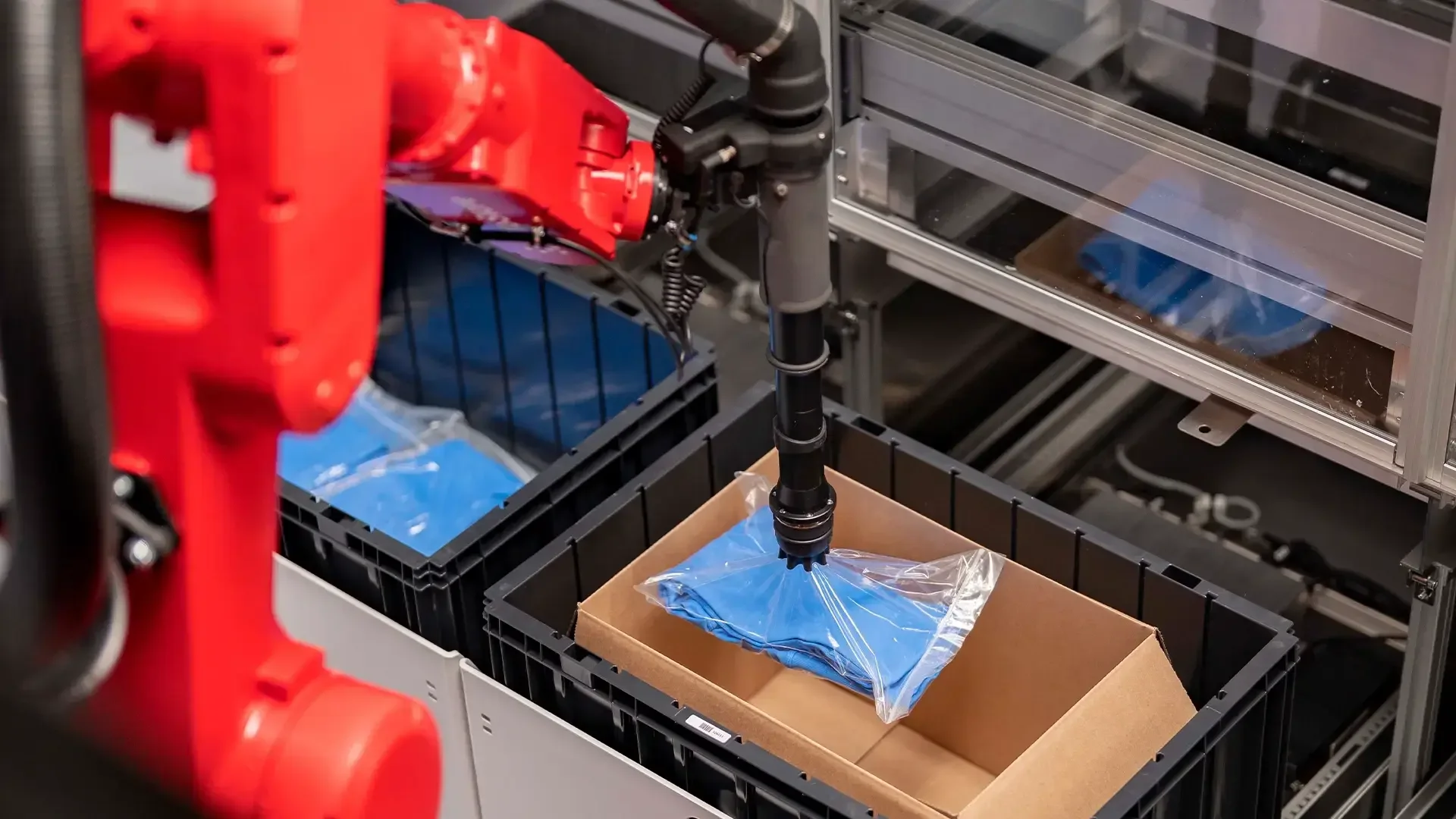
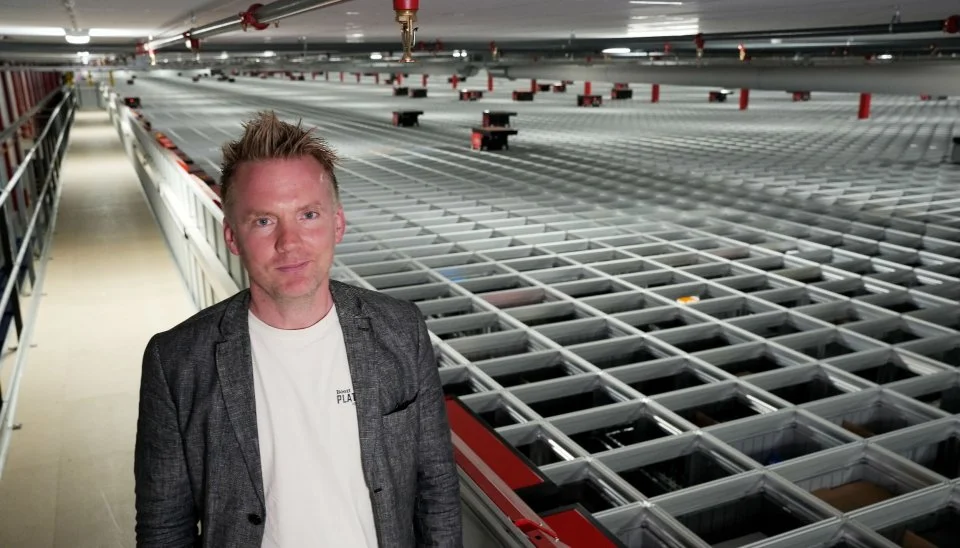
The original system used autonomous carriers capable of moving horizontally, laterally and vertically through ambient, refrigerated and frozen storage without relying on conventional lifts and conveyors. Inventory was retrieved and delivered to workstations where associates completed, bagged and dispatched customer orders.
Walmart acquired Alert Innovation in 2022 and subsequently operated the business as Advanced Systems and Robotics. Symbotic acquired that business from Walmart in January 2025 for US$200 million.
Cohen stated during Symbotic’s Q3 earnings call that 19 earlier versions of the micro-fulfillment system are already operating. The Walmart project currently underway should therefore be described as the first installation of the new-generation SymMicro design—not Walmart’s first micro-fulfillment system.
An important unanswered question is how much of the original Alert Innovation architecture remains and how much has been replaced or redesigned using Symbotic’s robots, controls and software platform.
What the new system is expected to do
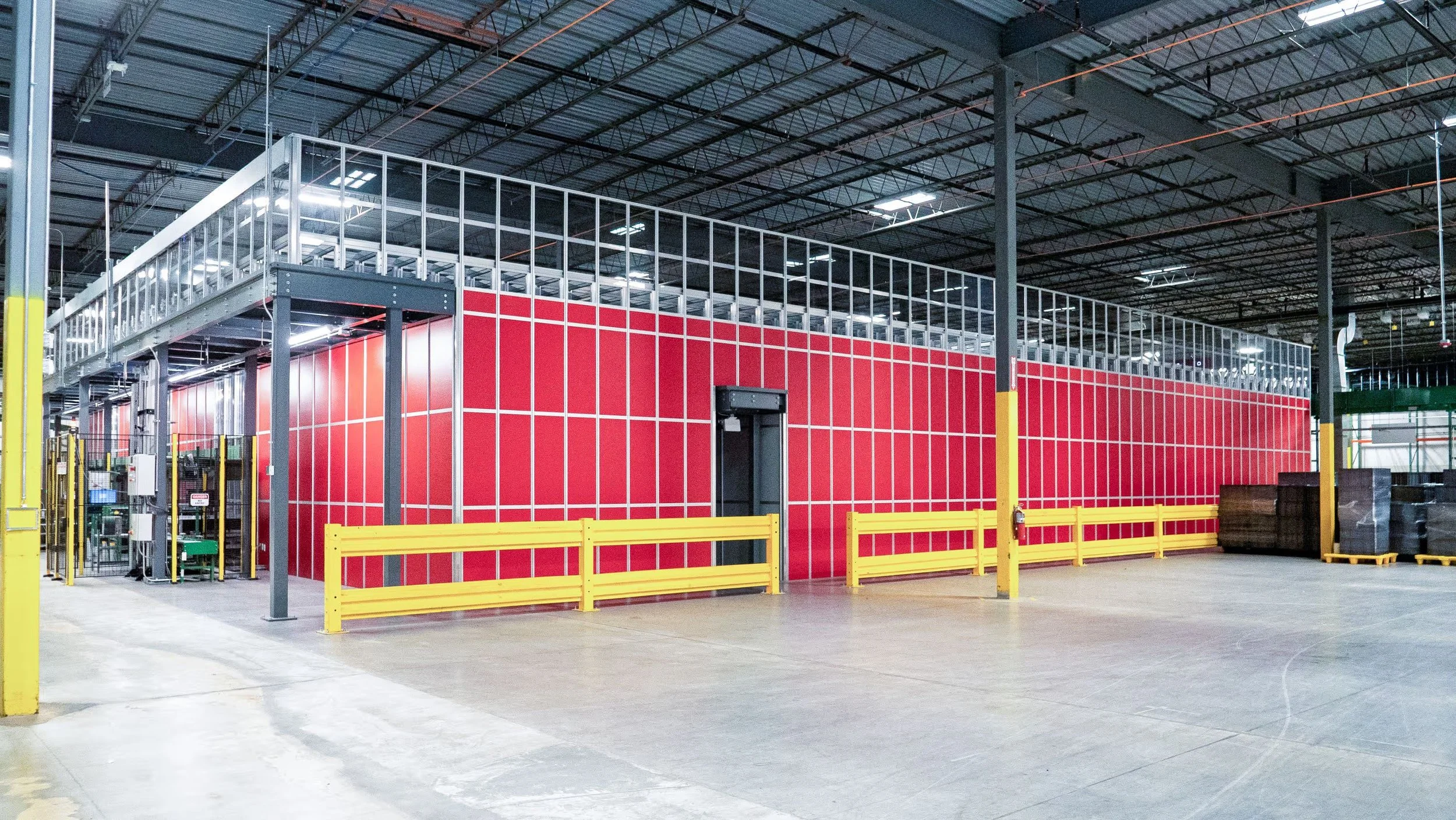
Symbotic describes SymMicro as a flexible system that can be installed in the back of a retail store or adapted for a larger fulfillment facility. Its purpose is to turn store backrooms into automated inventory and order-fulfillment operations.
According to Symbotic, the system can provide:
Up to 550 picks per hour per workstation
A fivefold productivity improvement
Zero picker travel for inventory held inside the system
Simultaneous fulfillment of multiple customer orders
Digitized and secured inventory
Ambient, refrigerated and frozen storage
Improved inventory accuracy and fewer substitutions
Faster pickup and delivery fulfillment
Reduced e-commerce picking activity in customer aisles
These are potentially impressive capabilities, particularly in grocery operations where a single customer order can include products from several temperature zones.
However, the published throughput figures should be treated as vendor performance claims until the underlying operating assumptions are disclosed. A figure such as 550 picks per hour has limited comparative value without understanding the order profile, workstation configuration and activities included in the measurement.
Relevant questions include whether scanning, bagging and labeling are included; how many customer orders are picked simultaneously; how substitutions and short picks are handled; and whether the stated rate can be sustained during peak operating periods.
The more meaningful performance measure may ultimately be completed customer orders per labor hour—not simply the number of item presentations or picks recorded at an individual workstation.
The software and operational challenge
One of Cohen’s most relevant observations was that previous micro-fulfillment projects have often struggled because the automation and software were not sufficiently coordinated.
High-density storage and fast robots do not automatically create an effective omnichannel fulfillment operation. SymMicro will need to operate as one component within a much larger store and e-commerce ecosystem.
The software must continuously coordinate:
Store and online inventory availability
Customer order priorities and promised pickup times
Inventory allocation and reservation
Ambient, refrigerated and frozen order components
Automated and manually picked products
Substitutions, shortages and damaged products
Order consolidation, staging and dispatch
Replenishment and decanting
Pickup, delivery and express-order priorities
Equipment faults and operational exceptions
Fresh produce, bakery products, oversized merchandise and other goods that cannot be economically stored in the automated system will likely continue to be picked manually. SymMicro must therefore synchronize automated and manual picking so that every component of an order reaches consolidation at the correct time.
This is where many micro-fulfillment concepts become operationally complicated. Increasing the speed of automated item retrieval does not necessarily improve the complete order cycle if manual picking, replenishment, consolidation, staging or customer dispatch becomes the next bottleneck.
Symbotic’s experience developing integrated warehouse robotics and control software could be an important advantage. Nevertheless, the success of the Walmart program will depend on the complete operating model—not solely the speed or storage density of the automated system.
A conditional path to 400 Walmart stores
Under the 2025 agreement, Walmart is funding the development of automated pickup and delivery systems. Walmart will pay Symbotic a total of US$520 million for the development program, including US$230 million paid at closing.
If the agreed performance criteria are achieved, Walmart has committed to purchasing and deploying systems at 400 Accelerated Pickup and Delivery locations, with an option to order additional systems.
Symbotic has said the agreement could eventually add more than US$5 billion to its backlog. Dividing that amount across 400 locations suggests an average potential contract value exceeding US$12.5 million per store, although Symbotic has not disclosed a unit price or explained precisely what hardware, software and long-term services are included in that calculation.
The potential value indicates that SymMicro should not be thought of as a small automation product placed into the corner of a stockroom. It could become a substantial store infrastructure and technology program.
The 400-system commitment nevertheless remains contingent on performance criteria. Symbotic’s Q3 Form 10-Q confirms that the potential US$5 billion is not included in the company’s current US$22.5 billion of remaining performance obligations. Symbotic CFO Izzy Martins also said she does not expect the broader store order referenced in the Walmart agreement to affect the business until early 2028.
Symbotic’s Q3 financial results demonstrate that the company has considerable resources available to develop and industrialize the platform. For the quarter ending June 27, 2026, Symbotic reported revenue of approximately US$721 million, adjusted EBITDA of US$95 million and US$1.75 billion in cash and cash equivalents.
The results also underline the importance of Walmart to Symbotic. One unnamed customer accounted for 90.5% of the company’s Q3 revenue and 82.8% of its accounts receivable. Although the filing identifies the organization only as “Customer A,” it is reasonable to infer from Symbotic’s other disclosures that the customer is Walmart.
SymMicro therefore represents both a major potential growth opportunity and a further extension of Symbotic’s already significant dependence on Walmart.
Important questions remain unanswered
Symbotic has introduced the product and published its headline performance claims, but many of the details required to properly evaluate the system have not yet been disclosed:
What will be the footprint and clear-height requirement of the standardized system?
How many totes and SKUs can a typical Walmart installation accommodate?
What tote sizes, payloads and compartment configurations will be supported?
How will the ambient, refrigerated and frozen zones be physically configured?
Which product categories will remain outside the automated system?
How will products be received, decanted and replenished?
What system availability and redundancy will be guaranteed?
How will failed or disabled robots be recovered?
How will automated and manually picked order components be synchronized?
How will completed orders be consolidated, staged and dispatched?
What fire-protection and building-code requirements will apply?
How will systems be installed without disrupting active store operations?
What sustained throughput and acceptance criteria must be achieved?
What capital cost, operating cost and labor savings will Walmart ultimately realize?
These details will determine whether SymMicro becomes a repeatable store-automation platform or another technically interesting micro-fulfillment concept that proves difficult to scale economically.
An important test for store-based fulfillment
The first SymMicro installation brings together Walmart’s store network, the micro-fulfillment experience acquired from Alert Innovation and Symbotic’s broader robotics and software platform.
The strategic opportunity is to connect store-level automation with Walmart’s regional distribution network, inventory systems and last-mile delivery operations. If these layers can be effectively coordinated, selected Walmart stores could operate as highly responsive local fulfillment centres rather than simply retail locations that also process online orders.
But the project remains at an early and technically critical stage. The first installation must operate reliably. The next version must demonstrate that the design can be made smaller, more efficient and more economical. Symbotic must then prove that the system can be reproduced and supported across hundreds of highly variable retail environments.
The first Walmart installation will show whether SymMicro works. The system that follows it will show whether SymMicro can scale.
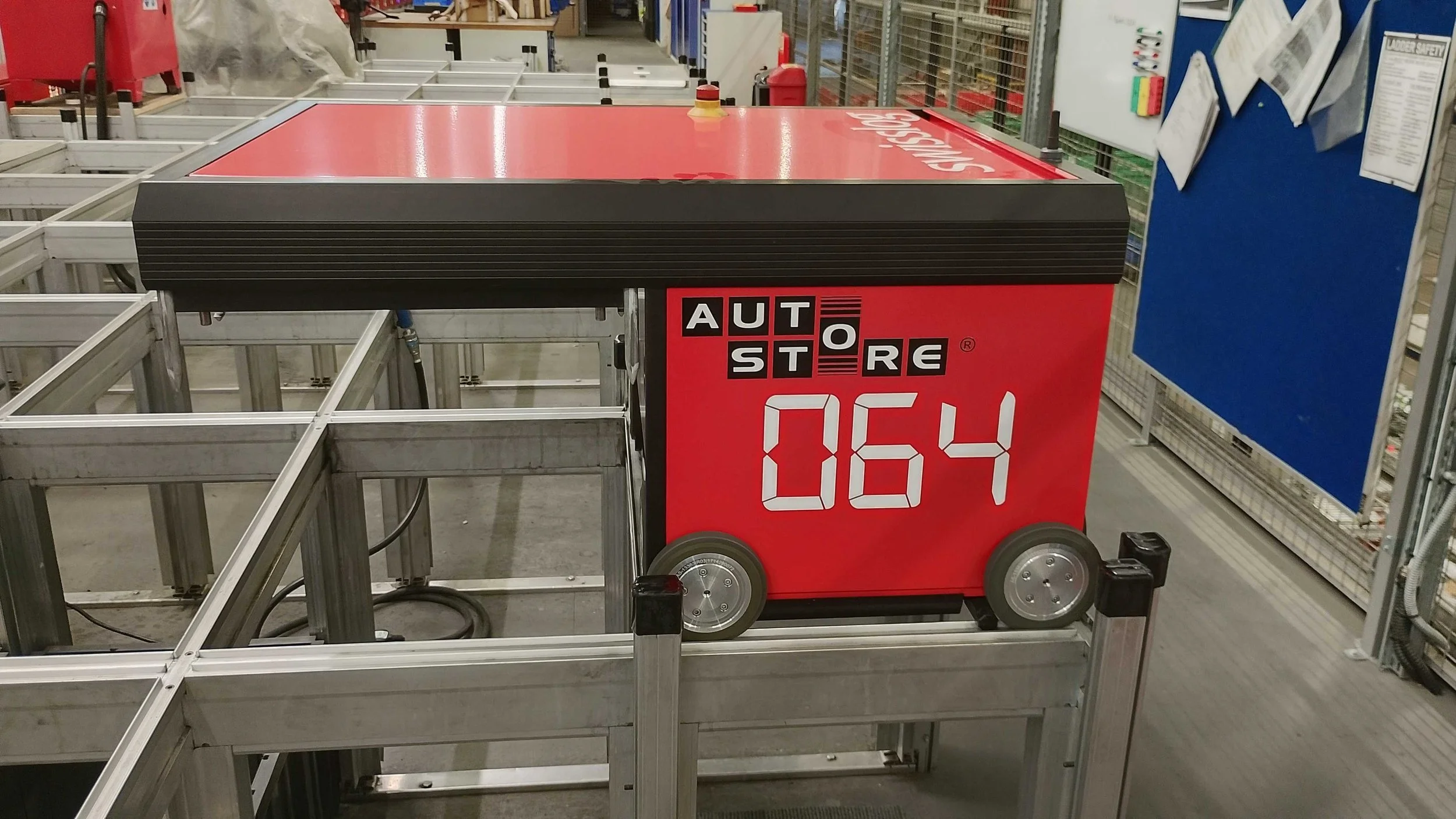
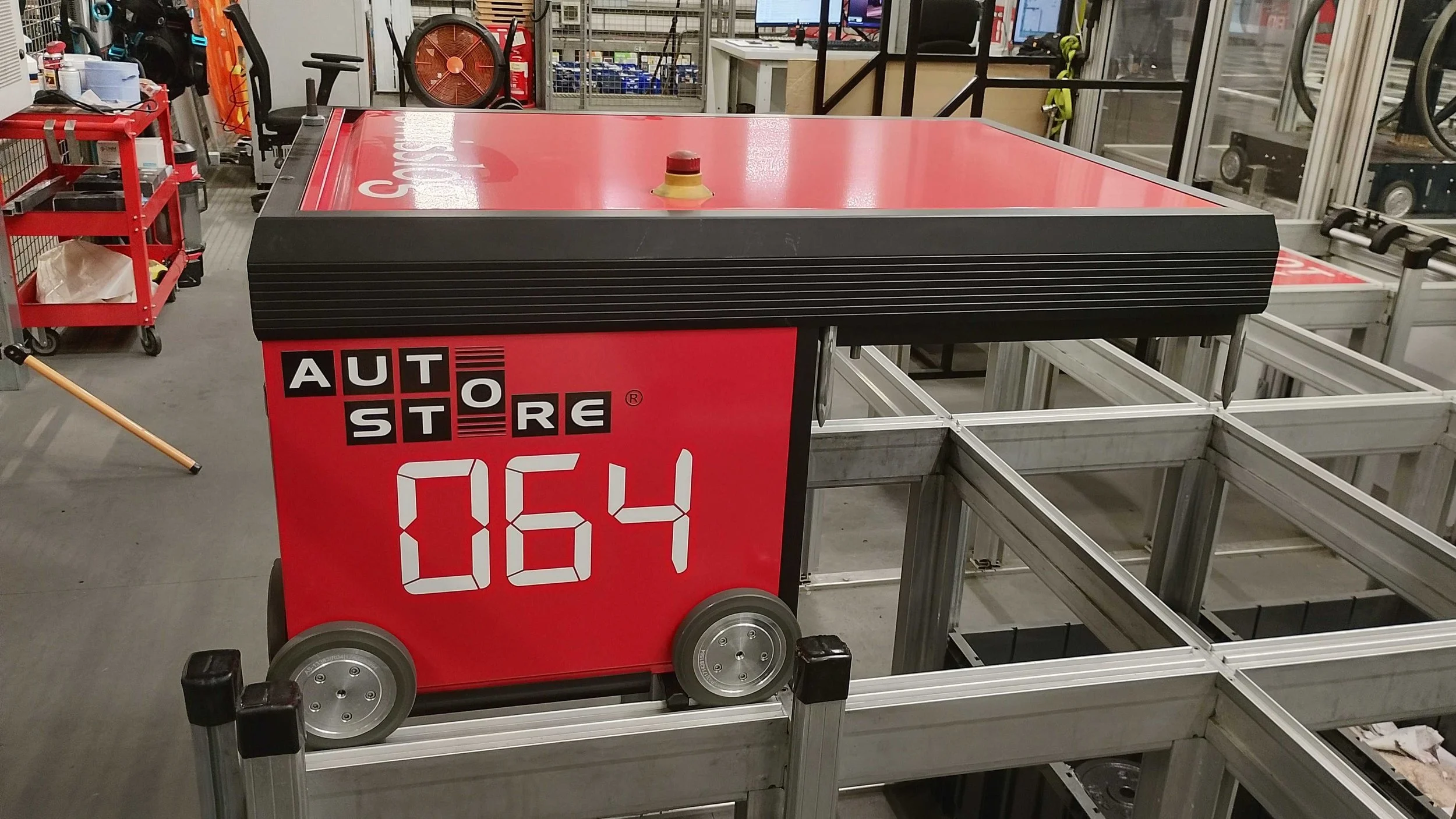
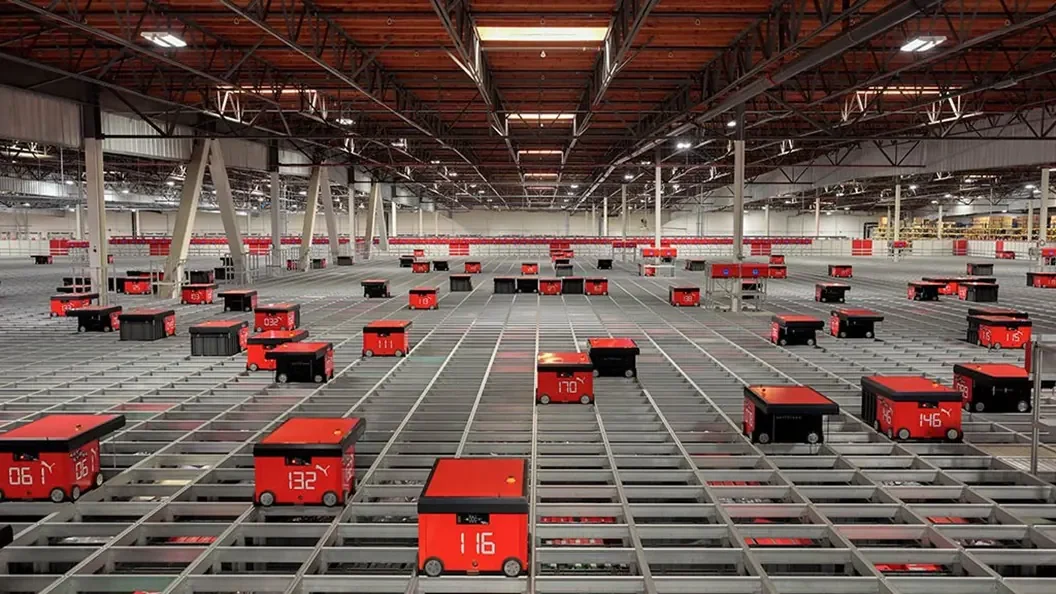
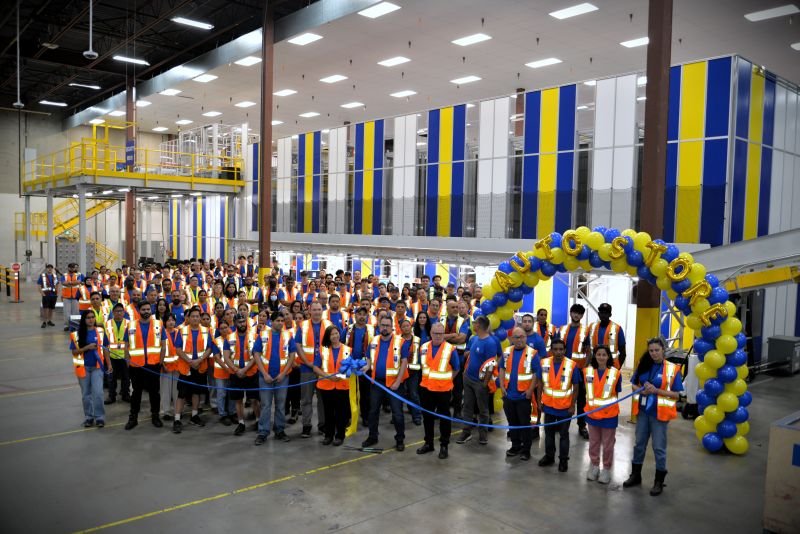
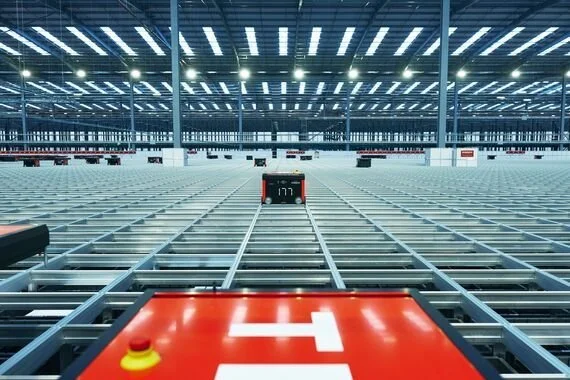
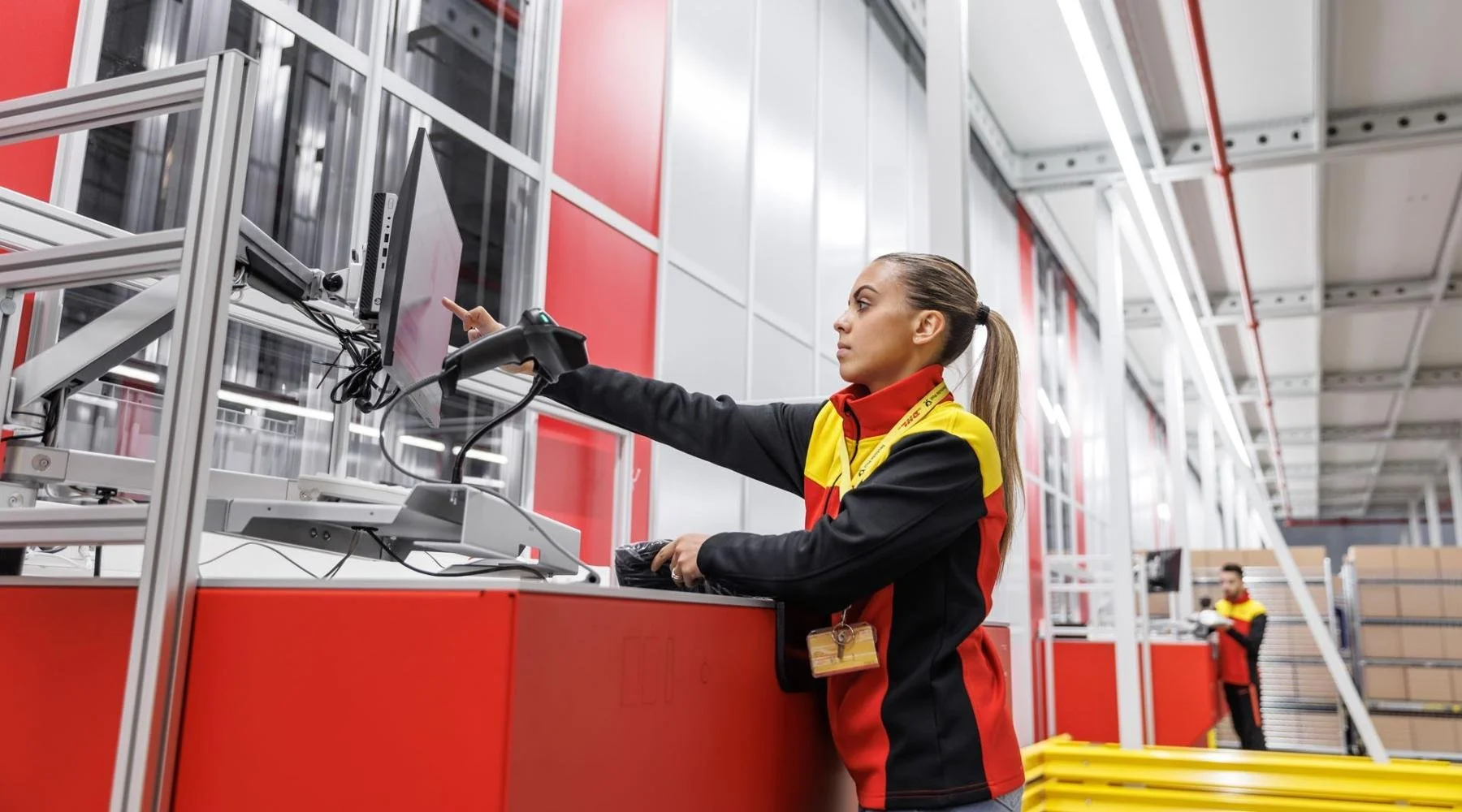
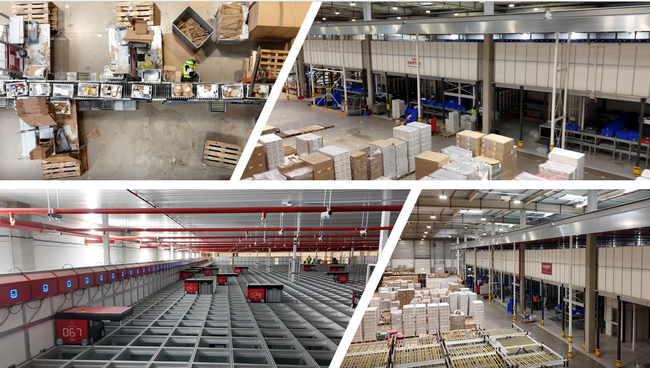
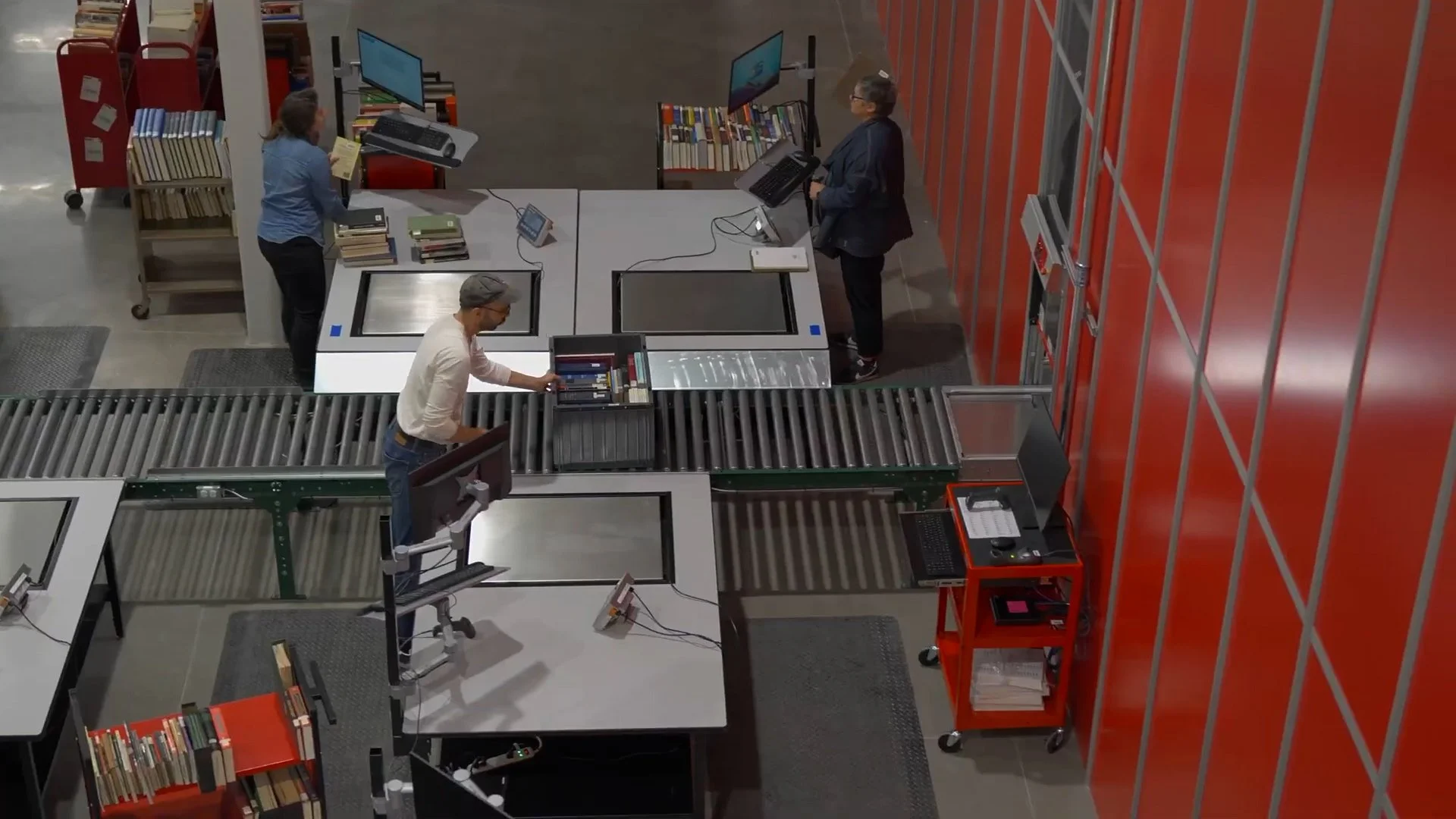
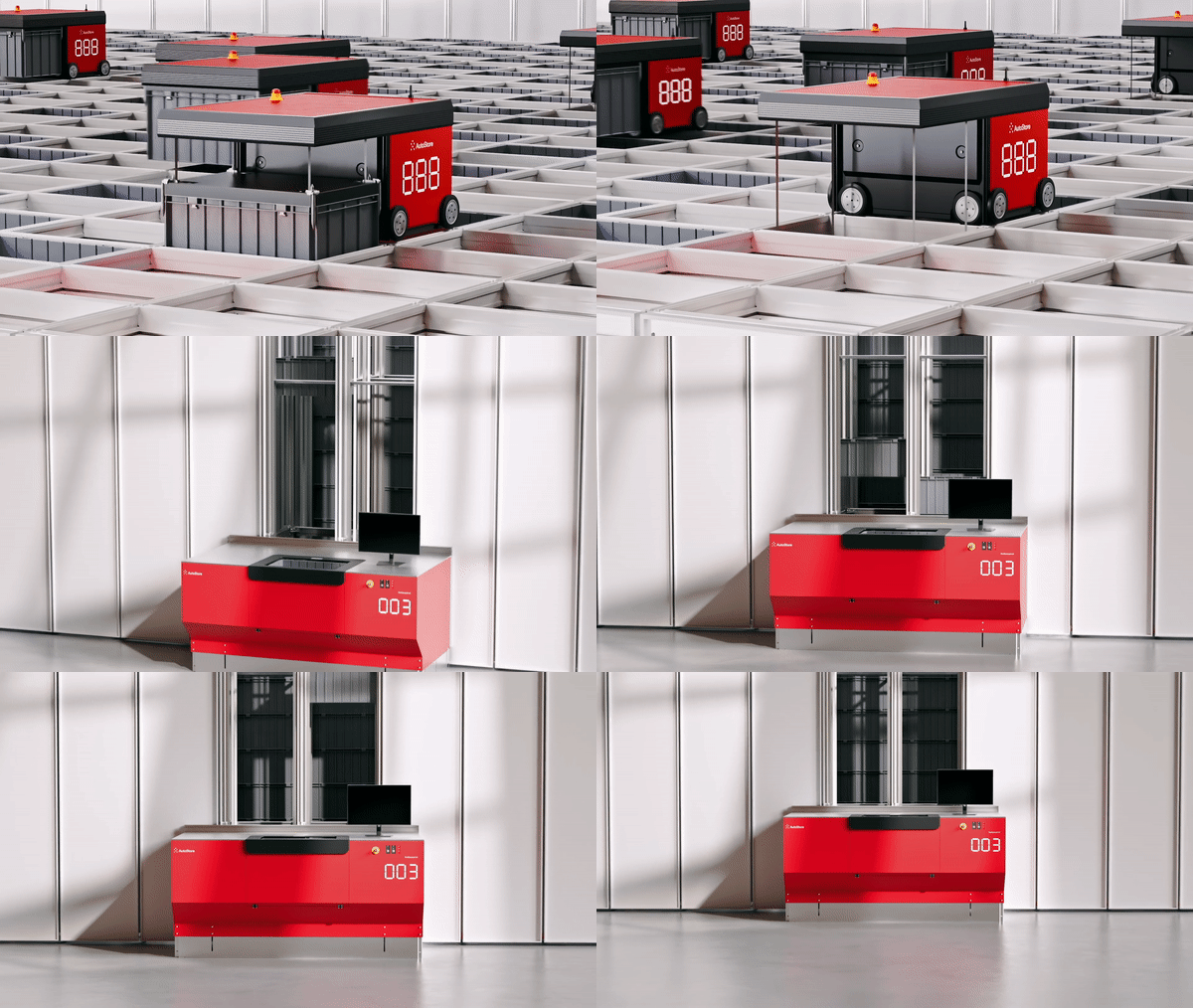
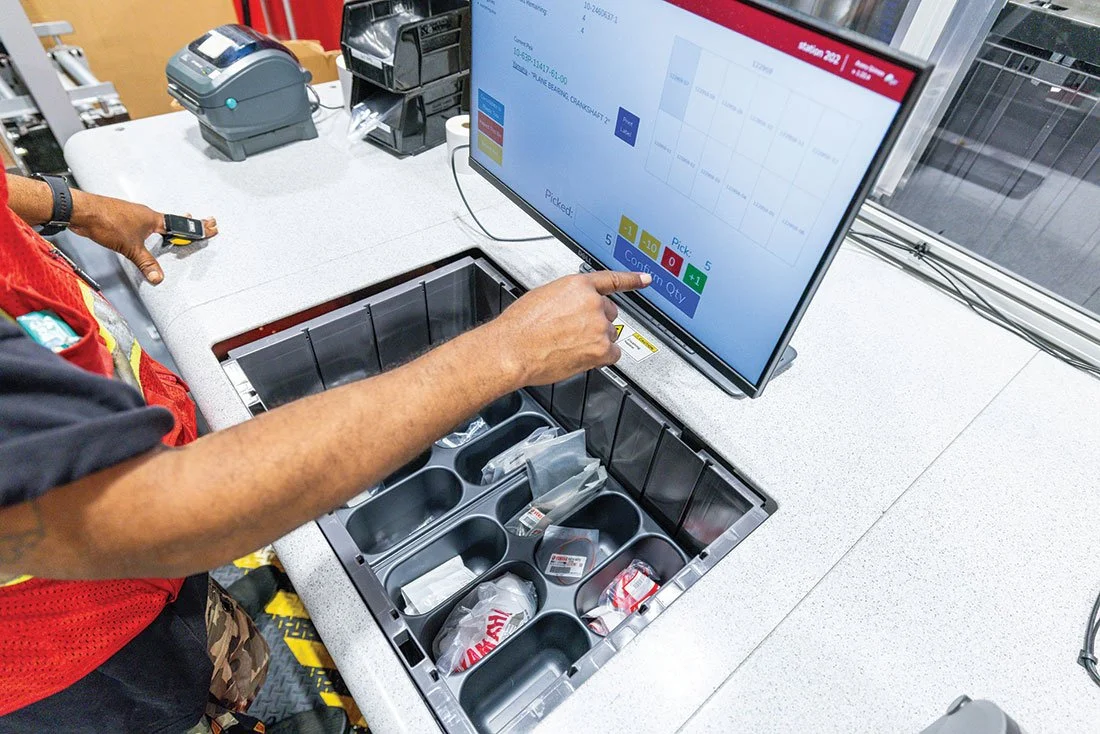



DHL Supply Chain is now operating a fully-automated robot picking system at a logistics center in Staufenberg Germany