
Best Buy Goes Live with AutoStore in Vancouver
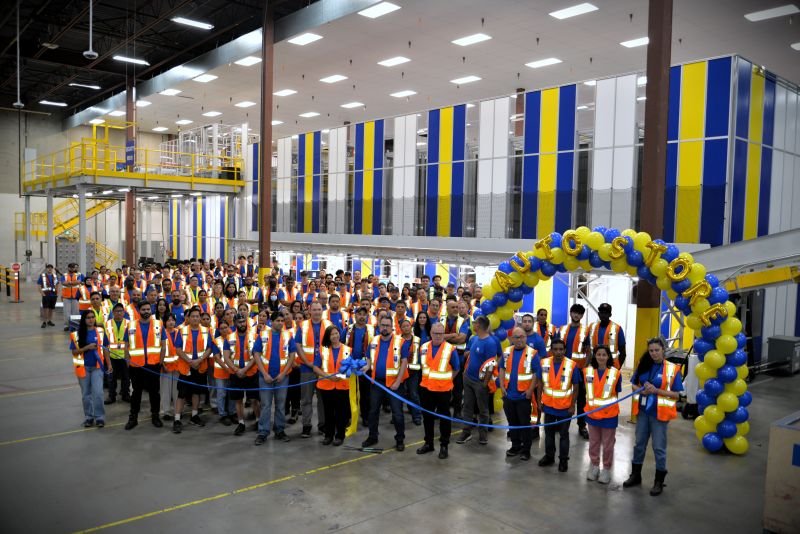
Best Buy has just gone live with a new AutoStore robotic storage and fulfillment system at its distribution centre in Langley, British Columbia, part of Metro Vancouver.
The installation brings one of the world’s most widely adopted robotic storage technologies to Best Buy’s Western Canadian distribution operation and adds another major AutoStore system to the growing warehouse automation landscape in Canada.
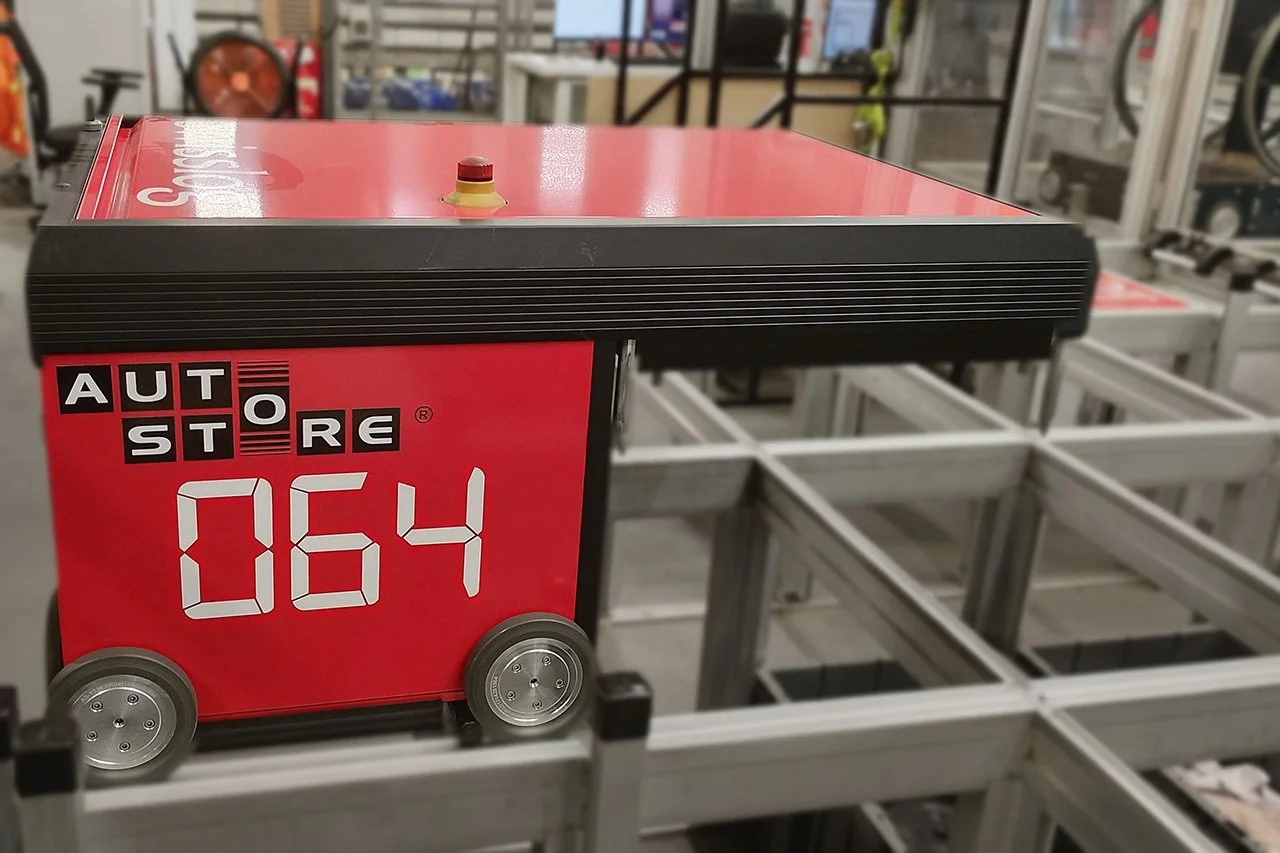
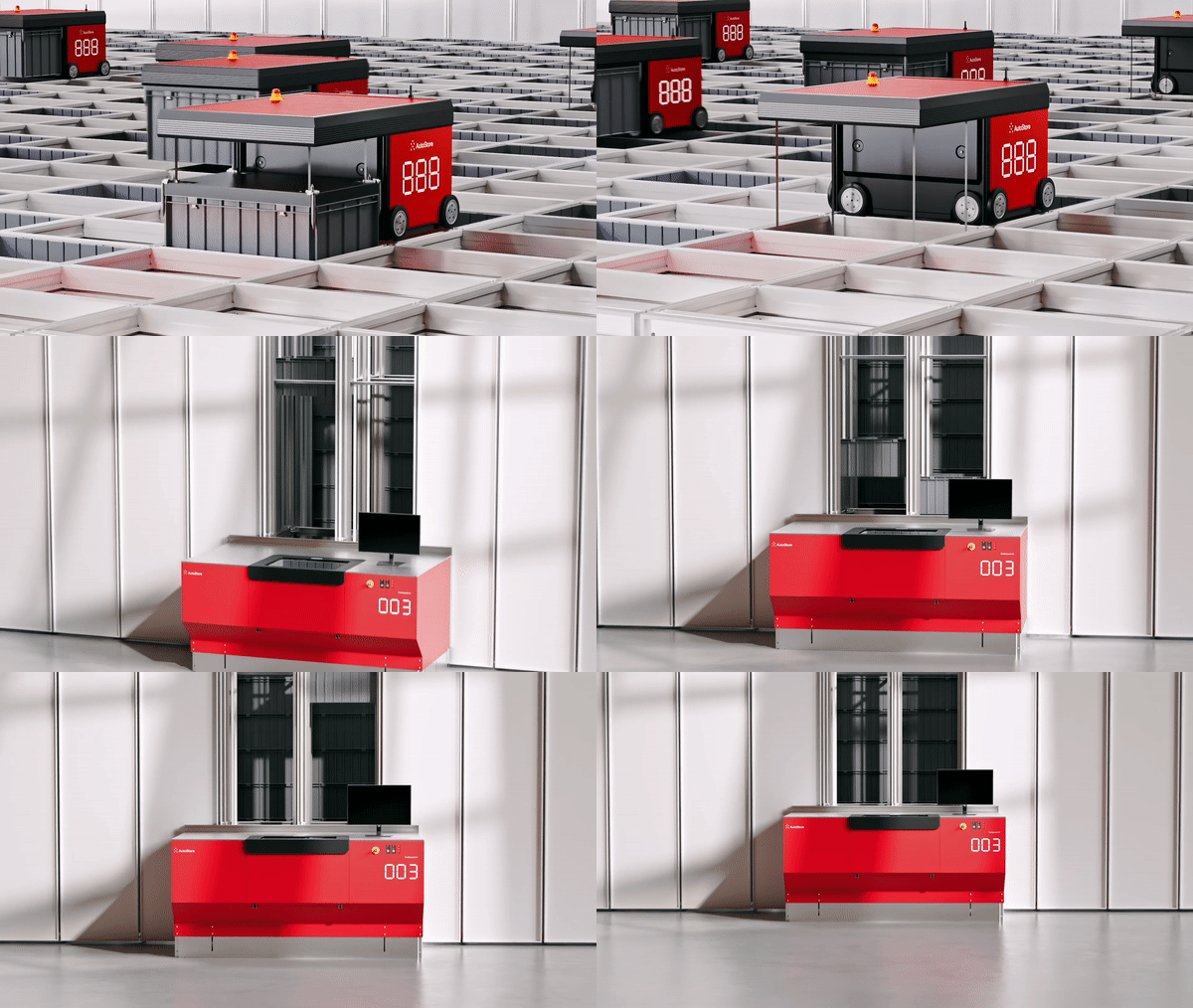
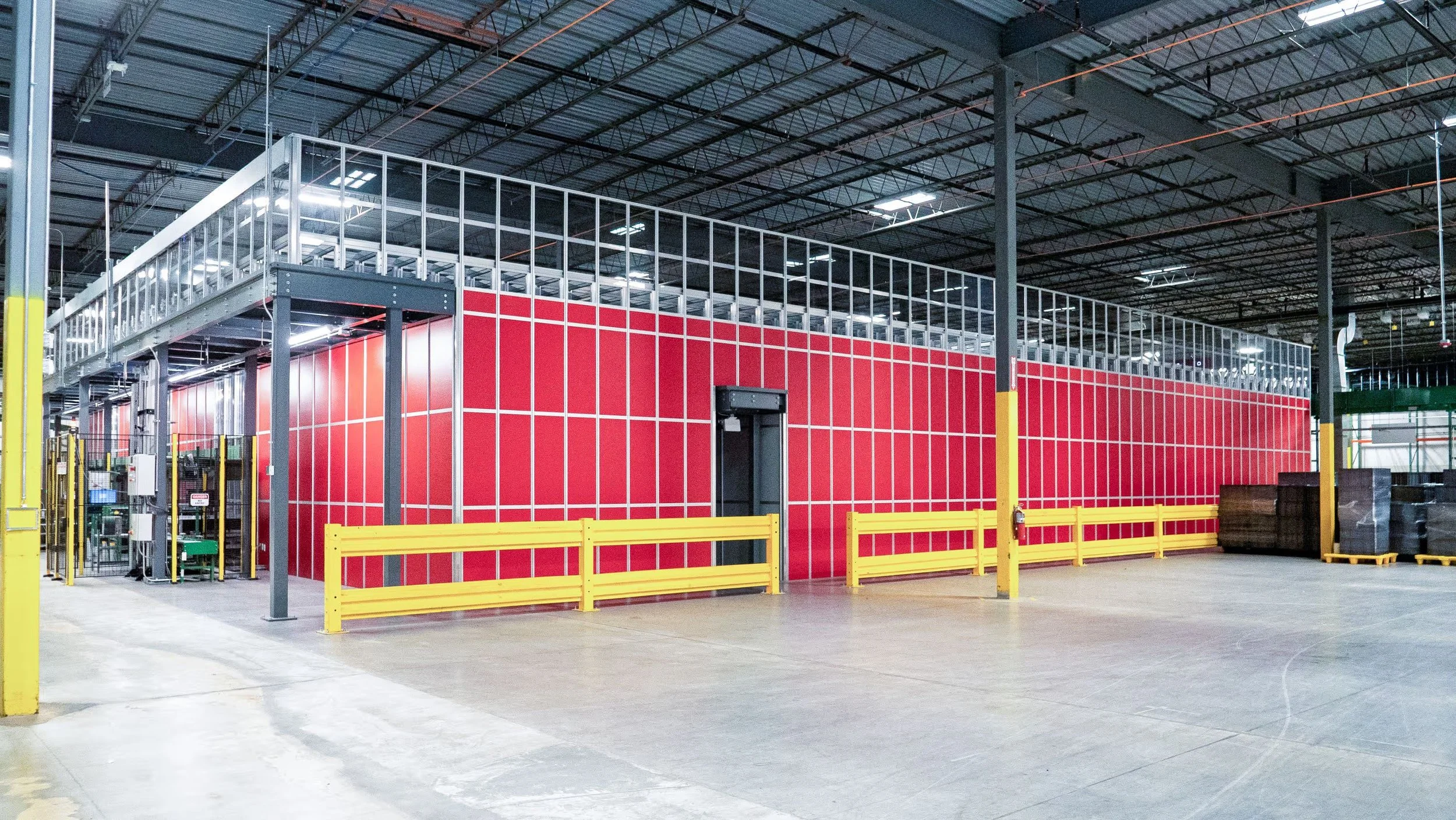
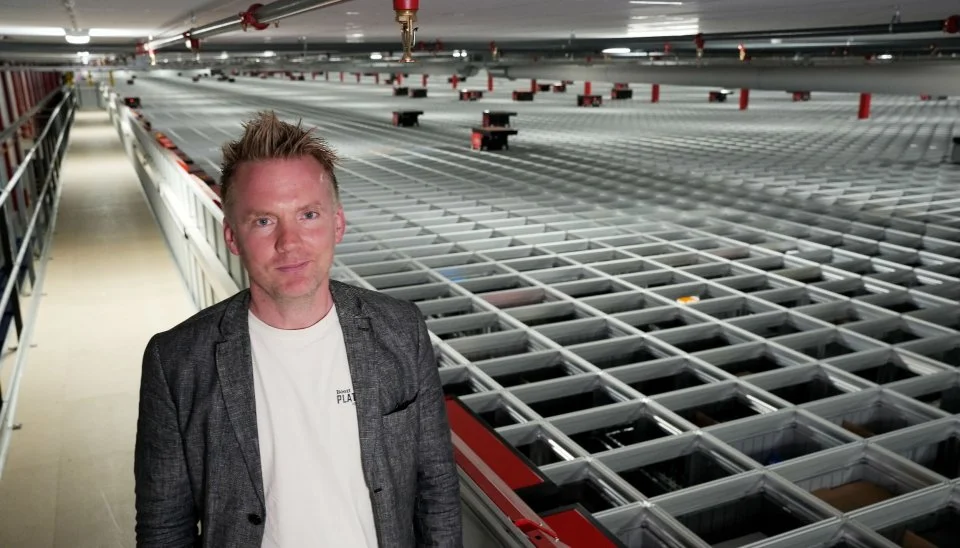
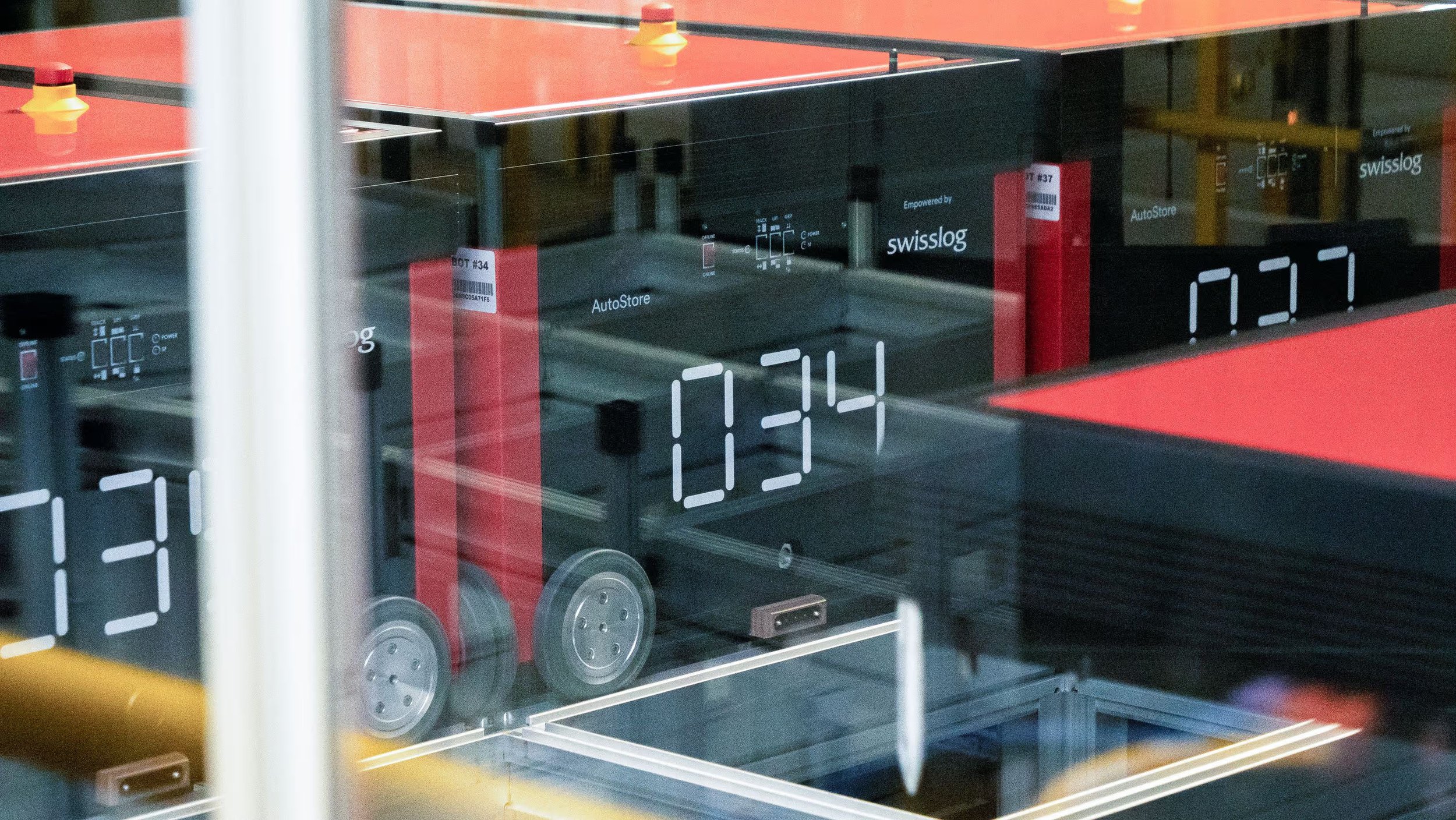
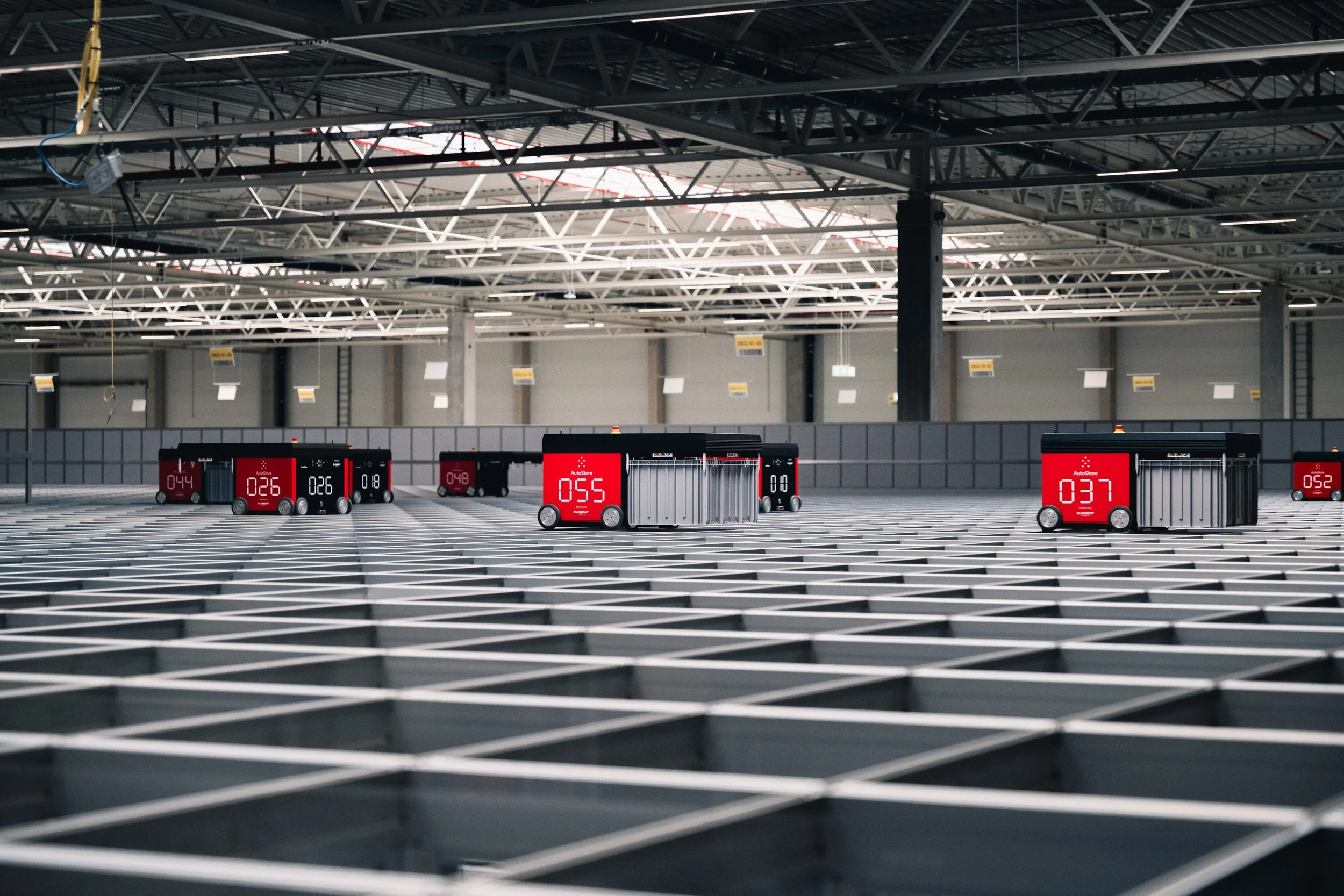
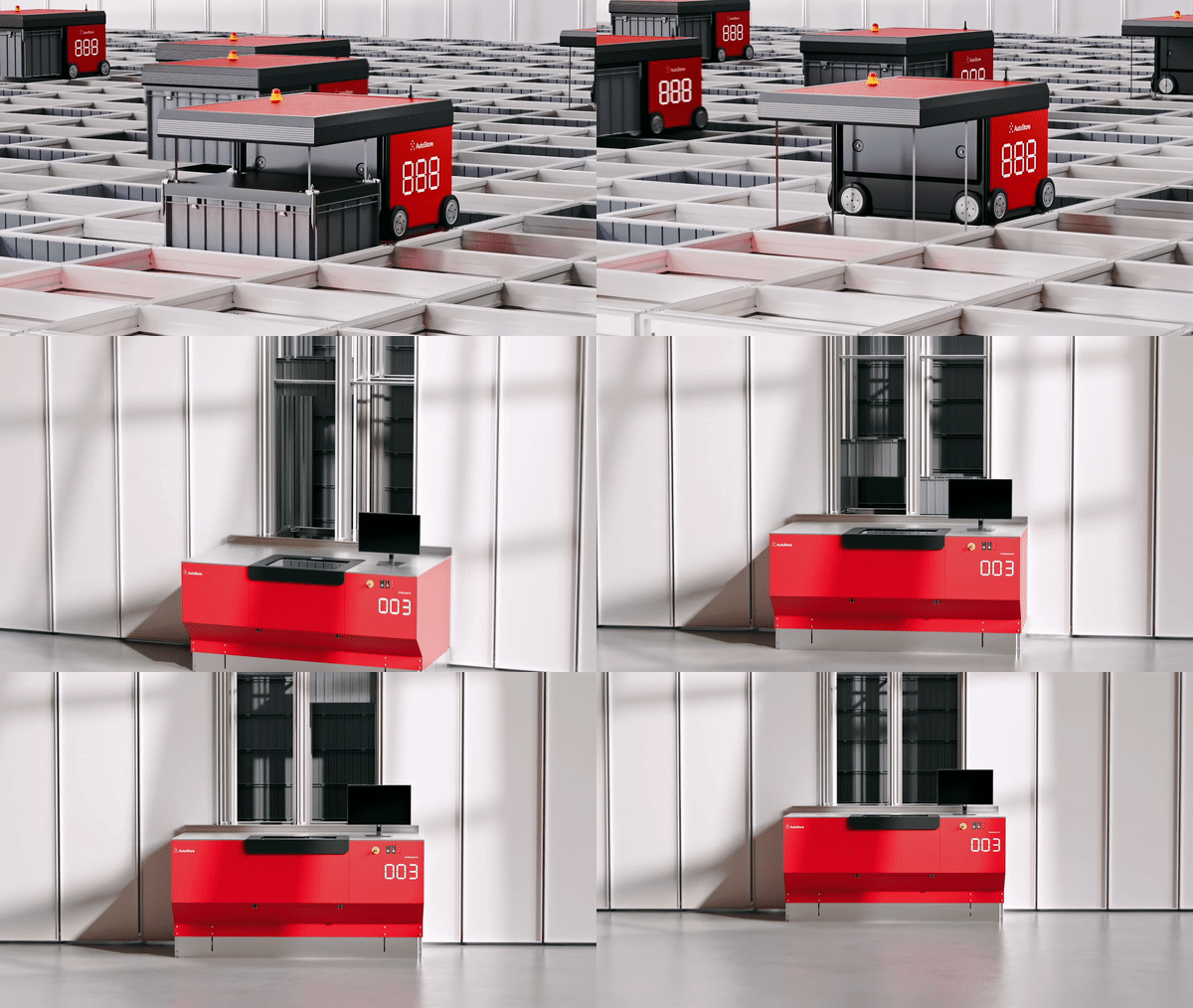
AutoStore takes a very different approach to conventional warehouse storage. Products are stored in plastic bins stacked inside a dense aluminum grid. Robots travel across the top of the grid, retrieve the required bins and deliver them directly to workstations for picking and replenishment.
The result is a highly compact goods-to-person storage system that can accommodate a large number of SKUs while reducing the amount of warehouse space traditionally required for shelving and picking aisles.
For Vancouver, that aspect of the technology is particularly relevant.
Metro Vancouver has some of the highest industrial real estate costs in Canada. Increasing the amount of inventory that can be stored and processed within an existing building can therefore be just as important as the potential labour and productivity benefits of automation.
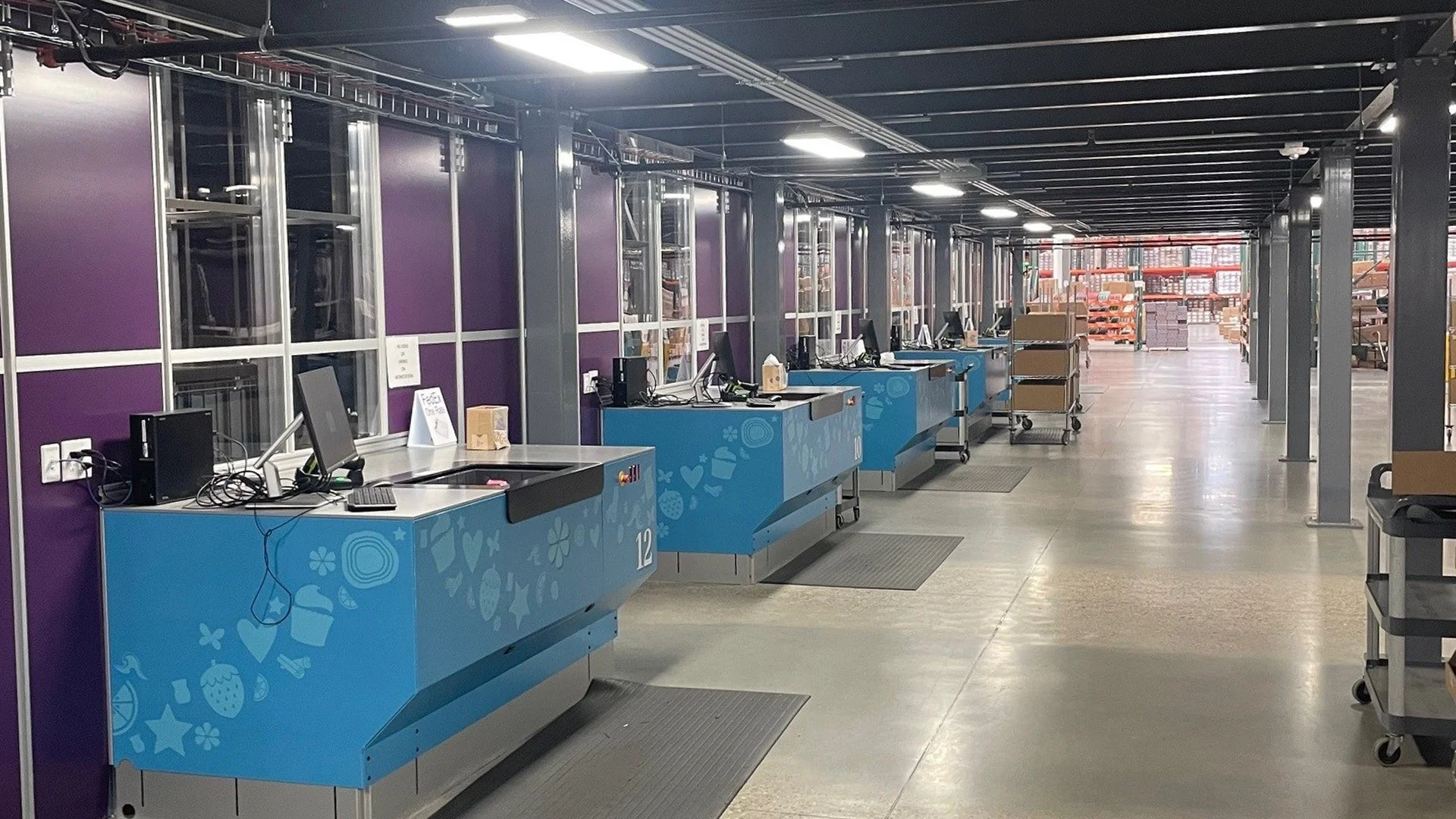
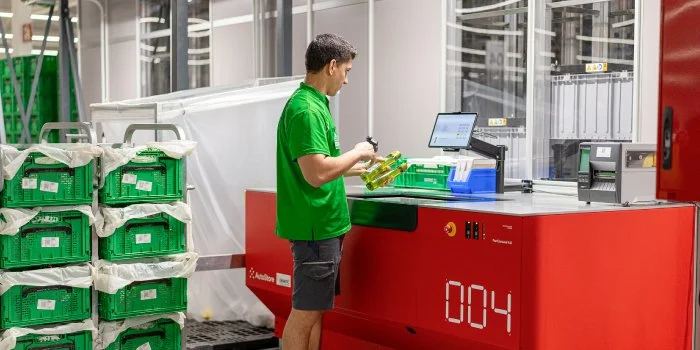
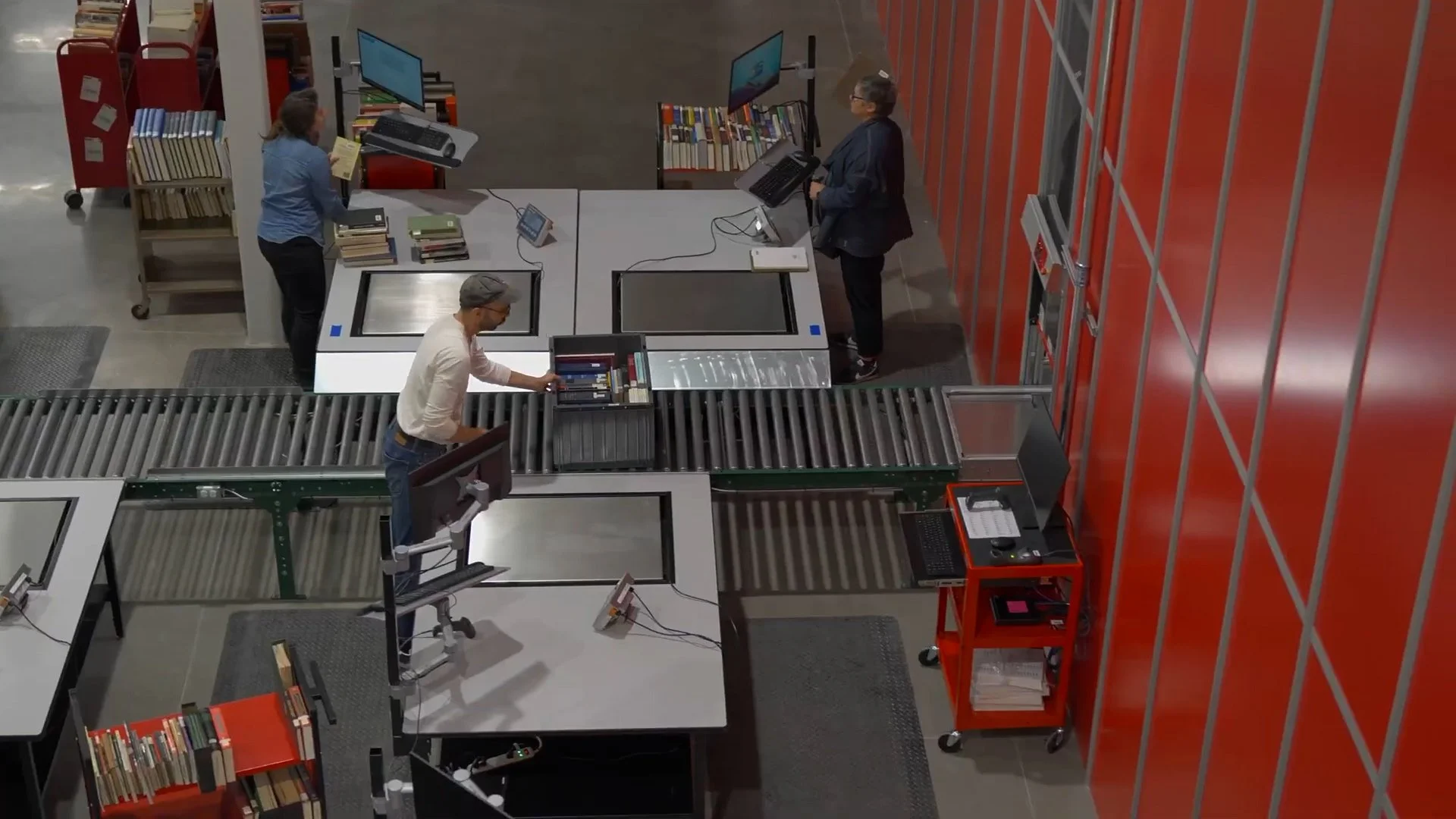
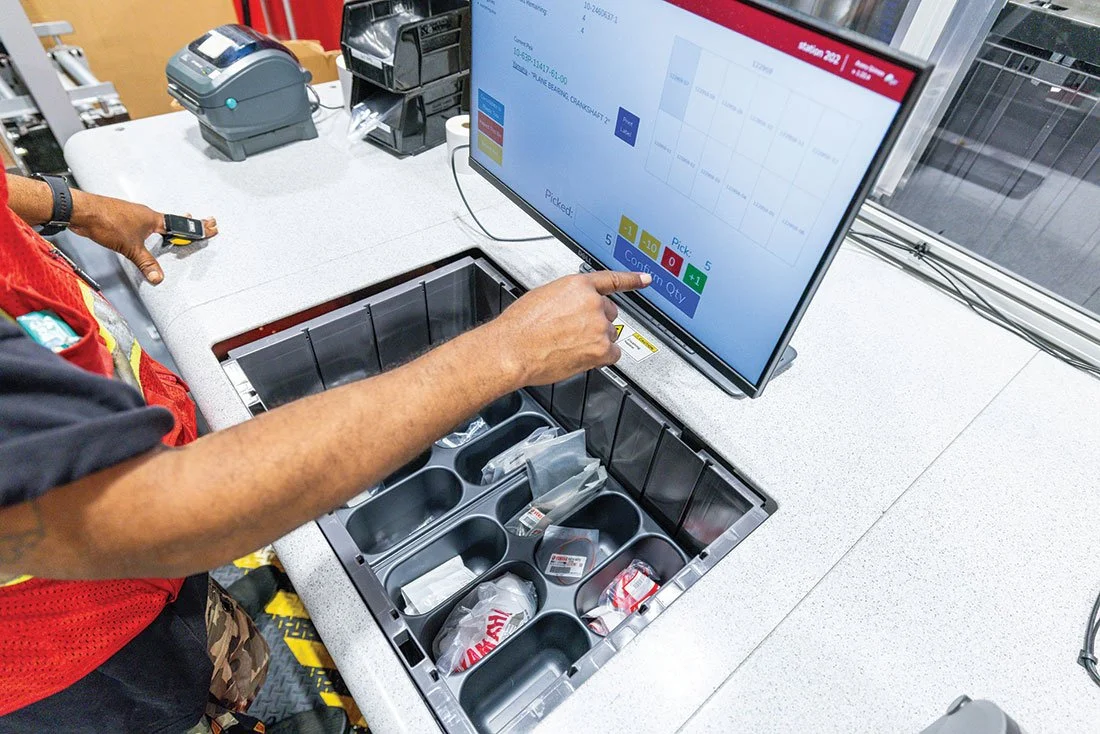
The technology also changes how people work inside the warehouse. Instead of employees travelling through aisles searching for products, inventory is brought directly to a workstation. Robots handle the storage and retrieval movements while employees remain focused on picking, replenishment and other value-added tasks.
Warehouse Automation in Canada
Best Buy’s Vancouver installation is also part of a much larger shift taking place across Canadian distribution.
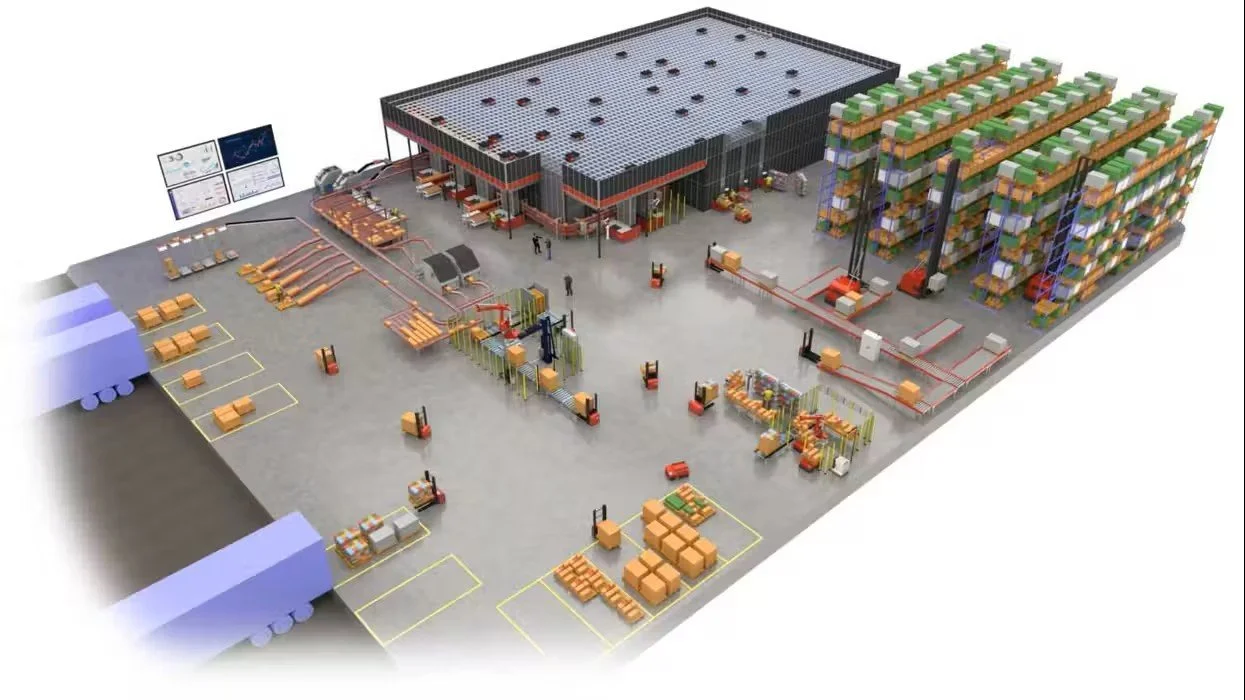
Robotics, high-density automated storage, sophisticated warehouse software, conveyors, sortation and other technologies are increasingly being combined to create highly automated fulfillment operations.
For Canadian retailers and distributors, the business case is not simply about replacing labour. Automation can address storage capacity, throughput, order accuracy, ergonomics, labour availability and the ability to handle future growth within an existing building.
AutoStore has become particularly interesting because it addresses several of those issues within a single storage and retrieval platform.
Best Buy Has Already Taken AutoStore Further in Canada
Vancouver is not Best Buy Canada’s first experience with AutoStore.
At its Brampton, Ontario distribution centre, Best Buy has already implemented AutoStore as part of a broader modernization of its fulfillment operation.
The Brampton project went beyond the robotic storage system. Best Buy introduced a new warehouse management system using Blue Yonder technology, additional automation and brought e-commerce fulfillment in-house.
That is an important part of the AutoStore story.
The grid and robots are the most visible technology, but a modern automated distribution centre depends increasingly on the software and systems surrounding the equipment. The WMS, inventory management, order priorities, workstations and downstream material handling all have to work together.
Best Buy’s operations in Brampton and now Vancouver provide two highly visible Canadian examples of how these technologies are moving into mainstream retail distribution.
For Canadian companies that have been watching warehouse automation developments in Europe and the United States, systems such as AutoStore are no longer something happening somewhere else.
They are increasingly becoming part of the Canadian distribution landscape.
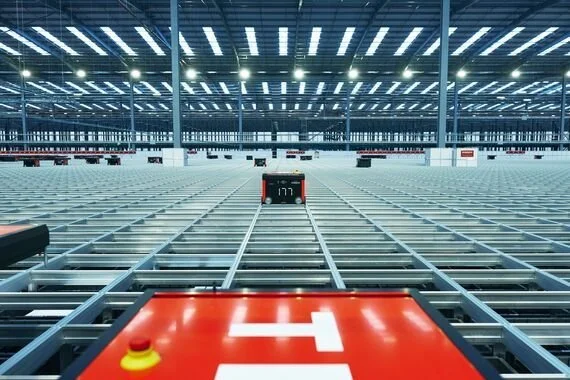
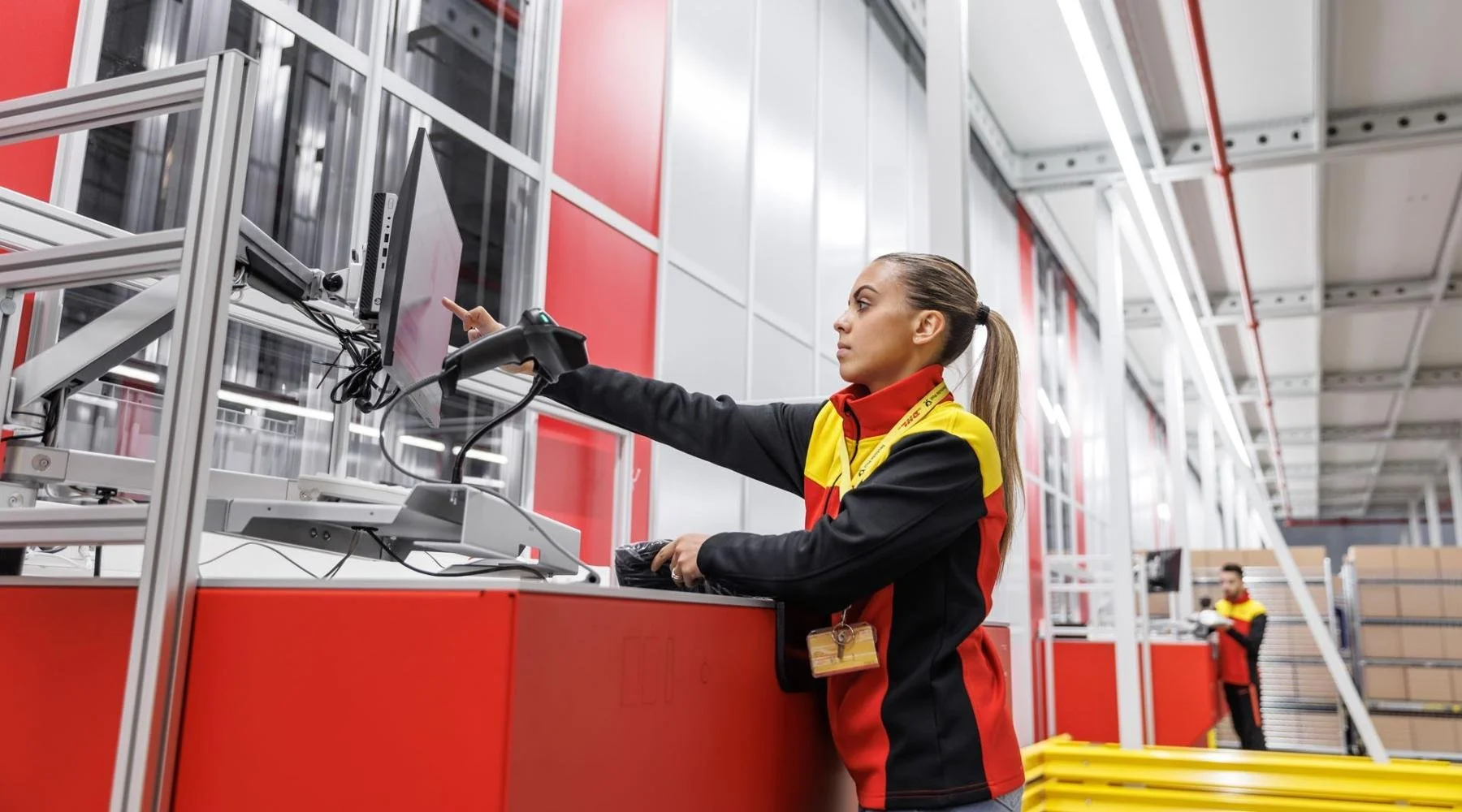
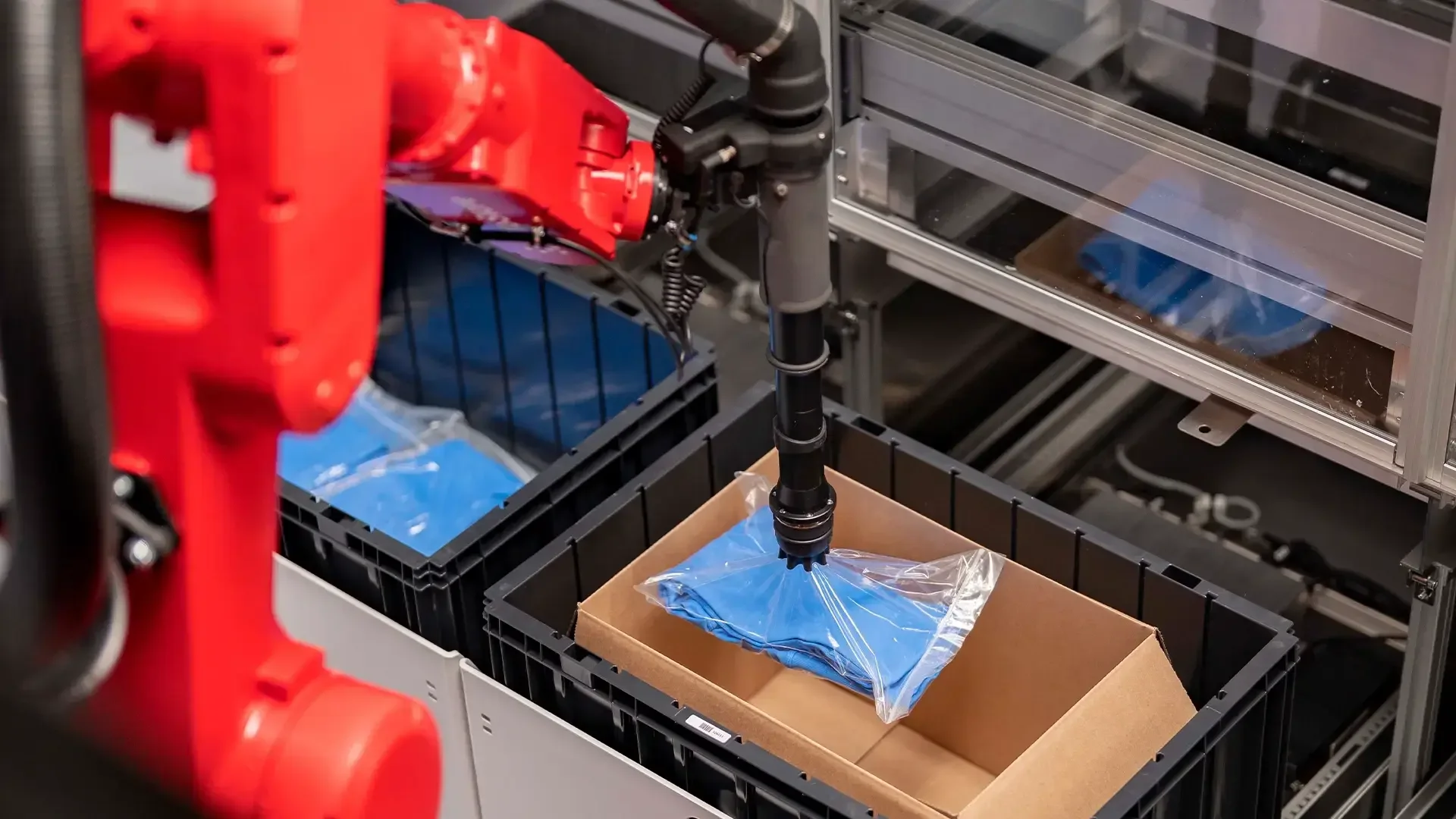
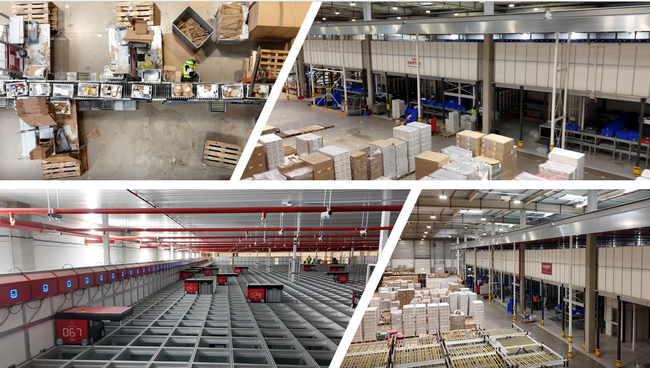



DHL Supply Chain is now operating a fully-automated robot picking system at a logistics center in Staufenberg Germany