
Flexport’s Toronto Launch Is a Wake-Up Call for Canadian 3PLs
A technology-driven American 3PL is entering the Canadian market—and its combination of logistics, technology and warehouse automation could change what Canadian 3PL customers expect from their logistics providers.
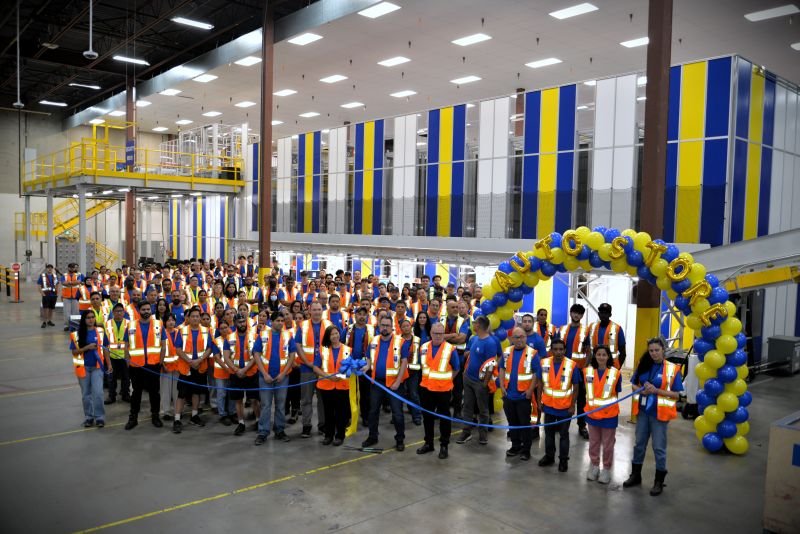
San Francisco-based, technology-driven 3PL Flexport just launched its first Canadian fulfillment operation, introducing a serious new competitor with massive financial backing to Canada’s third-party logistics market.
The expansion represents the first international rollout of Flexport’s fulfillment business and extends its end-to-end logistics network into markets where many of its customers already sell.
For its first entry into the Canadian fulfillment market, Flexport has chosen Mississauga, Ontario—a strategic location near Toronto Pearson International Airport and at the centre of Canada’s largest logistics and consumer market.
Flexport’s expansion also comes at a time when the North American trade environment is becoming increasingly complex, driven not only by tariffs but by greater scrutiny of importers, customs brokers, transshipment and country-of-origin rules.
Inbound receiving at the GTA facility began in July 2026, with the first outbound customer orders scheduled to ship in September. The facility also holds Health Canada certifications for medical products, supplements and consumer goods.
But Flexport is not entering Canada as a conventional warehouse operator.
The U.S.-based company has built its business around combining international freight forwarding, customs brokerage, transportation, inventory visibility and fulfillment through a common technology platform.
That means a customer importing products into Canada can potentially use Flexport to manage international transportation, customs clearance, inventory storage, fulfillment and outbound delivery while maintaining visibility through the same technology platform and logistics relationship.
That is a very different competitive proposition from simply offering warehouse space and labour.
And it will put increasing pressure on 3PL operators in the Greater Toronto Area and eventually in other major Canadian logistics markets, including Montreal, Vancouver, Calgary and Edmonton.
A New Kind of Competitor for Canadian 3PLs
Many Canadian 3PLs still compete primarily through warehouse space, labour availability, transportation rates, location and personal service.
Those capabilities remain important.
But Flexport is bringing something broader into the Canadian market: an integrated logistics platform connecting international transportation, customs, inventory, fulfillment and final delivery.
Warehouse automation is also becoming an increasingly important part of that strategy.
Flexport is actively building automation capabilities across its fulfillment network and evaluating technologies including automated storage and retrieval systems, autonomous mobile robots, conveyors and goods-to-person solutions.
We should be clear: Flexport has not announced an AutoStore system for its new Mississauga operation.
But we can already see where its fulfillment strategy is heading.
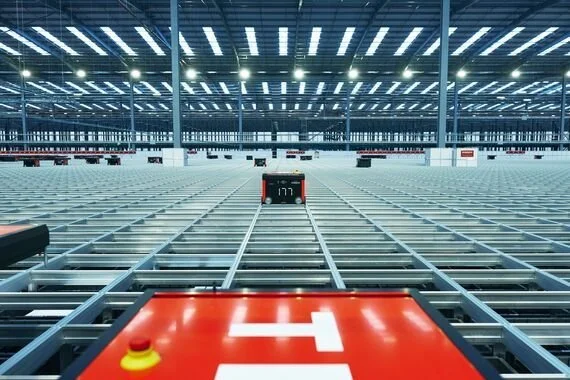
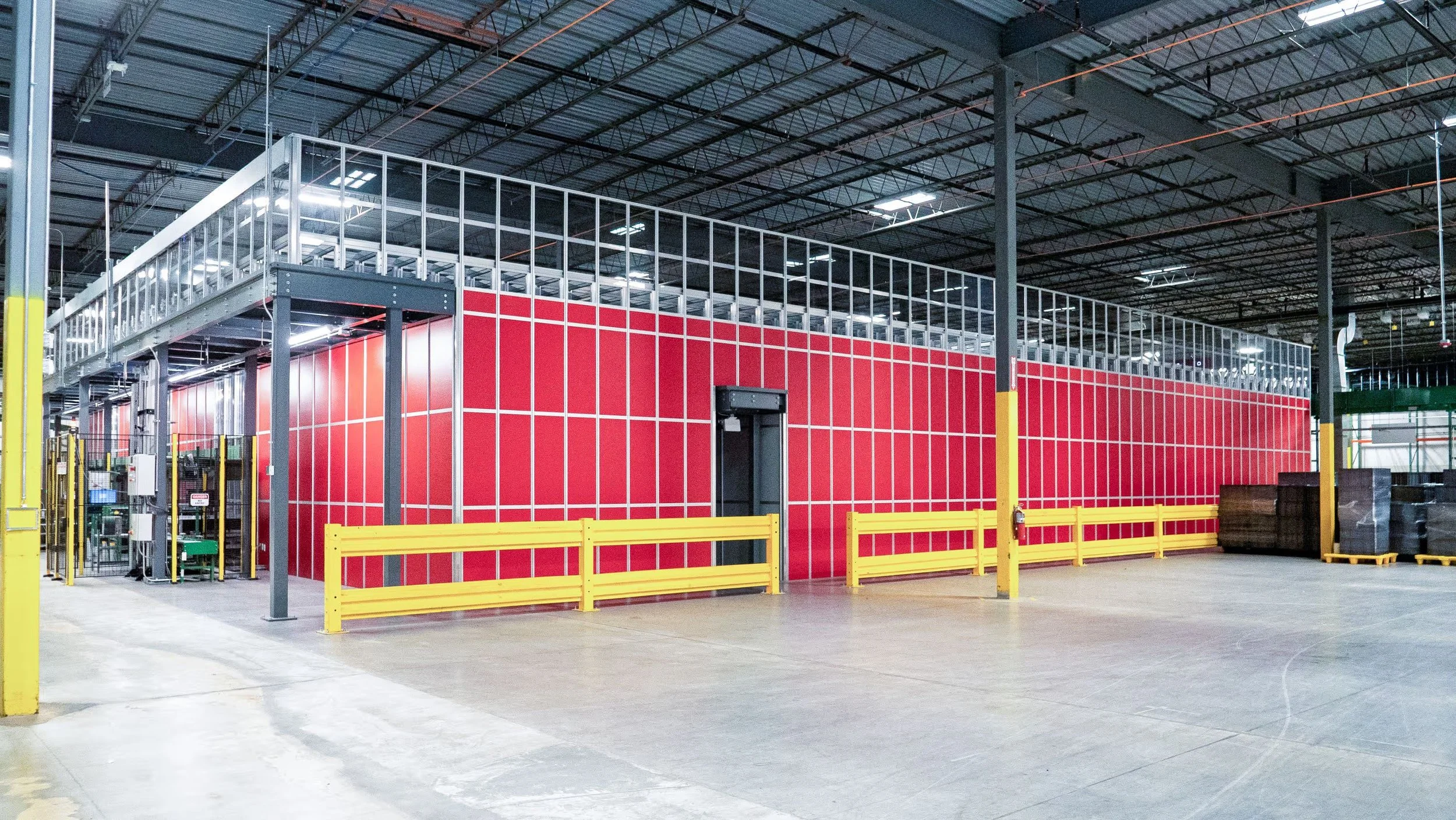
In the United Kingdom, Flexport’s fulfillment services operate from two facilities in Manchester, both equipped with AutoStore automated cube storage and retrieval systems.
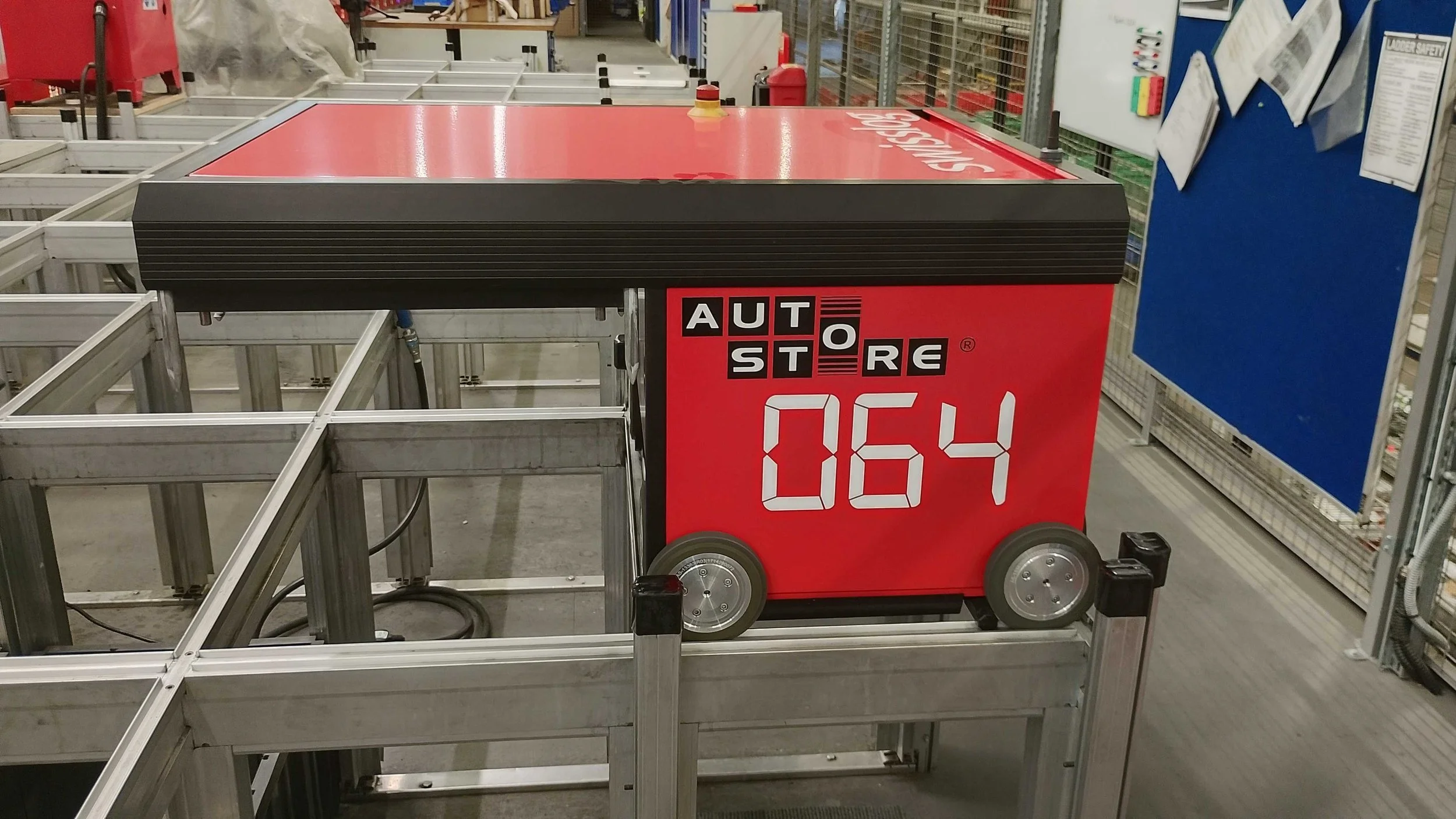
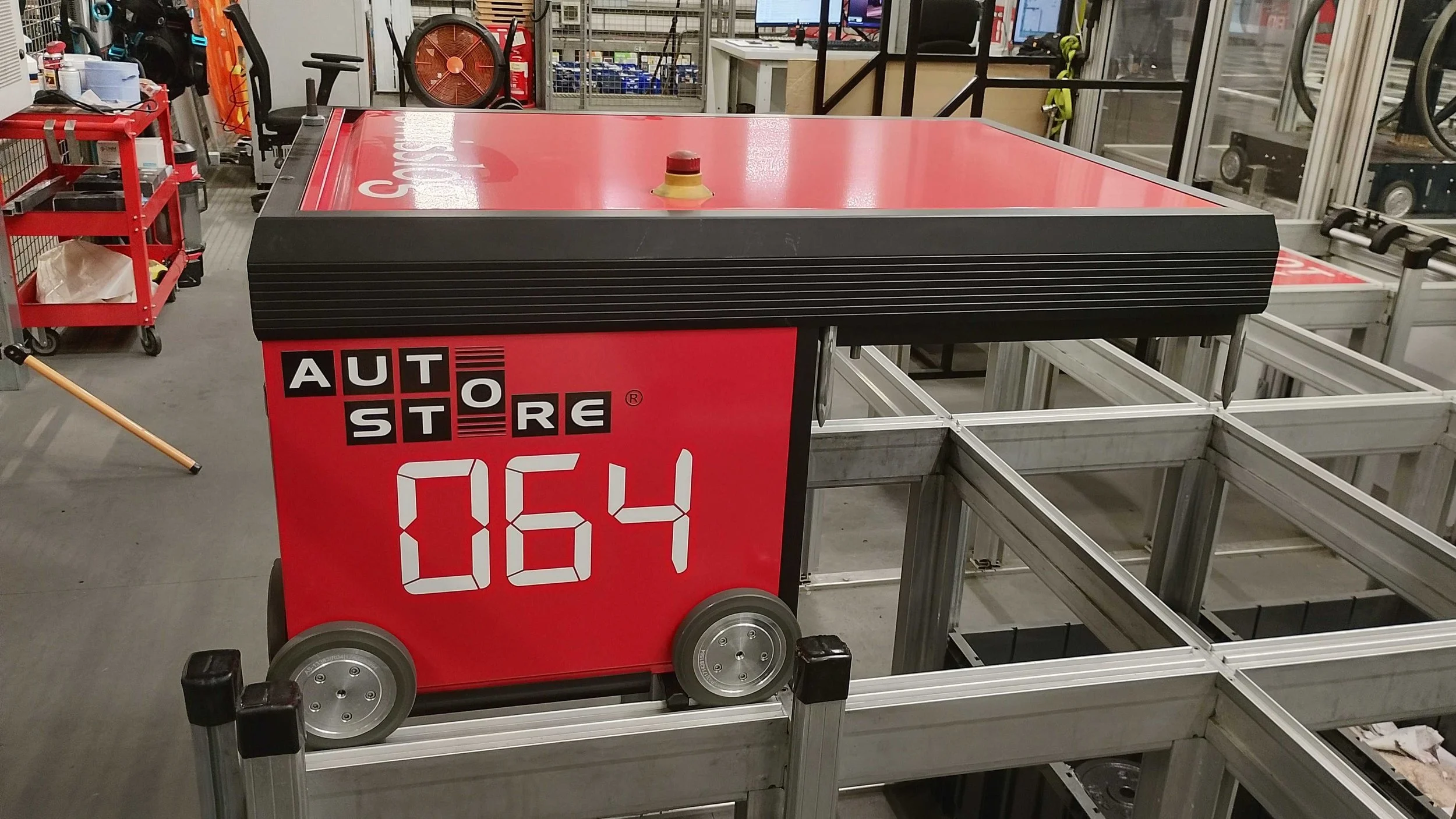
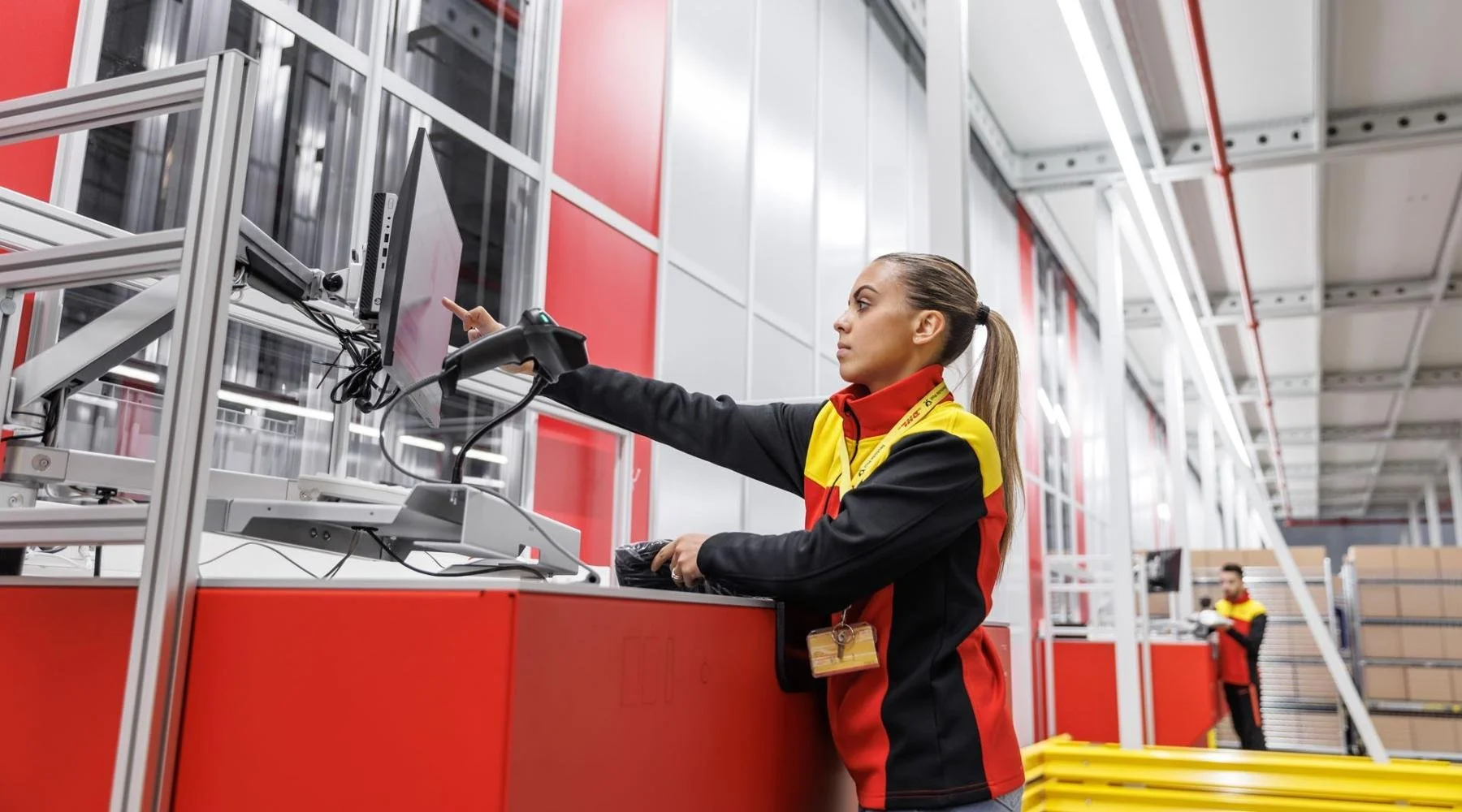
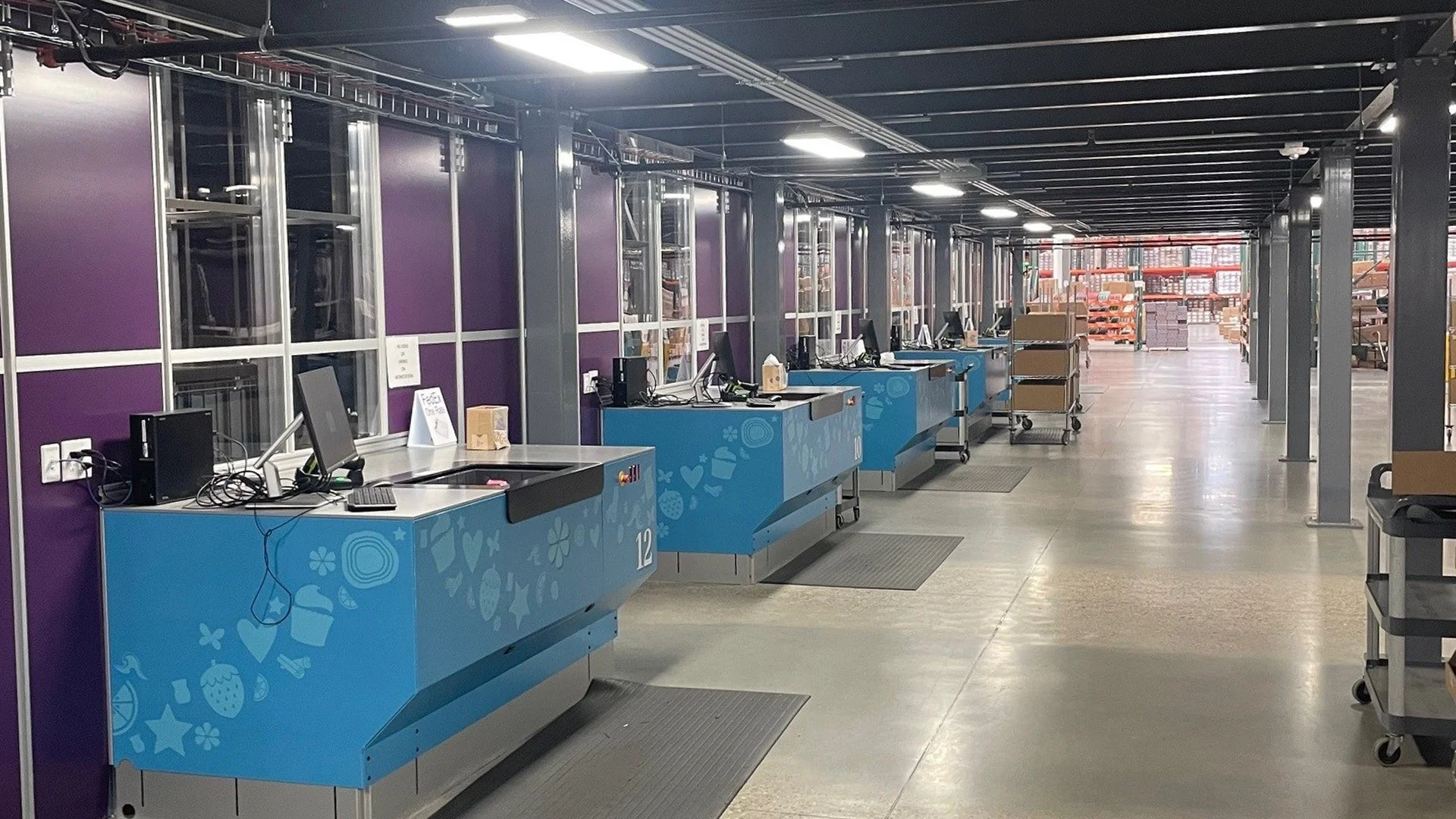
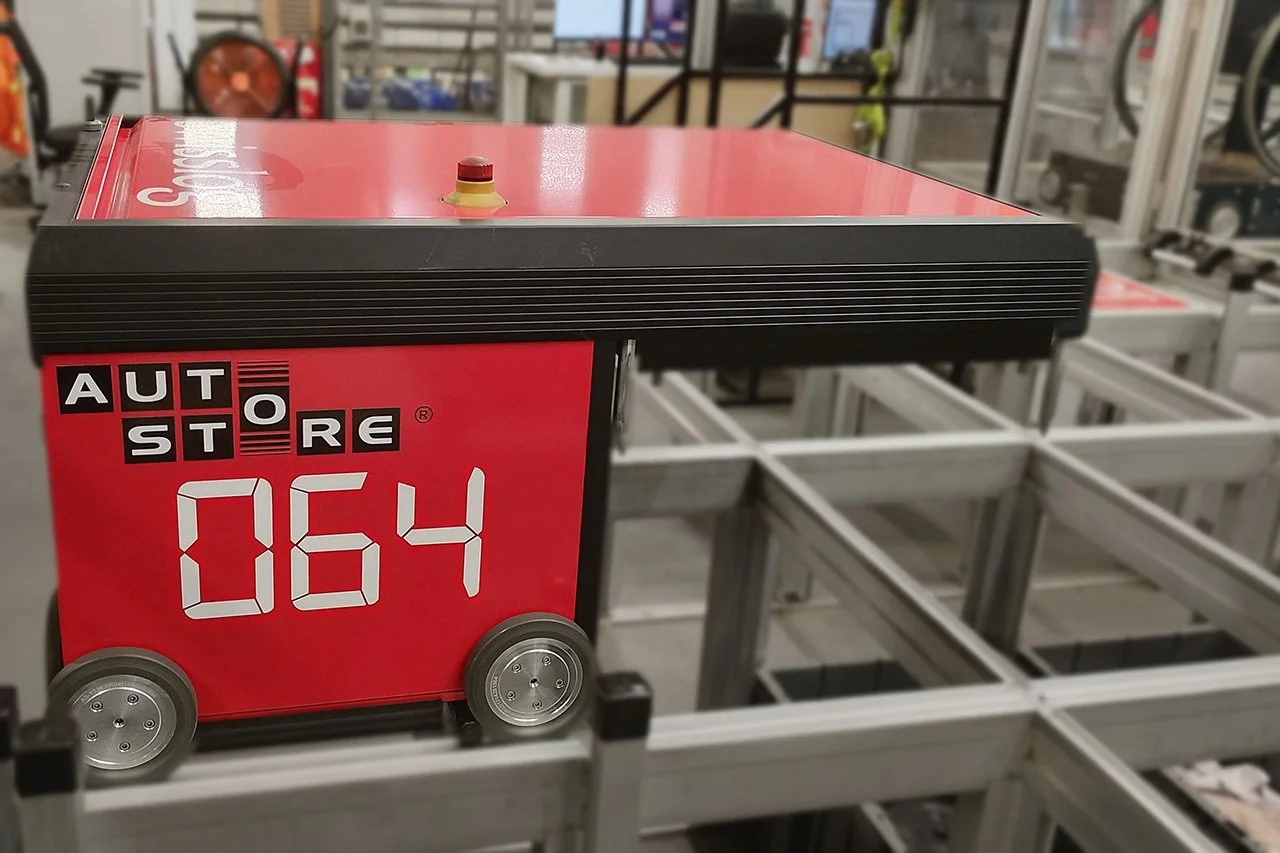
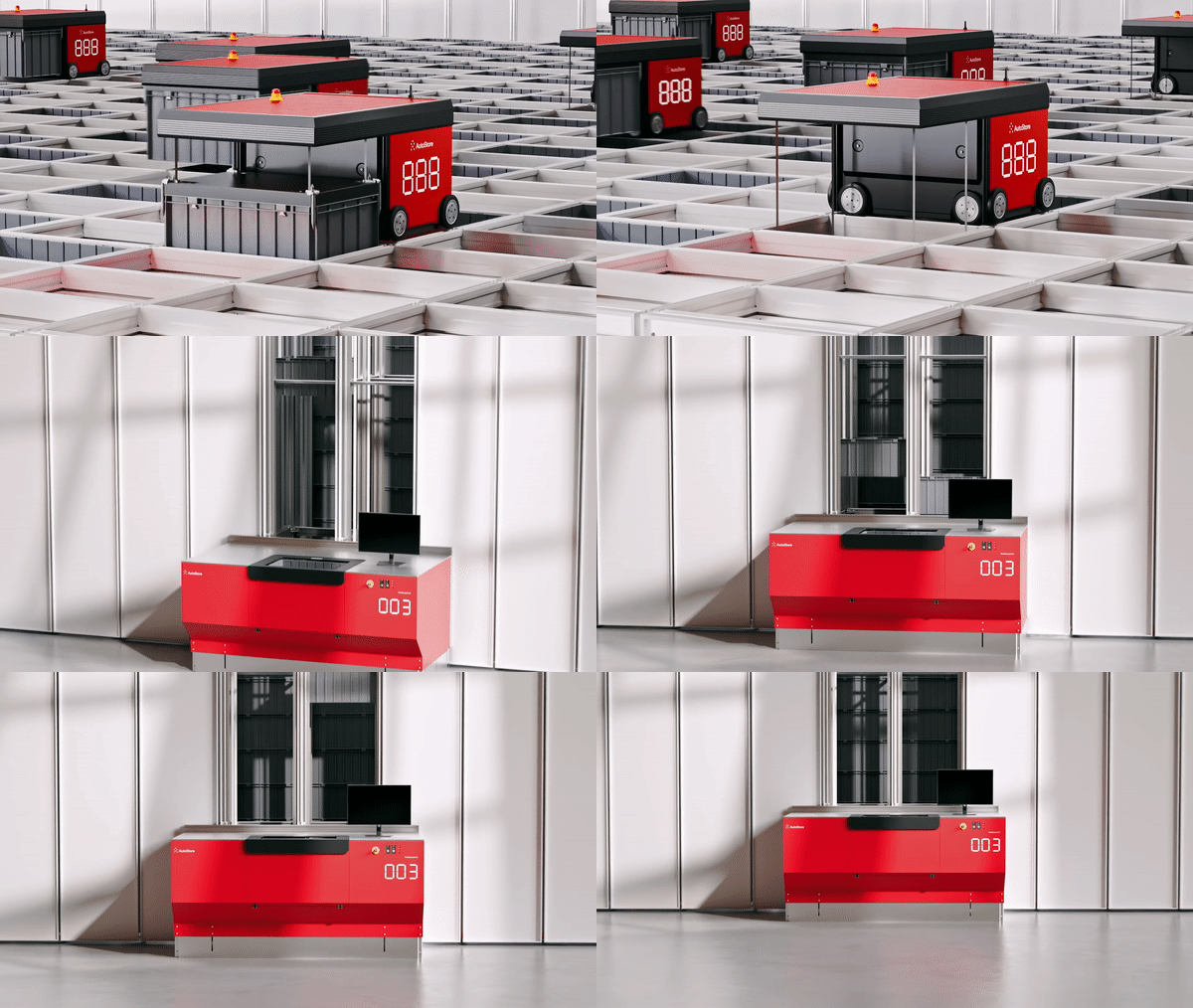
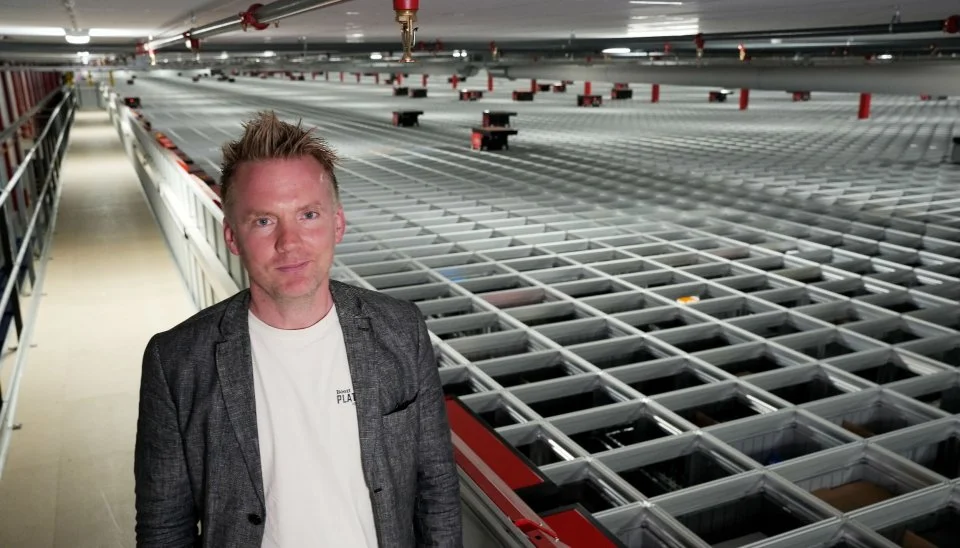
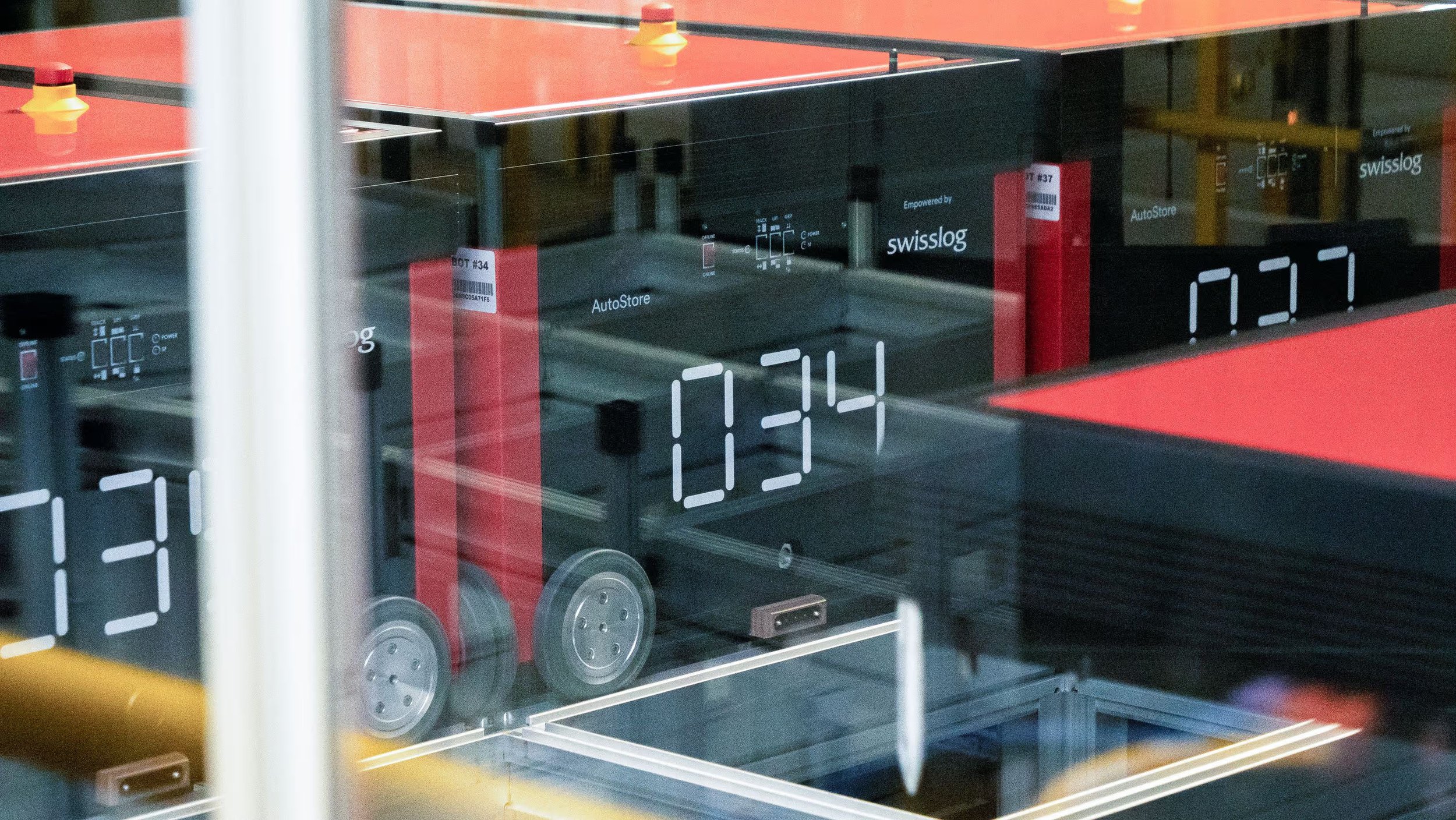
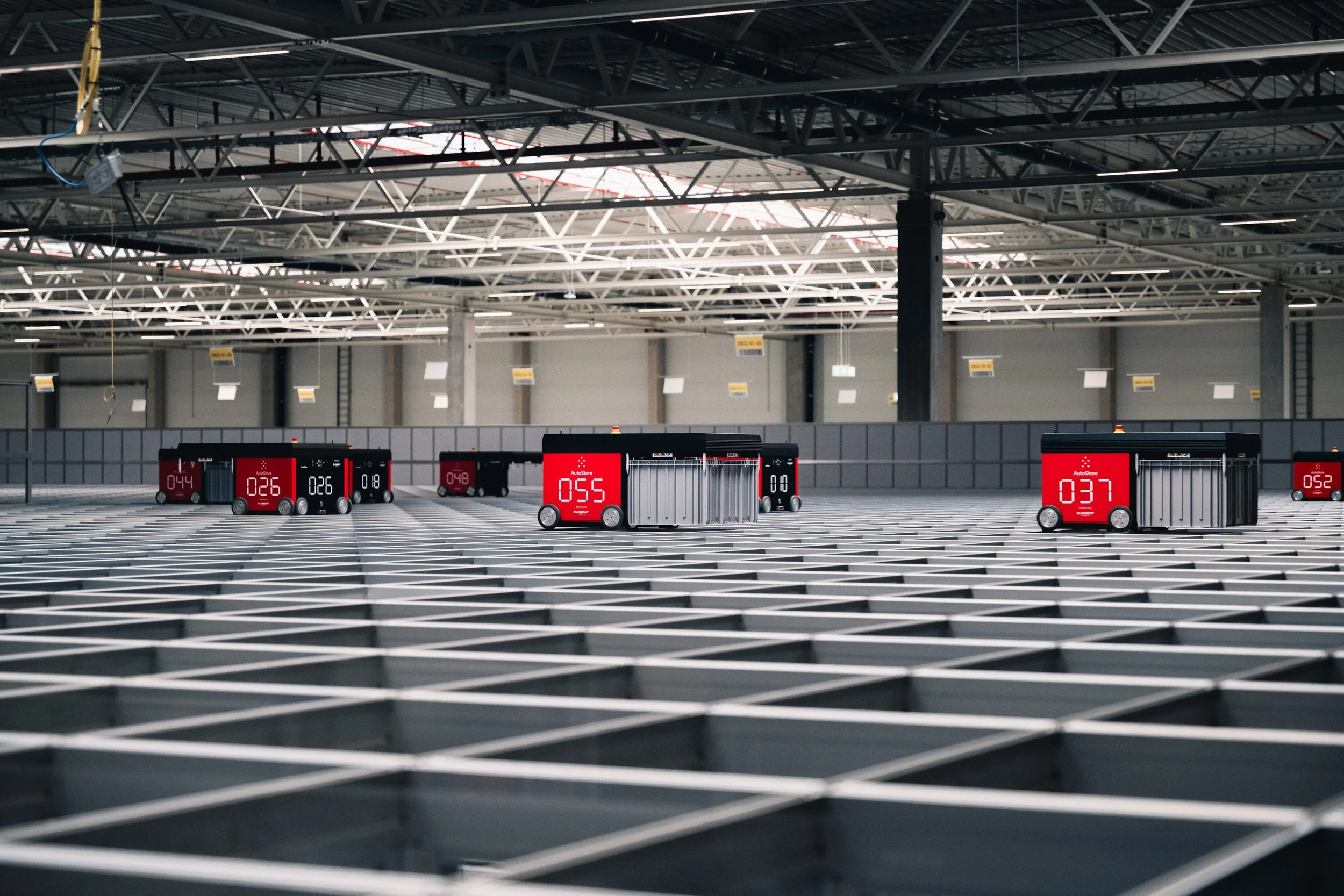
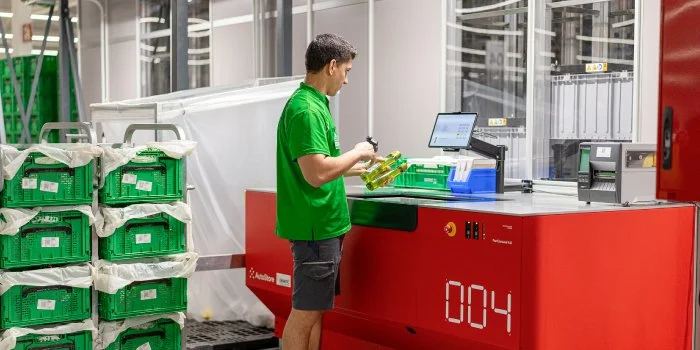
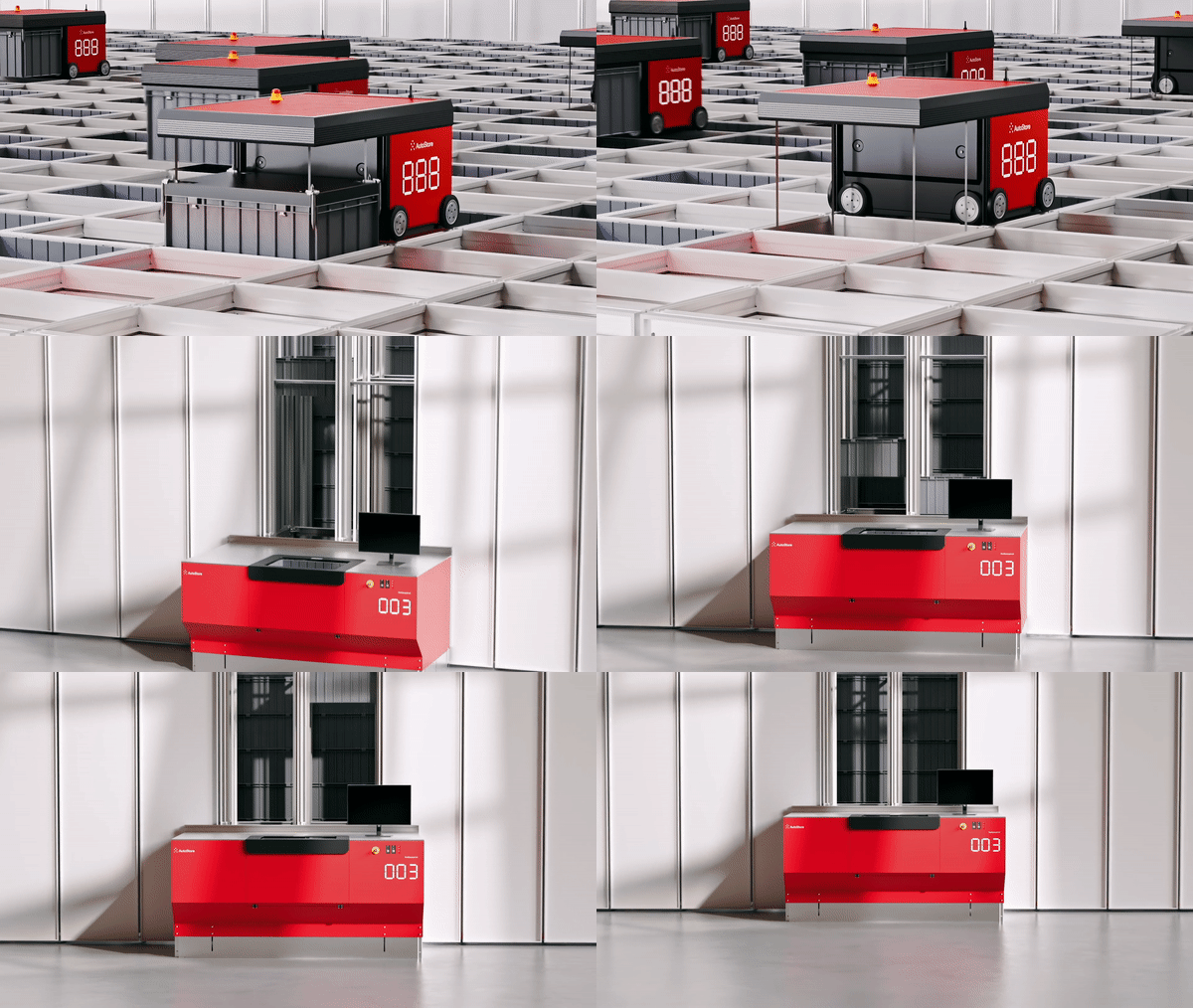
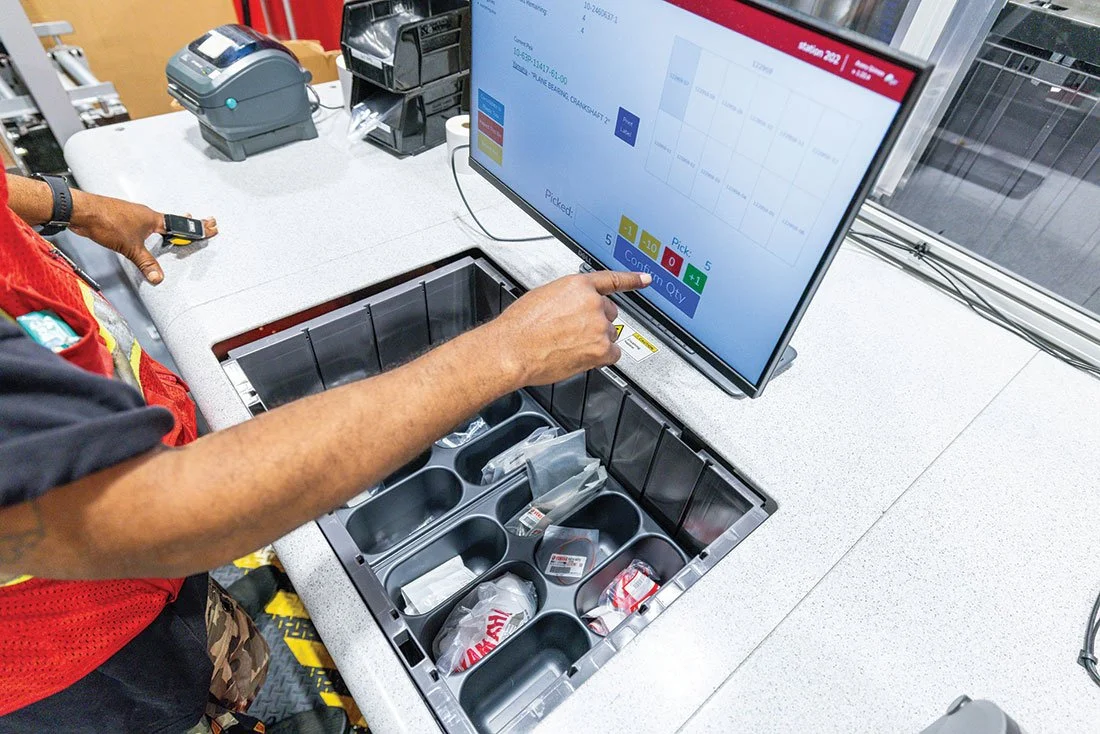
AutoStore uses robots operating on top of a dense storage grid to retrieve inventory bins and deliver them directly to goods-to-person workstations. Instead of employees spending much of their day walking warehouse aisles searching for products, inventory is brought directly to them.
The two Manchester operations provide an important indication of how sophisticated warehouse automation can become part of Flexport’s expanding international fulfillment network.
For Canadian 3PLs, that is the important part of the story.
Flexport is not simply opening another warehouse in Toronto.
It is bringing a technology-driven logistics model into Canada that combines freight, customs, transportation, fulfillment, software and increasingly sophisticated warehouse automation within a much broader logistics platform.
Canadian 3PL operators need to consider what that means for their own businesses over the next five to ten years.
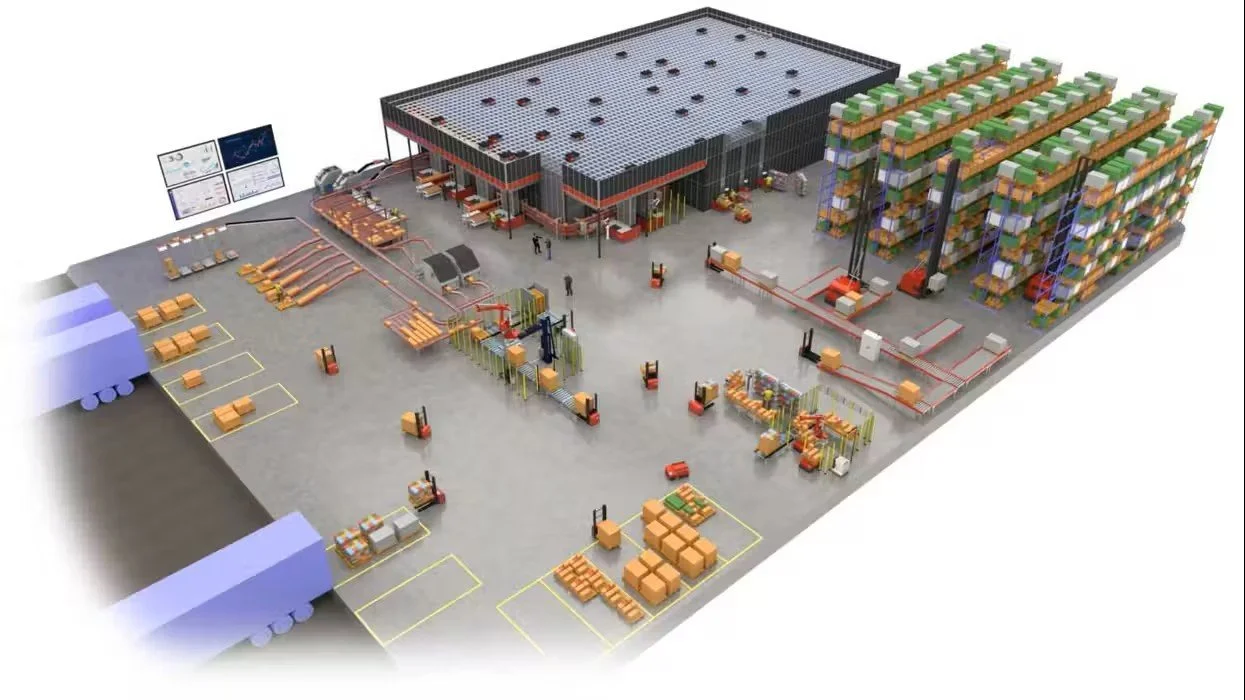
A large portion of the Canadian 3PL industry still operates conventional warehouses filled with static racking and shelving, where employees walk considerable distances from aisle to aisle picking and replenishing inventory.
That model is not going to disappear.
But it will become increasingly difficult for conventional operations to compete for certain customers against U.S. and European logistics providers investing heavily in dense automated storage, goods-to-person picking, robotics and sophisticated warehouse orchestration software.
Why Warehouse Automation Is Attractive to a 3PL
For the right operation, warehouse automation can fundamentally change the economics of a 3PL facility.
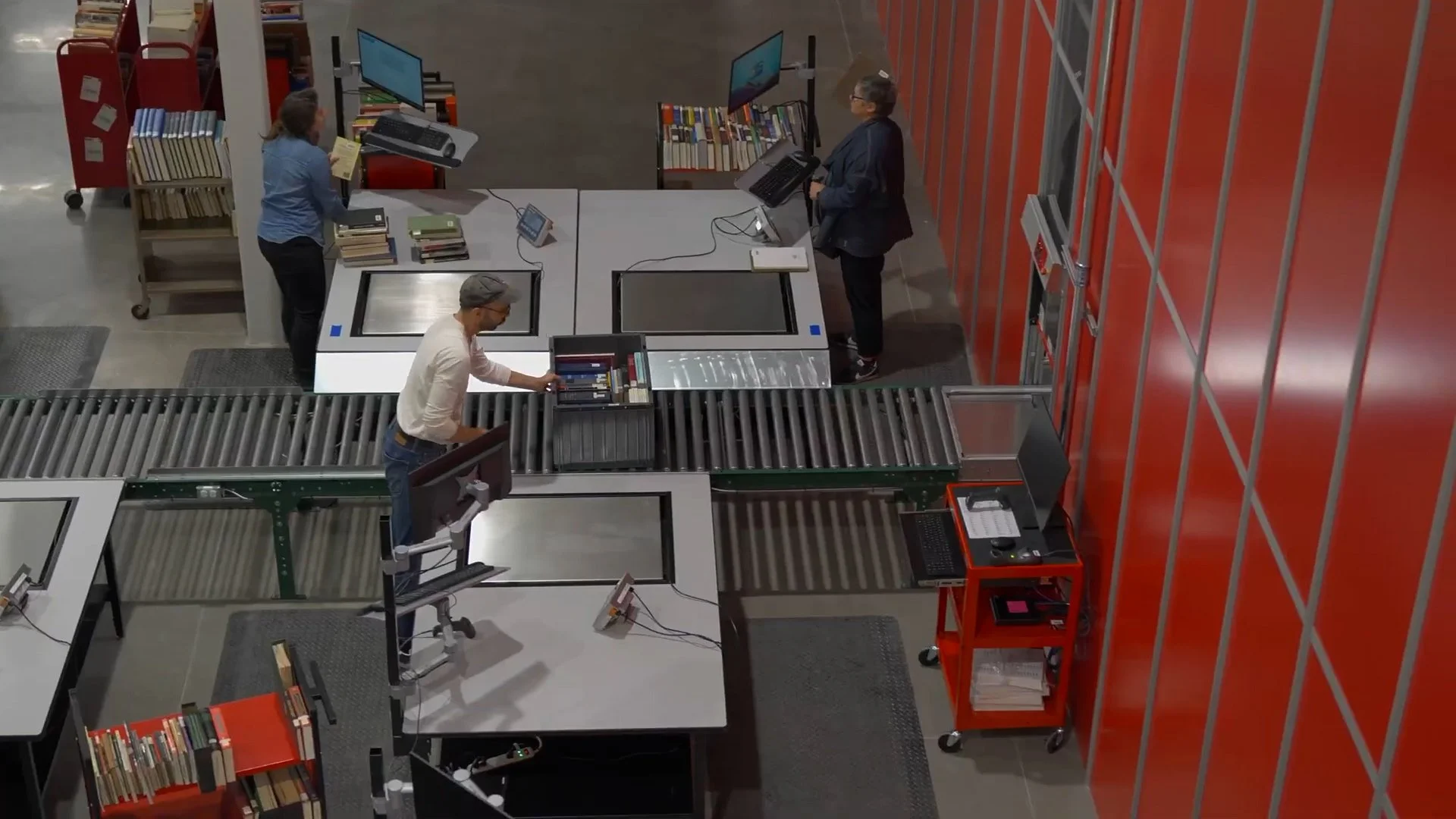
Cube-storage systems, for example, store inventory in bins stacked vertically inside a dense grid. Robots retrieve the required bins and deliver them to goods-to-person workstations where employees pick customer orders.
This operating model eliminates much of the non-productive walking associated with conventional warehouse picking.
For 3PLs operating in the Greater Toronto Area, Greater Montreal, Metro Vancouver, Calgary and other major Canadian markets, cube storage and other goods-to-person technologies can provide several important competitive advantages:
Significantly greater storage density
More inventory capacity within an existing building
Reduced employee walking and product handling
Higher and more consistent picking productivity
Improved order accuracy
Better ergonomics for warehouse employees
Incremental expansion through additional robots and workstations
More predictable performance during peak periods
Later order cutoffs and faster order turnaround
Warehouse density is particularly important in Canada’s major logistics markets, where industrial land, building occupancy and labour costs remain significant considerations.
If a 3PL can materially increase storage capacity within an existing building rather than leasing or constructing another facility, the economics can be compelling.
Automation can also allow a 3PL to grow without requiring an equivalent increase in warehouse labour.
That becomes particularly important during seasonal peaks or in labour markets where finding, training and retaining additional employees is difficult.
No single automation technology, however, is appropriate for every 3PL operation.
Product dimensions, SKU count, inventory velocity, order profiles, customer requirements, seasonality, inbound processes, outbound volumes and future growth all need to be evaluated before selecting a system.
For suitable e-commerce, consumer goods, medical-product and small-parts operations, cube storage can become particularly interesting because a single automated storage platform can potentially support multiple customers within the same facility.
That ability to share automation infrastructure across several customers can make the business case very different from automation installed for a single dedicated operation.
The Software Is More Important Than the Robots
The robots may receive most of the attention, but the success of an automated 3PL operation ultimately depends on its software orchestration.
This becomes even more important in a multi-client environment.
A 3PL may be operating dozens of customers from the same building, each with different service-level agreements, priorities, order cutoffs, carriers, inventory rules, packaging requirements and value-added services.
The warehouse management and execution software must continuously determine:
Which orders should be released first
How orders should be grouped and sequenced
Which workstations should process each customer
How replenishment should be prioritized
How system and workstation capacity should be allocated
How urgent orders should be introduced
How carrier cutoff times will be protected
How inventory and productivity will be reported
How returns will be inspected and returned to available inventory
This is where many automation discussions become too focused on the hardware.
Installing robots does not automatically create an efficient fulfillment operation.
Without effective software orchestration, an advanced automated storage system can become an expensive island of technology.
The strongest 3PL operations will combine automation with a software architecture that provides both the operator and its customers with real-time inventory visibility, reliable order-status information and measurable fulfillment performance.
This is where Flexport could have a significant competitive advantage.
The company is approaching fulfillment as an extension of its international logistics and technology platform—not simply as another warehouse service.
Automation Is Also a Powerful Sales and Marketing Tool
There is another advantage of warehouse automation that 3PLs sometimes underestimate.
It can help win customers.
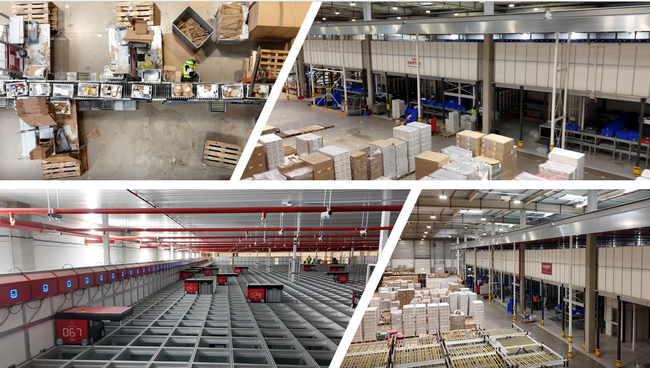
A conventional warehouse can be difficult to differentiate from dozens of competing facilities. Racking, lift trucks, shelving and packing tables all tell a very familiar story.
Walk a prospective customer into a well-designed automated fulfillment centre and the experience is completely different.
Customers can see robots retrieving inventory, products arriving directly at ergonomic workstations and orders moving through an orchestrated fulfillment process.
The technology becomes visible evidence that the 3PL is investing in capacity, productivity, employee safety and its customers’ future growth.
Warehouse automation can become part of a 3PL’s commercial strategy through:
Customer facility tours
Sales presentations and proposals
Website videos and virtual tours
LinkedIn and social-media content
Industry events and demonstrations
Customer case studies
Measured productivity and accuracy results
For a prospective customer comparing several Canadian 3PLs, a well-designed automated operation can become a compelling differentiator.
It can also give existing customers greater confidence that their logistics provider has the infrastructure and capacity required to support future growth.
Of course, automation should never be installed simply because robots look impressive during a customer tour.
The business case still has to work.
Its marketing value needs to be supported by measurable improvements in storage capacity, productivity, accuracy, labour utilization and customer service.
When the operational and commercial strategies are aligned, however, automation can do something particularly valuable for a 3PL: help reduce operating costs while simultaneously helping win new business.
Canadian 3PLs Need an Automation Strategy
Flexport’s arrival should not be viewed only as a competitive threat.
It should be viewed as a warning about where the logistics industry is heading.
Canadian 3PLs do not need to automate their entire warehouses tomorrow, and they certainly should not purchase automation simply because a competitor is doing it.
But they do need a strategy.
That strategy can begin by identifying which customers, products and order profiles are best suited to automation and determining where automation could have the greatest operational and financial impact.
Depending on the operation, the answer could include cube storage, shuttle systems, autonomous mobile robots, automated packaging, robotic palletizing or a combination of technologies.
And in some facilities, the right answer may still be conventional storage and manual processes.
The first step should therefore not be selecting a particular technology or calling an equipment vendor.
It should be understanding the 3PL’s customer mix, inventory profile, order volumes, building constraints, labour requirements, software architecture and future growth plans.
Flexport’s Canadian expansion could change what customers expect from their logistics providers.
Warehouse space, labour and transportation rates alone may no longer be enough to differentiate a 3PL.
Customers will increasingly expect greater inventory visibility, faster fulfillment, later order cutoffs, measurable service performance and more sophisticated integration between transportation and warehouse operations.
And as automation becomes more common, customers will increasingly ask why their logistics provider is still moving people through aisles instead of moving products to people.
The important message for Canadian 3PLs is not whether Flexport installs AutoStore in Mississauga tomorrow.
It is the direction in which Flexport—and many of the world’s more technologically sophisticated logistics providers—are moving.
Canadian 3PLs in Toronto, Montreal, Vancouver, Calgary, Edmonton and other major markets should be evaluating automation before a customer demands it—or before a more technologically advanced competitor takes the business.
Warehouse Automation Canada helps logistics operators independently evaluate warehouse automation, cube-storage systems, ASRS technologies, software orchestration and other fulfillment solutions.
If your company is considering how automation could improve its capacity, productivity and competitive position, we would be pleased to discuss the available options.
San Francisco-based, technology-driven 3PL, Flexport has announced the launch of its first Canadian fulfillment operation, introducing a serious new competitor with massive financial backing to Canada’s third-party logistics market.
The expansion represents the first international rollout of Flexport’s fulfillment business and extends its end-to-end logistics network into markets where many of its customers already sell.
For its first entry into the Canadian fulfillment market, Flexport has chosen Mississauga, Ontario—a strategic location near Toronto Pearson International Airport and at the centre of Canada’s largest logistics and consumer market.
Flexport’s expansion comes as importers face a North American trade environment increasingly defined not only by tariffs but by heightened scrutiny of importers, customs brokers, transshipment and country-of-origin rules.
Inbound receiving at the GTA facility began in July 2026, with the first outbound customer orders scheduled to ship in September. The facility also holds Health Canada certifications for medical products, supplements and consumer goods.
Flexport is not entering Canada as a conventional warehouse operator.
The U.S.-based company has built its business around combining international freight forwarding, customs brokerage, transportation, inventory visibility and fulfillment through a common technology platform. Customers can now store inventory in Canada and fulfill orders domestically while continuing to use the same Flexport platform, account team and freight and customs relationship.
This integrated model will put competitive pressure on 3PL operators in the Greater Toronto Area and eventually in other major Canadian logistics markets, including Montreal, Vancouver, Calgary and Edmonton.
A New Kind of Competitor for Canadian 3PLs
Many Canadian 3PLs continue to compete primarily through warehouse space, labour availability, transportation rates and personal service.
Flexport is offering a broader proposition: one provider, one technology platform and greater visibility from international transportation through customs clearance, inventory storage and final customer delivery.
Warehouse automation is also becoming an increasingly important part of Flexport’s fulfillment strategy.
Flexport is actively building automation capabilities across its fulfillment network, including evaluating technologies such as automated storage and retrieval systems, autonomous mobile robots, conveyors and goods-to-person solutions.
In the United Kingdom, Flexport’s fulfillment services are operating two facilities in Manchester, and both facilities are equipped with AutoStore automated cube storage and retrieval systems. The systems use robots operating above a dense grid of storage bins to bring inventory directly to employees at goods-to-person picking stations.
The Manchester operations provide an important indication of how automation can become part of Flexport’s expanding international fulfillment network.
Flexport’s arrival therefore gives Canadian 3PLs more than simply another competitor. It introduces a technology-driven logistics company combining international freight, customs, transportation, fulfillment, software and increasingly sophisticated warehouse automation within a broader logistics platform.
Canadian operators now need to determine how they will future-proof their businesses.
A large portion of the Canadian 3PL industry still operates conventional warehouses filled with static racking and shelving, with employees walking considerable distances from aisle to aisle. It will become increasingly difficult for these operations to compete with U.S. and European logistics providers investing in dense automated storage, goods-to-person picking and sophisticated orchestration software.
These systems allow operators to store more products, process more orders and deliver more consistent service from a smaller building footprint.
Why Warehouse Automation Is Attractive to a 3PL
Cube-storage systems store inventory in bins stacked vertically inside a dense grid. Robots retrieve the required bins and deliver them to goods-to-person workstations where employees pick customer orders.
This operating model eliminates much of the non-productive walking found in conventional warehouse operations.
For 3PLs operating in the Greater Toronto Area, Greater Montreal, Metro Vancouver, Calgary and other major Canadian markets, cube storage and other goods-to-person technologies can provide several important competitive advantages:
Significantly greater storage density
More inventory capacity within an existing building
Reduced employee walking and product handling
Higher and more consistent picking productivity
Improved order accuracy
Better ergonomics for warehouse employees
Incremental expansion through additional robots and workstations
More predictable performance during peak periods
Later order cutoffs and faster order turnaround
Warehouse density is particularly important in Canada’s major logistics markets, where industrial land, building occupancy and labour costs remain significant considerations. Increasing storage capacity without leasing or constructing another building can materially improve a 3PL’s cost structure.
Automation can also make growth less dependent on finding, training and retaining large numbers of additional warehouse employees.
No single technology will be appropriate for every product or every 3PL operation. Product dimensions, SKU count, inventory velocity, order profiles, customer requirements and seasonal peaks must all be evaluated.
For suitable e-commerce, consumer goods, medical-product and small-parts operations, however, cube storage can become a shared automation platform capable of supporting several customers from the same system.
The Software Is More Important Than the Robots
The robots may receive most of the attention, but the success of an automated 3PL operation ultimately depends on its software orchestration.
A multi-client 3PL must manage different customer priorities, service-level agreements, order cutoffs, carriers, inventory rules, packaging requirements and value-added services within the same building.
The warehouse management and execution software must continuously determine:
Which orders should be released first
How orders should be grouped and sequenced
Which workstations should process each customer
How replenishment should be prioritized
How system and workstation capacity should be allocated
How urgent orders should be introduced
How carrier cutoff times will be protected
How inventory and productivity will be reported
How returns will be inspected and returned to available inventory
Without effective orchestration, even an advanced automated storage system can become an expensive island of technology.
The best 3PL operations will combine automation with a software layer that gives customers real-time inventory visibility, reliable order-status information and measurable fulfillment performance.
This is where Flexport could have an important advantage. The company is approaching fulfillment as an extension of its international logistics and technology platform—not simply as another warehouse service.
Automation Is Also a Powerful Marketing Tool
Warehouse automation does more than reduce operating costs. It can also become one of a 3PL’s most effective sales and marketing tools.
A conventional warehouse can be difficult to differentiate from dozens of competing operations. Racking, lift trucks, shelving and packing tables all tell a familiar story.
An automated fulfillment centre creates a very different customer experience.
A 3PL can bring existing and prospective customers into the facility and demonstrate robots retrieving inventory, products arriving at ergonomic workstations and orders moving through an orchestrated fulfillment process.
The operation becomes visible evidence that the 3PL is investing in capacity, technology, employee safety and long-term competitiveness.
Warehouse automation can be featured through:
Customer facility tours
Sales presentations and proposals
Website videos and virtual tours
LinkedIn and social-media content
Industry events and demonstrations
Customer case studies
Measured productivity and accuracy results
For a prospective customer comparing several Canadian 3PLs, a well-designed automated operation can provide a compelling reason to select one provider over another.
It can also give existing customers greater confidence that their 3PL has the infrastructure and capacity to support future growth.
Automation should not be installed solely as a showroom attraction. Its marketing value must be supported by measurable improvements in capacity, productivity, accuracy and customer service. When operational and commercial strategies are aligned, however, automation can help a 3PL both reduce costs and win new business.
Canadian 3PLs Need an Automation Strategy
Flexport’s arrival should not be viewed only as a competitive threat. It should also motivate Canadian 3PLs to modernize their operations.
A 3PL does not need to automate its entire warehouse at once. It can begin by identifying the customers, products and order profiles best suited to automation and then develop a phased investment strategy.
Depending on the operation, that strategy could include cube storage, shuttle systems, autonomous mobile robots, automated packaging, robotic palletizing or a combination of technologies.
The first step should not be selecting a particular system. It should be evaluating the 3PL’s customer mix, inventory profile, order volumes, building constraints, software requirements and future growth plans.
Flexport’s Canadian expansion could change what customers expect from their logistics providers. Warehouse space and labour alone may no longer be enough. Customers will increasingly expect automation, real-time visibility, faster fulfillment and integrated logistics execution.
The important message for Canadian 3PLs is not whether Flexport installs AutoStore in Mississauga tomorrow. It is the direction in which sophisticated logistics providers such as Flexport are moving.
Canadian 3PLs in Toronto, Montreal, Vancouver and other markets such as Calgary and Edmonton should begin evaluating automation before a customer demands it—or before a more technologically advanced competitor takes the business.
Warehouse Automation Canada helps logistics operators independently evaluate warehouse automation, cube-storage systems, ASRSs, software orchestration and other fulfillment technologies. If your company is considering how automation could improve its capacity, productivity and competitive position, we would be pleased to discuss the available options.

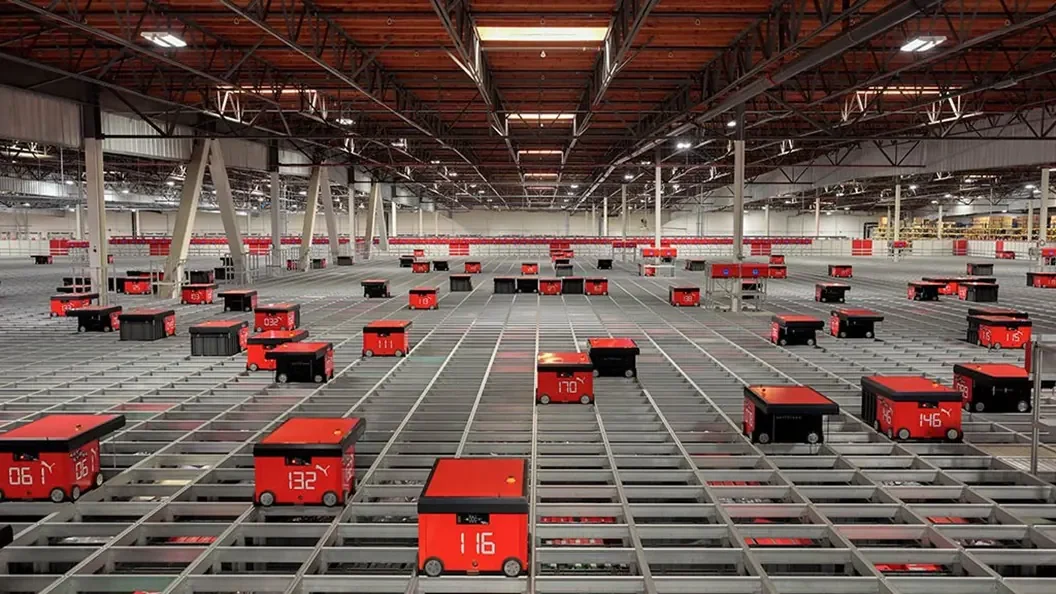
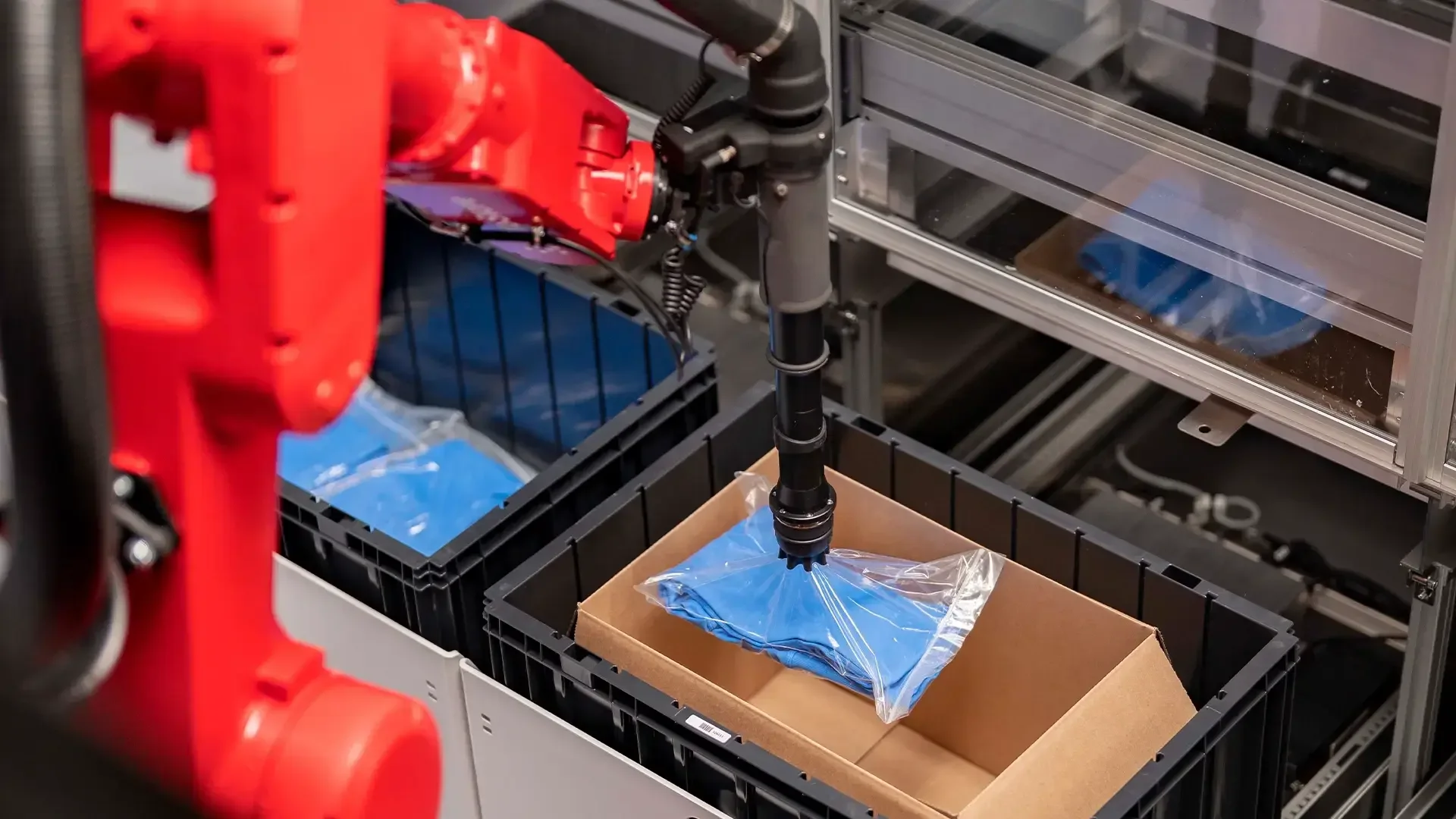


DHL Supply Chain is now operating a fully-automated robot picking system at a logistics center in Staufenberg Germany