
Flexport Offering Automated Fulfillment at Former Kroger-Ocado Site
Ryan Petersen, founder and CEO of Flexport, unveils the 2026 Fall Technology Release:
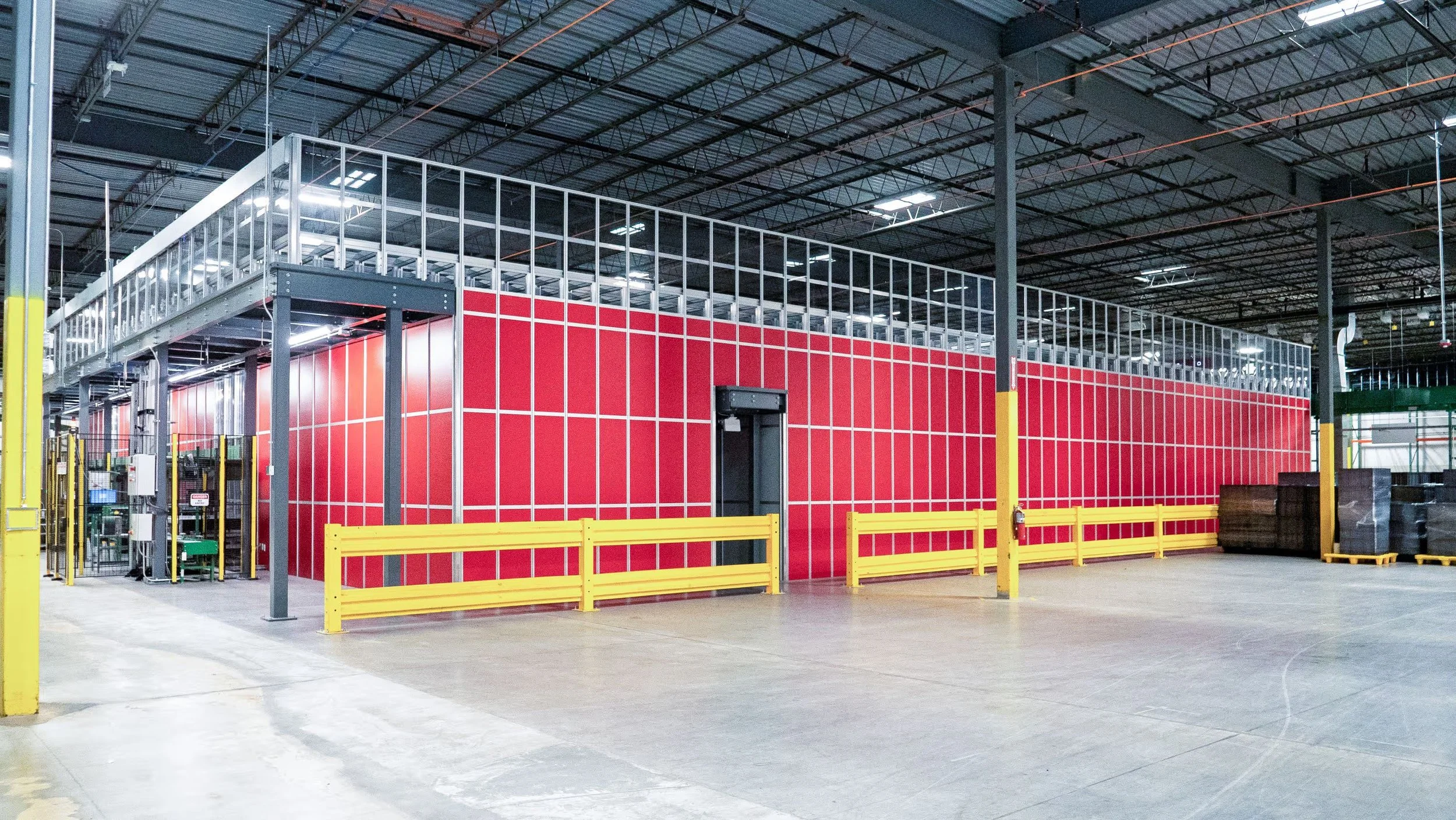
Flexport has launched its first fully automated fulfillment center, taking over the former Kroger-Ocado customer fulfillment center in Pleasant Prairie, Wisconsin, just north of Chicago.
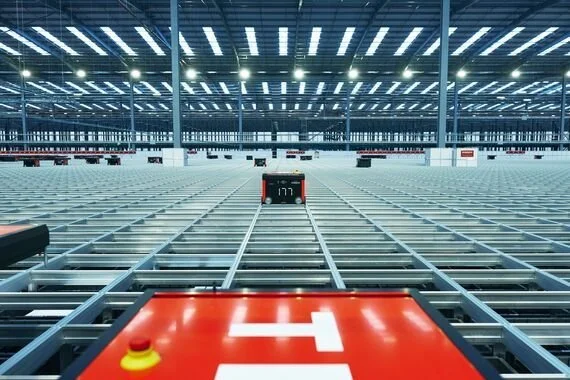
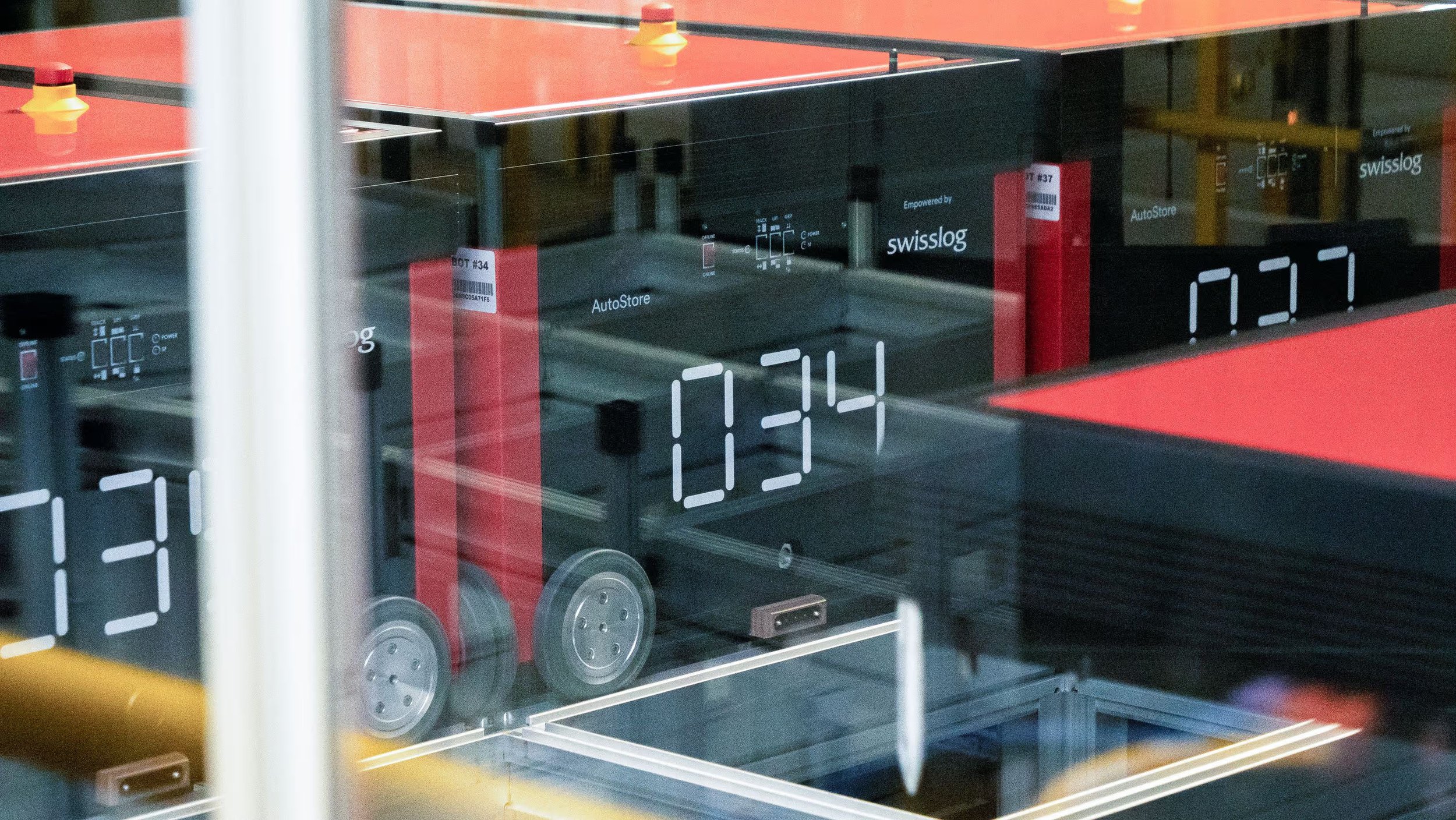
The facility includes approximately 250,000 storage bins and more than 386 robots operating a goods-to-person system. Flexport says the automation doubles efficiency compared with a traditional warehouse while supporting 99.9% order accuracy.
The 336,840-square-foot building originally opened in 2022 as part of Kroger’s ambitious partnership with Ocado to develop a network of highly automated grocery fulfillment centers across the United States.
That strategy changed significantly in November 2025, when Kroger announced that it would close three of its Ocado-powered facilities in Pleasant Prairie, Wisconsin; Frederick, Maryland; and Groveland, Florida. Kroger said the automated fulfillment network had not met its operational or financial expectations.
The Pleasant Prairie facility closed in January 2026.
Only a few months later, Flexport received approval to move into the same building at 9091 88th Avenue and convert it into a broader warehousing, e-commerce fulfillment and distribution operation. The project is expected to create approximately 300 jobs.
The conversion has required removing infrastructure specifically designed for grocery operations, including the commercial chiller and refrigeration systems, tote-cleaning room and meat-packing areas.
What Flexport has kept is arguably the most valuable part of the facility: the automation.
The existing Ocado system is now being used to support a much broader fulfillment model rather than a dedicated grocery operation. Flexport describes the Pleasant Prairie facility as having more than 386 robots moving inventory from approximately 250,000 storage bins directly to operators.
Flexport founder and CEO Ryan Petersen introduced the facility during the company’s September technology release, describing it as the company’s first move into robotic fulfillment centers and indicating that additional investments in warehouse robotics are expected.
For Ocado, the Pleasant Prairie site has therefore taken an unusual path.
A facility built specifically for one of the largest grocery retailers in the United States, closed less than four years after opening, is now operating again under a completely different fulfillment model — with much of the original robotic infrastructure still in place.

The Stevens Company has officially expanded its Western Canadian operations with the opening of a new 44,000 sq. ft. distribution facility in Winnipeg.
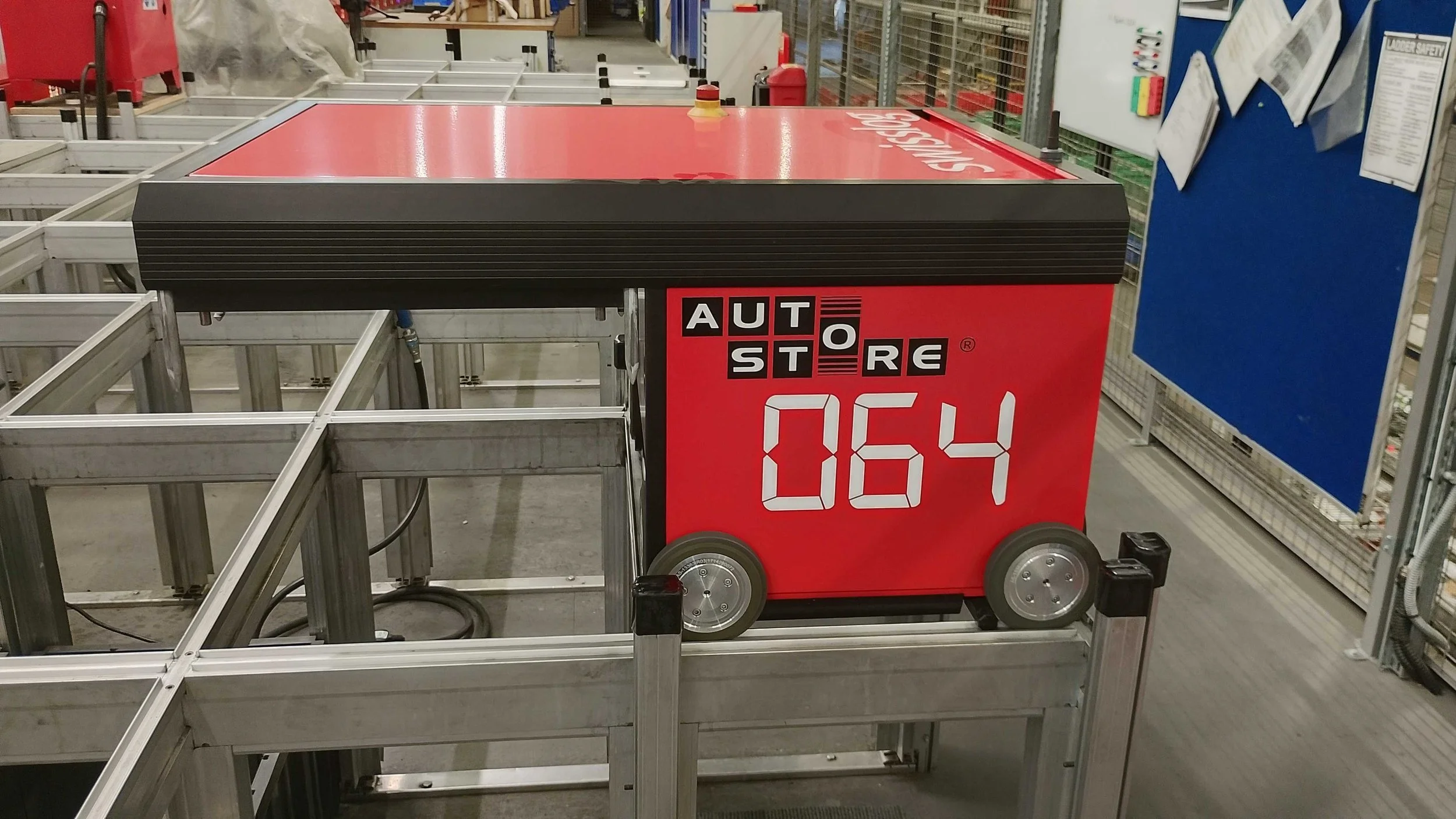
An AutoStore system currently operating within Ocado’s UK distribution network is becoming available for relocation.
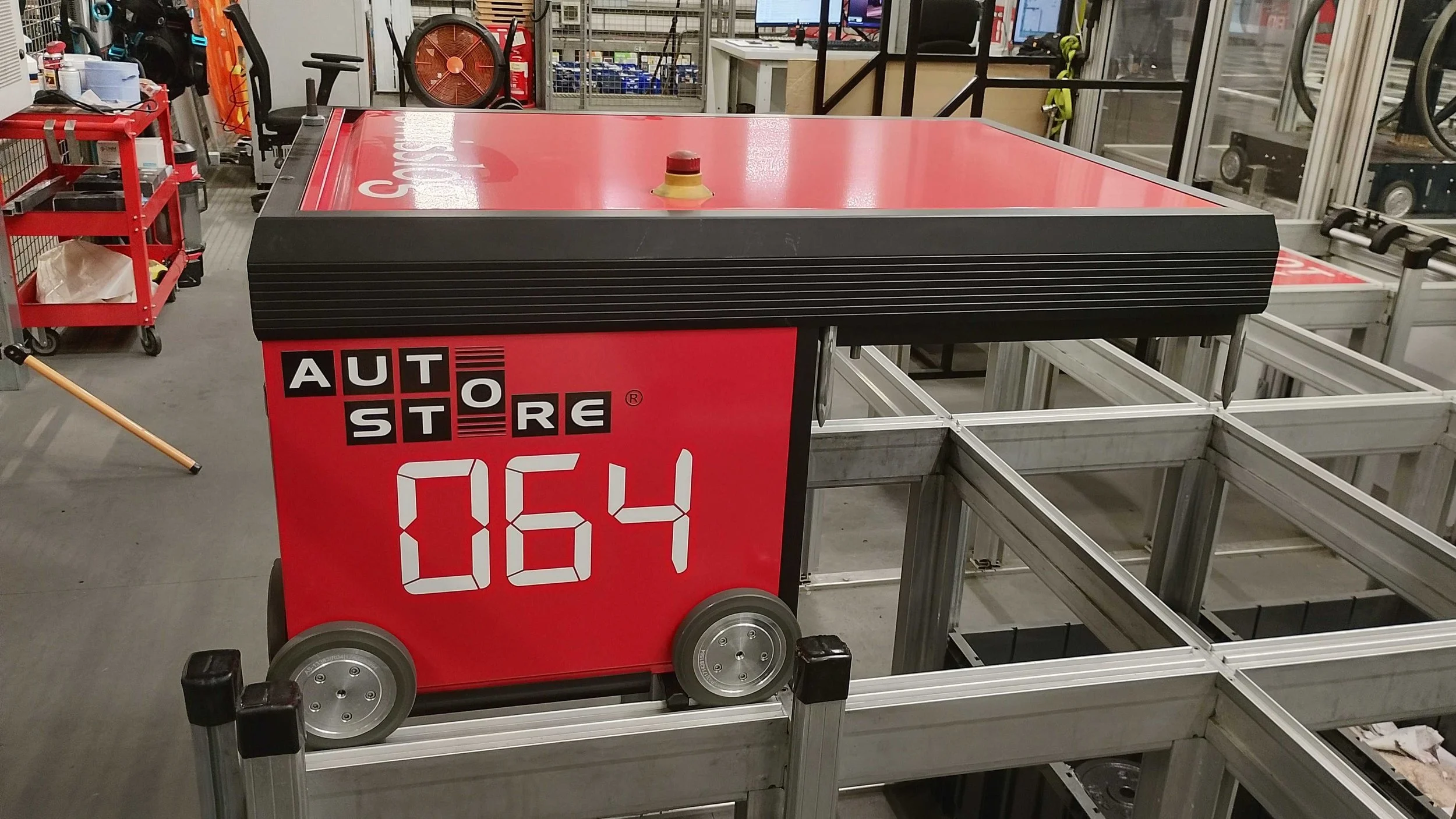
A used AutoStore system currently operating within Ocado’s UK distribution network is becoming available for relocation.
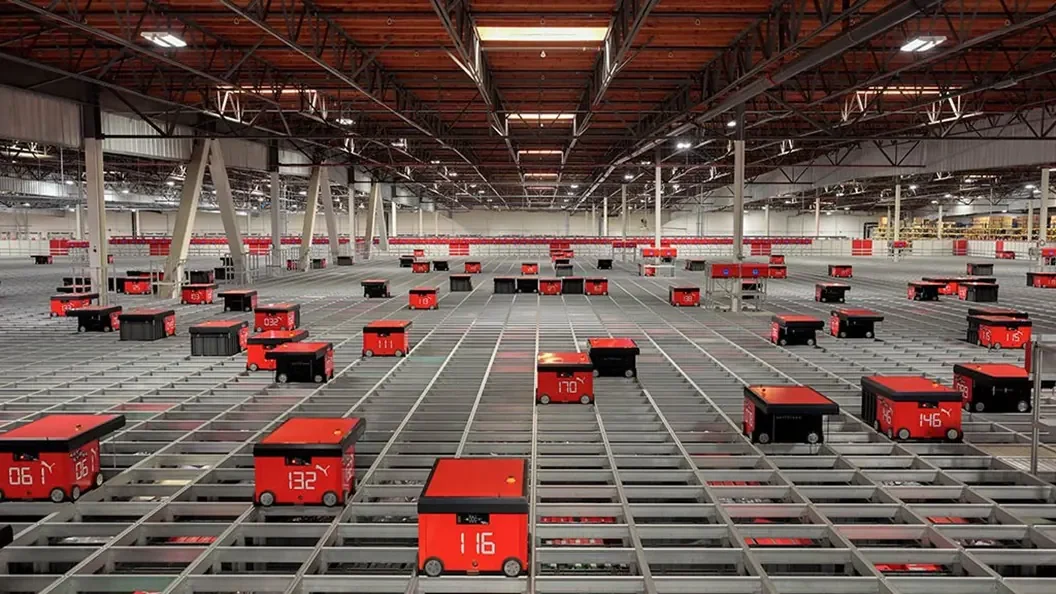
Maersk is expanding its relationship with PUMA by taking over the management of three highly automated U.S. distribution centers — all operating with AutoStore systems.
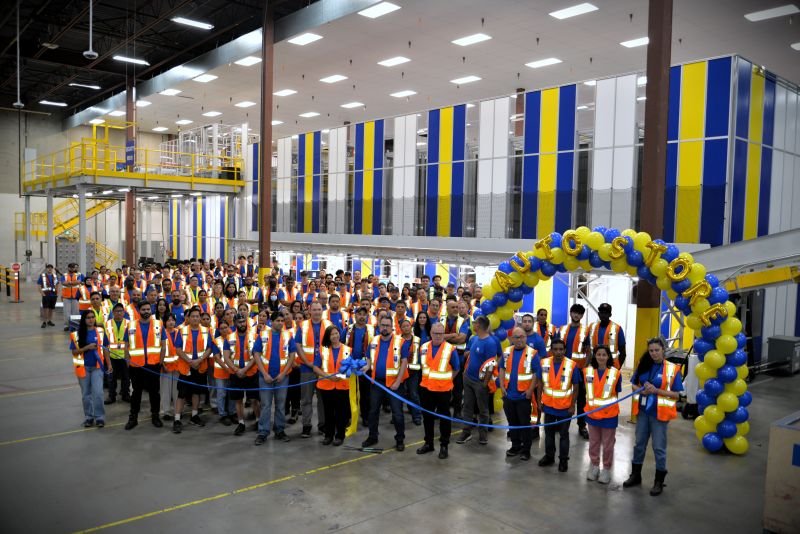
A technology-driven American 3PL is entering the Canadian market—and its automation strategy could change what customers expect from their logistics providers.
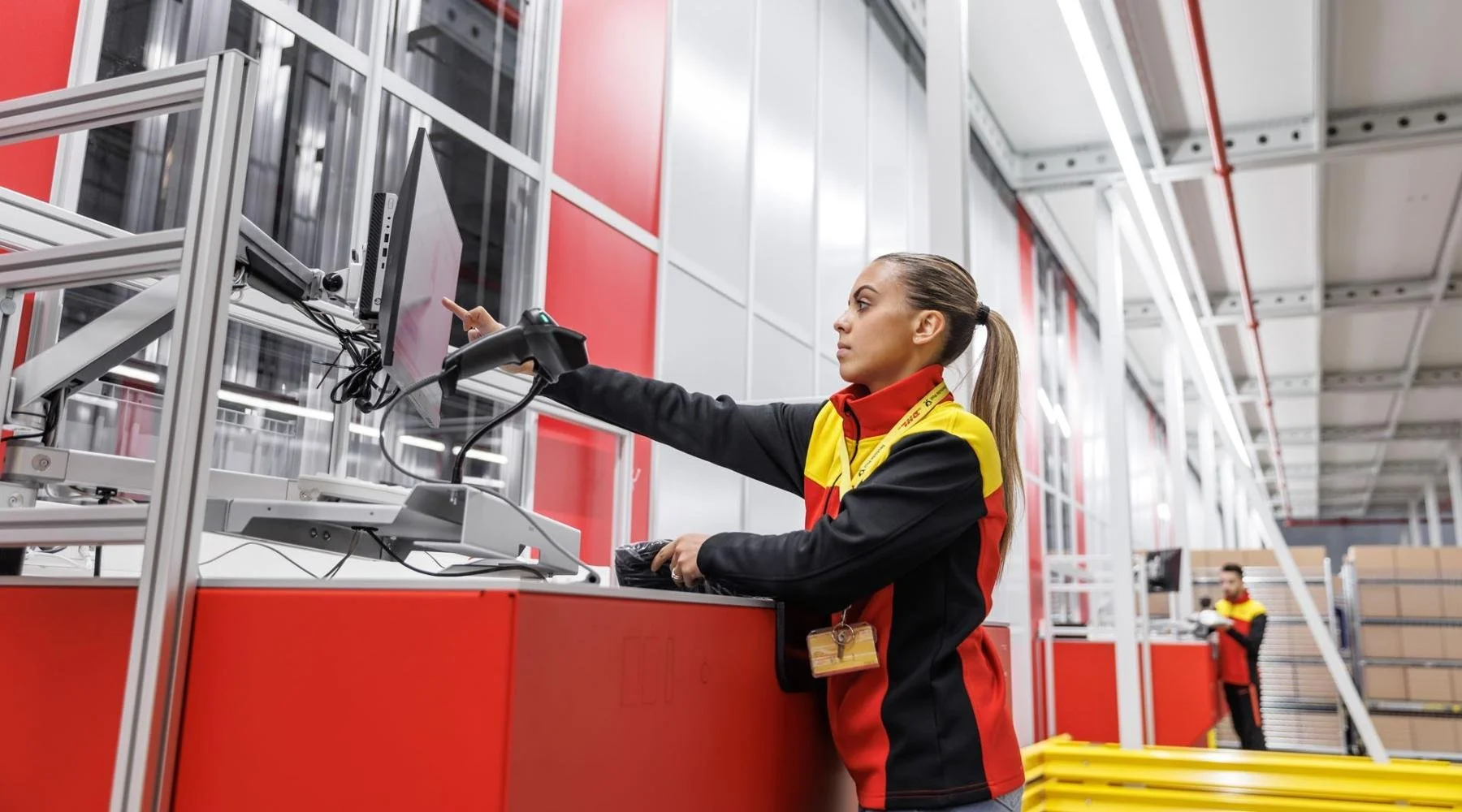
DHL Supply Chain Implements AutoStore Solution in Finland to Support ABB’s Manufacturing Logistics.
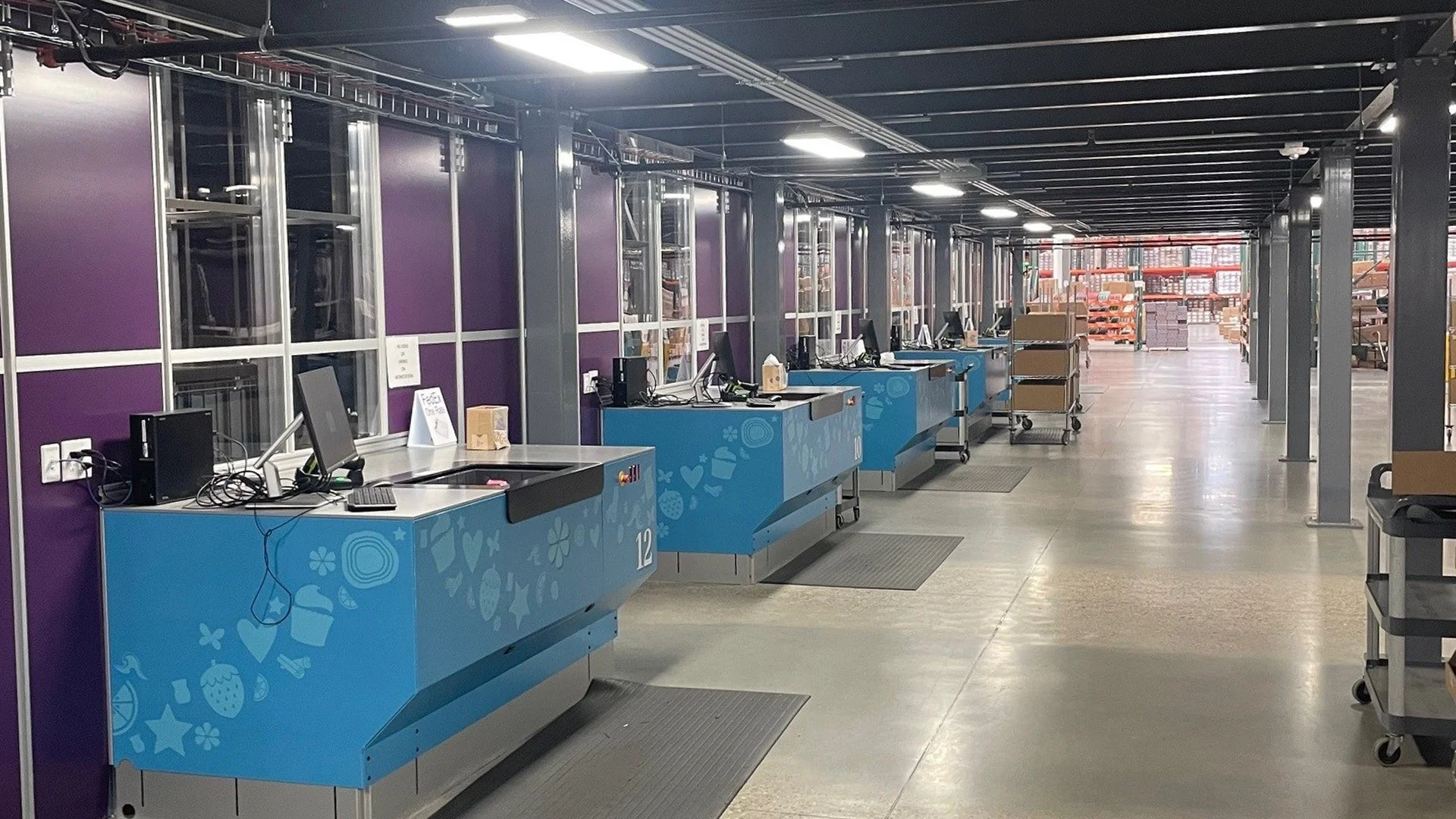
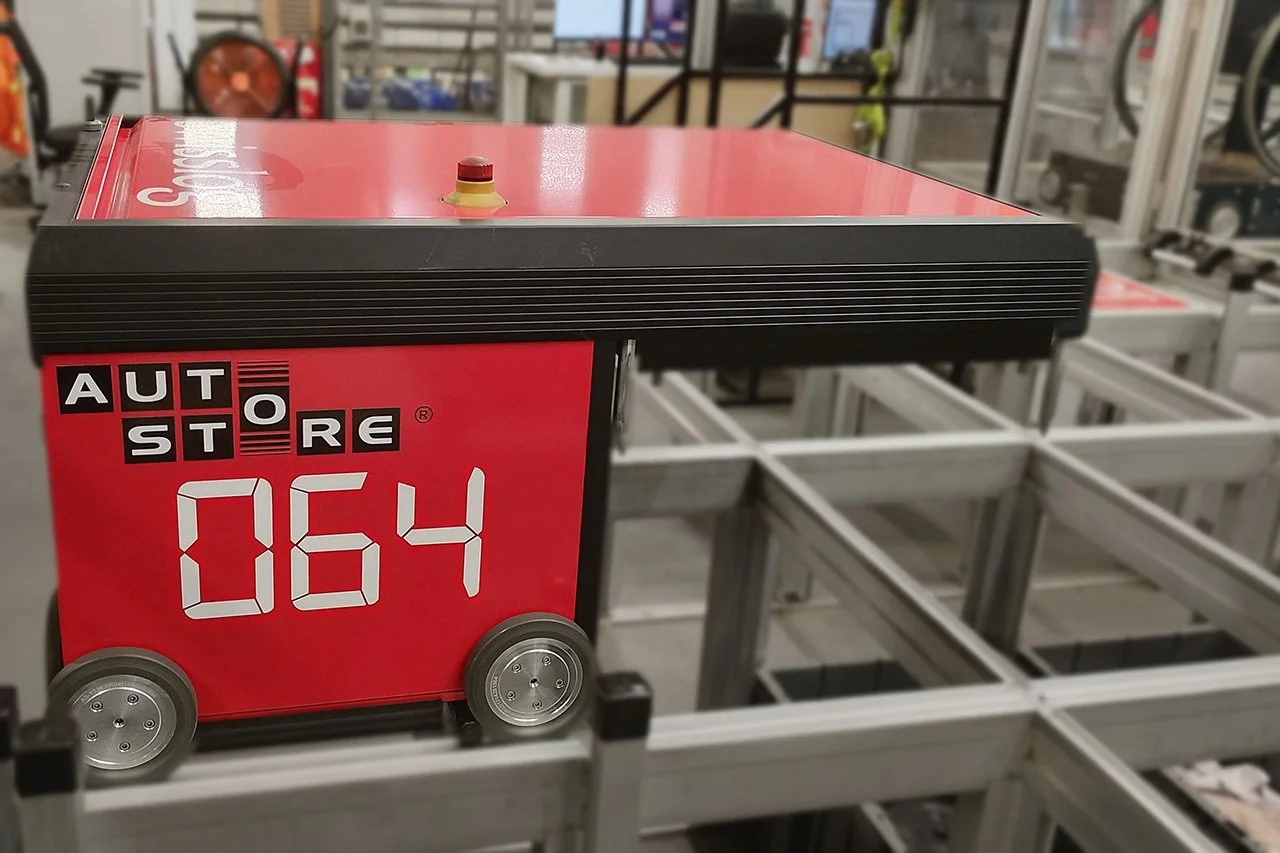
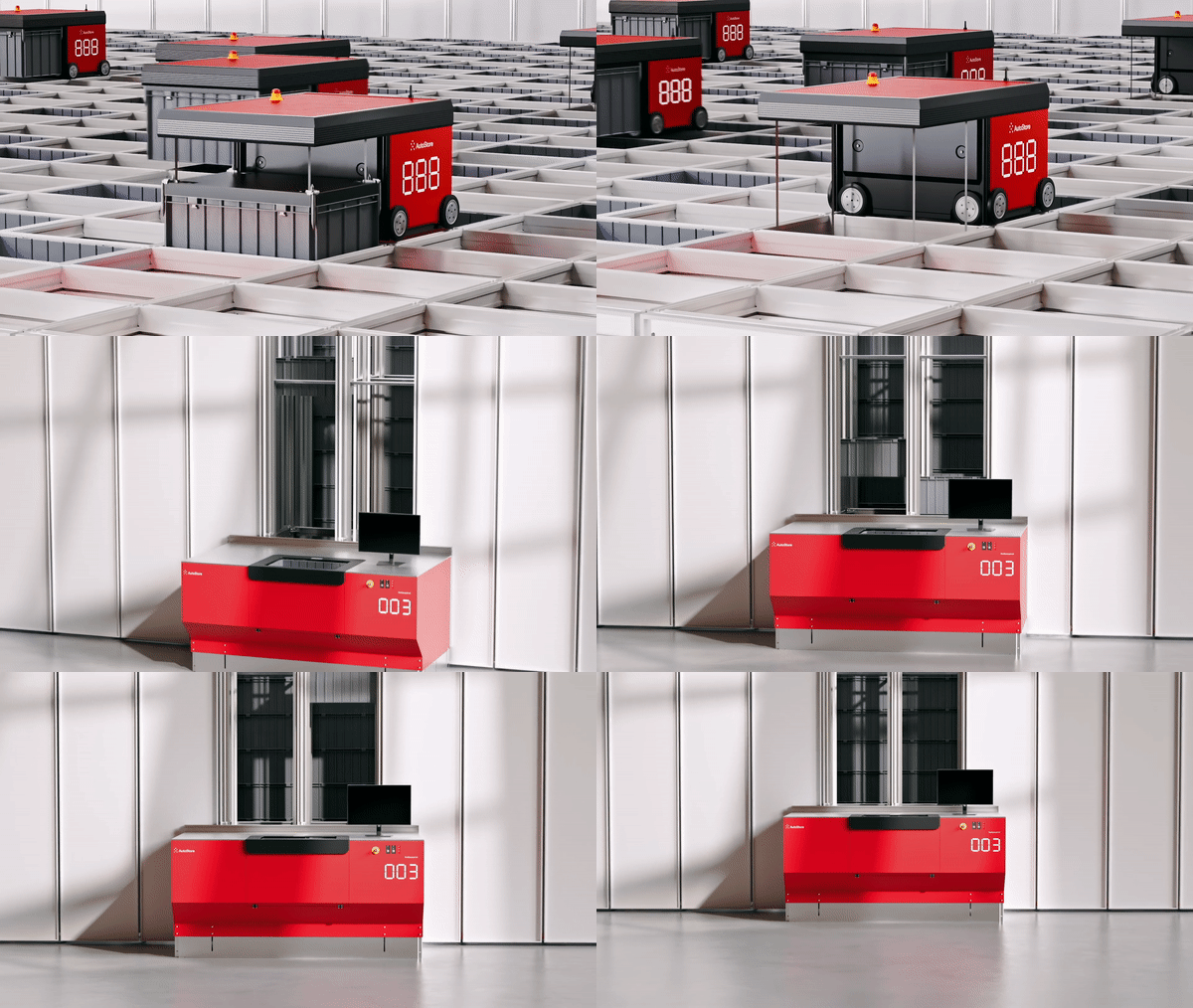
The facility is one of lululemon’s largest distribution operations in North America and is now home to Canada’s largest AutoStore robotic cube-storage installation.
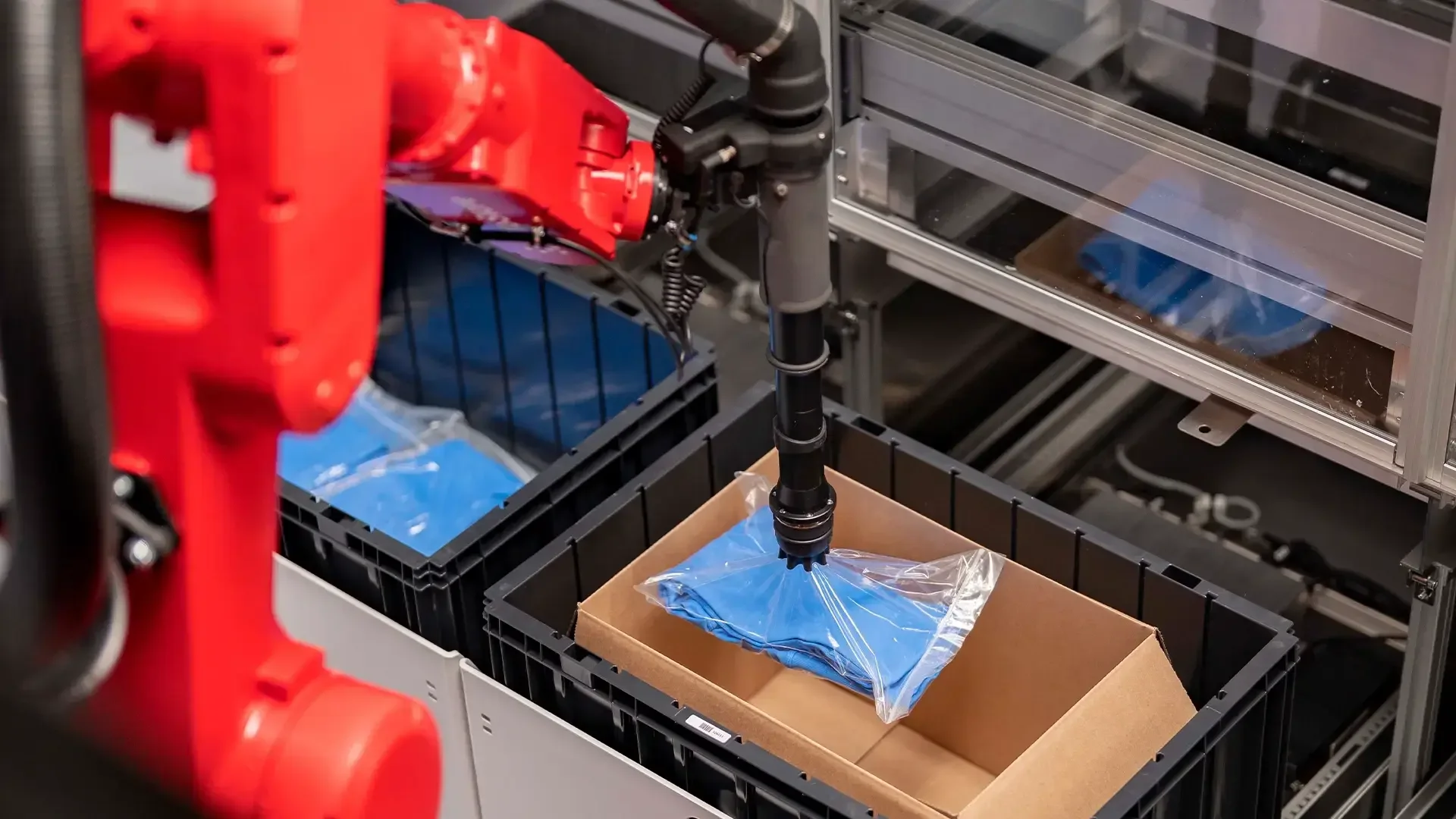
VersaAI is an advanced robotic piece-picking workstation designed by AutoStore to automate warehousing workflows.
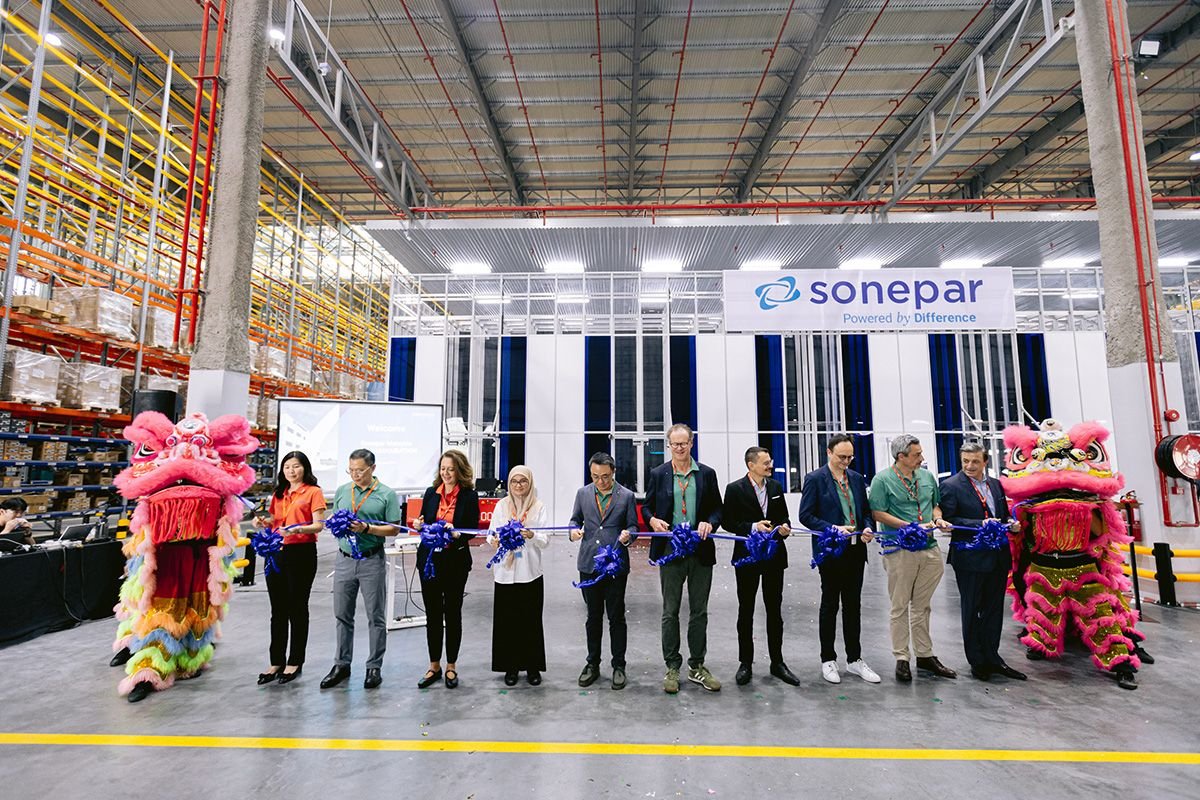
The new CDC showcases advanced automation and digital integration designed to redefine warehouse operations in Malaysia.
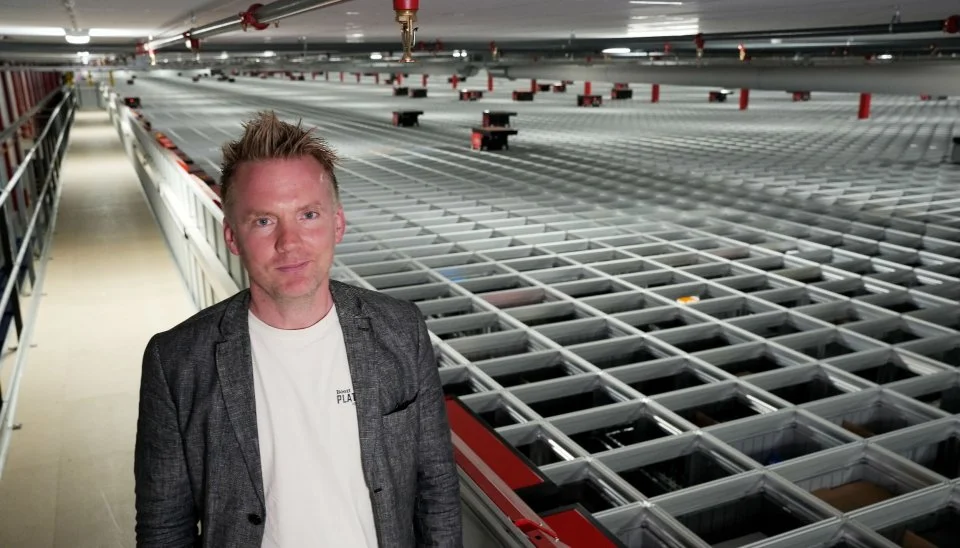
Nordic e-commerce leader Boozt operates the World's Largest AutoStore fulfillment center in Ängelholm, Sweden.
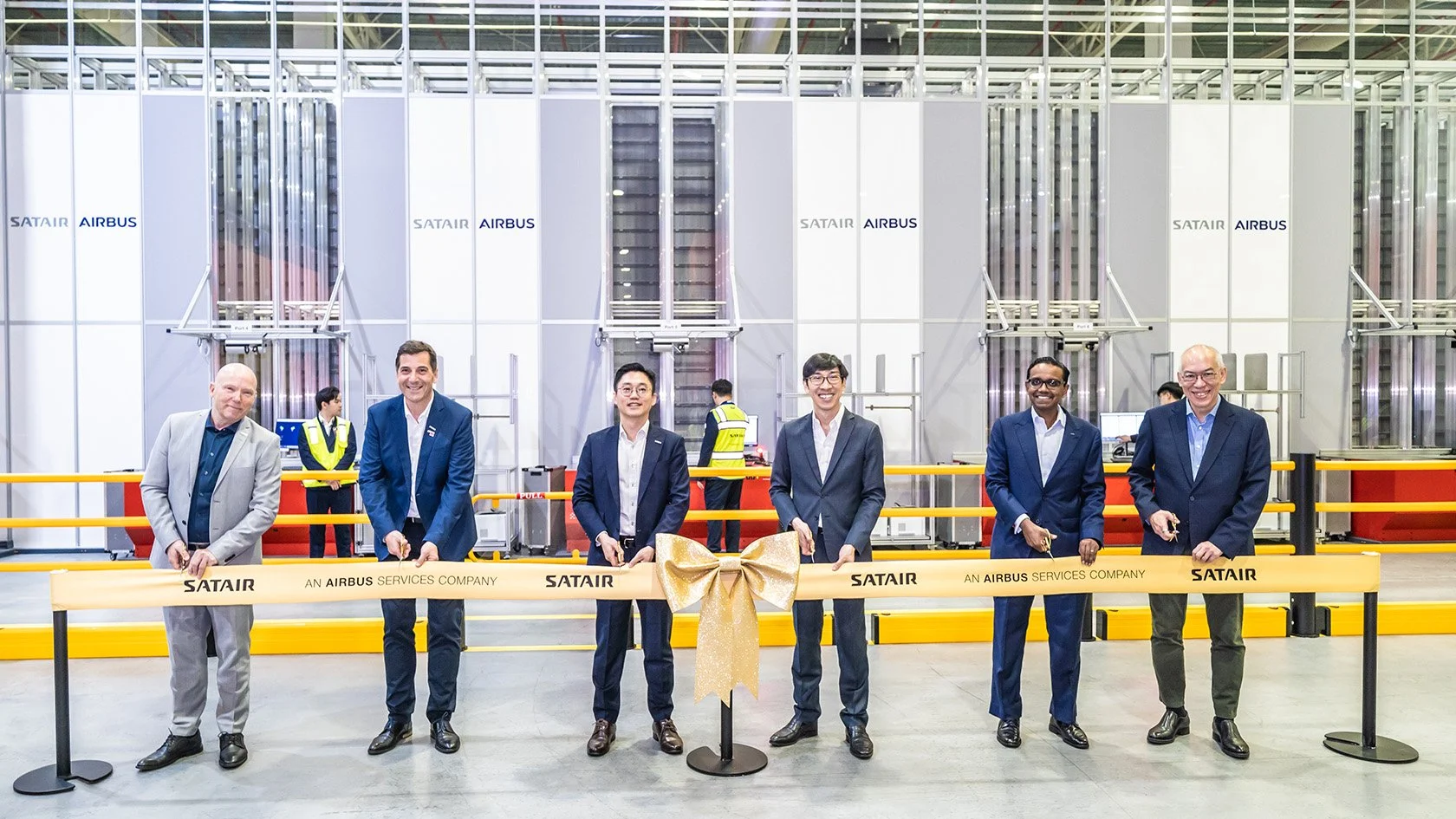
The new AutoStore system stores approximately 80% of Satair Singapore’s small and medium-sized parts inventory inside an automated cube.
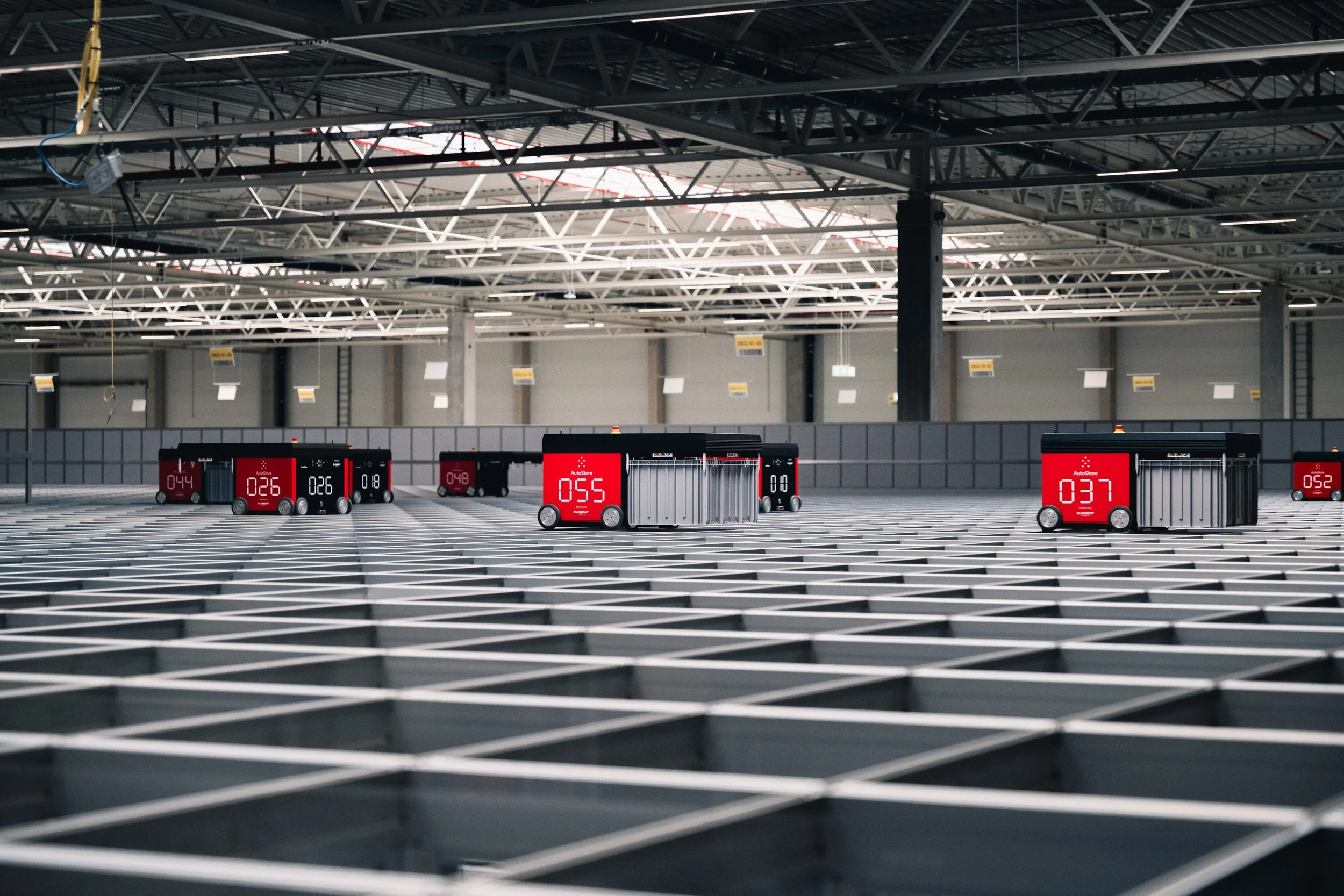
DP World, a globally operating logistics company, manages the day-to-day operations at the GPC on behalf of Daimler Truck.
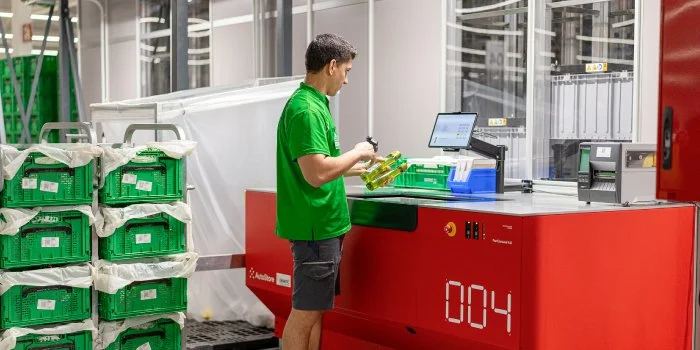
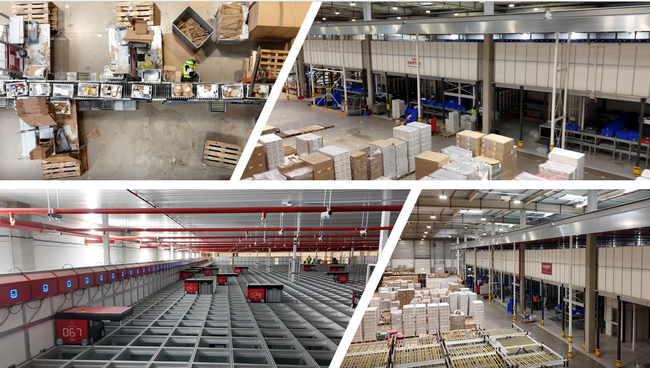
25 000 bacs qui sont manipulés par 112 robots dans un incroyable ballet au millimètre près.
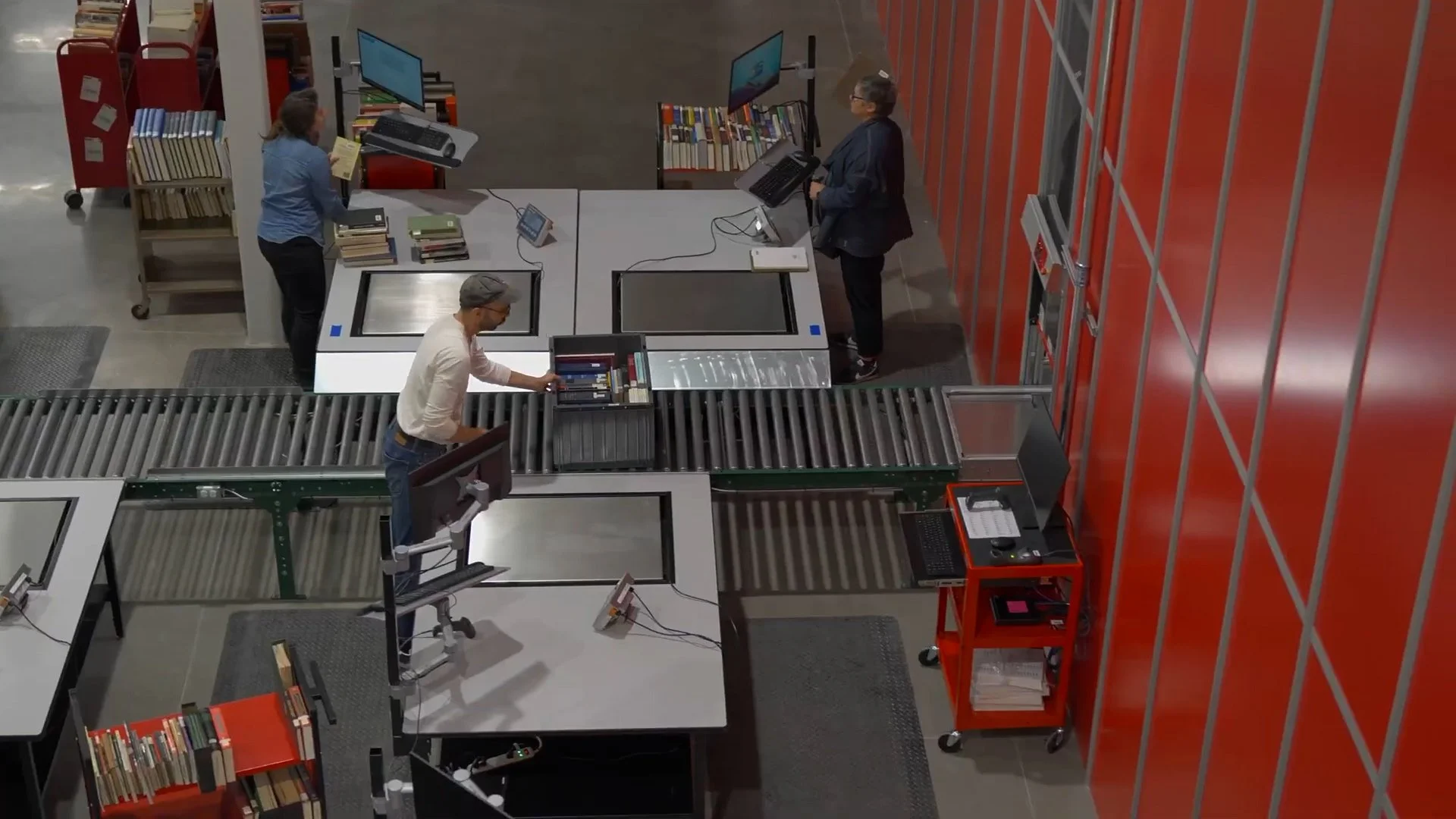
The McGill University Collections Centre is one of the more interesting non-traditional deployments of the AutoStore™ robotic solution.
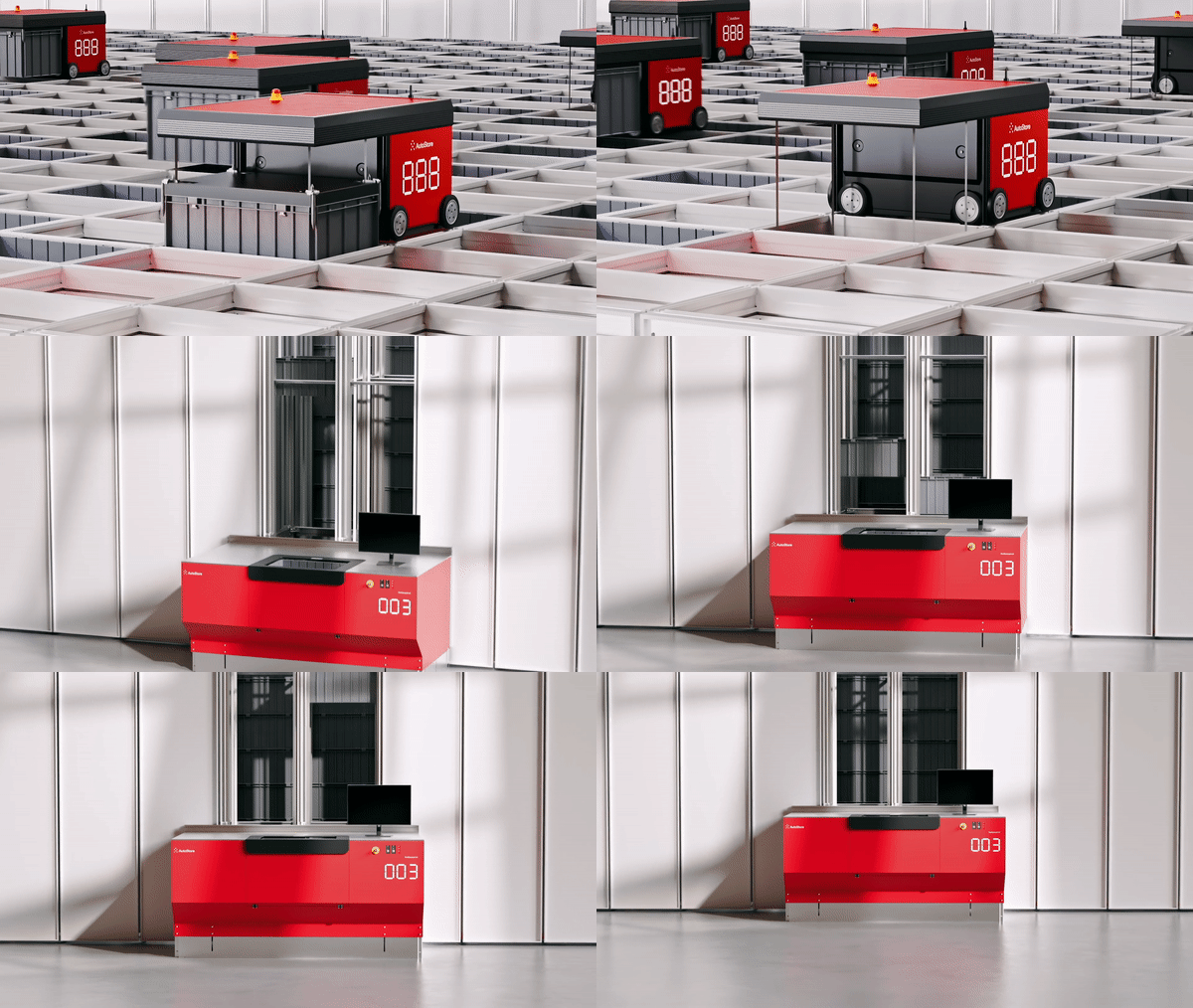
Ulta Beauty has selected AutoStore technology for its new Utah regional distribution hub supporting both stores and growing e-commerce fulfillment.
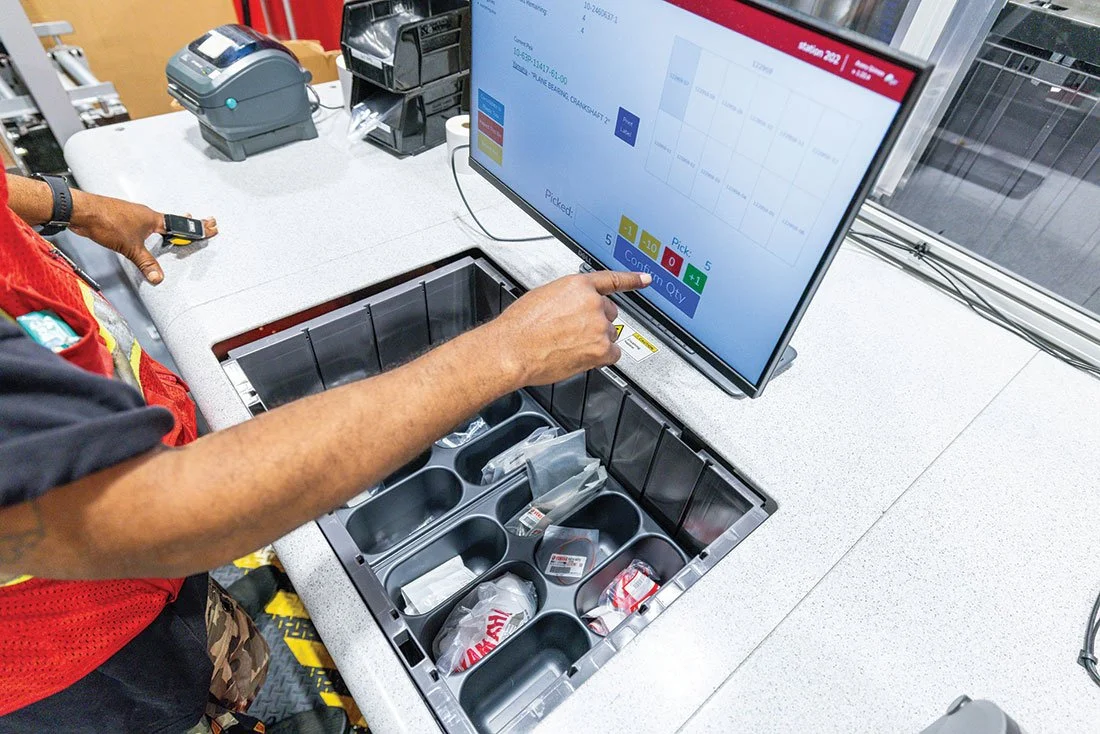
Mercedes-Benz's performance and sports car brand has commissioned a container storage system at its Affalterbach plant to more efficiently supply the production of its V8 engines.

The Canadian medical supply leader has announced a groundbreaking advancement in warehouse operations

DHL Supply Chain is now operating a fully-automated robot picking system at a logistics center in Staufenberg Germany