
The remarkable Kroger–Ocado story continues to generate extraordinary chapters rarely seen in supply chain distribution, automation and robotics—a story that will likely be studied for years.
The American retail institution embarked on a massive project to bring online grocery shopping to millions of Americans through a network of highly automated fulfillment centers. Now, Kroger is absorbing billions in write-downs and related charges as it unwinds part of that network and shifts greater emphasis back to its stores to fulfill online orders.
All this comes as online grocery shopping reaches new heights. According to Brick Meets Click, online purchases accounted for 20.9% of total U.S. grocery spending in the third quarter of 2026. The market Kroger invested so heavily to serve continues to grow—even as the company retreats from part of the robotic infrastructure built to capture it.
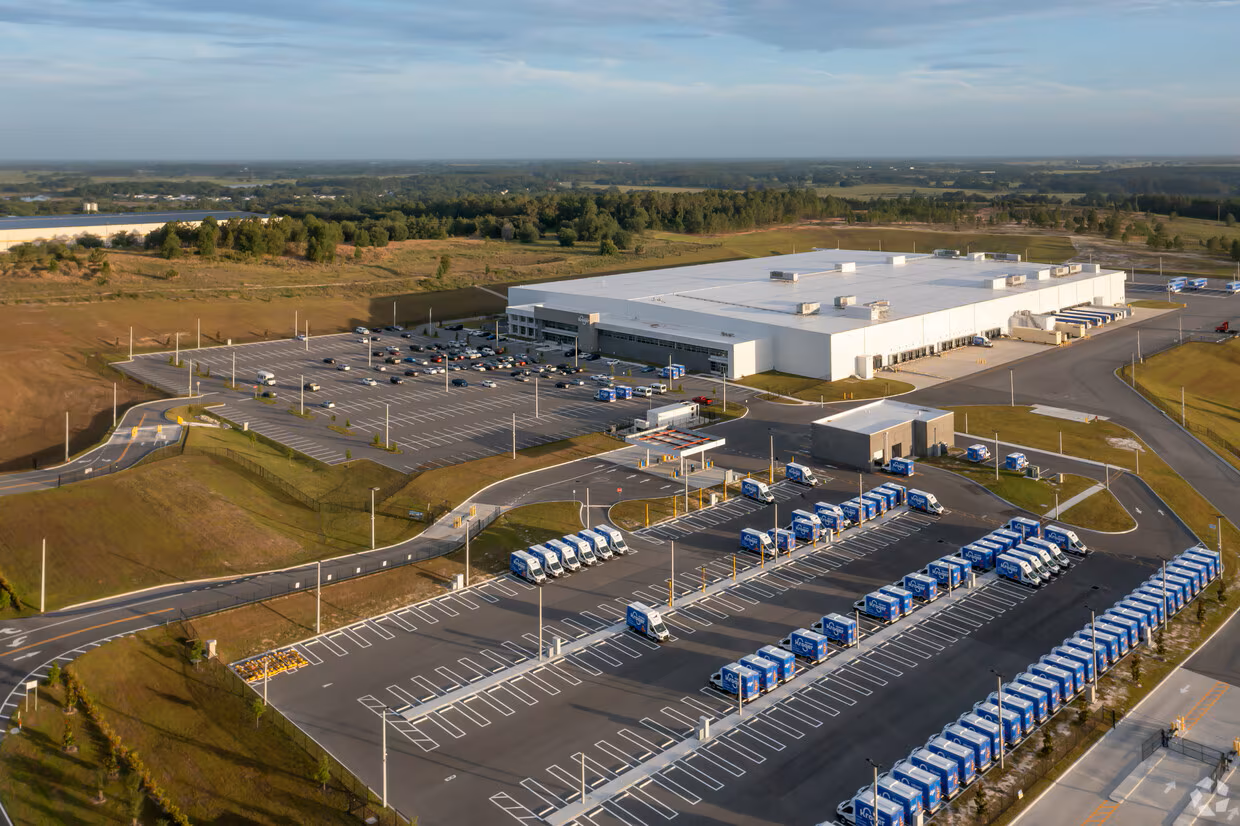
Kroger is selling its former robotic fulfillment center near Orlando, Florida—another chapter in the retreat that left three modern Ocado-powered facilities closed and contributed to approximately $2.5 billion in impairment and related charges across its fulfillment network.
The Groveland operation opened in June 2021 with a model built around robotics, automated storage and home delivery. Less than five years later, Kroger shut it down, having concluded that the facility did not meet its operational or financial expectations.
Yet what no longer worked for Kroger has already attracted another company elsewhere.
Flexport, led by founder and CEO Ryan Petersen, saw an opportunity in Kroger’s former Ocado facility in Pleasant Prairie, Wisconsin, just north of Chicago. That site closed in the same January 2026 shutdown as Groveland.
As covered in Flexport Offering Automated Fulfillment at Former Kroger-Ocado Site, the logistics company has relaunched the operation with more than 386 robots and approximately 250,000 storage bins serving a broader fulfillment business.
The conversion plans called for removing grocery-specific infrastructure while reconfiguring the existing automation. The robotic system that had supported Kroger’s grocery delivery ambitions became the foundation for a different operation.
Now Groveland raises a similar possibility.
Its availability puts another relatively new, purpose-built automated facility back into consideration. But the public sale information leaves a central question unanswered: whether the Ocado robots and associated systems remain onsite and are available for a new operator to acquire and use.
For a company considering a substantial automation investment, that answer could change the conversation—from building a new system to evaluating infrastructure originally developed for one of America’s largest grocery retailers.
Flexport has already taken that route near Chicago. Whether a similar opportunity exists in Florida remains to be established.
Flexport Offering Automated Fulfillment at Former Kroger-Ocado Site
Ryan Petersen, founder and CEO of Flexport, unveils the 2026 Fall Technology Release:
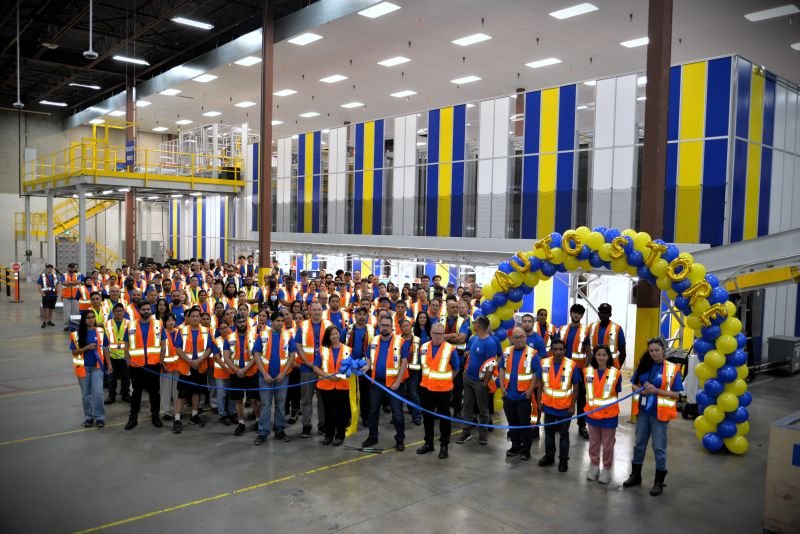
Flexport has launched its first fully automated fulfillment center, taking over the former Kroger-Ocado customer fulfillment center in Pleasant Prairie, Wisconsin, just north of Chicago.
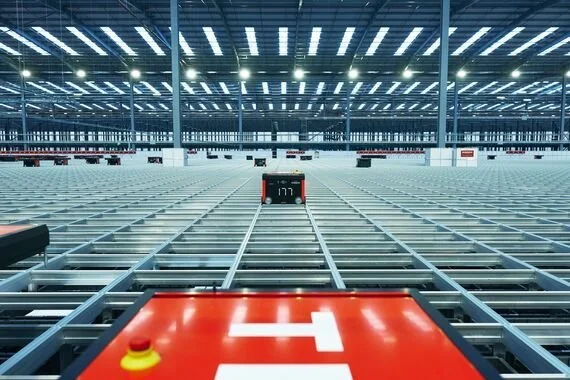
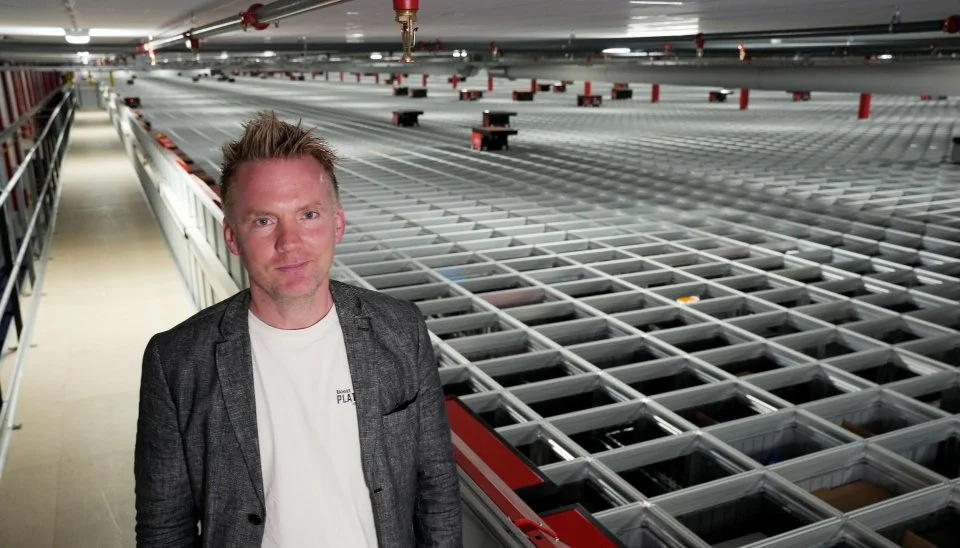
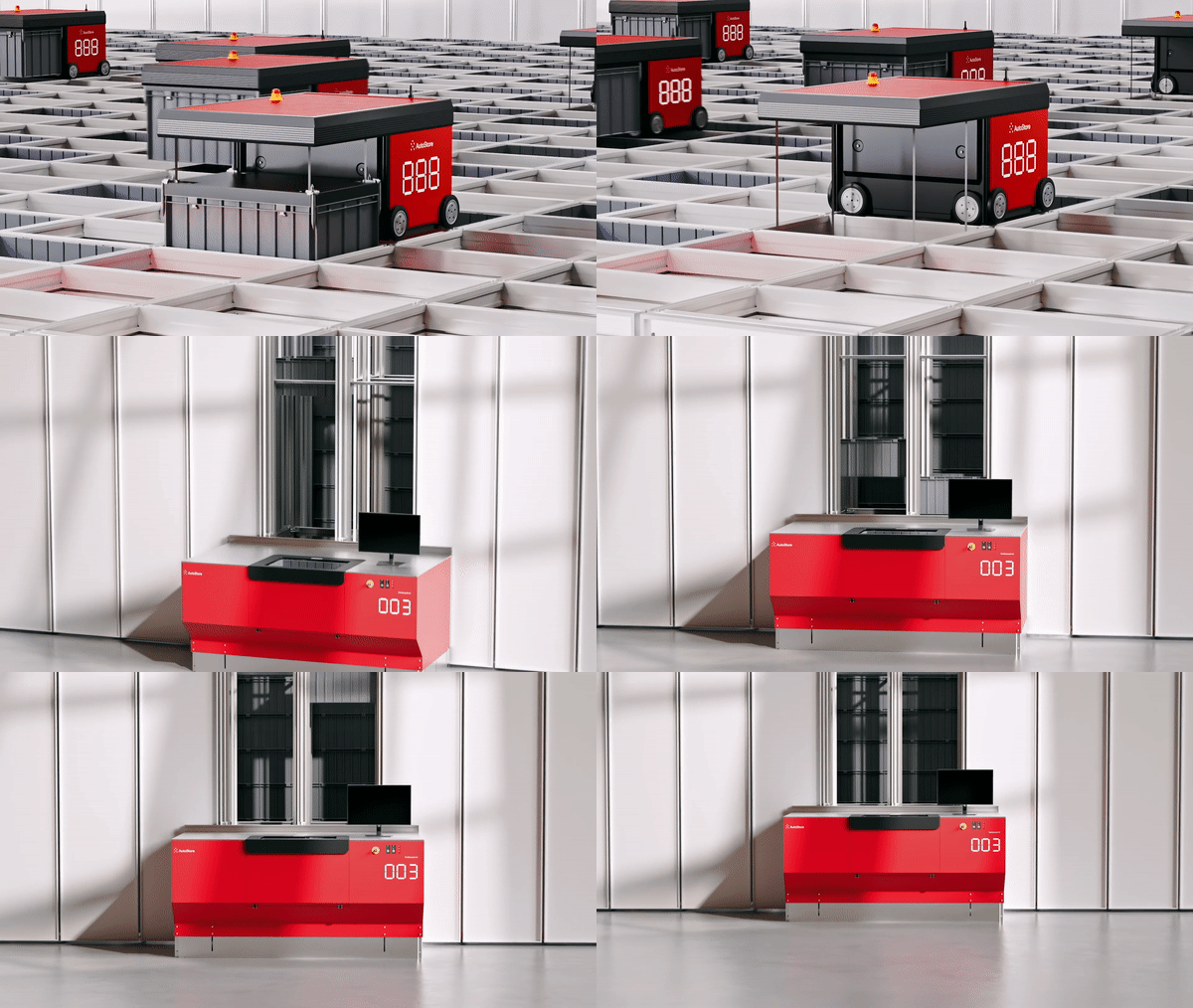
The facility includes approximately 250,000 storage bins and more than 386 robots operating a goods-to-person system. Flexport says the automation doubles efficiency compared with a traditional warehouse while supporting 99.9% order accuracy.
The 336,840-square-foot building originally opened in 2022 as part of Kroger’s ambitious partnership with Ocado to develop a network of highly automated grocery fulfillment centers across the United States.
That strategy changed significantly in November 2025, when Kroger announced that it would close three of its Ocado-powered facilities in Pleasant Prairie, Wisconsin; Frederick, Maryland; and Groveland, Florida. Kroger said the automated fulfillment network had not met its operational or financial expectations.
The Pleasant Prairie facility closed in January 2026.
Only a few months later, Flexport received approval to move into the same building at 9091 88th Avenue and convert it into a broader warehousing, e-commerce fulfillment and distribution operation. The project is expected to create approximately 300 jobs.
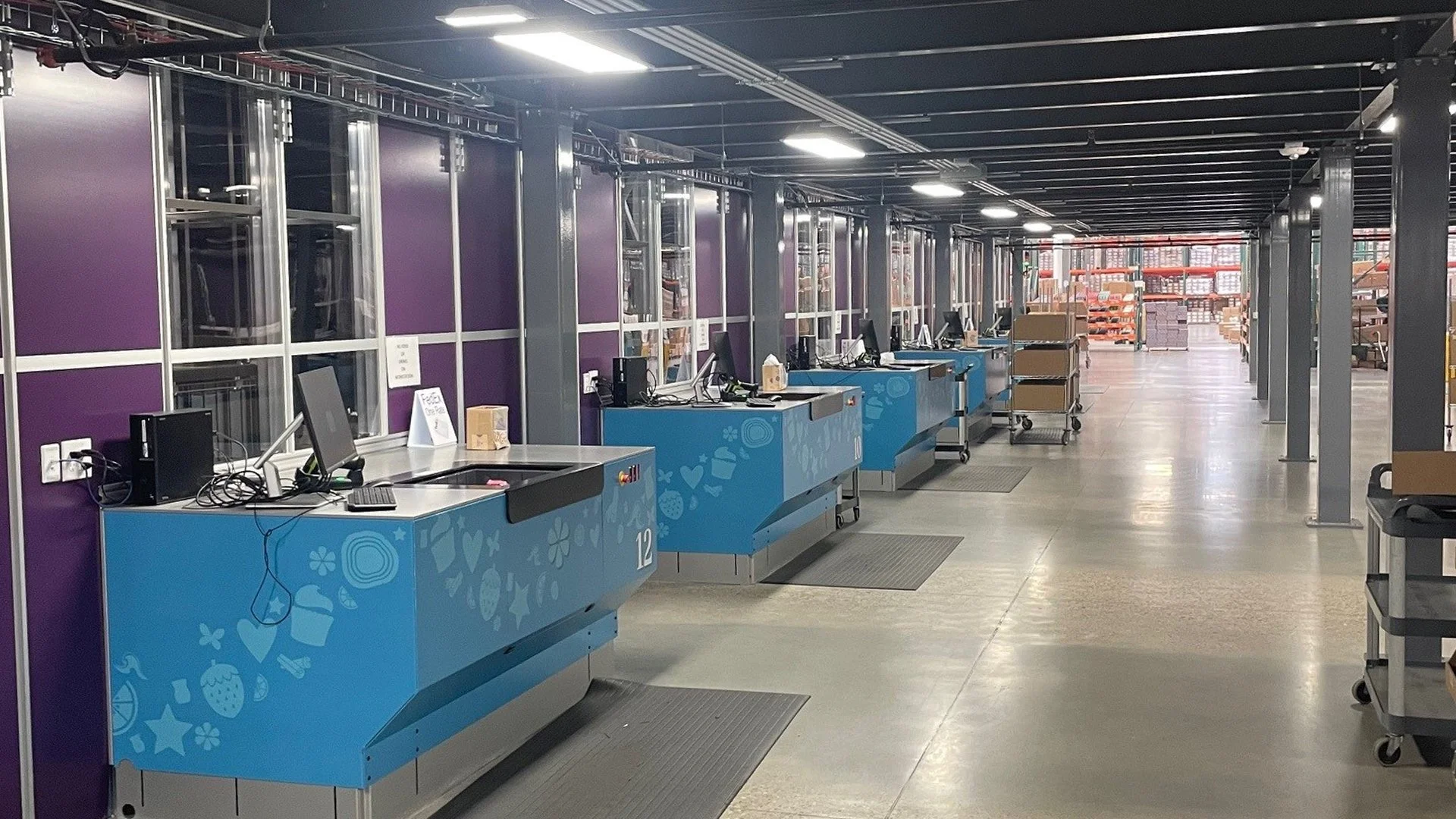
The conversion has required removing infrastructure specifically designed for grocery operations, including the commercial chiller and refrigeration systems, tote-cleaning room and meat-packing areas.
What Flexport has kept is arguably the most valuable part of the facility: the automation.
The existing Ocado system is now being used to support a much broader fulfillment model rather than a dedicated grocery operation. Flexport describes the Pleasant Prairie facility as having more than 386 robots moving inventory from approximately 250,000 storage bins directly to operators.
Flexport founder and CEO Ryan Petersen introduced the facility during the company’s September technology release, describing it as the company’s first move into robotic fulfillment centers and indicating that additional investments in warehouse robotics are expected.
For Ocado, the Pleasant Prairie site has therefore taken an unusual path.
A facility built specifically for one of the largest grocery retailers in the United States, closed less than four years after opening, is now operating again under a completely different fulfillment model — with much of the original robotic infrastructure still in place.

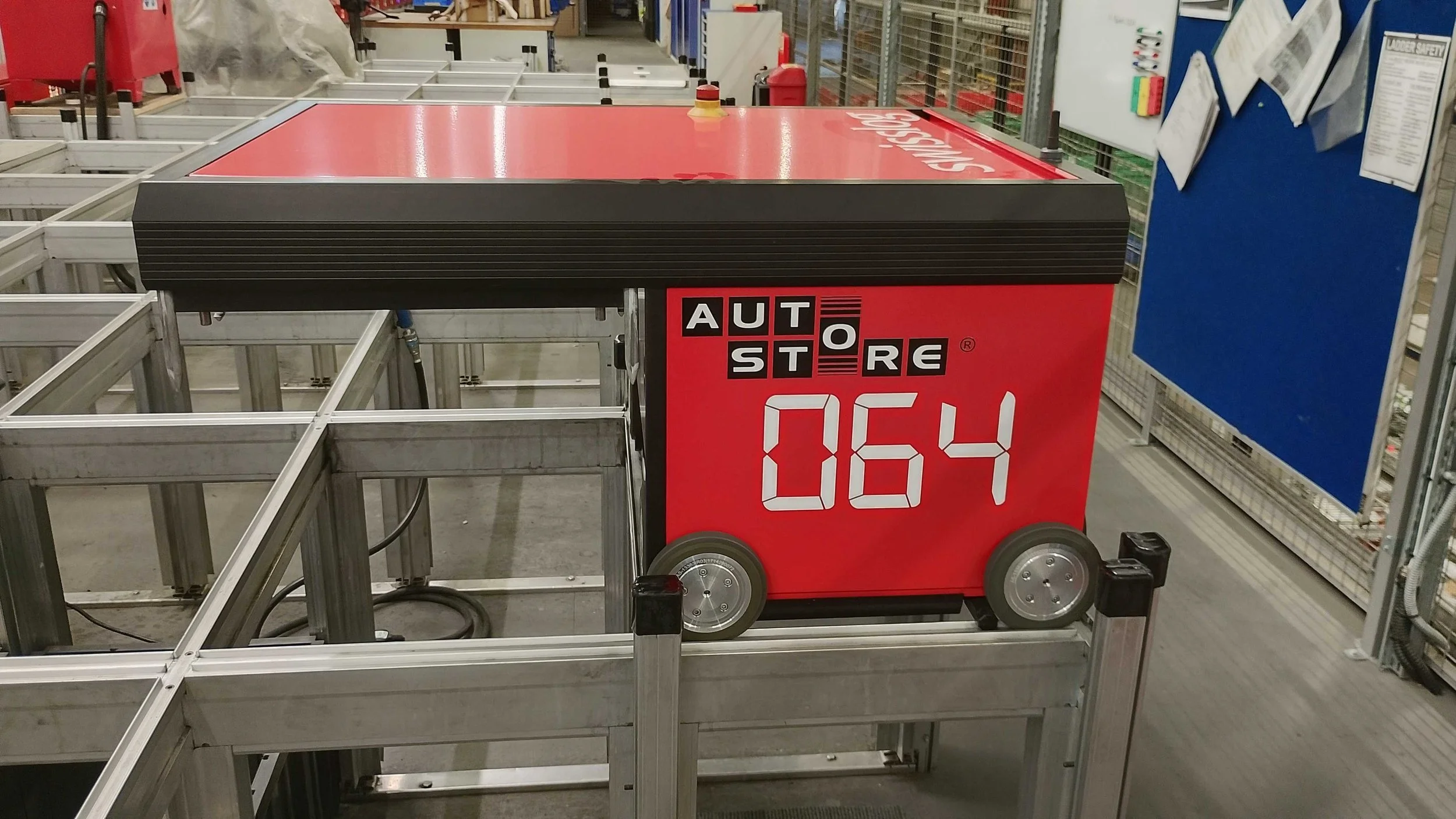
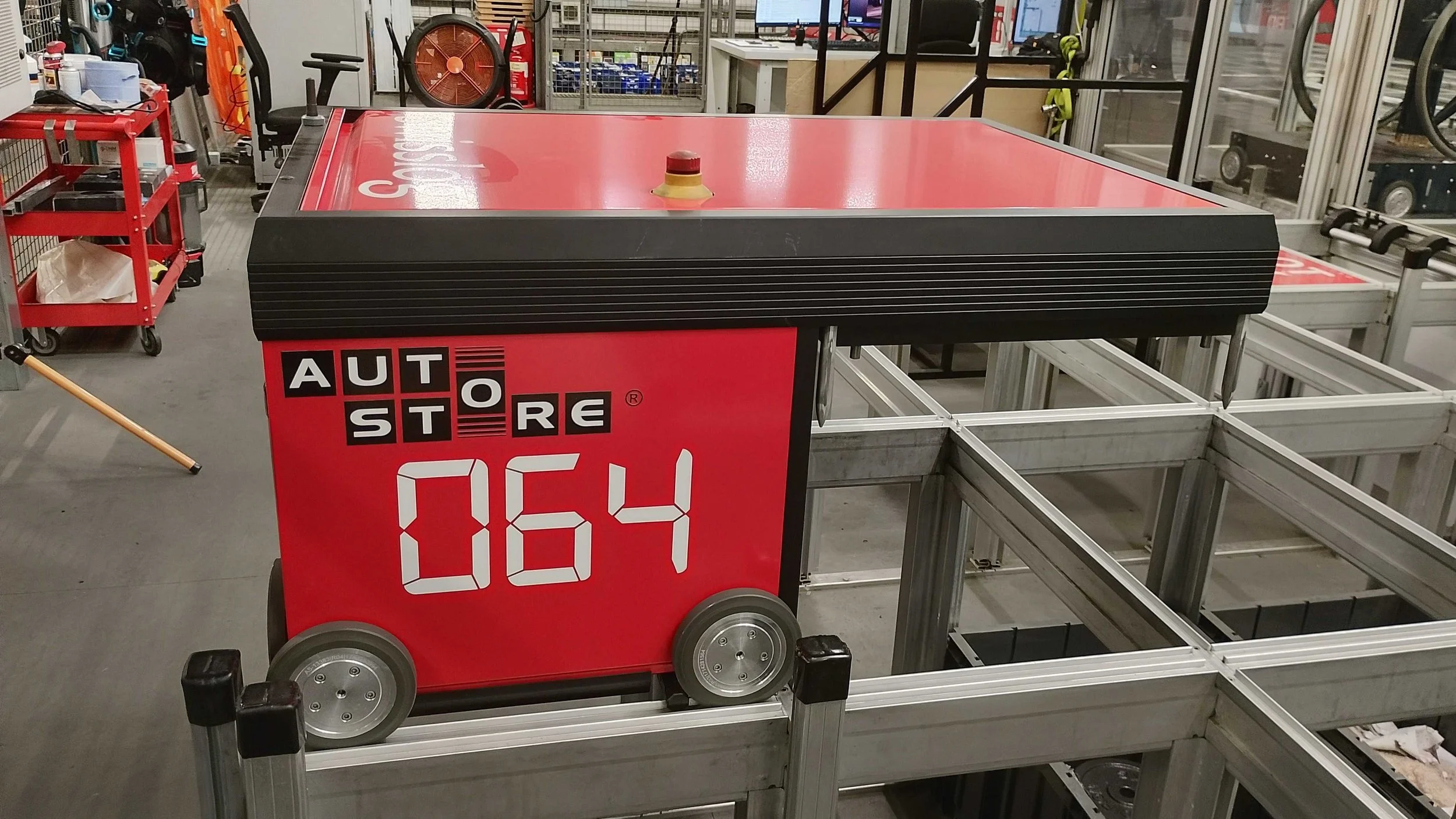
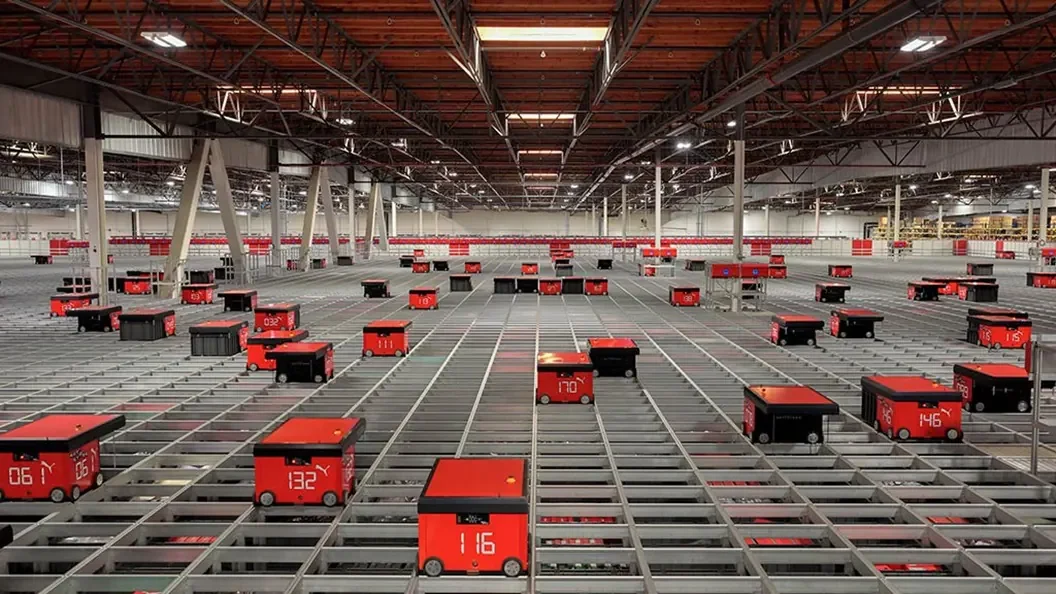
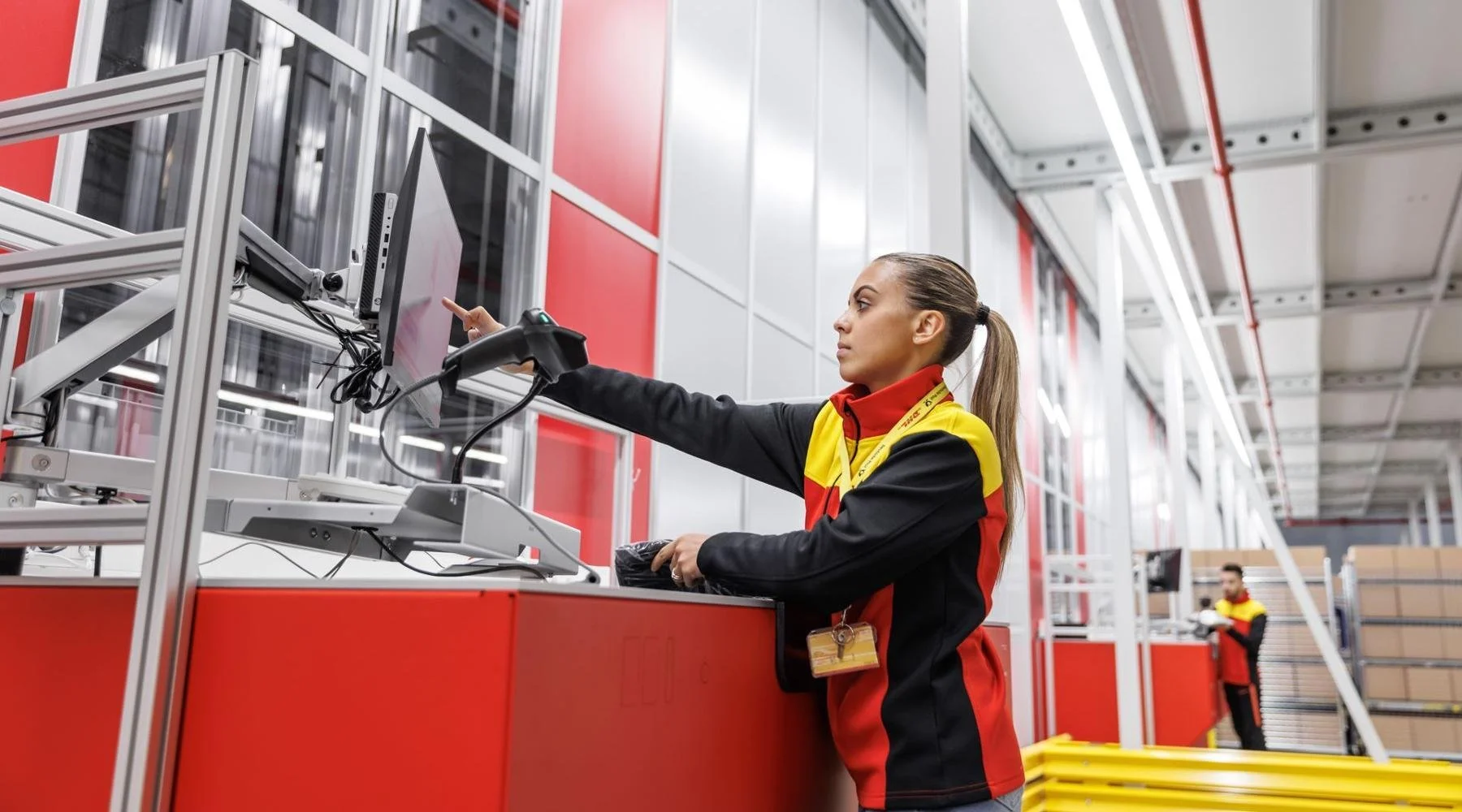
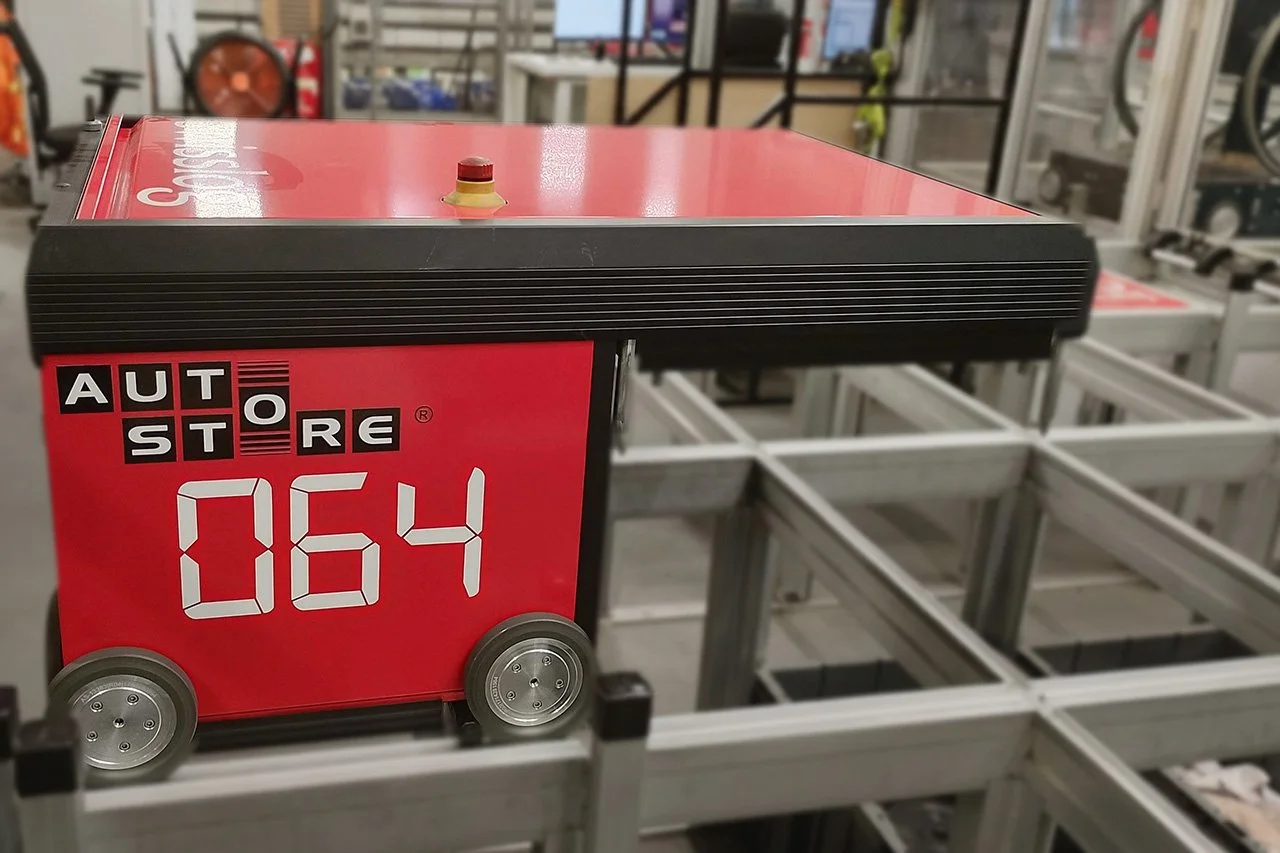
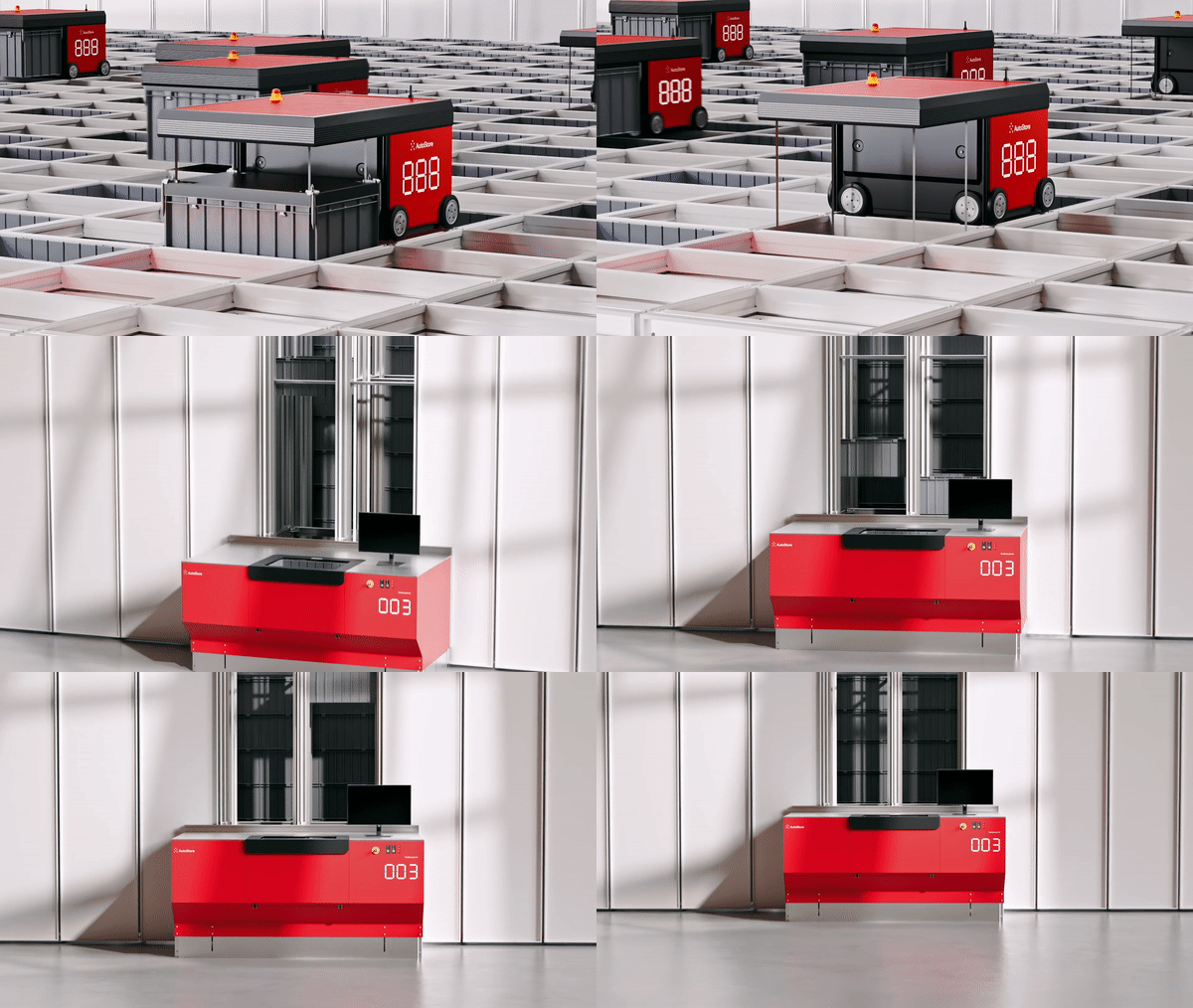
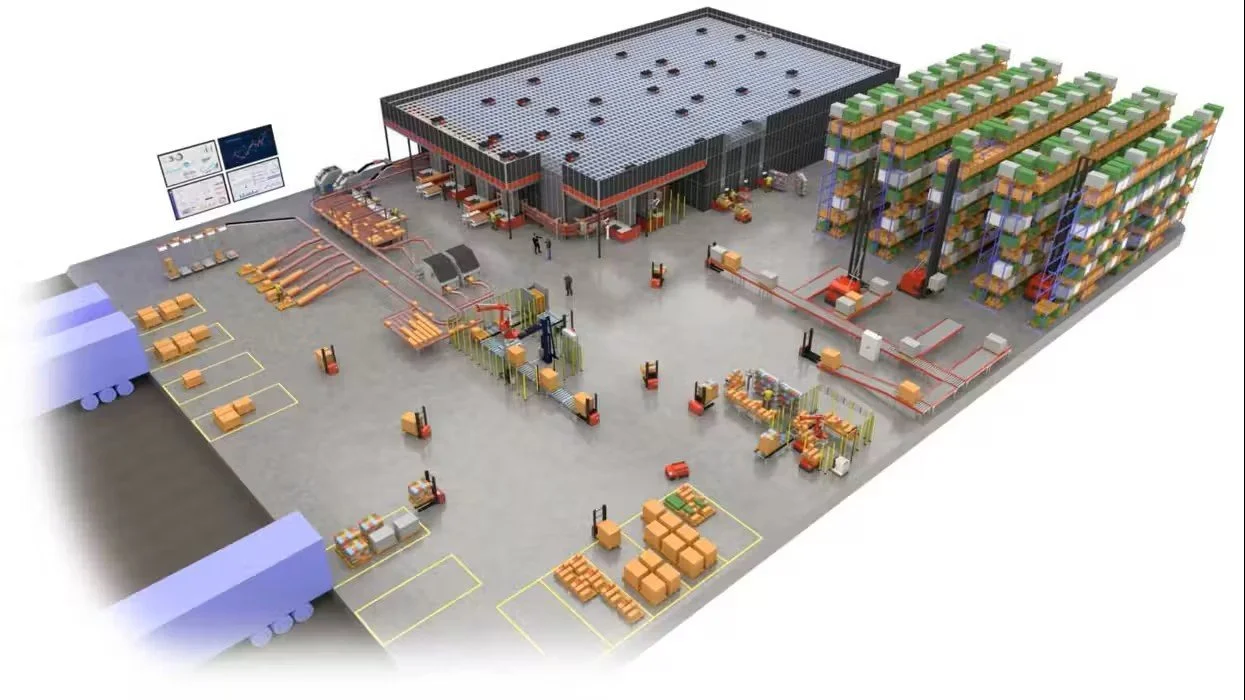
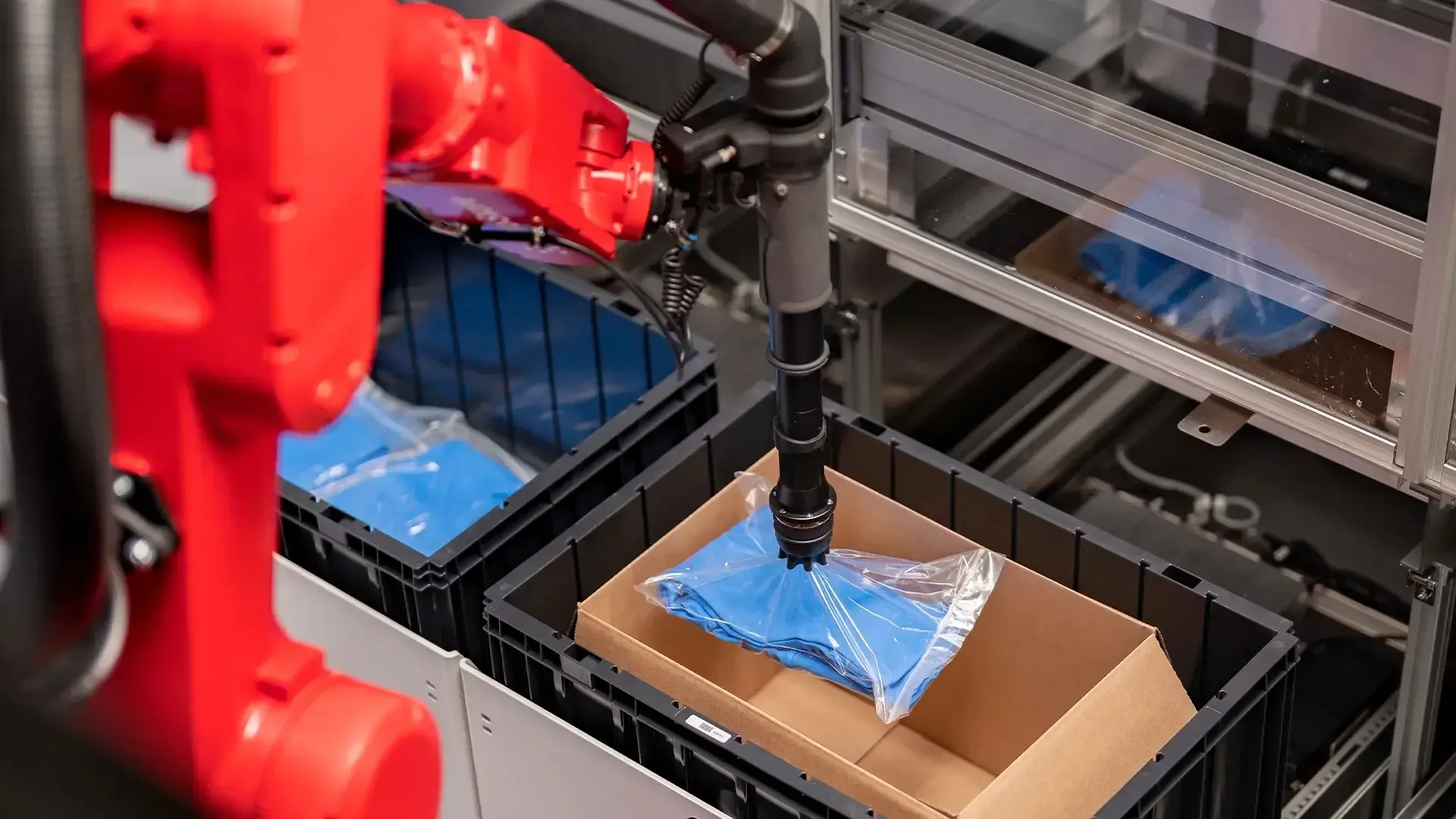
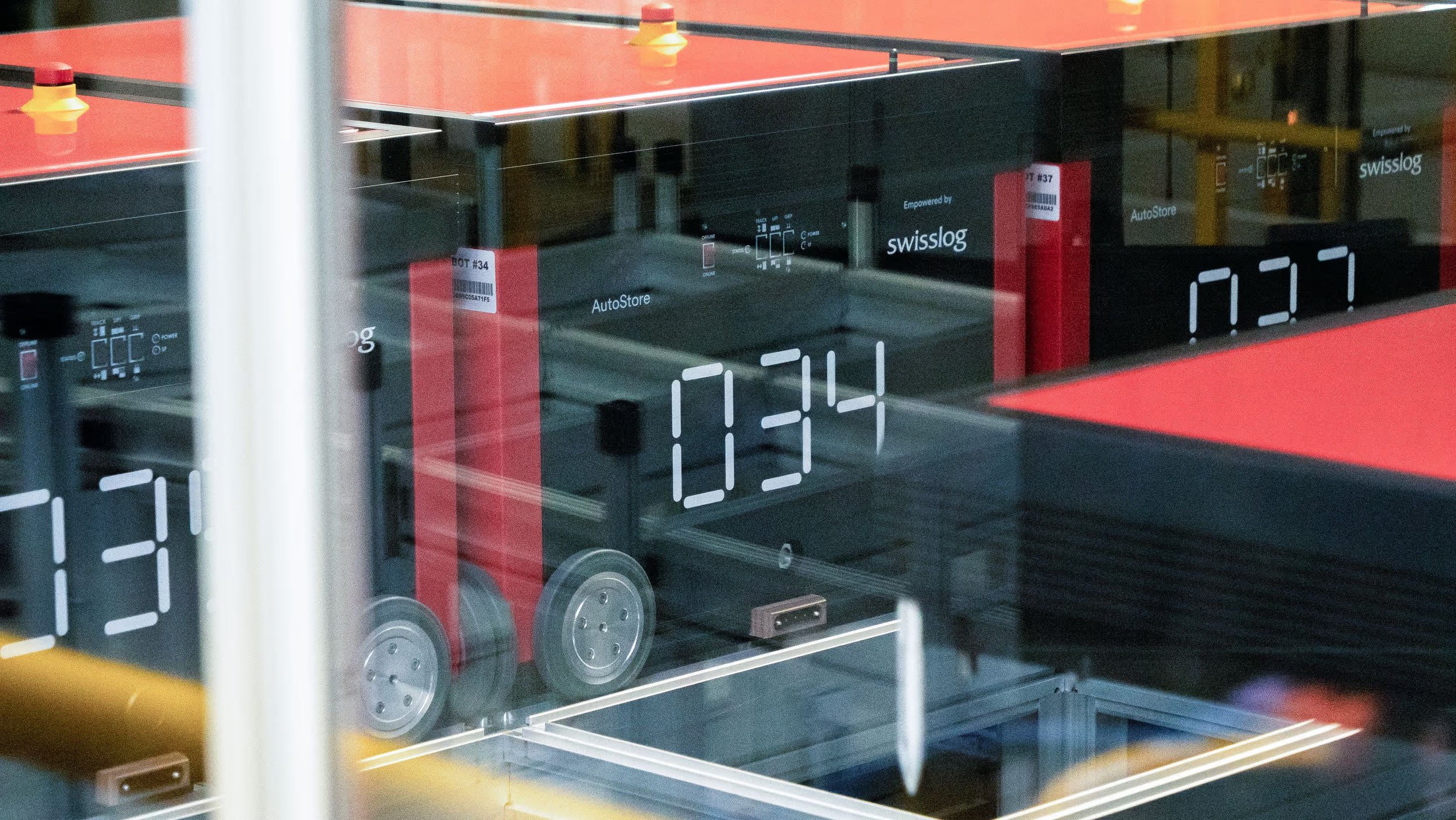
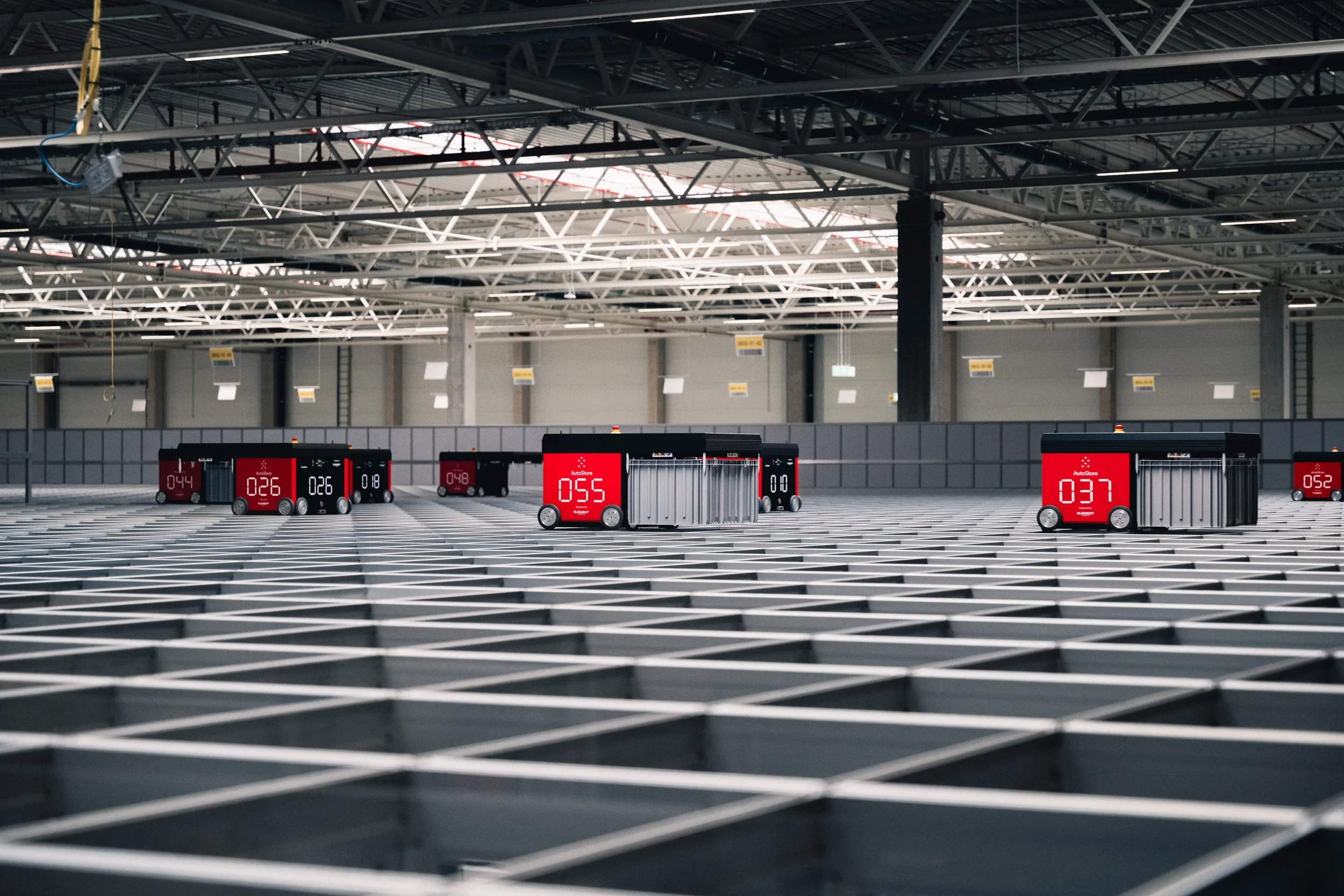
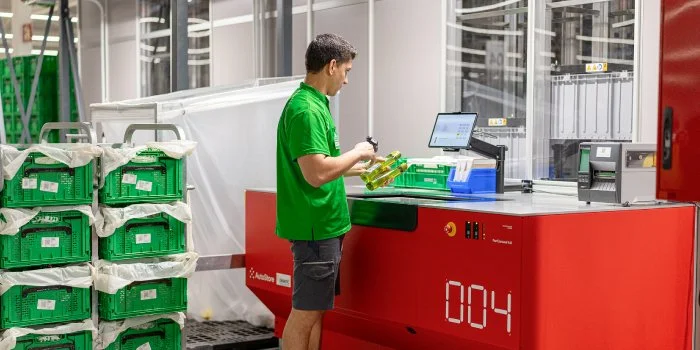
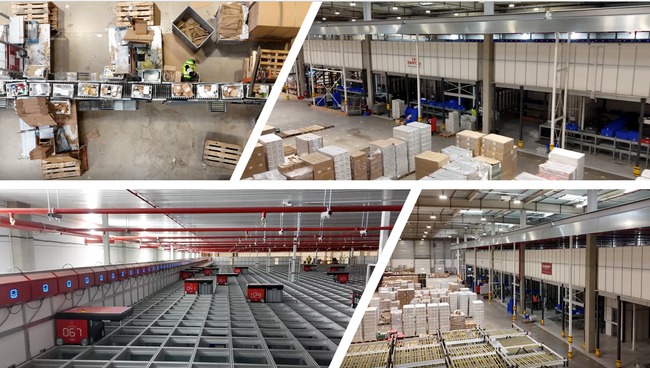


DHL Supply Chain is now operating a fully-automated robot picking system at a logistics center in Staufenberg Germany