

A massive three-level automated warehouse is rising on the outskirts of Istanbul, featuring more than 100 mini-load cranes stacked vertically to achieve exceptional storage density and speed. The high-performance system will handle retail and e-commerce orders and is scheduled to go live in early 2027.
The highly automated fulfillment center—known as the “Tulip Warehouse”—will provide capacity for 2.5 million cartons and serve multiple industries, including apparel, fast-moving consumer goods (FMCG), healthcare, and electronics. Located in Gebze, the new facility will act as a central logistics hub for both B2B and B2C customers, including a major European sporting goods brand.
Three Levels of Automation
What makes this project stand out is its scale and engineering precision:
102 mini-load cranes will operate across three stacked levels, reaching a total height of approximately 130 feet (40 meters).
Nearly 6 miles of conveyor technology—including 2.5 miles dedicated to carton and pallet transport—will connect all areas of the facility.
The system is designed for maximum energy efficiency and continuous throughput across all operations.
Designed for Speed and Reliability
According to İbrahim Buyruk, Executive Board Member of Ekol Logistik,
“This solution enables us to reach a throughput capacity that efficiently serves both our B2B and B2C operations. It represents a significant step forward in supporting our customers’ diverse needs with speed and reliability.”
Automation at Scale
Mini-load crane systems continue to gain traction in modern intralogistics due to their high storage density, modular scalability, and low-maintenance design. The “Tulip Warehouse” exemplifies how automation is evolving beyond single-level systems—achieving higher vertical performance and operational resilience for 3PL providers and their clients.
Company Background
Founded in 1990, Ekol Logistik is one of Turkey’s largest and most diversified third-party logistics (3PL) providers, offering end-to-end supply chain services that include transportation, warehousing, customs brokerage, freight forwarding, and contract logistics. Headquartered in Istanbul, the company operates an extensive national network supported by more than 5,000 employees and over 740,000 m² of warehousing capacity across Turkey and Europe.
Ekol has expanded beyond its domestic market to establish operations in more than a dozen countries across Europe and the Middle East, making it a key regional logistics player at the crossroads between Europe and Asia. The company is known for its intermodal capabilities, combining road, rail, sea, and air freight to offer flexible and sustainable transport options.
In recent years, Ekol has positioned itself as an early adopter of “Logistics 4.0”—a strategy focused on digitalization, data-driven management, and automation. The company has invested in advanced technology platforms such as Ekol 360, which provides centralized control of e-commerce fulfillment and warehouse operations across multiple sites. Its facilities increasingly feature automated storage systems, robotics, and real-time tracking to enhance service reliability and efficiency.
Despite its strong domestic leadership, Ekol has also undergone a period of strategic transformation. In 2024, the Danish transport group DFDS agreed to acquire Ekol’s international transport network to integrate Turkish-European logistics corridors; however, parts of that deal were later renegotiated, and Ekol continues to operate independently within Turkey.
Today, Ekol remains a privately held, innovation-driven logistics provider serving diverse industries including retail, FMCG, healthcare, electronics, and automotive. The company’s new “Tulip Warehouse” project in Gebze represents a major step forward in its long-term automation roadmap—demonstrating how regional 3PLs are embracing high-density, technology-driven fulfillment systems to meet the rising expectations of retail and e-commerce clients.
What is a Mini-Load?
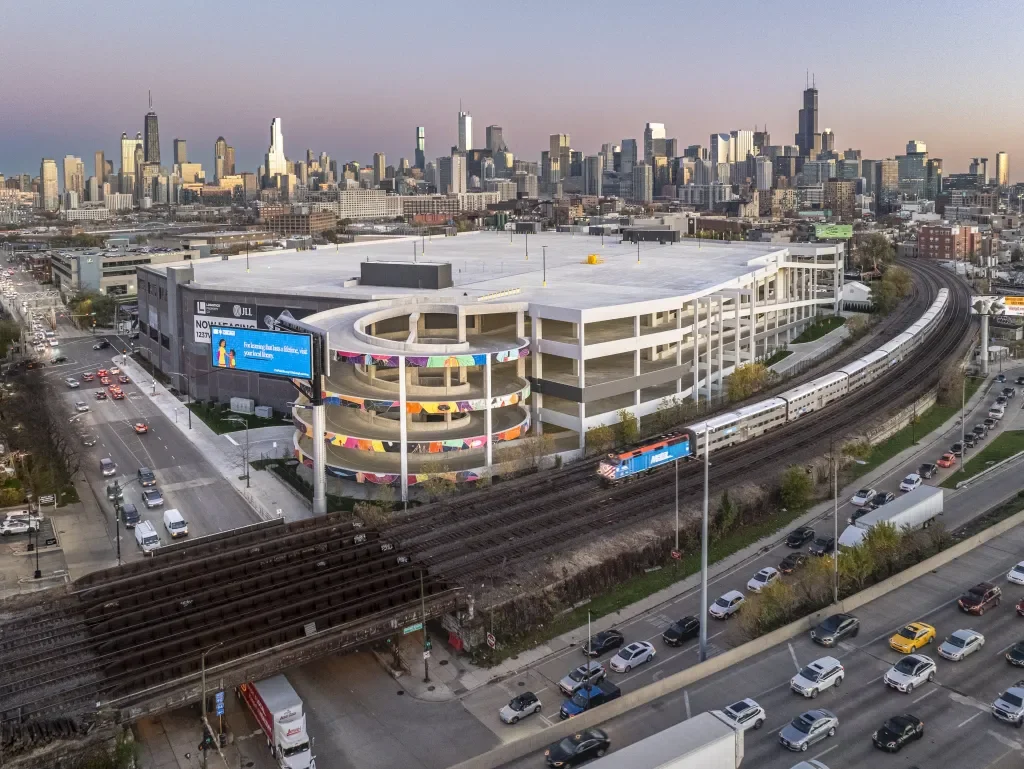
Amazon has purchased a 571,423-square-foot logistics facility in downtown Chicago, for $195 million
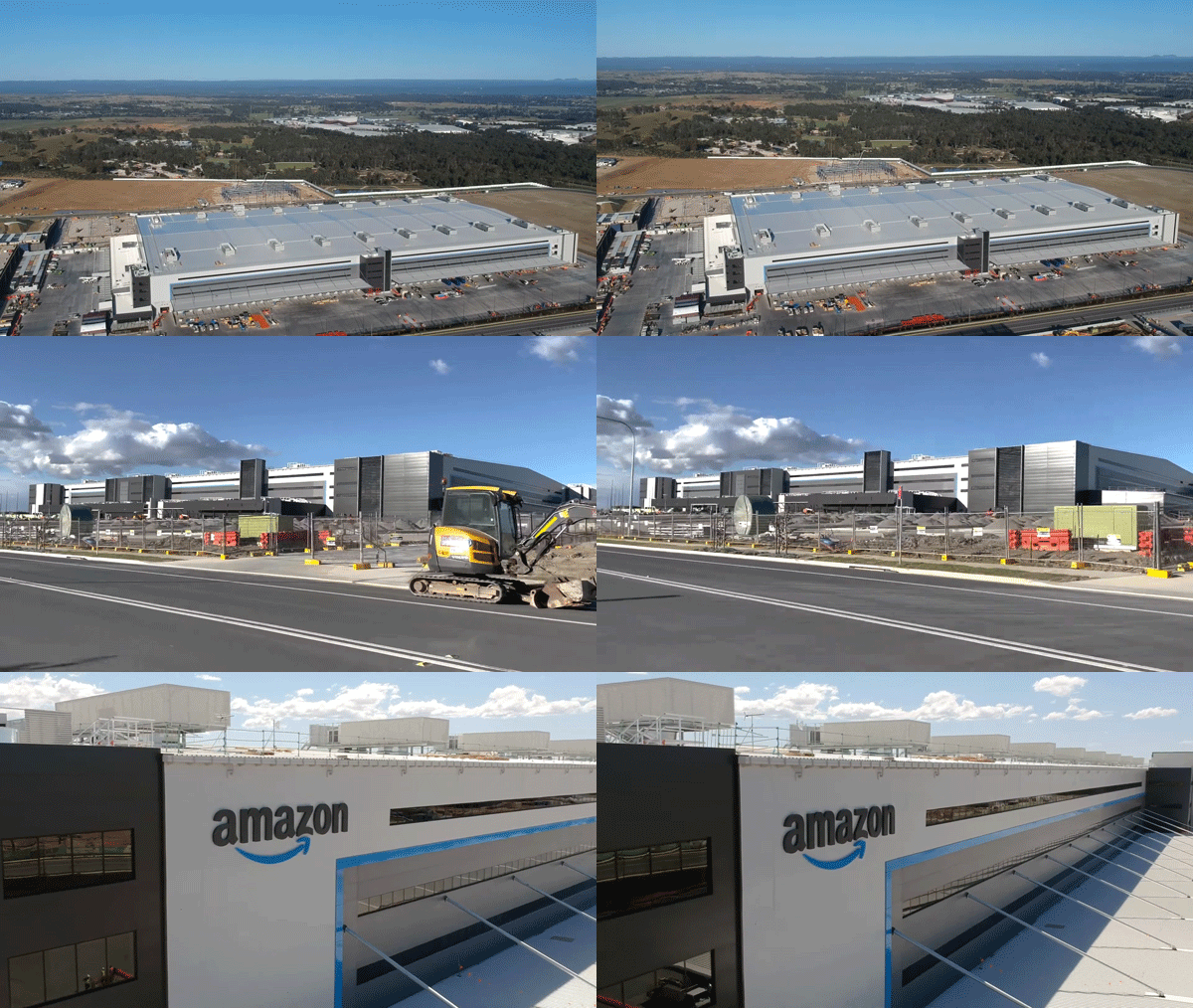
Amazon’s newest 585,000-square-foot building will not be filled with books, televisions, clothing, groceries or millions of other products waiting to be shipped to customers.

Amazon’s Project Tetromino Takes Aim at the Last Mile’s Hardest Automation Problem.
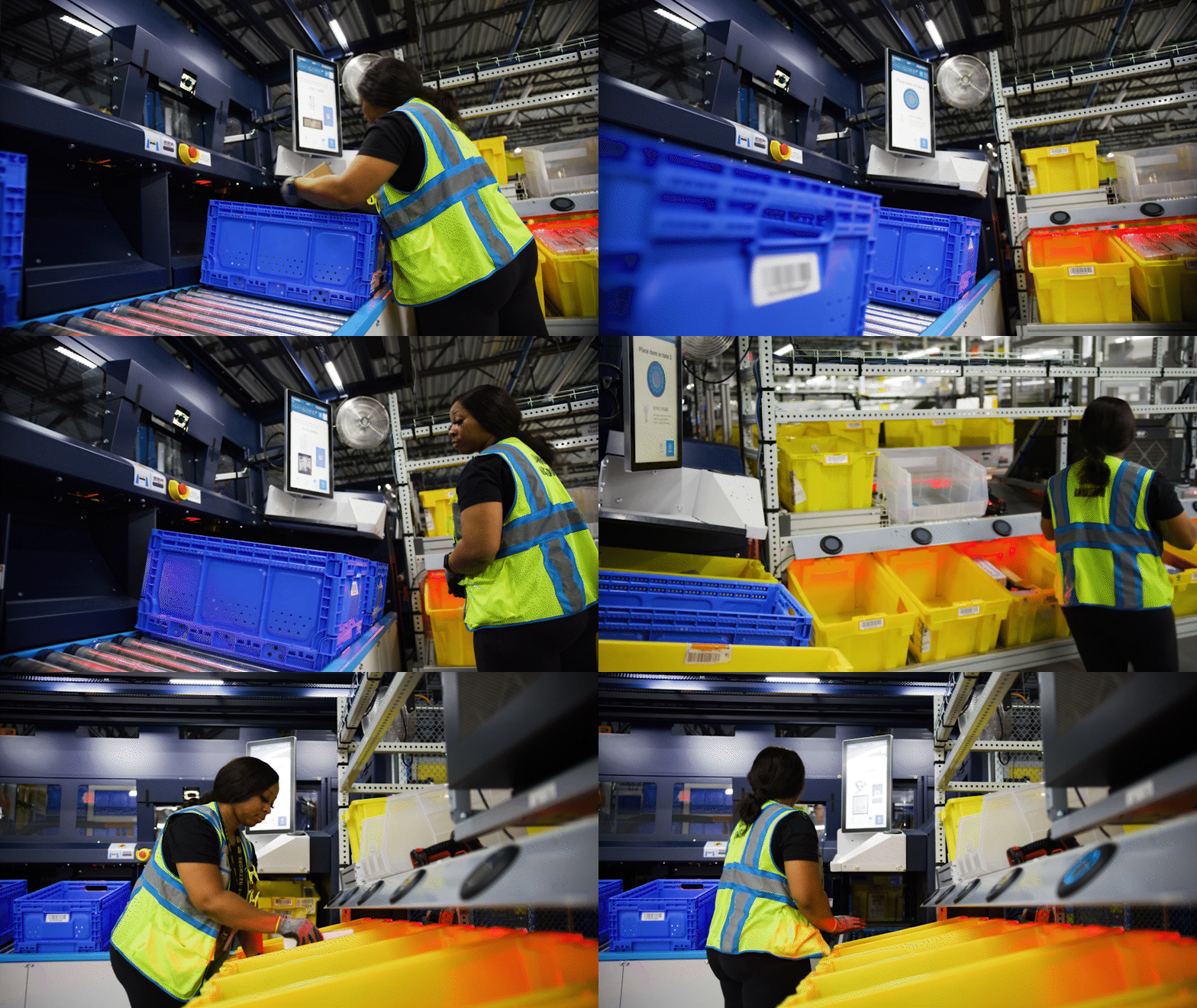
If you’ve ever wanted to see inside one of Amazon’s fulfilment centres, here’s your chance to see how your online shopping cart gets to your doorstep.
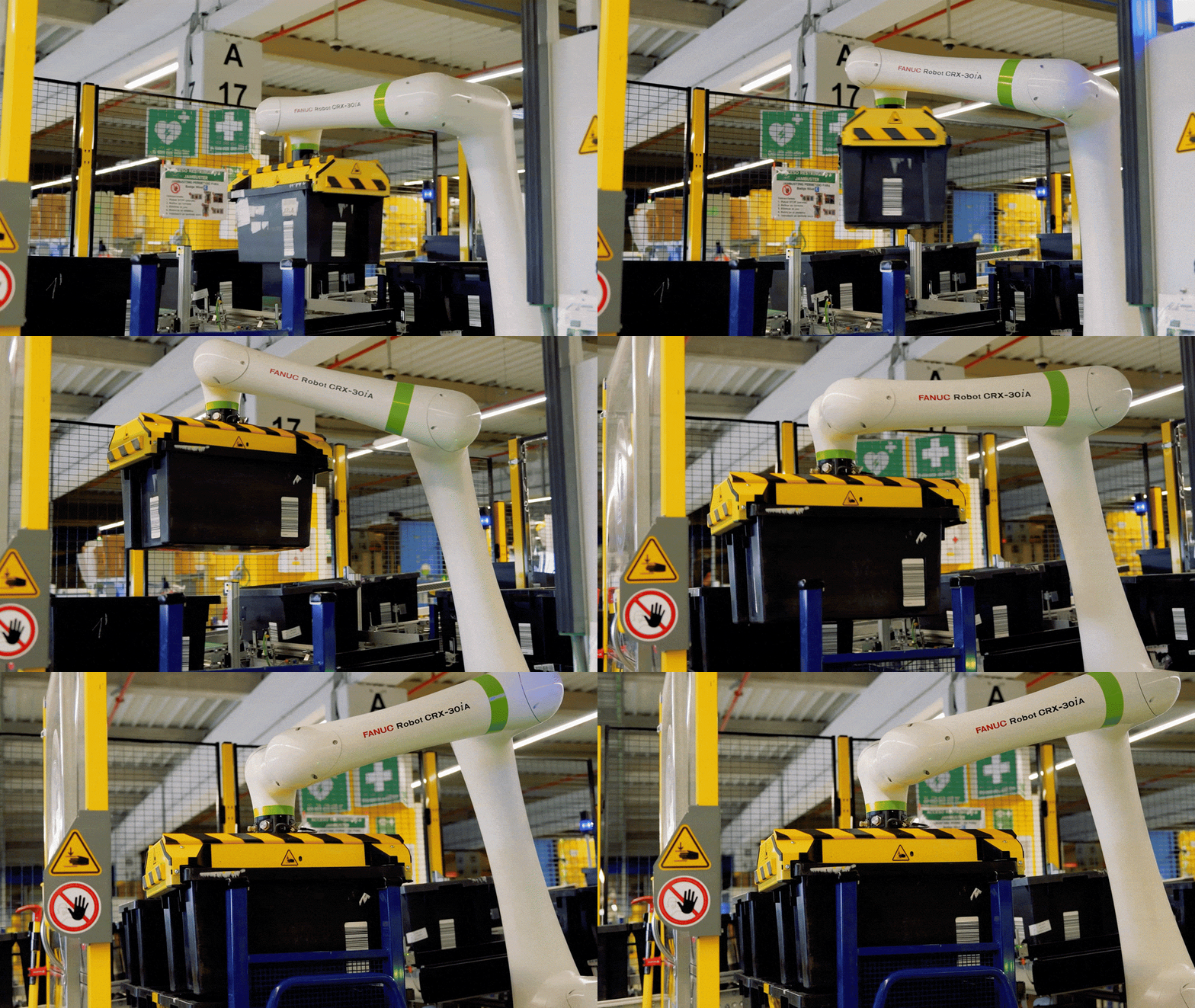
Amazon announced a major €10 billion investment to expand and modernize its European fulfillment network.
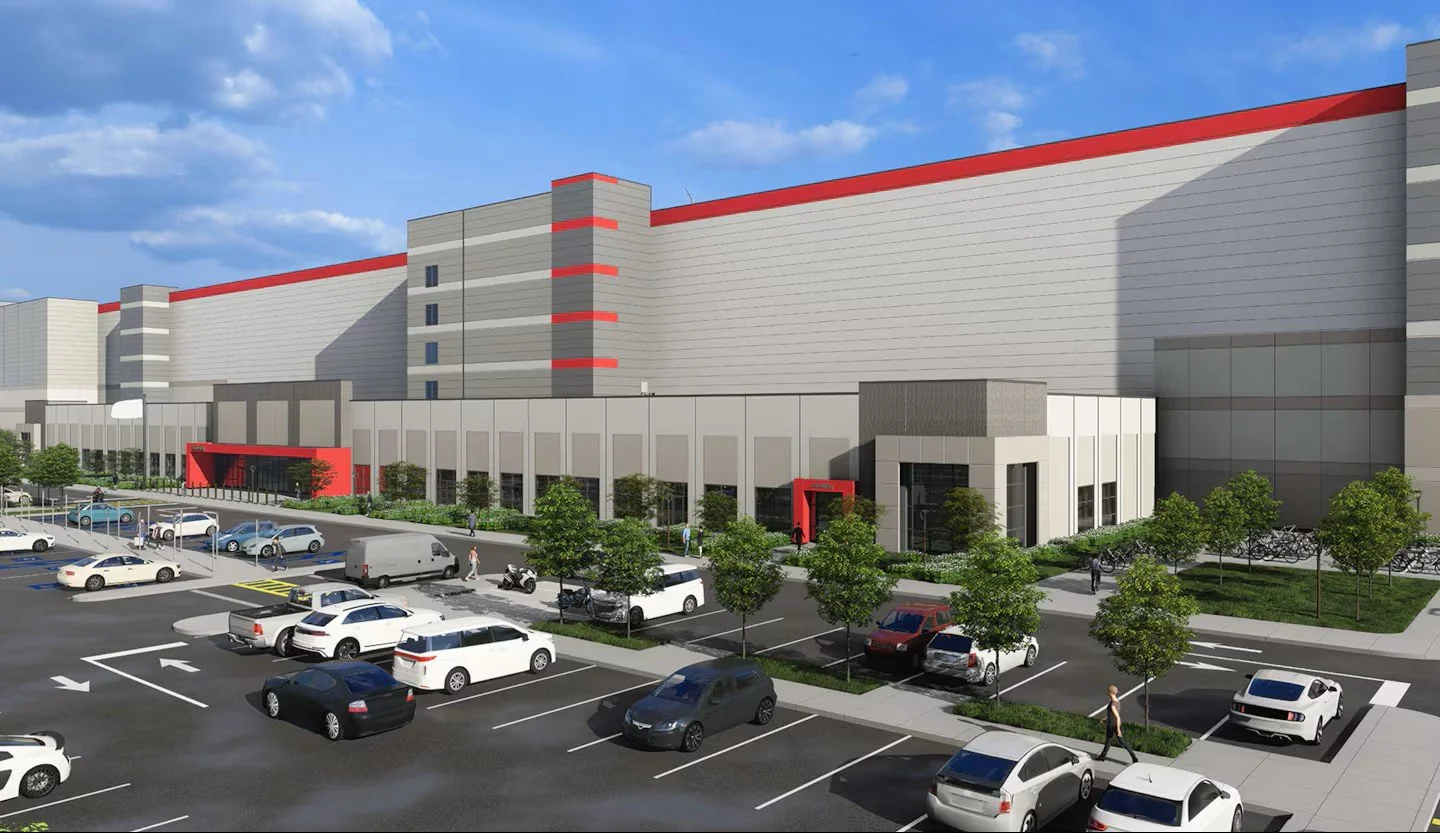
Amazon is dismantling part of its largest facility under construction in Ottawa — a rare move that suggests a shift in how the site is being designed and automated.

Amazon is essentially "franchising" its fulfillment infrastructure to solve the rural density problem.
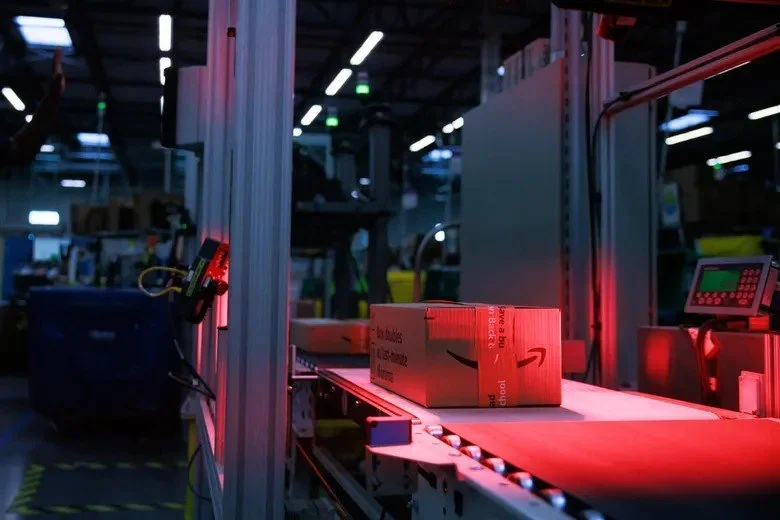
The robots inside Amazon's Kent Fulfillment Center are getting smarter — and the company is pressing forward with new technology.
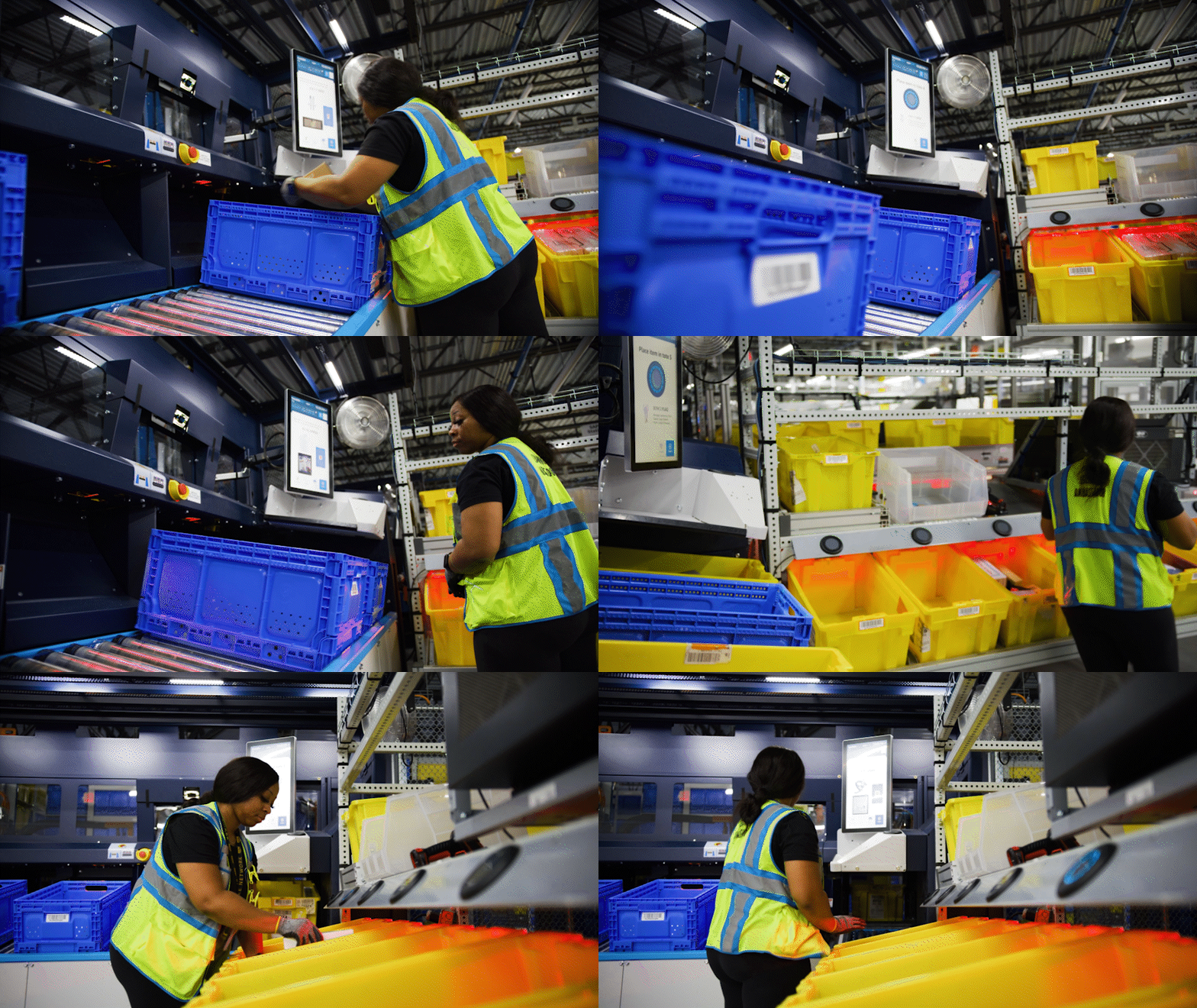
Amazon did not achieve this speed through a single breakthrough technology
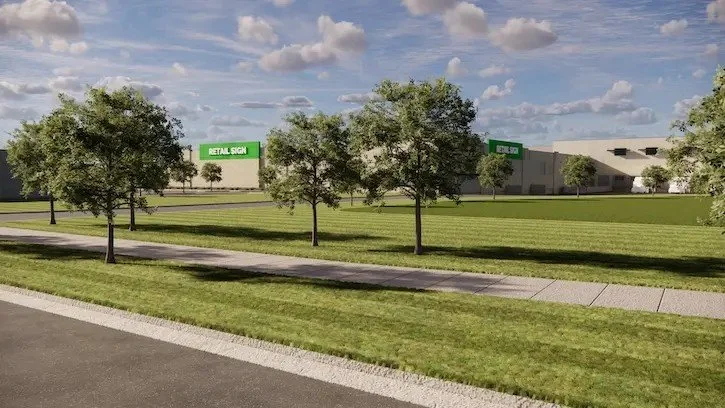
What the Orland Park retail proposal reveals about Amazon’s push into Walmart-scale physical retail

The model is specifically built for single-item, impulse, and urgent purchases, a category with high repeat potential and strong margin dynamics once density is optimized.

Amazon has opened a new kind of warehouse in Elkhart, Indiana — one that challenges nearly every convention in logistics facility design.
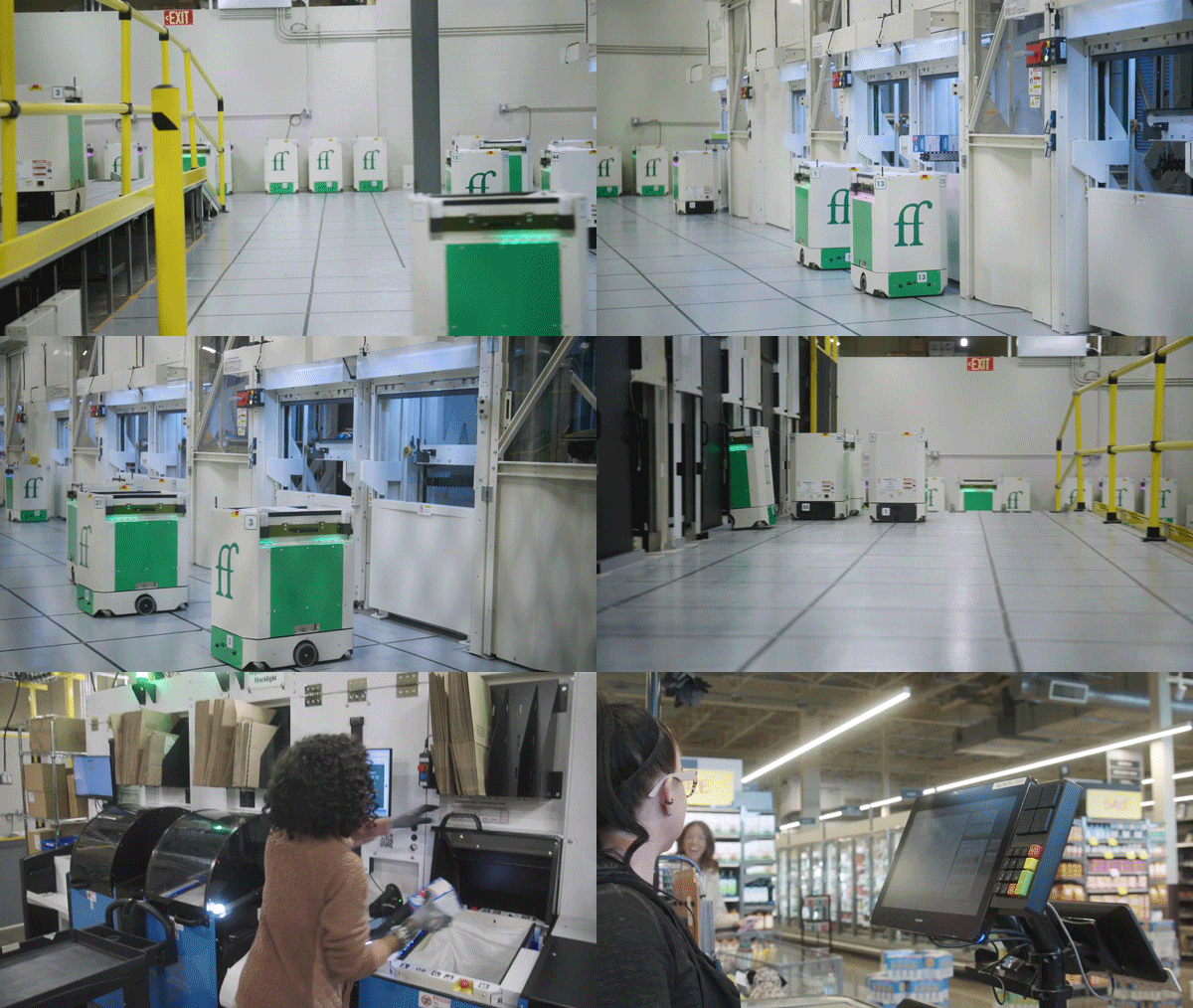
Amazon has built a 10,000-sq-ft automated micro-fulfillment center inside Whole Foods — where customers can scan, order, and pick up items in minutes.

These smaller, high-velocity facilities store frequently purchased products—from fresh food and groceries to personal-care items and small electronics.

Meet Sparrow, Cardinal and Proteus. They’re the robots that, step by step, are replacing human workers in the company’s warehouses.
Amazon Robotics' Chief Technologist discusses his journey to helping the world's largest retailer deploy one million robots.

Amazon’s new smart glasses bring AI and computer vision directly into the delivery workflow.

Amazon is taking steps to address how artificial intelligence and automation is changing its workforce.

It’s built to do something no other Amazon robot has done before — perform multiple tasks at once.

The offer builds on Amazon fulfillment service for merchants on other sales channels, including eBay, Etsy, Temu and TikTok Shop.

Ever wondered how that Amazon package arrives on your doorstep with remarkable speed?
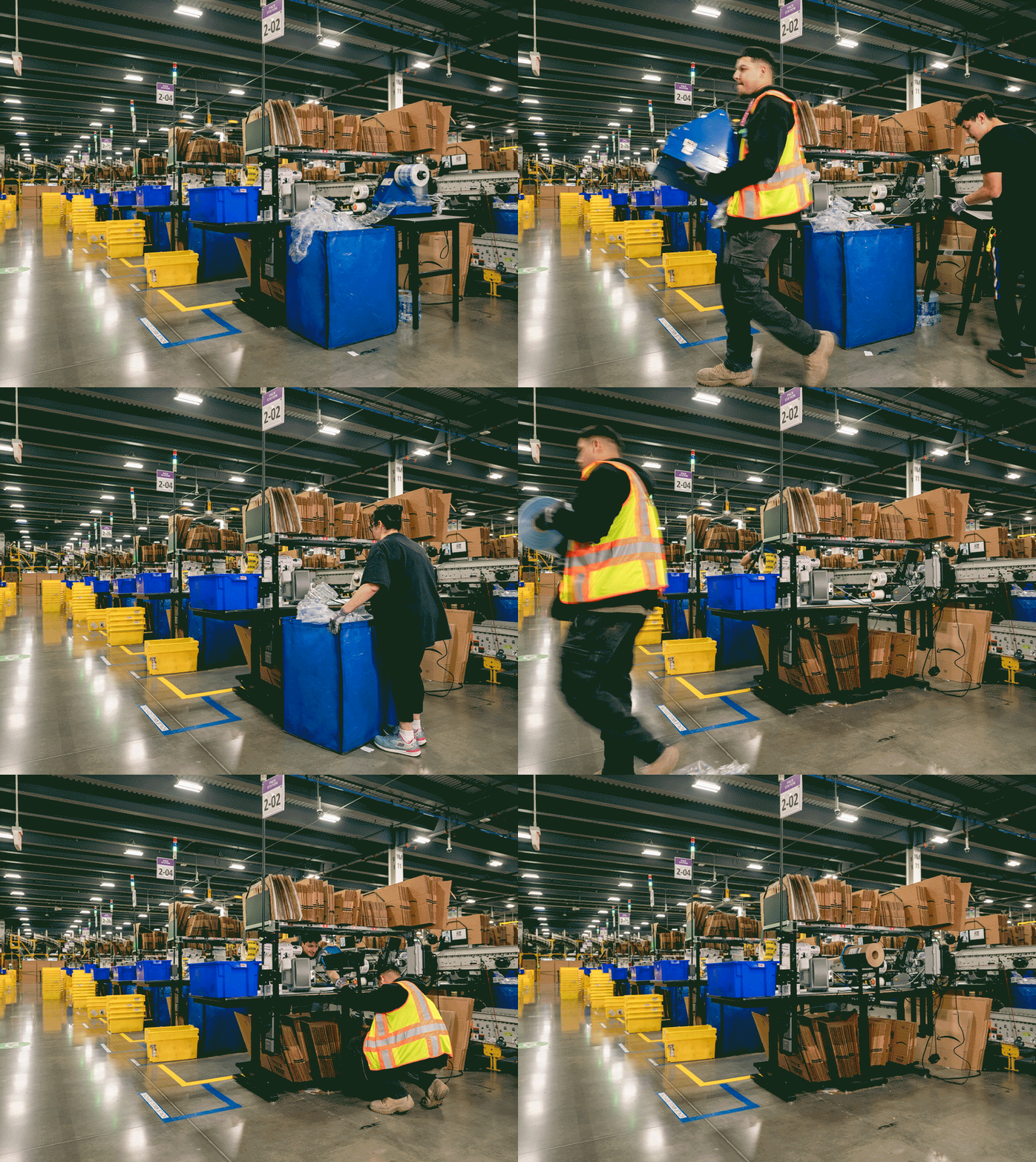
Amazon’s Ohio facility was its first U.S. center to eliminate plastic delivery packaging,

A worker loads a truck for shipment at the Amazon MCO-01 robotic fullfillment center in Orlando.
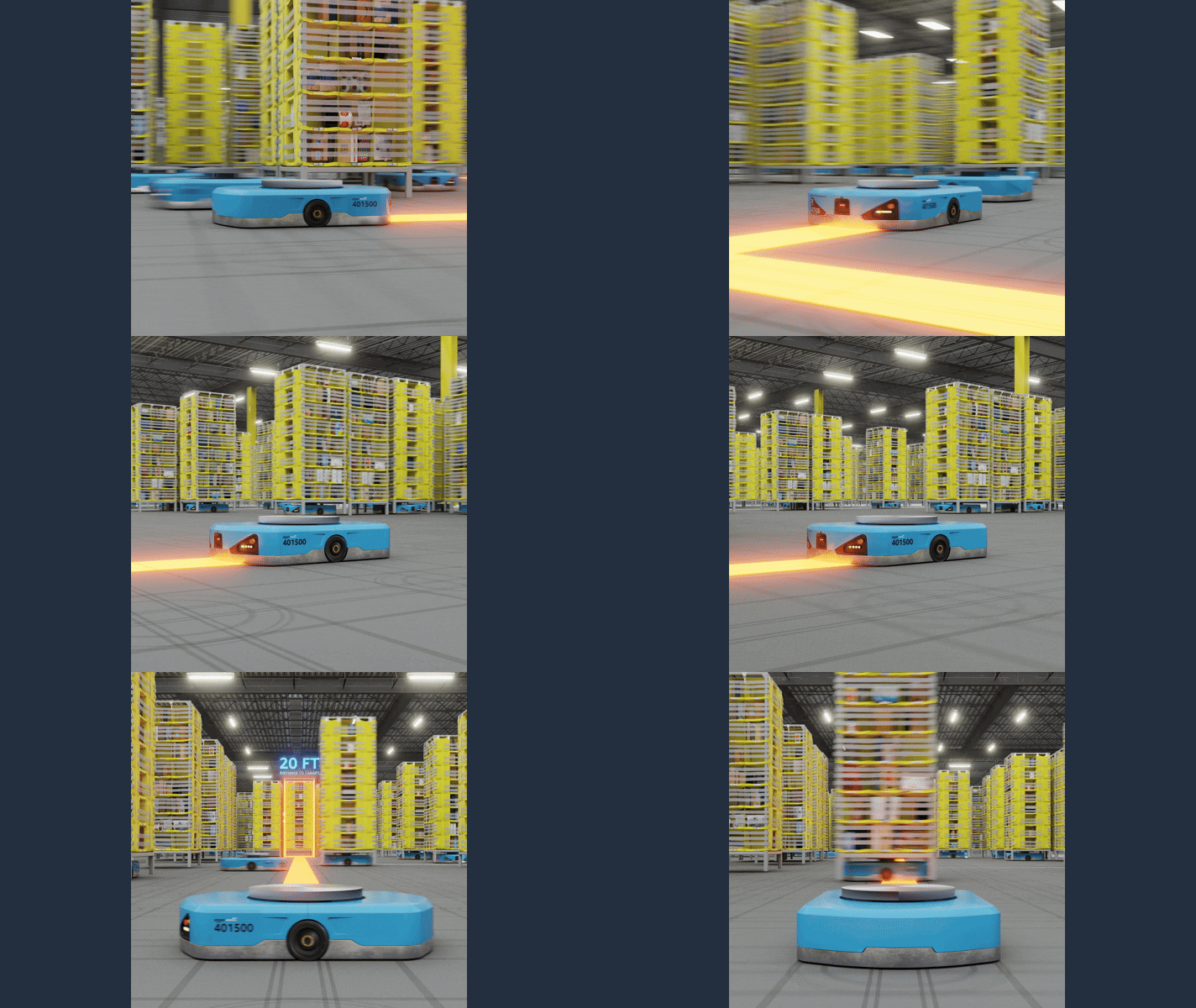
Amazon Robotics Vice President explains how robots are helping Amazon employees deliver on Prime Day.

Amazon UK has announced a national roll-out of its partnership with on demand delivery specialist Gopuff.

But for the right buyer, these assets could offer not just a salvage opportunity—but strategic leverage.

The retailer will soon use custom box-making technology to reduce waste from packaging across Europe.

It’s a testbed for the convergence of agentic AI and dynamic robotics—where hardware and software fuse to reimagine the last mile.

Amazon just announced the expansion of one-hour and three-hour delivery across the U.S.