
Amazon’s Strategic Realignments and Their Impacts in Quebec
Delivery times in Montreal are now far slower than Toronto. Sources say Amazon hasn’t subleased any of its warehouses in Quebec, leaving two million square feet of space unused.
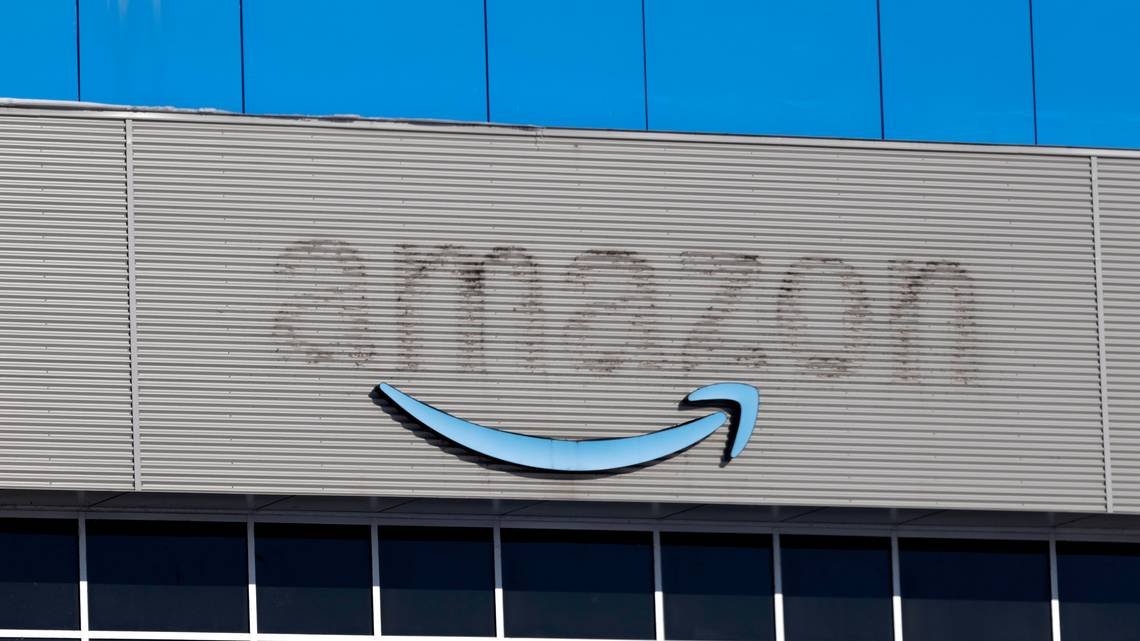
Recent developments reported by Martin Patriquin at The Logic highlight a significant shift in Amazon’s operational strategy in Quebec. This strategic move has led to the mothballing of all Amazon facilities in the province, which has resulted in a noticeable increase in delivery times. This change provides a valuable case study for supply chain executives, illustrating the complex interplay between operational decisions and regional logistics.
Operational Changes in Quebec
Amazon’s decision to mothball its Quebec facilities has left approximately two million square feet of warehouse space unused. The mothballing process involves decommissioning leased facilities as they close, a method that reflects a strategic pivot rather than a temporary adjustment. According to Amazon spokesperson Steve Kelly, this transition is part of a broader plan to optimize the company's logistical operations across Canada.
Impact on Delivery Times
The operational shift has had a tangible impact on delivery times within Quebec. For example, delivery times for Amazon Prime members in Montreal have seen substantial increases. A product that could be delivered the next day in Toronto now takes several days longer in Montreal. This discrepancy highlights a significant shift in Amazon’s service delivery model, from local distribution to a more centralized approach perhaps handled from other provinces.
Real Estate Strategy
Amazon's real estate strategy is an integral part of its operational model. In Quebec, six out of seven Amazon facilities are owned by Broccolini or individuals associated with the construction company, with the seventh owned by Choice Properties Real Estate Investment Trust. These leases, typically 15 years long, reflect a commitment to long-term planning and strategic flexibility. Amazon’s decision not to sublease any of its mothballed facilities suggests a calculated approach to its real estate holdings, possibly retaining these properties for future strategic use despite current non-operation.
Broader Implications for Supply Chain Management
The mothballing of facilities in Quebec is indicative of Amazon’s broader strategy to optimize its operational and logistical frameworks. This decision might reflect a shift towards more centralized or flexible distribution models, potentially influenced by factors such as cost management, labor relations, or technological advancements in logistics.
For supply chain executives, this situation underscores the importance of strategic flexibility and the need to adapt to changing operational landscapes. It also highlights the potential risks and rewards associated with real estate decisions in supply chain management.
Strategic Considerations
While Amazon claims that service levels will remain high, the immediate impact on delivery times suggests challenges in maintaining service quality during transitional periods. The strategic withdrawal from Quebec also raises questions about how companies can balance operational efficiency with customer satisfaction, especially in regions facing unique logistical challenges.
Amazon’s operational realignment in Quebec serves as a compelling case study for supply chain professionals. It highlights the need for agility and strategic planning in corporate strategy, particularly in how geographical and logistical decisions can profoundly affect service quality and efficiency. As companies continue to navigate the complexities of global supply chains, understanding the implications of such strategic decisions becomes crucial for maintaining competitive advantage and ensuring customer satisfaction.
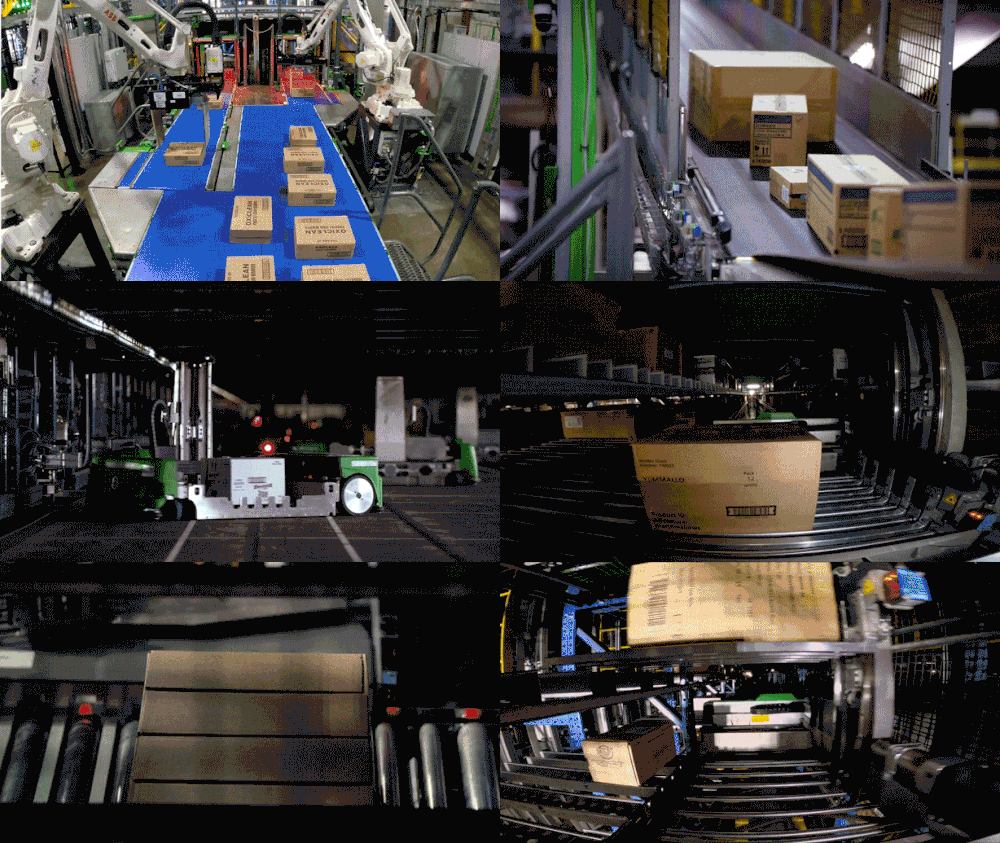
Symbotic became the largest warehouse automation vendor in the Americas by market share in 2025, overtaking several established providers

Pattison Food Group Modernizes Langley Distribution Centre with Advanced Grocery Automation.
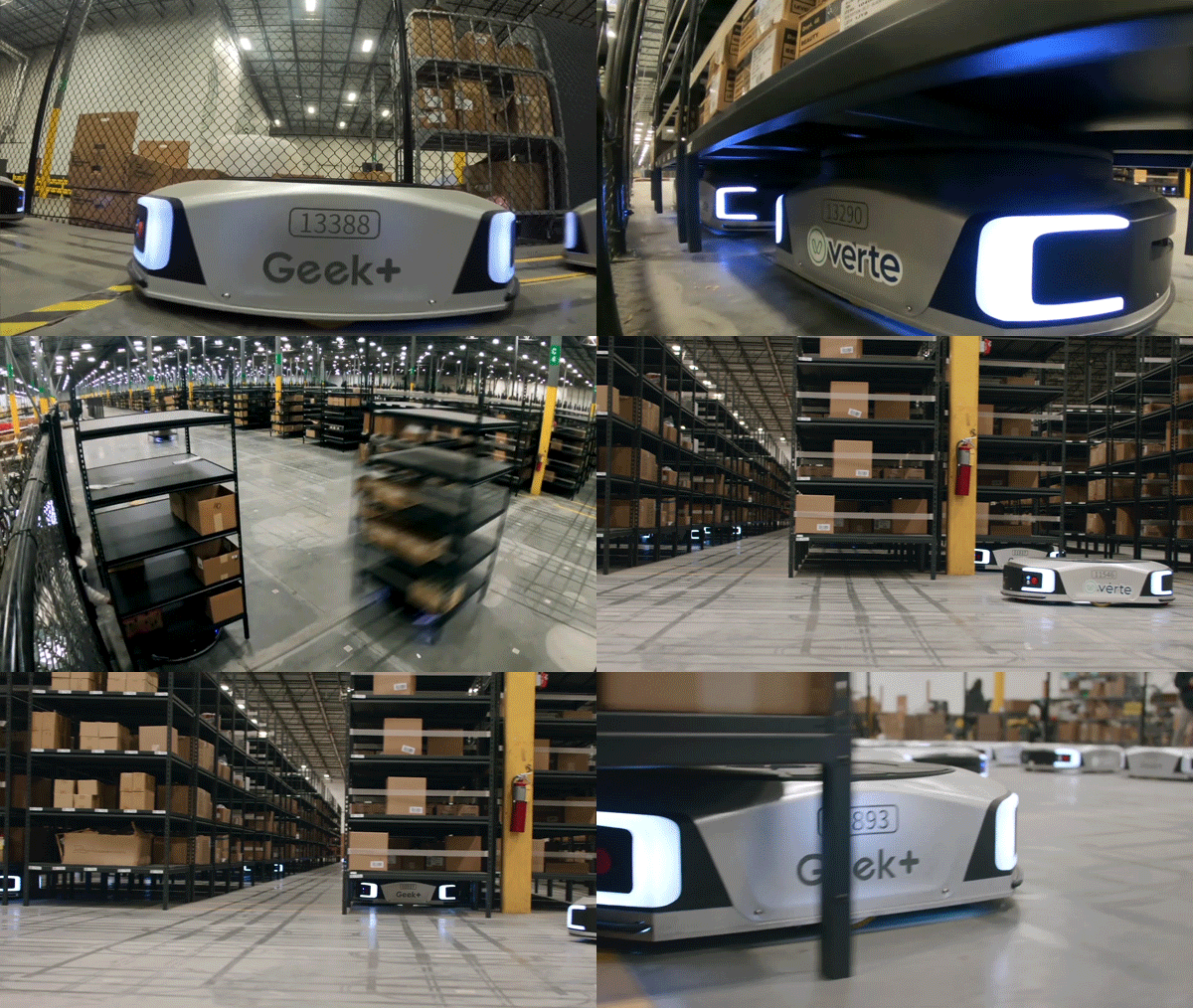
As part of an ongoing warehouse automation modernization project, a fleet of pre-owned ASRS robots is available for purchase.
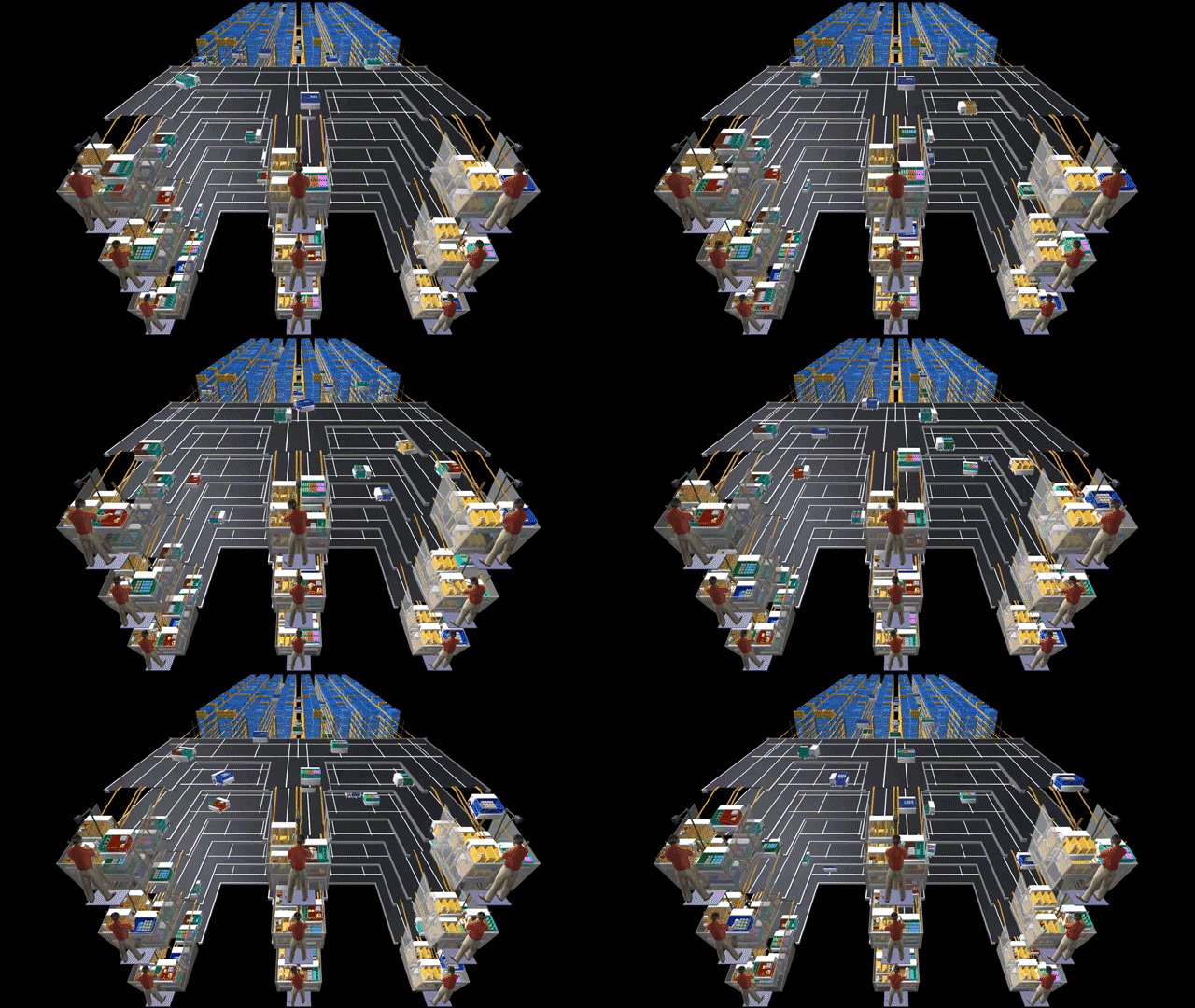
Symbotic’s new SymMicro system begins its first in-store installation, with the potential to expand to 400 Walmart locations.
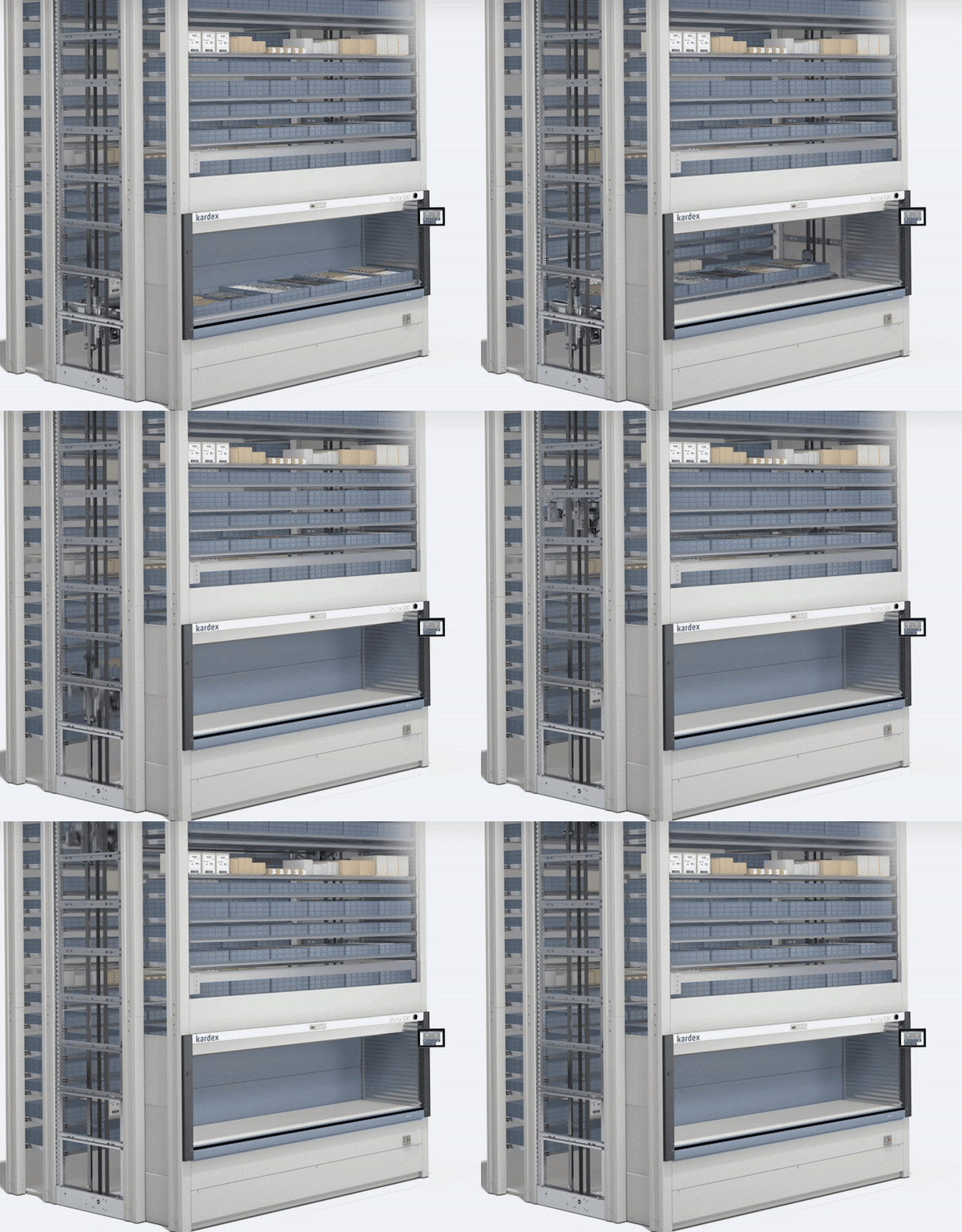
Two brand-new Kardex Shuttle XP 500 vertical lift modules are available for immediate delivery.
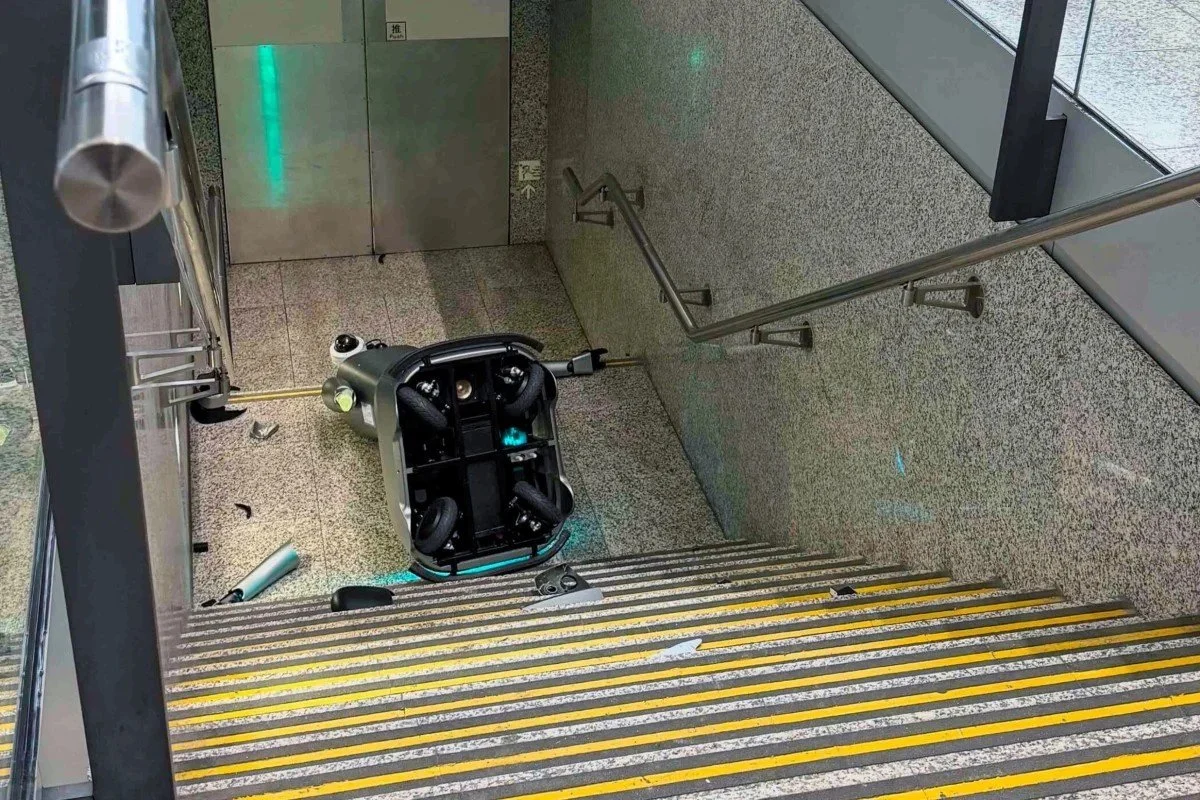
A robot accident at Hong Kong International Airport offers an important lesson about mobile robot safety
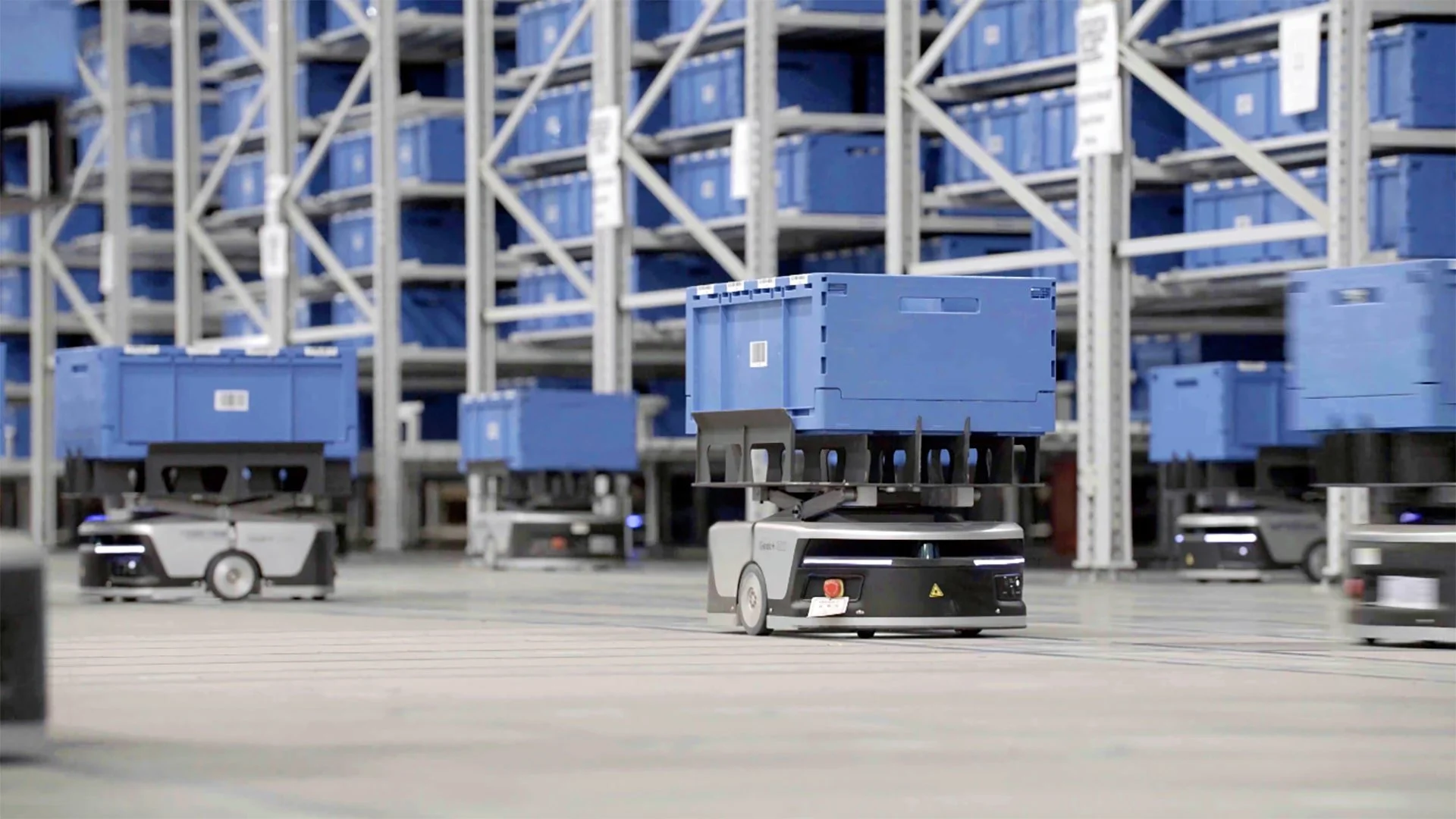
Recent Updates to FCC Covered List Regarding Foreign-Produced Advanced Robotic Devices
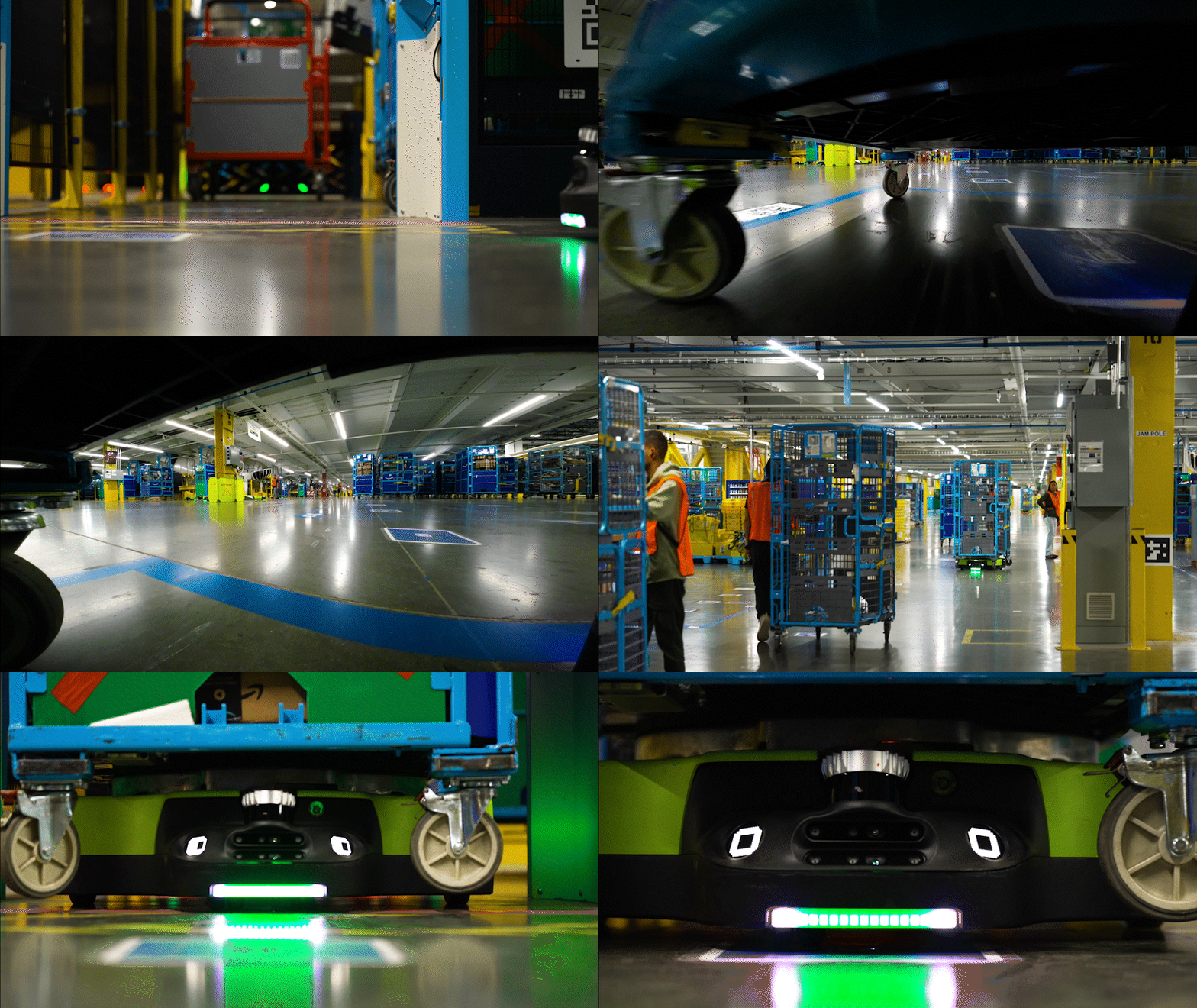
There is another major advantage of automation that is often overlooked.
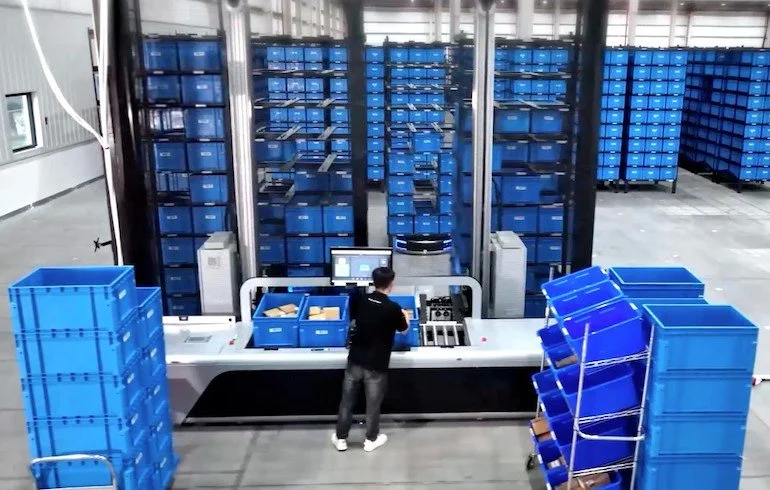
S&S Activewear is one of the more technology-forward apparel companies in North America’s branded-apparel distribution market.

Situated in Arvin, California, the new 700,000 square foot facility is described as its largest and most technologically sophisticated distribution center to date.

SoftBank is reportedly selling its remaining 9.65% stake in Boston Dynamics to Hyundai Motor Group for US$325 million.
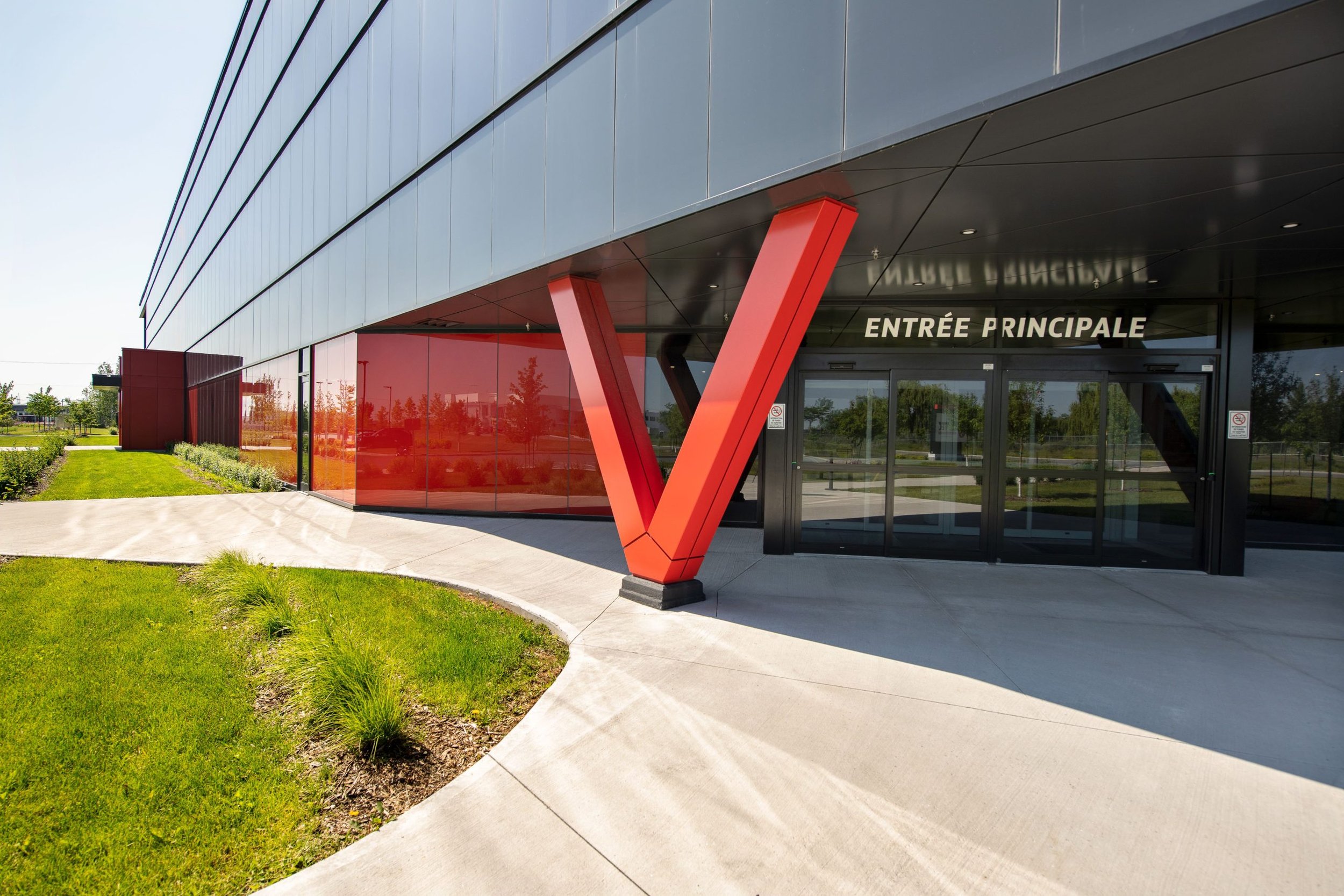
The company had automation. It had robotics. It had government support, customer momentum, press attention, and a massive facility.
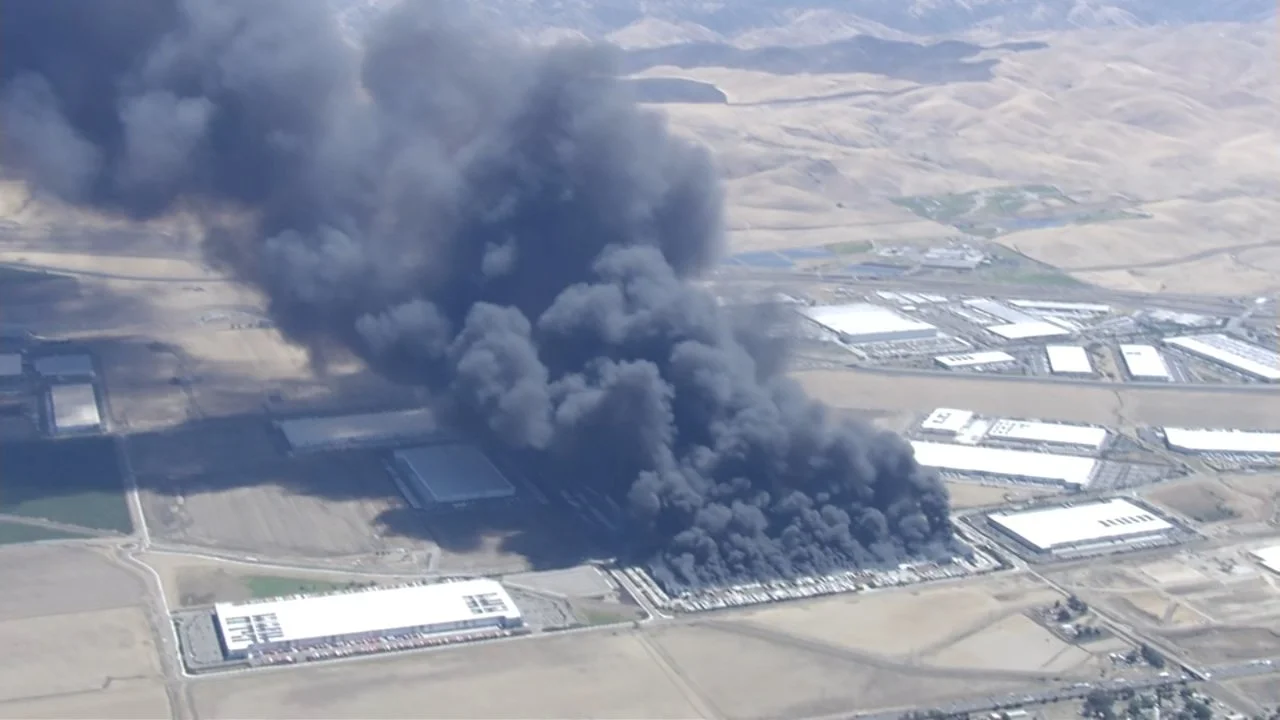
Massive fire destroys 1 million-square-foot Tracy Medline Industries distribution facility
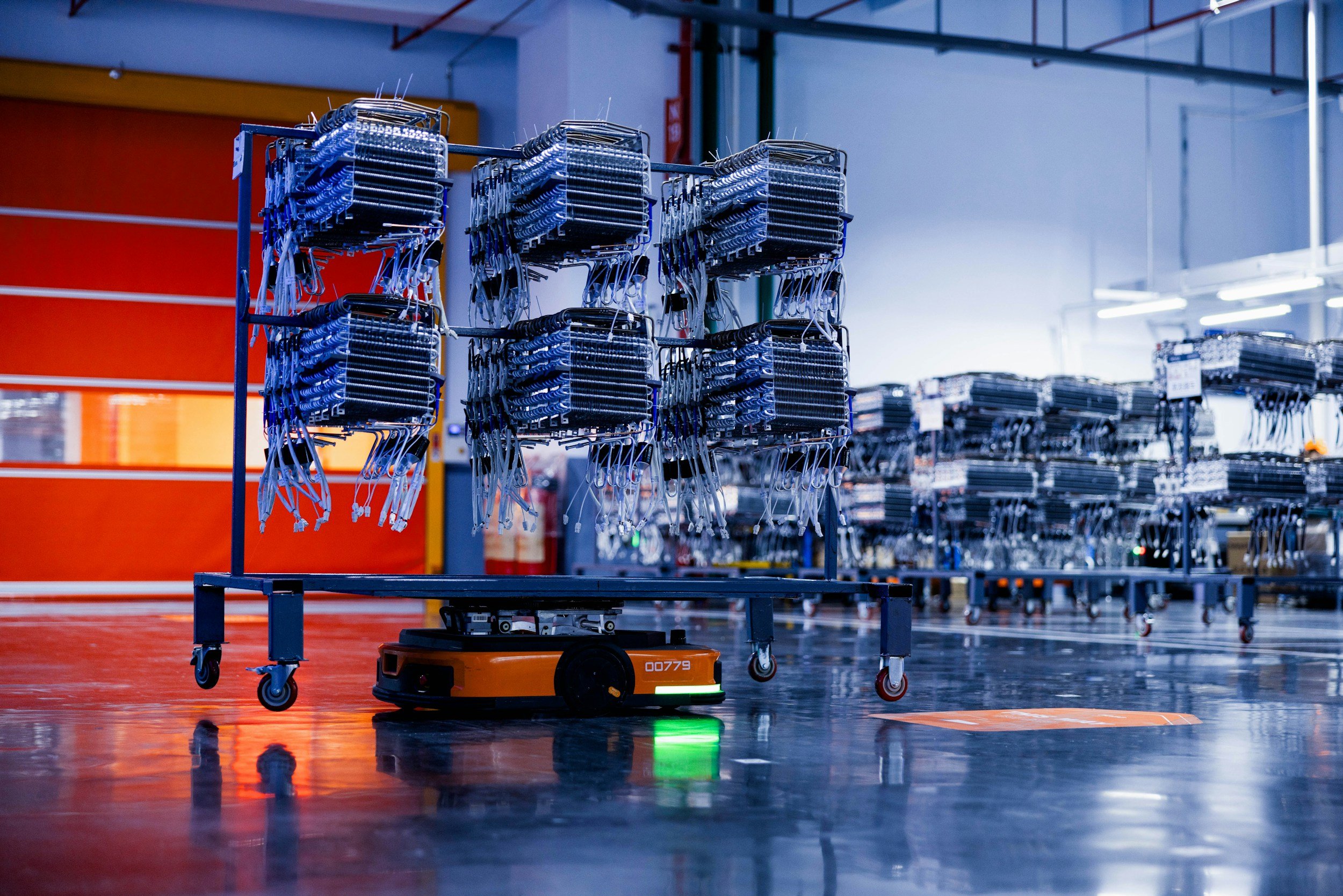
Artificial Intelligence and LLMs are currently being pushed aggressively into logistics, warehouse operations, robotics, and supply chain execution.
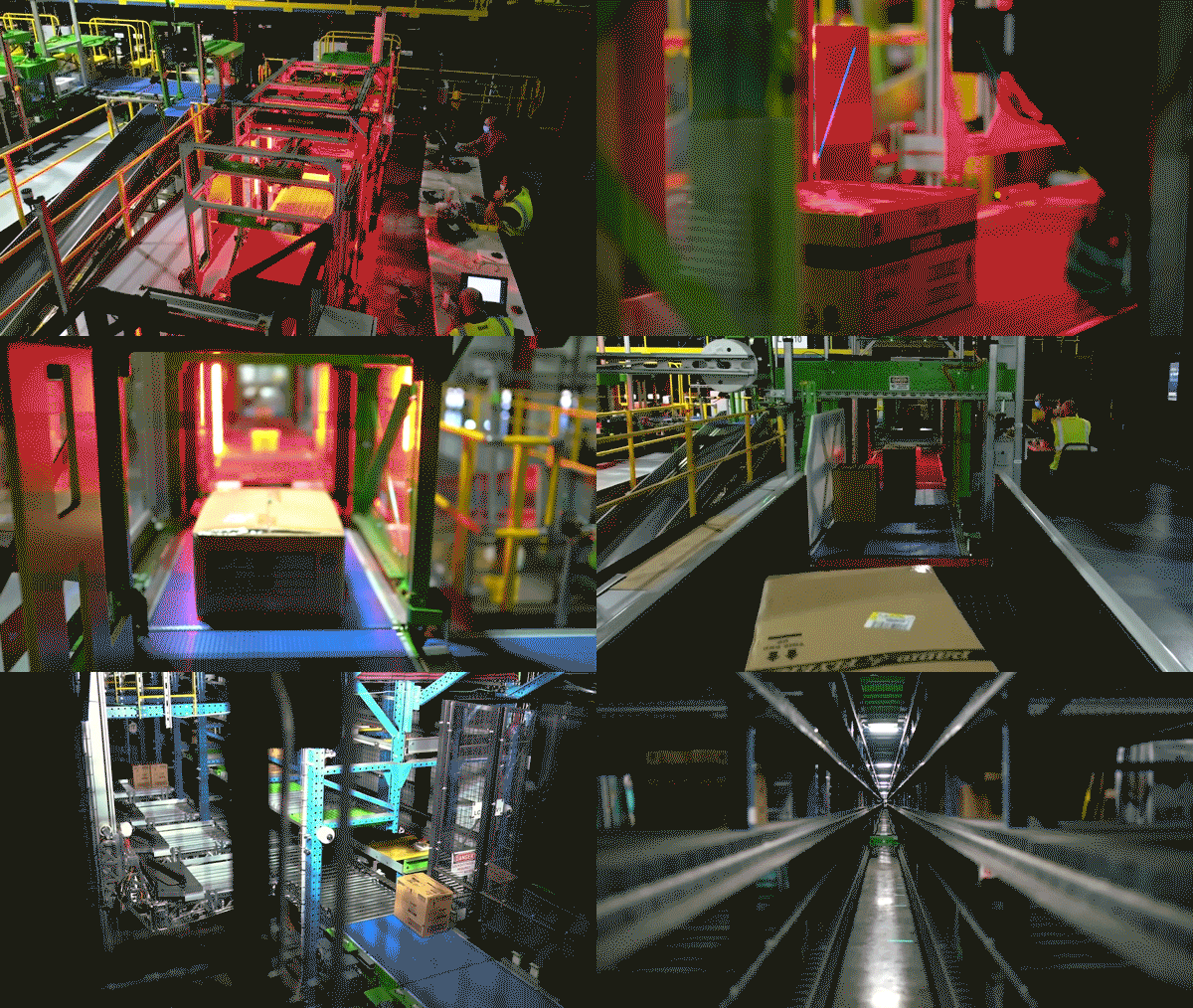
Walmart’s latest comments around same-day fulfillment, 30-minute delivery windows, AI-driven inventory positioning, and supply chain automation should be a wake-up call for the entire retail industry.
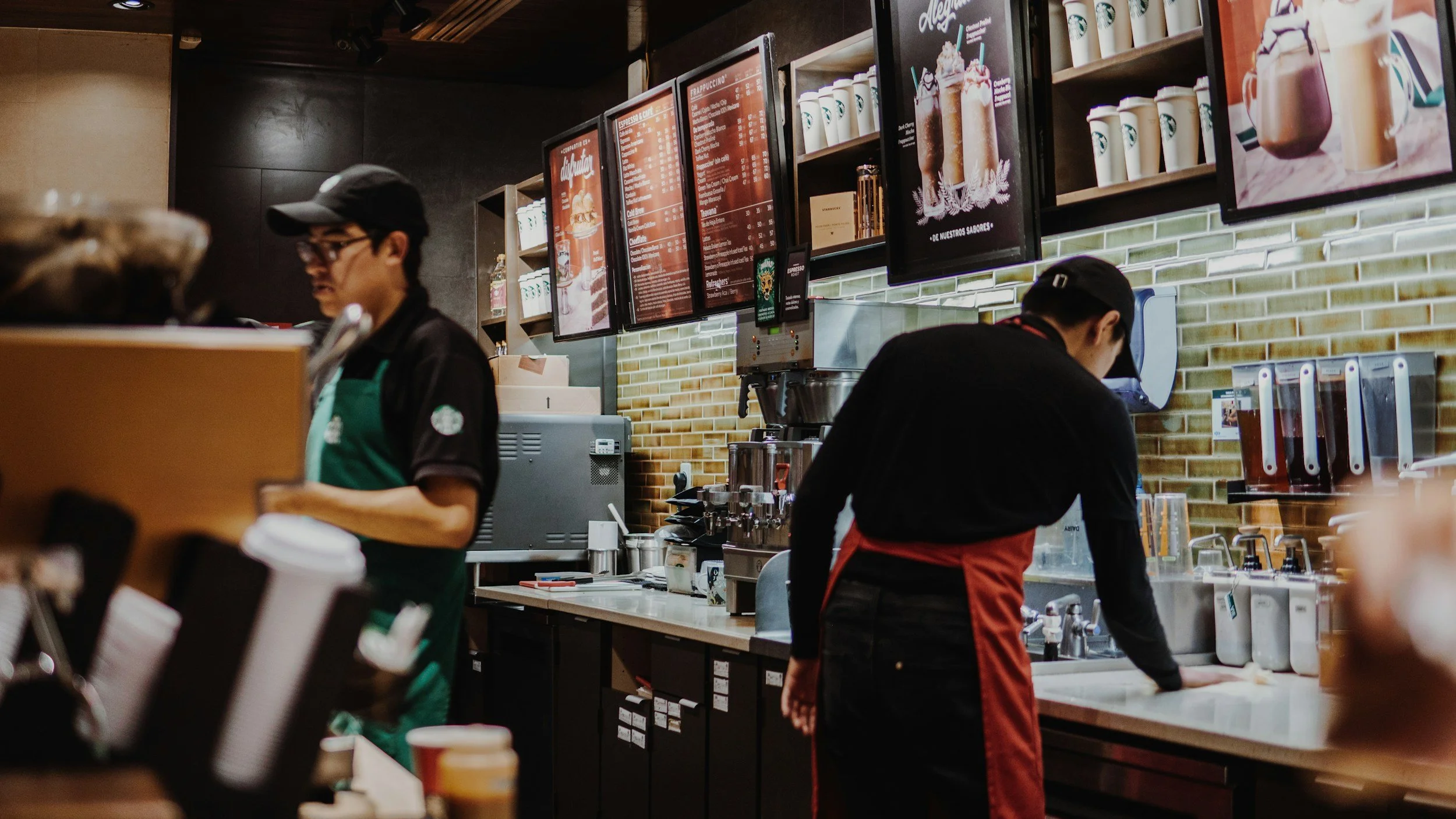
The promise made to Starbucks CEO Brian Niccol was enticing. To eliminate persistent product shortages that hurt sales, the company deployed an automated counting system.
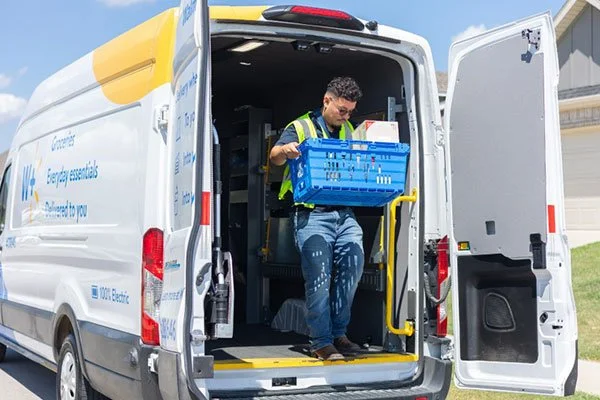
The retail giant is using unlikely spaces to push against Amazon’s recent strategies to capture more customers.

Traditional WMS lacks the real-time visibility into the availability of automated materials handling equipment that a WES brings to the table.
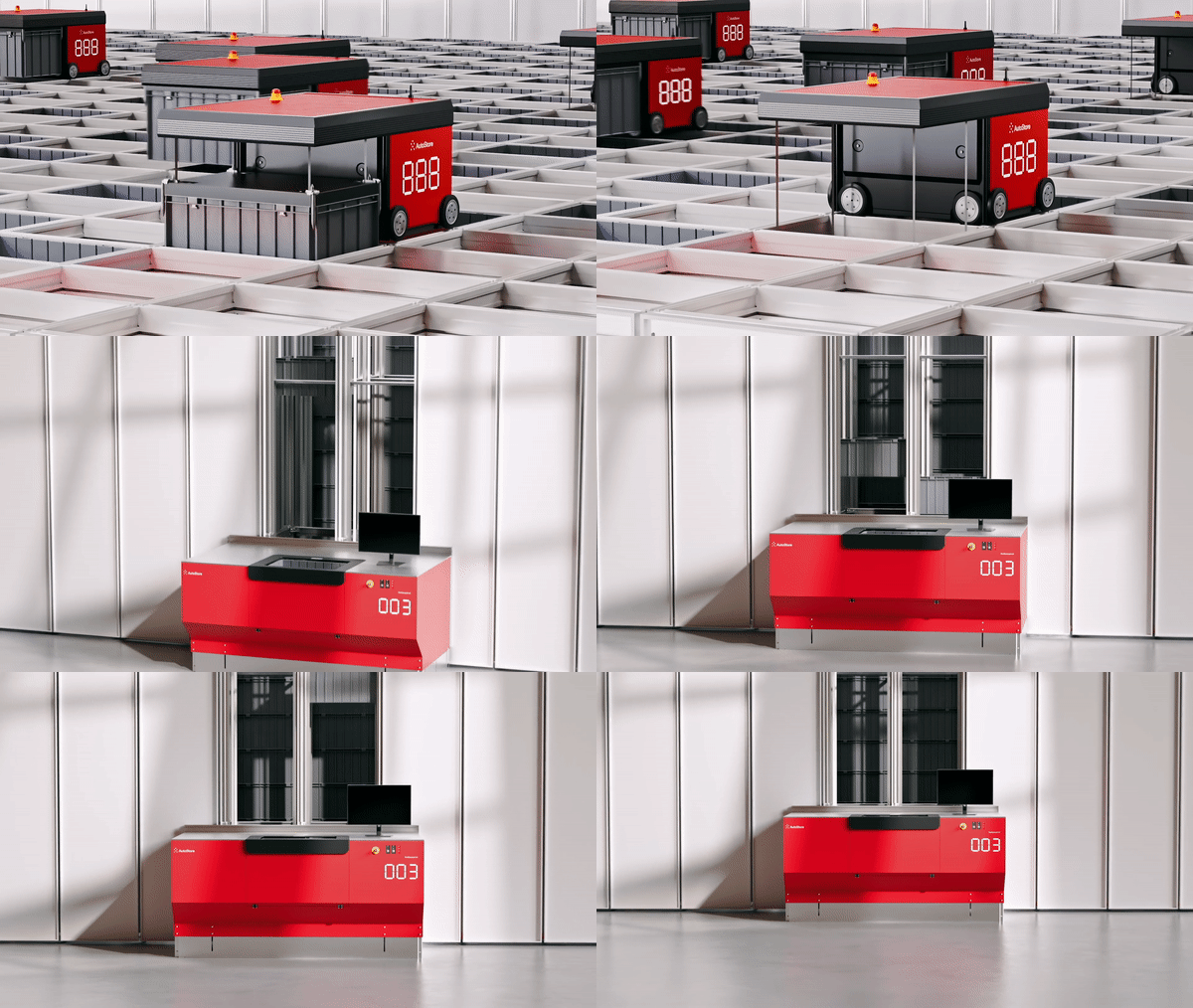
Ulta Beauty has selected AutoStore technology for its new Utah regional distribution hub supporting both stores and growing e-commerce fulfillment.
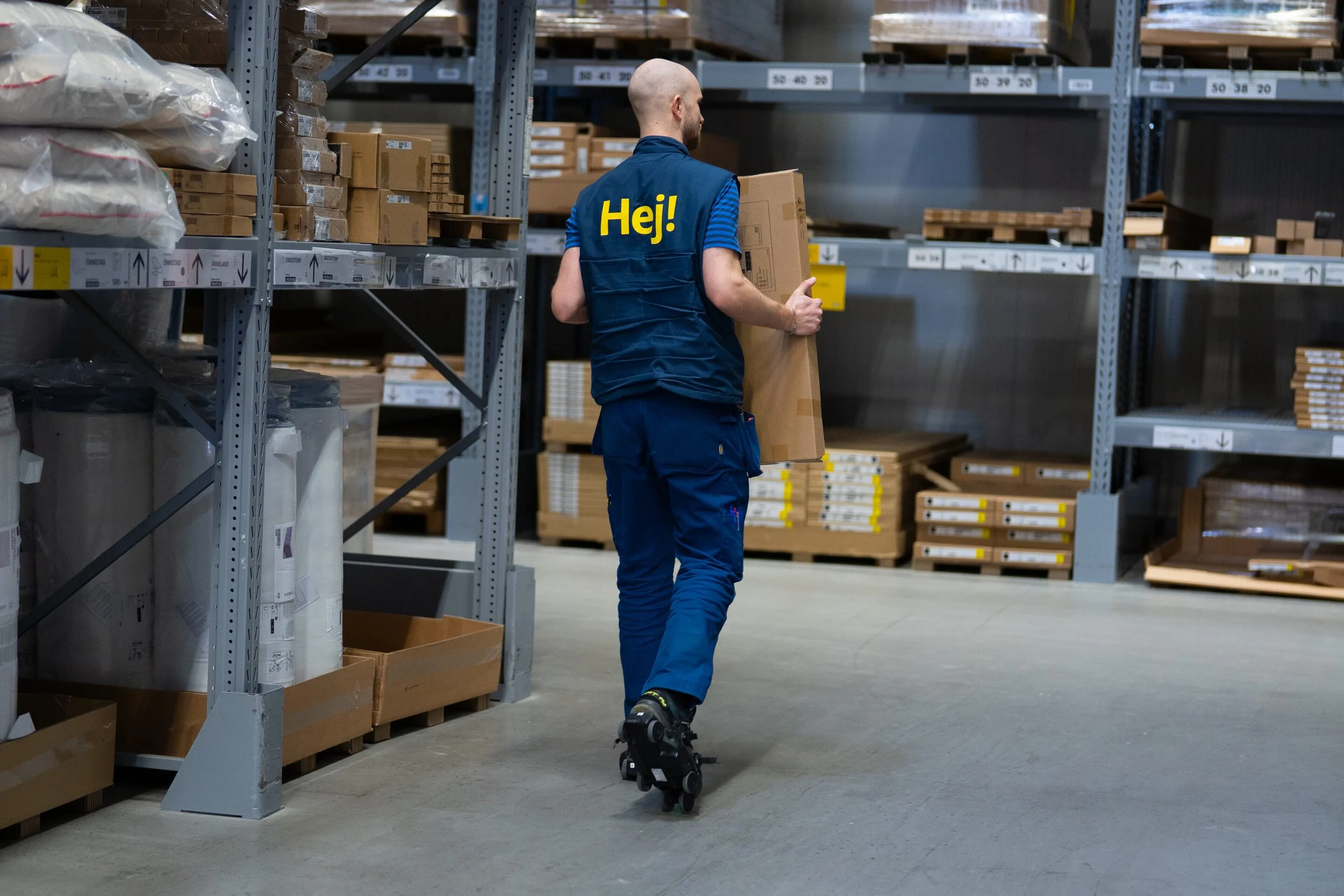
Ikea is testing robotic boots in Helsingborg, Sweden, to speed up order picking and reduce physical strain. Initial measurements showed that employees walked up to twice as fast, and average hourly picking productivity increased by 16%.
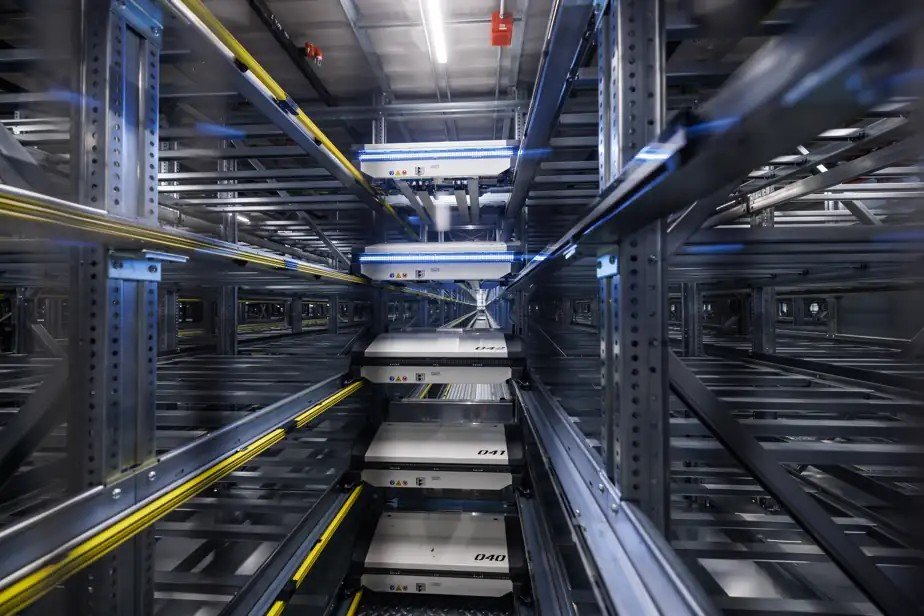
The cost of the SAQ's automated distribution center project, scheduled to begin operations next year, has gone from $48.5 million to $300 million in four years.
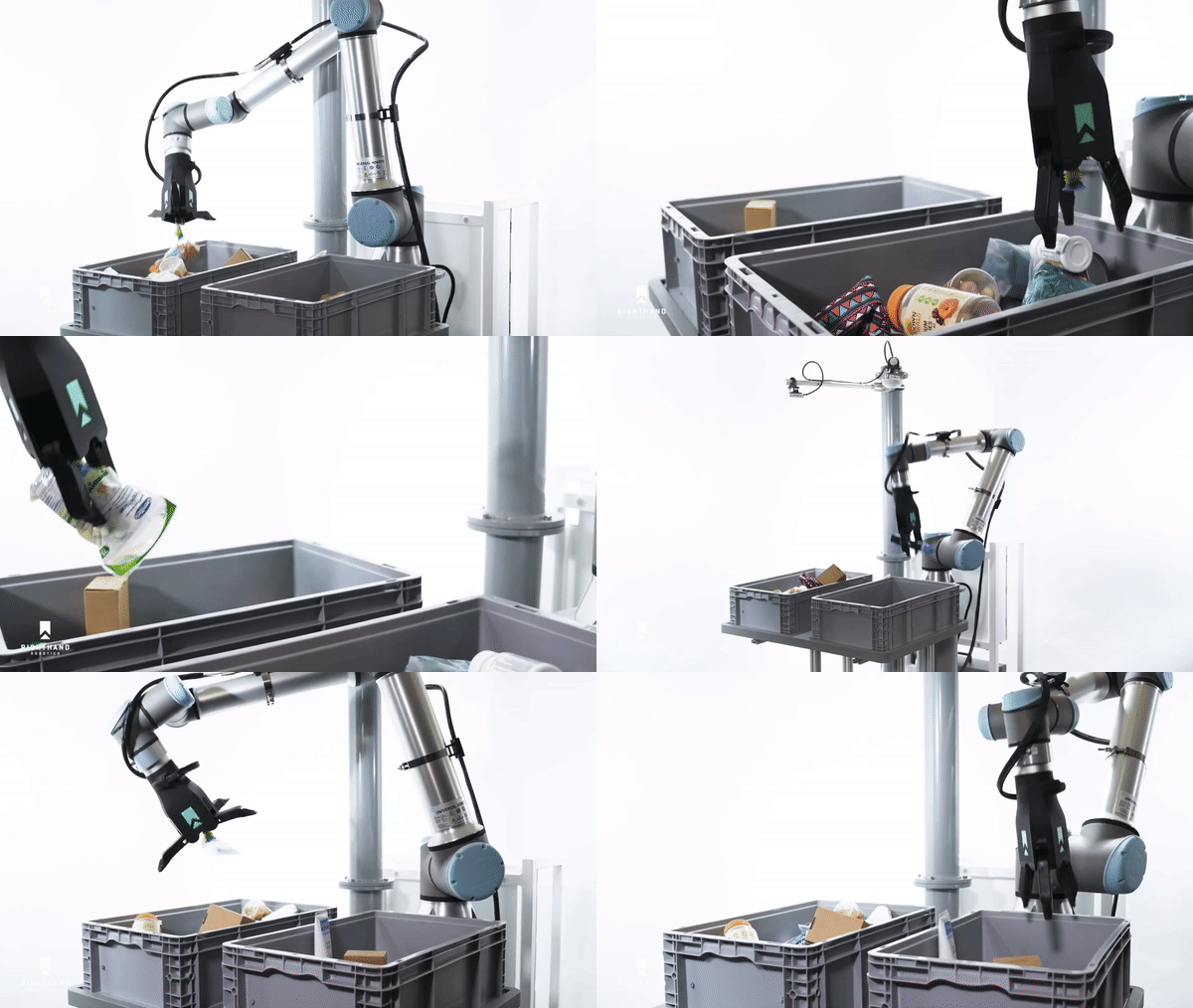
Piece-picking robots are currently one of the hottest solutions in warehouse automation
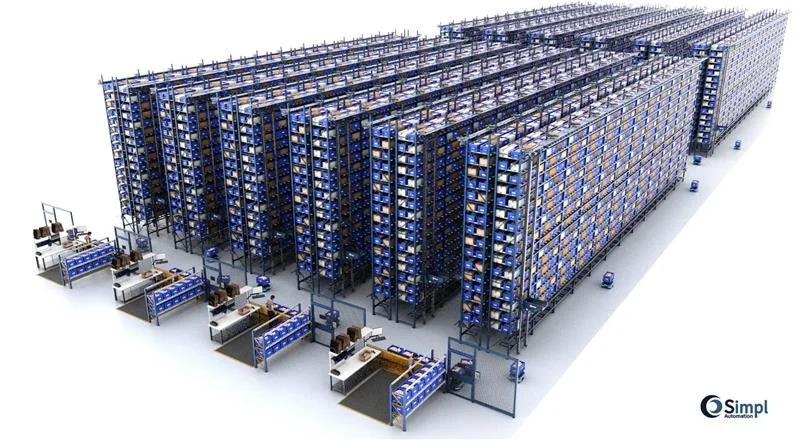
Home Depot acquires warehouse tech firm to boost fulfillment strategy
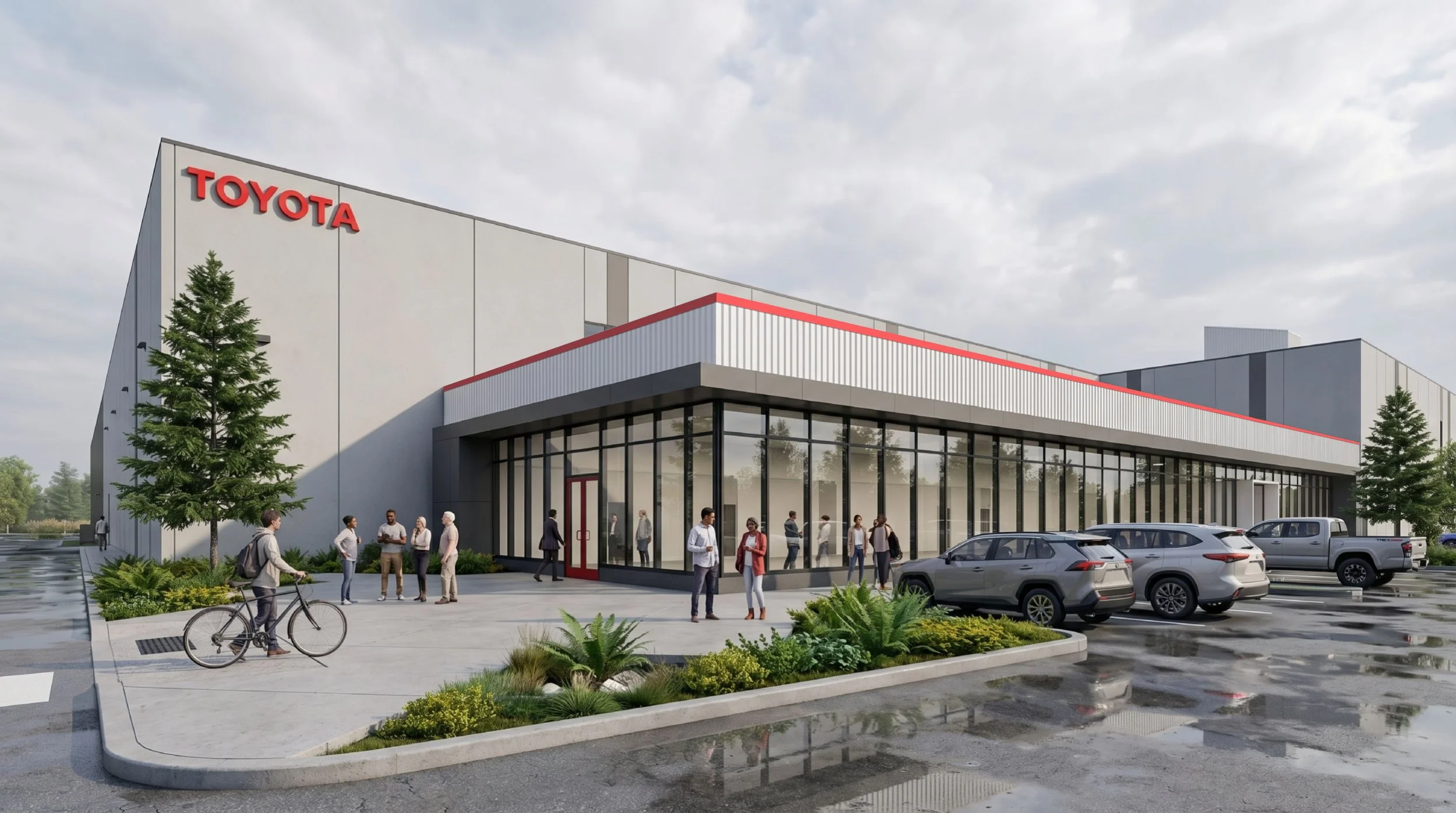
The Surrey facility will primarily serve British Columbia, while Calgary will cover Alberta, Saskatchewan, and surrounding regions.

How Canadian Robotics Forced NASA to Give Us a Seat on the Moon Mission
Today, a new layer is beginning to appear in highly automated facilities: the Warehouse Operating System (WOS).
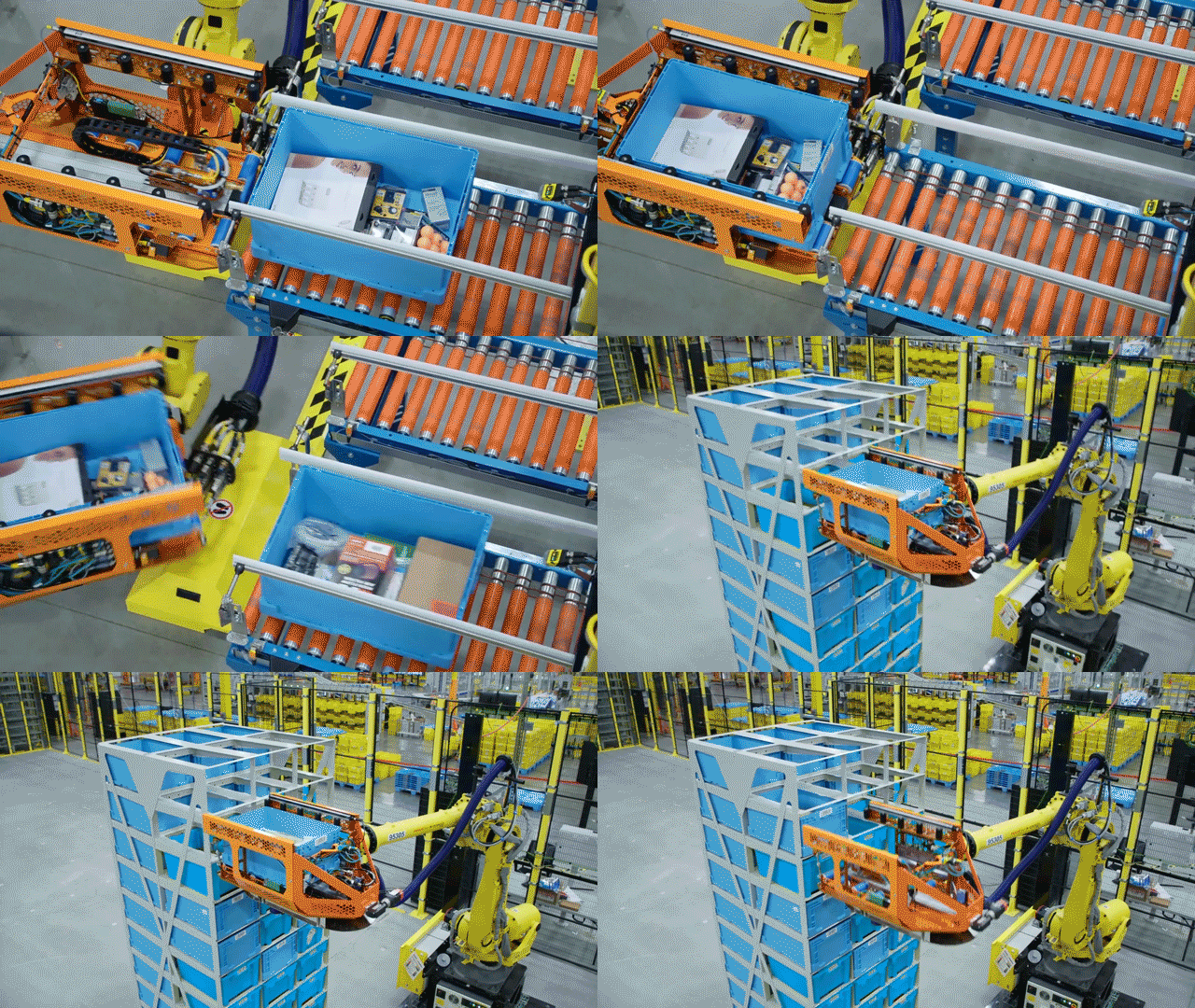
Cainiao plans to build a large-scale global network of robotic warehouses in 2026 as it expands local fulfilment and delivery operations tied to cross-border eCommerce.

Ocado has delivered a cube-based automation system for McKesson Canada, representing a continued expansion of its technology beyond e-commerce grocery fulfilment.
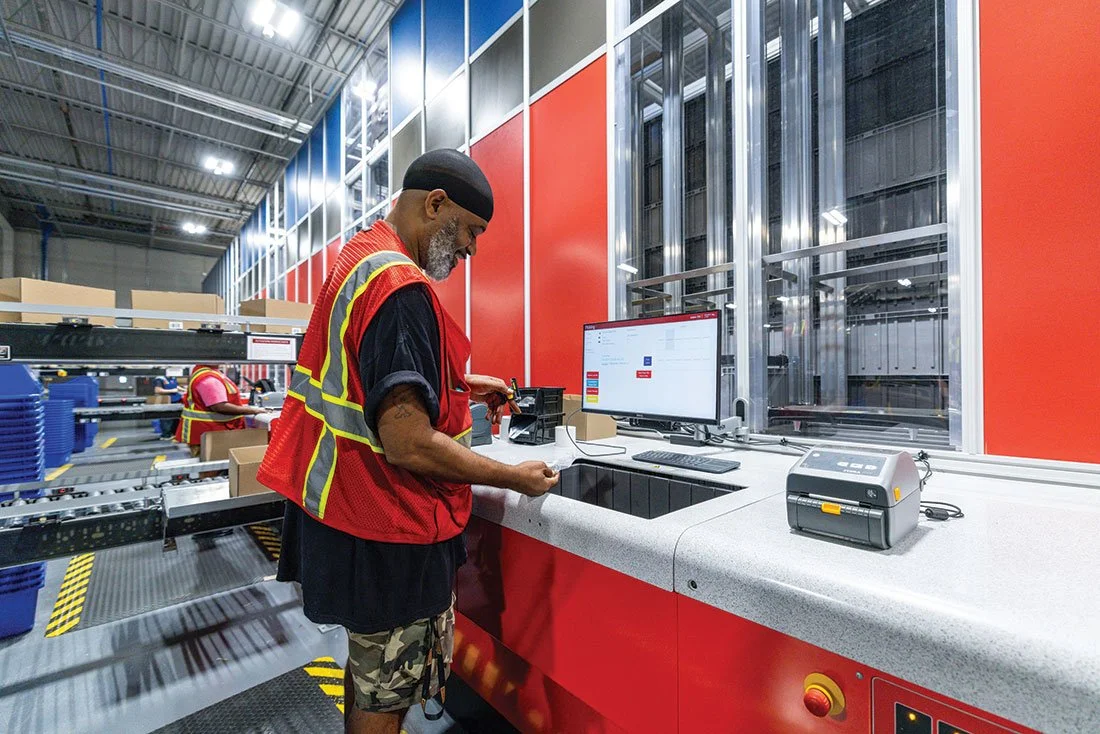
AutoStore reported its 2025 results this week, outlining a year that moved from early caution to clear second-half acceleration.

At Hannover Messe 2026, SAP and Vodafone showcased a pilot conducted at Vodafone’s warehouse in Duisburg,