
Inside Amazon’s First Automated Grocery Store
Inside Amazon’s New Grocery Experiment: Automation Arrives at Whole Foods
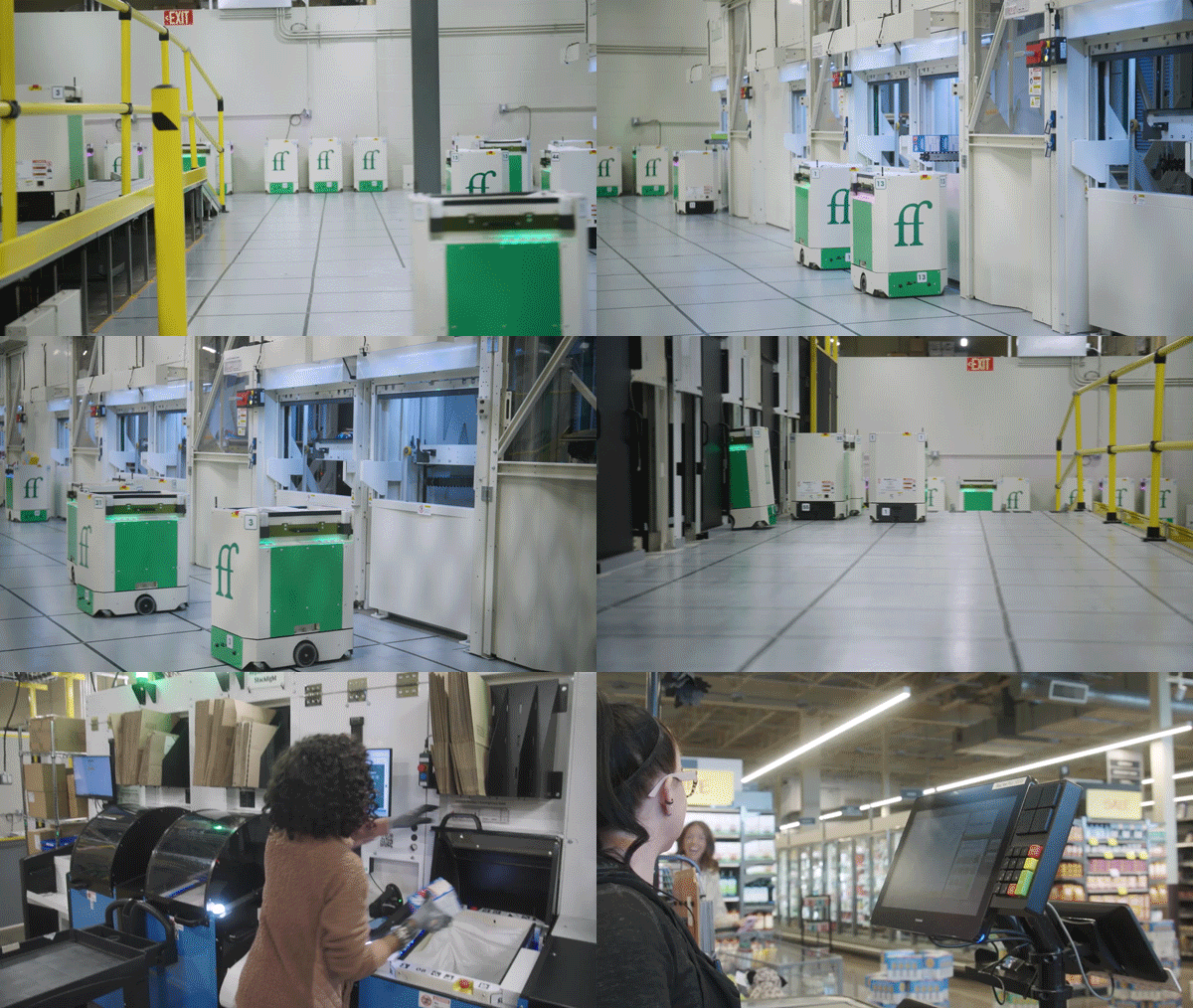
Amazon has quietly begun testing a new concept that could redefine grocery logistics — an automated micro-fulfillment center (MFC) built directly inside a Whole Foods Market in Plymouth Meeting, Pennsylvania.
While most people think of Amazon’s grocery footprint as Whole Foods and Amazon Fresh, the company’s reach already goes far beyond that. Amazon now generates over $100 billion in grocery sales annually, even excluding Whole Foods and Amazon Fresh.
By combining its vast same-day grocery delivery network — which includes Whole Foods Market, Amazon Fresh, and an expanding roster of local grocery and specialty retailers available on Amazon.com — the company continues to push toward one goal:
a seamless, fast, and fully automated grocery experience.
A “Store Within a Store”: How the Concept Works
The pilot location in Pennsylvania introduces a new in-store shopping model that merges traditional retail with automated fulfillment.
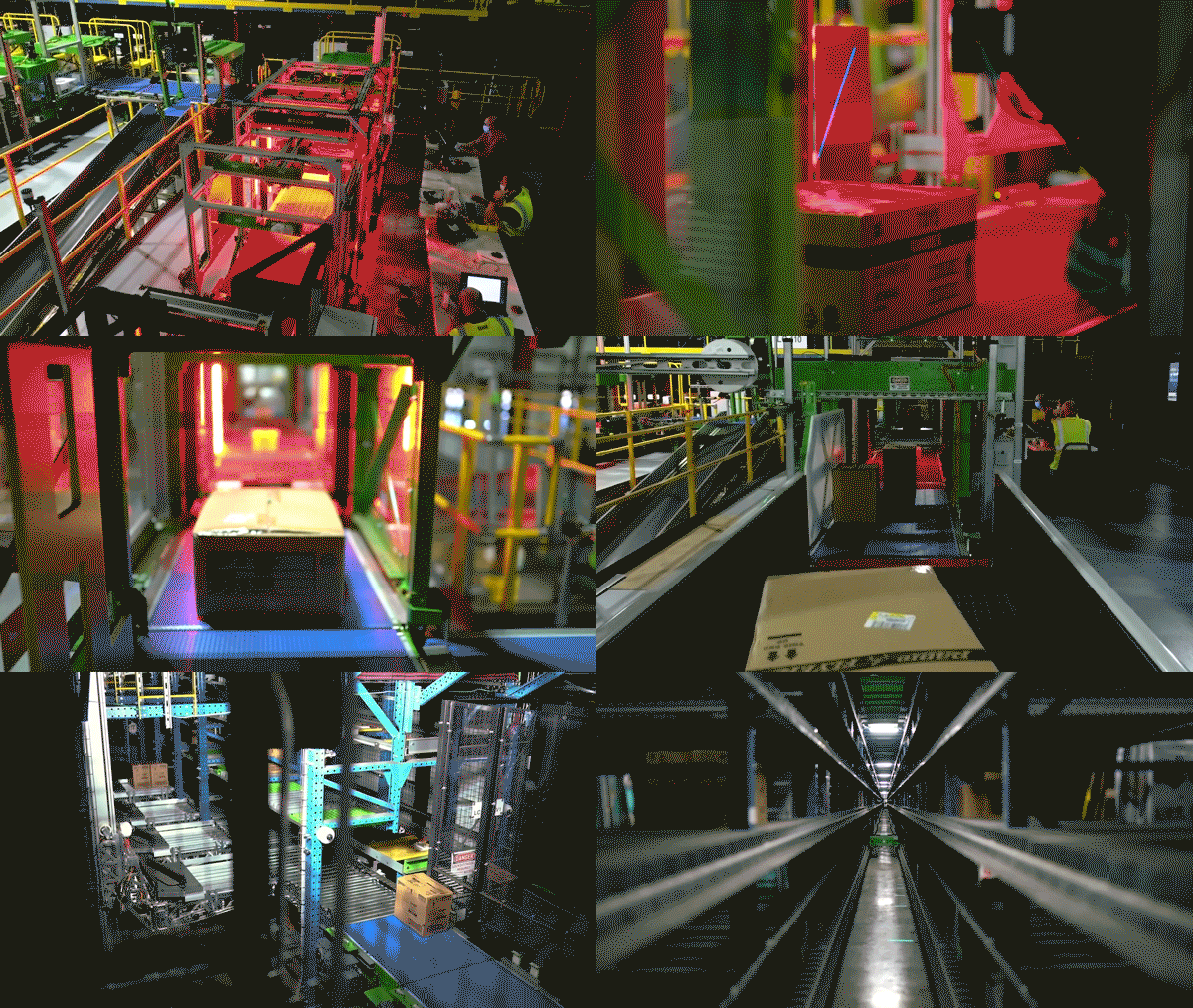
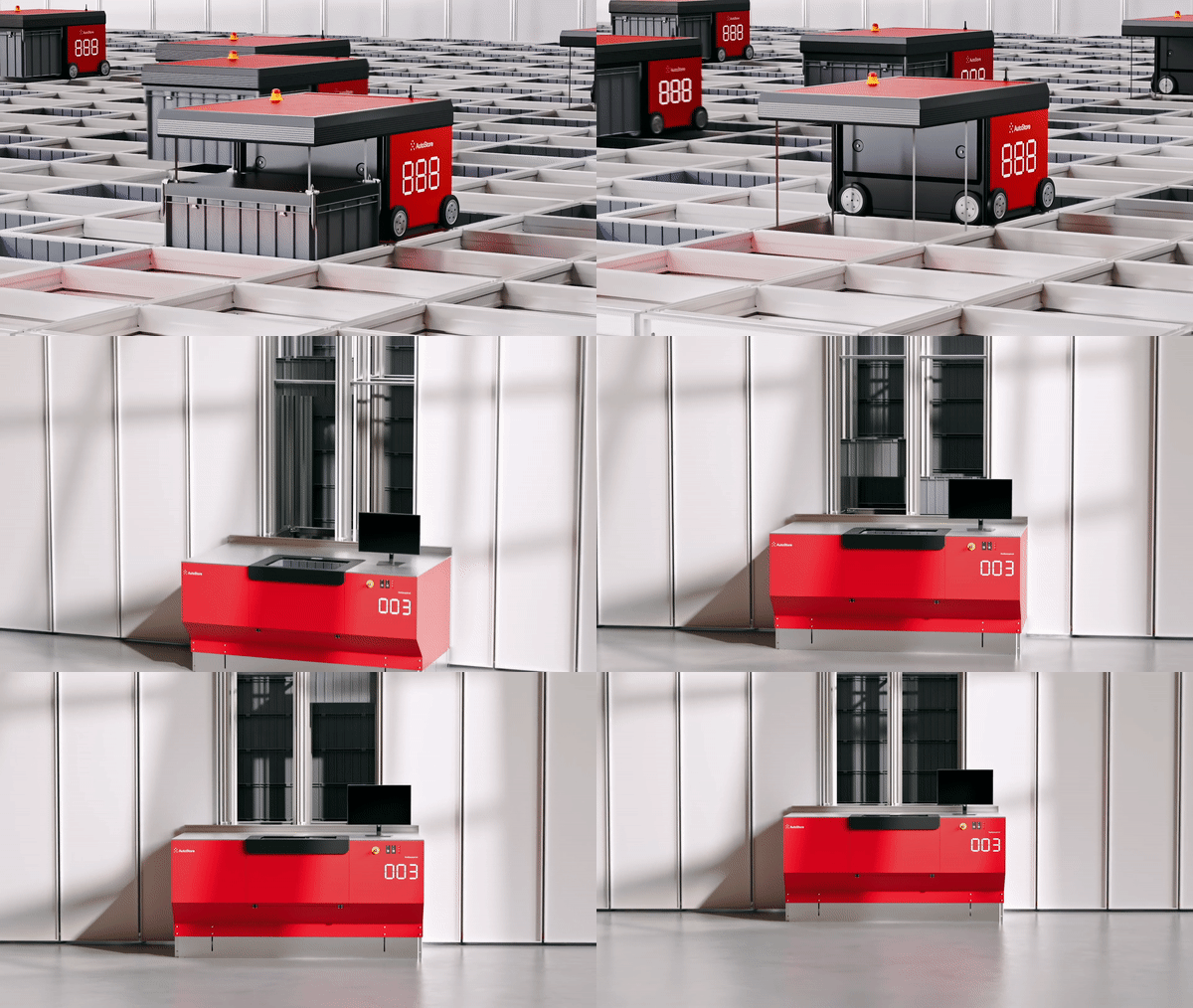
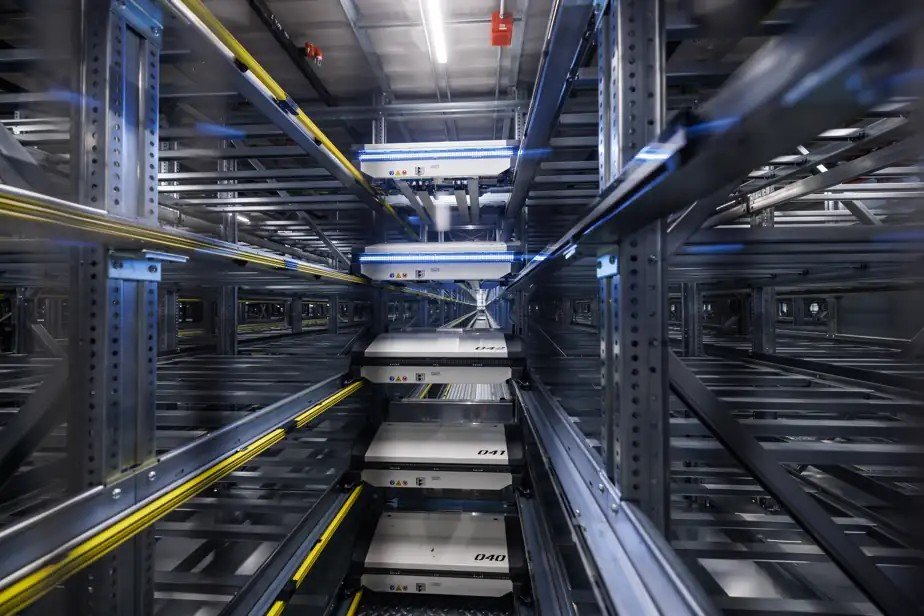
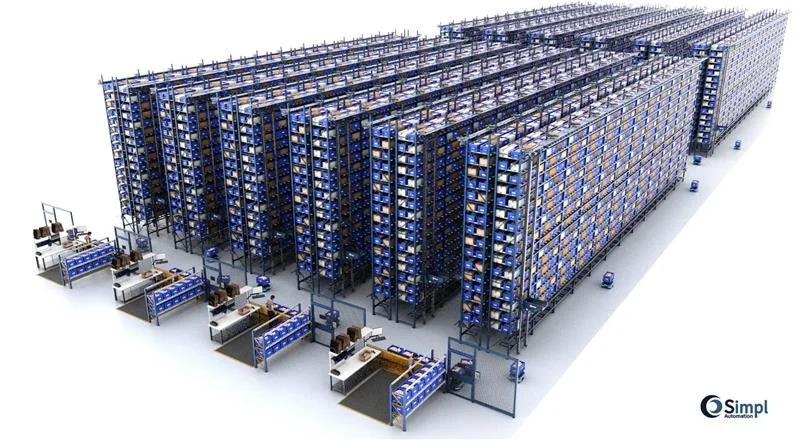
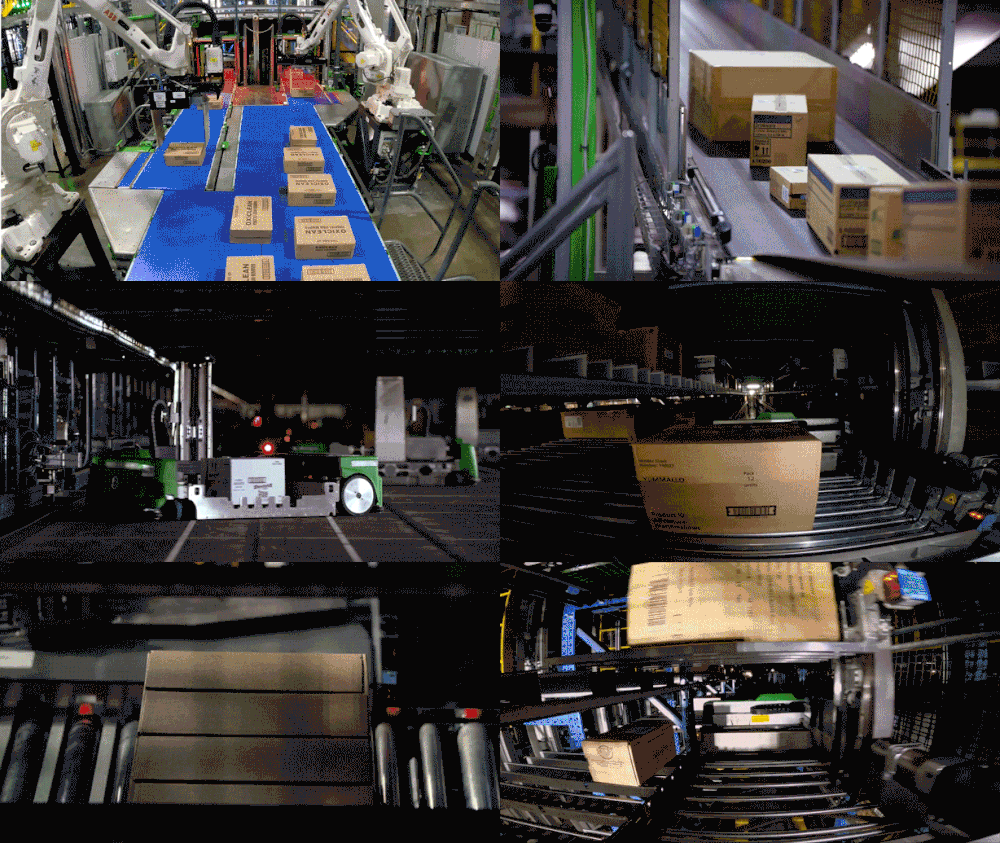
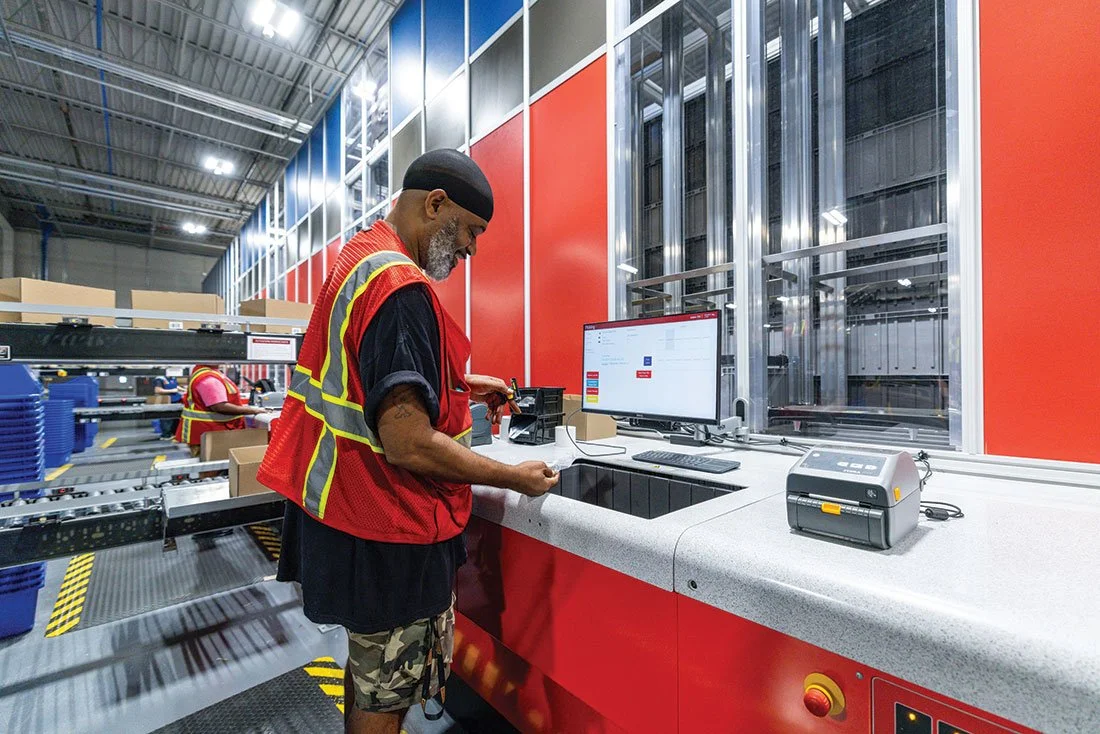
At the back of the Whole Foods Market sits a 10,000-square-foot micro-fulfillment center, housing more than 12,000 items from both Whole Foods and Amazon’s broader assortment.
Customers can scan QR codes displayed on digital screens throughout the aisles to purchase national-brand products — such as Goldfish crackers or Tide laundry pods — that aren’t stocked on the physical shelves. These items are retrieved by the automated system and made available for pickup at a designated counter, often within 10 minutes.
In effect, Amazon has turned part of the Whole Foods store into a hybrid fulfillment hub, allowing shoppers to access both specialty and national-brand products in one trip.
One Unified Cart: Bridging Physical and Digital Grocery
The integration extends beyond the store. Online shoppers visiting Whole Foods through the Amazon app can now build a single digital cart that combines products from both Whole Foods and Amazon’s full grocery assortment.
This unified checkout process is designed to simplify the online shopping experience — one cart, one order, one delivery or pickup.
According to Jason Buechel, Vice President of Amazon’s Worldwide Grocery Stores and CEO of Whole Foods,
“This new concept store experience allows customers to get everything on their shopping list in one convenient stop or one online order, combining quality with convenience while still delivering the exceptional shopping experience customers expect.”
Automation’s Role Behind the Scenes
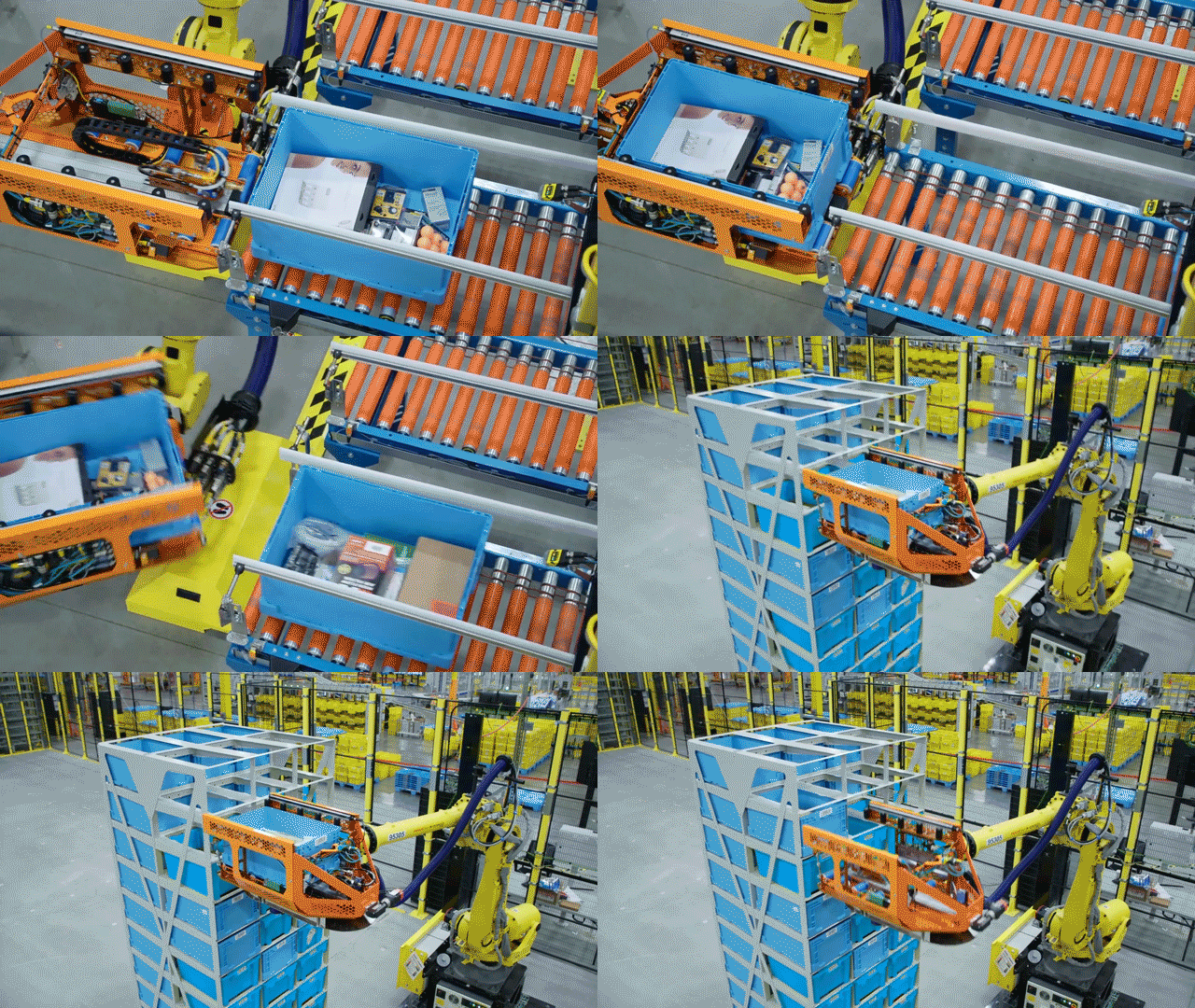
The micro-fulfillment center doesn’t just improve convenience — it’s also a testbed for automation and real-time orchestration.
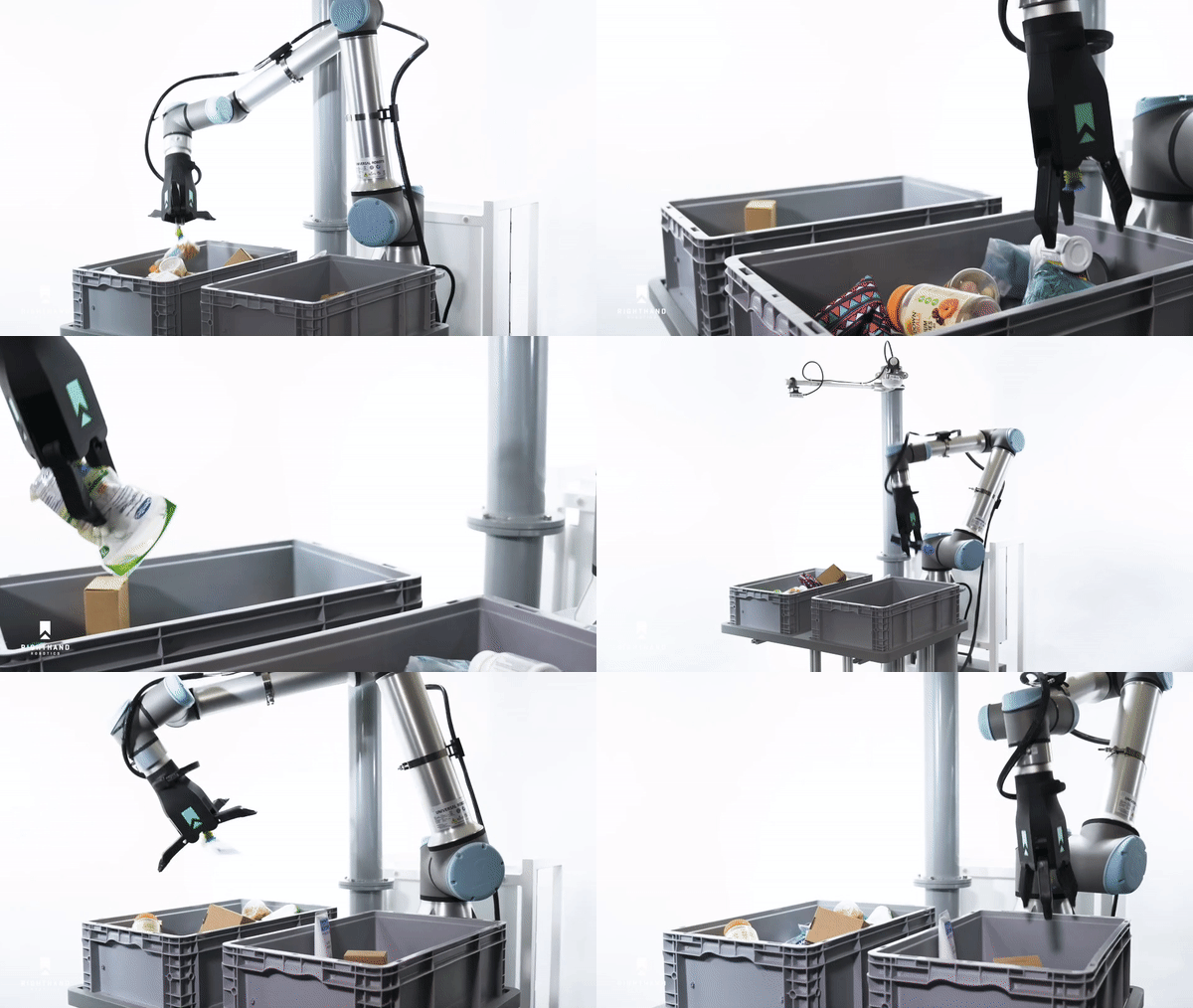
Behind the scenes, robotics and software are coordinating inventory, order batching, and last-mile readiness — bridging the gap between Whole Foods’ premium assortment and Amazon’s high-volume e-commerce logistics.
For Amazon, this experiment is another step toward synchronizing physical stores and fulfillment networks, using automation as the connective tissue between in-store and online experiences.
What Comes Next
Amazon plans to gather feedback from this first location, refine the model, and expand to additional stores over time.
While no timeline was shared, the integration of automated MFCs directly into retail space could mark the next evolution of “click-and-collect” grocery logistics — merging retail operations, digital ordering, and automated fulfillment under one roof.
Watch the Video
See how Amazon’s in-store micro-fulfillment system works inside Whole Foods — where automation meets grocery retail.
👉 Watch the full video on YouTube


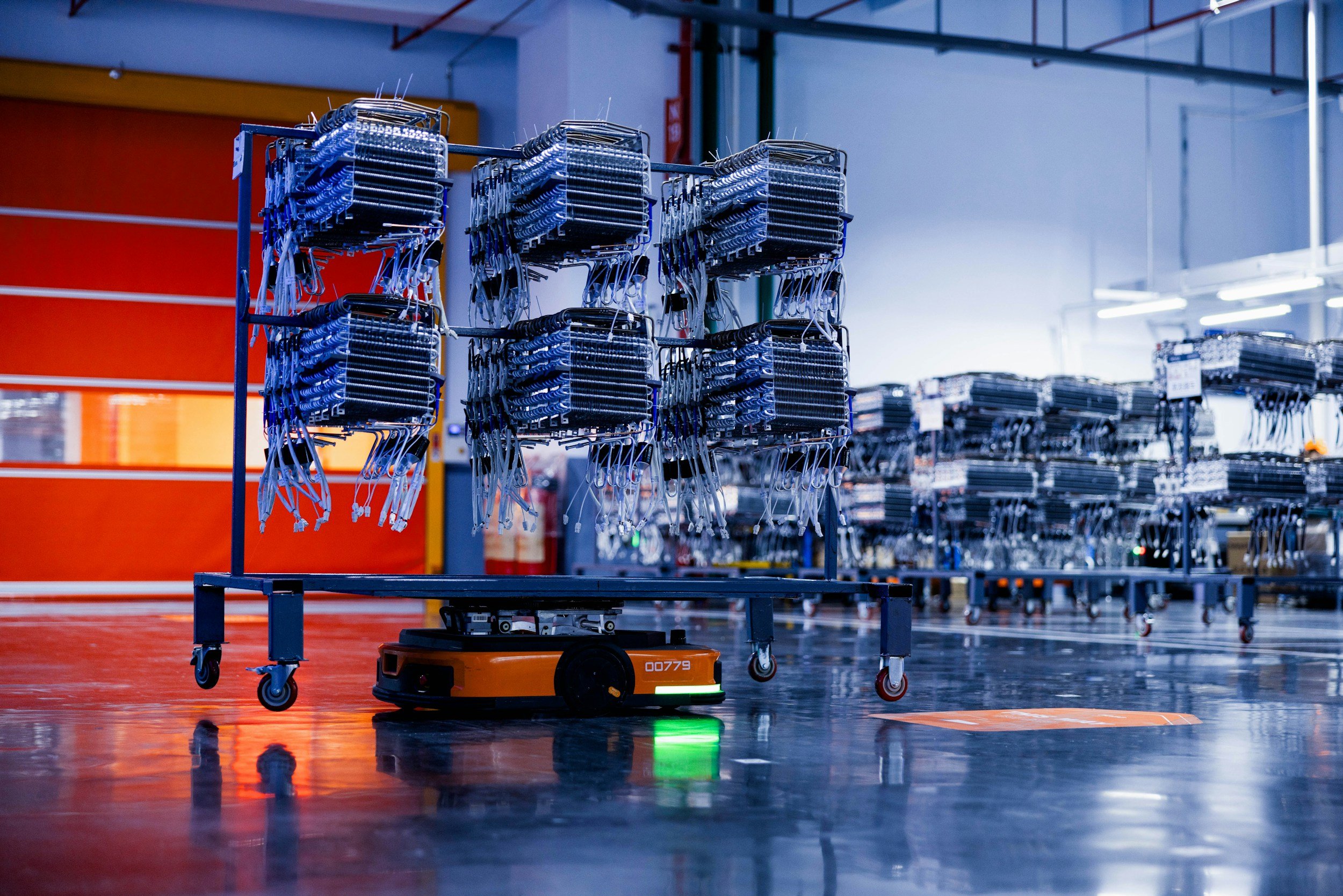

At Hannover Messe 2026, SAP and Vodafone showcased a pilot conducted at Vodafone’s warehouse in Duisburg,