
How Amazon Robots Keep Getting Smarter — And Why You Should Too
From Robots to Orchestration: The Real Lesson from Amazon’s Kent Fulfillment Center
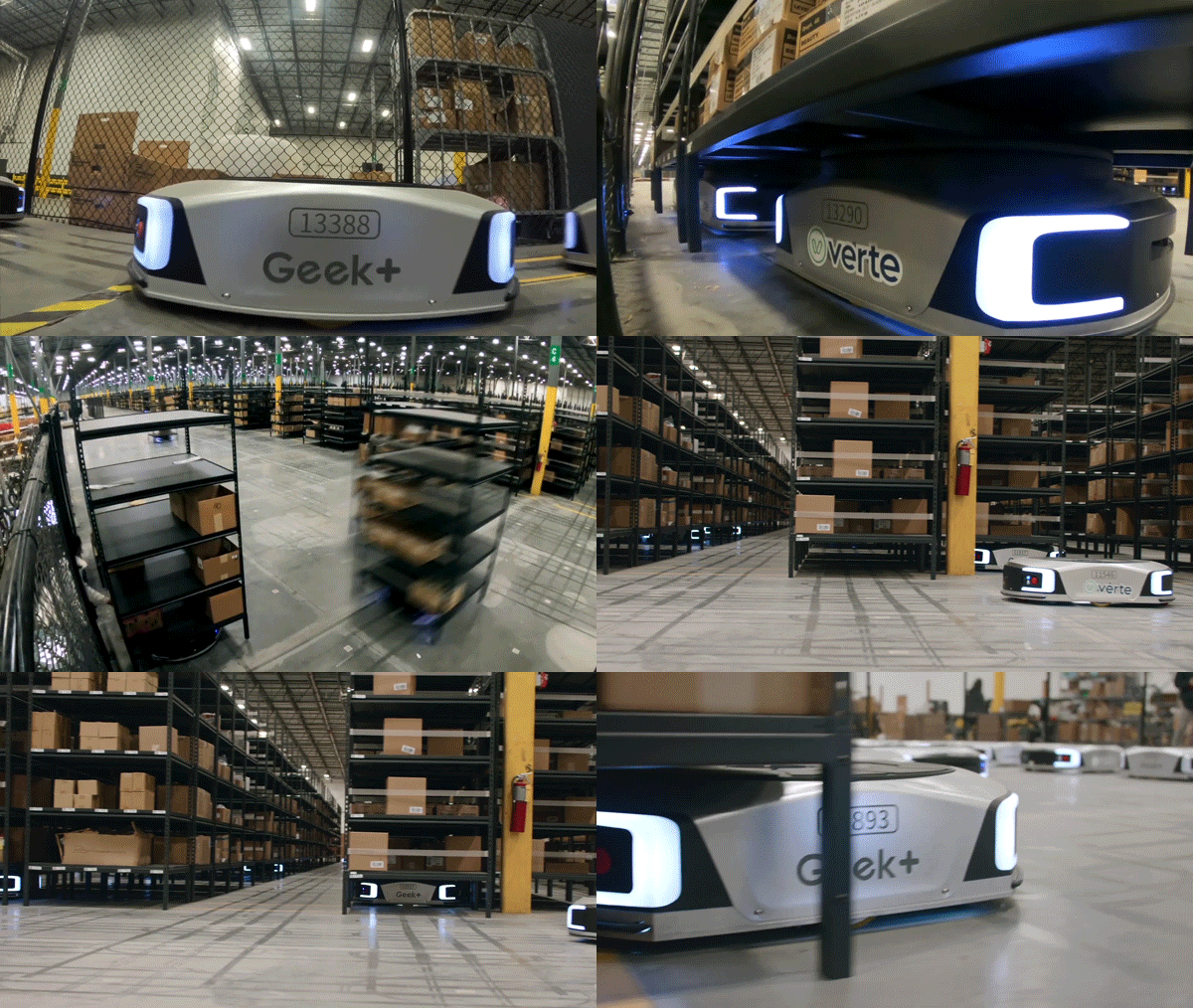
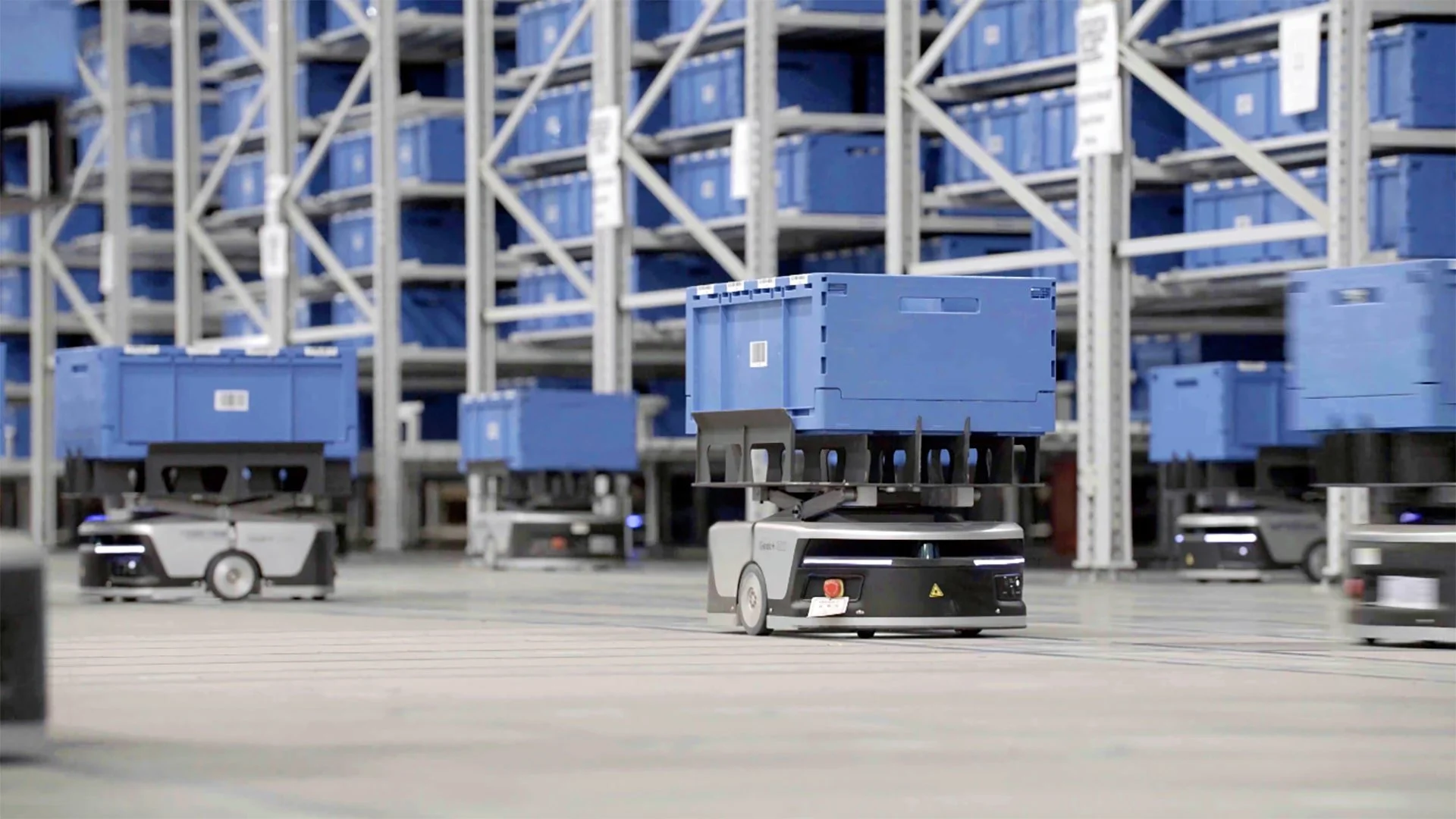
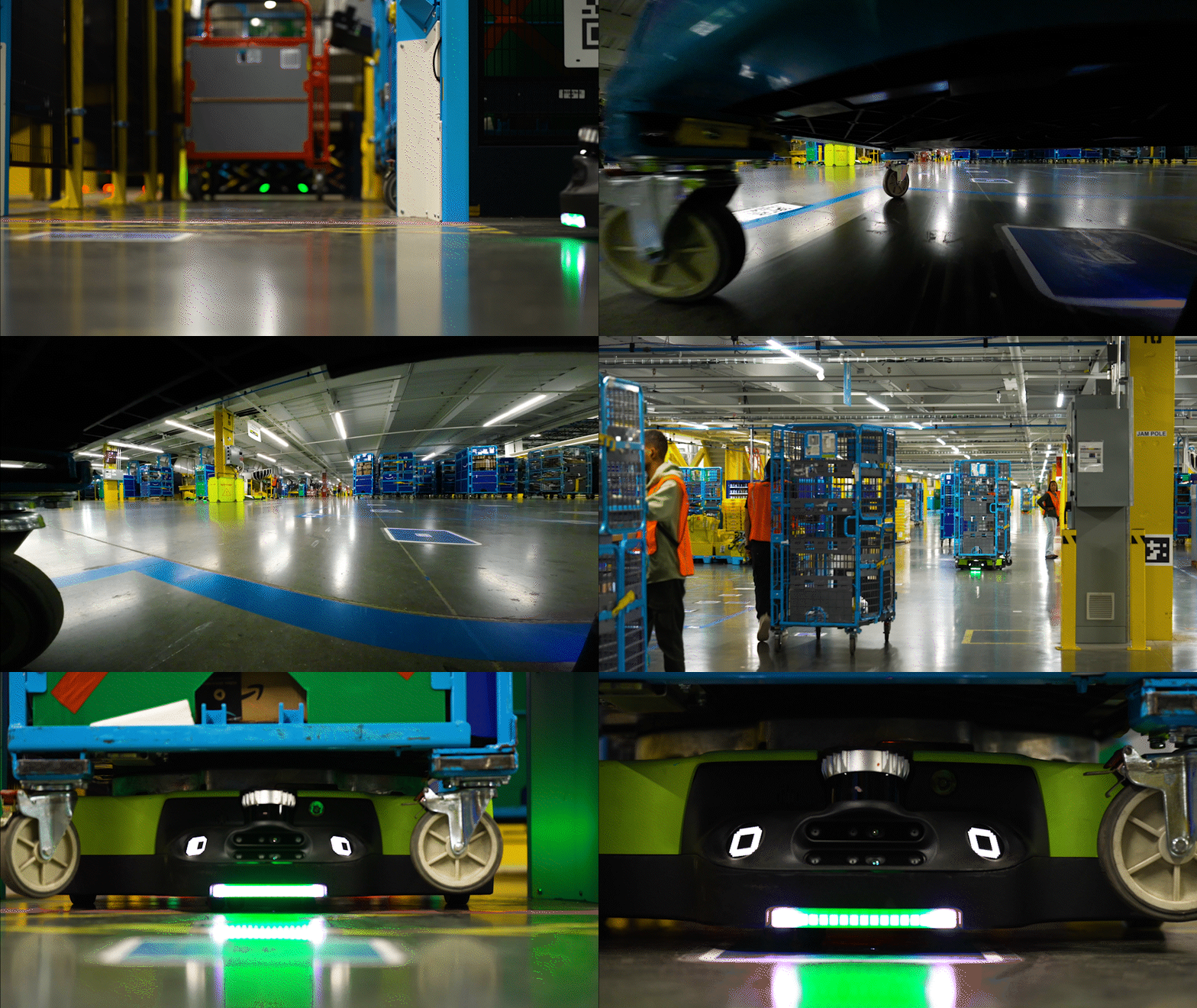
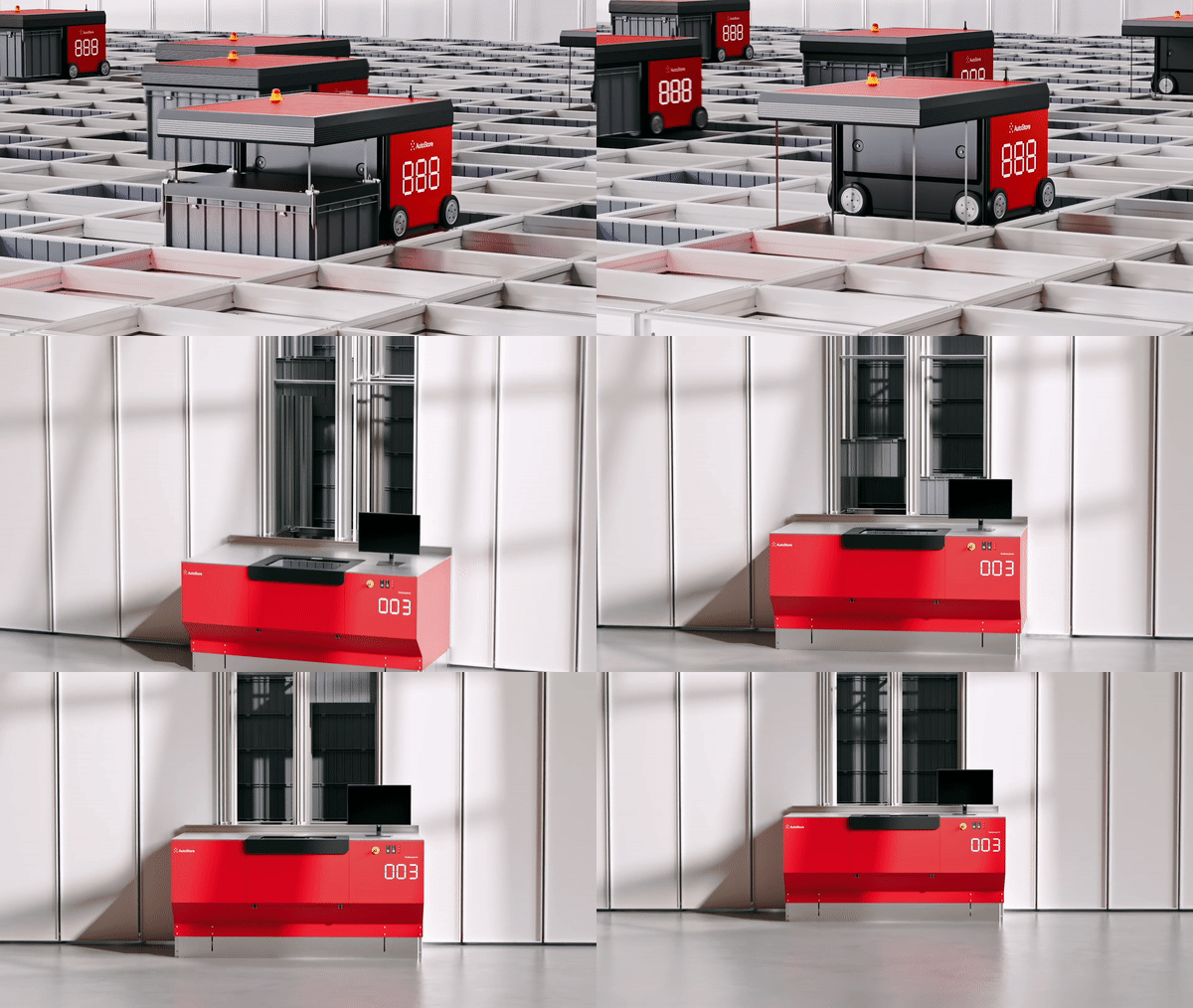
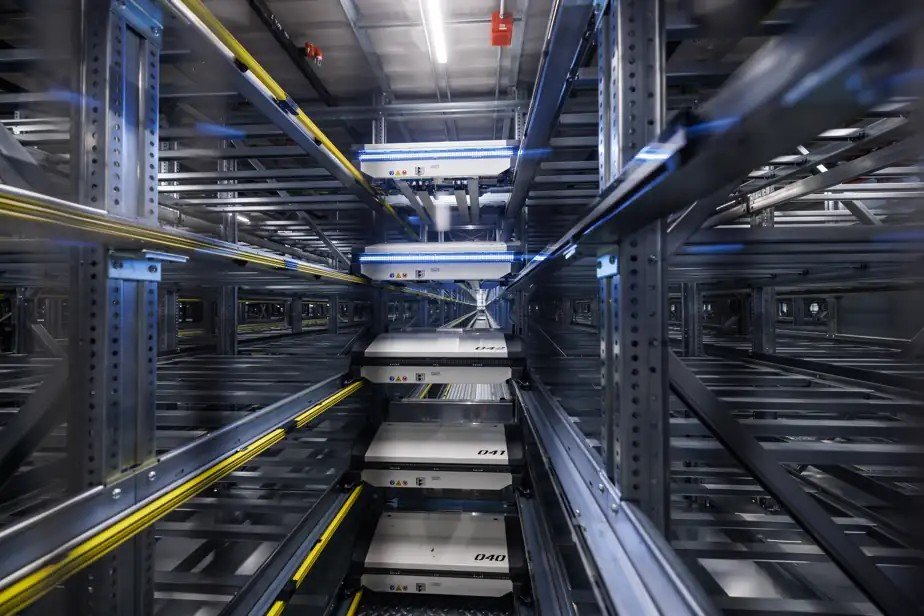
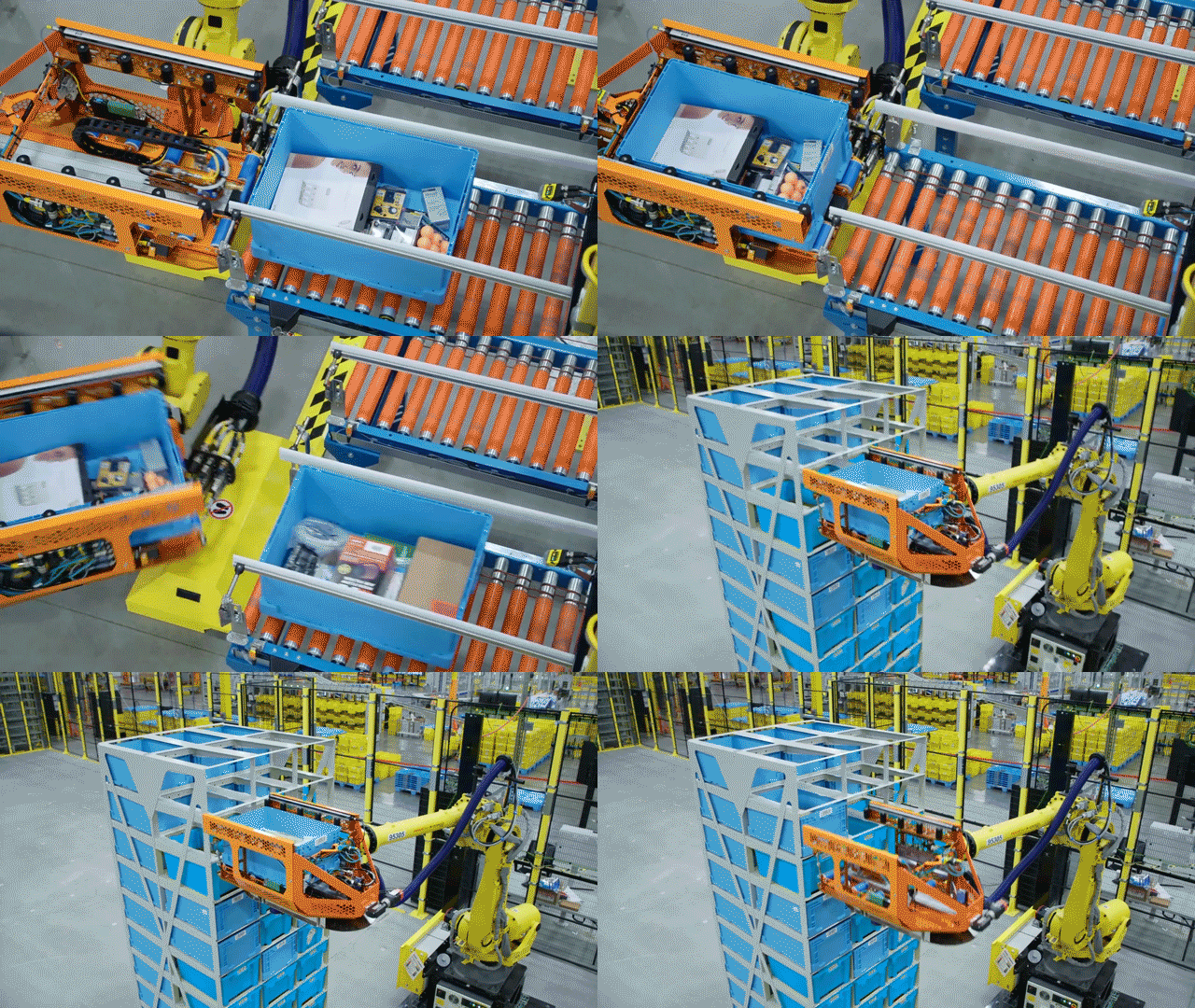
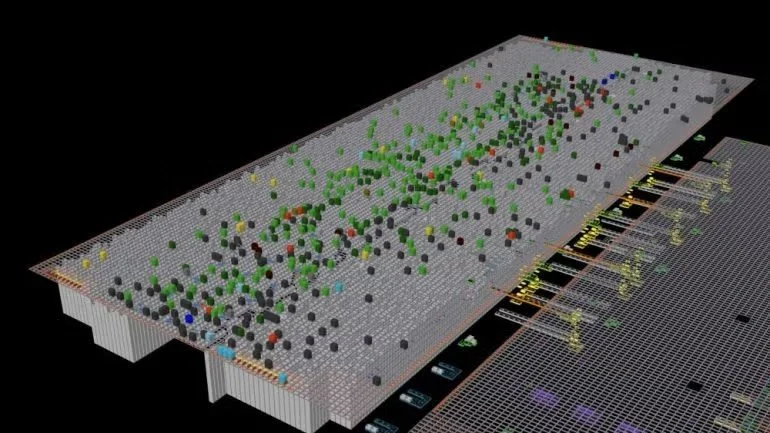
A recent KING 5 Seattle report highlighted Amazon’s robotic fulfillment center in Kent, Washington — a four-story facility operating more than 3,000 mobile robots.
At first glance, the story is about scale.
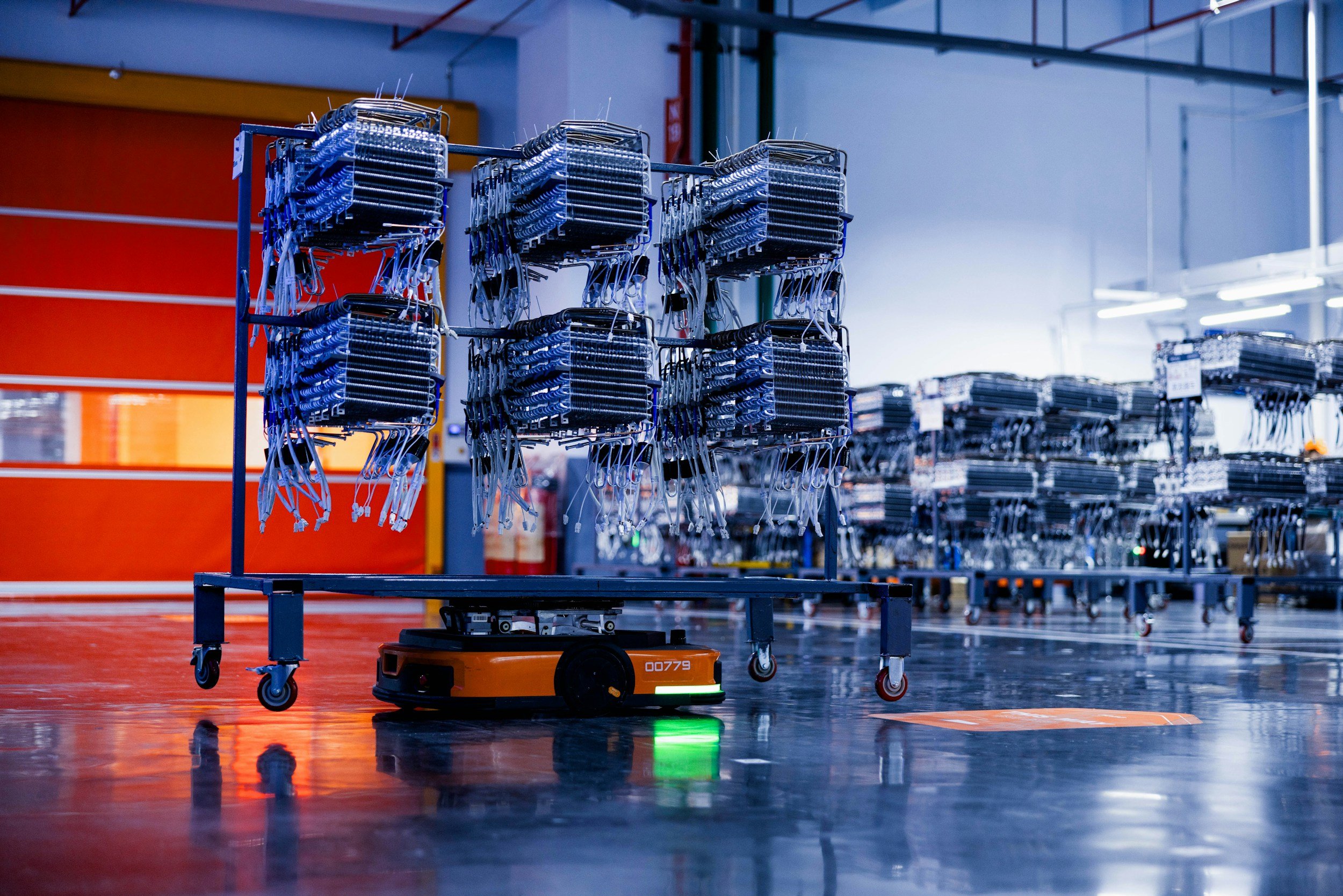
Thousands of drive units navigate a QR-coded grid, transporting inventory continuously across multiple levels. Robotics have been embedded in Amazon’s fulfillment model for more than a decade. What continues to evolve is the intelligence behind them — algorithmic upgrades improving routing efficiency, congestion management, safety interaction, and overall throughput.
Employees such as Amnesty Technicians work alongside the robotic fleet, managing edge cases and maintaining continuous flow. At the corporate level, Amazon continues reallocating capital toward AI and advanced robotics.
The deeper takeaway is not the number of robots deployed, but how Amazon structures control.
Control of the Automation Stack
The defining characteristic of Amazon’s approach is ownership of the orchestration layer governing those robots.
Over time, Amazon has progressively internalized the software stack coordinating fleet routing, task allocation, congestion resolution, safety logic, performance optimization, and continuous algorithmic improvement.
The hardware evolves incrementally, while performance gains are increasingly software-driven. That distinction is critical.
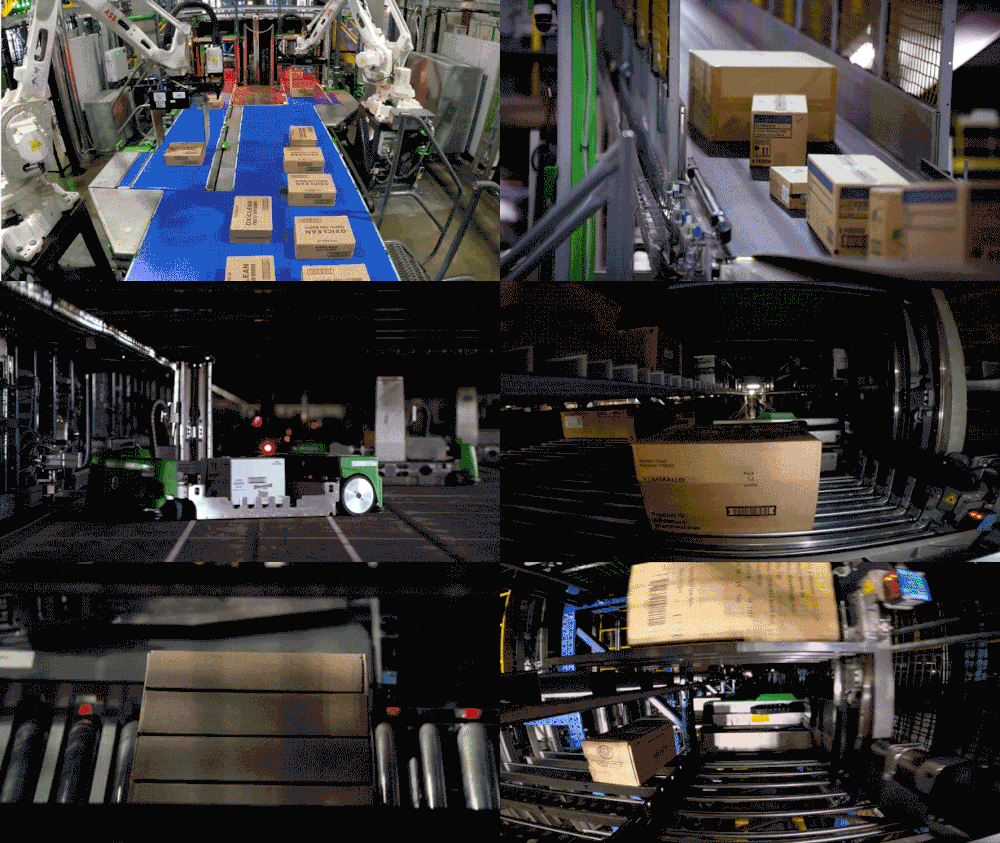
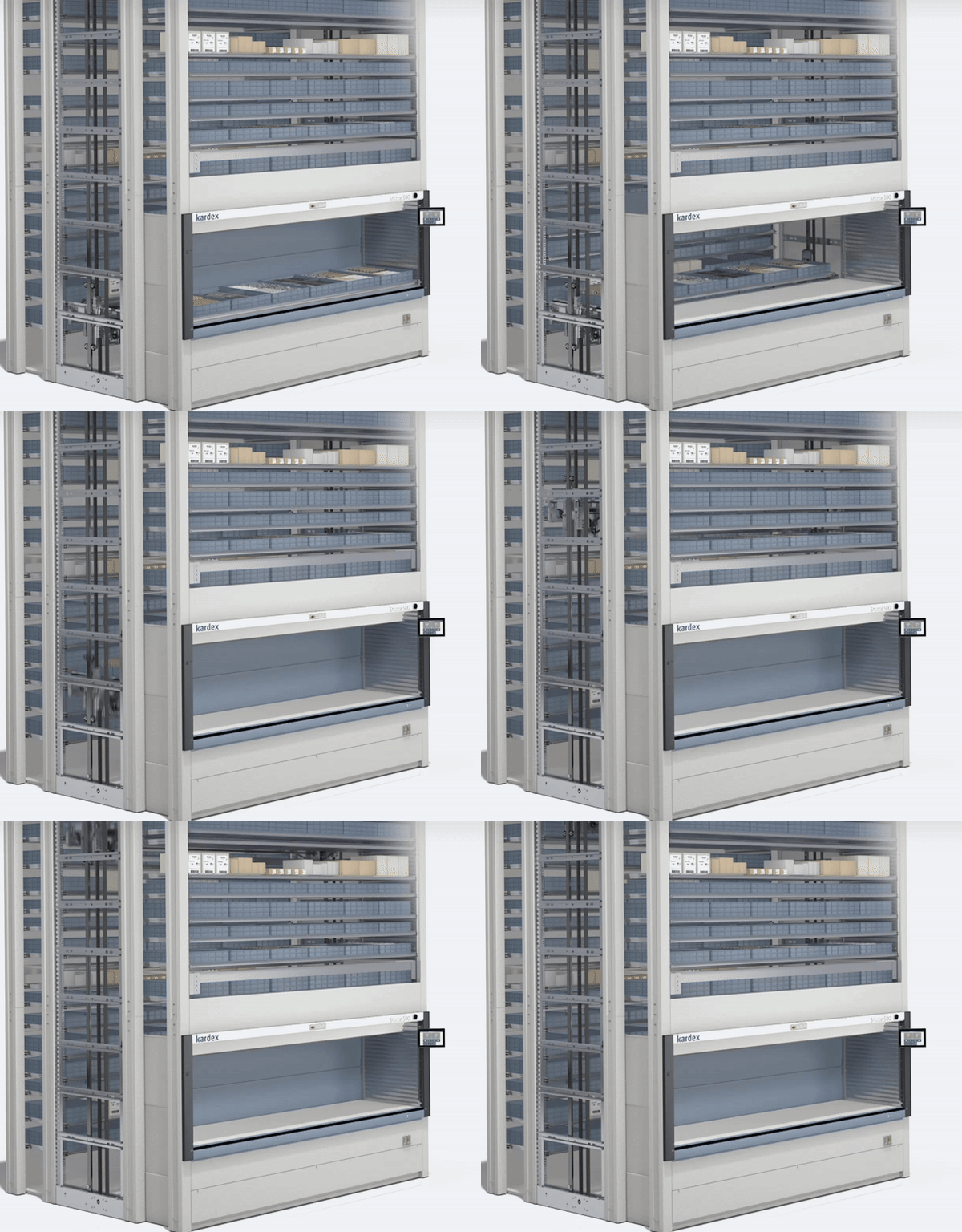
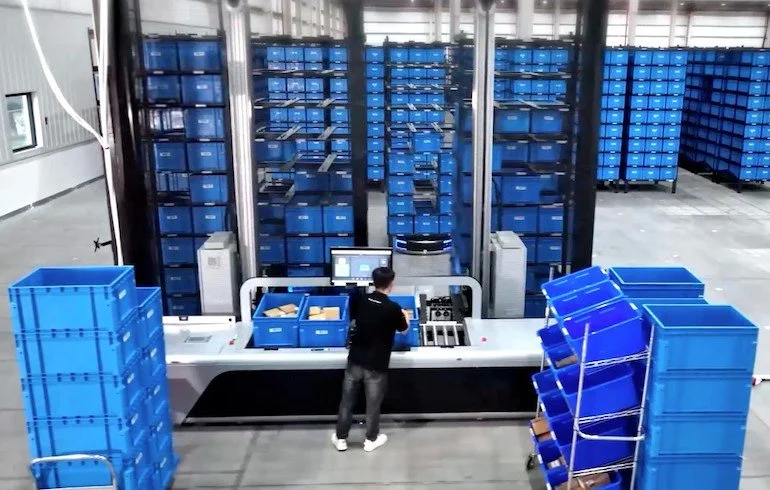
Many companies deploying automation today purchase vertically integrated systems where control logic is bundled with the equipment vendor — ASRS systems with proprietary controllers, AMR fleets with closed fleet managers, conveyor subsystems operating independently, and forklift telemetry isolated from orchestration.
This model can deliver fast initial deployment. Over time, however, improvement velocity becomes constrained by vendor roadmaps and integration boundaries.
Amazon’s long-term advantage comes from reducing those constraints.
Implications for Automation Strategy
The most significant gains in automation are not captured at commissioning.
They compound in years three, five, and ten — when operations must increase throughput without expanding footprint, integrate new automation generations, adjust to tighter SLAs, layer AI capabilities into workflows, and harmonize mixed fleets across brownfield sites.
If the orchestration layer is externally controlled and proprietary, each upgrade becomes dependent on vendor alignment.
If the orchestration layer is strategically controlled and modular, performance improvement becomes iterative.
Over the lifecycle of a facility, that difference translates into substantial gains in productivity, flexibility, and capital efficiency.
Amazon’s Kent facility illustrates a broader principle:
The visible robots matter.
Long-term competitive advantage resides in the intelligence coordinating them.





At Hannover Messe 2026, SAP and Vodafone showcased a pilot conducted at Vodafone’s warehouse in Duisburg,