
• SanMar, the largest wholesale supplier of imprintable apparel, bags, and accessories in the United States celebrated the grand opening of its 1.1 million-square-foot Richmond, VA, distribution center – its largest facility and East Coast flagship – featuring a fully automated product-picking system.
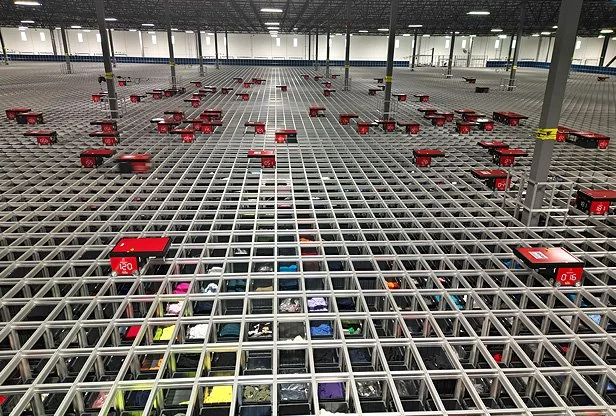
• The automation technology allows products to be retrieved from a 125,000-square-foot grid and delivered directly to employees, improving fulfillment speed, accuracy and efficiency.
• The grand opening drew more than 500 attendees and featured facility tours, decoration demos, brand activations and live music.
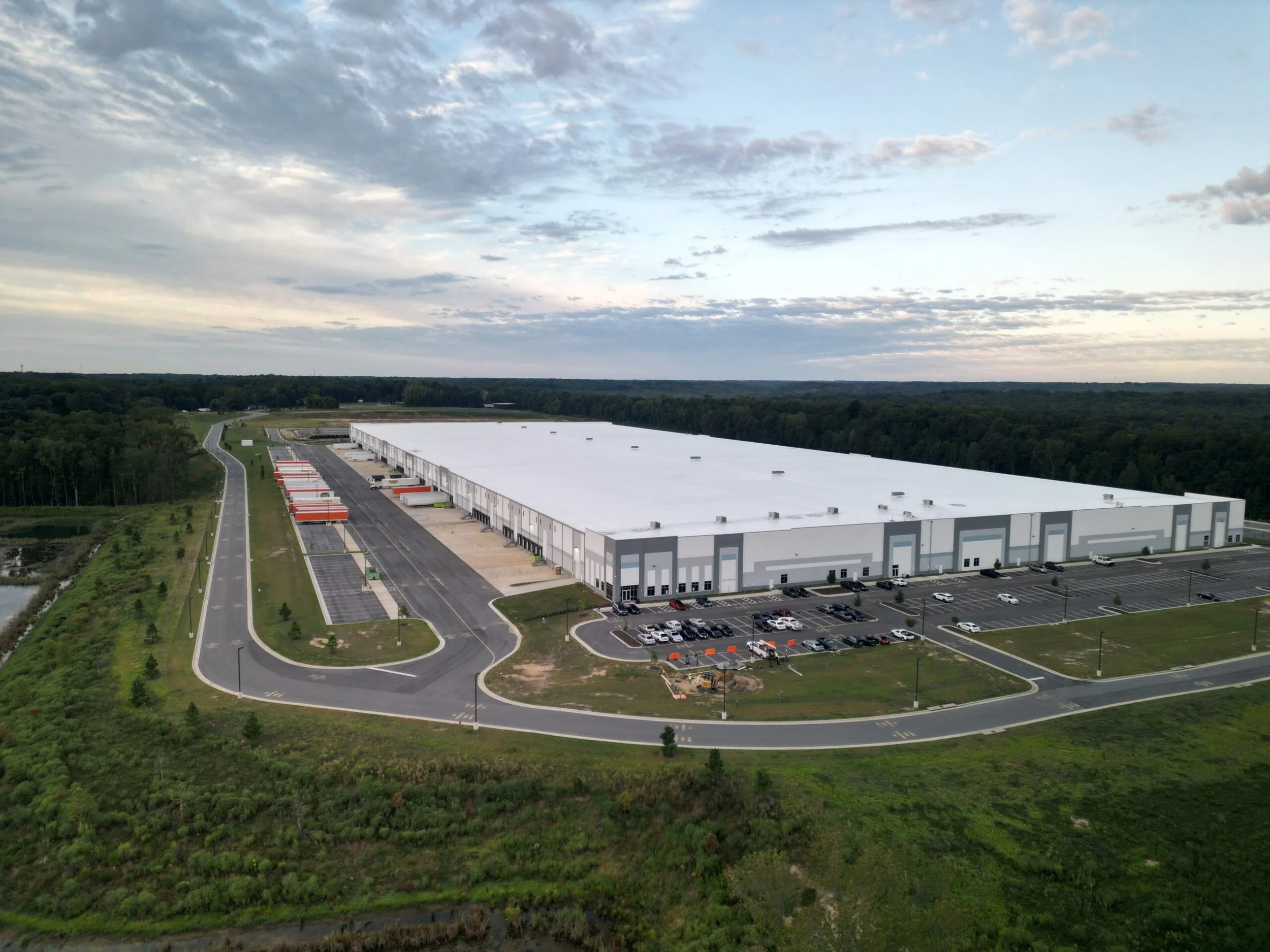


Seattle-based, SanMar, celebrated the grand opening of its largest distribution center on Oct. 10, welcoming more than 500 customers, industry leaders, employees and community partners to Richmond, VA.
SanMar said the 1.1 million-square-foot facility serves as its East Coast flagship and touted the center’s automated product-picking system – a first for the supplier. The distribution center increases regional capacity and is designed to expand SanMar’s East Coast presence and strengthen nationwide service. SanMar said it’s been working to bring the Richmond facility online since 2022, adding that it’s now fully operational.
During a ribbon-cutting ceremony for the new facility, SanMar President and CEO Jeremy Lott, reflected on how much his family-owned company has evolved over the decades.
“SanMar has grown a lot since my dad founded it, packing orders in the basement 55 years ago,” he said. “You can see how much has changed from those humble beginnings to this warehouse the size of several football fields.”
The automation-heavy distribution center is also a signal of what’s to come for SanMar, Lott said. Not only is SanMar already planning expansions for the Richmond location, it’s also leveraging new technology at its other facilities.
Lott said. “This warehouse is part of a nationwide optimization of our nine distribution centers, already known for providing reliably deep inventory,” he added. “The upgrades we’re making enable us to do even better.”
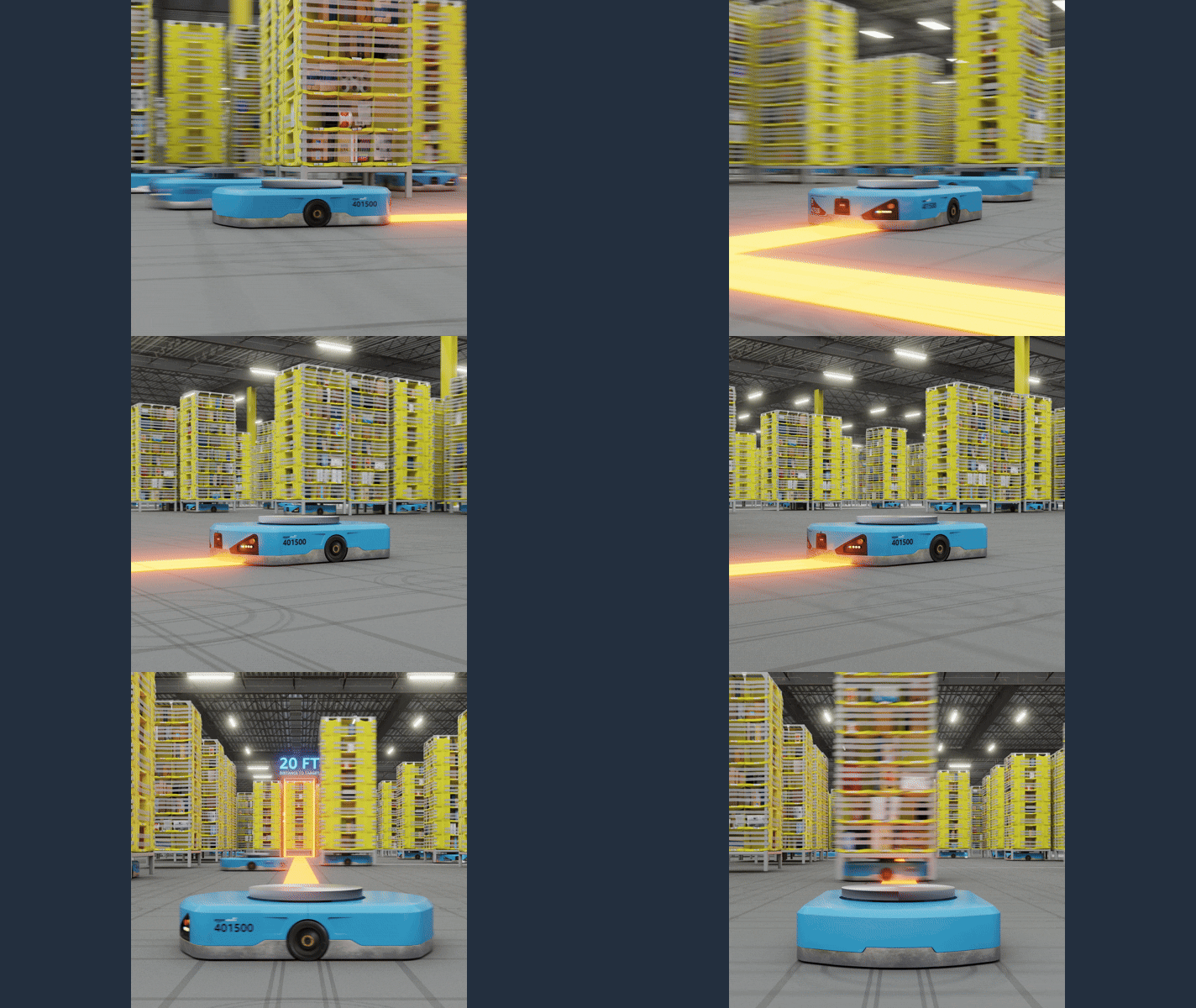
Since its launch in May, the Richmond warehouse, SanMar’s most advanced facility, has quickly adapted to demand. The automated system includes a fleet of units that pick and convey products along a nearly 125,000-square-foot grid, delivering goods directly to SanMar employees, rather than a traditional warehouse setup that would require workers to retrieve products themselves.
The automated picking system, SanMar said, delivers state-of-the-art efficiency by optimizing frequently ordered products and accuracy in fulfillment.
“By leveraging automation at this scale, SanMar is redefining what distribution can look like for the promotional industry – faster, smarter and built for the future,” said Matt Kuper, vice president of global sales and applications at Bastian Solutions, the team that facilitated SanMar’s automation integration.
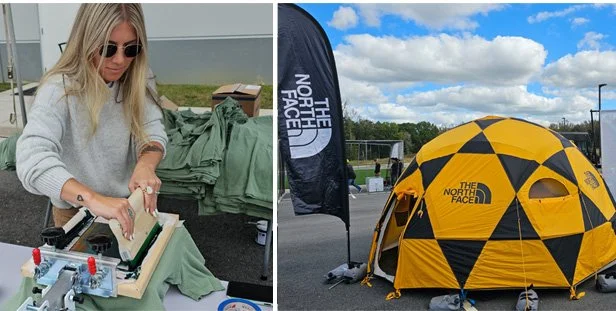
At the grand opening celebration on Oct. 10, SanMar provided guided tours of the new facility, giving attendees a first look at the automation system. The event also featured live music, food trucks, decoration demos, giveaways and retail brand activations.
UPS invited attendees to show off their navigational prowess by completing a drone agility course. The North Face provided a Polaroid-ready photo op, decking attendees out in puffy yellow Himalayan suits, complete with ropes and ice axes, then having them pose inside a dome tent.
Representatives from Allmade (asi/34341) and Stahls’ (asi/88984) were on hand to provide live decoration on T-shirts. Carhartt was customizing its gear onsite with sewn patches. Other brands at the event included Rabbit Skins, BELLA+CANVAS (asi/39590), Stanley/Stella (asi/89011) and Comfort Colors.
Brian Thompson, vice president of distribution at SanMar, said the Richmond distribution center continues a throughline that he’s seen during his 30 years with the company: “As we’ve added locations and buildings, we’ve continued to innovate and invest in technology that improves speed and accuracy.”
Indeed, the location SanMar chose for its latest facility has a legacy of speed, having once served as a local horse racing track called Graymont Park. And though the site is known officially as the Richmond distribution center, the supplier is embracing Graymont as an apt nickname. “We believe the name still fits,” Lott said.
SanMar is the largest wholesale supplier of imprintable apparel, bags, and accessories in the United States, founded in 1971 and family-owned. It provides a wide range of clothing and accessories to customers like screen printers and embroiderers, who then customize them for businesses, teams, and events. SanMar carries many brands, including its own private labels, and is known for its large distribution network and commitment to social responsibility.











Amazon just announced the expansion of one-hour and three-hour delivery across the U.S.