Amazon Unveils New Multi-Tasking Warehouse Robot
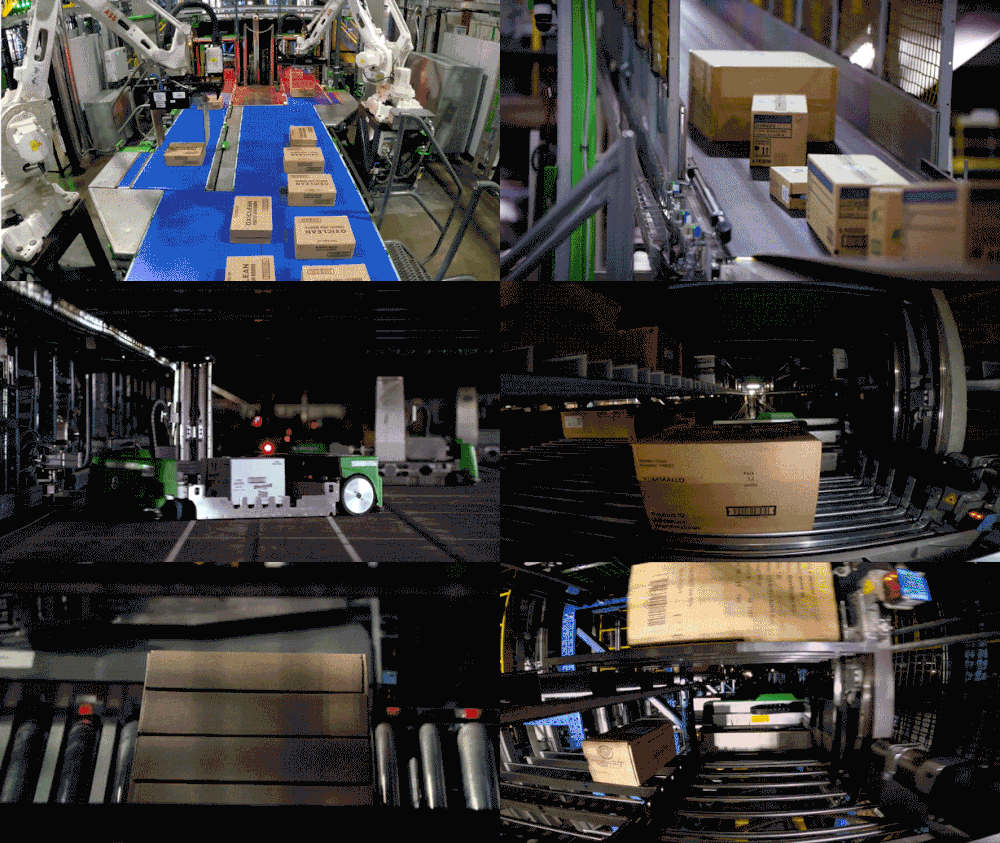
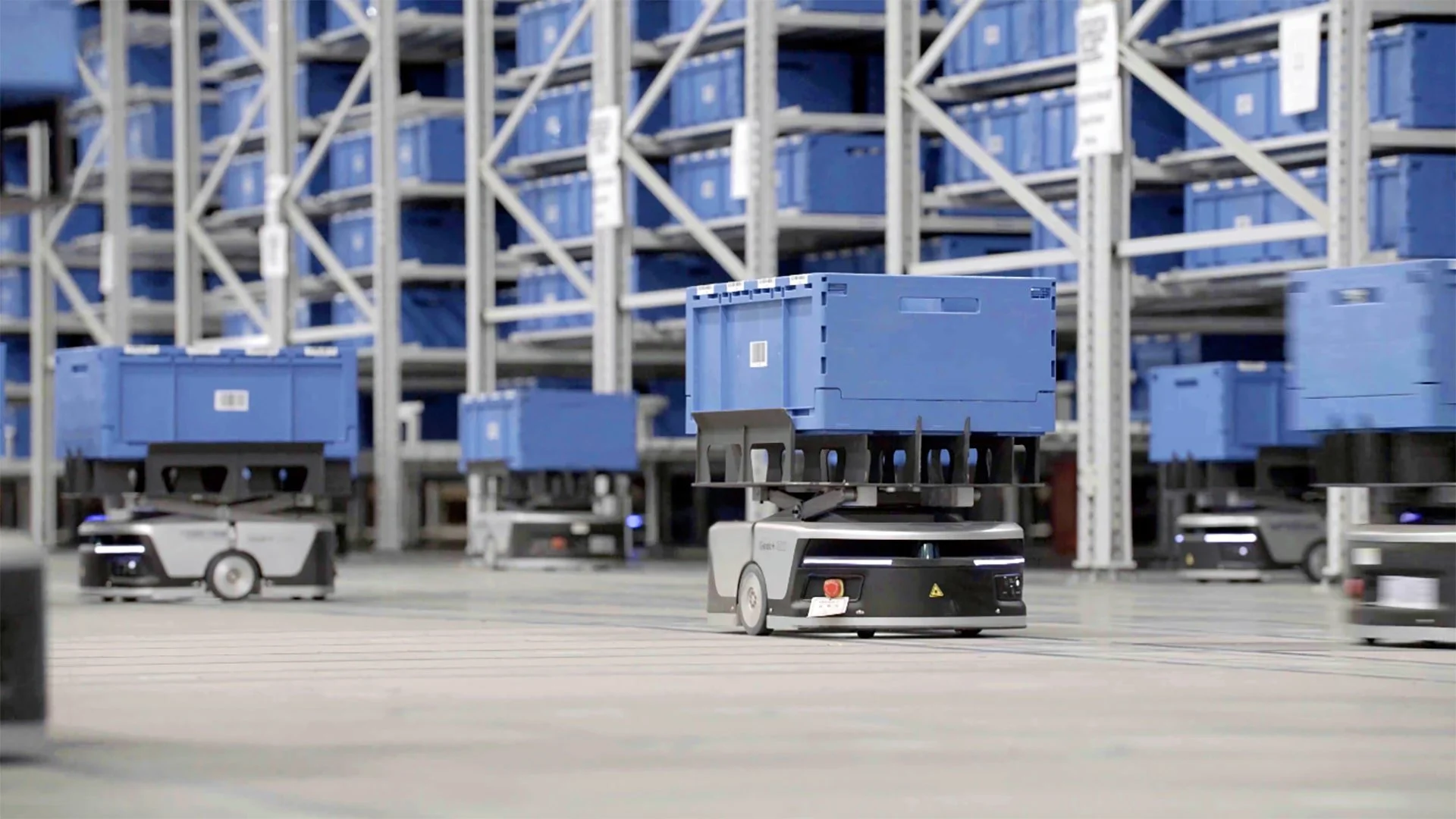
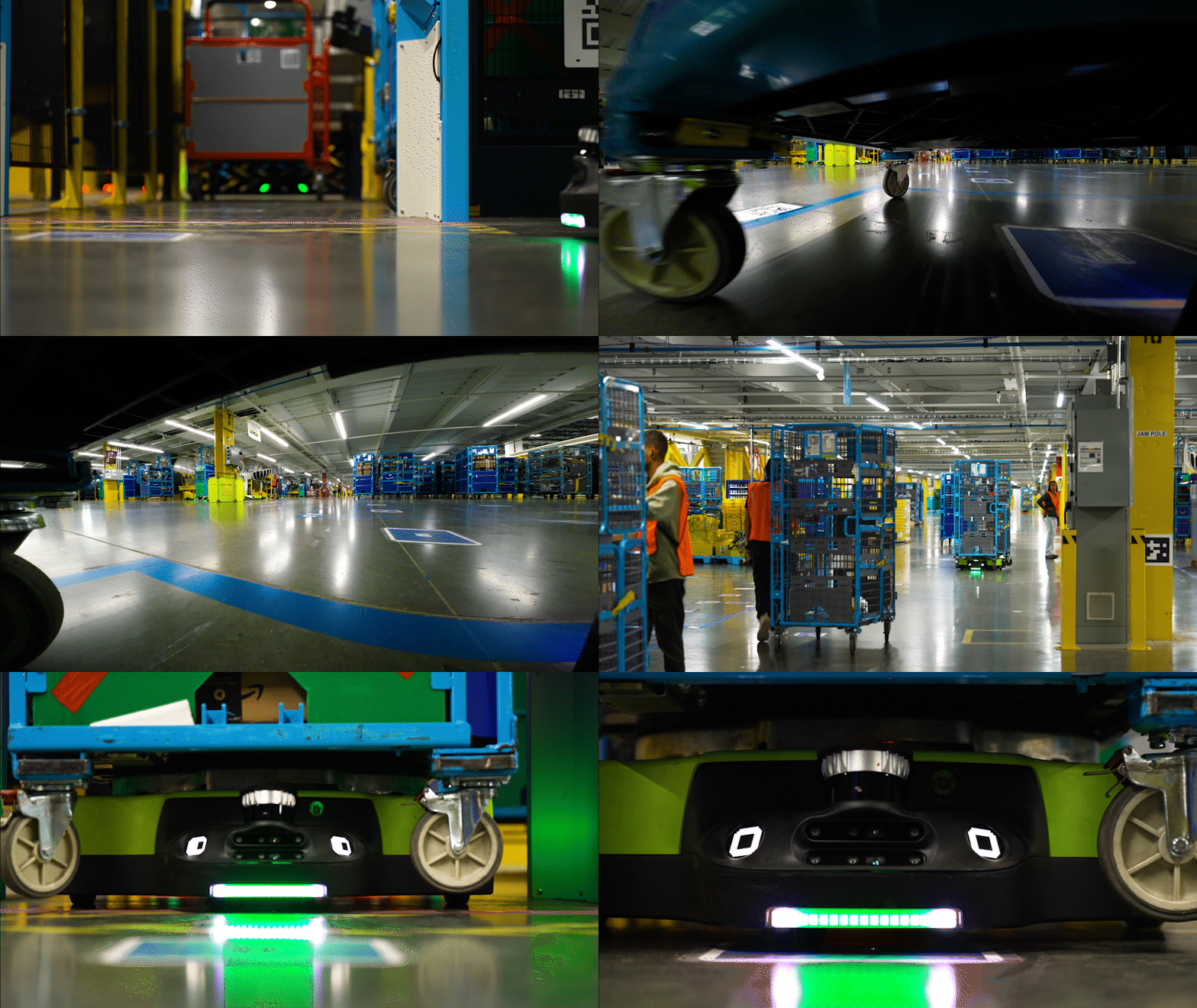
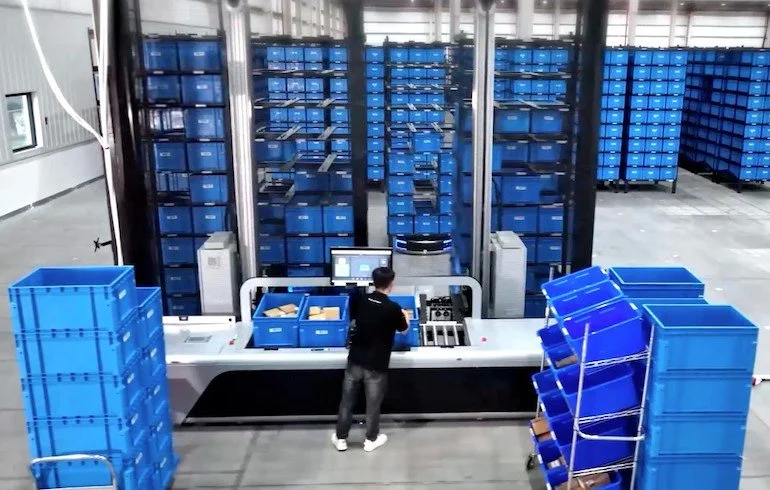
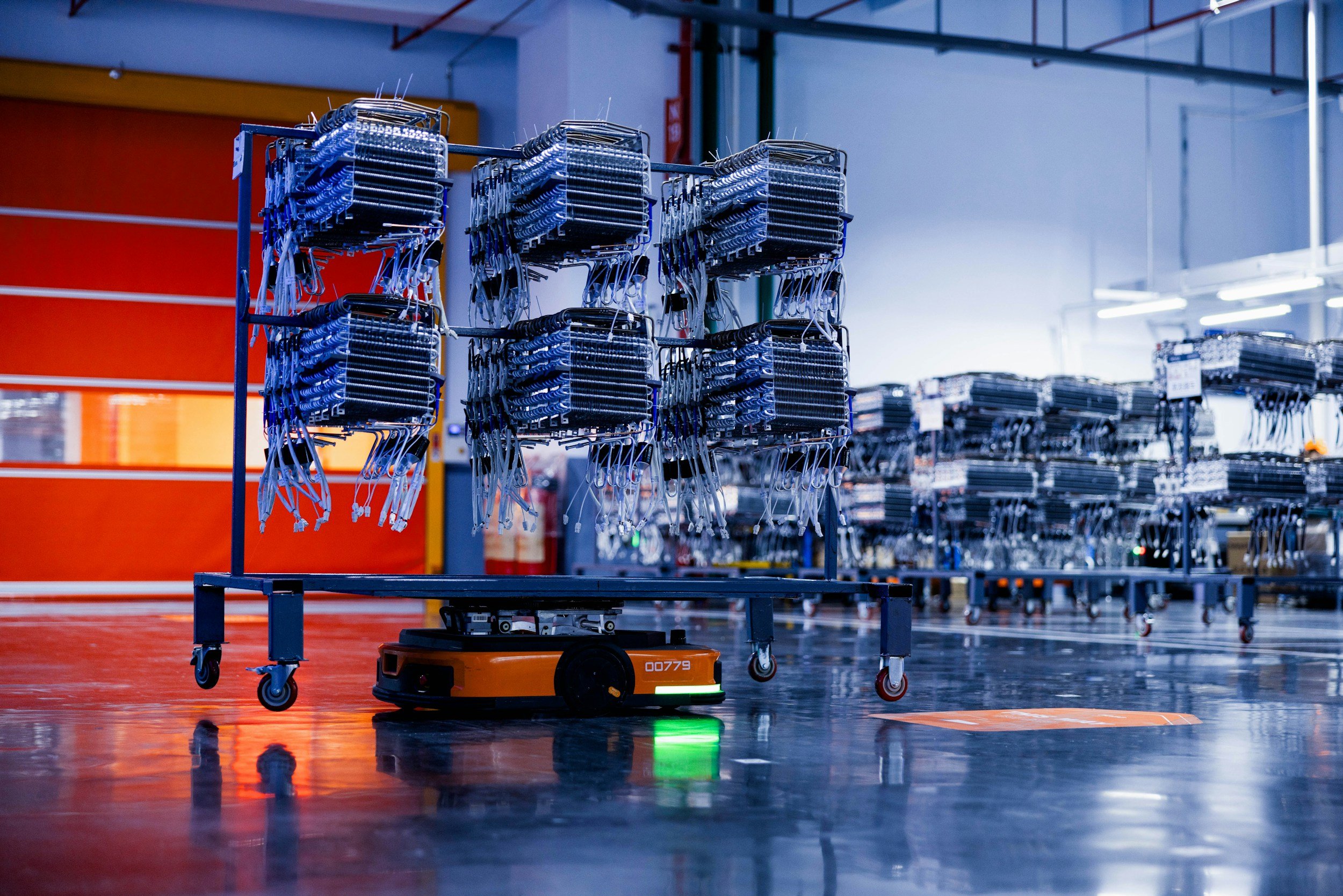
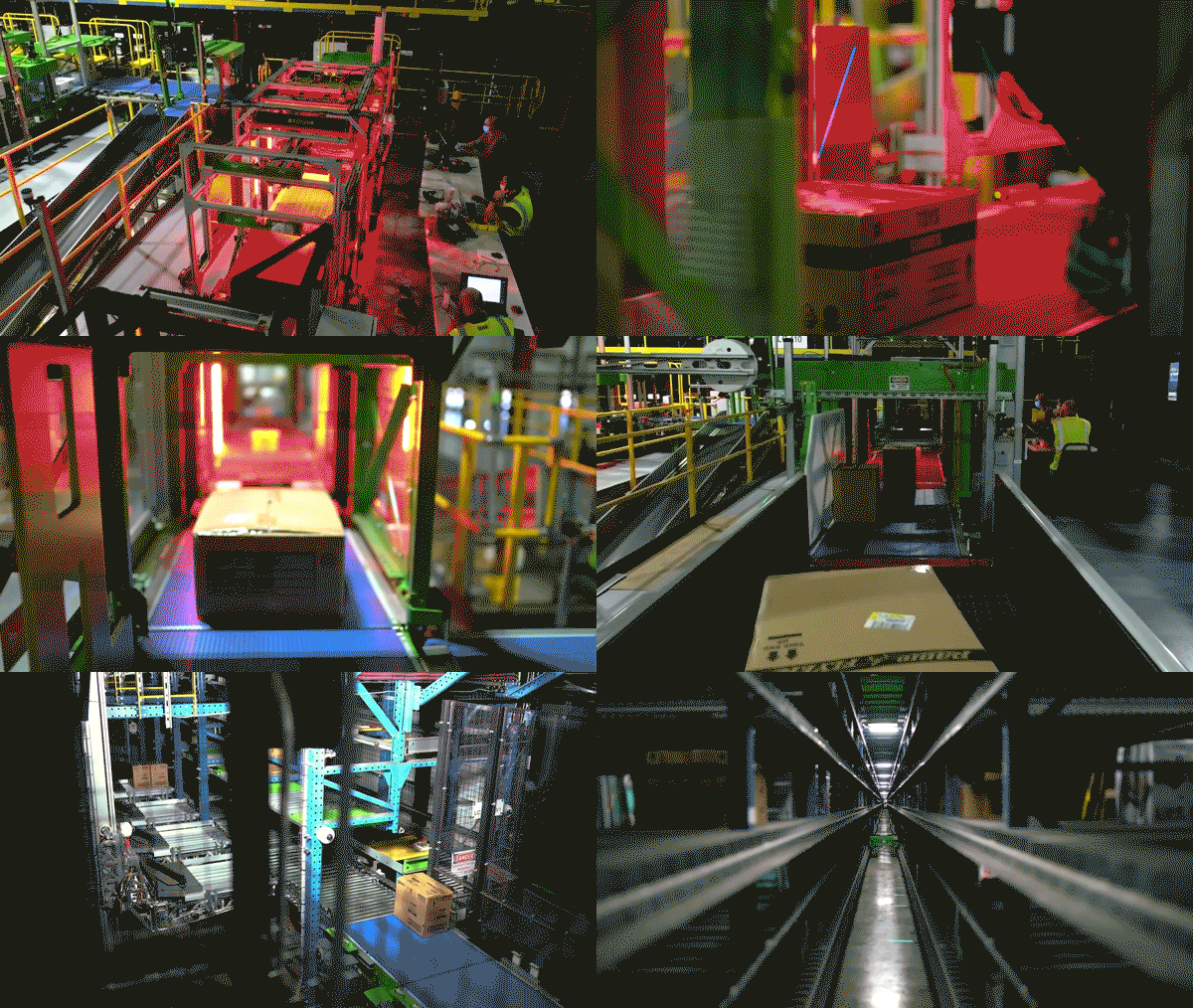
Amazon has just unveiled Blue Jay, a next-generation warehouse robot capable of performing multiple tasks at once — picking, stowing, and consolidating within a single workspace.
It’s paired with a new AI system called Project Eluna, designed to help operators make real-time decisions and optimize warehouse performance.
Together, these two systems highlight how Amazon is combining robotics and AI orchestration to make fulfillment faster, safer, and more efficient — and to reshape how people and machines collaborate on the warehouse floor.
Watch the video below:

Meet Blue Jay, our next-generation robotic system that's like having an extra set of hands for our teams 🤖. It picks, stows, and consolidates in one streamlined workspace—moving three separate stations into one. pic.twitter.com/UNxWcT8X9M
— Amazon (@amazon) October 22, 2025
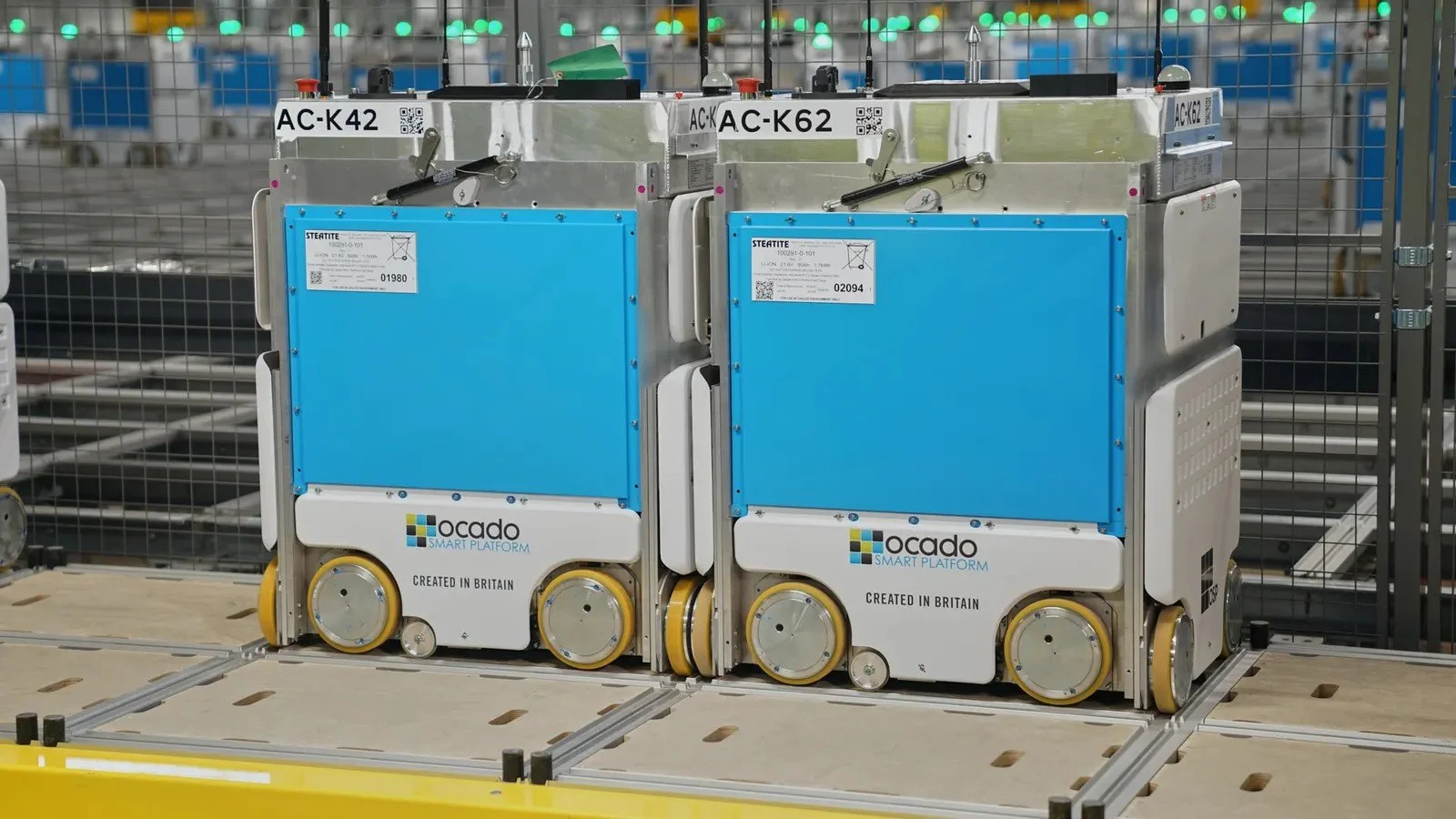
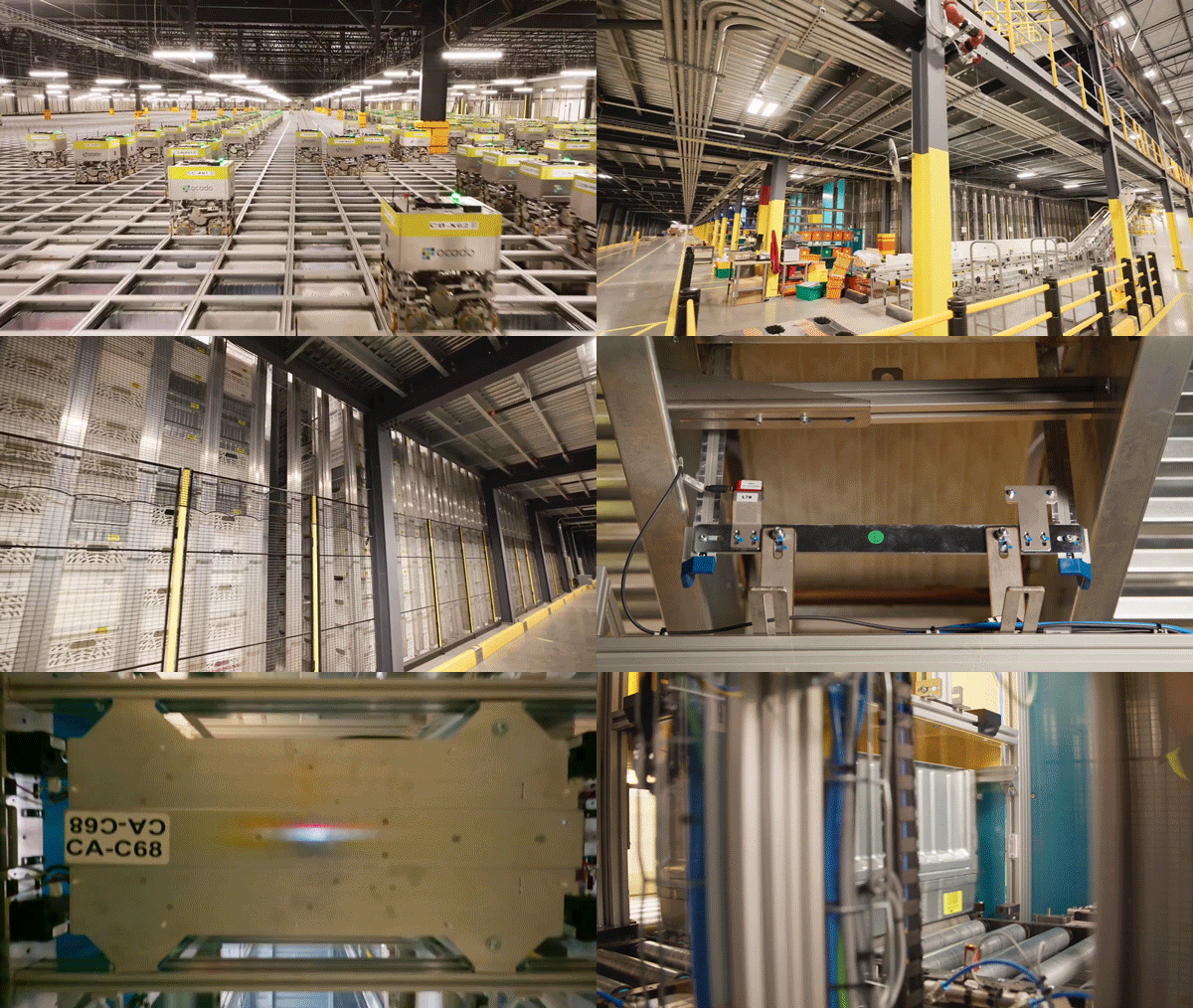
Ocado has delivered a cube-based automation system for McKesson Canada, representing a continued expansion of its technology beyond e-commerce grocery fulfilment.
Ocado is facing reports of up to 1,000 job cuts
The prominent robotics startup entered bankruptcy protection in July after raising more than $200 million dollars from investors.
Another Ocado robotic cube warehouse goes dark. Sobeys’ decision highlights how fragile large, robot-heavy fulfillment models become when growth underperforms.
Automated Fulfillment Networks Don’t Always Expand Gracefully
Gartner forecasts that fewer than 100 companies will move humanoid robots beyond proof-of-concept.
Automation alone does not deliver sustainable performance or return on investment.
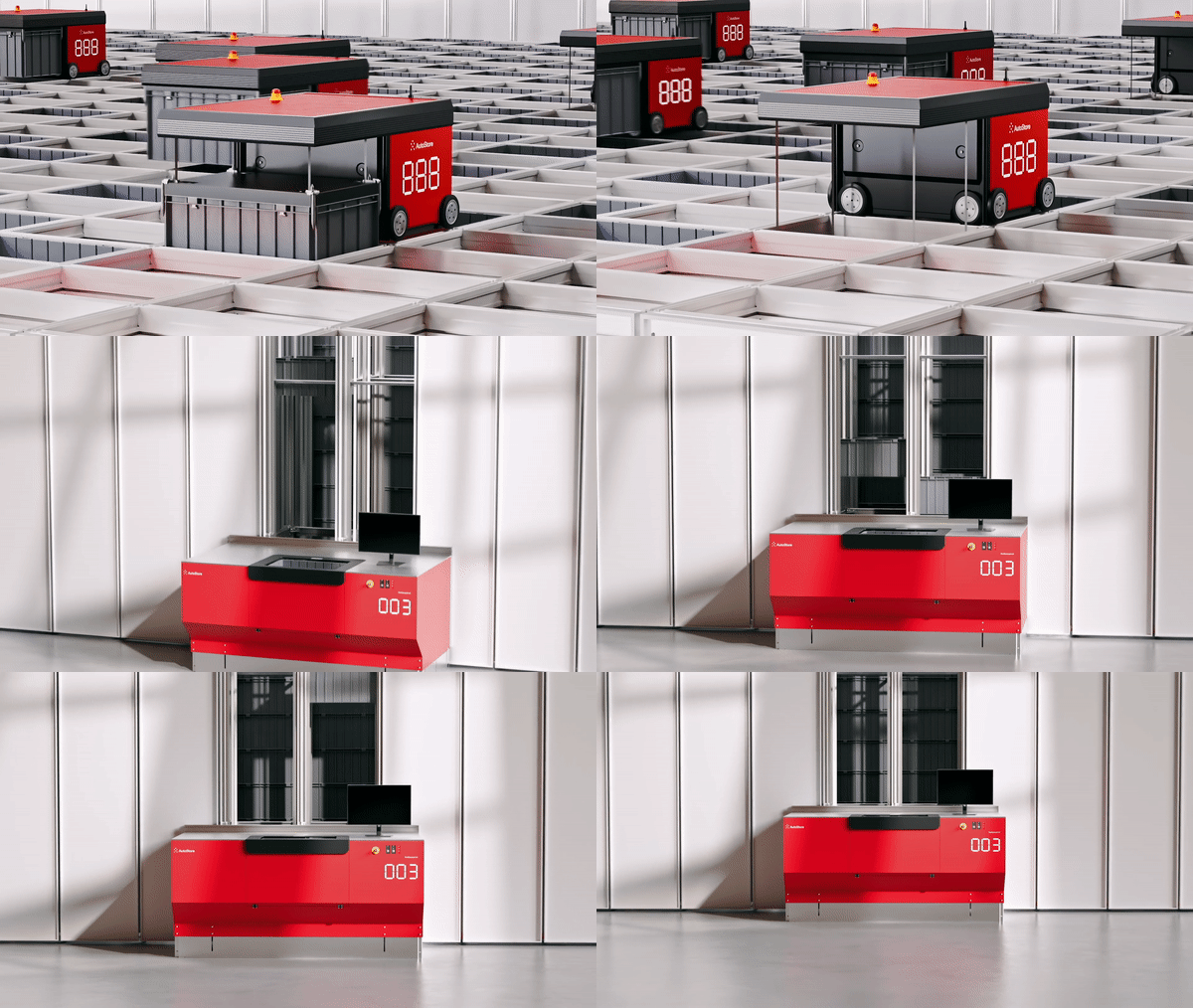
AutoStore has been positioned as the most space-dense ASRS solutions available. The claim has been repeated so often that it is rarely questioned.
The German online fashion retailer said activities at the Erfurt fulfilment site will end by September 2026.
How One Black Swan Event Ends the ASRS Speed Debate
The Simulated Frontier: How Physical AI Breaks the Automation Vicious Cycle
For years, cube-based ASRS systems — most notably AutoStore — have been positioned as the most space-dense storage solutions available. The claim has been repeated so often that it is rarely questioned.
Before You Replace Your WMS, Make Sure It Can Run Unified Commerce.
AutoStore and the Assumptions Behind Centralized Grocery Fulfillment.
The Simulated Frontier: How Physical AI Breaks the Automation Vicious Cycle
UPS Buys Hundreds of Robots to Unload Trucks in Automation Push.
Zebra Technologies is winding down its autonomous mobile robot (AMR) business, built around its $290 million acquisition of Fetch Robotics in 2021.
Kroger has announced a brand-new, $391 million automated distribution center in Franklin, Kentucky.
Kroger has taken another decisive step away from the automated fulfillment strategy it launched with Ocado in 2018.
The site in Wilcza Góra was taken from groundbreaking to operational readiness in roughly a year — significantly faster than the large Ocado CFCs launched elsewhere.
Offering high performance and excellent payload capacities, these robots makes the perfect solution for a multitude of high-payload applications.
Kroger cancels plans for additional CFCs, to pay $350M to Ocado.
Walmart is using next-gen automation to cut a 12-step process to five and challenge Amazon on delivery speed.
Walmart’s engineers are moving away from writing every line of code and toward guiding AI-driven processes.
Watch how a full-store inventory scan can now be completed by one person in 18 minutes or less, with 100% accuracy.
Walmart’s leadership credits its momentum to one thing: using data aggressively.
The AI-supported system factors in live traffic and driver location to give customers a more accurate delivery timetable.
Why is automation underperforming? DHL’s latest data reveals the core issues.
Ocado Responds to Kroger’s CFC Closures — What Their New Statement Reveals (and What It Doesn’t).
AutoStore reported its 2025 results this week, outlining a year that moved from early caution to clear second-half acceleration.