
Automation Isn’t the Bottleneck — Integration Ownership Is
A recent North American survey of more than 120 warehouse leaders, conducted by one of the largest AutoStore integrators, highlights a reality that many operators already experience firsthand: automation alone does not deliver sustainable performance or return on investment.
The data confirms a growing disconnect between the promise of warehouse automation and day-to-day operational outcomes — not because automation systems fail mechanically, but because integration and orchestration remain incomplete, fragmented, or owned by the wrong layer of the stack.
What the survey data actually shows
The survey results are straightforward and revealing:
63% of warehouses remain fully manual, with no automation deployed
Of those that have invested in automation:
23% report fully integrated systems
62% describe their environments as partially integrated
15% report no integration at all
At first glance, “partial integration” may sound like progress. In practice, it often represents the most fragile and expensive state an operation can be in.
Why “partial integration” is where ROI goes to stall
Partially integrated environments tend to share common symptoms:
Automation islands connected by point-to-point interfaces
Manual exception handling filling gaps between systems
Planners and supervisors acting as real-time schedulers
Spreadsheet logic compensating for missing orchestration
Changes requiring custom development, vendor involvement, or both
In other words, labor and complexity are not eliminated — they are shifted.
This explains why many automated warehouses struggle to scale throughput, absorb peak variability, or adapt workflows after go-live, despite significant capital investment.
Integration is necessary — but insufficient on its own
The survey correctly identifies integration as the missing link between automation and ROI. However, it stops short of addressing a more fundamental issue:
Who owns the integration and orchestration layer?
In many automated facilities, that layer is:
Embedded within a single automation vendor’s control stack
Managed by a system integrator as a project artifact
Customized specifically for the initial design assumptions
This approach can work — until requirements change.
And requirements always change.
The AutoStore integrator reality
AutoStore-based systems illustrate this dynamic clearly.
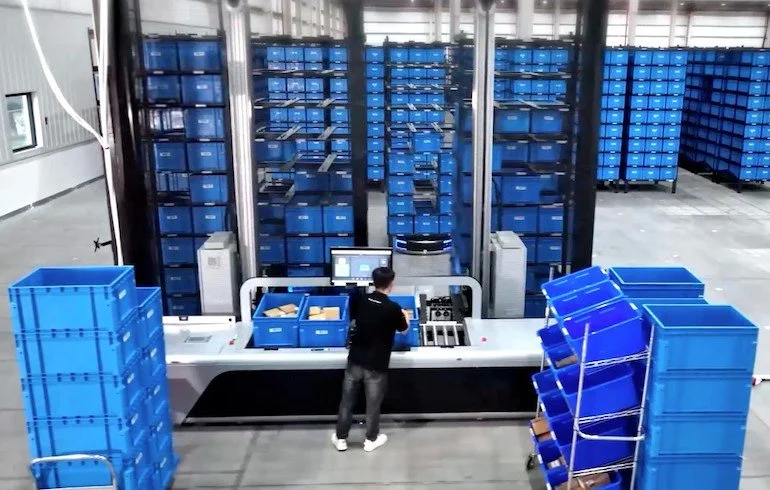
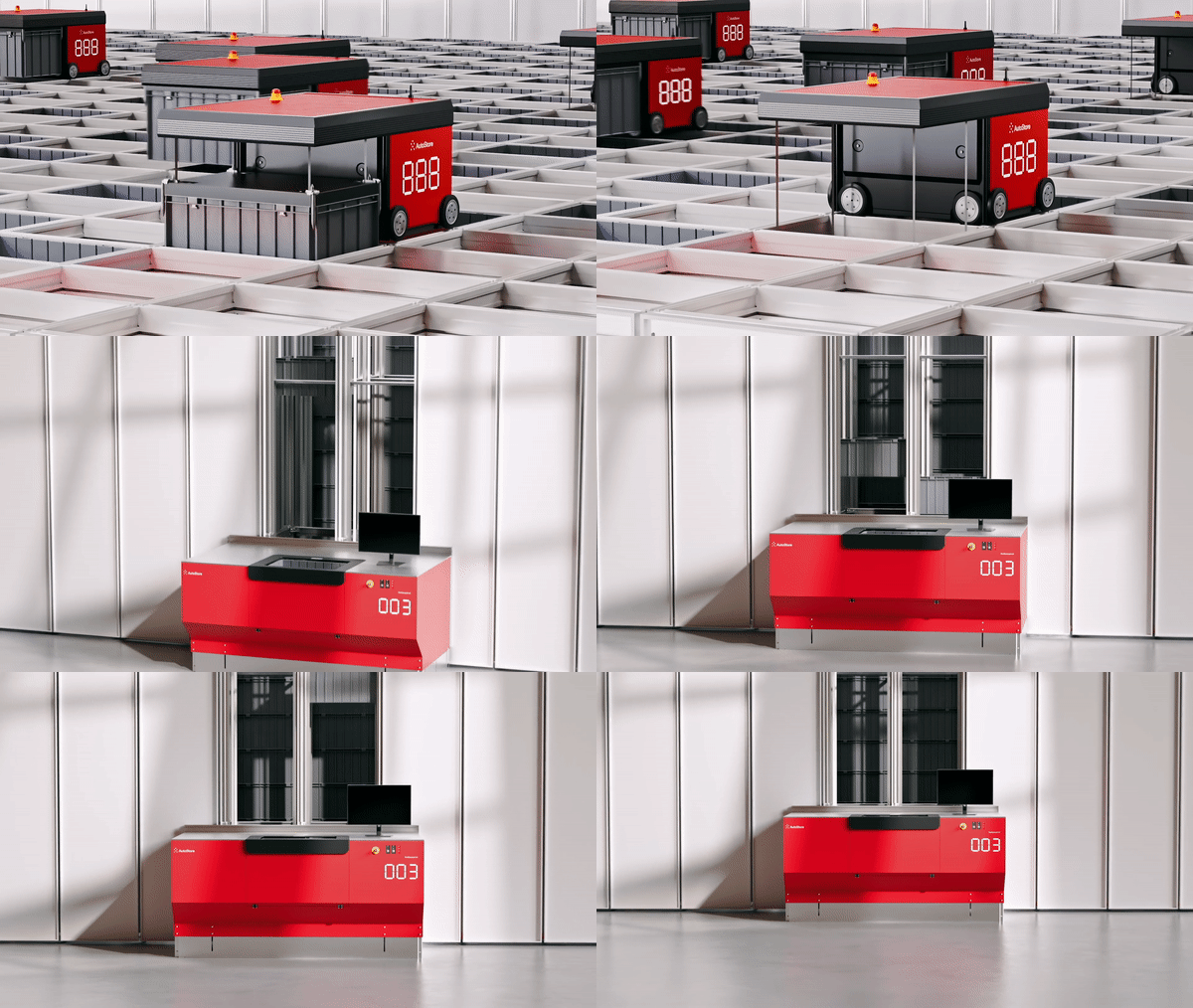
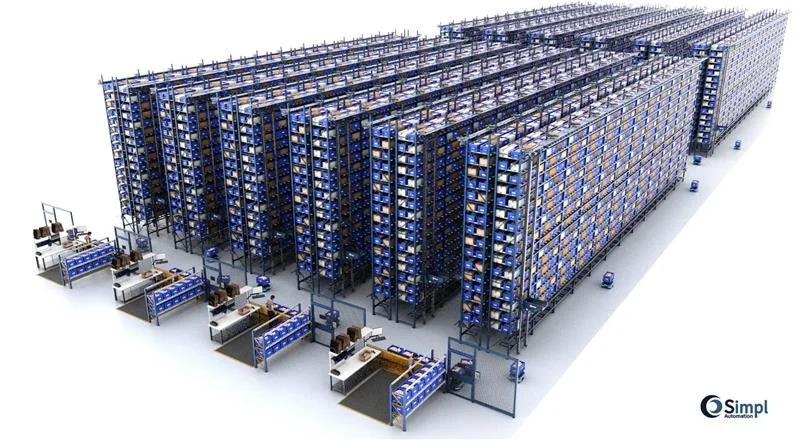
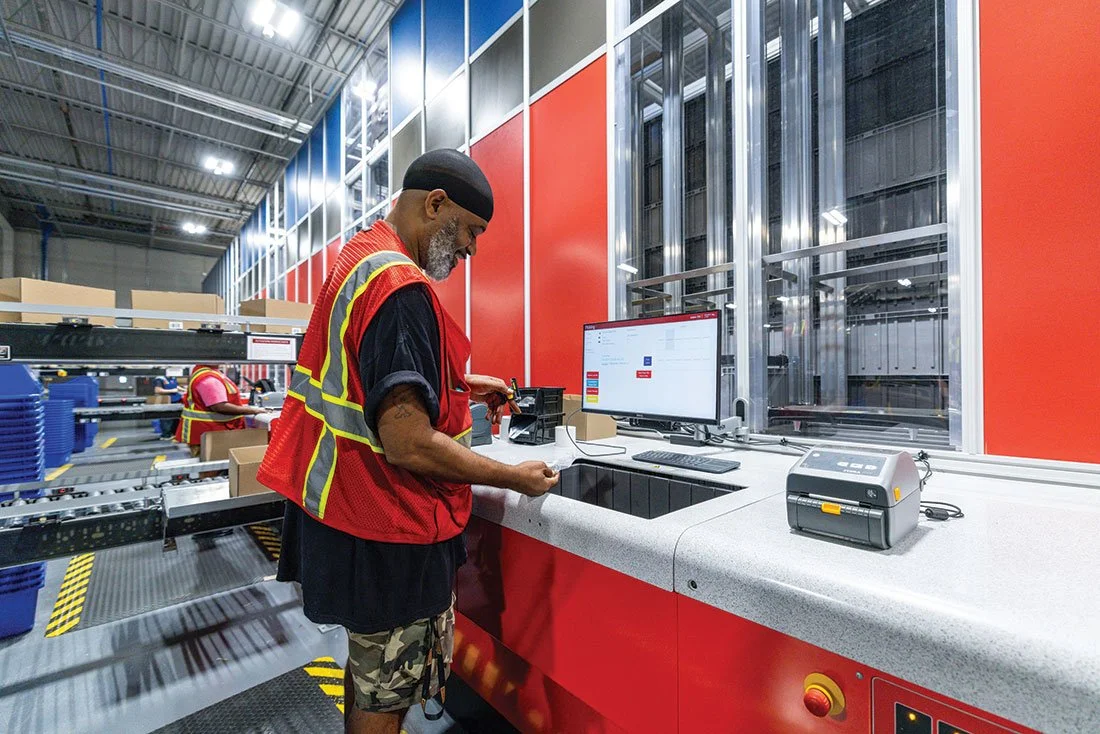
AutoStore excels at dense storage and goods-to-person retrieval. But overall warehouse performance depends on far more than the grid itself:
Inbound and replenishment sequencing
Order release logic and prioritization
Work balancing across ports, zones, and labor
Exception handling and recovery
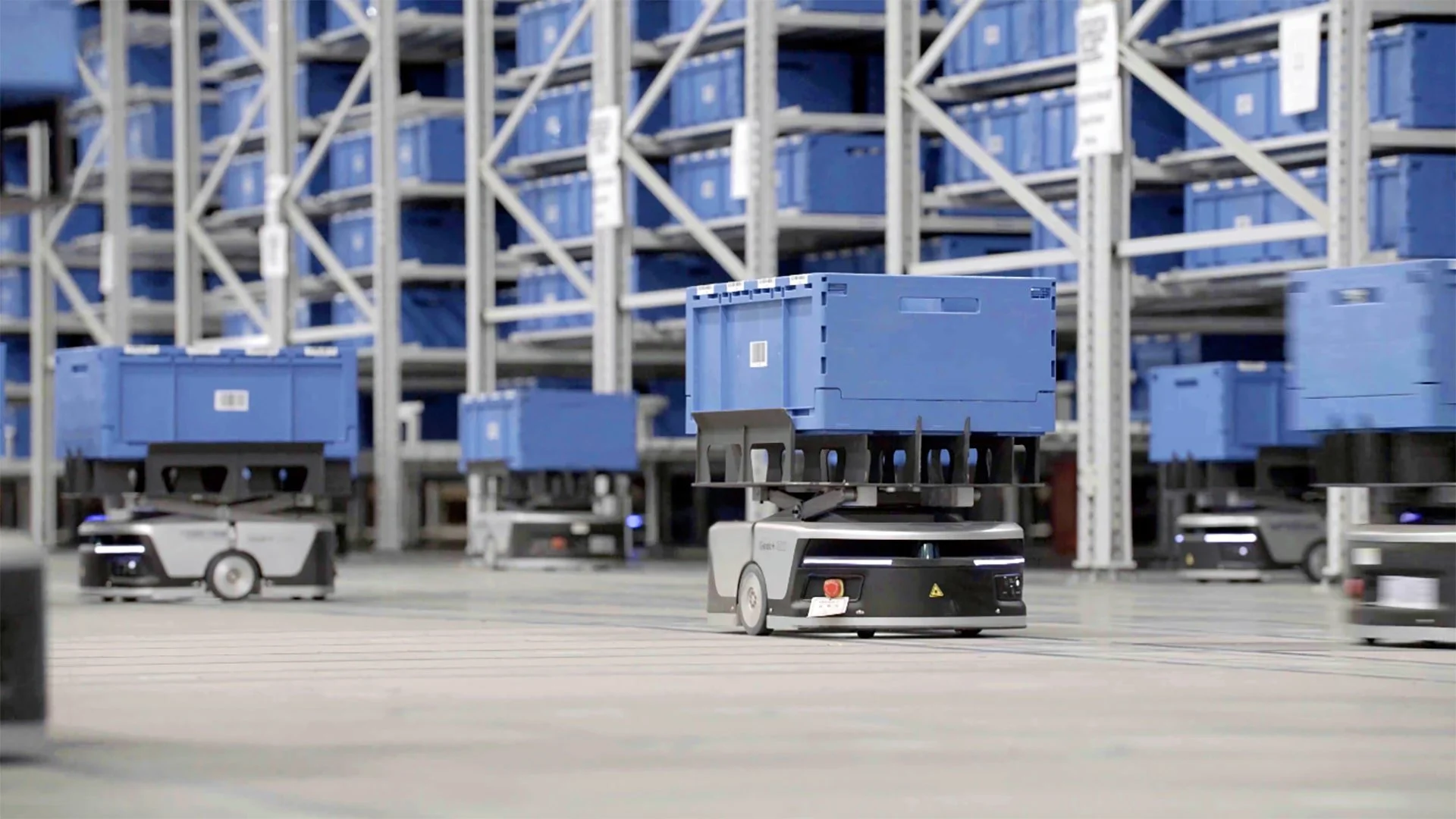
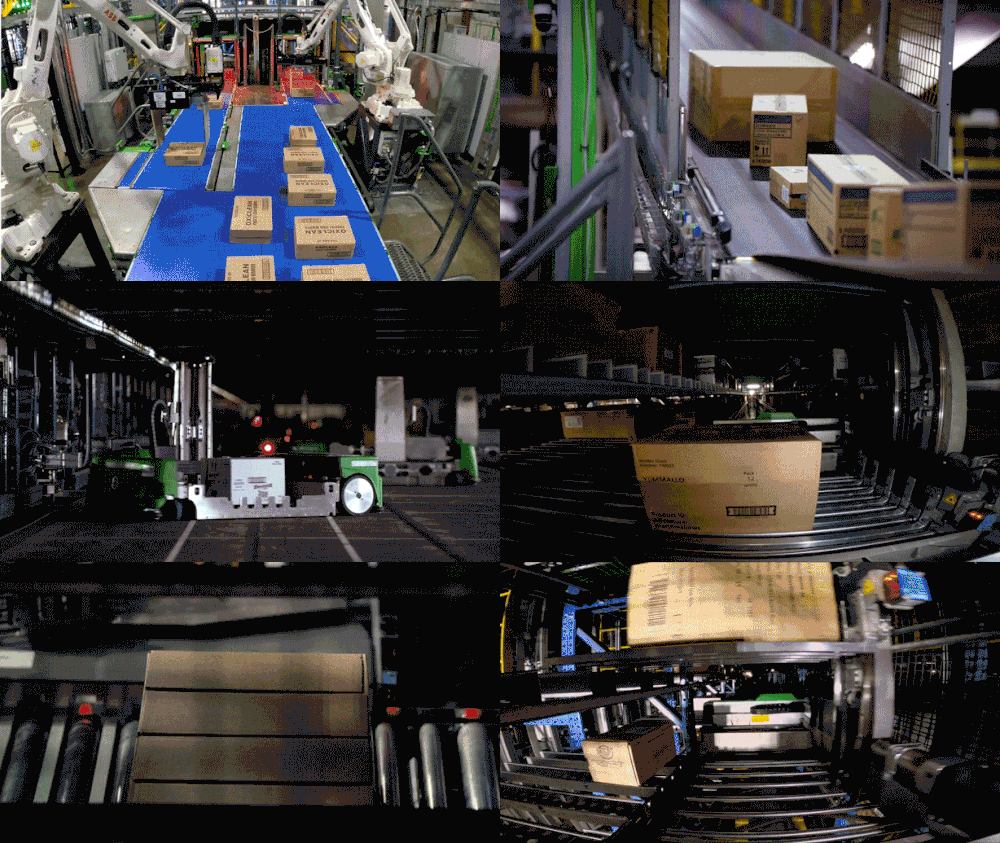
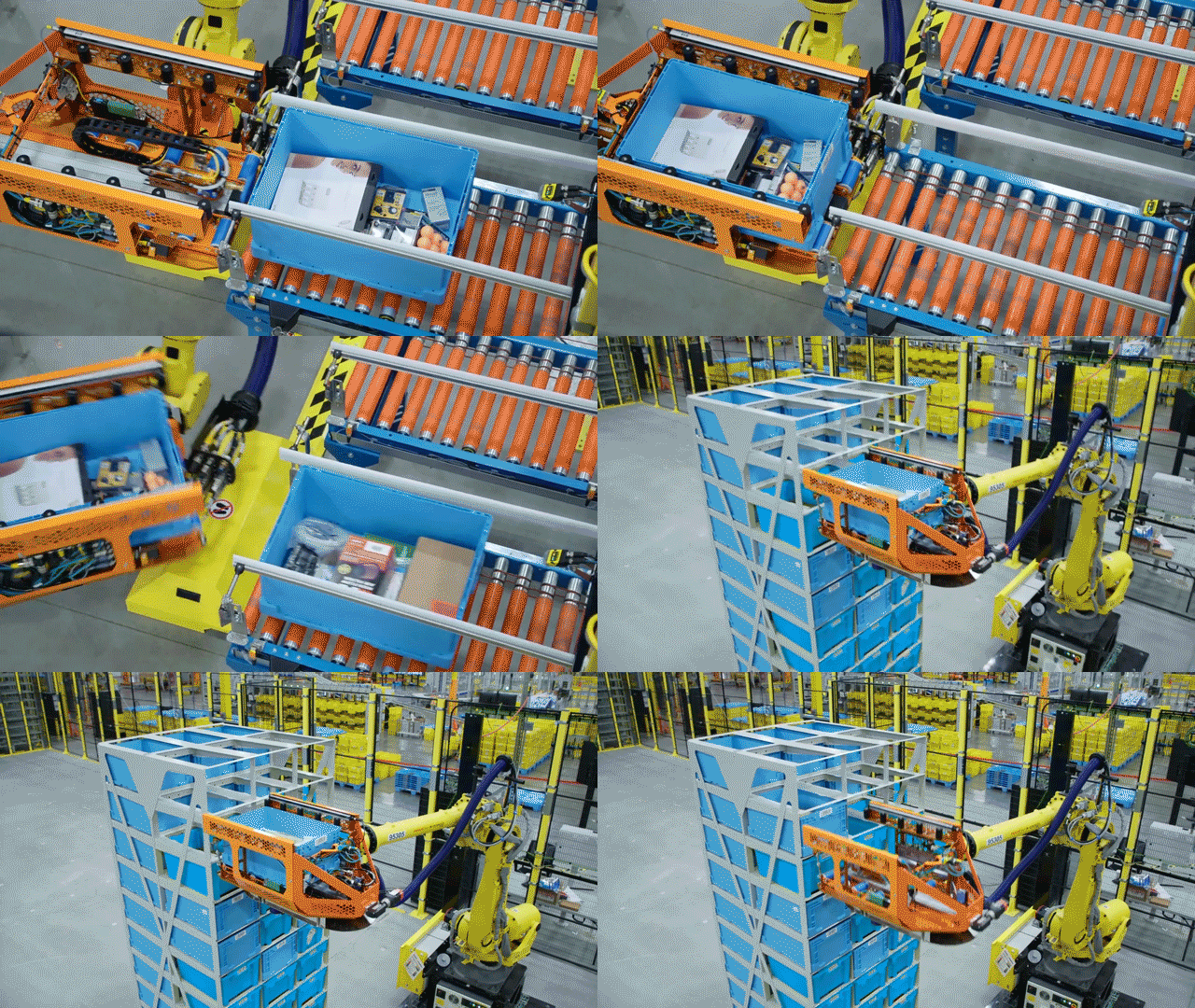
Integration with adjacent automation (AMRs, conveyors, pallet flows)
ERP and WMS coordination under peak load
When orchestration logic is tightly coupled to a single vendor or integrator, operators often discover — too late — that flexibility, transparency, and control are limited.
The missing layer: independent orchestration
What the survey data implicitly points to is not just a need for “more integration,” but for independent automation orchestration.
An independent orchestration layer:
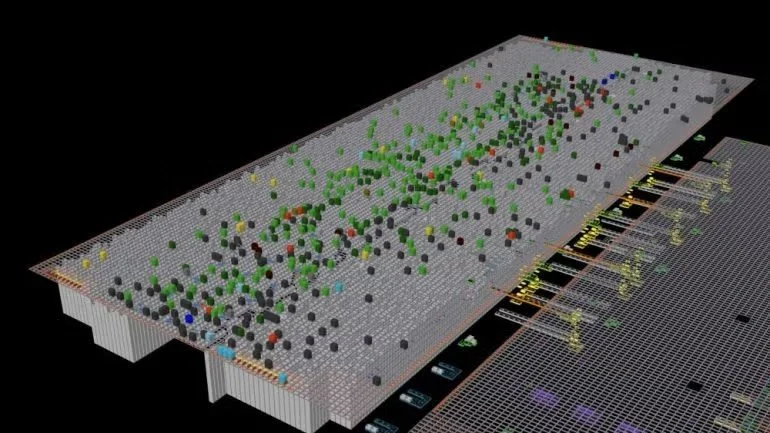
Sits above individual automation subsystems
Coordinates work across vendors, technologies, and humans
Separates business logic from machine control
Allows workflows to evolve without rewriting integrations
Reduces long-term dependency on any single OEM or integrator
This is not about replacing automation vendors. It is about decoupling operational intelligence from hardware ownership.
Why this matters now
As warehouses plan for 2026 and beyond, pressures are converging:
Higher throughput expectations
Labor volatility
SKU proliferation
Shorter planning horizons
Multi-vendor automation environments
In this context, integration treated as a one-time project deliverable is no longer sufficient. It must be treated as infrastructure — designed for change, not just for go-live.
A different way to think about automation ROI
The survey’s conclusions are directionally correct: automation delivers value when systems work together.
The next step is recognizing that lasting ROI comes from owning how work is orchestrated, not just from owning machines.
Warehouses that invest in independent orchestration gain:
Control over change
Faster adaptation to new workflows
Reduced integration risk
Better use of existing automation assets
Those that don’t often find themselves automating twice — once in hardware, and again in software.




At Hannover Messe 2026, SAP and Vodafone showcased a pilot conducted at Vodafone’s warehouse in Duisburg,