
American Eagle Closing Three Automated Facilities Amid Fulfillment Challenges
When Automation Outgrows Its Original Operating Model
American Eagle’s decision to wind down three Quiet Logistics fulfillment centers has understandably drawn attention. On the surface, the move has been framed as a strategic refocus on core brands, with Quiet’s third-party services set to discontinue over the coming months and operations in Boston, Dallas, and La Palma closing by mid-2026. Atlanta will continue to support American Eagle brands.
What’s worth examining more closely, however, is how this outcome came to be.
Because this is not a simple case of automation underperforming.
Quiet Was Already a Proven Operator
Before its acquisition, Quiet had built a strong reputation as a third-party logistics provider. Its fulfillment model, operating discipline, and customer relationships were already established, and its infrastructure supported reliable multi-client operations.
After the acquisition, the strategic intent evolved.
Quiet’s network was increasingly used to support American Eagle’s own store replenishment and e-commerce operations, while also offering excess capacity to external retailers. In theory, this hybrid model promised the best of both worlds: internal optimization with incremental third-party revenue.
In practice, it introduced a new set of requirements.
A Shift in Business Model Requires a Shift in Engineering
Operating fulfillment centers for a single enterprise brand is fundamentally different from running them as a hybrid network supporting multiple demand profiles.
Once Quiet’s role expanded, the facilities required:
Re-engineering of workflows
Changes to software, controls, and integrations
New capacity-management and prioritization logic
Greater flexibility to handle mixed and competing demand
These are not incremental tweaks. They require ongoing engineering ownership, long-term systems thinking, and the ability to continuously redesign how automation assets are orchestrated — not just operated.
This is where many logistics operators encounter friction, particularly when automation is built around proprietary, tightly coupled orchestration layers that limit change outside the original design envelope.
Retail organizations are exceptional at merchandising, brand management, and customer experience. Far fewer are structured to function as long-term industrial automation engineering organizations.
Automation Delivered Value — But Adaptation Was Constrained
American Eagle has been clear that Quiet’s infrastructure improved its supply chain performance:
Inventory was positioned closer to stores and customers
Delivery times improved
Costs were reduced
Those gains were real.
But extracting additional value — by expanding the model, modernizing facilities, and adapting them to support multiple fulfillment roles — required more than operational excellence. It required software-level control over how automation workflows were coordinated, reprioritized, and evolved.
Without that control, even well-performing facilities can become increasingly difficult to adapt as business requirements change.
The Orchestration Layer Is the Limiting Factor
This episode reflects a broader challenge seen across automated fulfillment operations.
Changing, refitting, or redesigning an automated facility is extremely difficult when the operator does not control the automation orchestration layer. Once workflows, priorities, and exception handling are tightly coupled to vendor-controlled systems, even modest changes to the business model can require disproportionate effort, cost, and risk.
In hybrid environments — where facilities are expected to support internal store replenishment, e-commerce fulfillment, and third-party customers simultaneously — continuous reconfiguration is unavoidable. Without ownership of the orchestration software that governs how automation assets are coordinated, those changes become slow, fragile, or simply impractical to execute.
In that context, facility shutdowns are not a failure of automation technology.
They are a consequence of operating complex automated systems without sufficient control over the software layer required to evolve them.

Pattison Food Group Modernizes Langley Distribution Centre with Advanced Grocery Automation.
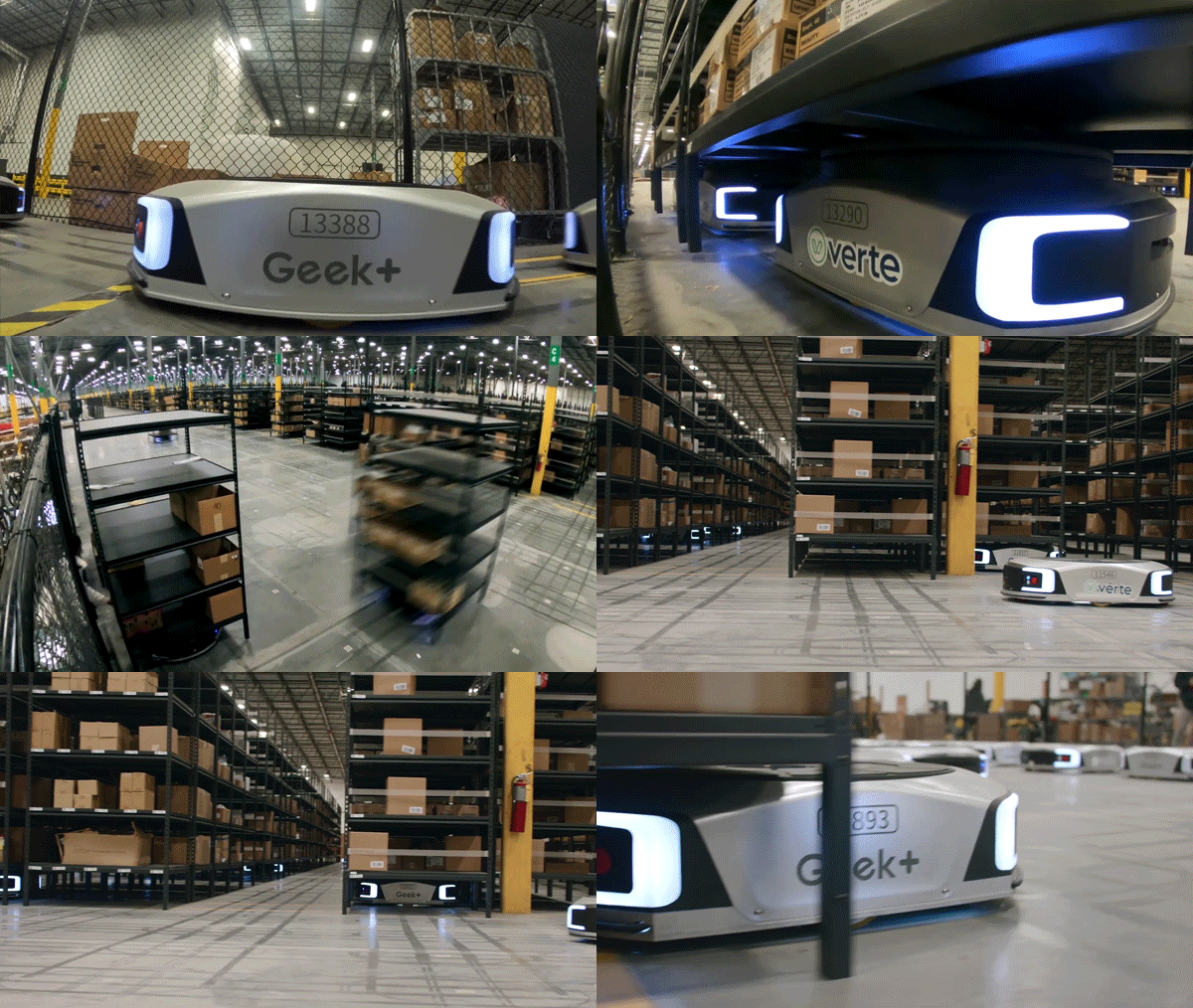
As part of an ongoing warehouse automation modernization project, a fleet of pre-owned ASRS robots is available for purchase.
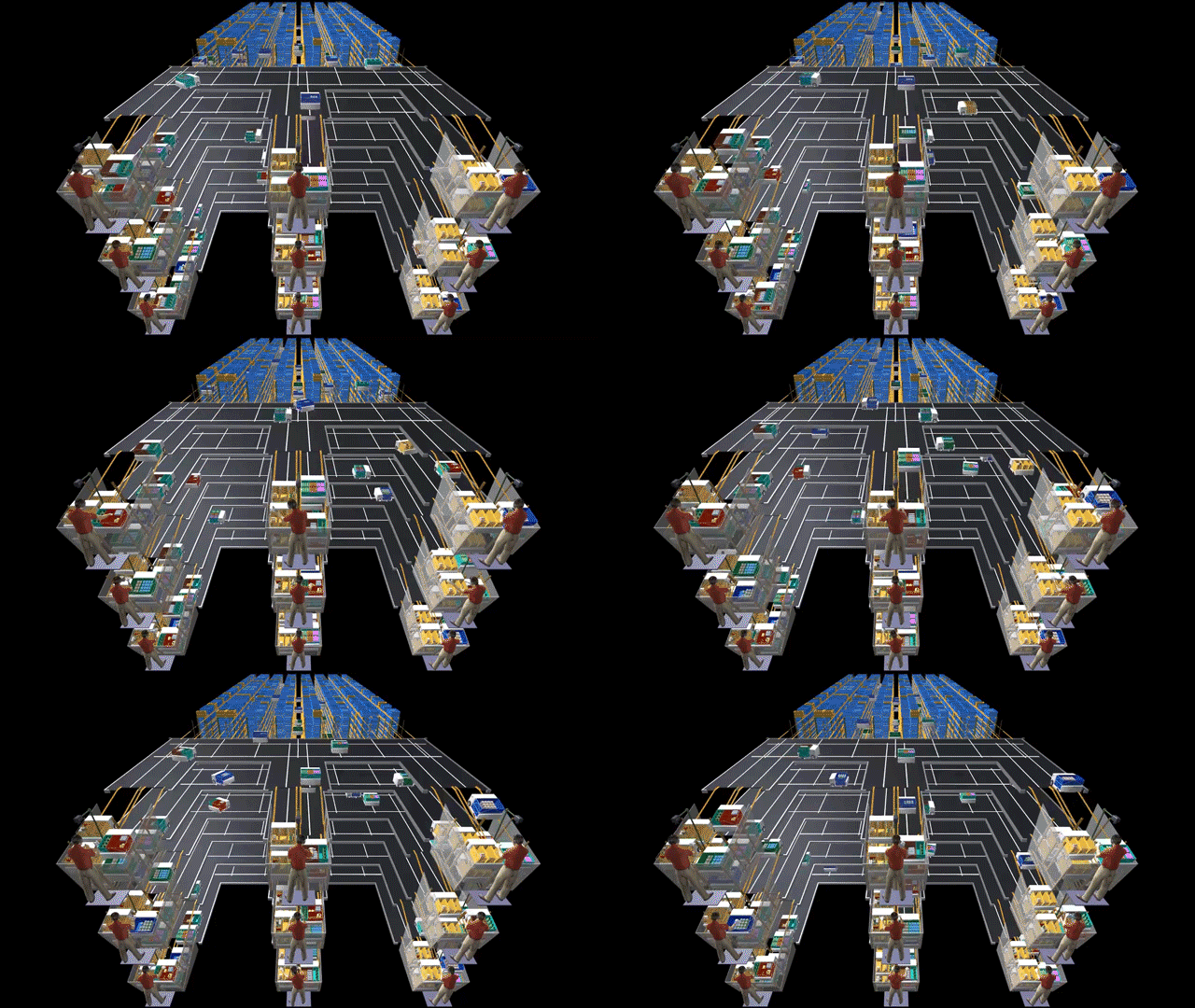
Symbotic’s new SymMicro system begins its first in-store installation, with the potential to expand to 400 Walmart locations.
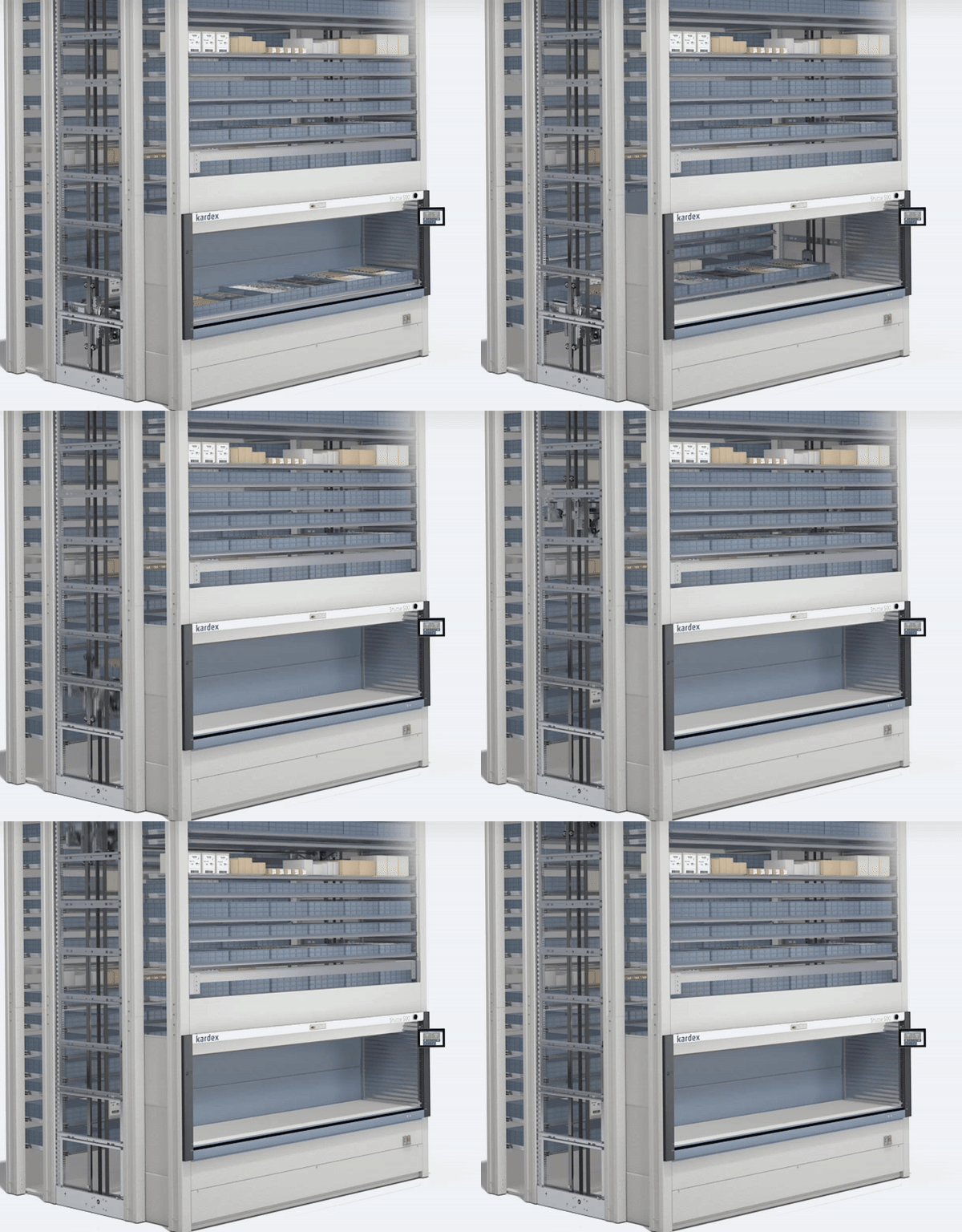
Two brand-new Kardex Shuttle XP 500 vertical lift modules are available for immediate delivery.
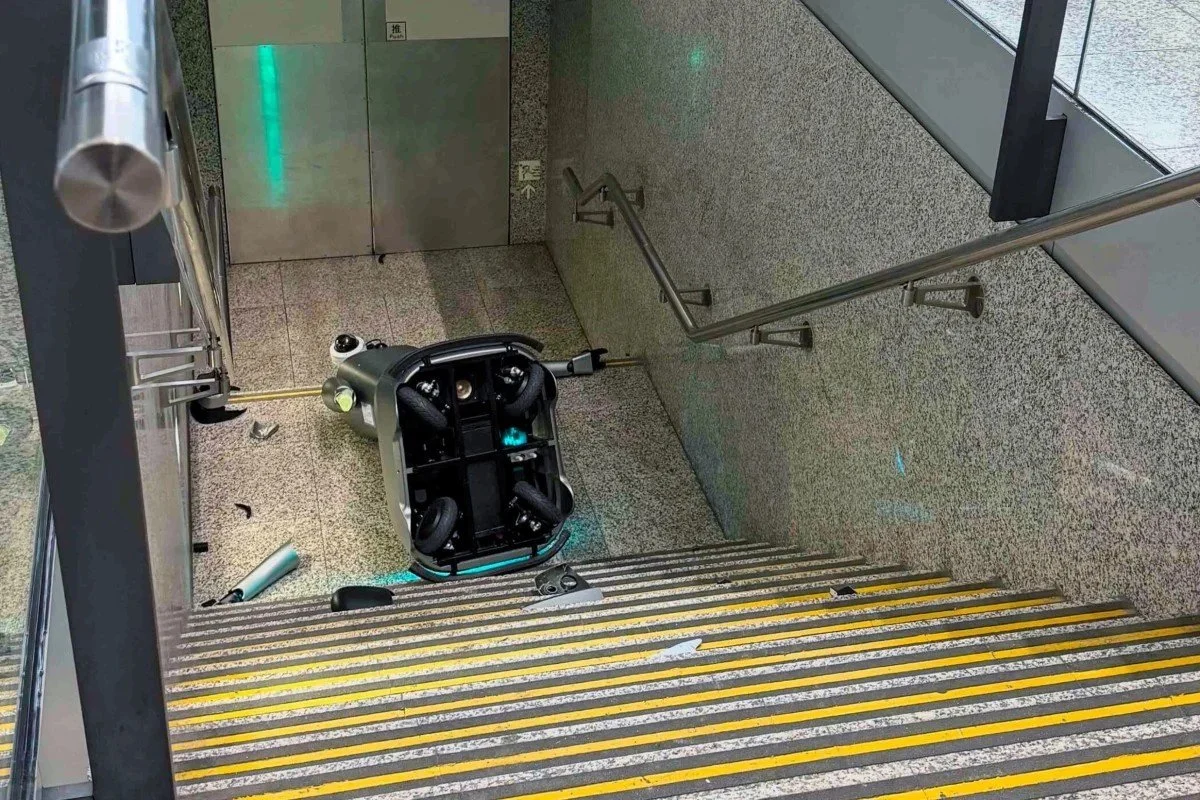
A robot accident at Hong Kong International Airport offers an important lesson about mobile robot safety
S&S Activewear is one of the more technology-forward apparel companies in North America’s branded-apparel distribution market.
Situated in Arvin, California, the new 700,000 square foot facility is described as its largest and most technologically sophisticated distribution center to date.

SoftBank is reportedly selling its remaining 9.65% stake in Boston Dynamics to Hyundai Motor Group for US$325 million.
The company had automation. It had robotics. It had government support, customer momentum, press attention, and a massive facility.
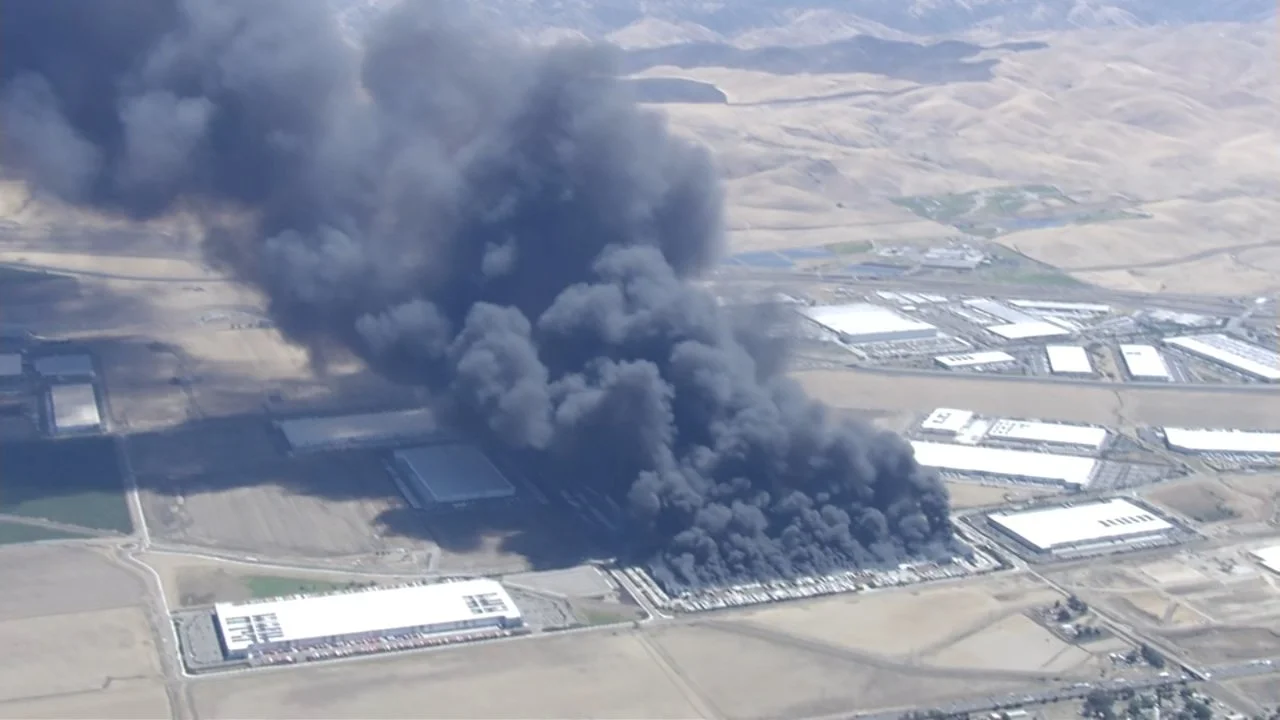
Massive fire destroys 1 million-square-foot Tracy Medline Industries distribution facility
Artificial Intelligence and LLMs are currently being pushed aggressively into logistics, warehouse operations, robotics, and supply chain execution.
Walmart’s latest comments around same-day fulfillment, 30-minute delivery windows, AI-driven inventory positioning, and supply chain automation should be a wake-up call for the entire retail industry.
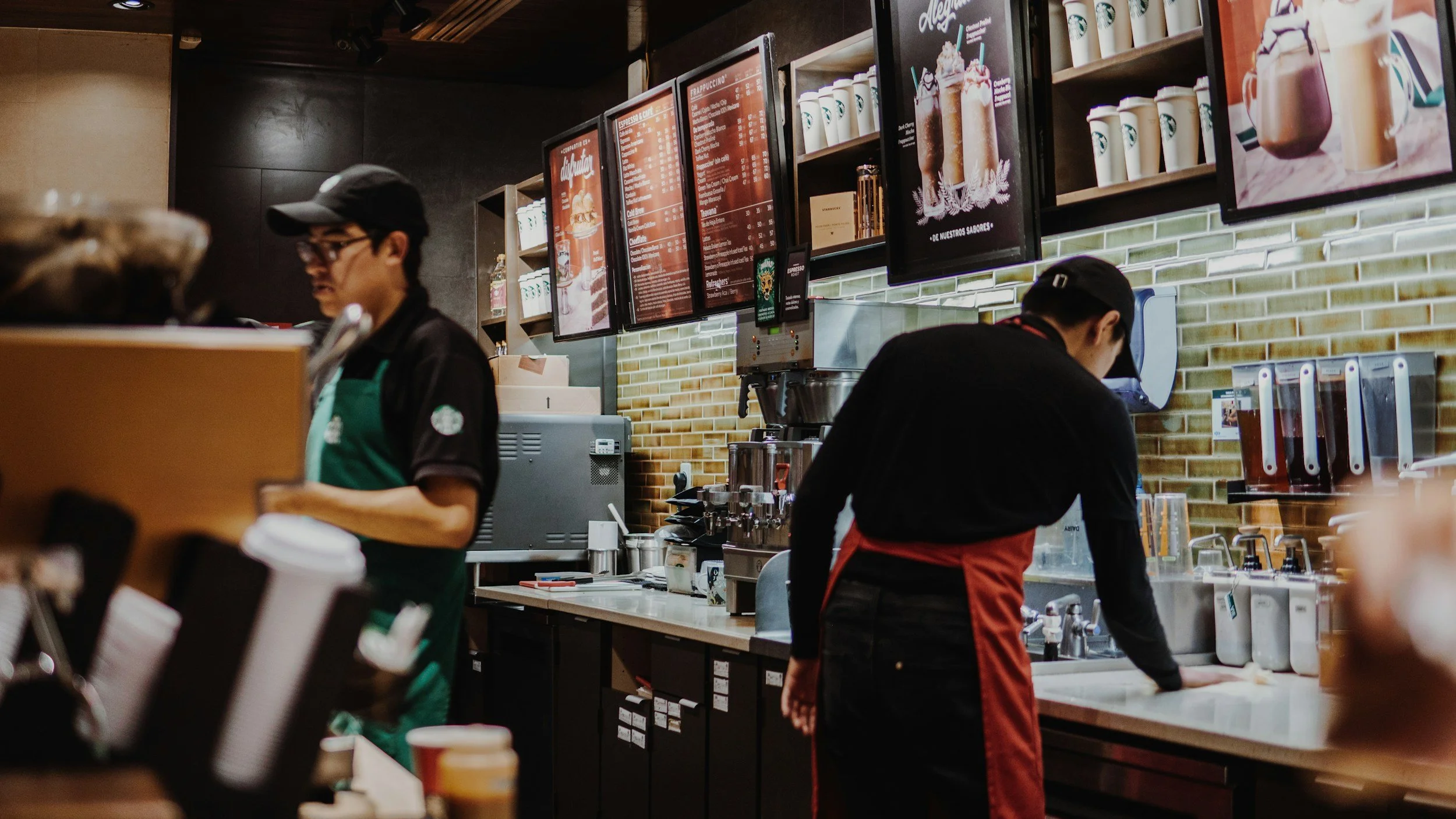
The promise made to Starbucks CEO Brian Niccol was enticing. To eliminate persistent product shortages that hurt sales, the company deployed an automated counting system.
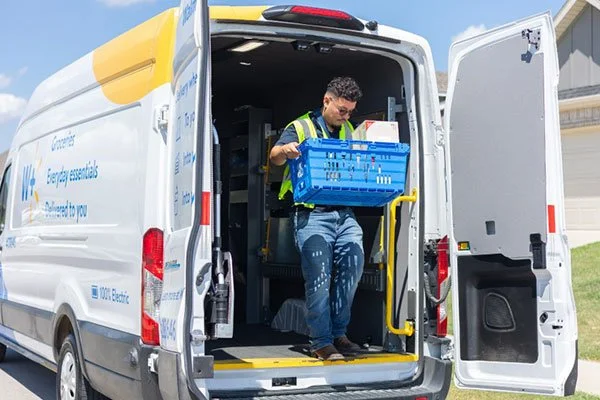
The retail giant is using unlikely spaces to push against Amazon’s recent strategies to capture more customers.

Traditional WMS lacks the real-time visibility into the availability of automated materials handling equipment that a WES brings to the table.
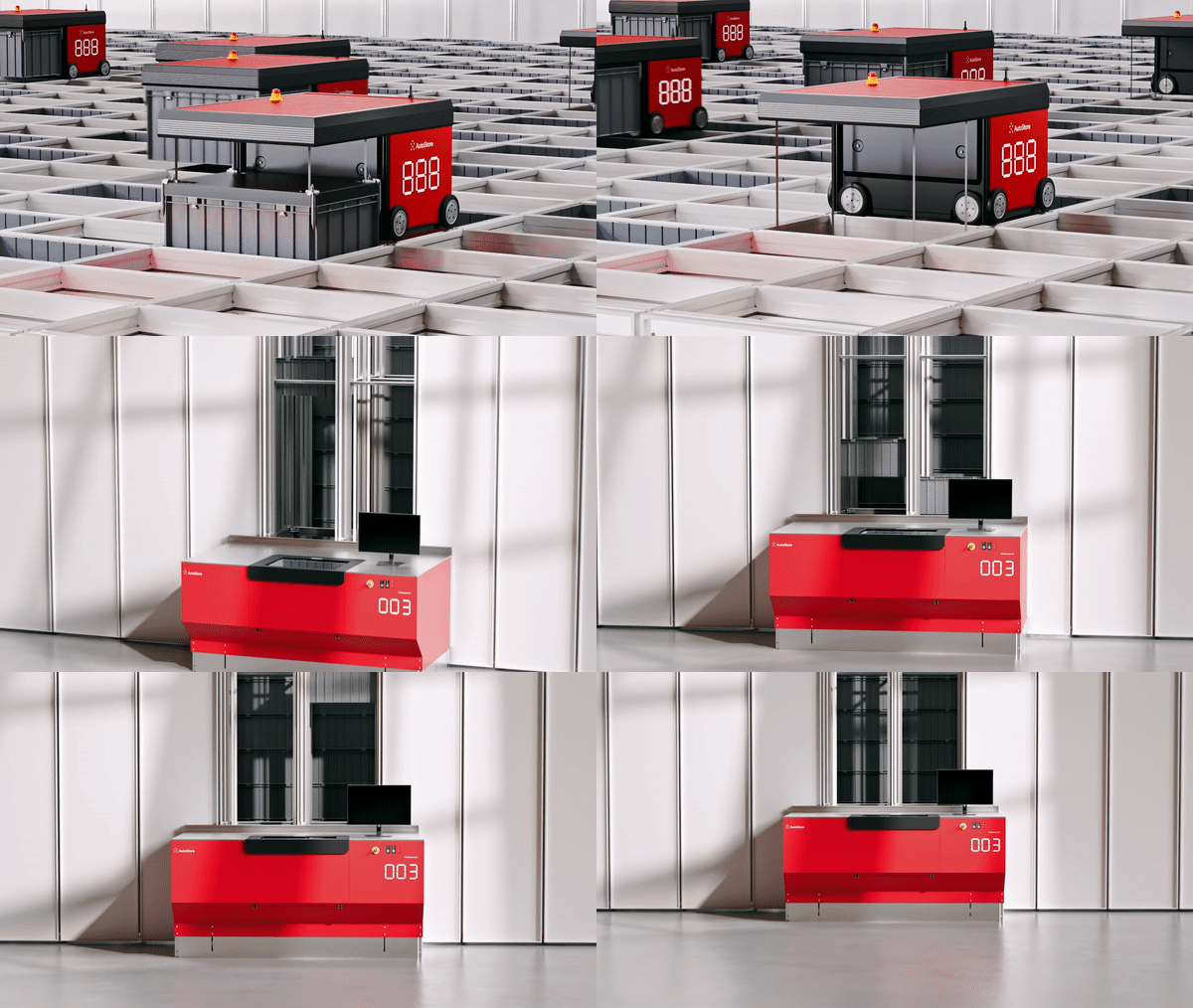
Ulta Beauty has selected AutoStore technology for its new Utah regional distribution hub supporting both stores and growing e-commerce fulfillment.
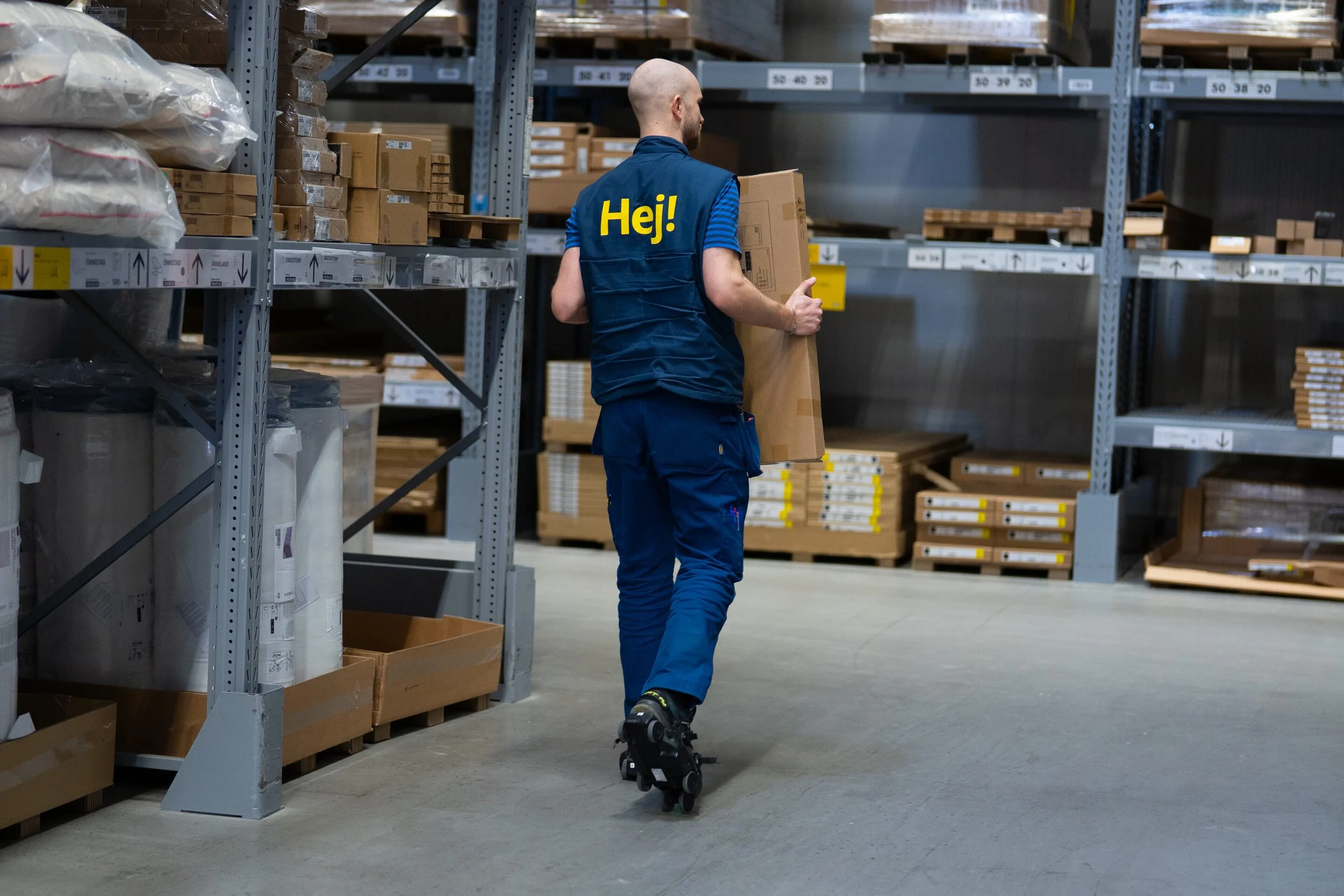
Ikea is testing robotic boots in Helsingborg, Sweden, to speed up order picking and reduce physical strain. Initial measurements showed that employees walked up to twice as fast, and average hourly picking productivity increased by 16%.
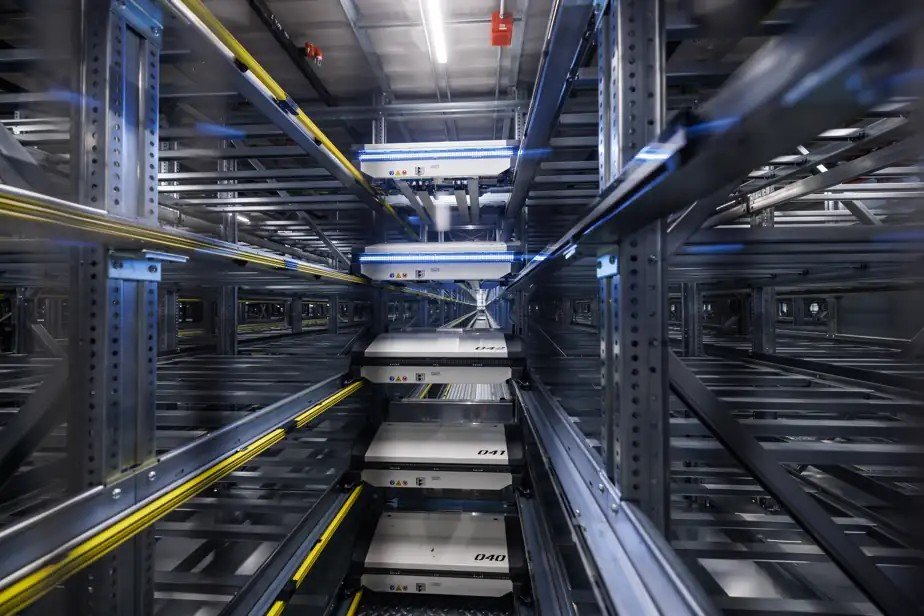
The cost of the SAQ's automated distribution center project, scheduled to begin operations next year, has gone from $48.5 million to $300 million in four years.
The Surrey facility will primarily serve British Columbia, while Calgary will cover Alberta, Saskatchewan, and surrounding regions.
Today, a new layer is beginning to appear in highly automated facilities: the Warehouse Operating System (WOS).
Cainiao plans to build a large-scale global network of robotic warehouses in 2026 as it expands local fulfilment and delivery operations tied to cross-border eCommerce.
Ocado has delivered a cube-based automation system for McKesson Canada, representing a continued expansion of its technology beyond e-commerce grocery fulfilment.
AutoStore reported its 2025 results this week, outlining a year that moved from early caution to clear second-half acceleration.
At Hannover Messe 2026, SAP and Vodafone showcased a pilot conducted at Vodafone’s warehouse in Duisburg,