
Why Humanoids Will Stall At The Pilot Stage
Despite rapid advances in humanoid robotics, Gartner predicts that these systems will largely stall at the pilot stage — with fewer than 20 companies deploying them at scale across supply chains and manufacturing by 2028.
The recent surge of interest in humanoid robots has been driven by familiar pressures: labour shortages, skills gaps, and rising operating costs across warehouses and distribution networks. In response, some organisations are exploring whether human-shaped robots could act as flexible, drop-in replacements for human workers.
According to Gartner, that expectation is unlikely to be met.
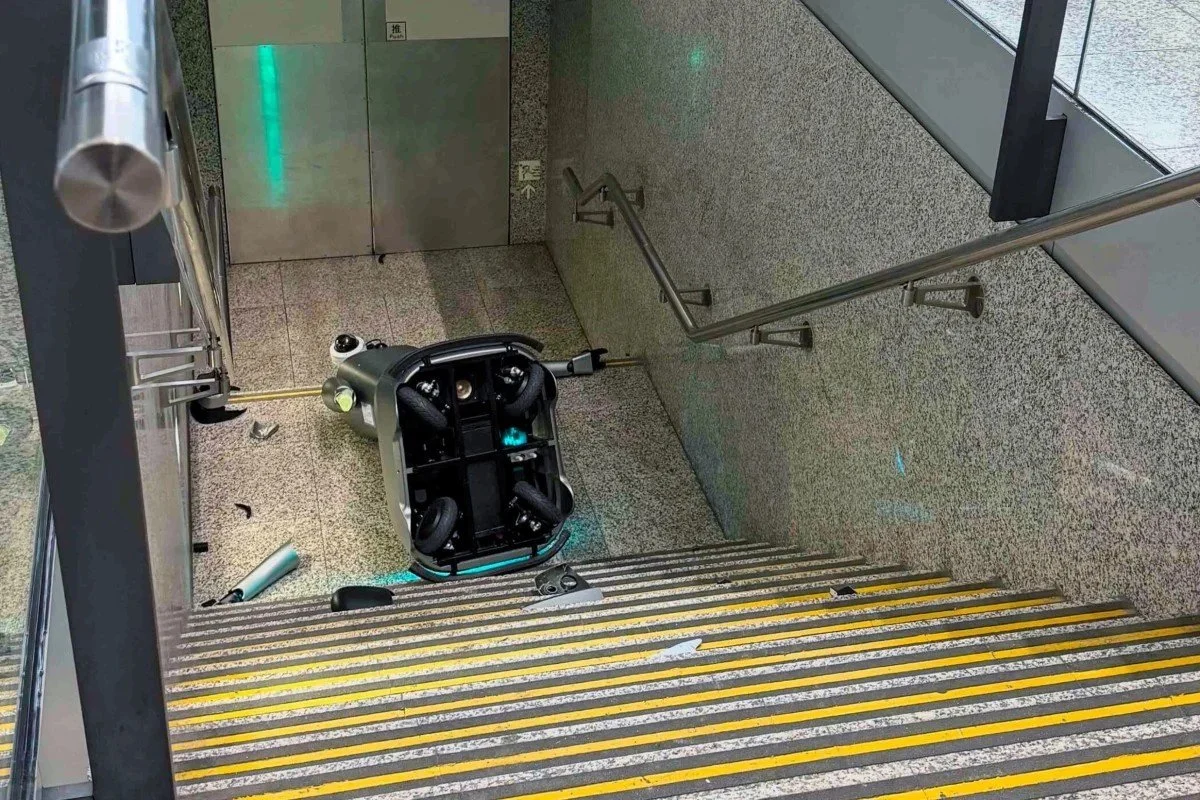
While supply chain innovation has accelerated over the past several years — fuelled by automation, AI, and data-driven tools — humanoid robots are not expected to progress meaningfully beyond controlled pilots. Their promise is compelling, but their readiness for real-world logistics environments remains limited.
The Humanoid Robot Hype Cycle
Gartner is well known for cutting through technology hype with pragmatic, data-driven analysis. In its latest outlook, the firm argues that humanoid robots will remain a niche experiment rather than a transformational supply chain technology.
Gartner forecasts that fewer than 100 companies will move humanoid robots beyond proof-of-concept, and fewer than 20 will deploy them in live production environments by 2028. Even then, deployments are expected to remain restricted to highly controlled settings — not busy, dynamic warehouses.
Humanoid robots are designed to replicate human form and motion. Equipped with AI-enabled perception, machine learning, cameras, sensors, articulated arms, and bipedal locomotion, they appear attractive to executives searching for a “general-purpose” automation solution.
However, Gartner warns that appearance should not be confused with operational suitability.
“The promise of humanoid robots is compelling, but the reality is that the technology remains immature and far from meeting expectations for versatility and cost-effectiveness,”
— Abdil Tunca, Senior Principal Analyst, Gartner Supply Chain
For most supply chain operations, the gap between promise and performance remains wide.
Why Humanoid Robots Struggle in Warehouses
While humanoid robots can mimic certain human motions, Gartner highlights several structural barriers that limit their usefulness in logistics, manufacturing, and distribution environments:
1. Technological limitations
Current humanoid robots lack the speed, dexterity, robustness, and situational intelligence required for high-throughput warehouses. Tasks such as case handling, pallet movement, and repetitive picking remain challenging at scale.
2. Integration complexity
Many humanoid platforms struggle to integrate cleanly with existing warehouse workflows, control systems, WMS/WES software, and safety frameworks. This increases deployment risk and operational friction.
3. Cost vs. throughput mismatch
Humanoid robots carry high upfront costs and ongoing maintenance expenses, yet typically deliver lower throughput than task-optimized robotic systems. For most operators, the return on investment remains unproven.
4. Energy and endurance constraints
Limited battery life and high energy consumption restrict operational uptime, particularly for high-mobility or multi-shift environments common in logistics.
In short, humanoid robots tend to deliver less throughput per dollar than alternative automation approaches.
Why Form Matters More Than Familiarity
Gartner argues that the human form itself is often the wrong design choice for supply chain work.
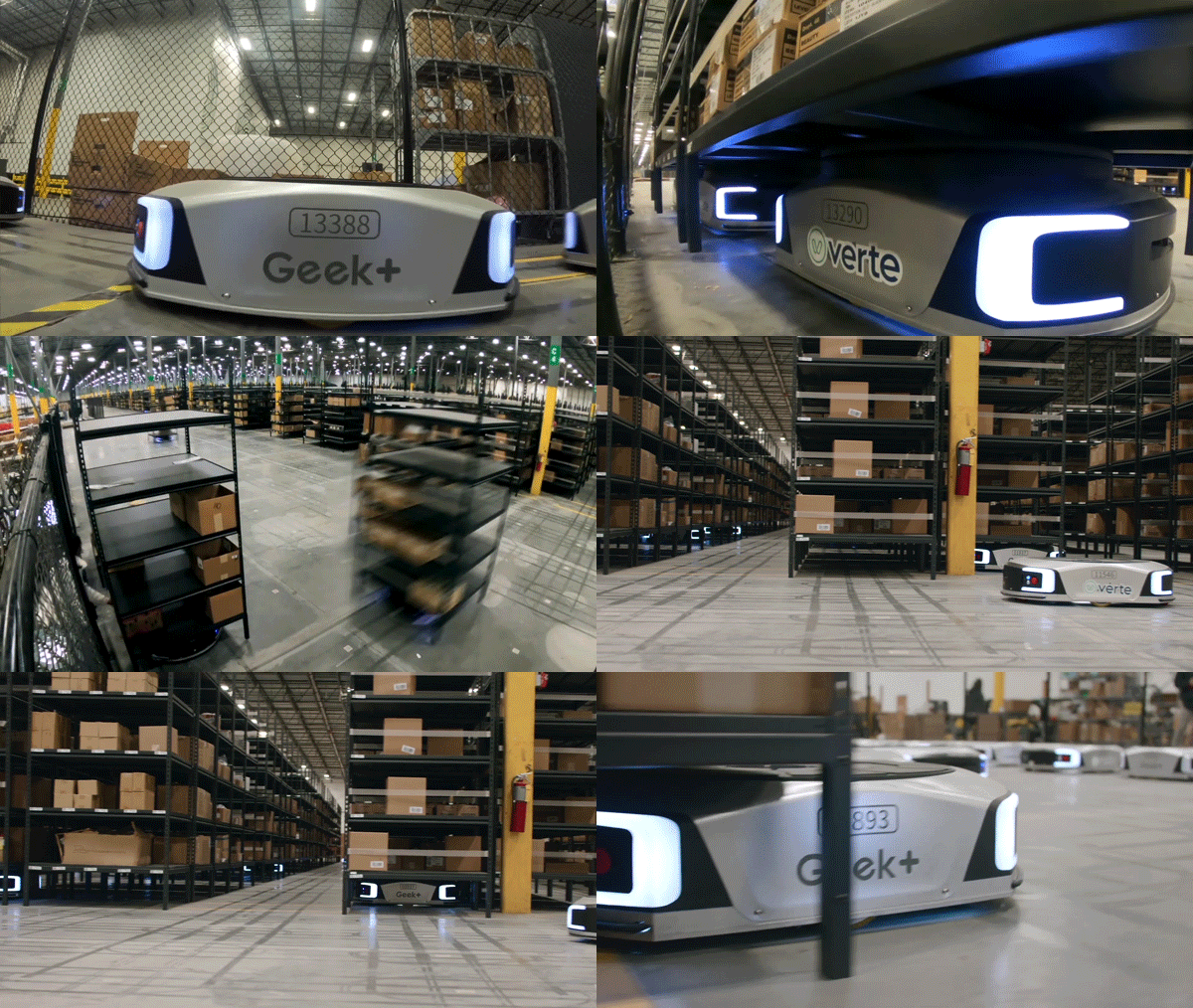
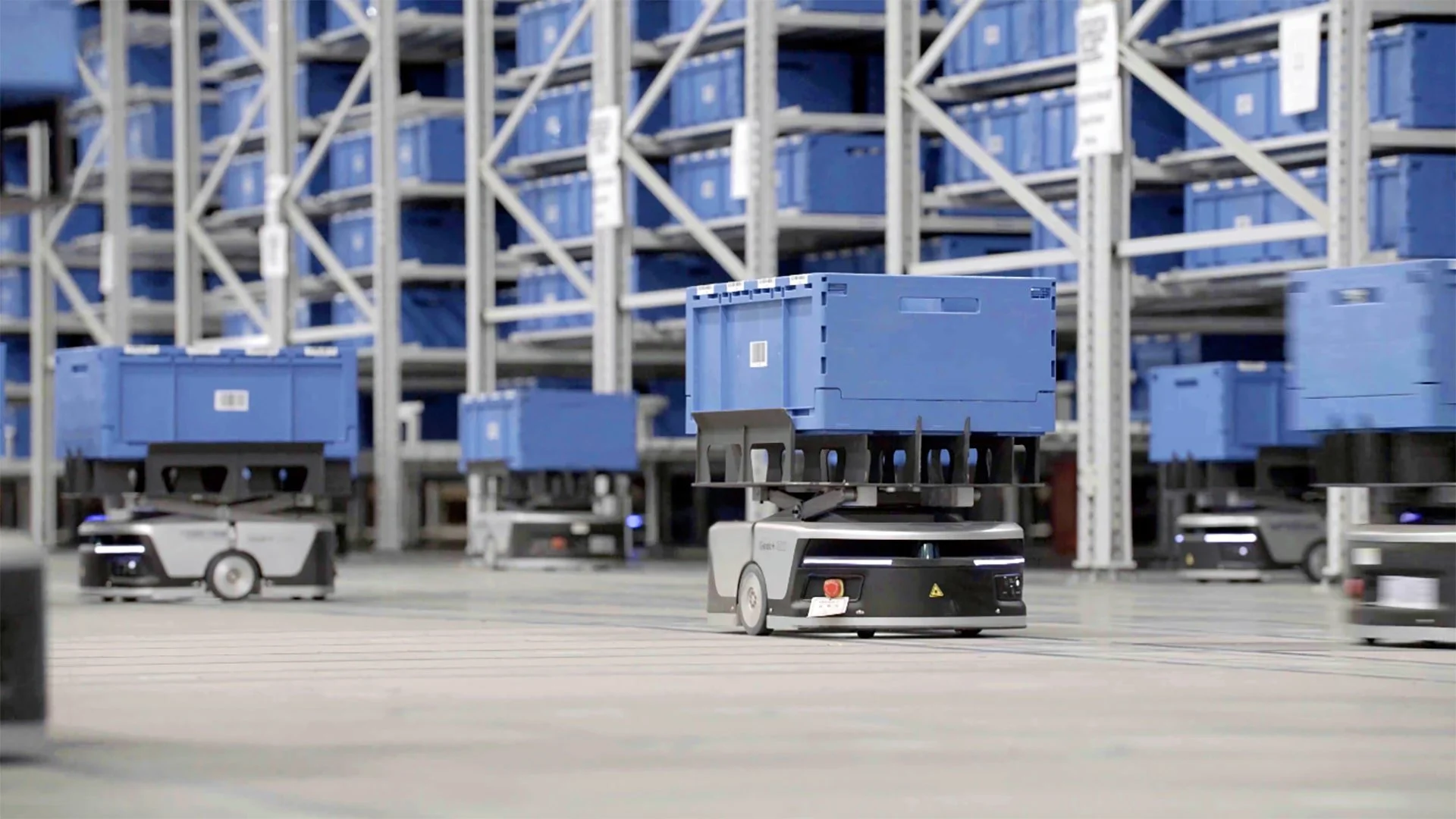
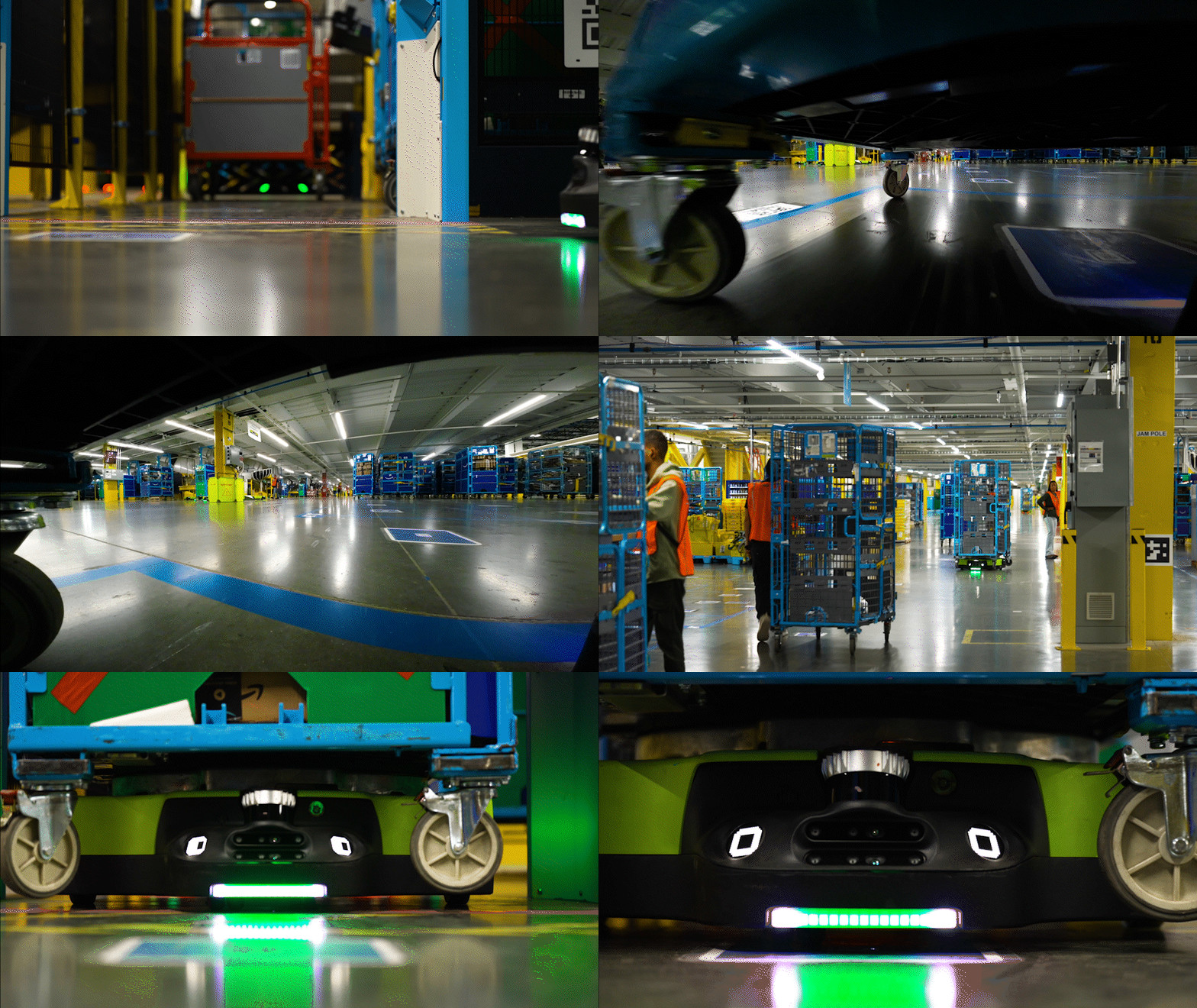
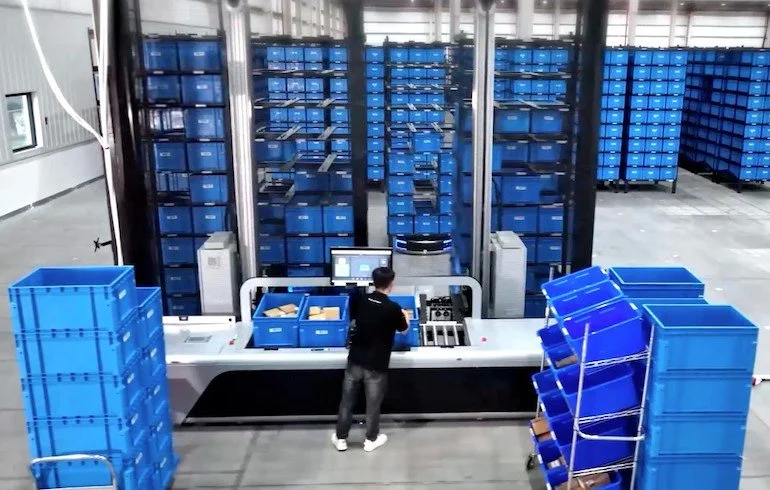
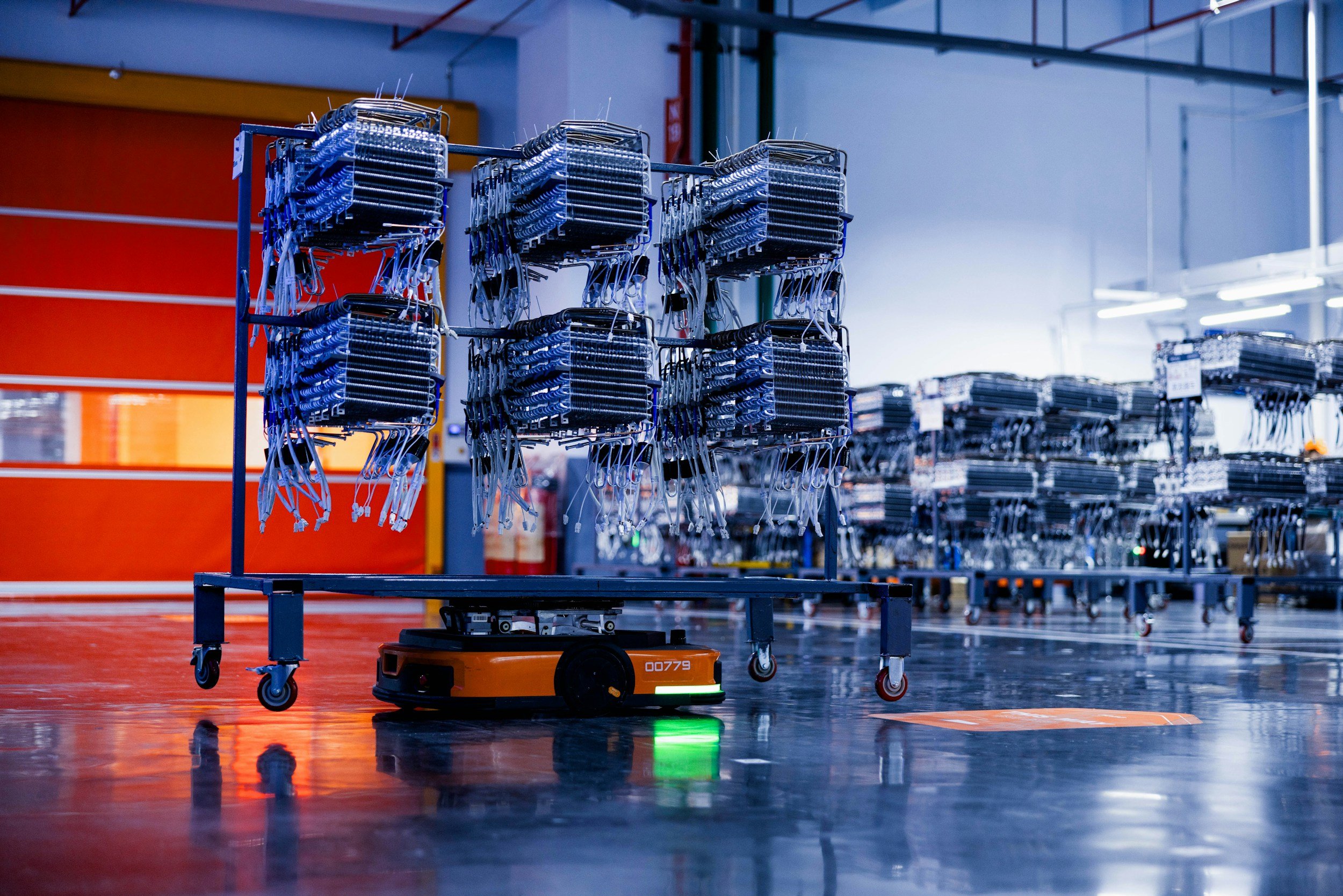
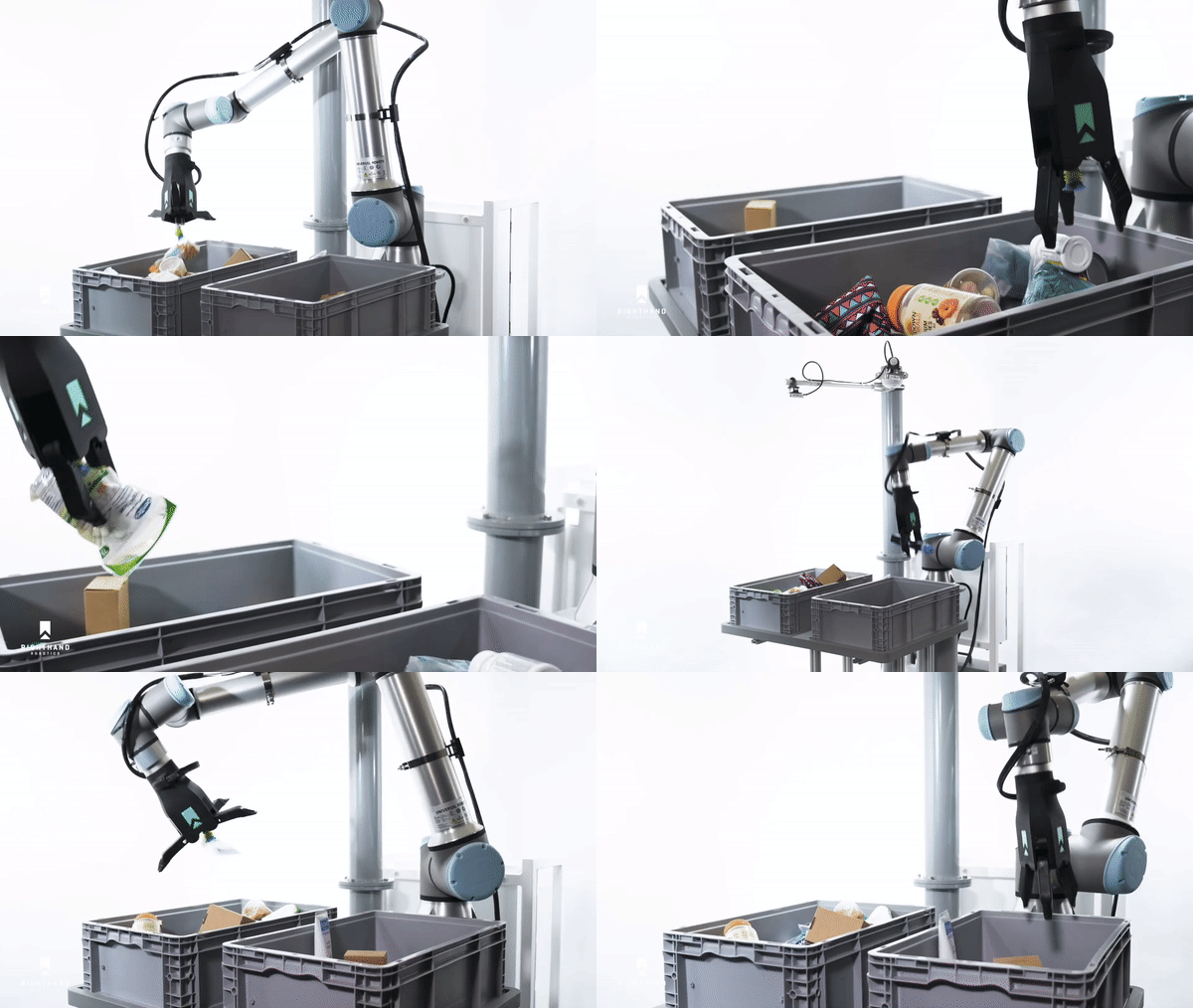
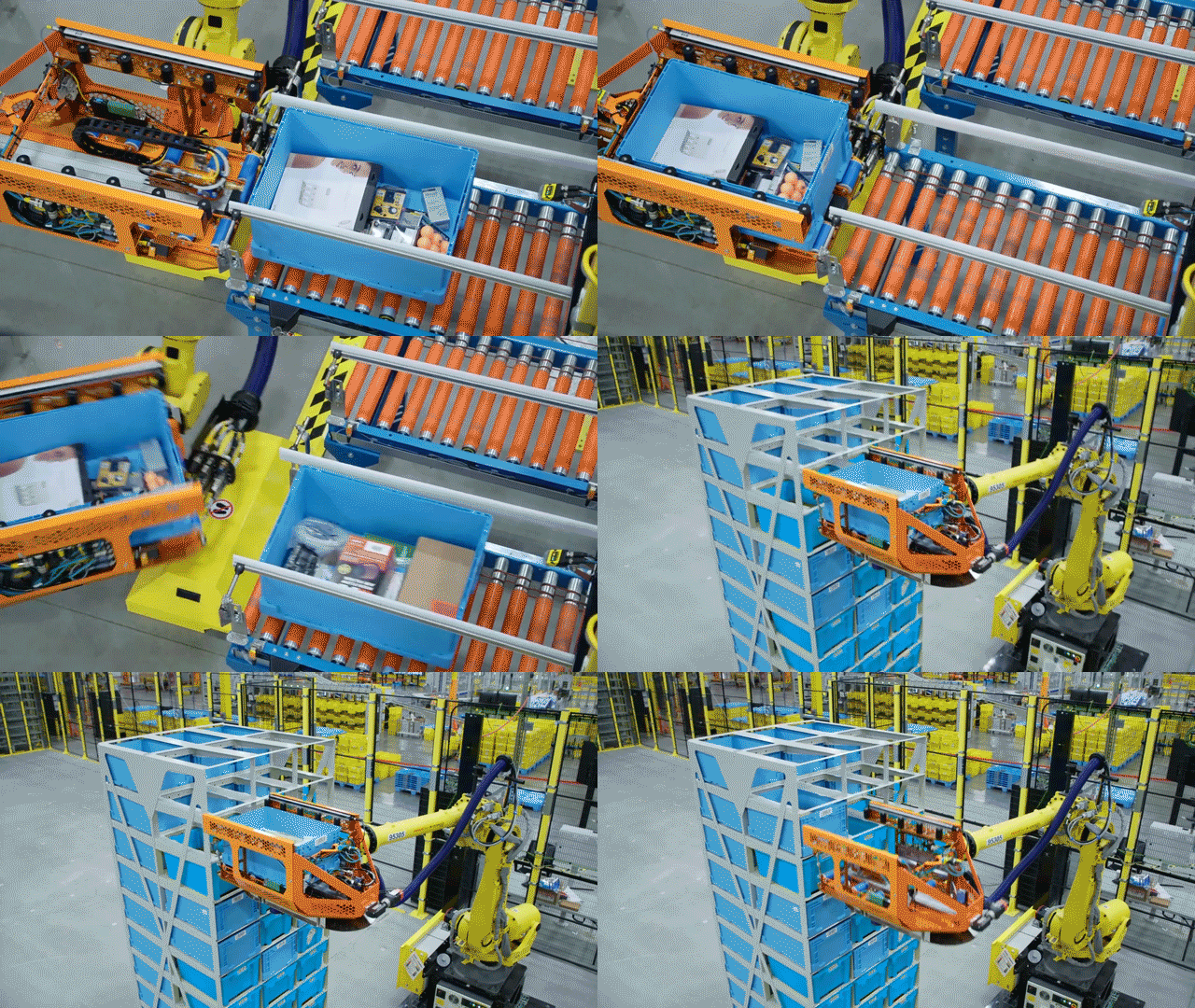
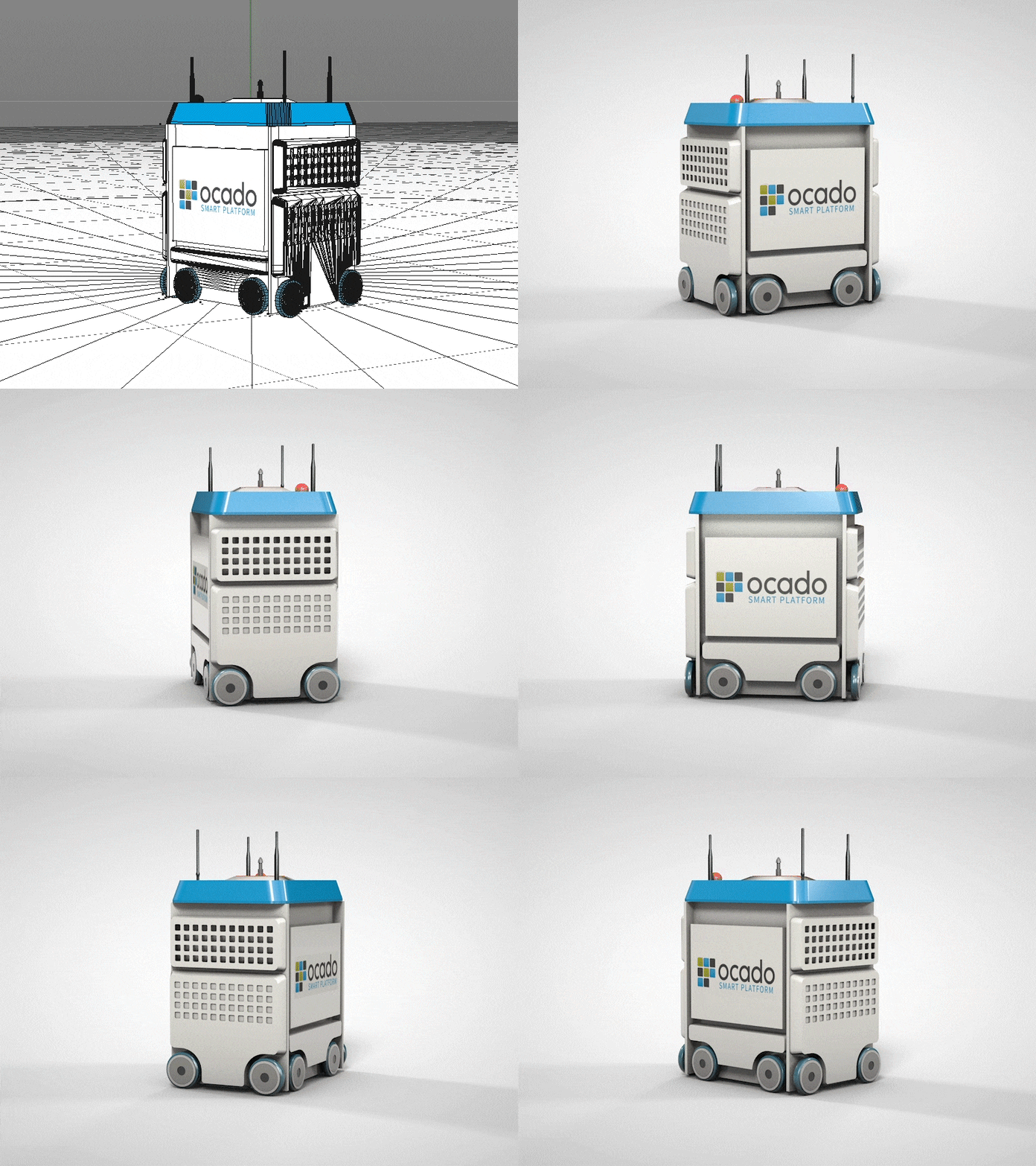
Rather than replicating people, logistics automation benefits from polyfunctional robots — systems designed around tasks, not appearances. These may include wheeled platforms, telescopic arms, unconventional sensor placement, and purpose-built kinematics.
Such robots are already proving effective at:
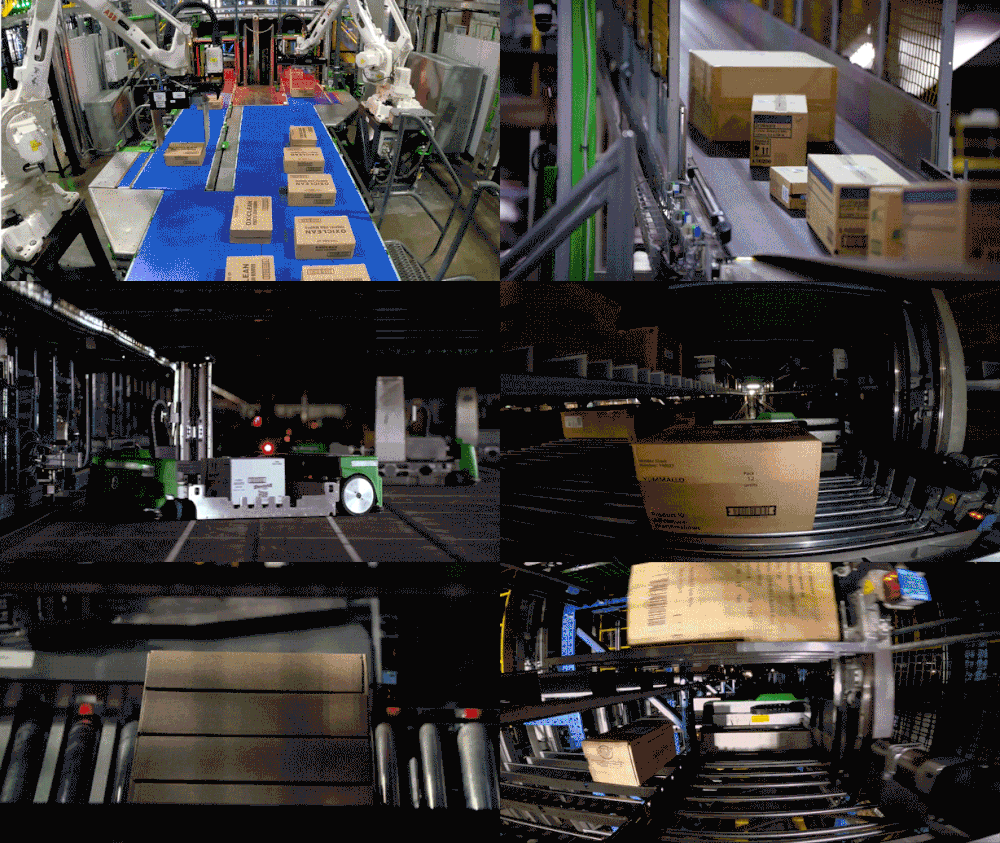
Case and tote movement
Picking and replenishment
Inventory scanning and inspection
Repetitive material handling tasks
Compared to humanoid robots, polyfunctional systems typically operate faster, consume less energy, integrate more easily, and scale more reliably in demanding warehouse environments.
“Companies with a high risk appetite and focus on innovation are the best candidates for pursuing humanoid robots at present,”
— Caleb Thomson, Senior Director Analyst, Gartner Supply Chain“For the majority of companies that need to maximise throughput per dollar invested, polyfunctional robots will be the superior solution.”
What Supply Chain Leaders Should Do Instead
Gartner’s recommendation is not to ignore humanoid robots entirely — but to treat them with caution and discipline.
Supply chain leaders should:
Use tightly scoped pilot programs rather than broad deployments
Focus on outcome-driven automation targeting specific bottlenecks
Prioritise systems that integrate cleanly with existing operations
Implement continuous monitoring to validate performance and ROI
Remain open to innovation — without committing prematurely
Most importantly, Gartner advises organisations to resist technology-led strategies in favour of operationally grounded ones.
A Reality Check, Not a Rejection
Humanoid robots may eventually find a place in supply chains — but not as near-term, general-purpose solutions. For now, Gartner’s assessment is clear: they will not revolutionise warehouse operations in the foreseeable future.
In logistics, form must follow function. And today, function overwhelmingly favours task-optimised, non-humanoid robots designed for speed, endurance, and integration — not resemblance.









At Hannover Messe 2026, SAP and Vodafone showcased a pilot conducted at Vodafone’s warehouse in Duisburg,