
Sobeys Pulls the Plug on Ocado’s Robotic Cube Warehouse
Ocado’s Reset: Another Robot-Heavy Fulfillment Center Shuts Down
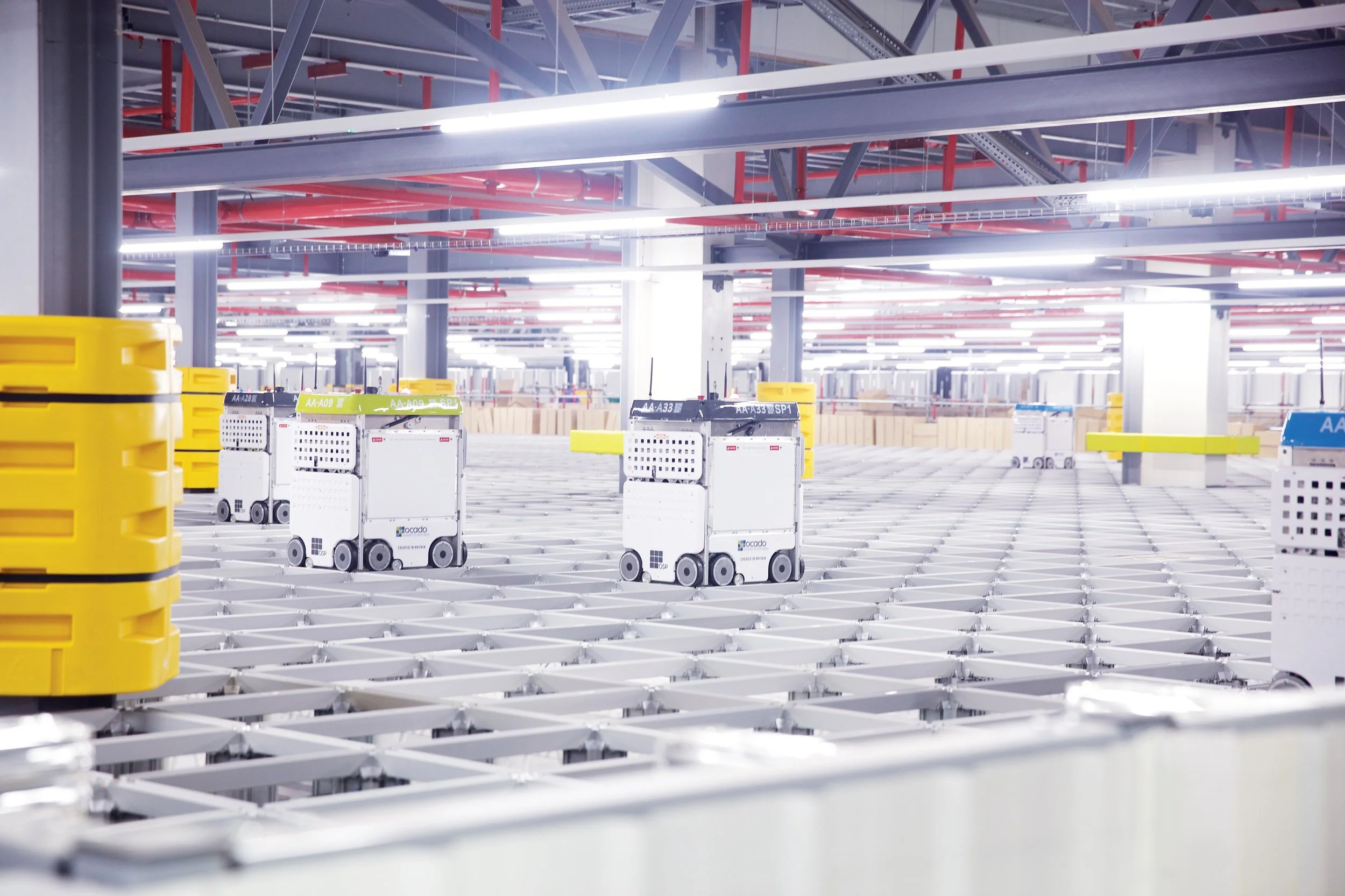
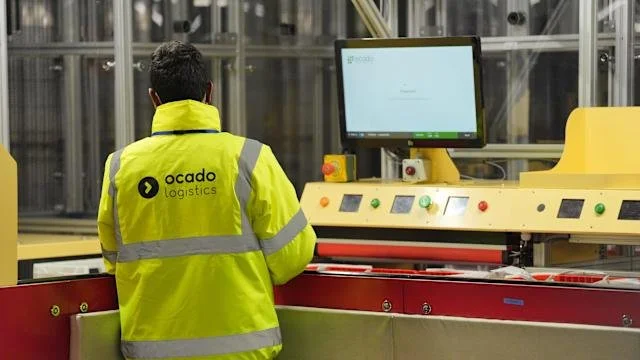
Another automated fulfillment center.
Another “strategic reset.”
Another reminder that scale, robotics, and software do not magically create demand — or profitability.
This week, Ocado Group confirmed that its Canadian partner Sobeys will close the Calgary robotic customer fulfillment centre (CFC) using Ocado’s automation technology. The market reaction was swift: Ocado’s shares fell nearly 10%.
This follows closely on the heels of Kroger shutting down three Ocado-powered CFCs in the U.S. less than three months ago.
Different geographies.
Different partners.
Same outcome.
Sobeys to launch automated Ocado online fulfillment center in Vancouver
The Explanation Is Familiar — and Incomplete
Sobeys cited “market size” and “slower-than-expected e-commerce growth in Alberta.” That may be true. But it avoids the harder question:
Why do these highly automated, capital-intensive facilities require everything to go perfectly just to break even?
Large robot-run fulfillment centers are structurally brittle:
They demand high, sustained order density
They lock retailers into fixed cost curves
They struggle with regional demand variability
And they leave little room for graceful scaling down
When growth underperforms — even slightly — the economics collapse.
Centralized Automation vs. Flexible Fulfillment
Ocado’s model was built for a very specific future:
high online grocery penetration, predictable volumes, and centralized demand.
North America didn’t cooperate.
Instead, retailers are increasingly leaning toward:
Store-based picking
Micro-fulfillment
Hybrid networks
Faster, cheaper last-mile models
Not because they’re “less automated” — but because they’re more adaptable.
As the article notes, competitors using store-based fulfillment and local delivery (bikes, mopeds, short hops) are often cheaper, faster, and easier to adjust than massive robot-only CFCs.
Losses, Resets, and “Evolved Technology”
Ocado will receive £18m in compensation, but lose £7m in annual fee revenue. Revenue is up — yet losses persist.
This has become a familiar pattern:
Expensive deployments
Slow ramp-ups
Network “refinements”
Strategic resets
New versions of the technology promised to fix the last one
Ocado now says its North American business is being “reset” and points to its newer Swift Router system. Maybe it helps. But software improvements cannot fully offset a mismatched operating model.
The Bigger Takeaway
Some analysts are now openly questioning whether large, robot-centric fulfillment centers can work economically in developed markets like the U.S. and Canada.
That debate is overdue.
This isn’t an indictment of robotics.
It’s an indictment of rigid automation strategies that assume volume will eventually save the model.
It won’t.
Flexibility beats density.
Adaptability beats elegance.
And software orchestration matters more than robot count.

Pattison Food Group Modernizes Langley Distribution Centre with Advanced Grocery Automation.
As part of an ongoing warehouse automation modernization project, a fleet of pre-owned ASRS robots is available for purchase.
Symbotic’s new SymMicro system begins its first in-store installation, with the potential to expand to 400 Walmart locations.
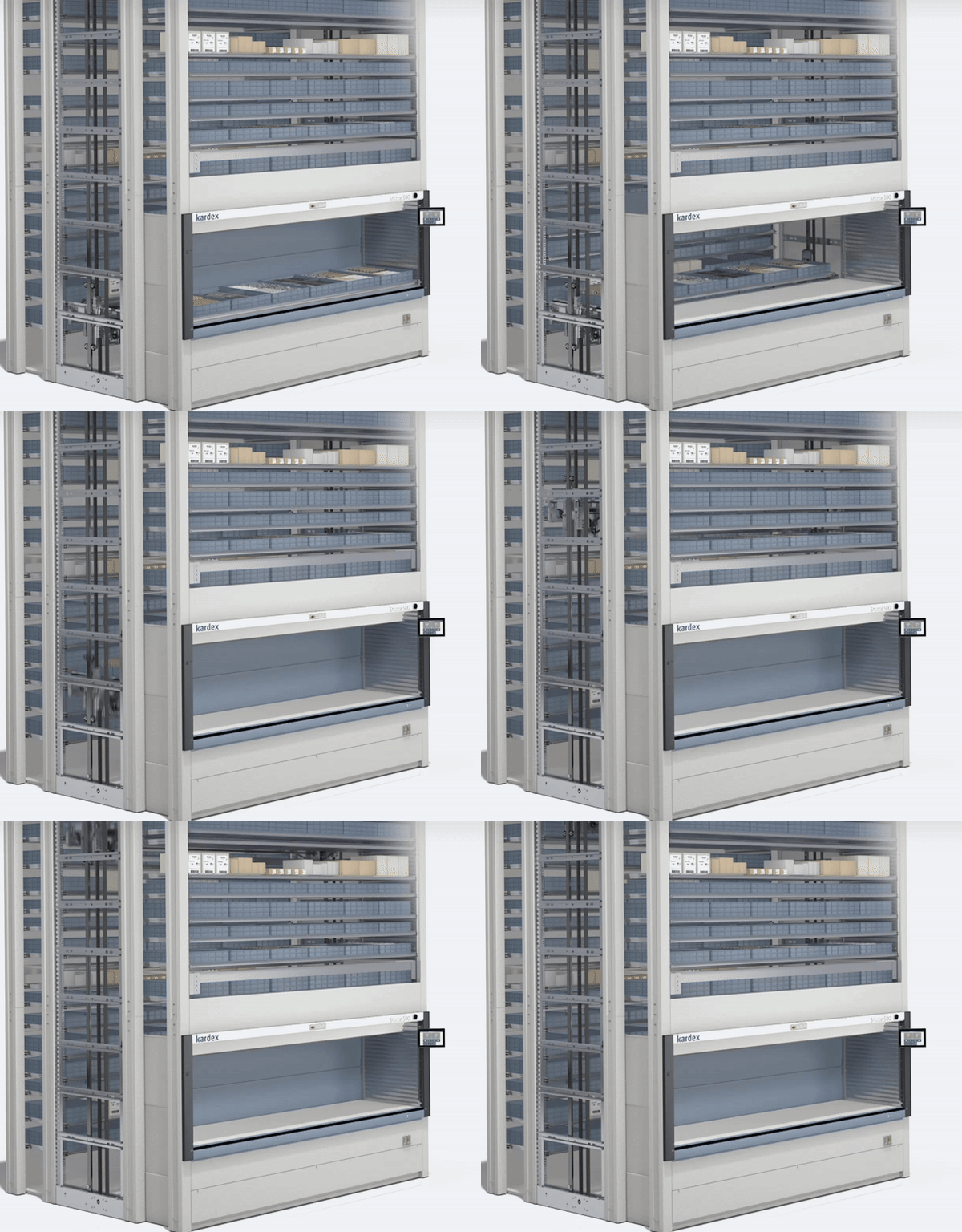
Two brand-new Kardex Shuttle XP 500 vertical lift modules are available for immediate delivery.
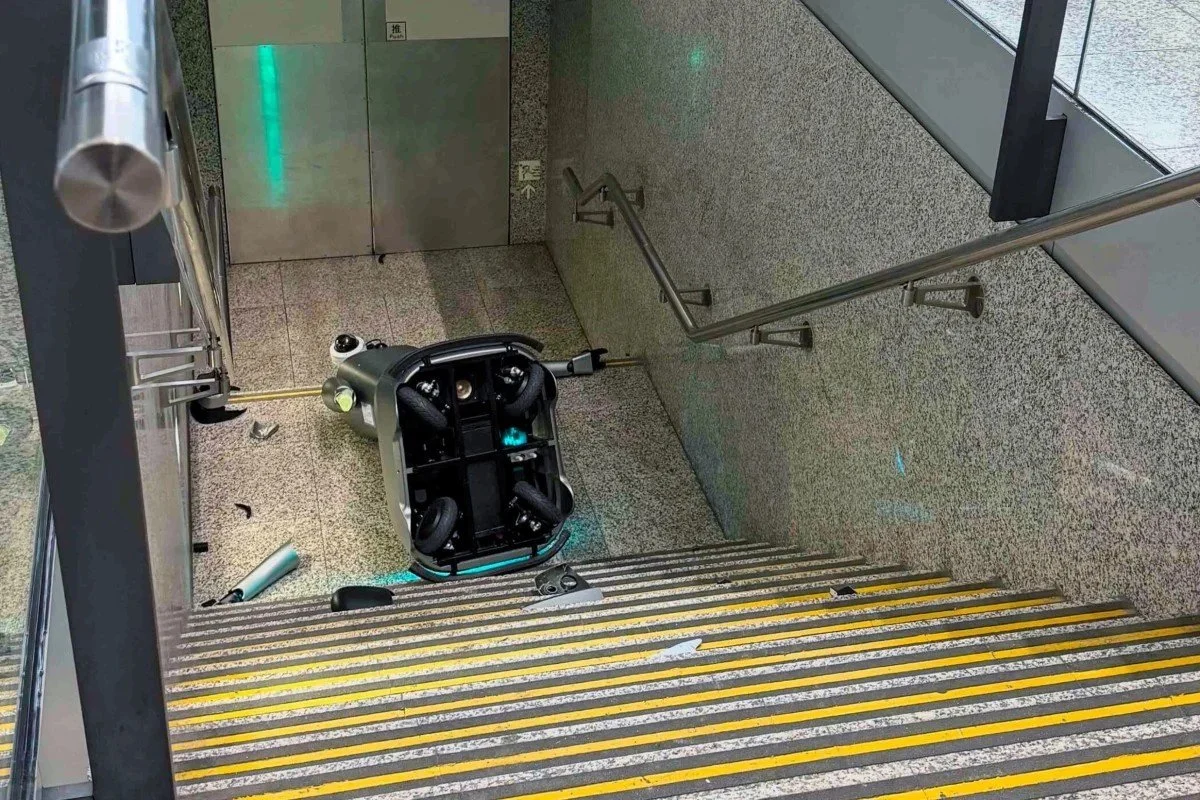
A robot accident at Hong Kong International Airport offers an important lesson about mobile robot safety
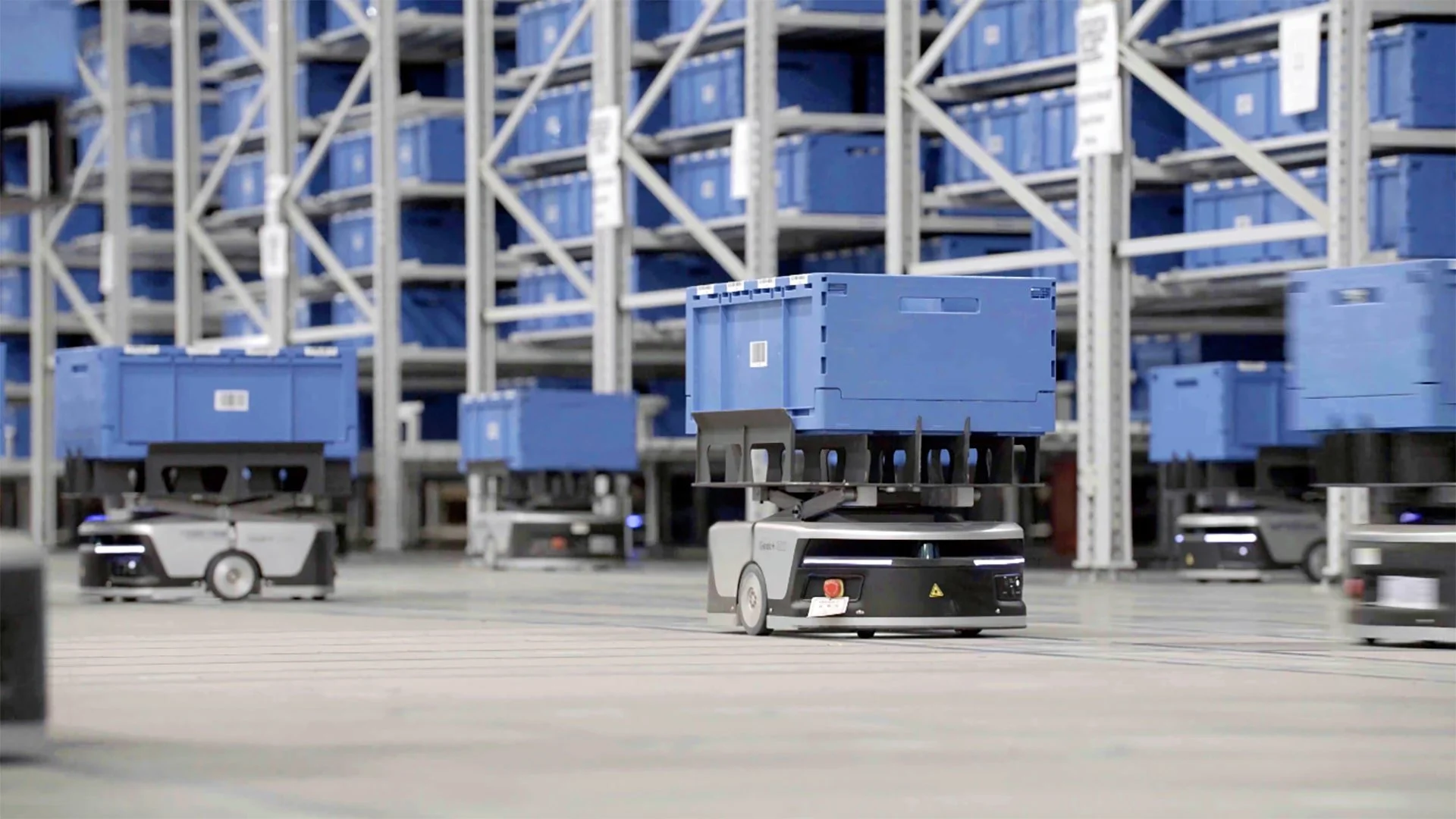
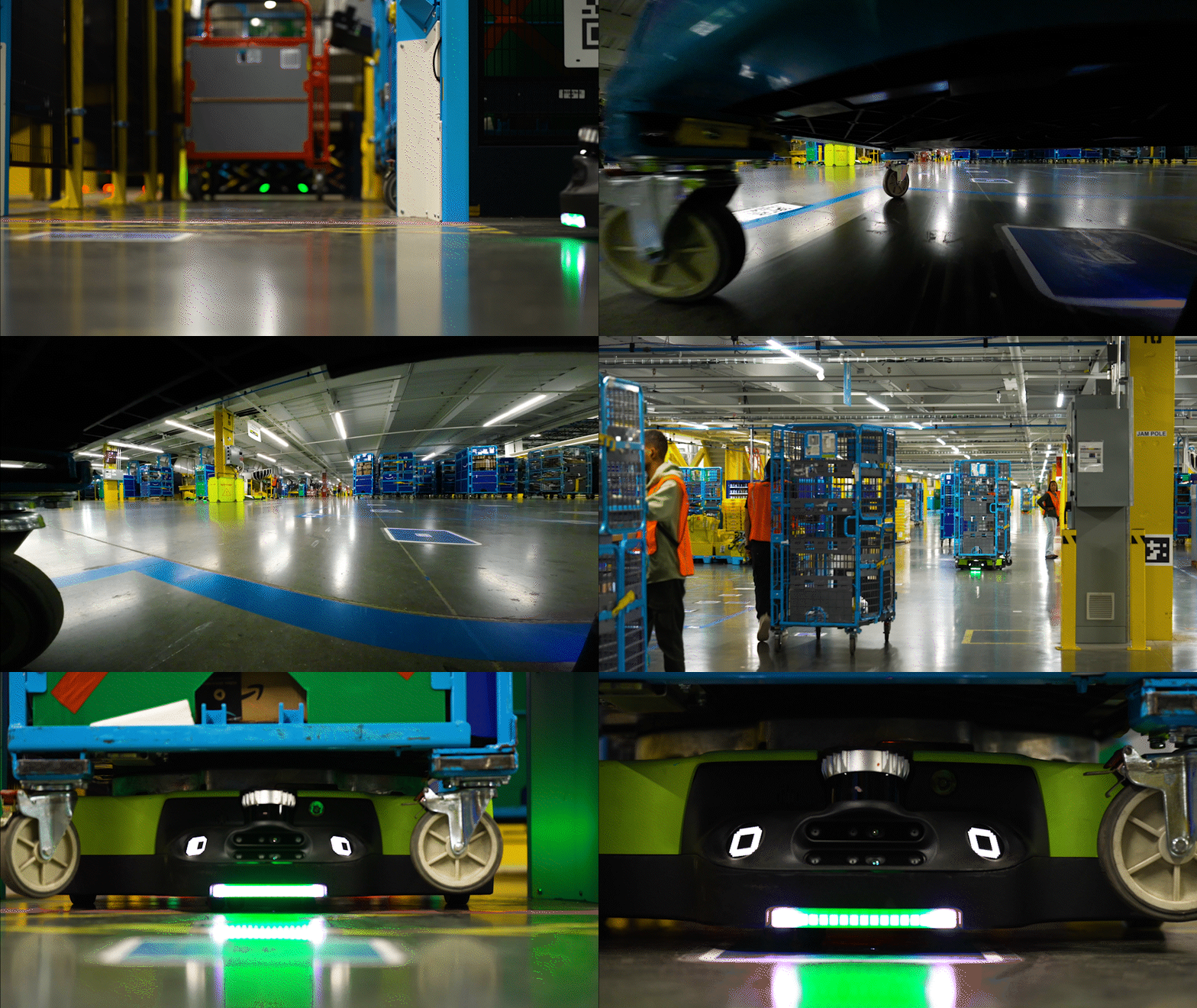
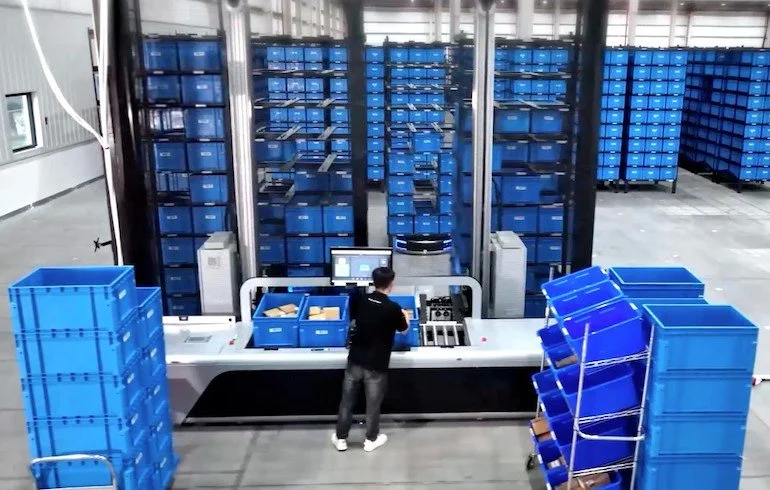
S&S Activewear is one of the more technology-forward apparel companies in North America’s branded-apparel distribution market.

Situated in Arvin, California, the new 700,000 square foot facility is described as its largest and most technologically sophisticated distribution center to date.

SoftBank is reportedly selling its remaining 9.65% stake in Boston Dynamics to Hyundai Motor Group for US$325 million.
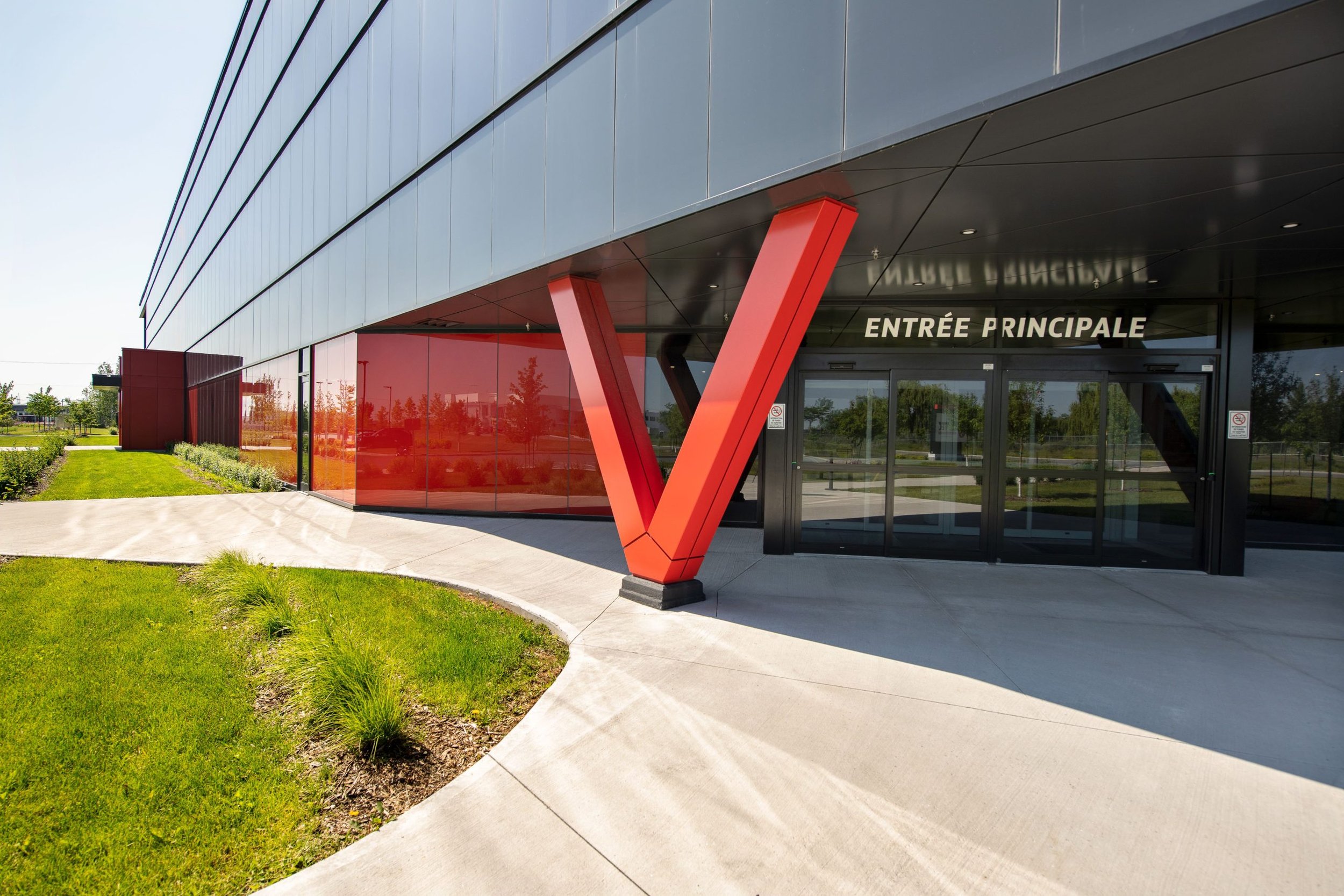
The company had automation. It had robotics. It had government support, customer momentum, press attention, and a massive facility.
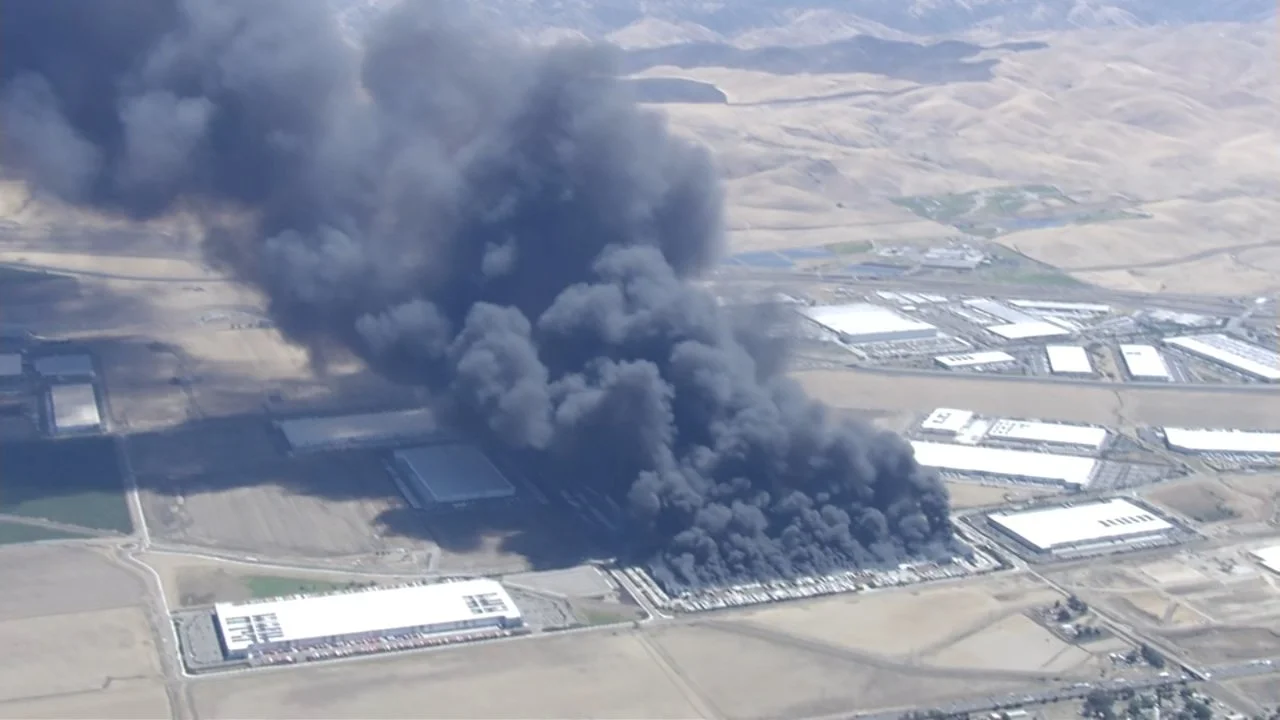
Massive fire destroys 1 million-square-foot Tracy Medline Industries distribution facility
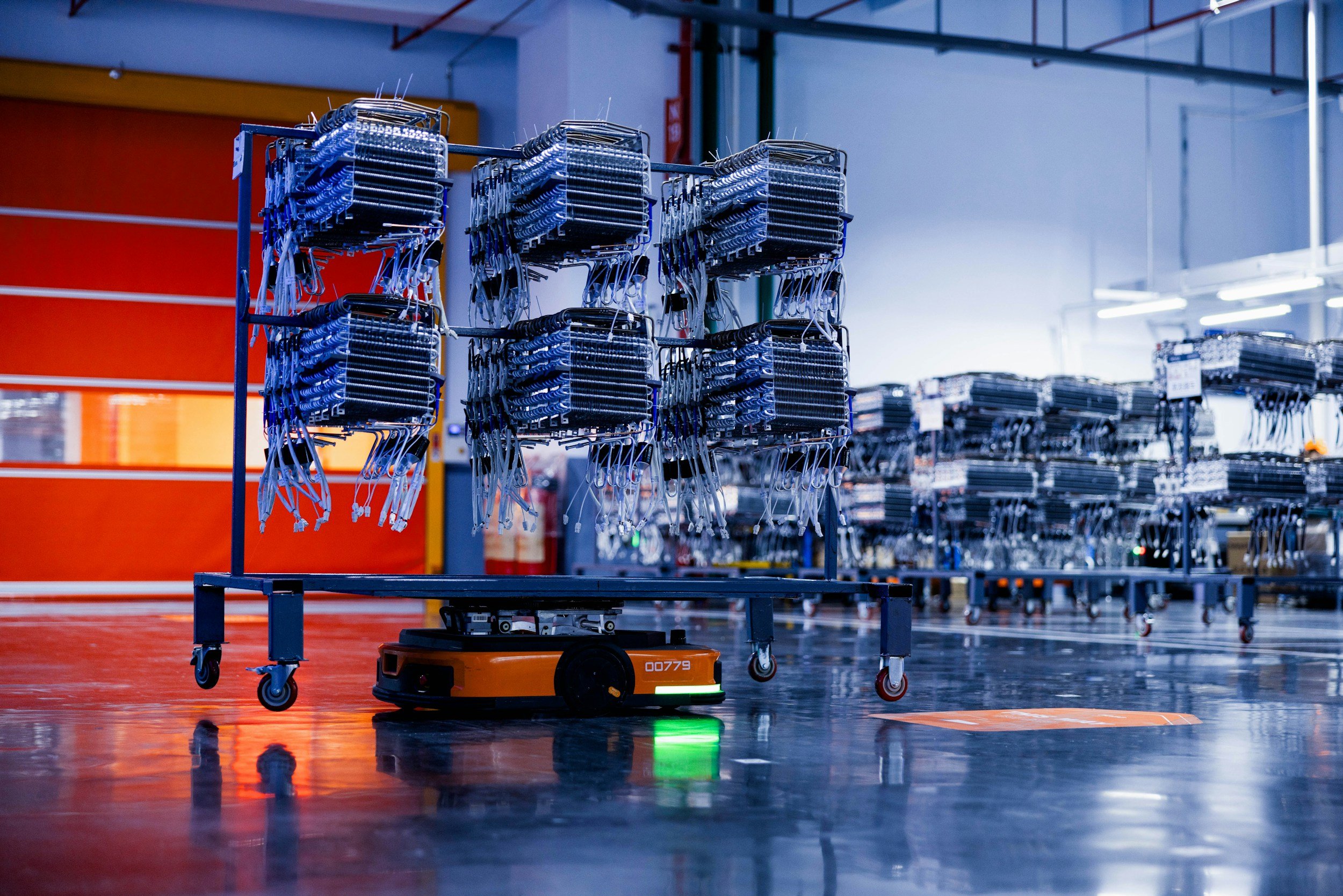
Artificial Intelligence and LLMs are currently being pushed aggressively into logistics, warehouse operations, robotics, and supply chain execution.
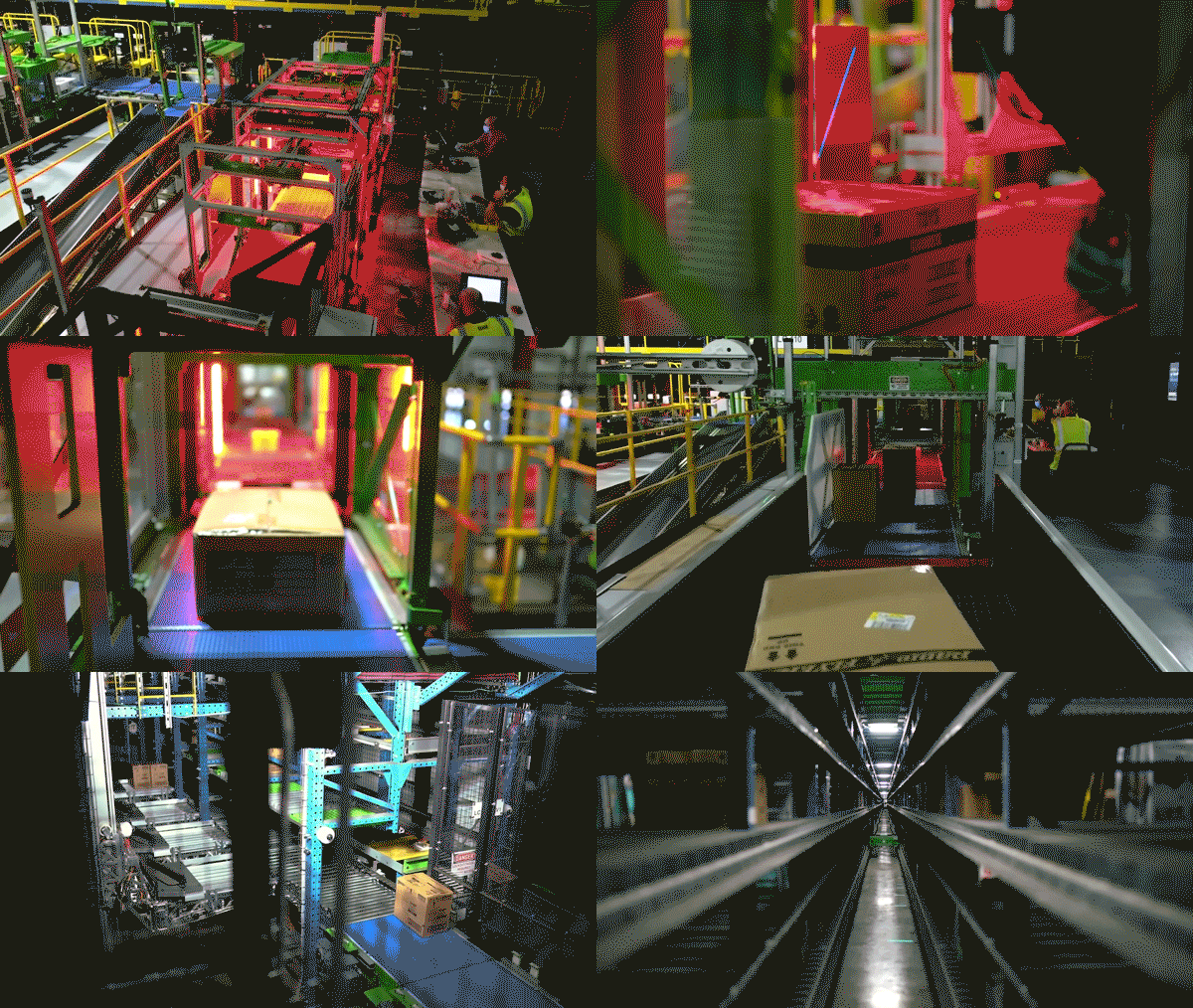
Walmart’s latest comments around same-day fulfillment, 30-minute delivery windows, AI-driven inventory positioning, and supply chain automation should be a wake-up call for the entire retail industry.
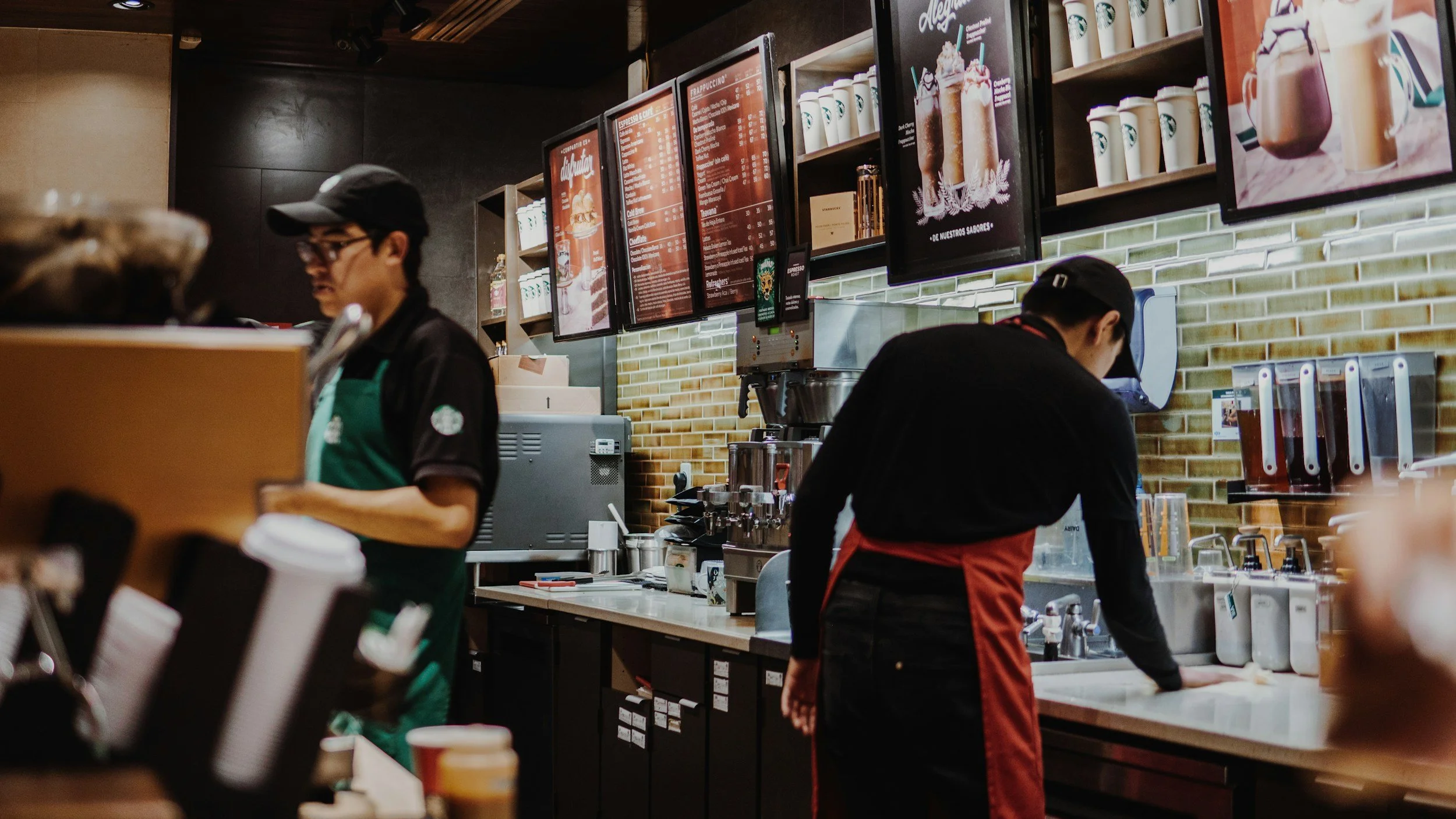
The promise made to Starbucks CEO Brian Niccol was enticing. To eliminate persistent product shortages that hurt sales, the company deployed an automated counting system.
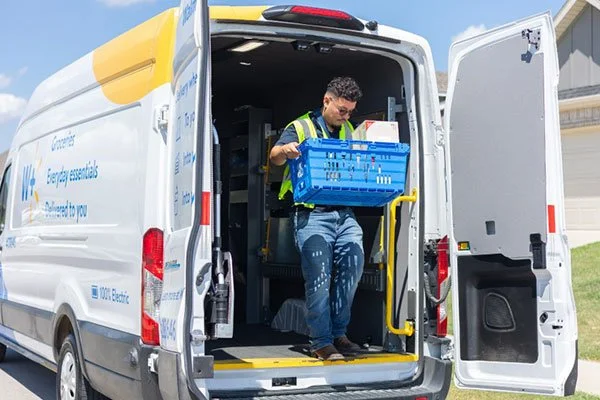
The retail giant is using unlikely spaces to push against Amazon’s recent strategies to capture more customers.

Traditional WMS lacks the real-time visibility into the availability of automated materials handling equipment that a WES brings to the table.
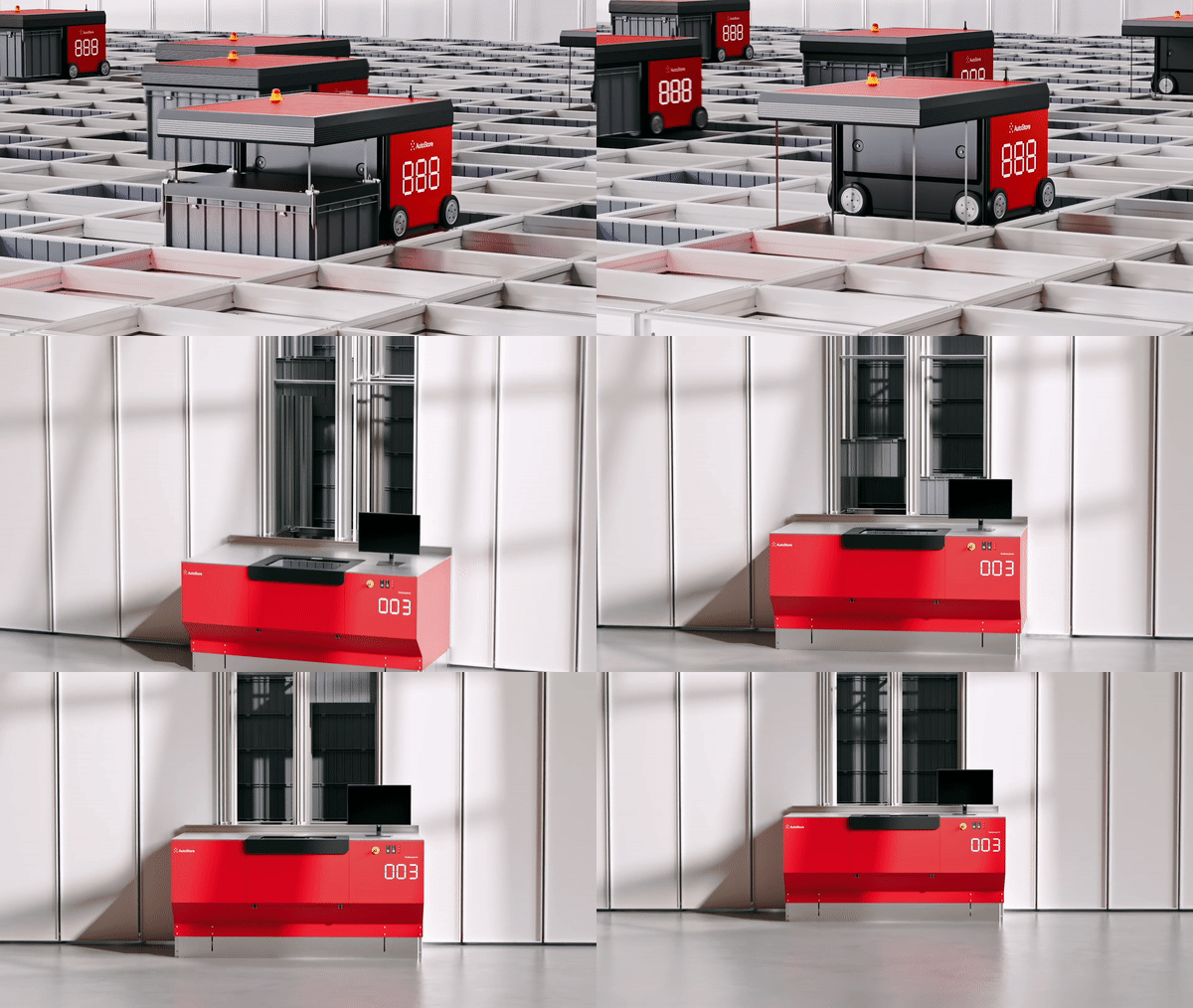
Ulta Beauty has selected AutoStore technology for its new Utah regional distribution hub supporting both stores and growing e-commerce fulfillment.
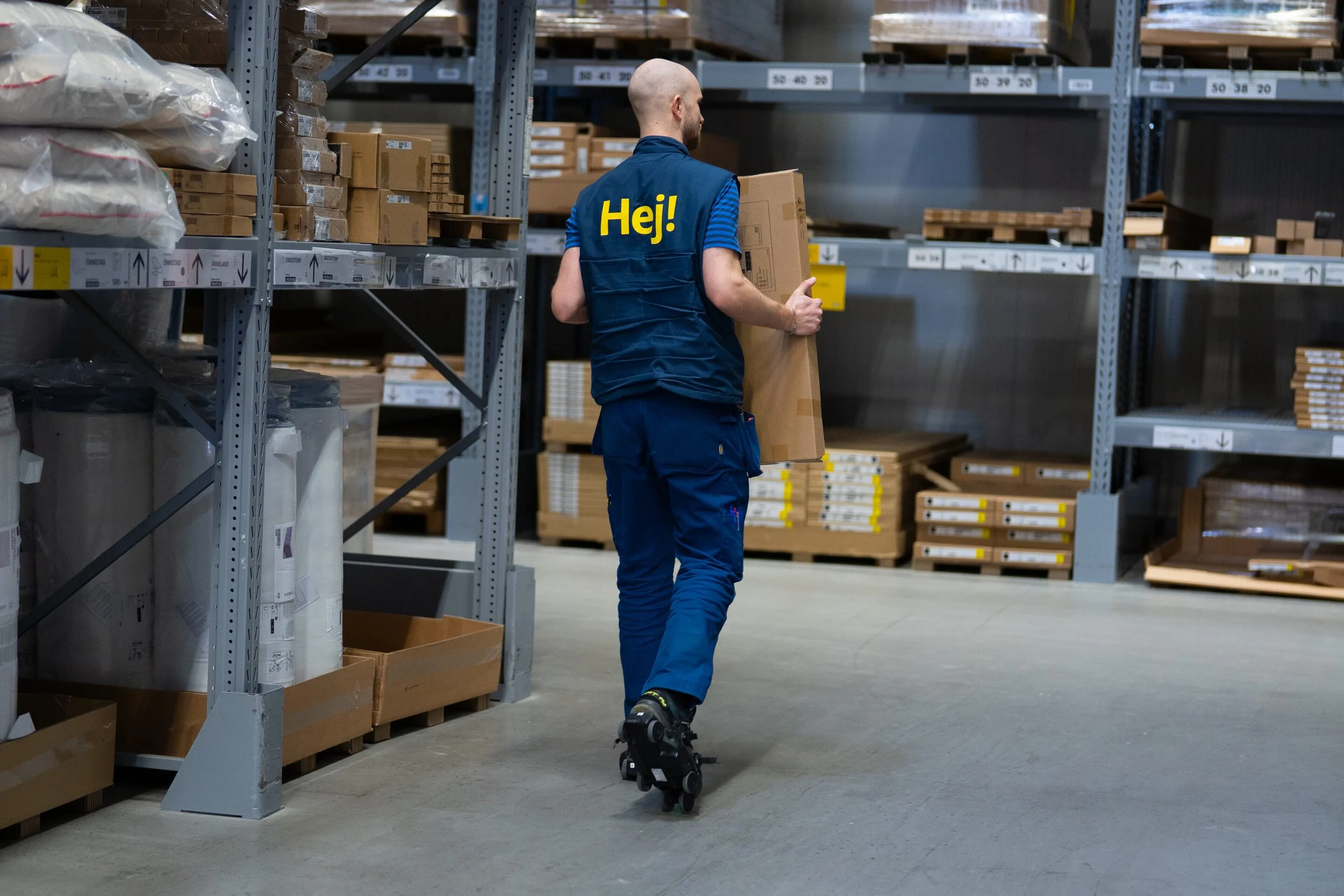
Ikea is testing robotic boots in Helsingborg, Sweden, to speed up order picking and reduce physical strain. Initial measurements showed that employees walked up to twice as fast, and average hourly picking productivity increased by 16%.
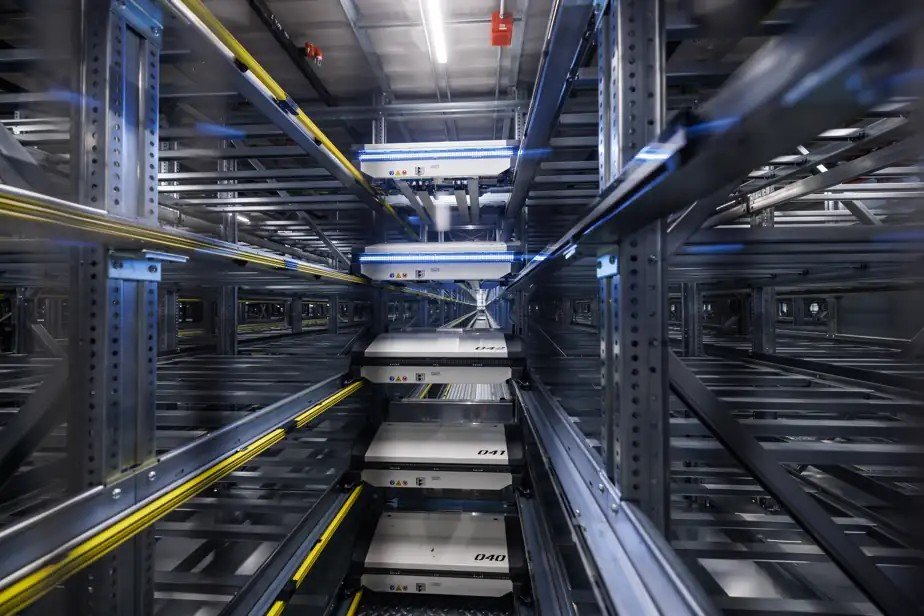
The cost of the SAQ's automated distribution center project, scheduled to begin operations next year, has gone from $48.5 million to $300 million in four years.
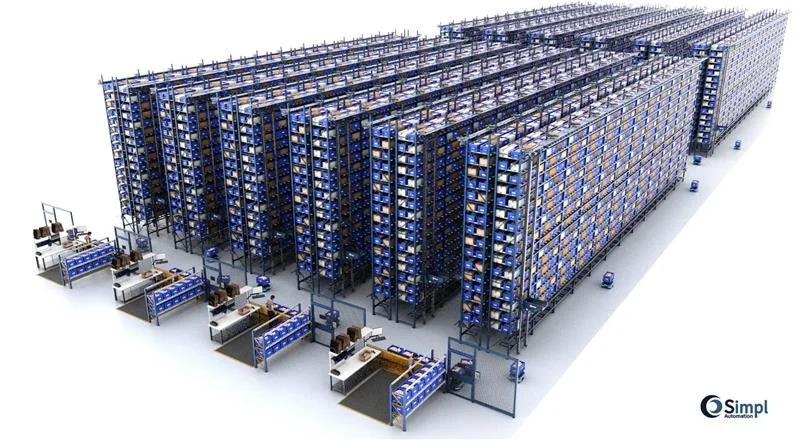
The Surrey facility will primarily serve British Columbia, while Calgary will cover Alberta, Saskatchewan, and surrounding regions.
Today, a new layer is beginning to appear in highly automated facilities: the Warehouse Operating System (WOS).
Cainiao plans to build a large-scale global network of robotic warehouses in 2026 as it expands local fulfilment and delivery operations tied to cross-border eCommerce.
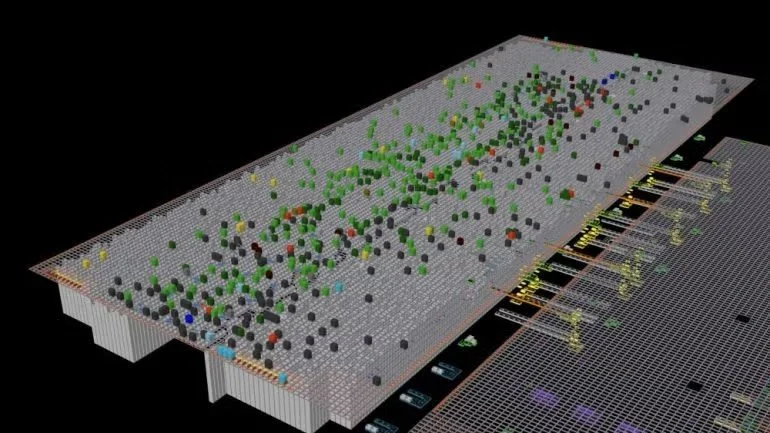
Ocado has delivered a cube-based automation system for McKesson Canada, representing a continued expansion of its technology beyond e-commerce grocery fulfilment.
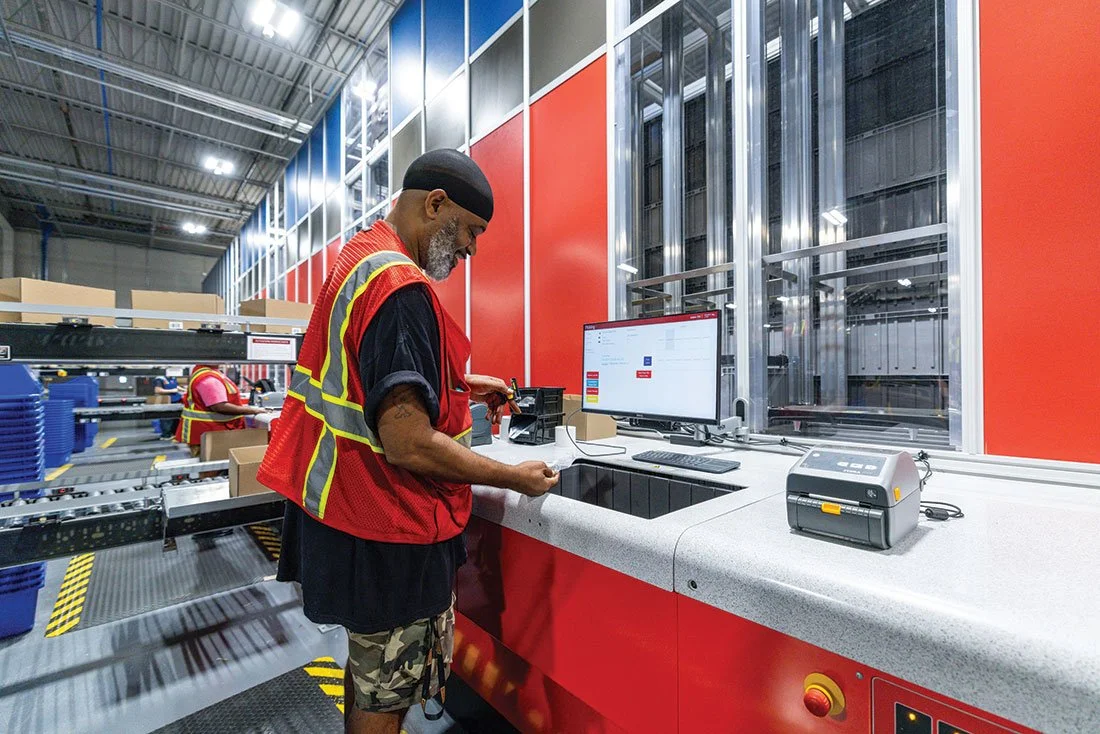
AutoStore reported its 2025 results this week, outlining a year that moved from early caution to clear second-half acceleration.
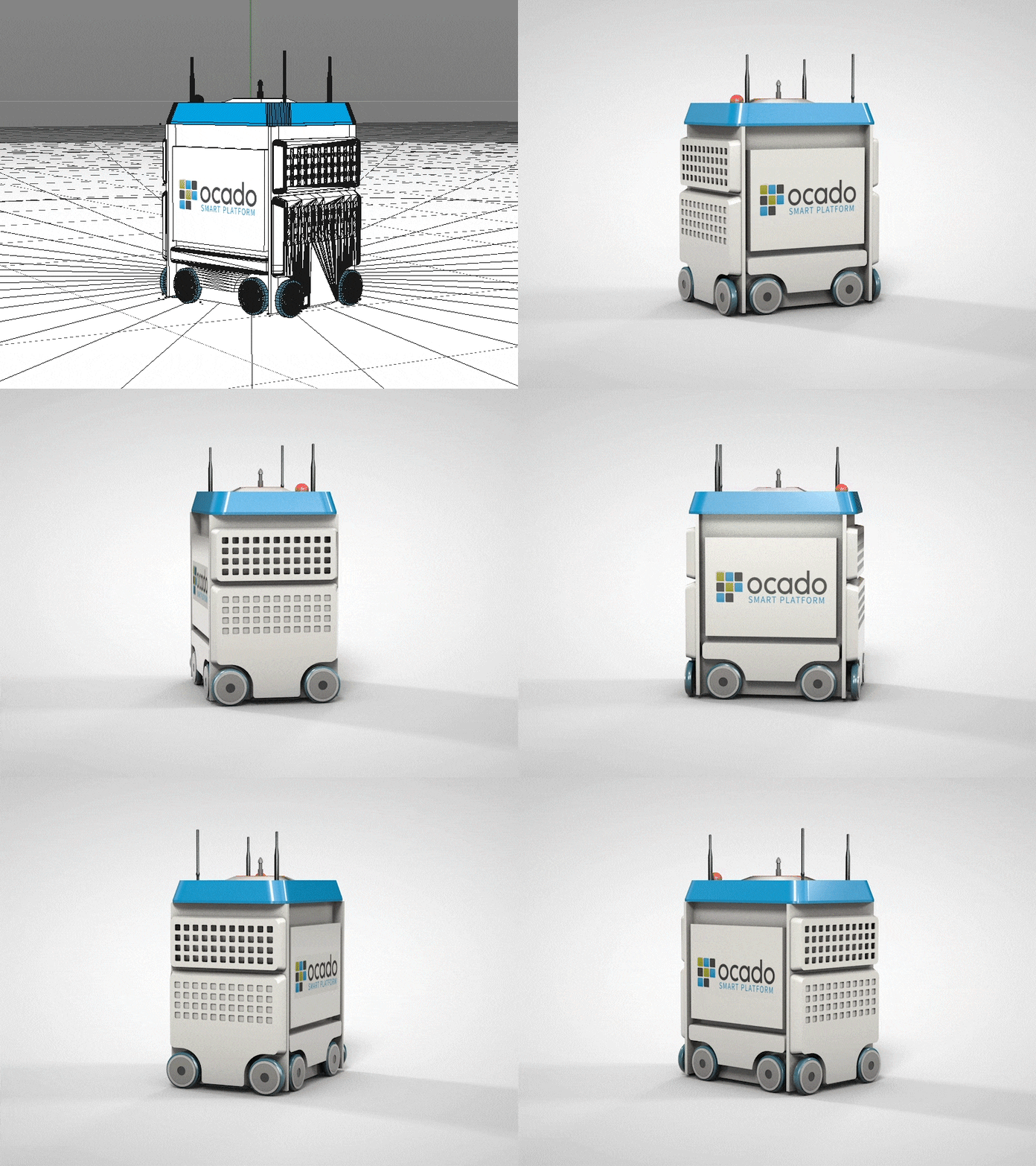
At Hannover Messe 2026, SAP and Vodafone showcased a pilot conducted at Vodafone’s warehouse in Duisburg,