
How Walmart Uses Vibe Coding to Accelerate Innovation
Walmart is quietly redefining how software gets built at scale. Their teams aren’t just writing code — they’re orchestrating ideas, prototypes, and solutions through a new development model they call vibe coding. It’s a shift that blends engineering intuition with AI-assisted development, enabling teams to move from concept to working prototype in a fraction of the time.
Below is a look at what vibe coding means inside the world’s largest retailer and why it matters for companies that want to stay competitive.
From Code Writers to AI-Orchestrators
Walmart’s engineers are moving away from writing every line of code and toward guiding AI-driven processes. Instead of thinking in terms of syntax and boilerplate, they’re thinking about system design, intent, and outcomes.
As one senior engineer explained:
“AI is your co-pilot… but you're the one making the last decision.”
This mindset captures the shift:
Engineers set direction; AI handles repetitive or time-consuming tasks.
Teams focus on architecture, guardrails, and validation.
The goal is not automation for its own sake, but faster problem-solving with accountability.
It’s a model that fits the scale and pace of Walmart’s operations — thousands of applications, millions of associates and customers, and constant pressure to build reliable systems quickly.
Building Faster — and with Less Friction
Several Walmart engineering leaders describe the same pattern: vibe coding turns slow, complex ideas into rapid experiments.
A few examples Walmart highlights:
A cross-team project that once required months was built in a week and a half using AI-assisted development.
Weekly innovation meetings shifted from “what if we built this?” to “let’s build it now.”
Engineers are removing friction from their workflows — fewer demotivating errors, more time spent in flow.
This acceleration isn’t just about speed. It’s about reducing the cognitive drag that often stalls enterprise innovation. When AI handles the tedious parts, engineers stay engaged and momentum builds.
Collaboration That Actually Leads to Working Software
Walmart engineers note that AI is changing how they collaborate:
Cross-functional ideas can be prototyped instantly.
Shared backlogs ("horizontal initiatives") no longer linger for months.
Teams with different expertise can bridge disciplines faster because AI fills in technical gaps.
The outcome is a development culture where experimentation is normal and prototypes show up before the meeting ends — not weeks later.
Guardrails, Oversight, and Intentional Engineering
Even with the speed benefits, Walmart makes it clear: AI still needs careful oversight.
Engineers emphasize that:
Prompts must be specific.
Code that looks correct may not be correct.
Regular sanity checks are essential.
“There’s no Control-Z in AI” — systems must be designed thoughtfully from the start.
Instead of eliminating engineering roles, vibe coding elevates them. Engineers become orchestrators of AI systems, not passive recipients. They define the architecture, validate outcomes, and guide the agents doing the work.
A Revival of Hands-On Creativity
One unexpected outcome Walmart highlights is emotional: engineers are rediscovering the joy of building.
AI has lowered the friction required to experiment, test an idea, or explore a small project without interrupting a teammate. Leaders describe:
A renewed passion for coding
A sense of “play” returning to the work
More energy in teams that had been bogged down by backlog and complexity
When people feel they can build quickly, they imagine more boldly — and that’s where real innovation compounds.
What Vibe Coding Signals for the Future
Walmart’s approach isn’t a trend — it’s a structural shift in how large enterprises will develop software:
Faster cycles from idea to prototype
Higher throughput without increasing team size
More experimentation
More cross-disciplinary solutions
Engineering teams who think in systems, not syntax
And perhaps most important:
A culture that rewards curiosity, quick iteration, and continuous learning.
As one of their engineers put it:
“We’re already thinking about what else we can build next.”
This is the essence of vibe coding — a development model where AI removes friction, teams move faster, and imagination becomes part of the workflow again.
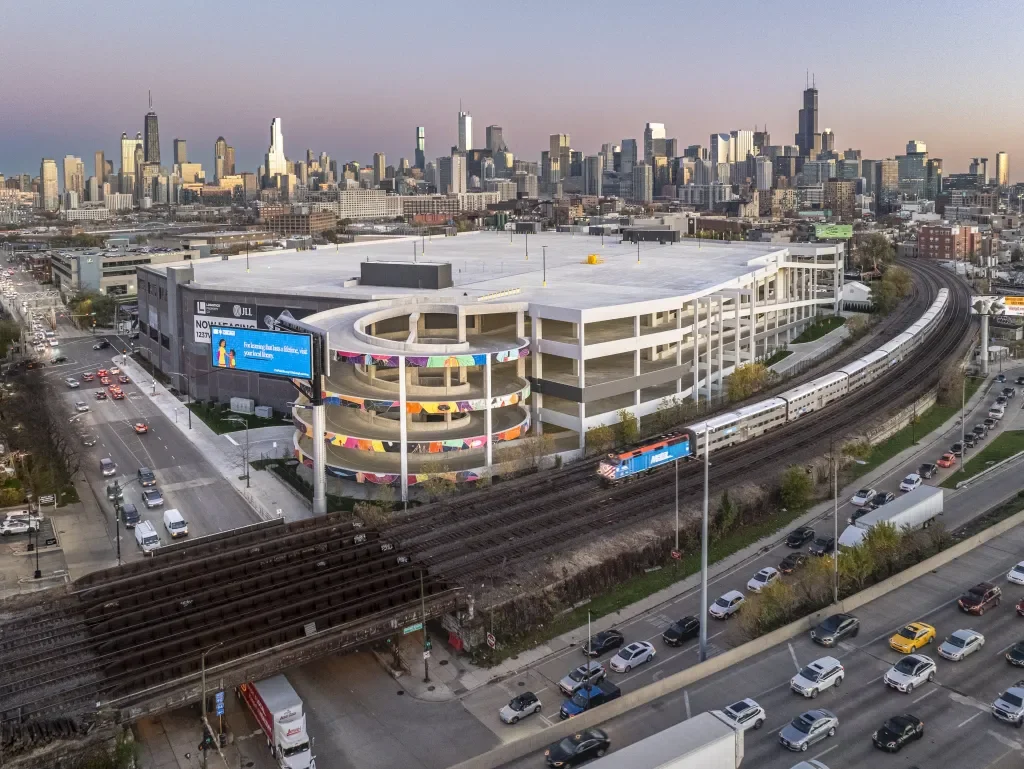
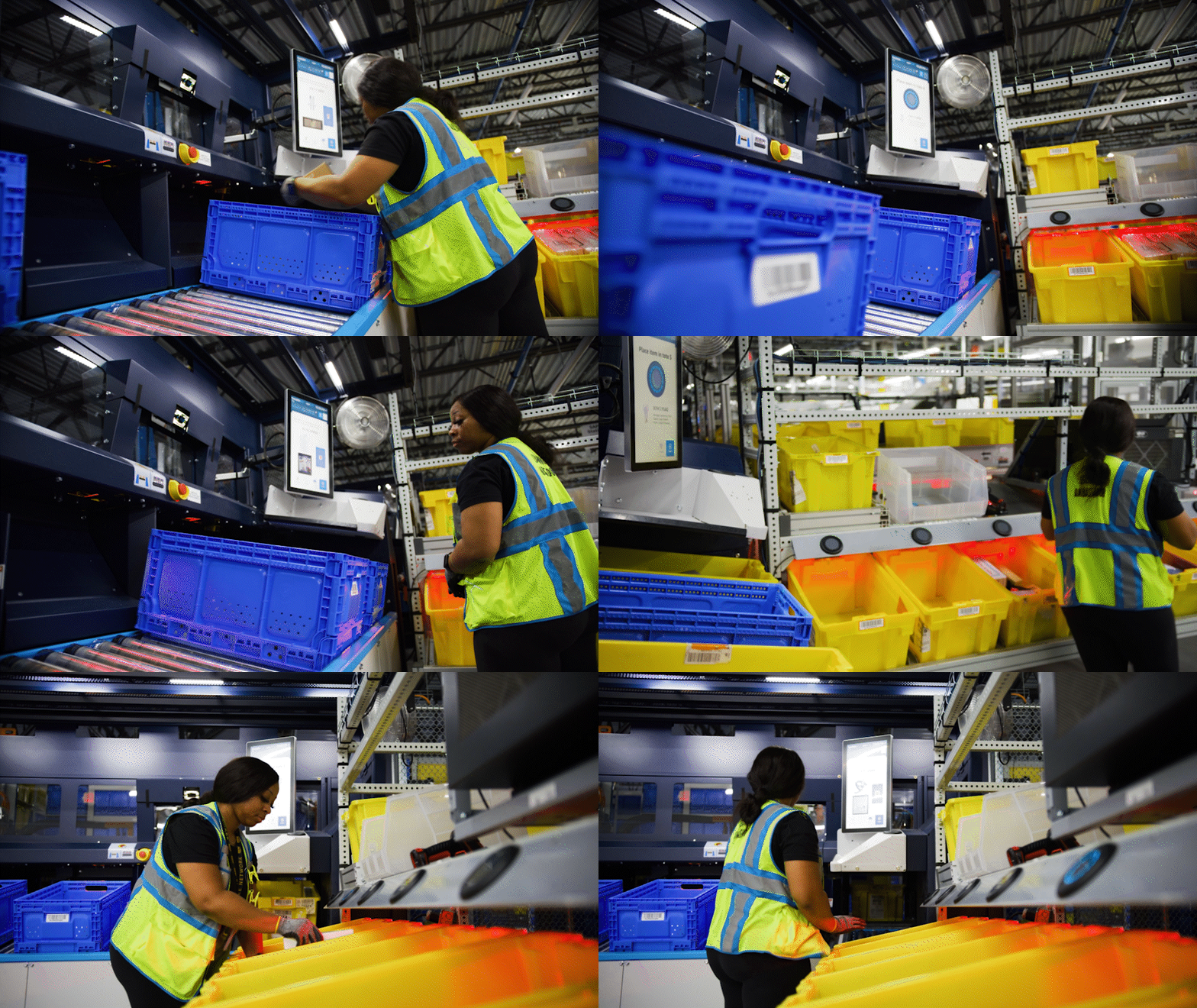
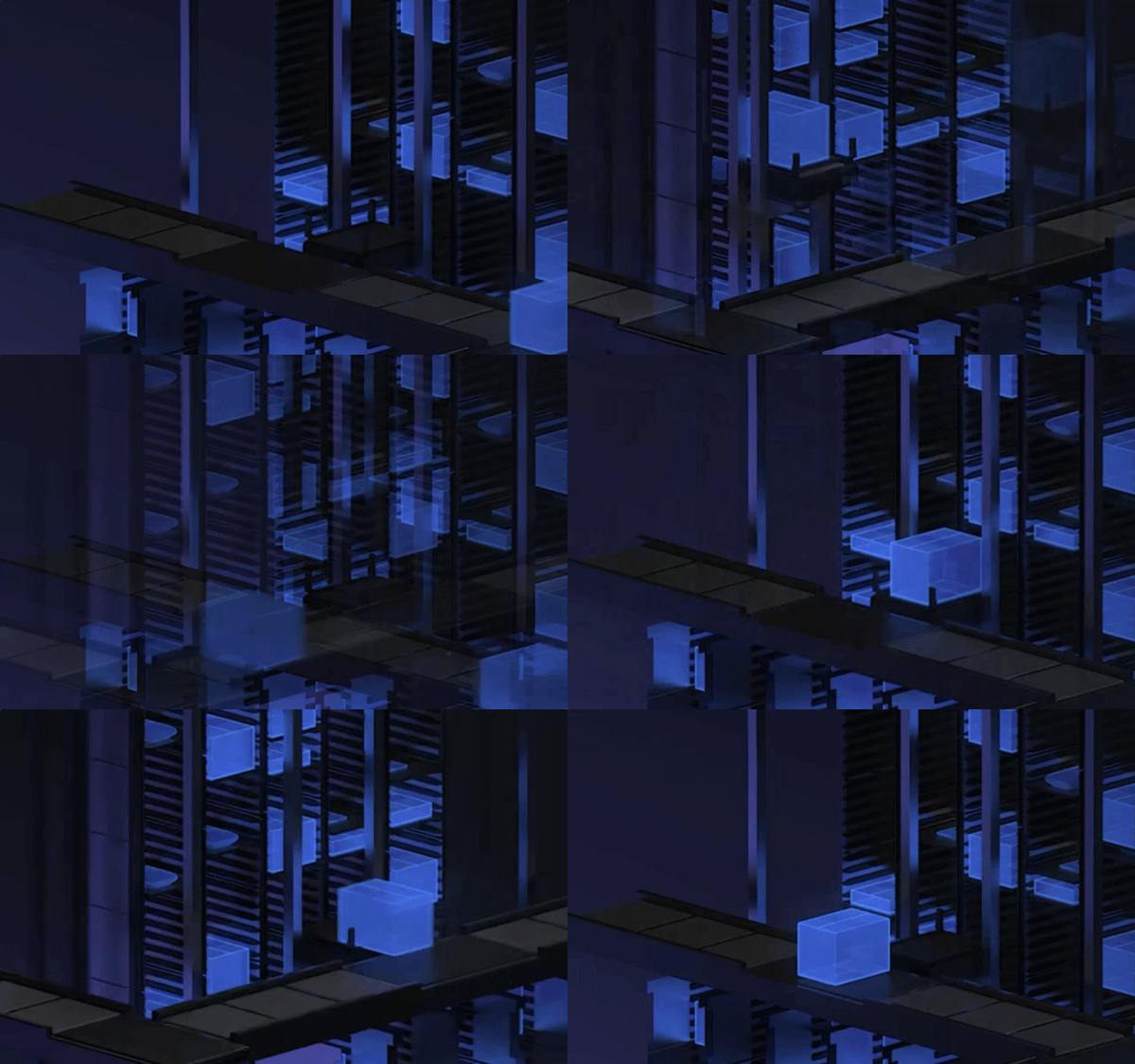
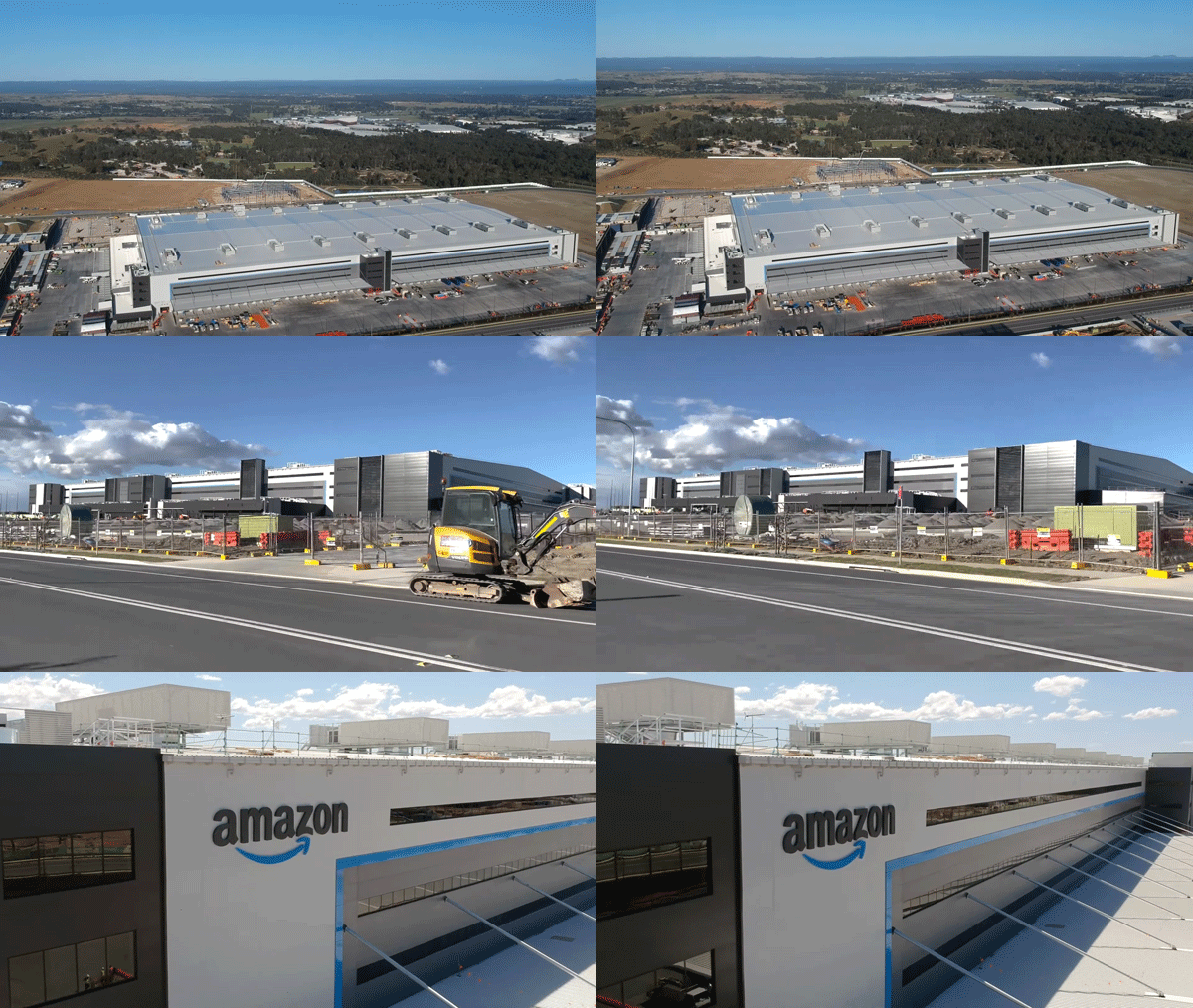








Amazon just announced the expansion of one-hour and three-hour delivery across the U.S.