
First High-Speed Automated Pocket Sorter in Japan
Automated High-Speed Pocket Sortation Technology for E-Commerce is an advanced system used in fulfillment centers and distribution facilities to efficiently manage and sort a high volume of individual items. The technology is particularly valuable in e-commerce, where orders are diverse, time-sensitive, and often involve many single-piece or small-batch orders. Here’s an overview of what this technology entails:
Pocket Sortation System: The system uses small, pouch-like carriers (pockets) that hold individual items. These pockets travel along a high-speed conveyor track. Each item, whether a single item from an order or part of a larger multi-item order, is placed in a pocket, which keeps the item secure and prevents damage as it moves through the system.
High-Speed Sortation: This technology is designed for fast, accurate sorting and can handle thousands of items per hour. The pockets are intelligently directed along the track to specific destinations within the facility based on the orders they belong to or the type of processing they require.
Dynamic Order Processing: For e-commerce, where orders can vary widely and arrive in real time, the system quickly adapts to new demands. Pockets are dynamically rerouted as new orders come in or as certain orders are prioritized, which is particularly valuable during peak shopping seasons or sales events.
Order Consolidation: The pockets are directed to specific “order consolidation” zones, where items for individual orders are gathered together. Once all items for an order are collected, they can be packed and shipped immediately, optimizing order fulfillment speed and reducing the need for manual sorting.
Benefits for E-Commerce:
Efficiency: Significantly reduces the time it takes to sort and fulfill orders, leading to faster delivery times.
Scalability: Handles high volumes of varied items without sacrificing accuracy, making it ideal for growing e-commerce needs.
Reduced Labor Costs: Minimizes manual labor requirements as items are automatically sorted, consolidated, and prepared for packing.
Flexibility: Accommodates a variety of item sizes, shapes, and types, enabling the fulfillment of both small and large orders seamlessly.
In short, this technology offers an efficient and adaptable solution for sorting and fulfilling the vast number of unique, time-sensitive orders that are characteristic of e-commerce, enhancing the speed and reliability of order processing.

Amazon’s Project Tetromino Takes Aim at the Last Mile’s Hardest Automation Problem.
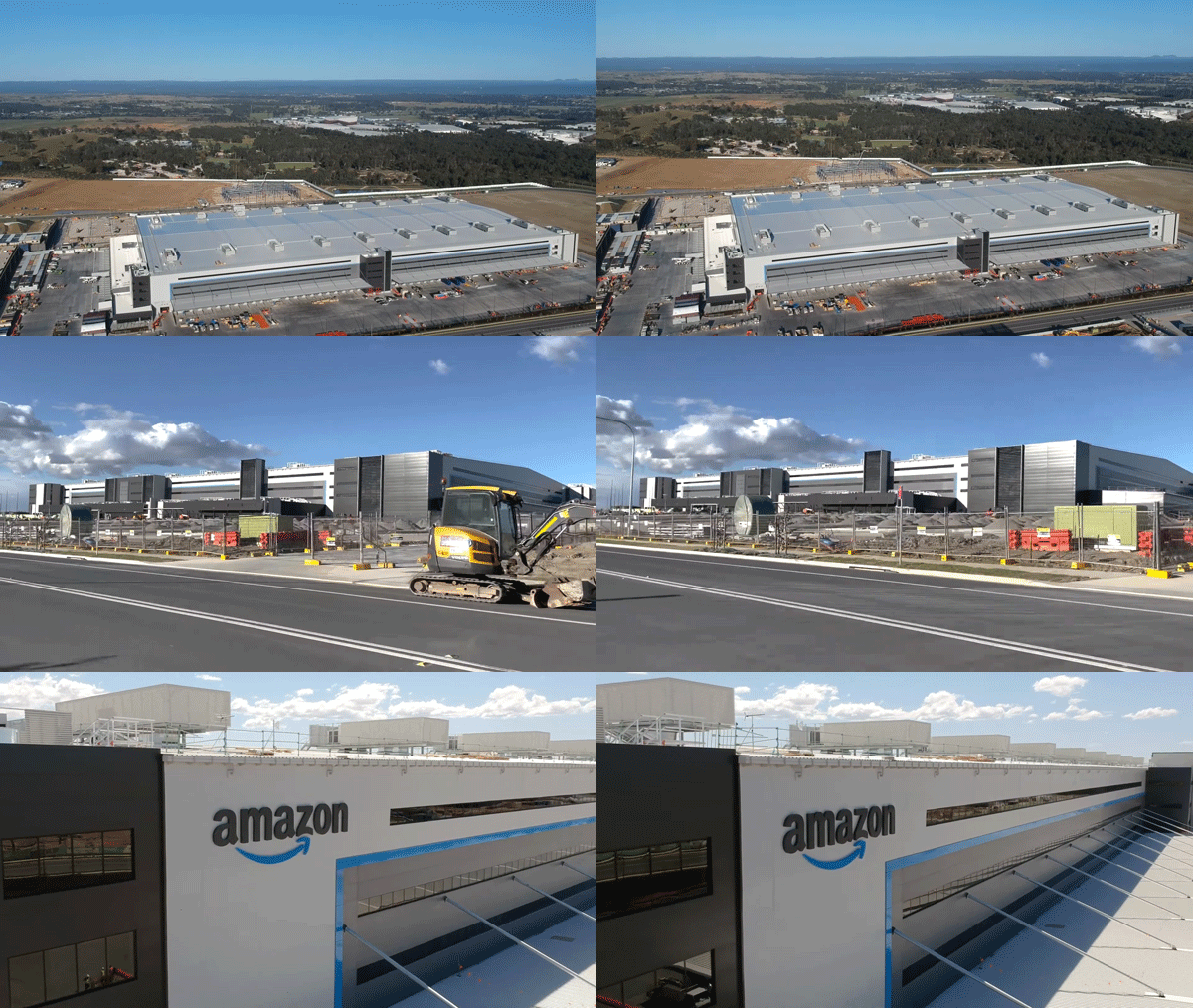
If you’ve ever wanted to see inside one of Amazon’s fulfilment centres, here’s your chance to see how your online shopping cart gets to your doorstep.
Amazon announced a major €10 billion investment to expand and modernize its European fulfillment network.
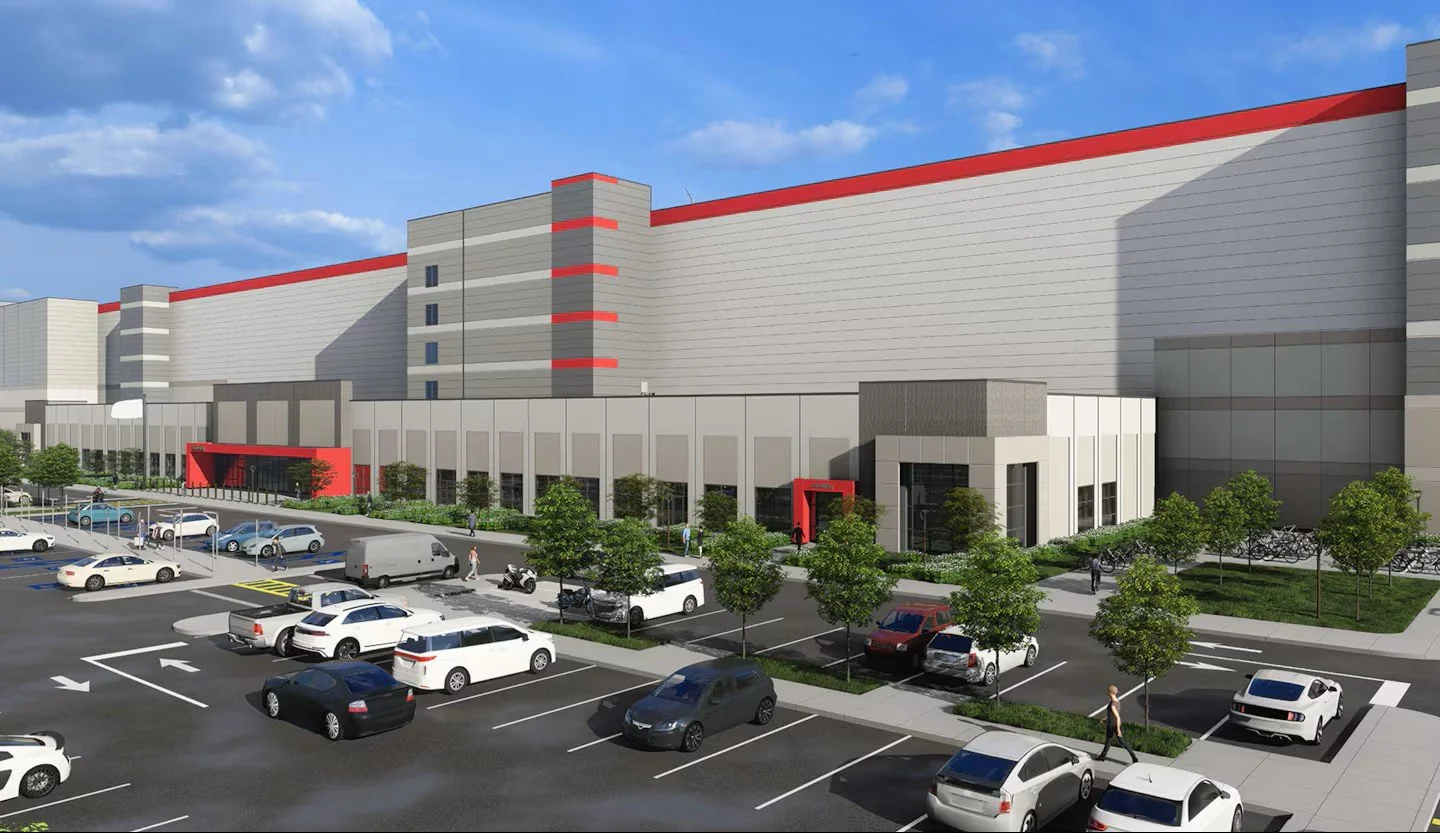
Amazon is dismantling part of its largest facility under construction in Ottawa — a rare move that suggests a shift in how the site is being designed and automated.

Amazon is essentially "franchising" its fulfillment infrastructure to solve the rural density problem.
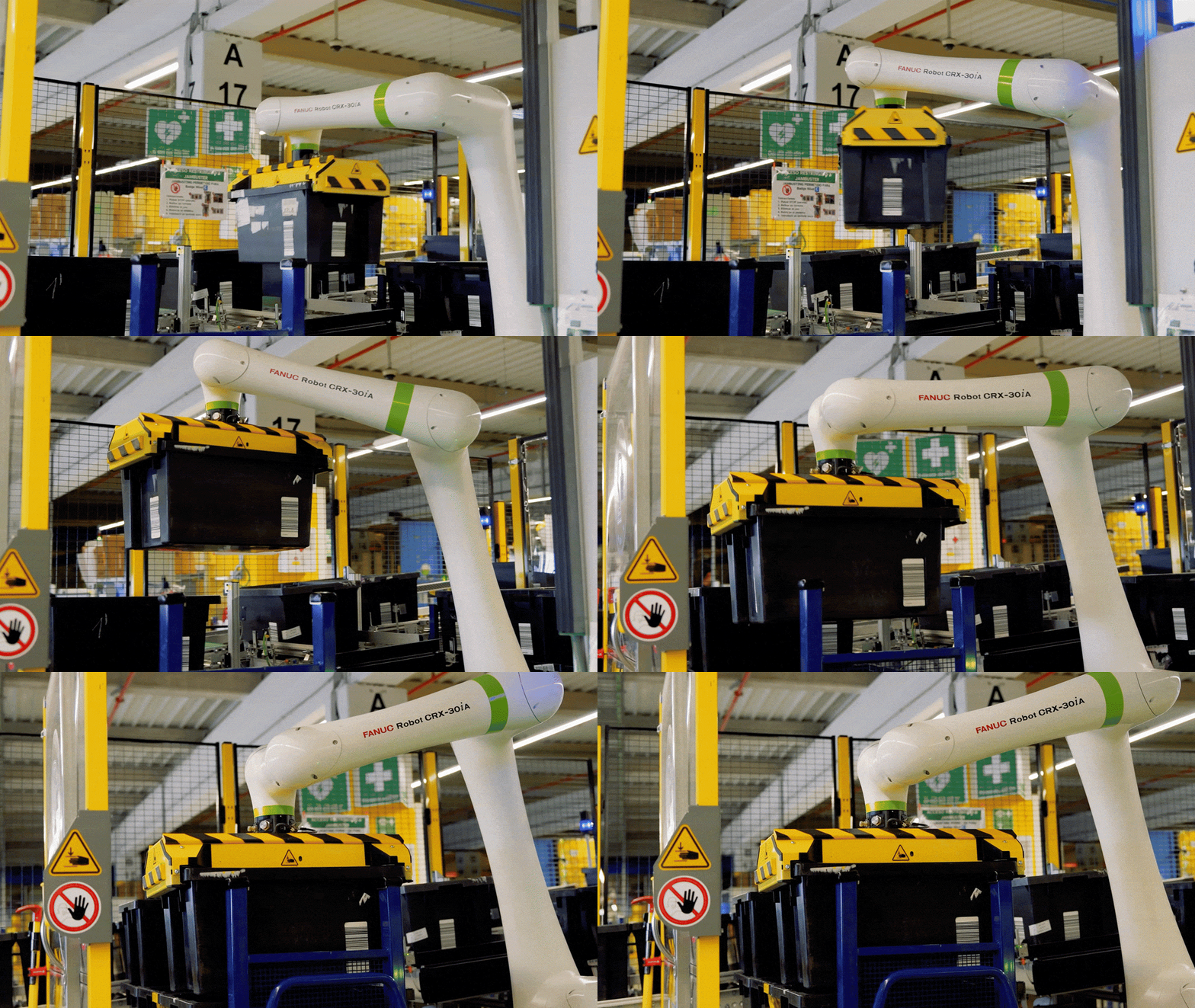
The robots inside Amazon's Kent Fulfillment Center are getting smarter — and the company is pressing forward with new technology.
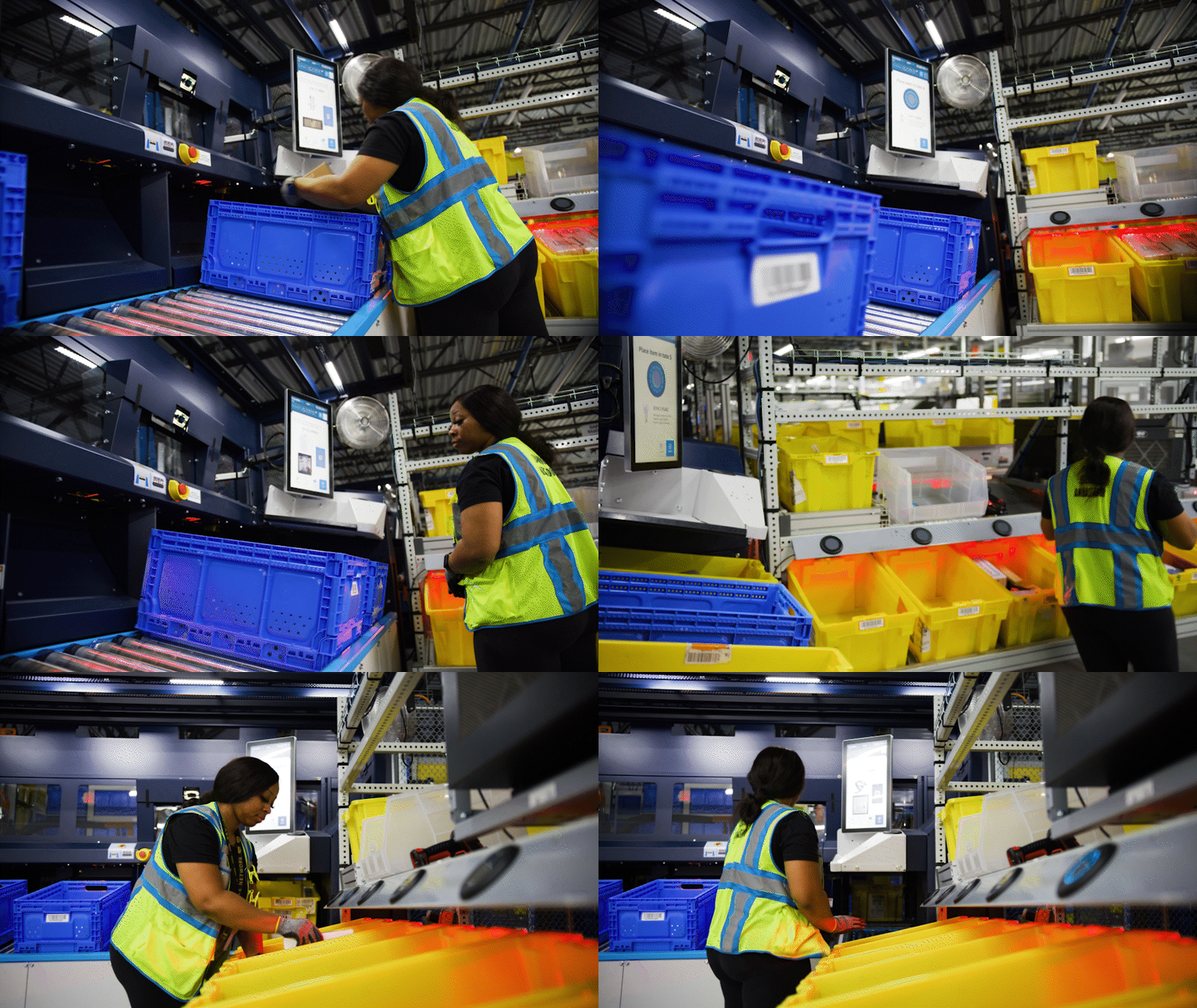
Amazon did not achieve this speed through a single breakthrough technology
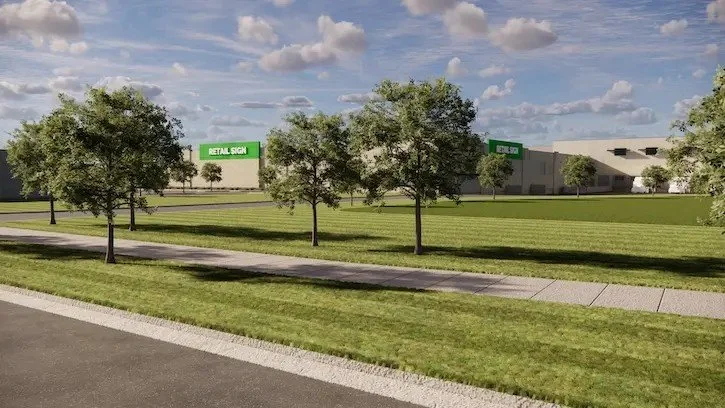
What the Orland Park retail proposal reveals about Amazon’s push into Walmart-scale physical retail

The model is specifically built for single-item, impulse, and urgent purchases, a category with high repeat potential and strong margin dynamics once density is optimized.

Amazon has opened a new kind of warehouse in Elkhart, Indiana — one that challenges nearly every convention in logistics facility design.
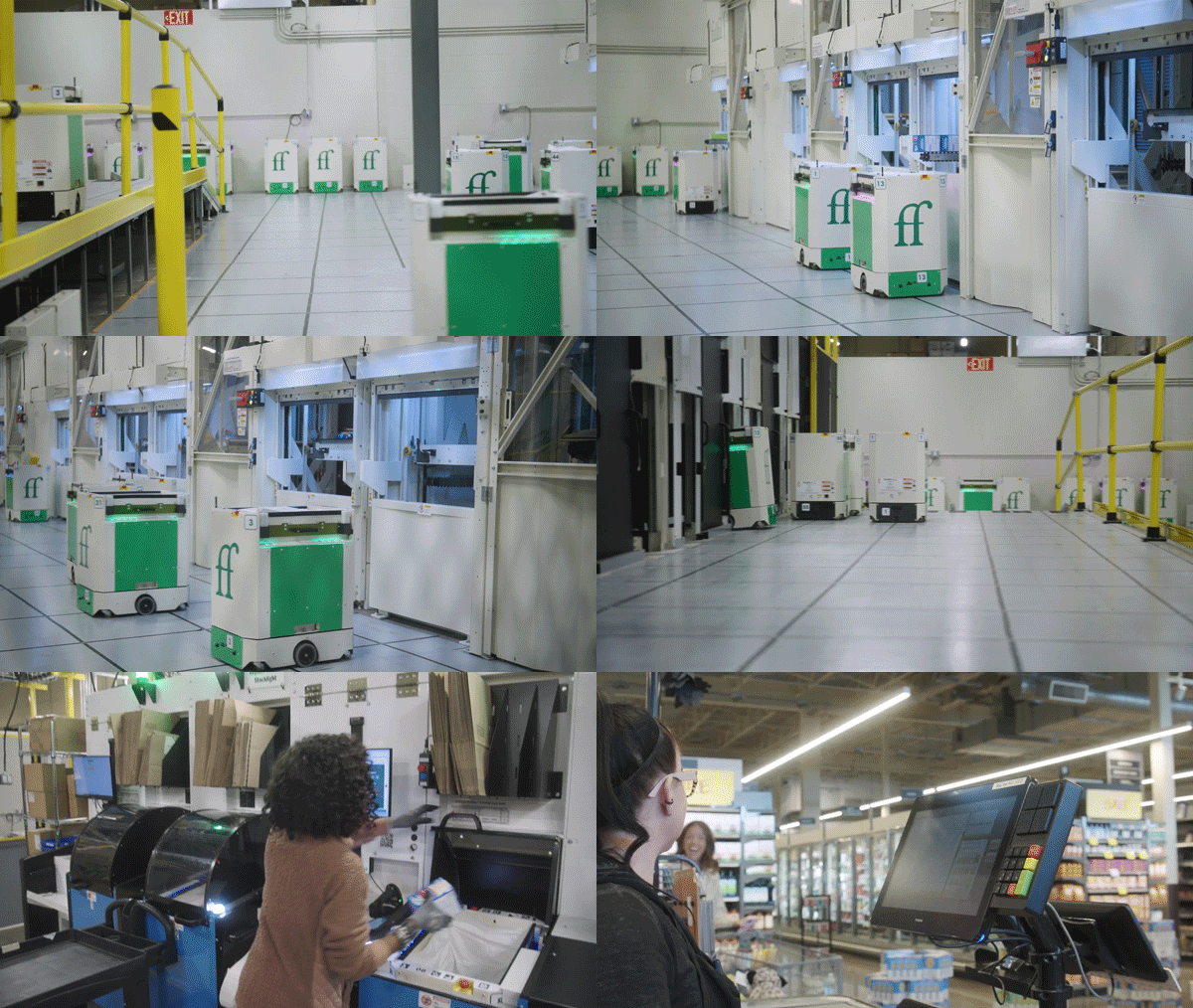
Amazon has built a 10,000-sq-ft automated micro-fulfillment center inside Whole Foods — where customers can scan, order, and pick up items in minutes.

These smaller, high-velocity facilities store frequently purchased products—from fresh food and groceries to personal-care items and small electronics.

Meet Sparrow, Cardinal and Proteus. They’re the robots that, step by step, are replacing human workers in the company’s warehouses.
Amazon Robotics' Chief Technologist discusses his journey to helping the world's largest retailer deploy one million robots.

Amazon’s new smart glasses bring AI and computer vision directly into the delivery workflow.

Amazon is taking steps to address how artificial intelligence and automation is changing its workforce.

It’s built to do something no other Amazon robot has done before — perform multiple tasks at once.

The offer builds on Amazon fulfillment service for merchants on other sales channels, including eBay, Etsy, Temu and TikTok Shop.

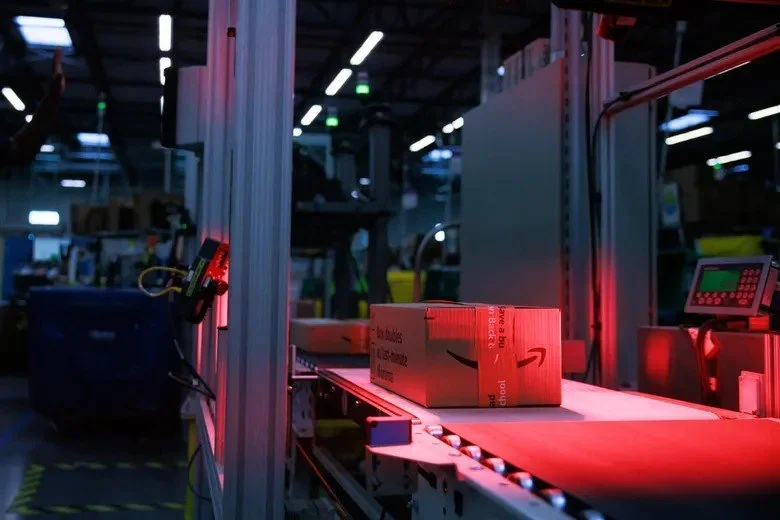
Ever wondered how that Amazon package arrives on your doorstep with remarkable speed?
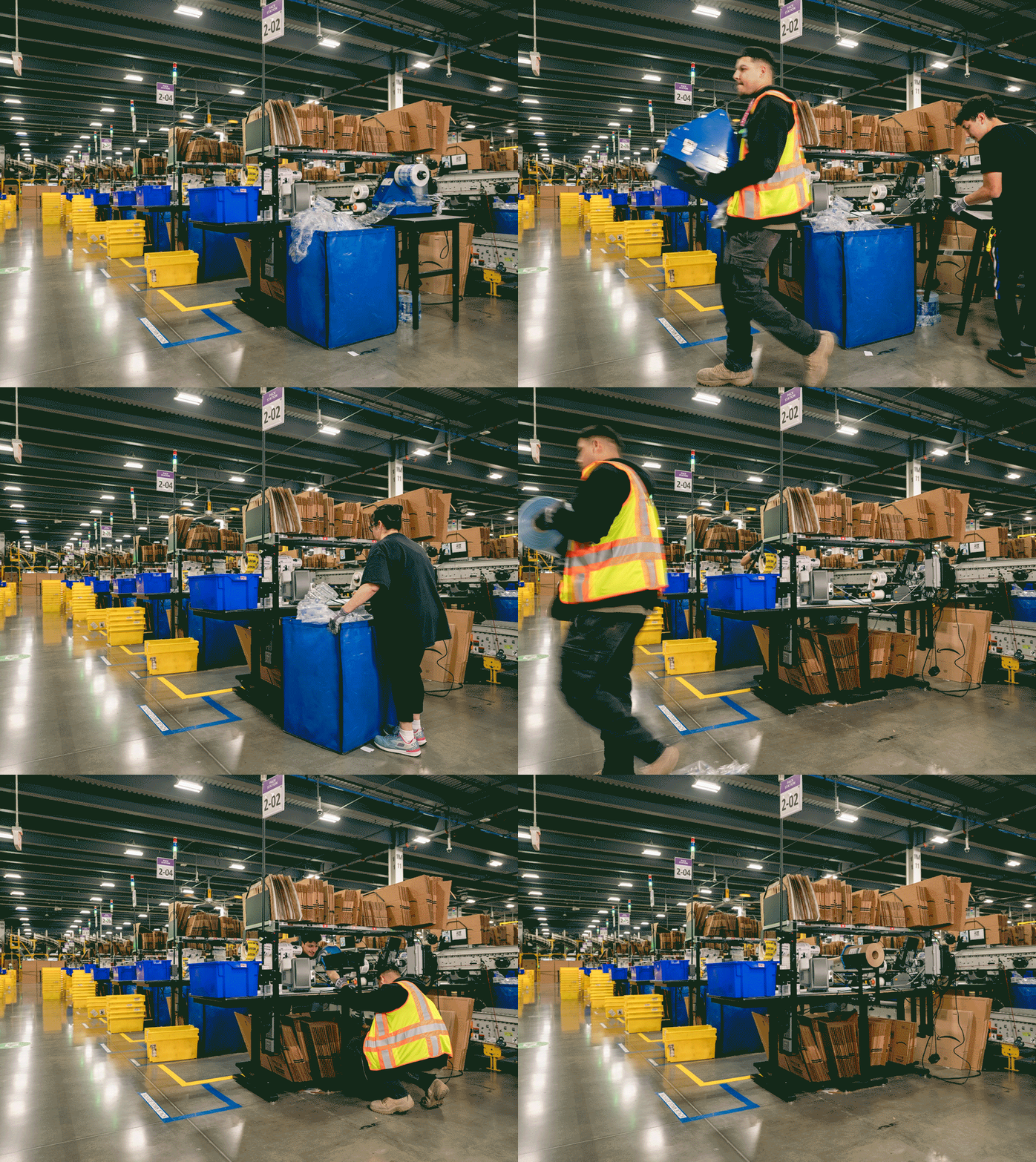
Amazon’s Ohio facility was its first U.S. center to eliminate plastic delivery packaging,

A worker loads a truck for shipment at the Amazon MCO-01 robotic fullfillment center in Orlando.
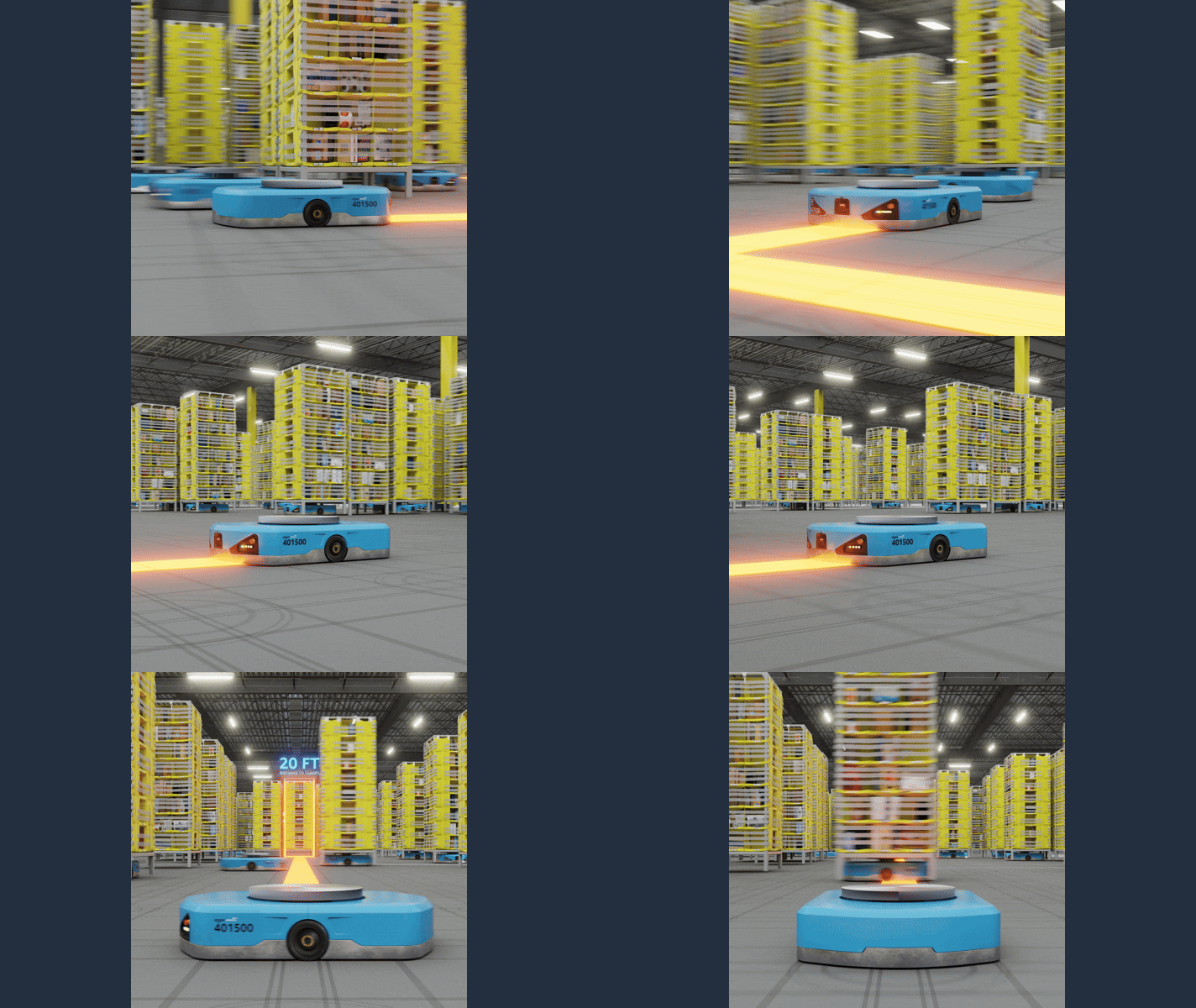
Amazon Robotics Vice President explains how robots are helping Amazon employees deliver on Prime Day.

Amazon UK has announced a national roll-out of its partnership with on demand delivery specialist Gopuff.

But for the right buyer, these assets could offer not just a salvage opportunity—but strategic leverage.

The retailer will soon use custom box-making technology to reduce waste from packaging across Europe.

It’s a testbed for the convergence of agentic AI and dynamic robotics—where hardware and software fuse to reimagine the last mile.

Amazon has been on a multi-billion dollar and decade-plus long crusade to be a leader in robotics.

Online retail giant provides “Buy with Prime” service for Prime subscribers who purchase Adidas goods stored in its DCs.

Amazon just announced the expansion of one-hour and three-hour delivery across the U.S.