
Amazon’s One-Hour Delivery Expansion Exposes a Problem Retailers Aren’t Ready For
Amazon just announced the expansion of one-hour and three-hour delivery across the U.S.
Three-hour delivery is now live in roughly 2,000 cities.
One-hour delivery is already available in hundreds of them.
Over 90,000 products qualify.
This isn’t a pilot anymore.
This Is How It Always Starts
Amazon doesn’t disrupt markets overnight.
It moves in steps:
Two-day delivery became standard
Then one-day
Then same-day
Now one-hour
Each time, the reaction from the market is the same:
“Customers don’t really need this.”
Until they do.
And once they do, there’s no going back.
Speed Is No Longer a Differentiator
At this point, fast delivery is no longer a competitive advantage.
It’s becoming a baseline expectation.
Customers are being trained — again — to expect:
Immediate availability
Immediate fulfillment
Immediate delivery
Not tomorrow. Not later this week.
Now.
Meanwhile, Most Retailers Are Still Struggling With the Basics
Let’s be honest about where things actually stand.
A large portion of retailers still:
Miss delivery windows
Ship incomplete or inaccurate orders
Provide poor visibility to customers
Take days just to process and release orders
And yet the benchmark is shifting to delivery within hours.
This is the gap that should concern people.
The Problem Isn’t Effort — It’s the Foundation
Most retailers are not failing because they’re not trying.
They’re failing because their operations were never designed for this.
The typical stack still looks like:
ERP systems built for planning cycles
WMS platforms designed around batch logic
Automation deployed in isolated pockets
Multiple vendors, loosely connected
Last-mile handled as an afterthought
That architecture can support e-commerce.
It cannot support real-time fulfillment at Amazon’s level.
This Is the Part Nobody Wants to Say Out Loud
Amazon is not just improving delivery.
It is exposing the limitations of everyone else.
And the reality is:
The majority of retailers are not structurally capable of competing with this — not with their current systems, not with their current operations.
The Onslaught Won’t Be Even — But It Will Be Relentless
Amazon doesn’t need to dominate every category immediately.
It only needs to:
Win in key segments
Set expectations
Expand gradually
That’s enough to start pulling customers away.
Because once someone experiences one-hour delivery for everyday items,
waiting two or three days starts to feel broken.
Where This Is Heading
This is not the end state.
Amazon is already testing:
30-minute delivery models
Hyper-local fulfillment
Even faster last-mile solutions
One-hour delivery is not the finish line.
It’s just the next step.
The Real Question
Retailers don’t need to match Amazon overnight.
But they do need to ask themselves something far more important:
Was our business ever designed to compete in a world where delivery is measured in hours instead of days?
Because for most, the honest answer is no.

Pattison Food Group Modernizes Langley Distribution Centre with Advanced Grocery Automation.
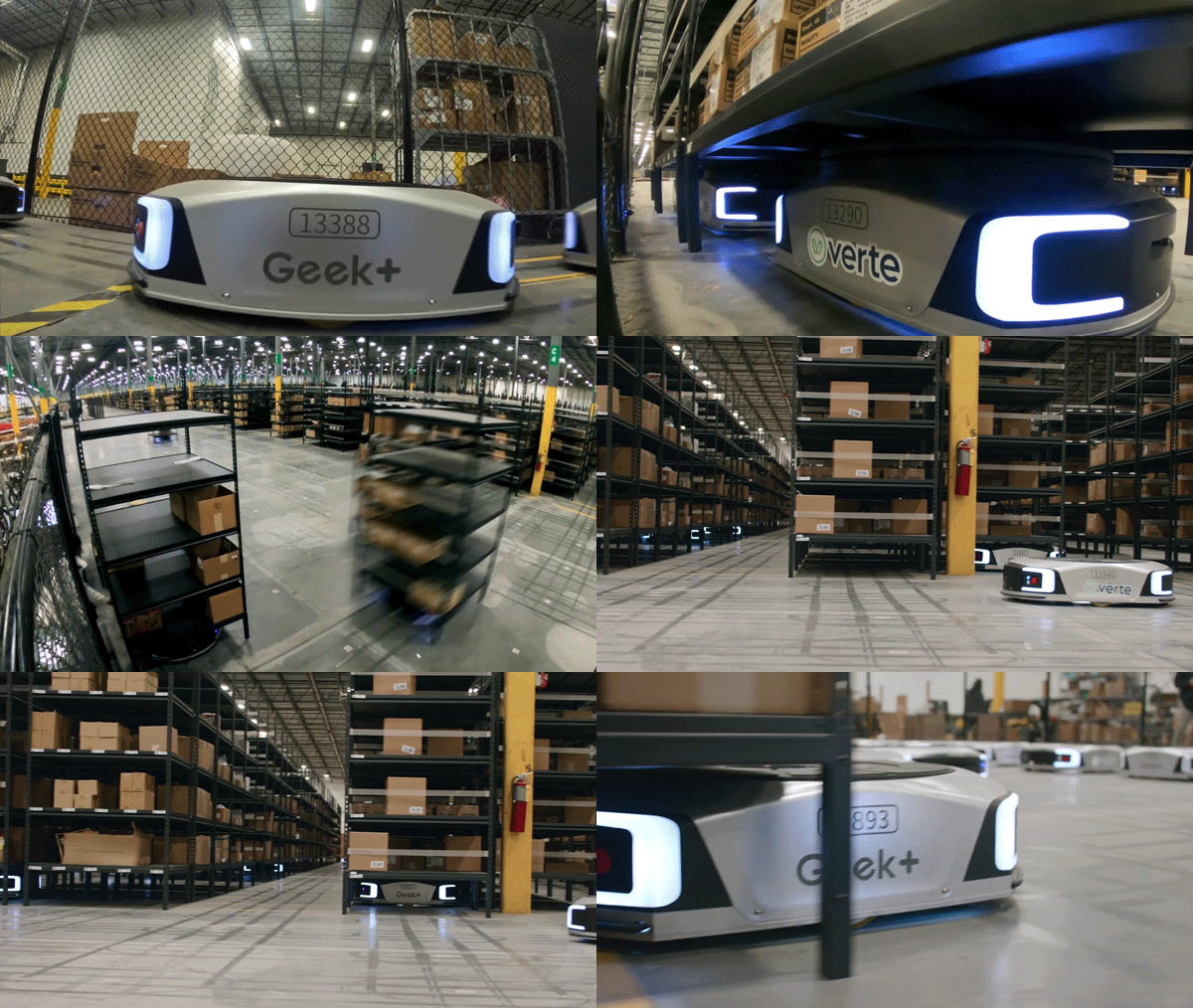
As part of an ongoing warehouse automation modernization project, a fleet of pre-owned ASRS robots is available for purchase.
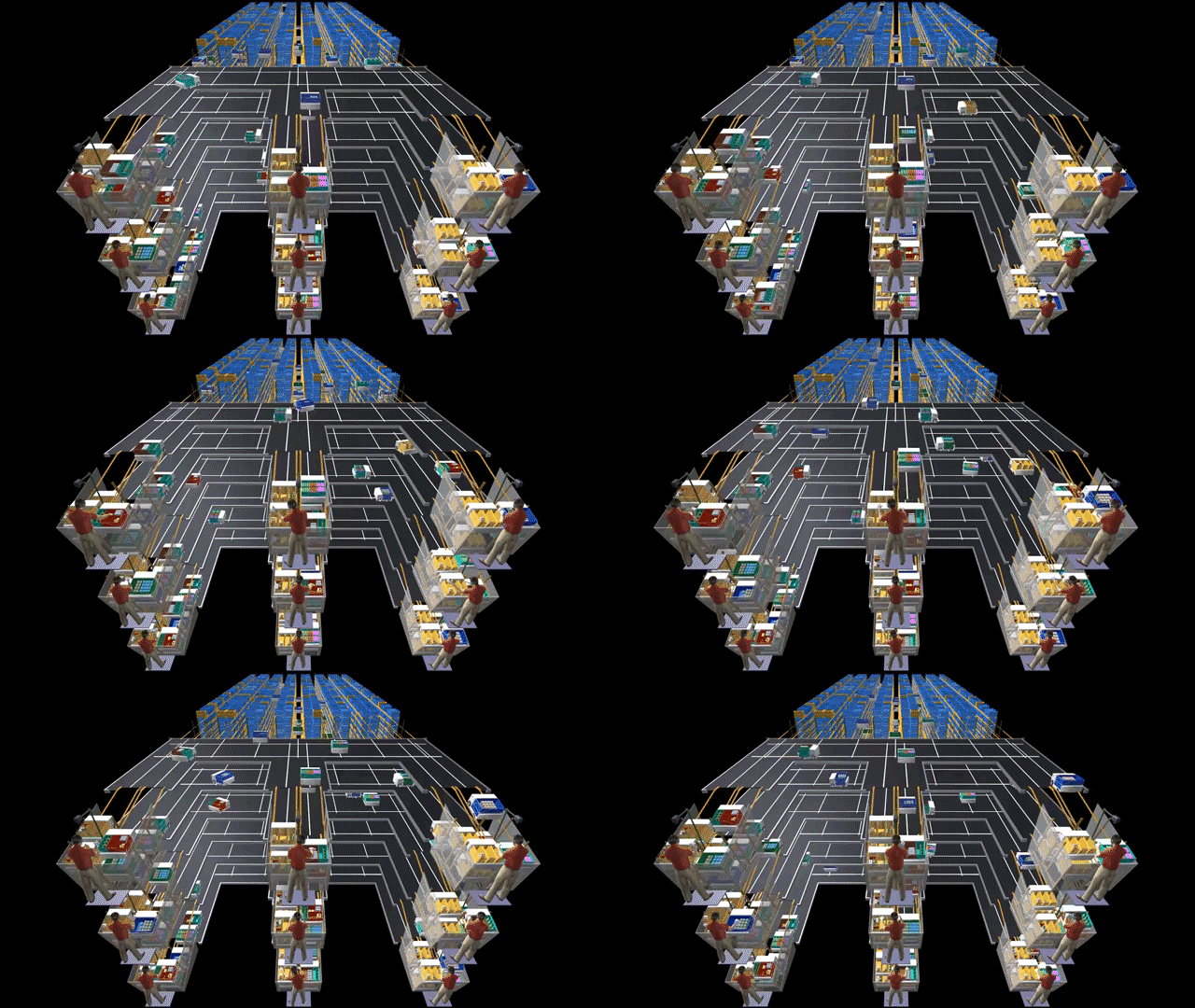
Symbotic’s new SymMicro system begins its first in-store installation, with the potential to expand to 400 Walmart locations.
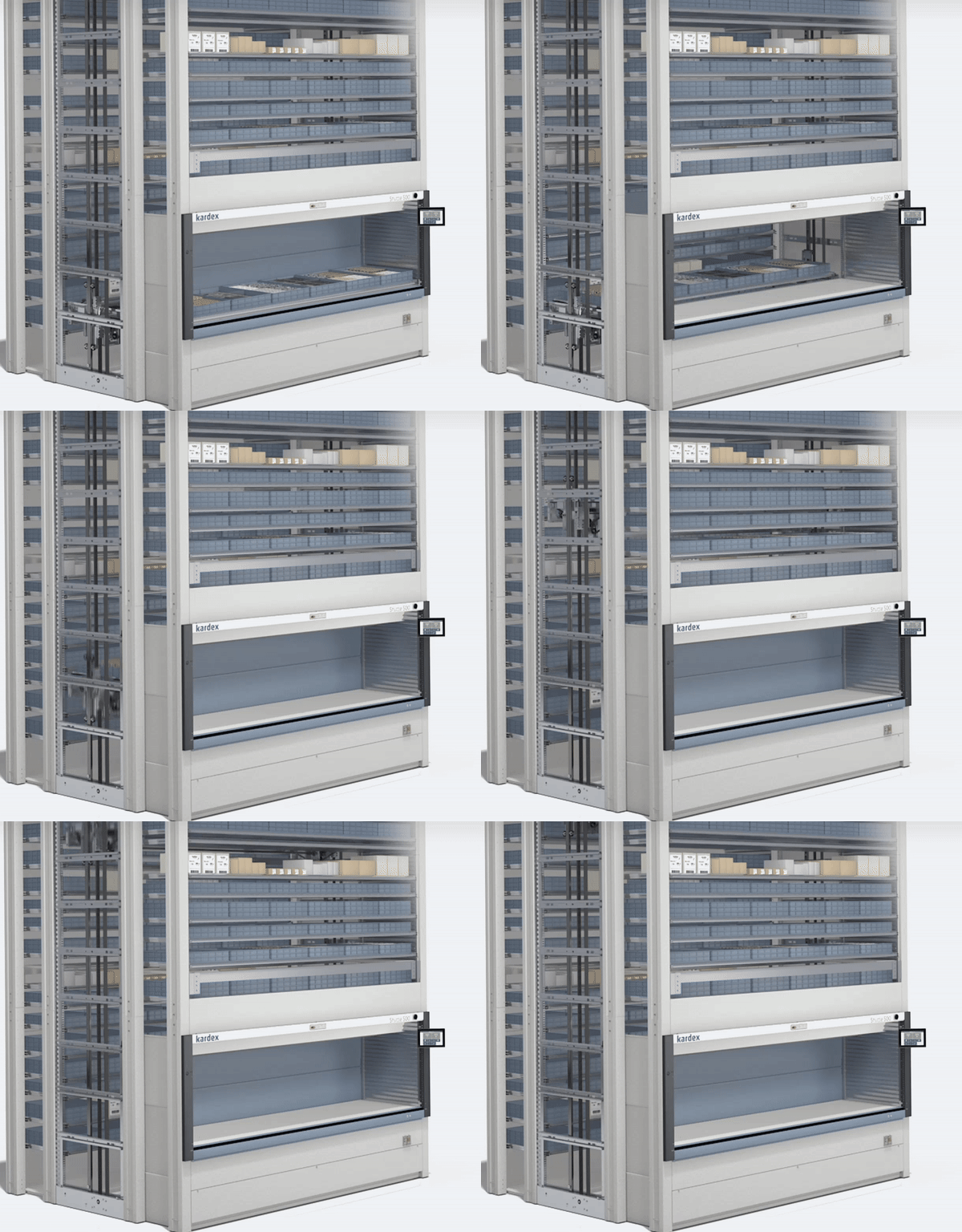
Two brand-new Kardex Shuttle XP 500 vertical lift modules are available for immediate delivery.
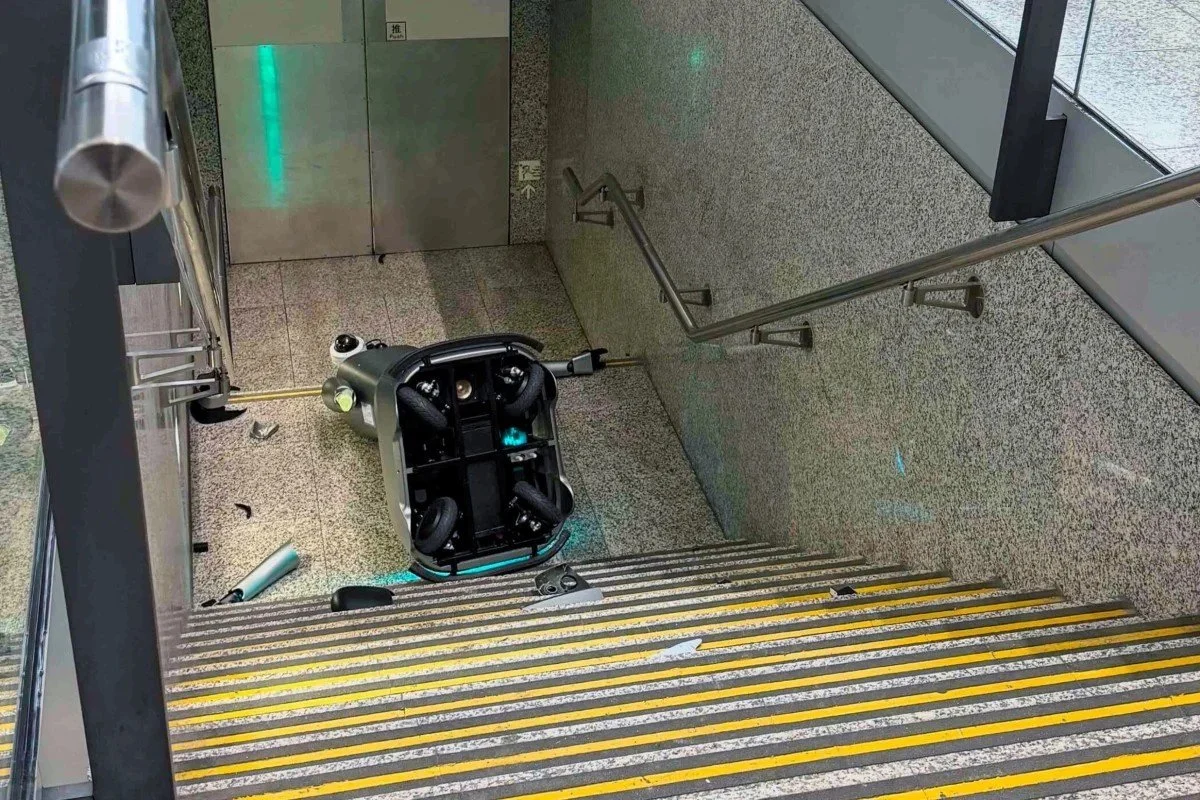
A robot accident at Hong Kong International Airport offers an important lesson about mobile robot safety
S&S Activewear is one of the more technology-forward apparel companies in North America’s branded-apparel distribution market.
Situated in Arvin, California, the new 700,000 square foot facility is described as its largest and most technologically sophisticated distribution center to date.

SoftBank is reportedly selling its remaining 9.65% stake in Boston Dynamics to Hyundai Motor Group for US$325 million.
The company had automation. It had robotics. It had government support, customer momentum, press attention, and a massive facility.
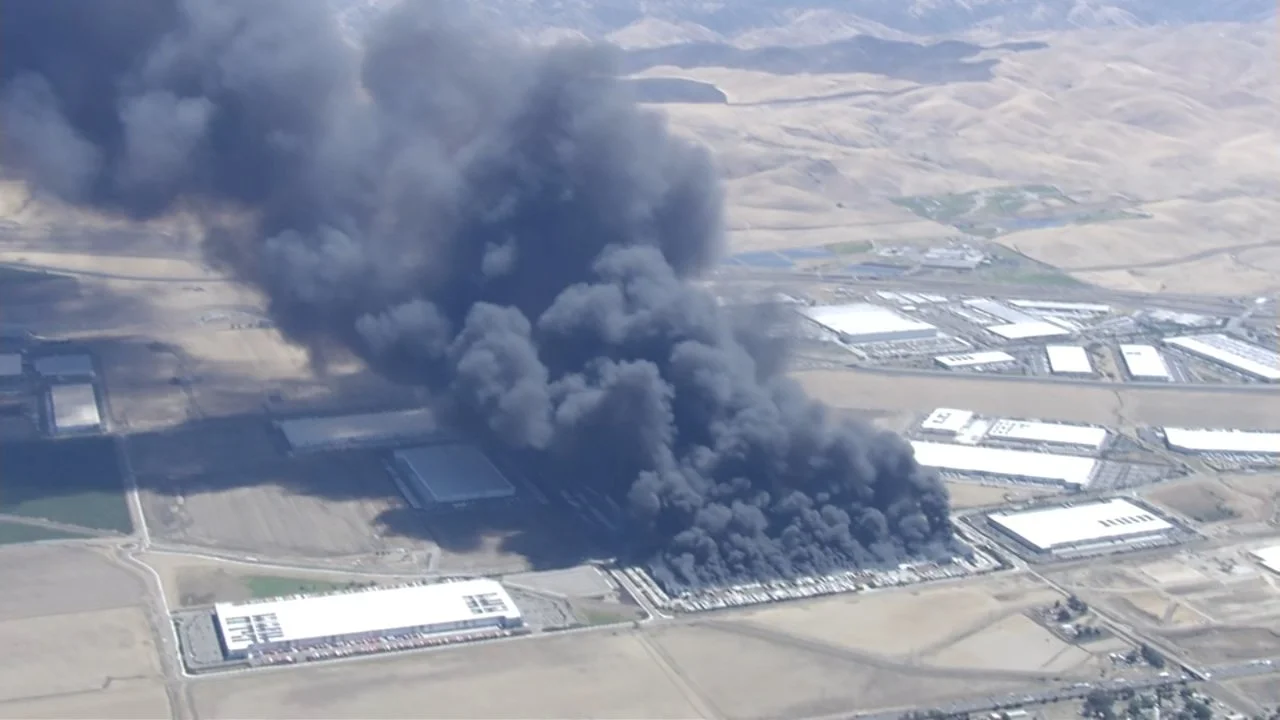
Massive fire destroys 1 million-square-foot Tracy Medline Industries distribution facility
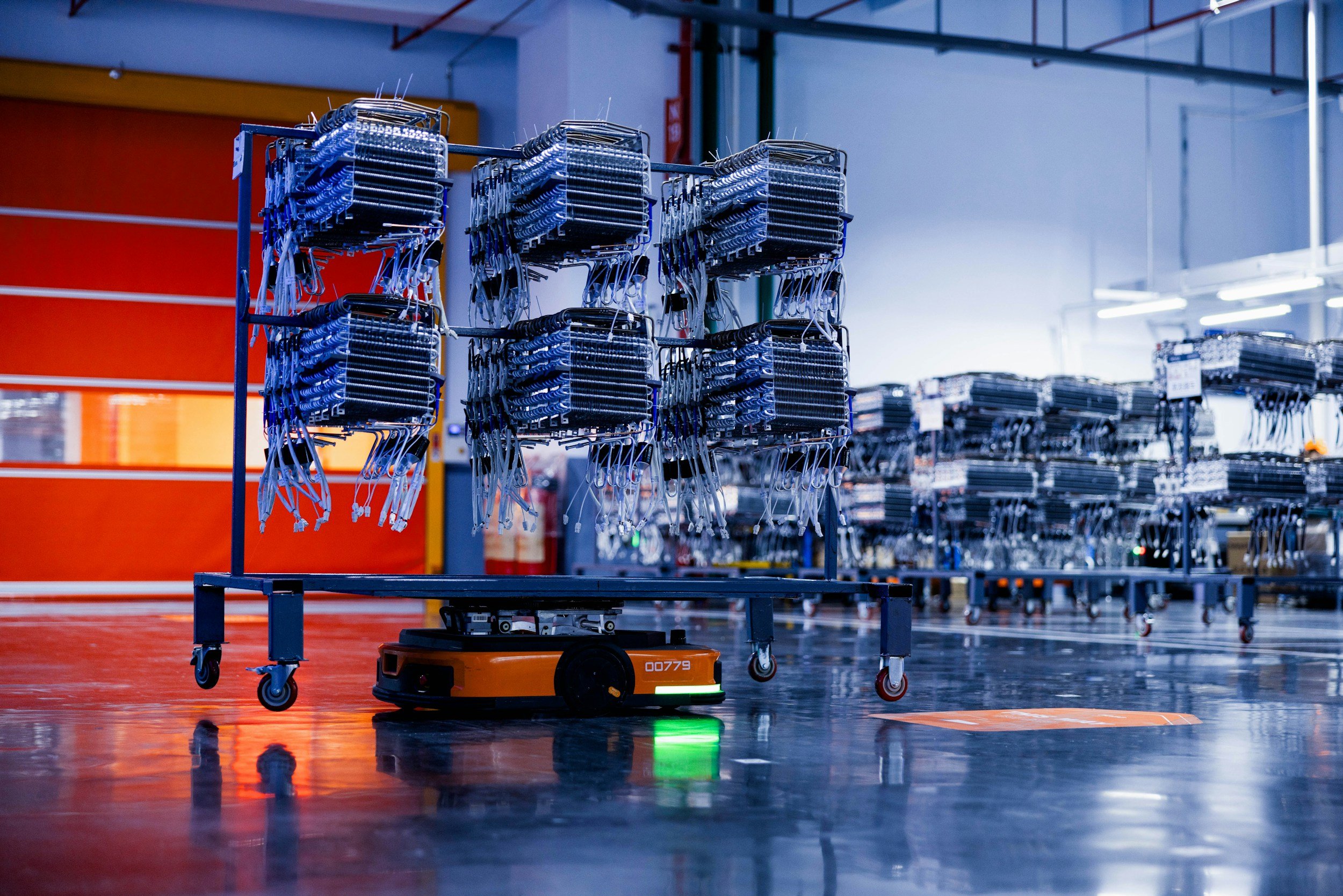
Artificial Intelligence and LLMs are currently being pushed aggressively into logistics, warehouse operations, robotics, and supply chain execution.
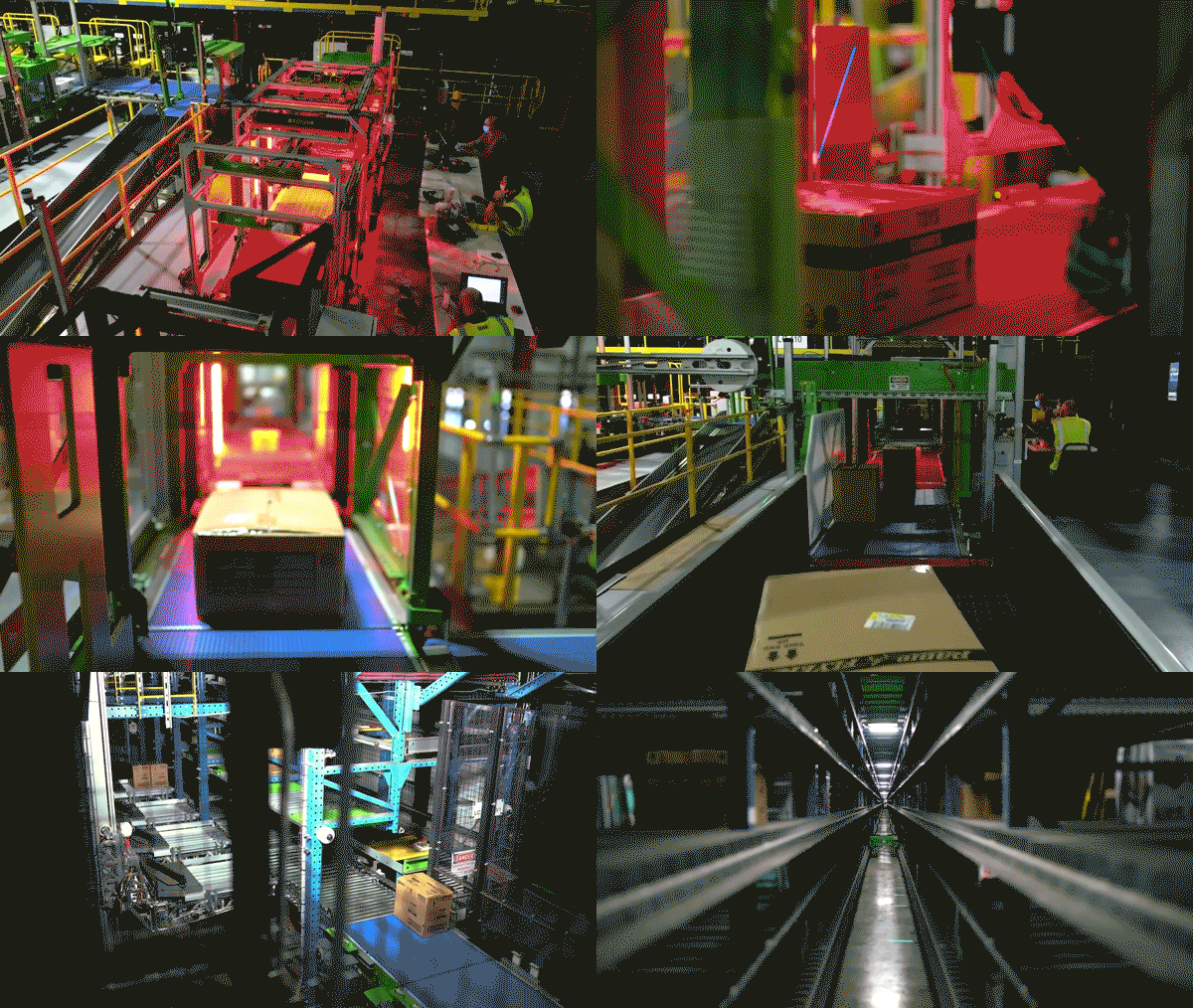
Walmart’s latest comments around same-day fulfillment, 30-minute delivery windows, AI-driven inventory positioning, and supply chain automation should be a wake-up call for the entire retail industry.
The promise made to Starbucks CEO Brian Niccol was enticing. To eliminate persistent product shortages that hurt sales, the company deployed an automated counting system.
The retail giant is using unlikely spaces to push against Amazon’s recent strategies to capture more customers.

Traditional WMS lacks the real-time visibility into the availability of automated materials handling equipment that a WES brings to the table.
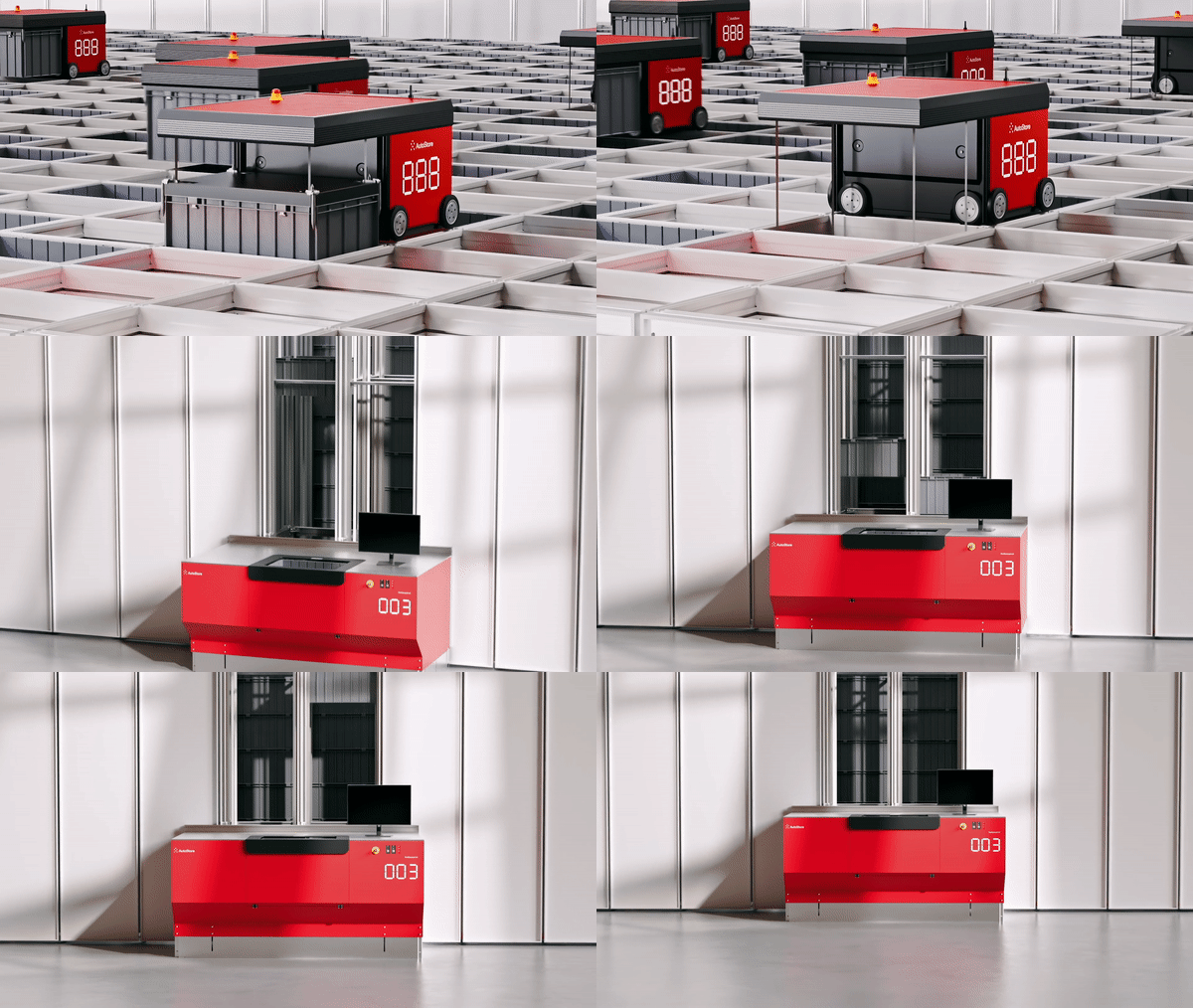
Ulta Beauty has selected AutoStore technology for its new Utah regional distribution hub supporting both stores and growing e-commerce fulfillment.
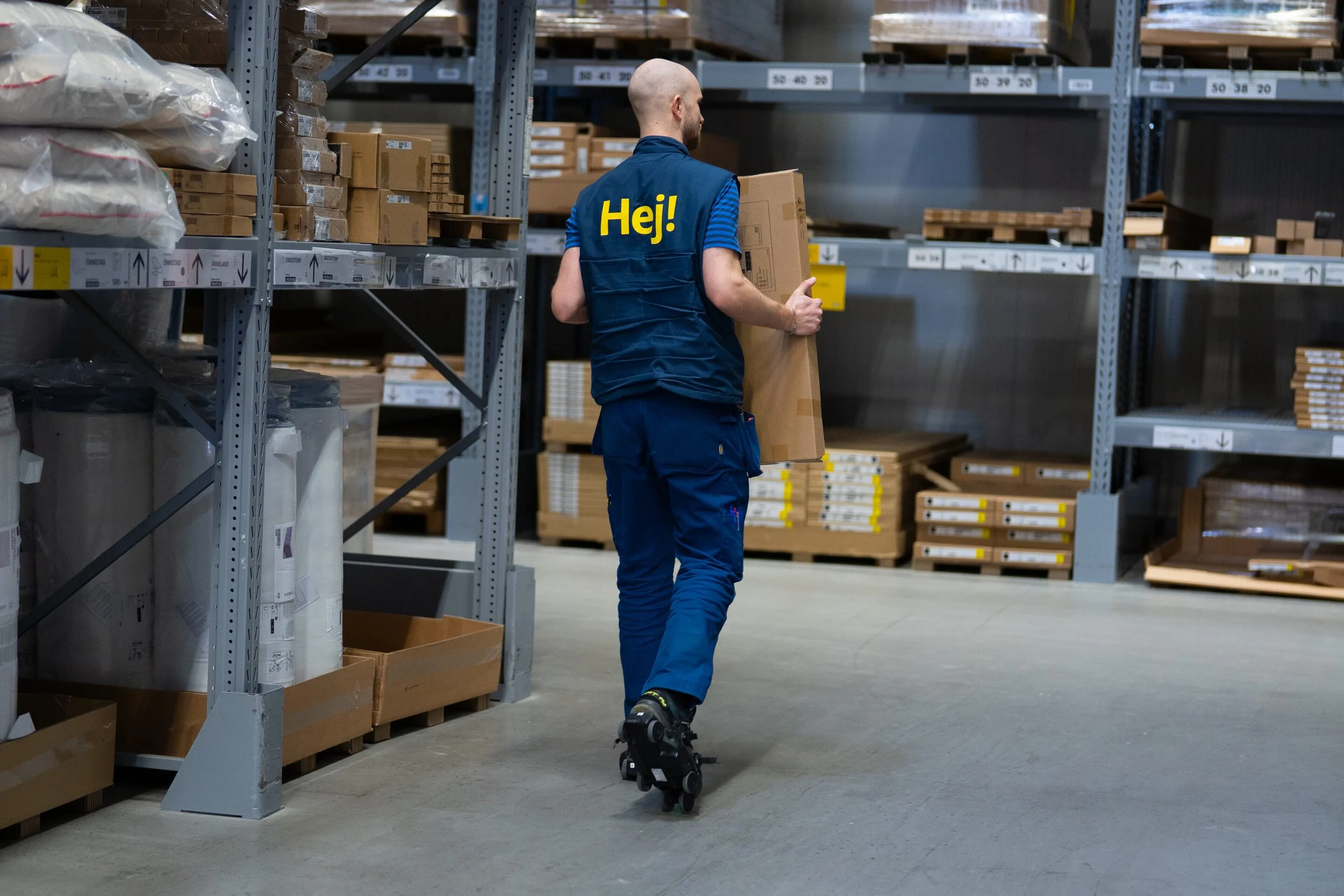
Ikea is testing robotic boots in Helsingborg, Sweden, to speed up order picking and reduce physical strain. Initial measurements showed that employees walked up to twice as fast, and average hourly picking productivity increased by 16%.
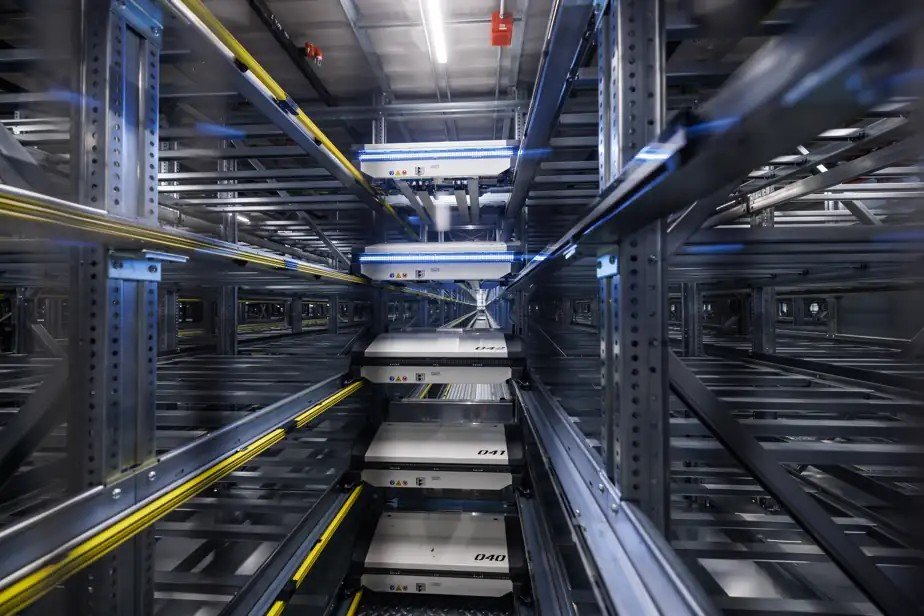
The cost of the SAQ's automated distribution center project, scheduled to begin operations next year, has gone from $48.5 million to $300 million in four years.
The Surrey facility will primarily serve British Columbia, while Calgary will cover Alberta, Saskatchewan, and surrounding regions.
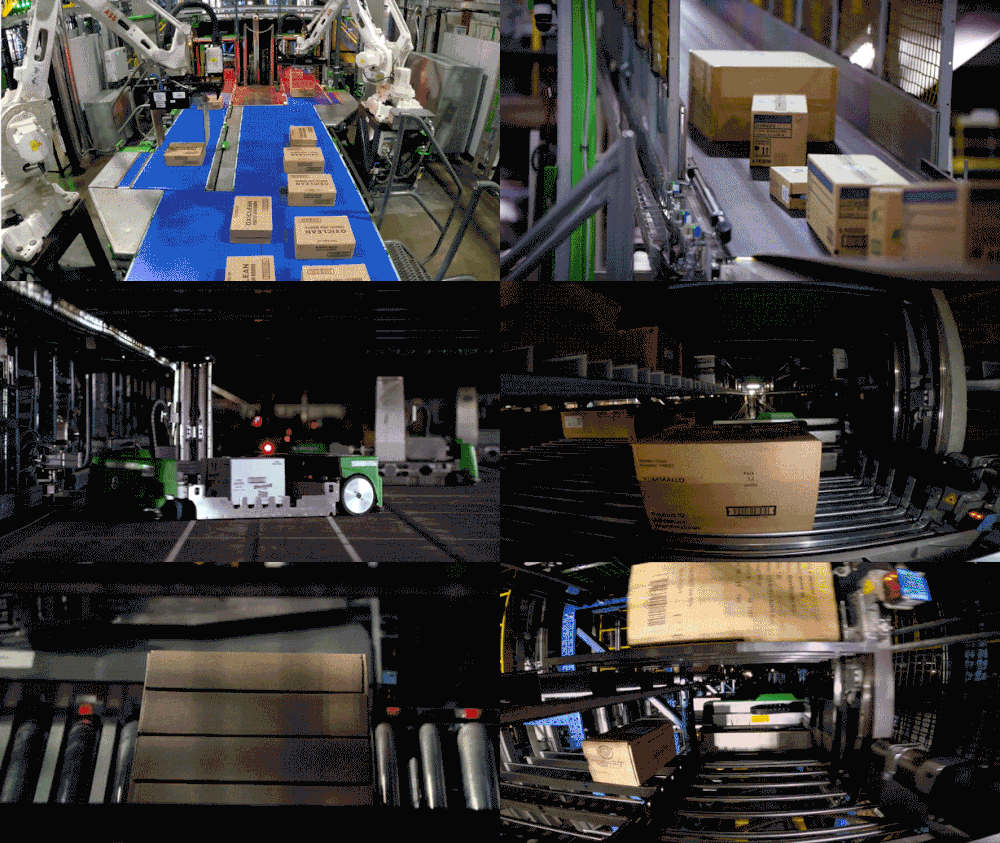
Today, a new layer is beginning to appear in highly automated facilities: the Warehouse Operating System (WOS).
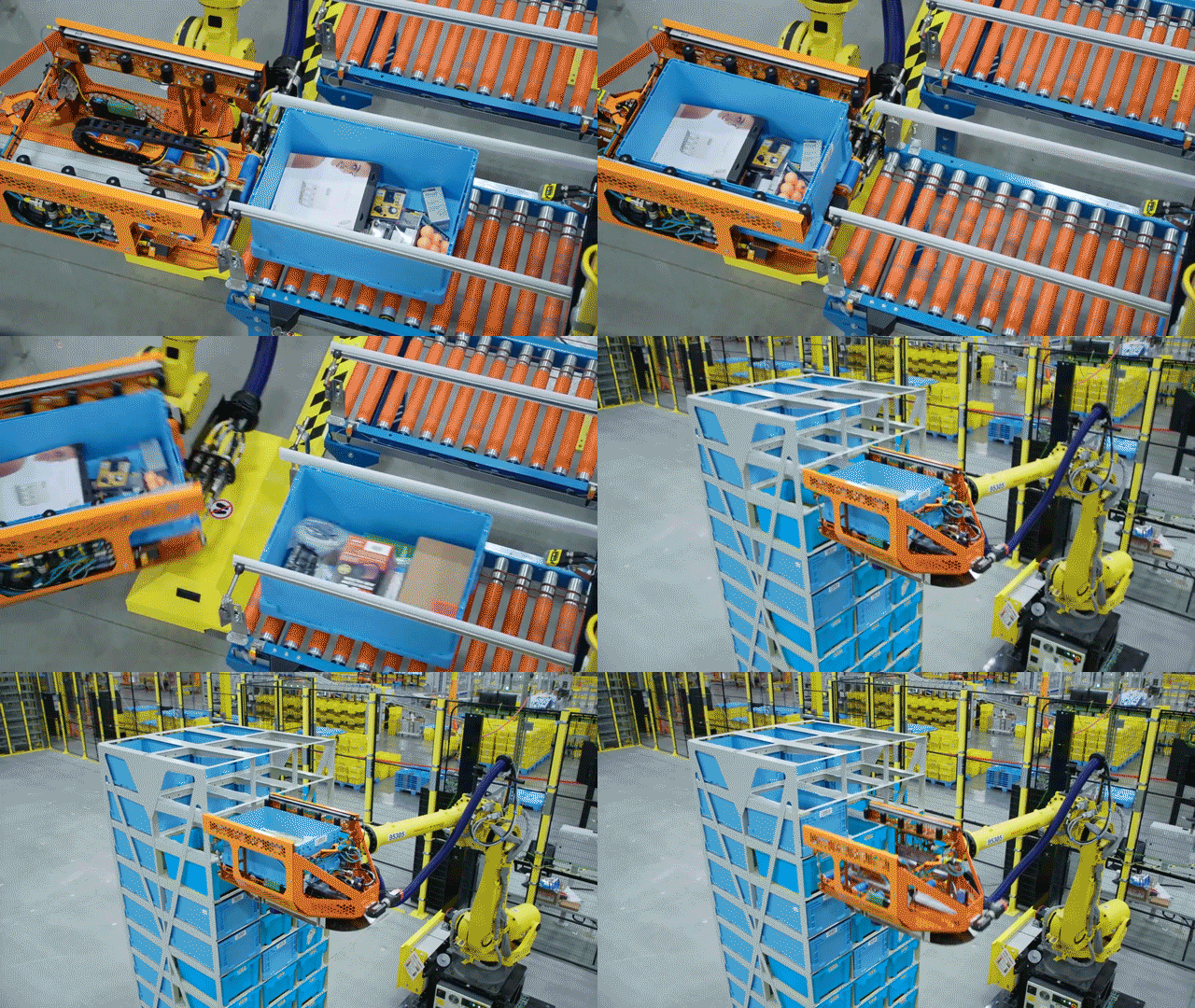
Cainiao plans to build a large-scale global network of robotic warehouses in 2026 as it expands local fulfilment and delivery operations tied to cross-border eCommerce.

Ocado has delivered a cube-based automation system for McKesson Canada, representing a continued expansion of its technology beyond e-commerce grocery fulfilment.
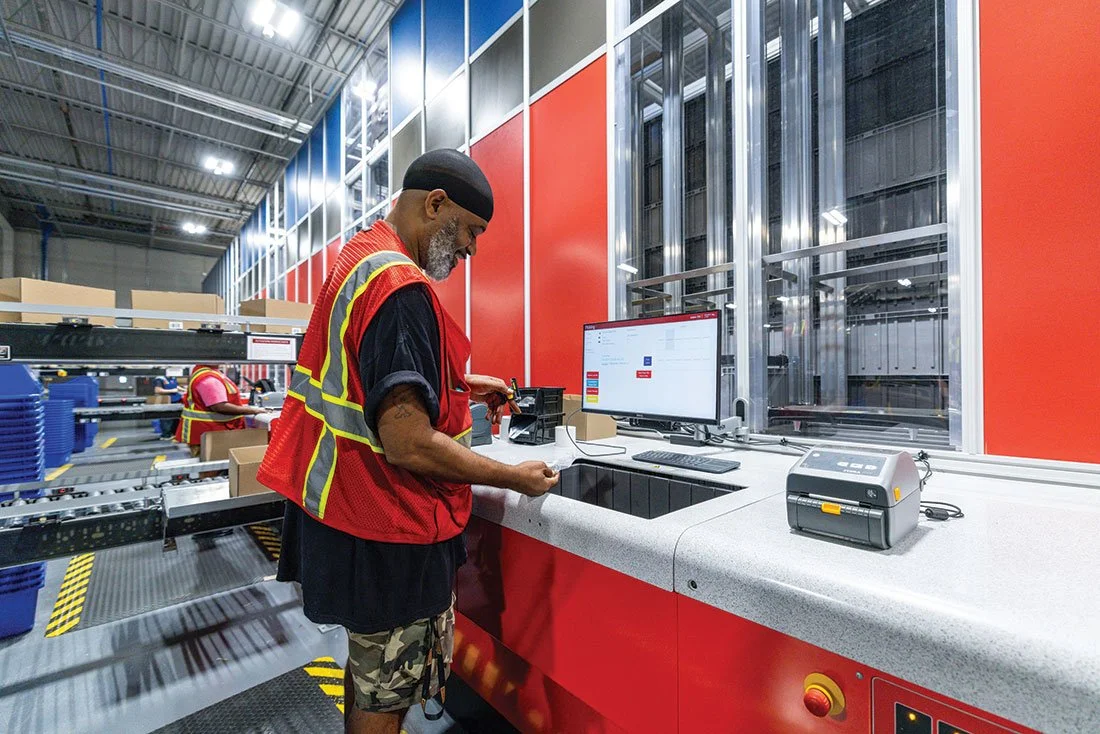
AutoStore reported its 2025 results this week, outlining a year that moved from early caution to clear second-half acceleration.

At Hannover Messe 2026, SAP and Vodafone showcased a pilot conducted at Vodafone’s warehouse in Duisburg,