
Toyota To Build Multiple Automated Parts Facilities in Canada
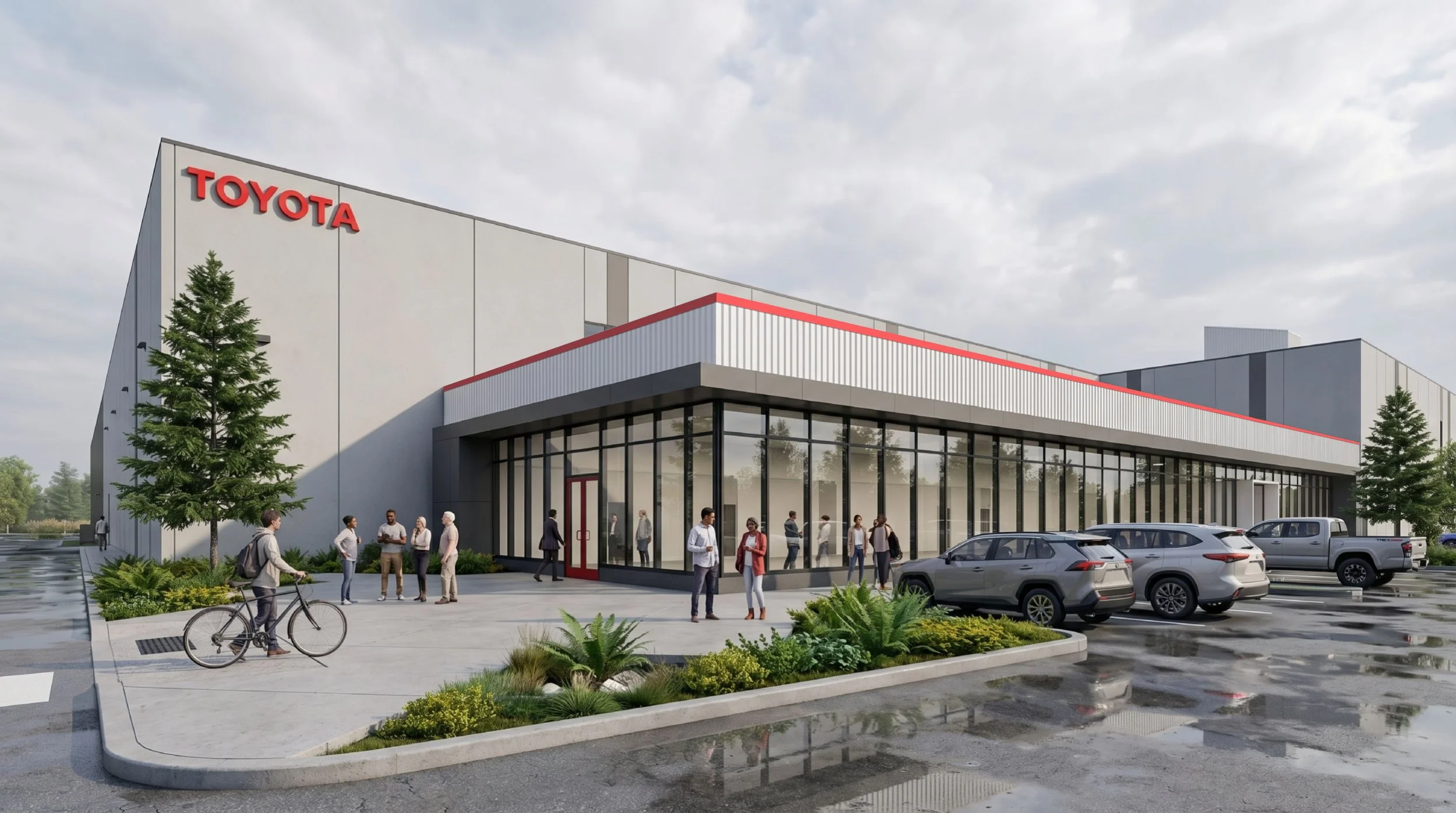
Toyota Canada Inc. will be investing $300 million to build two new automated parts distribution centres in Western Canada, along with a new head office in Ontario.
The investment will be deployed over the next three years and reflects a broader effort to strengthen dealer support, logistics performance, and long-term growth across its Canadian operations.
The two facilities — one in Surrey, British Columbia and the other in Calgary, Alberta — are scheduled to begin operations in 2028 and will replace Toyota’s current Western Canada parts distribution centre in Richmond.
The objective is clear: improve parts delivery speed and service levels to dealerships.
What’s Changing
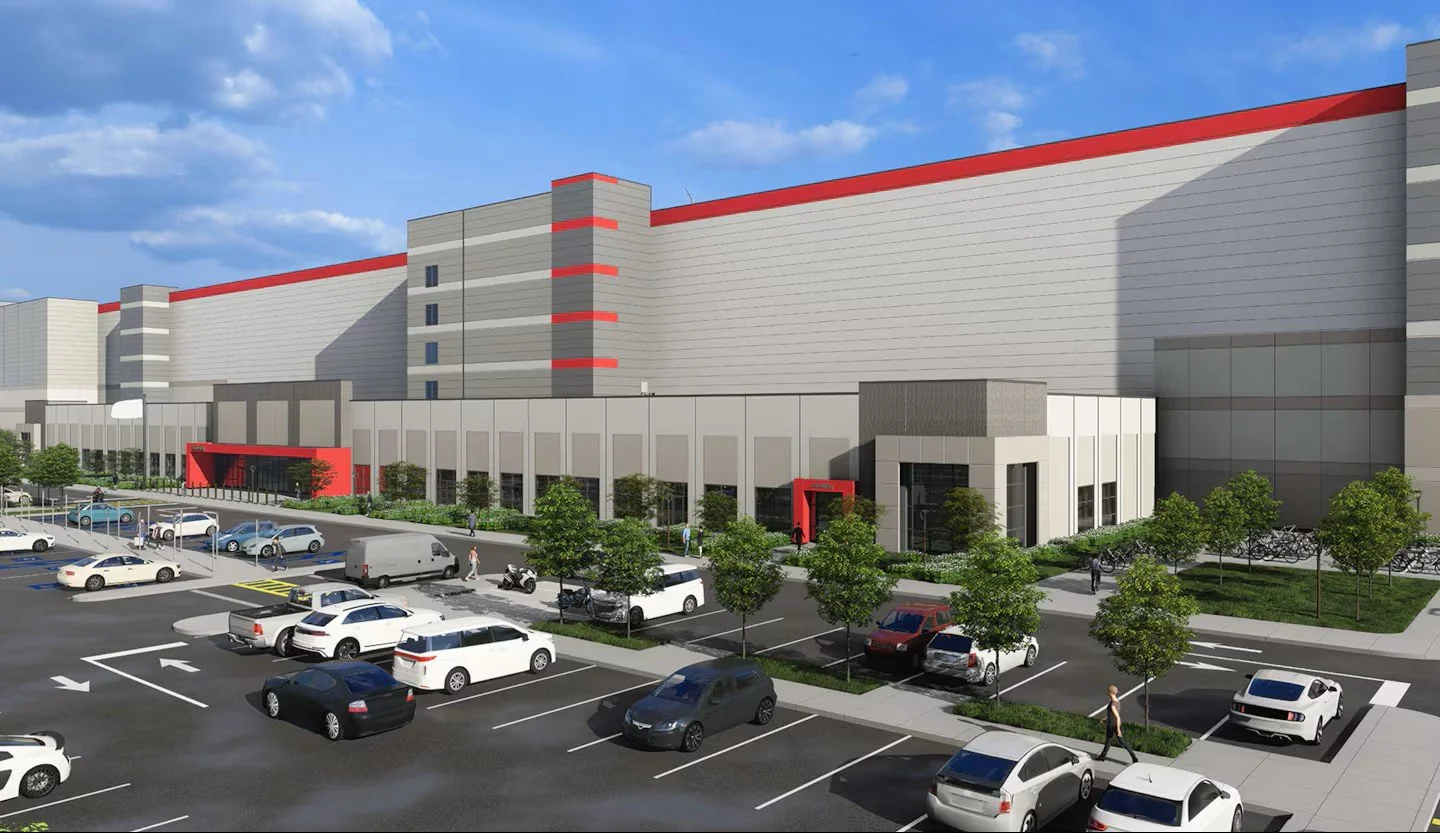
The new sites will significantly expand Toyota’s parts distribution capacity in the region, with more than three times the space currently available.
Surrey (BC): ~210,000 sq ft on 8.1 acres
Calgary (AB): ~220,000 sq ft on 13.5 acres near the airport
Surrey (BC): will support dealerships across British Columbia
Calgary (AB): will serve Alberta, Saskatchewan, and parts of Western Canada
By splitting operations across two locations instead of one centralized facility, Toyota reduces the distance between inventory and dealers — a key factor in delivery time.
Role of Automation
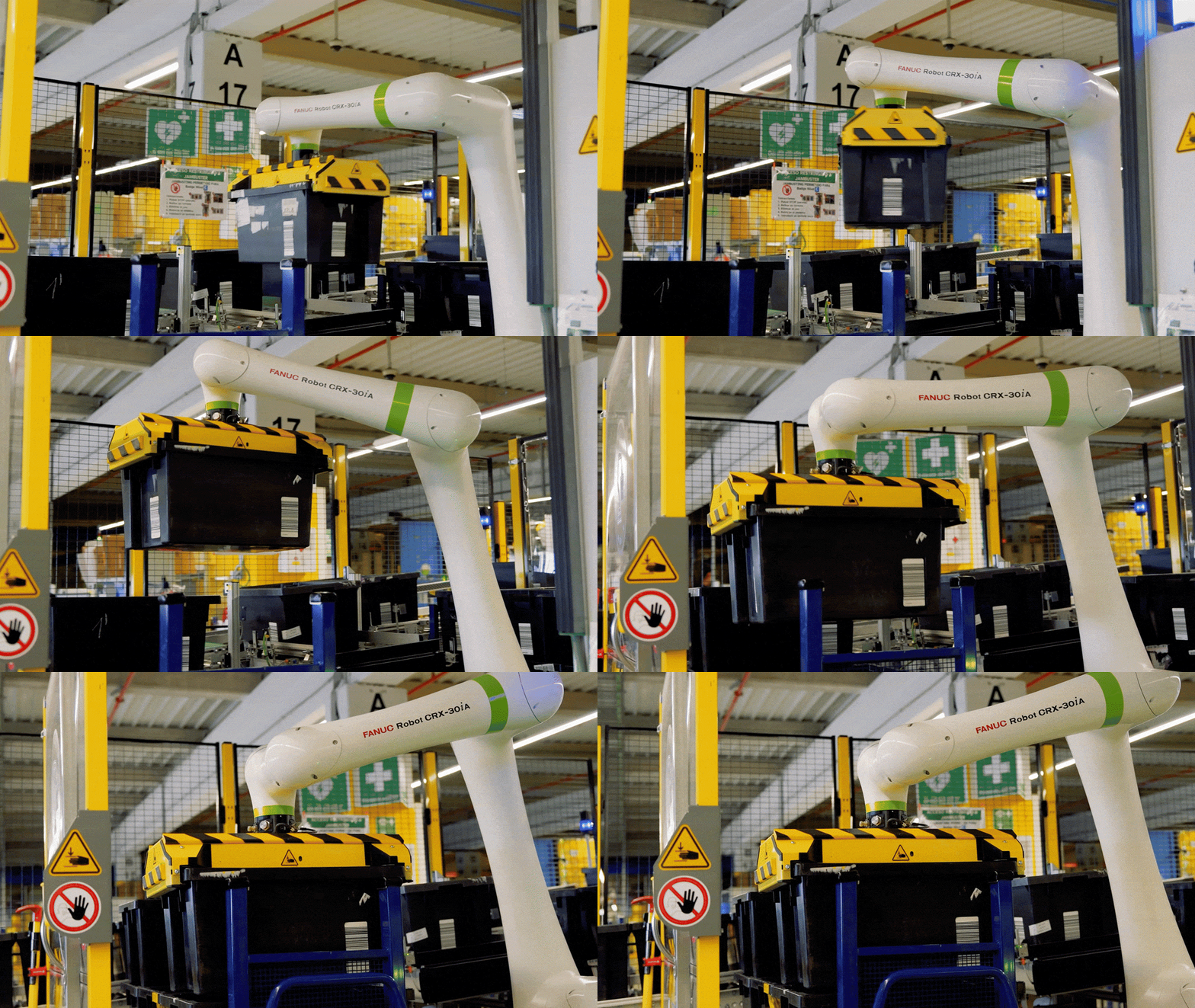
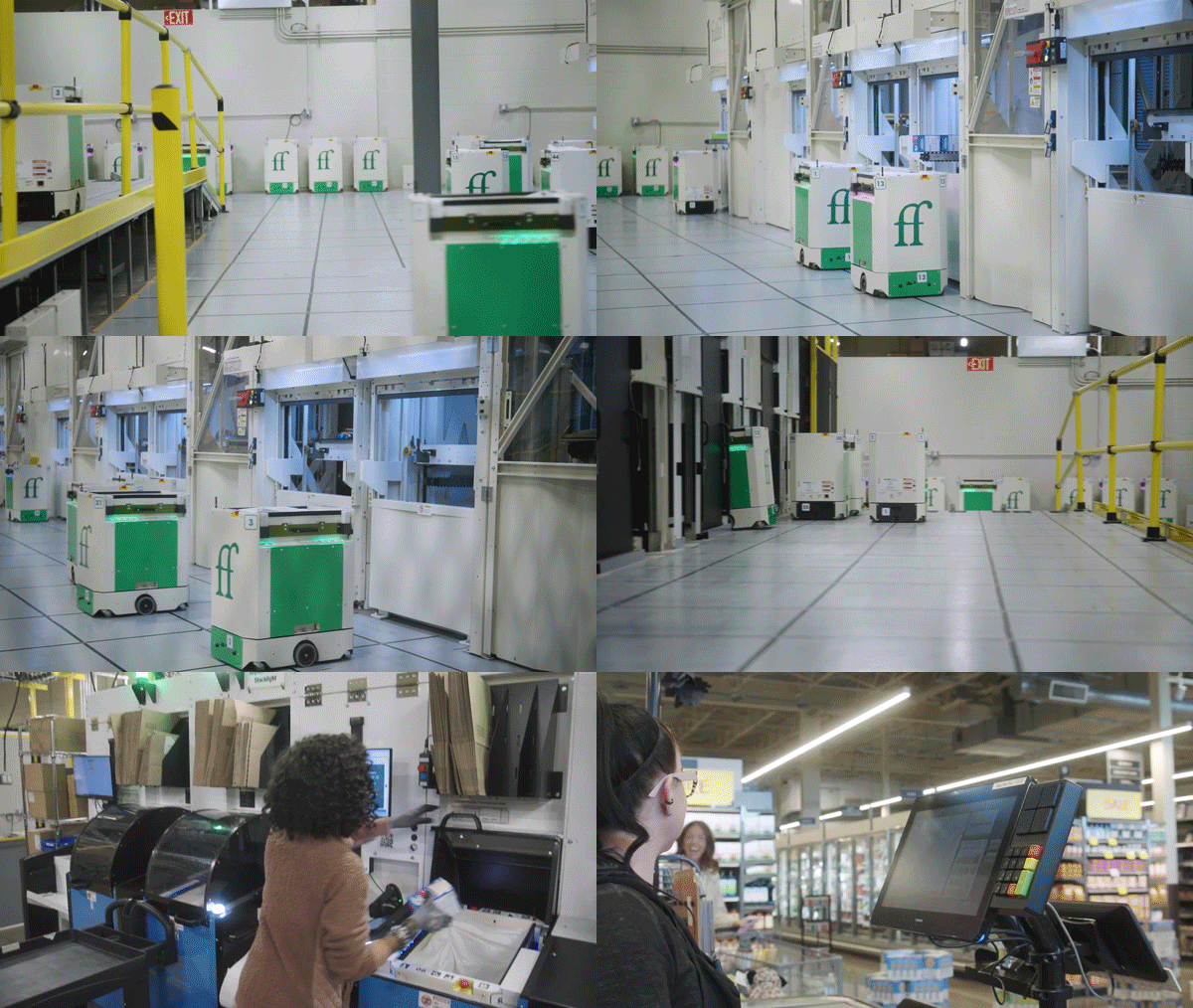
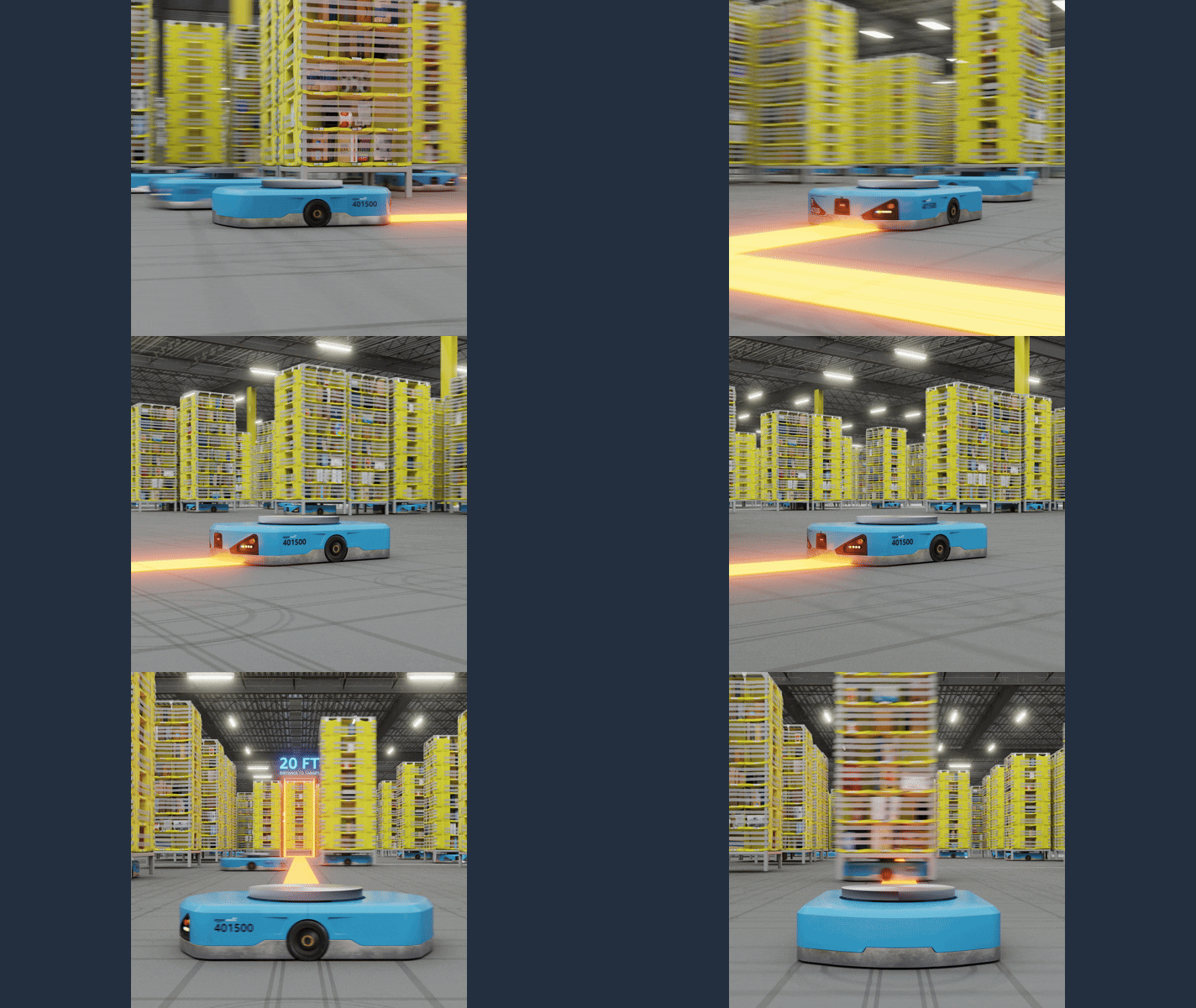
Both facilities are being designed as automated parts distribution centres.
This allows Toyota to:
Process orders faster
Reduce manual handling and travel time inside the warehouse
Improve consistency in picking and fulfillment
Handle higher daily order volumes
Automation in this context is not about technology for its own sake — it directly impacts how quickly parts can move from storage to shipment.
Impact on Dealer Operations
For dealerships, parts availability is critical.
Faster delivery means:
Reduced vehicle downtime in service bays
Improved turnaround times for repairs
Better customer service
Even small reductions in processing or transit time can have a direct impact on daily operations at the dealer level.
Facility Positioning
Location plays a key role in this investment.
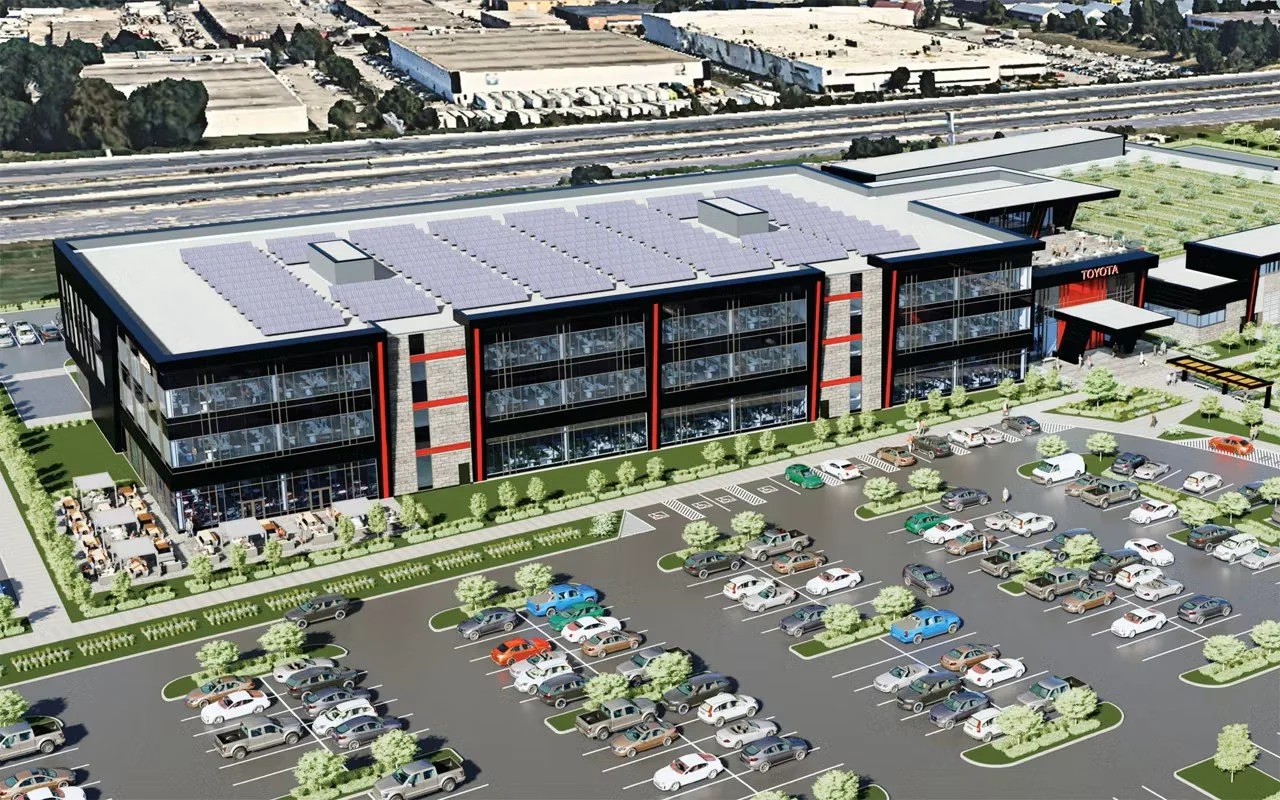
The Surrey facility is positioned near major transportation routes to efficiently cover British Columbia
The Calgary facility, located near the airport and key highways, expands reach into Alberta and neighboring regions
This combination of automation inside the building and strategic location outside the building is what enables shorter delivery timelines.
Broader Canadian Operations
As part of the same investment, Toyota will also build a new 225,000 sq ft head office in Toronto, consolidating sales, marketing, distribution, service, and training operations under one roof. Toyota Credit Canada will also relocate to the site.
Toyota currently supports a network of 287 dealers across Canada and has sold more than 7 million vehicles in the country.
Context: Growing Demand on Parts Networks
In Q1 2026, Toyota Canada reported 49,628 vehicle sales, with electrified vehicles representing over 59% of total volume.
This growing mix of hybrids, plug-in hybrids, and electric vehicles increases pressure on parts distribution networks — with more SKUs and more frequent service requirements.
Faster and more reliable parts fulfillment becomes increasingly critical as vehicle complexity and service expectations continue to rise.
Additional Considerations
Toyota has also stated that the new facilities will be designed to meet high environmental and accessibility standards, including LEED® Gold and Net Zero Carbon targets.
While these elements are part of the broader project, the operational focus remains on improving distribution performance across Western Canada.
Bottom Line
Toyota’s investment is focused on a straightforward outcome:
Increase capacity
Process orders faster
Deliver parts to dealers more quickly
The ultimate goal of this investment is speed and reliability in parts distribution.
If you want, I can now extract a very sharp LinkedIn post from this exact version that will drive engagement without sounding generic.
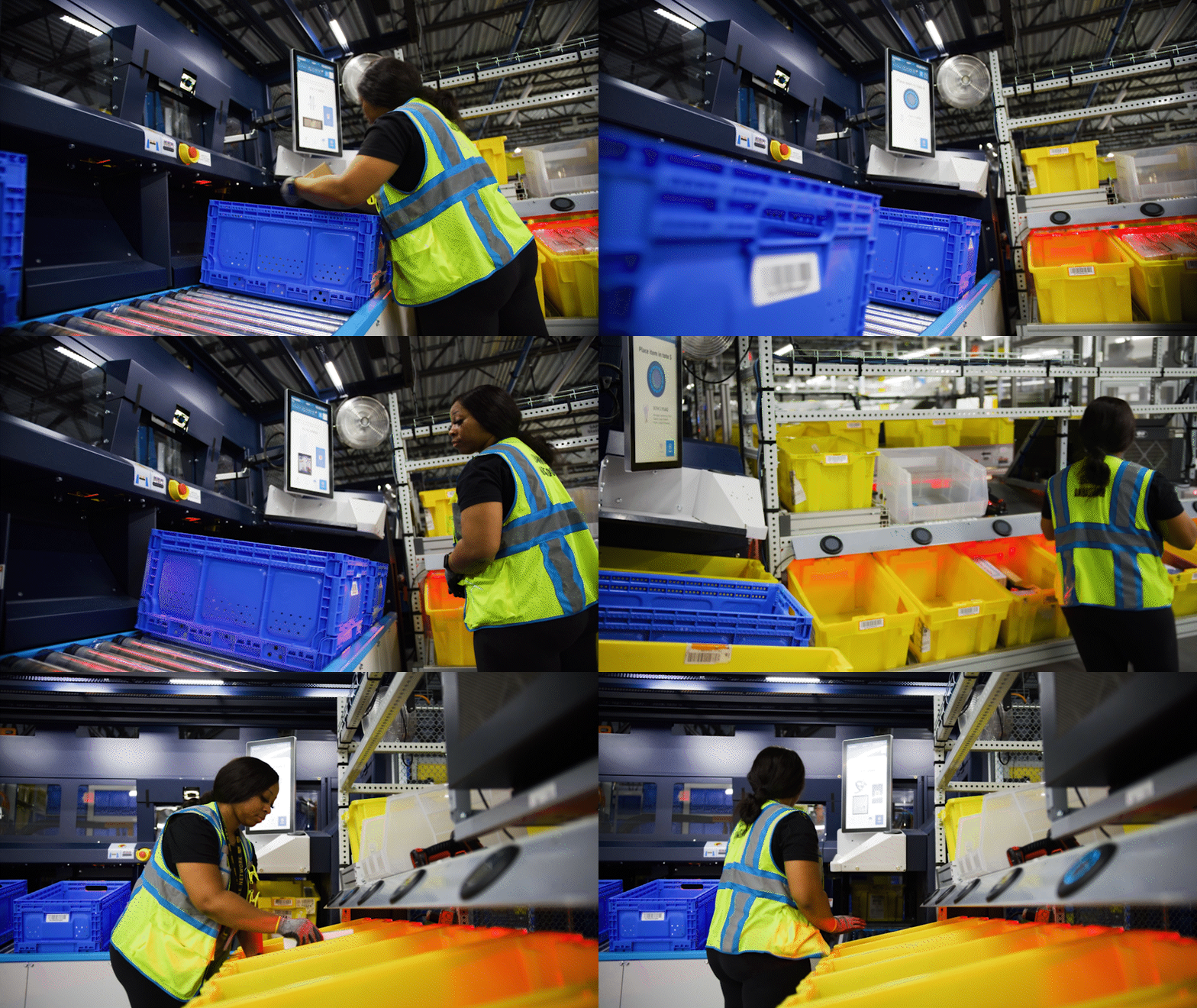

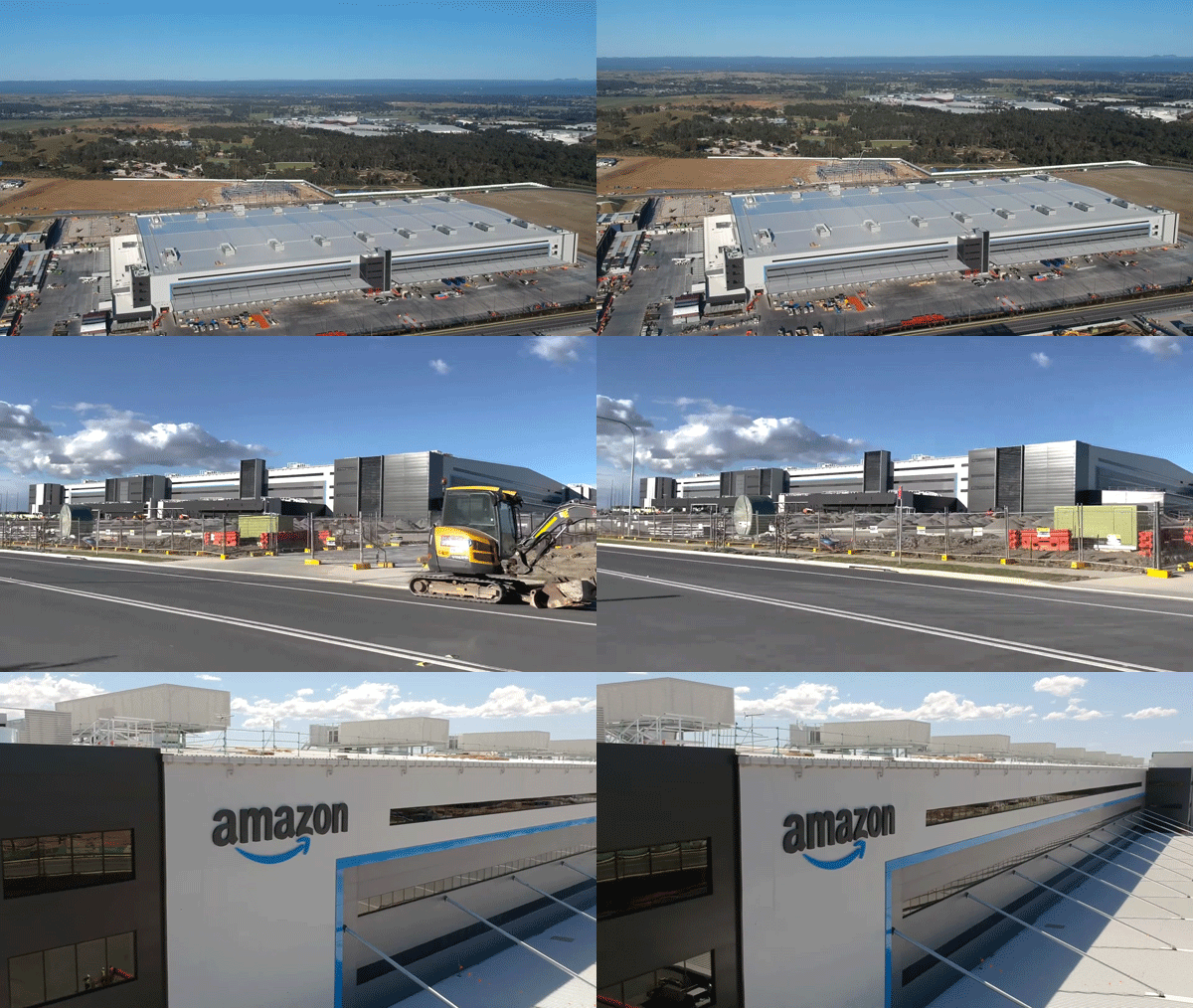









Amazon just announced the expansion of one-hour and three-hour delivery across the U.S.