
How Canada Robotics Talents Forced NASA's Moon Mission
How Canadian Robotics Talent Forced NASA to Give Them a Seat on the Moon
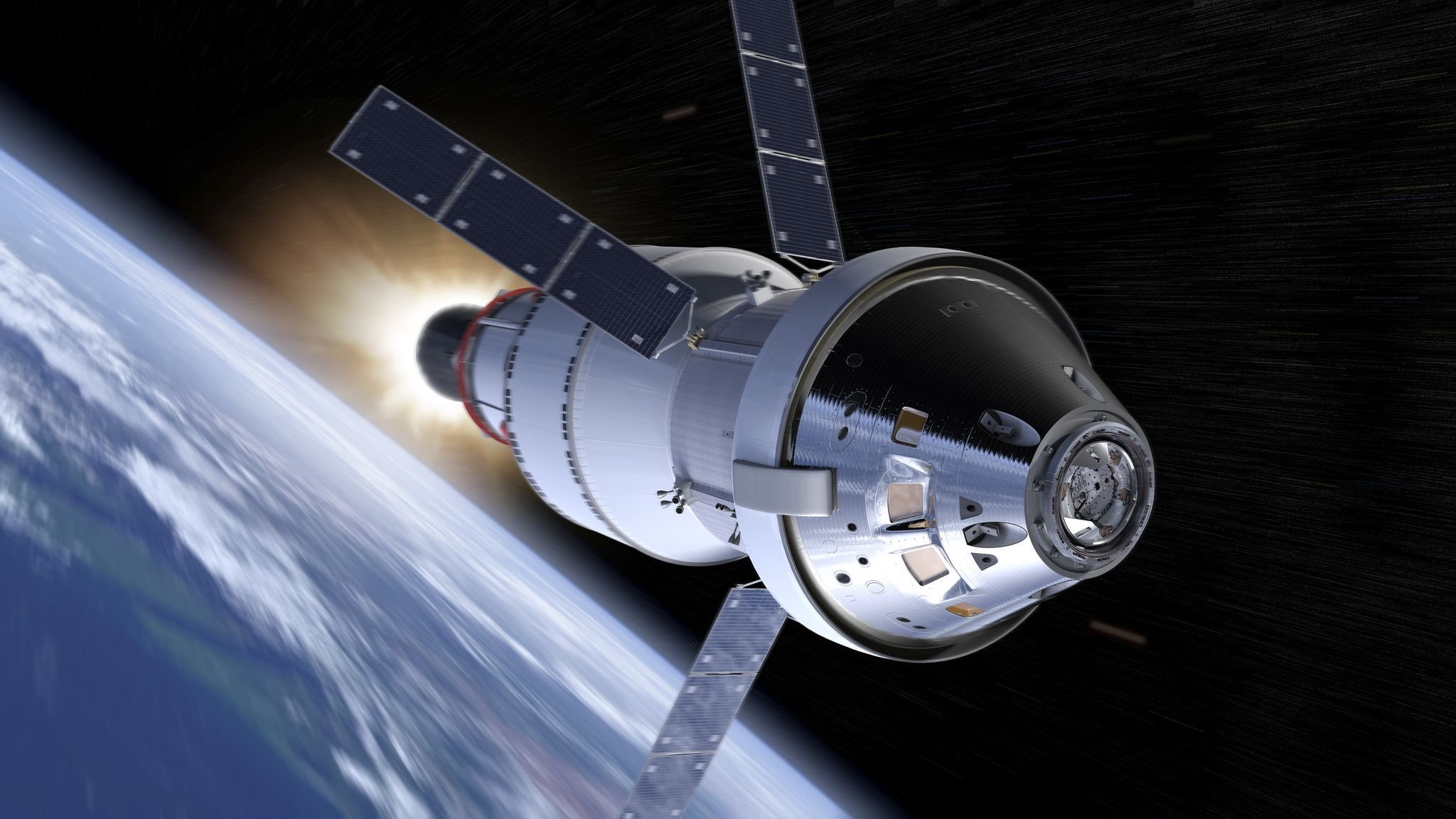
As of yesterday evening, April 10, 2026, the Artemis II mission has safely returned to Earth. While the world watches the footage of the splashdown, the focus for the robotics industry should be on how a country of 40 million secured a seat on the most historic lunar mission in over 50 years.
It was not a gesture of goodwill; it was a result of asymmetric leverage.
In high-stakes aerospace, a nation does not gain entry through diplomacy alone. Entry is earned by becoming irreplaceable. Canada achieved this by dominating a specific, high-consequence niche: Space Robotics.
The Non-Negotiable Asset
As NASA developed the Artemis program, it faced a critical requirement: the future Lunar Gateway needed to be maintained autonomously from 400,000 km away. The system had to be capable of self-repair and complex orbital operations without constant human intervention.
The technical lineage required to build such a system exists almost exclusively within the Canadian robotics ecosystem. By committing to build Canadarm3, the nation created a "forced" partnership. NASA could not easily substitute an American version; 40 years of proprietary IP and specialized engineering reside in Canada.
The result? Canadian astronaut Jeremy Hansen served as a mission specialist on this record-breaking journey. By providing the "nervous system" for the mission, the Canadian robotics sector ensured that the first non-American to travel to the vicinity of the Moon would be a Canadian.
Extending the Talent: The Future of Factory and Warehouse Automation
This video serves as a powerful reminder of the caliber of robotics talent currently sitting within Canadian borders. The country is home to engineers who build systems that operate in the harshest, most unforgiving environments known to man.
The material highlights a clear "playbook": find the one thing a mission cannot function without and build it better than anyone else.
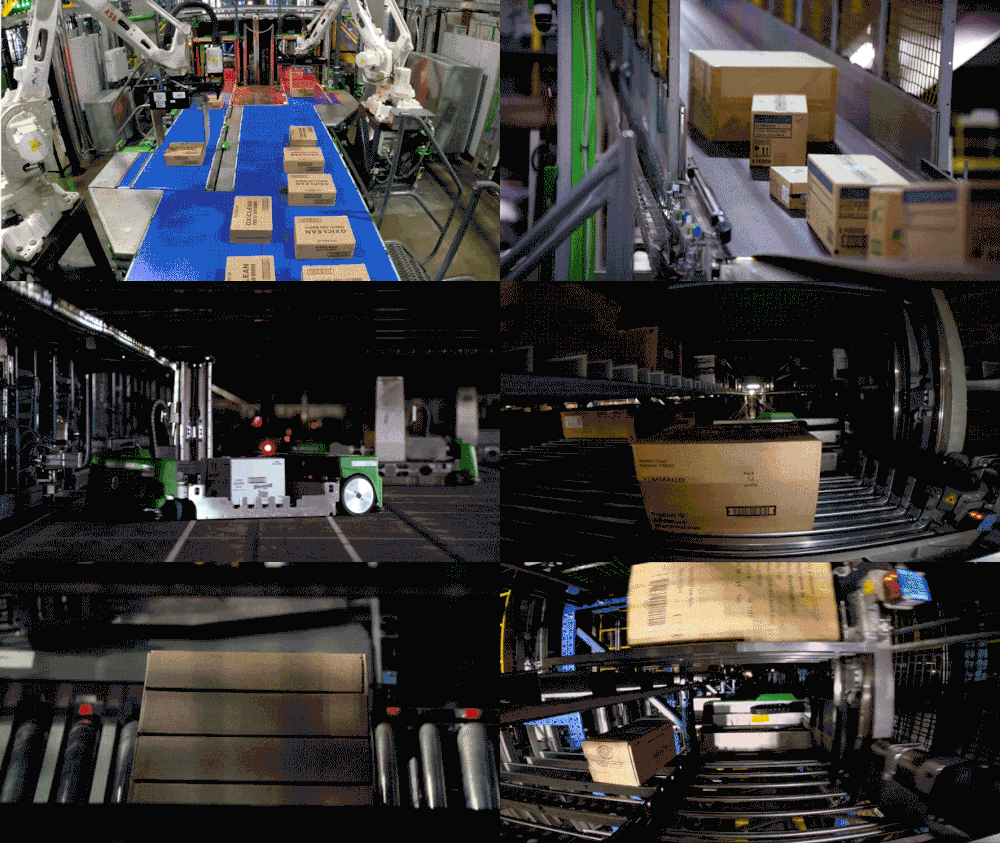
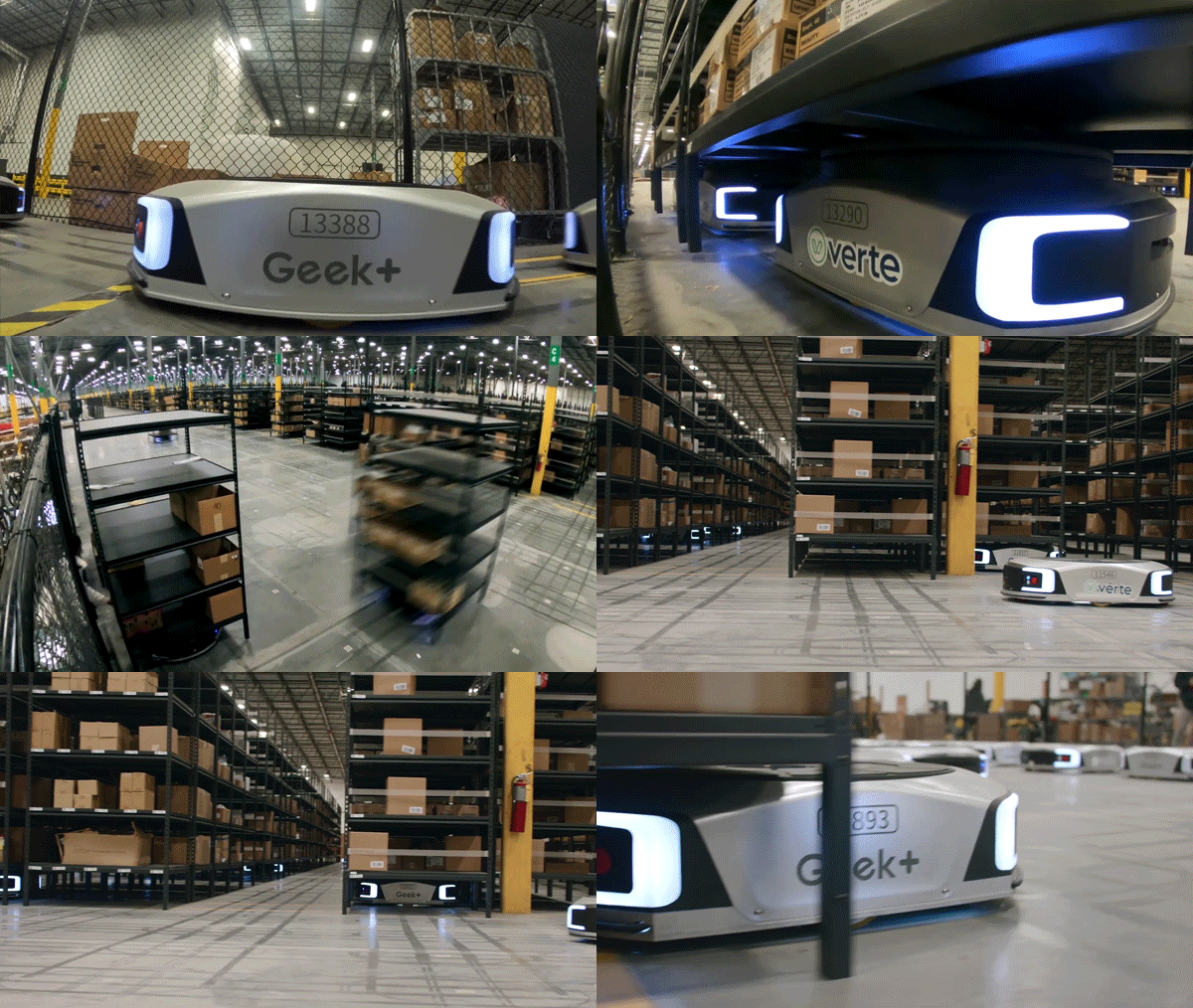
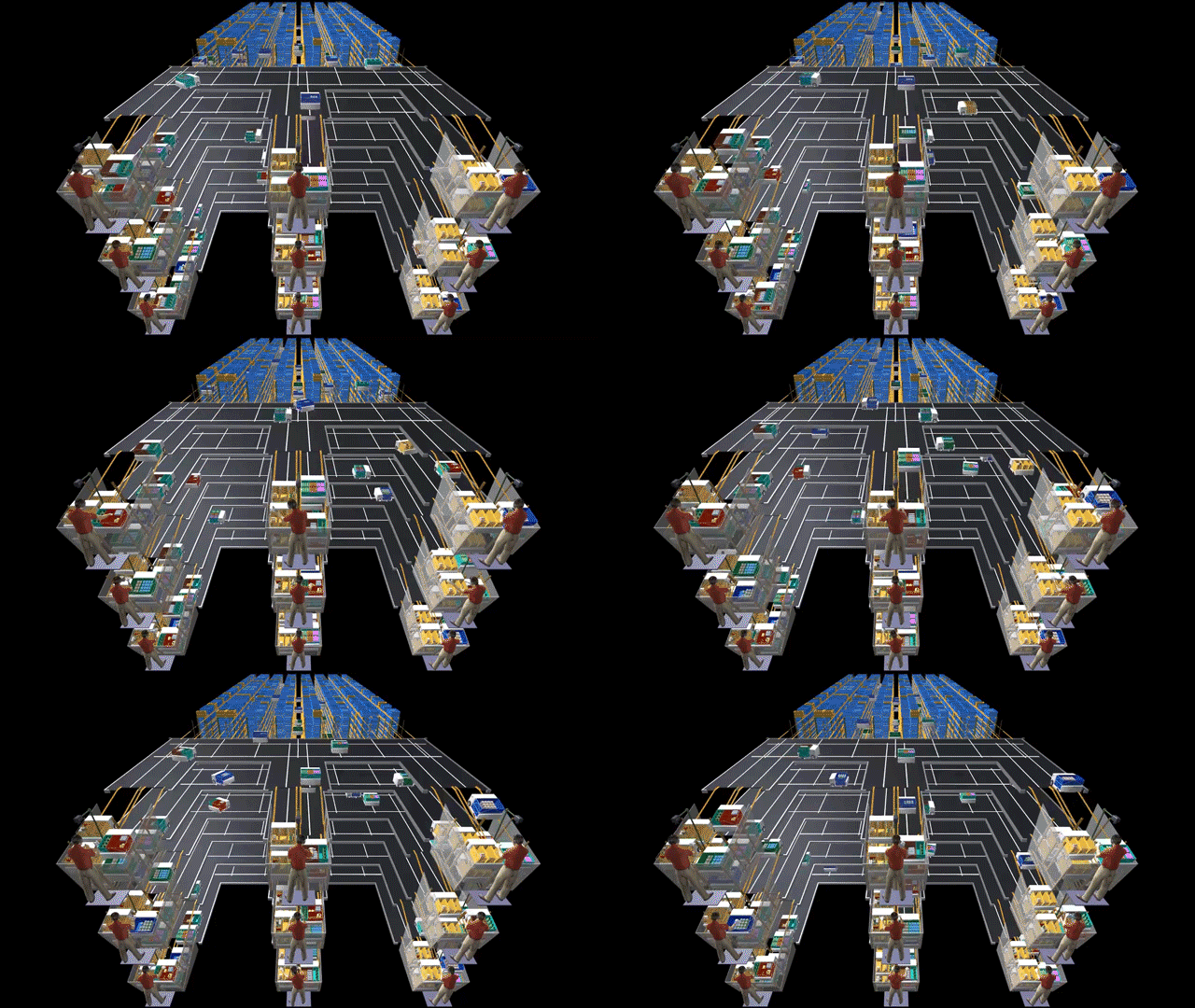
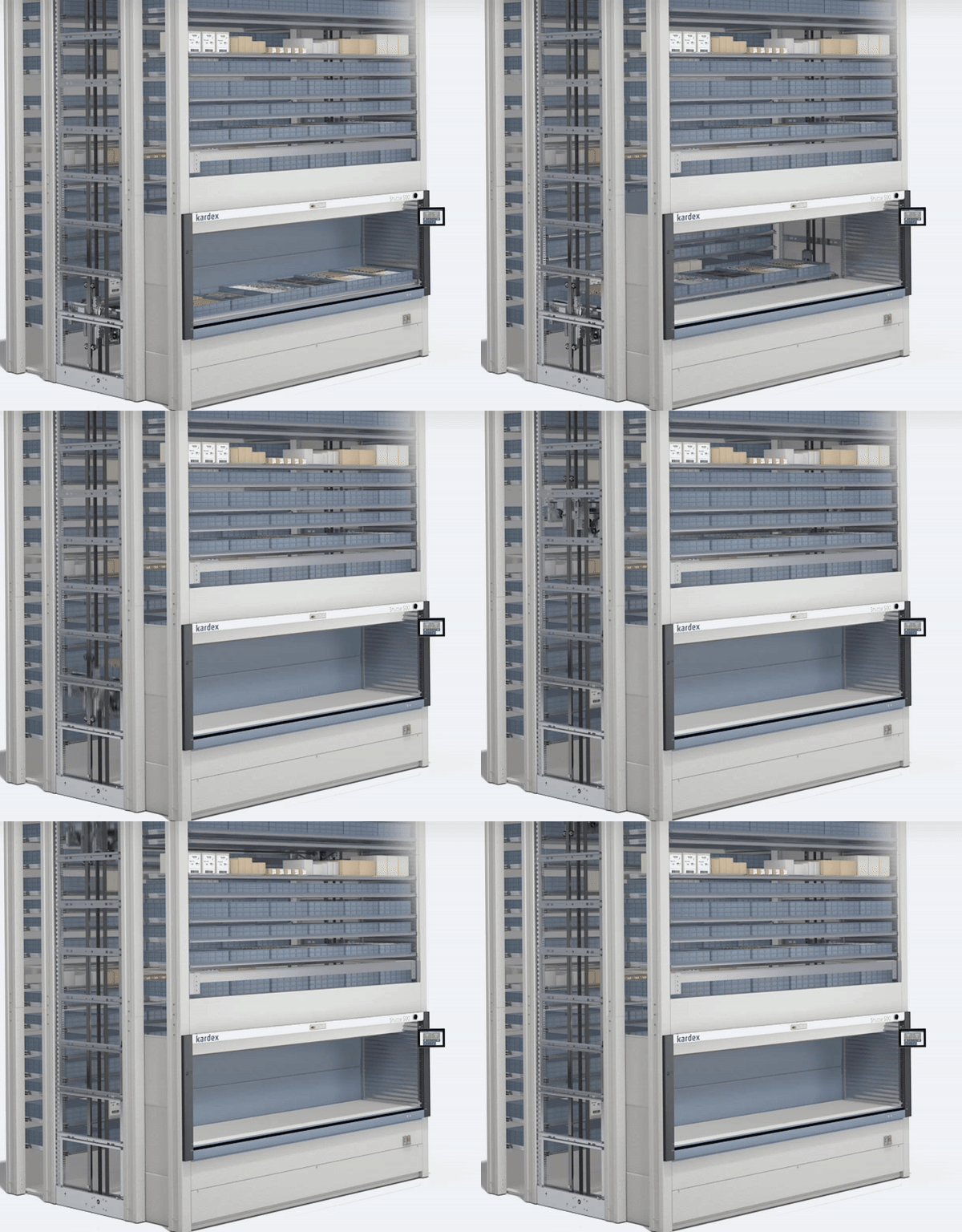
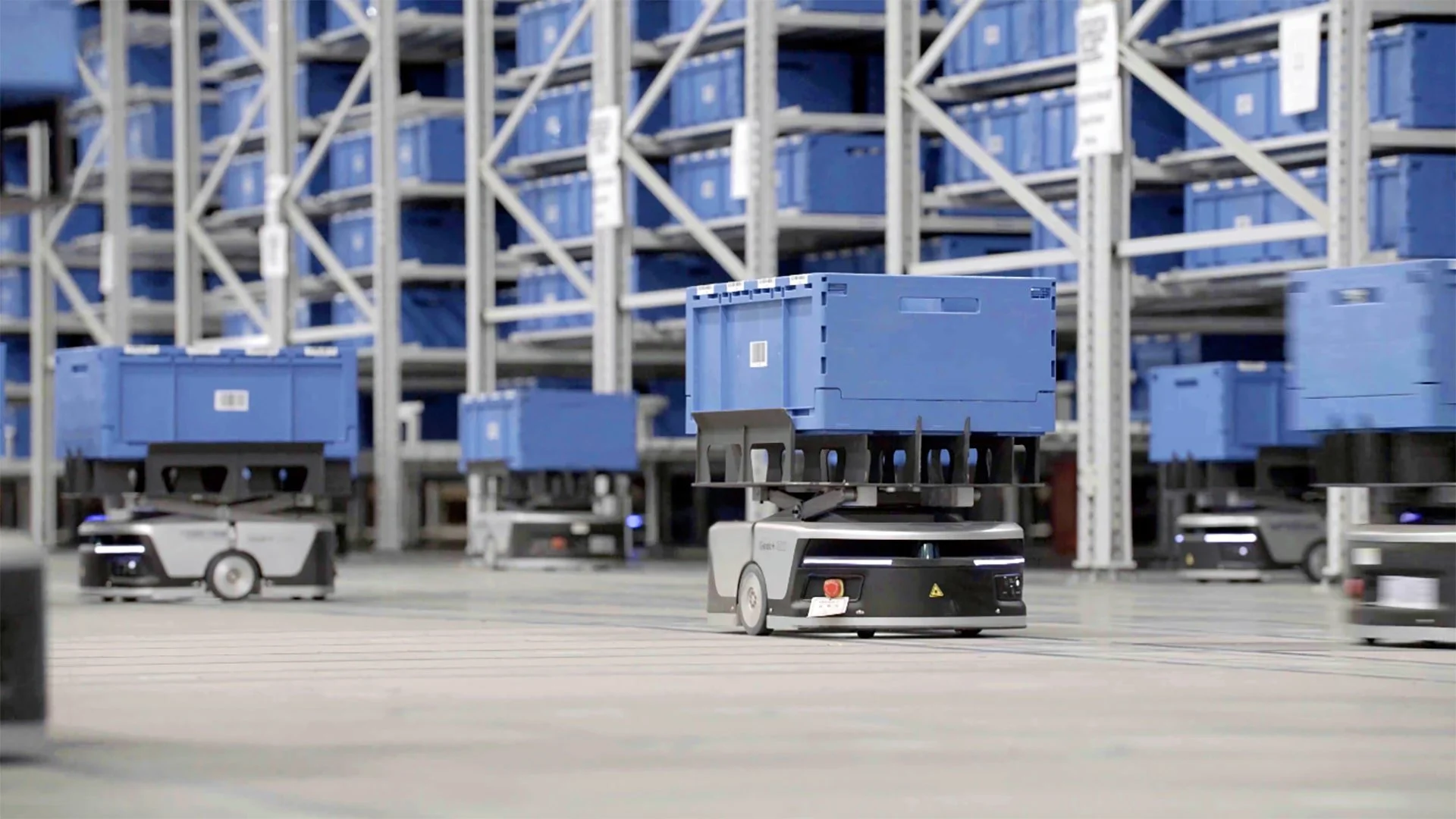
As the industry looks at the growing complexities of supply chains and logistics, it would be great to see this exceptional robotics talent extended more deeply into the field of Factory and Warehouse Automation. If this level of precision and autonomous expertise were applied to the challenges of the warehouse floor, the potential for innovation in the logistics sector would be impressive and highly beneficial to Canada’s economic future.
Could the same talent that put Canadian astronaut Jeremy Hansen in lunar orbit be the key to the next generation of automated logistics?
Strategic Highlights:
The "Nuclear" Origin: Canadian space robotics actually evolved from robots built to load fuel into nuclear reactors in the 1960s.
Commercial Leverage: The tech is now being sold to commercial space station operators under the brand "Sky Maker."
Economic Impact: Every $1 invested in this type of specialized development returns $3.60 to the local economy in follow-on revenue.
Why NASA Needed Canada for This Moon Mission



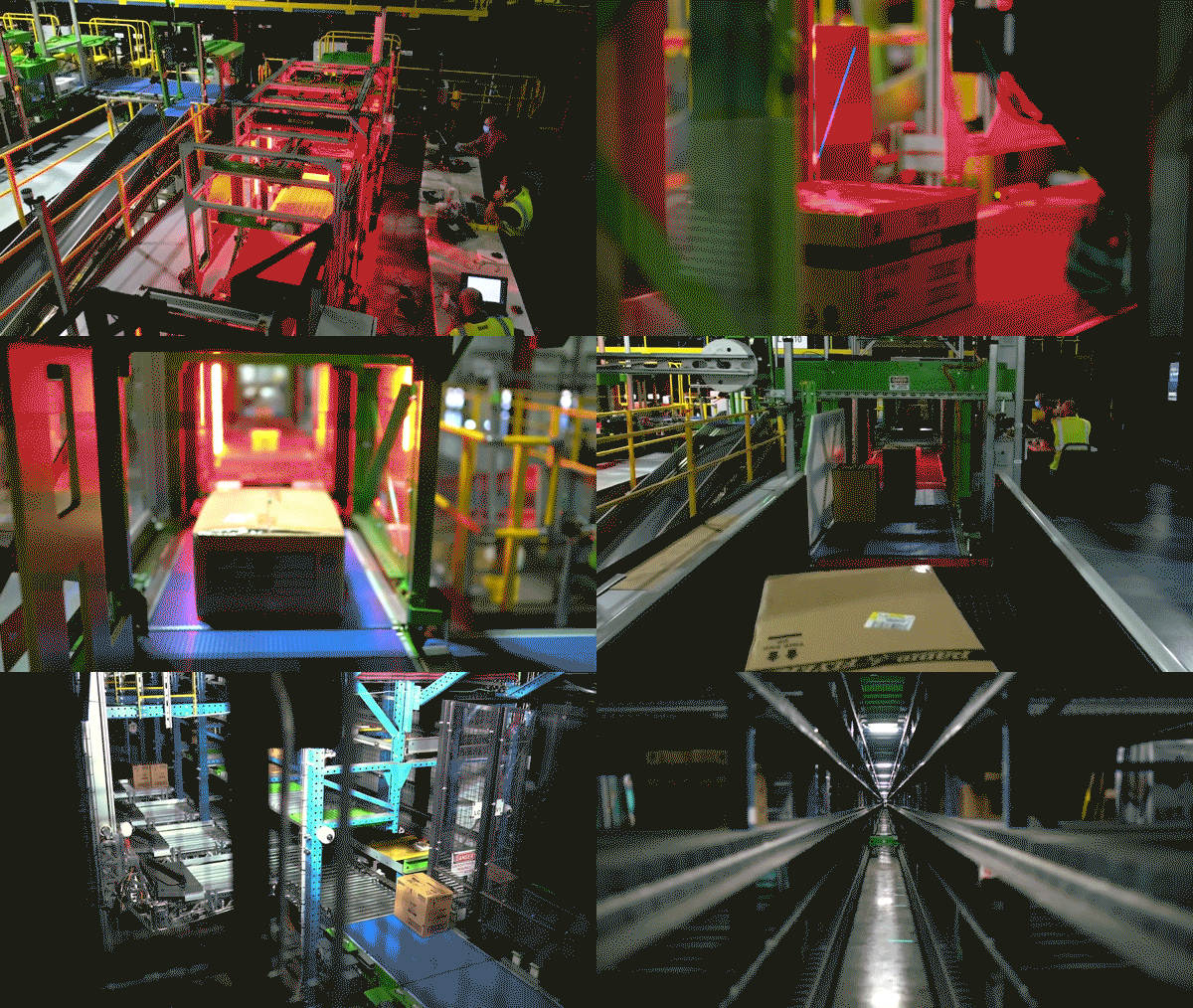

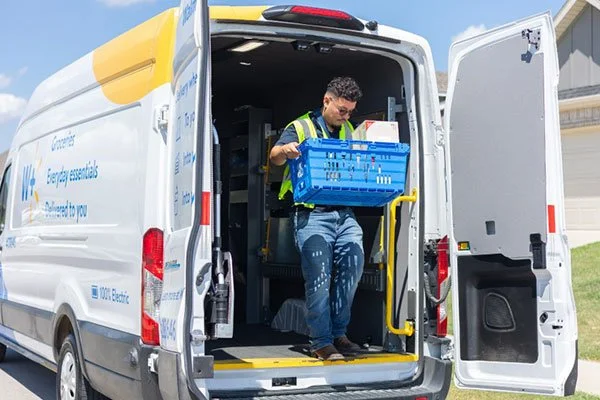

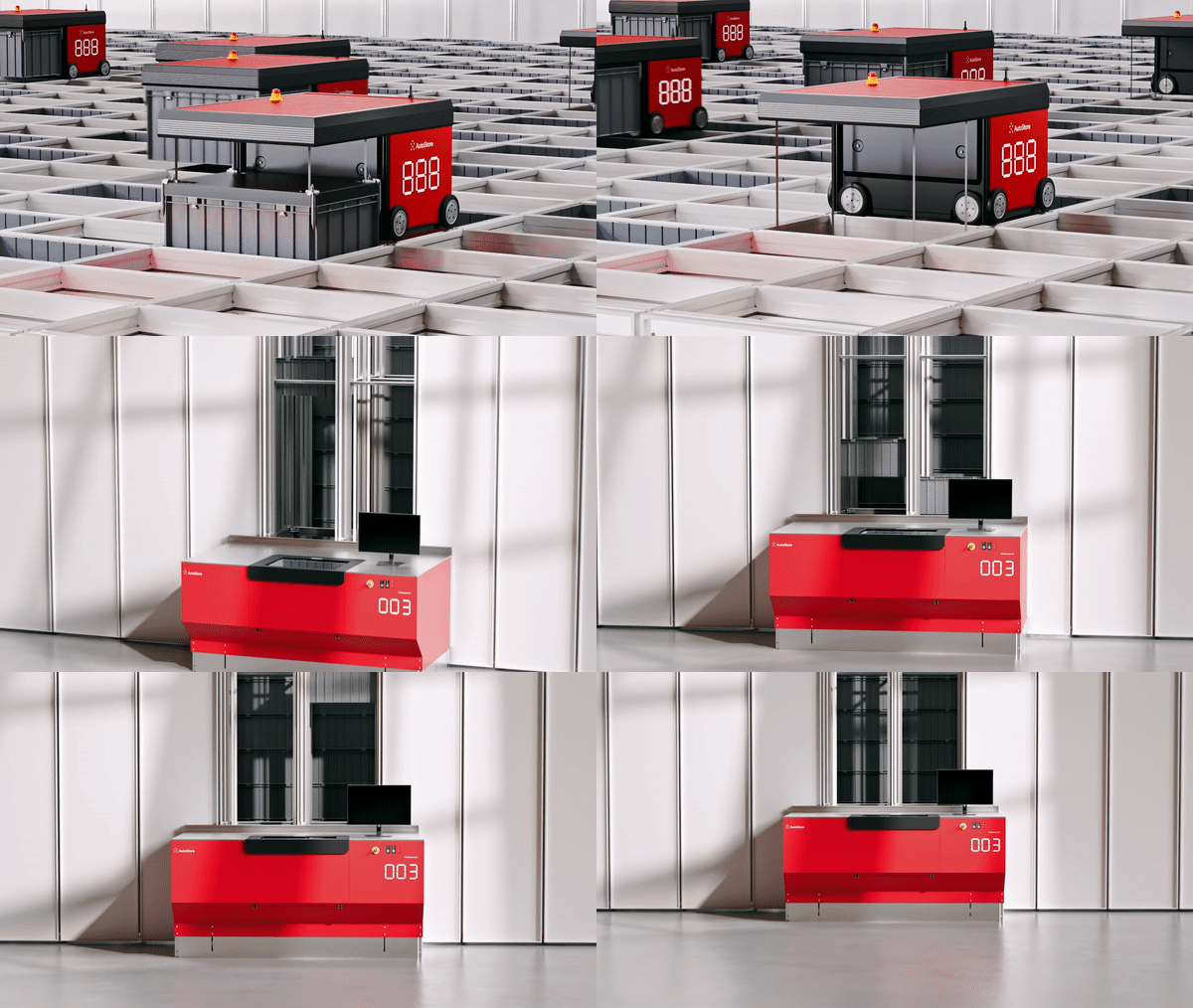
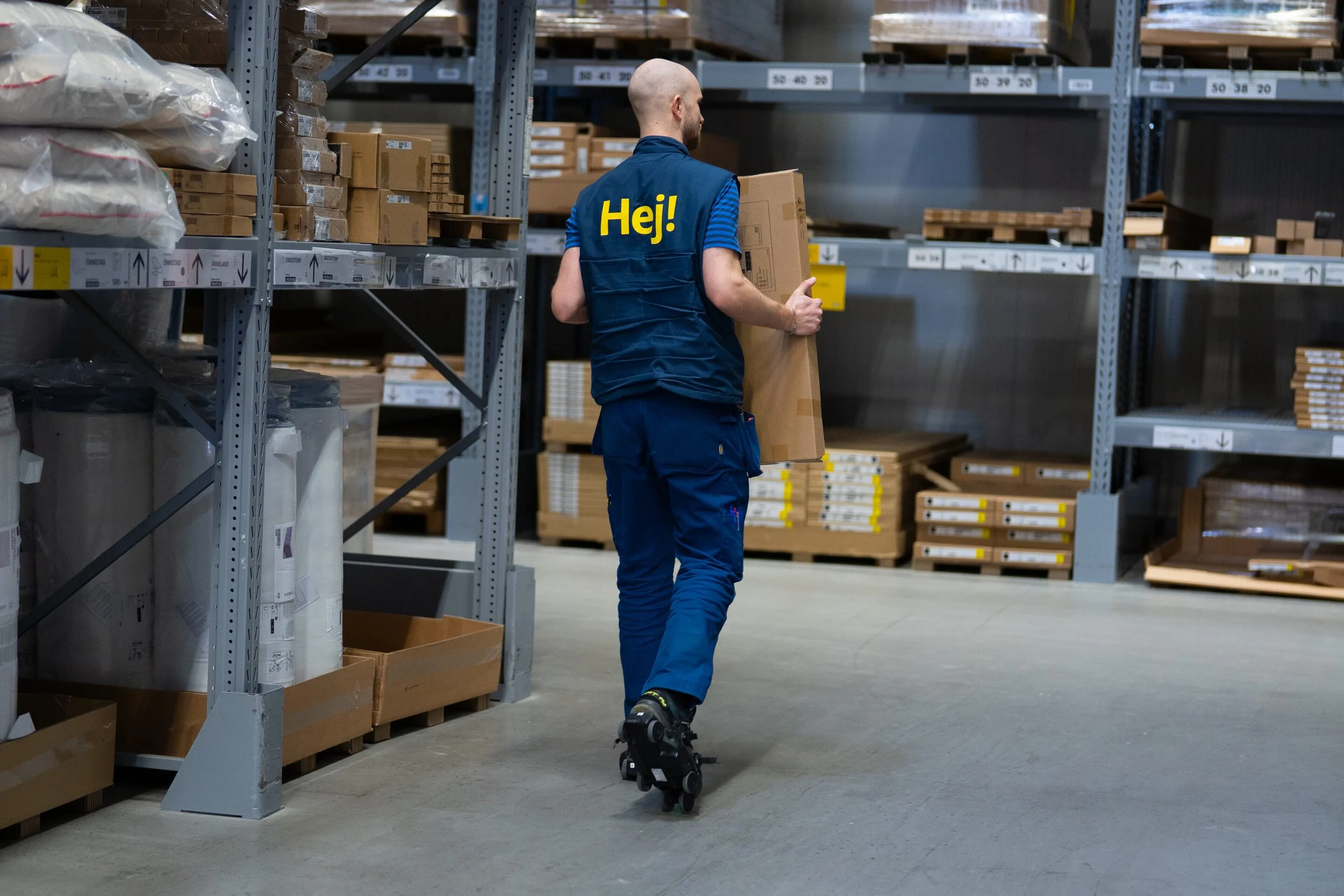
At Hannover Messe 2026, SAP and Vodafone showcased a pilot conducted at Vodafone’s warehouse in Duisburg,