
The Home Depot Acquires SIMPL Automation to Accelerate Supply Chain Automation and Enhance Customer Delivery Experience
The Acquisition
Home Depot has acquired SIMPL Automation, a Massachusetts-based company focused on modular warehouse automation systems.
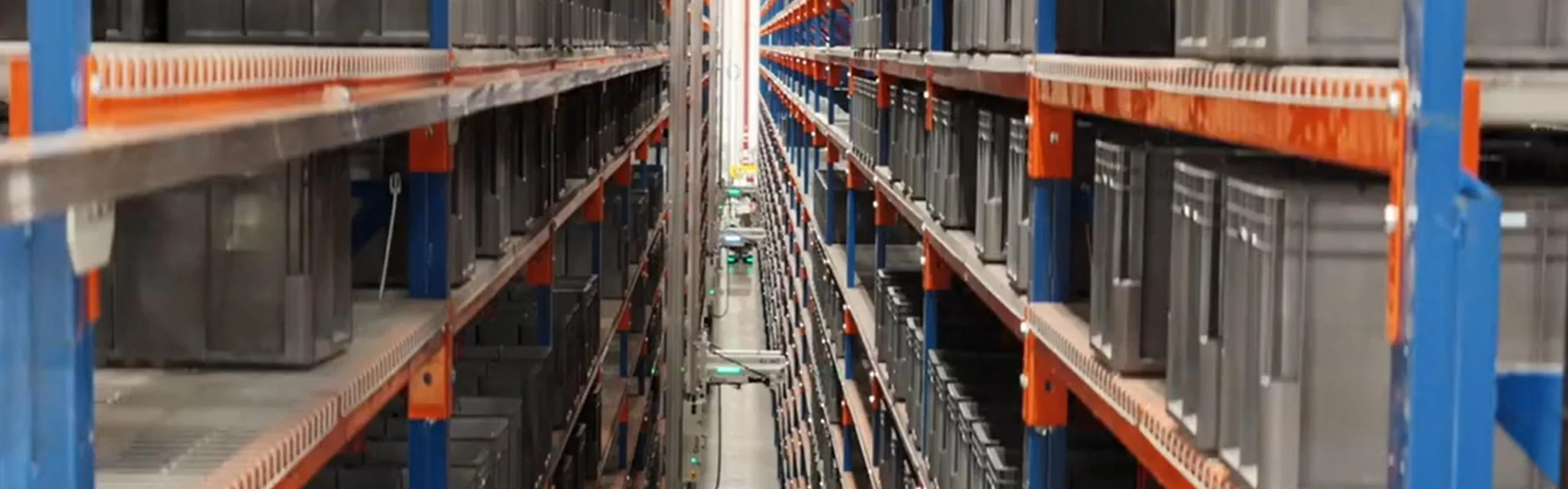
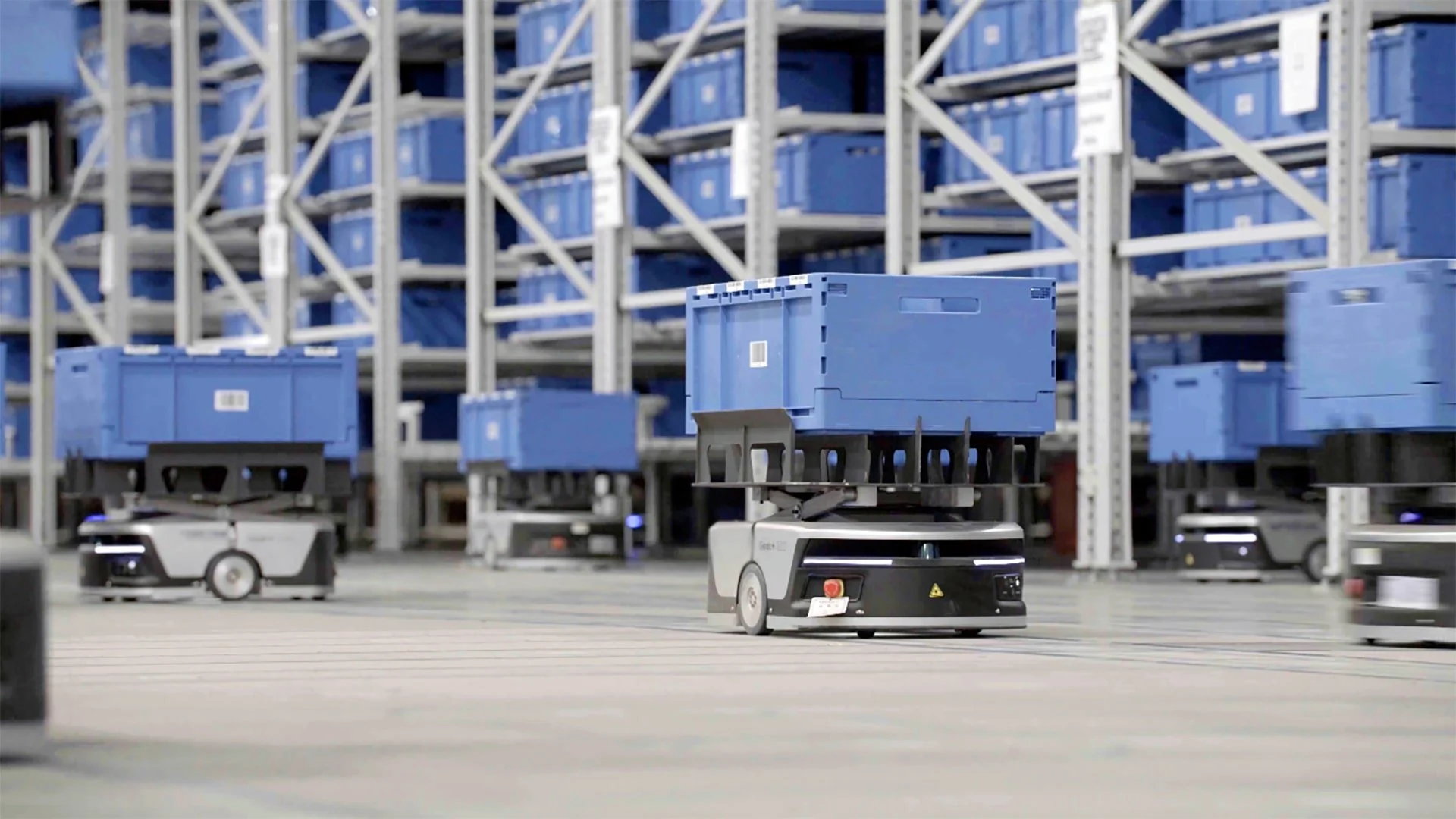
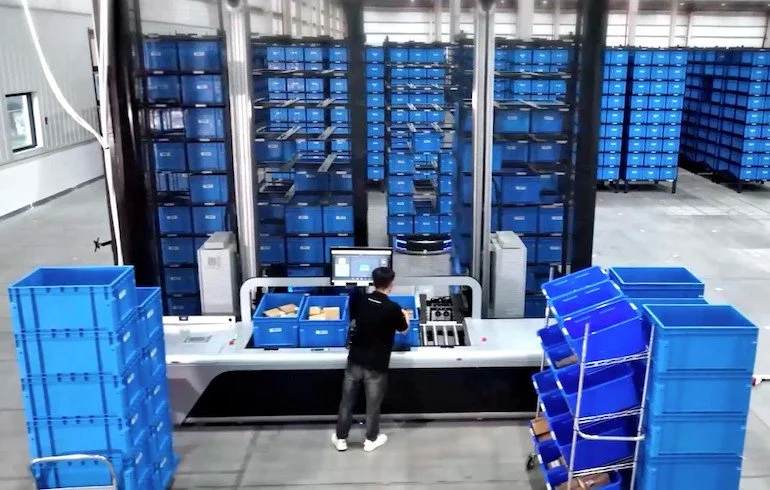
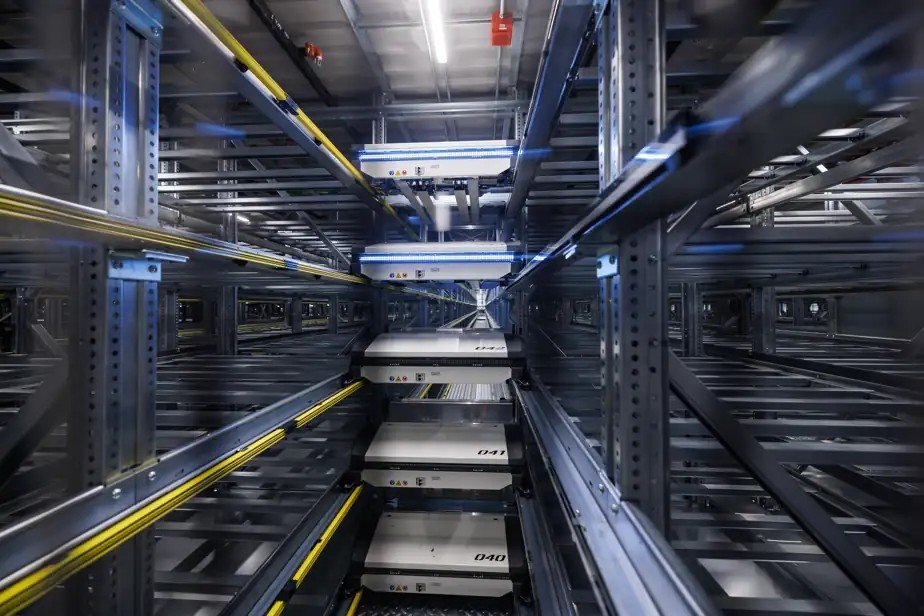
SIMPL, founded in 2023, develops automated storage and retrieval systems designed around high-density storage and goods-to-person workflows. Its ADAPTIV system is built to increase storage capacity within existing facilities while improving picking speed and reducing manual handling.
The acquisition follows a pilot of the system at Home Depot’s distribution center in Locust Grove, Georgia, where it delivered measurable improvements in picking performance, cycle times, and fewer product touches. Rather than continuing with a standard vendor rollout, Home Depot chose to bring the technology in-house.
SIMPL’s technology was also being piloted by Staples at its Montgomery, Alabama facility, showing broader interest in this type of high-density ASRS.
Home Depot’s Operating Model
Home Depot built its distribution network around scale and consistency, not automation. Large regional facilities, strong inbound flow, and reliable store replenishment have been the backbone of the system for years. It’s a model that works well for moving pallet volumes and supporting a wide store network, but it relies heavily on manual processes inside the building.
Automation has existed in pockets, but it hasn’t been central to how most of the network operates. Compared to peers, there hasn’t been the same level of investment in goods-to-person systems, high-density storage, or tightly integrated automation inside the DC.
That approach held up when volumes were more predictable and delivery expectations were less aggressive. As order profiles shift and speed becomes more critical, the limits of that model start to show — particularly in picking efficiency, labor dependency, and how quickly inventory can be positioned closer to demand.
Home Depot has looked at automation opportunities before. One notable example was Attabotics, where they had an opportunity to move earlier but chose not to proceed.
SIMPL Automation — Background
SIMPL Automation is a young company, founded in 2023, focused on modular warehouse automation.
Its core product is an automated storage and retrieval system designed around high-density storage and goods-to-person workflows. The system is built to increase storage capacity within existing facilities while improving picking speed and reducing manual handling.
A key part of the design is modularity. The system can be deployed in smaller sections and expanded over time rather than requiring a full facility redesign upfront. That makes it easier to integrate into existing buildings, which is often a constraint in large distribution networks.
The focus is straightforward: increase throughput, reduce handling, and make better use of existing space.
Context — Amazon, Walmart, and the Risk of Owning Automation
Amazon moved early by acquiring Kiva Systems and building internal capability over time. Walmart scaled automation across parts of its network with Symbotic, while also acquiring Alert Innovation.
These examples highlight both the opportunity and the difficulty.
Bringing automation capability in-house provides more control over how systems evolve, integrate, and operate within the network.
At the same time, scaling is not straightforward. A system that performs well in one facility does not automatically translate into consistent performance across a large network. Integration, reliability, and standardization become more difficult as the footprint expands.
There is also a talent component. The long-term value of these acquisitions often depends on retaining the engineering teams that built the systems. Without that continuity, the advantage of owning the technology can erode.
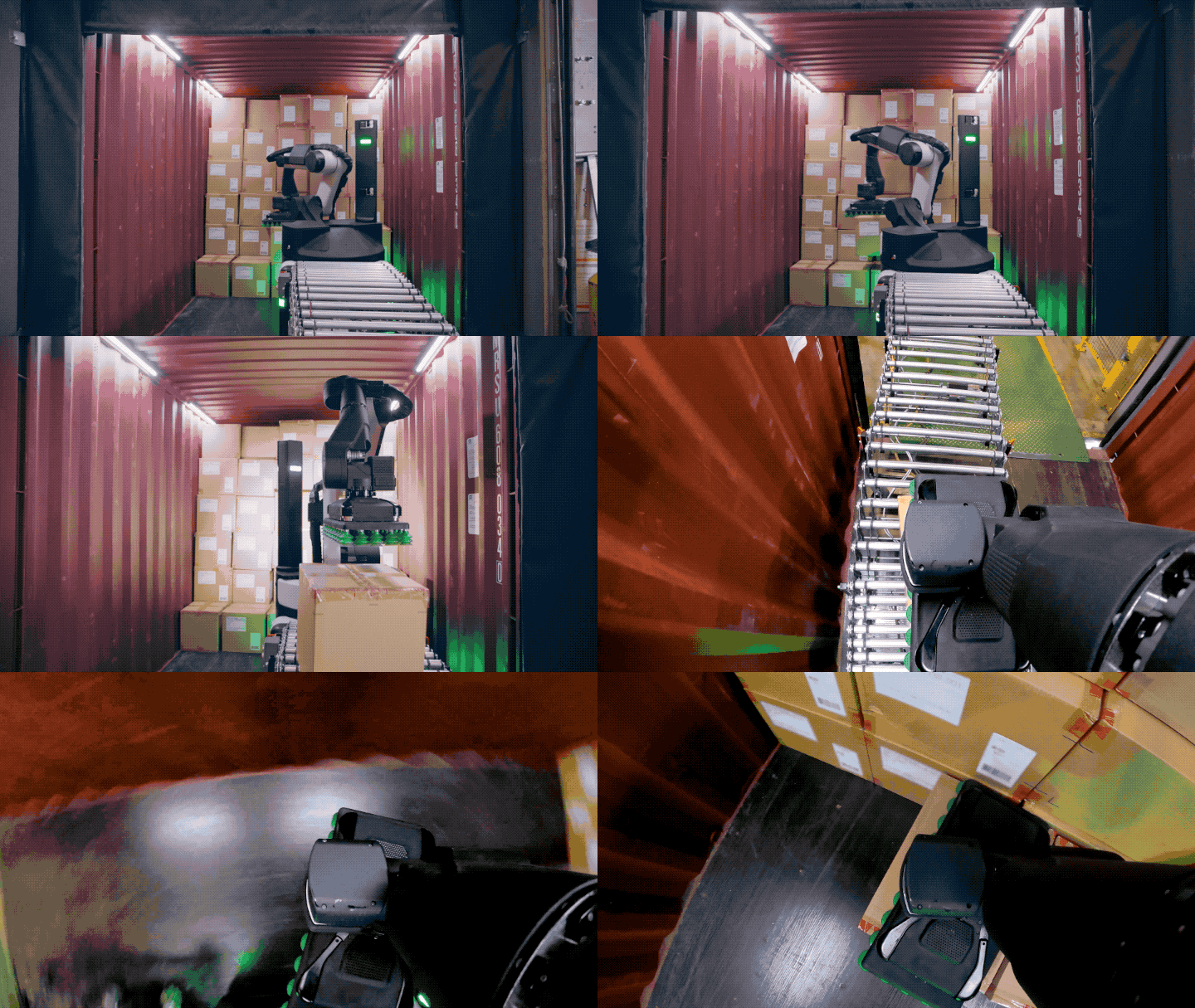
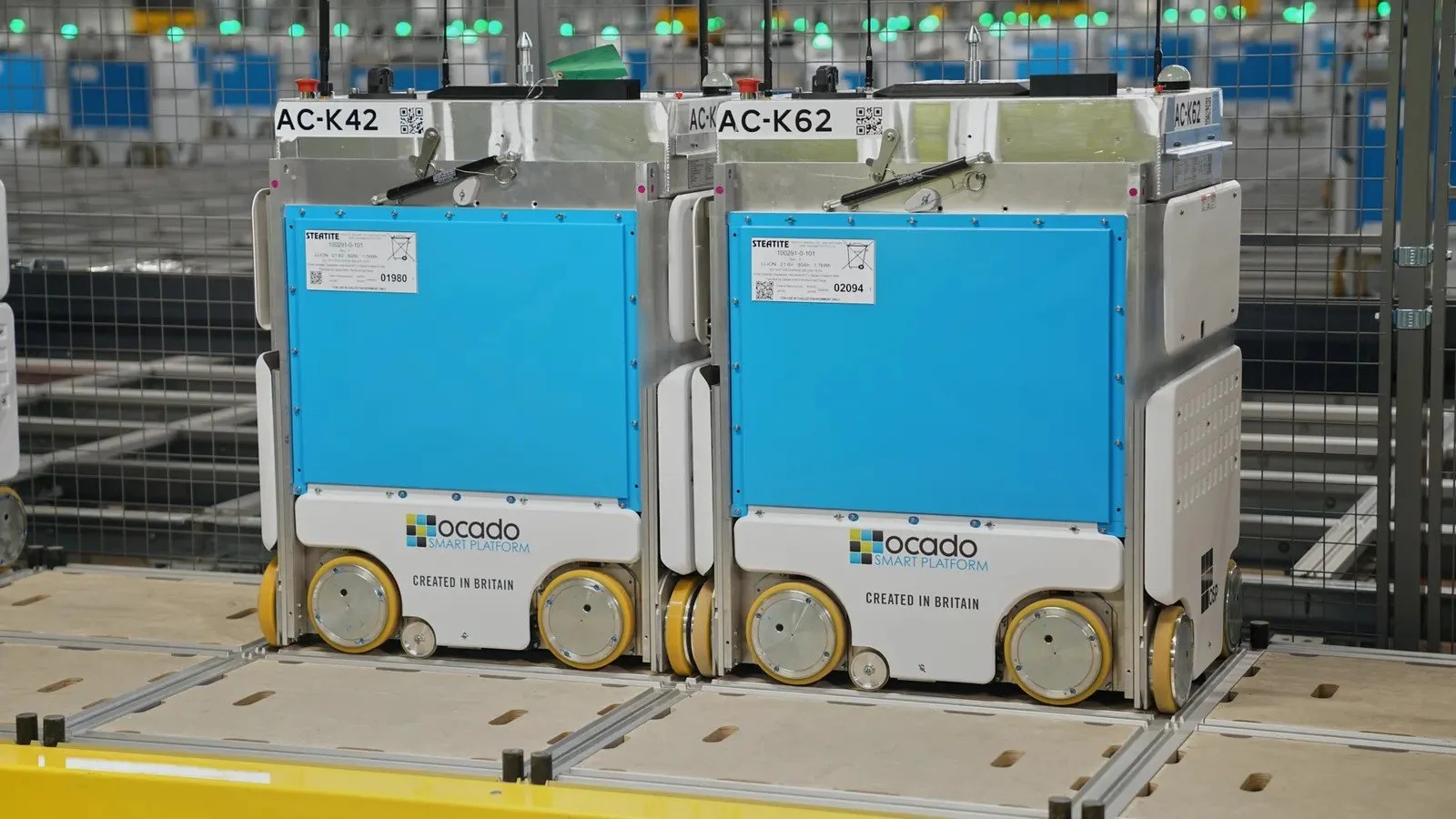
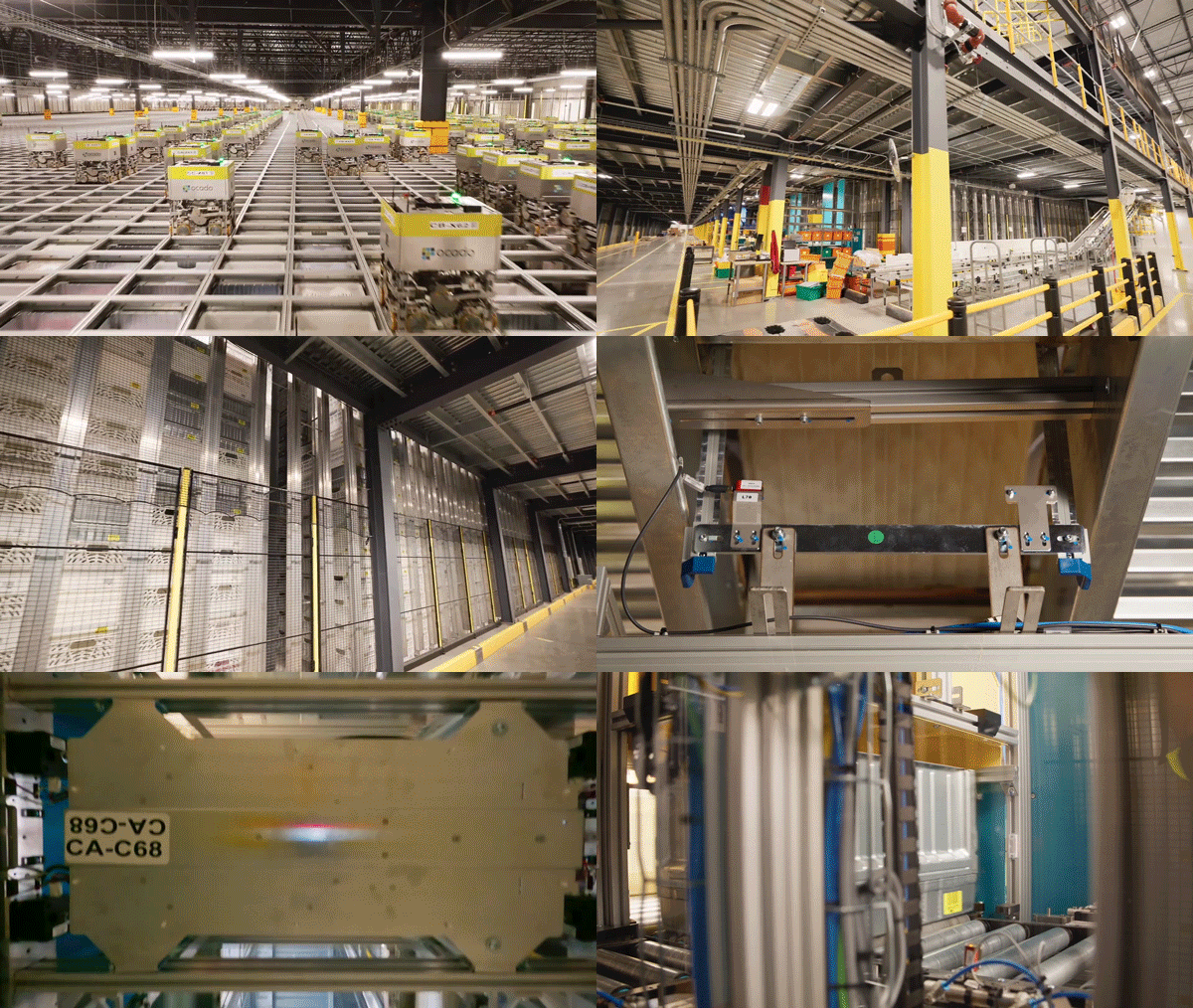
The remarkable Kroger–Ocado story continues to generate extraordinary chapters rarely seen in supply chain distribution, automation and robotics—a story that will likely be studied for years.
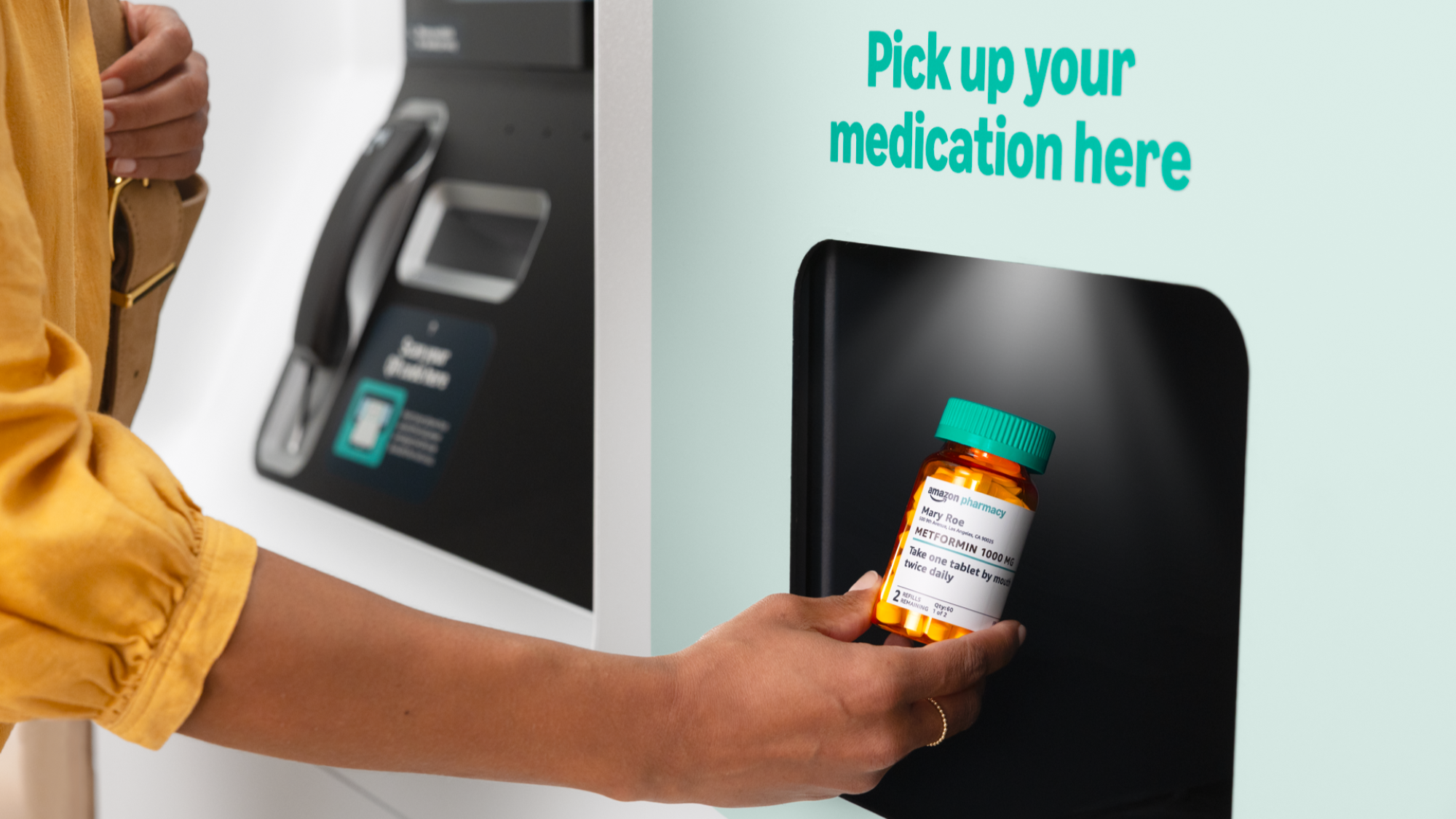
Last year, Amazon Pharmacy debuted pharmacy kiosks—somewhat like vending machines—for quick and convenient prescription fills.

The Los Angeles-based activewear firm is moving into an existing building and will occupy up to 1.2 million square feet
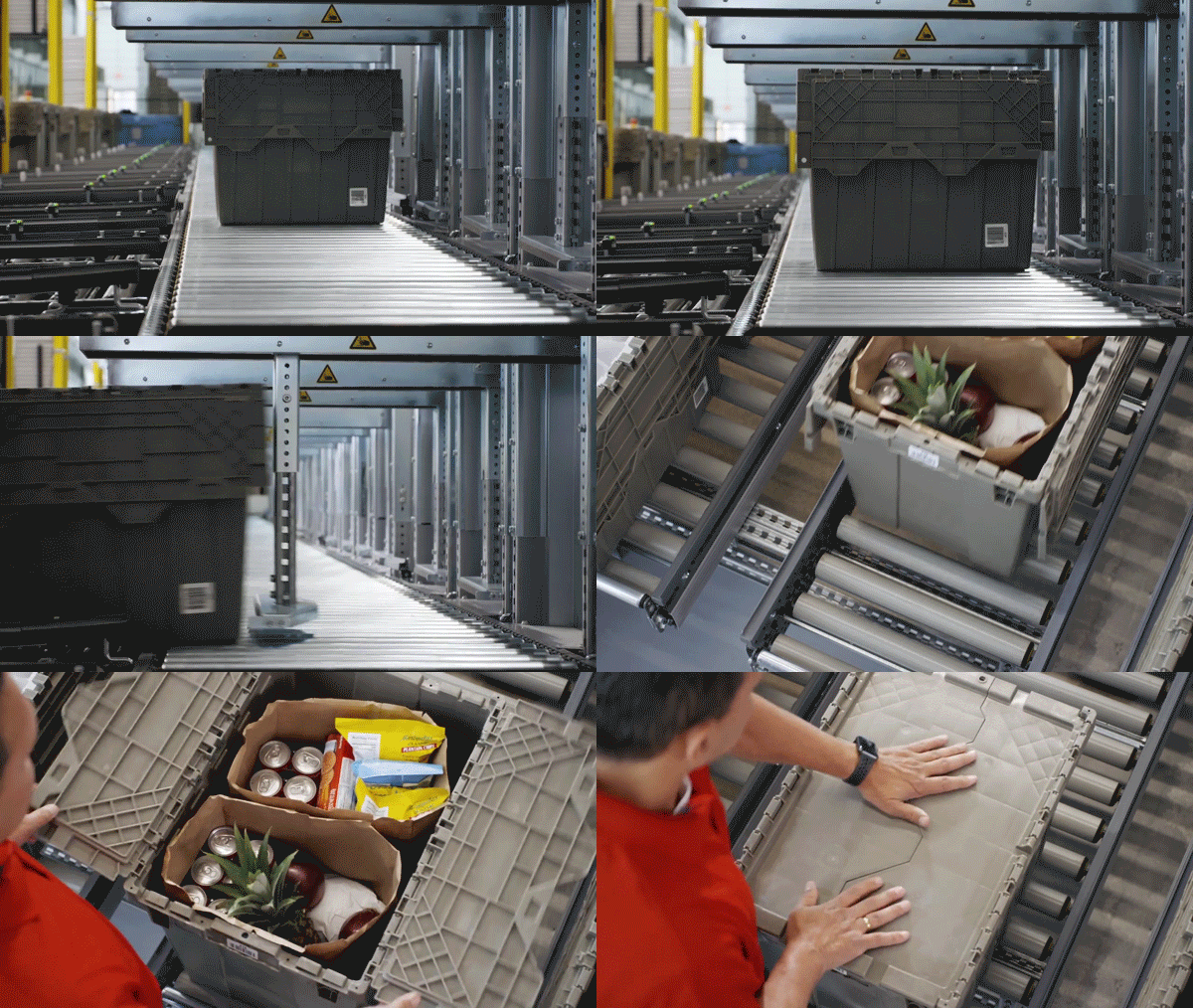
750,000 sq. ft. Metro Vancouver food distribution terminal could strengthen Canada's food security
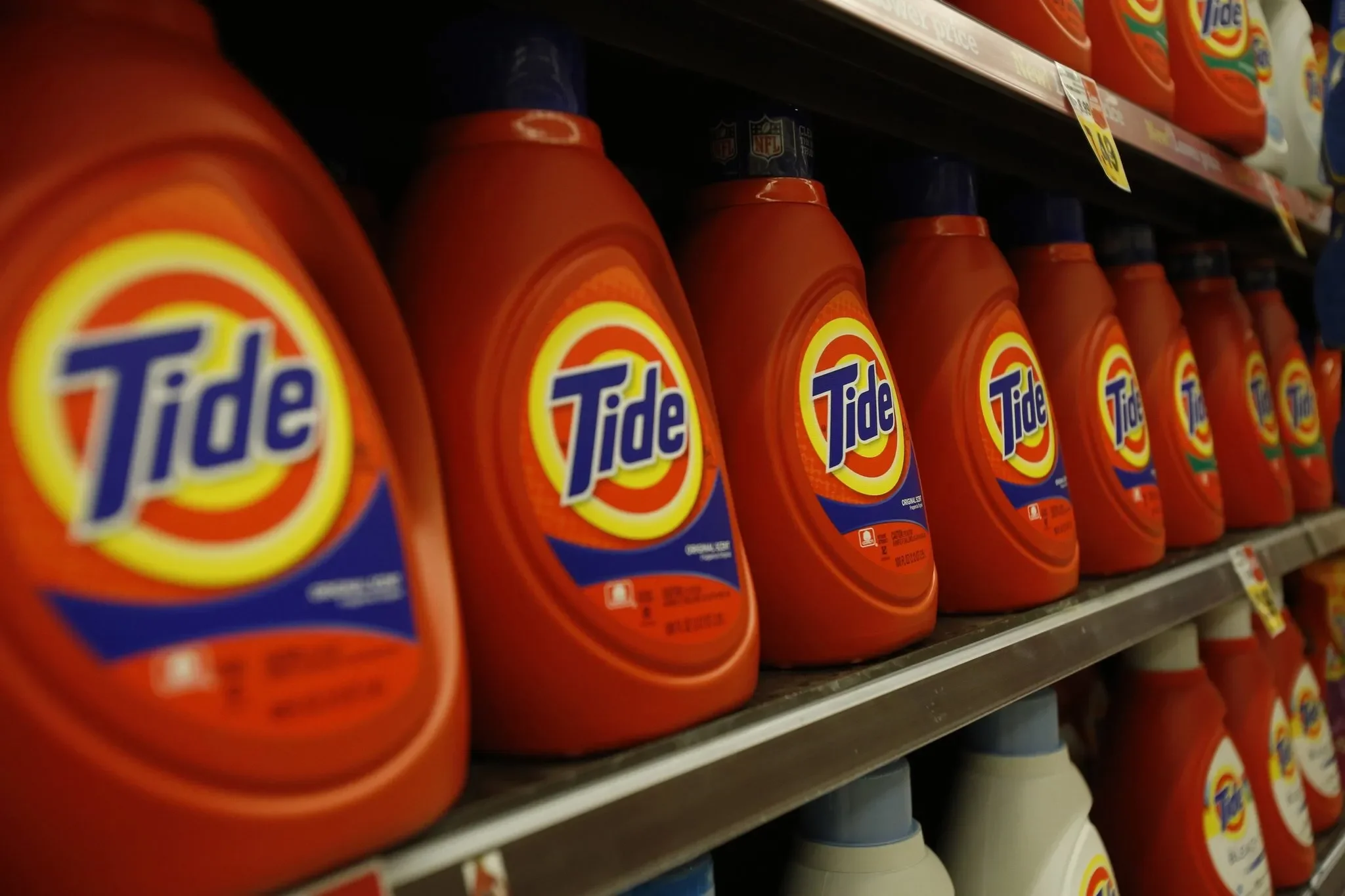
Procter & Gamble (P&G) is pursuing an ambitious expansion of robotics and automation across its global manufacturing and distribution network
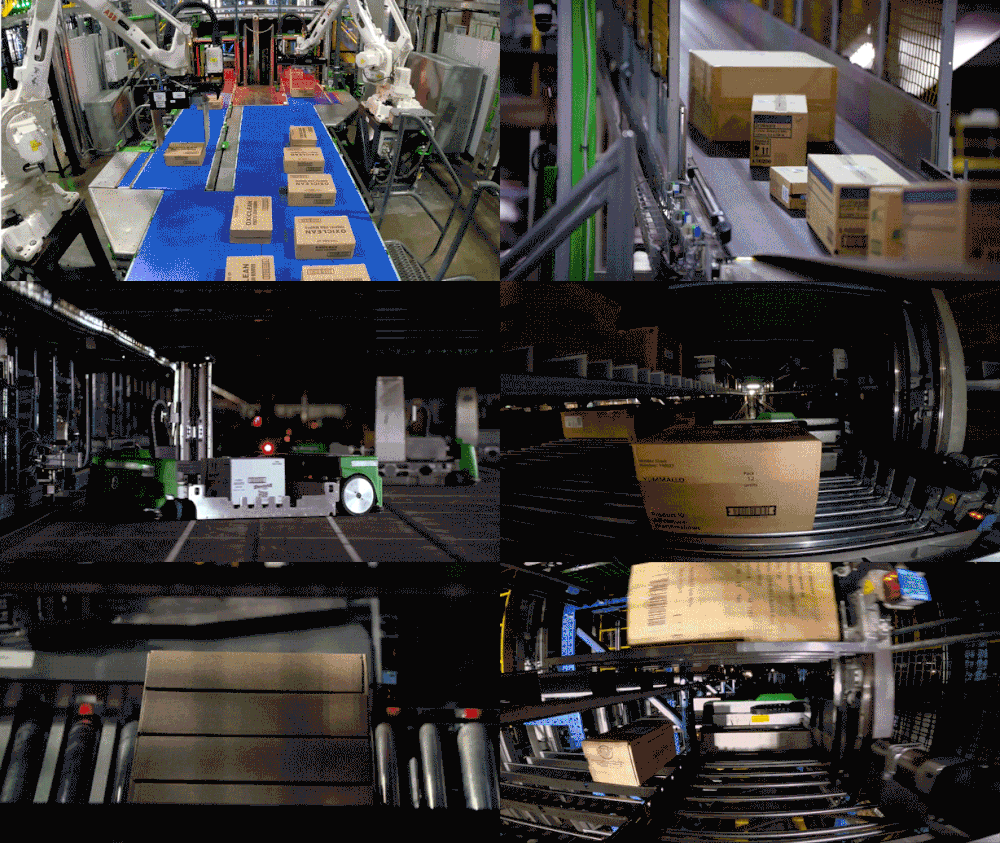
Symbotic became the largest warehouse automation vendor in the Americas by market share in 2025, overtaking several established providers

Pattison Food Group Modernizes Langley Distribution Centre with Advanced Grocery Automation.
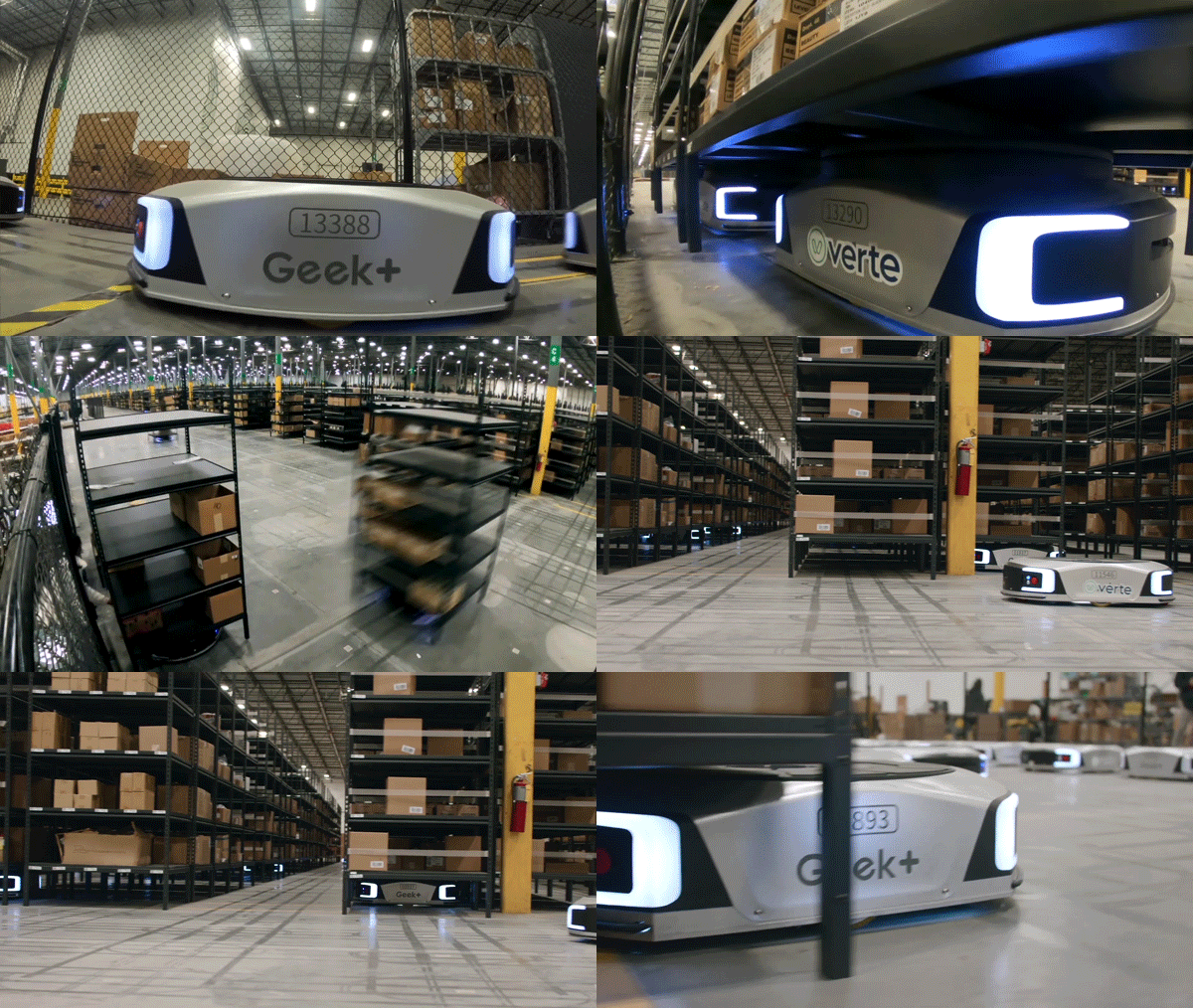
As part of an ongoing warehouse automation modernization project, a fleet of pre-owned ASRS robots is available for purchase.
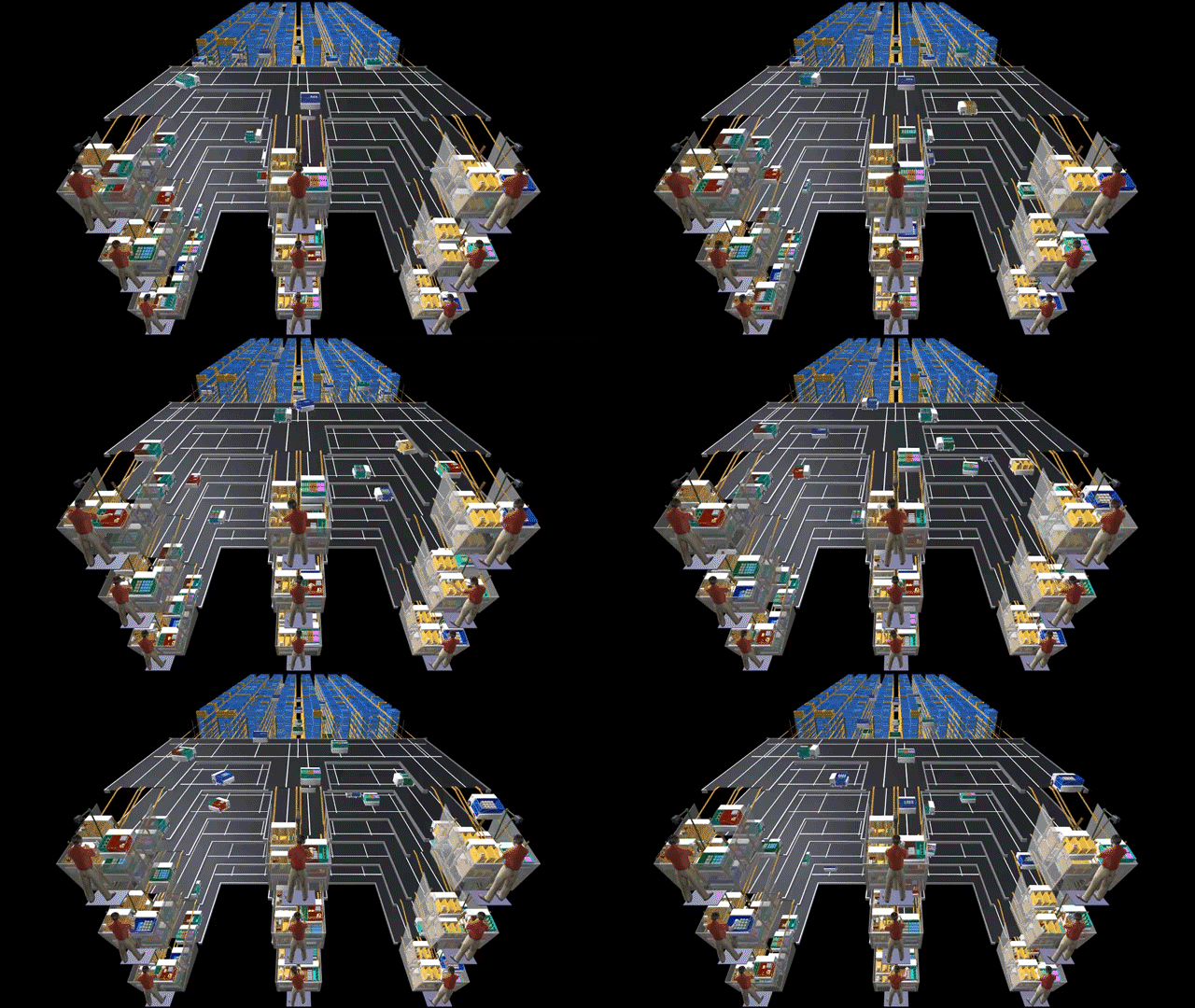
Symbotic’s new SymMicro system begins its first in-store installation, with the potential to expand to 400 Walmart locations.
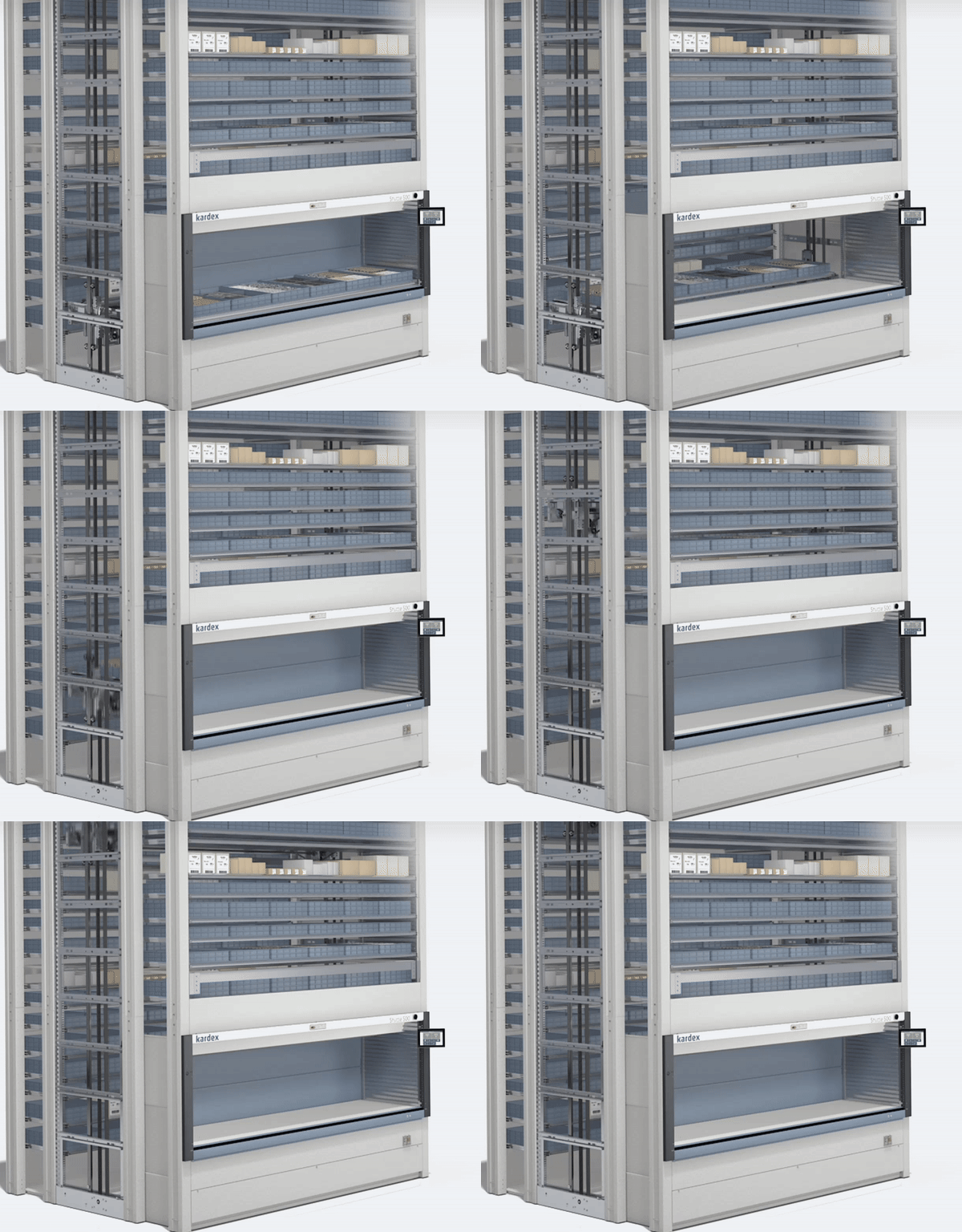
Two brand-new Kardex Shuttle XP 500 vertical lift modules are available for immediate delivery.
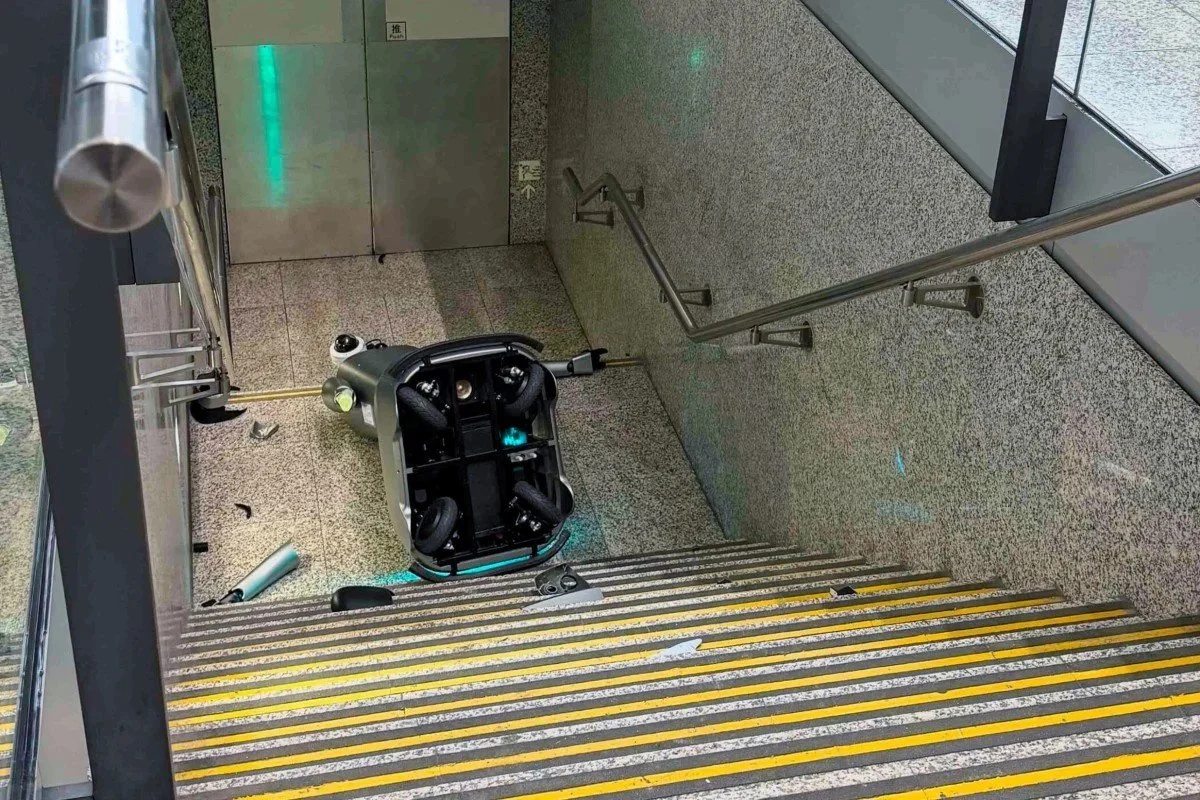
A robot accident at Hong Kong International Airport offers an important lesson about mobile robot safety
S&S Activewear is one of the more technology-forward apparel companies in North America’s branded-apparel distribution market.
Situated in Arvin, California, the new 700,000 square foot facility is described as its largest and most technologically sophisticated distribution center to date.

SoftBank is reportedly selling its remaining 9.65% stake in Boston Dynamics to Hyundai Motor Group for US$325 million.
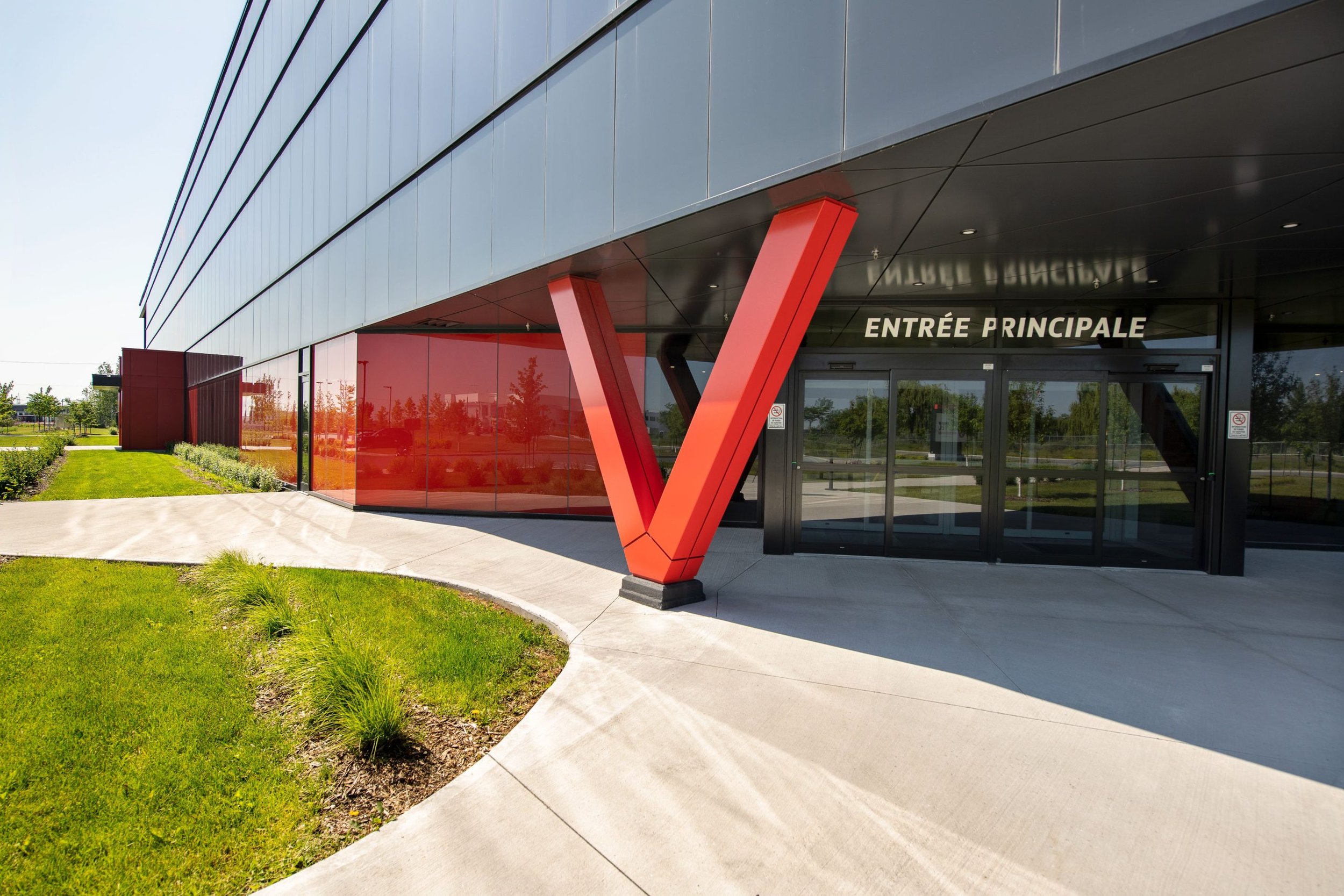
The company had automation. It had robotics. It had government support, customer momentum, press attention, and a massive facility.

Massive fire destroys 1 million-square-foot Tracy Medline Industries distribution facility
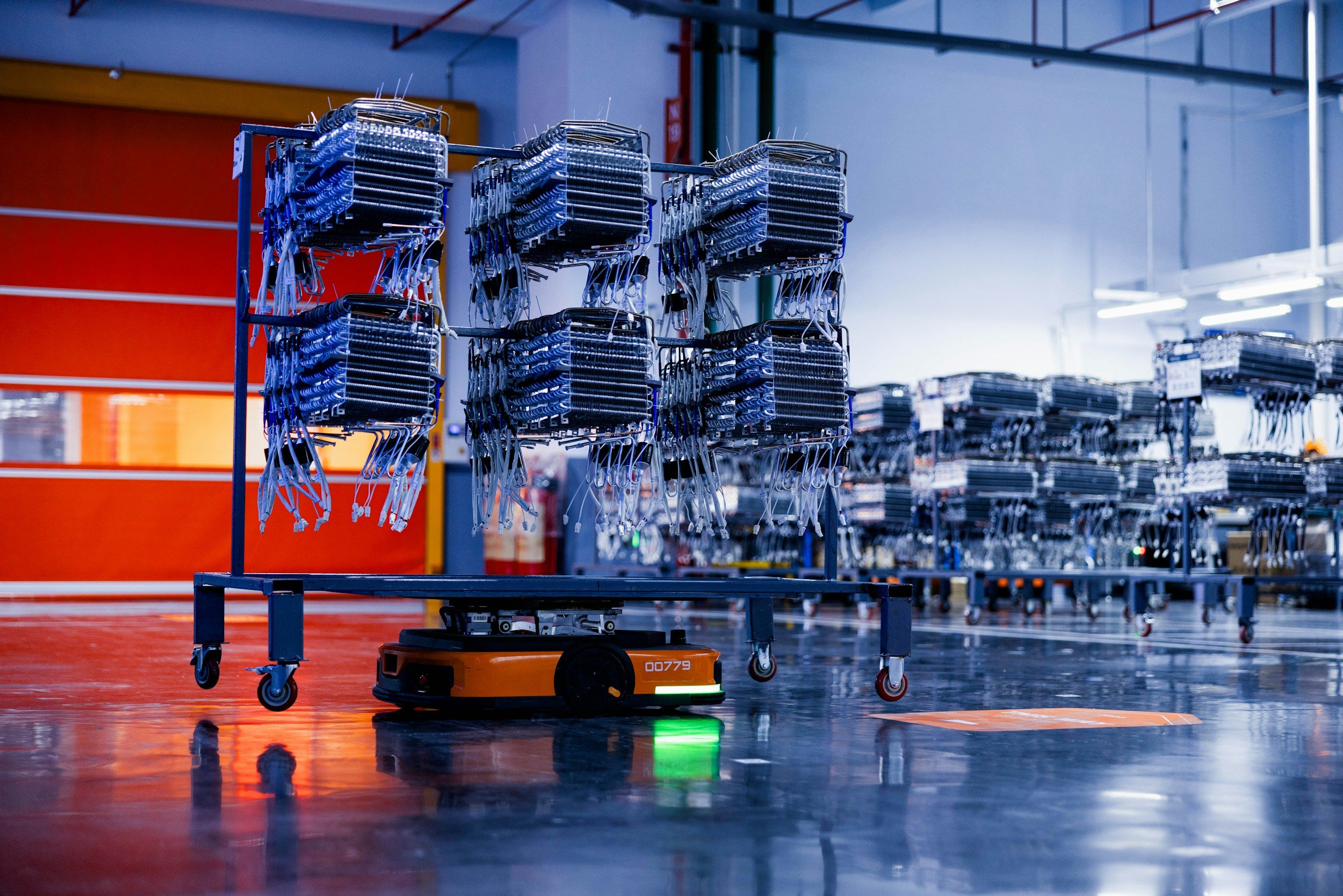
Artificial Intelligence and LLMs are currently being pushed aggressively into logistics, warehouse operations, robotics, and supply chain execution.
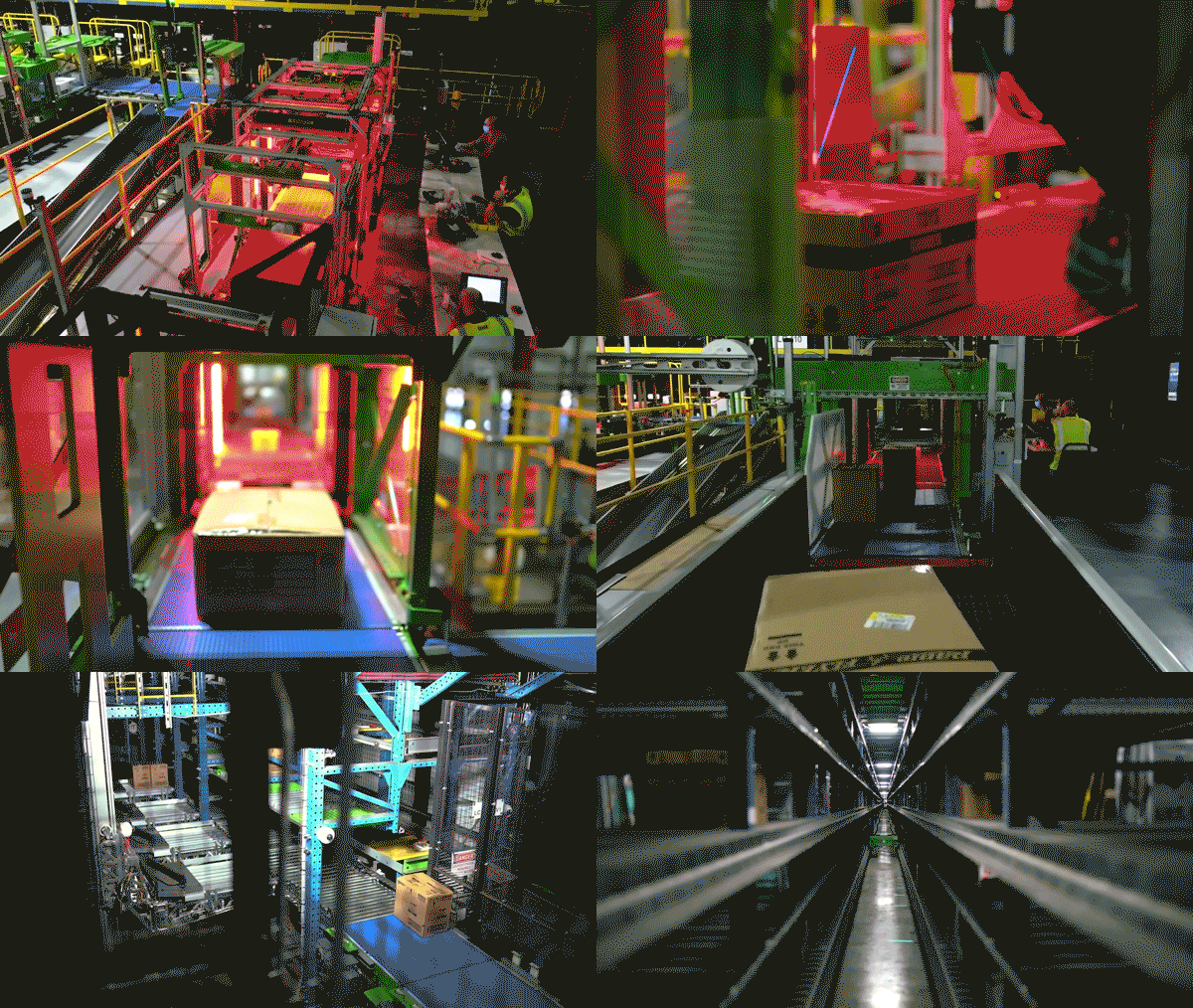
Walmart’s latest comments around same-day fulfillment, 30-minute delivery windows, AI-driven inventory positioning, and supply chain automation should be a wake-up call for the entire retail industry.
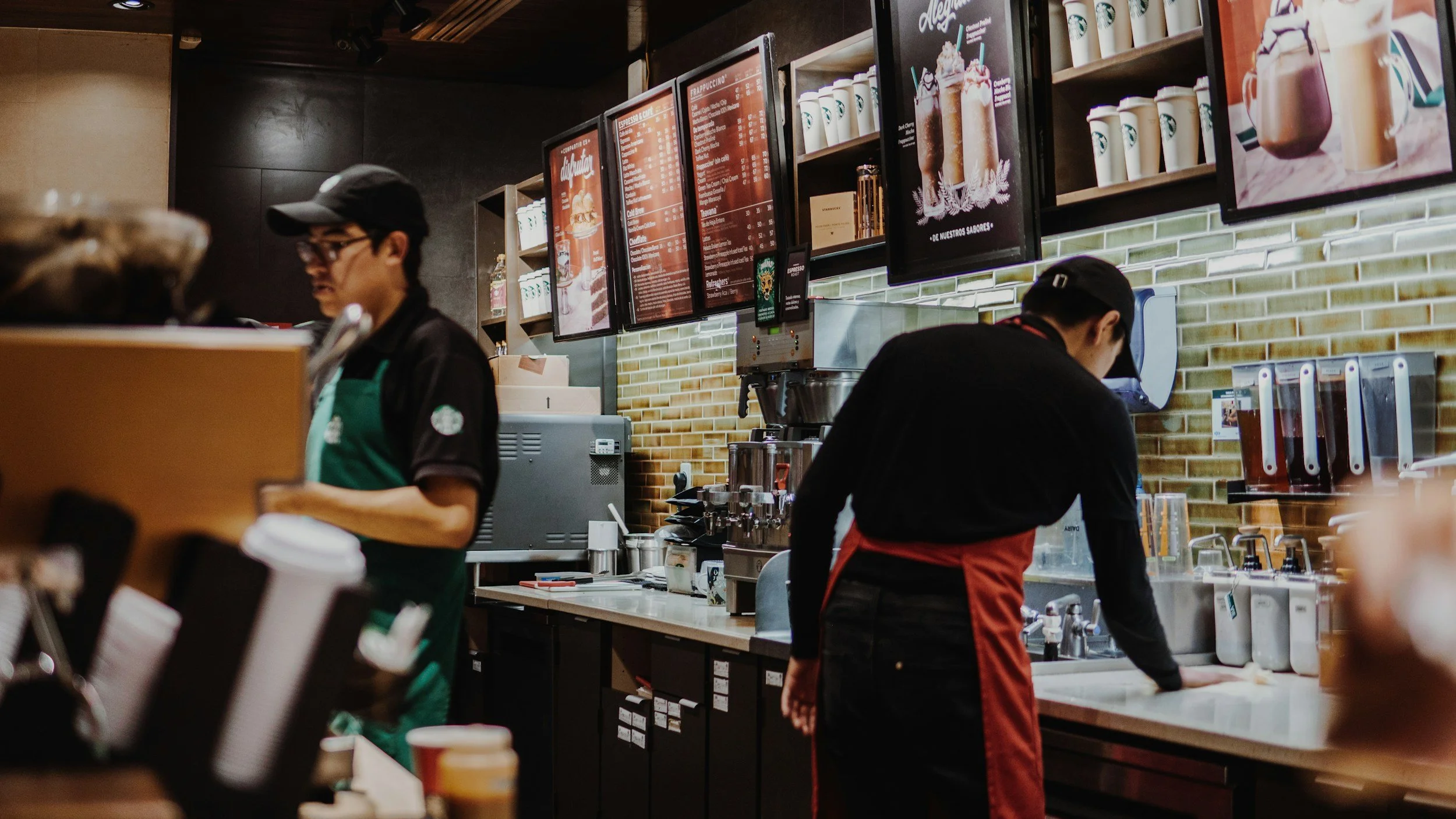
The promise made to Starbucks CEO Brian Niccol was enticing. To eliminate persistent product shortages that hurt sales, the company deployed an automated counting system.
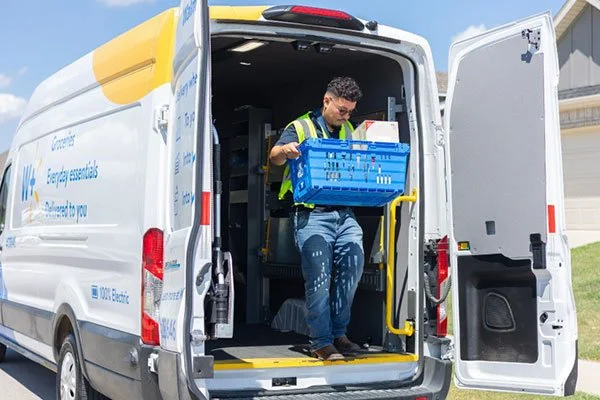
The retail giant is using unlikely spaces to push against Amazon’s recent strategies to capture more customers.
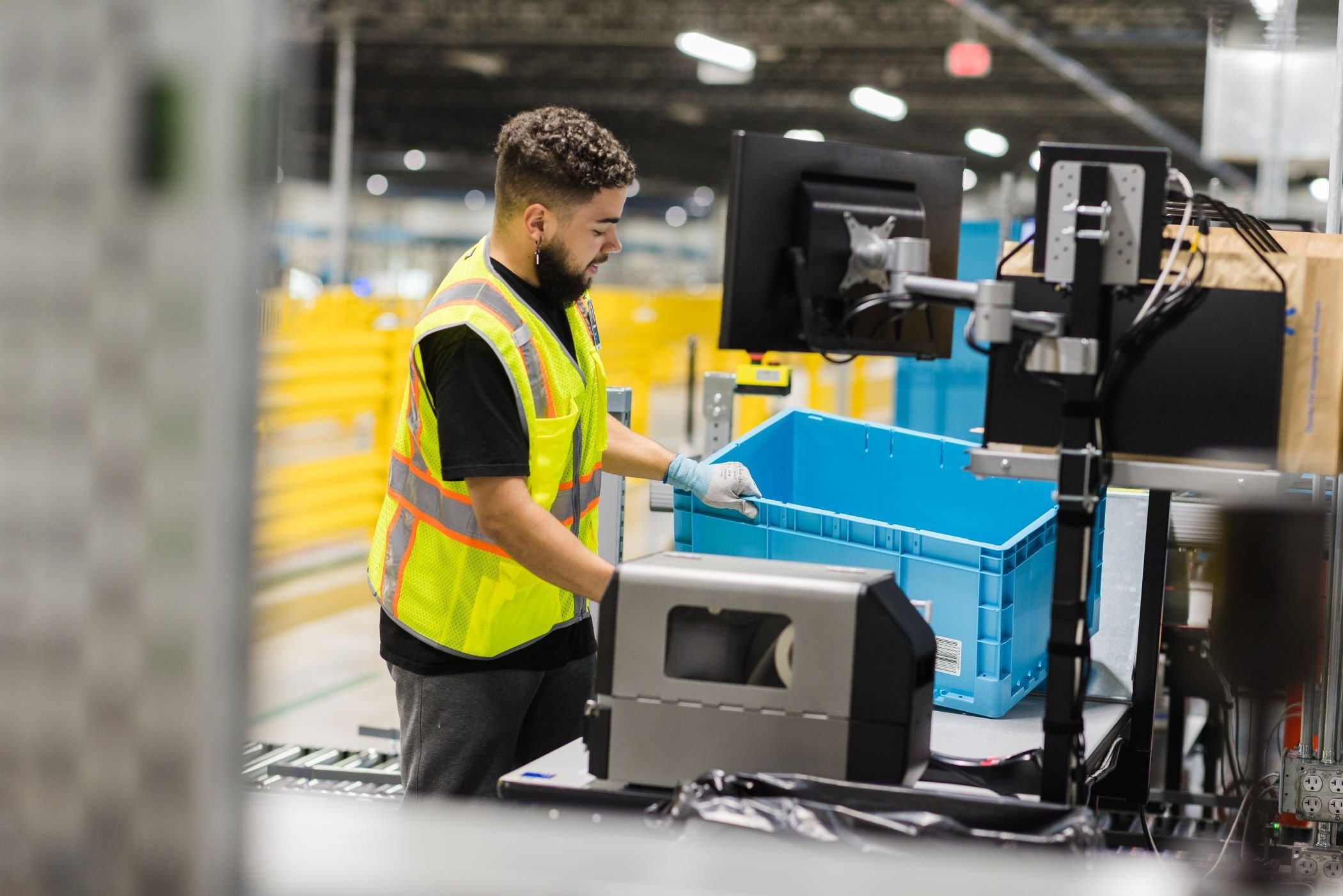
Traditional WMS lacks the real-time visibility into the availability of automated materials handling equipment that a WES brings to the table.
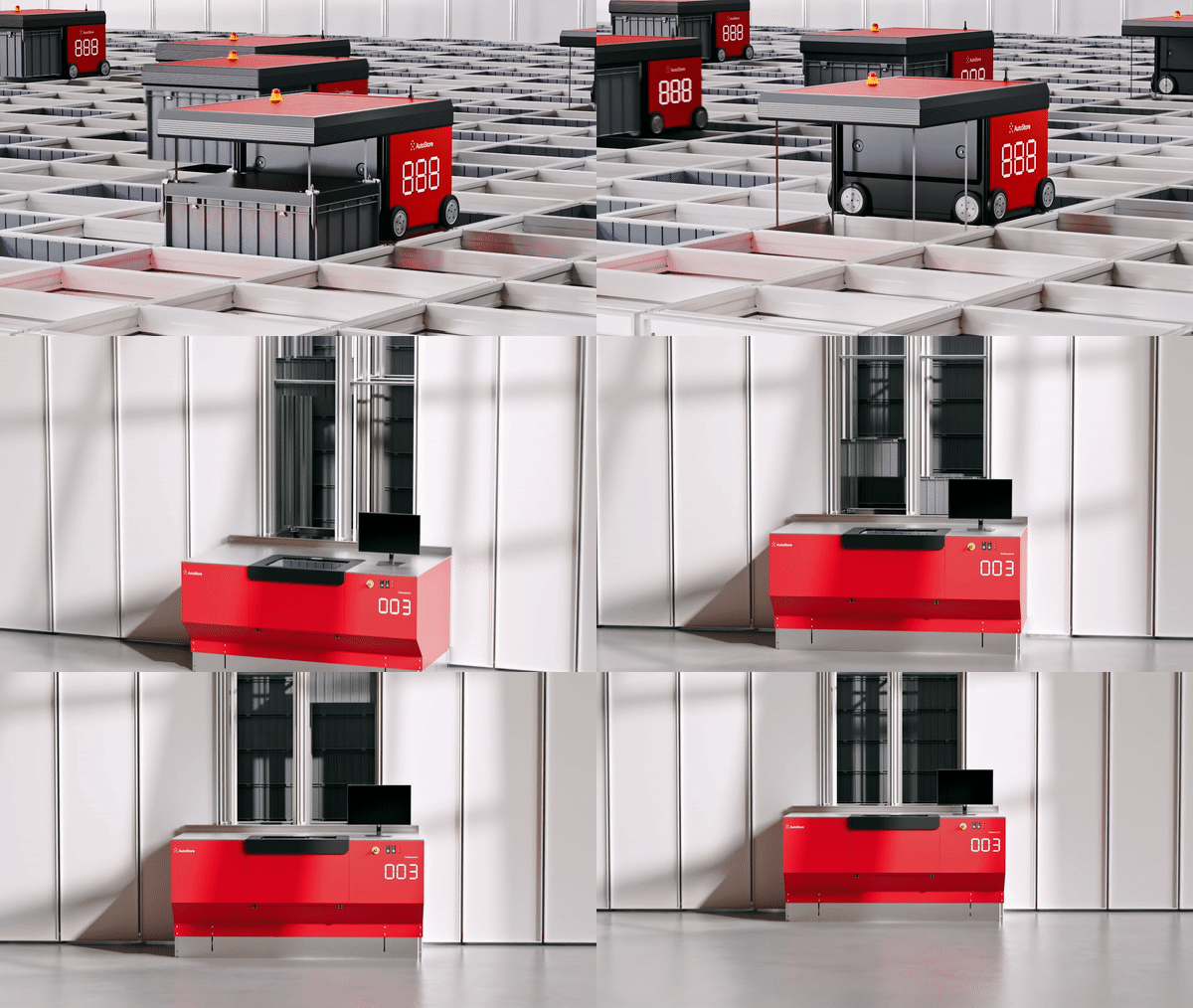
Ulta Beauty has selected AutoStore technology for its new Utah regional distribution hub supporting both stores and growing e-commerce fulfillment.
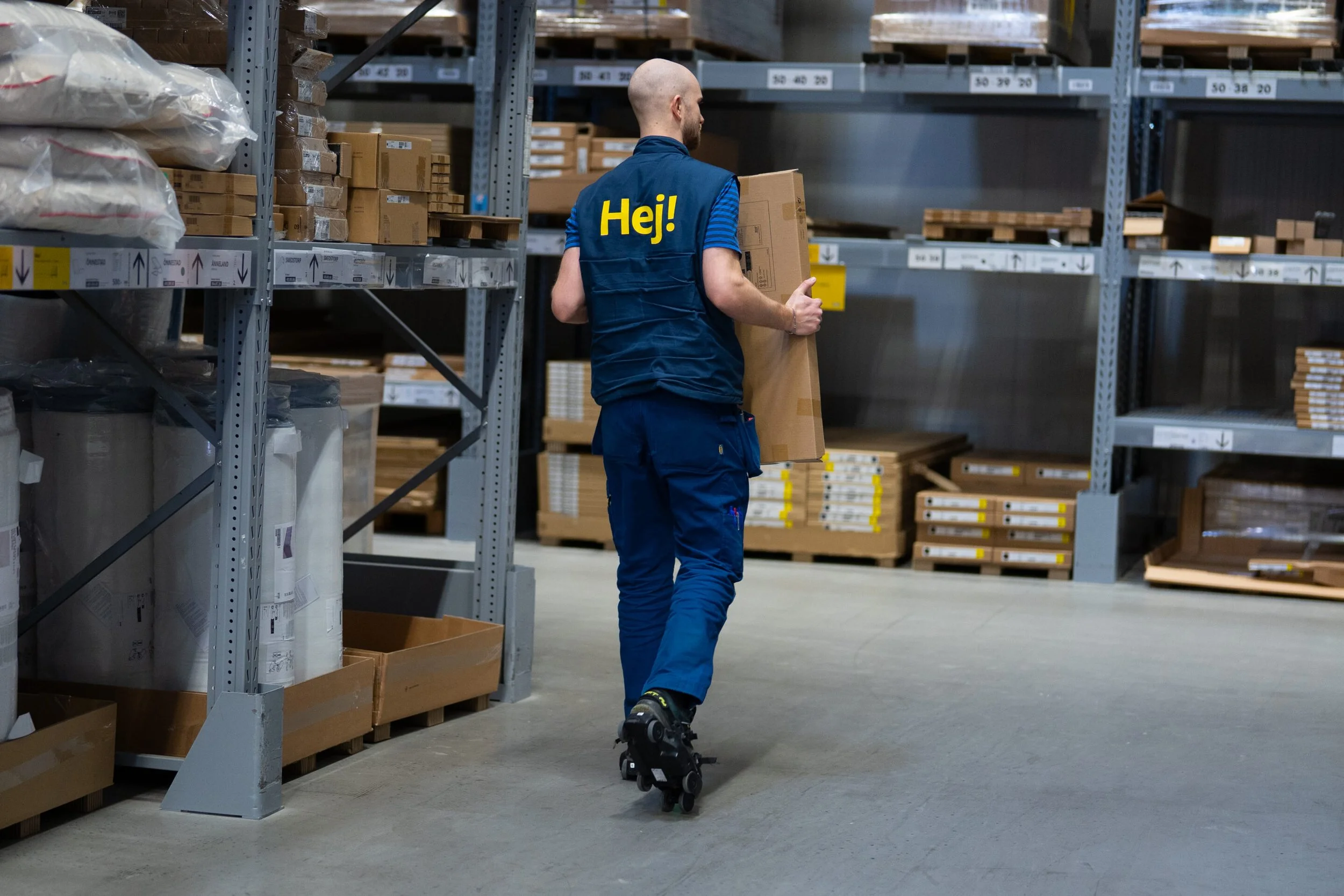
Ikea is testing robotic boots in Helsingborg, Sweden, to speed up order picking and reduce physical strain. Initial measurements showed that employees walked up to twice as fast, and average hourly picking productivity increased by 16%.
The cost of the SAQ's automated distribution center project, scheduled to begin operations next year, has gone from $48.5 million to $300 million in four years.
The podcast outlines six crucial steps for successful warehouse automation adoption.