
Amazon’s Newest Mega-Facility Will Ship Robots, Not Orders
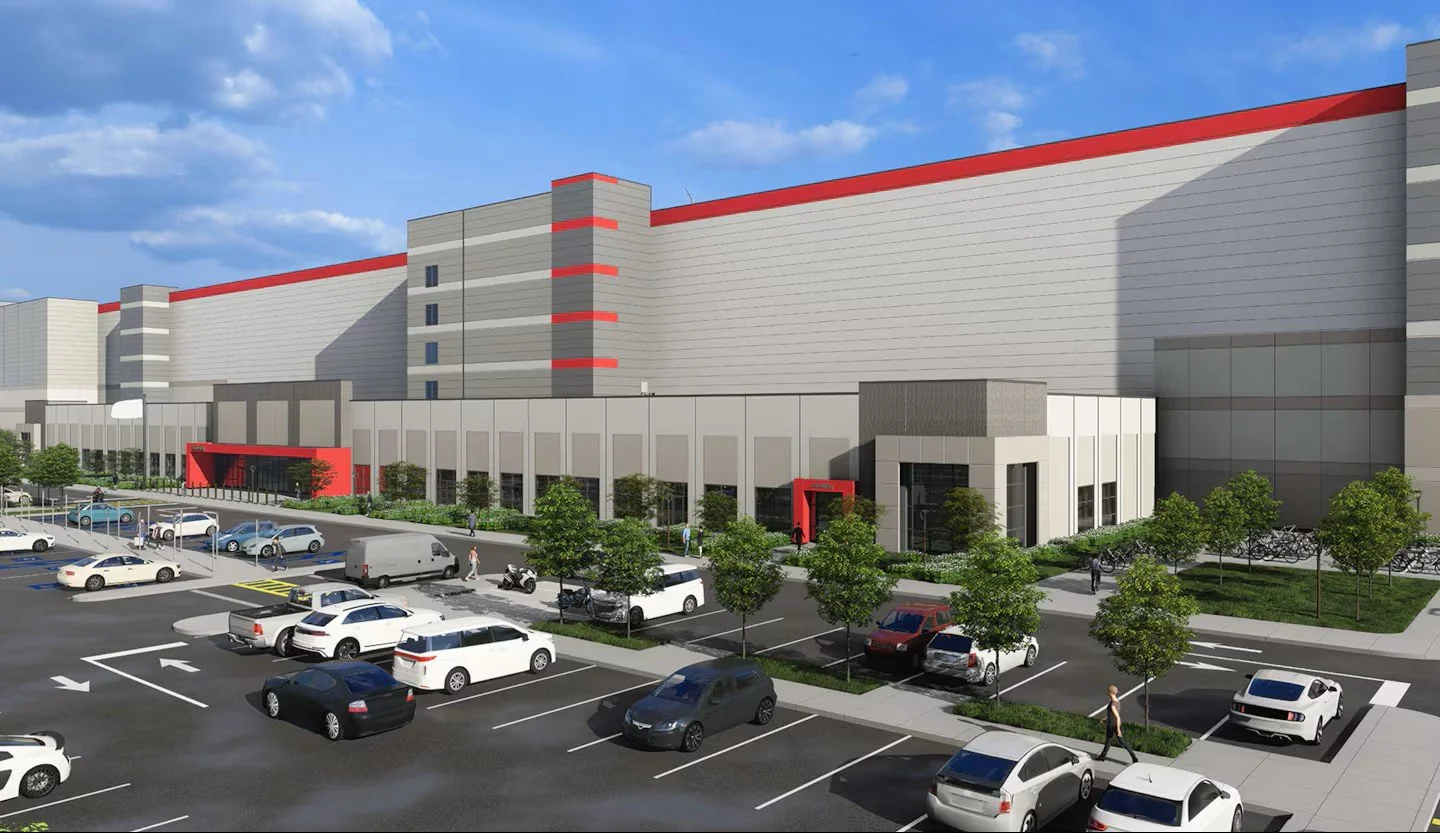
Amazon’s newest 585,000-square-foot building will not be filled with books, televisions, clothing, groceries or millions of other products waiting to be shipped to customers.
It is being built to make robots.
And not a few of them.

Amazon’s newest 585,000-square-foot building will not be filled with books, televisions, clothing, groceries or millions of other products waiting to be shipped to customers.
It is being built to make robots.
And not a few of them.
Amazon is preparing what will become the world’s largest robot manufacturing facility, adding another massive layer to a fulfillment network that already operates more than one million robots across more than 300 facilities worldwide.
That is a remarkable place for an e-commerce company to have arrived.
Amazon’s fulfillment operation has become so enormous that the company now needs industrial-scale factories simply to manufacture the machines required to keep that network moving.
Its robots already assist employees with approximately 75% of all customer orders Amazon delivers worldwide.
A Retail Network Built Around Robotics
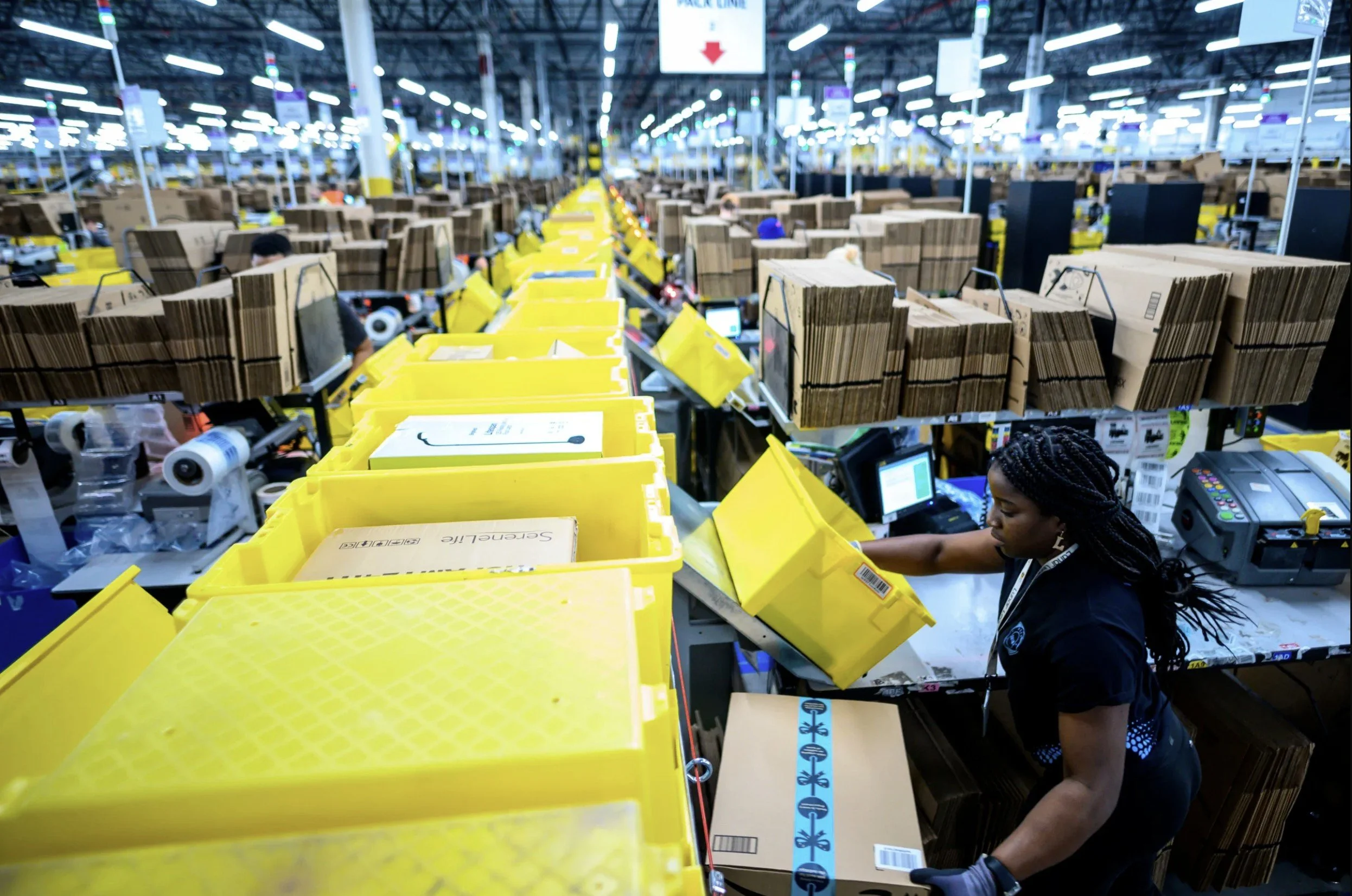
Amazon has created a retail model unlike anything that existed before it. Instead of building thousands of major stores to reach customers, the company built an enormous fulfillment infrastructure behind its digital storefront.
Today that infrastructure increasingly depends on robotics.
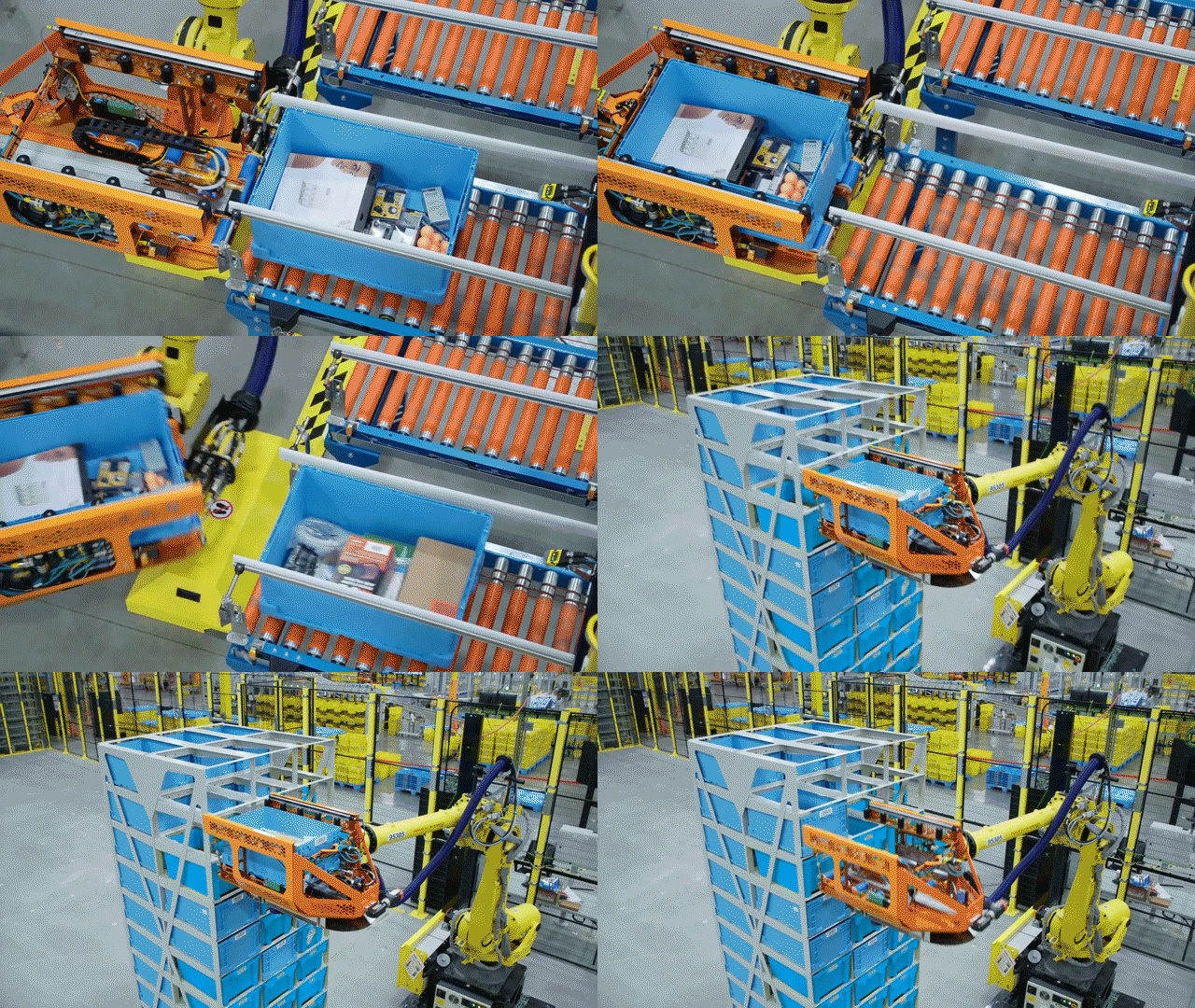
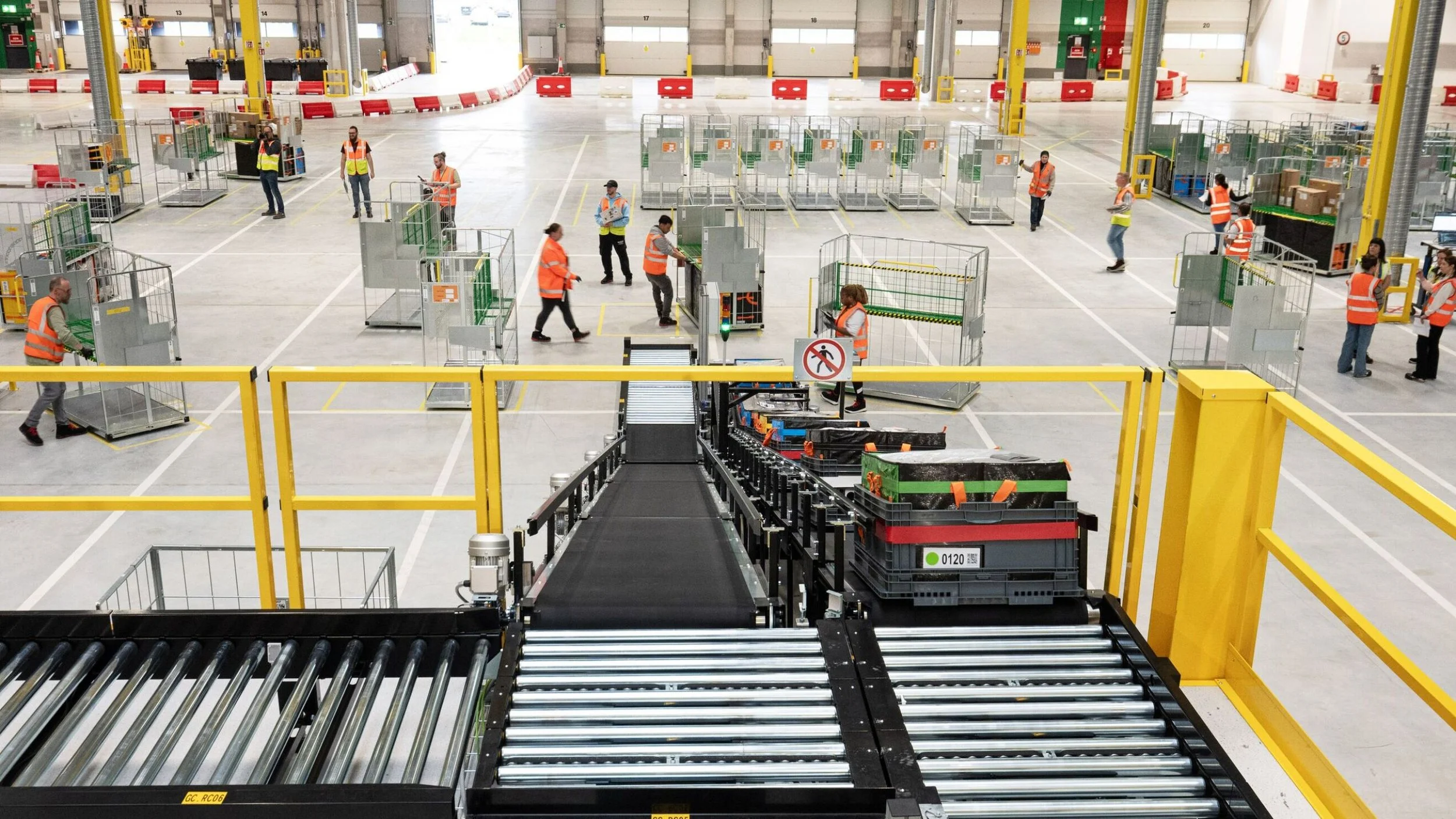
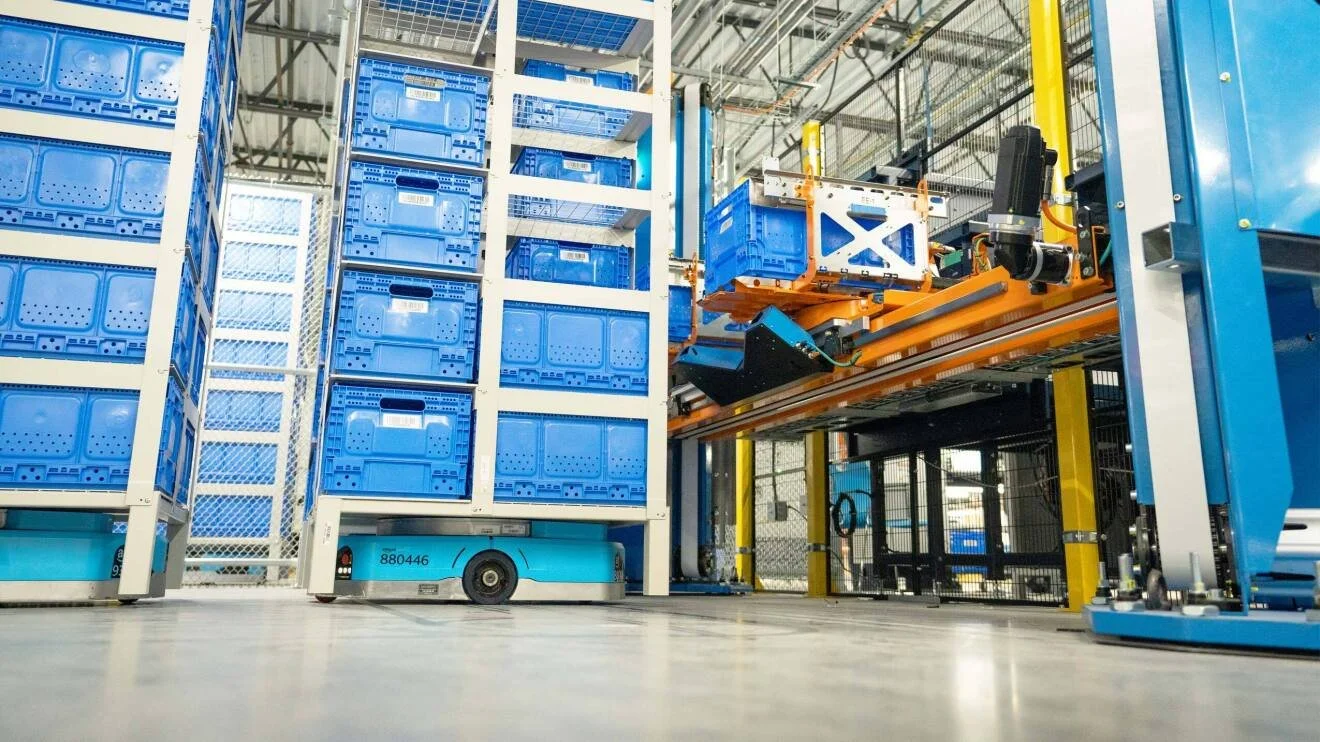
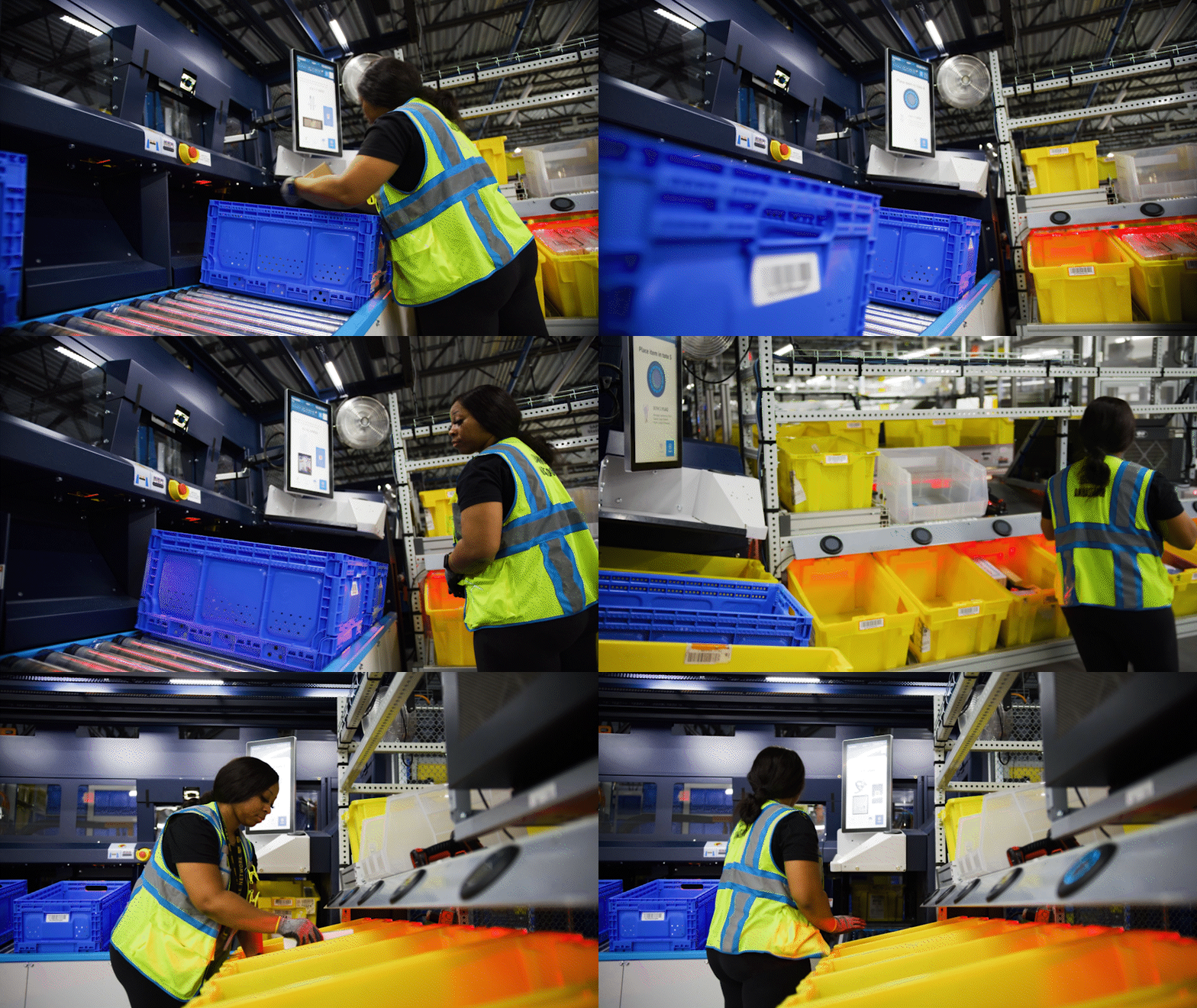
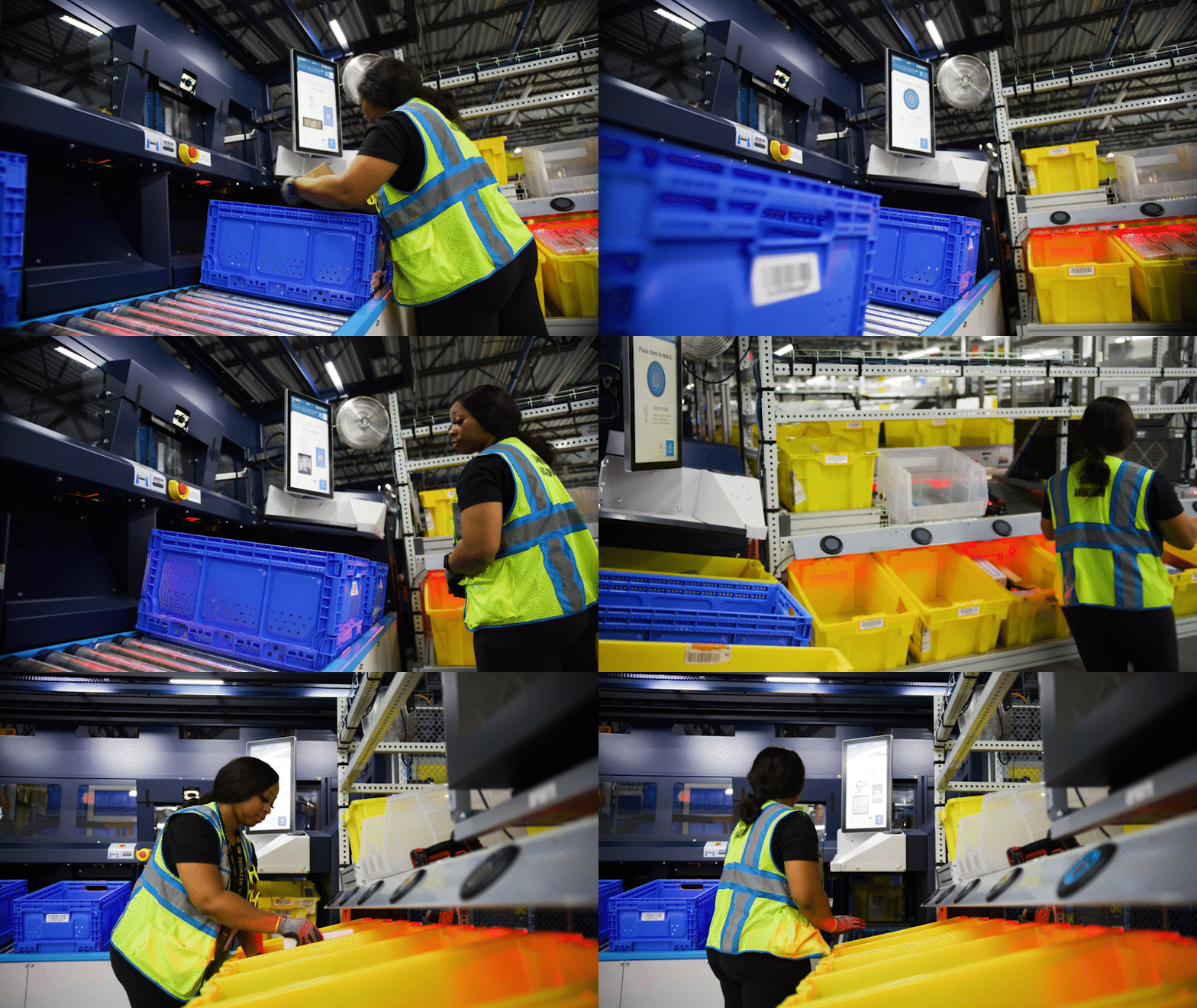
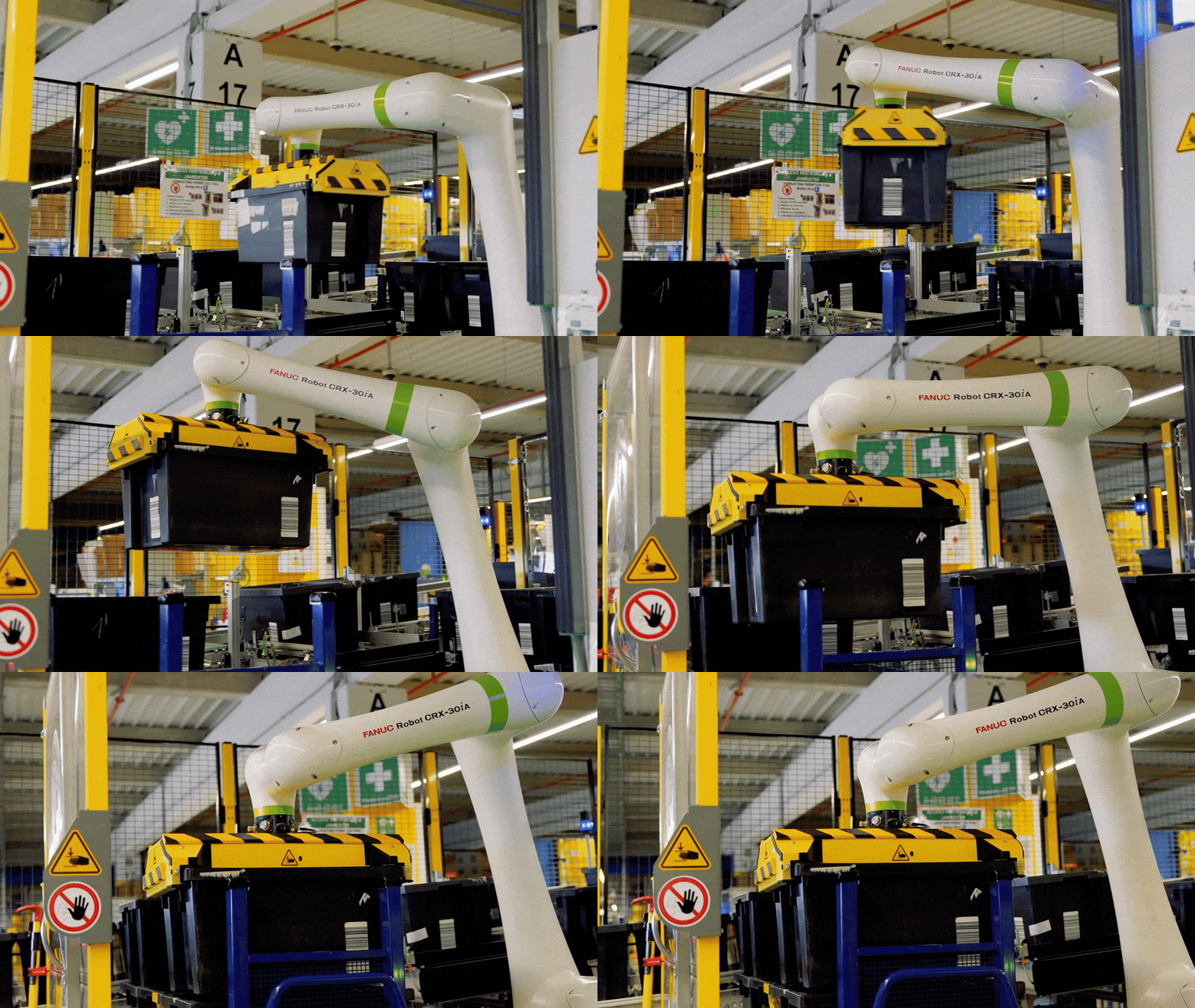
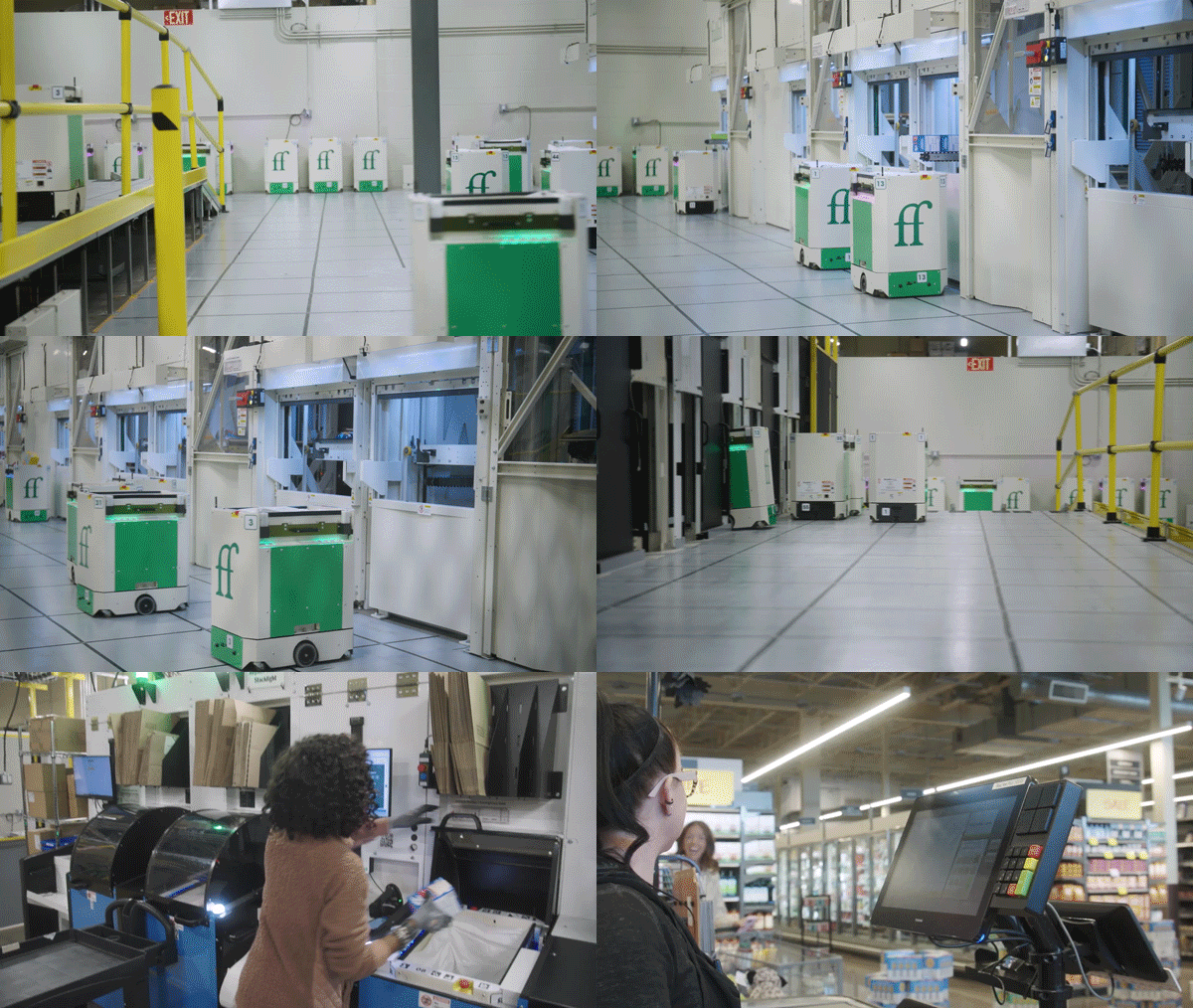
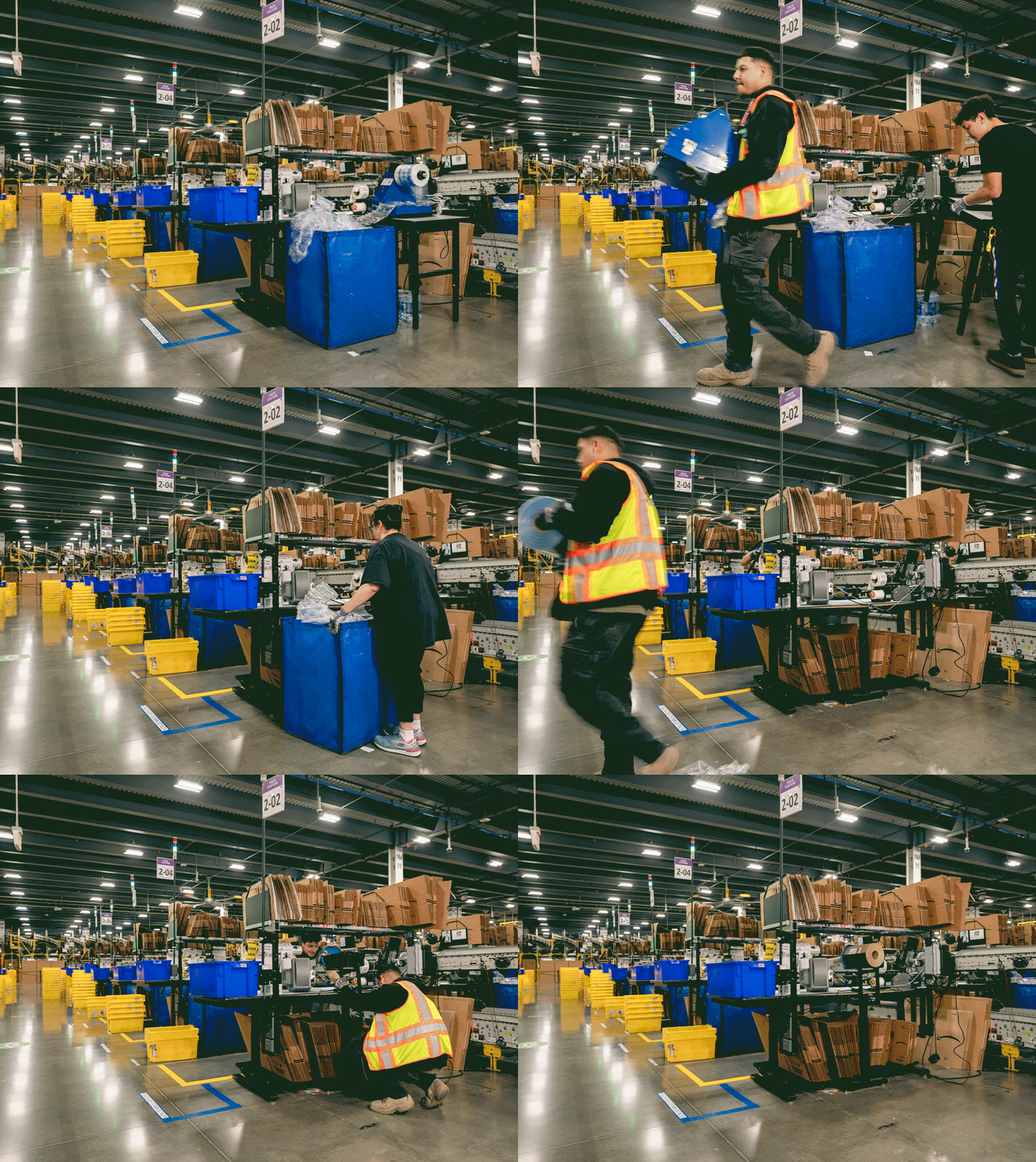
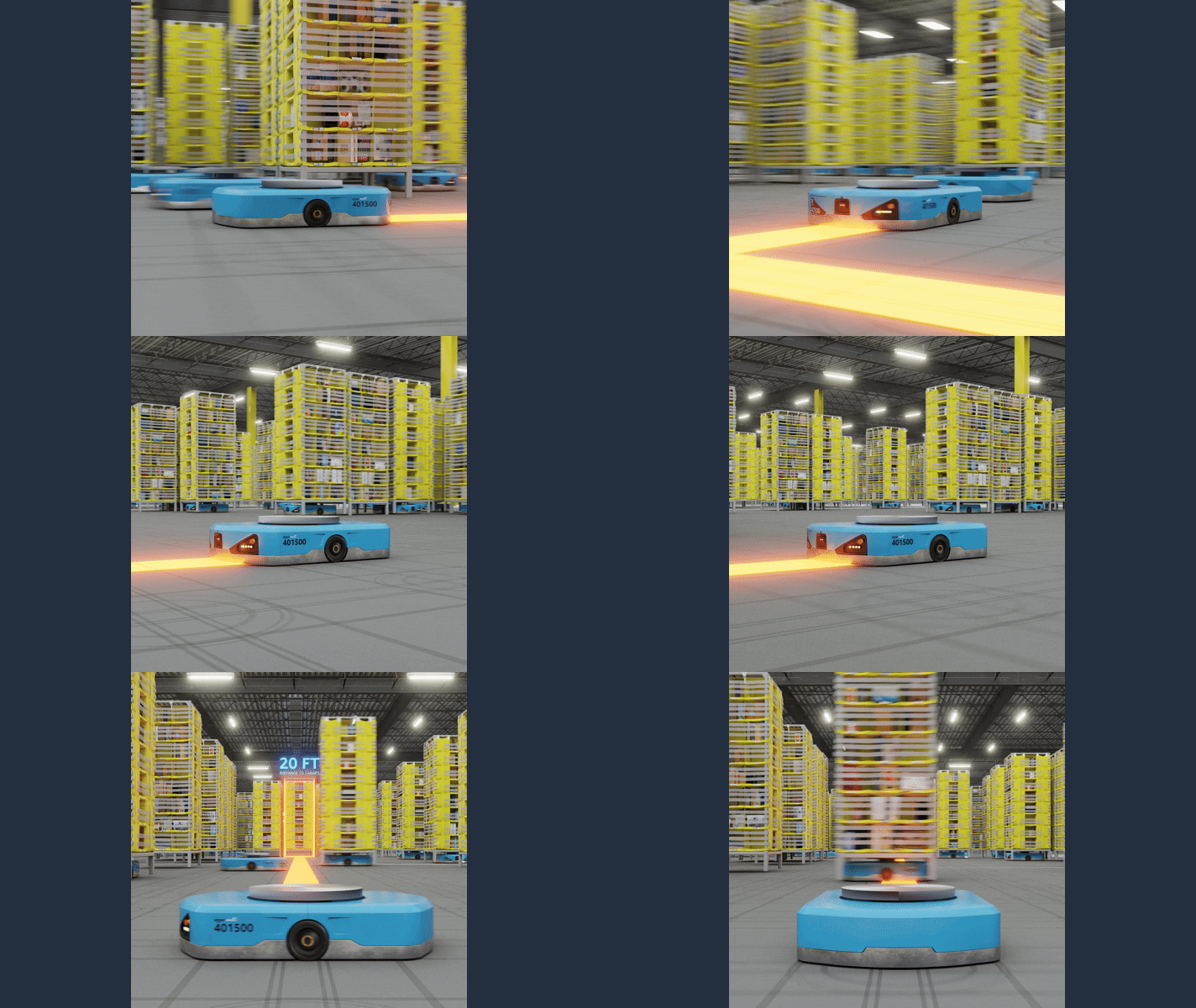
Mobile robots move inventory. Other systems transport heavy loads, sort packages, position products at workstations and move autonomously throughout fulfillment centers. New generations of robots are also beginning to handle individual products and perform tasks that only a few years ago remained extremely difficult to automate reliably.
At Amazon’s scale, robotics is no longer simply a productivity tool installed inside a warehouse. It has become part of the basic infrastructure required to operate the business.
More Than One Million Robots Changes Everything
Operating more than one million robots creates an entirely different set of opportunities.
A small improvement in robot utilization, routing, congestion management or travel distance can become enormously valuable when multiplied across hundreds of facilities and millions of movements every day.
Amazon is now applying artificial intelligence directly to this problem. Its DeepFleet technology is designed to coordinate robotic fleets and improve how robots move through fulfillment centers. Amazon says the system can improve robot travel efficiency by approximately 10%.
Across a fleet exceeding one million robots, that is a significant number.
This is also where warehouse automation is rapidly heading. The competitive advantage is increasingly moving beyond the individual robot and toward the software capable of coordinating robots, inventory, orders, workstations and people as one integrated operating system.
Amazon happens to be developing both.
Now Amazon Needs a Factory for the Robots
The new Indiana facility is what makes the latest announcement so interesting.
This is not another fulfillment center being constructed because Amazon needs additional storage or shipping capacity. It is a huge industrial building being created because Amazon needs more capacity to manufacture the automation used inside its fulfillment centers.
The facility will include advanced fabrication, robotic welding, automated powder coating and assembly, supported by AI and Amazon’s own technology infrastructure. It follows additional robotics manufacturing investment in Texas and Amazon’s existing robotics operations in Massachusetts.
Amazon is therefore building an increasingly vertically integrated robotics operation: designing equipment, manufacturing it, developing the software and AI that control it, deploying the systems throughout its own network and using the resulting operating data to develop the next generation.
Few companies have ever had the opportunity to develop robotics this way.
The Scale Is the Story
The numbers are what make this development so unusual.
More than one million robots. More than 300 facilities. Robotics involved in approximately 75% of Amazon’s worldwide customer orders. And now a 585,000-square-foot factory dedicated to producing the next generation of automation.
Amazon has reached the point where its e-commerce network requires a robotics manufacturing industry of its own.
For decades, the largest retailers were measured partly by the enormous store networks they built.
Amazon built something very different.
Its customers see a website.
Behind that website is becoming one of the largest robotic infrastructures ever created.









Amazon just announced the expansion of one-hour and three-hour delivery across the U.S.