
The facility currently employs more than 400 people and will grow with new production capacity and a new automated warehouse.

Irving Tissue unveils a $600 million expansion project at its Macon, Georgia plant. From left to right: Robby Fountain, Board Chair of the Macon-Bibb County Industrial Authority (MBCIA), Pat Wilson, Commissioner of the Georgia Department of Economic Development (GDEcD), Robert K. Irving, President of Irving Tissue, and Grover Hardin, Plant Manager of Irving Tissue Macon. (Photo: MBCIA)
Canadian paper products maker Irving Tissue plans a $600 million expansion of its factory in Macon, a project that will also create at least 100 jobs, the company and state officials announced Thursday.
Irving Tissue said it needs to expand in Macon because the mill is currently selling all the bath tissue and paper towels it can make. The privately held firm will add a third paper machine, increasing output by 50%.
“We’ve had tremendous success in Macon and with the plant currently sold out, this is the right plant for the expansion.” Marc Doucette, Irving's vice president of communications, wrote in an email.
The company, which currently has 400 workers, announced the plan Thursday as it celebrated the fifth anniversary of the mill, which makes private-label products for retailers.
The expansion will also include an automated warehouse and new converting lines to turn the tissue into finished projects. Company President Robert K. Irving said the pulp to supply the additional paper machine would come from Irving's pulp mill in Saint John, New Brunswick, with wood supplied from timberland the company owns in New Brunswick and Maine.
The warehouse is scheduled to be complete in 2026, and the new paper machine is scheduled to be complete in 2027, Doucette said.
The factory was originally built with one paper machine, but added a second machine at the time it opened in 2019.
The Macon plant currently produces 165,000 tons (150,000 metric tons) of tissue per year. Once the addition is complete, the plant will make 248,000 tons (225,000 metric tons).
Workers at the plant make from $22 an hour to more than $30 an hour, Doucette said. That works out to a wage range of $45,760 a year to more than $62,400 a year.
Irving could qualify for $2 million in state income tax credits, at $4,000 per job over five years, as long as workers earn at least $35,600 a year. Macon-Bibb County could also grant property tax breaks on Irving's equipment and property. Doucette said the company is in talks about tax abatements and other possible incentives.
Irving Tissue is based in Dieppe, New Brunswick and is part of a family-owned industrial conglomerate that also includes an oil company, railroads, media and shipyards.
HISTORY
Irving Tissue Company Limited is a tissue products producing company, owned by J.D. Irving Limited.[1] It has manufacturing locations in both Canada and the United States.
Irving Tissue was started in 1988 in Saint John, New Brunswick after J.D. Irving acquired a tissue paper mill from Kimberly-Clark in the city's west side (adjacent to Irving Pulp and Paper).[2] Irving began producing tissue for a new subsidiary that was located in Moncton, N.B. and was sold under the marketing name Majesta.
In 1990, J.D. Irving opened a tissue-converting plant for Majesta in Dieppe, New Brunswick that would make use of the tissue produced in Saint John. Irving began producing private-label tissue products and the Majesta brand was launched in Canada.[2]
In 1996, Irving acquired another tissue paper mill from Kimberly-Clark as well as a tissue converting plant, both located in Fort Edward, New York. Part of this acquisition saw Irving Tissue receive the right to market its products under the Scotties Facial Tissue brand in the United States.[2]
In 2001, J.D. Irving acquired a tissue production and converting plant in Toronto from Procter & Gamble. This acquisition saw Irving Tissue receive the right to market the Royale brand in Canada.
In 2004, Irving Personal Care opened a New Brunswick plant to produce private-label baby diapers and training pants for major North American retailers.[2]
In 2010, major investments in buildings and a new through air-dried paper machine at the Irving Tissue site in Fort Edward increased capacity and improved product quality.
In 2019, Irving opened a new tissue mill and converting facility in Macon, Georgia. This facility uses the through air dried paper technology to produce bathroom tissue and paper towels.
Currently, Irving Tissue manufactures products under the Majesta and Royale brands in Canada and the Scotties brand in the United States.[1] (Another Canadian company, Kruger Inc., owns the Canadian rights to the Scotties brand.)
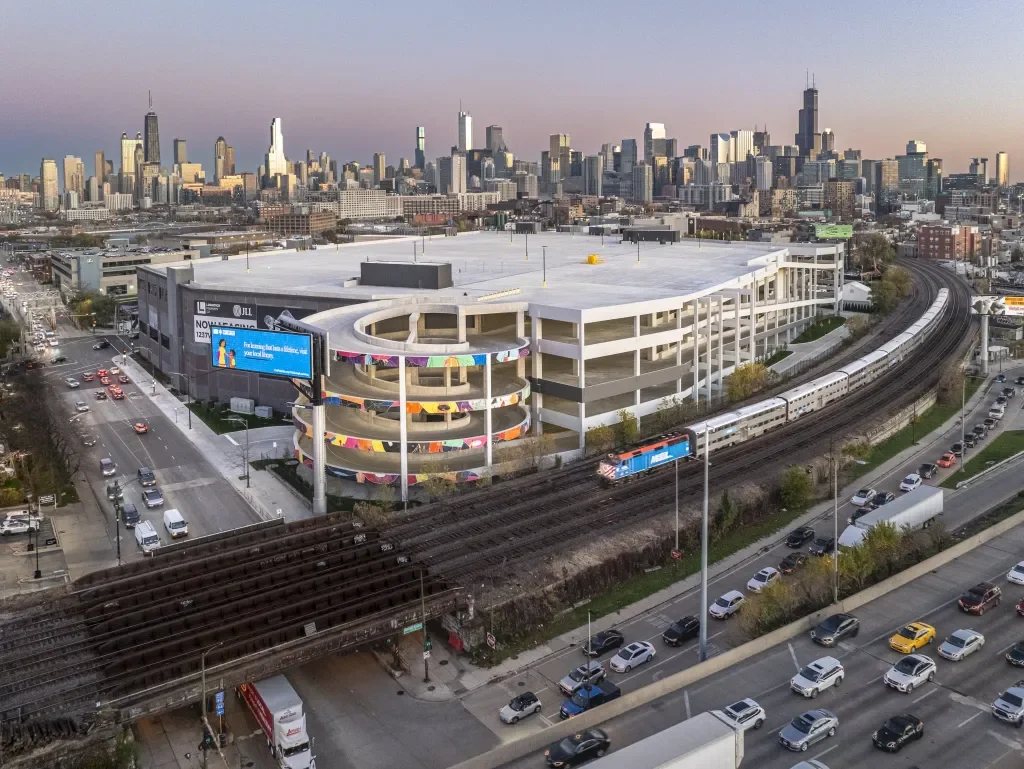
Amazon has purchased a 571,423-square-foot logistics facility in downtown Chicago, for $195 million
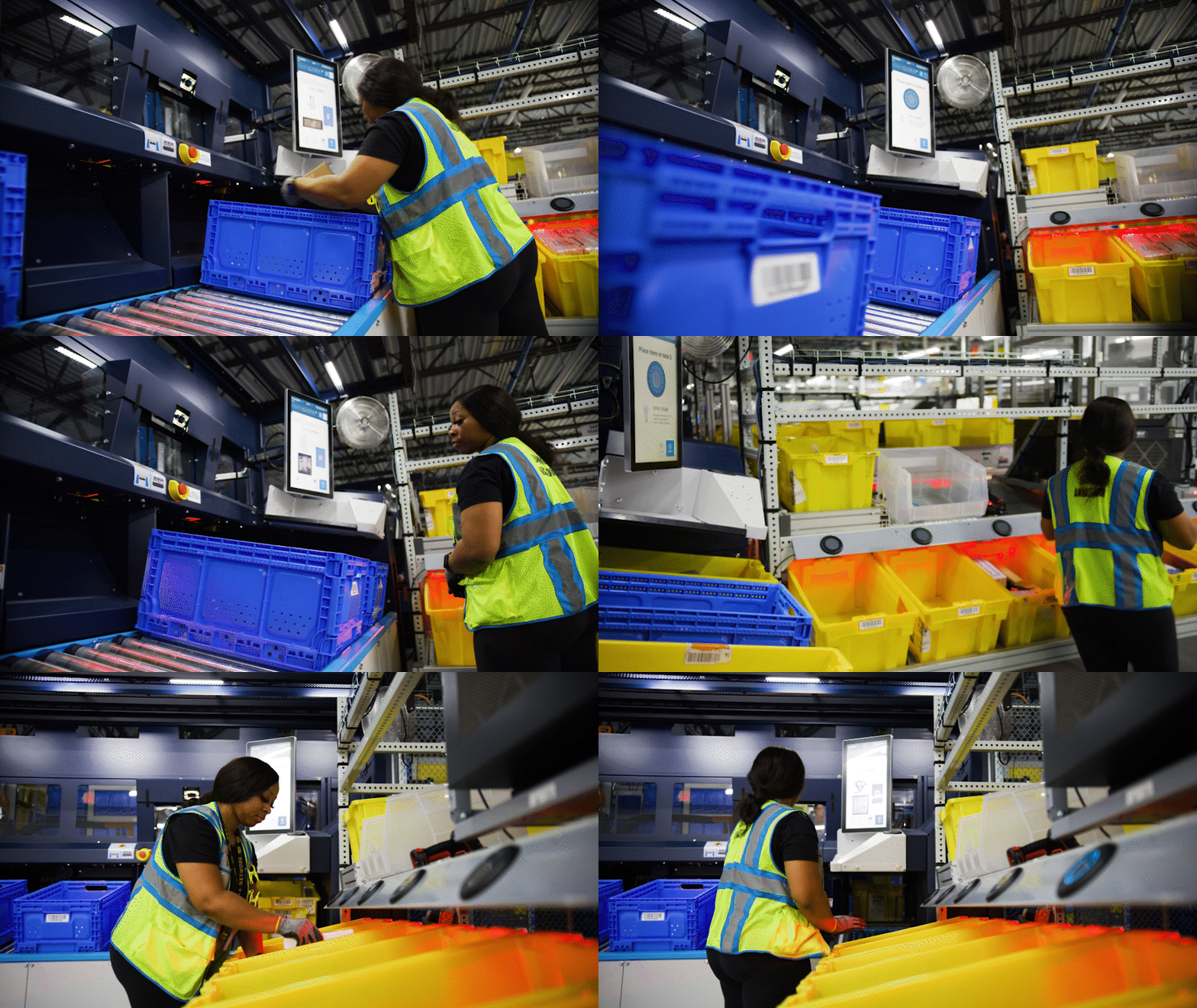
Amazon’s newest 585,000-square-foot building will not be filled with books, televisions, clothing, groceries or millions of other products waiting to be shipped to customers.

Amazon’s Project Tetromino Takes Aim at the Last Mile’s Hardest Automation Problem.
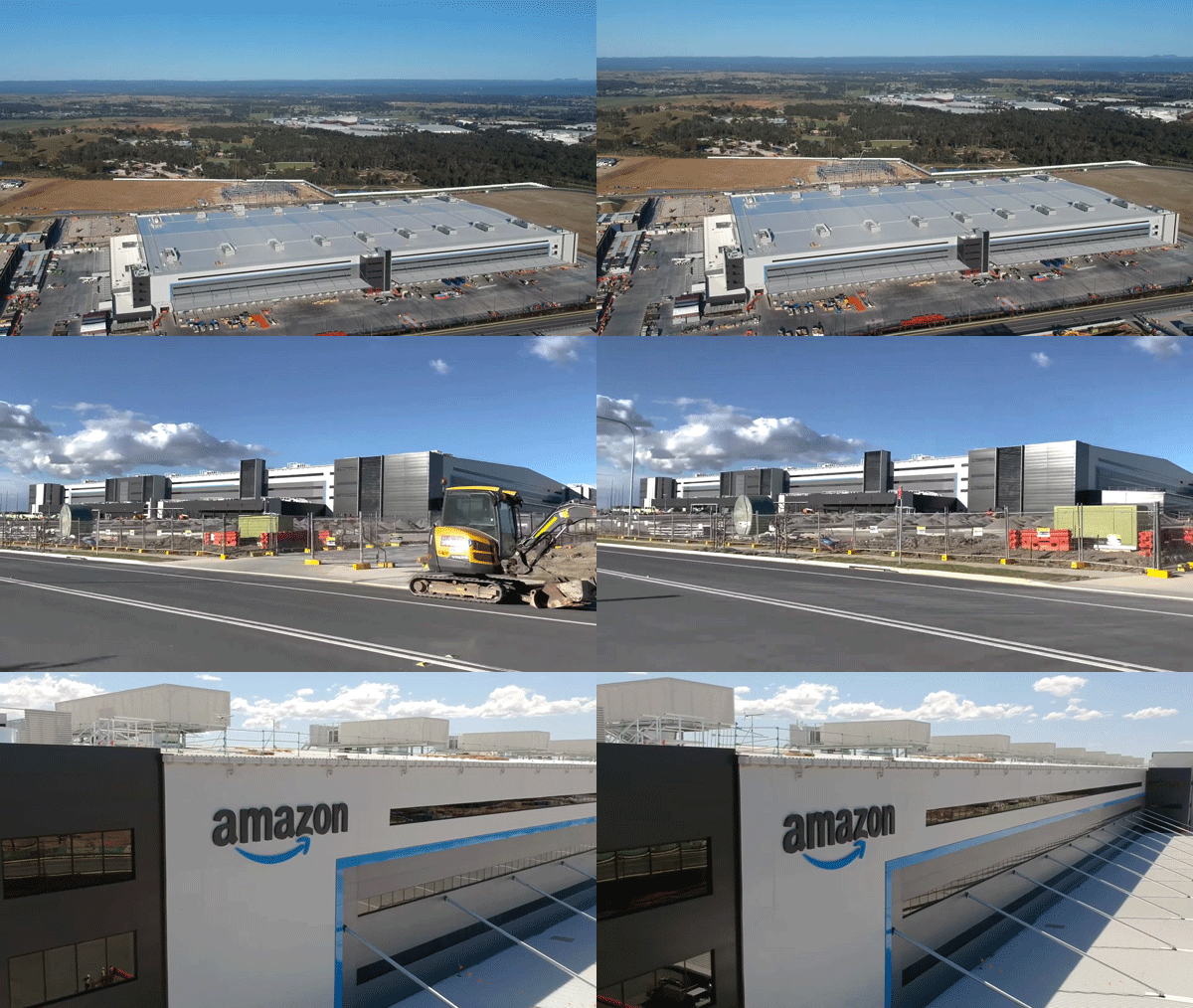
If you’ve ever wanted to see inside one of Amazon’s fulfilment centres, here’s your chance to see how your online shopping cart gets to your doorstep.
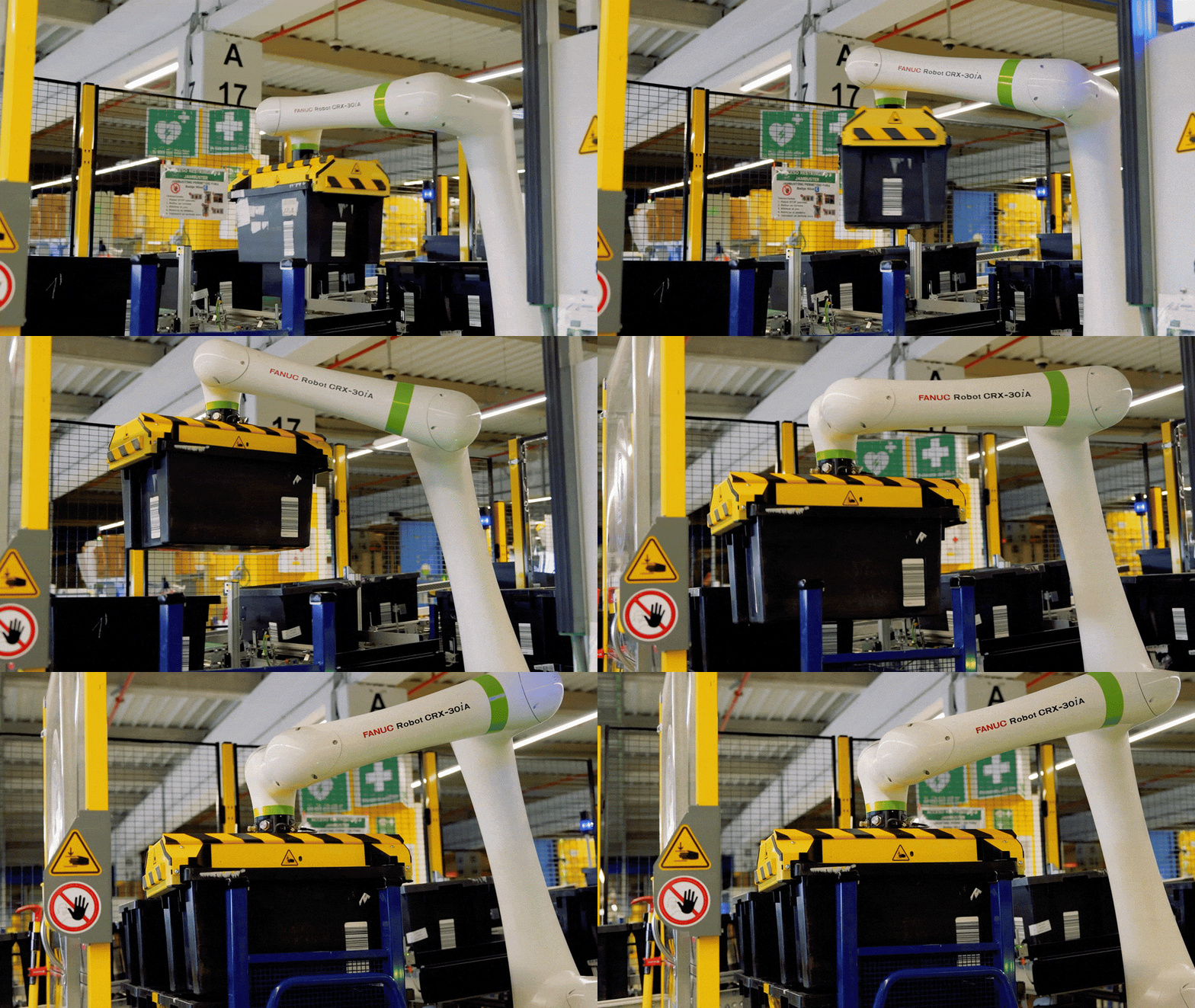
Amazon announced a major €10 billion investment to expand and modernize its European fulfillment network.
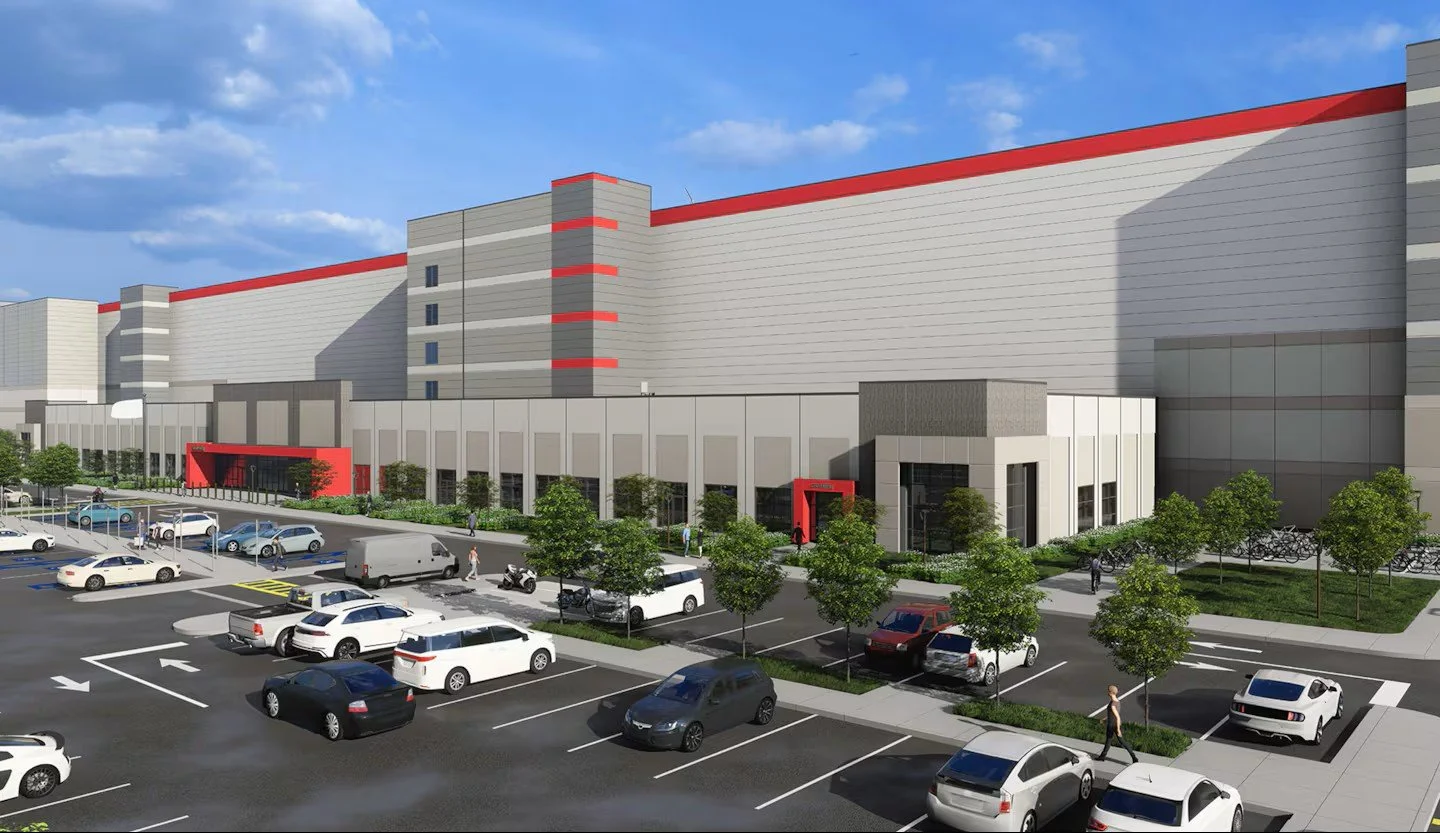
Amazon is dismantling part of its largest facility under construction in Ottawa — a rare move that suggests a shift in how the site is being designed and automated.

Amazon is essentially "franchising" its fulfillment infrastructure to solve the rural density problem.
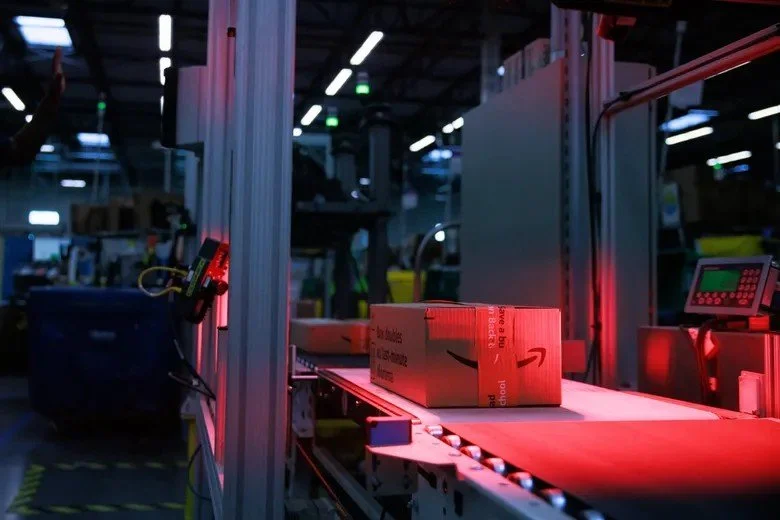
The robots inside Amazon's Kent Fulfillment Center are getting smarter — and the company is pressing forward with new technology.
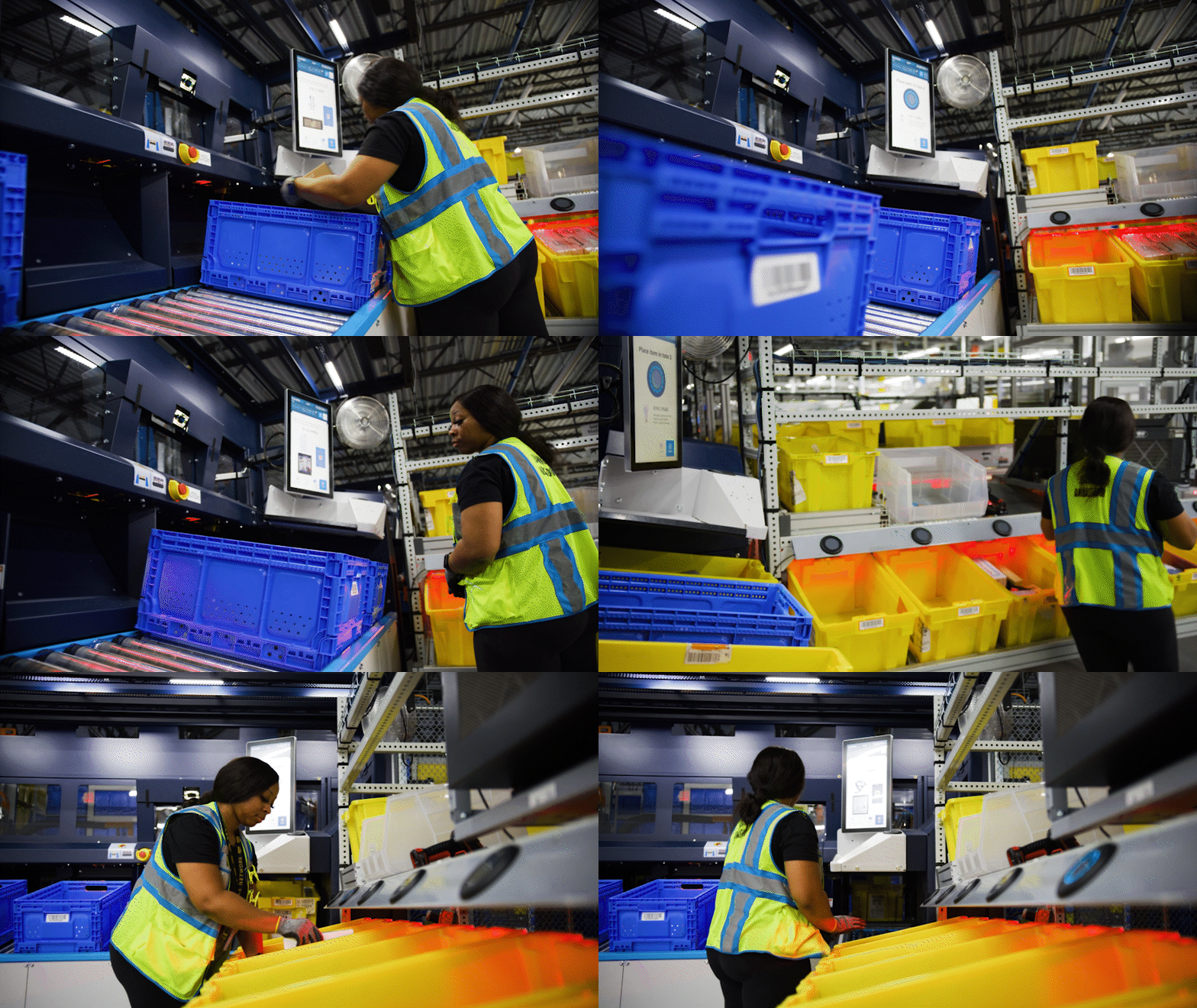
Amazon did not achieve this speed through a single breakthrough technology

What the Orland Park retail proposal reveals about Amazon’s push into Walmart-scale physical retail

The model is specifically built for single-item, impulse, and urgent purchases, a category with high repeat potential and strong margin dynamics once density is optimized.

Amazon has opened a new kind of warehouse in Elkhart, Indiana — one that challenges nearly every convention in logistics facility design.
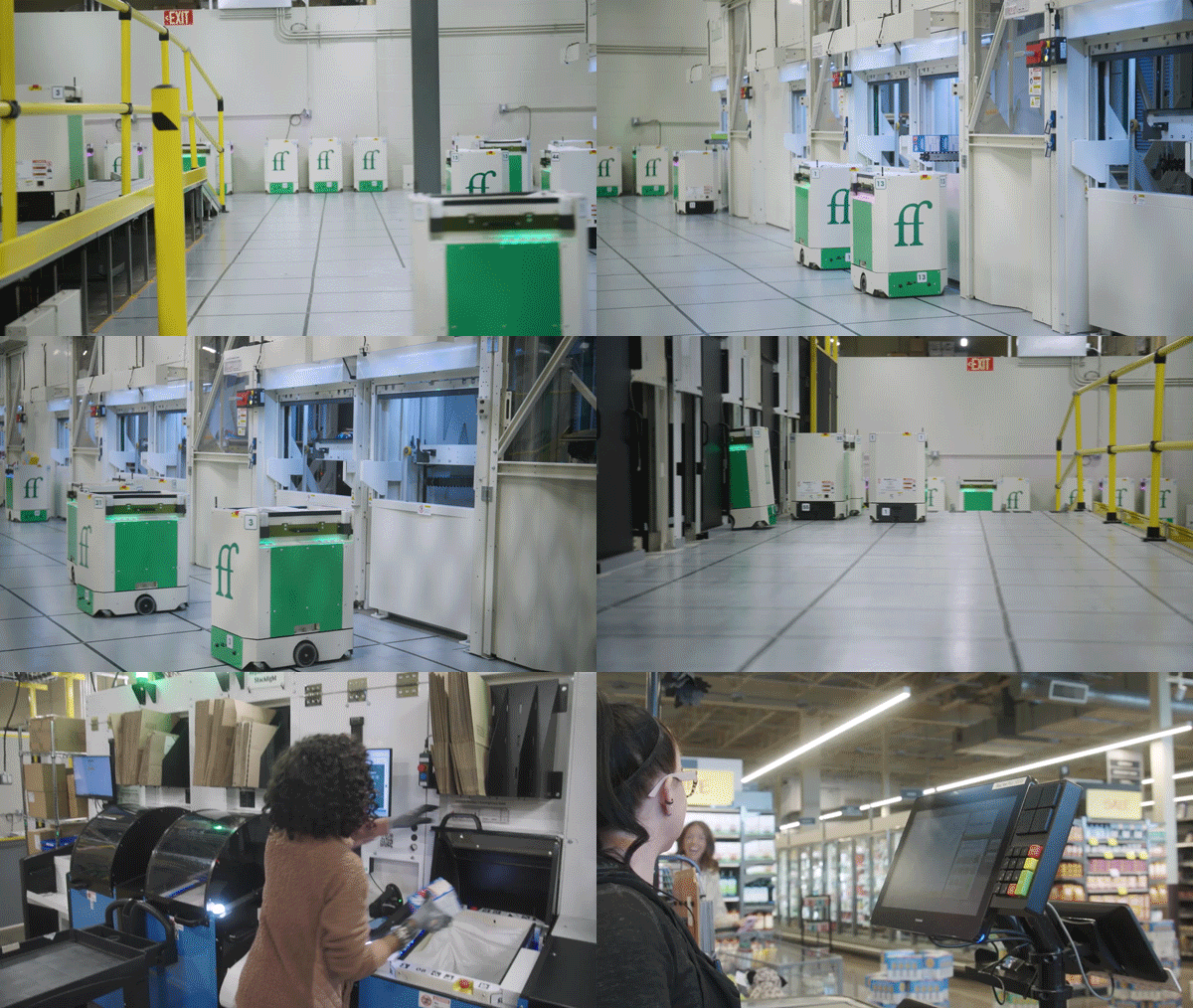
Amazon has built a 10,000-sq-ft automated micro-fulfillment center inside Whole Foods — where customers can scan, order, and pick up items in minutes.

These smaller, high-velocity facilities store frequently purchased products—from fresh food and groceries to personal-care items and small electronics.

Meet Sparrow, Cardinal and Proteus. They’re the robots that, step by step, are replacing human workers in the company’s warehouses.
Amazon Robotics' Chief Technologist discusses his journey to helping the world's largest retailer deploy one million robots.

Amazon’s new smart glasses bring AI and computer vision directly into the delivery workflow.

Amazon is taking steps to address how artificial intelligence and automation is changing its workforce.

It’s built to do something no other Amazon robot has done before — perform multiple tasks at once.

The offer builds on Amazon fulfillment service for merchants on other sales channels, including eBay, Etsy, Temu and TikTok Shop.

Ever wondered how that Amazon package arrives on your doorstep with remarkable speed?
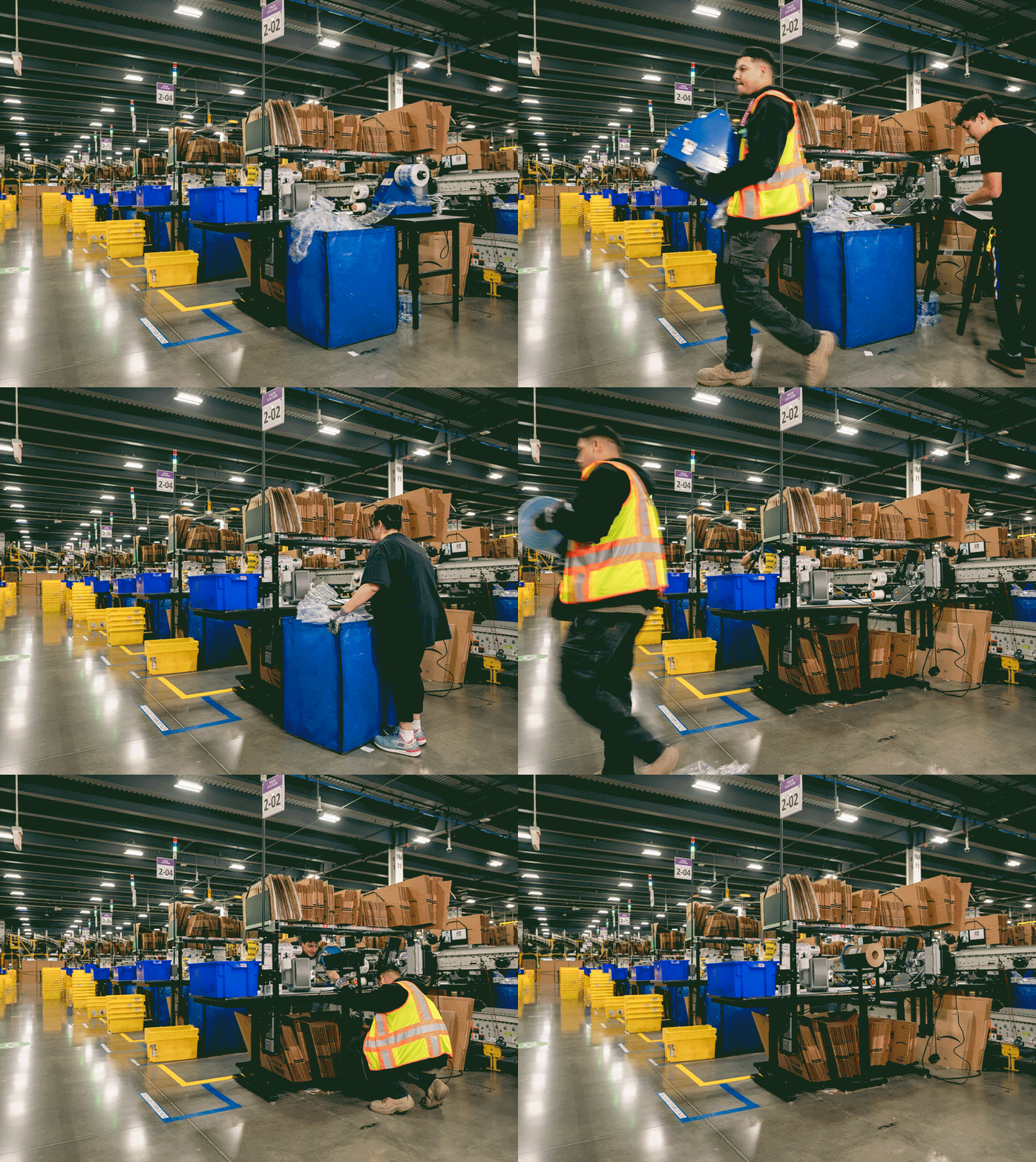
Amazon’s Ohio facility was its first U.S. center to eliminate plastic delivery packaging,

A worker loads a truck for shipment at the Amazon MCO-01 robotic fullfillment center in Orlando.
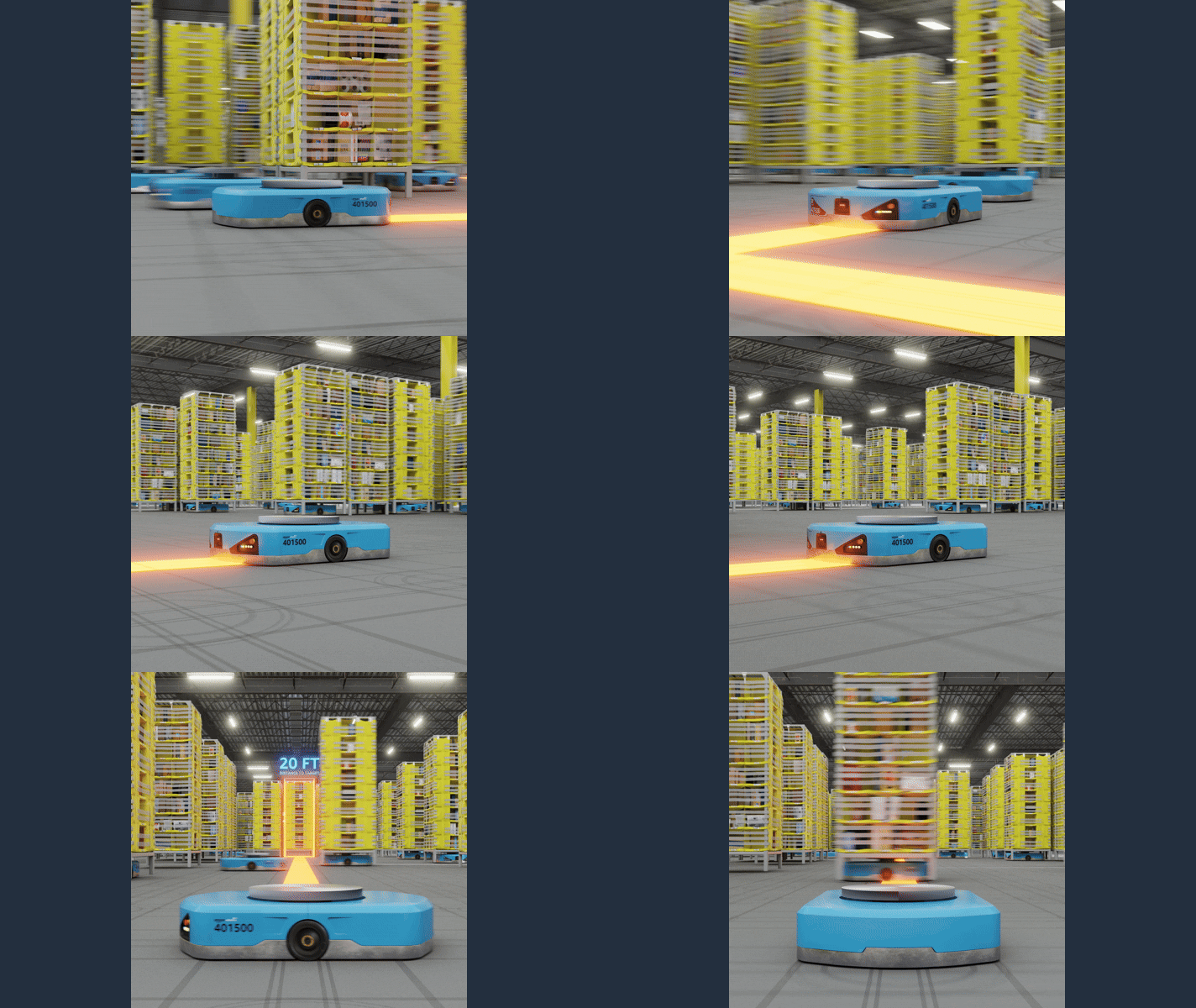
Amazon Robotics Vice President explains how robots are helping Amazon employees deliver on Prime Day.

Amazon UK has announced a national roll-out of its partnership with on demand delivery specialist Gopuff.

But for the right buyer, these assets could offer not just a salvage opportunity—but strategic leverage.

The retailer will soon use custom box-making technology to reduce waste from packaging across Europe.

It’s a testbed for the convergence of agentic AI and dynamic robotics—where hardware and software fuse to reimagine the last mile.
Amazon just announced the expansion of one-hour and three-hour delivery across the U.S.