
Giant Food Terminal Proposed for Metro Vancouver
Proposal to build a 750,000 sq. ft. Metro Vancouver food distribution terminal could strengthen Canada's food security


BC Food & Beverage is advancing plans for a major new food distribution terminal in Metro Vancouver.
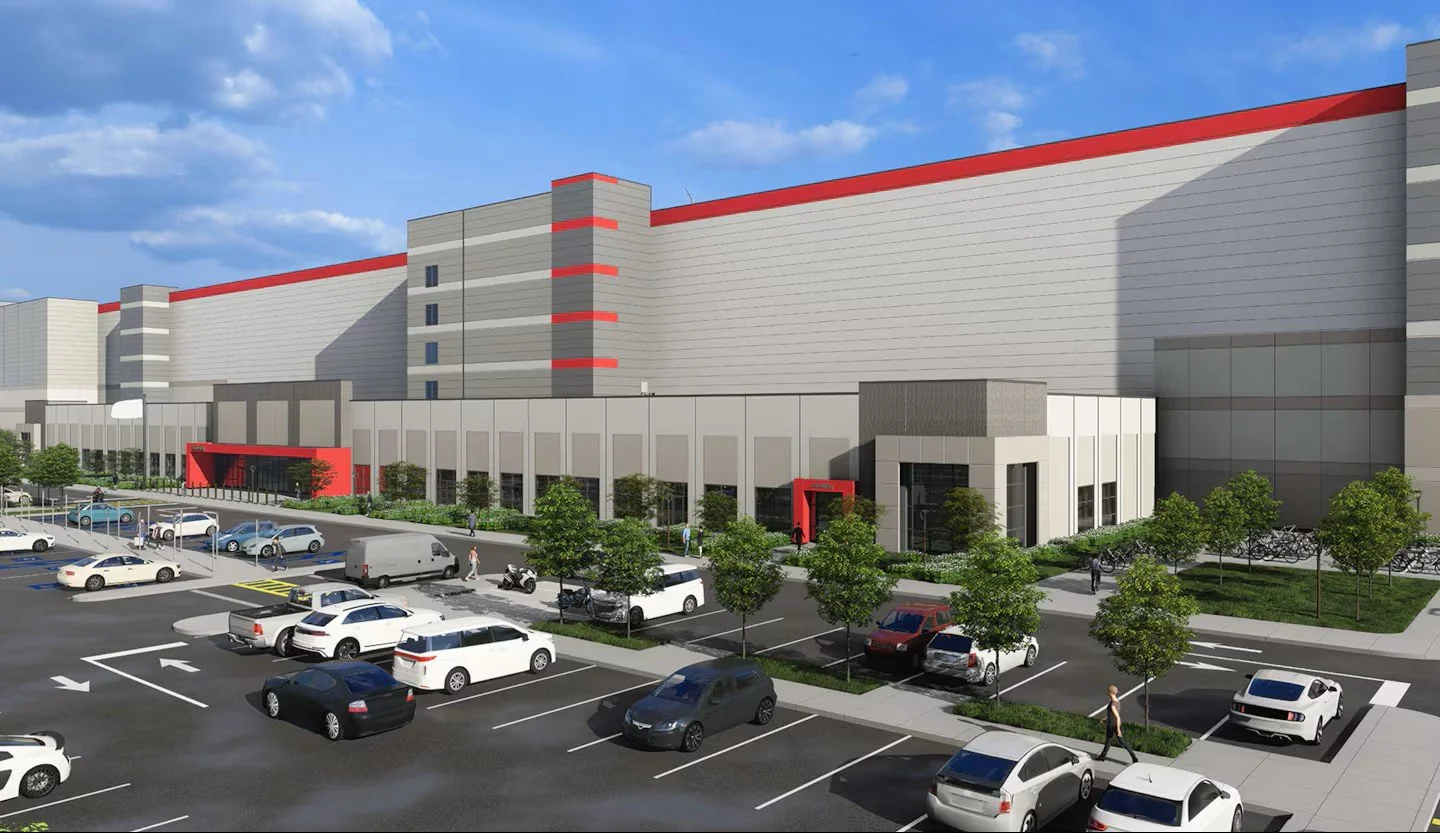
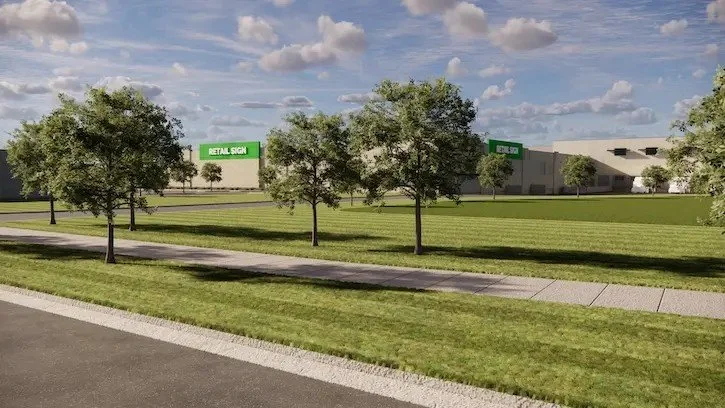
The proposed Pacific Gateway Food Terminal would be approximately 750,000 sq. ft. on a 50-acre site, with access to the Port of Vancouver, Vancouver International Airport, Fraser Valley producers and major transportation routes.
The project is expected to include refrigerated, frozen and ambient storage, food processing and packaging, product consolidation and wholesale distribution. Earlier reports have suggested the project could represent an investment of approximately $700 million.
The objective is to improve the movement of food across British Columbia and address existing gaps in storage, processing and distribution infrastructure.
Could Vancouver Develop Its Own Version of Rungis near Paris?
The concept immediately brings to mind the Rungis International Market outside Paris.
Rungis is on an entirely different scale, but it demonstrates what can happen when food production, wholesale distribution, logistics and supporting services are concentrated into one purpose-built ecosystem.
The Rungis site covers approximately 234 hectares — nearly 580 acres — and accommodates more than 1,200 companies and around 13,000 employees. The market generated approximately €12 billion in revenue in 2024.
Every night, food arrives at Rungis by truck, rail and air before moving through wholesalers, distributors, processors, retailers and restaurants. The site has developed into what its operator describes as essentially a city within a city, complete with its own transportation infrastructure and supporting services.
Metro Vancouver’s proposed 50-acre terminal would obviously be much smaller.
But the underlying idea has similarities: bringing producers, processing, storage, distribution and buyers together within a dedicated food logistics hub.
That makes the Vancouver proposal more interesting than simply another large industrial building.
A Major Automation Opportunity
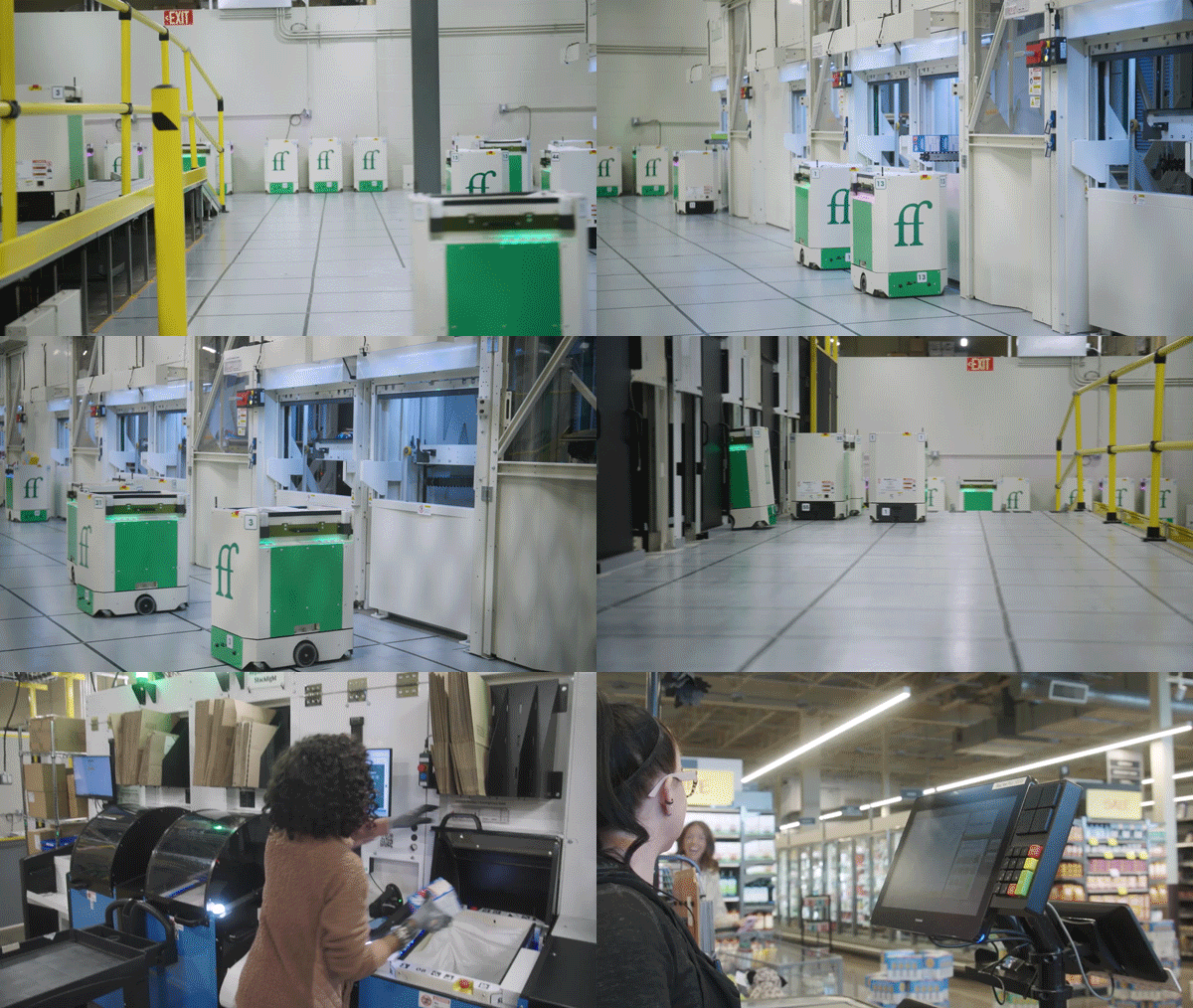
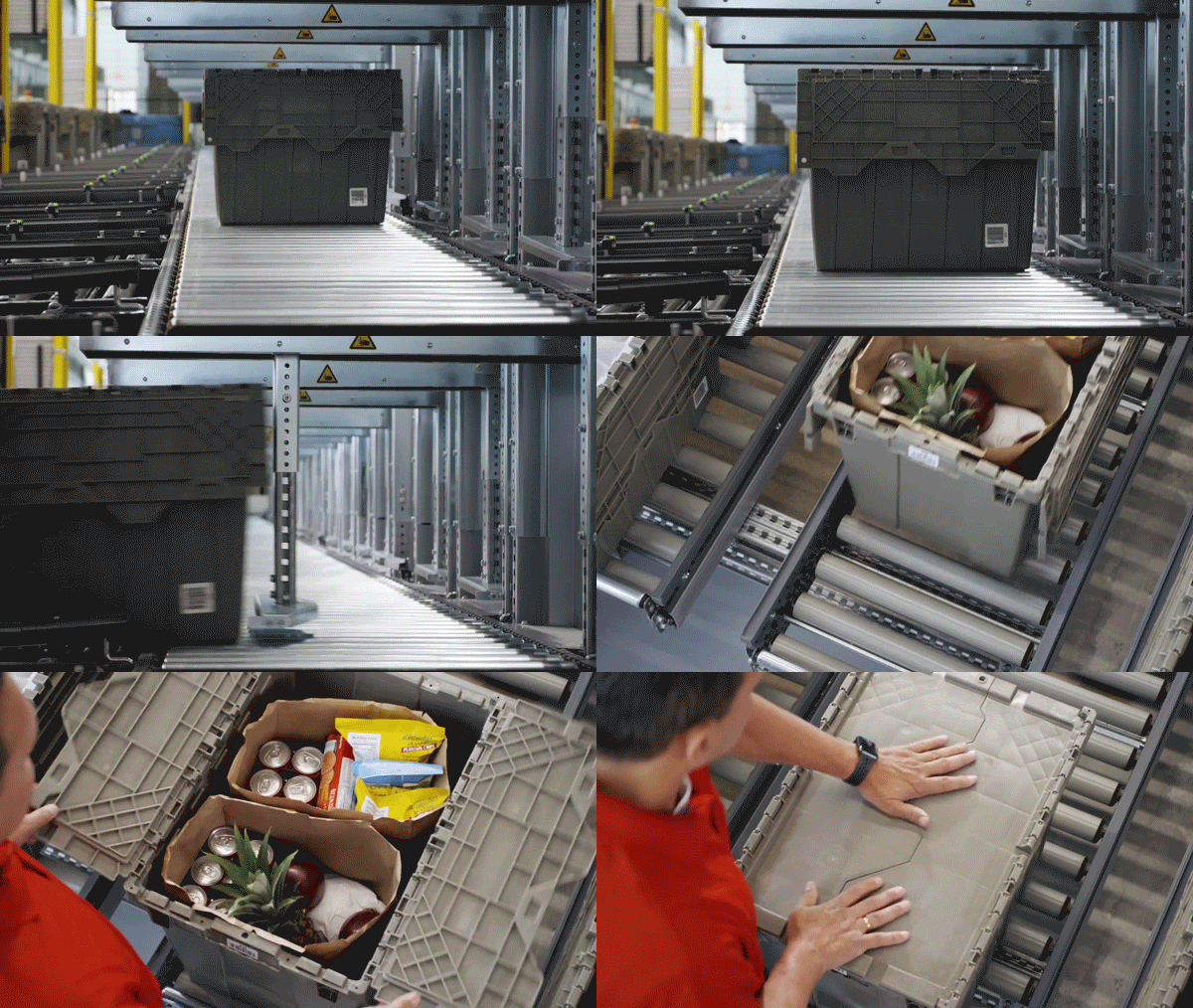
A 750,000 sq. ft. food distribution facility could also create significant opportunities for warehouse automation.
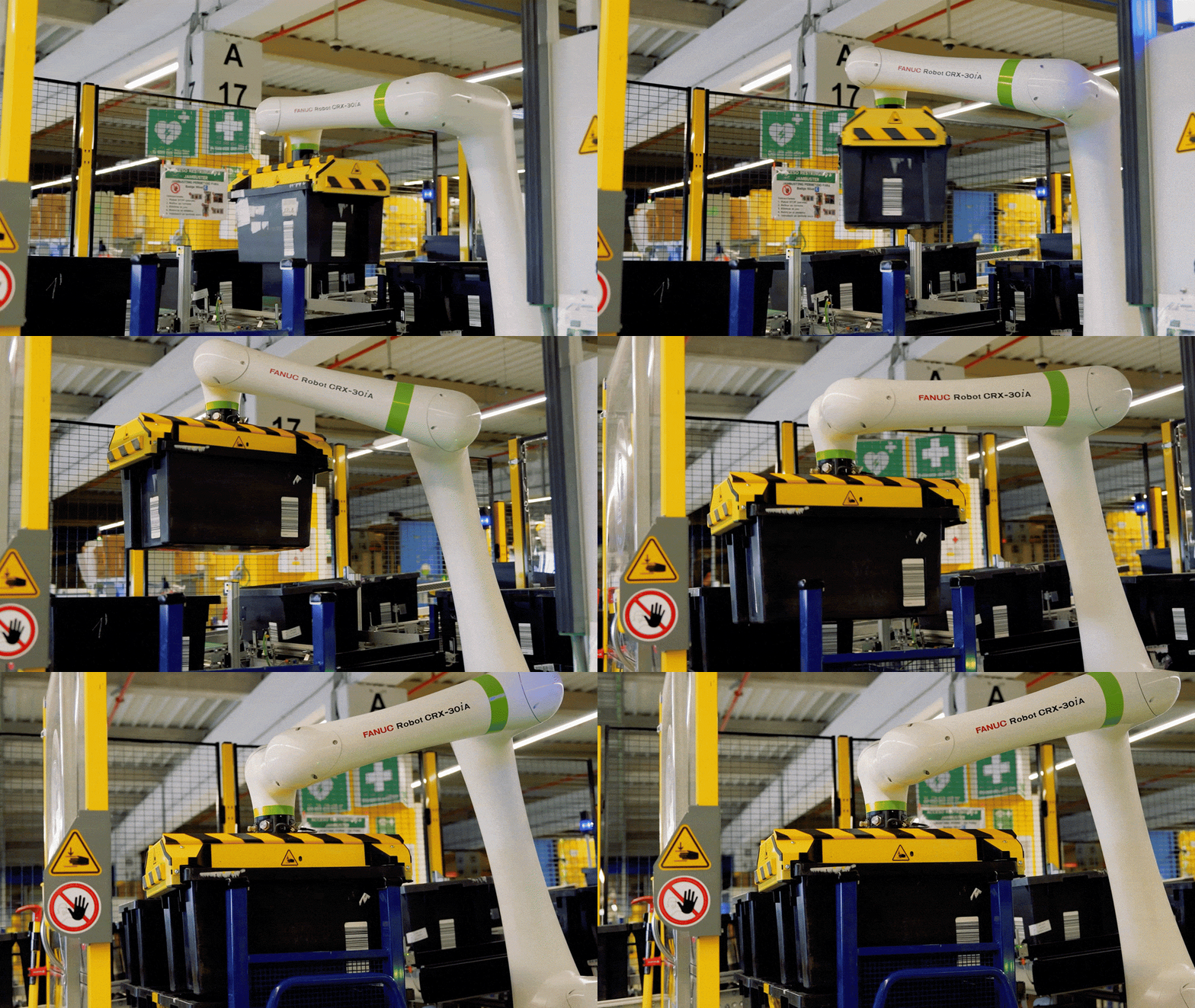
Depending on the final operating model, technologies could include automated storage and retrieval systems, pallet and case handling, robotic palletizing, conveyors, sortation, order consolidation and automated cold-storage systems.
The building itself will be important. Clear height, column spacing, floor specifications, electrical capacity, refrigeration, fire protection and dock configuration can all affect the automation systems that can eventually be installed.
Software will also be a major consideration, particularly if the facility supports multiple producers, processors and distributors operating within the same logistics environment.
The Pacific Gateway Food Terminal remains in the early planning stage. A final site, funding structure and construction schedule have not yet been announced.
BC Food & Beverage is currently gathering input from food producers, processors, distributors, retailers and other potential users as the concept is developed.
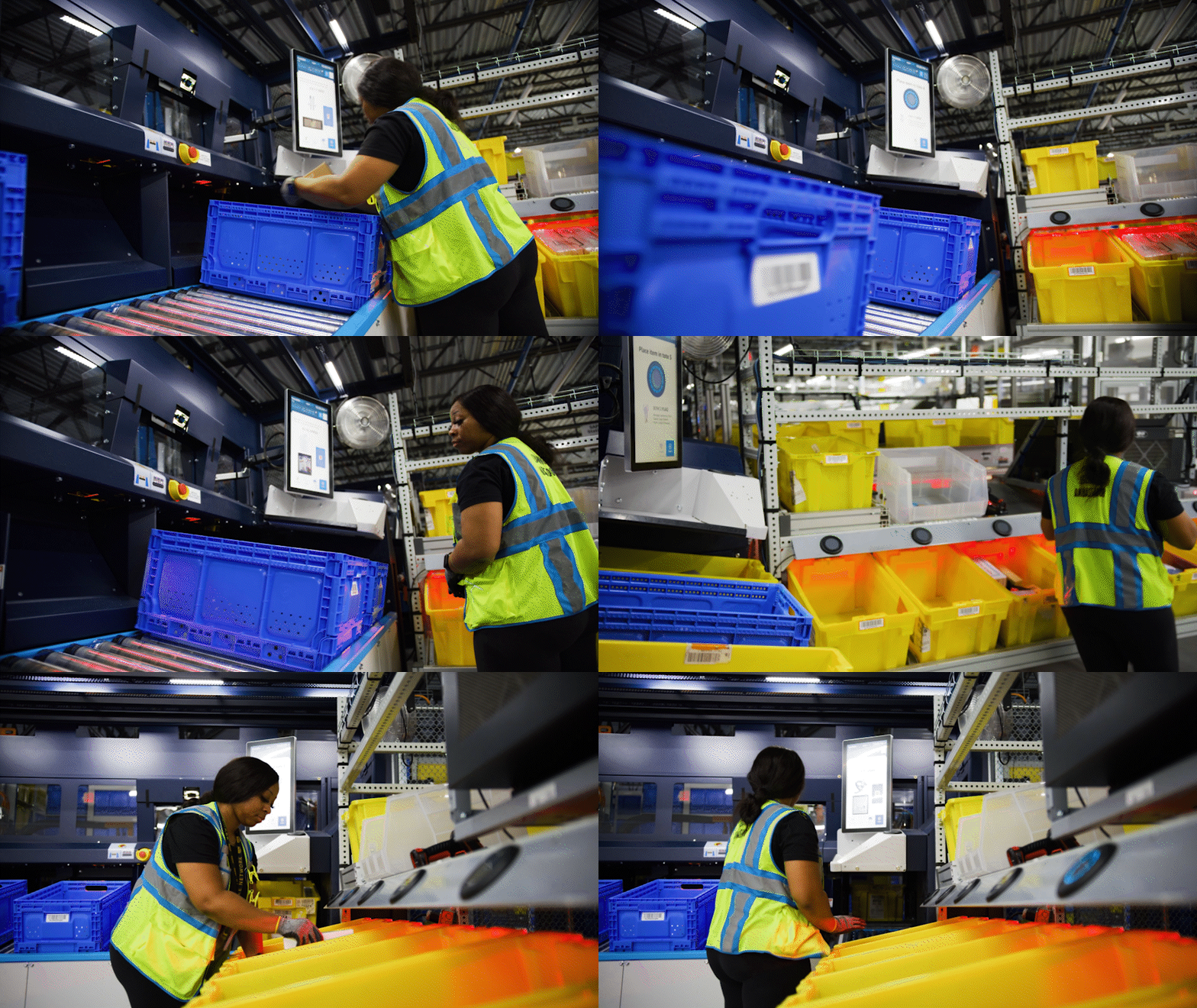

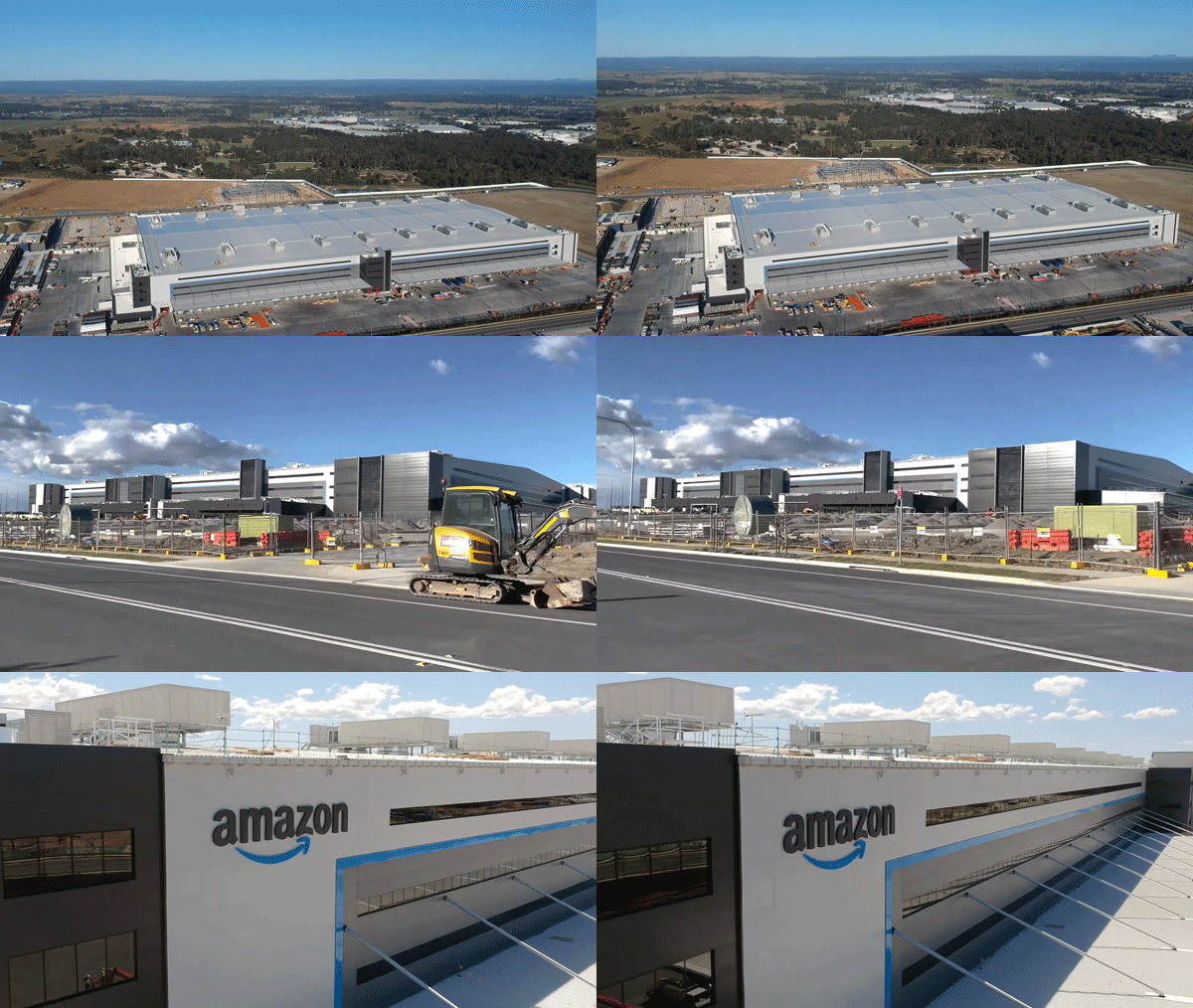



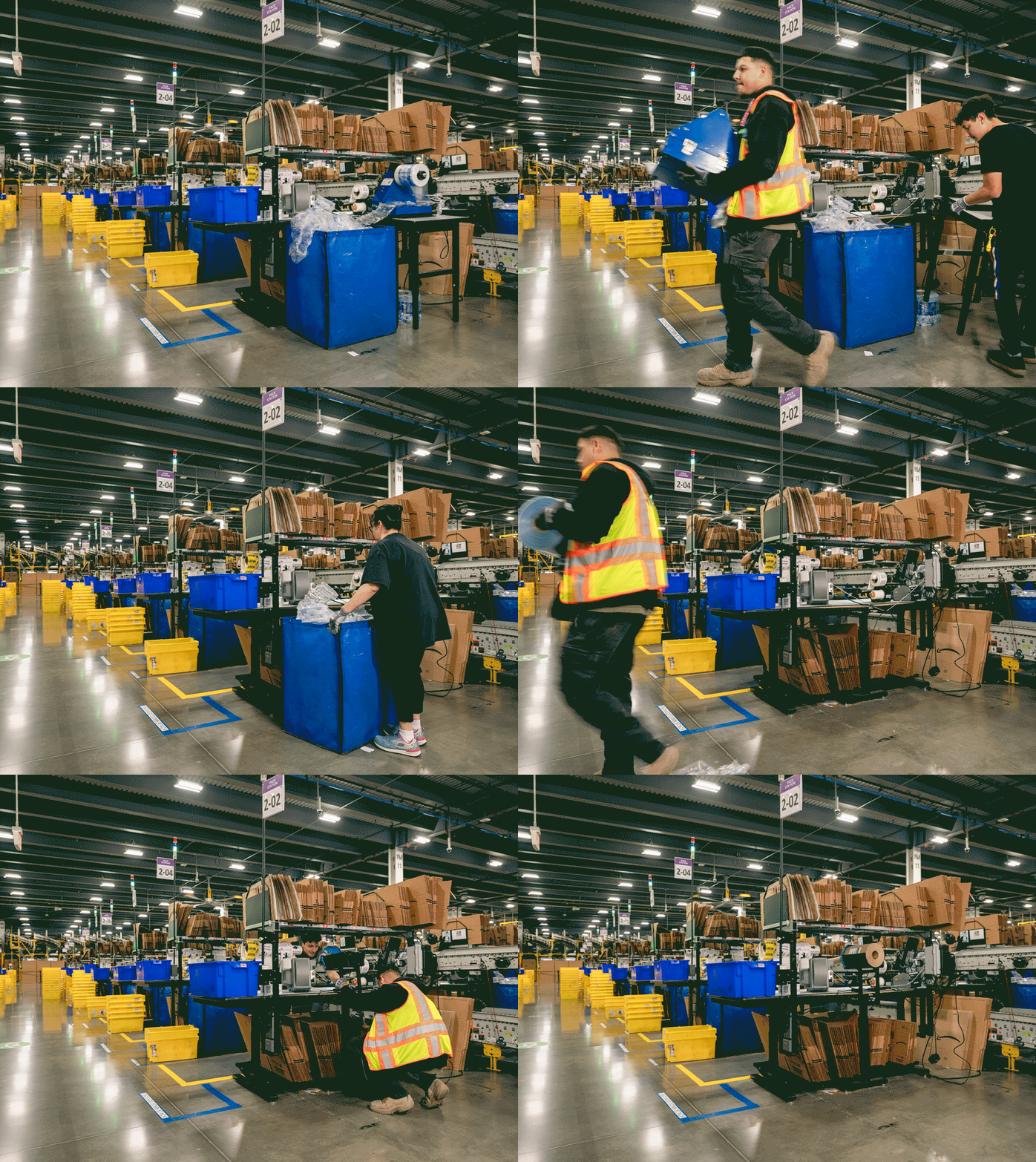

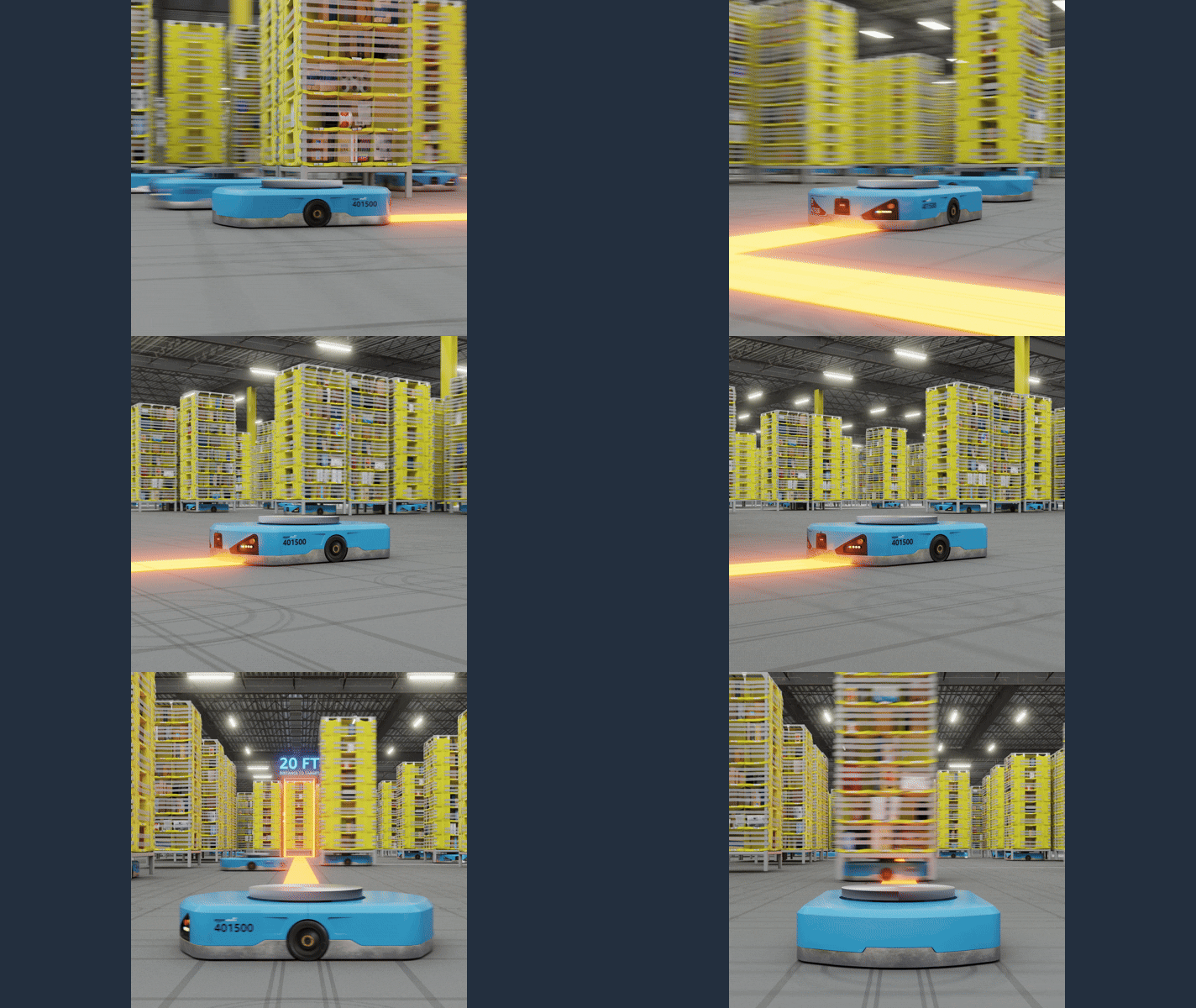


Amazon just announced the expansion of one-hour and three-hour delivery across the U.S.