
Target Pulls Back Store Online Fulfillment, Exposing Strategy Limits
Target’s move reveals what many retailers already know: efficiency requires a network built for fulfillment, not just for shopping.
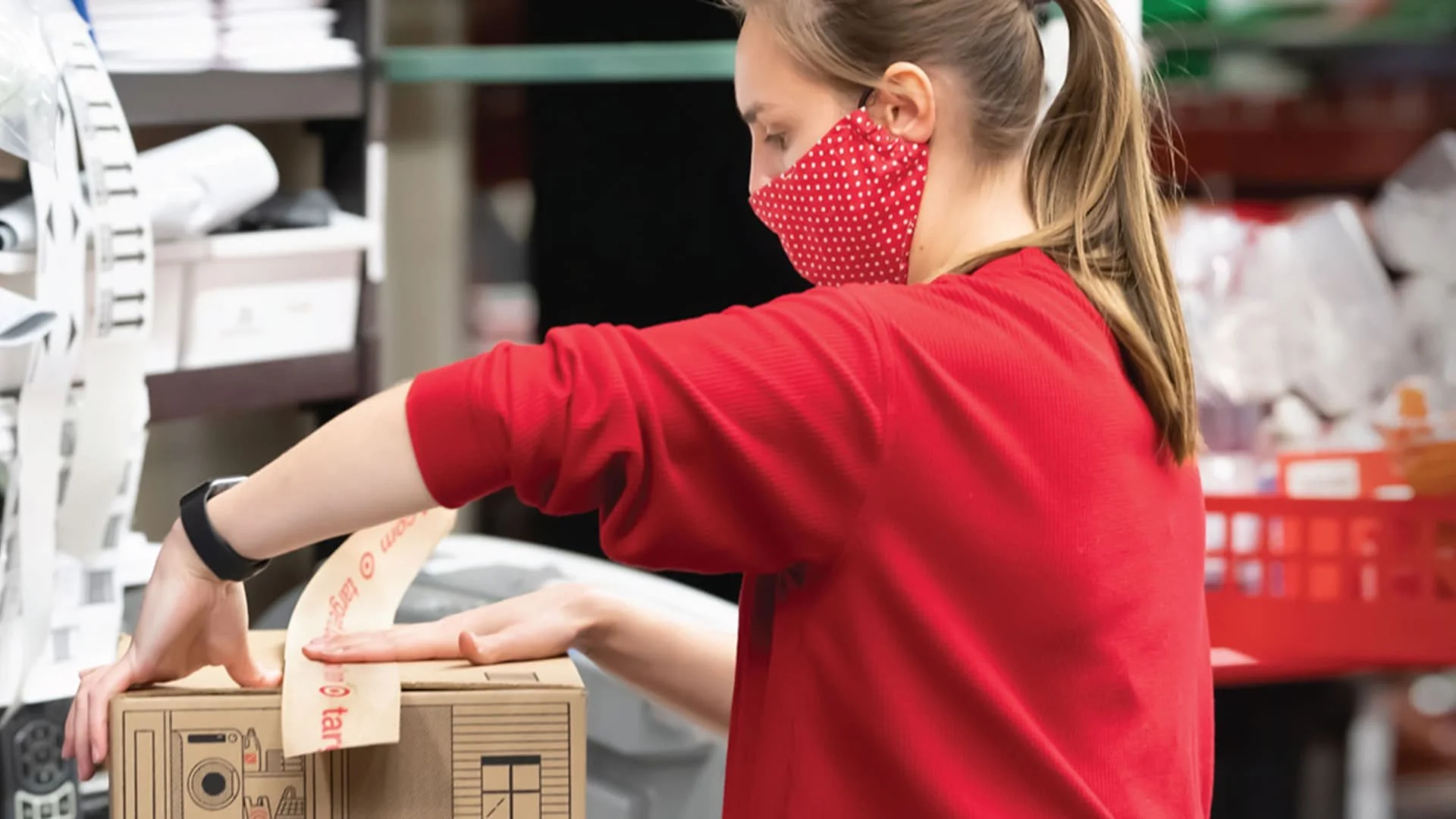
Target is reevaluating which stores it uses to fulfill online orders in place of distribution centers so that it can refocus its teams on improving the store experience.
Michael Fiddelke, Target’s current COO and incoming CEO, told investors on an earnings call on Wednesday that, this year, the company has told some stores in Chicago to stop fulfilling online orders as part of a test. The company is instead having those orders fulfilled at bigger Target locations. He said the test has so far gone well, and Target plans to do the same in 30-40 more markets by the end of this year.
Earlier this year, the company said 96% of its net sales volume was fulfilled by its stores rather than warehouses. Fiddelke said some stores were built to fulfill and could further support digital demand in their markets. These stores have a large back room able to fit a lot of pack stations and a manageable level of in-store business.
“[For] some other stores — on the digital fulfillment side, we might say, actually shut your pack station down and sit this one out,” he said. “That allows you to focus exclusively on the drive-up business and, importantly, the in-store experience.”
This may be good news to store employees, who told CNBC that racing to fulfill online orders has contributed to out-of-stocks on store shelves and weaker customer service. It could also be a relief to the 40% of workers who said in a companywide survey in June, per The Wall Street Journal, that they didn’t have confidence in Target’s future.
Many of Target’s newer stores are being constructed around this strategy of using stores as delivery hubs, which has been in place since 2017. The strategy relies on having enough space to receive, store and move inventory close to where customers live.
“It always surprised me to read that Target was doing all this fulfillment out of so many stores,” said Jeff Sward, founding partner of retail consultancy Merchandising Metrics. “In my mind, it would be more efficient to have more inventory in fewer locations and have the employees in those locations be more efficient on an ongoing basis of filling more orders per hour.”
Walter Holbrook, a retail consultant and former Kmart executive, said the move may be an admission that fulfilling online orders at stores may have hindered operations at the store level. It’s too early to tell, he added, whether this will noticeably improve employee workload or the quality of the in-store experience.
Holbrook also said that he would like to hear Fiddelke directly say that the company is going to focus on making sure its stores are full, that its end caps are going to be exciting and promotional with new products, and that it is going to get customers through the checkouts in a quick manner.
“There hasn’t been a lot of humility that, ‘We recognize that we’ve disappointed many customers, and we’re going to change that experience very, very quickly,’” Holbrook said. “[Customers] expect a clean store, they expect it well-filled, and they expect to get through the checkouts — and I think that experience has suffered these last couple of years.”
One of Fiddelke’s three key priorities as CEO, he told investors, will be to make the store experience more consistent. The company is making progress, he said, noting that its on-shelf availability metrics in Q2 were the best the company has seen in years — particularly in “key items that should never be out of stock.”
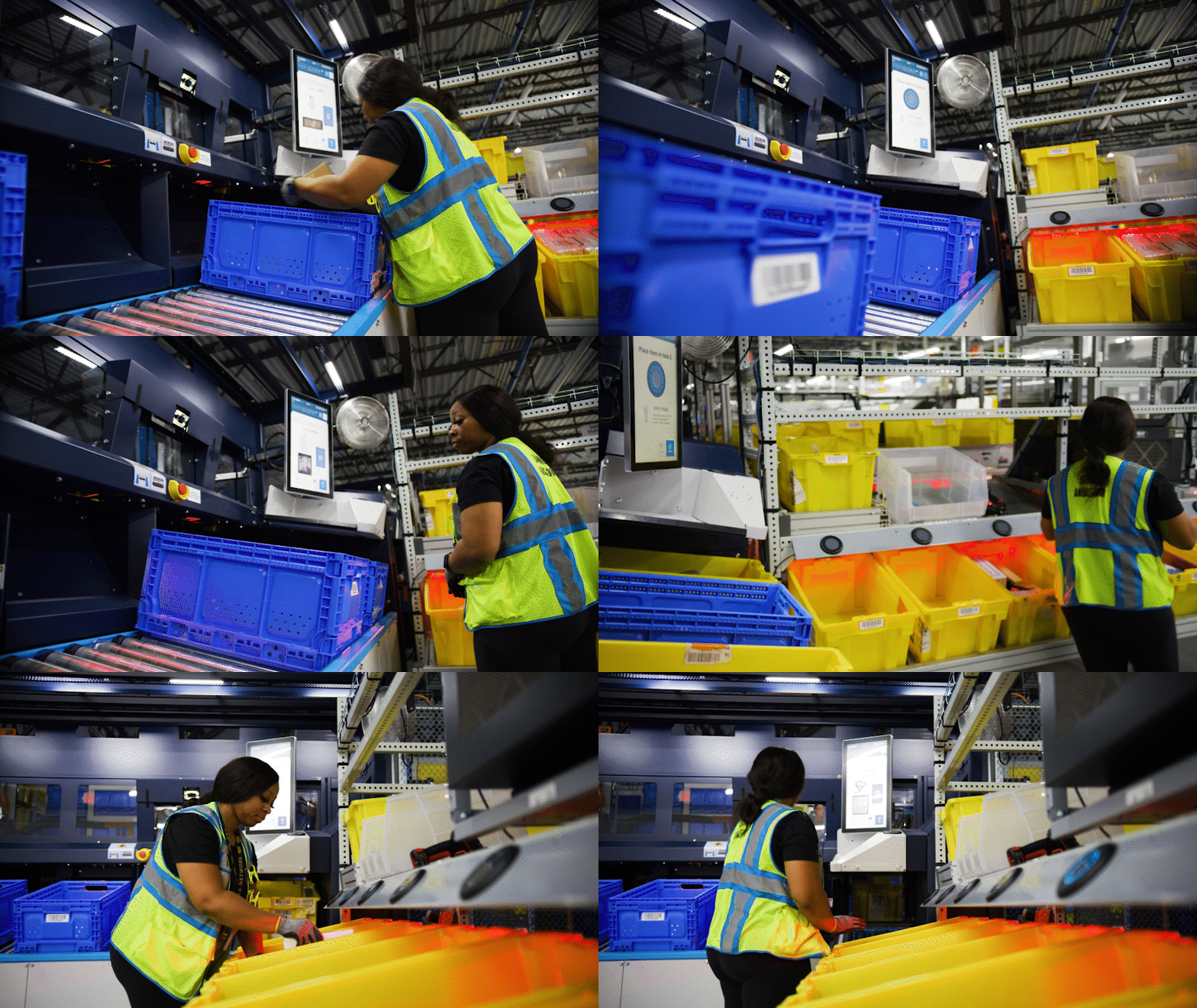
Amazon’s newest 585,000-square-foot building will not be filled with books, televisions, clothing, groceries or millions of other products waiting to be shipped to customers.

Amazon’s Project Tetromino Takes Aim at the Last Mile’s Hardest Automation Problem.
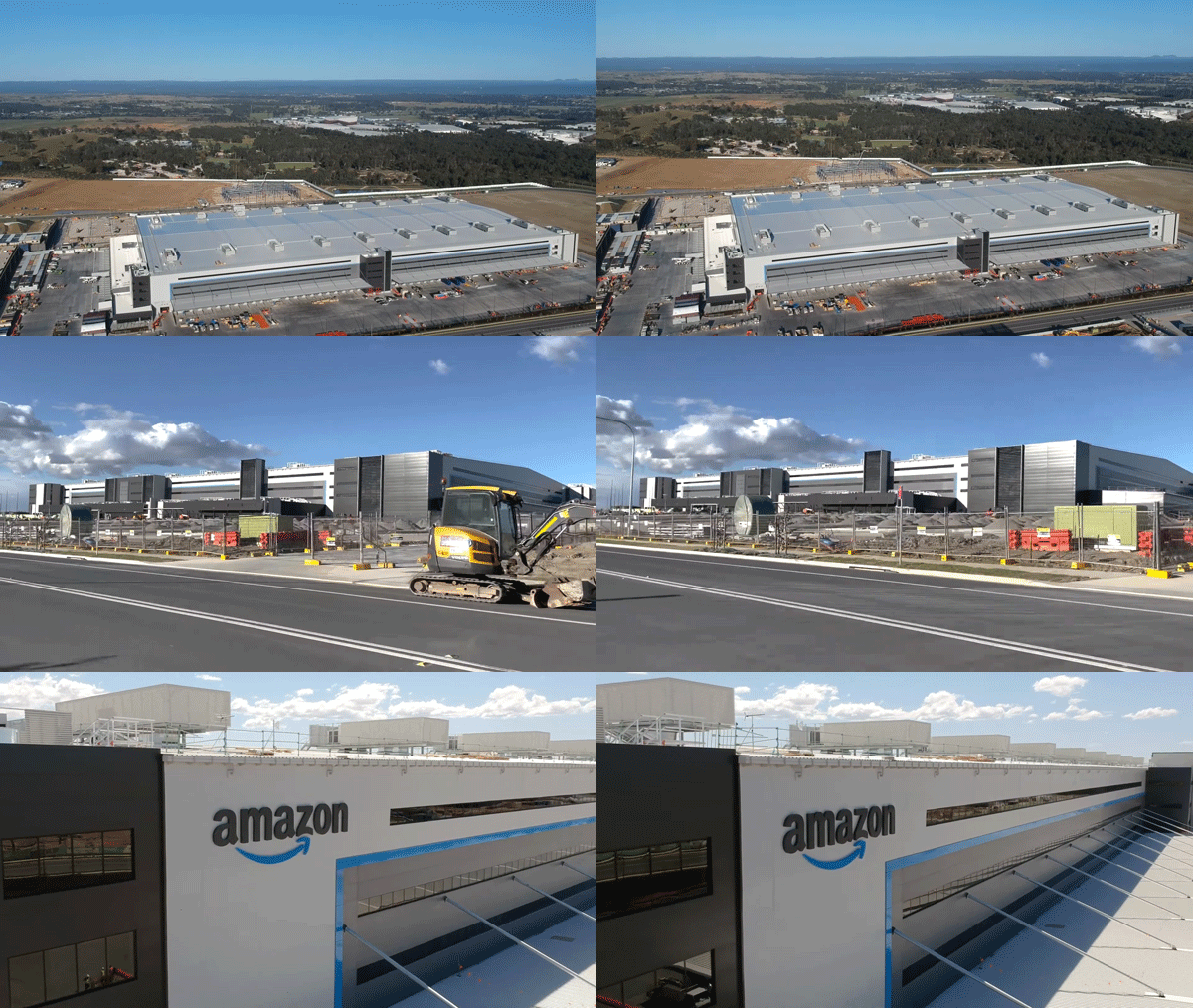
If you’ve ever wanted to see inside one of Amazon’s fulfilment centres, here’s your chance to see how your online shopping cart gets to your doorstep.
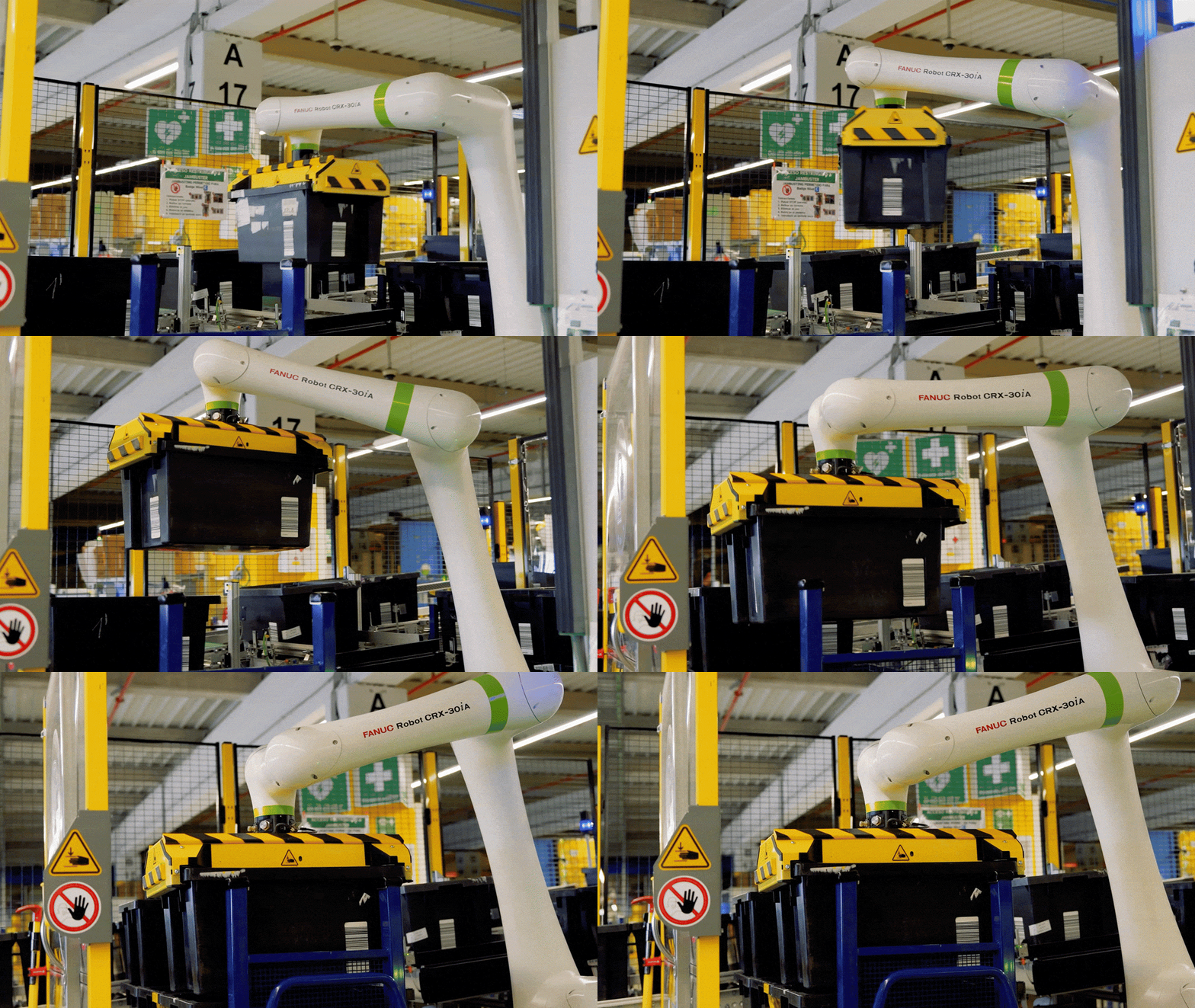
Amazon announced a major €10 billion investment to expand and modernize its European fulfillment network.
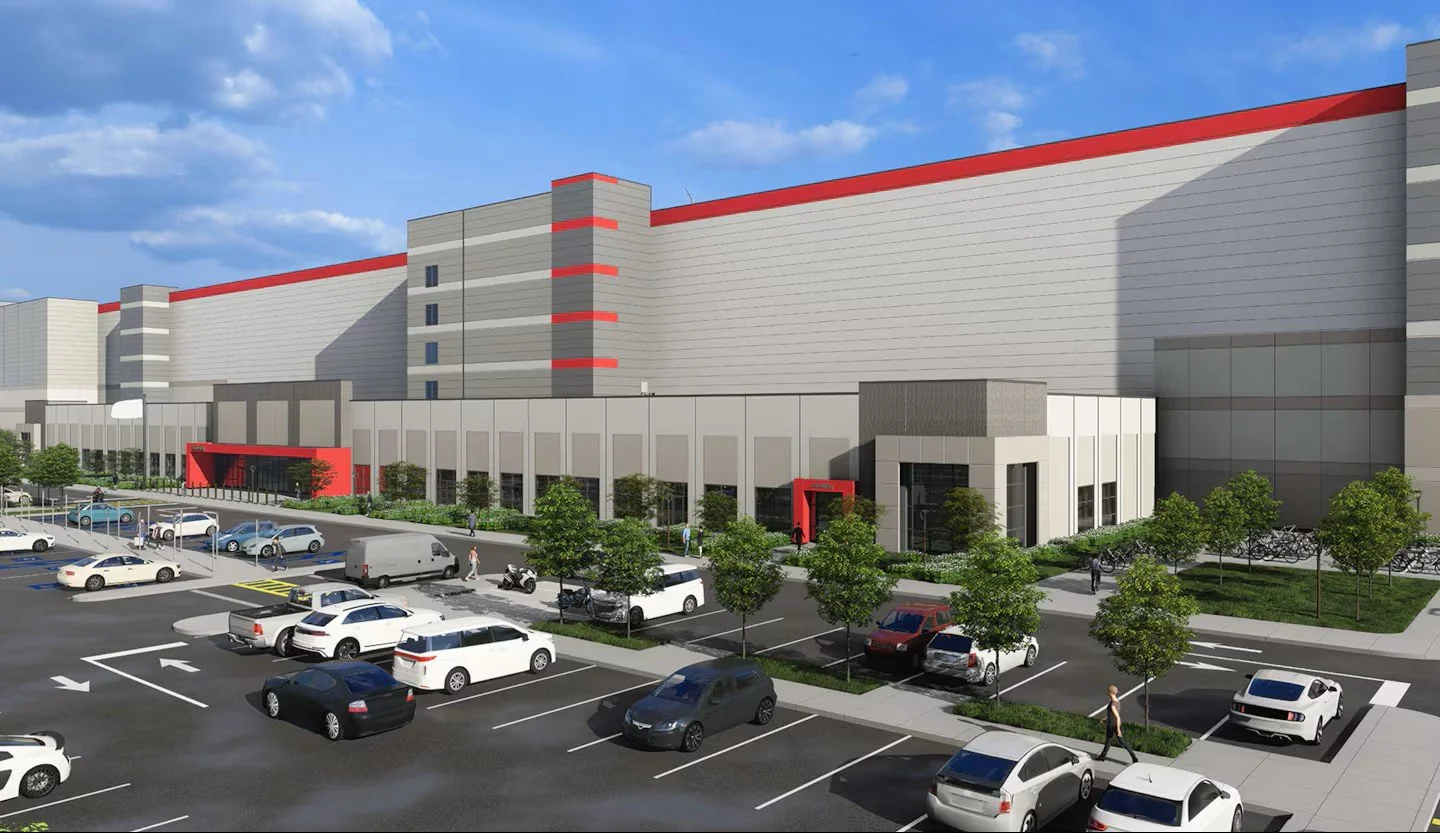
Amazon is dismantling part of its largest facility under construction in Ottawa — a rare move that suggests a shift in how the site is being designed and automated.

Amazon is essentially "franchising" its fulfillment infrastructure to solve the rural density problem.
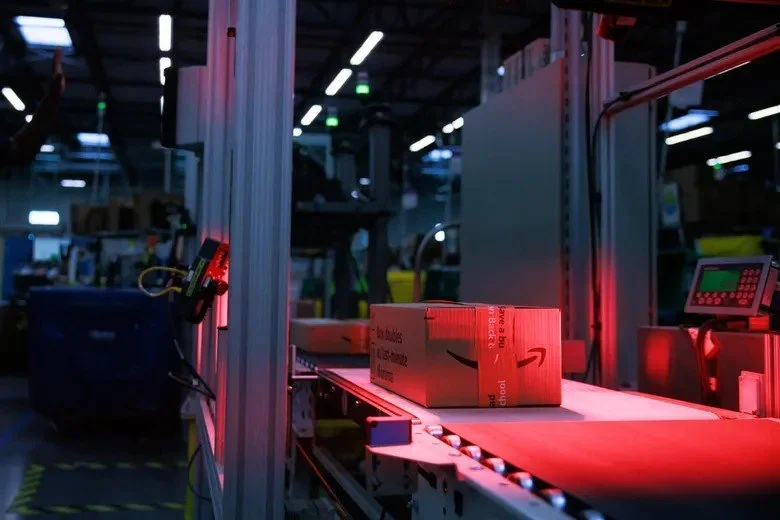
The robots inside Amazon's Kent Fulfillment Center are getting smarter — and the company is pressing forward with new technology.
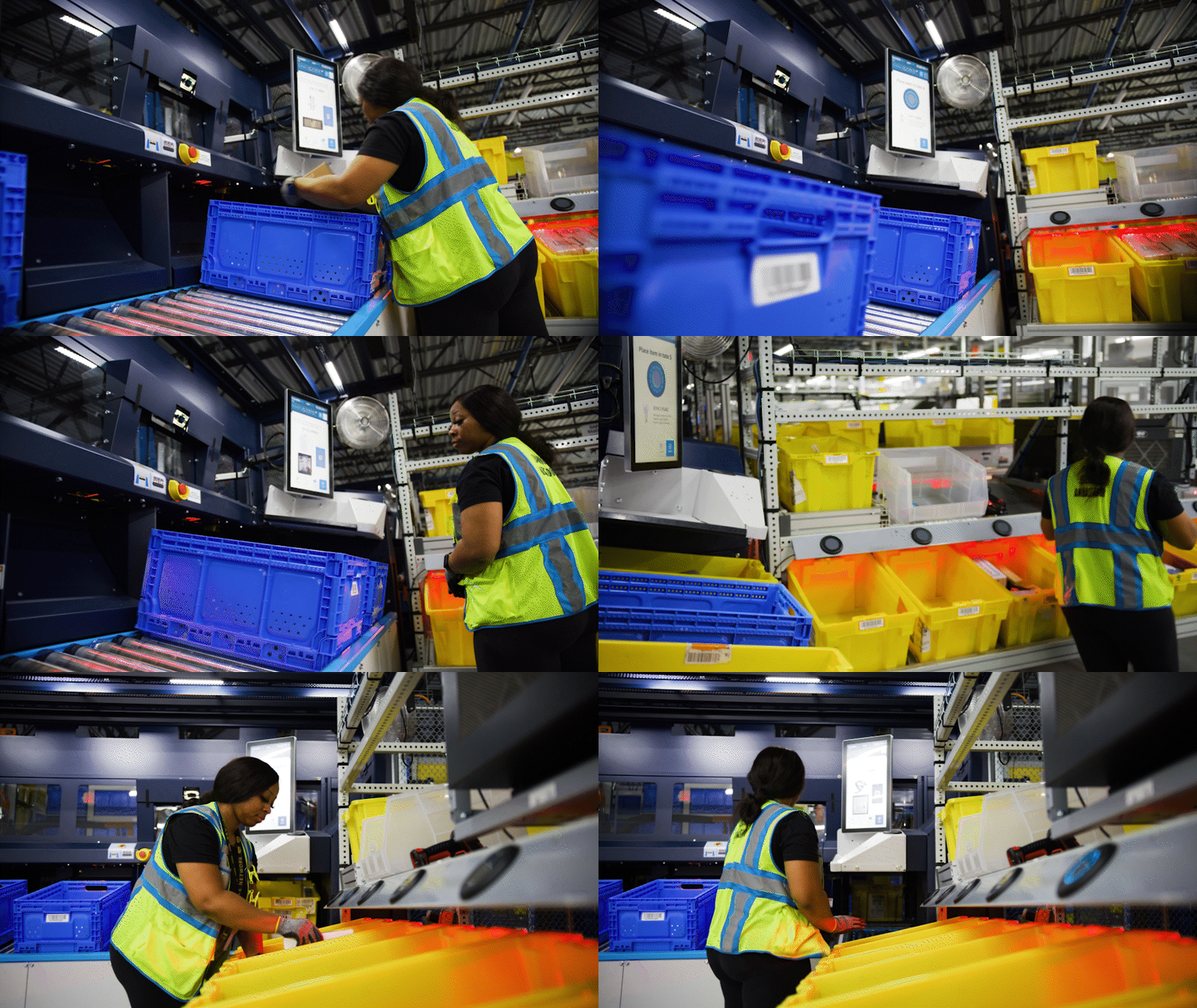
Amazon did not achieve this speed through a single breakthrough technology
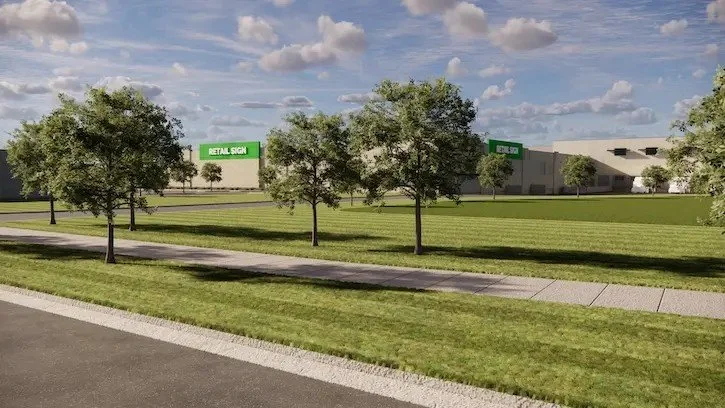
What the Orland Park retail proposal reveals about Amazon’s push into Walmart-scale physical retail

The model is specifically built for single-item, impulse, and urgent purchases, a category with high repeat potential and strong margin dynamics once density is optimized.

Amazon has opened a new kind of warehouse in Elkhart, Indiana — one that challenges nearly every convention in logistics facility design.
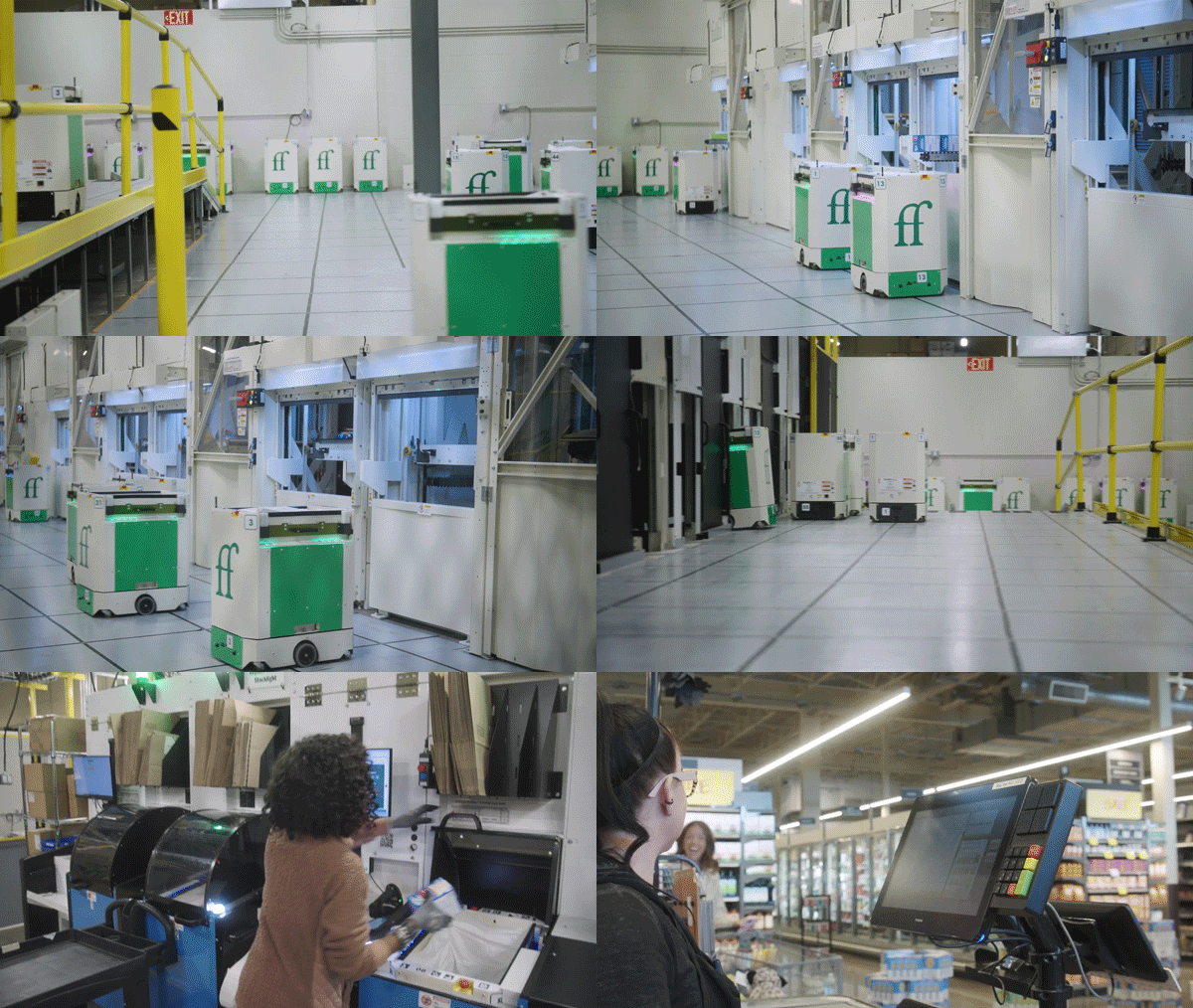
Amazon has built a 10,000-sq-ft automated micro-fulfillment center inside Whole Foods — where customers can scan, order, and pick up items in minutes.

These smaller, high-velocity facilities store frequently purchased products—from fresh food and groceries to personal-care items and small electronics.

Meet Sparrow, Cardinal and Proteus. They’re the robots that, step by step, are replacing human workers in the company’s warehouses.
Amazon Robotics' Chief Technologist discusses his journey to helping the world's largest retailer deploy one million robots.

Amazon’s new smart glasses bring AI and computer vision directly into the delivery workflow.

Amazon is taking steps to address how artificial intelligence and automation is changing its workforce.

It’s built to do something no other Amazon robot has done before — perform multiple tasks at once.

The offer builds on Amazon fulfillment service for merchants on other sales channels, including eBay, Etsy, Temu and TikTok Shop.

Ever wondered how that Amazon package arrives on your doorstep with remarkable speed?
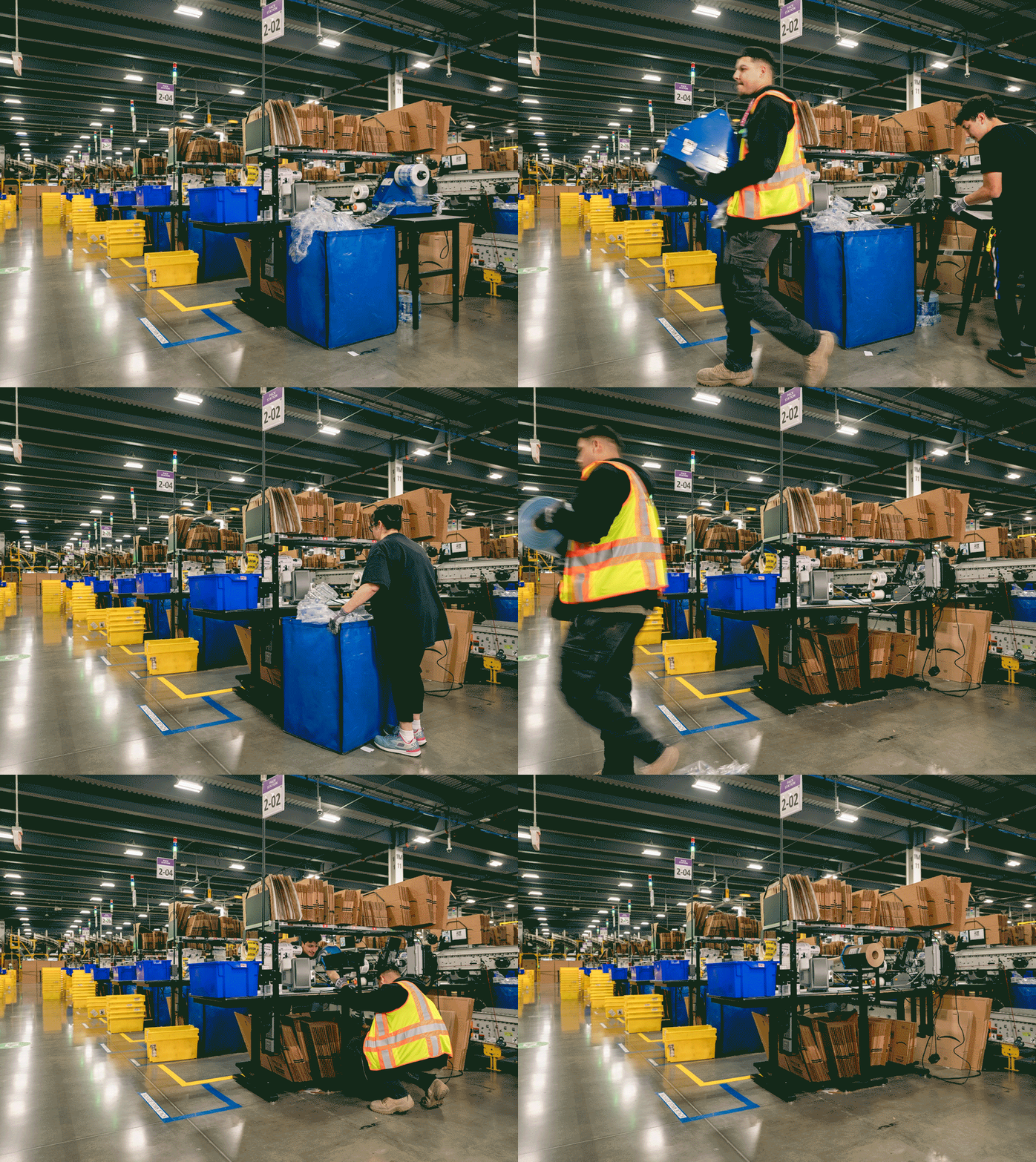
Amazon’s Ohio facility was its first U.S. center to eliminate plastic delivery packaging,

A worker loads a truck for shipment at the Amazon MCO-01 robotic fullfillment center in Orlando.
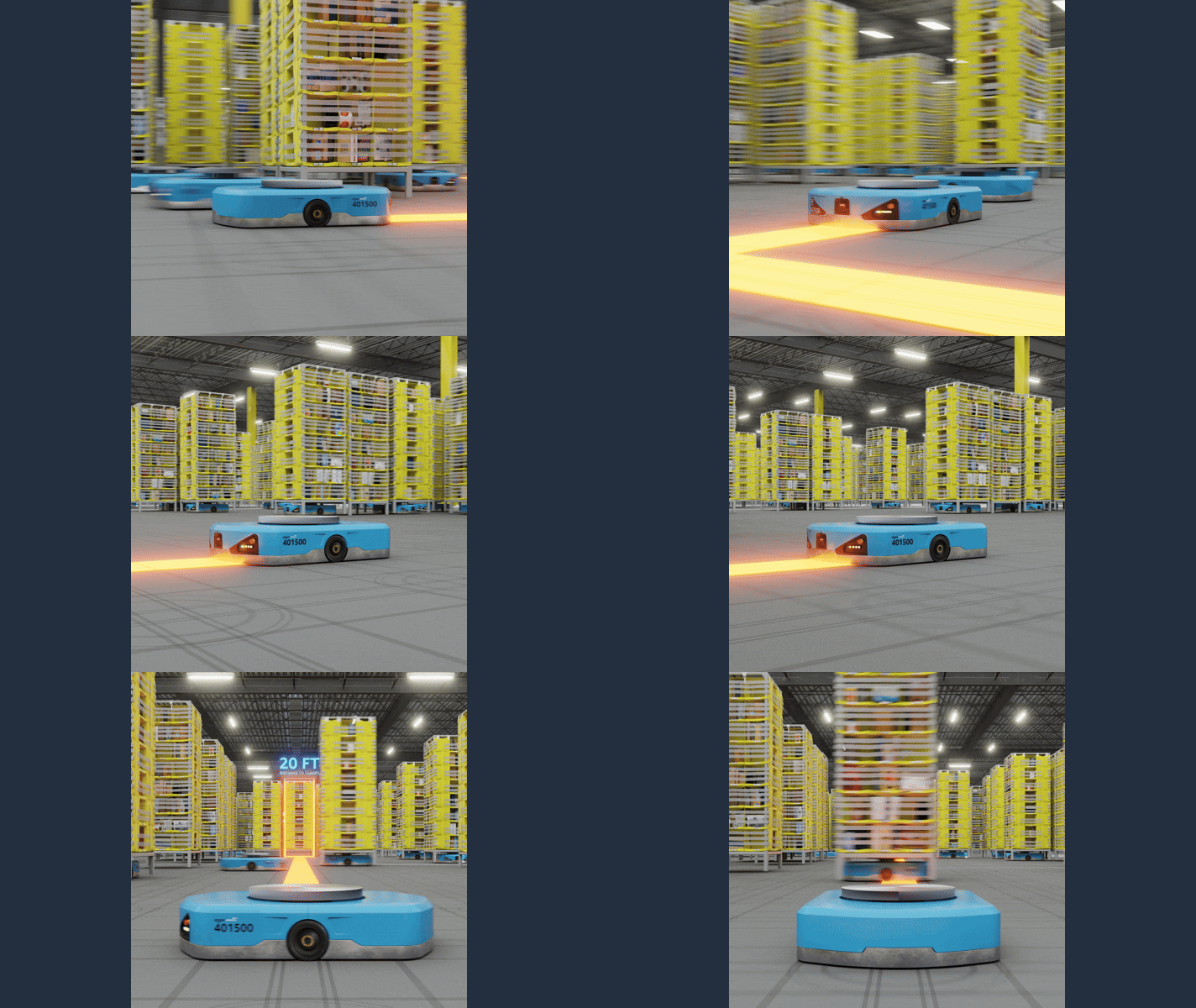
Amazon Robotics Vice President explains how robots are helping Amazon employees deliver on Prime Day.

Amazon UK has announced a national roll-out of its partnership with on demand delivery specialist Gopuff.

But for the right buyer, these assets could offer not just a salvage opportunity—but strategic leverage.

The retailer will soon use custom box-making technology to reduce waste from packaging across Europe.

It’s a testbed for the convergence of agentic AI and dynamic robotics—where hardware and software fuse to reimagine the last mile.

Amazon has been on a multi-billion dollar and decade-plus long crusade to be a leader in robotics.

Amazon just announced the expansion of one-hour and three-hour delivery across the U.S.