
Learn How Amazon Stores and Fulfills Oversize Items
Amazon uses a tiered storage system in its warehousing and fulfillment network to manage items of varying sizes, weights and shapes efficiently. This system ensures optimized storage, picking, packing, and shipping processes for products, particularly larger or bulkier items.
Meet the industry’s most advanced mixed-fleet orchestration platform for automated logistics facilities. Seamlessly integrate your WMS workflows with ASRS, GTPs, conveyors, sortation, mobile robots, forklifts, human workers, etc., onto one open-source platform. It ensures real-time processing, supports any brand, leverages machine learning, and keeps humans in the loop for smarter, more adaptable operations.
Here’s an explanation of how Amazon's tier sizing works:
1. Tier Definitions
Amazon organizes its inventory into tiers based on item size, weight, and dimensions. These are the primary tiers:
Small Standard-Size (Standard-Small):
Items under 16 oz (1 lb).
Dimensions less than 15" x 12" x 0.75".
Examples: Small electronics, books, and accessories.
Large Standard-Size (Standard-Large):
Items under 20 lbs with dimensions less than 18" x 14" x 8".
Examples: Board games, medium-sized appliances, and clothing.
Small Oversize:
Items over the standard-size tier dimensions but weigh less than 70 lbs.
Dimensions under 60" (longest side), 130" (length + girth).
Examples: Small furniture, tools, or gym equipment.
Medium Oversize:
Items with dimensions over the small oversize tier and weigh less than 150 lbs.
Examples: Larger furniture, TVs, and outdoor equipment.
Large Oversize:
Items weighing over 150 lbs or with dimensions exceeding 108" (length) or 165" (length + girth).
Examples: Bulk furniture, industrial equipment, and other large shipments.
2. How Tier Sizing Impacts Fulfillment
Amazon uses these tiers to:
Optimize storage allocation: Smaller items are stored in dense, compact bins, while larger or heavier items are stored on open shelving or pallet racks.
Determine shipping rates: Larger items often incur additional fulfillment and storage fees based on their size and weight.
Streamline logistics: Bulkier items are assigned to specific fulfillment centers designed to handle larger products (e.g., FCs with heavy-duty shelving or robotics capable of handling weightier goods).
3. Bulkier Items: Special Considerations
For larger items in the Oversize tiers, Amazon:
Uses different fulfillment centers: Specially equipped centers handle oversized goods to accommodate their unique needs.
Applies dimensional weight pricing: For shipping, Amazon may calculate charges based on either the actual weight or dimensional weight (L x W x H / 139), whichever is higher.
Customizes packaging requirements: Amazon's team ensures proper handling and protection during shipment, often using custom boxes or materials.
4. Seller-Specific Insights
For sellers using Fulfillment by Amazon (FBA):
Storage Fees: Oversized items incur higher storage fees due to their spatial footprint, especially during peak seasons.
Shipment Prep: Sellers must meet specific packaging and labeling requirements, especially for large or heavy items (e.g., attaching heavy-item labels or securing items on pallets).
Inventory Performance Index (IPI): Large or slow-moving items can negatively impact a seller's IPI score, encouraging sellers to optimize inventory levels.
5. Tier Size in Practice
Amazon tiers create a scalable warehousing system that accommodates everything from small, high-turnover items (e.g., consumer electronics) to bulky, infrequent purchases (e.g., furniture). This tiering system allows Amazon to maintain efficiency, speed, and cost-effectiveness across its massive inventory spectrum.
Would you like to explore how these tiers affect fulfillment fees or seller strategies?

Pattison Food Group Modernizes Langley Distribution Centre with Advanced Grocery Automation.
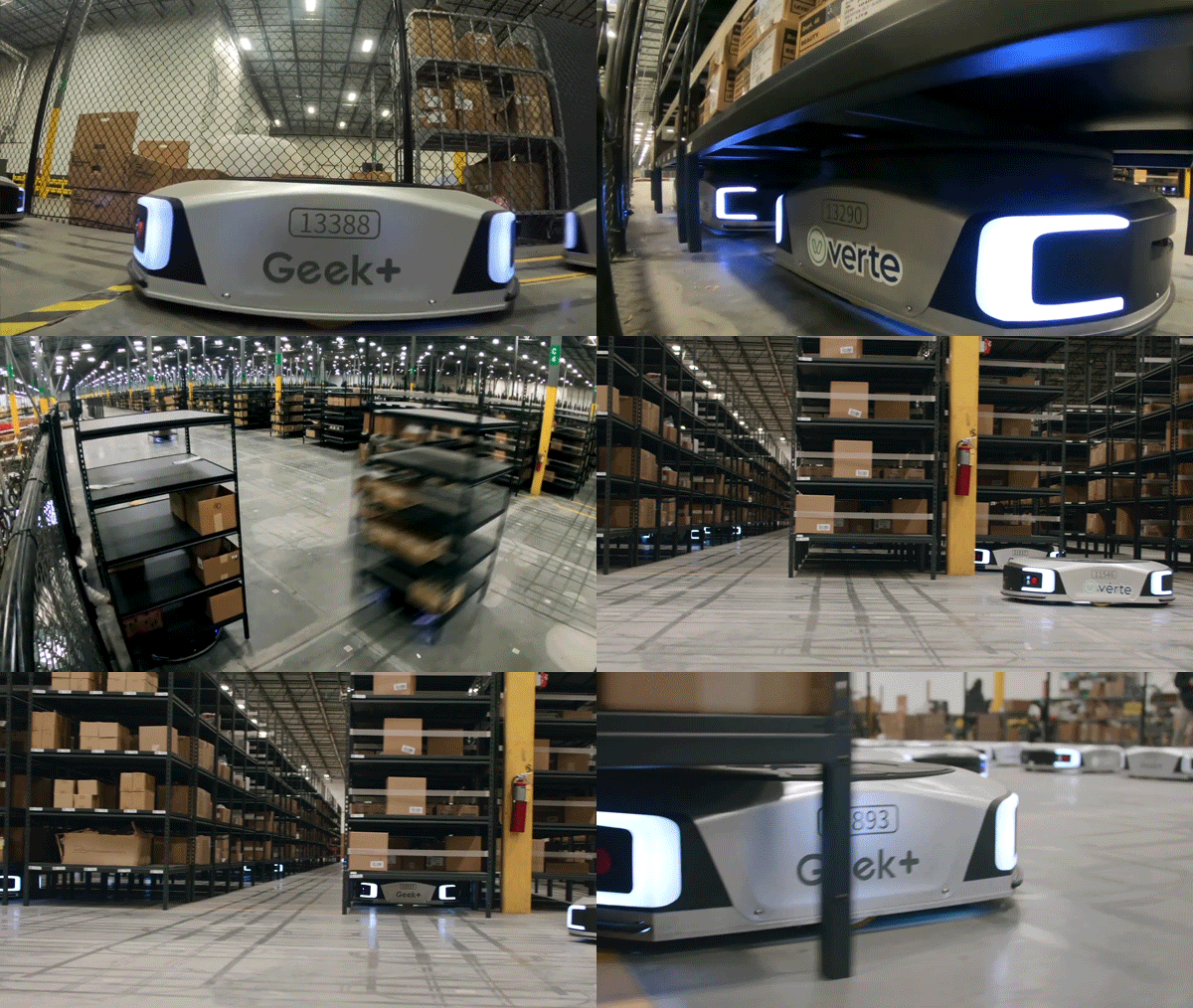
As part of an ongoing warehouse automation modernization project, a fleet of pre-owned ASRS robots is available for purchase.
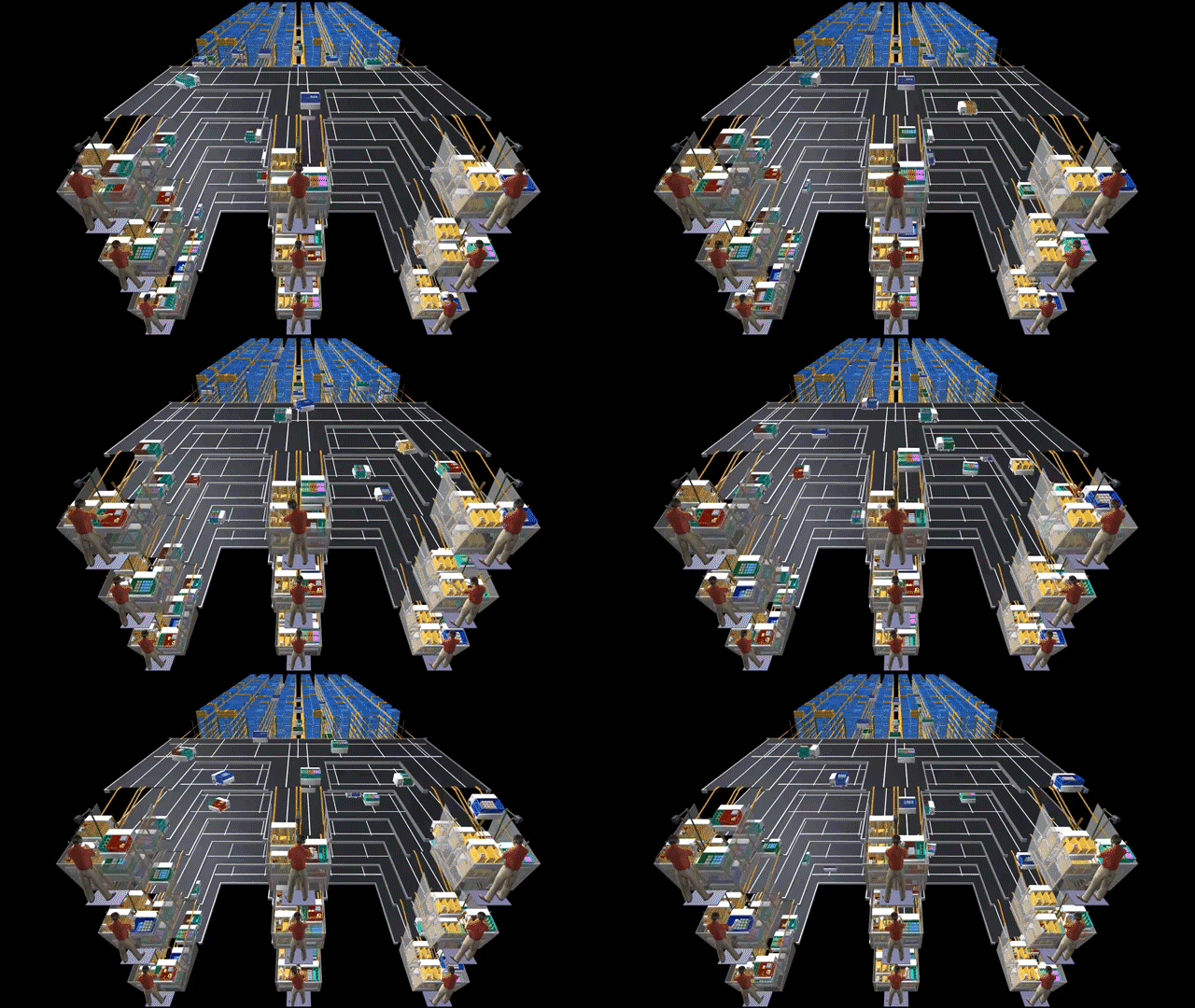
Symbotic’s new SymMicro system begins its first in-store installation, with the potential to expand to 400 Walmart locations.
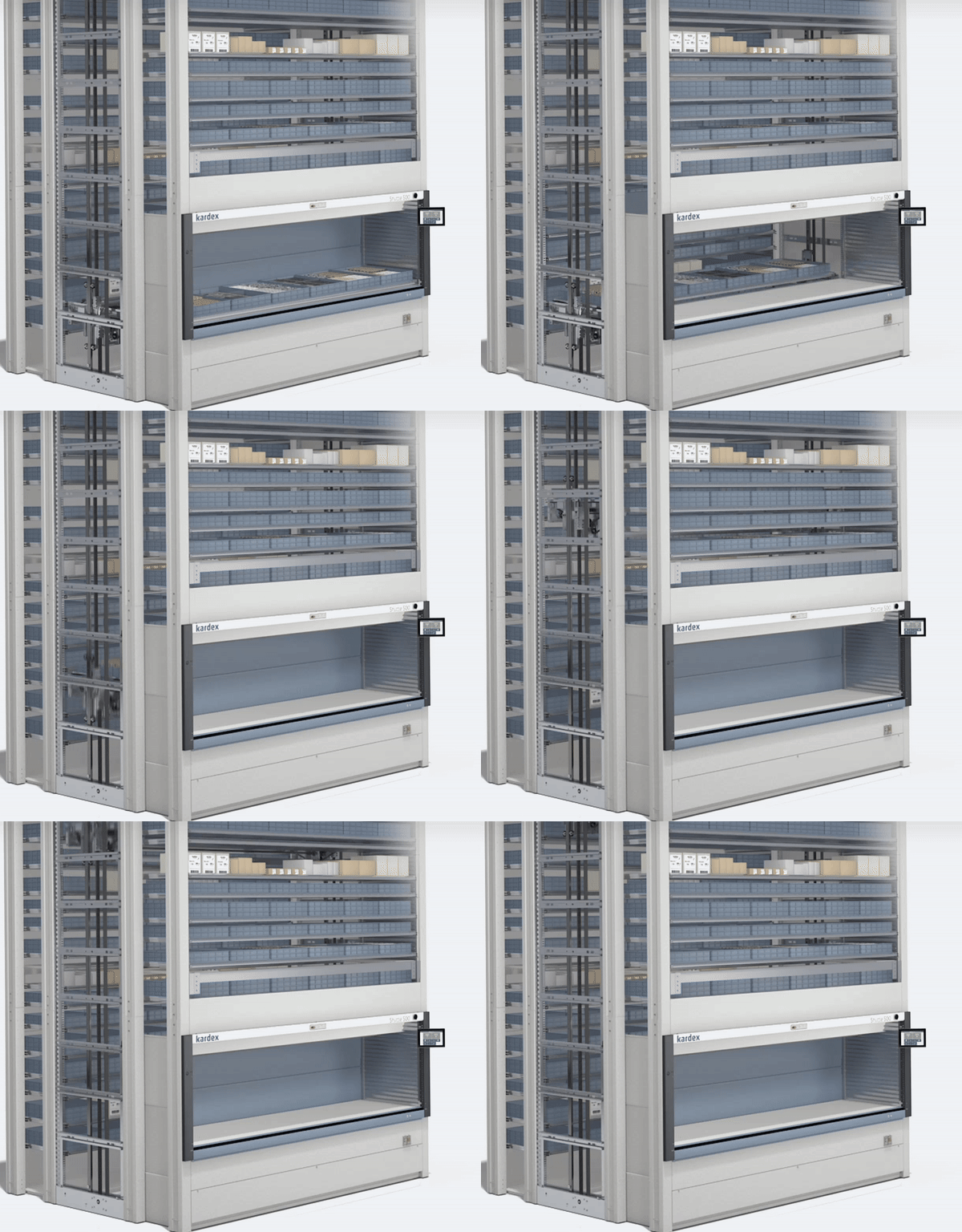
Two brand-new Kardex Shuttle XP 500 vertical lift modules are available for immediate delivery.
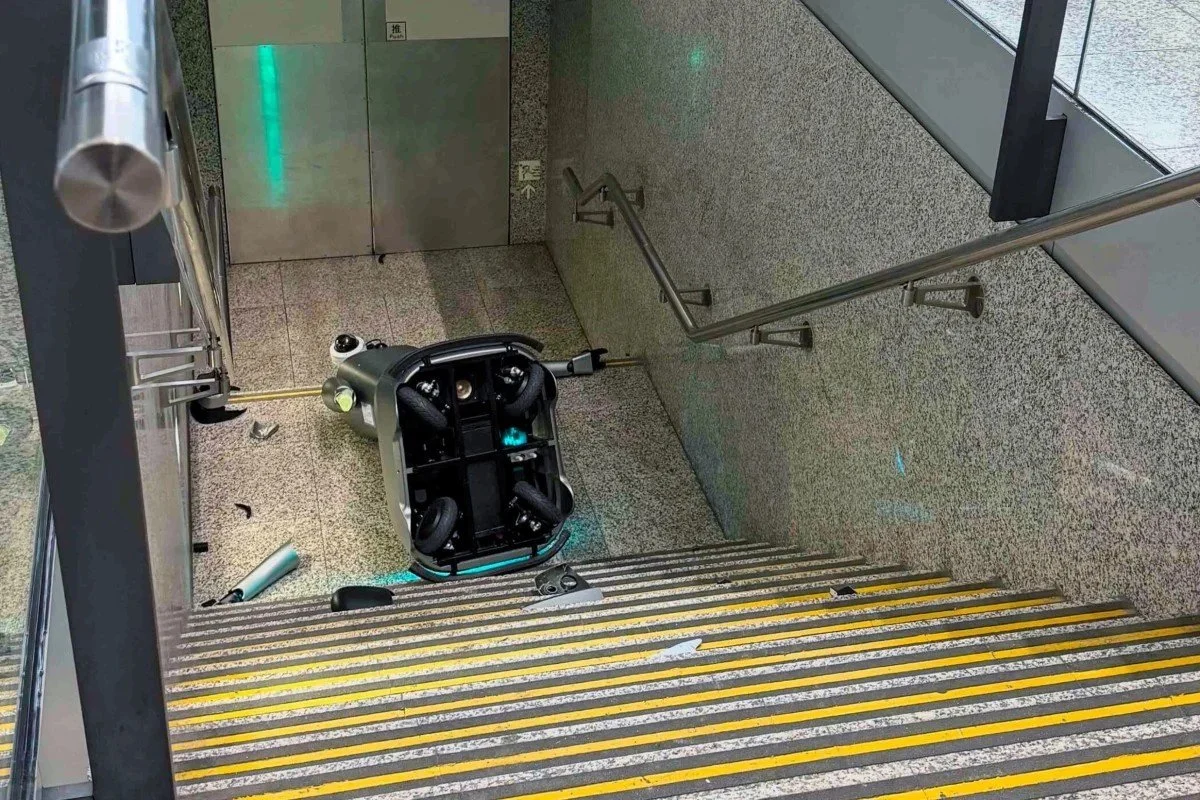
A robot accident at Hong Kong International Airport offers an important lesson about mobile robot safety
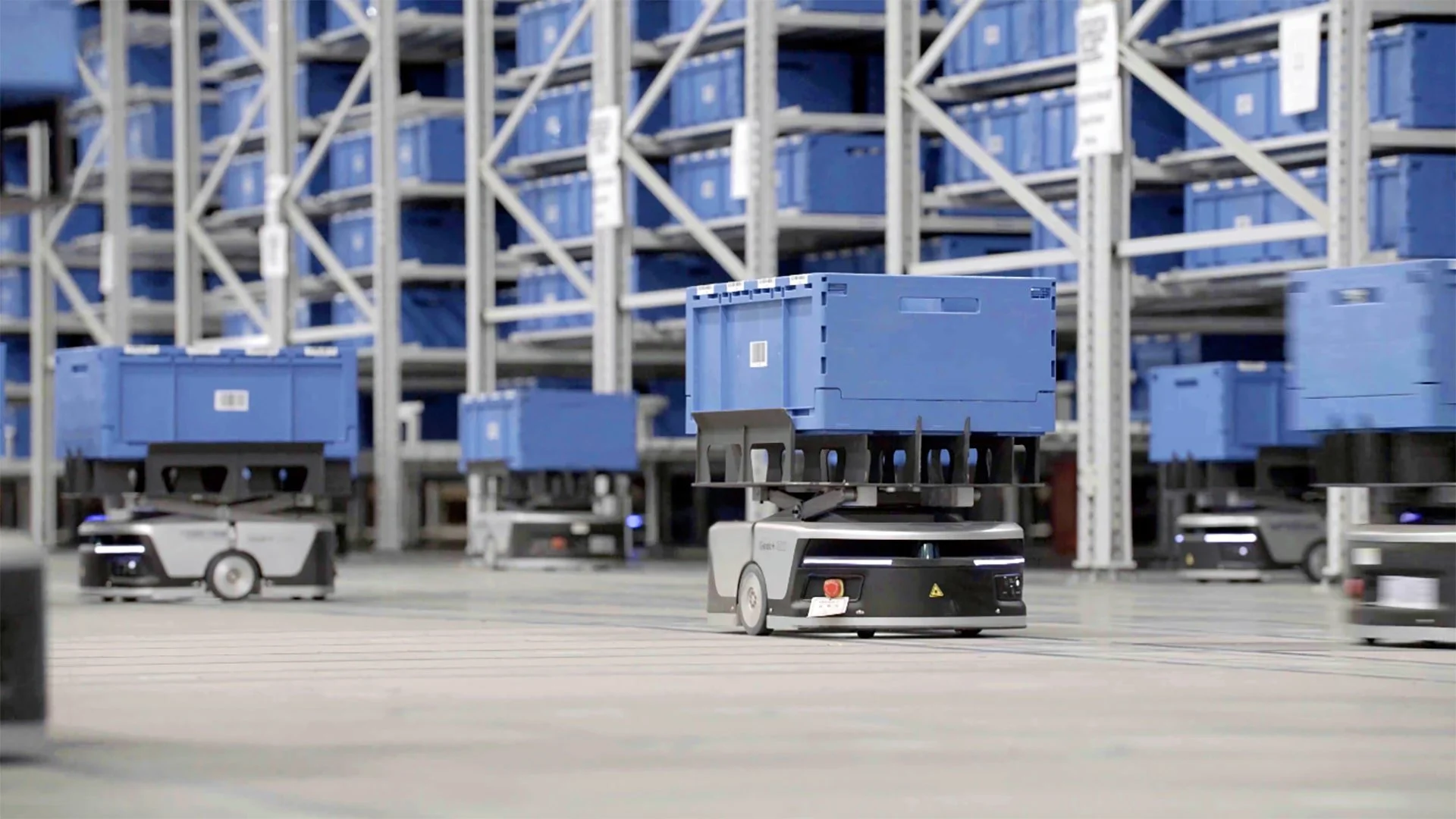
Recent Updates to FCC Covered List Regarding Foreign-Produced Advanced Robotic Devices
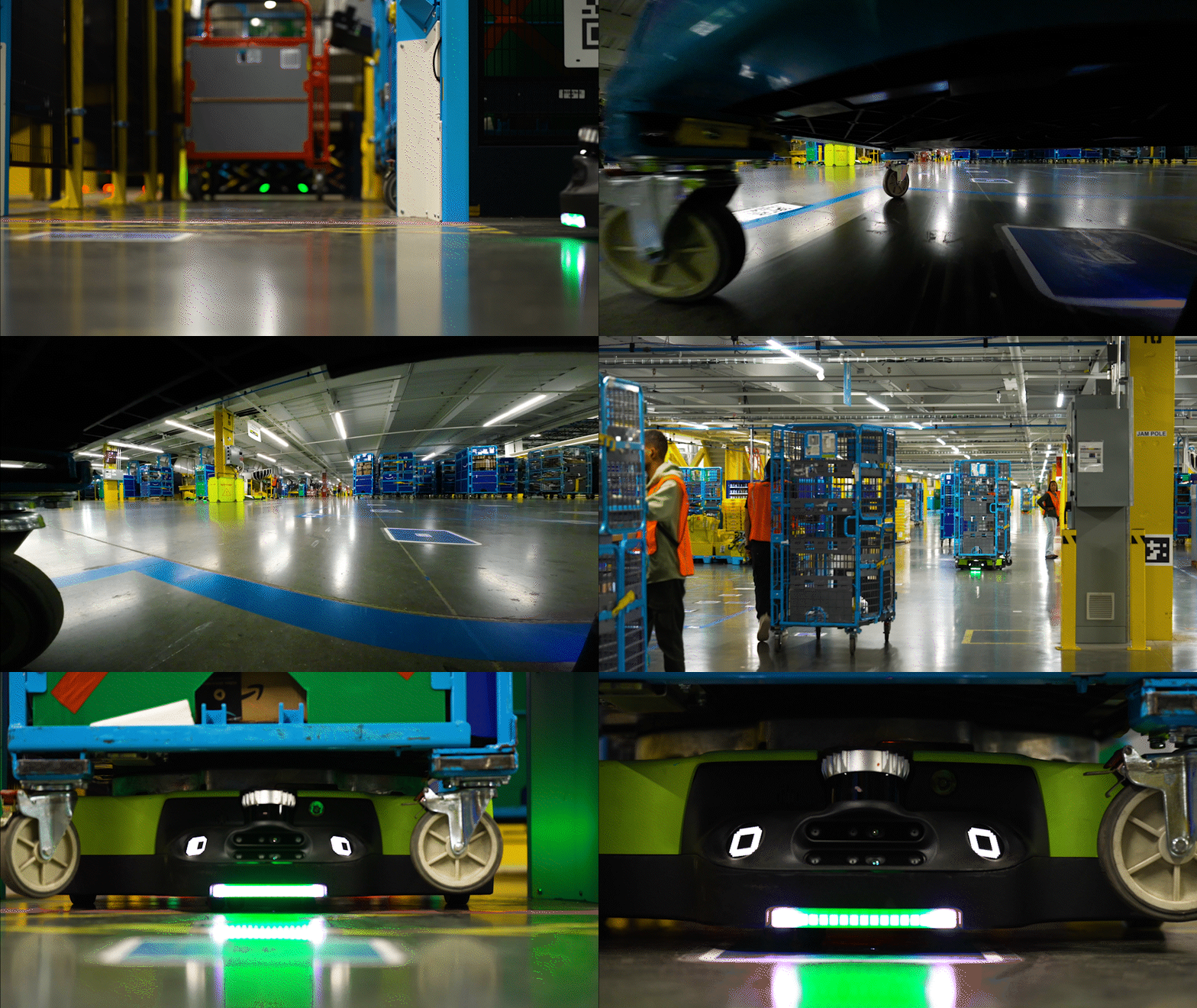
There is another major advantage of automation that is often overlooked.
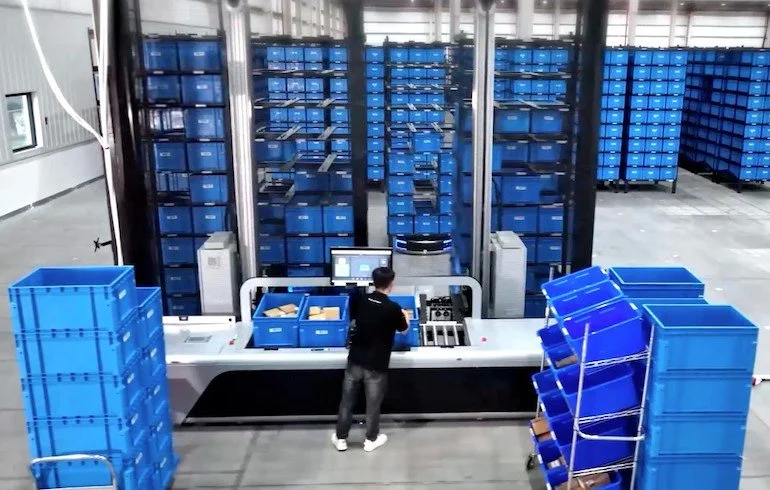
S&S Activewear is one of the more technology-forward apparel companies in North America’s branded-apparel distribution market.

Situated in Arvin, California, the new 700,000 square foot facility is described as its largest and most technologically sophisticated distribution center to date.

SoftBank is reportedly selling its remaining 9.65% stake in Boston Dynamics to Hyundai Motor Group for US$325 million.
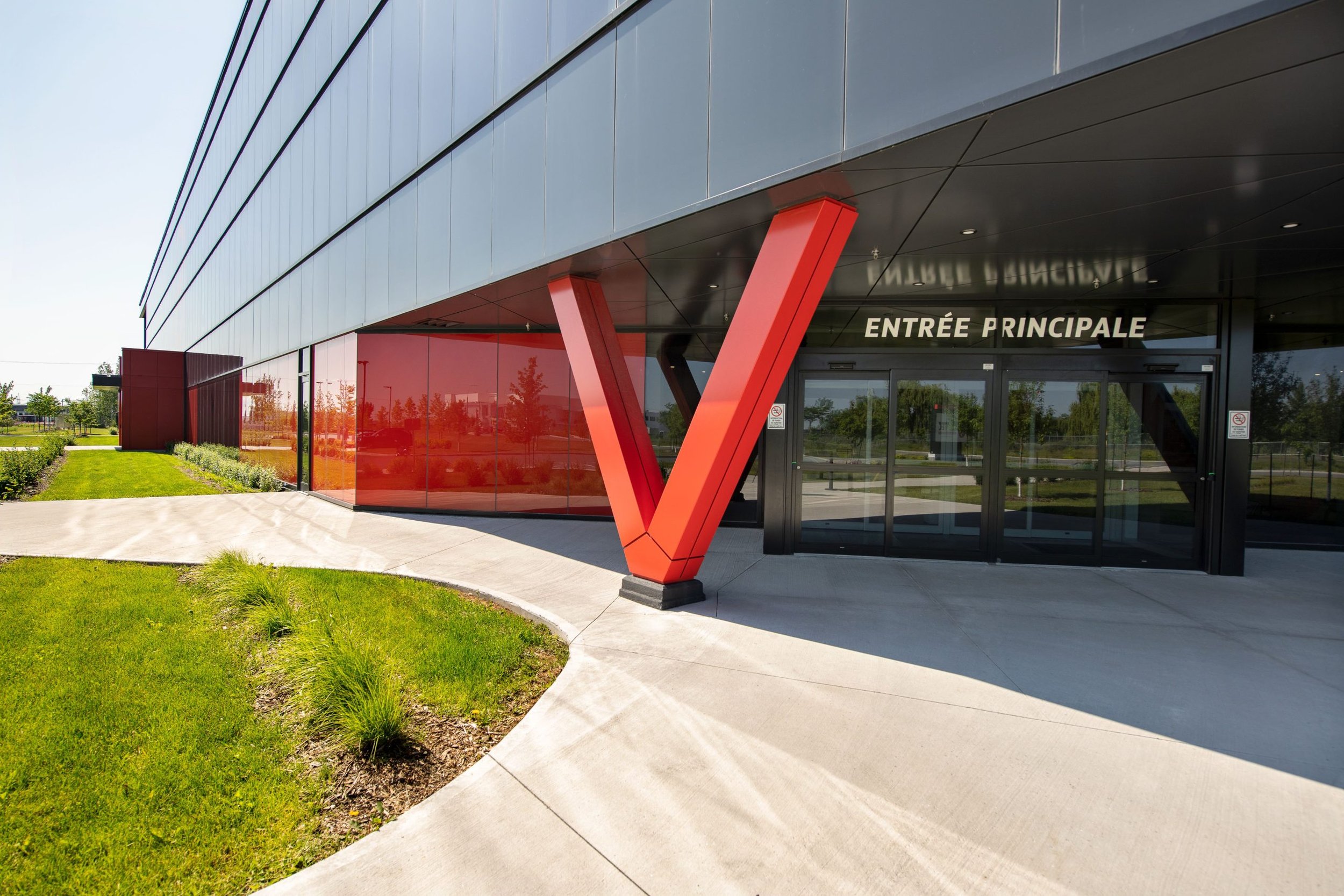
The company had automation. It had robotics. It had government support, customer momentum, press attention, and a massive facility.
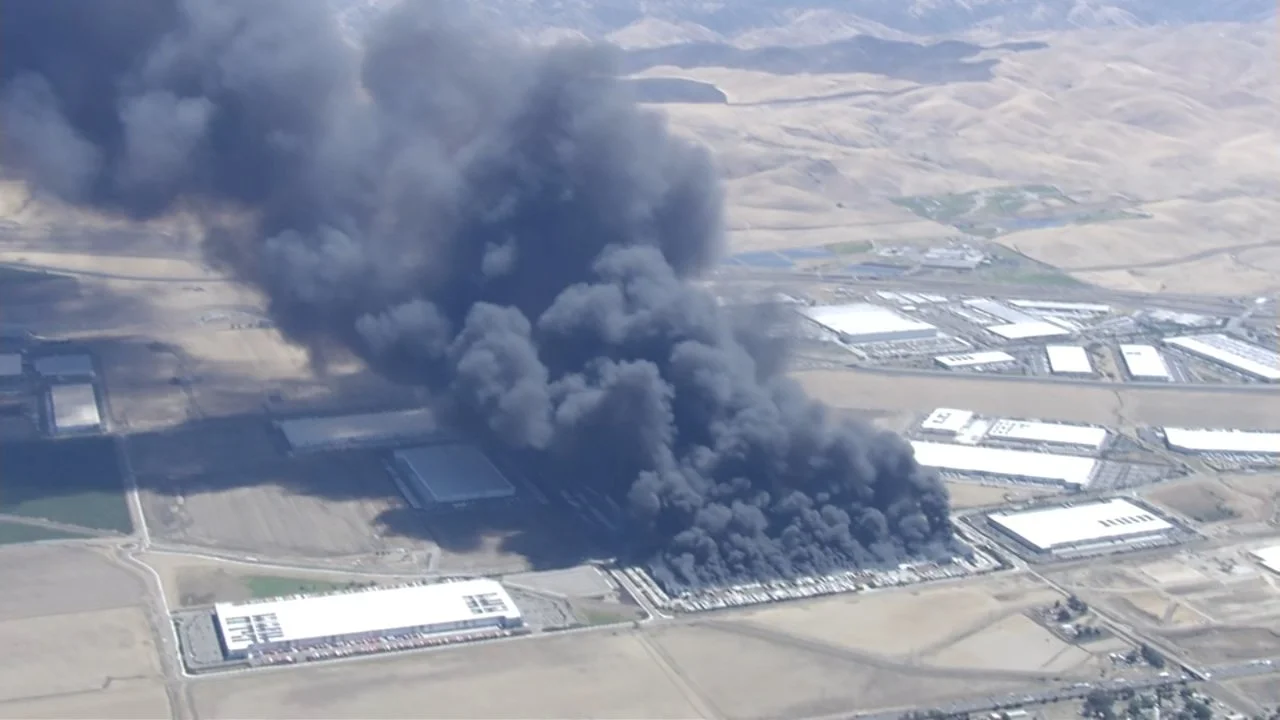
Massive fire destroys 1 million-square-foot Tracy Medline Industries distribution facility
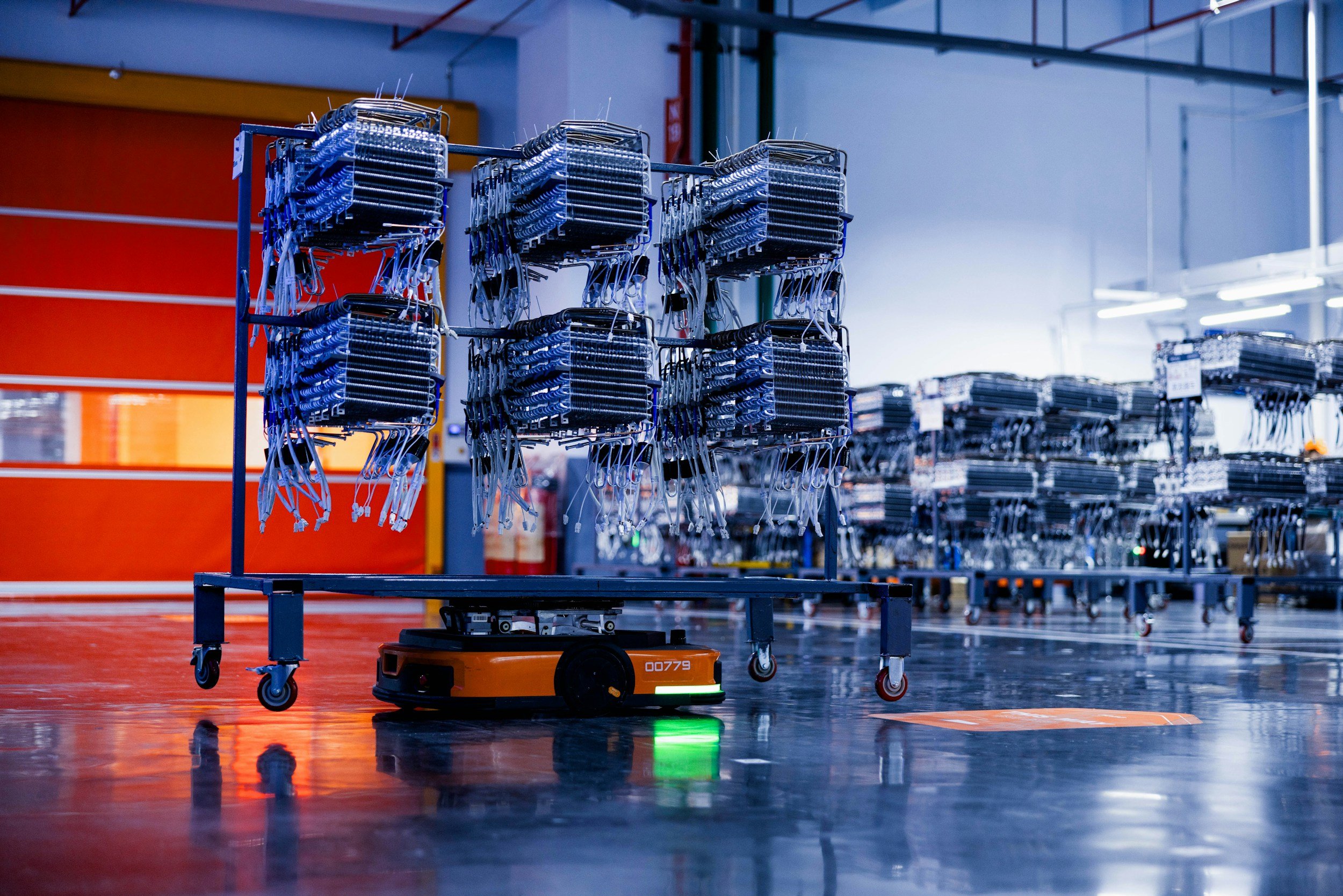
Artificial Intelligence and LLMs are currently being pushed aggressively into logistics, warehouse operations, robotics, and supply chain execution.
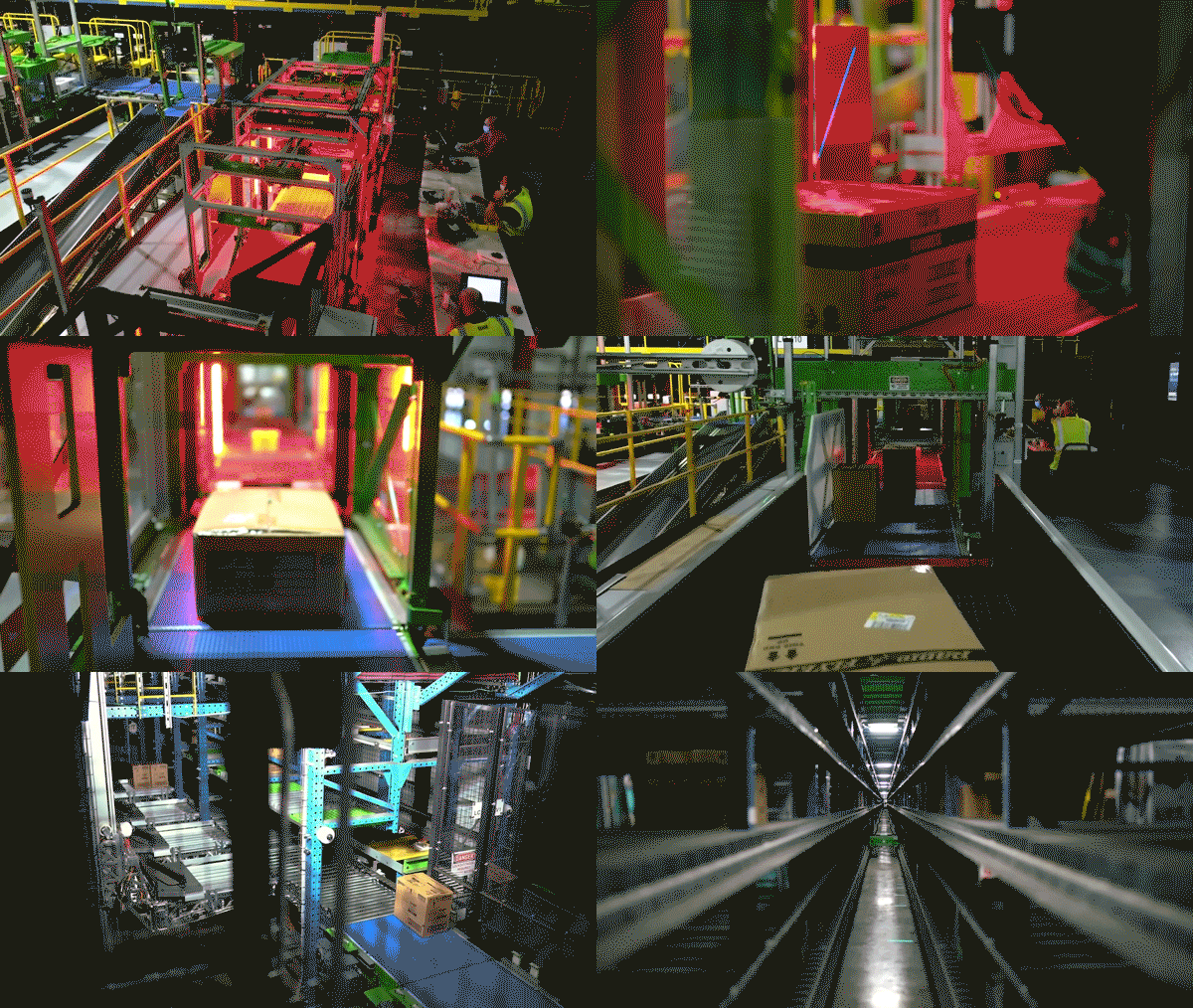
Walmart’s latest comments around same-day fulfillment, 30-minute delivery windows, AI-driven inventory positioning, and supply chain automation should be a wake-up call for the entire retail industry.
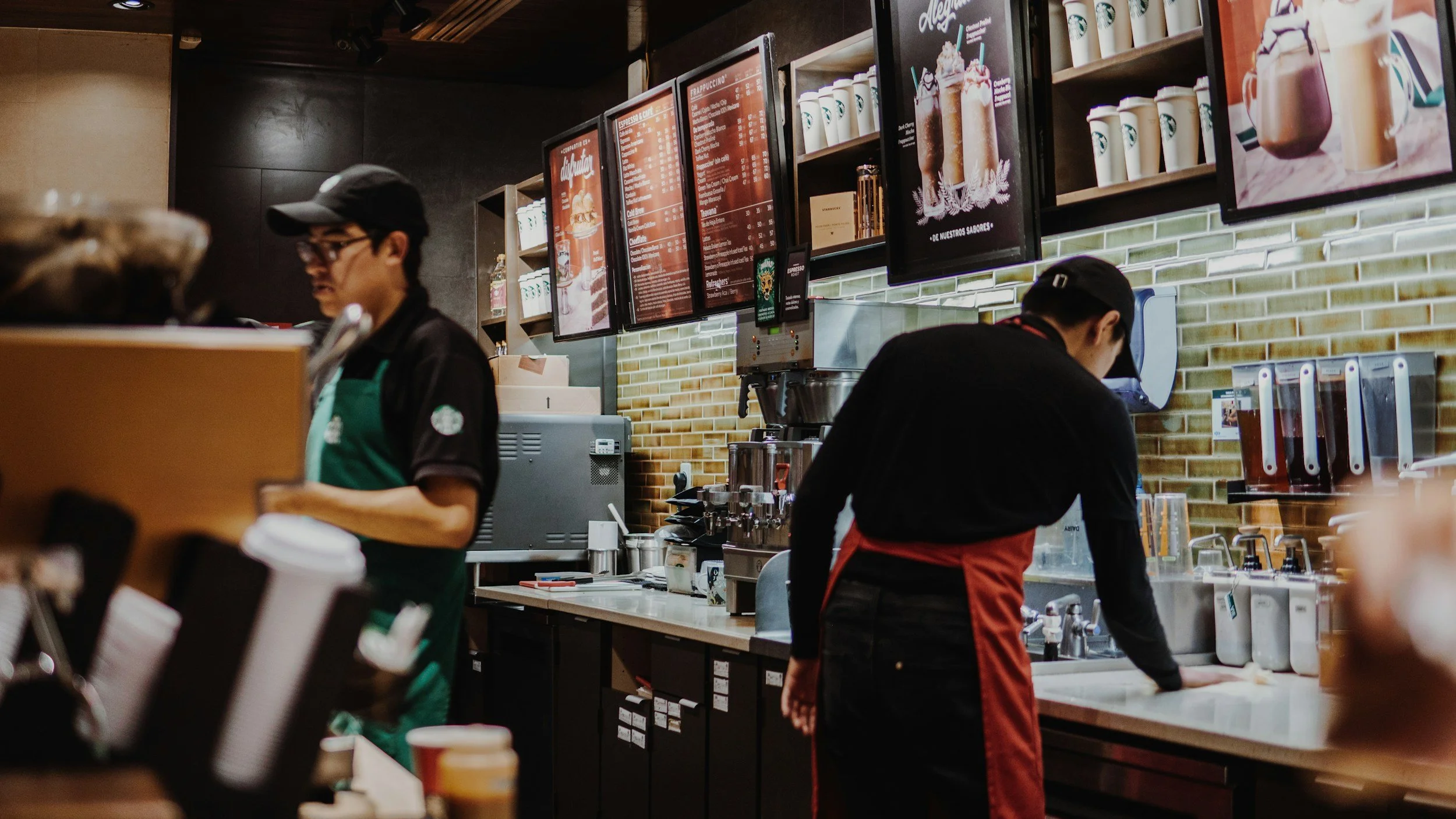
The promise made to Starbucks CEO Brian Niccol was enticing. To eliminate persistent product shortages that hurt sales, the company deployed an automated counting system.
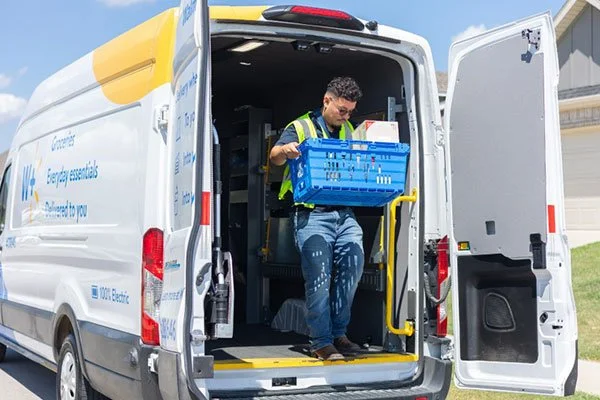
The retail giant is using unlikely spaces to push against Amazon’s recent strategies to capture more customers.

Traditional WMS lacks the real-time visibility into the availability of automated materials handling equipment that a WES brings to the table.
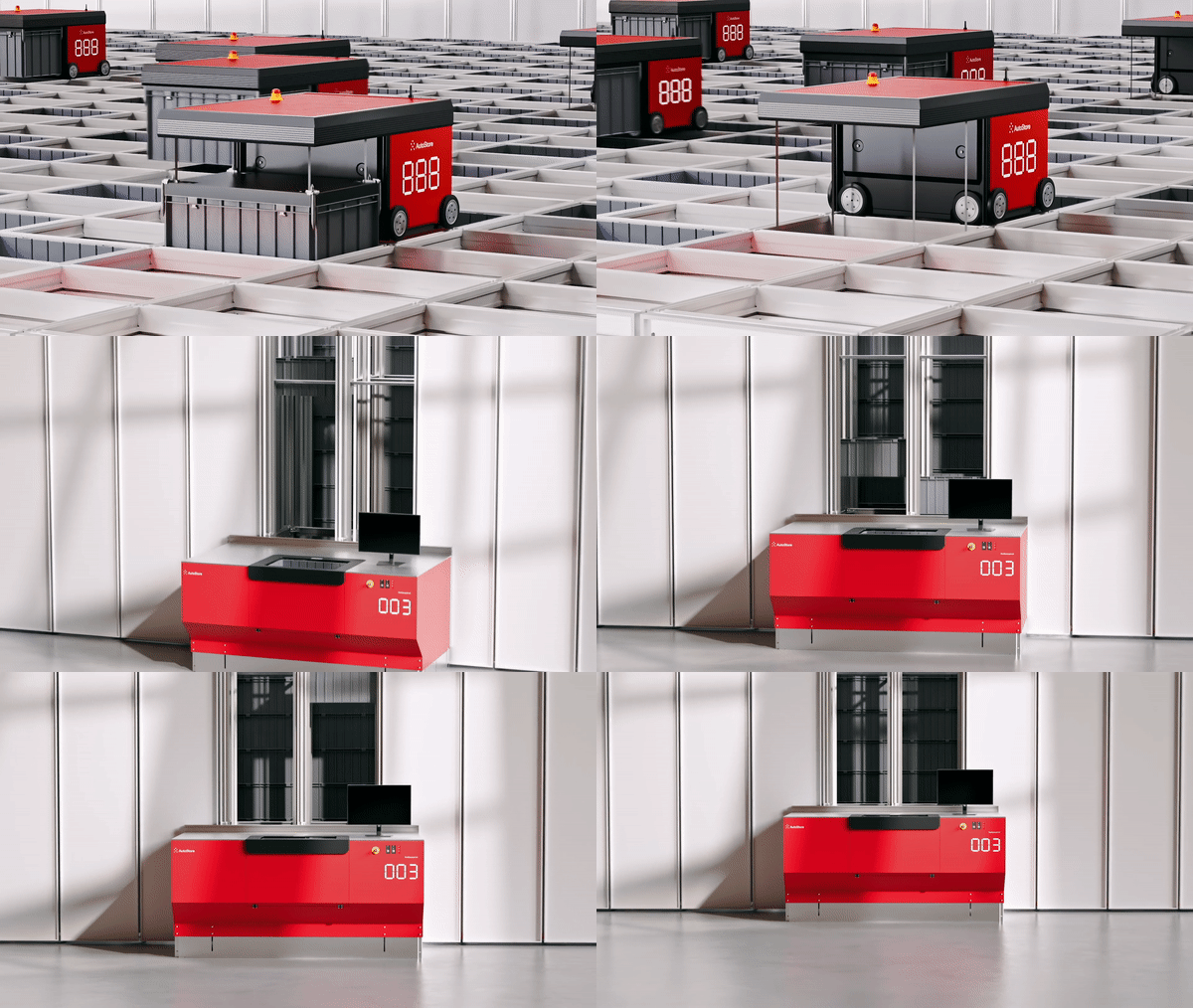
Ulta Beauty has selected AutoStore technology for its new Utah regional distribution hub supporting both stores and growing e-commerce fulfillment.
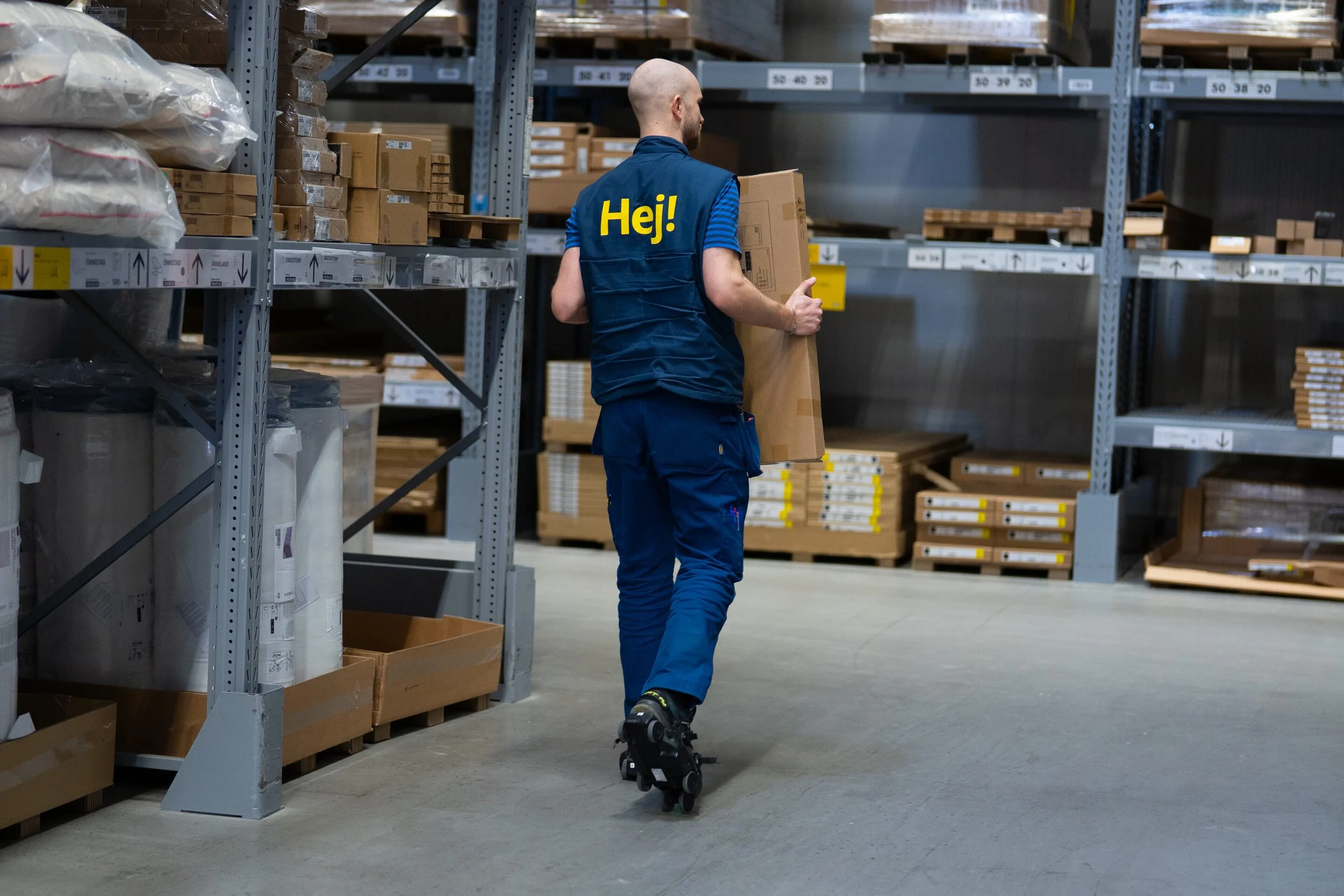
Ikea is testing robotic boots in Helsingborg, Sweden, to speed up order picking and reduce physical strain. Initial measurements showed that employees walked up to twice as fast, and average hourly picking productivity increased by 16%.
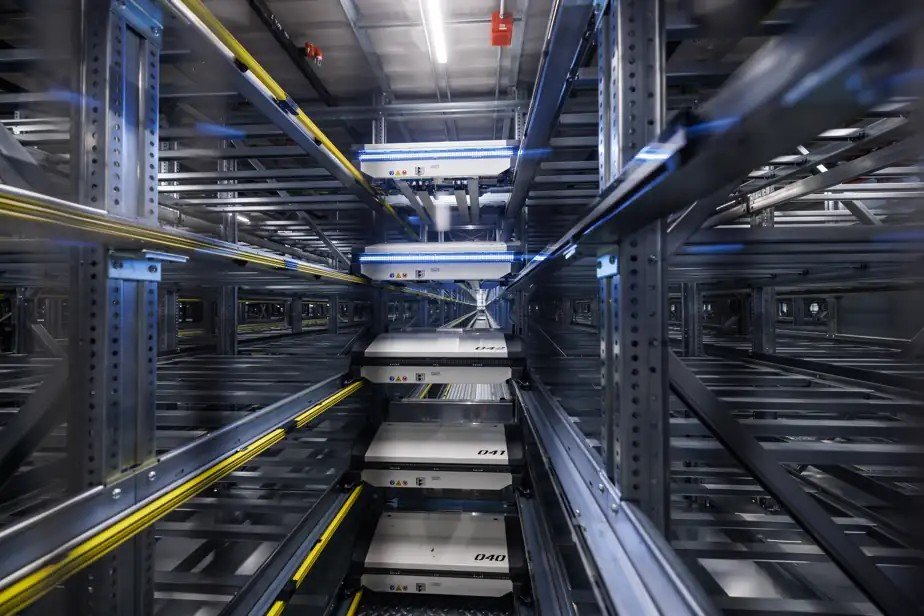
The cost of the SAQ's automated distribution center project, scheduled to begin operations next year, has gone from $48.5 million to $300 million in four years.
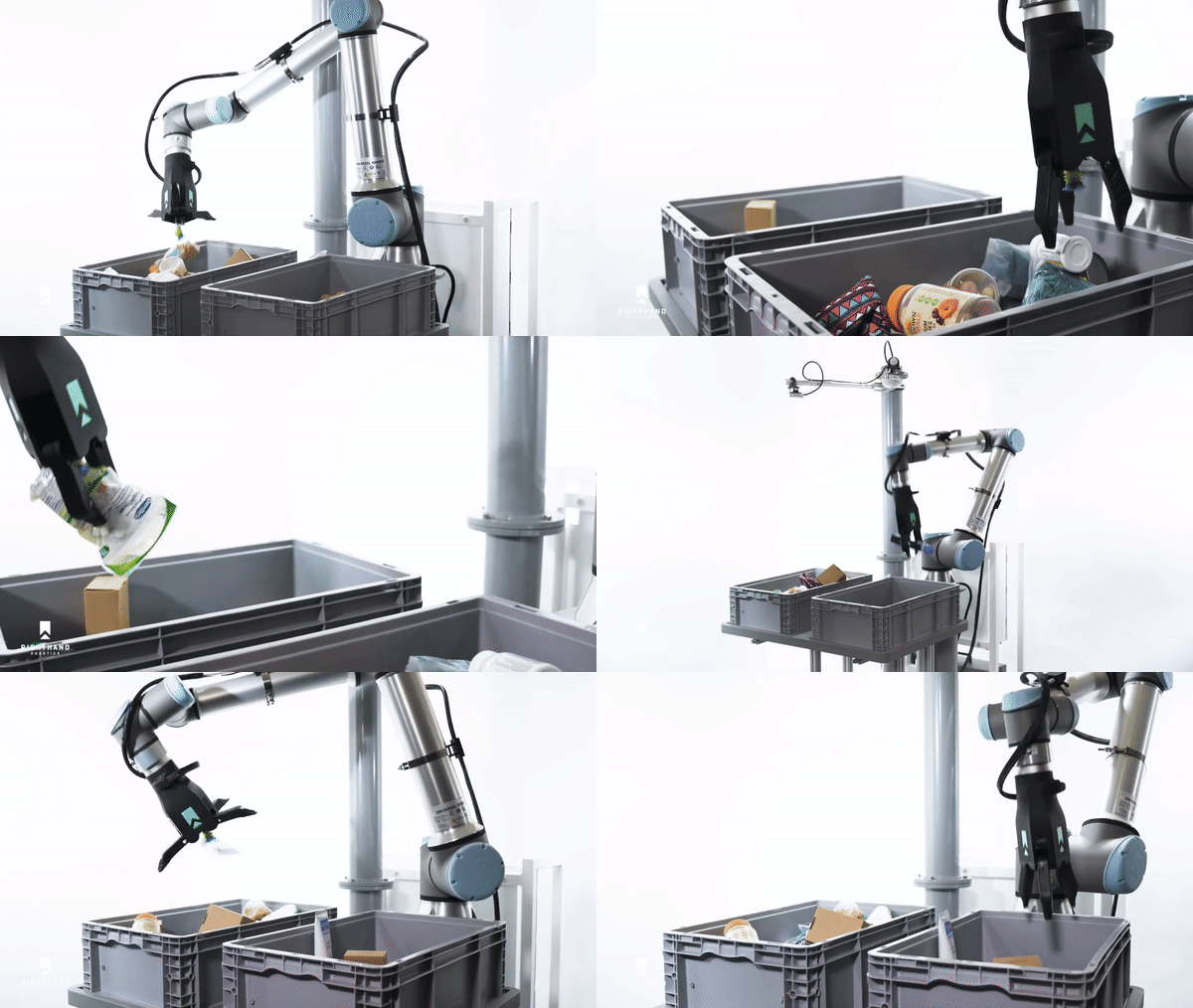
Piece-picking robots are currently one of the hottest solutions in warehouse automation
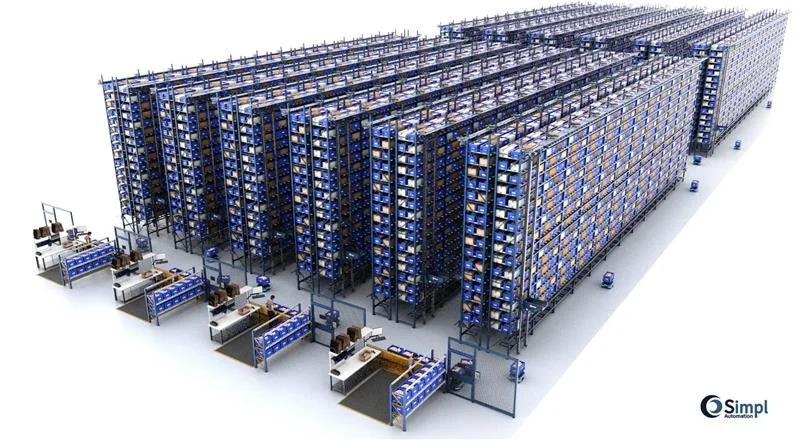
Home Depot acquires warehouse tech firm to boost fulfillment strategy
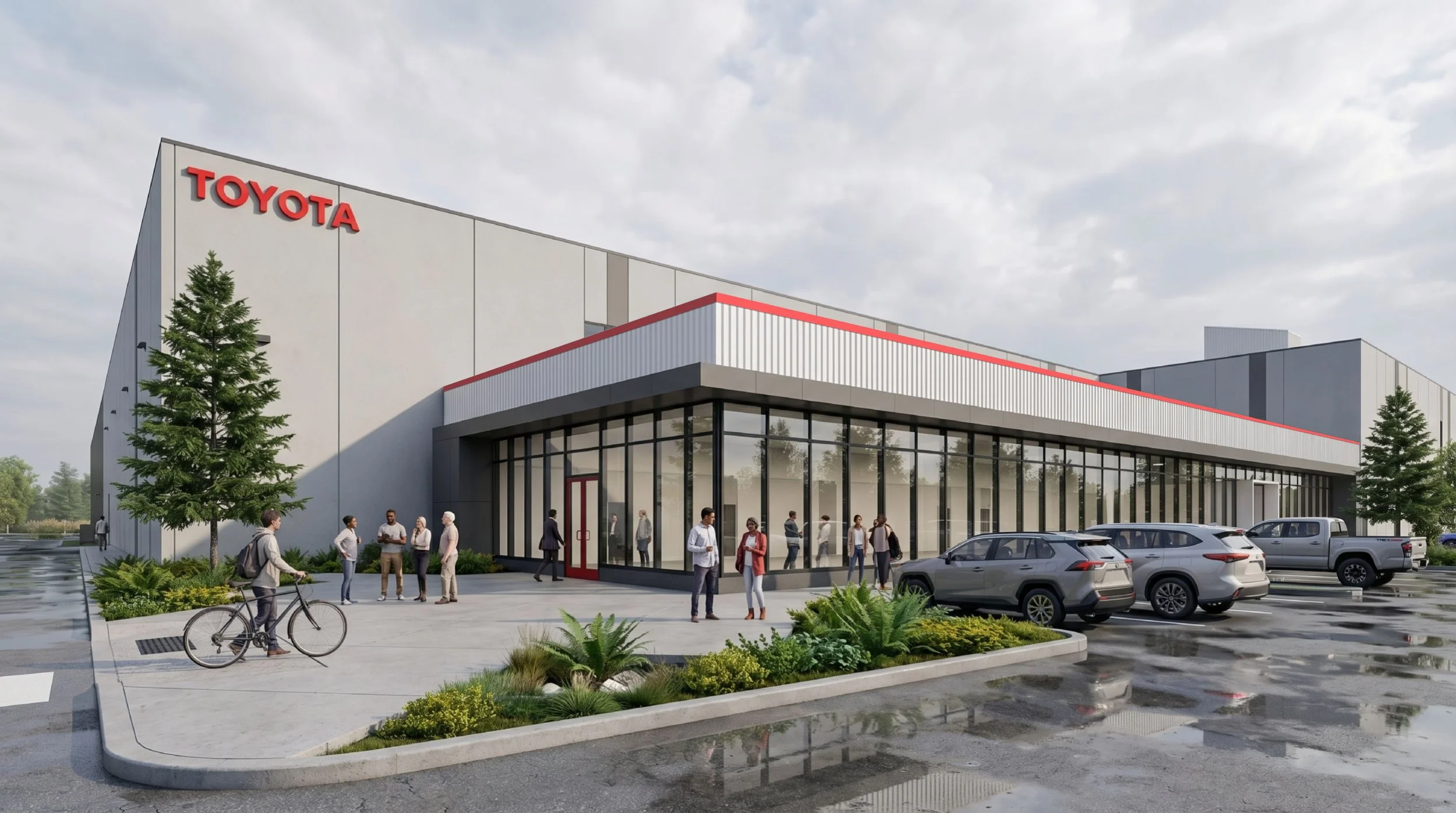
The Surrey facility will primarily serve British Columbia, while Calgary will cover Alberta, Saskatchewan, and surrounding regions.

How Canadian Robotics Forced NASA to Give Us a Seat on the Moon Mission
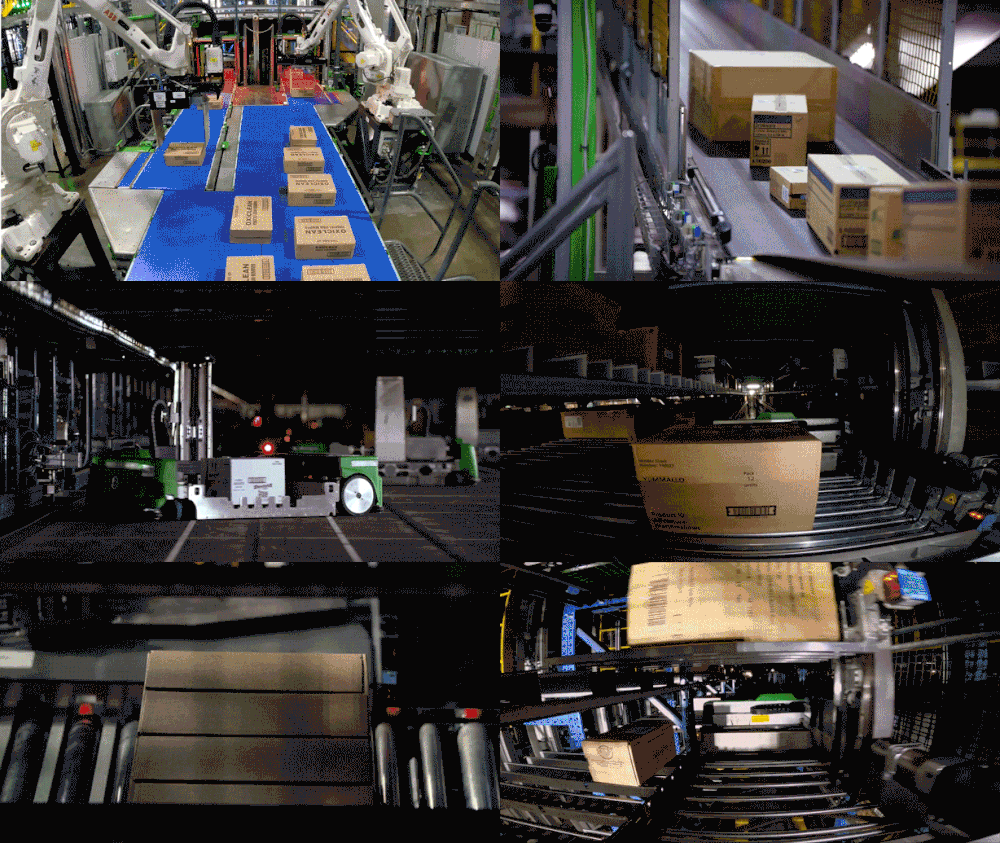
Today, a new layer is beginning to appear in highly automated facilities: the Warehouse Operating System (WOS).
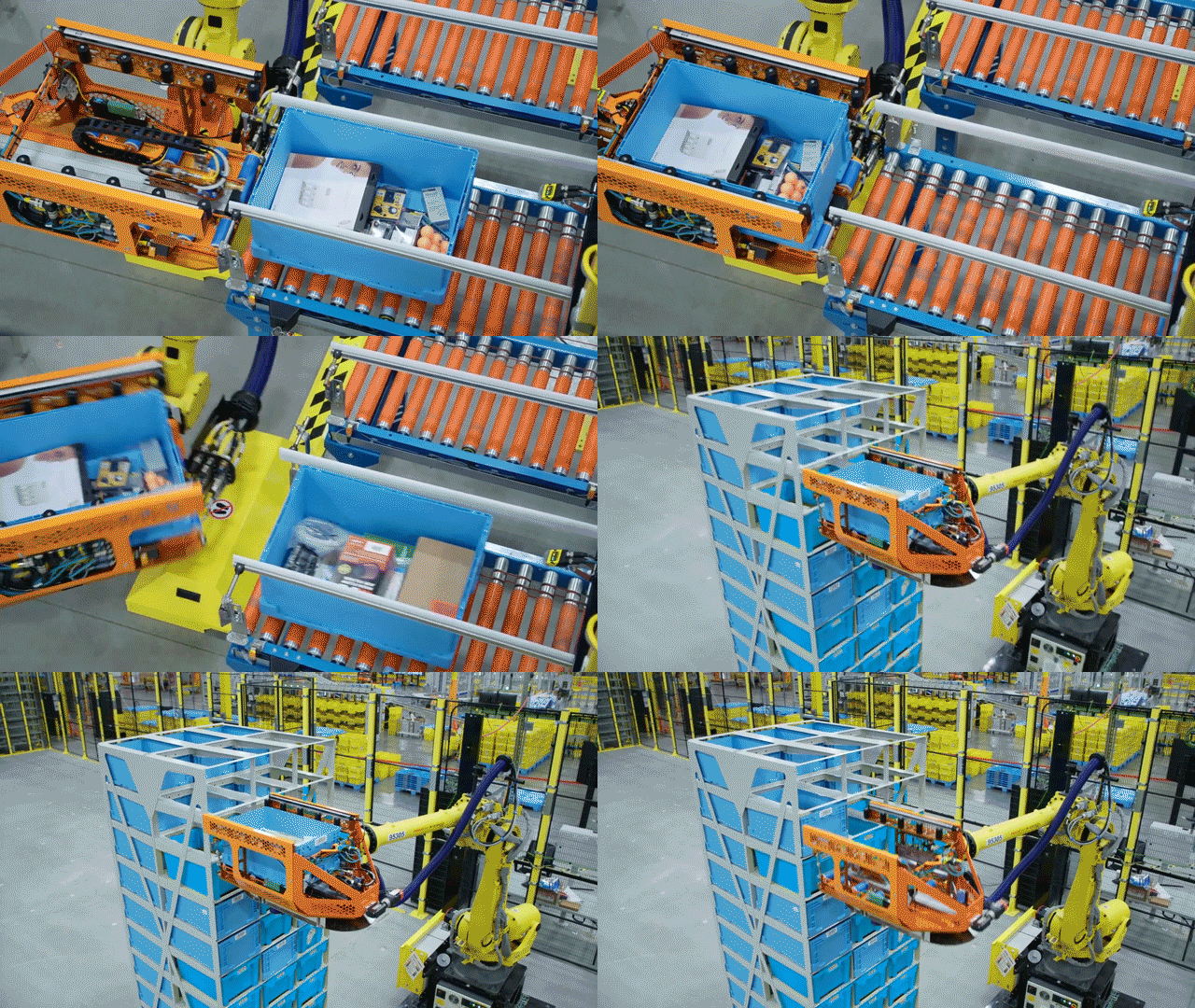
Cainiao plans to build a large-scale global network of robotic warehouses in 2026 as it expands local fulfilment and delivery operations tied to cross-border eCommerce.
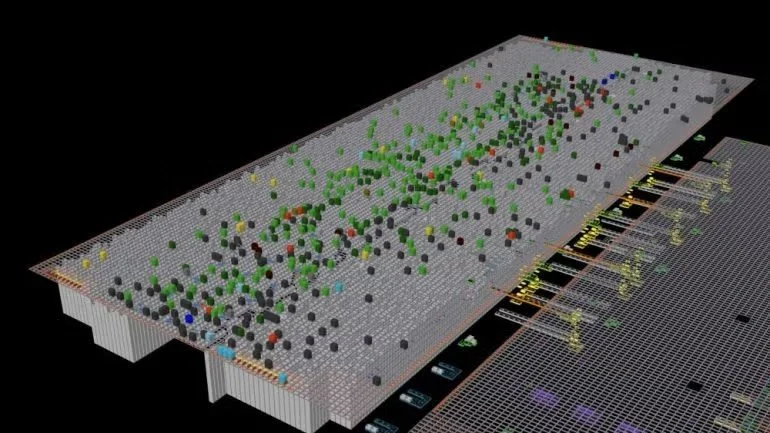
Ocado has delivered a cube-based automation system for McKesson Canada, representing a continued expansion of its technology beyond e-commerce grocery fulfilment.
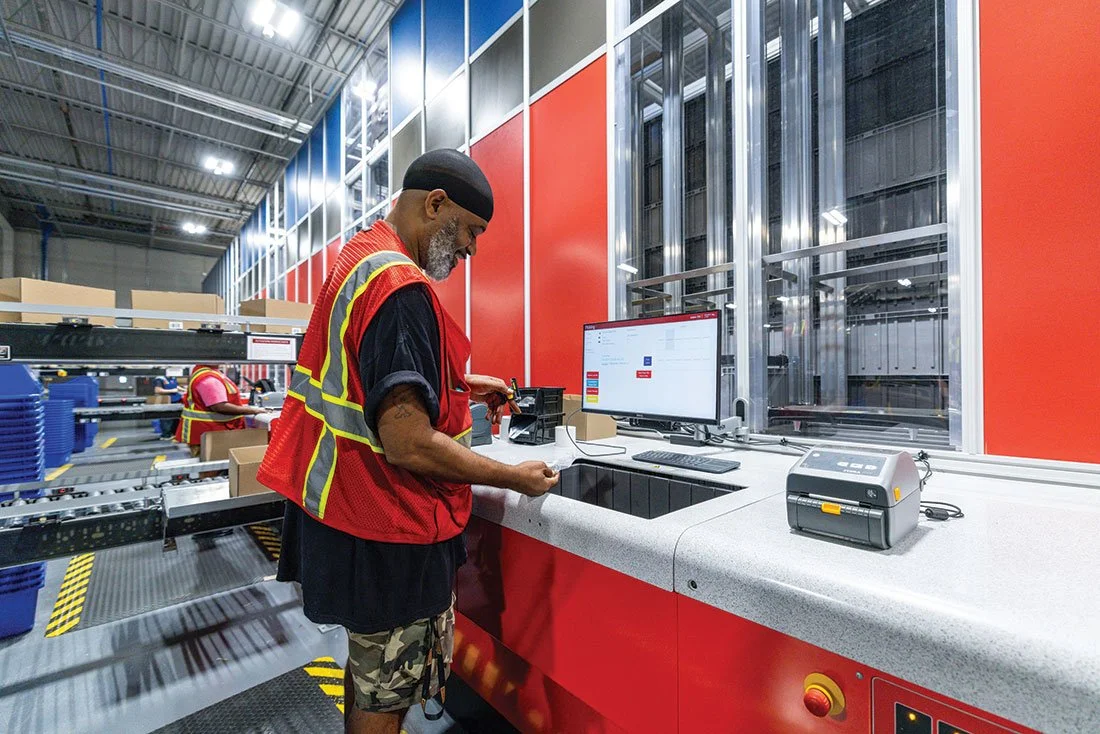
AutoStore reported its 2025 results this week, outlining a year that moved from early caution to clear second-half acceleration.
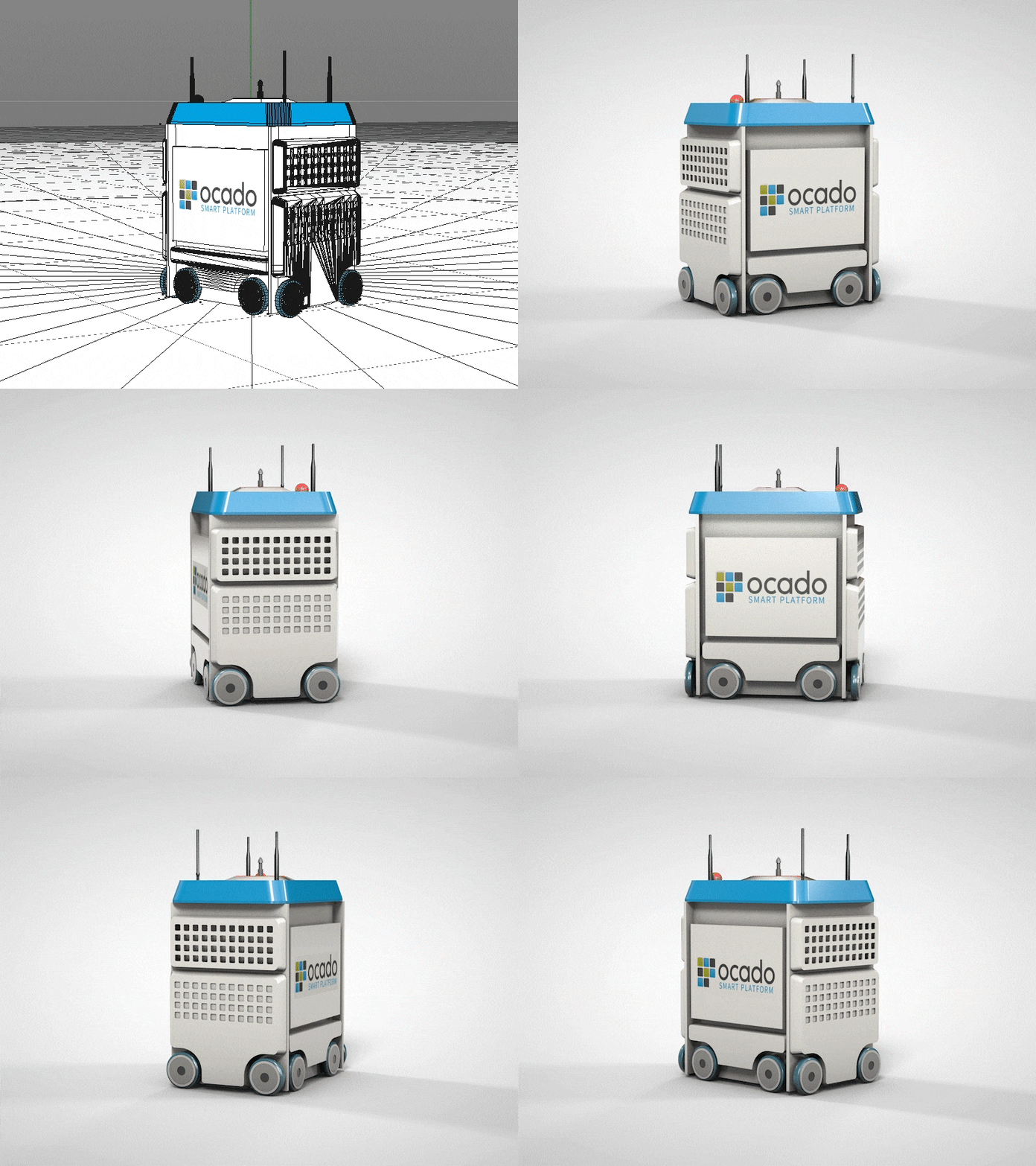
Ocado is facing reports of up to 1,000 job cuts

At Hannover Messe 2026, SAP and Vodafone showcased a pilot conducted at Vodafone’s warehouse in Duisburg,