
Red-Hot Alo Yoga to Open Massive Automated Distribution Center
Alo Yoga to Open Massive Distribution Center in Mississippi






Alo Yoga may not yet have the name recognition of Nike, Adidas or Lululemon, but the Los Angeles activewear company is starting to operate on a very different scale.
The company is planning a new 1.2-million-square-foot automated distribution and fulfillment center in Southaven, Mississippi, representing an investment of nearly $176 million and more than 400 new jobs.
That is a massive distribution operation for a company many people outside the fashion and fitness world may still know very little about.
But Alo has been growing quickly.
The company now operates around 170 stores globally, including approximately 100 in the U.S., and also sells through major retailers including Nordstrom, Revolve, Saks and Bloomingdale’s.
The new Southaven facility is expected to become operational in 2027. Alo will move into an existing building rather than construct a new facility and will have the option of adding returns processing to the operation.
At 1.2 million square feet, the facility gives some indication of where Alo believes the business is heading.
Supporting a rapidly expanding store network while also handling direct-to-consumer and wholesale orders creates a very different distribution requirement than simply adding more warehouse space. The new operation will include significant automation, with the final combination of equipment, software and system integration becoming an important part of how the facility ultimately performs.
Southaven is also a strong logistics location. Just south of Memphis, it gives Alo access to one of the most important transportation and distribution markets in the U.S. and a central position from which to support its growing national network.
Alo’s expansion has been unusually fast, and a nearly $176 million investment in a 1.2-million-square-foot automated fulfillment center shows just how serious the company is about supporting that growth.
For anyone who has not been paying attention to Alo Yoga, this project is a pretty good reason to start.
The Los Angeles-based activewear firm is moving into an existing building and will occupy up to 1.2 million square feet
750,000 sq. ft. Metro Vancouver food distribution terminal could strengthen Canada's food security
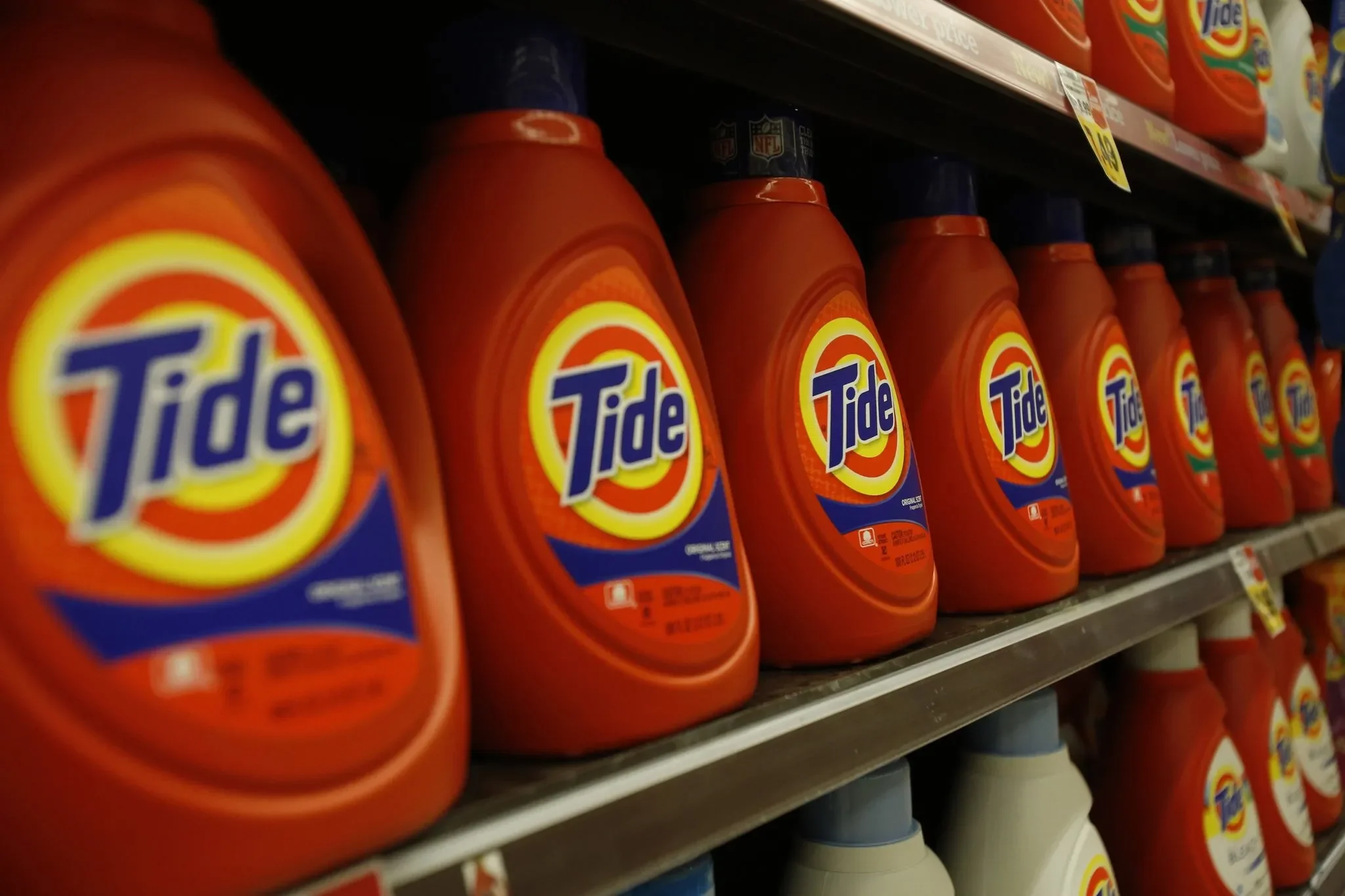
Procter & Gamble (P&G) is pursuing an ambitious expansion of robotics and automation across its global manufacturing and distribution network
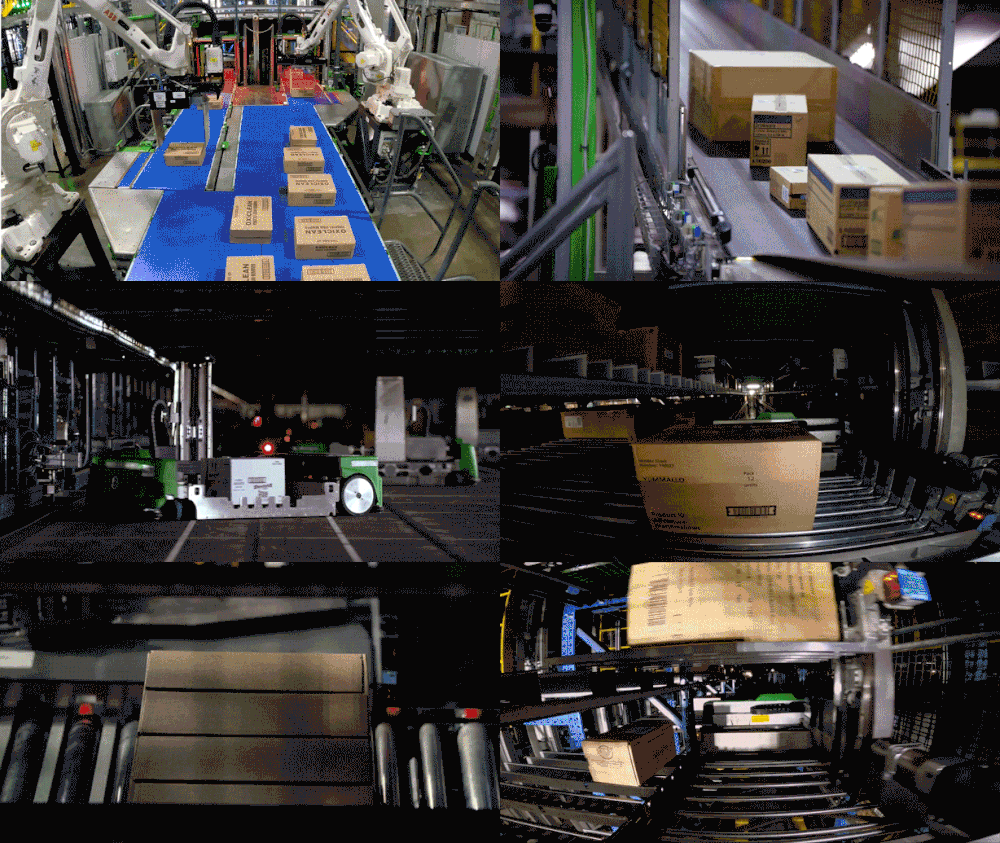
Symbotic became the largest warehouse automation vendor in the Americas by market share in 2025, overtaking several established providers

Pattison Food Group Modernizes Langley Distribution Centre with Advanced Grocery Automation.
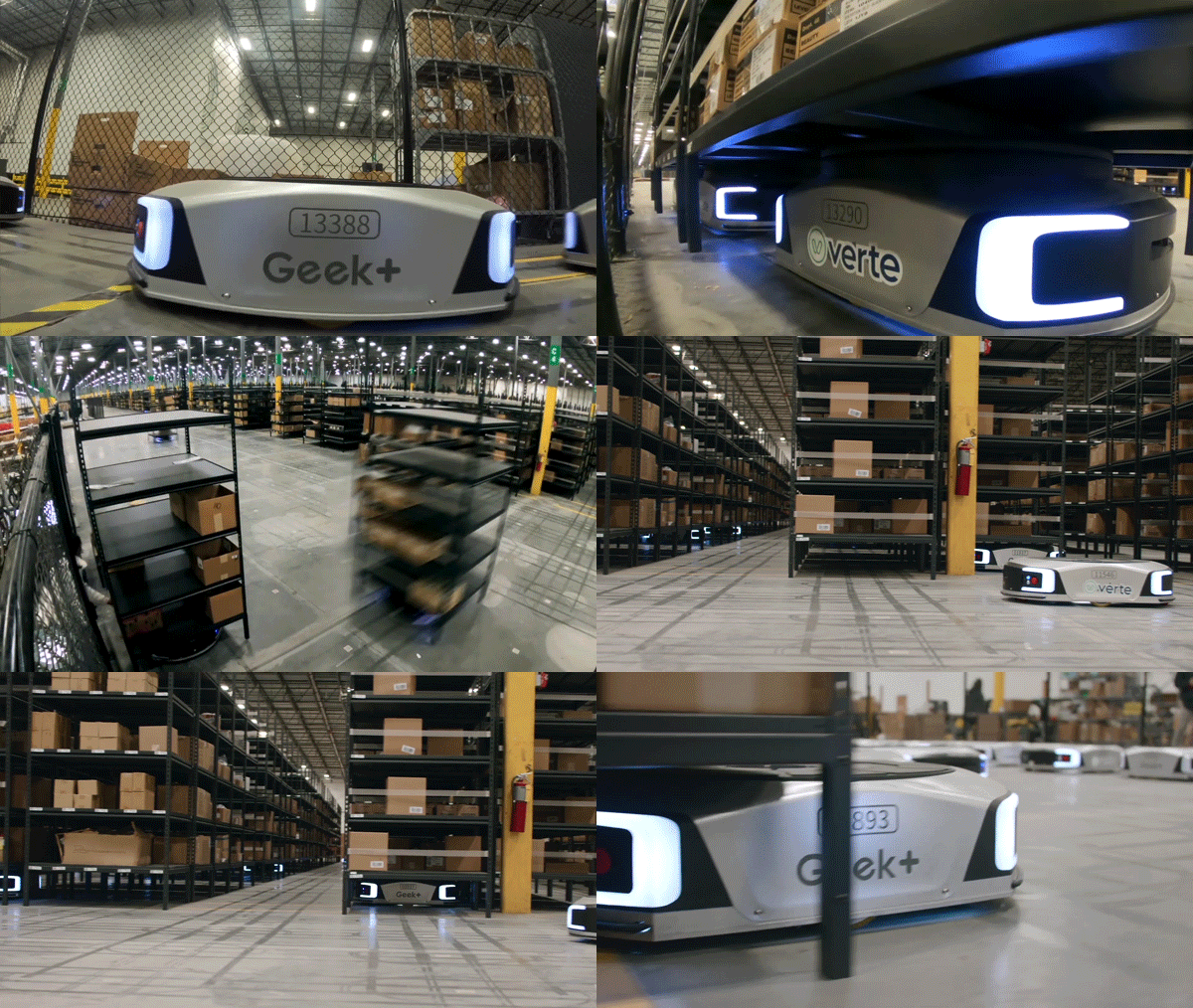
As part of an ongoing warehouse automation modernization project, a fleet of pre-owned ASRS robots is available for purchase.
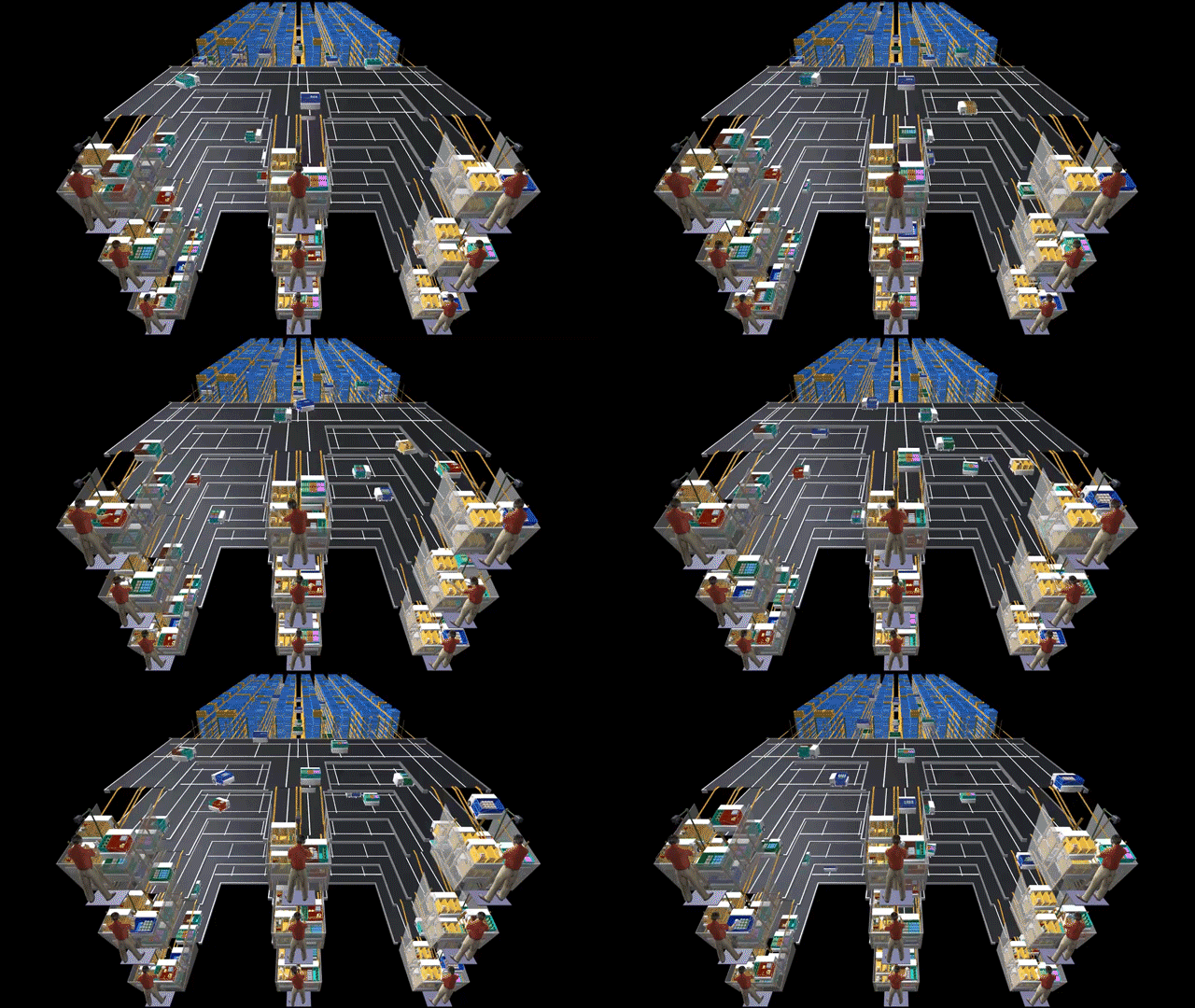
Symbotic’s new SymMicro system begins its first in-store installation, with the potential to expand to 400 Walmart locations.
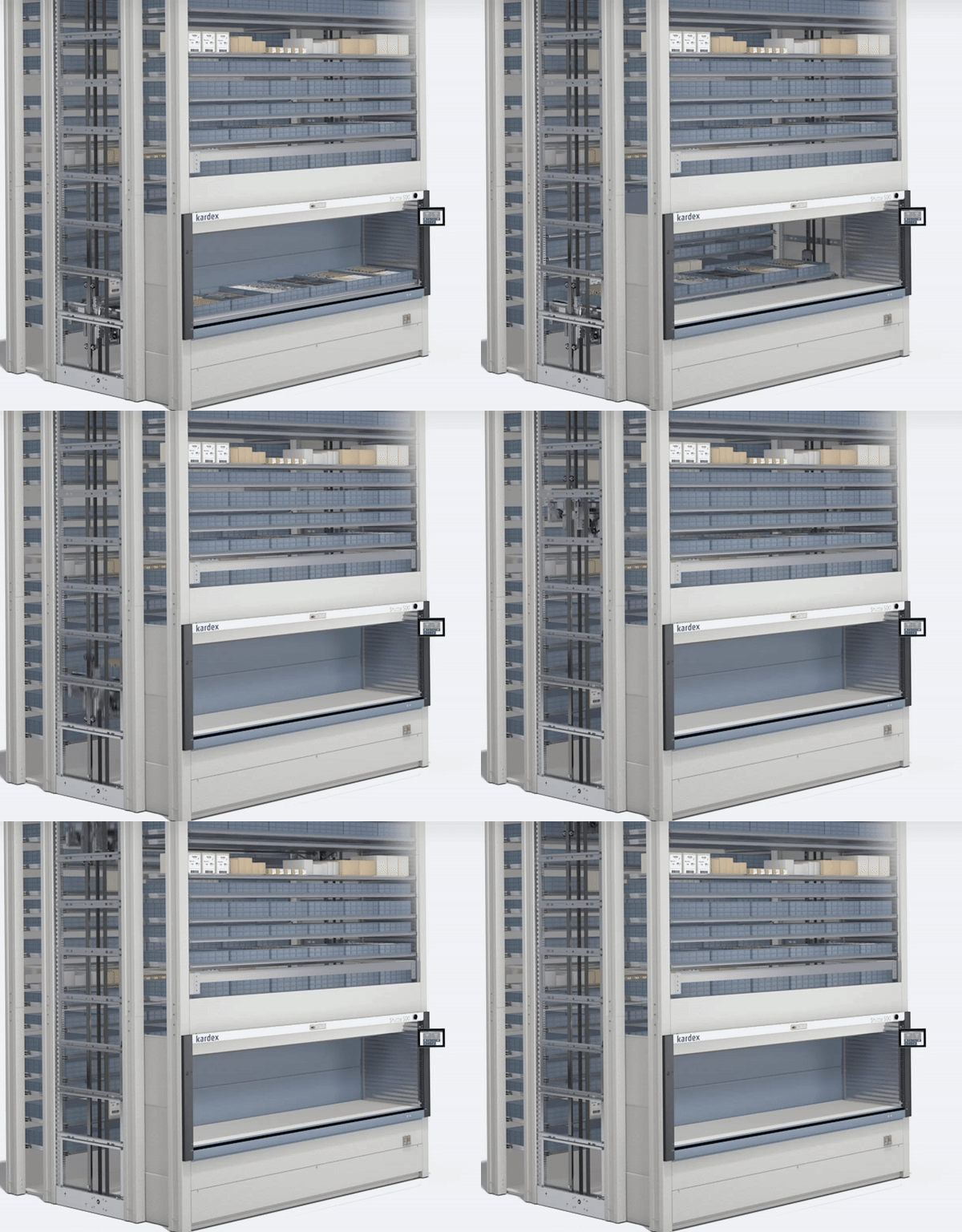
Two brand-new Kardex Shuttle XP 500 vertical lift modules are available for immediate delivery.
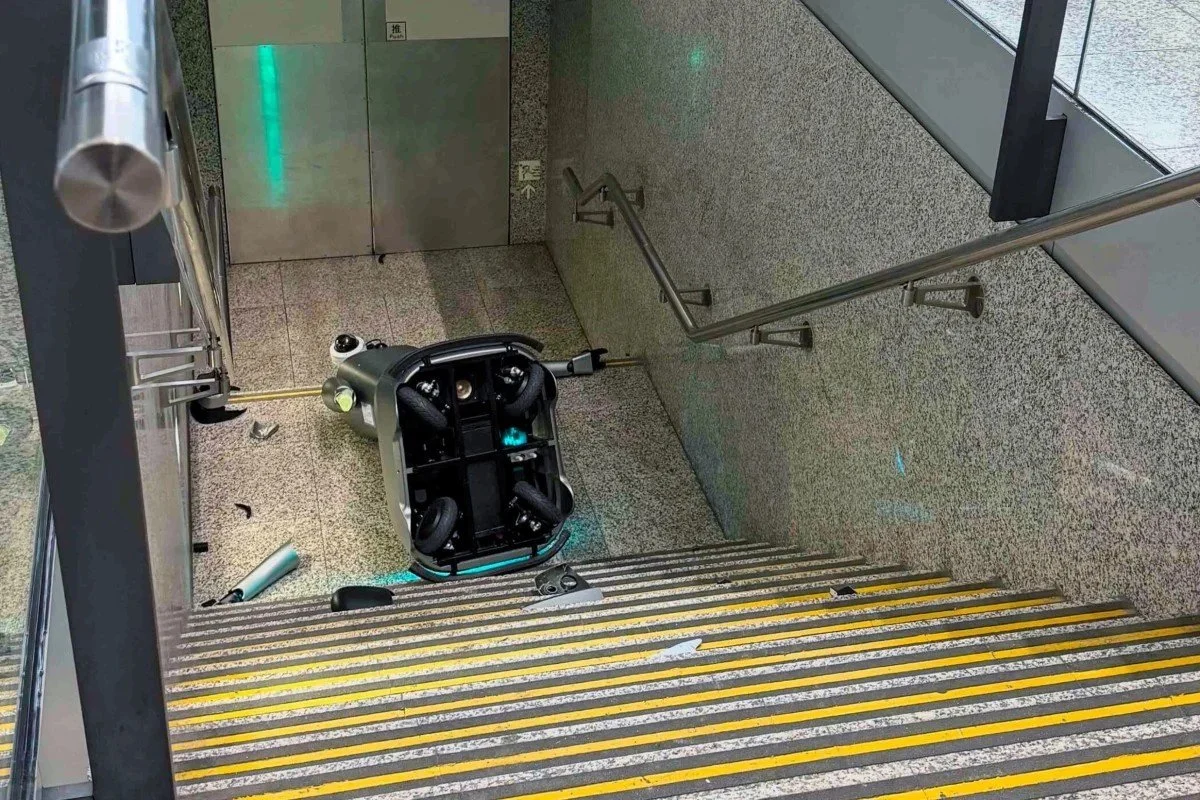
A robot accident at Hong Kong International Airport offers an important lesson about mobile robot safety
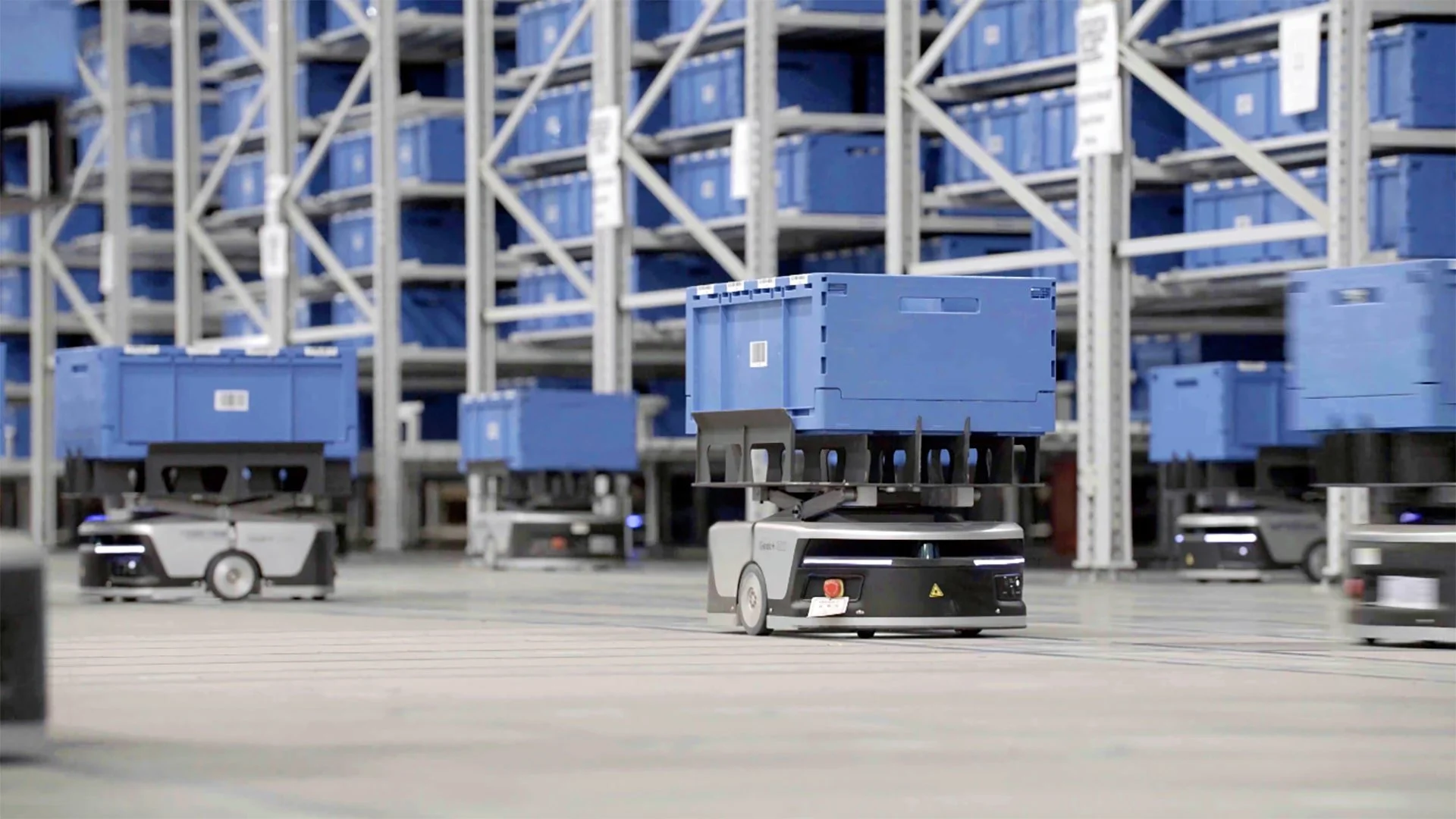
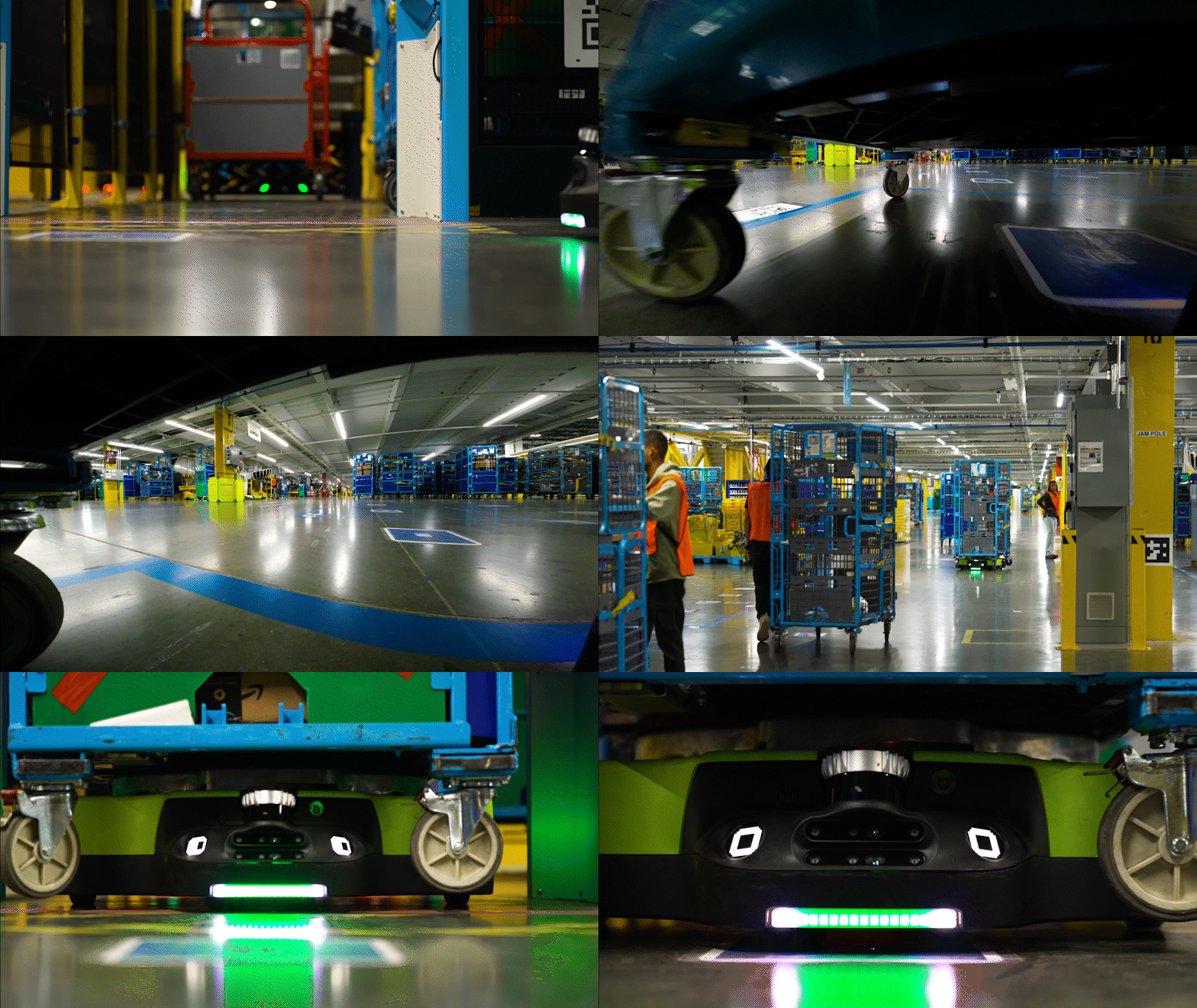
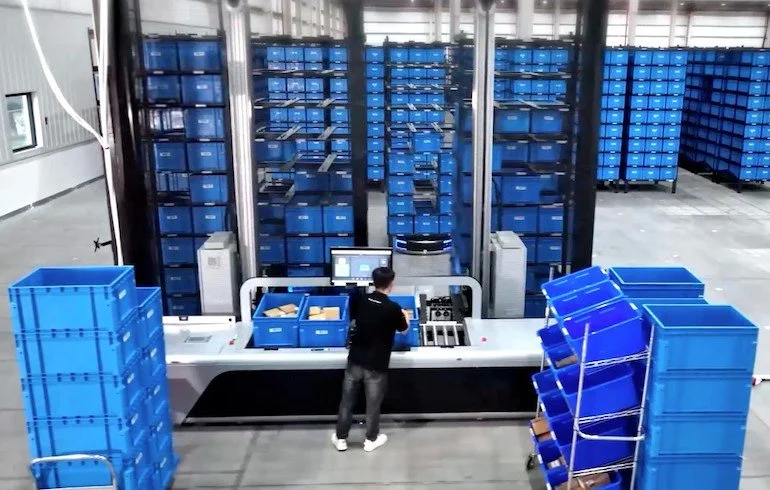
S&S Activewear is one of the more technology-forward apparel companies in North America’s branded-apparel distribution market.
Situated in Arvin, California, the new 700,000 square foot facility is described as its largest and most technologically sophisticated distribution center to date.
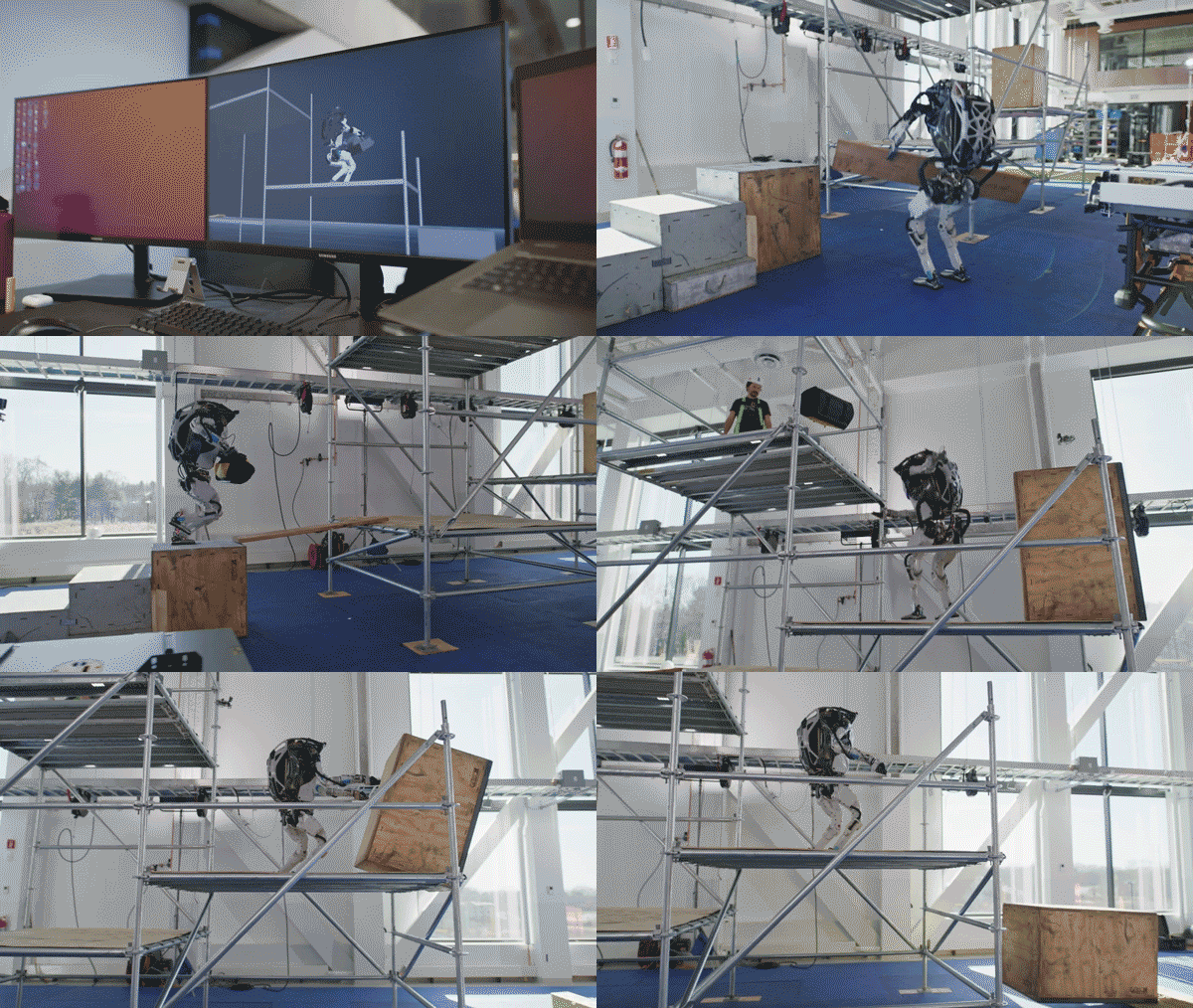
SoftBank is reportedly selling its remaining 9.65% stake in Boston Dynamics to Hyundai Motor Group for US$325 million.
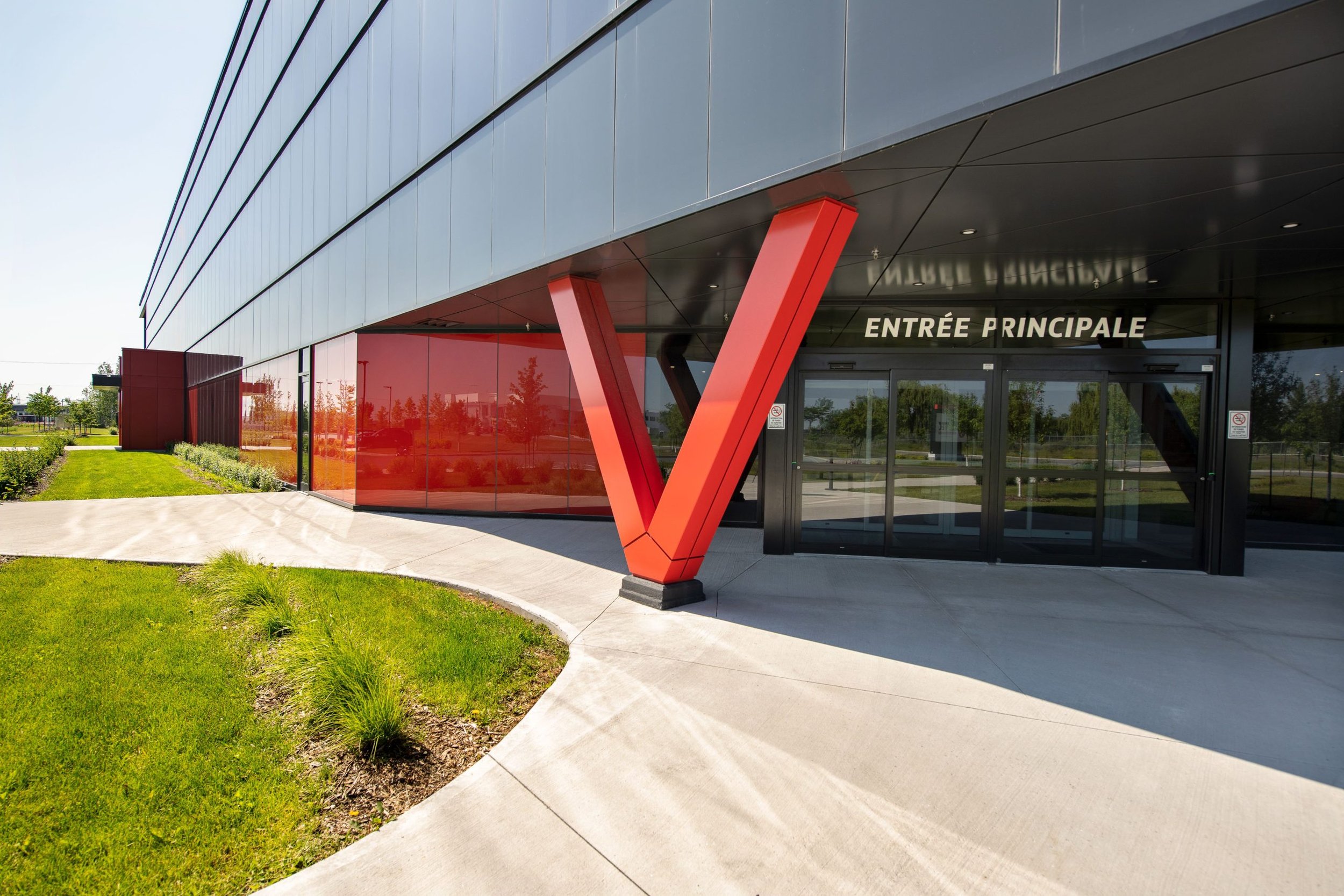
The company had automation. It had robotics. It had government support, customer momentum, press attention, and a massive facility.
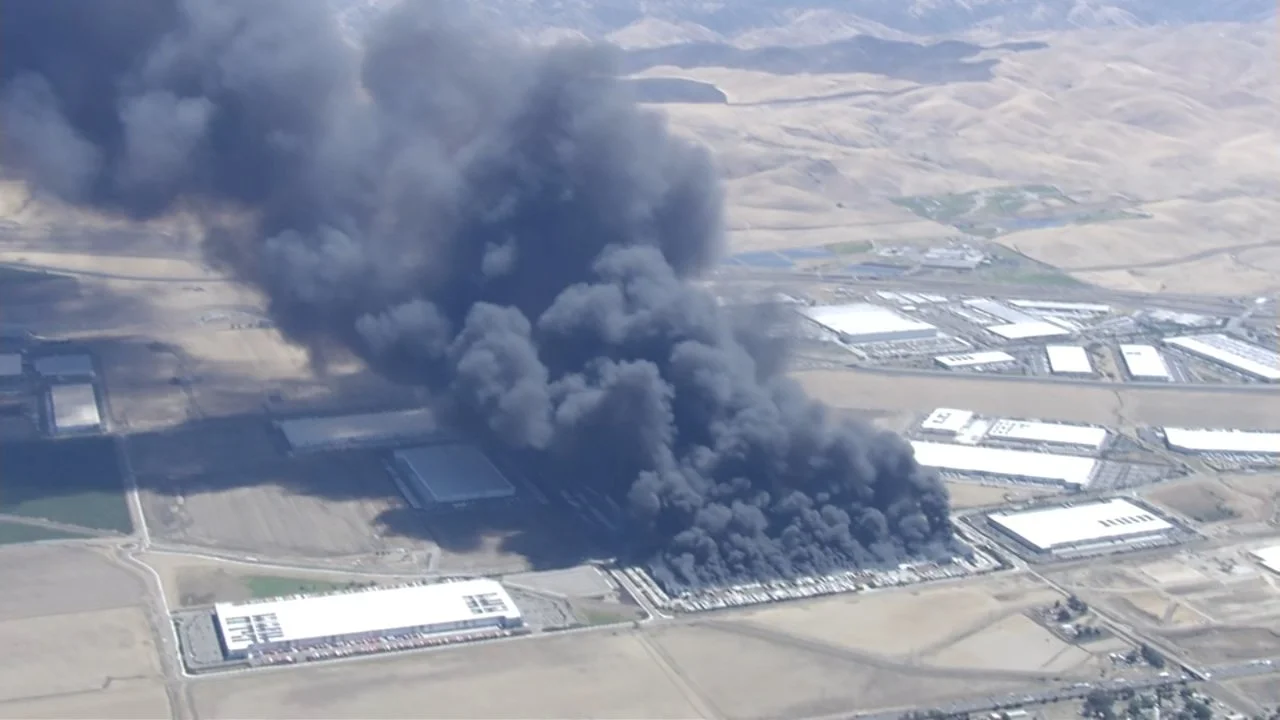
Massive fire destroys 1 million-square-foot Tracy Medline Industries distribution facility
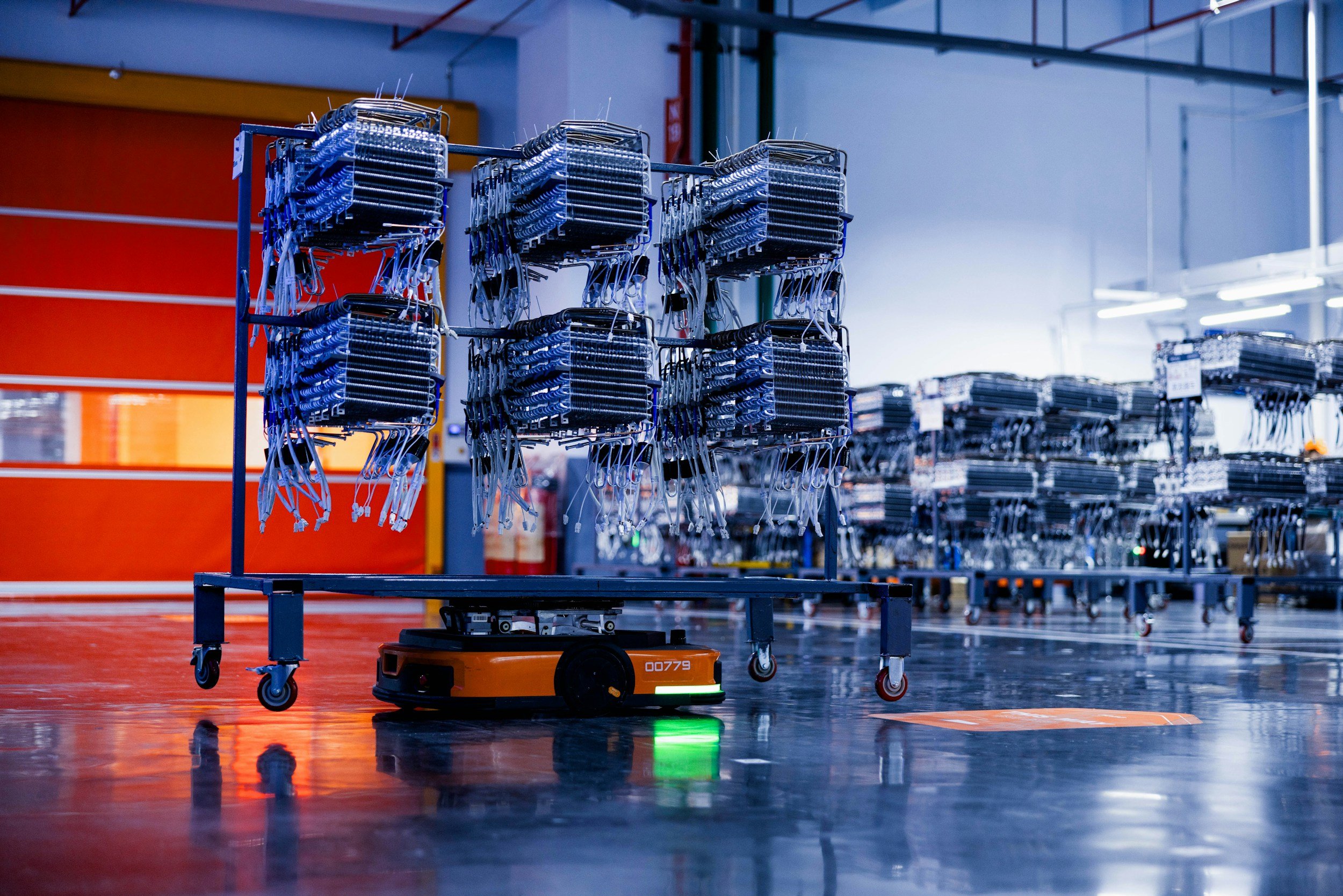
Artificial Intelligence and LLMs are currently being pushed aggressively into logistics, warehouse operations, robotics, and supply chain execution.
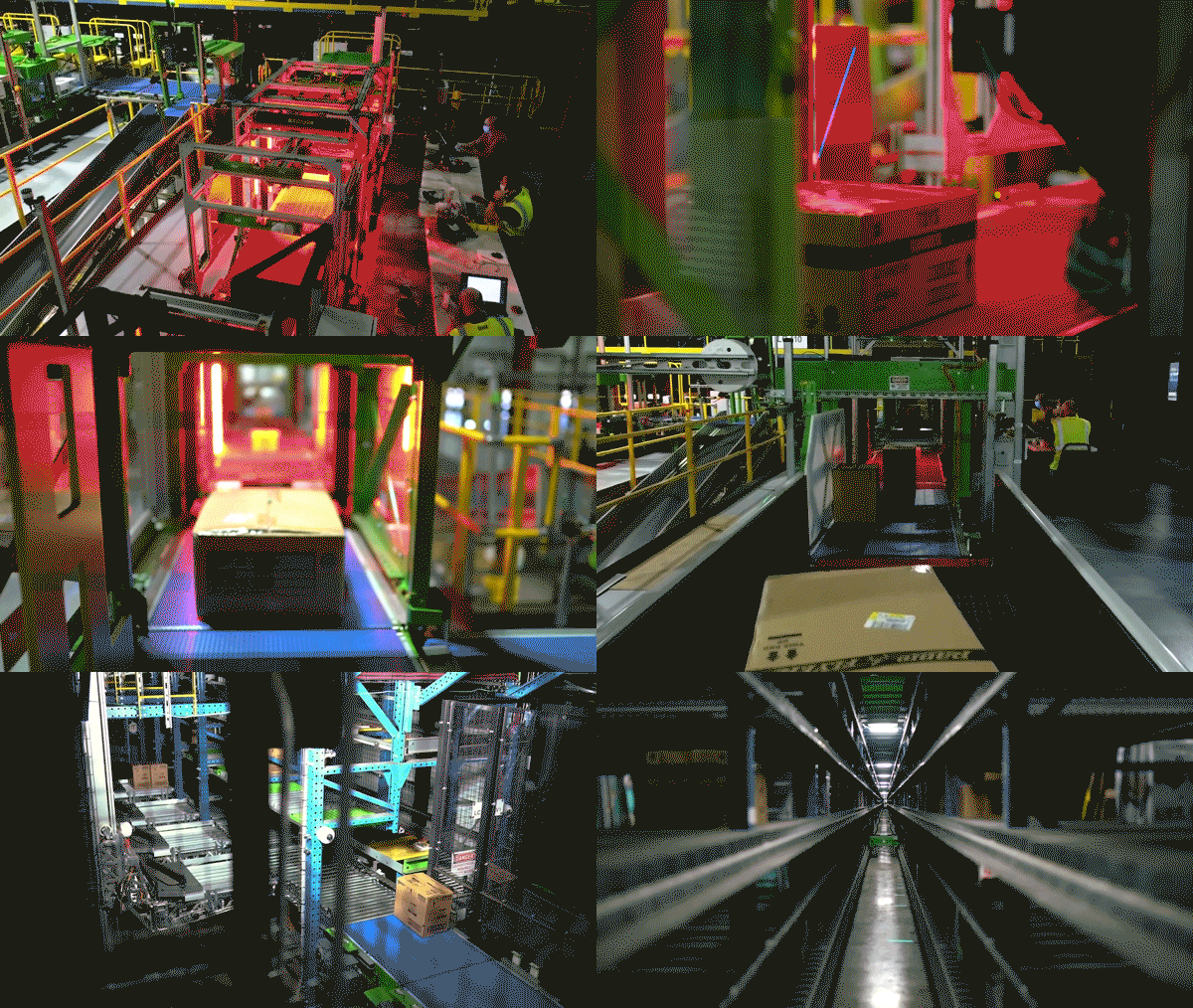
Walmart’s latest comments around same-day fulfillment, 30-minute delivery windows, AI-driven inventory positioning, and supply chain automation should be a wake-up call for the entire retail industry.
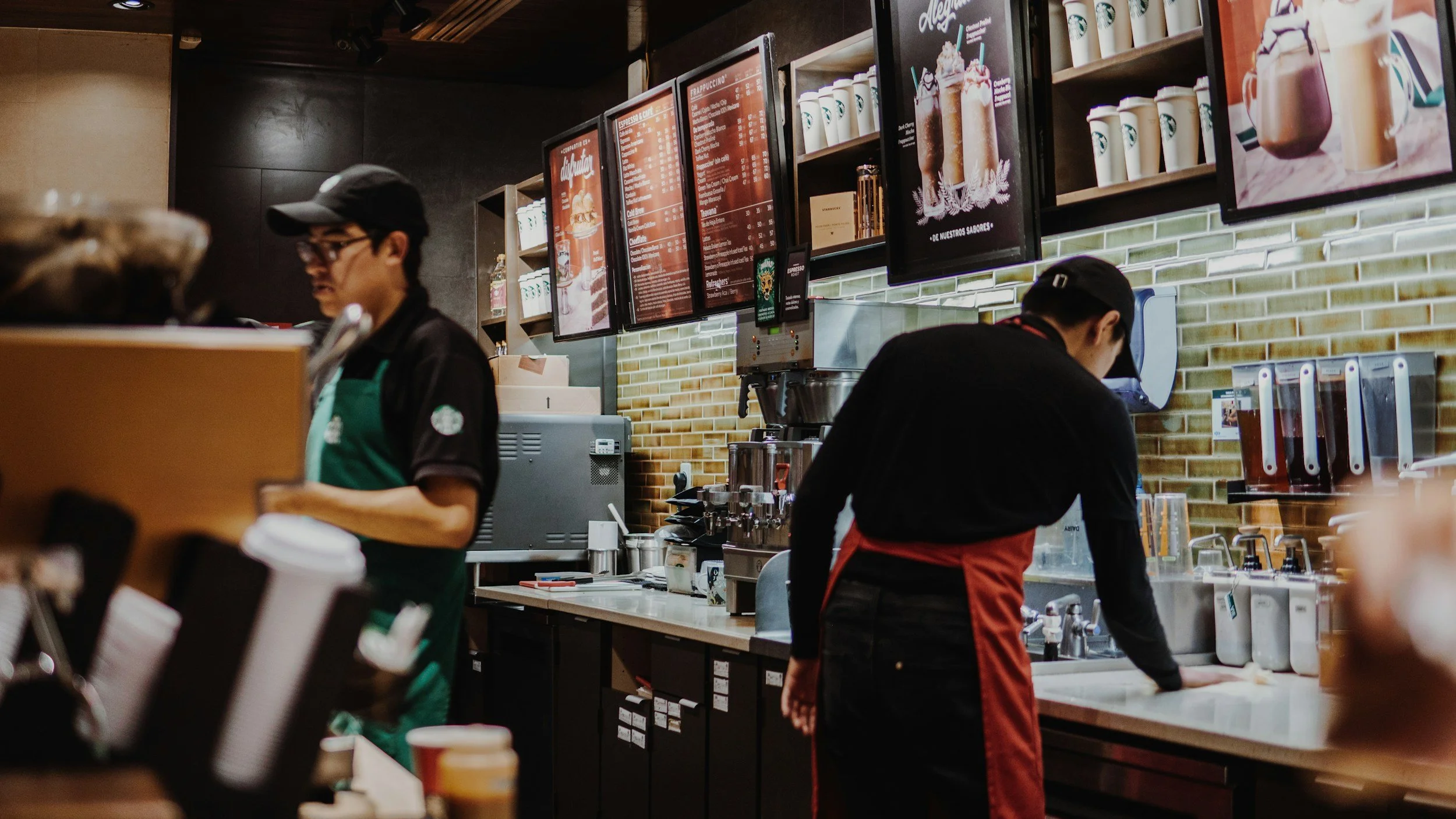
The promise made to Starbucks CEO Brian Niccol was enticing. To eliminate persistent product shortages that hurt sales, the company deployed an automated counting system.
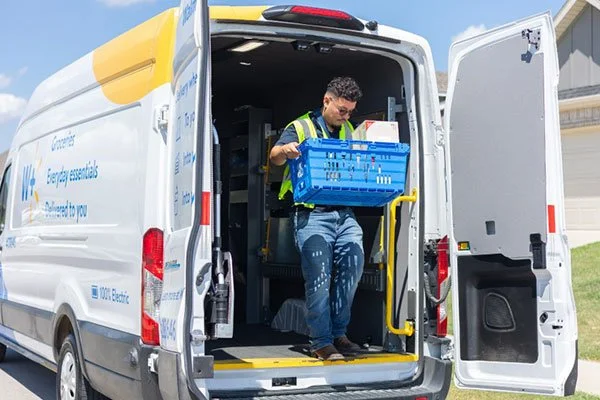
The retail giant is using unlikely spaces to push against Amazon’s recent strategies to capture more customers.

Traditional WMS lacks the real-time visibility into the availability of automated materials handling equipment that a WES brings to the table.
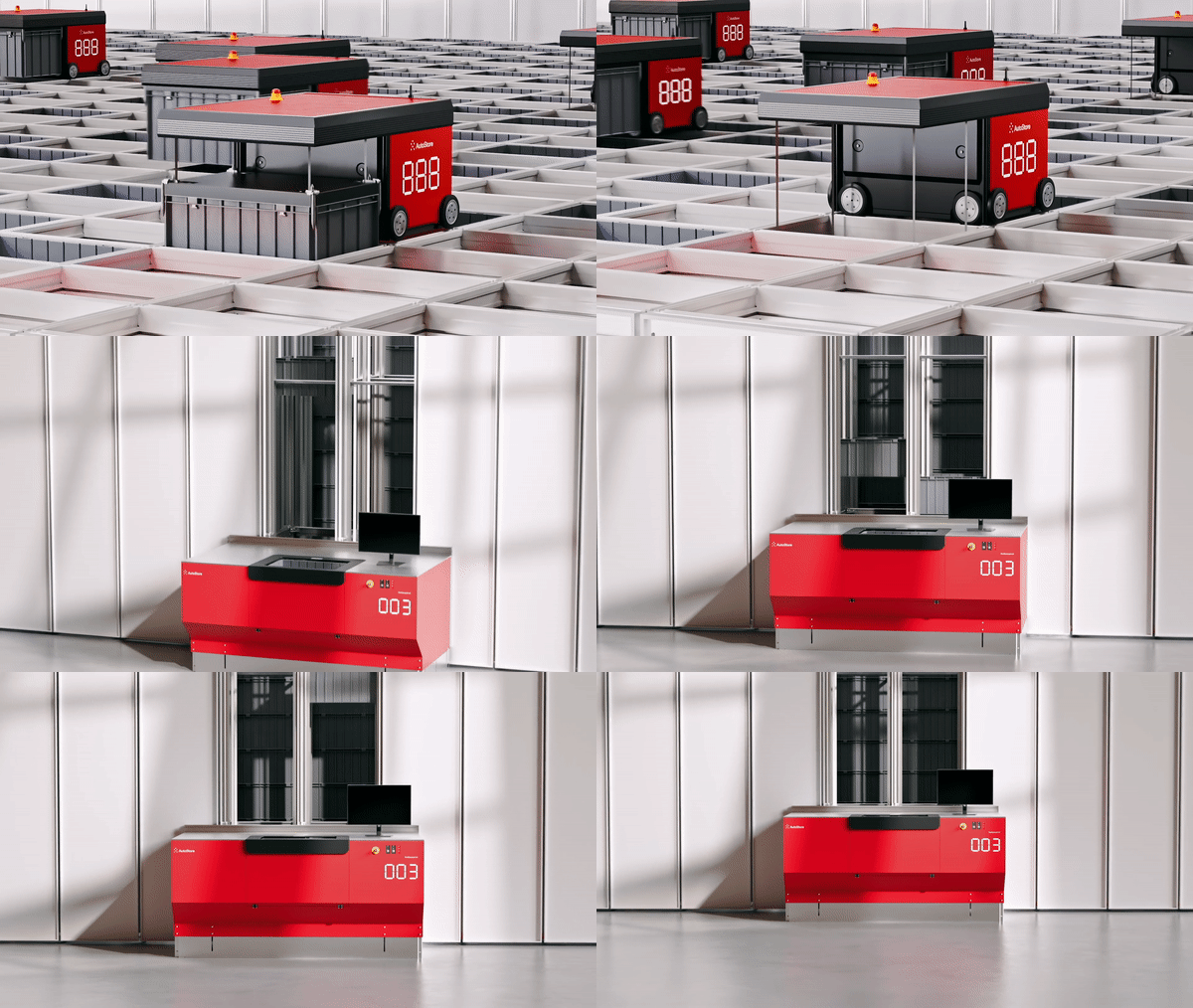
Ulta Beauty has selected AutoStore technology for its new Utah regional distribution hub supporting both stores and growing e-commerce fulfillment.
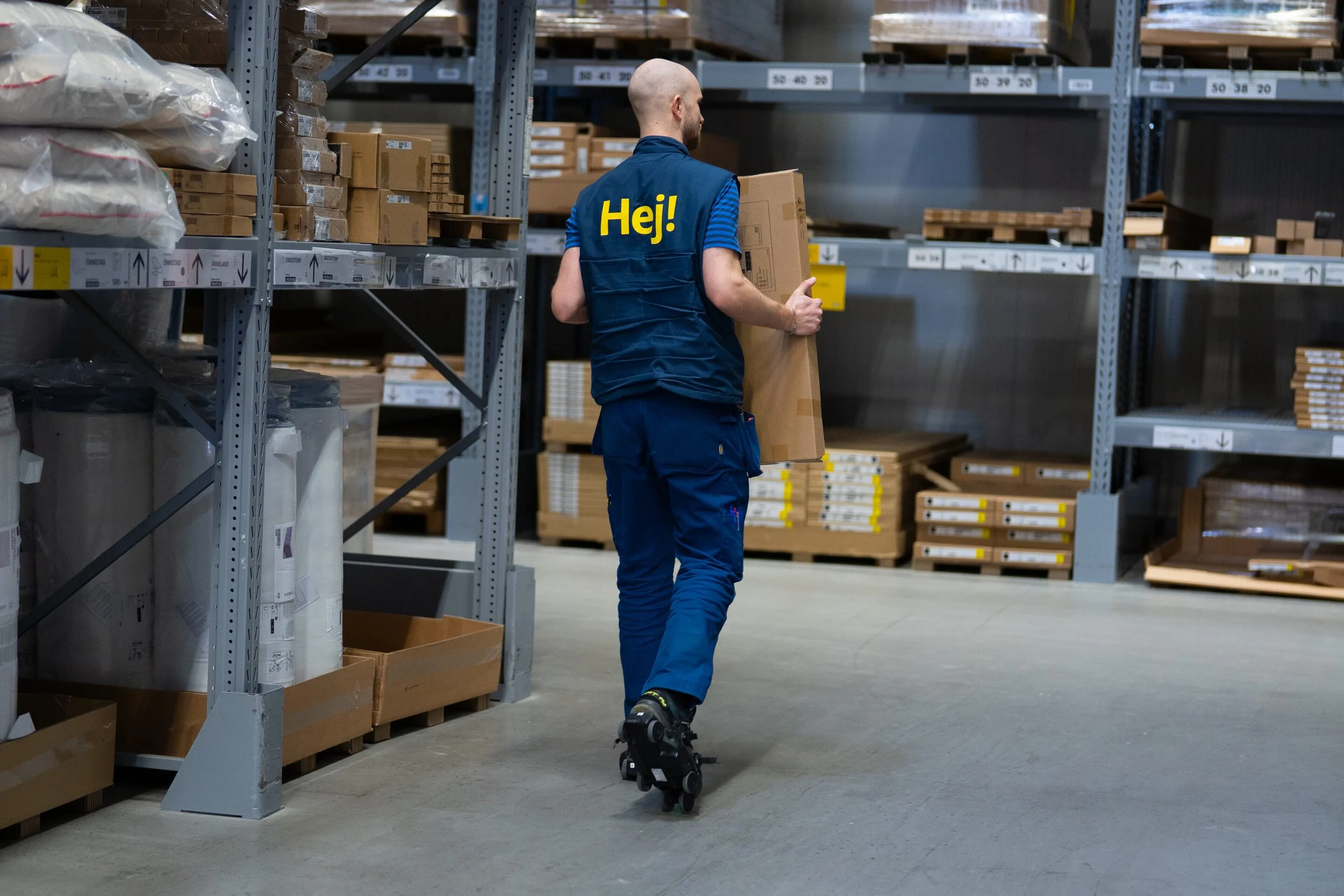
Ikea is testing robotic boots in Helsingborg, Sweden, to speed up order picking and reduce physical strain. Initial measurements showed that employees walked up to twice as fast, and average hourly picking productivity increased by 16%.
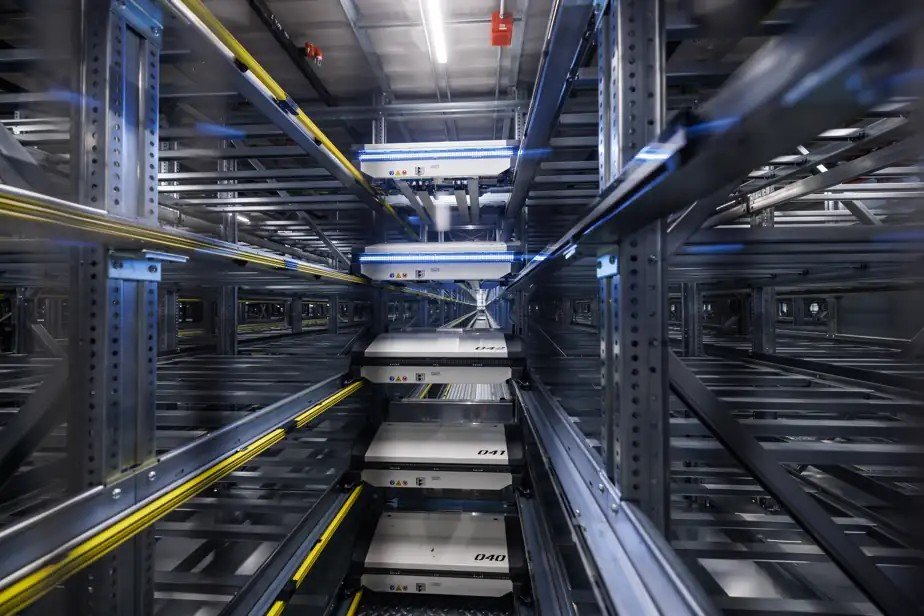
The cost of the SAQ's automated distribution center project, scheduled to begin operations next year, has gone from $48.5 million to $300 million in four years.
The Surrey facility will primarily serve British Columbia, while Calgary will cover Alberta, Saskatchewan, and surrounding regions.
Today, a new layer is beginning to appear in highly automated facilities: the Warehouse Operating System (WOS).
At Hannover Messe 2026, SAP and Vodafone showcased a pilot conducted at Vodafone’s warehouse in Duisburg,