
Pattison Food Group Modernizes Langley Distribution Centre with Advanced Grocery Automation
Vancouver-based Pattison Food Group is modernizing its 485,000-square-foot distribution centre in Langley, British Columbia, with a major investment in advanced warehouse automation and fulfillment technology.
The facility supports Pattison Food Group’s nine grocery banners, including Save-On-Foods, PriceSmart Foods and Quality Foods, making the Langley operation an important component of the company’s Western Canadian grocery distribution network.
The modernization is designed to reduce manual product handling, improve order accuracy, increase throughput and provide greater flexibility as grocery volumes, SKU profiles and consumer demand continue to evolve.
Approximately 11,000 Grocery SKUs Automated
One of the most significant aspects of the project is the automation of fulfillment for approximately 11,000 grocery SKUs.
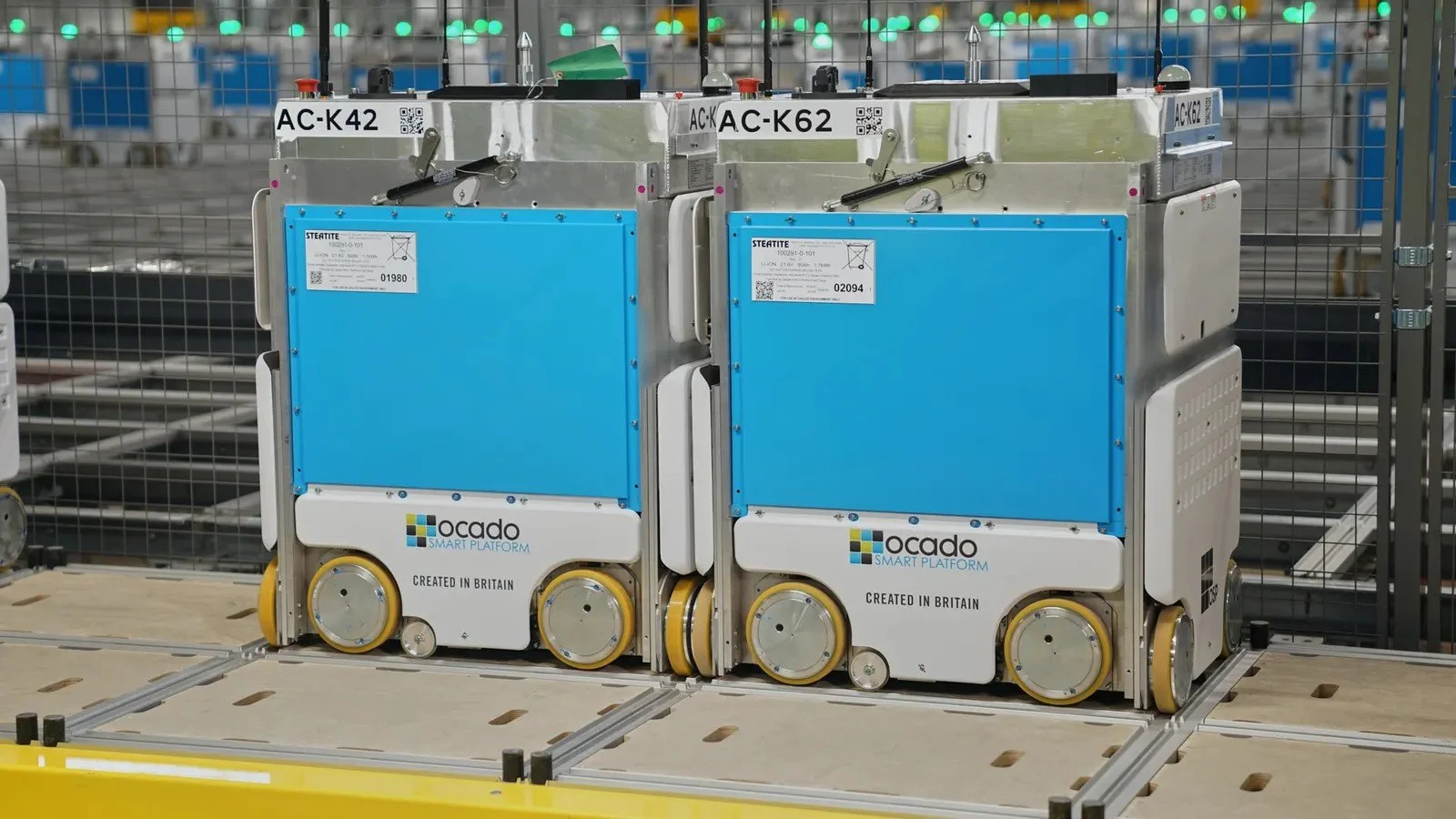
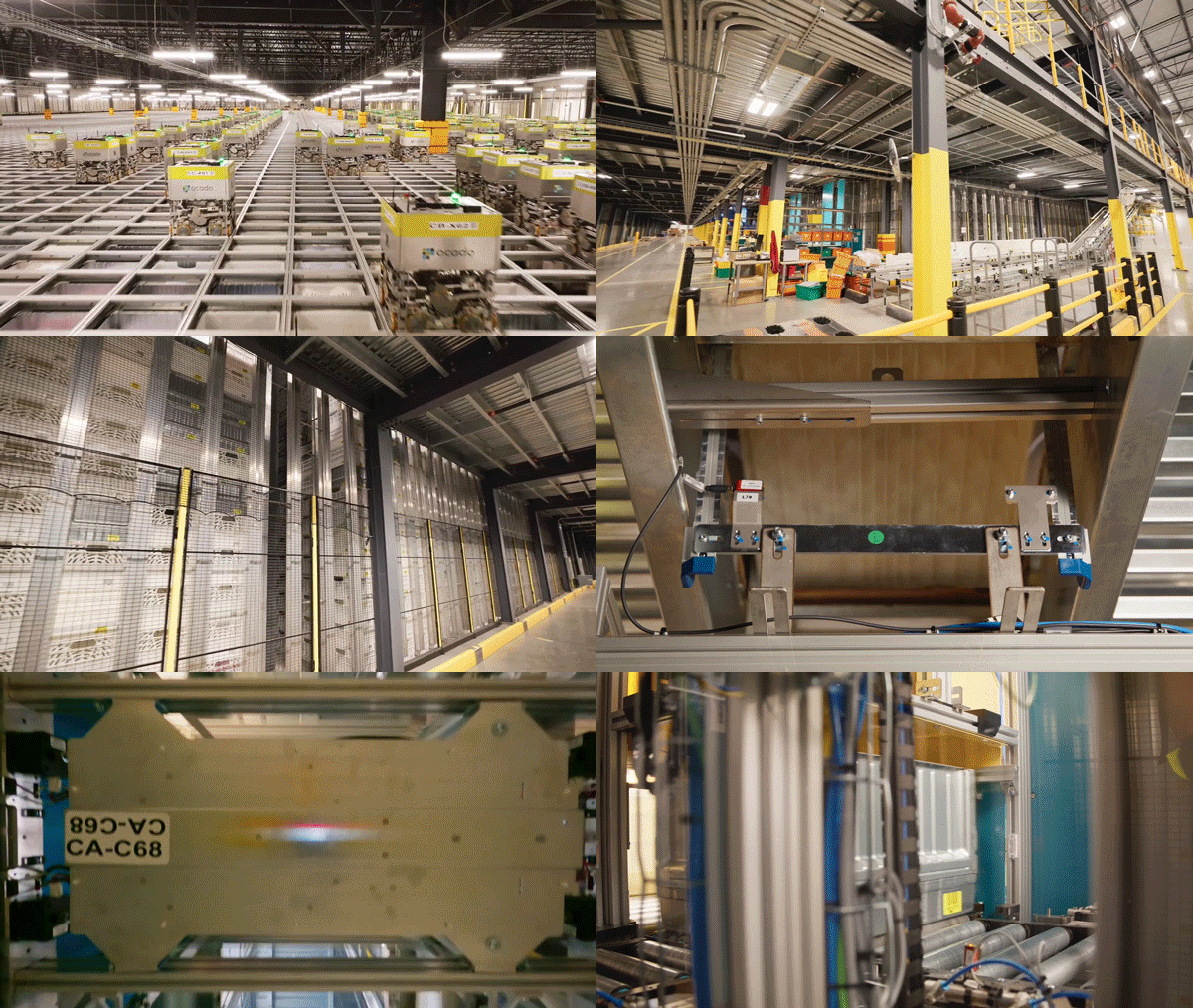
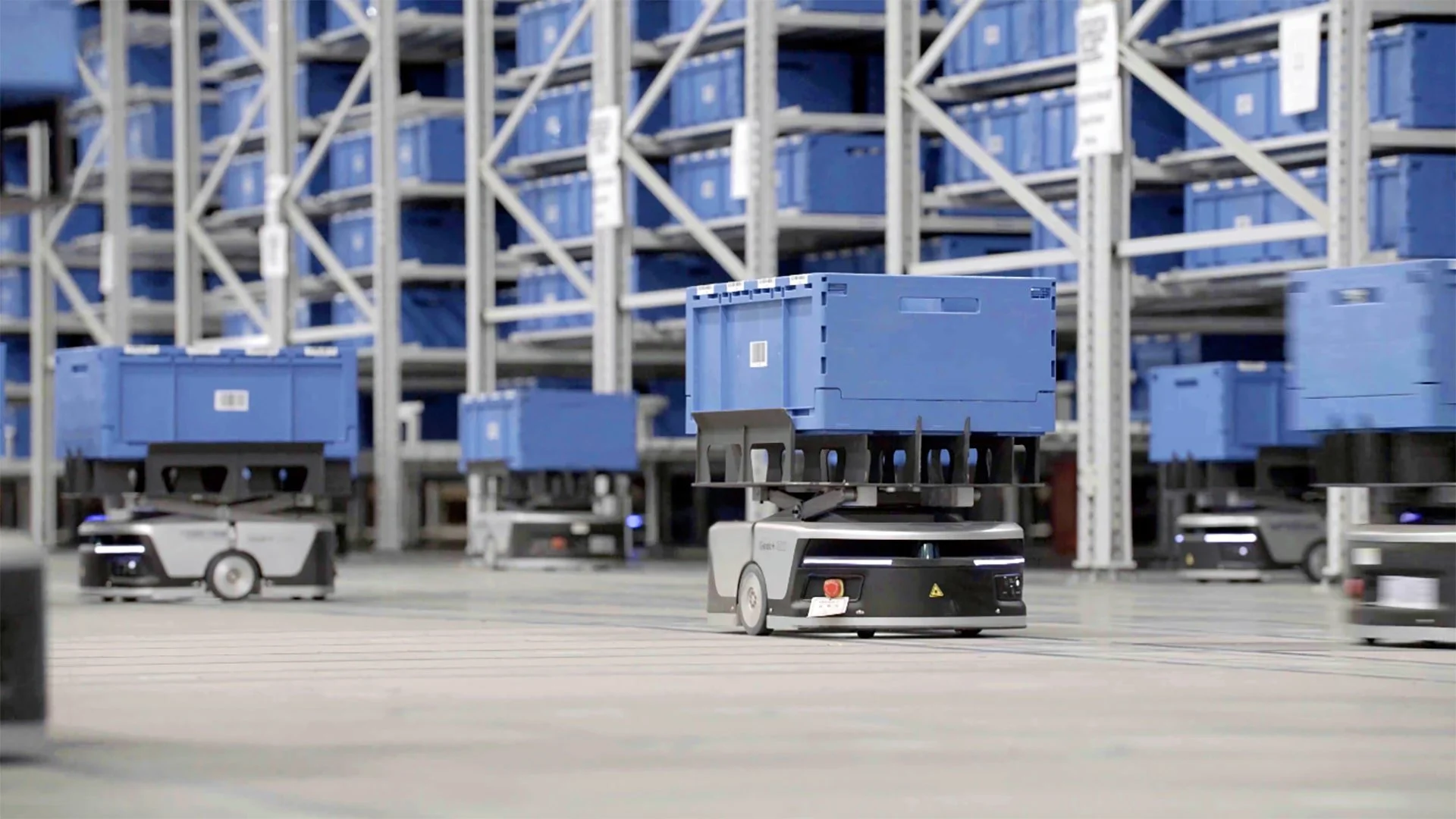
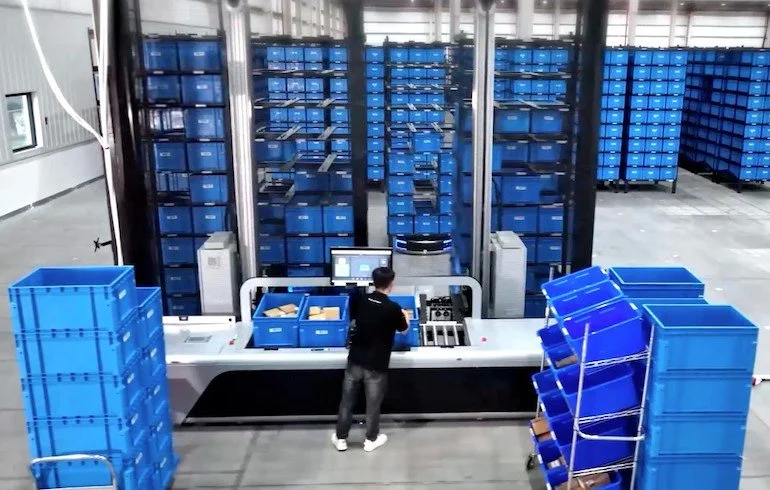
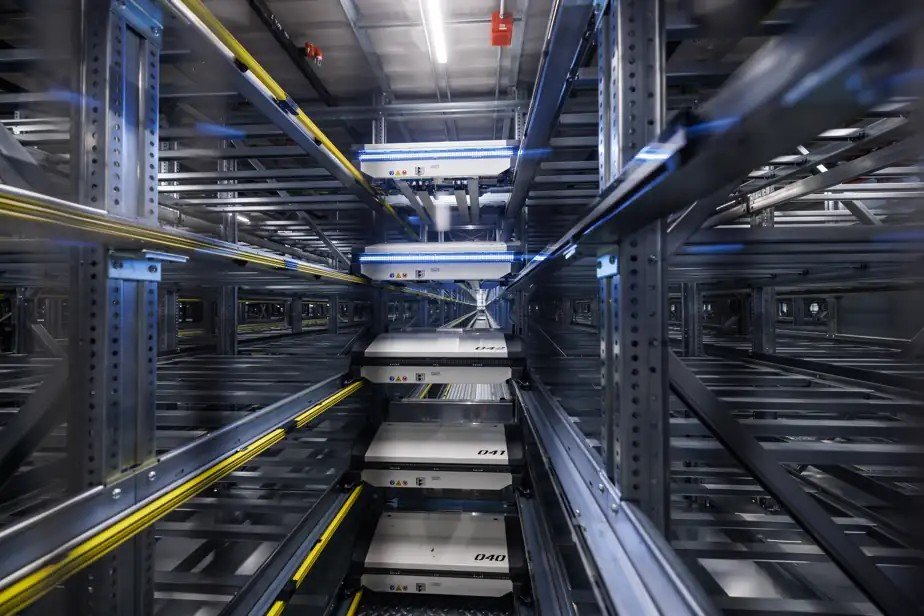
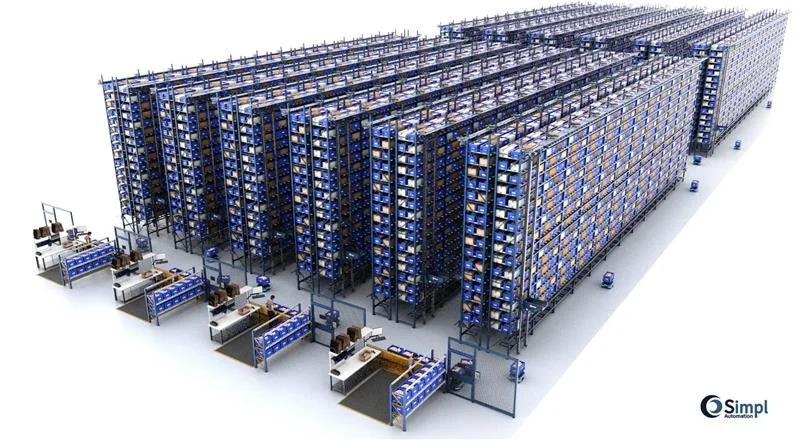
The upgraded facility includes nearly 62,000 automated storage locations, creating significantly greater storage density while supporting faster and more consistent order fulfillment.
The automation platform combines several technologies and processes, including:
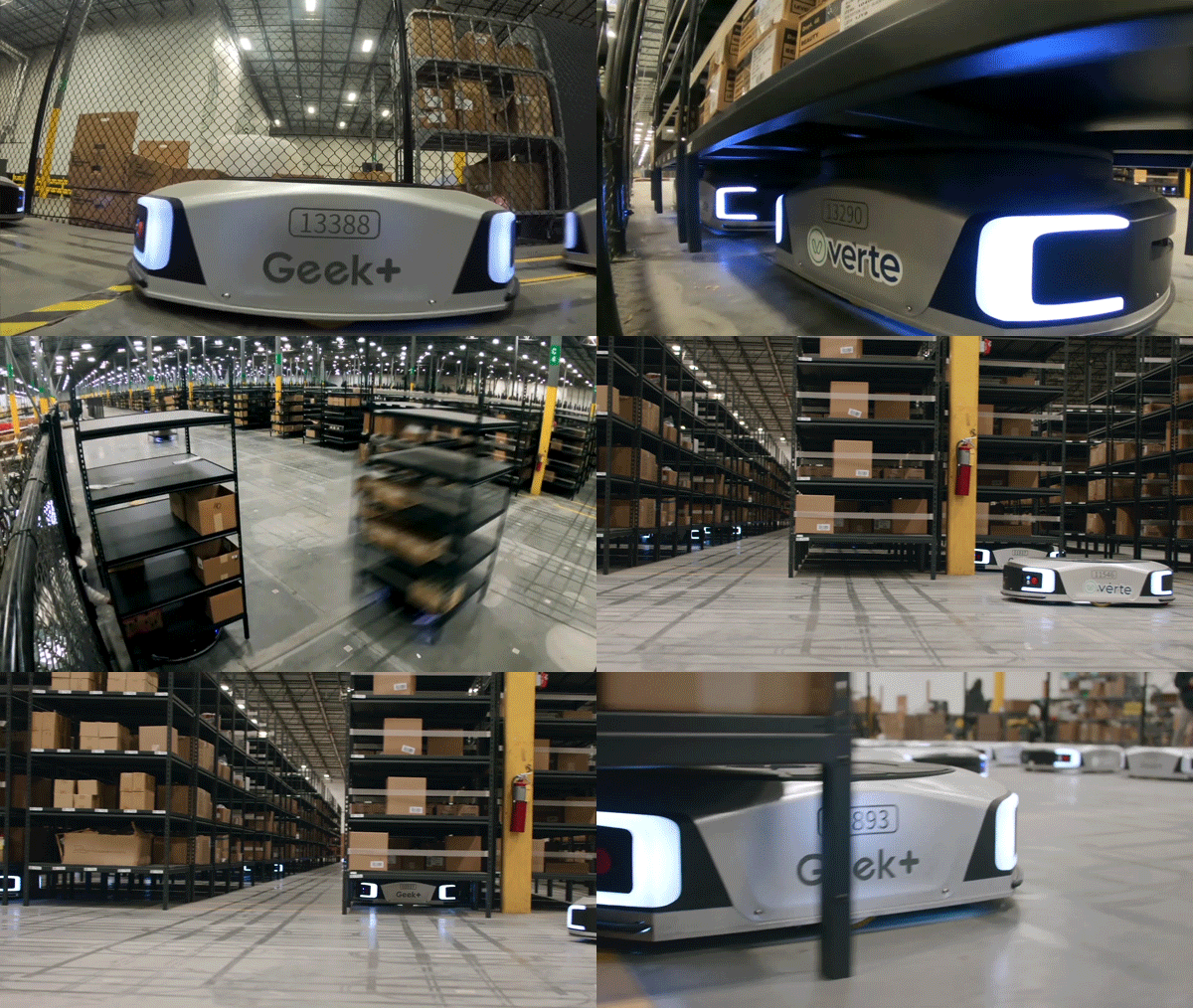
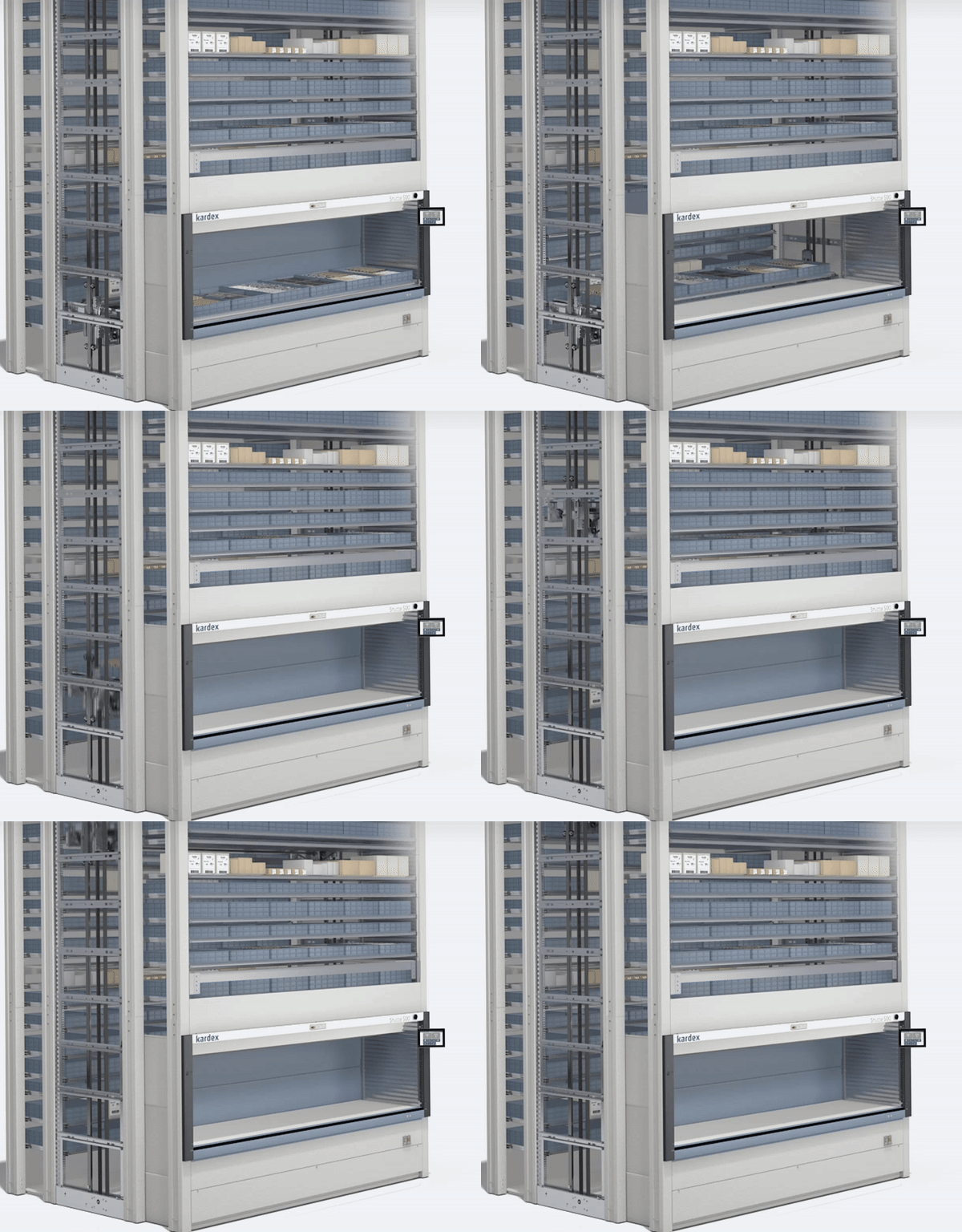
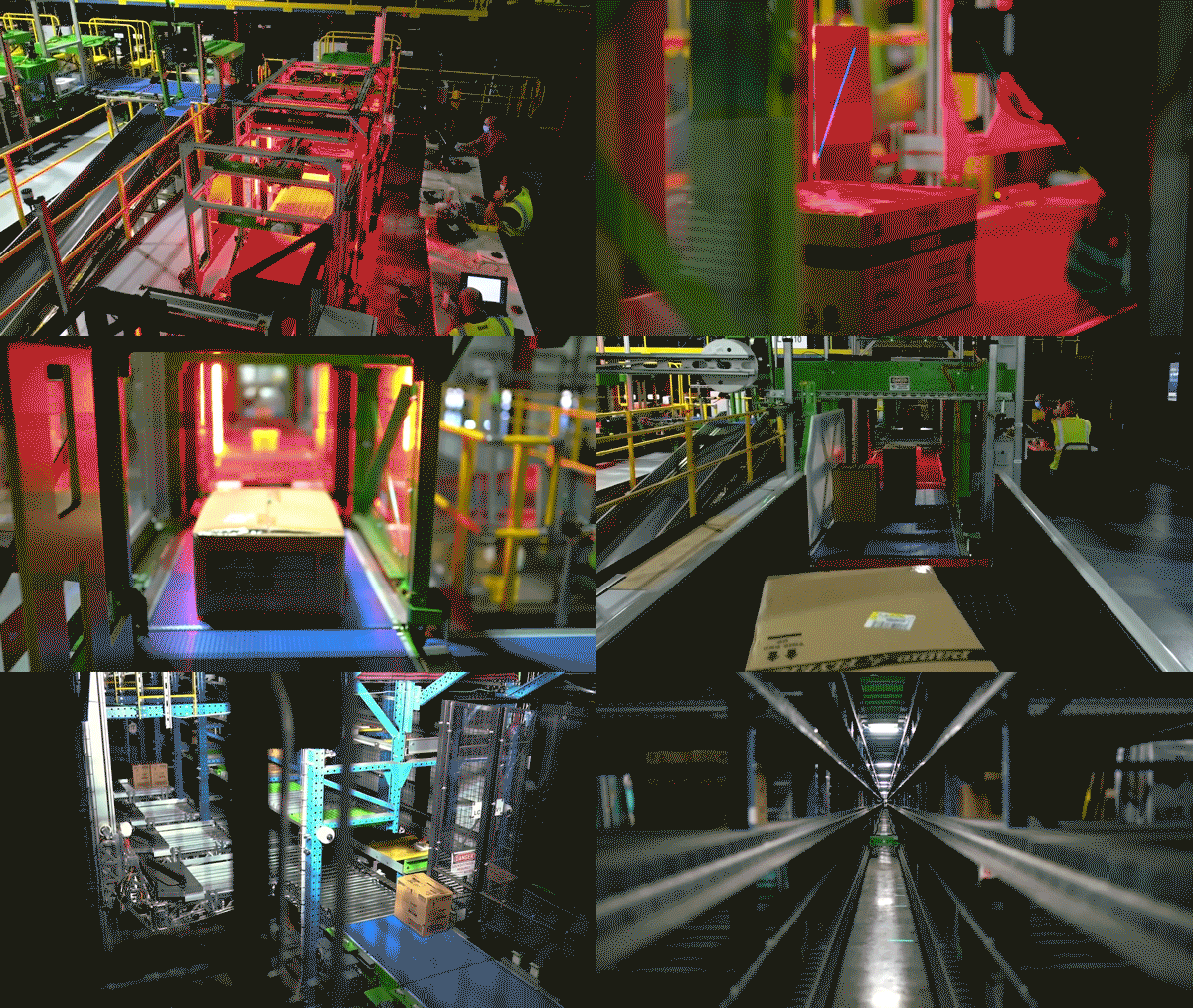
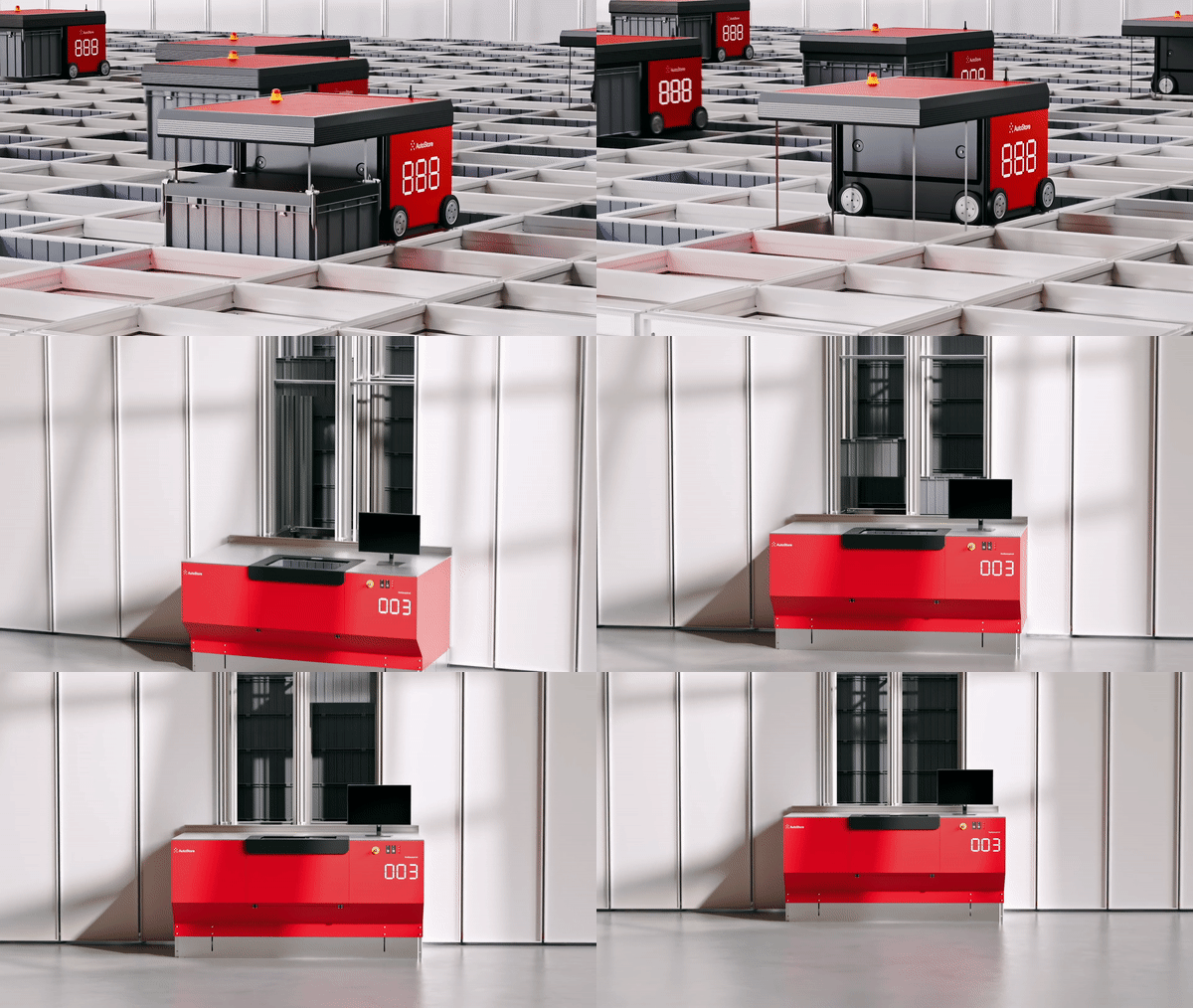
High-density automated grocery storage
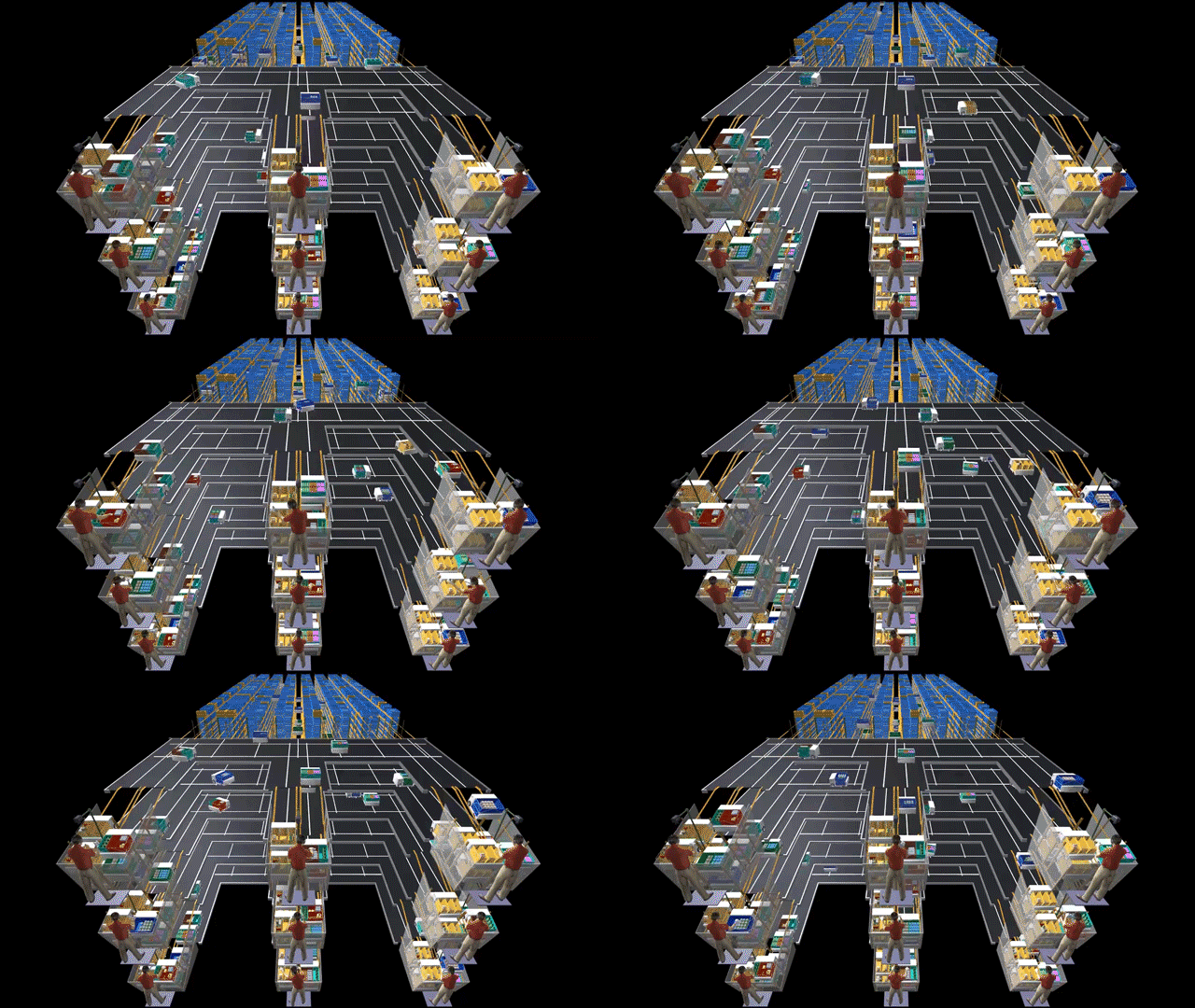
Goods-to-person fulfillment
Split-case and full-case order processing
Integrated decant operations
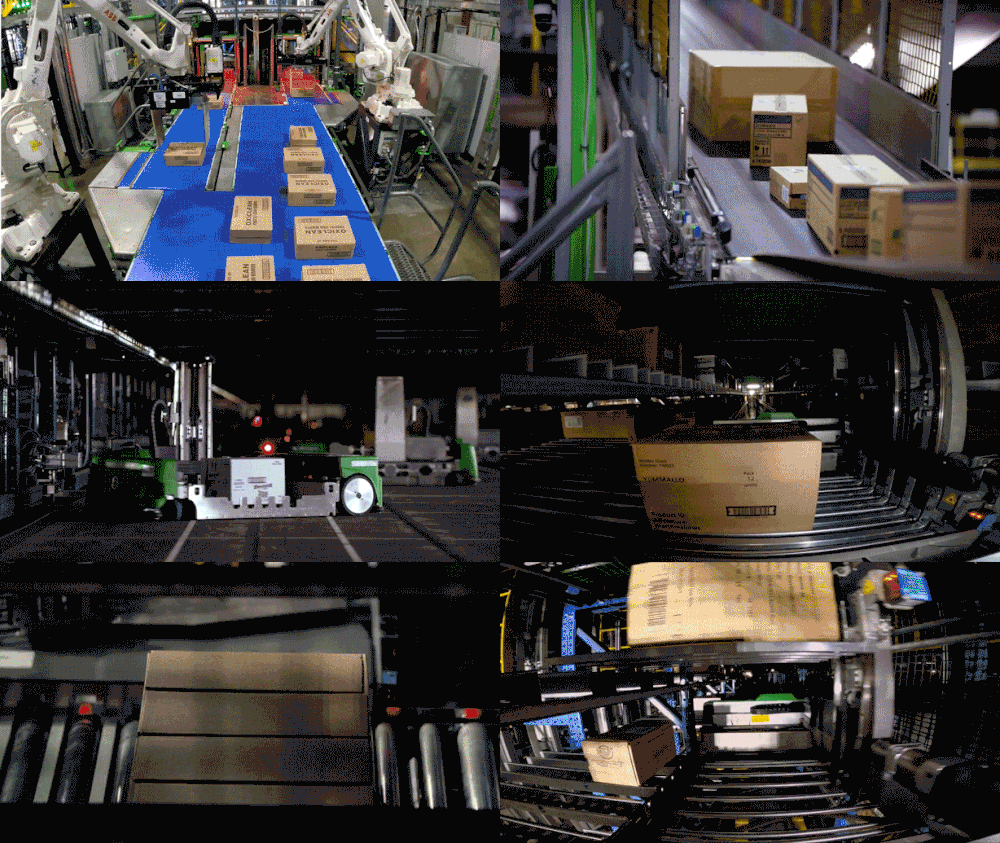
Conveyor and sortation systems
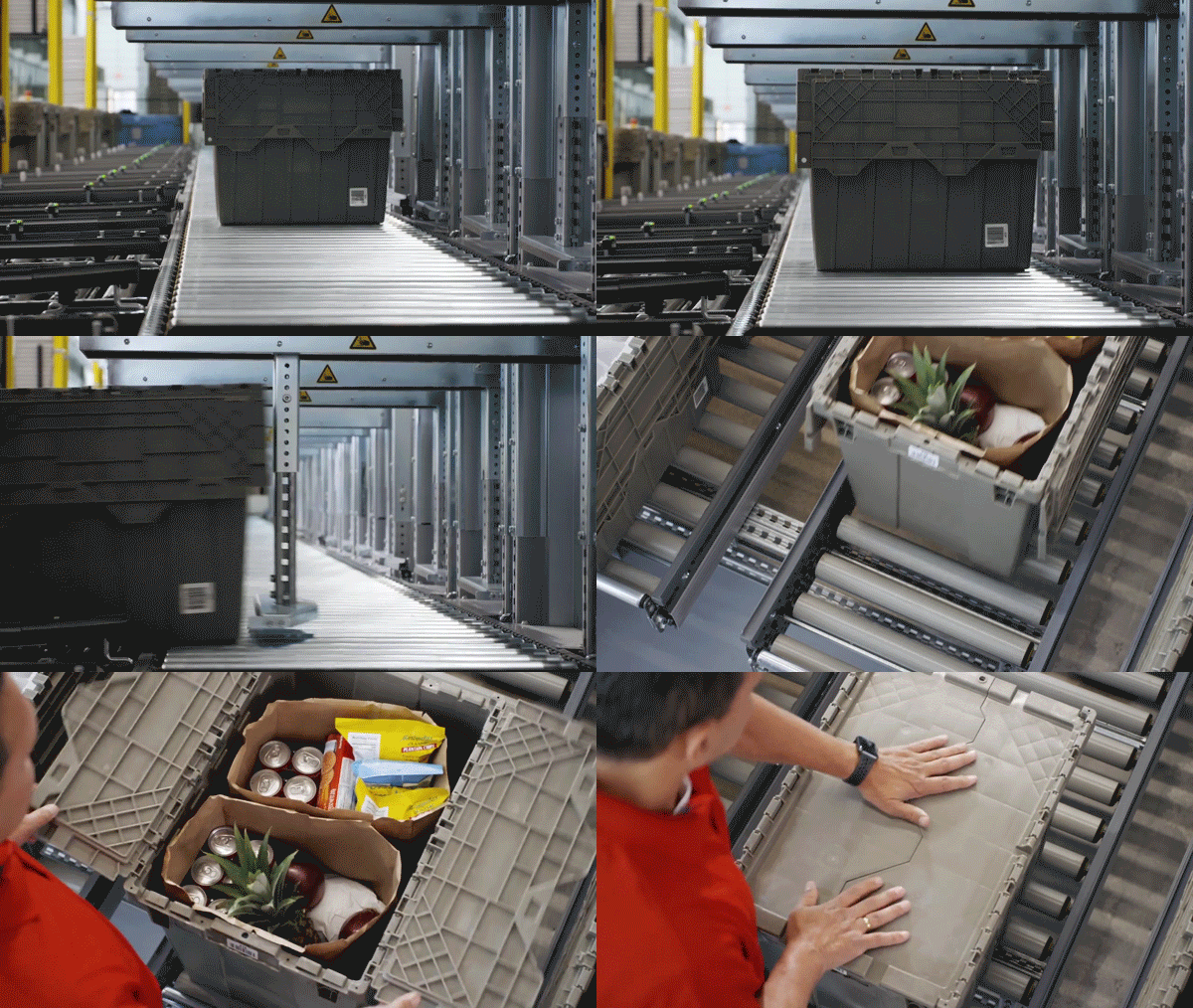
Tote handling
Buffering and order sequencing
Warehouse orchestration software
Equipment monitoring and lifecycle support
Together, these technologies create an integrated fulfillment environment rather than a collection of independent automation systems.
Improving Split-Case Grocery Fulfillment
Split-case picking remains one of the more labour-intensive activities within grocery distribution.
Unlike full-case fulfillment, individual products or smaller quantities must be picked and consolidated into store orders, creating additional handling, travel and sequencing requirements.
By introducing high-density storage and goods-to-person automation, Pattison Food Group is aiming to reduce unnecessary employee travel and product handling while increasing the productivity and consistency of split-case fulfillment.
The system is also designed to increase overall throughput capacity and allow the Langley operation to scale as future grocery volumes change.
Software Becomes the Intelligence Layer
An equally important component of the project is the software responsible for coordinating the different automation technologies.
Modern automated distribution centres increasingly depend on warehouse orchestration platforms to manage the movement of inventory, totes, orders and equipment across multiple systems.
Rather than operating storage, conveyors, workstations and sortation independently, orchestration software provides a common intelligence layer capable of coordinating:
Storage → Picking → Buffering → Sequencing → Sortation → Shipping
This level of integration can improve warehouse visibility while allowing fulfillment priorities and equipment utilization to be continuously adjusted based on operational requirements.
For large grocery operations, where store orders, delivery schedules and SKU demand can change throughout the day, this orchestration capability can be just as important as the automation hardware itself.
Reusable Totes Support a Closed-Loop Material Flow
The modernization also incorporates reusable tote-based operations.
Reusable totes can provide a consistent handling unit throughout automated storage, picking, buffering and transportation processes while reducing dependence on disposable packaging.
For automation systems, standardized totes can also improve equipment reliability because dimensions, weight characteristics and handling interfaces remain predictable throughout the material flow.
A Significant Canadian Grocery Automation Project
The Pattison Food Group Langley project represents another significant step in the adoption of advanced warehouse automation within the Canadian grocery sector.
Grocery distribution is particularly challenging because facilities must manage large SKU counts, high order volumes, demanding store delivery schedules and a combination of full-case and split-case fulfillment.
Successful automation therefore requires considerably more than simply installing equipment.
Storage, picking, decanting, conveyors, sortation, buffering, sequencing and software must operate as one coordinated fulfillment system.
The Langley modernization demonstrates how grocery distribution centres are increasingly moving toward this type of integrated architecture — combining high-density automation with sophisticated software orchestration to improve capacity, productivity and operational flexibility.
As more Canadian retailers modernize their distribution networks, the ability to integrate automation technologies through a strong software and orchestration architecture will increasingly determine how successfully these investments perform over the long term.







At Hannover Messe 2026, SAP and Vodafone showcased a pilot conducted at Vodafone’s warehouse in Duisburg,