
The Wrong Warehouse Orchestration Will Kill Your Automation
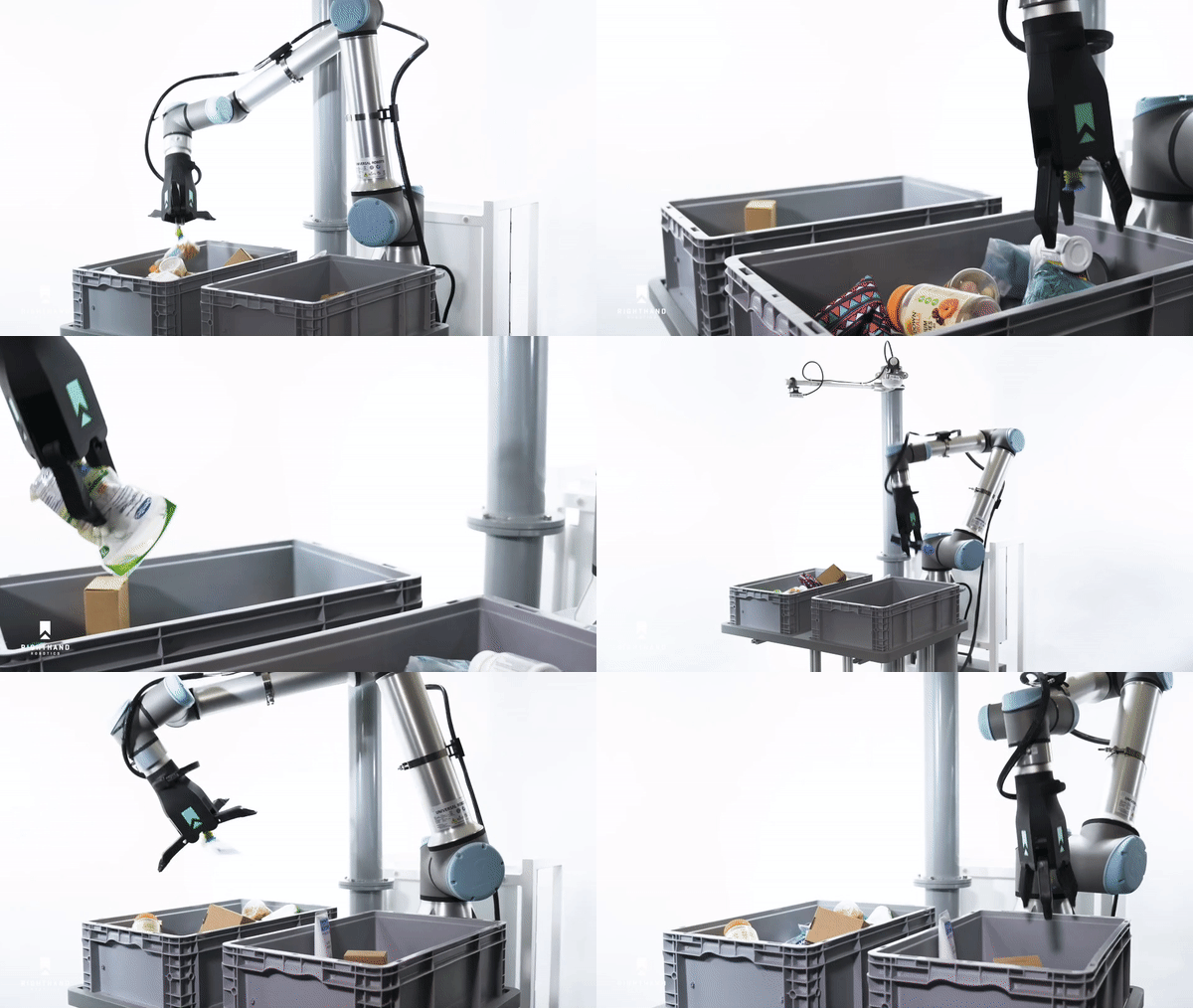
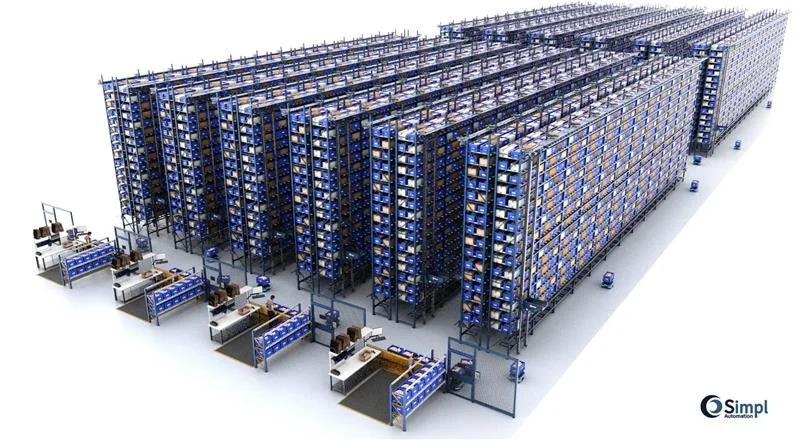
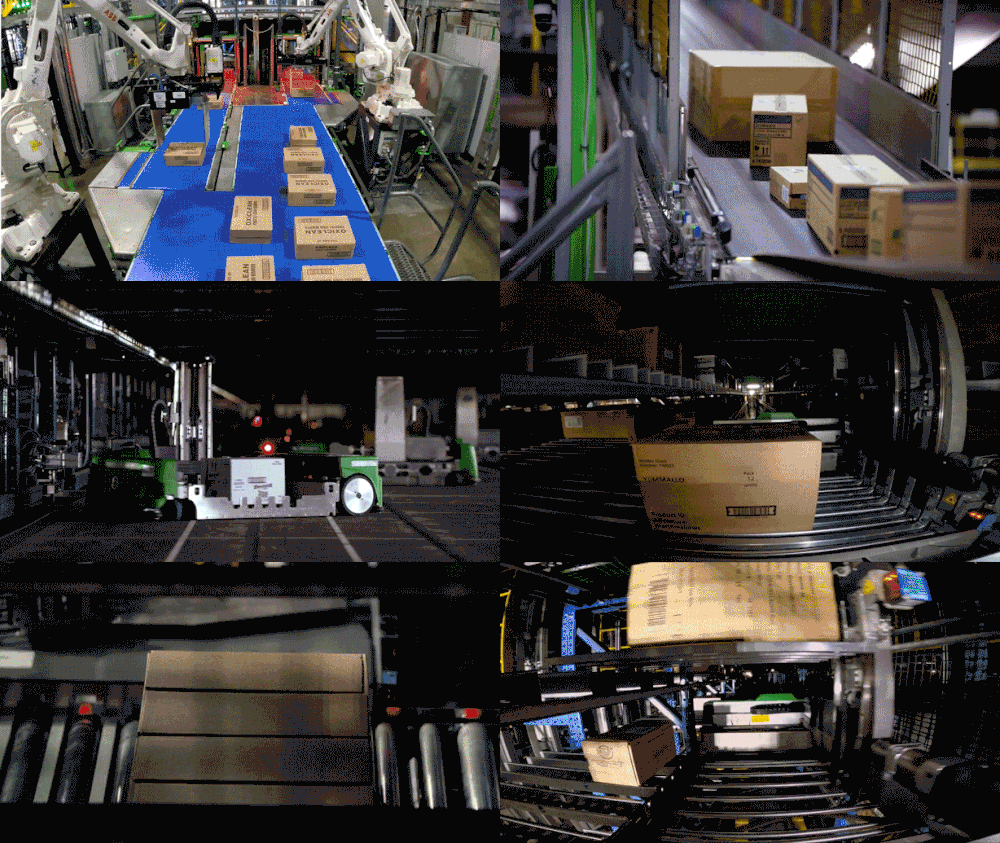
Many logistics operators have already invested millions into robotics, ASRS, AMRs, conveyors, shuttle systems, and highly automated fulfillment infrastructure. Yet across the industry, a growing number of companies are discovering that automation hardware alone does not guarantee operational performance.
Without intelligent orchestration coordinating workflows, inventory, labor, and automation systems together in real time, even highly automated fulfillment operations can quickly become constrained by complexity, bottlenecks, poor synchronization, and limited operational visibility.
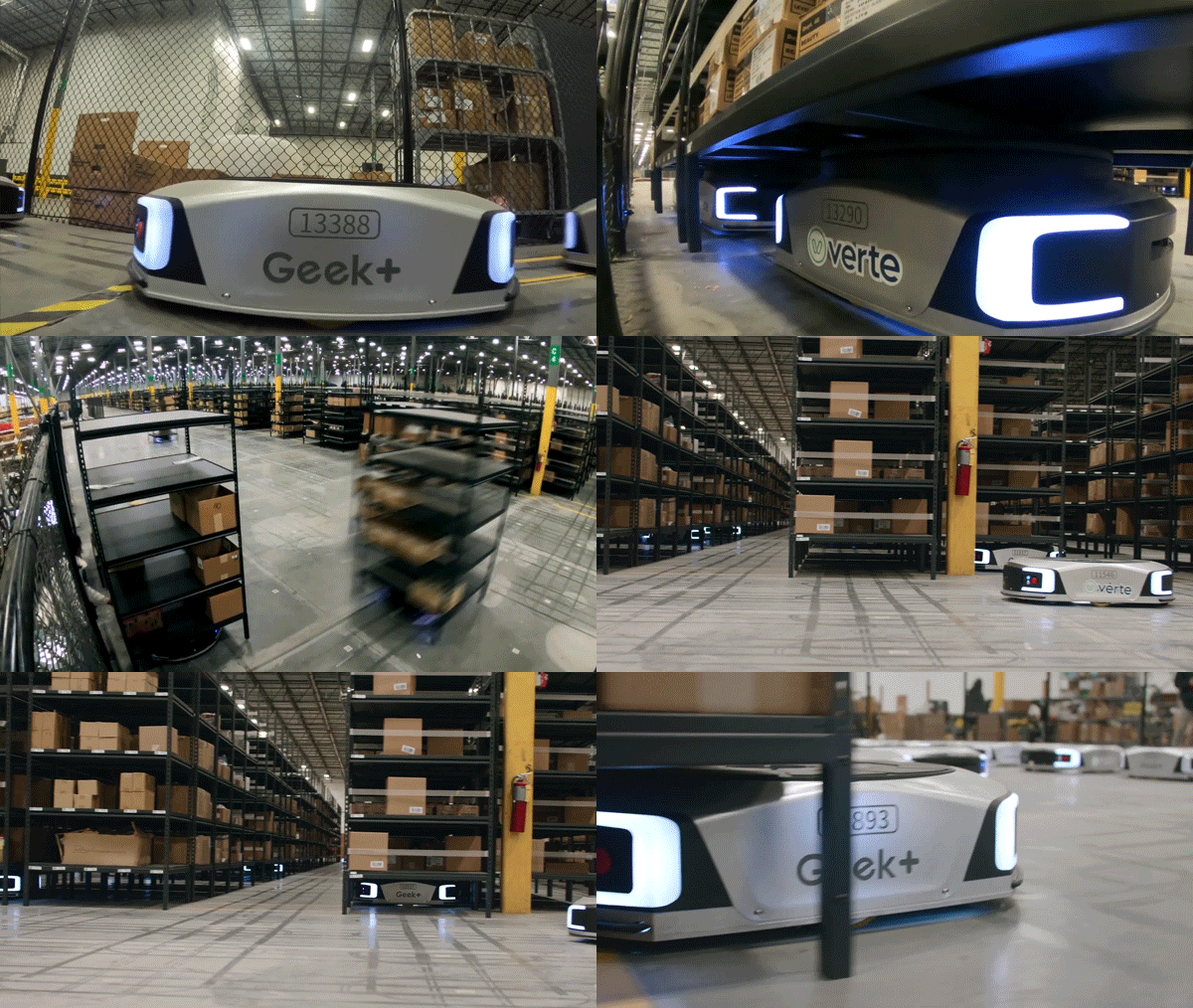
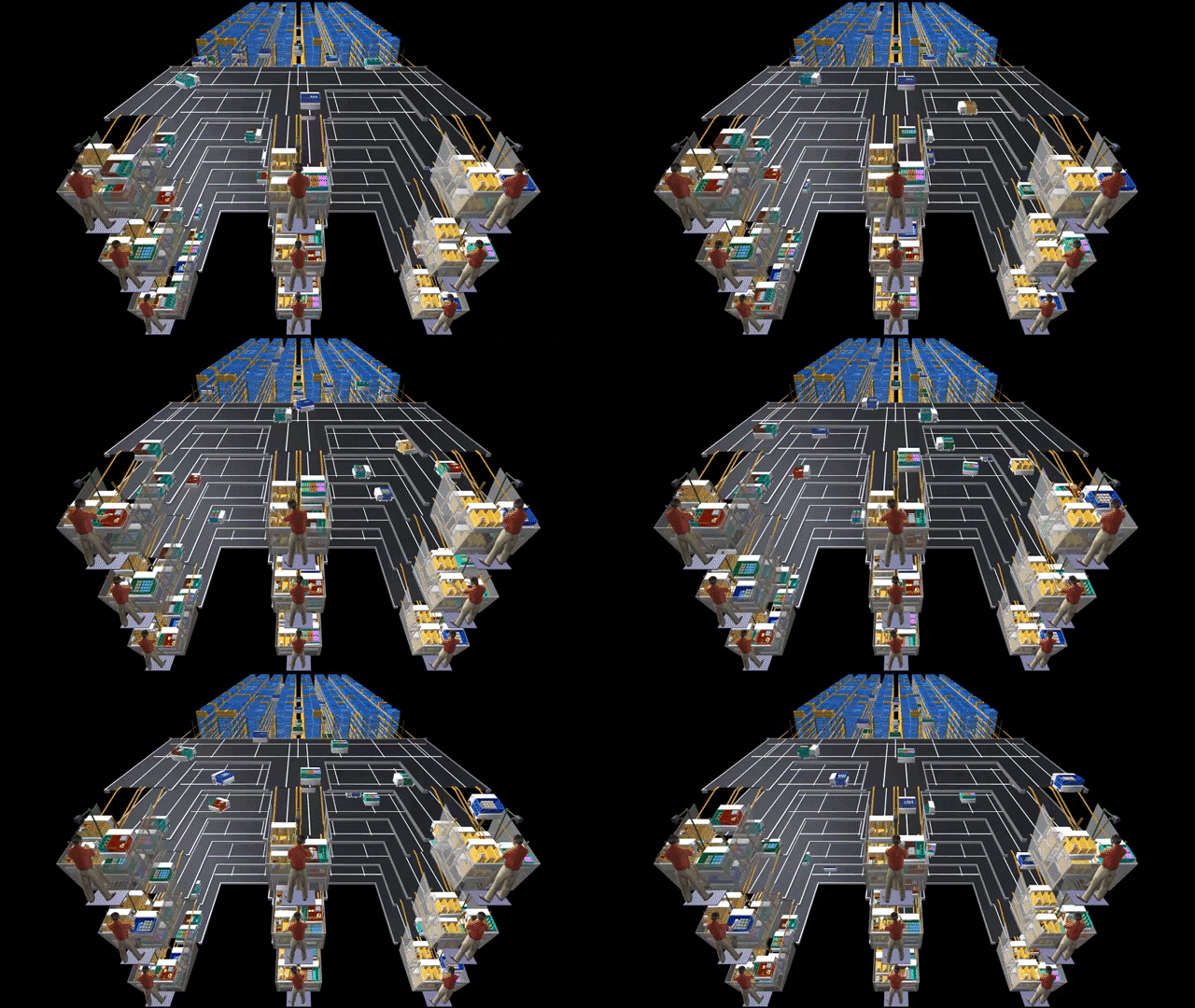
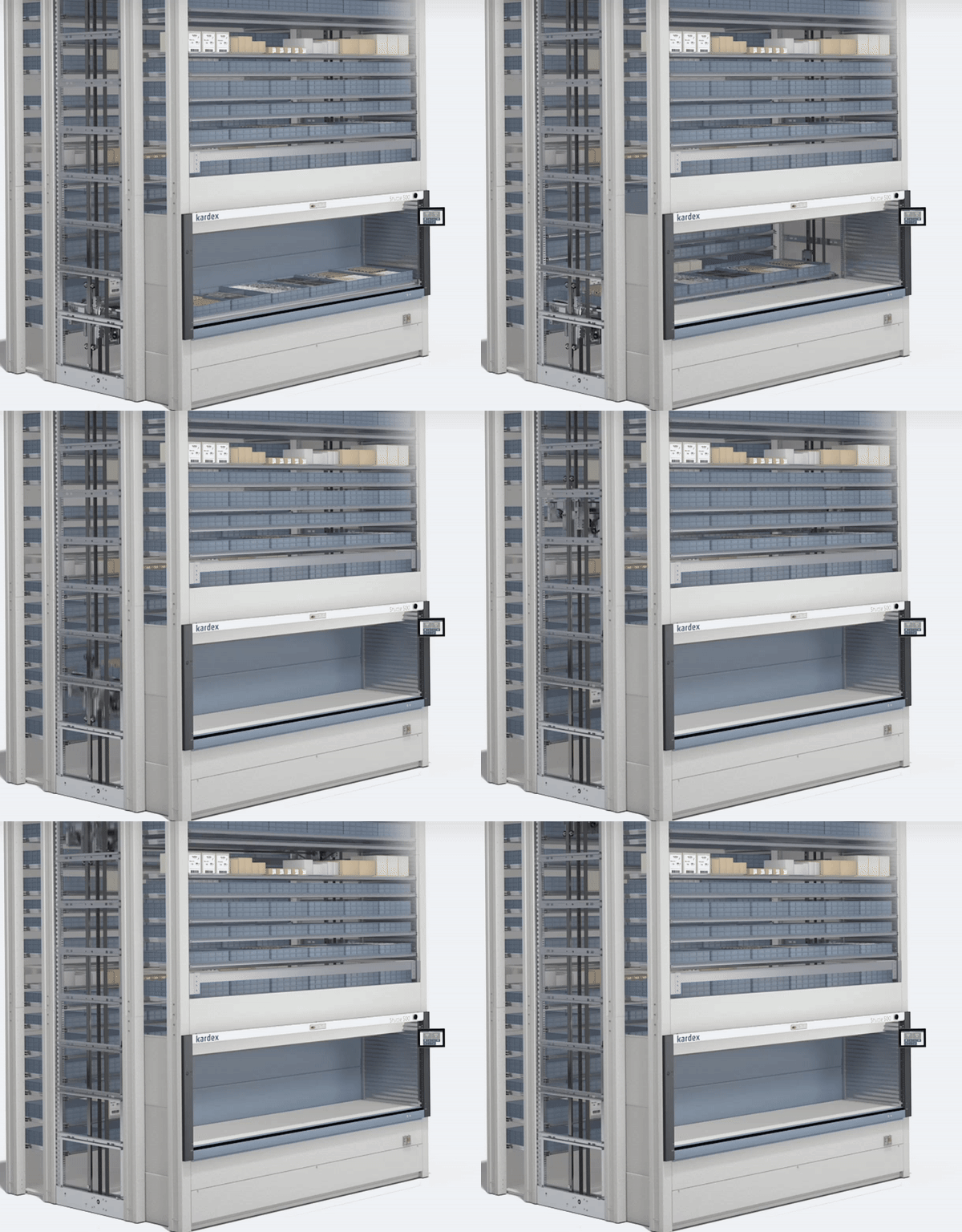
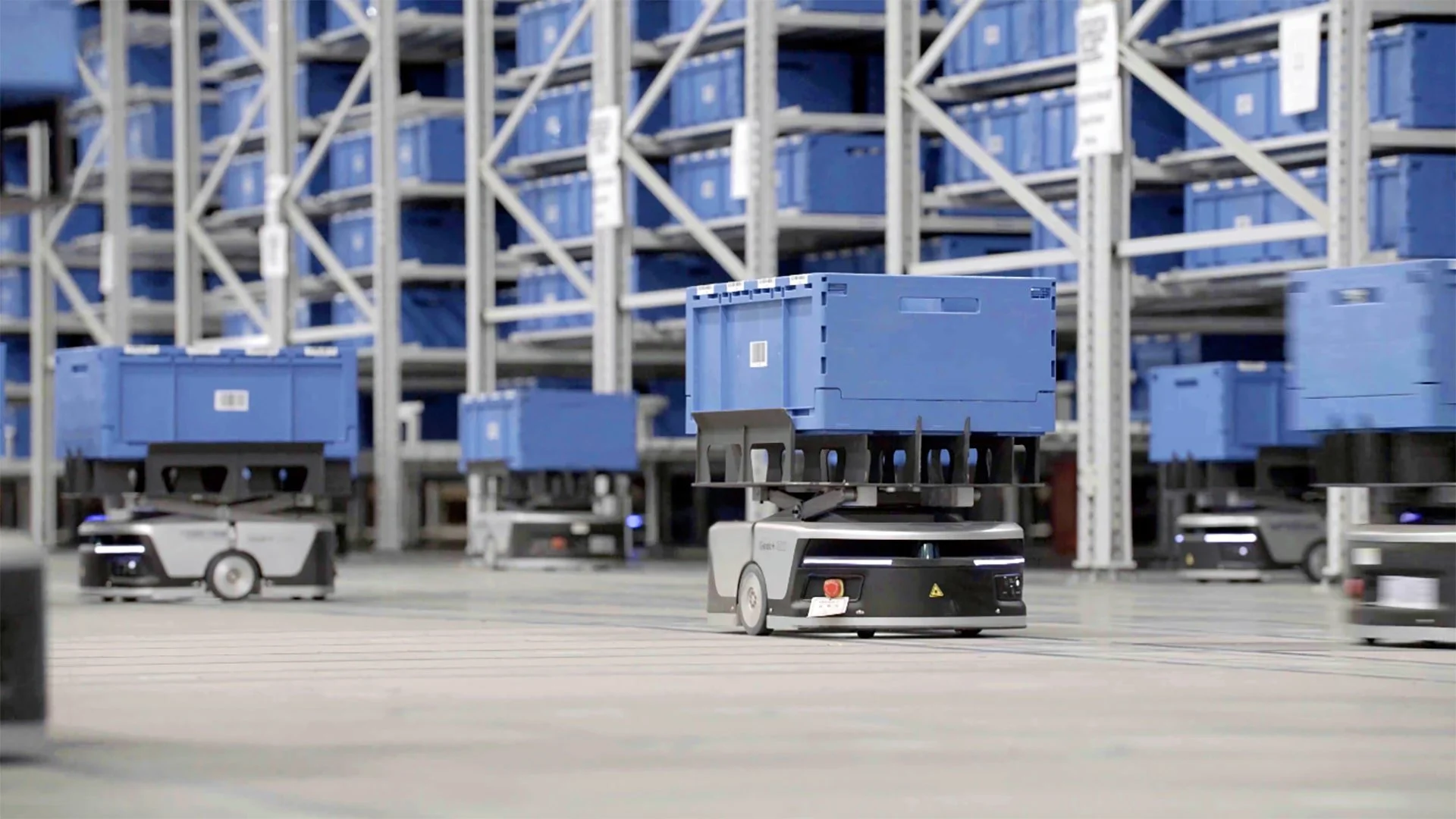
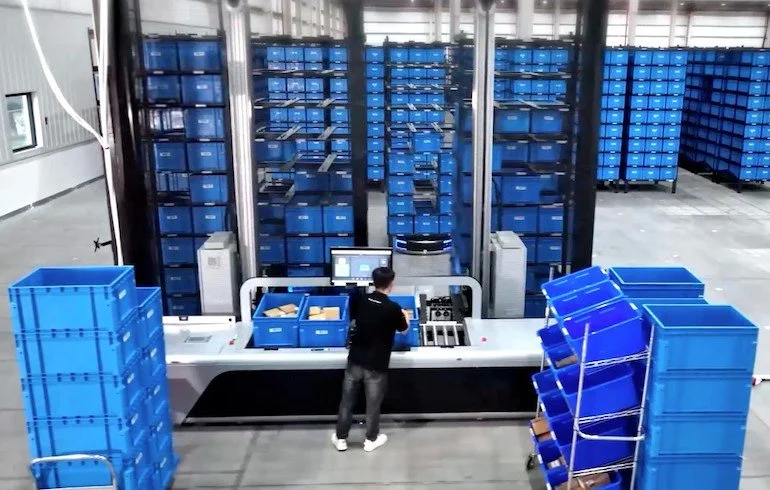
As fulfillment environments continue to evolve toward mixed automation ecosystems involving ASRS, robotic piece-picking, autonomous mobile robots, goods-to-person systems, and increasingly aggressive same-day fulfillment expectations, software execution and orchestration layers are becoming one of the most critical components inside modern warehouse operations.
For years, many warehouse software platforms primarily focused on inventory management, transaction processing, and static workflow execution. But modern fulfillment operations now require something very different: real-time operational decision-making capable of dynamically orchestrating inventory, labor, equipment, robotics, and order priorities simultaneously across constantly changing operational conditions.
Modern fulfillment environments are no longer linear.
Order profiles continuously shift throughout the day. Operational priorities change in real time. Retail replenishment, e-commerce fulfillment, store transfers, contractor orders, and urgent outbound requirements increasingly compete for the same automation resources inside the same facility. At the same time, operators are now expected to maintain higher throughput, shorter cut-off times, and greater operational flexibility than ever before.
This growing level of operational complexity is exposing one of the largest weaknesses in many automation projects: disconnected execution systems.
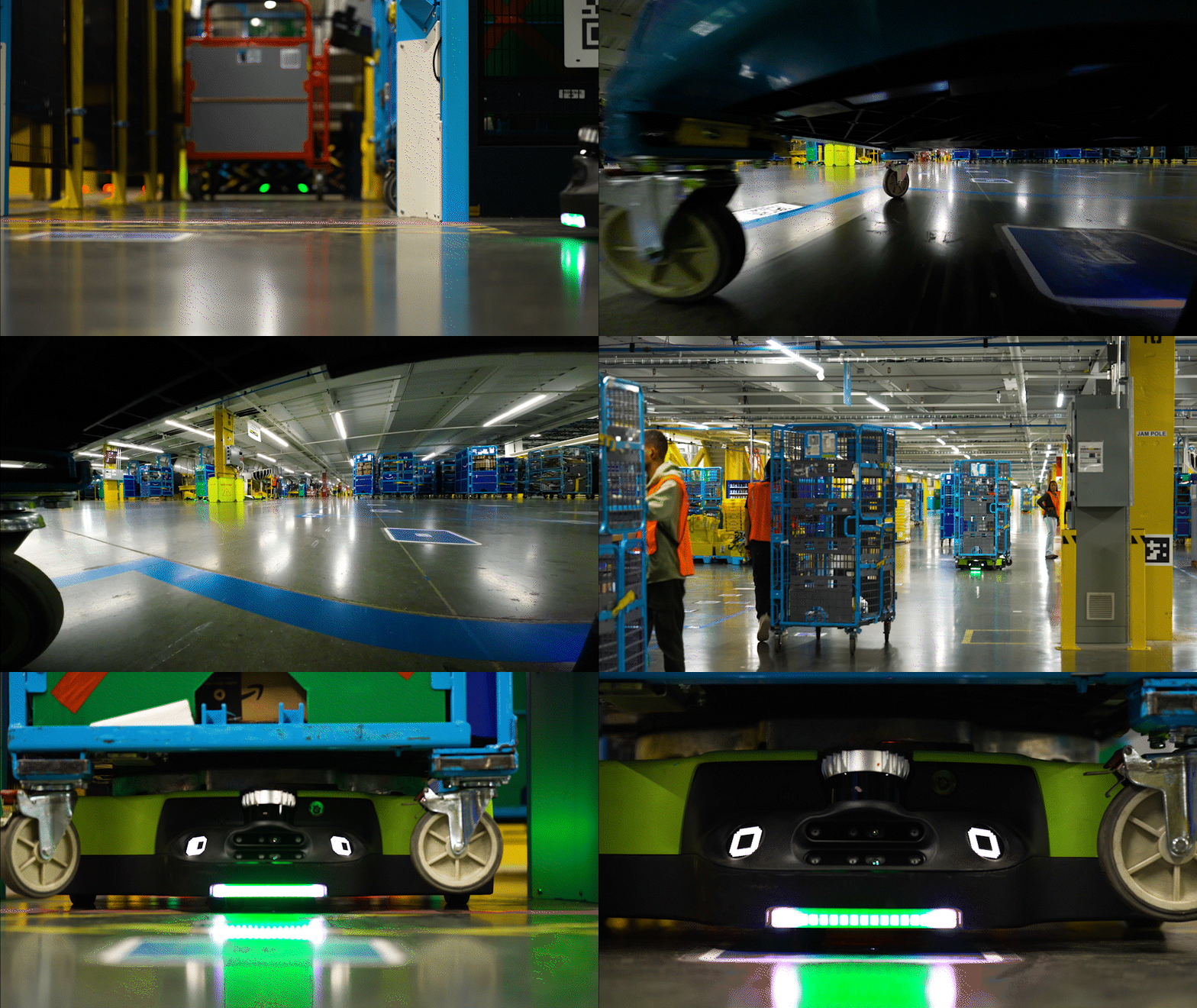
In many facilities, automation systems still operate as isolated islands with limited real-time coordination between warehouse software, robotics platforms, material handling equipment, inventory systems, and operational decision layers. The result is often excessive manual intervention, poor resource balancing, inefficient order prioritization, automation starvation, equipment congestion, and limited ability to dynamically respond to changing operational conditions.
This is precisely where intelligent orchestration becomes mission critical.
Modern orchestration platforms are increasingly responsible for coordinating and optimizing the movement of inventory, work, labor, robotics, and automation resources across the entire fulfillment operation in real time. Rather than relying solely on static waves or rigid rule structures, intelligent orchestration layers continuously evaluate operational conditions and dynamically adjust execution decisions based on current system demand, automation availability, inventory positioning, labor constraints, and outbound service-level requirements.
In highly automated environments, this level of orchestration can significantly impact overall system performance.
For example, intelligent orchestration may dynamically:
reprioritize orders based on outbound cut-off deadlines
balance workloads across multiple automation systems
prevent congestion at goods-to-person workstations
optimize order release timing
coordinate replenishment activities
reduce automation idle time
synchronize manual and automated workflows
adjust batch sizes throughout the day
redirect work around constrained operational zones
optimize robot utilization and inventory flow in real time
As more operators move toward heterogeneous automation environments involving multiple vendors, robotics technologies, and software platforms operating simultaneously inside the same facility, interoperability and orchestration are becoming increasingly important strategic concerns.
Many companies are now discovering that the long-term success of warehouse automation depends less on the individual automation hardware itself and more on how effectively the overall operation can orchestrate execution across all systems together.
This shift is also changing how many organizations evaluate future automation investments.
Historically, companies often focused heavily on automation hardware specifications such as robot speeds, storage density, throughput rates, or equipment capabilities. While these factors remain important, the operational intelligence layer coordinating these technologies is increasingly becoming the true performance differentiator inside modern fulfillment operations.
The future of warehouse automation will not be defined solely by who deploys the most robots, but by who orchestrates workflows, inventory, labor, and automation systems most intelligently in real time.
Without intelligent orchestration, warehouse automation does not scale efficiently.
Without intelligent orchestration, automation flexibility becomes limited.
And without intelligent orchestration, even the most advanced fulfillment infrastructure can struggle to deliver the operational performance companies expect from their automation investments.

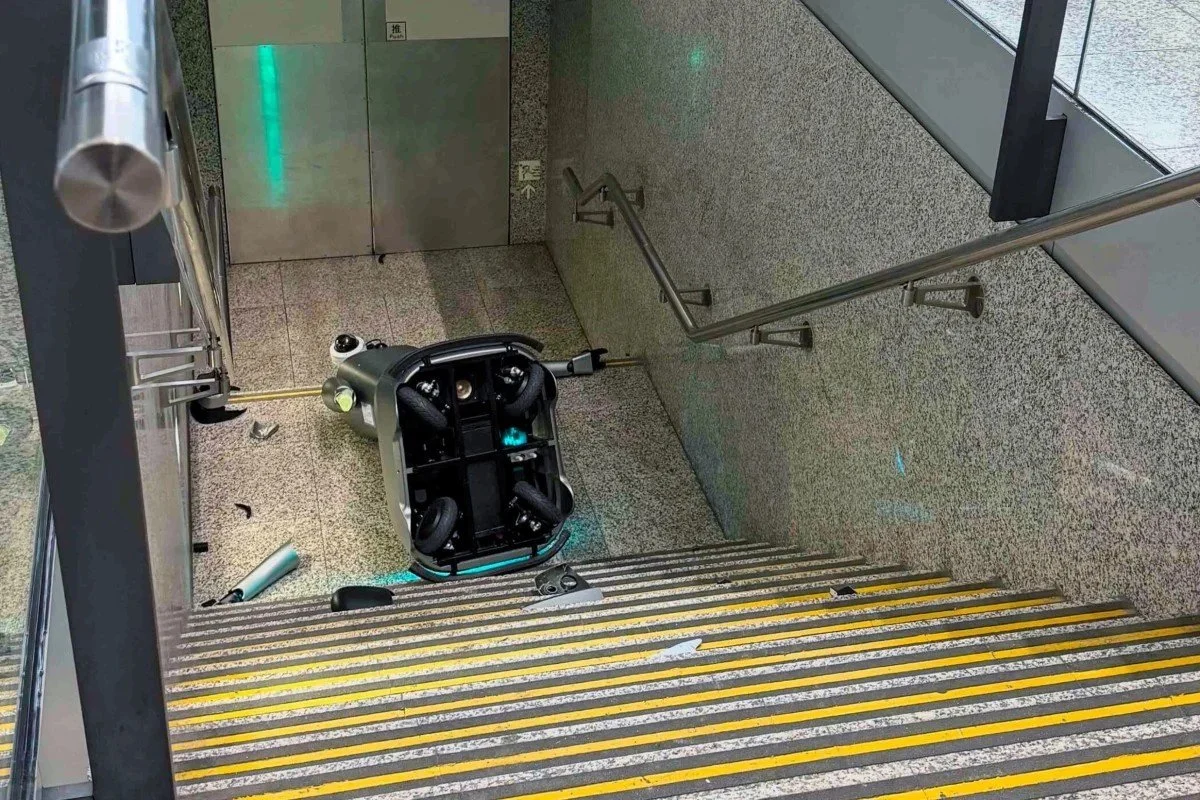




At Hannover Messe 2026, SAP and Vodafone showcased a pilot conducted at Vodafone’s warehouse in Duisburg,