
Beyond Human Limits: The 70-Pound Lifting Robot for Industrial Applications
Overview of the Kepler Forerunner Series Humanoid Robot
Kepler Exploration Robot recently introduced the Kepler Forerunner, a general-purpose humanoid robot designed for a range of applications. The robot stands at 178 cm (5’10”) tall, weighs 85 kg (187 lbs.), and features a highly capable hand with 12 degrees of freedom. Across its entire body, it offers 40 degrees of freedom, enabling advanced functionalities such as navigating uneven terrain, intelligent obstacle avoidance, precise hand manipulation, lifting and carrying heavy objects, hand-eye coordination, and interactive communication.
The robot incorporates planetary roller screw actuator and rotary actuator technologies, providing sophisticated body movement, detailed hand control, and advanced visual perception. These design elements place the Kepler Forerunner in a similar category to other advanced humanoid robots, such as Tesla's Optimus, highlighting its potential in the evolving field of humanoid robotics.
There is no universal weight limit regulation for human lifting in warehousing and manufacturing. Instead, guidelines and regulations vary by country and are designed to minimize the risk of injury. Most regulations focus on safe lifting practices rather than prescribing a specific maximum weight. Below are some key considerations and standards from leading organizations:
General Guidelines
Maximum Recommended Weight (General Best Practice):
51 pounds (23 kg): The National Institute for Occupational Safety and Health (NIOSH) in the U.S. recommends a maximum weight of 51 lbs under ideal conditions (e.g., no twisting, proper grip, lifting close to the body, and a stable load).
This weight decreases significantly based on factors like frequency of lifts, height, distance from the body, or awkward postures.
Ergonomic Considerations:
Height of the Lift: Heavier loads are safer to lift at waist height rather than from the floor or overhead.
Distance from the Body: The further a load is from the body, the greater the strain on the spine.
Frequency: Frequent or repetitive lifting lowers the acceptable weight limit.
Specific Regulations by Country
United States
OSHA (Occupational Safety and Health Administration):
OSHA does not set specific weight limits. Instead, it enforces ergonomic hazard management to reduce risks associated with manual lifting.
Canada
CCOHS (Canadian Centre for Occupational Health and Safety):
No legislated weight limits; the focus is on ergonomics and assessing each task for risk. Employers must ensure tasks are designed to avoid musculoskeletal injuries.
United Kingdom
Manual Handling Operations Regulations 1992:
Suggested weight limits:
Men: 25 kg (55 lbs) under optimal conditions.
Women: 16 kg (35 lbs) under optimal conditions.
Limits decrease for poor lifting conditions (e.g., lifting above shoulder height or in awkward positions).

Pattison Food Group Modernizes Langley Distribution Centre with Advanced Grocery Automation.
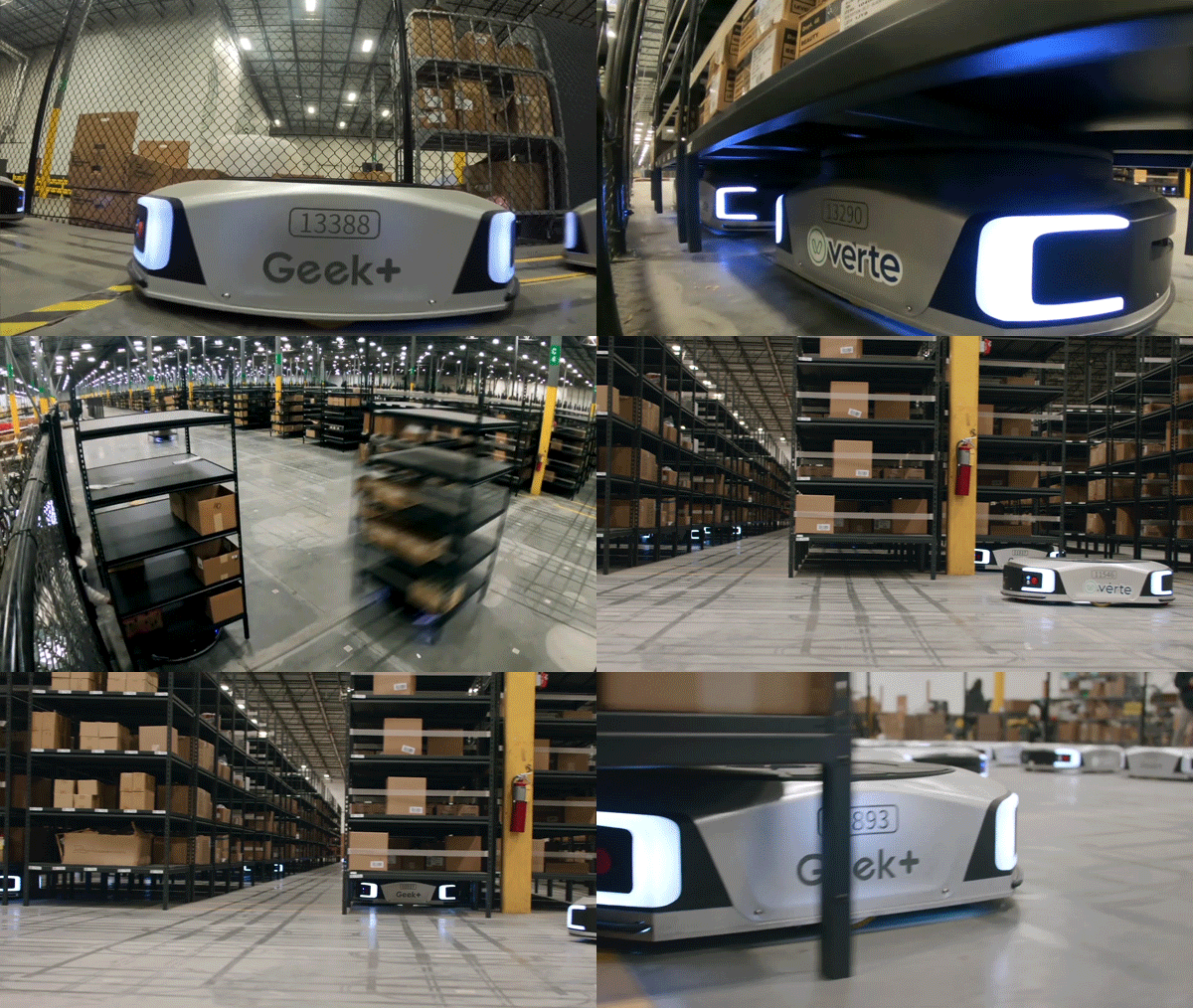
As part of an ongoing warehouse automation modernization project, a fleet of pre-owned ASRS robots is available for purchase.
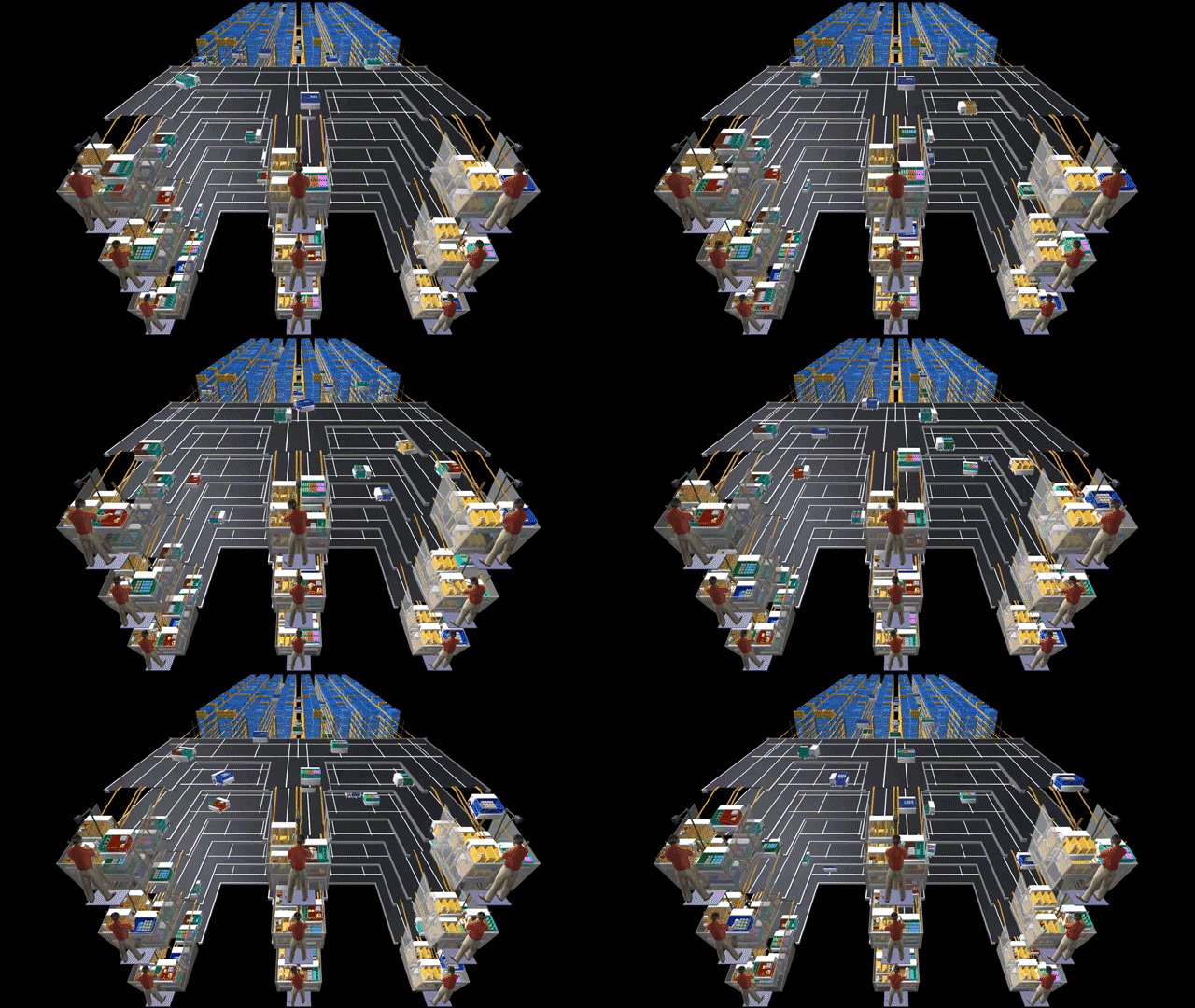
Symbotic’s new SymMicro system begins its first in-store installation, with the potential to expand to 400 Walmart locations.
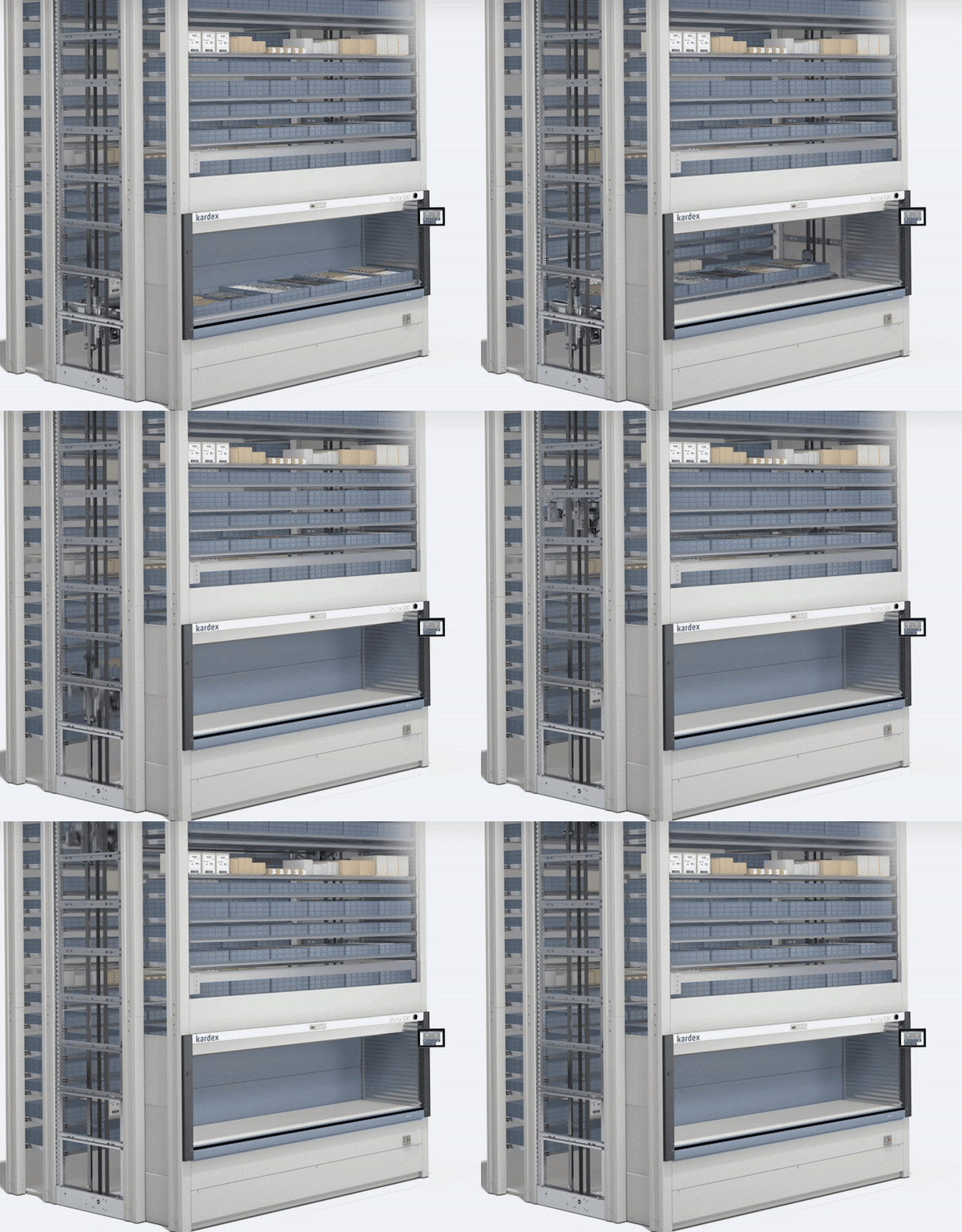
Two brand-new Kardex Shuttle XP 500 vertical lift modules are available for immediate delivery.
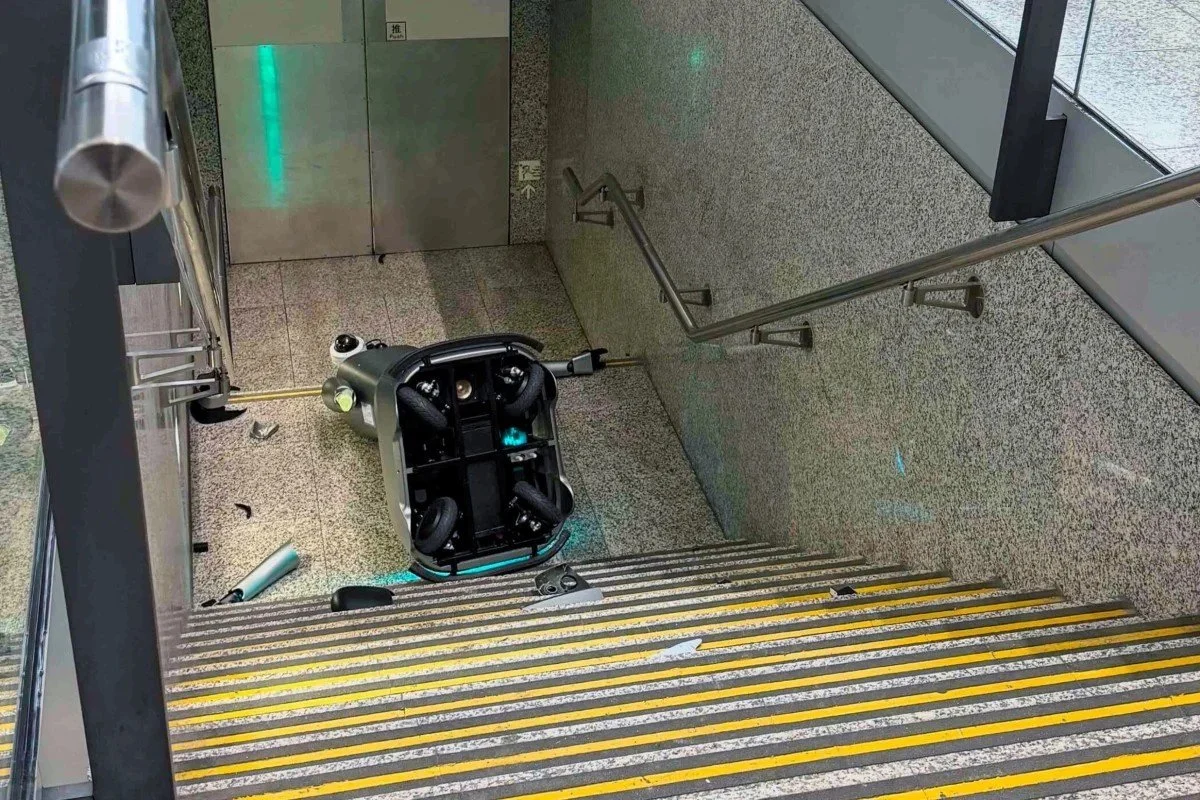
A robot accident at Hong Kong International Airport offers an important lesson about mobile robot safety
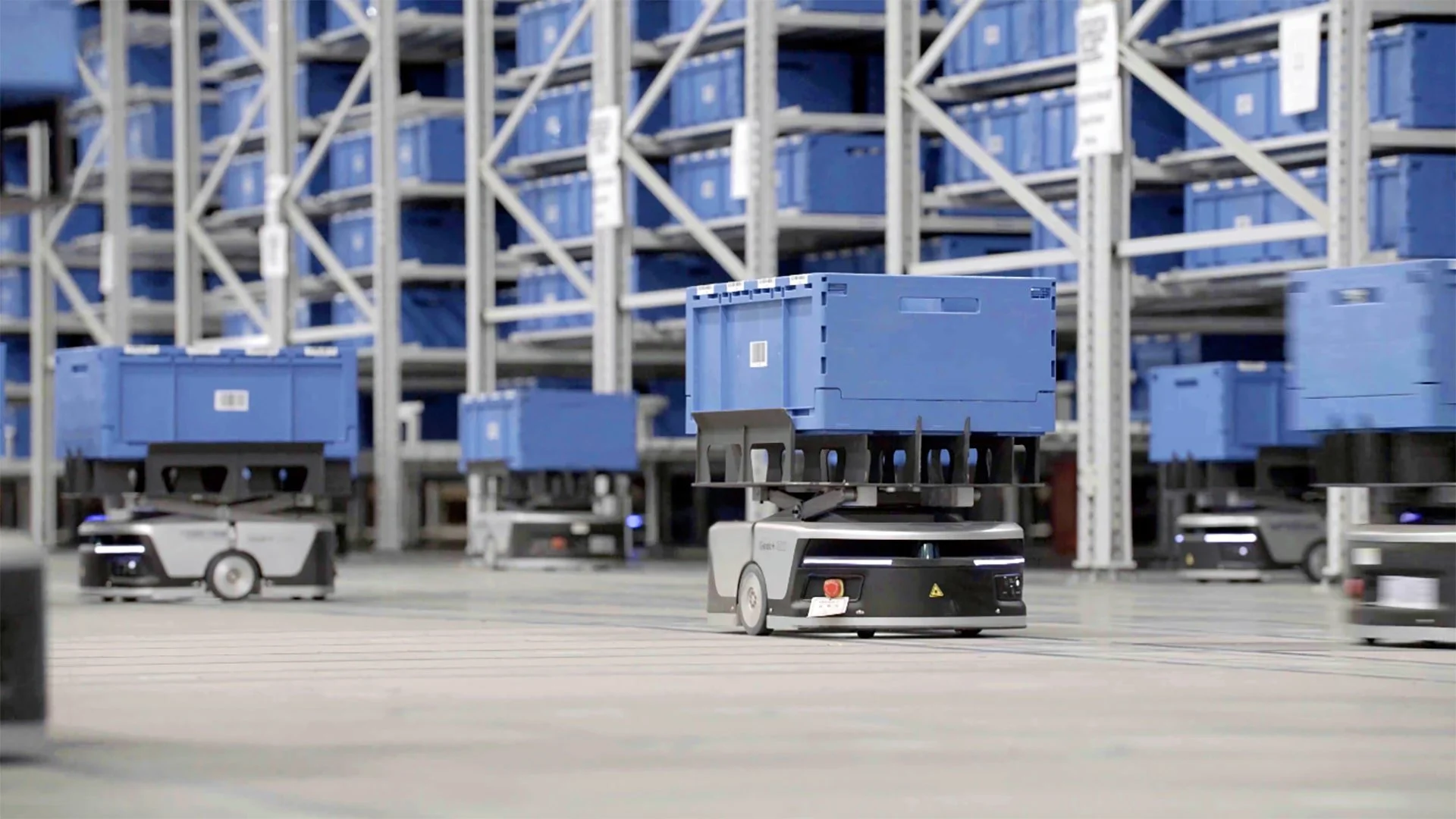
Recent Updates to FCC Covered List Regarding Foreign-Produced Advanced Robotic Devices
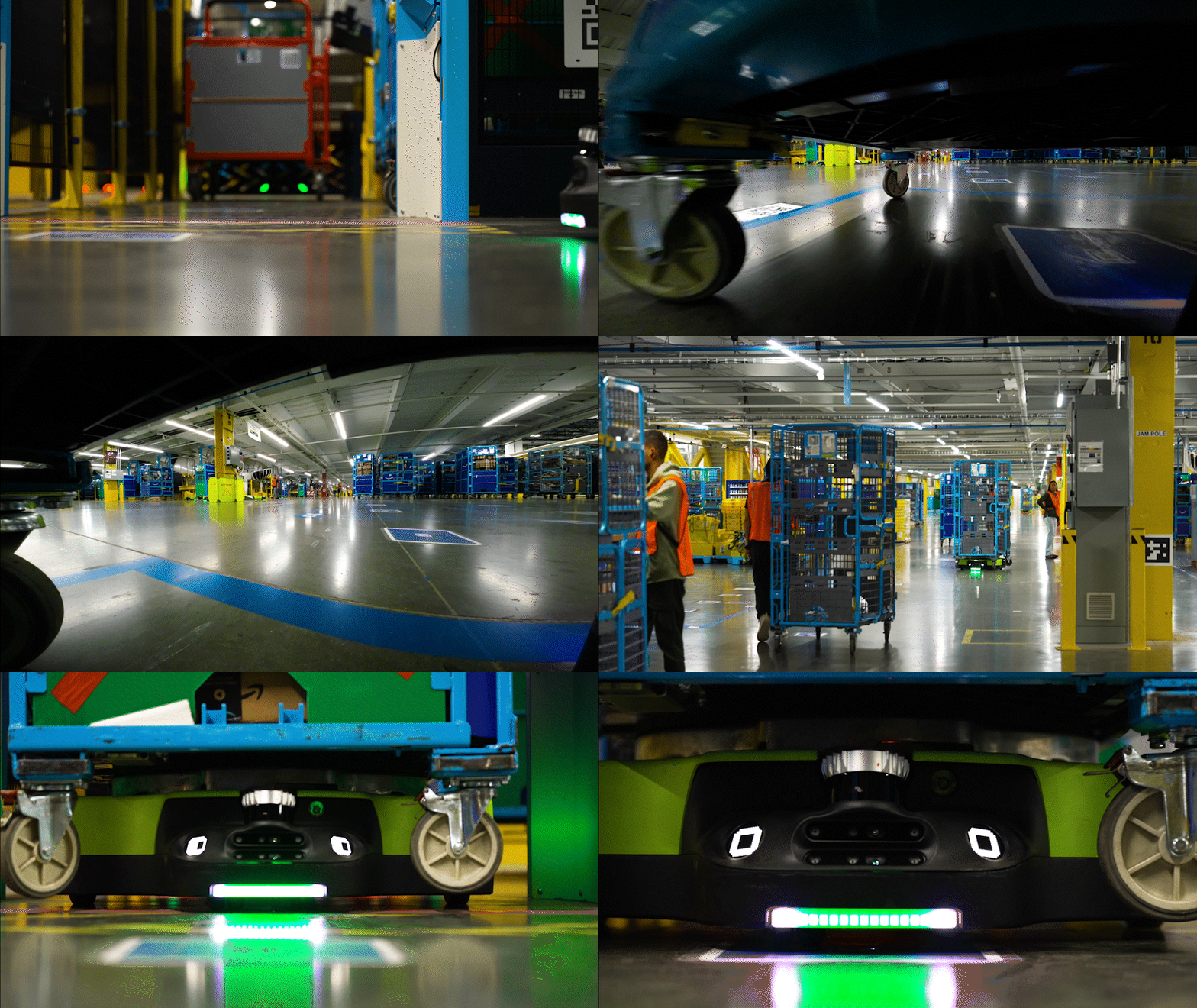
There is another major advantage of automation that is often overlooked.
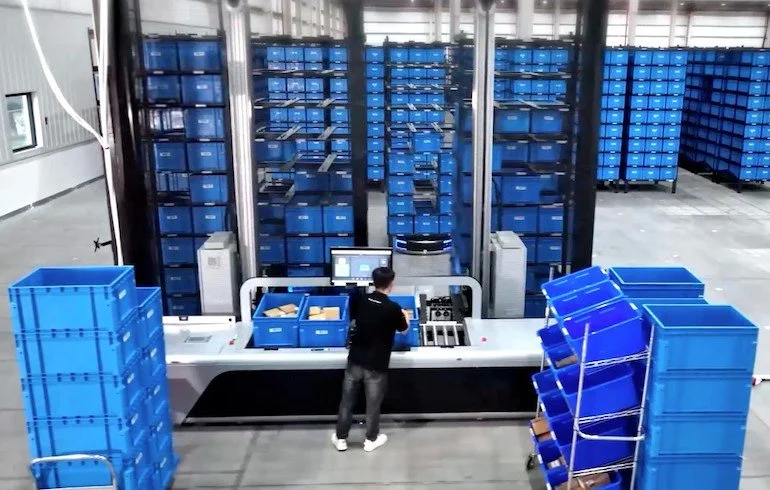
S&S Activewear is one of the more technology-forward apparel companies in North America’s branded-apparel distribution market.

Situated in Arvin, California, the new 700,000 square foot facility is described as its largest and most technologically sophisticated distribution center to date.
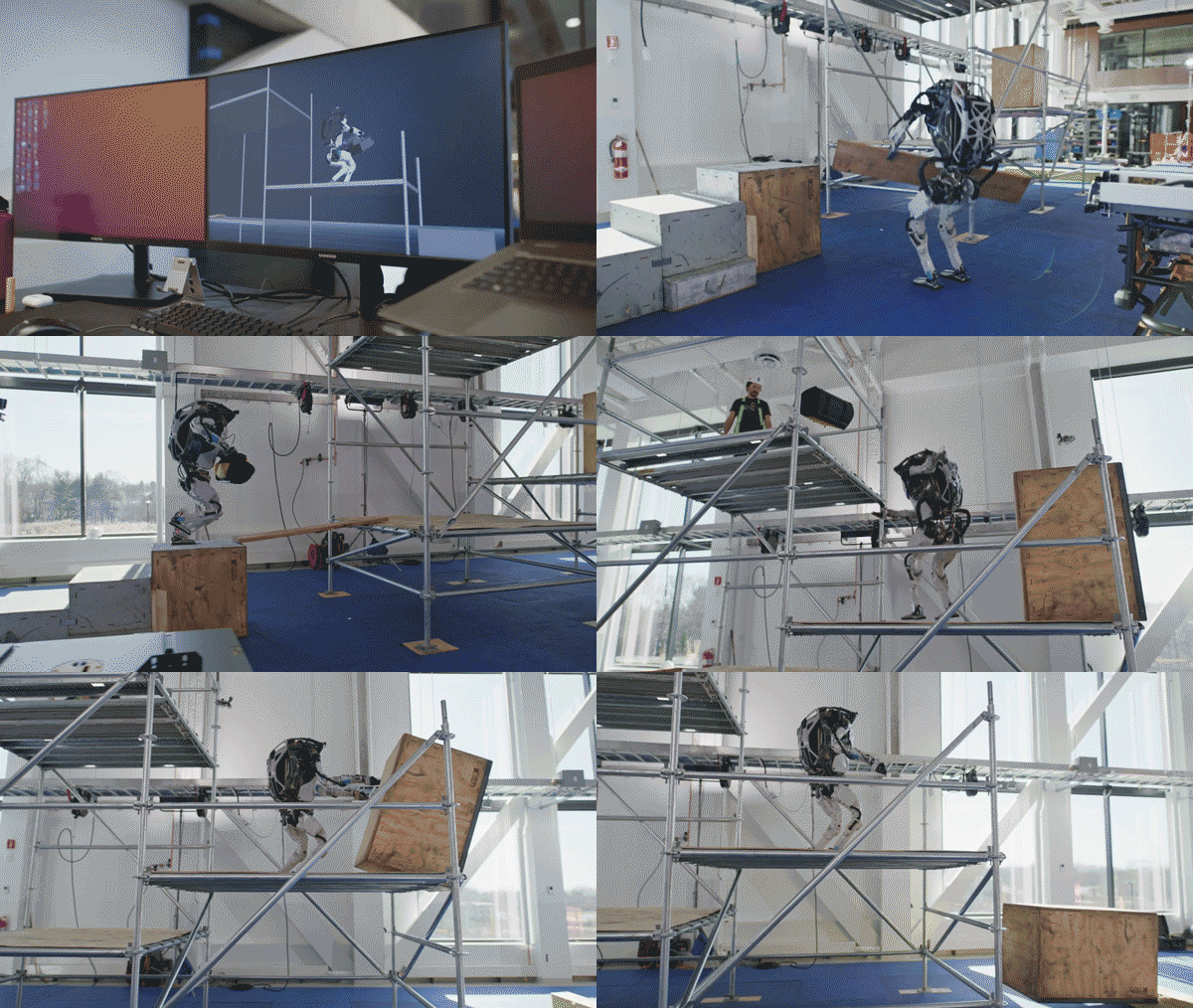
SoftBank is reportedly selling its remaining 9.65% stake in Boston Dynamics to Hyundai Motor Group for US$325 million.
The company had automation. It had robotics. It had government support, customer momentum, press attention, and a massive facility.
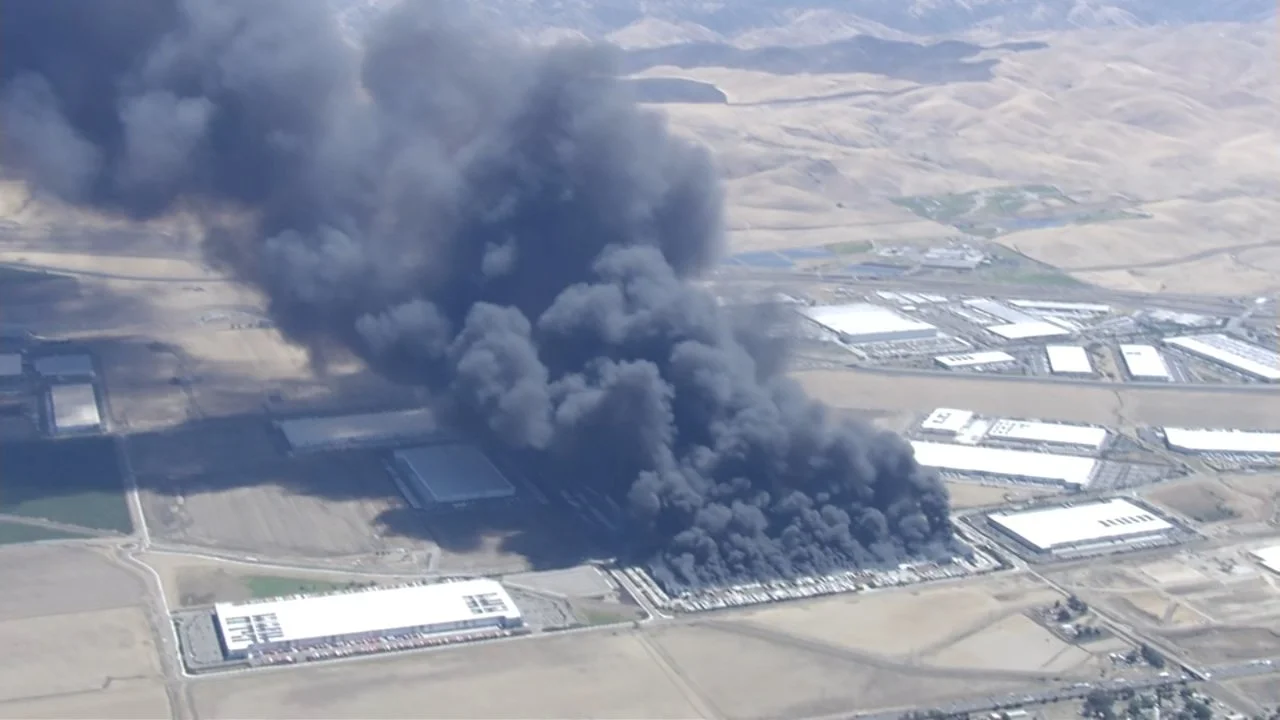
Massive fire destroys 1 million-square-foot Tracy Medline Industries distribution facility
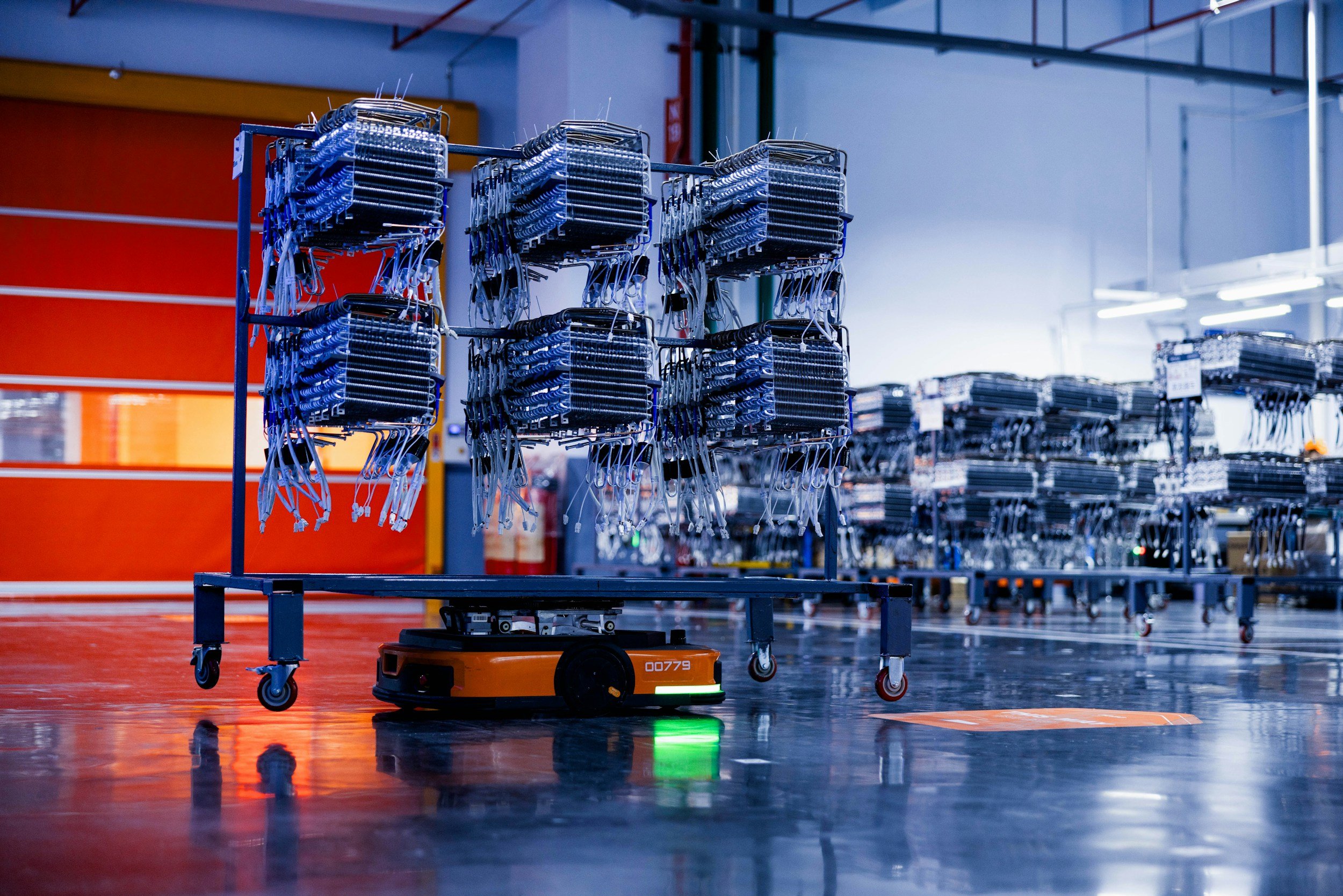
Artificial Intelligence and LLMs are currently being pushed aggressively into logistics, warehouse operations, robotics, and supply chain execution.
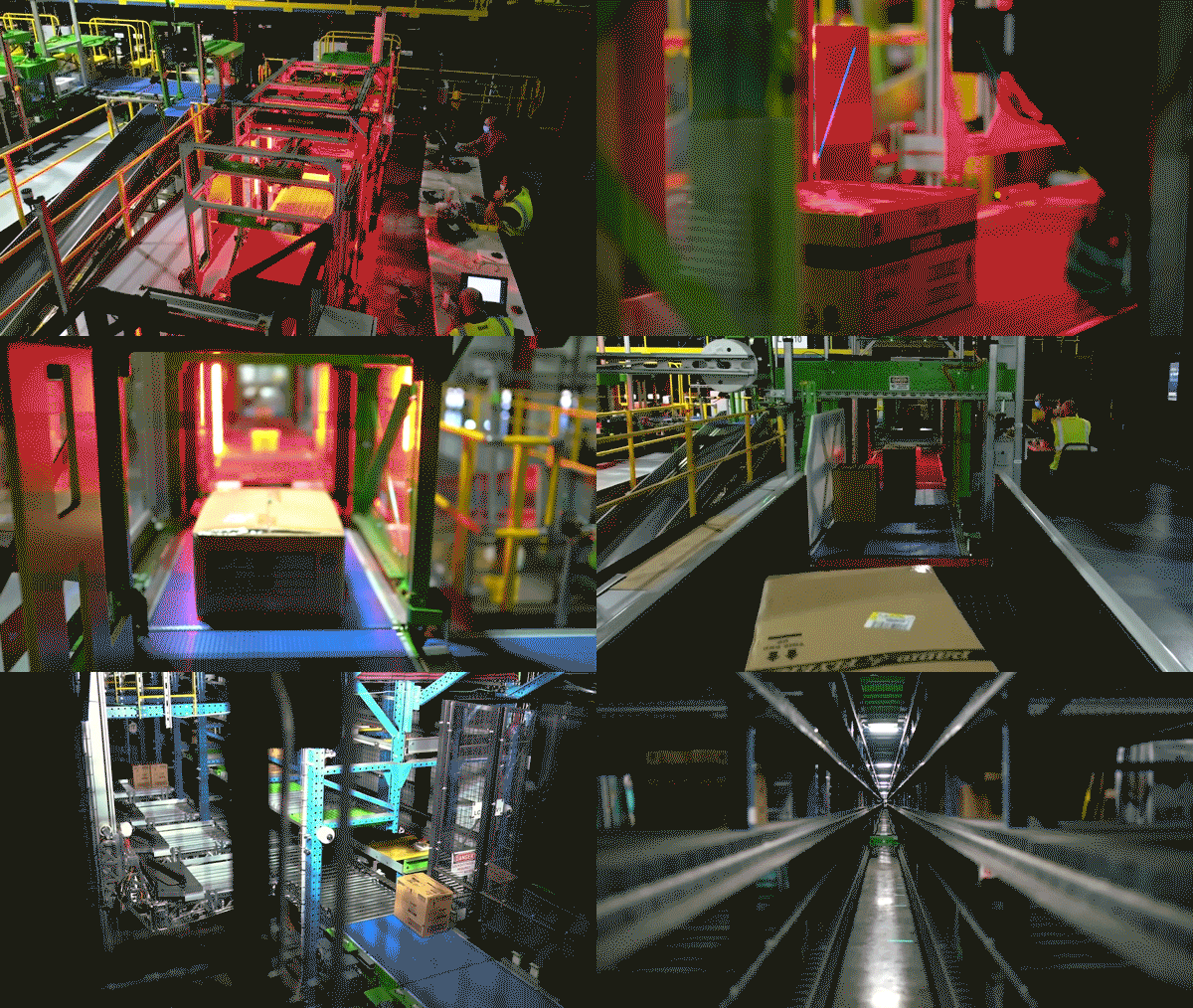
Walmart’s latest comments around same-day fulfillment, 30-minute delivery windows, AI-driven inventory positioning, and supply chain automation should be a wake-up call for the entire retail industry.
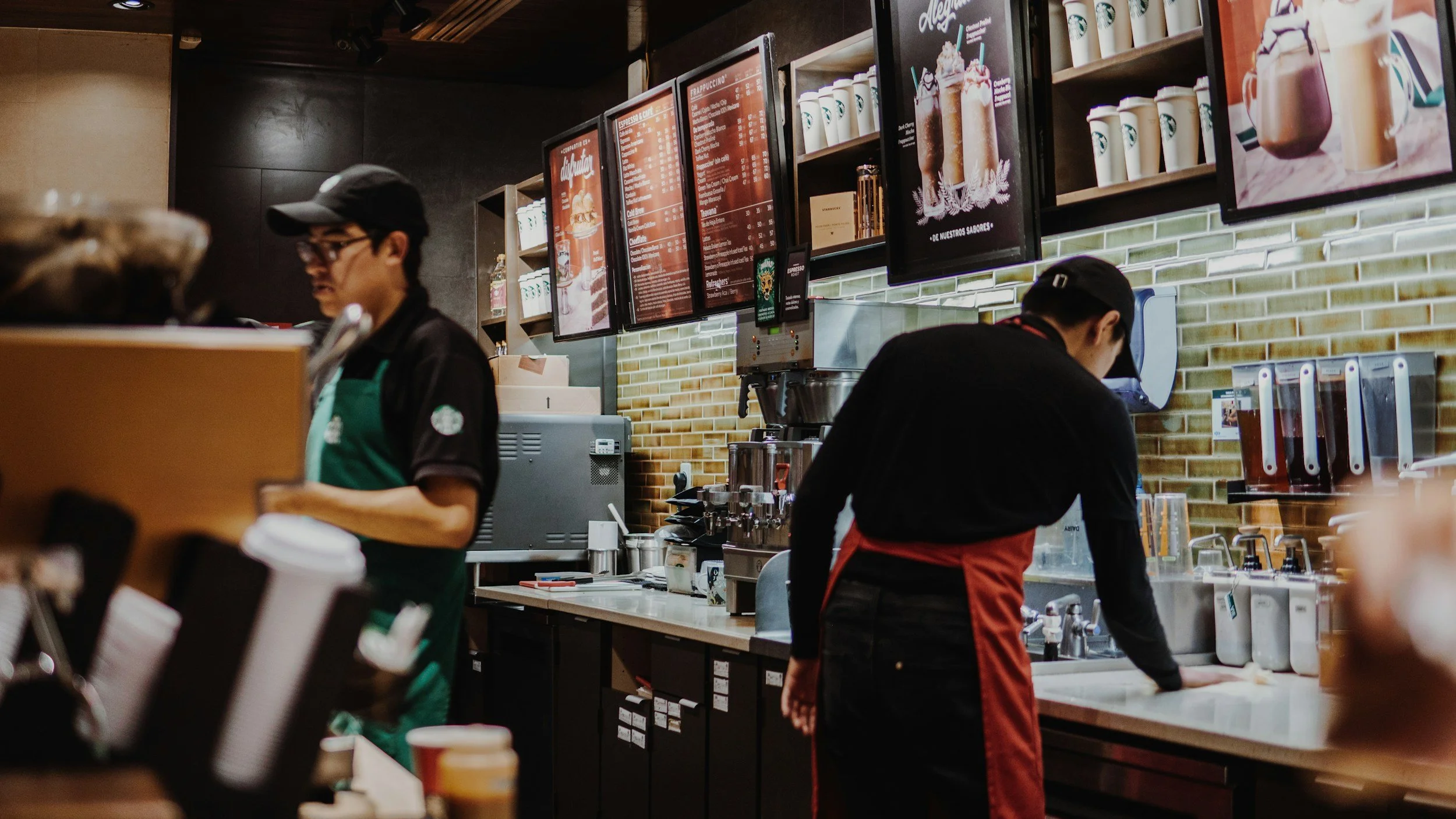
The promise made to Starbucks CEO Brian Niccol was enticing. To eliminate persistent product shortages that hurt sales, the company deployed an automated counting system.
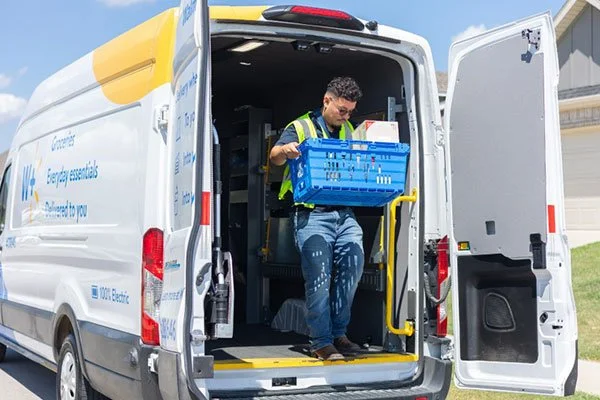
The retail giant is using unlikely spaces to push against Amazon’s recent strategies to capture more customers.

Traditional WMS lacks the real-time visibility into the availability of automated materials handling equipment that a WES brings to the table.
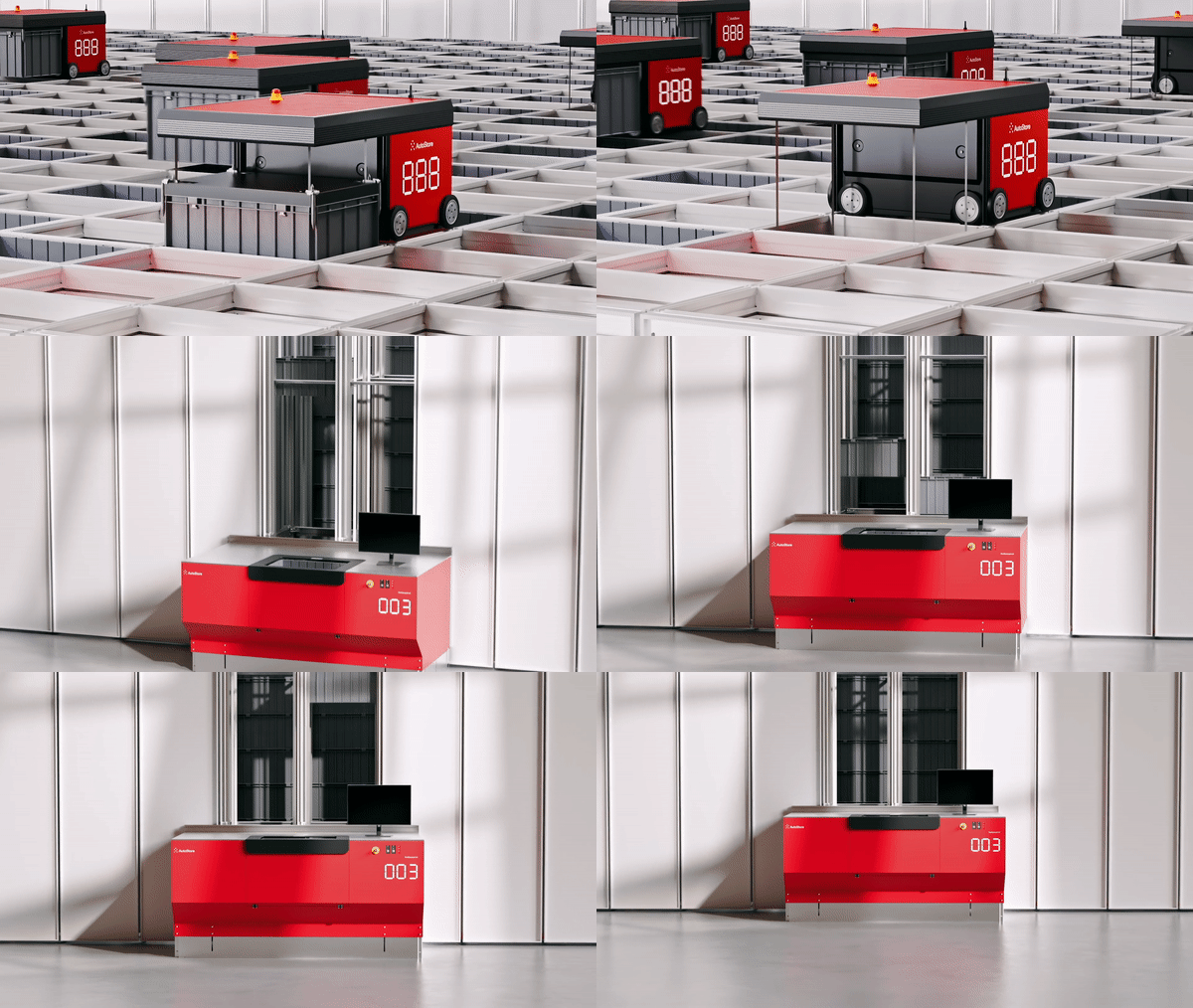
Ulta Beauty has selected AutoStore technology for its new Utah regional distribution hub supporting both stores and growing e-commerce fulfillment.
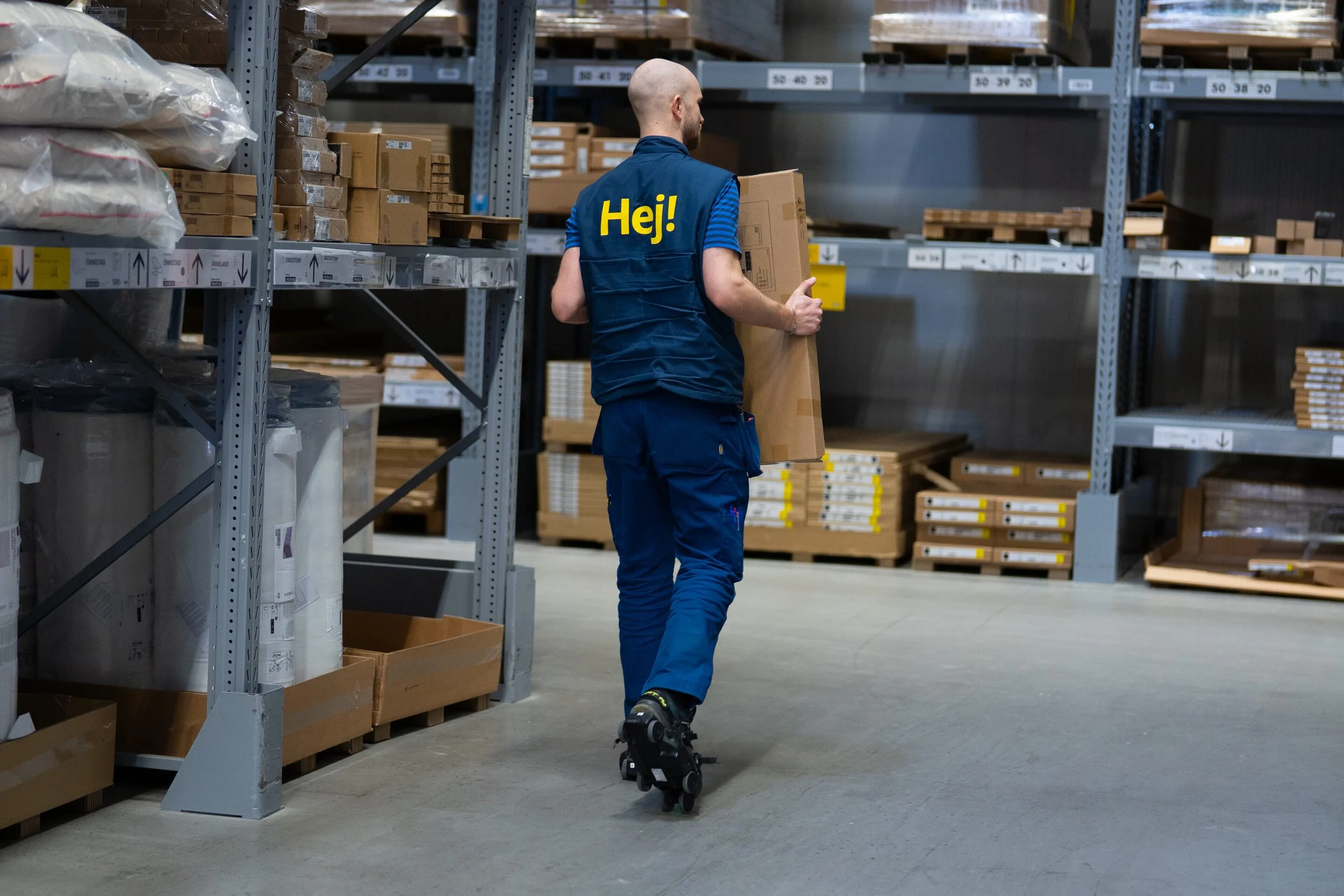
Ikea is testing robotic boots in Helsingborg, Sweden, to speed up order picking and reduce physical strain. Initial measurements showed that employees walked up to twice as fast, and average hourly picking productivity increased by 16%.
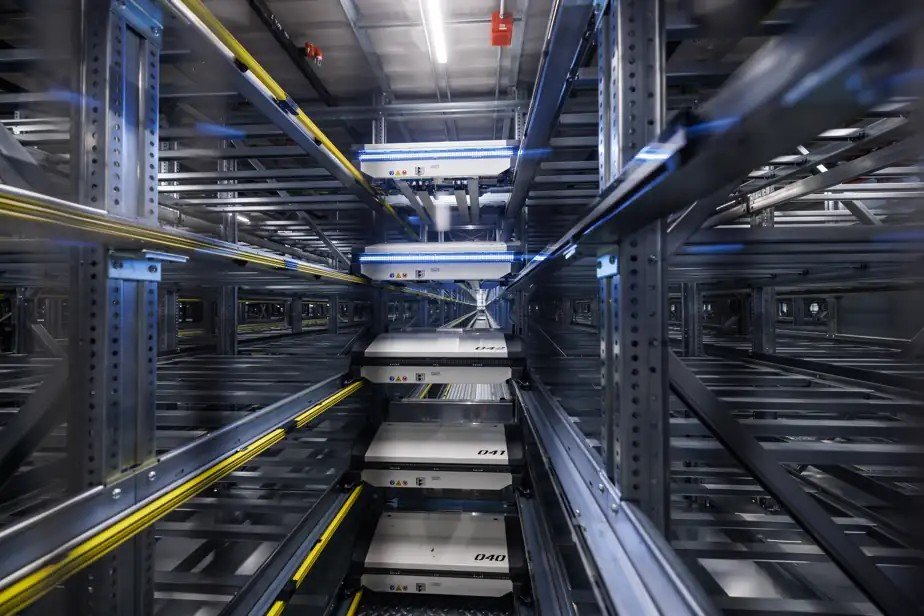
The cost of the SAQ's automated distribution center project, scheduled to begin operations next year, has gone from $48.5 million to $300 million in four years.
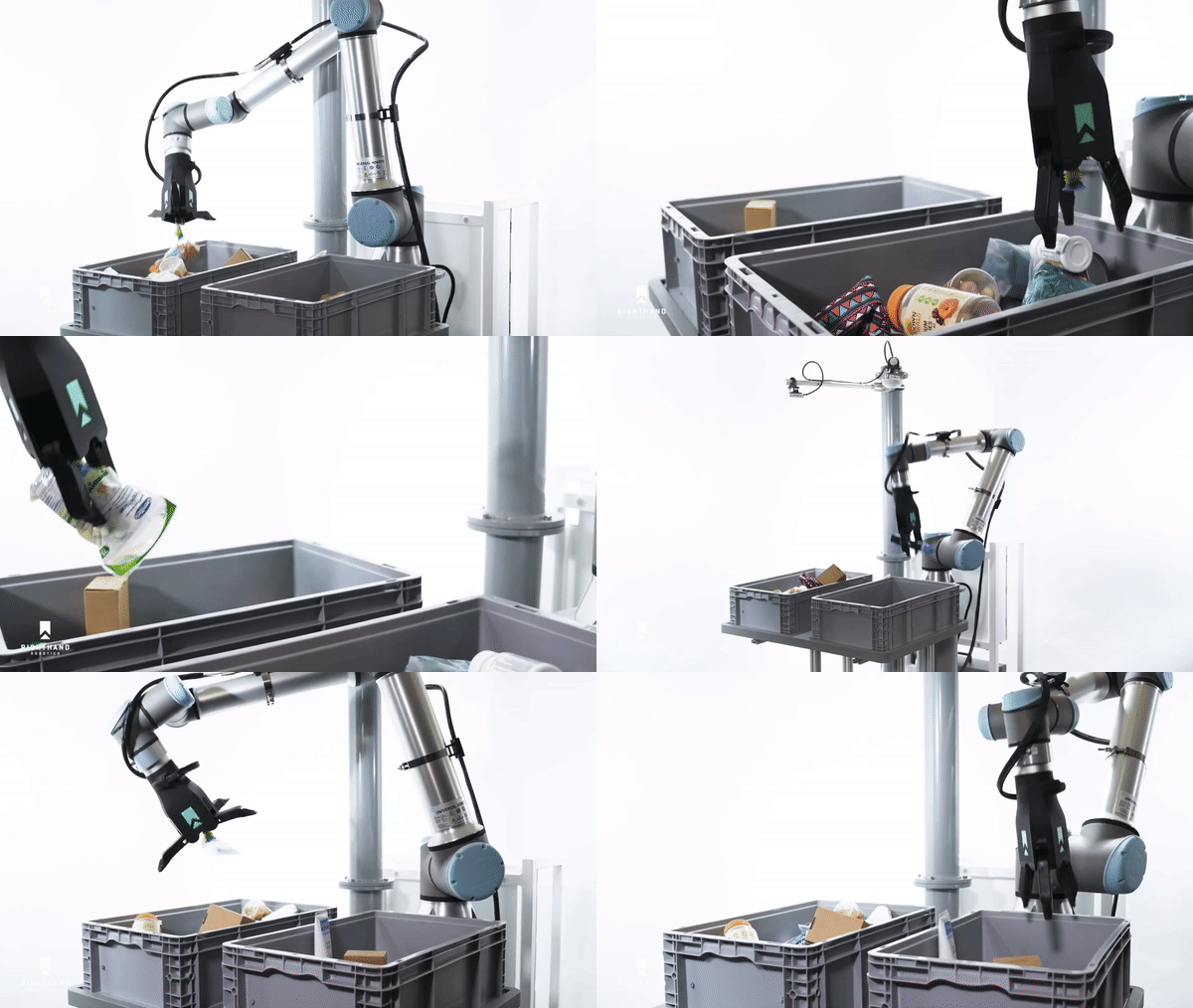
Piece-picking robots are currently one of the hottest solutions in warehouse automation
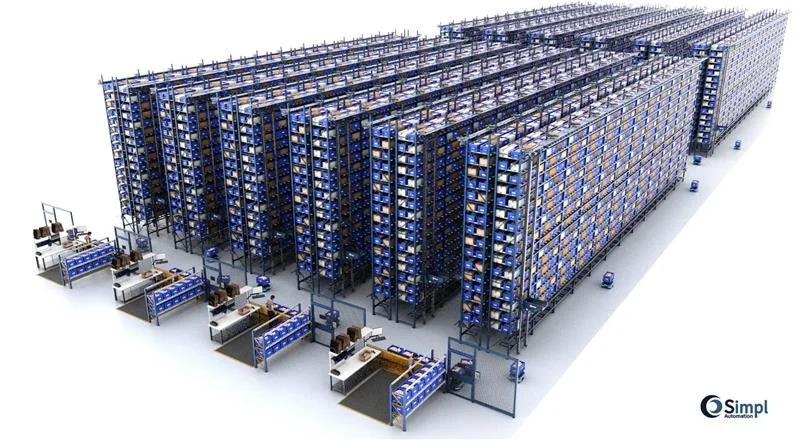
Home Depot acquires warehouse tech firm to boost fulfillment strategy
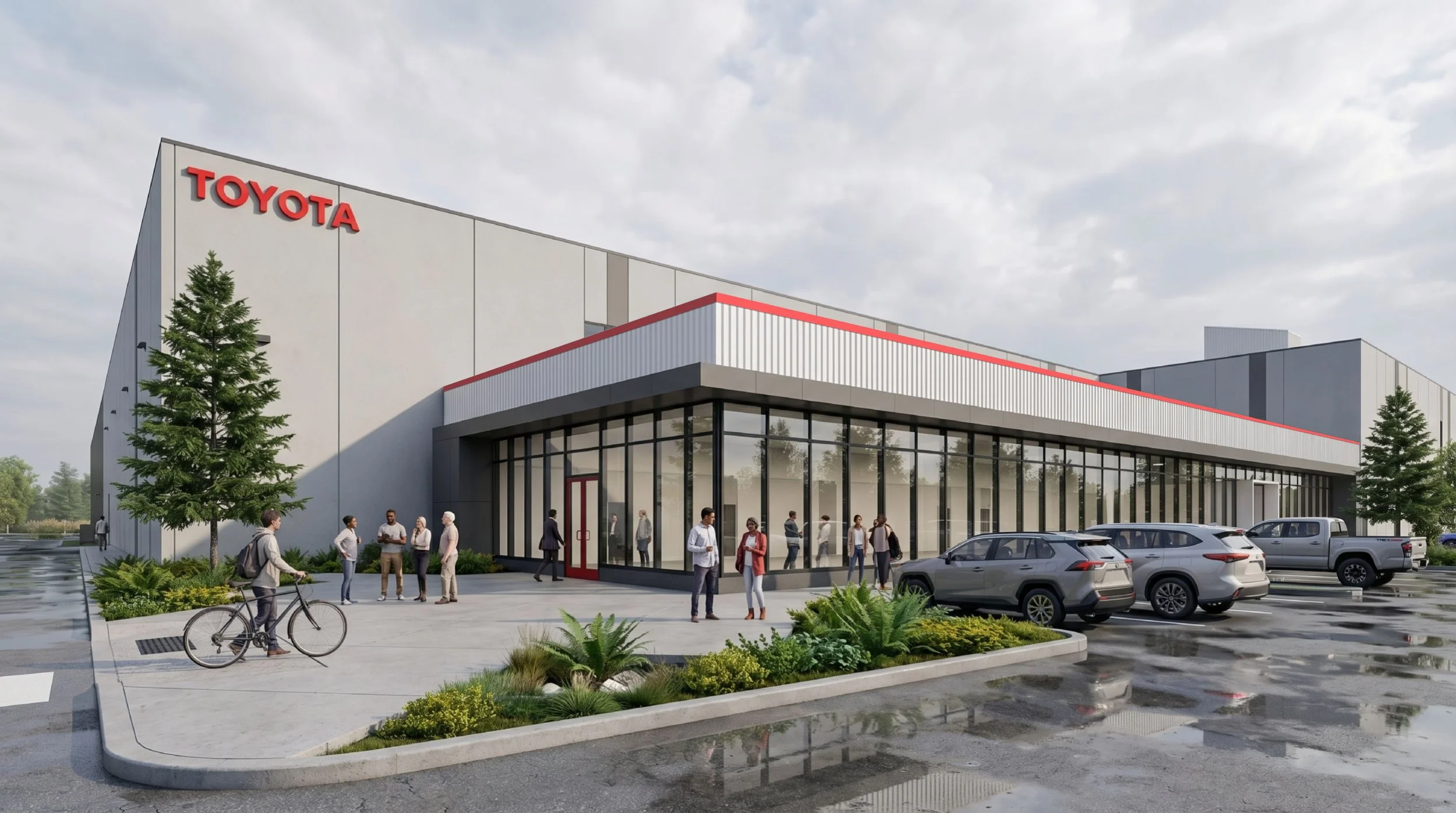
The Surrey facility will primarily serve British Columbia, while Calgary will cover Alberta, Saskatchewan, and surrounding regions.
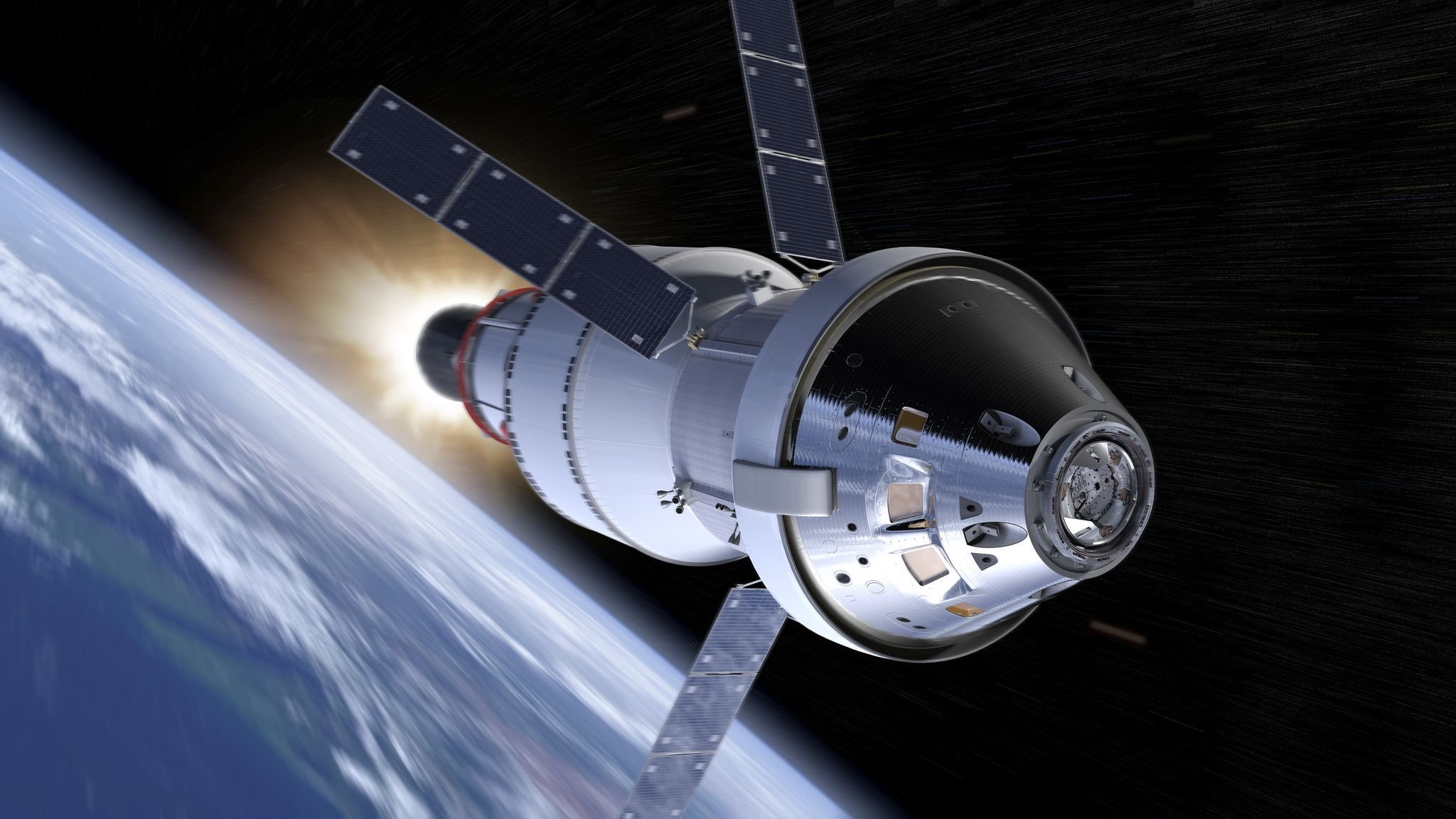
How Canadian Robotics Forced NASA to Give Us a Seat on the Moon Mission
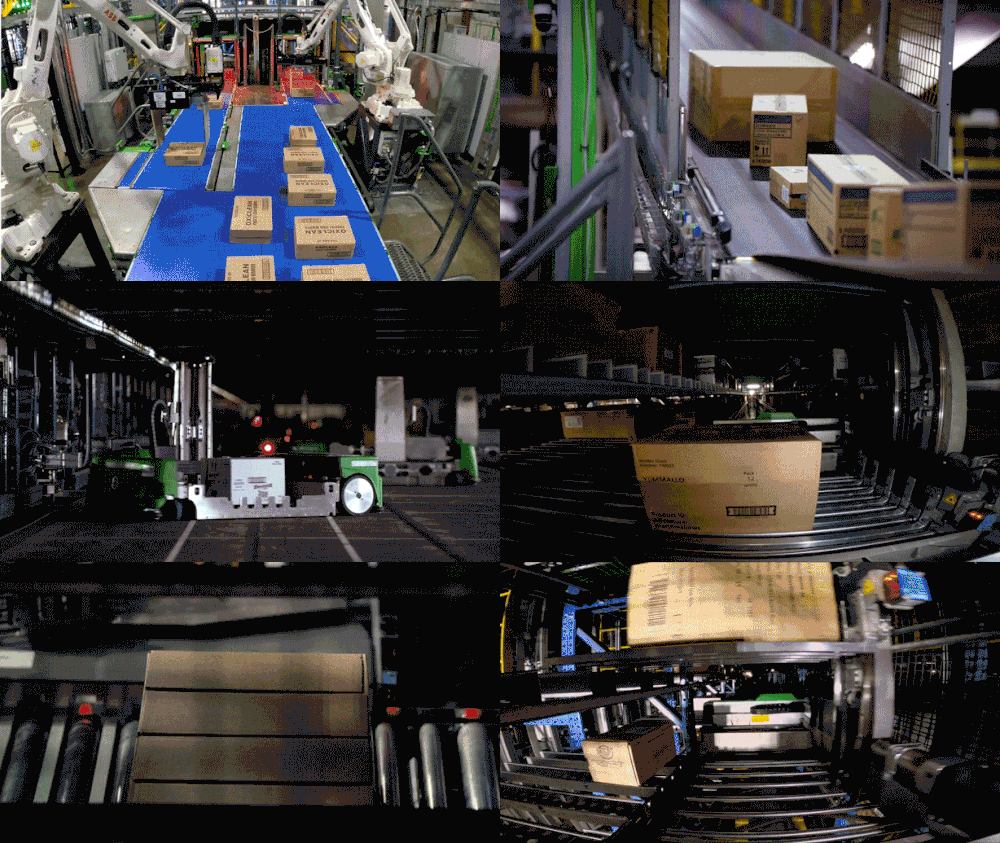
Today, a new layer is beginning to appear in highly automated facilities: the Warehouse Operating System (WOS).
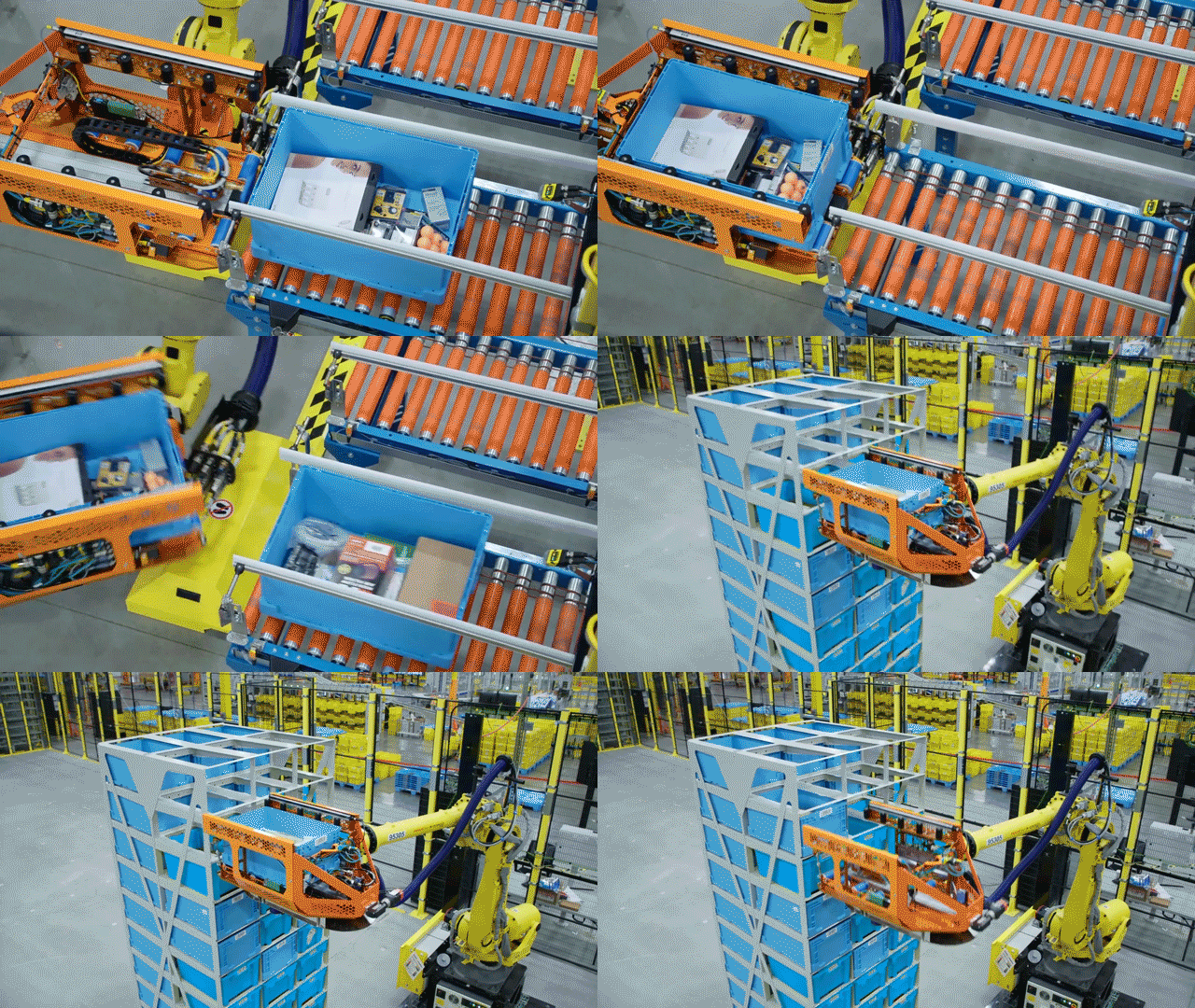
Cainiao plans to build a large-scale global network of robotic warehouses in 2026 as it expands local fulfilment and delivery operations tied to cross-border eCommerce.
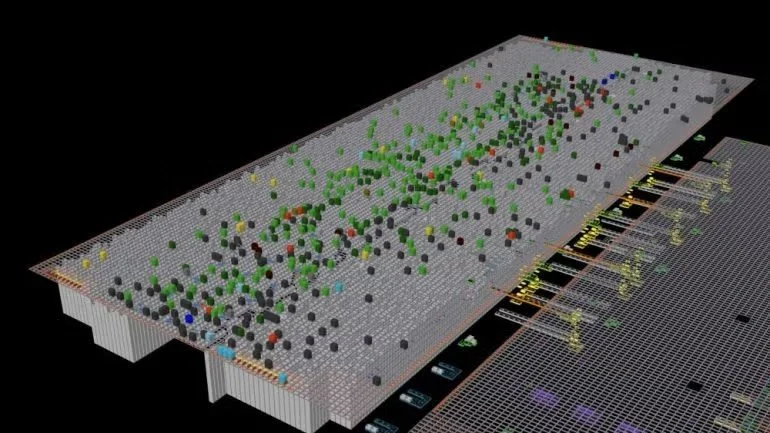
Ocado has delivered a cube-based automation system for McKesson Canada, representing a continued expansion of its technology beyond e-commerce grocery fulfilment.
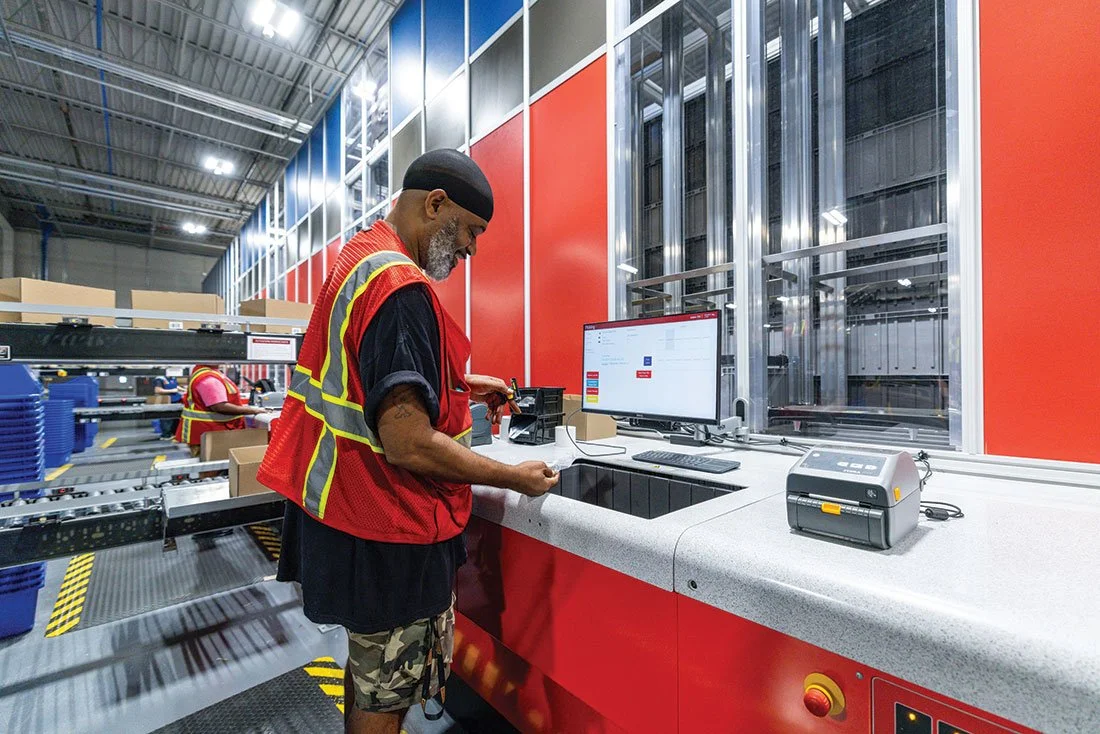
AutoStore reported its 2025 results this week, outlining a year that moved from early caution to clear second-half acceleration.
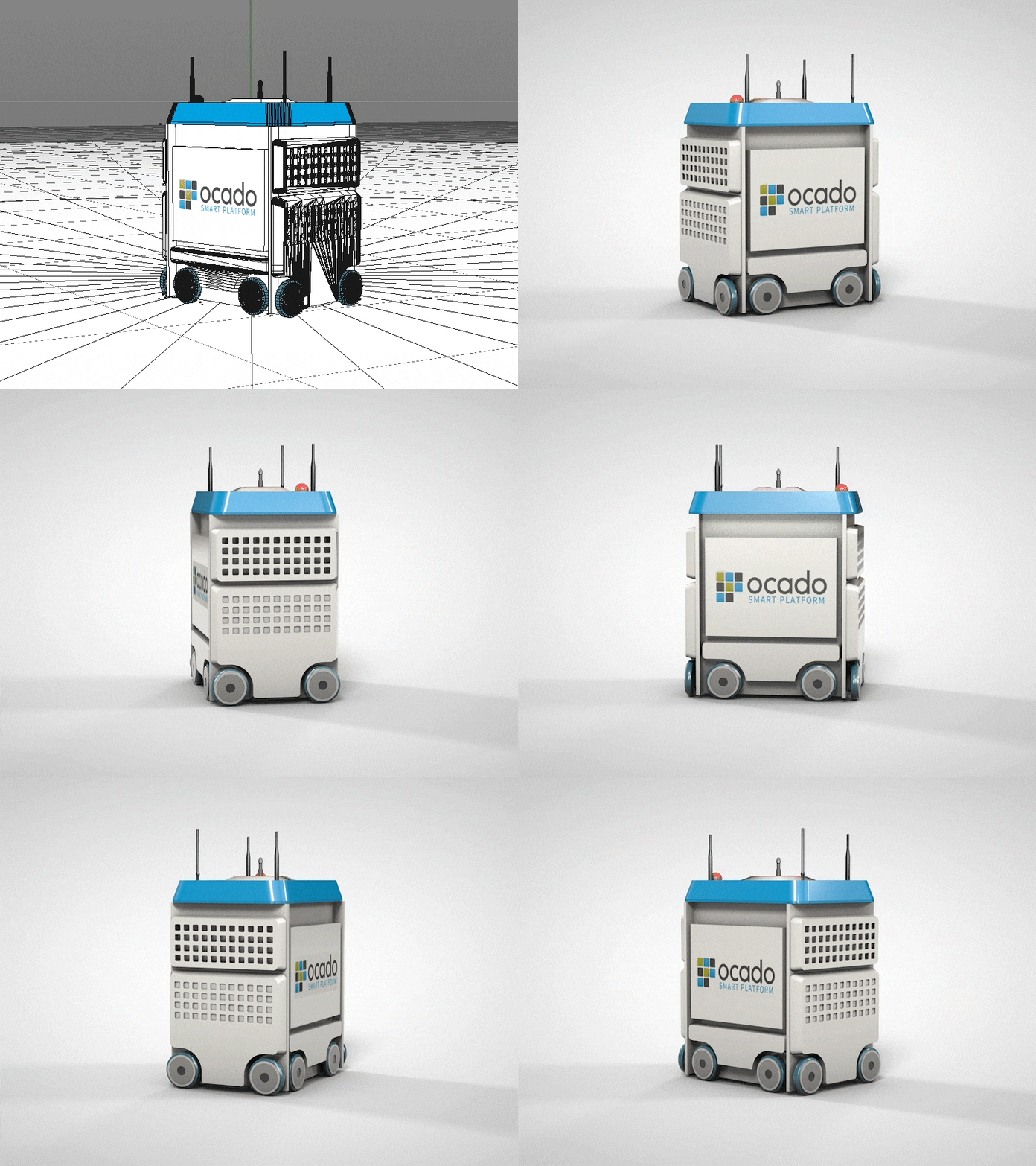
Ocado is facing reports of up to 1,000 job cuts
At Hannover Messe 2026, SAP and Vodafone showcased a pilot conducted at Vodafone’s warehouse in Duisburg,