
Amazon's Network Revamp Signals End of Logistics Pullback
Amazon Is Reviving Its Logistics Expansion and Reshaping Its U.S. Distribution
Amazon’s post pandemic pullback in logistics expansion is over as the company turns competition for consumer spending into a battle over real estate.
The e-commerce market leader is buying up industrial property and restructuring its sprawling distribution network as it looks to speed up package delivery and cut shipping costs. The changes are aimed at setting up Amazon to better compete with the nation’s largest retailer, Walmart, and low-price online upstarts Shein and Temu.
The country’s largest e-commerce retailer is leasing more warehouse space in a bid to speed up deliveries, respond to growing competition.
The company is focusing on acquiring industrial property and restructuring its distribution network to enhance package delivery speed and reduce shipping costs, the Wall Street Journal (WSJ) reported Wednesday (May 22).
Amazon has leased, bought or announced plans for over 16 million square feet of new warehouse space in the U.S. this year alone, according to the report. This expansion adds to the company’s existing footprint of approximately 413 million square feet of industrial real estate across North America.
The company has also overhauled its domestic shipping network, shifting from a highly centralized network to nine regions that are designed to operate independently, the report said. This strategy aims to place goods closer to consumers, enabling faster delivery times and lower costs. In the fourth quarter of 2023, Amazon reported a more than 65% increase in orders delivered on the same day or the next day in the U.S. compared to the previous year.
To support this new approach, Amazon is requiring itself and third-party merchants on its platform to hold inventory across multiple locations rather than in a few centralized places, per the report. The company has been opening inbound receiving centers, which are large warehouses spanning from 600,000 to over 1 million square feet, to store goods across the country. Additionally, Amazon has been leasing smaller warehouses in rural areas to serve as delivery stations, minimizing final-mile transportation costs.
This expansion and restructuring effort by Amazon is partly in response to Walmart’s utilization of its vast network of over 4,600 stores in the U.S. to fulfill online orders, according to the report. Walmart claims to have stores within 10 miles of 90% of American consumers.
Amazon’s logistics expansion is also driven by the competitive pressure from discounting upstarts Shein and Temu, the report said. These online sellers have gained popularity among U.S. shoppers due to their low prices on apparel, home goods and other low-value products. However, their shipping times can often extend beyond a week.
By reviving its logistics expansion and reshaping its U.S. distribution, Amazon aims to solidify its position as the leader in fast and efficient package delivery.

Pattison Food Group Modernizes Langley Distribution Centre with Advanced Grocery Automation.
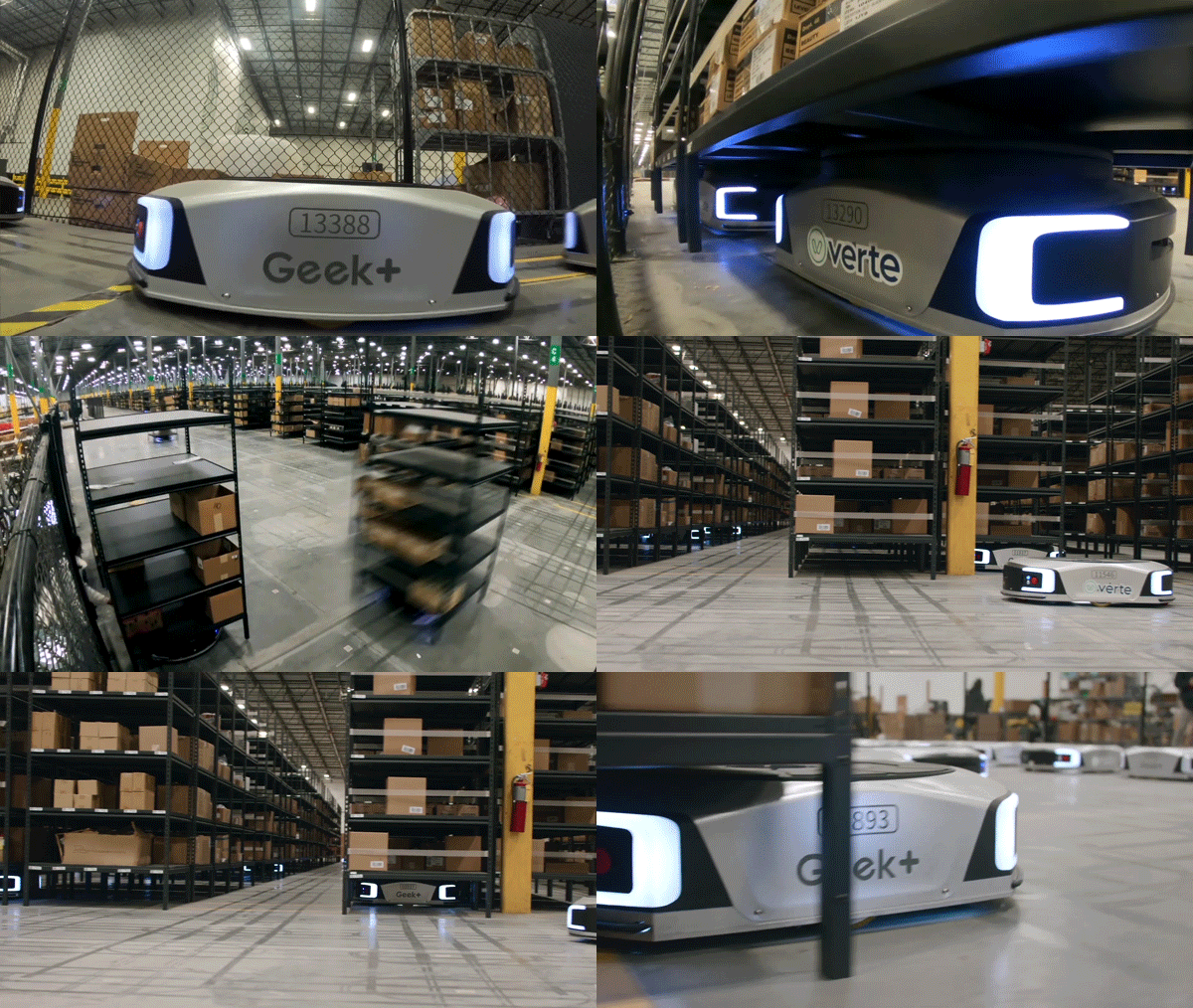
As part of an ongoing warehouse automation modernization project, a fleet of pre-owned ASRS robots is available for purchase.
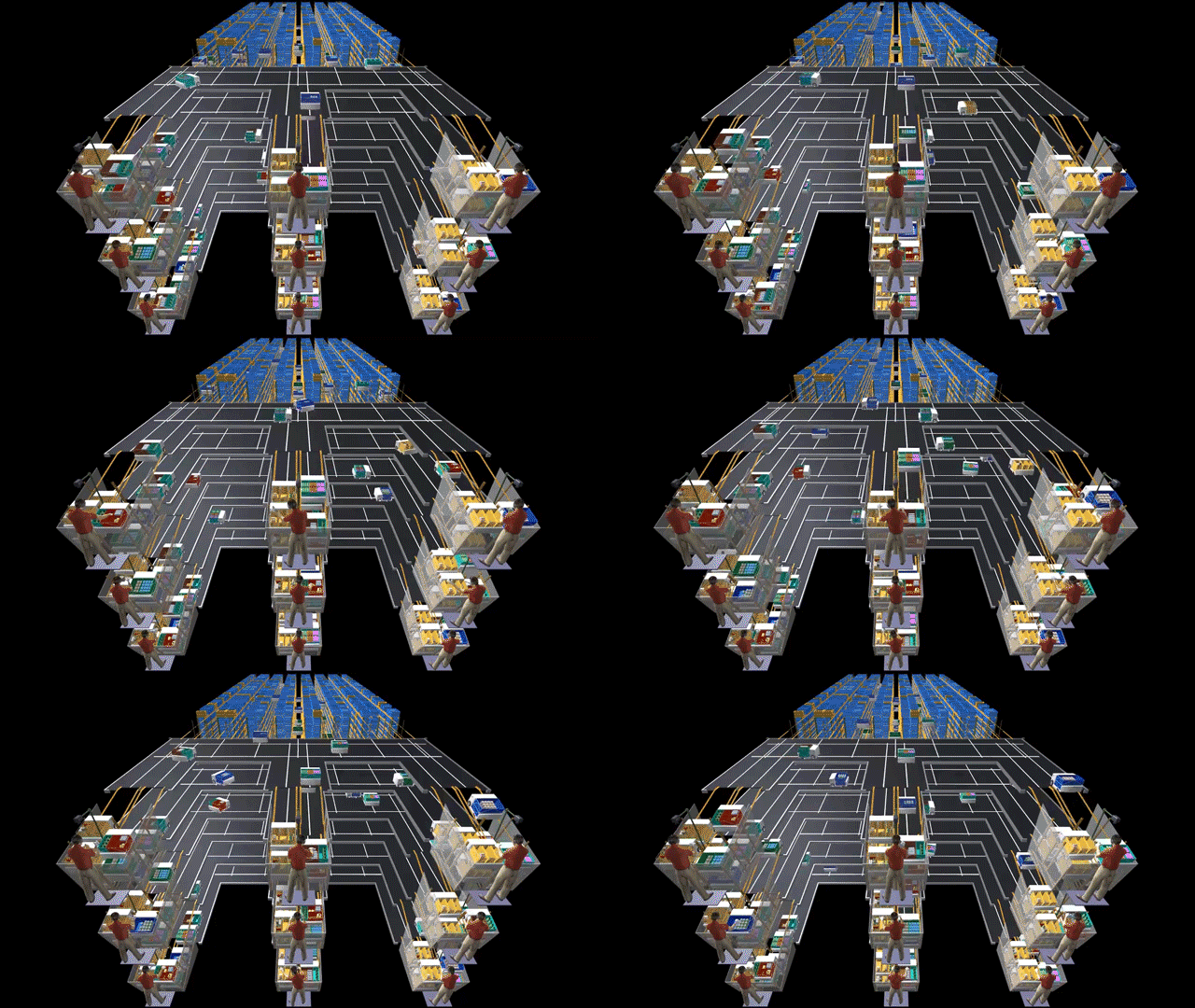
Symbotic’s new SymMicro system begins its first in-store installation, with the potential to expand to 400 Walmart locations.
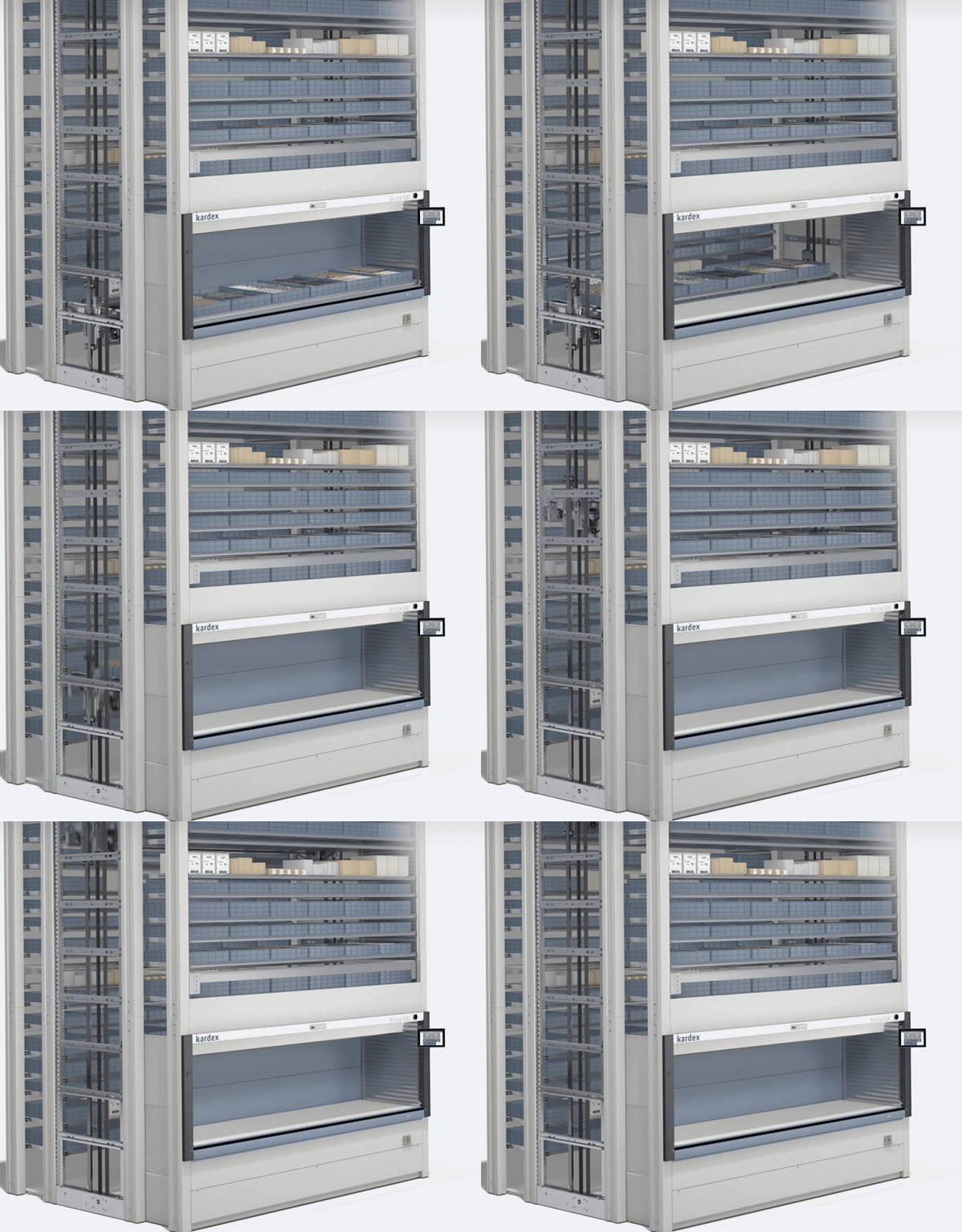
Two brand-new Kardex Shuttle XP 500 vertical lift modules are available for immediate delivery.
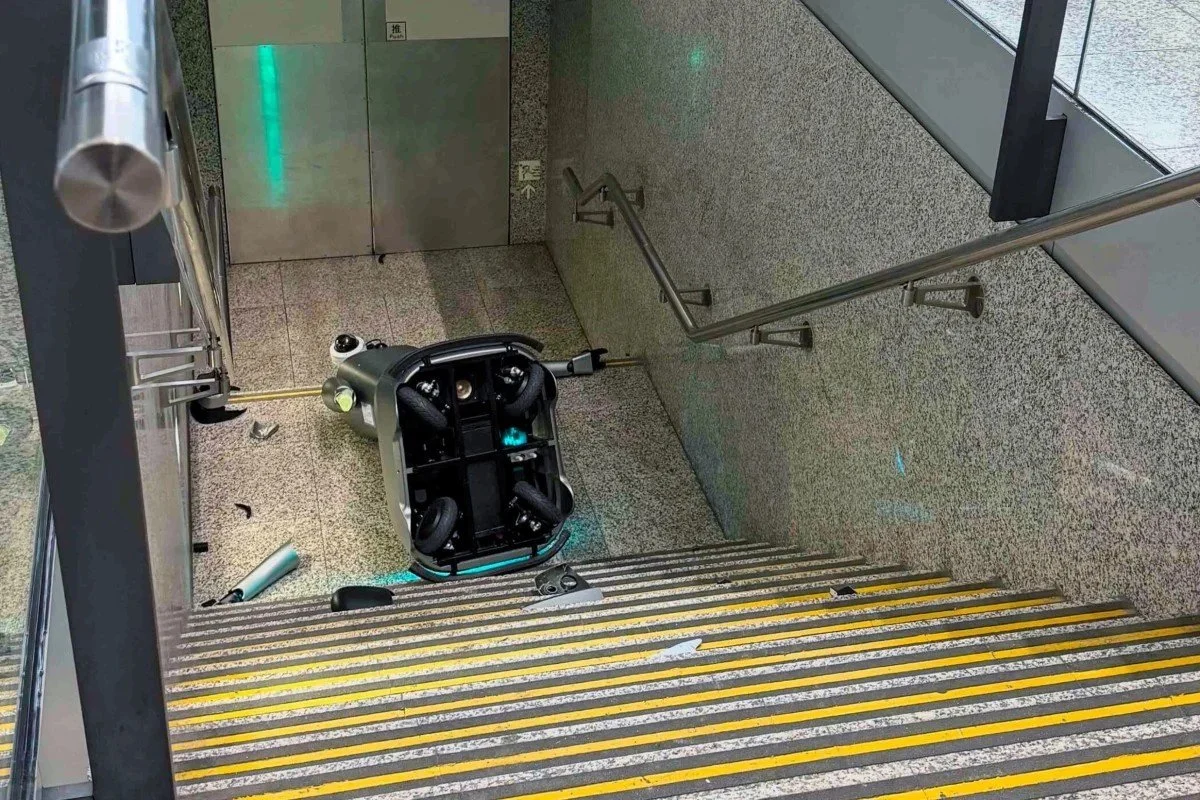
A robot accident at Hong Kong International Airport offers an important lesson about mobile robot safety
Recent Updates to FCC Covered List Regarding Foreign-Produced Advanced Robotic Devices
There is another major advantage of automation that is often overlooked.
S&S Activewear is one of the more technology-forward apparel companies in North America’s branded-apparel distribution market.

Situated in Arvin, California, the new 700,000 square foot facility is described as its largest and most technologically sophisticated distribution center to date.

SoftBank is reportedly selling its remaining 9.65% stake in Boston Dynamics to Hyundai Motor Group for US$325 million.
The company had automation. It had robotics. It had government support, customer momentum, press attention, and a massive facility.
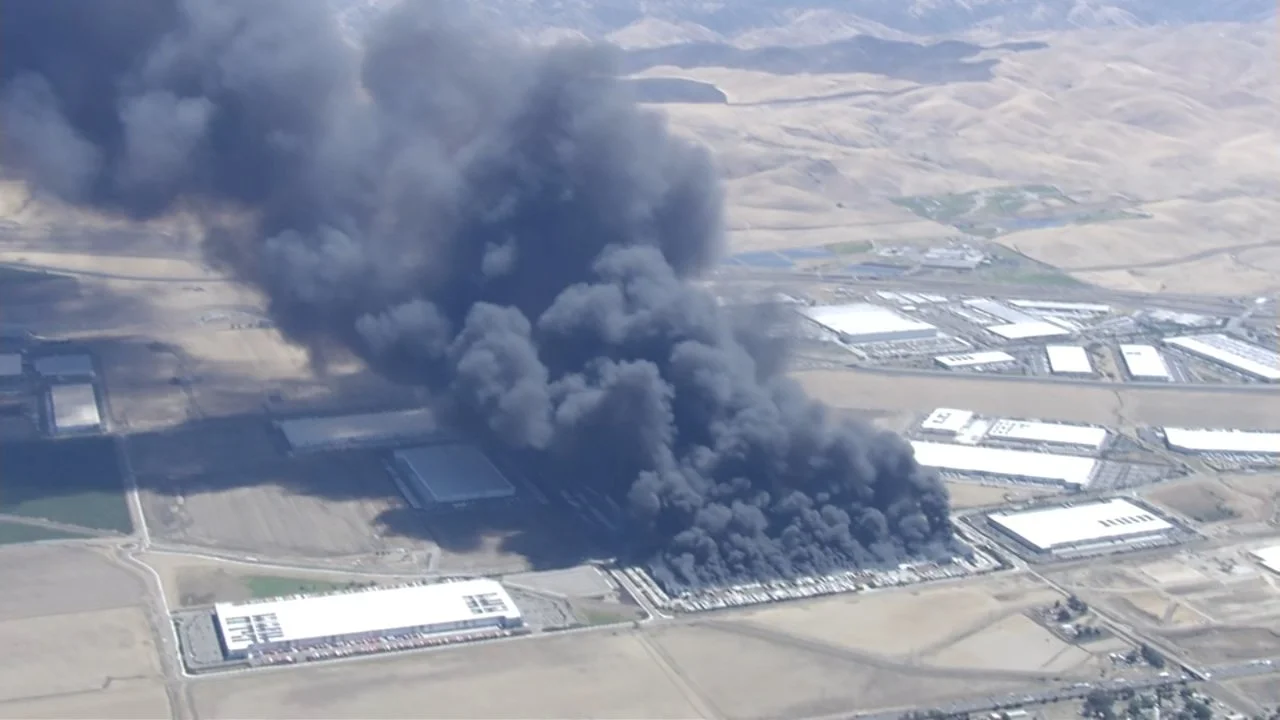
Massive fire destroys 1 million-square-foot Tracy Medline Industries distribution facility
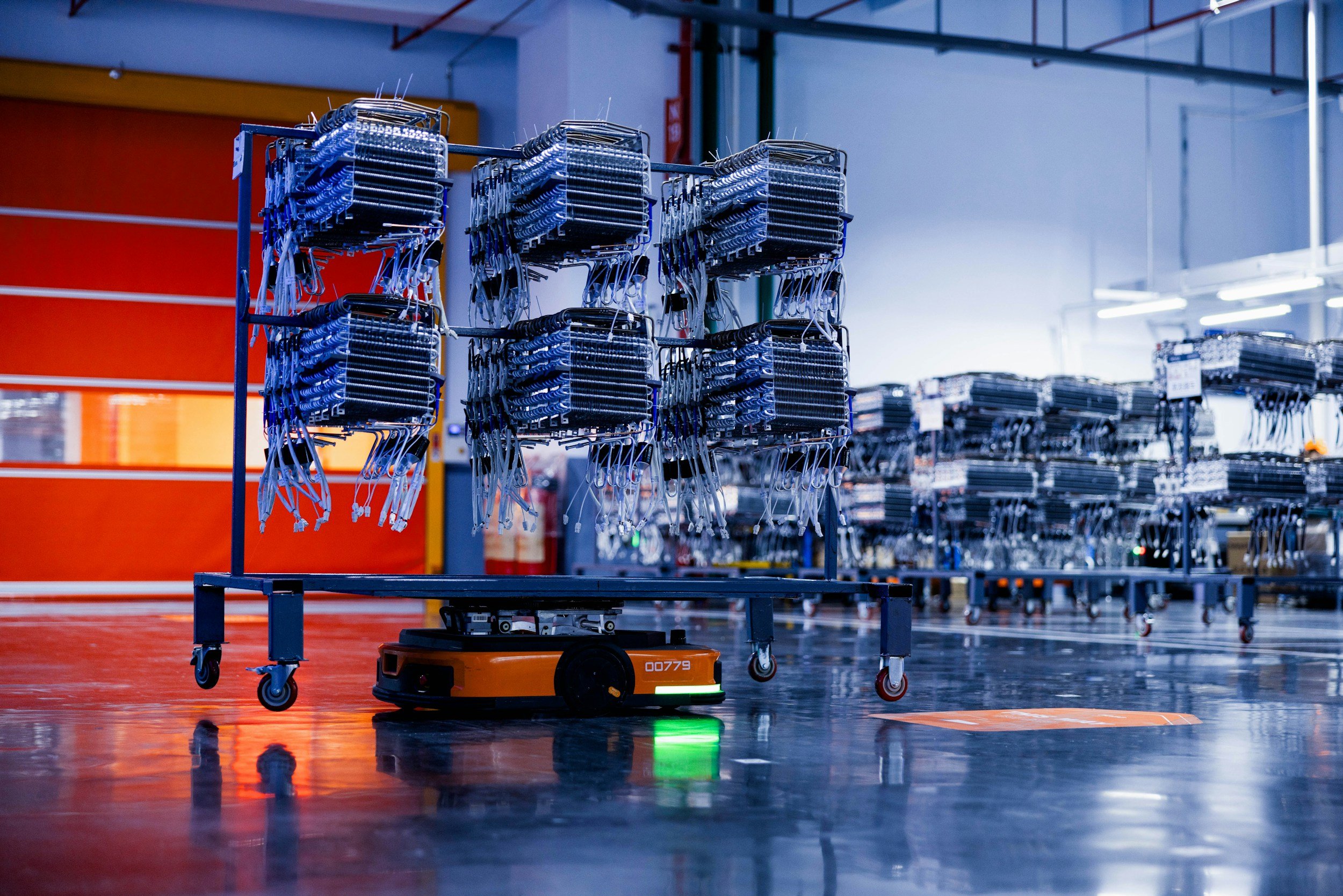
Artificial Intelligence and LLMs are currently being pushed aggressively into logistics, warehouse operations, robotics, and supply chain execution.
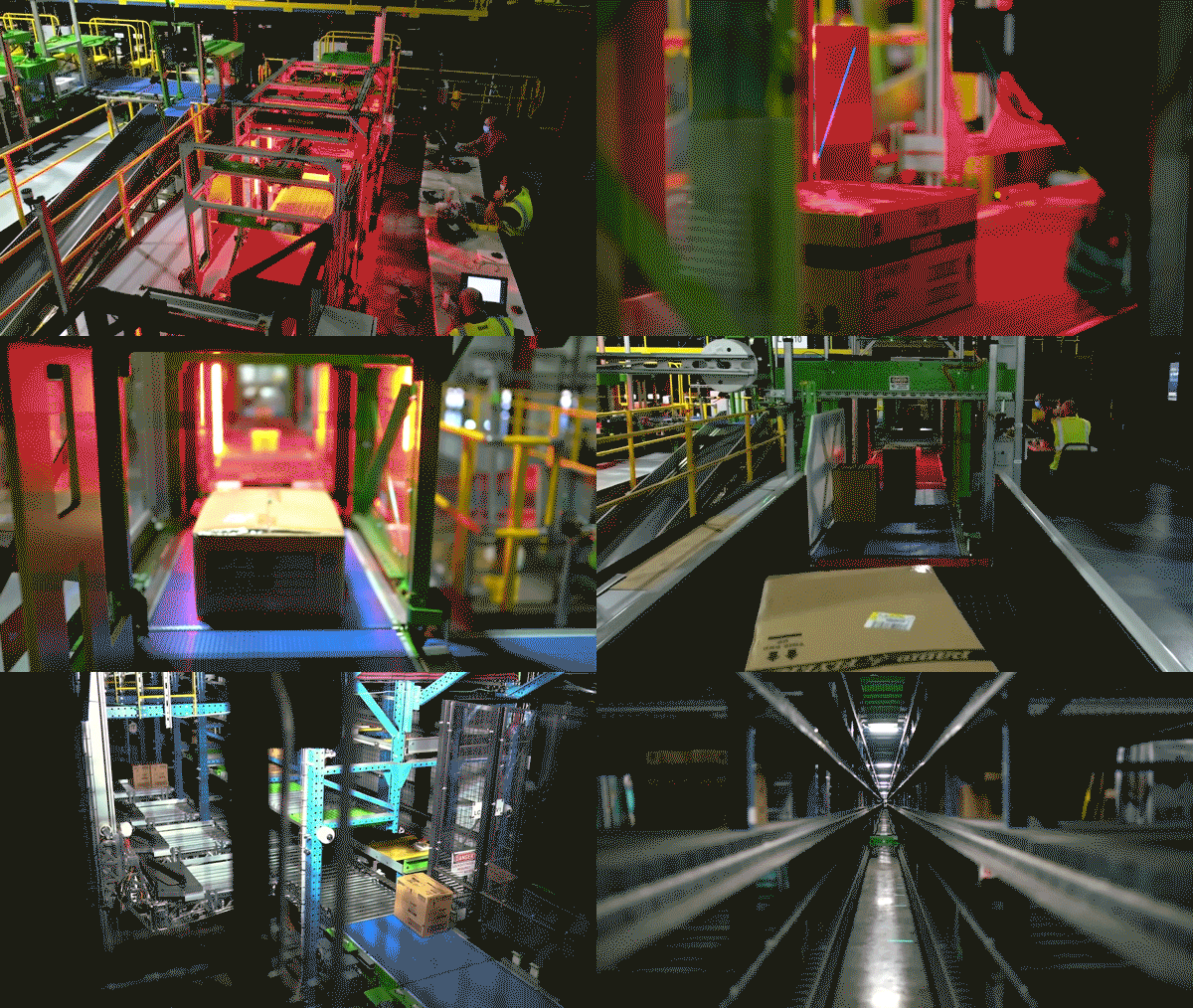
Walmart’s latest comments around same-day fulfillment, 30-minute delivery windows, AI-driven inventory positioning, and supply chain automation should be a wake-up call for the entire retail industry.
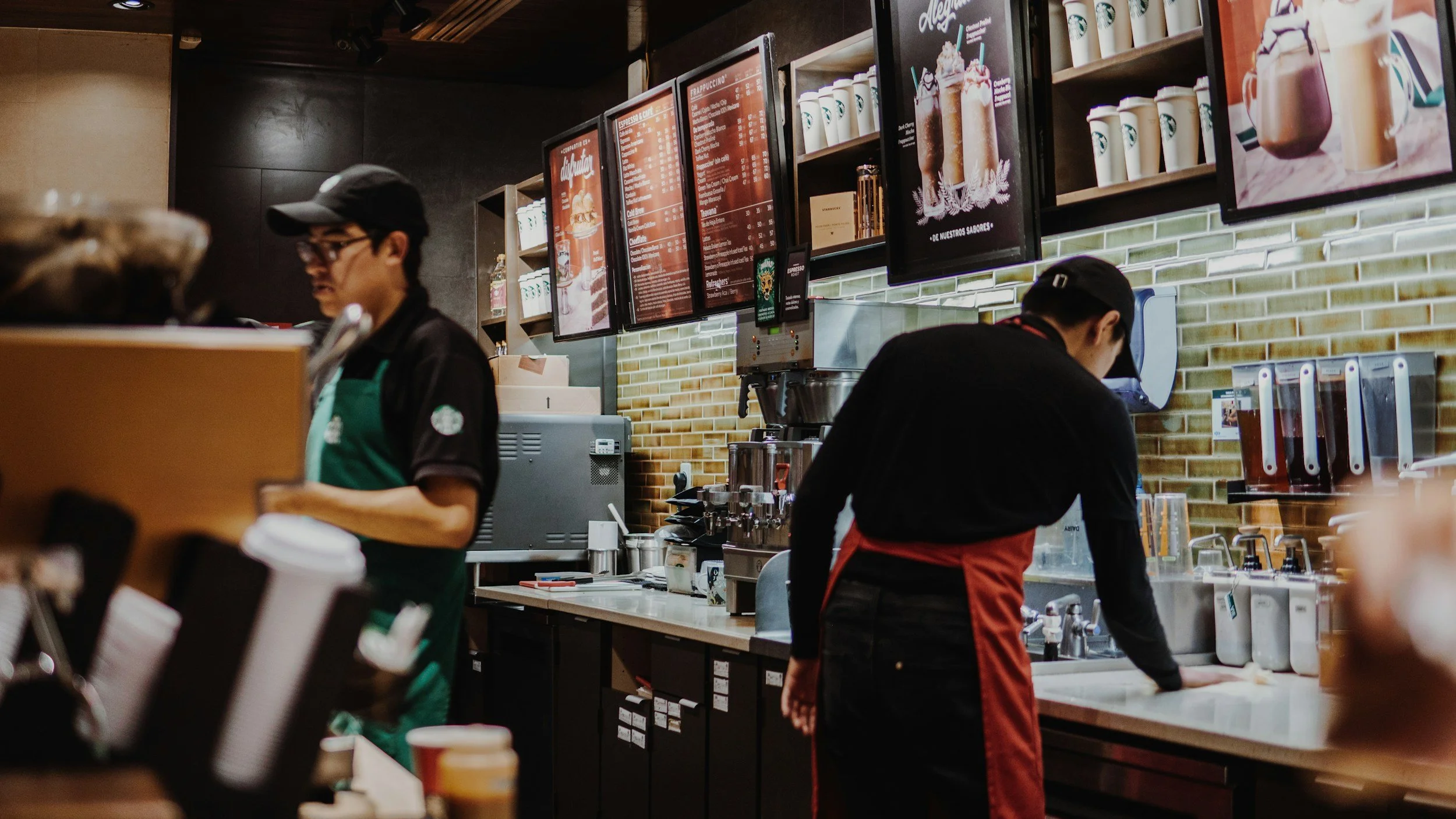
The promise made to Starbucks CEO Brian Niccol was enticing. To eliminate persistent product shortages that hurt sales, the company deployed an automated counting system.
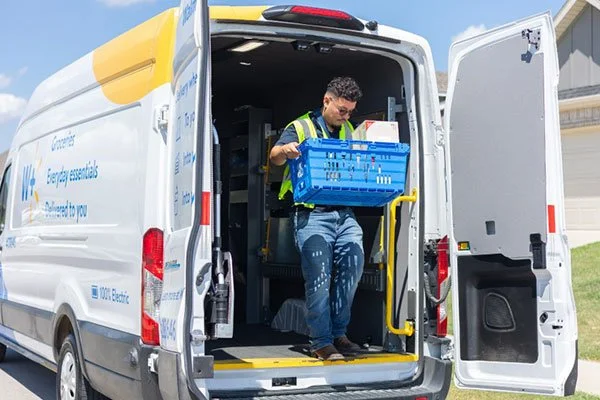
The retail giant is using unlikely spaces to push against Amazon’s recent strategies to capture more customers.

Traditional WMS lacks the real-time visibility into the availability of automated materials handling equipment that a WES brings to the table.
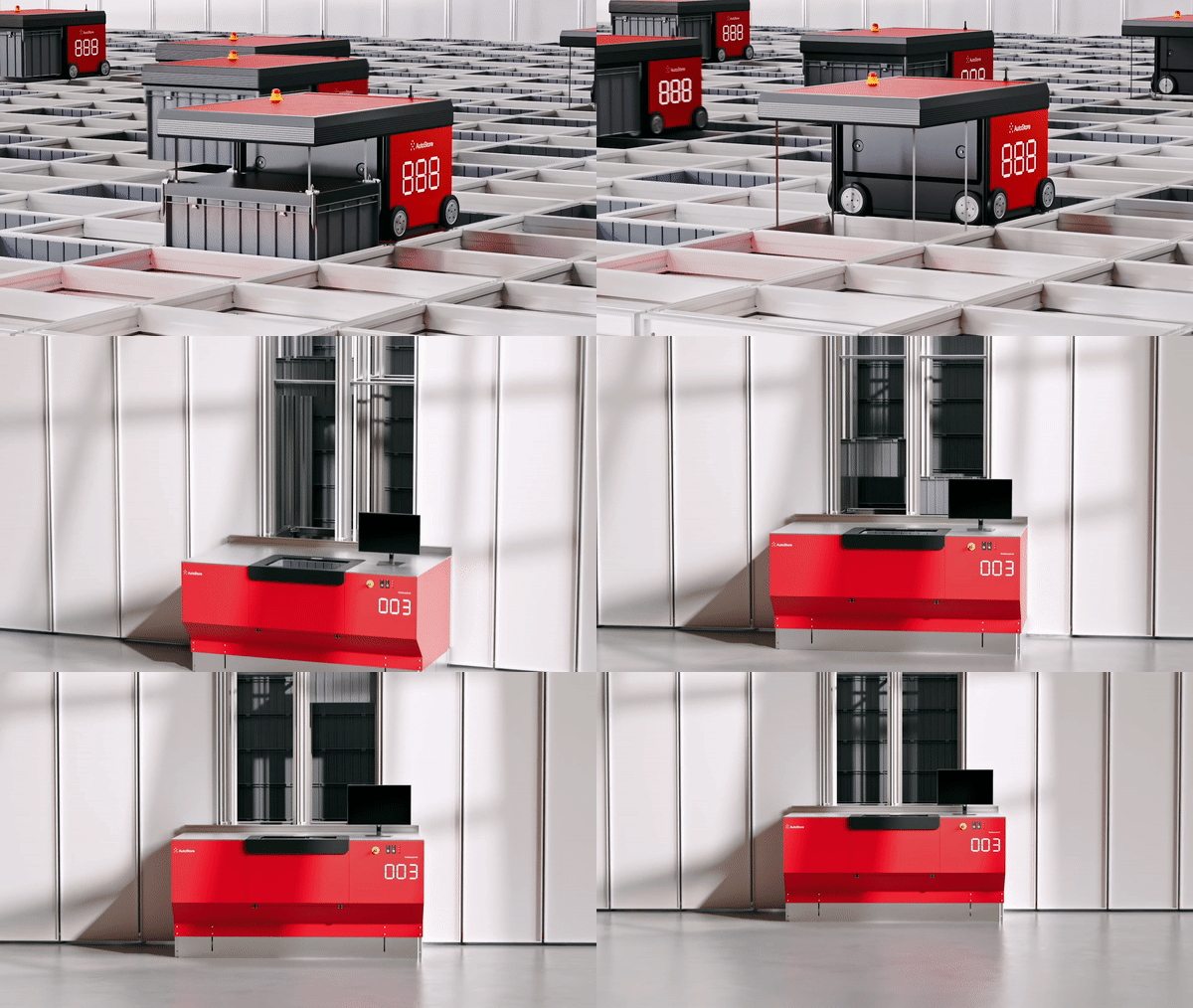
Ulta Beauty has selected AutoStore technology for its new Utah regional distribution hub supporting both stores and growing e-commerce fulfillment.
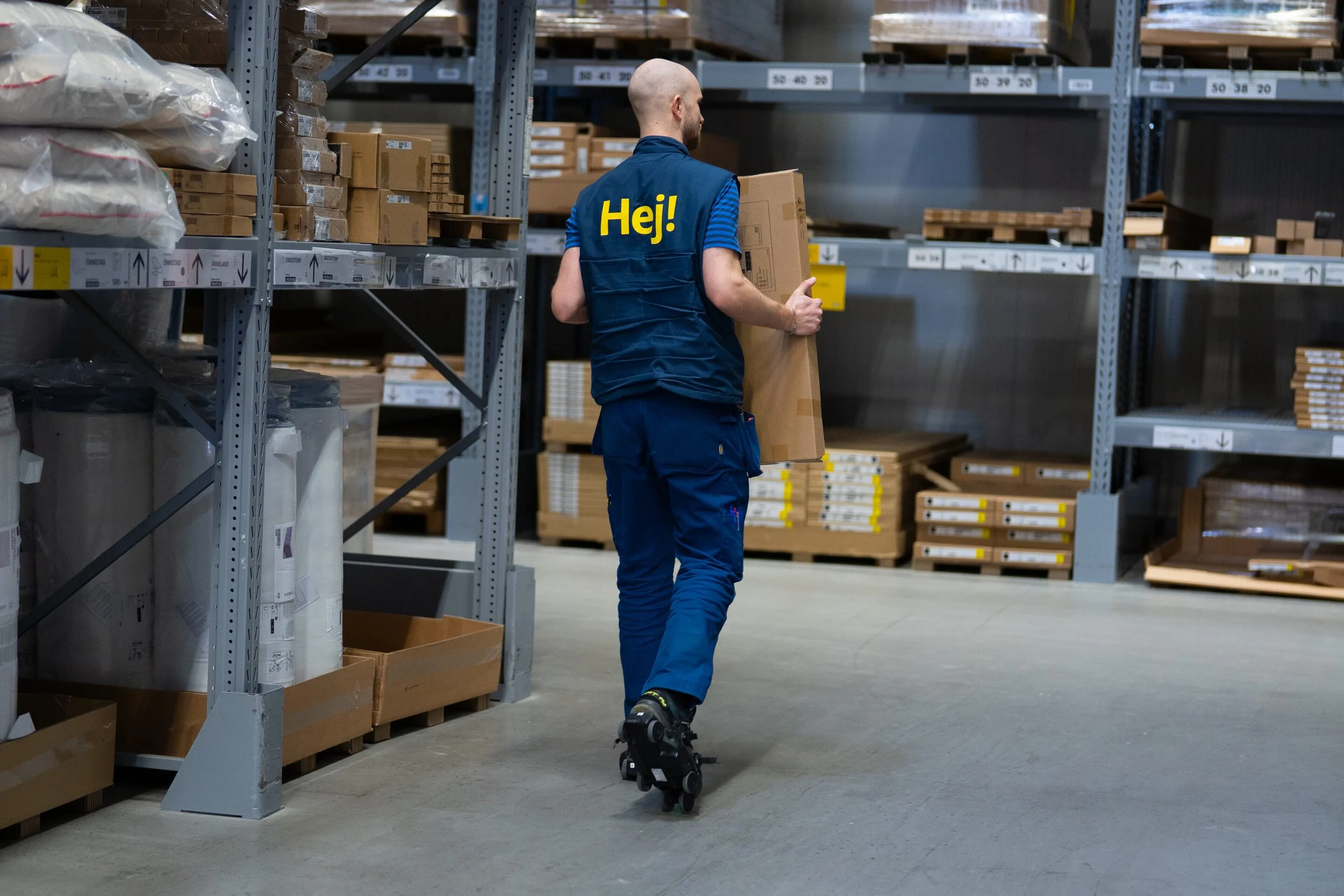
Ikea is testing robotic boots in Helsingborg, Sweden, to speed up order picking and reduce physical strain. Initial measurements showed that employees walked up to twice as fast, and average hourly picking productivity increased by 16%.
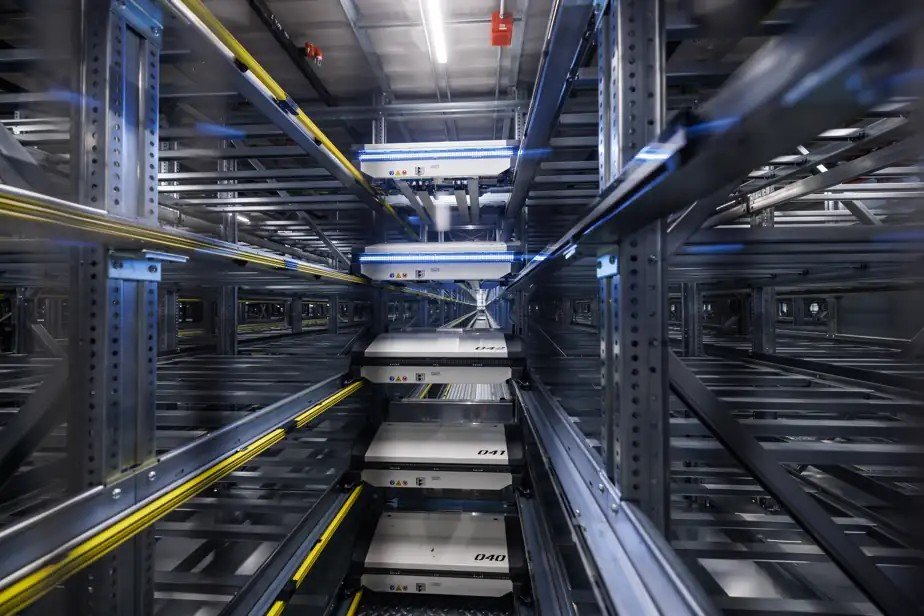
The cost of the SAQ's automated distribution center project, scheduled to begin operations next year, has gone from $48.5 million to $300 million in four years.
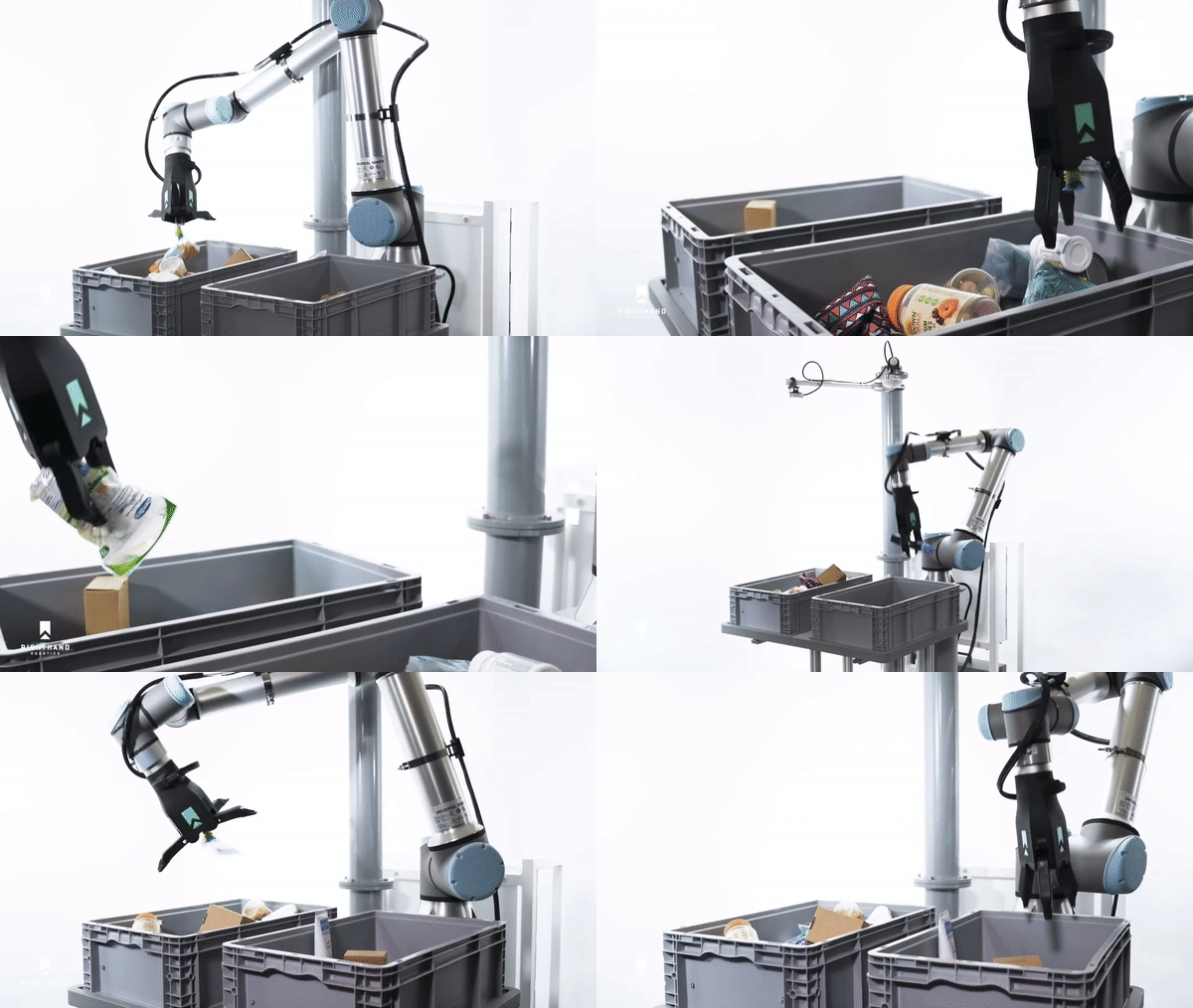
Piece-picking robots are currently one of the hottest solutions in warehouse automation
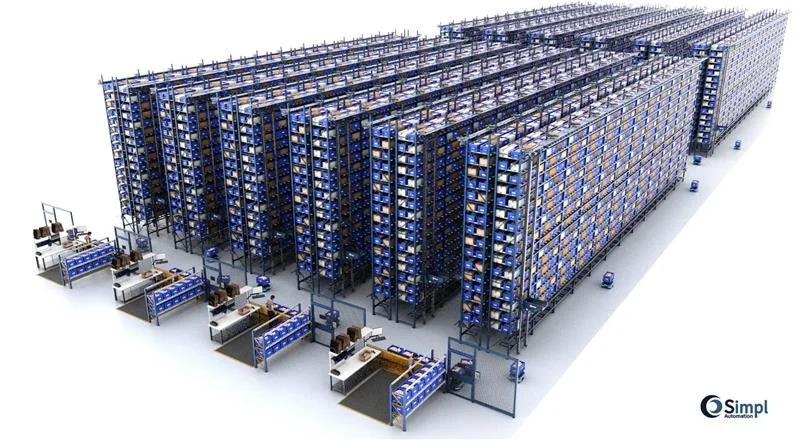
Home Depot acquires warehouse tech firm to boost fulfillment strategy
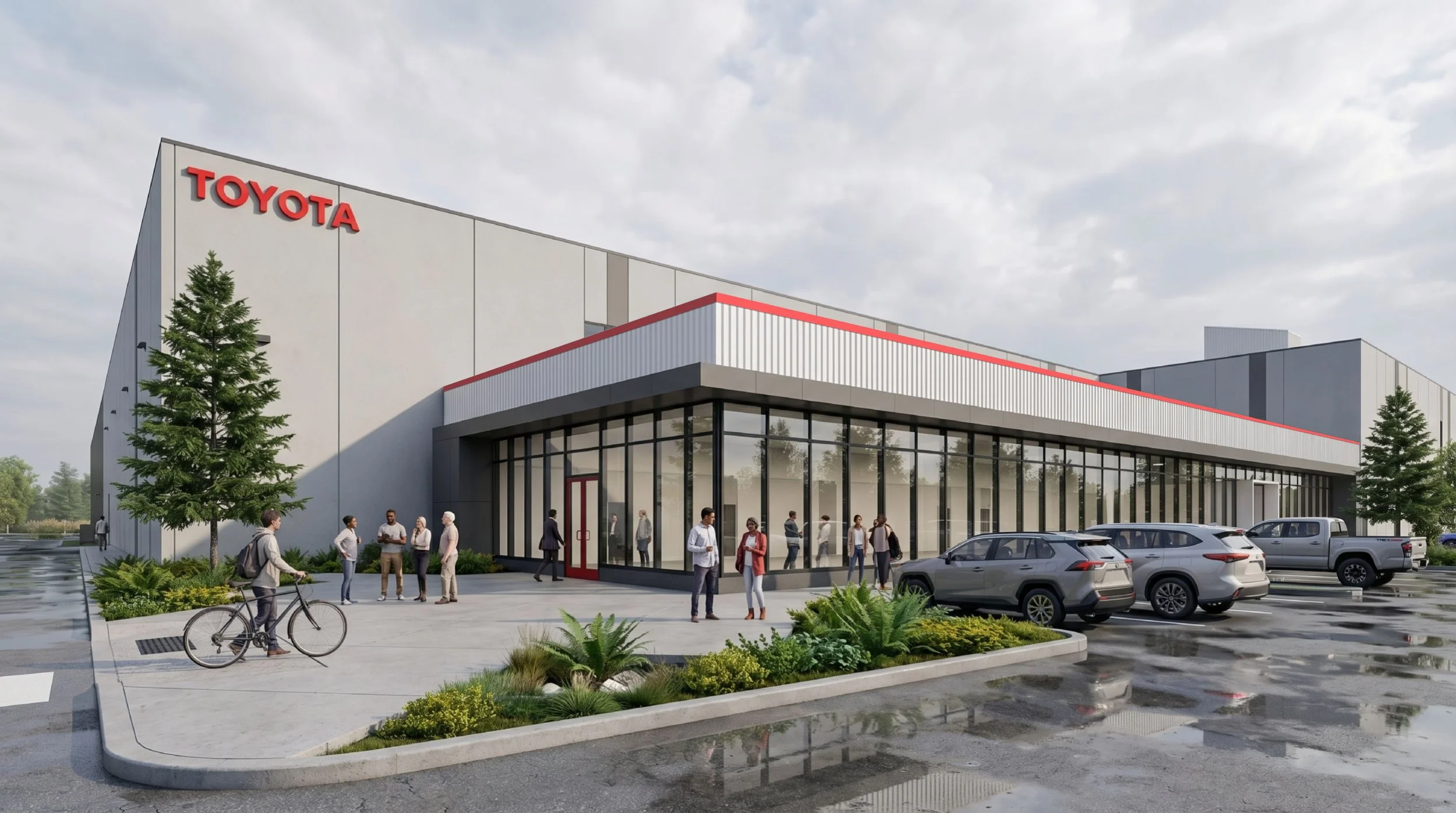
The Surrey facility will primarily serve British Columbia, while Calgary will cover Alberta, Saskatchewan, and surrounding regions.
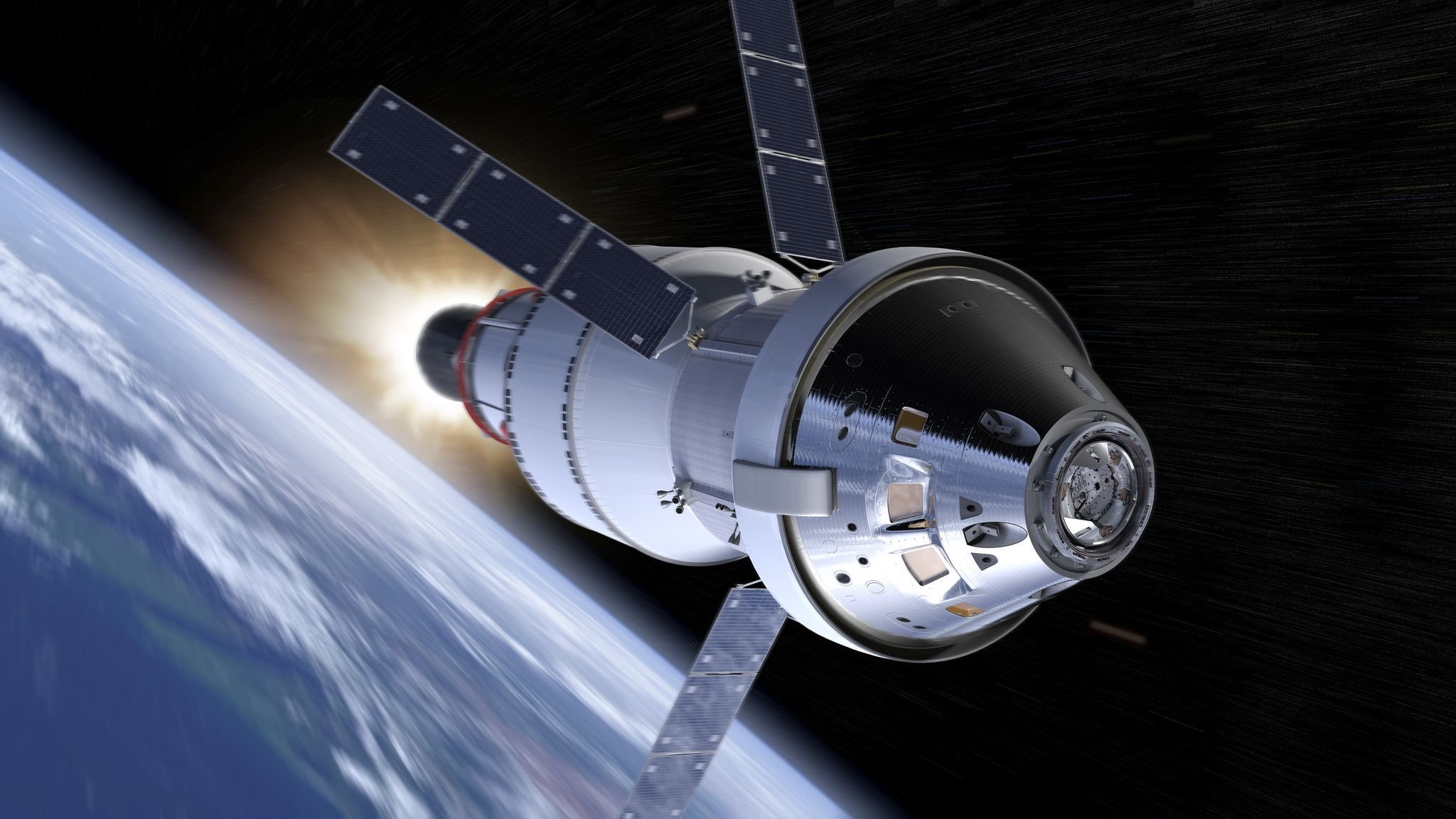
How Canadian Robotics Forced NASA to Give Us a Seat on the Moon Mission
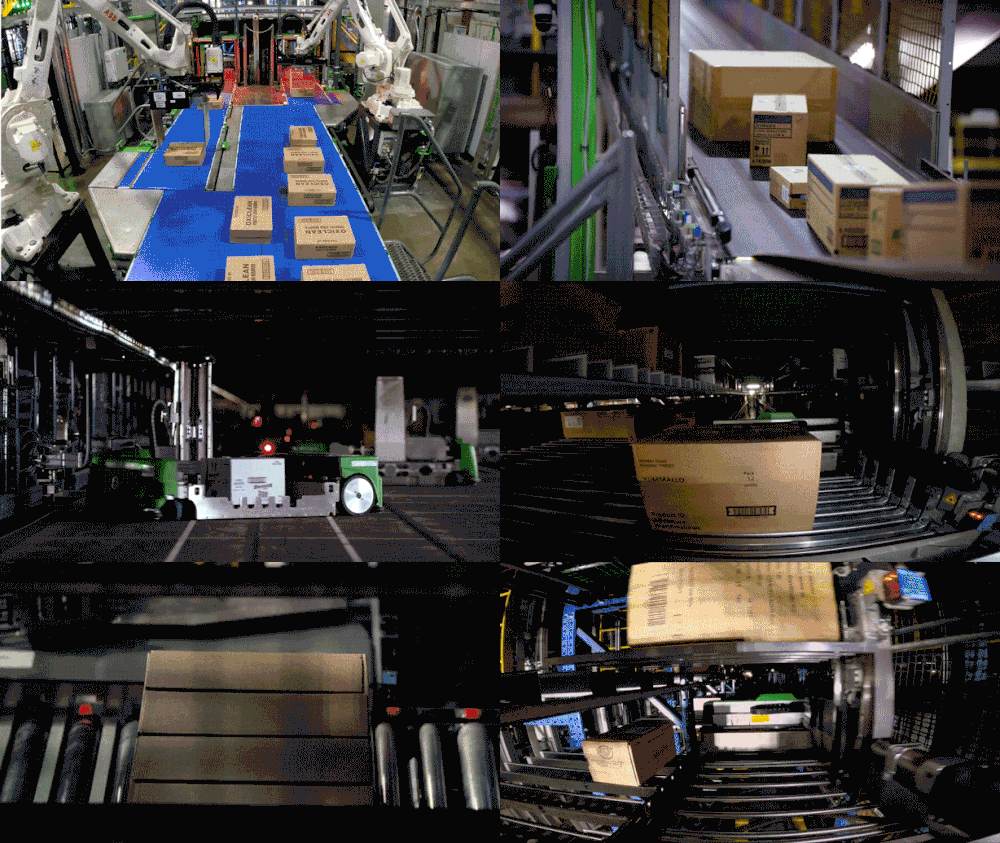
Today, a new layer is beginning to appear in highly automated facilities: the Warehouse Operating System (WOS).
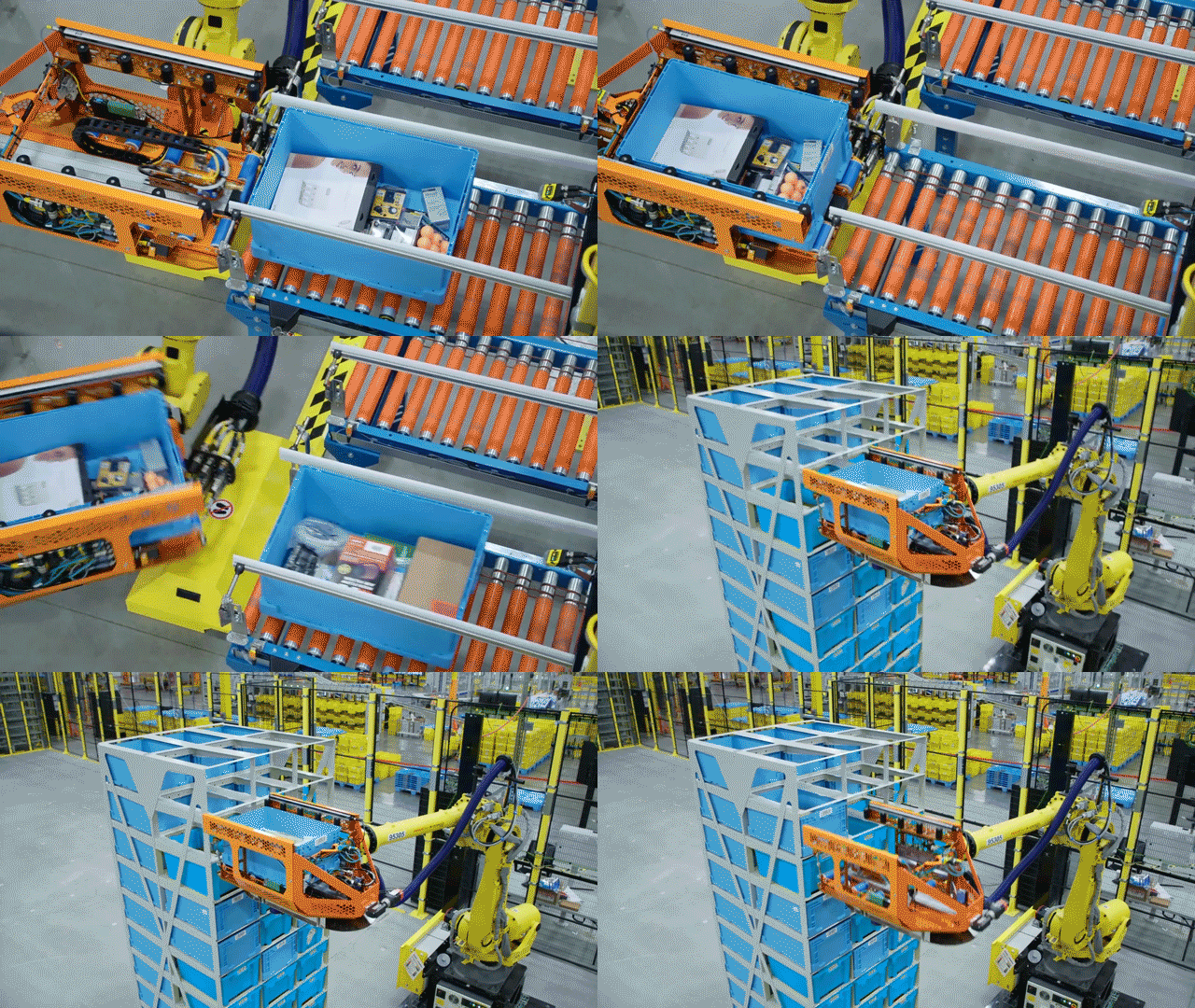
Cainiao plans to build a large-scale global network of robotic warehouses in 2026 as it expands local fulfilment and delivery operations tied to cross-border eCommerce.
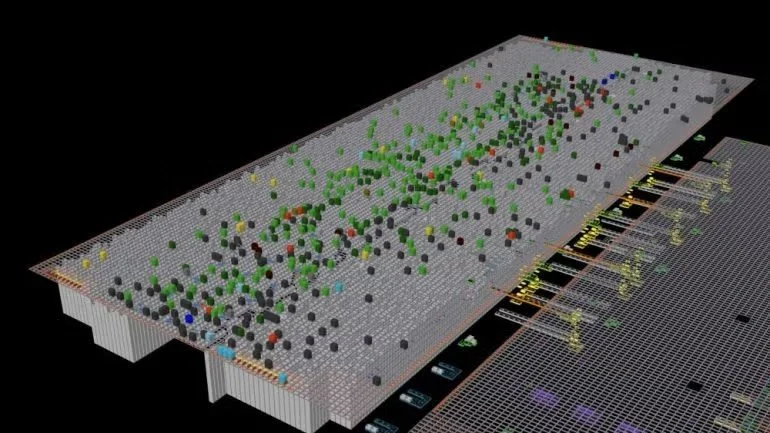
Ocado has delivered a cube-based automation system for McKesson Canada, representing a continued expansion of its technology beyond e-commerce grocery fulfilment.
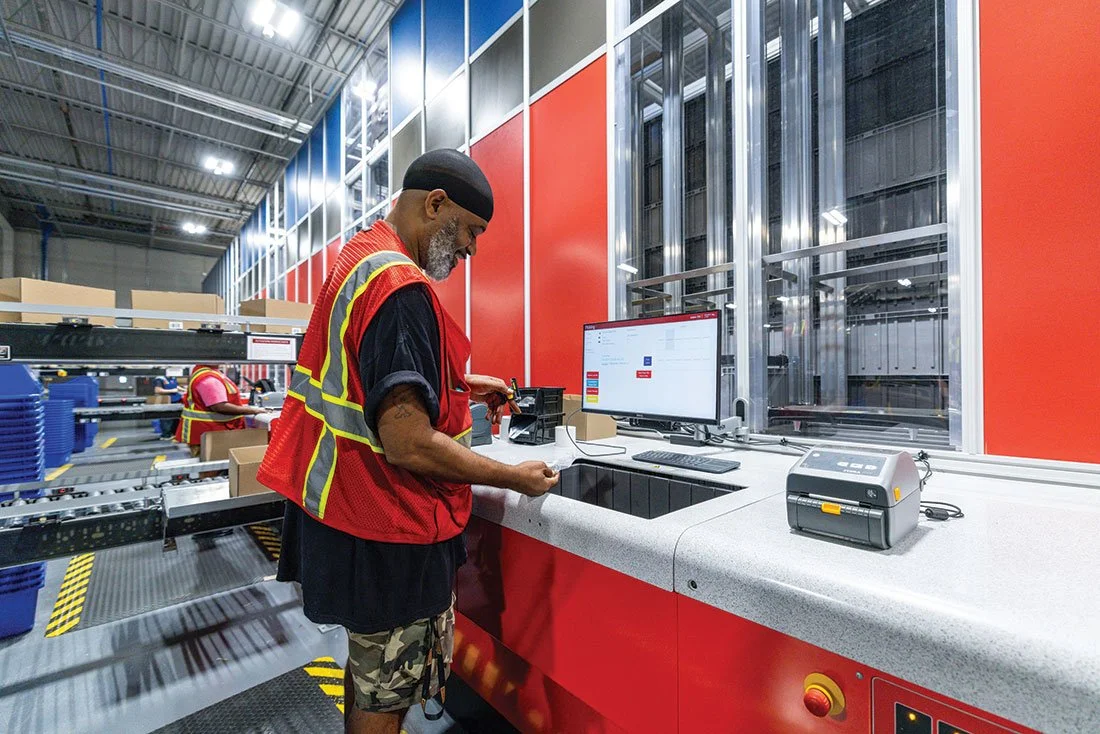
AutoStore reported its 2025 results this week, outlining a year that moved from early caution to clear second-half acceleration.
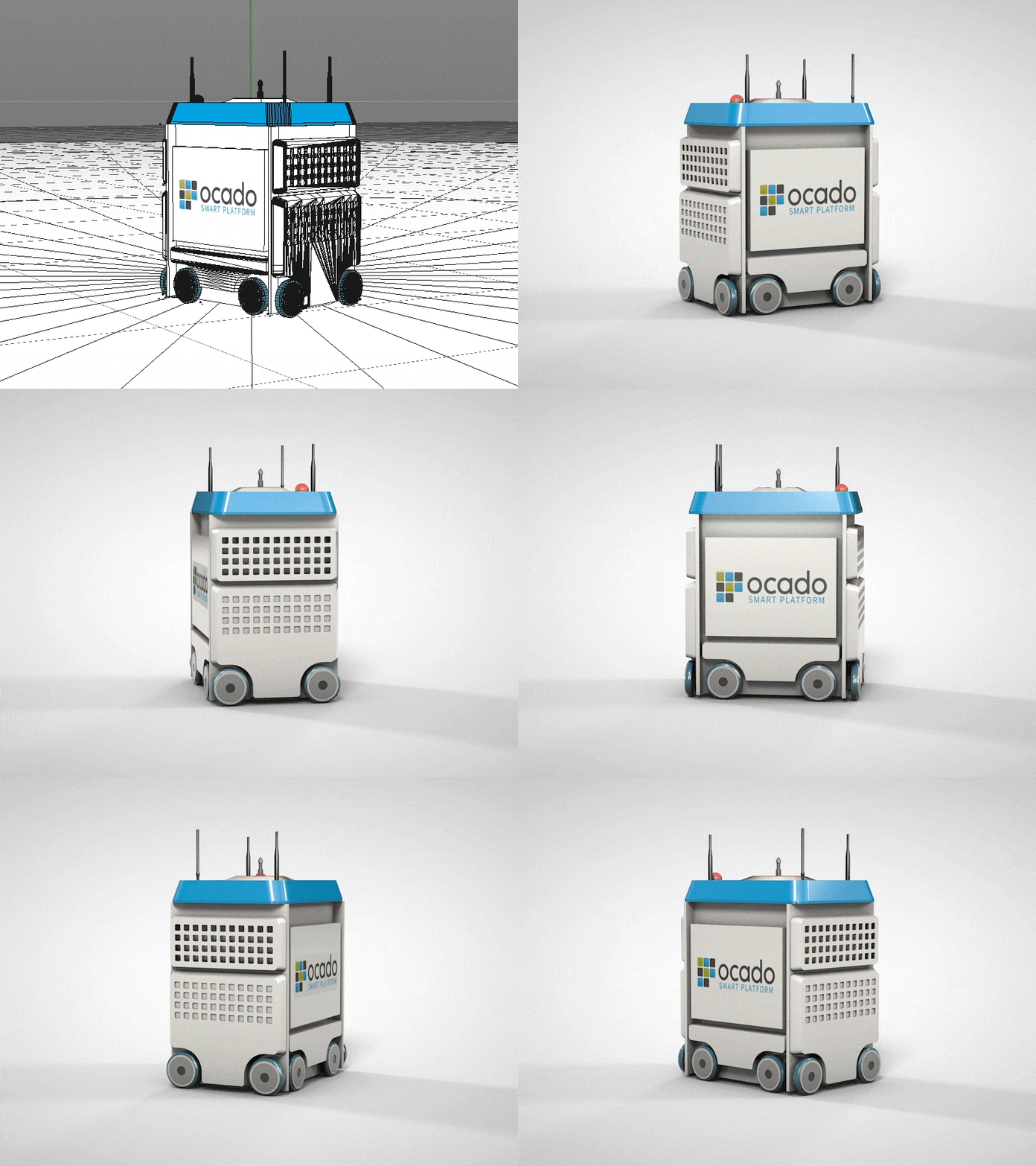
Ocado is facing reports of up to 1,000 job cuts

At Hannover Messe 2026, SAP and Vodafone showcased a pilot conducted at Vodafone’s warehouse in Duisburg,