
New Stretch Gen 2 delivers up to 1,000 cases per hour, improved reliability, and significantly faster maintenance.
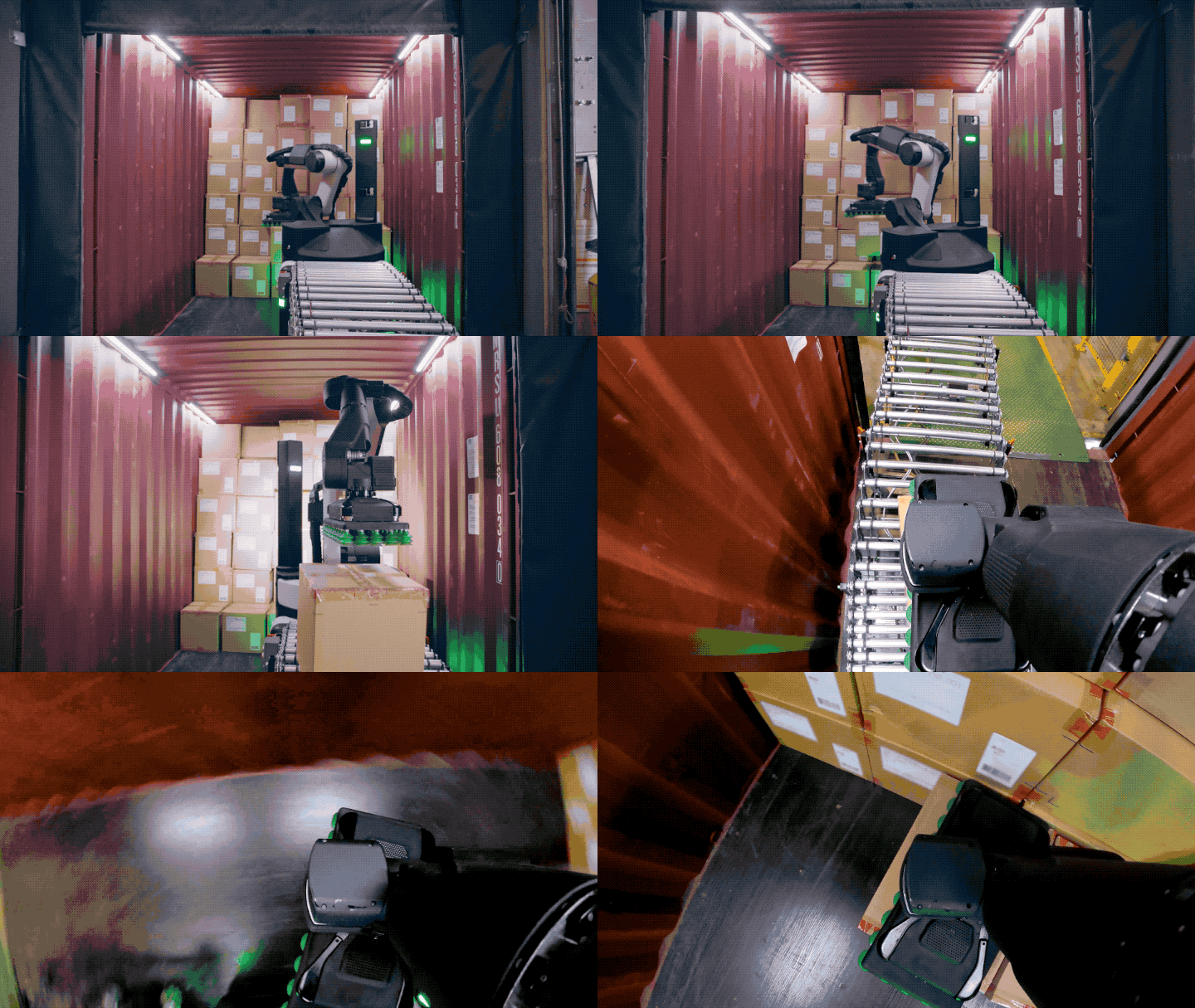
Boston Dynamics has introduced Stretch Gen 2, the next generation of its autonomous mobile robot designed for unloading trailers and shipping containers in warehouse and distribution center operations.
The new robot represents a significant evolution of the original Stretch platform, with improvements focused on reliability, serviceability, operational uptime, and productivity.
Rather than introducing an entirely new robotic concept, Boston Dynamics has used operational data from more than 100,000 hours of deployment and tens of millions of handled cases to redesign several critical components.
Up to 1,000 Cases per Hour
Stretch Gen 2 can unload up to 1,000 cases per hour, depending on carton weights, stacking arrangements, and operating conditions.
The robot uses advanced vision technology to identify and handle cartons of different sizes and configurations, including irregularly stacked loads commonly encountered in shipping containers.
A multipick capability allows the robot to handle multiple cartons during a single picking cycle, helping achieve higher unloading rates.
The robot also offers extended battery performance, supporting up to two shifts of operation, with fast charging capable of reaching 90% capacity in approximately 75 minutes.
Designed for Greater Reliability
One of the most significant developments in Stretch Gen 2 is its redesigned hardware architecture.
Boston Dynamics reports several important improvements:
81% reduction in internal cabling, eliminating a major source of electrical faults and wear.
Heavy-duty automotive-grade electrical connectors designed to withstand vibration and demanding warehouse conditions.
Upgraded vacuum gripper technology with improved sensing and valve controls.
Continuous-rotation joints that eliminate mechanical hard stops and reduce component stress.
Redesigned external panels and emergency-stop placement to minimize unintended interruptions caused by falling cartons.
These improvements address operating conditions and maintenance issues identified through actual customer deployments.
Faster Maintenance and Reduced Downtime
Stretch Gen 2 also introduces a modular design intended to simplify repairs and reduce reliance on specialized service technicians.
According to Boston Dynamics, replacing a complete swerve-drive assembly can now be accomplished in approximately one hour, compared with a full day on the previous generation.
Standardized components, simplified wiring, and improved onboard diagnostic tools are intended to allow customer maintenance teams to perform more routine servicing directly.
For high-volume distribution centers, reducing unplanned downtime can be just as important as increasing the robot's theoretical handling capacity.
Software Improvements Beyond the Initial Installation
Stretch Gen 2 features a redesigned onboard computing platform that supports continuing improvements through software updates.
Boston Dynamics plans to deliver enhancements to case recognition, motion planning, picking strategies, and environmental modeling without requiring physical hardware modifications.
This approach allows deployed robots to benefit from ongoing developments in robotic intelligence throughout their operating life.
What This Means for Warehouse Automation
Trailer and container unloading remains one of the most physically demanding and labour-intensive activities in distribution centers.
While automated storage, picking, and sortation technologies have advanced significantly, unloading floor-loaded trailers continues to present challenges because of variations in carton dimensions, stacking patterns, and load conditions.
Stretch Gen 2 demonstrates how mobile robotic manipulation is progressing toward more practical, high-volume industrial applications.
The most important advancement may not be the increase in unloading speed alone, but the combination of higher throughput, improved reliability, simplified maintenance, and greater operational independence.
For companies evaluating robotic unloading technology, actual sustained throughput, equipment availability, maintenance costs, and integration with existing receiving processes will remain essential considerations.
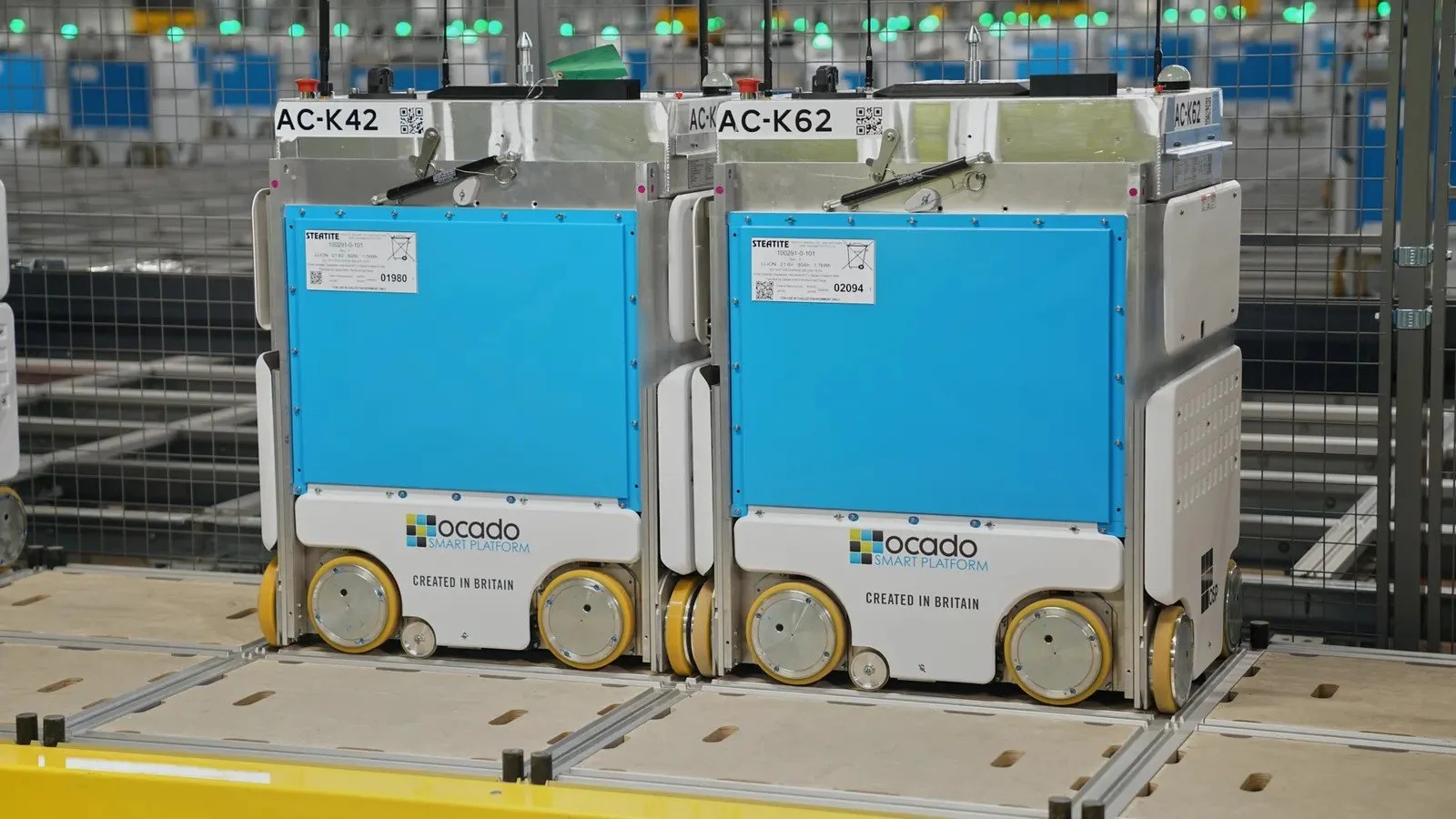
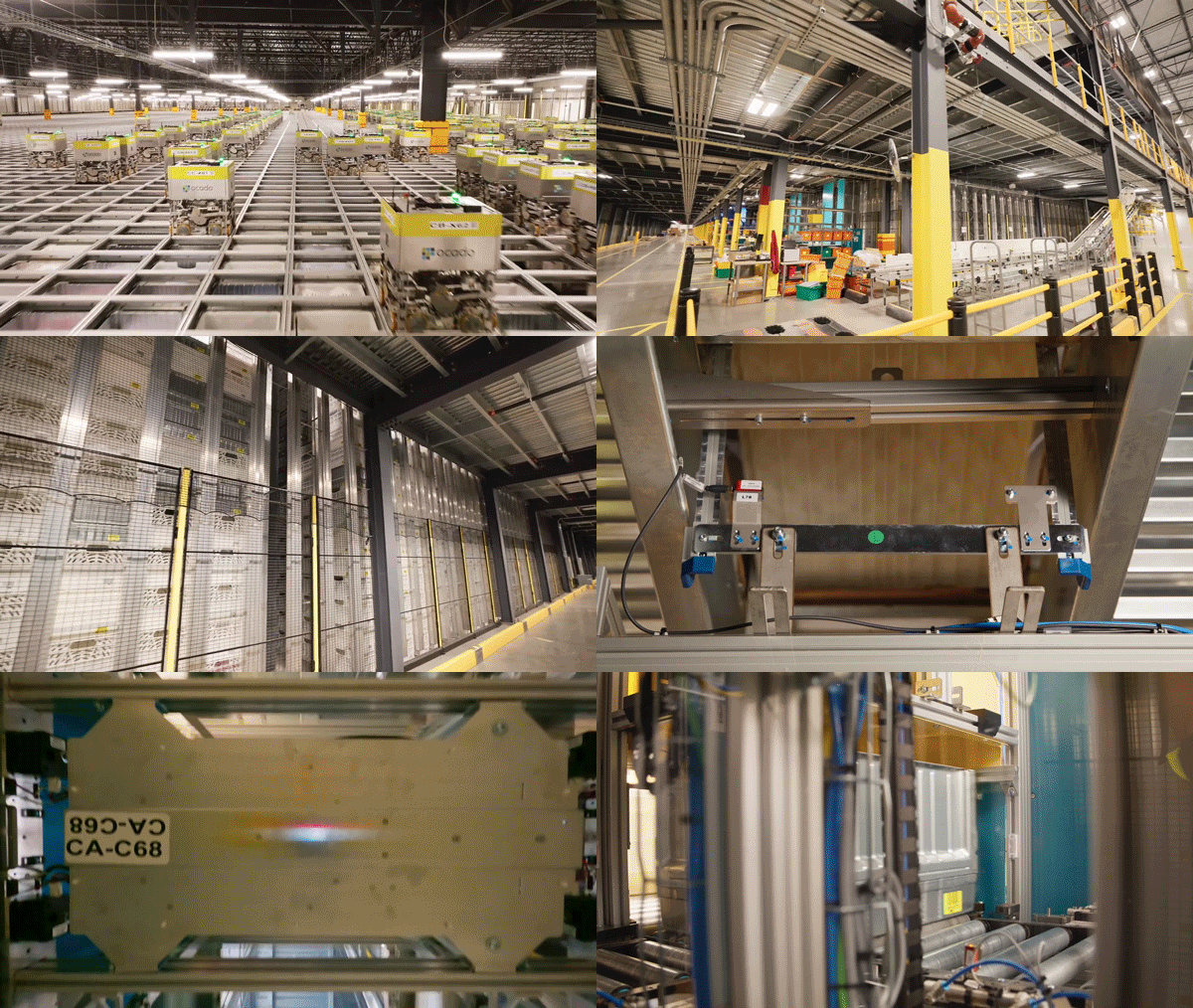
The remarkable Kroger–Ocado story continues to generate extraordinary chapters rarely seen in supply chain distribution, automation and robotics—a story that will likely be studied for years.
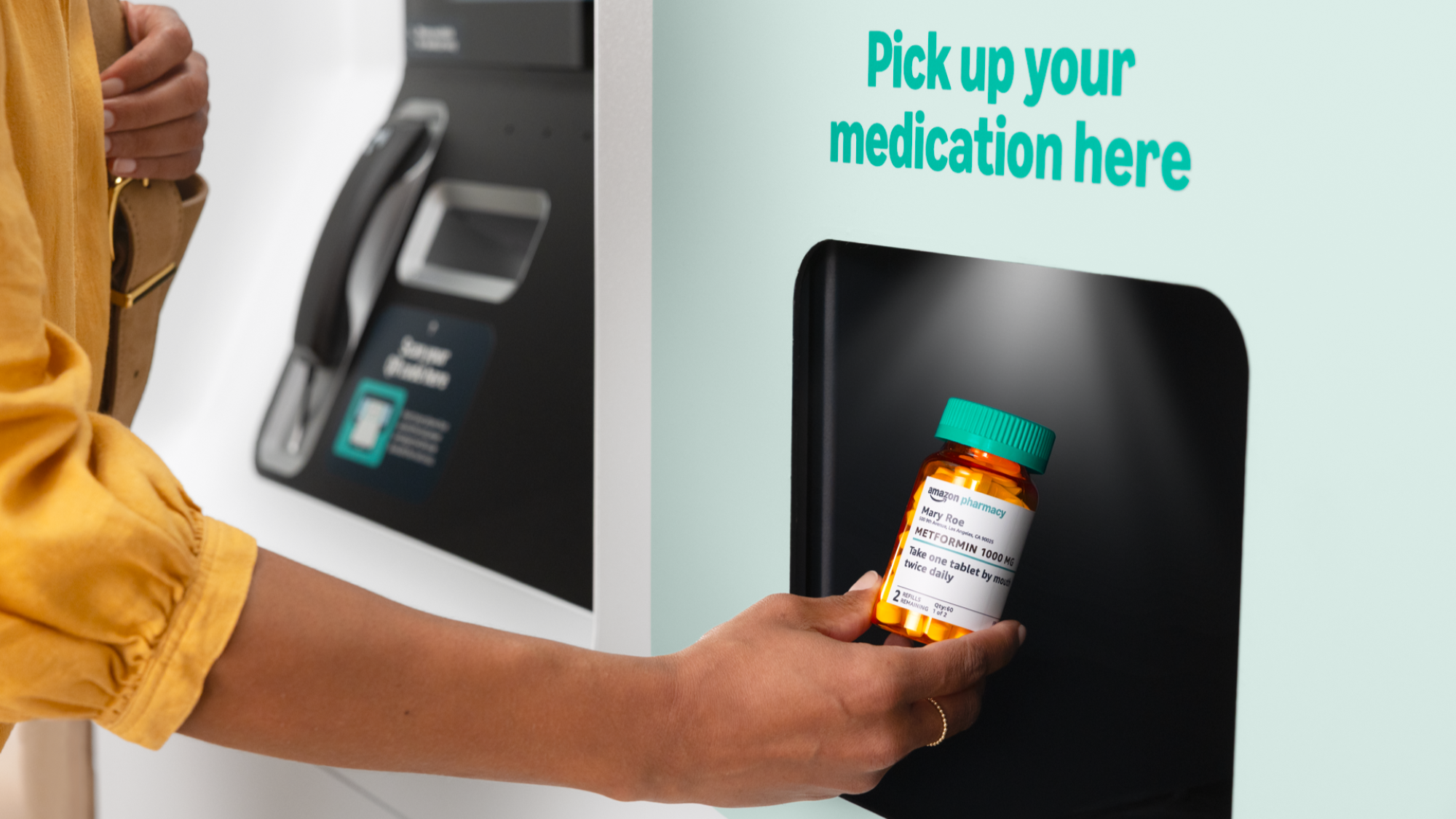
Last year, Amazon Pharmacy debuted pharmacy kiosks—somewhat like vending machines—for quick and convenient prescription fills.

The Los Angeles-based activewear firm is moving into an existing building and will occupy up to 1.2 million square feet
750,000 sq. ft. Metro Vancouver food distribution terminal could strengthen Canada's food security
Procter & Gamble (P&G) is pursuing an ambitious expansion of robotics and automation across its global manufacturing and distribution network
Symbotic became the largest warehouse automation vendor in the Americas by market share in 2025, overtaking several established providers

Pattison Food Group Modernizes Langley Distribution Centre with Advanced Grocery Automation.
As part of an ongoing warehouse automation modernization project, a fleet of pre-owned ASRS robots is available for purchase.
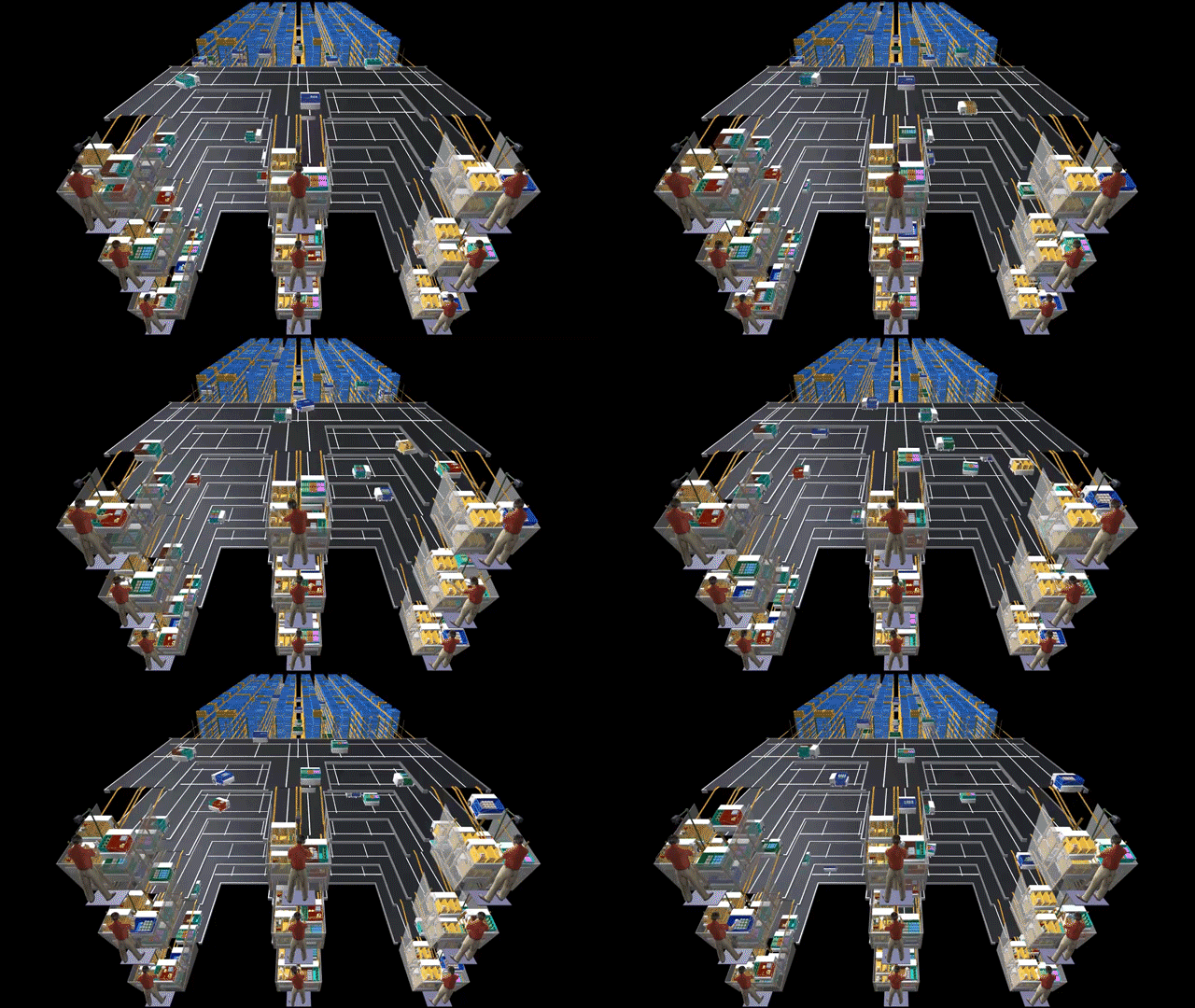
Symbotic’s new SymMicro system begins its first in-store installation, with the potential to expand to 400 Walmart locations.
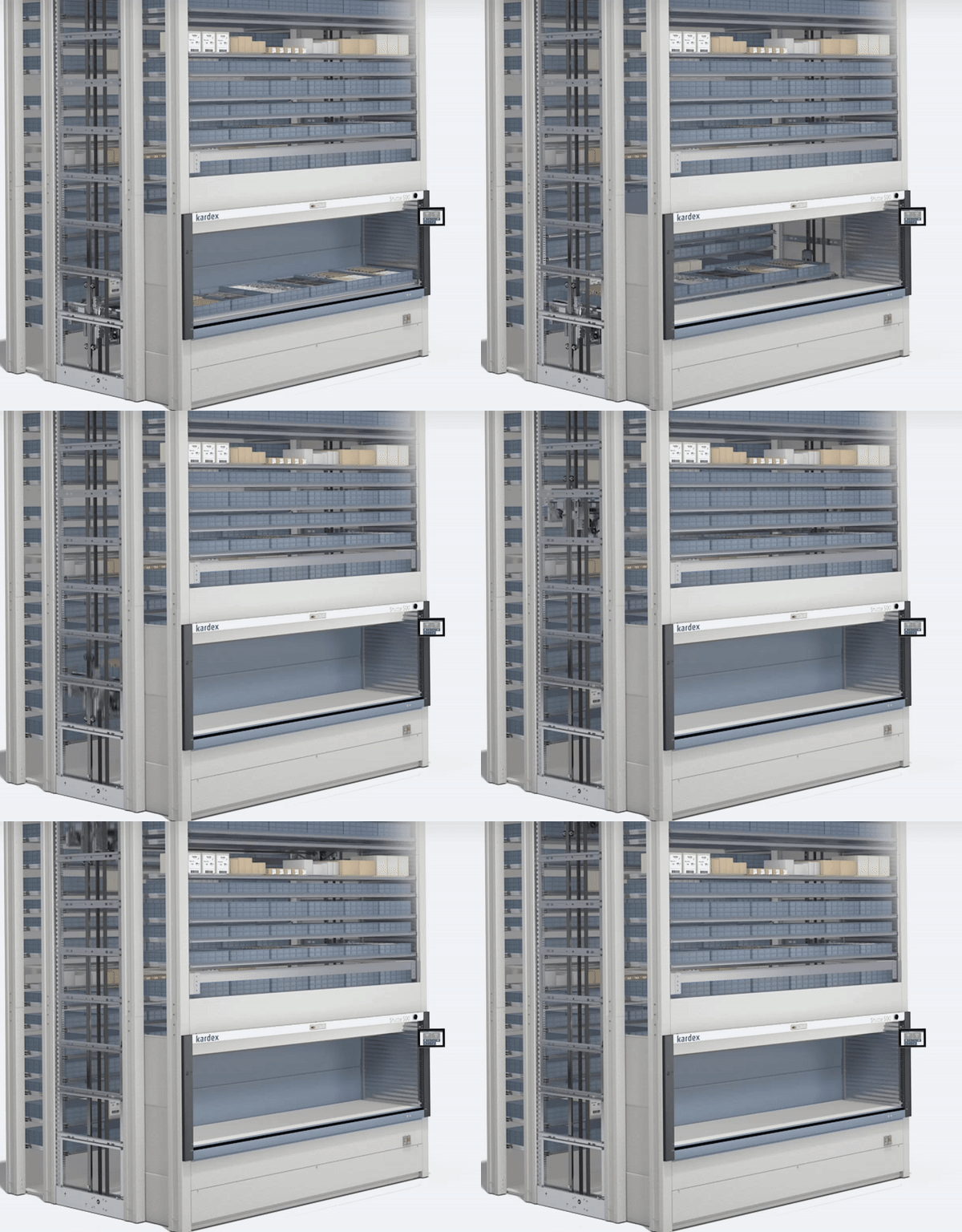
Two brand-new Kardex Shuttle XP 500 vertical lift modules are available for immediate delivery.
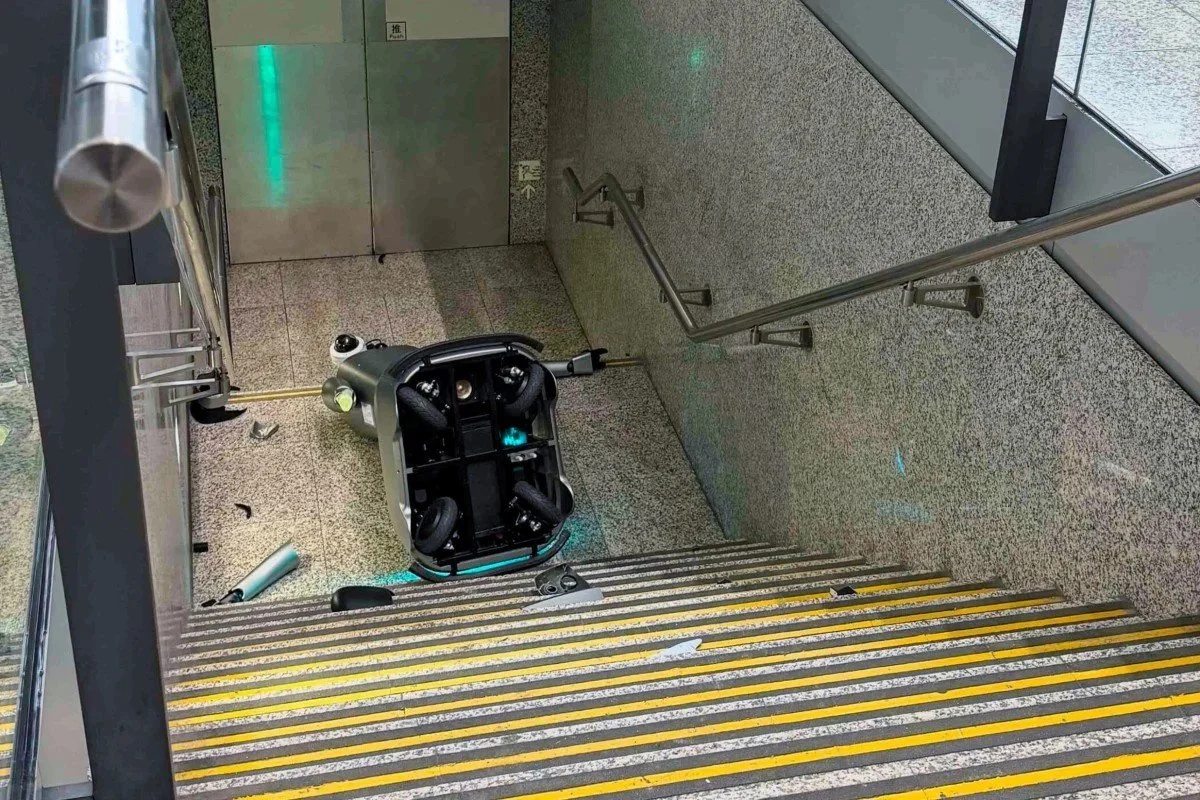
A robot accident at Hong Kong International Airport offers an important lesson about mobile robot safety
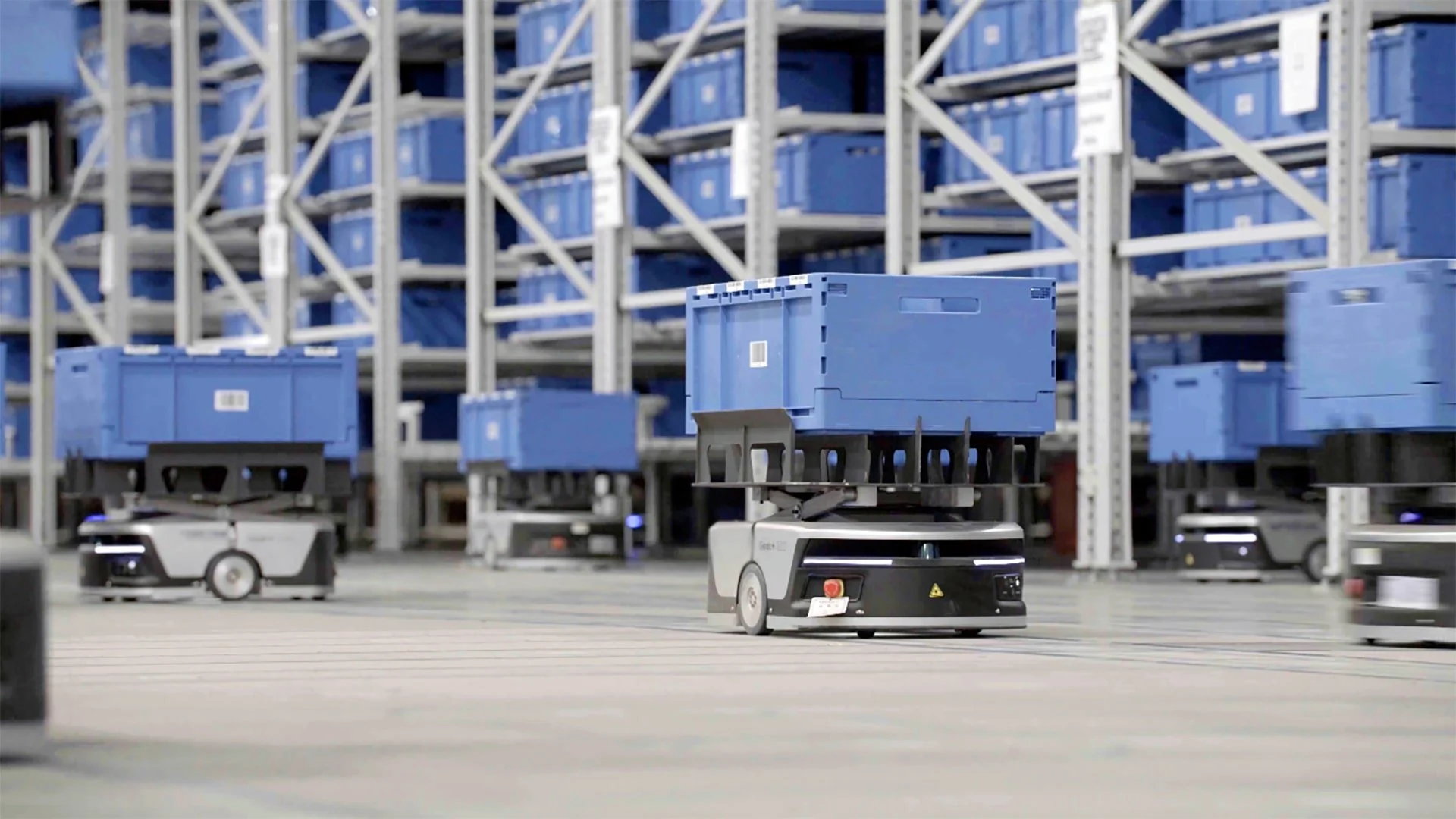
S&S Activewear is one of the more technology-forward apparel companies in North America’s branded-apparel distribution market.

Situated in Arvin, California, the new 700,000 square foot facility is described as its largest and most technologically sophisticated distribution center to date.
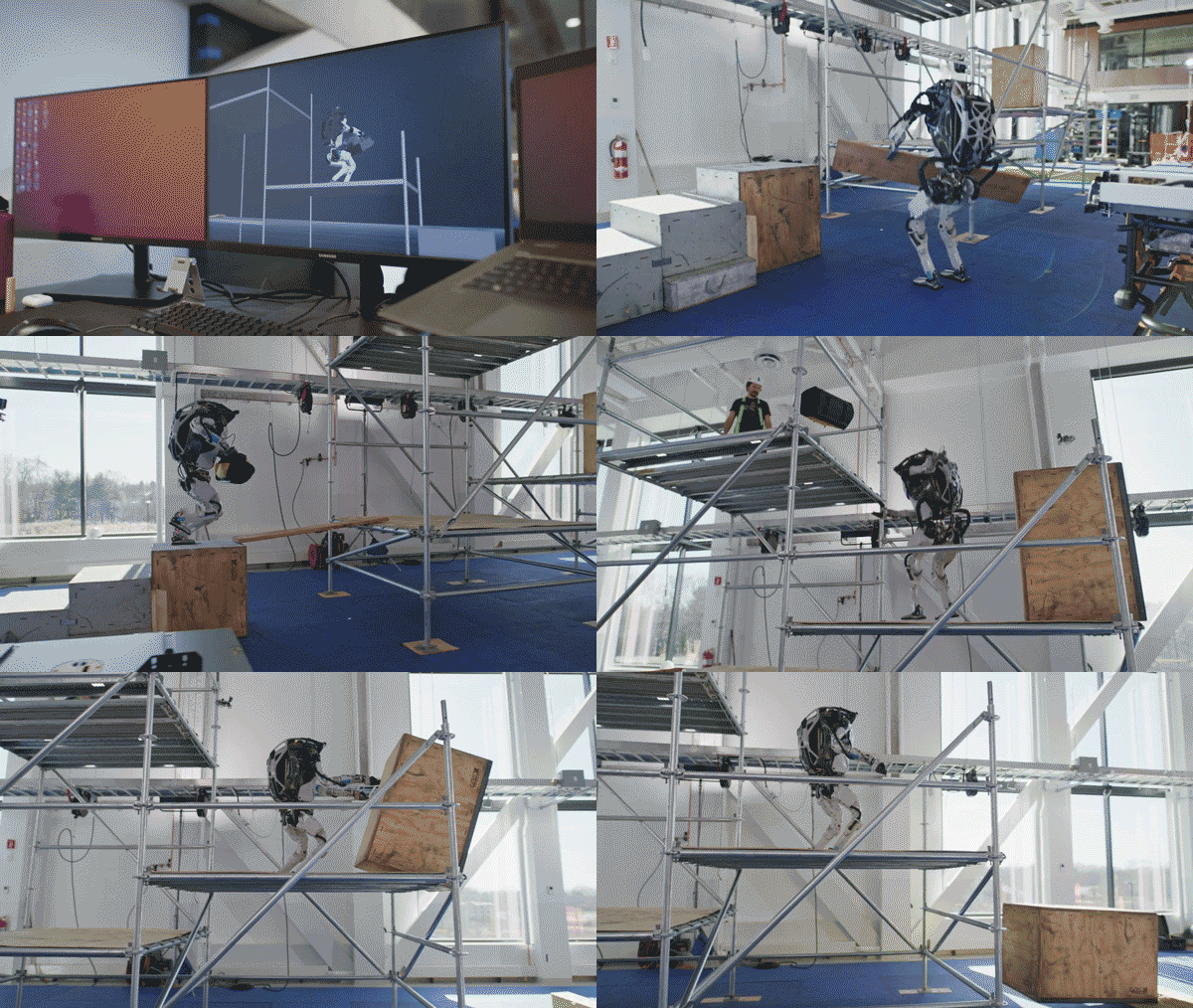
SoftBank is reportedly selling its remaining 9.65% stake in Boston Dynamics to Hyundai Motor Group for US$325 million.
The company had automation. It had robotics. It had government support, customer momentum, press attention, and a massive facility.
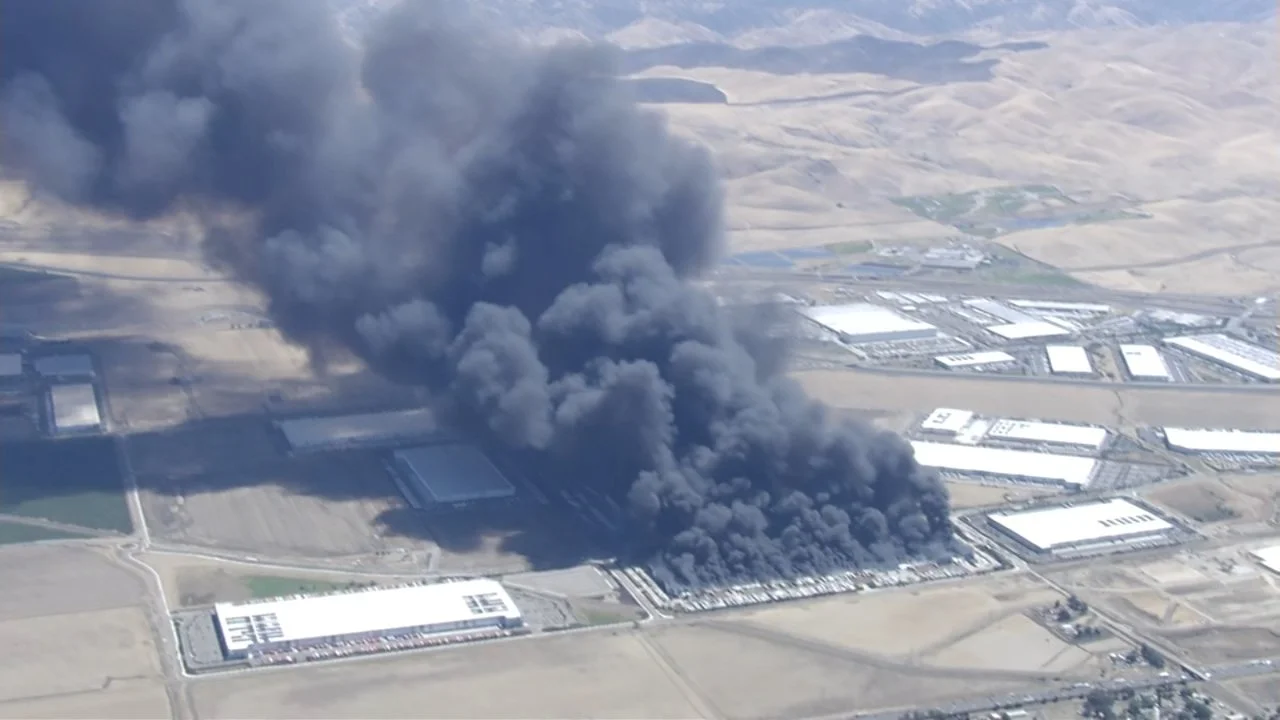
Massive fire destroys 1 million-square-foot Tracy Medline Industries distribution facility
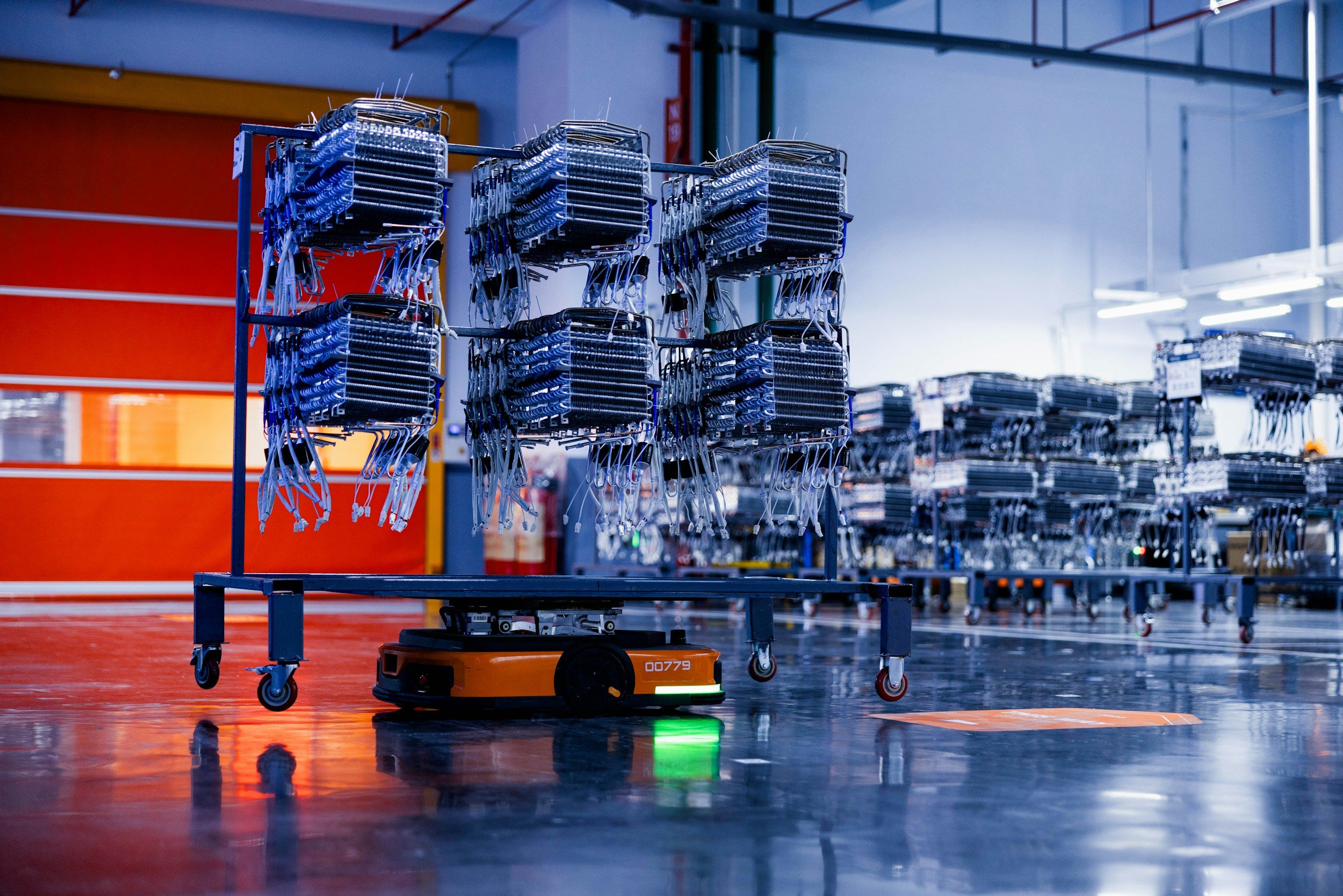
Artificial Intelligence and LLMs are currently being pushed aggressively into logistics, warehouse operations, robotics, and supply chain execution.
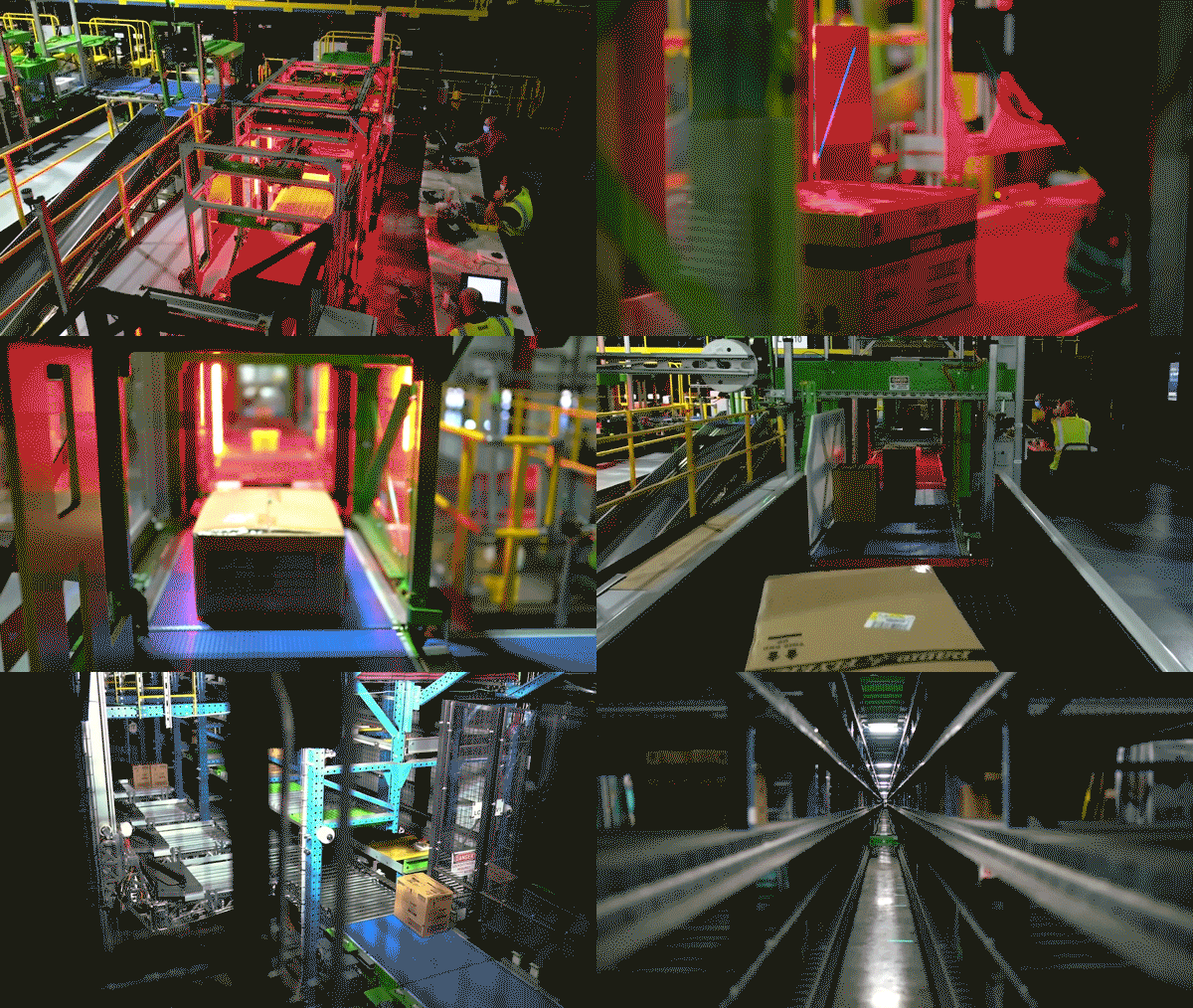
Walmart’s latest comments around same-day fulfillment, 30-minute delivery windows, AI-driven inventory positioning, and supply chain automation should be a wake-up call for the entire retail industry.
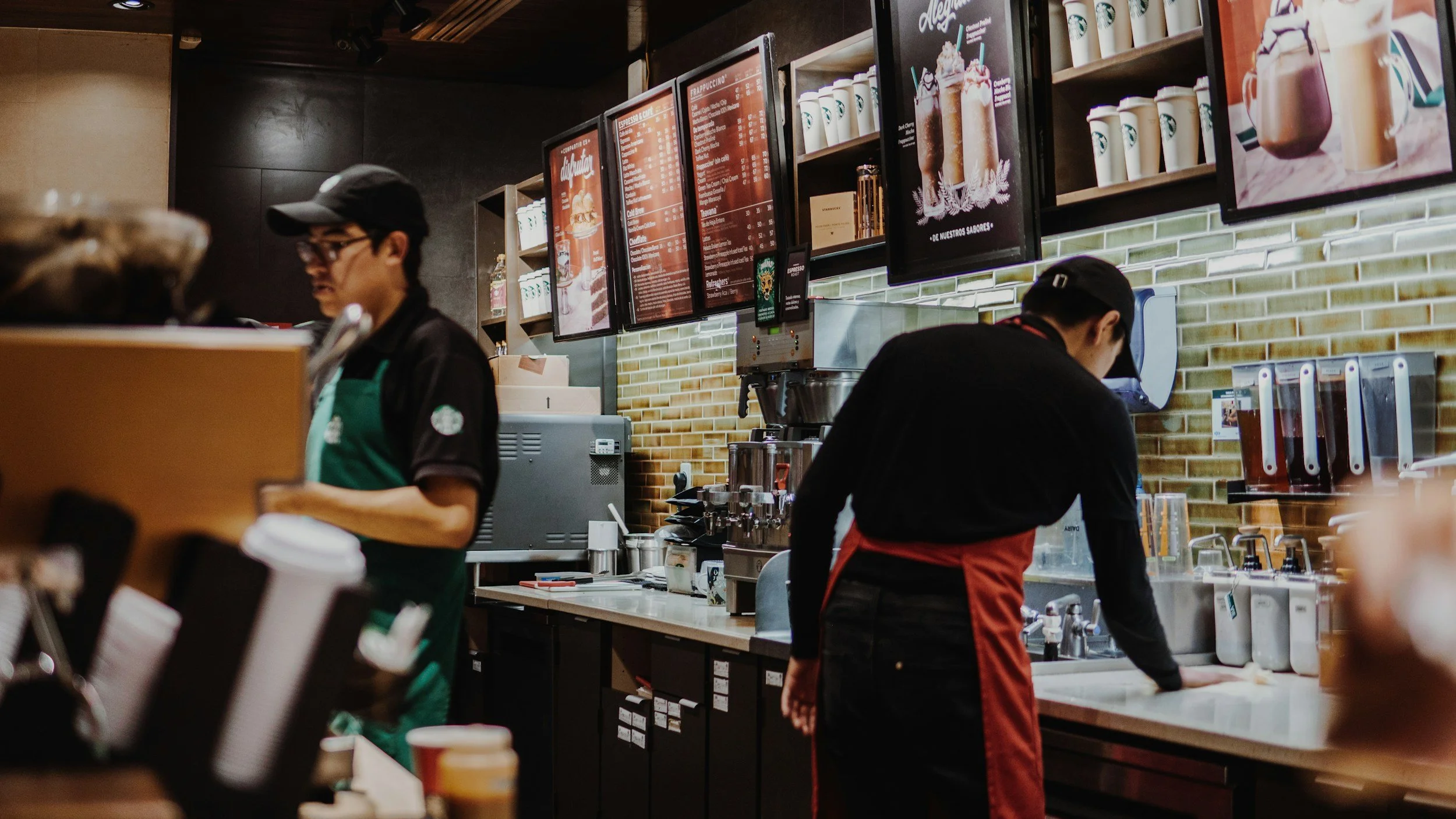
The promise made to Starbucks CEO Brian Niccol was enticing. To eliminate persistent product shortages that hurt sales, the company deployed an automated counting system.
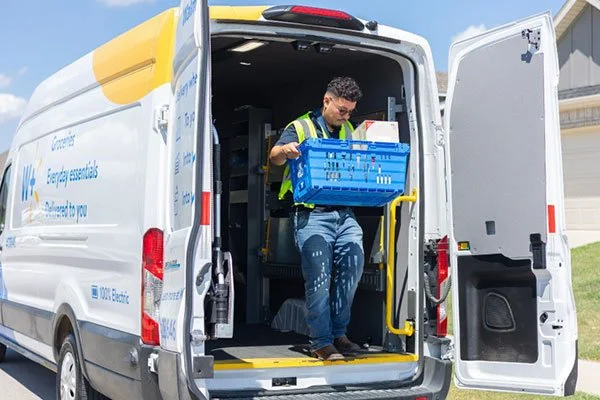
The retail giant is using unlikely spaces to push against Amazon’s recent strategies to capture more customers.
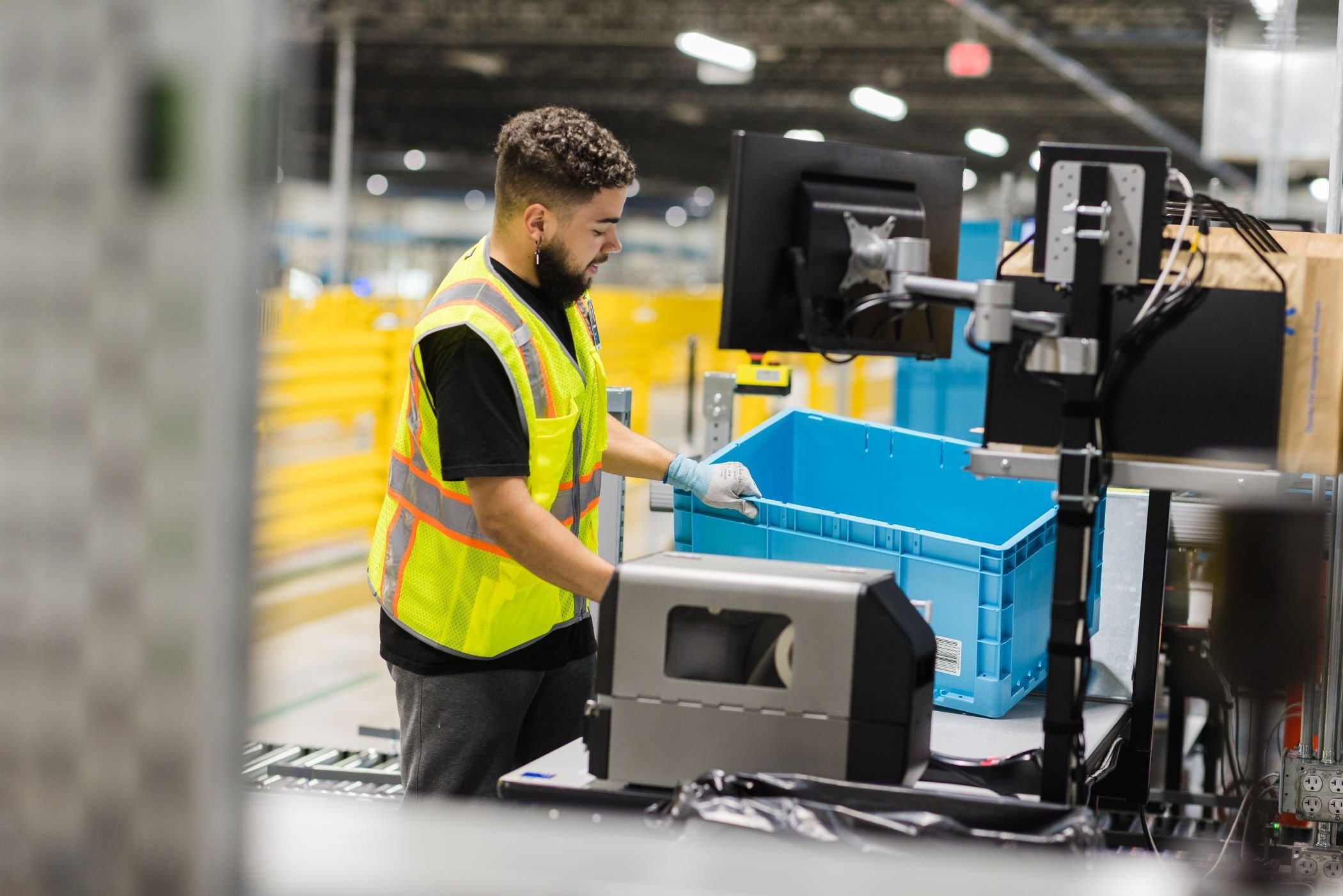
Traditional WMS lacks the real-time visibility into the availability of automated materials handling equipment that a WES brings to the table.
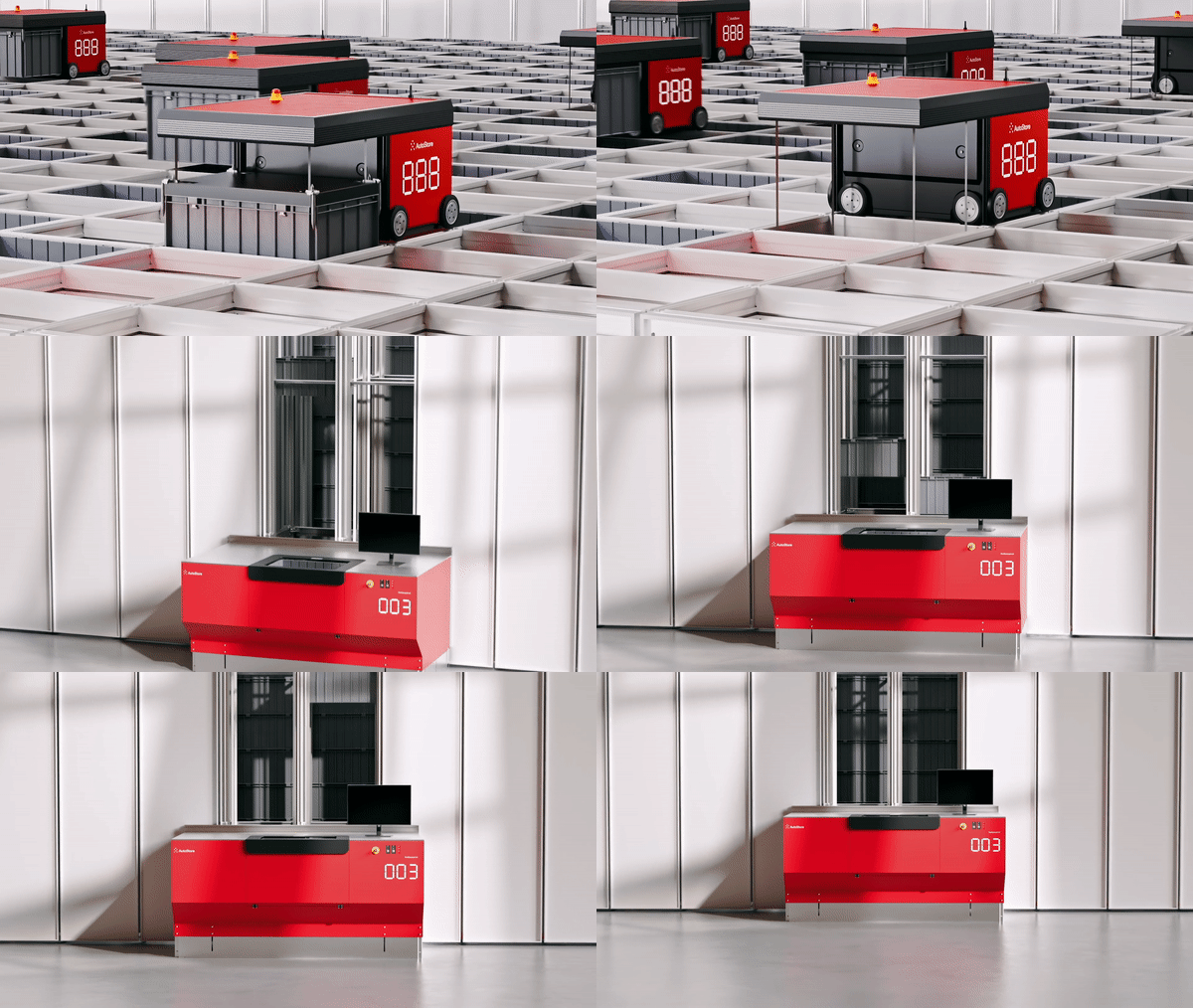
Ulta Beauty has selected AutoStore technology for its new Utah regional distribution hub supporting both stores and growing e-commerce fulfillment.
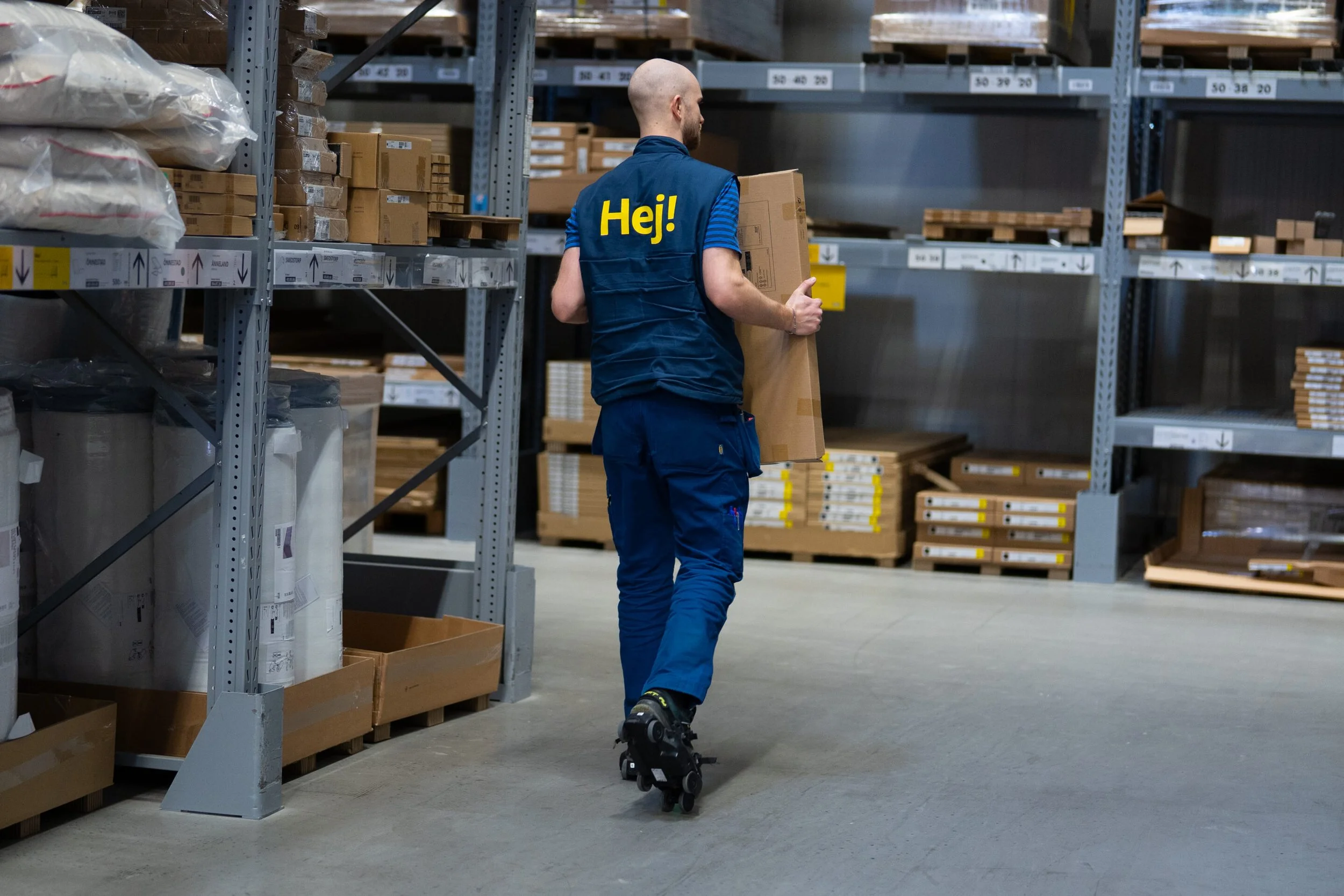
Ikea is testing robotic boots in Helsingborg, Sweden, to speed up order picking and reduce physical strain. Initial measurements showed that employees walked up to twice as fast, and average hourly picking productivity increased by 16%.
The cost of the SAQ's automated distribution center project, scheduled to begin operations next year, has gone from $48.5 million to $300 million in four years.
At Hannover Messe 2026, SAP and Vodafone showcased a pilot conducted at Vodafone’s warehouse in Duisburg,