
Every Company to Be an AI Factory‘ Declares NVIDIA CEO Jensen Huang
Michael Dell, Jensen Huang and Bill McDermott on New AI Factories
Appearing on stage with Dell CEO Michael Dell, Huang emphasized generative AI’s transformative potential and announced updates to the Dell AI Factory with NVIDIA.
Bloomberg Technology's Ed Ludlow sits down for an exclusive joint interview with Dell Chairman and CEO Michael Dell, Nvidia CEO Jensen Huang, and ServiceNow Chairman and CEO Bill McDermott to talk about a new partnership to build artificial intelligence "factories" and computers, reliance on Taiwan and the growth of AI. They speak from the Dell World Conference in Las Vegas.
AI heralds a new era of innovation for every business in every industry, NVIDIA founder and CEO Jensen Huang said Monday during an appearance at Dell Technologies World.
“We now have the ability to manufacture intelligence,” Huang said during an on-stage conversation with Dell CEO Michael Dell. “The last Industrial Revolution was the manufacturing of software; previously, it was manufacturing electricity — now we are manufacturing intelligence.”
Together with Michael Dell, ServiceNow CEO Bill McDermott and Samsung SDS President and CEO Hwang Sung-woo, Huang shared his insights on the transformative impact of generative AI on the global economy and various industries.
“Every company at its foundation is intelligence — fundamentally every company is an intelligence manufacturer,” Huang emphasized, underscoring the potential of AI to create digital intelligence.
During the keynote, Dell and NVIDIA announced a slew of updates to the Dell AI Factory.
This includes the Dell PowerEdge XE9680L server with liquid cooling and eight NVIDIA Blackwell Tensor Core GPUs, the industry’s densest, energy-efficient rack-scale solutions for large Blackwell GPU deployments.
The Dell NativeEdge platform will automate the delivery of NVIDIA AI Enterprise software, helping developers and IT operators easily deploy AI applications and solutions at the edge. Advancements also include the ability to simplify AI application development for faster time to value with the integration of NVIDIA NIM inference microservices, deployment automation and more.
Huang discussed the concept of an AI factory, likening it to the factories of the last Industrial Revolution that used water to produce electricity. In the current Industrial Revolution, data centers act as AI factories, transforming data and electricity into valuable data tokens distributed globally.
“What has happened is instead of just producing software, we’re now producing intelligence — that intelligence is formulated in the form of tokens that can then be expressed in any information modality that we’d like it to be,” Huang explained.
Huang underscored the importance of full-stack accelerated computing to enable this, noting NVIDIA’s advancements.
Together, NVIDIA and Dell are providing the world’s industries with a full-stack offering — including computing, networking, storage, services and software — that drives copilots, coding assistants, virtual customer service agents and industrial digital twins.
Michael Dell introduced the latest innovations for the Dell AI Factory with NVIDIA, emphasizing their ability to simplify and accelerate customers’ AI journeys.
“We are unleashing this super genius power. Everyone is going to have access to this technology — and it’s gonna get smarter,” Dell said.
The Dell AI Factory with NVIDIA, announced earlier this year, offers a full stack of AI solutions from data center to edge, enabling organizations to quickly adopt and deploy AI at scale.
This platform integrates Dell’s AI capabilities with NVIDIA’s cutting-edge technologies, providing customers with an expansive AI portfolio and an open ecosystem of technology partners.
The Dell AI Factory, based on the NVIDIA partnership, will help establish AI sovereignty for countries by enabling strong data security and customized AI service development.
Together, Dell and NVIDIA will bring these capabilities to companies, help stand it up, and help develop new applications that enterprises can deploy, Huang said.
“Our partnership between us is really about that, literally from the ground up building AI factories and delivering it to the world’s enterprises as a solution,” Huang said.

Pattison Food Group Modernizes Langley Distribution Centre with Advanced Grocery Automation.
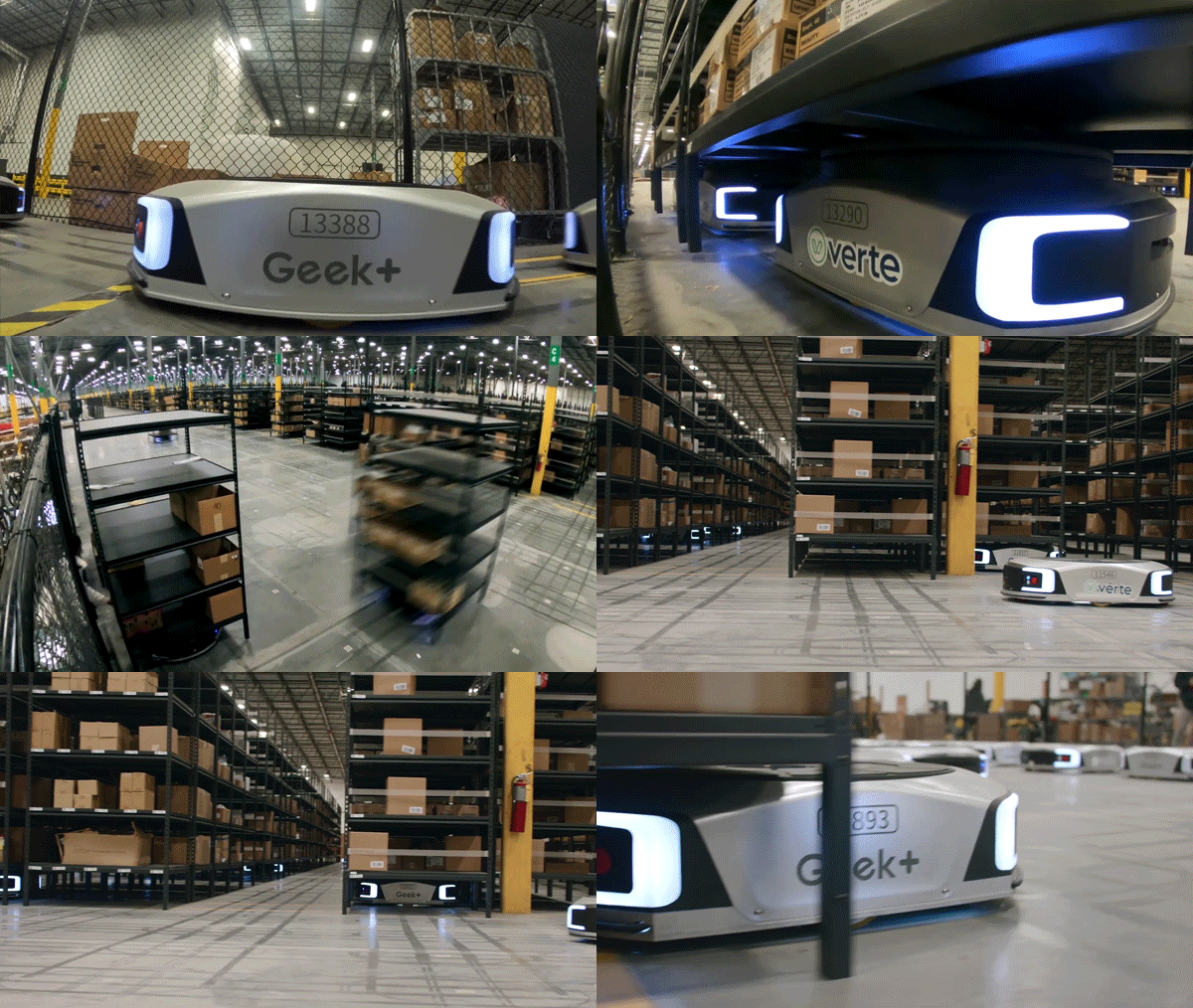
As part of an ongoing warehouse automation modernization project, a fleet of pre-owned ASRS robots is available for purchase.
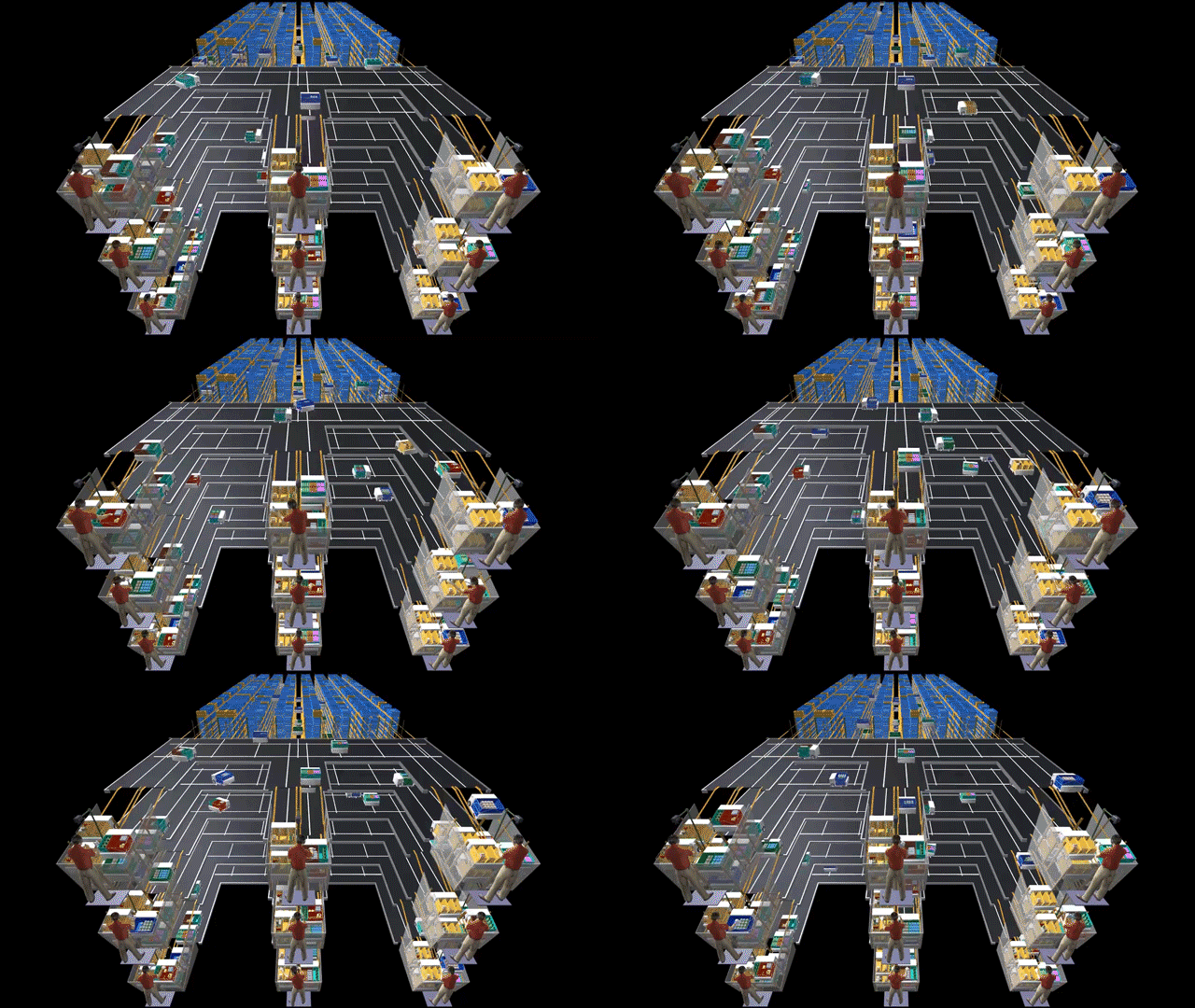
Symbotic’s new SymMicro system begins its first in-store installation, with the potential to expand to 400 Walmart locations.
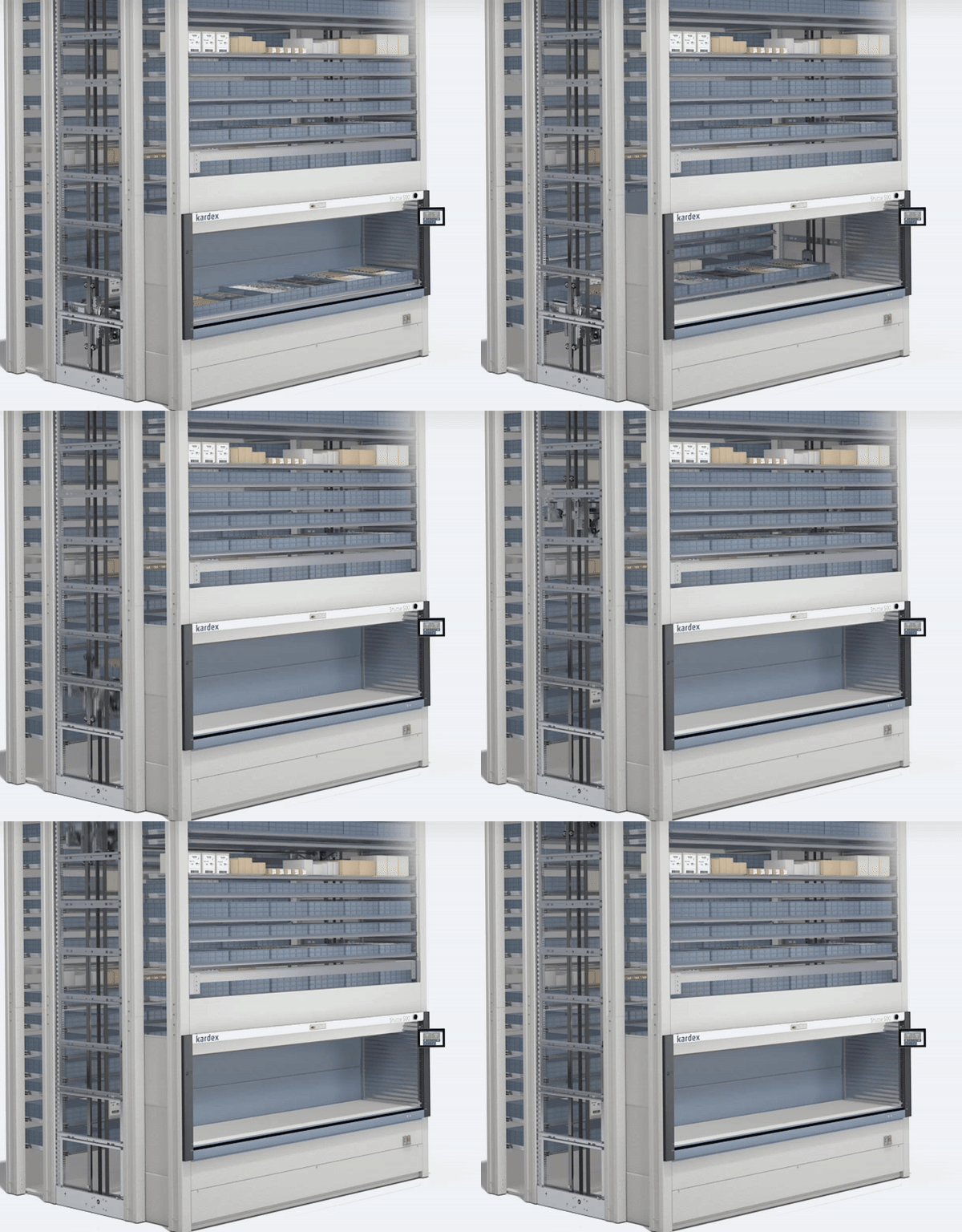
Two brand-new Kardex Shuttle XP 500 vertical lift modules are available for immediate delivery.
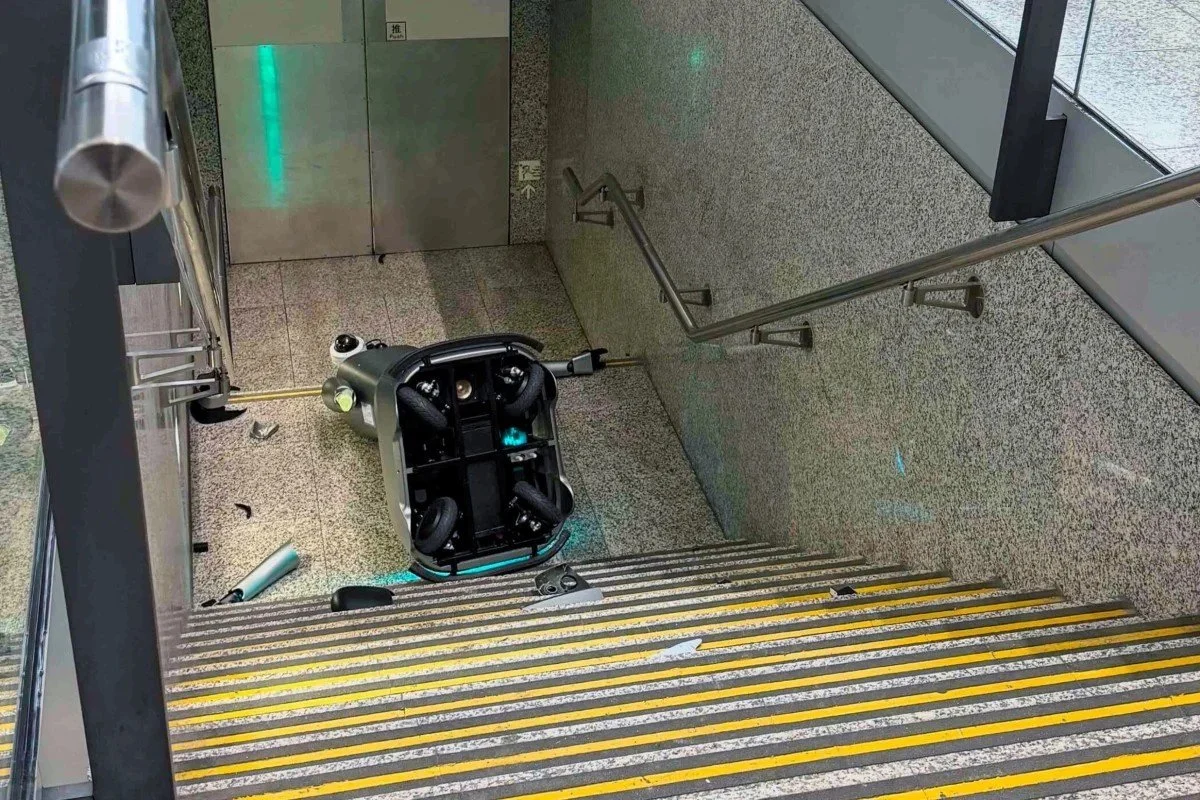
A robot accident at Hong Kong International Airport offers an important lesson about mobile robot safety
Recent Updates to FCC Covered List Regarding Foreign-Produced Advanced Robotic Devices
There is another major advantage of automation that is often overlooked.
S&S Activewear is one of the more technology-forward apparel companies in North America’s branded-apparel distribution market.
Situated in Arvin, California, the new 700,000 square foot facility is described as its largest and most technologically sophisticated distribution center to date.
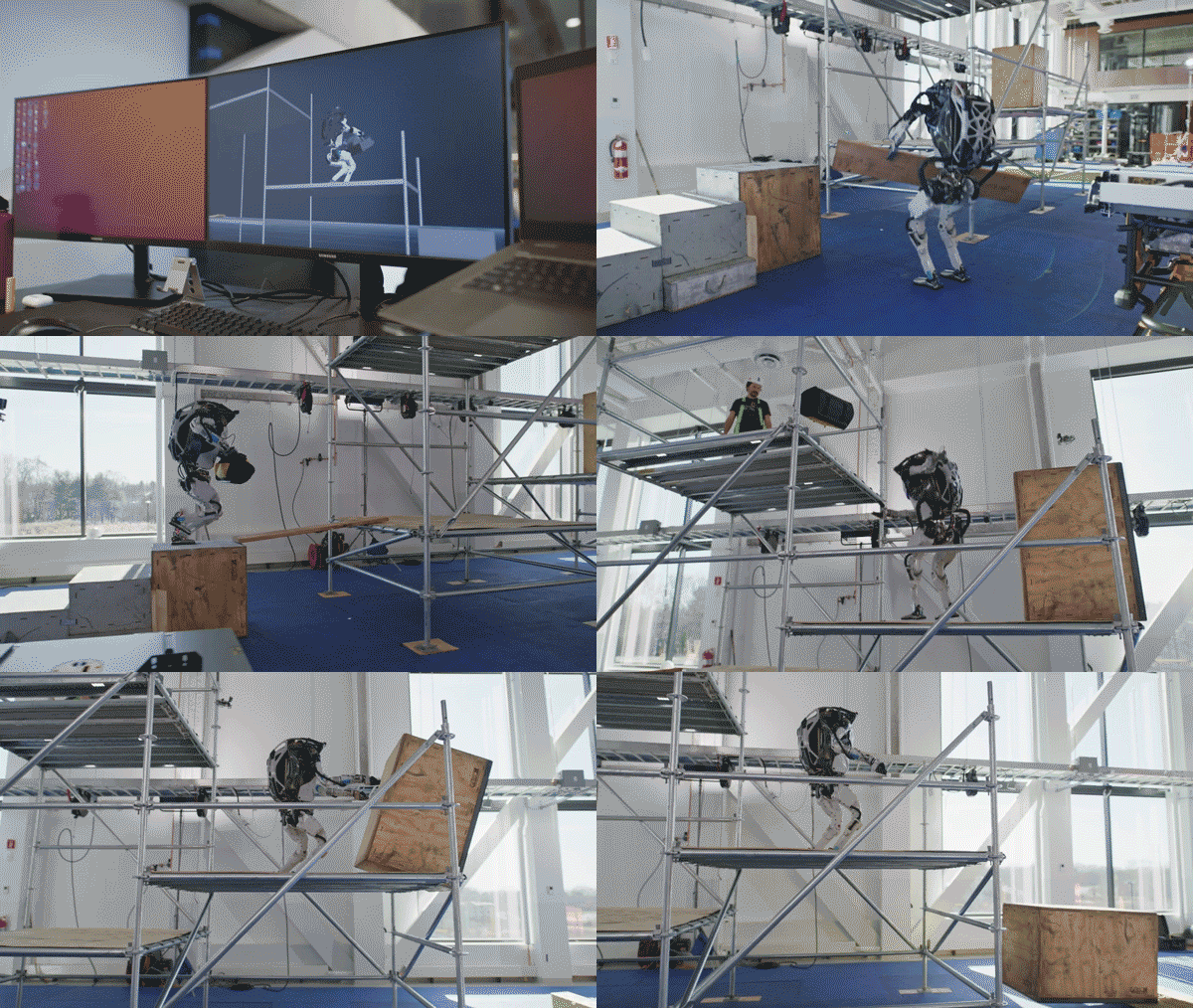
SoftBank is reportedly selling its remaining 9.65% stake in Boston Dynamics to Hyundai Motor Group for US$325 million.
The company had automation. It had robotics. It had government support, customer momentum, press attention, and a massive facility.
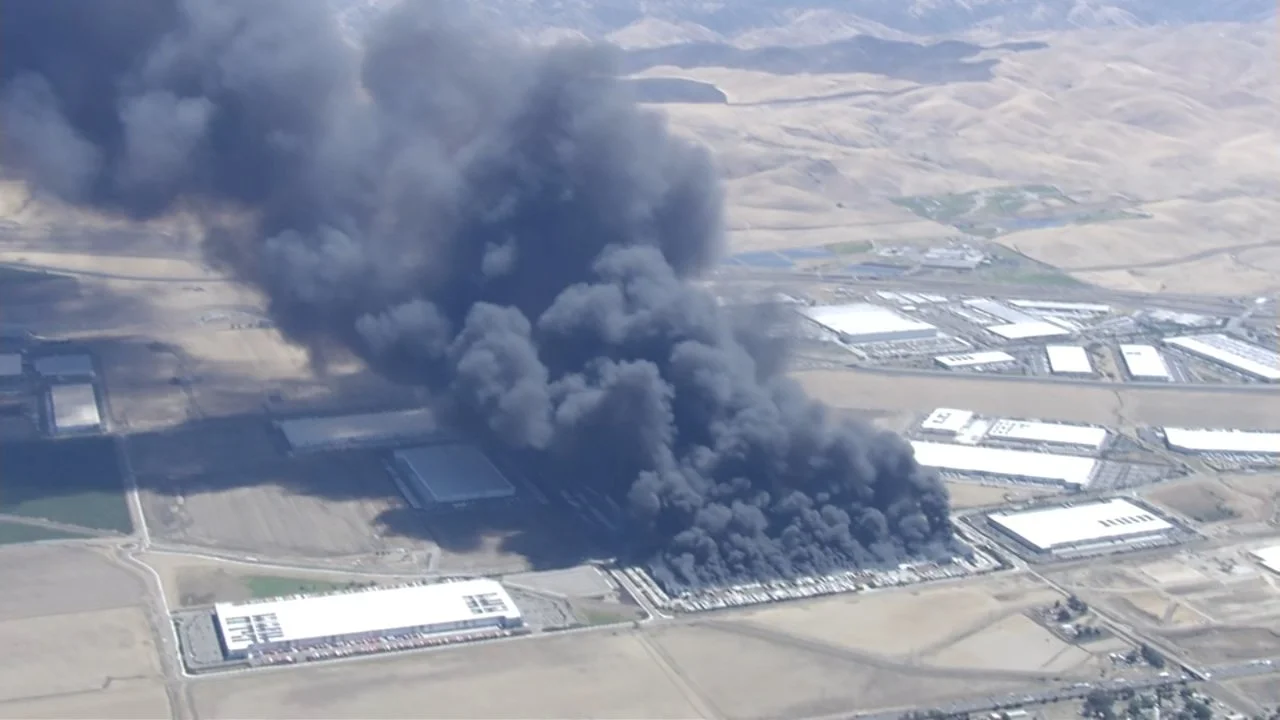
Massive fire destroys 1 million-square-foot Tracy Medline Industries distribution facility
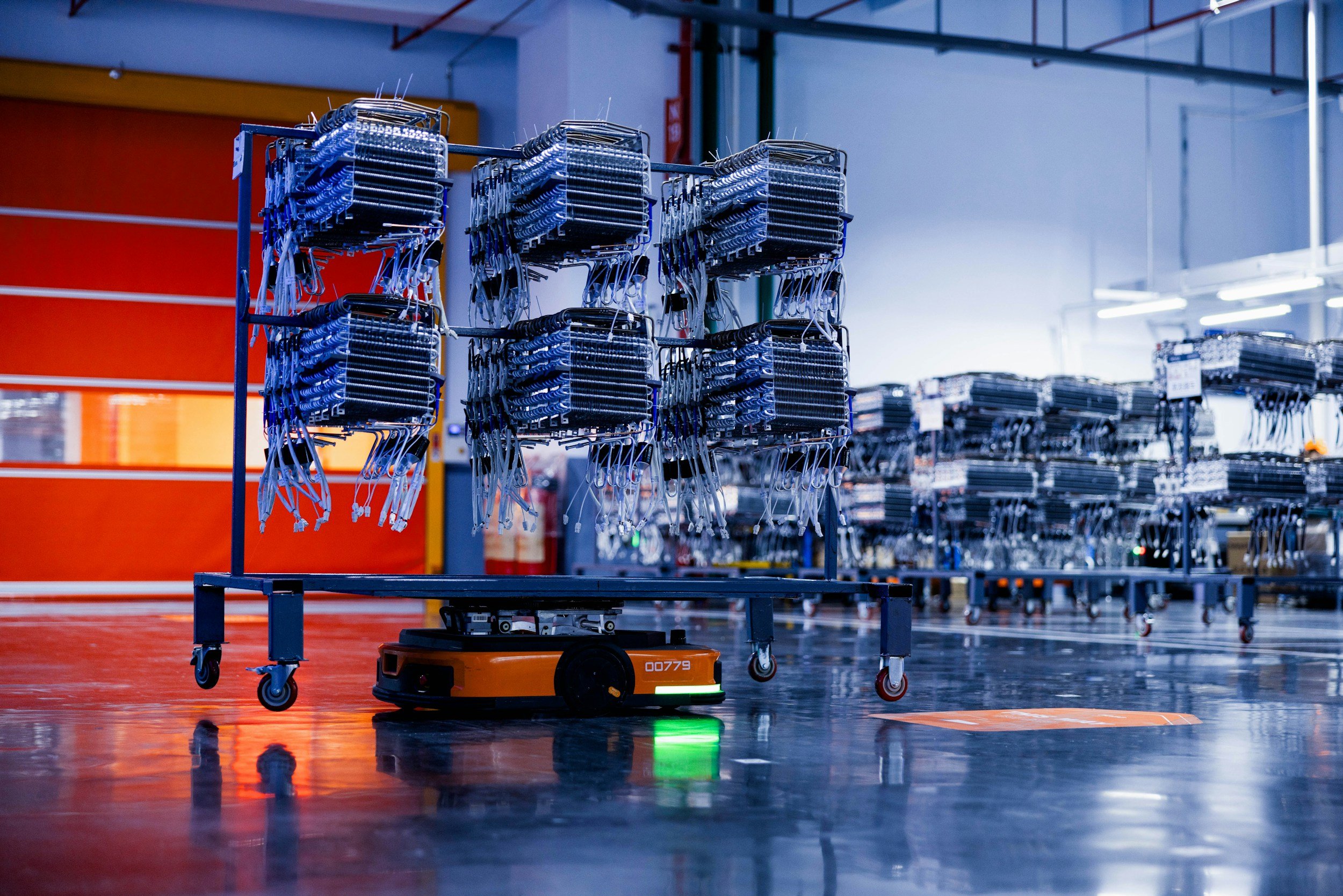
Artificial Intelligence and LLMs are currently being pushed aggressively into logistics, warehouse operations, robotics, and supply chain execution.
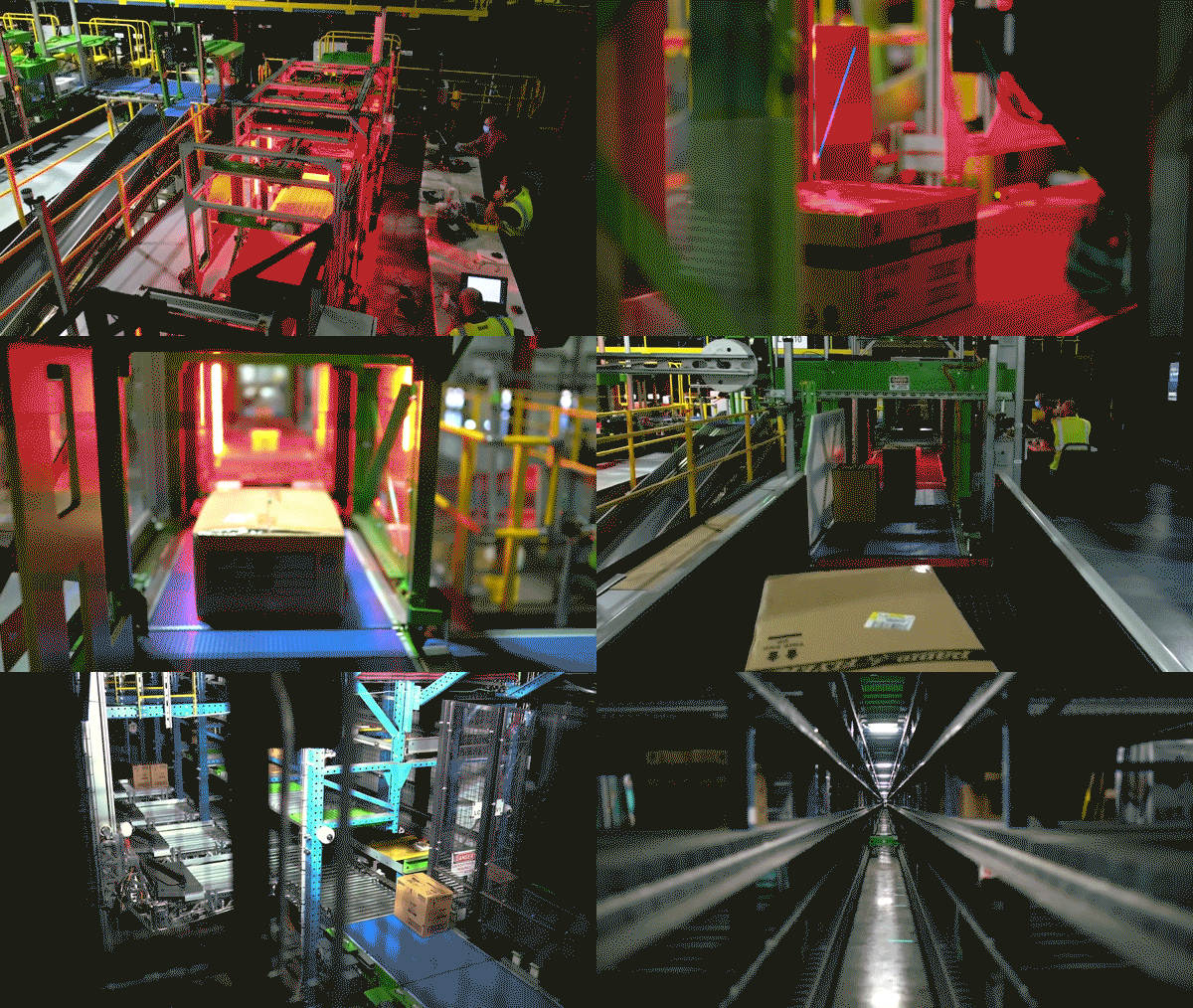
Walmart’s latest comments around same-day fulfillment, 30-minute delivery windows, AI-driven inventory positioning, and supply chain automation should be a wake-up call for the entire retail industry.
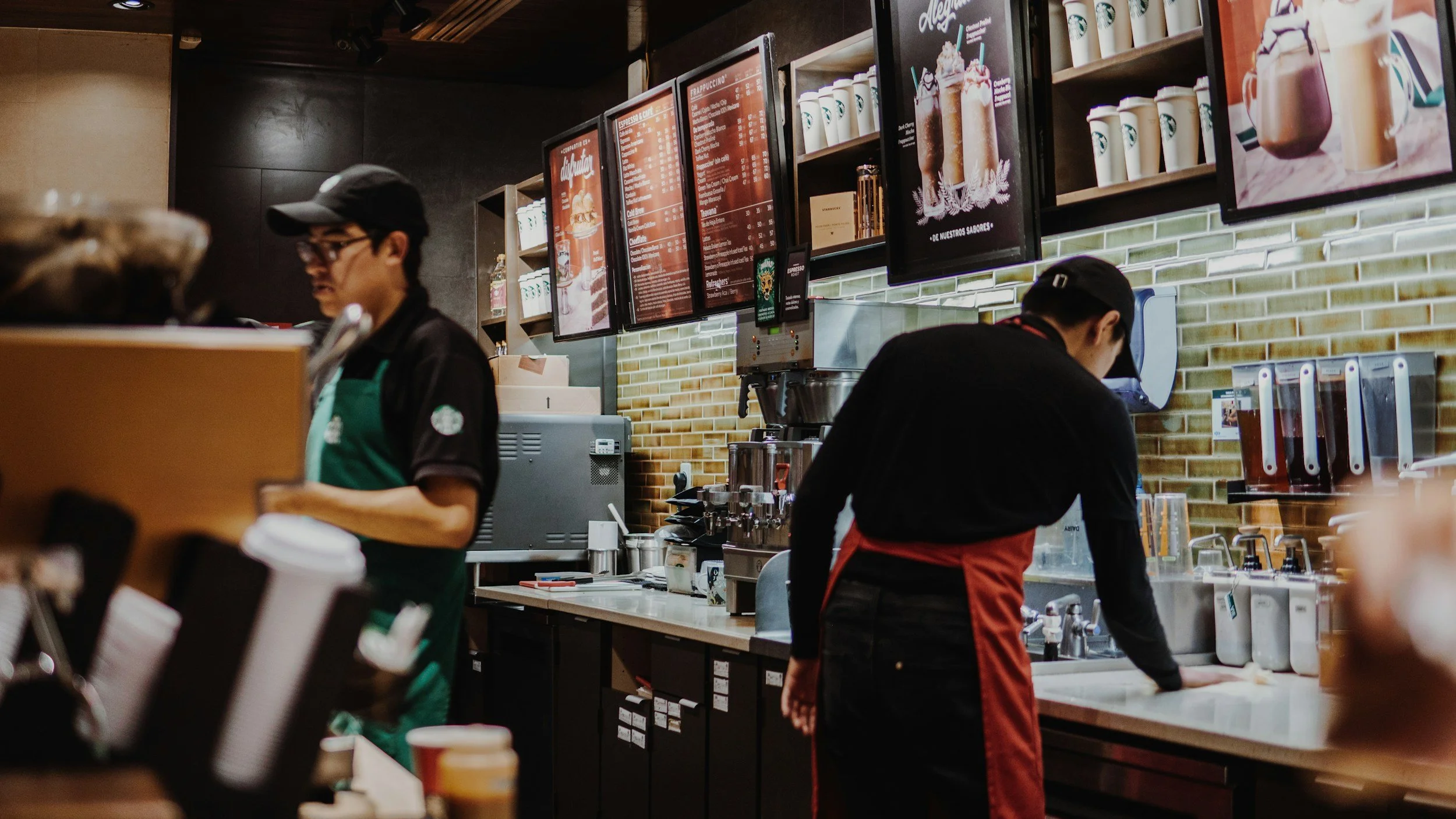
The promise made to Starbucks CEO Brian Niccol was enticing. To eliminate persistent product shortages that hurt sales, the company deployed an automated counting system.
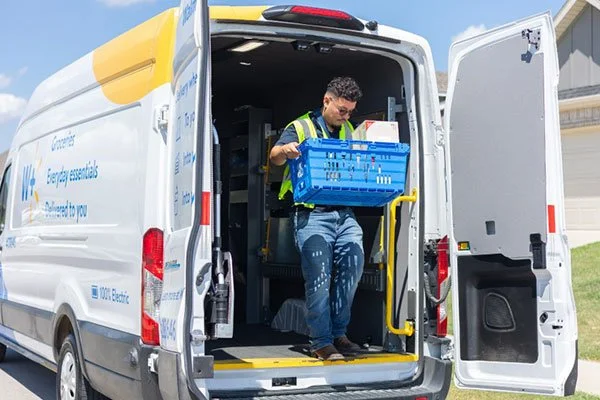
The retail giant is using unlikely spaces to push against Amazon’s recent strategies to capture more customers.

Traditional WMS lacks the real-time visibility into the availability of automated materials handling equipment that a WES brings to the table.
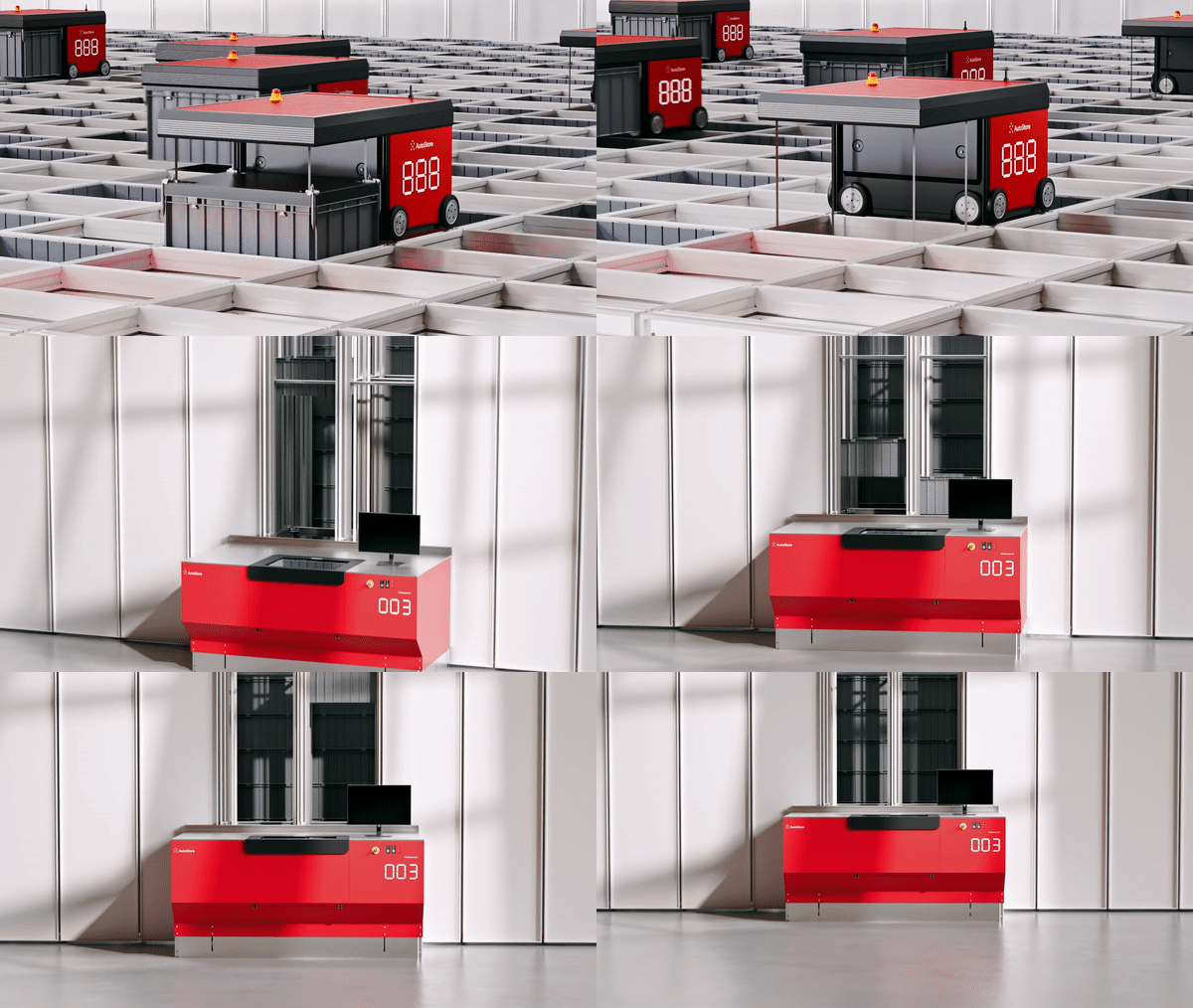
Ulta Beauty has selected AutoStore technology for its new Utah regional distribution hub supporting both stores and growing e-commerce fulfillment.
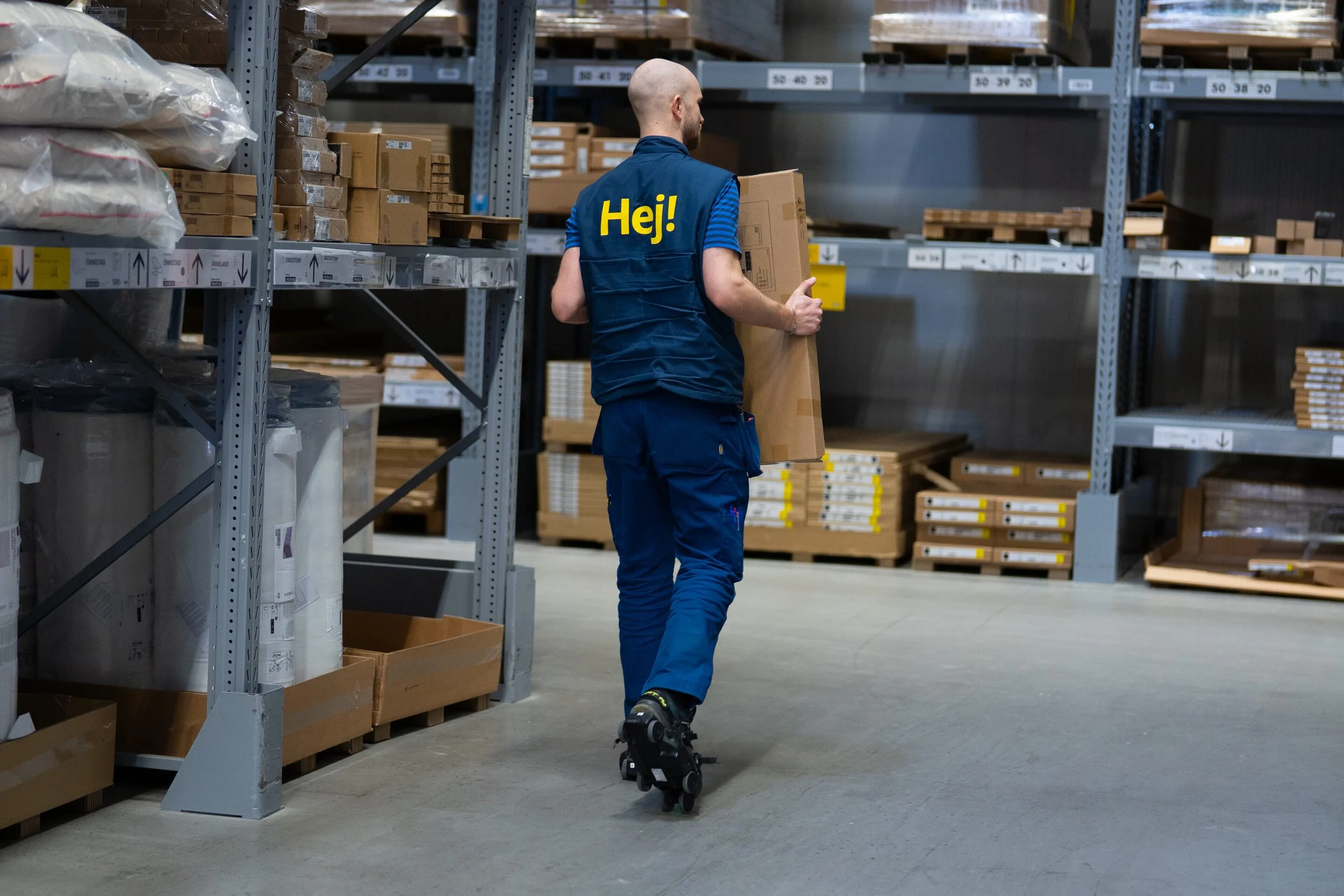
Ikea is testing robotic boots in Helsingborg, Sweden, to speed up order picking and reduce physical strain. Initial measurements showed that employees walked up to twice as fast, and average hourly picking productivity increased by 16%.
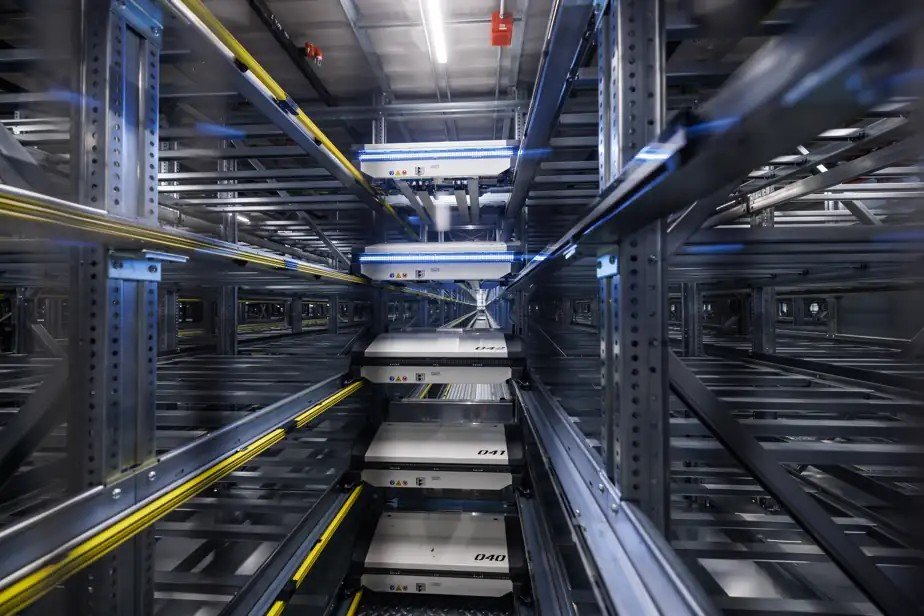
The cost of the SAQ's automated distribution center project, scheduled to begin operations next year, has gone from $48.5 million to $300 million in four years.
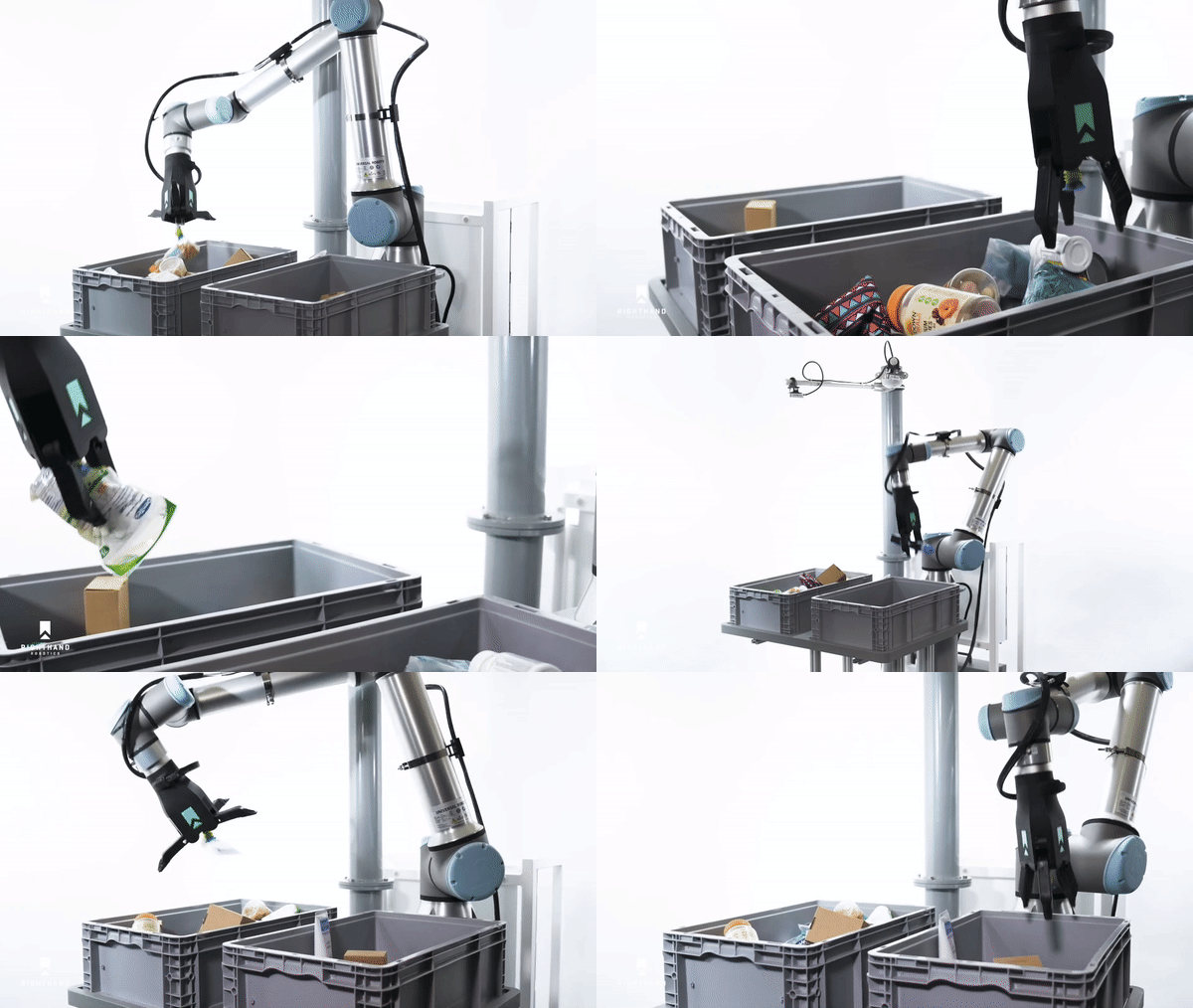
Piece-picking robots are currently one of the hottest solutions in warehouse automation
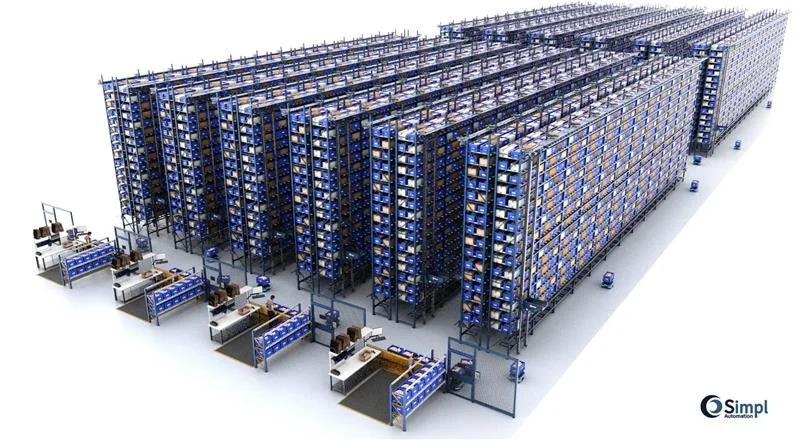
Home Depot acquires warehouse tech firm to boost fulfillment strategy
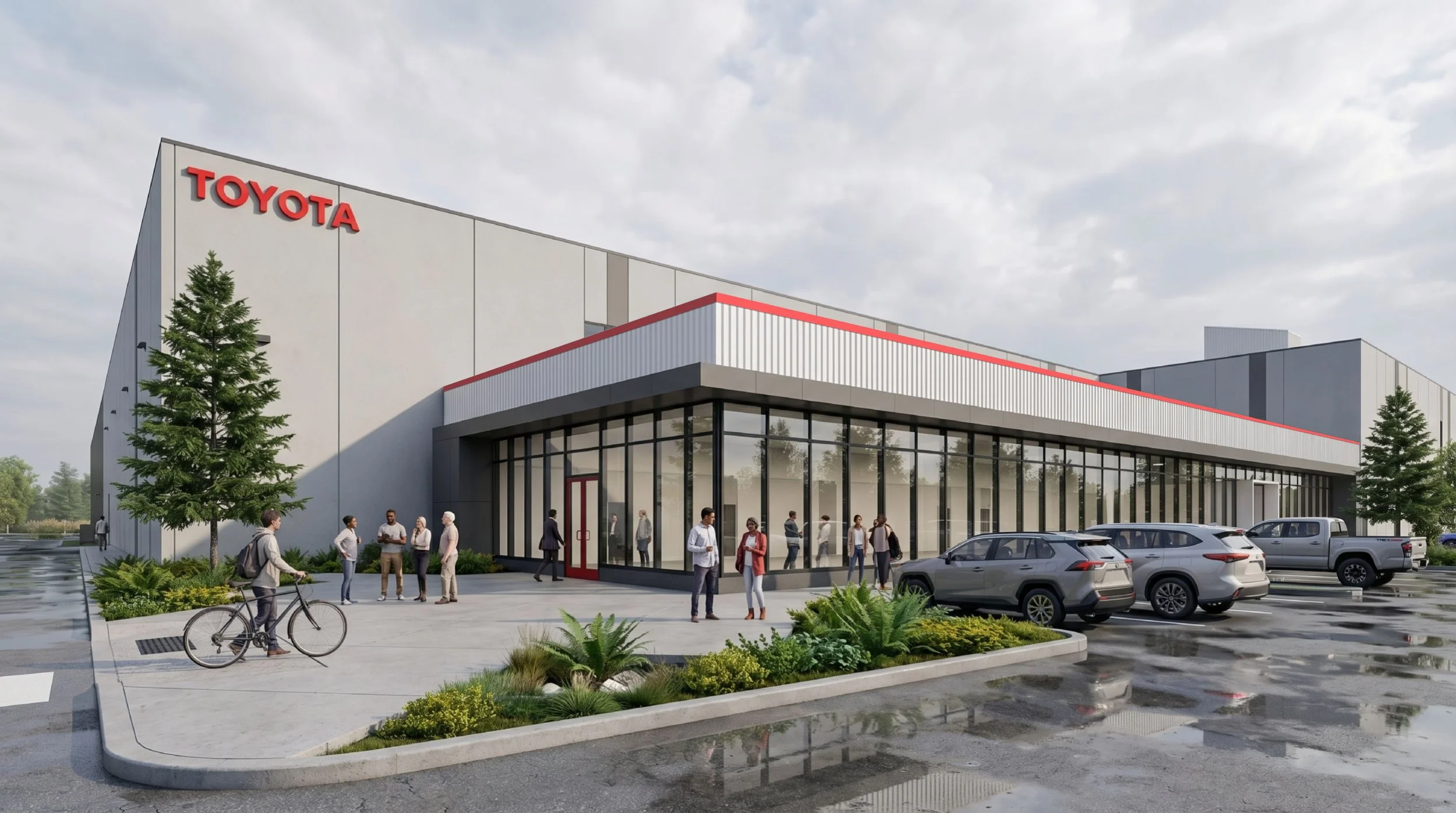
The Surrey facility will primarily serve British Columbia, while Calgary will cover Alberta, Saskatchewan, and surrounding regions.
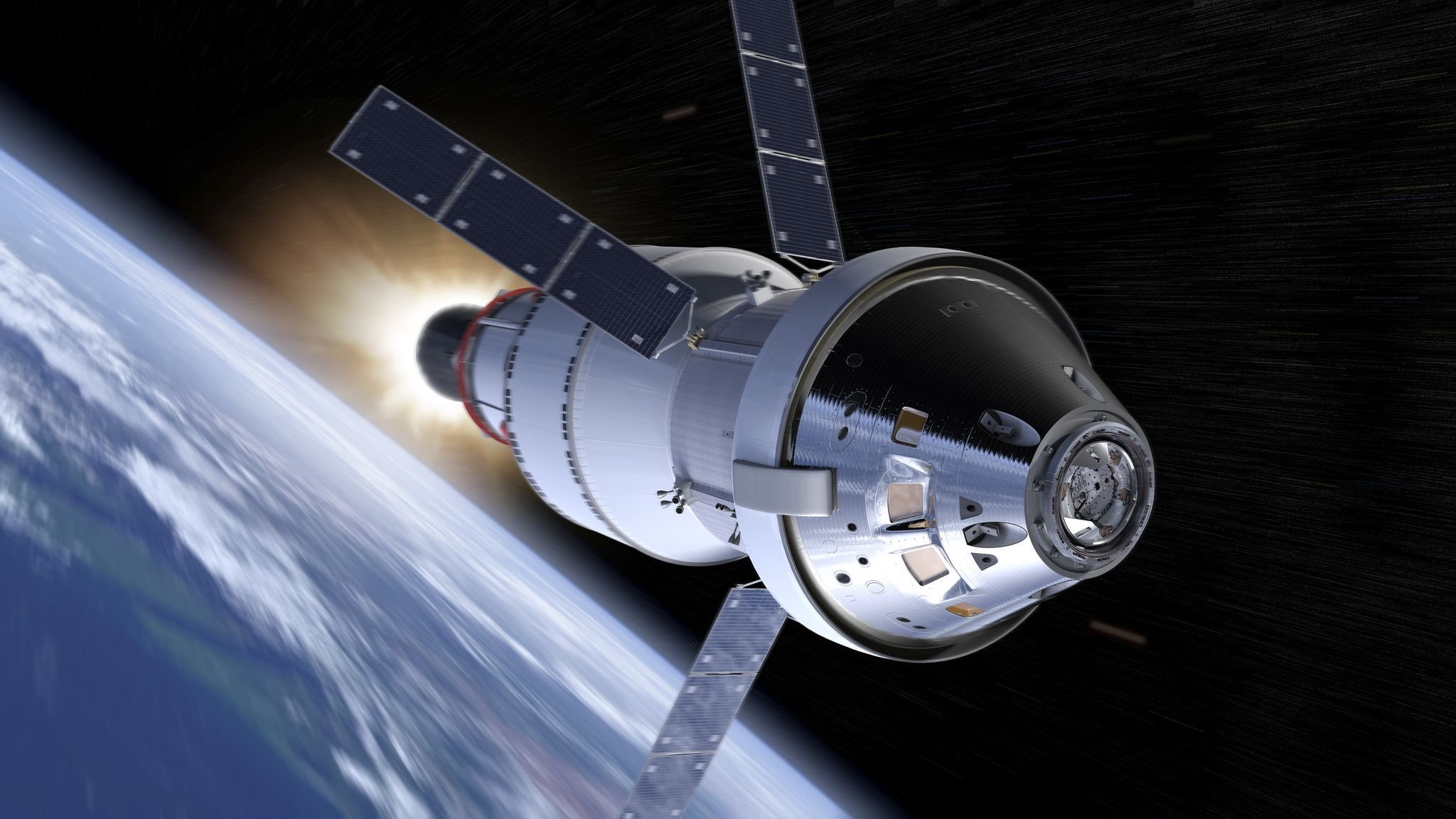
How Canadian Robotics Forced NASA to Give Us a Seat on the Moon Mission
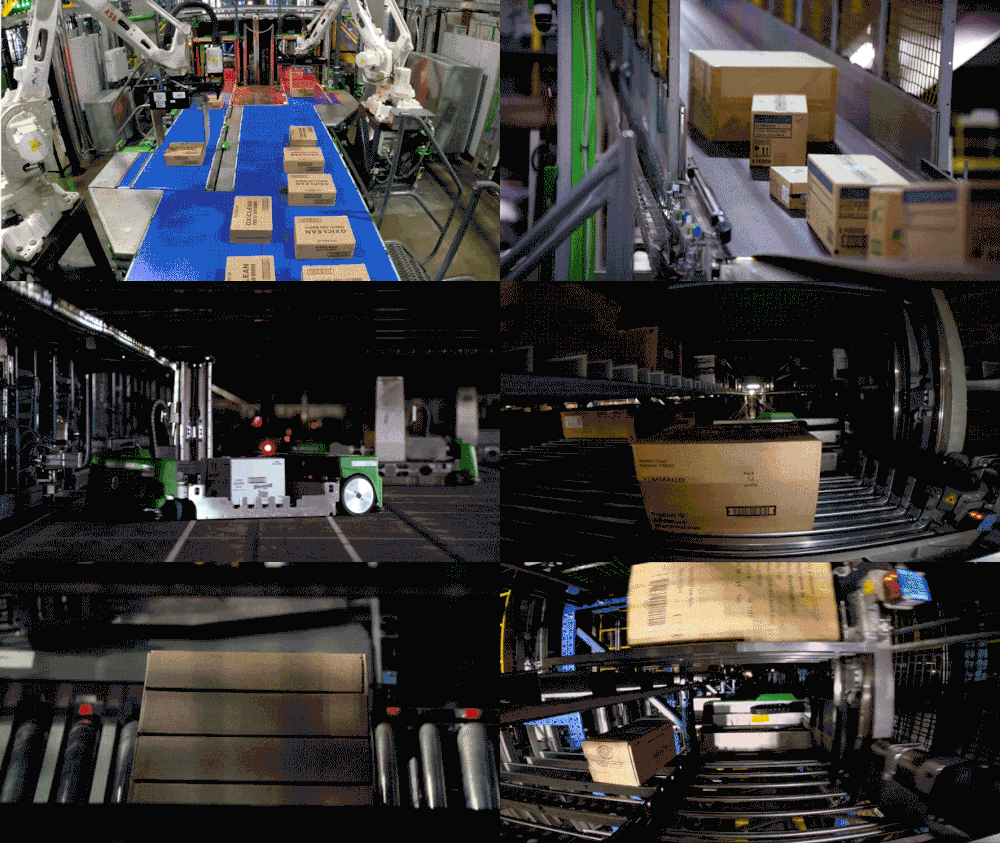
Today, a new layer is beginning to appear in highly automated facilities: the Warehouse Operating System (WOS).
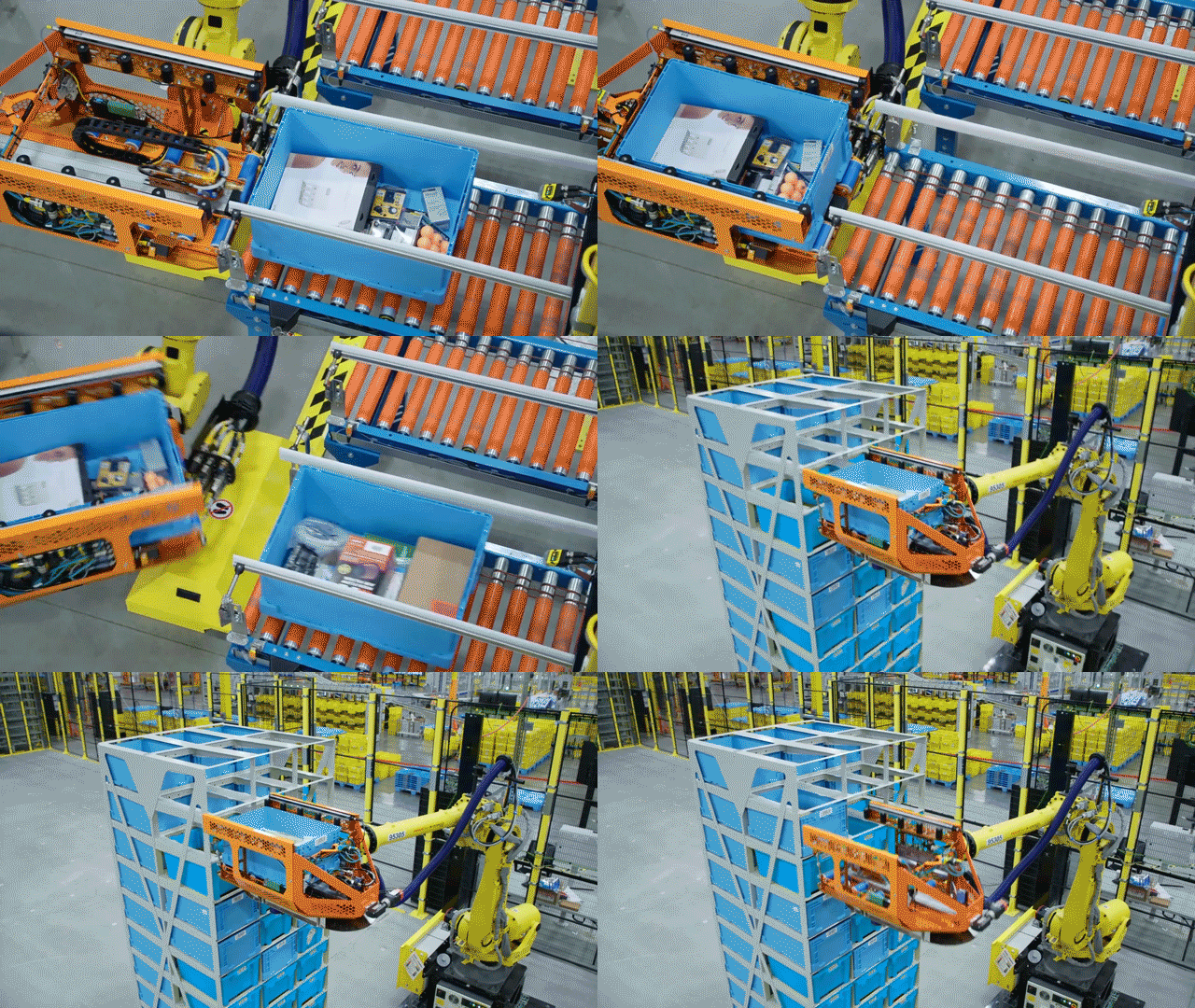
Cainiao plans to build a large-scale global network of robotic warehouses in 2026 as it expands local fulfilment and delivery operations tied to cross-border eCommerce.
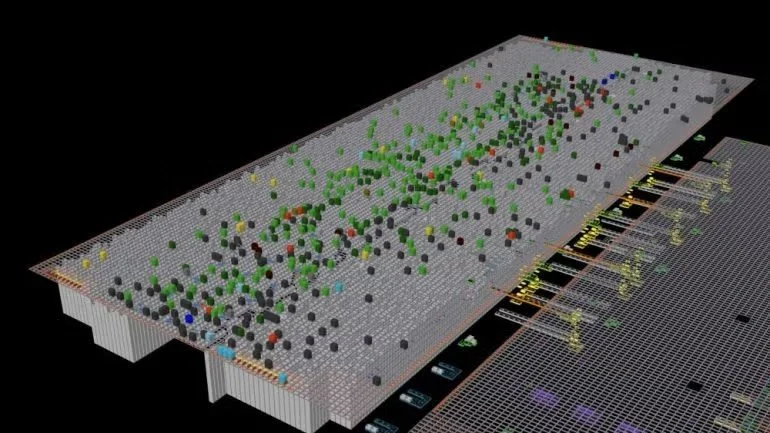
Ocado has delivered a cube-based automation system for McKesson Canada, representing a continued expansion of its technology beyond e-commerce grocery fulfilment.
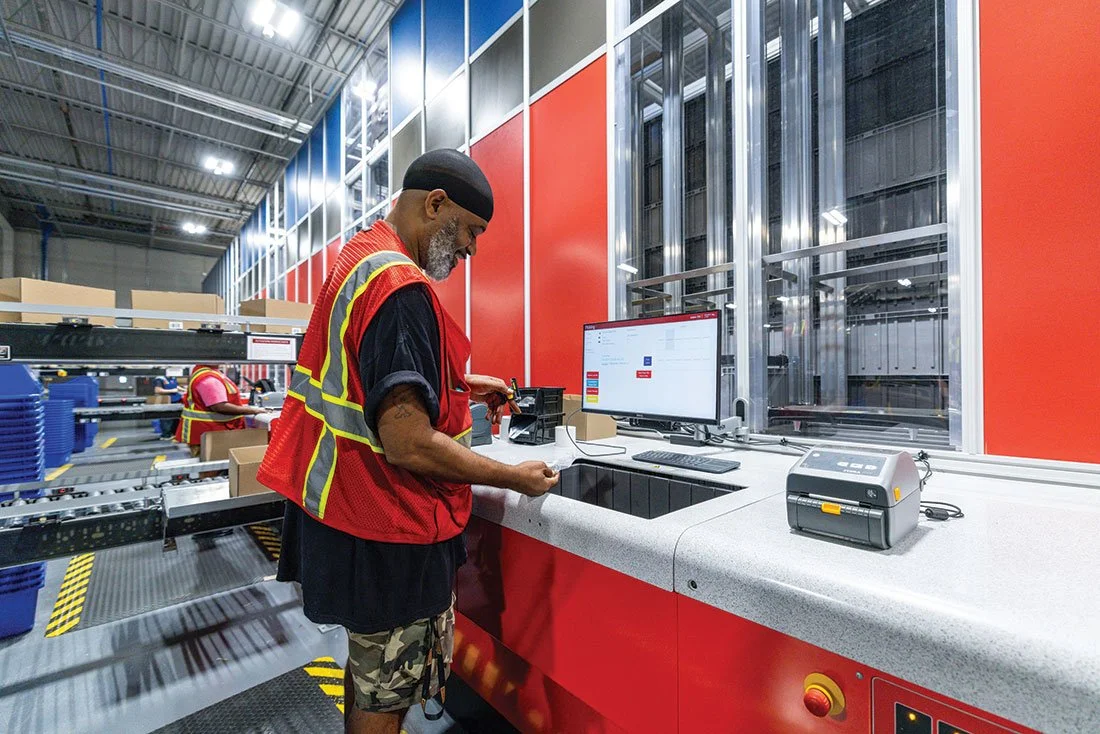
AutoStore reported its 2025 results this week, outlining a year that moved from early caution to clear second-half acceleration.
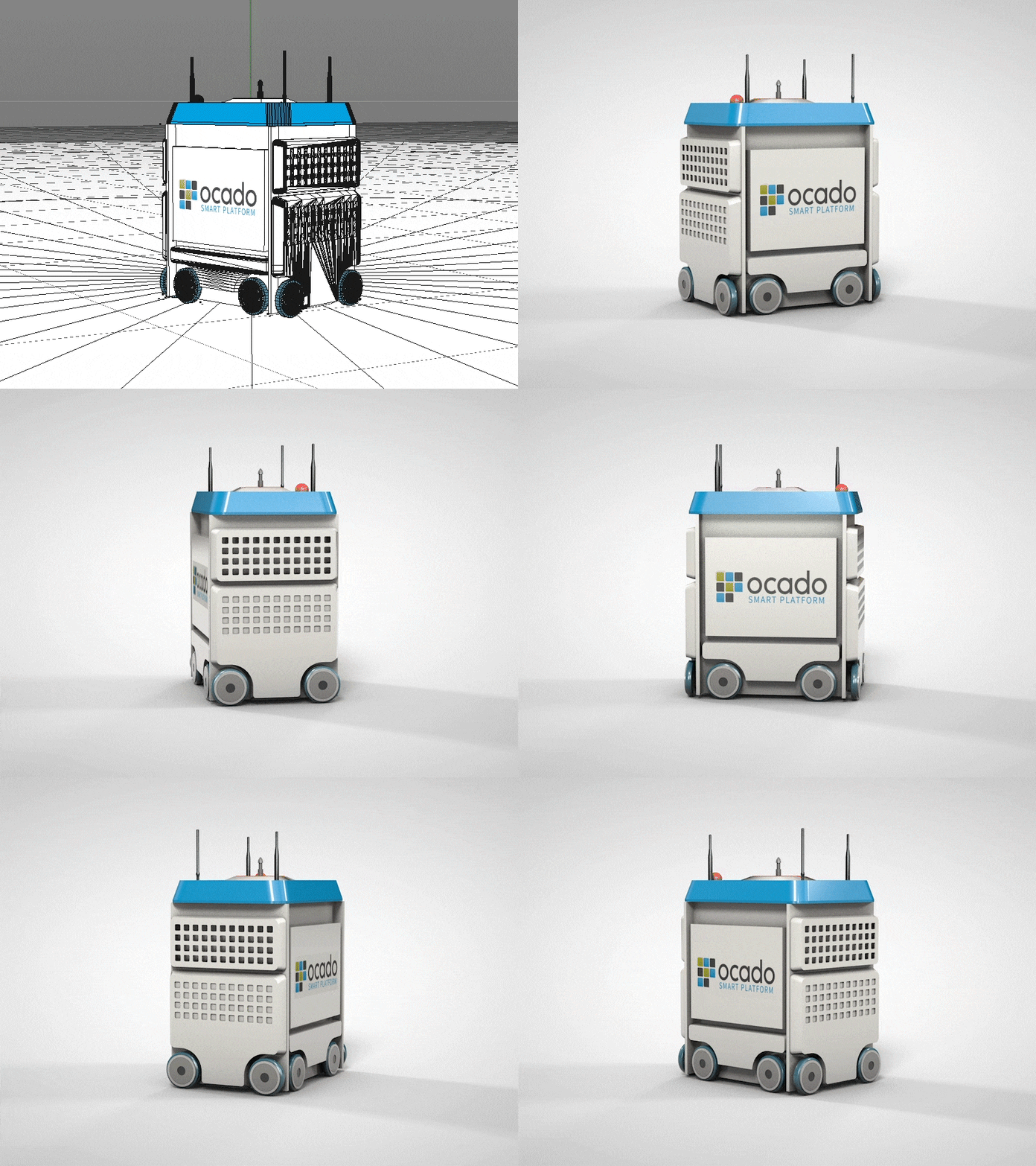
Ocado is facing reports of up to 1,000 job cuts

At Hannover Messe 2026, SAP and Vodafone showcased a pilot conducted at Vodafone’s warehouse in Duisburg,