
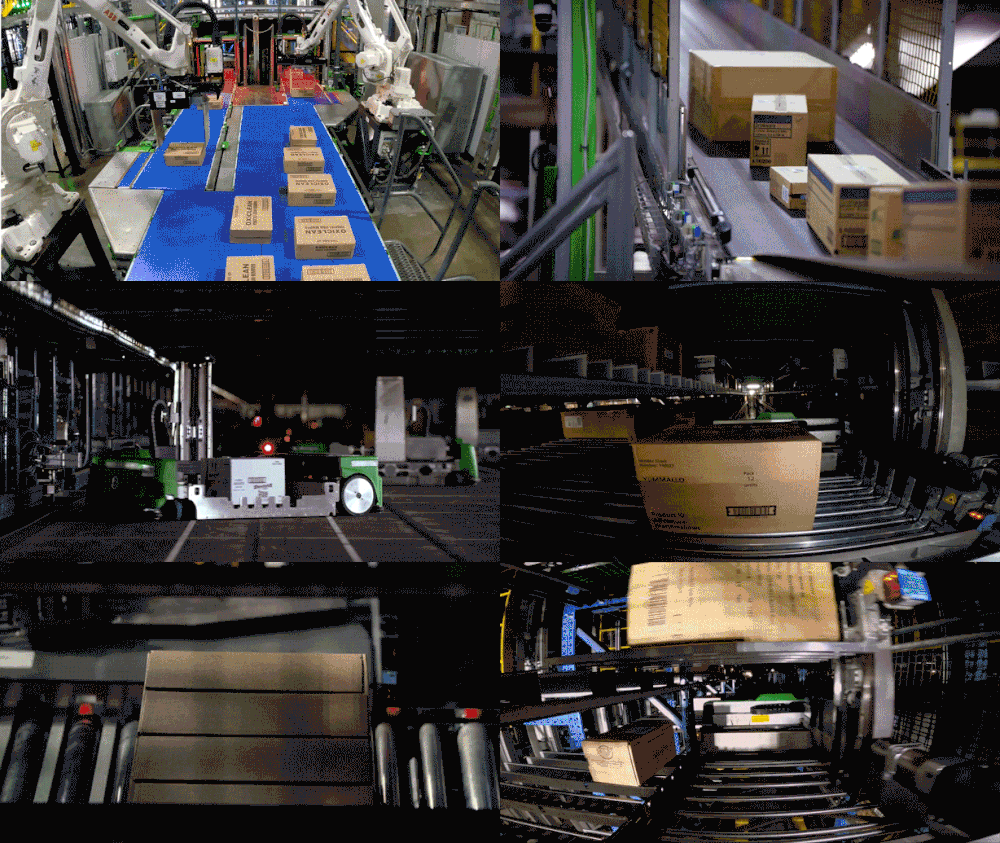
Over the past three decades, warehouse technology has evolved through several major software layers. First came Warehouse Management Systems (WMS) to control inventory and fulfillment processes. Later, Warehouse Control Systems (WCS) emerged to manage conveyors, sorters, and automated storage systems.
Today, a new layer is beginning to appear in highly automated facilities: the Warehouse Operating System (WOS).
While the term is still emerging, the concept is already being implemented by some of the world’s most advanced fulfillment operations.
From WMS to WOS: How Warehouse Software Is Evolving
Traditional warehouse architecture typically looks like this:
ERP
↓
WMS
↓
WCS
↓
Automation equipment
Each layer serves a different purpose.
ERP systems manage financials and order capture.
WMS platforms manage inventory and warehouse processes.
WCS systems translate instructions into machine-level control.
This architecture worked well when warehouses relied primarily on conveyors and fixed automation.
However, the rapid growth of robotic automation, AI-driven optimization, and multi-vendor automation ecosystems is placing new demands on warehouse software.
A growing number of facilities now require a central orchestration platform capable of coordinating:
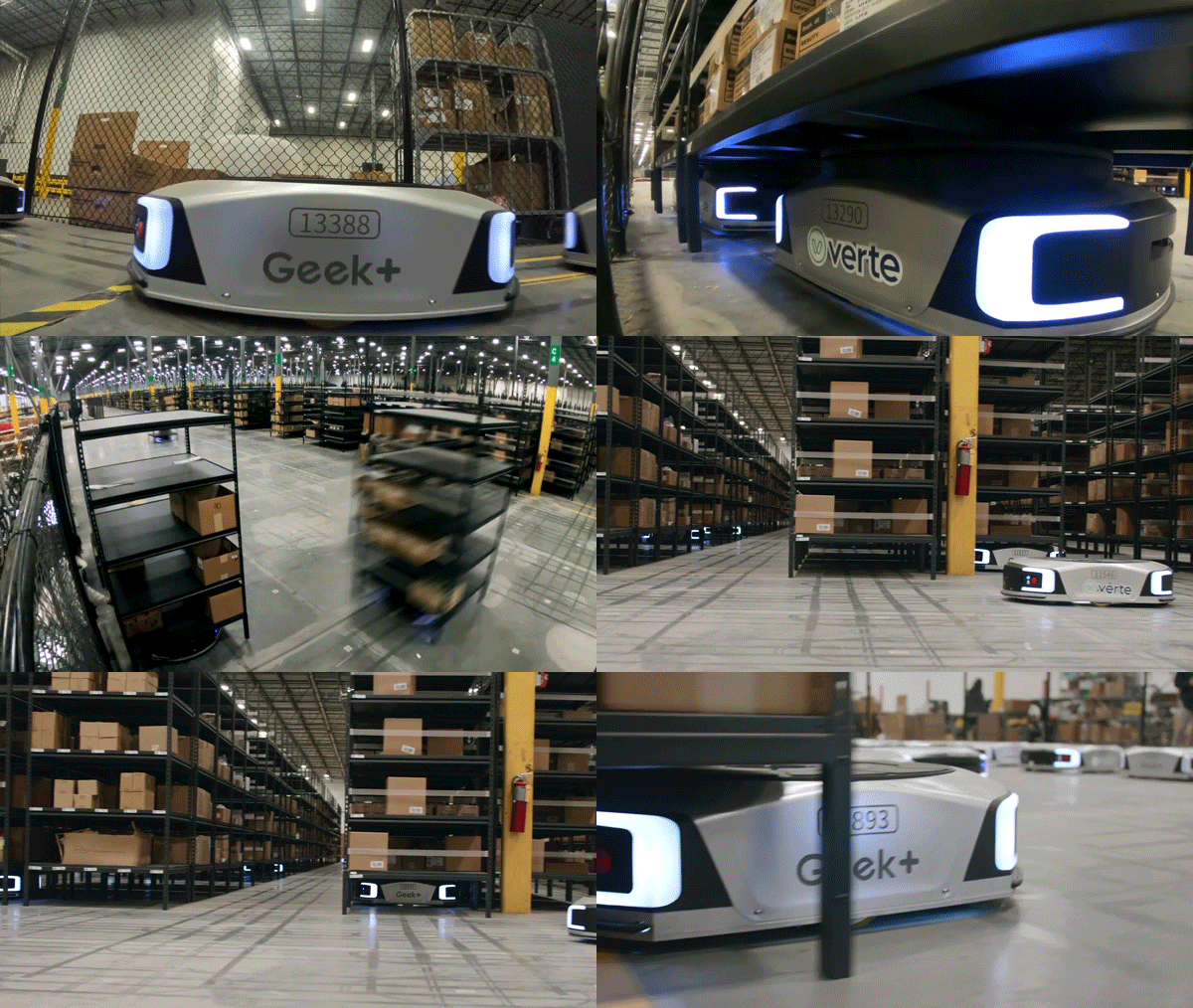
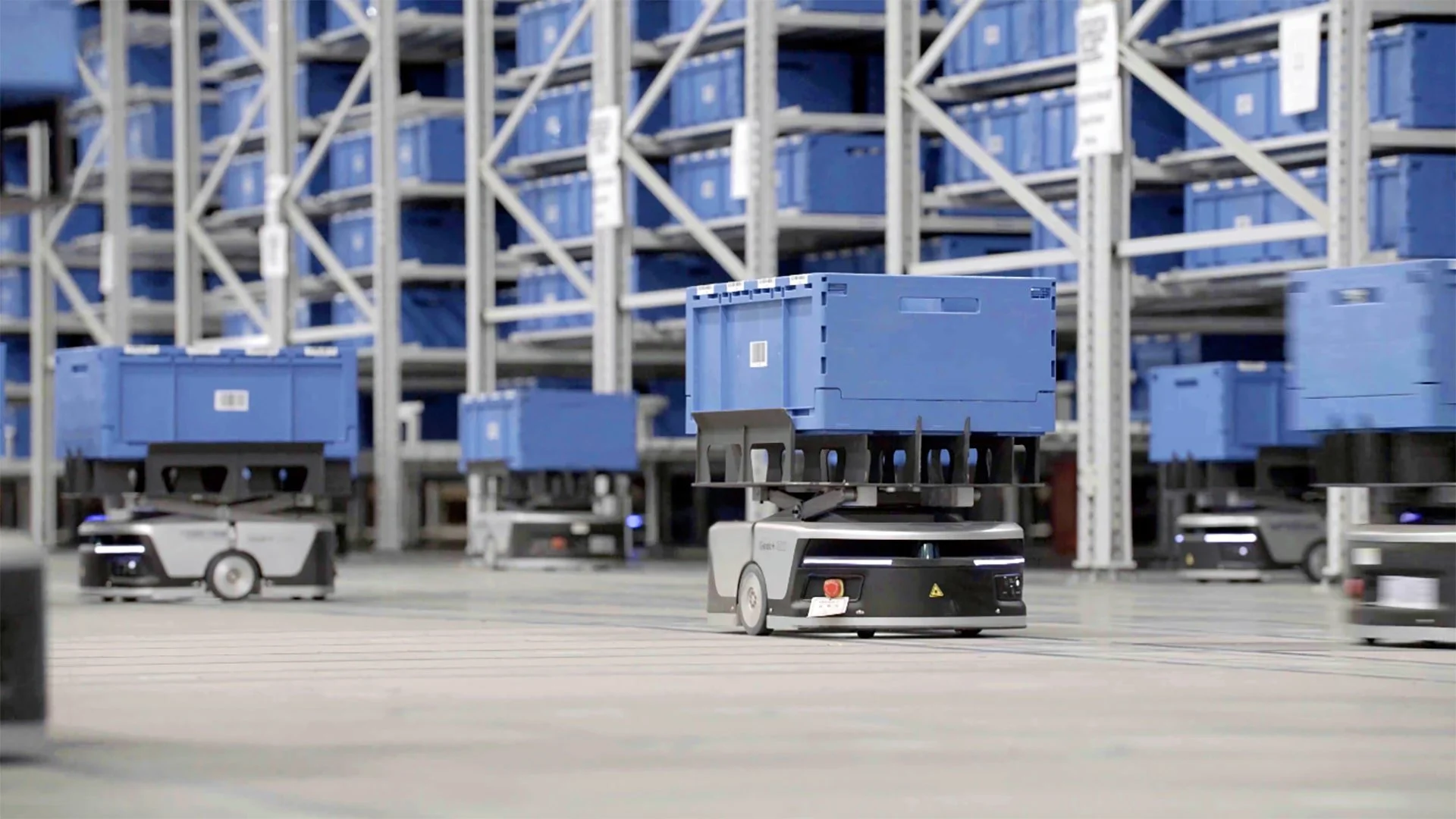
robot fleets
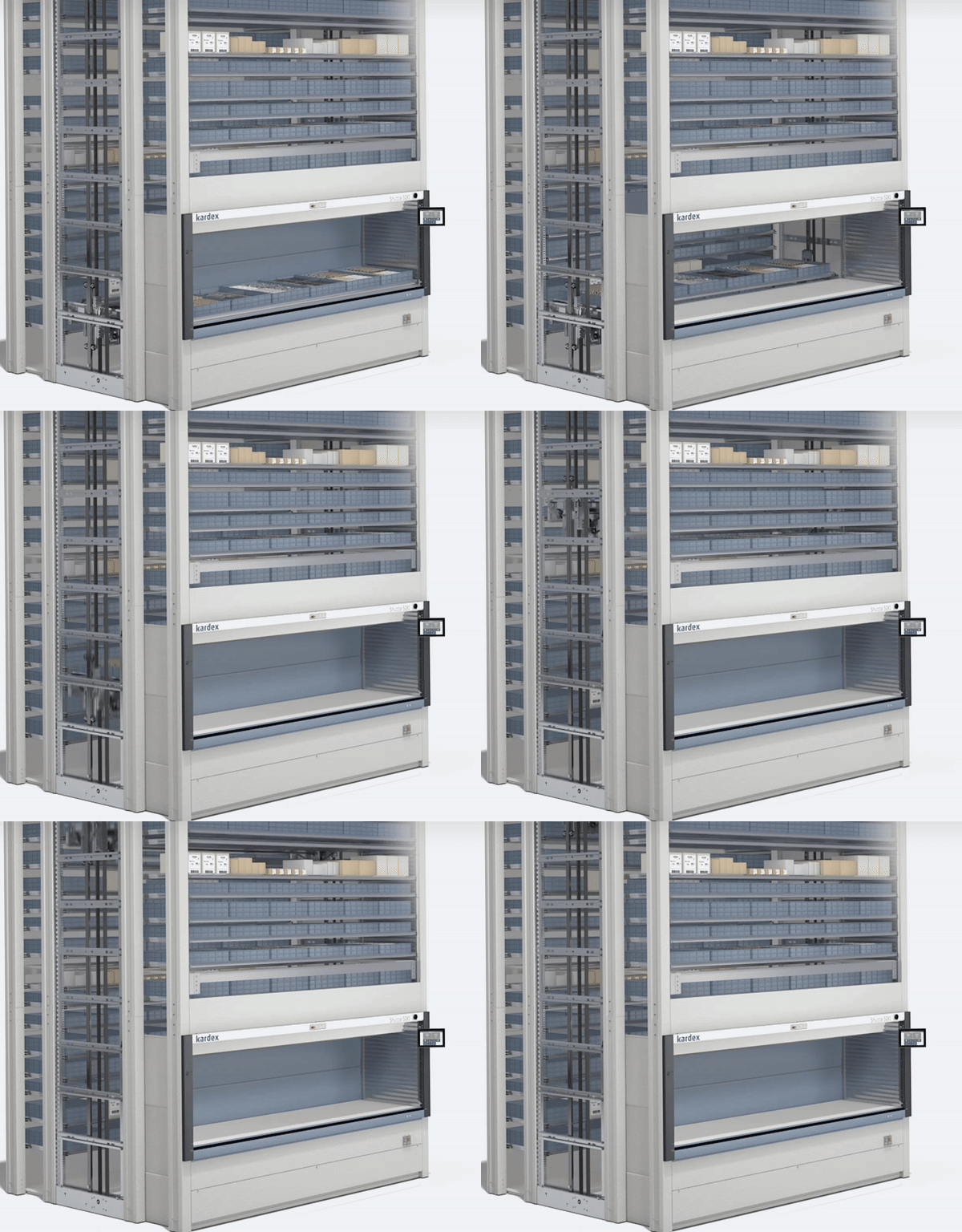
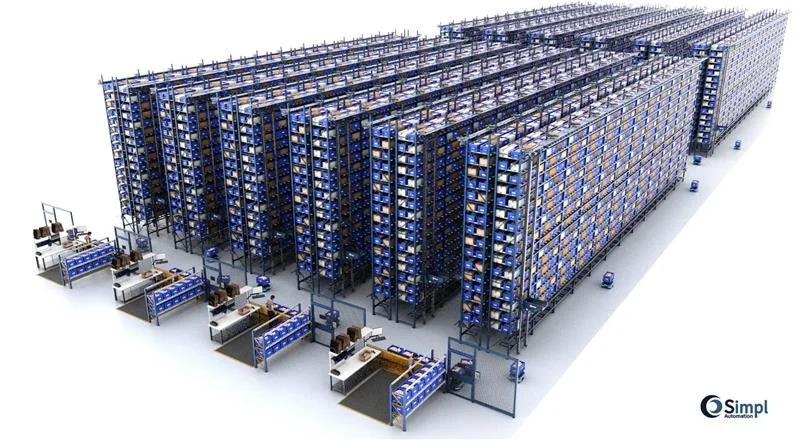
automated storage systems
conveyors and sorters
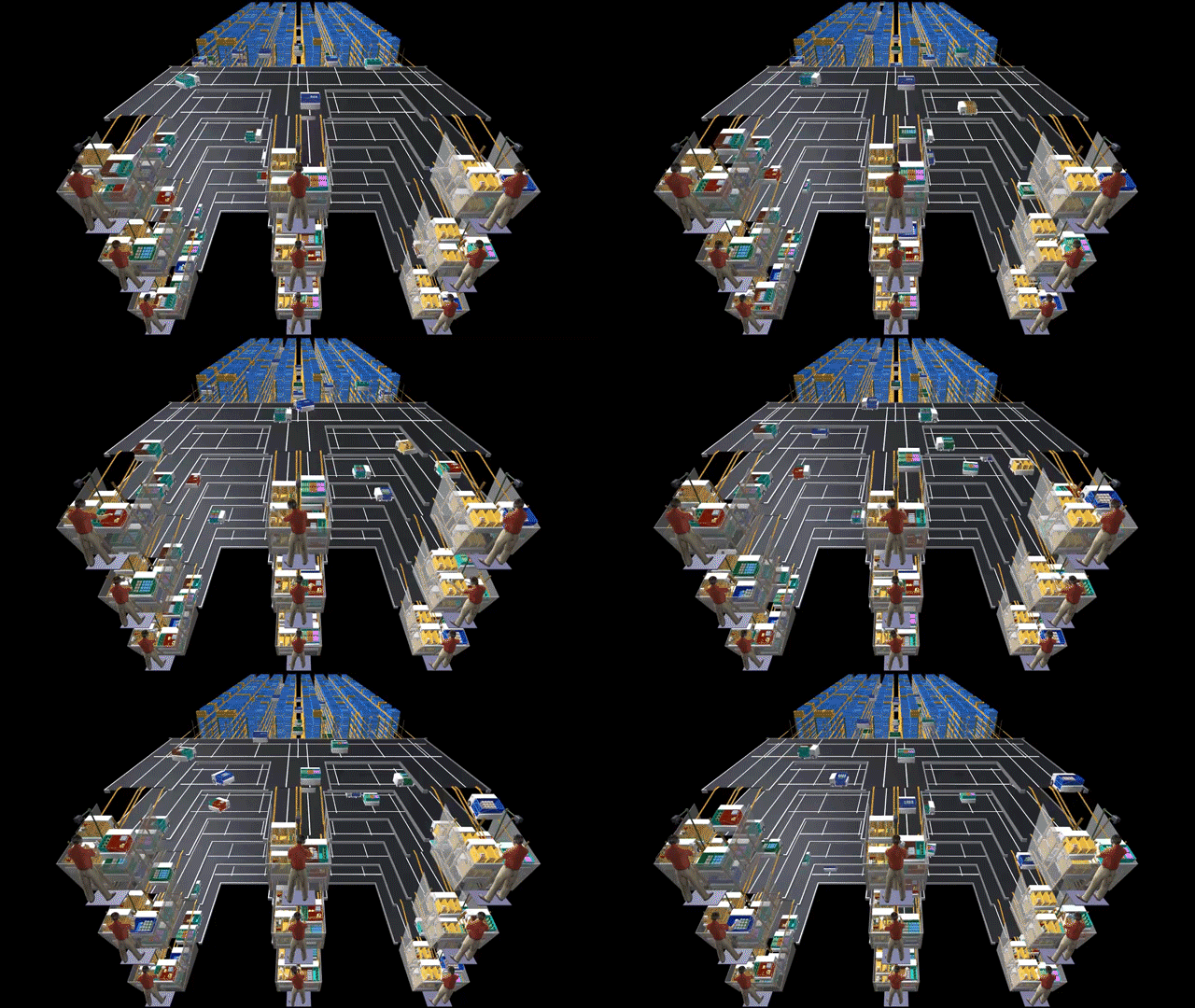
picking stations
human workers
This orchestration layer is increasingly referred to as the Warehouse Operating System (WOS).
What Is a Warehouse Operating System?
A Warehouse Operating System sits between enterprise systems and automation equipment, acting as the central decision engine for the warehouse.
Its role is similar to an operating system in computing.
In a computer:
Computer LayerWarehouse EquivalentOperating SystemWarehouse Operating SystemApplicationsWMS / order systemsDevice driversrobot controllers / automation controllersHardwarewarehouse equipment
The WOS coordinates the movement of inventory, robots, and work across the facility.
A simplified architecture looks like this:
ERP / Order Systems
↓
WMS
↓
Warehouse Operating System
↓
Robot fleets / automation controllers
↓
Equipment
Why This Layer Is Emerging
Several industry trends are driving the emergence of warehouse operating systems.
1. Robotics Proliferation
Modern warehouses may contain multiple robotic technologies:
autonomous mobile robots (AMRs)
shuttle systems
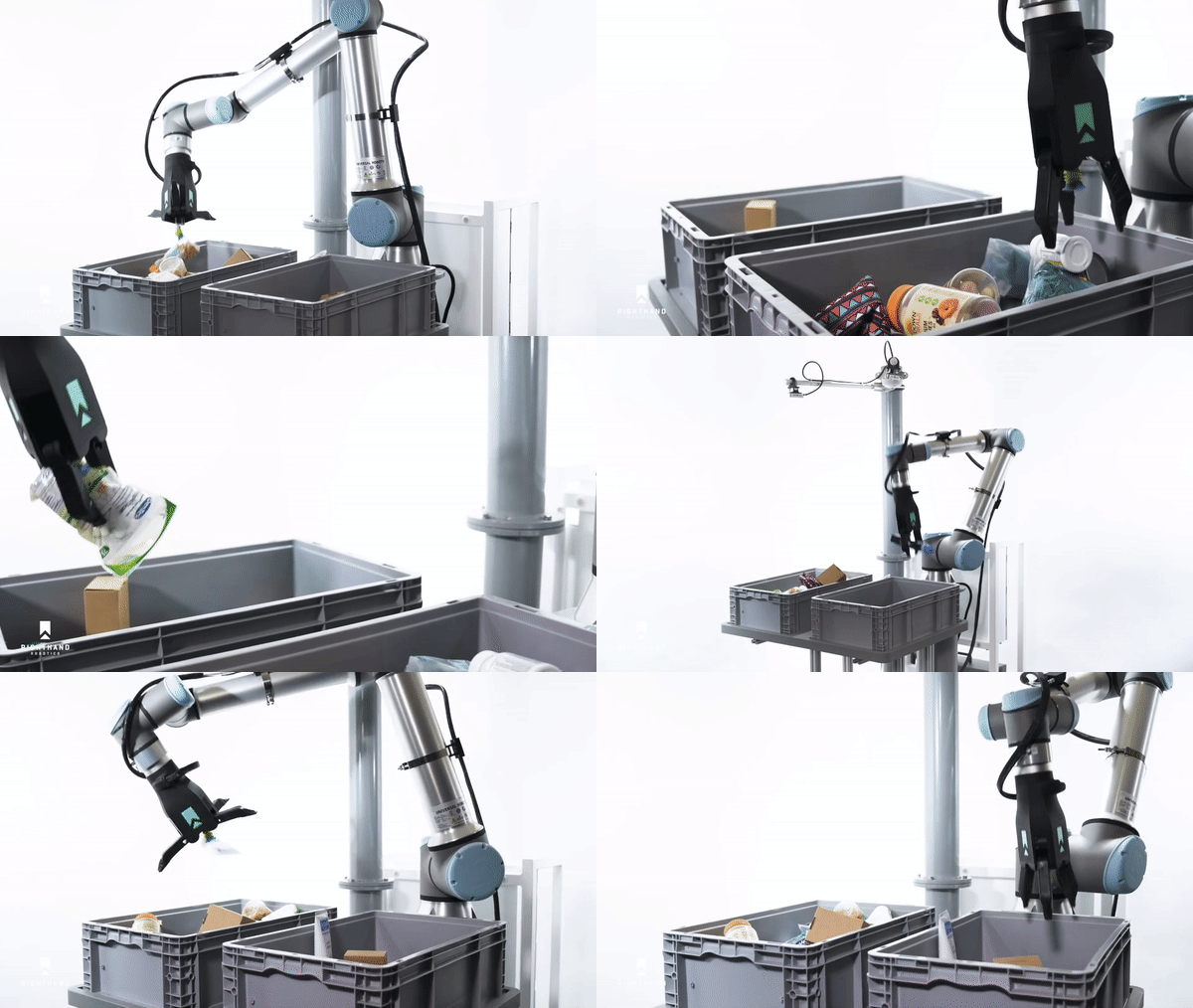
robotic picking arms
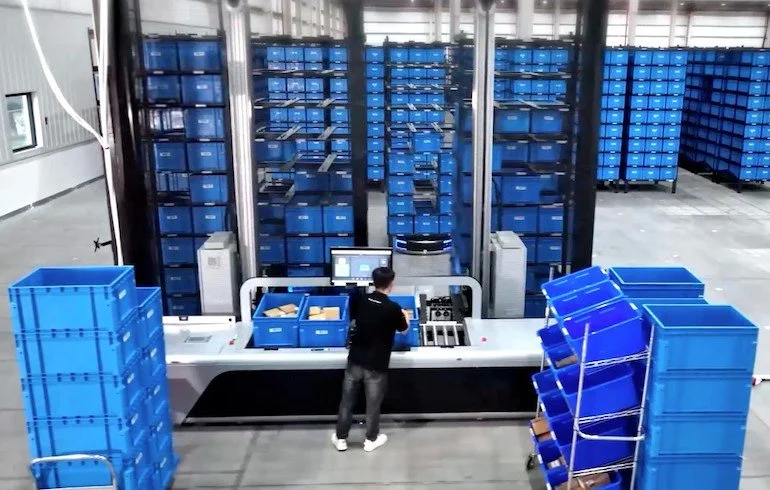
automated storage systems
goods-to-person stations
Coordinating these technologies requires a higher-level orchestration platform.
2. Multi-Vendor Automation Environments
Historically, system integrators delivered entire automation systems from a single vendor.
Today many facilities combine technologies from multiple providers.
A WOS allows these technologies to operate within a common orchestration framework rather than relying on proprietary control systems.
3. Real-Time Optimization
Advanced fulfillment operations increasingly rely on:
dynamic order prioritization
real-time workload balancing
predictive inventory movement
AI-driven decision engines
These capabilities require a platform that can evaluate the entire warehouse system continuously.
4. Faster Innovation Cycles
Warehouse automation technologies are evolving rapidly.
Organizations want the ability to integrate new robotics platforms without redesigning the entire control architecture.
A WOS provides a stable orchestration layer while automation hardware evolves beneath it.
Where WOS Architectures Are Already Appearing
Although the term is still developing, several advanced logistics operators already deploy similar architectures.
For example:
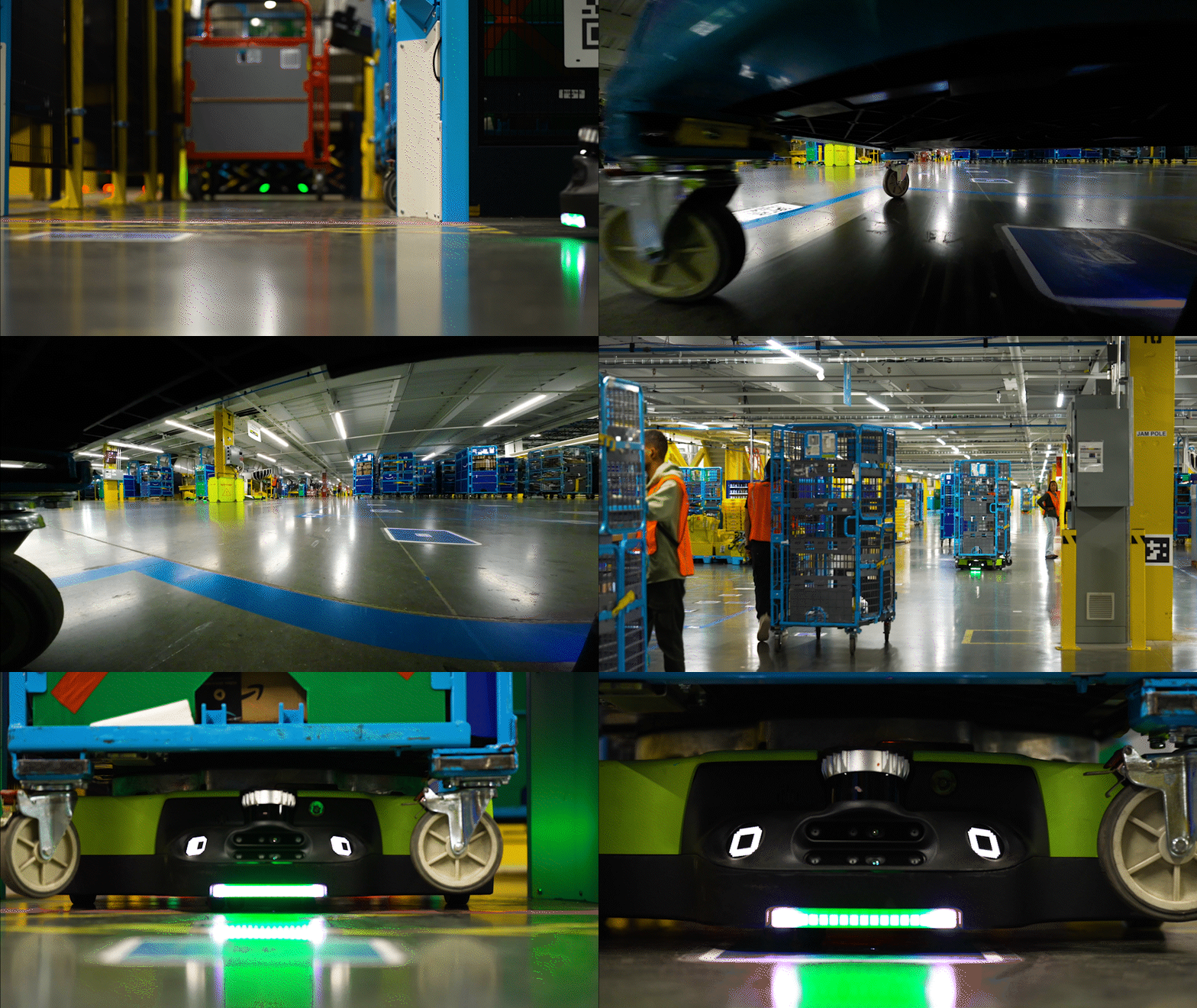
Amazon operates large-scale robotic fulfillment systems coordinated by internal orchestration platforms.
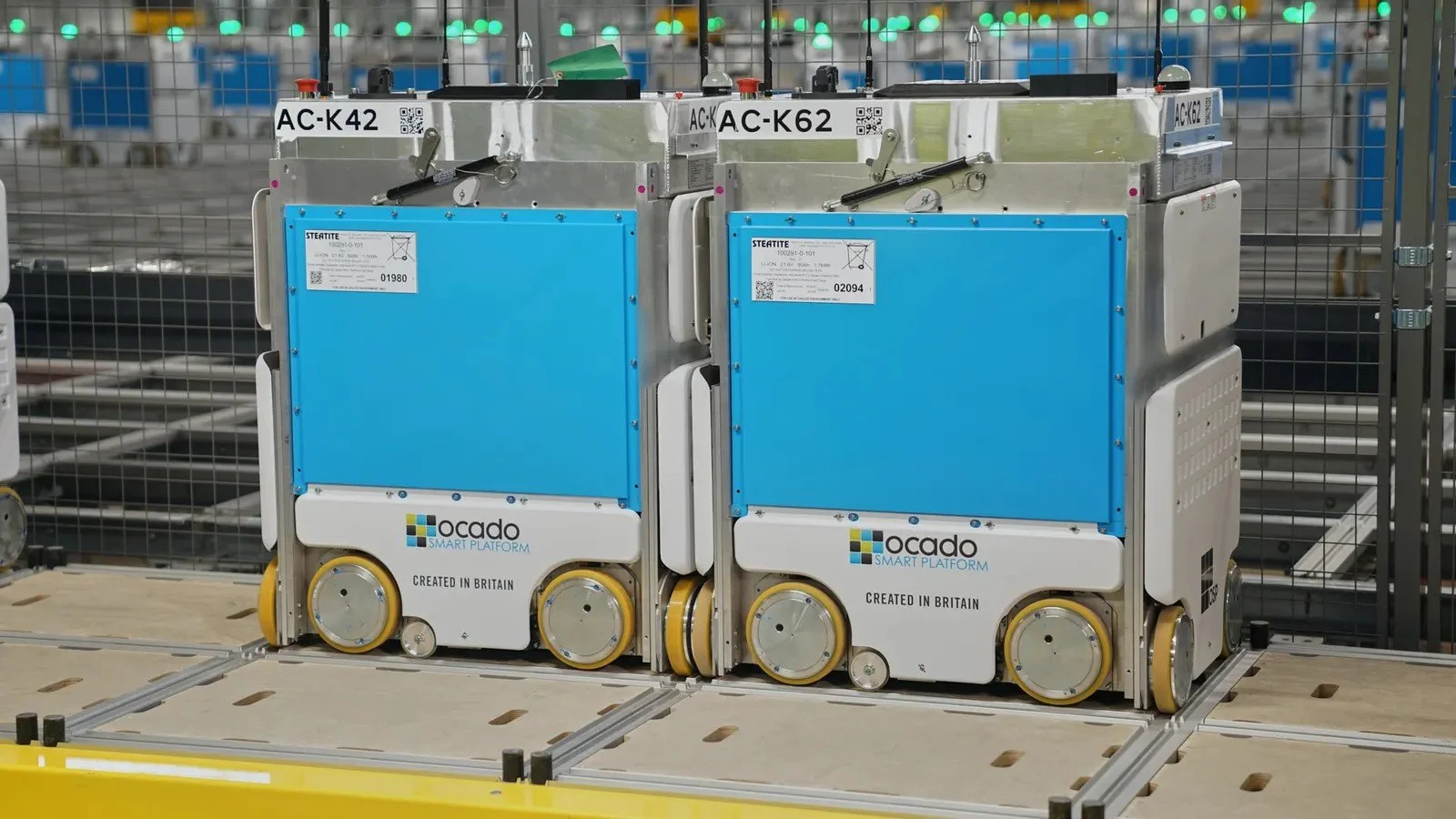
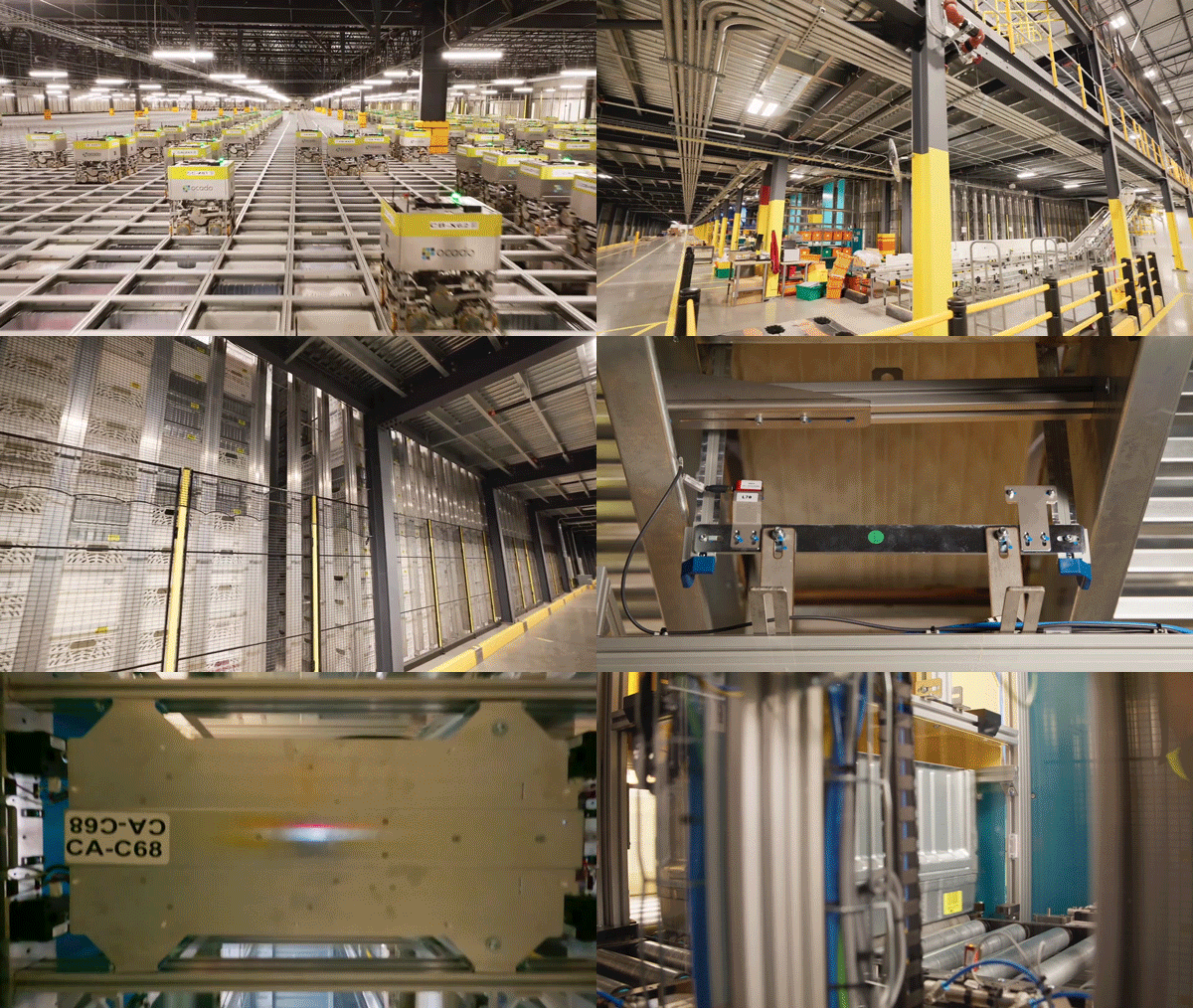
Ocado Group developed the Ocado Smart Platform, which coordinates thousands of robots within automated grocery fulfillment centers.
GXO Logistics has publicly discussed AI-driven orchestration platforms coordinating automation and human workflows.
In these environments, the orchestration layer functions much like a warehouse operating system.
WOS vs. WMS vs. WCS
Understanding how these systems differ helps clarify the WOS concept.
System Primary role
WMS Inventory management and warehouse processes
WCS Equipment-level control and machine routing
WOS System-wide orchestration and optimization
Rather than replacing WMS or WCS platforms, the WOS coordinates them.
What the Future Warehouse May Look Like
As automation becomes more modular and robotics adoption accelerates, warehouse architectures may increasingly resemble software platforms rather than monolithic systems.
A future warehouse stack may look like this:
ERP / commerce platforms
↓
WMS
↓
Warehouse Operating System
↓
robot fleets and automation systems
↓
physical automation equipment
In this model, automation hardware becomes interchangeable components, while the software platform orchestrating them becomes the strategic layer.
Vendor Lock-In and the Control Layer Question
One of the less discussed drivers behind the emergence of warehouse operating systems is control over the software architecture of automated facilities.
Historically, most large automation projects were delivered by system integrators who provided not only the physical equipment but also the warehouse control software responsible for orchestrating the system.
In many cases this meant the integrator’s WCS or WES platform became the central decision layer of the warehouse.
While this approach simplified project delivery, it also created a structural dependency. Over time, adding new technologies, integrating additional robotics platforms, or modifying workflows often required changes to software that only the original integrator could modify.
As warehouses adopt a growing mix of technologies — including AMRs, shuttle systems, robotic picking arms, goods-to-person systems, and automated storage — many organizations are reconsidering how much control should reside in proprietary vendor platforms.
A warehouse operating system approach introduces the possibility of decoupling the orchestration layer from individual automation vendors.
In this architecture, the orchestration platform coordinates multiple automation technologies while individual systems focus on executing machine-level operations.
For organizations planning long-term automation roadmaps, the question of who controls the orchestration layer may become one of the most important architectural decisions.
Final Thoughts
Warehouse automation is entering a new phase.
The challenge is no longer simply connecting machines to software. It is coordinating complex ecosystems of robots, automation technologies, and human workflows.
The Warehouse Operating System represents an emerging approach to solving that challenge.
As robotics adoption grows and warehouses become increasingly software-defined, the role of this orchestration layer is likely to become one of the most important architectural decisions in modern fulfillment systems.







At Hannover Messe 2026, SAP and Vodafone showcased a pilot conducted at Vodafone’s warehouse in Duisburg,