
Humanoid Robots in Warehouses: Productivity, Perception, and Operational Reality
Recent commentary from one of China’s leading humanoid robot manufacturers offers a useful reality check for the logistics and warehouse automation industry.
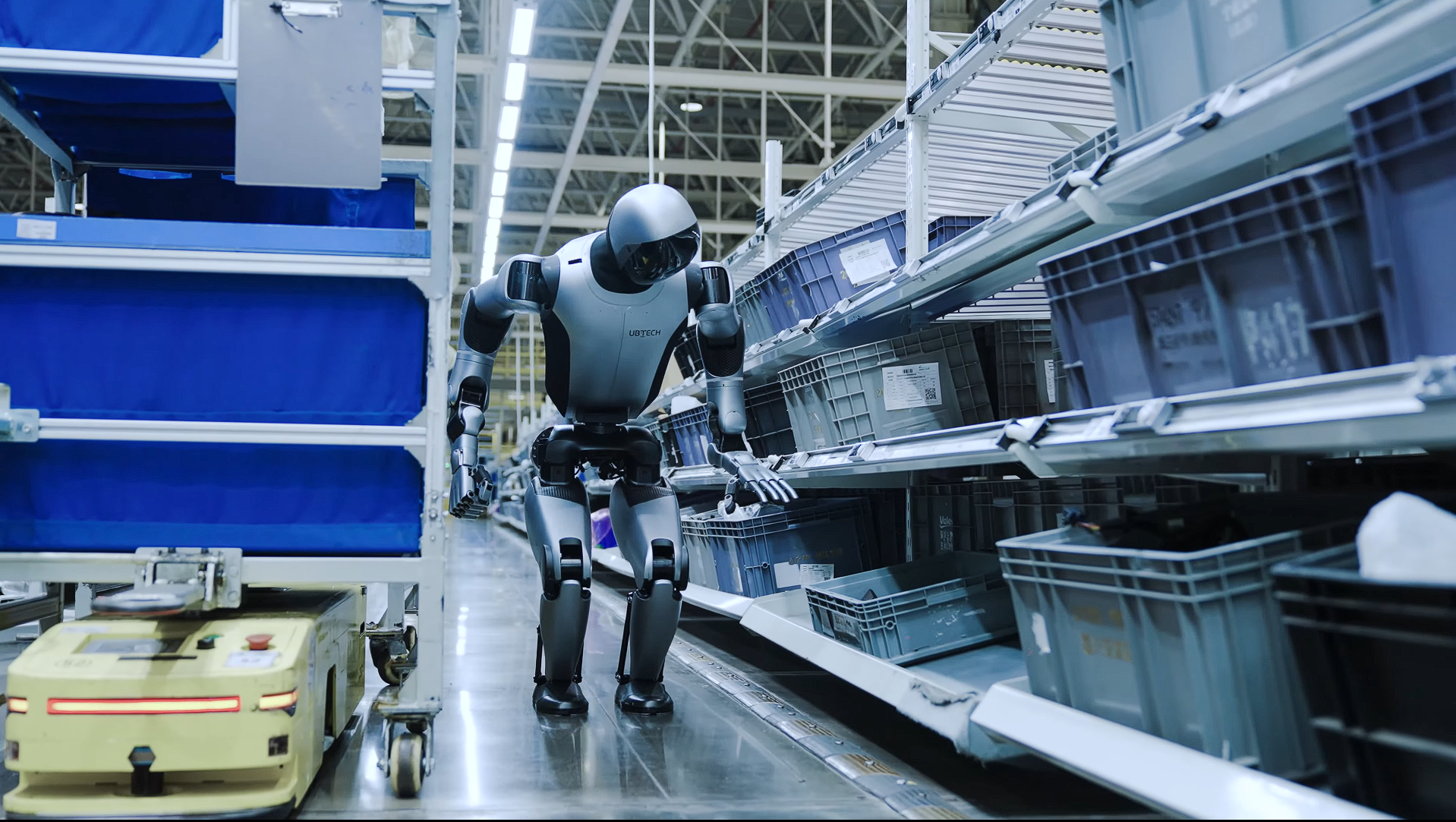
UBTech, a Shenzhen-based humanoid robotics company with partnerships including BYD and Foxconn, has publicly acknowledged that its latest humanoid robots currently achieve only 30–50% of human productivity, and only in tightly constrained tasks such as box stacking and basic quality inspection.
While this admission has drawn attention in manufacturing circles, its implications are particularly important for warehousing and logistics operations, where productivity, throughput, and reliability are unforgiving metrics.
Warehouses Don’t Pay for “Human-Like” — They Pay for Throughput
Warehouse automation has never been about building machines that resemble humans. It has been about moving cartons, totes, pallets, and SKUs as efficiently, predictably, and economically as possible.
In this context, a humanoid robot operating at half the productivity of a human picker raises immediate questions:
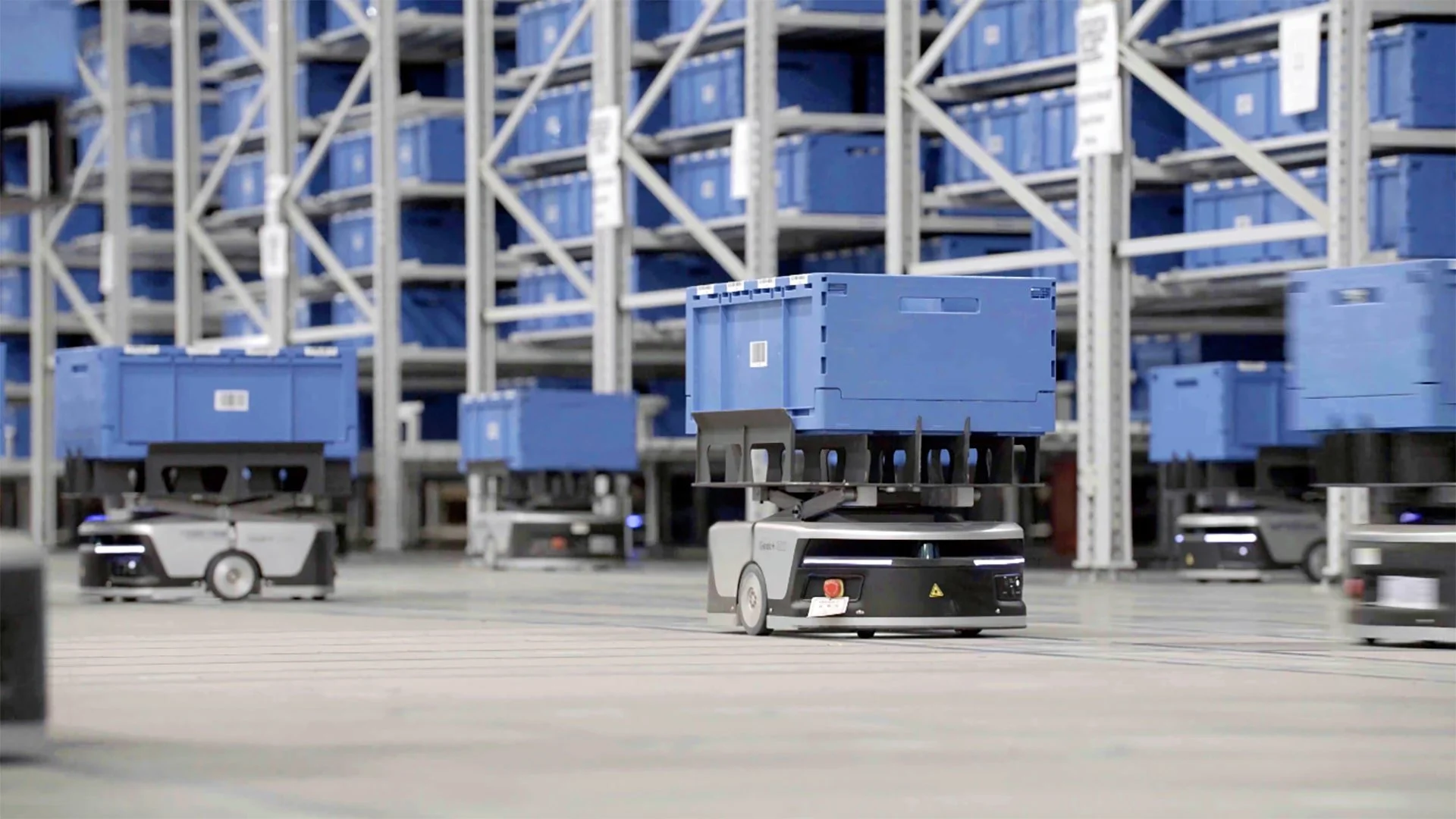
How does this compare to AMRs, conveyors, sorters, or shuttle systems?
What is the effective cost per pick, per move, or per hour?
How many humanoids would be required to match the throughput of one task-optimized system?
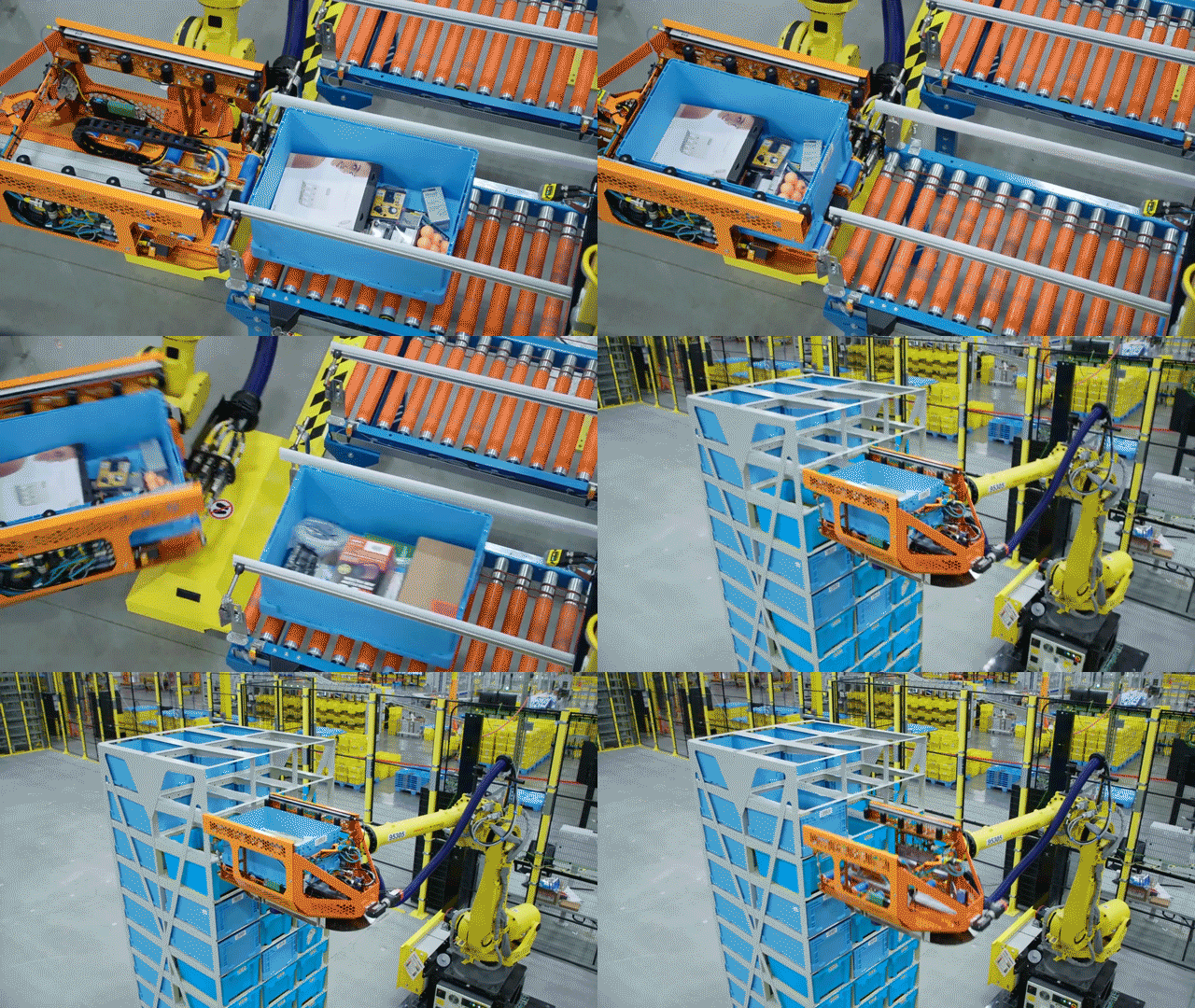
For most warehouse workflows—case picking, palletizing, replenishment, goods-to-person, cross-docking—the answer is uncomfortable: humanoid robots are competing against systems that already outperform humans by a wide margin, not merely match them.
Flexibility Sounds Attractive — Until You Model It
Proponents of humanoid robots often argue that their ability to operate in “human-designed” environments makes them ideal for brownfield warehouses. In theory, this flexibility avoids major infrastructure changes.
In practice, warehouses are not neutral environments.
They involve:
Various aisles
Congested intersections
Variable floor conditions
Tight cycle-time constraints
Safety separation between humans and machines
A humanoid robot must balance dynamically, carry its own power supply, coordinate dozens of actuators, and make real-time decisions in environments that are far more chaotic than factory demos suggest.
Each of these challenges adds variability—something warehouse operations work relentlessly to eliminate.
The Hidden Cost: Reliability, Not Intelligence
In logistics, downtime matters more than intelligence.
A robot that is theoretically versatile but operationally fragile introduces risk:
Battery limitations
Mechanical wear across many joints
Recovery complexity when faults occur
Slower mean time to repair compared to simpler systems
Even UBTech has acknowledged that its current humanoids require manual intervention to switch end effectors for different tasks—undercutting the idea of seamless general-purpose labor.
This is not a software problem alone. It is a physics, maintenance, and systems-engineering problem.
Proof-of-Concept Is Not Throughput
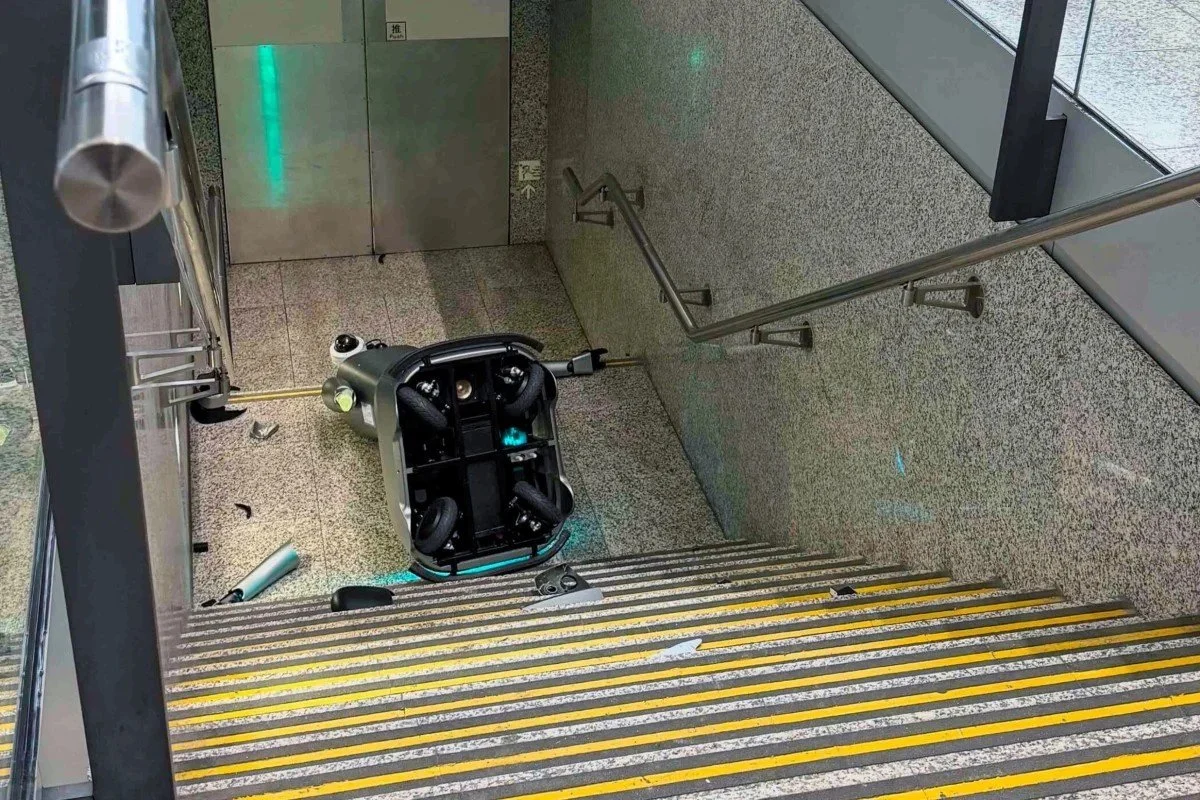
Many humanoid robot deployments today remain at proof-of-concept or demonstration stage, often in controlled or government-supported environments.
That matters.
Warehouse automation systems are not evaluated on whether they can perform a task once—but whether they can do it:
20 hours a day
Across seasonal peaks
With predictable performance
At scale
Analysts have correctly noted that most humanoid deployments tell us little about commercial viability in live warehouse operations. A robot carrying a box in a demo video is not the same as sustaining thousands of picks per hour across multiple zones.
80% Human Productivity Is Not the Benchmark Warehouses Use
UBTech has stated a goal of reaching 80% of human productivity by 2027, with the argument that robots do not need breaks or holidays.
But this framing misses how warehouses actually make automation decisions.
The benchmark is not human productivity.
The benchmark is system productivity per dollar invested.
In most logistics environments:
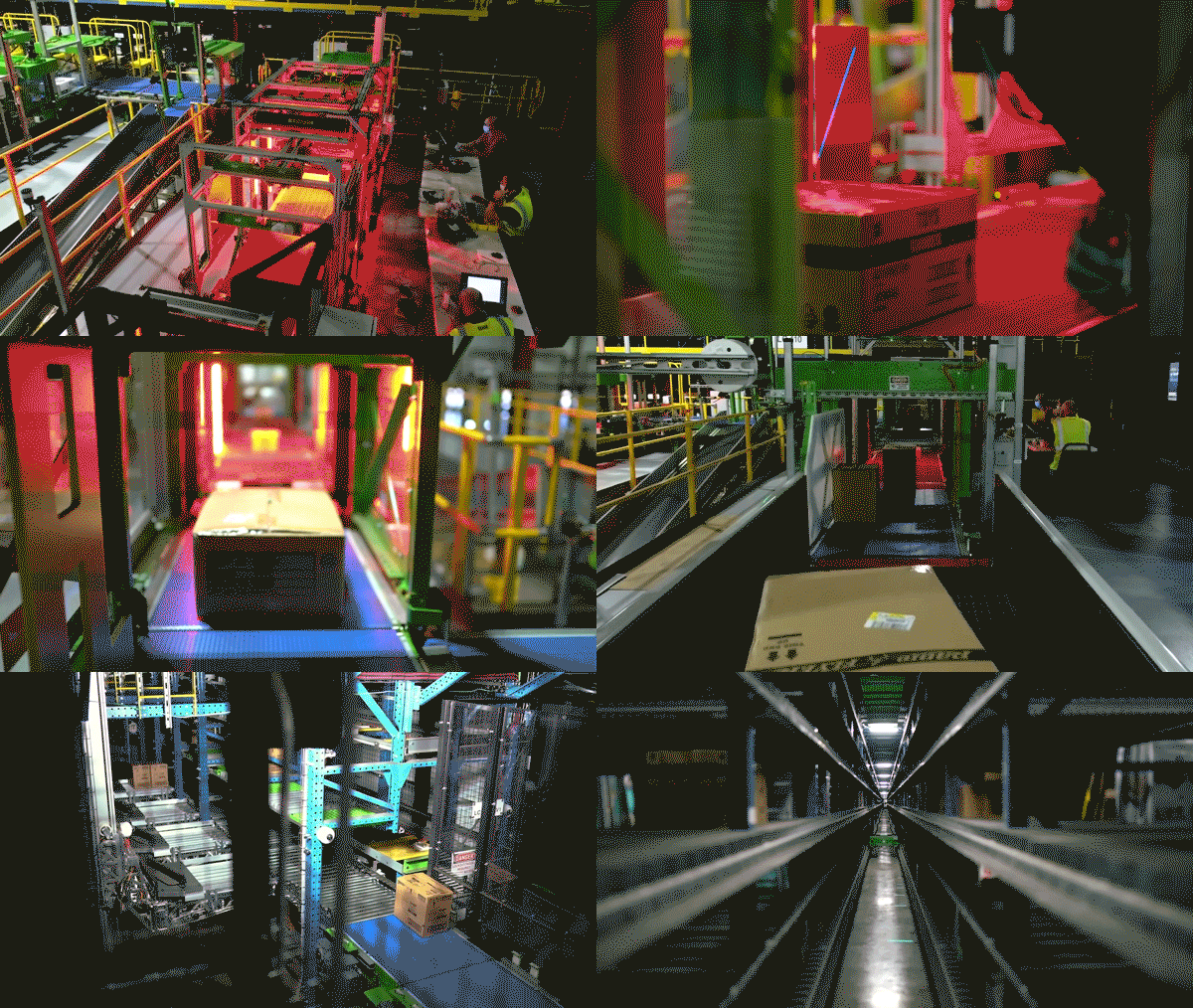
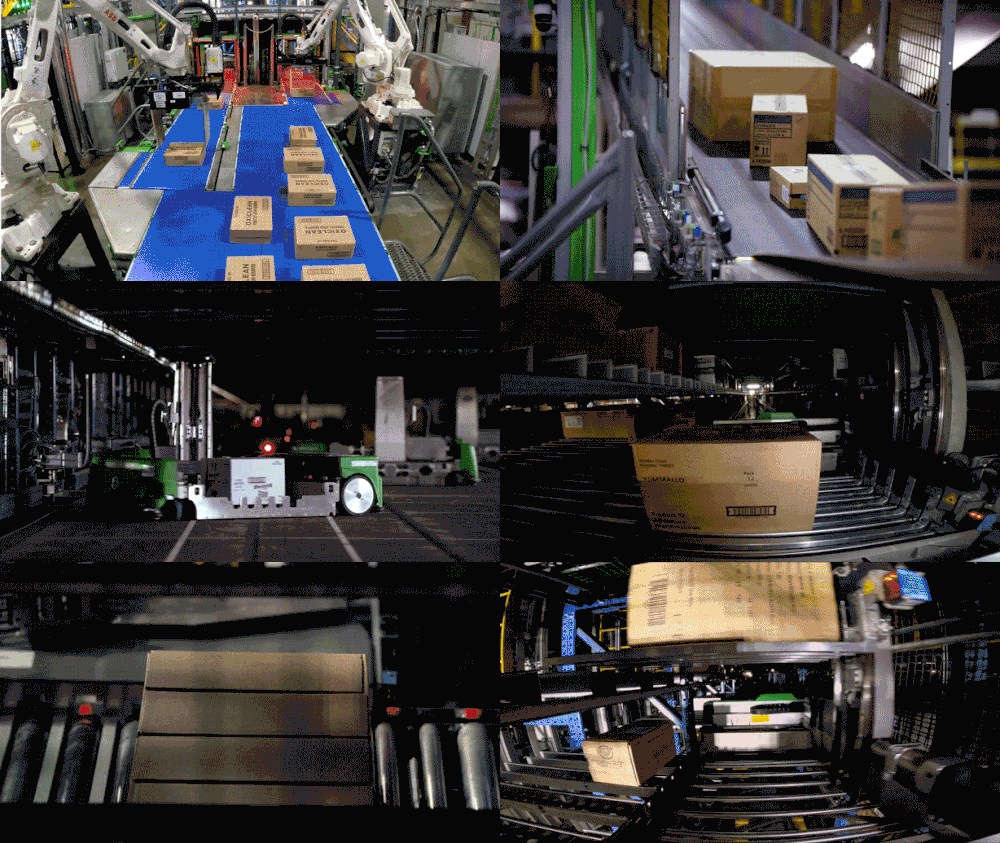
Conveyors don’t get tired
Sorters don’t call in sick
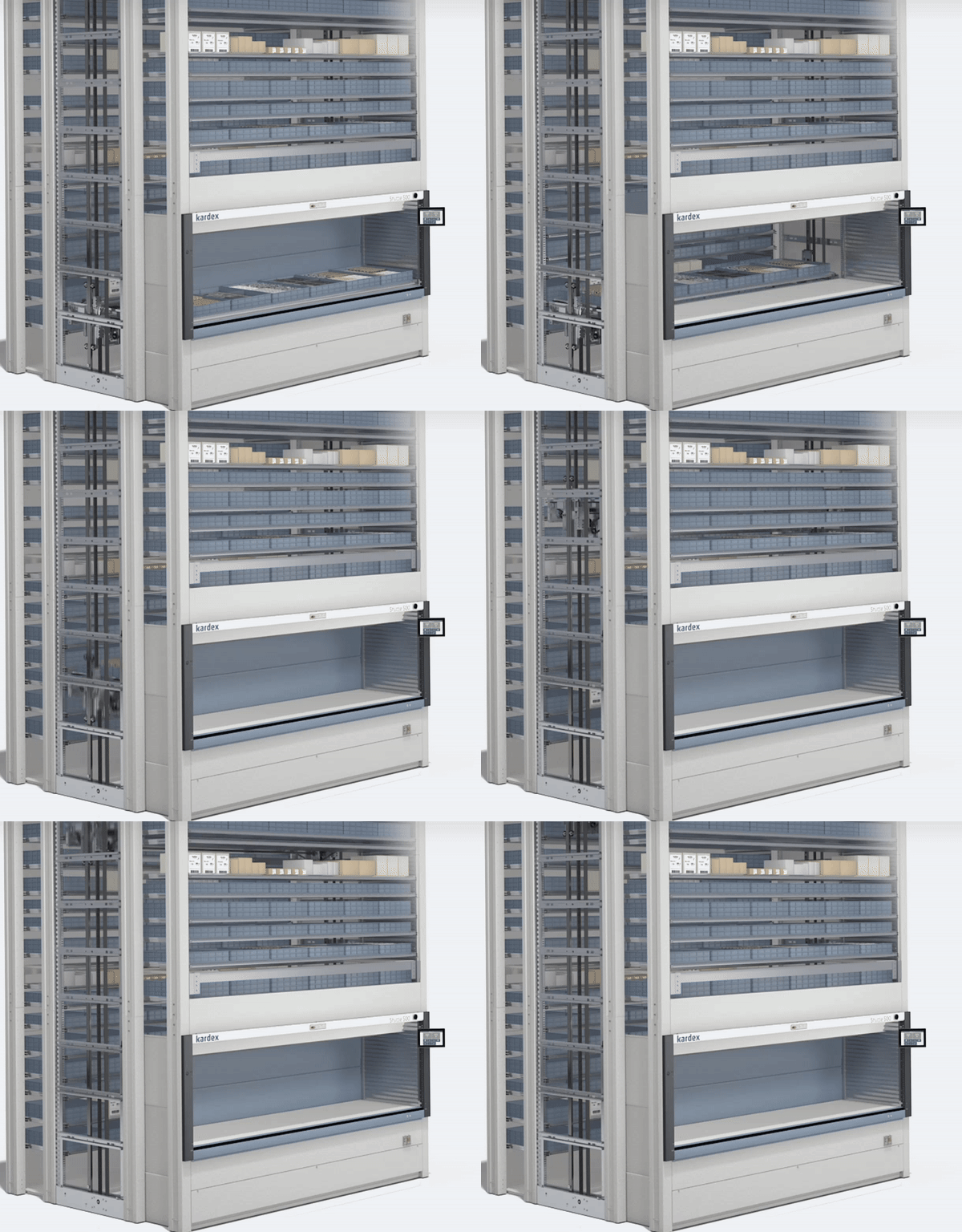
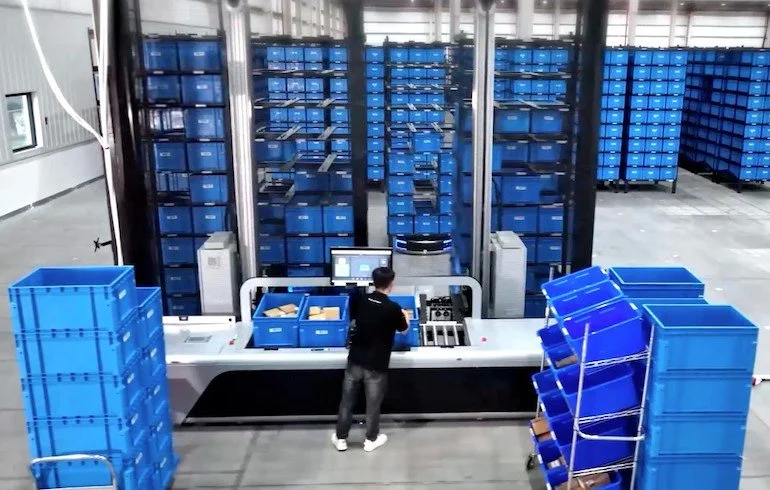
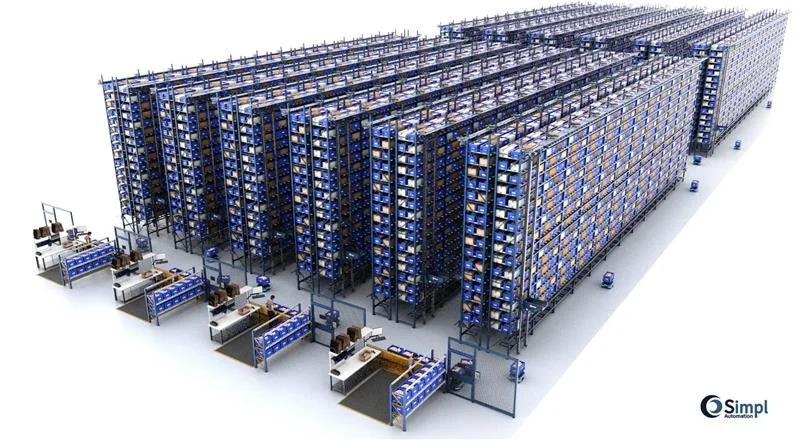
ASRS systems don’t suddenly need to be reset
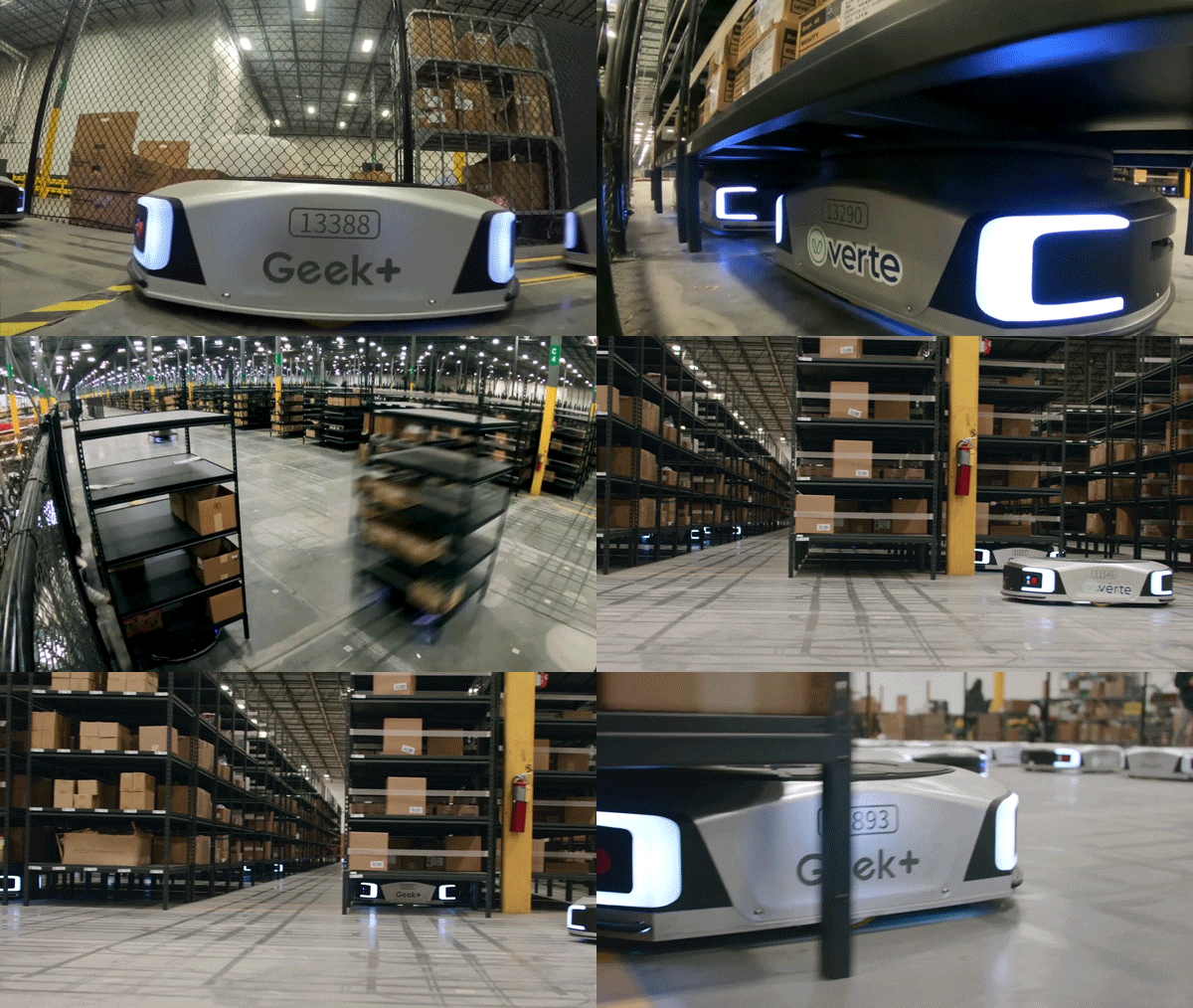
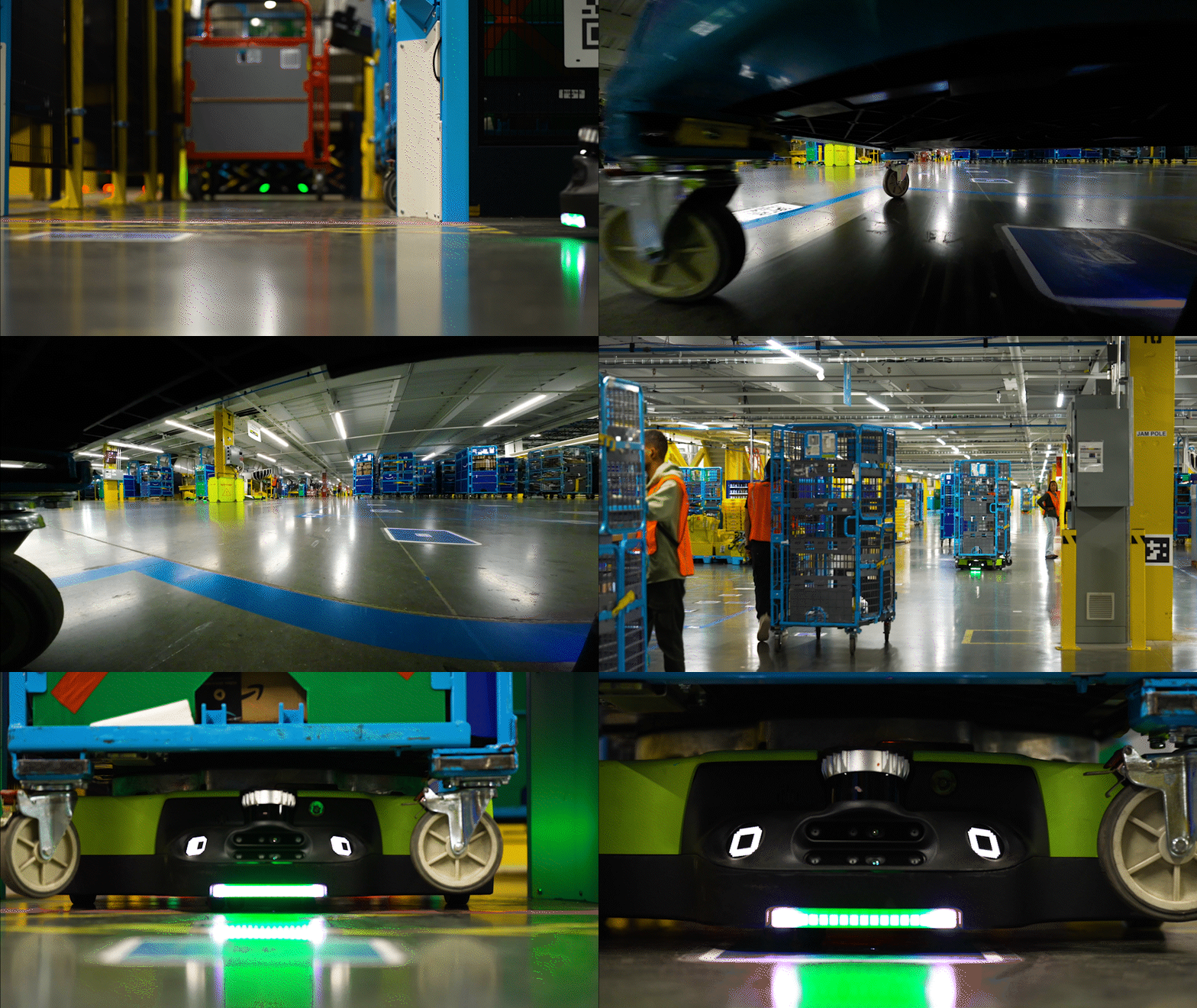
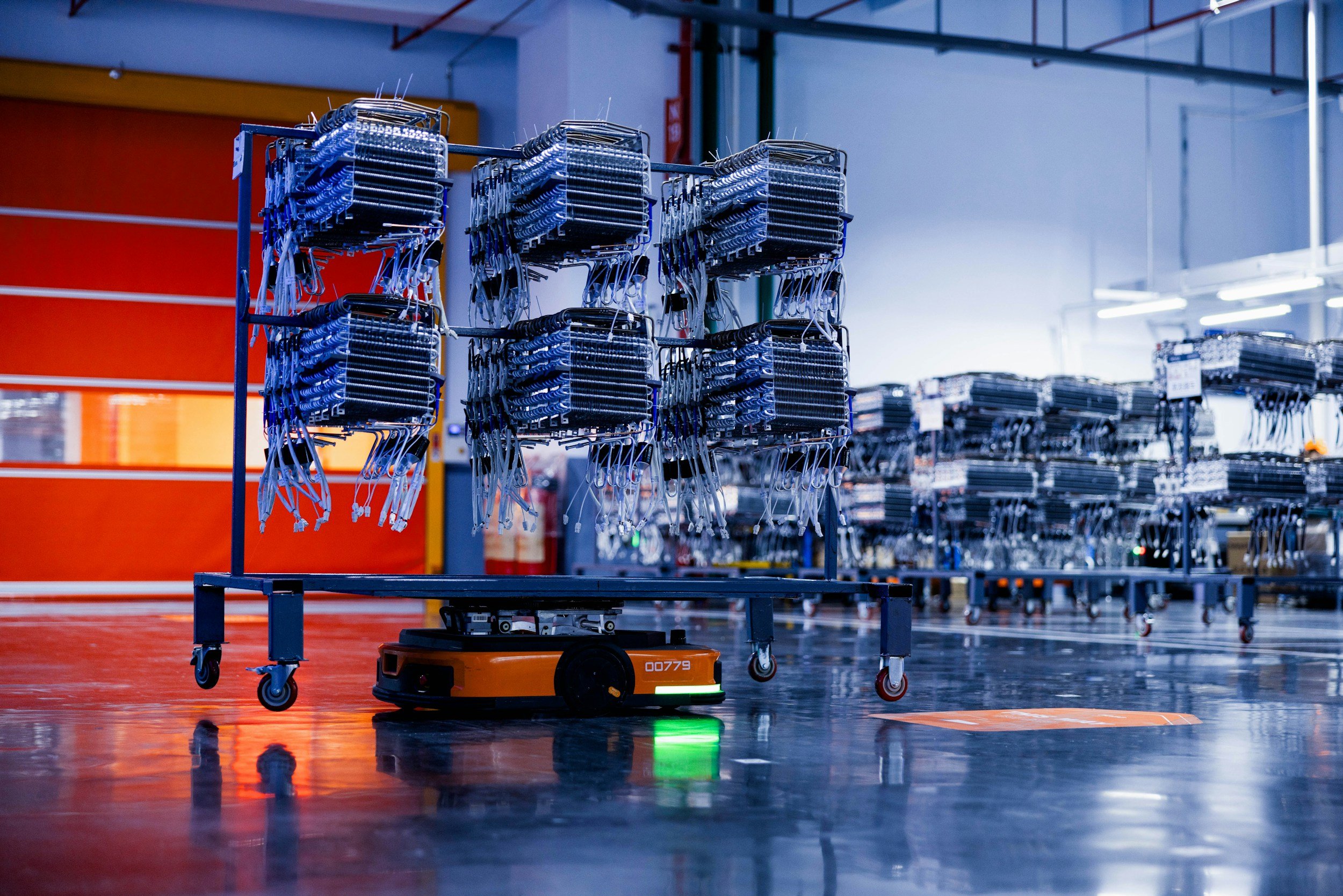
AMRs don’t replicate human joints because they don’t need to
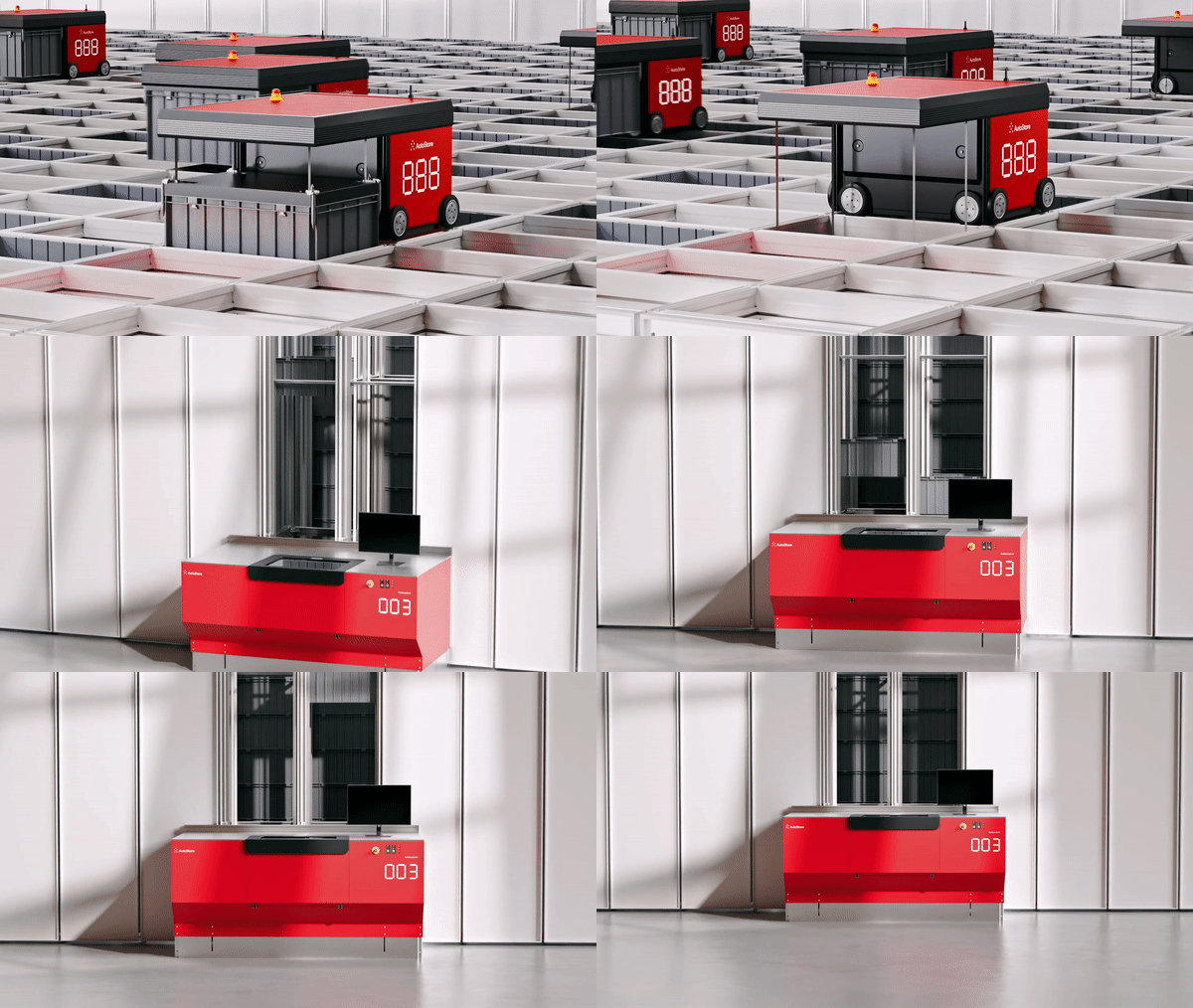
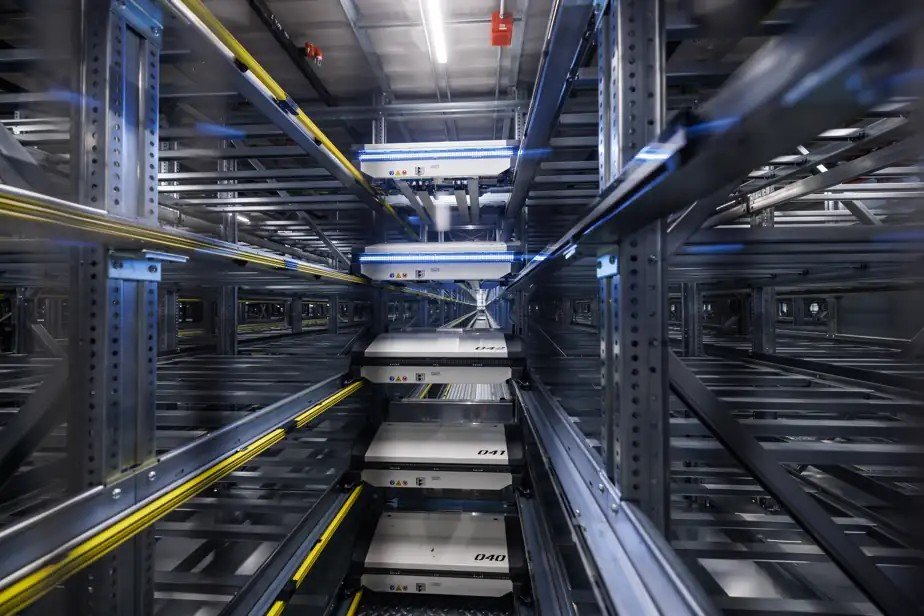
Humanoid robots are not competing against people—they are competing against decades of highly optimized material-handling systems.
Where Humanoids Might Make Sense
There are limited scenarios where humanoid robots could eventually find a role in logistics:
PR or marketing goals to use in companies’ social media.
Highly constrained brownfield sites with no automation infrastructure
Low-throughput, high-variability tasks
Environments where retrofitting is prohibitively expensive
Even in these cases, success will depend less on humanoid form factors and more on integration, orchestration software, and reliability engineering.
The Bigger Question Warehouses Should Be Asking
The real question is not whether humanoid robots will improve—they will.
The question is whether humanoid form factors are the right abstraction for warehouse work at all.
Warehousing is about flow, not resemblance.
About predictability, not novelty.
About systems, not individual machines.
Until humanoid robots can demonstrate sustained, measurable advantages over task-optimized automation in live warehouse environments, they remain an interesting technology—not yet an operational answer.






At Hannover Messe 2026, SAP and Vodafone showcased a pilot conducted at Vodafone’s warehouse in Duisburg,