
AI-powered robots are popping up across Silicon Valley. If some industry experts are right, they could help solve a global labor shortage.
Companies like Tesla, Amazon, Microsoft and Nvidia have plowed billions of dollars into what are known as “humanoid” robots. These machines typically stand on two legs, and are designed to perform tasks meant for people.
For now, they’re being deployed in warehouses. But proponents say the possibilities extend well beyond fulfillment centers. These bots could eventually work alongside people, in homes and offices.
Tesla CEO Elon Musk has been among the leading evangelists. The electric vehicle maker is betting on its Optimus robot, which Musk argues are “going to transform the world to a degree even greater than the cars.”
During the company’s first-quarter earnings call, Musk said Optimus could propel it to a $25 trillion market cap and that it will amount to “a majority of Tesla’s long-term value.” Amazon has backed Agility Robotics, and is already deploying its Digit robots in fulfillment centers.
The market for humanoids is set to balloon to $38 billion in the next 20 years, according to an analysis by Goldman Sachs. The firm predicts these robots will be the next “must-have” device, not unlike smartphones or EVs. Goldman also say humanoids may be “vital for manufacturing and dangerous work, but they would also help with elderly care and fill in for labor shortages in factories.”
AI boost
These human-like robots have been around for decades. But there’s a renewed optimism in the industry, thanks to recent leaps in artificial intelligence. The same technology behind OpenAI’s ChatGPT is enabling robots to interpret language and commands, and make decisions on how to act. The machines use computer vision and, similar to humans, train in real world scenarios.
“Robotics is where AI meets reality,” Henrik Christensen, professor of computer science and engineering at University of California at San Diego, told CNBC. “That makes for some very interesting new combinations that I think even five years ago, we could not imagine.”
A global labor shortage is another key to recent interest in humanoids. In the U.S. alone, there are roughly 8.5 million jobs, according to the U.S. Chamber of Commerce. The gap is especially deep in manufacturing, where Goldman estimates there’s a shortage of 500,000 people, set to grow to 2 million workers by 2030. Proponents say robots are filling jobs that are monotonous and dangerous.
“We’re starting in what we call the dull, dirty, dangerous tasks, these tasks where we have big labor shortages today, where we don’t have people to do this work,” said Jeff Cardenas, CEO and co-founder of robot startup Apptronik.
Competition is global. China already dominates the industry, passing Japan in 2013 as the world’s largest installer of industrial robots, and now accounts for more than half the world total, according to Stanford’s AI Index Report.
“The Chinese market is the biggest in the world,” said Tom Andersson, principal analyst at Styleintelligence, adding that the only other company in the West that has anything similar to what China is producing is Amazon. “But Chinese companies are catching up fast.”
Still, there are roadblocks. The machines are expensive, and there are safety concerns about giving robots free rein in factories.
“When it comes to mass adoption or even something closely resembling mass adoption, I think we’ll have to wait quite a few years. Probably a decade at least,” said Andersson. “Sorry, Musk.”
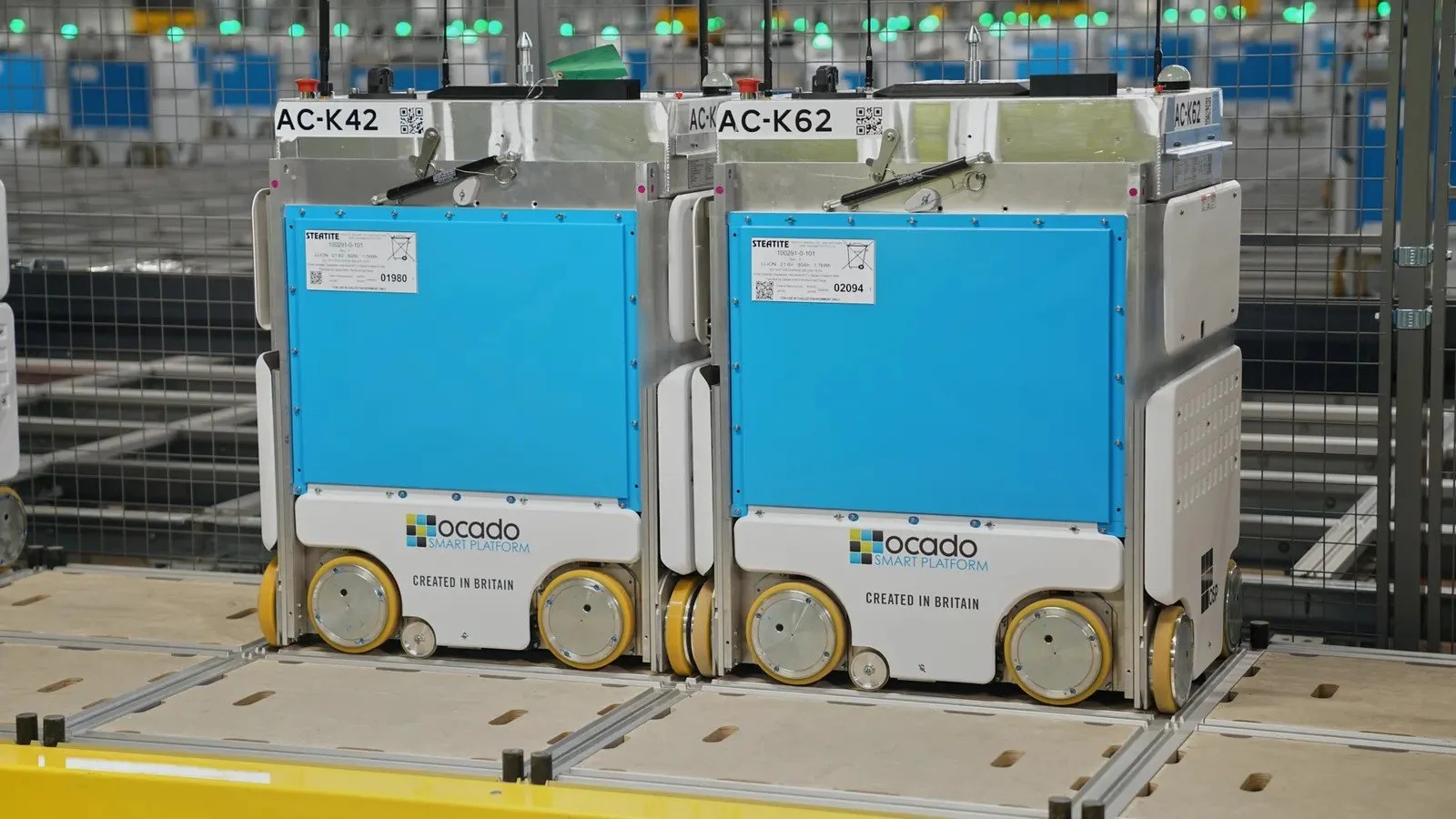
The remarkable Kroger–Ocado story continues to generate extraordinary chapters rarely seen in supply chain distribution, automation and robotics—a story that will likely be studied for years.
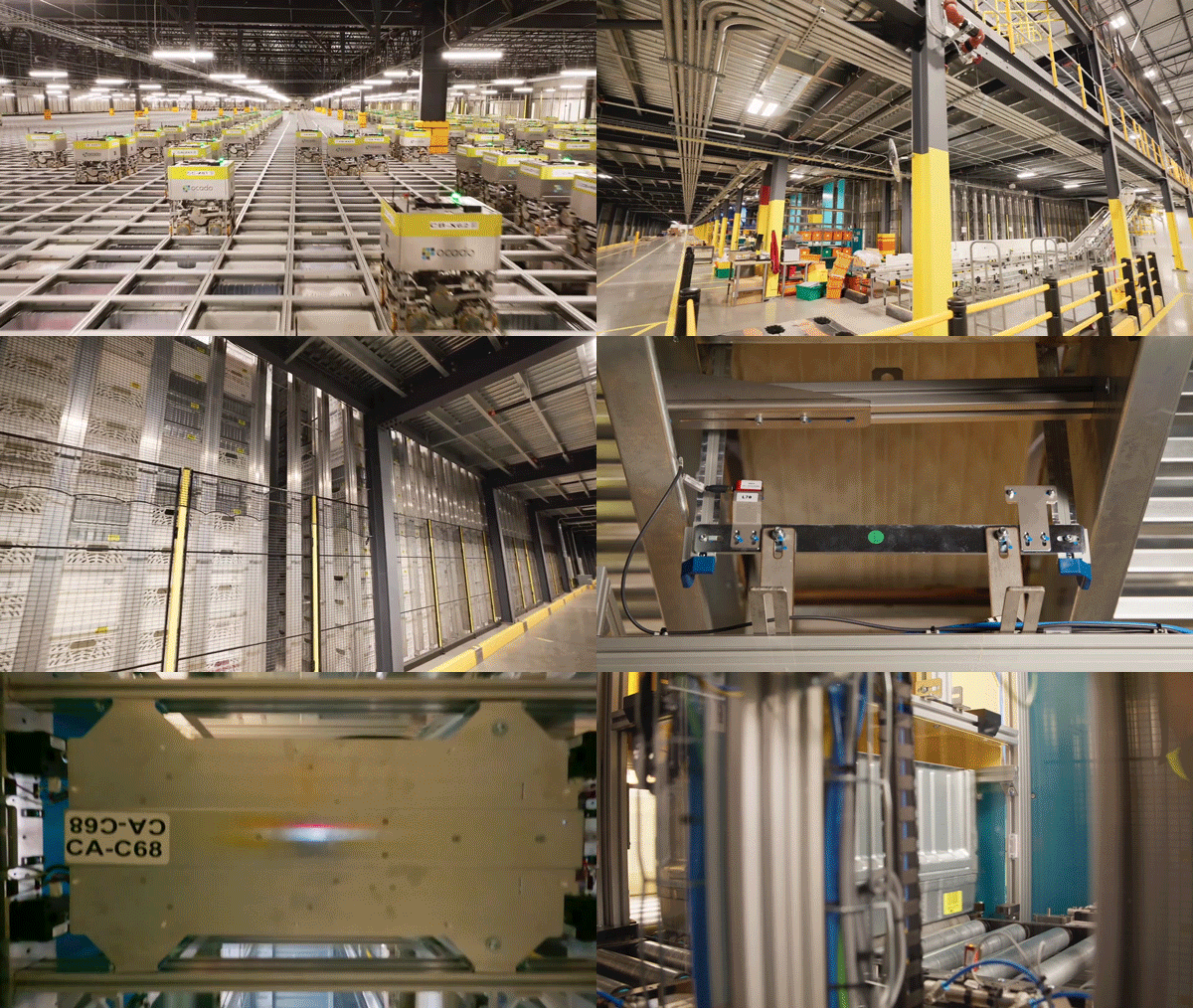
Flexport has opened its first fully automated fulfillment center just outside Chicago.
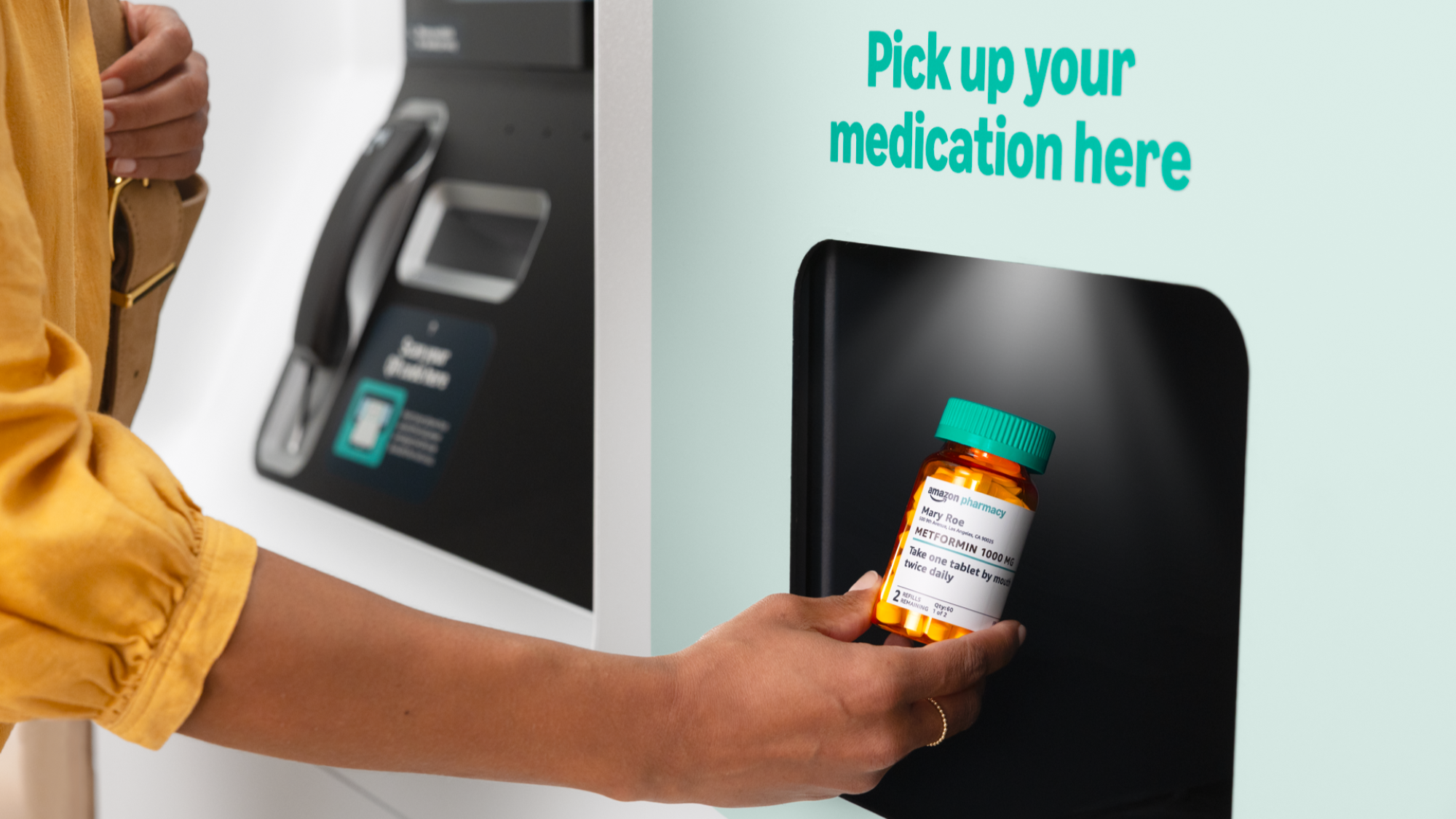
Last year, Amazon Pharmacy debuted pharmacy kiosks—somewhat like vending machines—for quick and convenient prescription fills.

The Los Angeles-based activewear firm is moving into an existing building and will occupy up to 1.2 million square feet
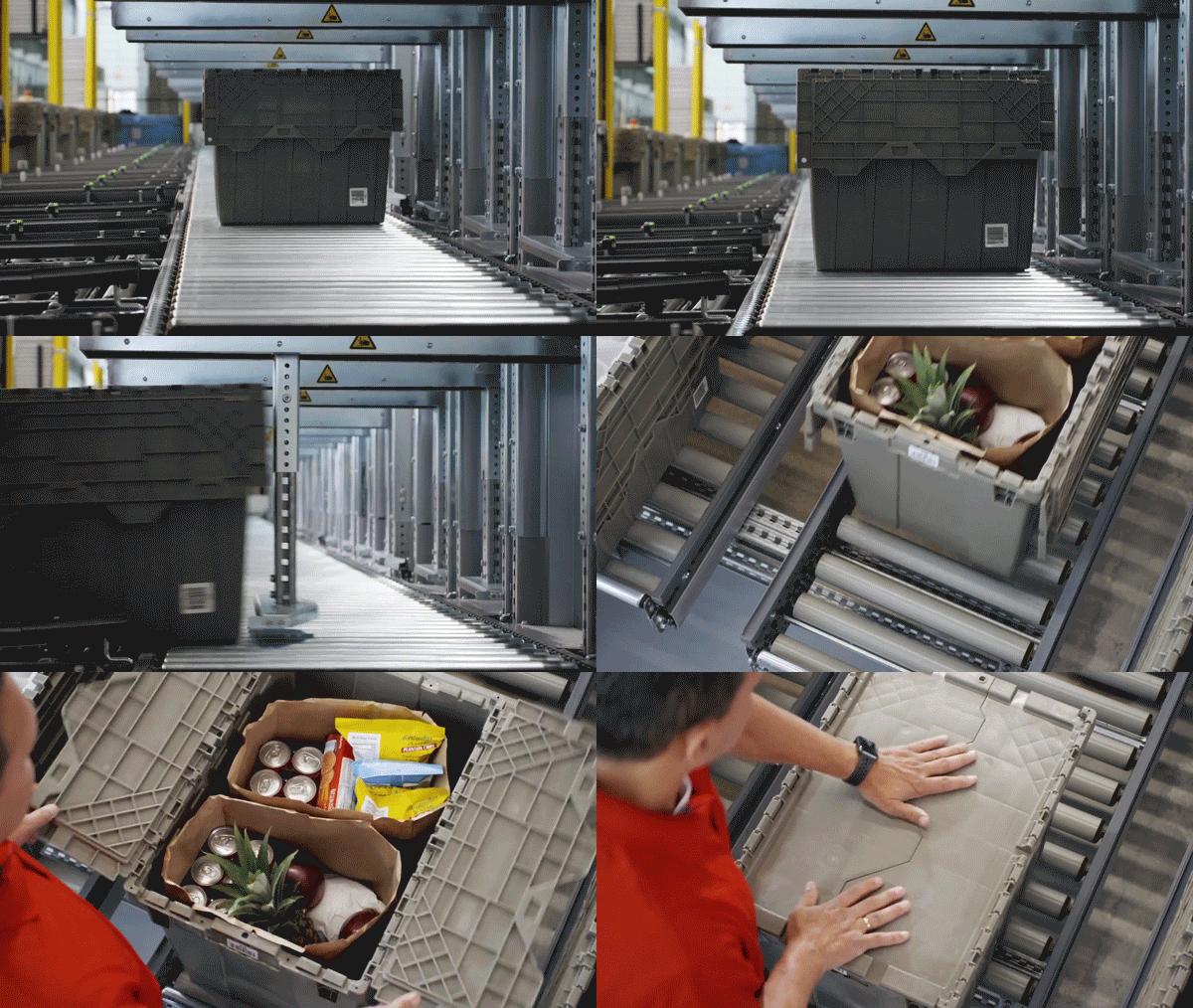
750,000 sq. ft. Metro Vancouver food distribution terminal could strengthen Canada's food security
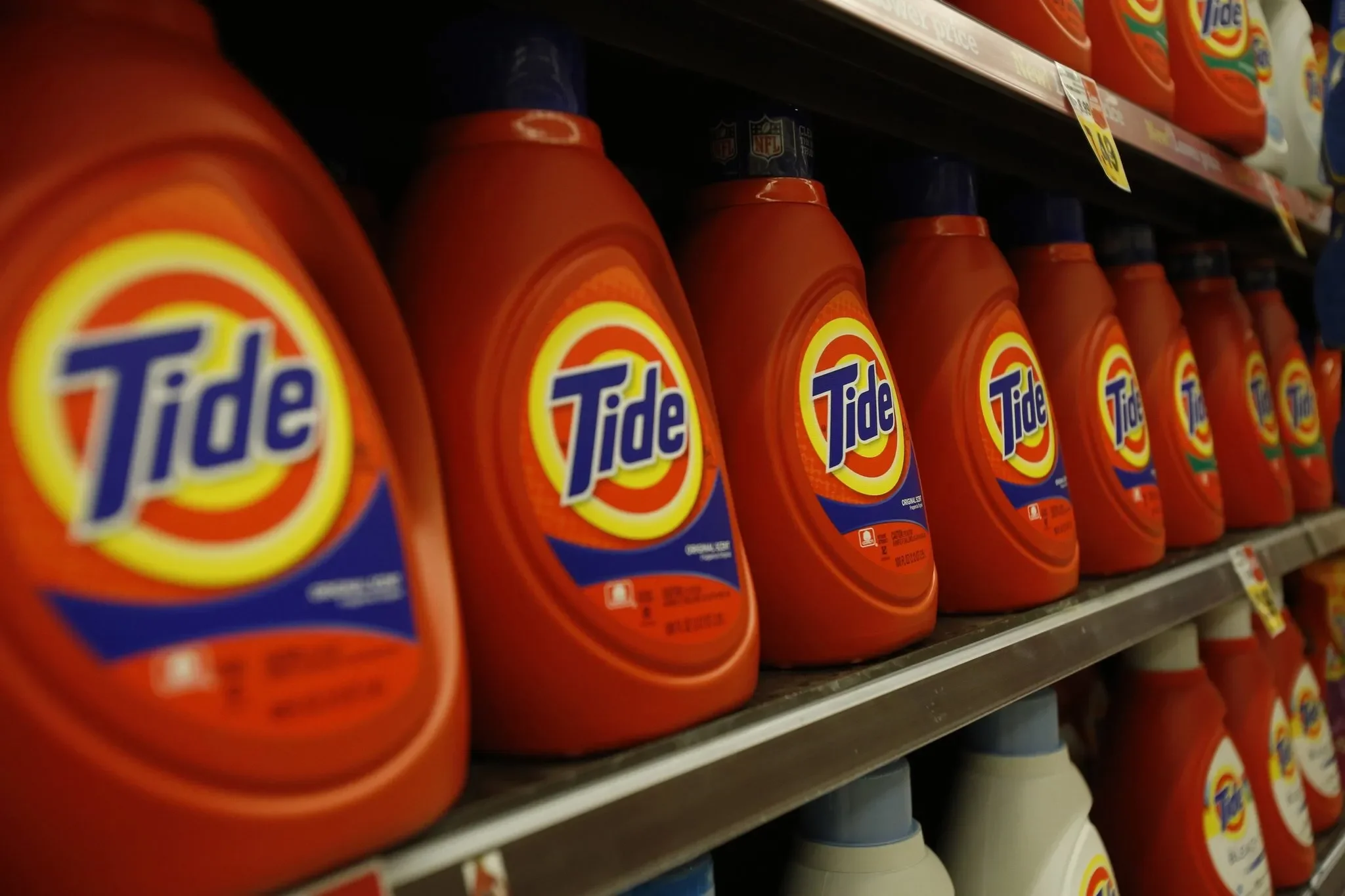
Procter & Gamble (P&G) is pursuing an ambitious expansion of robotics and automation across its global manufacturing and distribution network
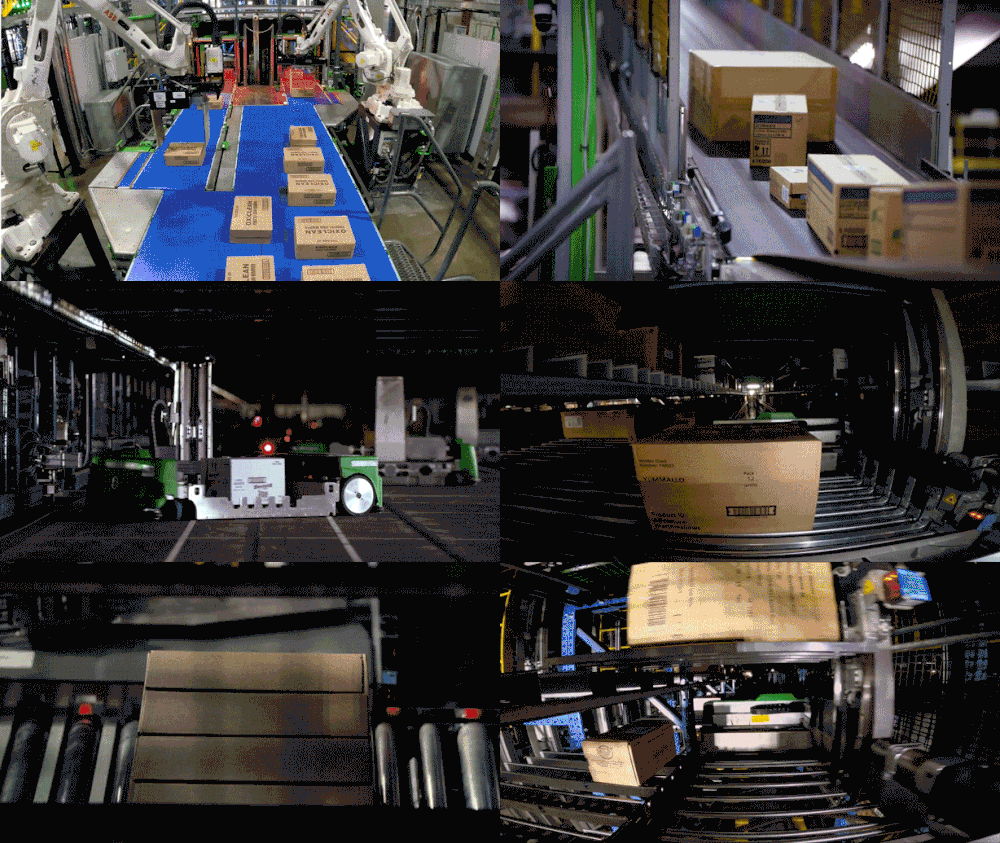
Symbotic became the largest warehouse automation vendor in the Americas by market share in 2025, overtaking several established providers

Pattison Food Group Modernizes Langley Distribution Centre with Advanced Grocery Automation.
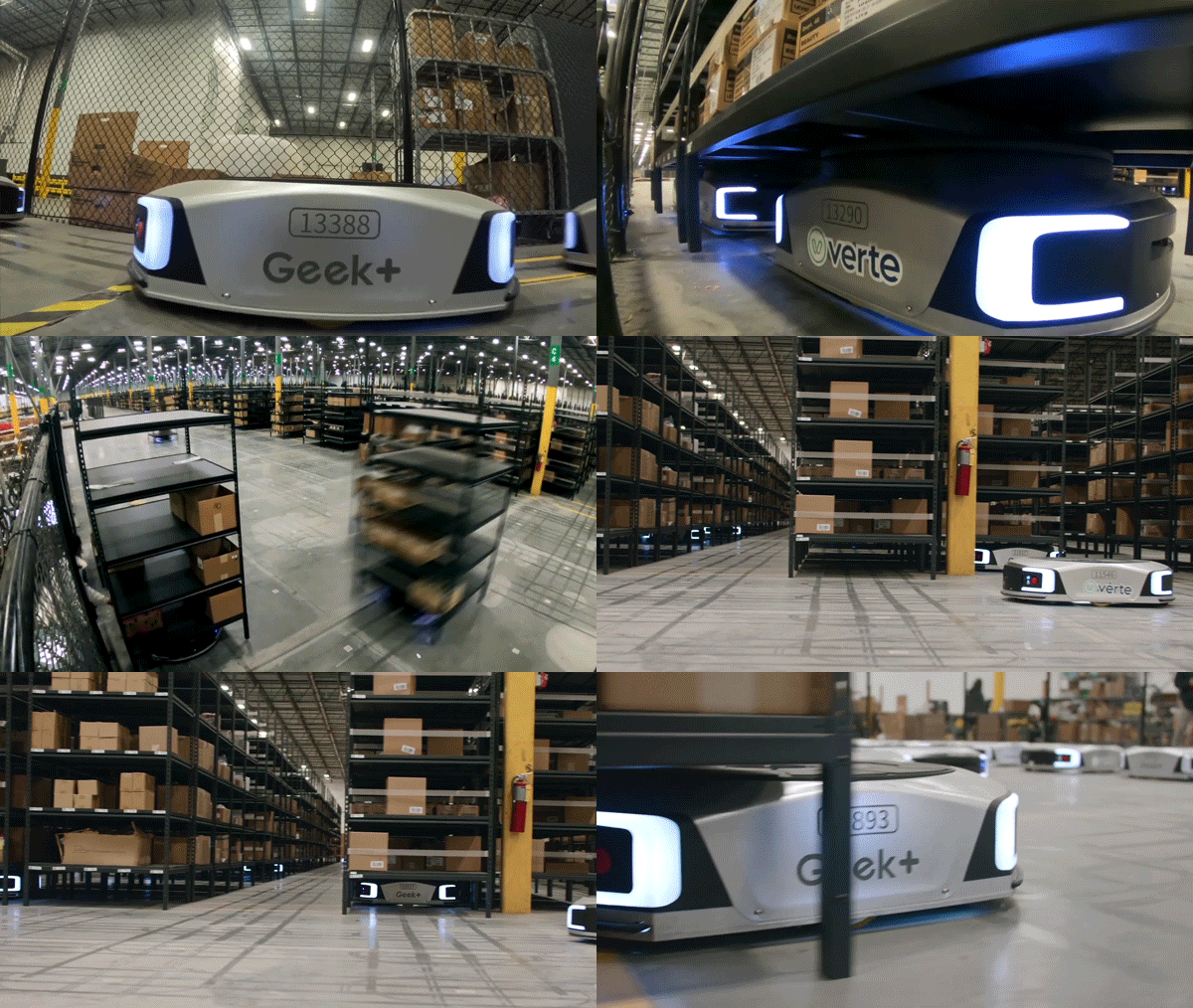
As part of an ongoing warehouse automation modernization project, a fleet of pre-owned ASRS robots is available for purchase.
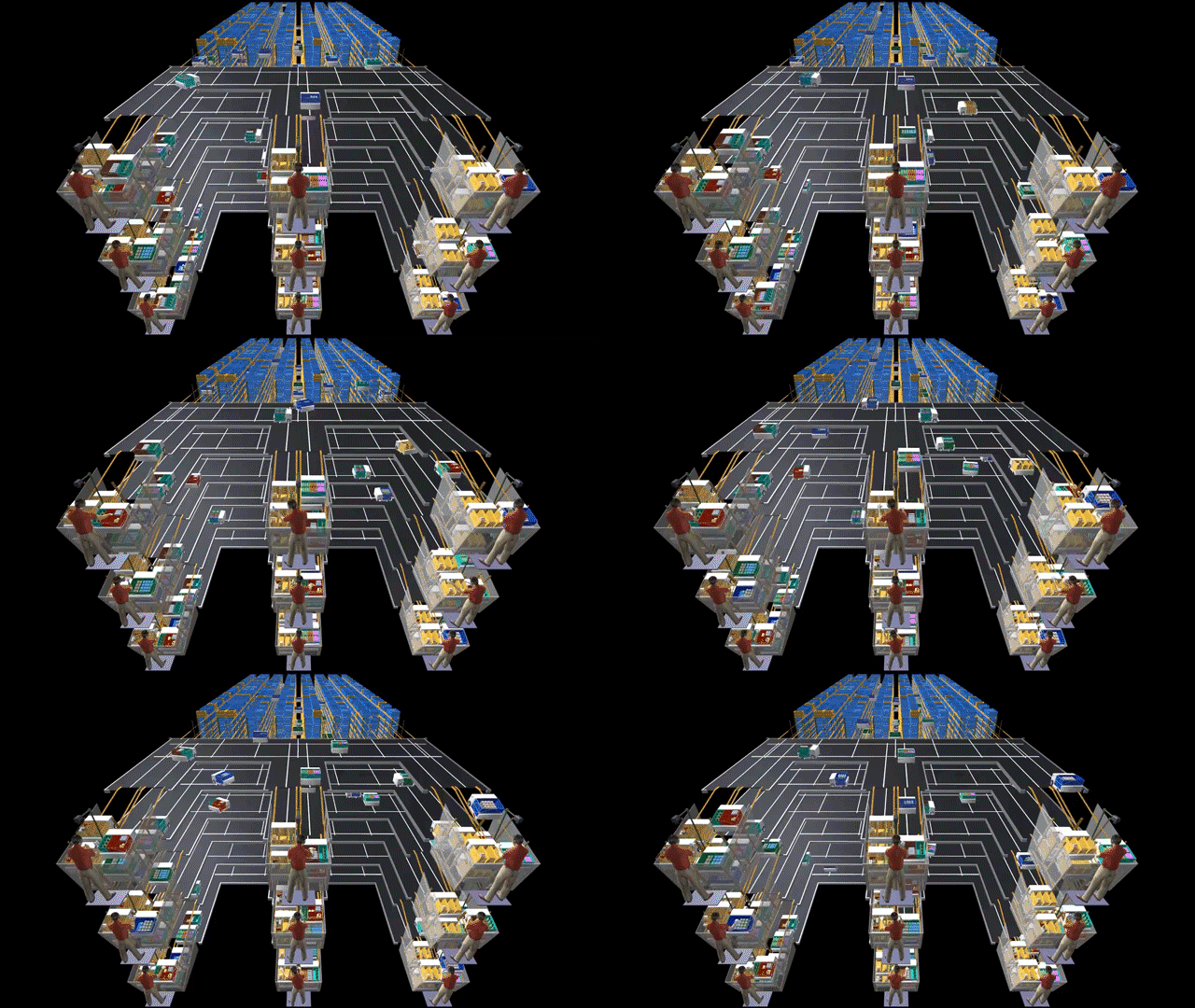
Symbotic’s new SymMicro system begins its first in-store installation, with the potential to expand to 400 Walmart locations.
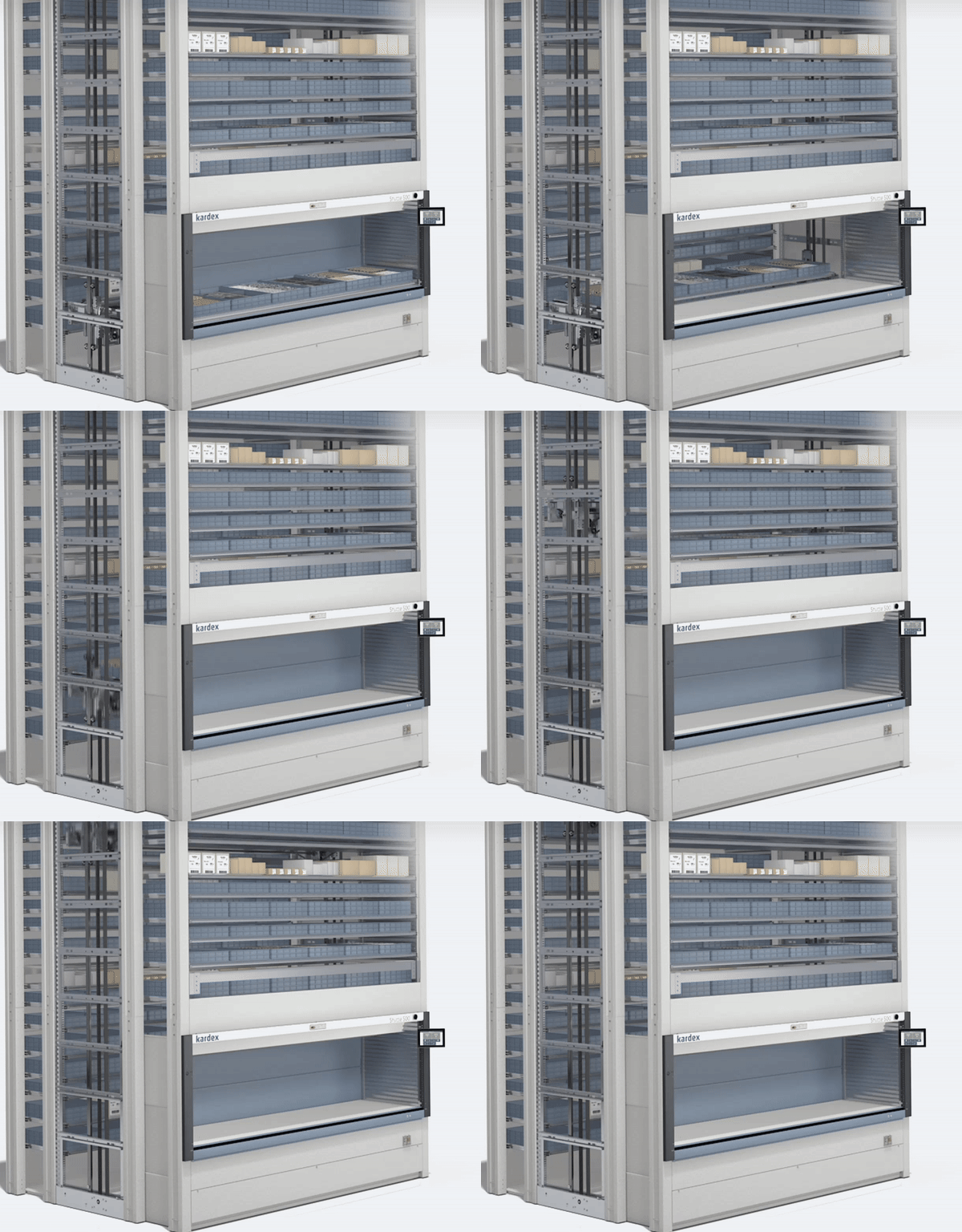
Two brand-new Kardex Shuttle XP 500 vertical lift modules are available for immediate delivery.
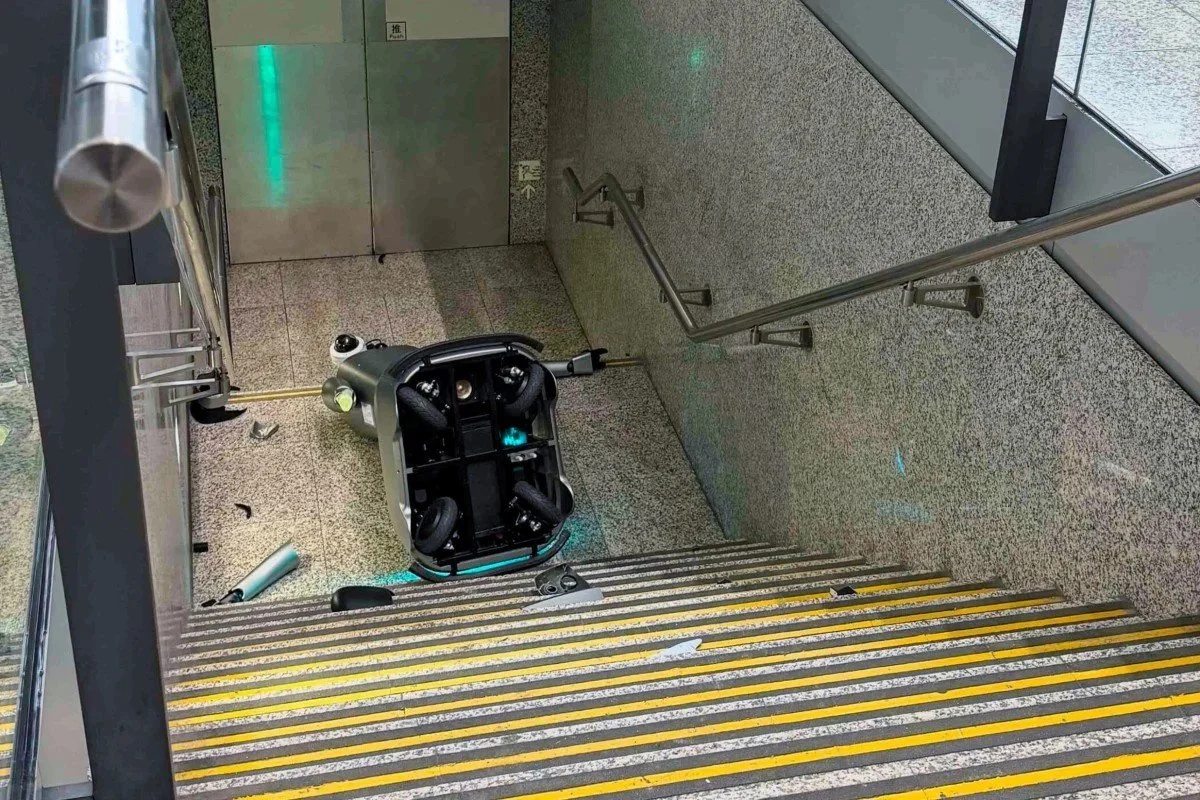
A robot accident at Hong Kong International Airport offers an important lesson about mobile robot safety
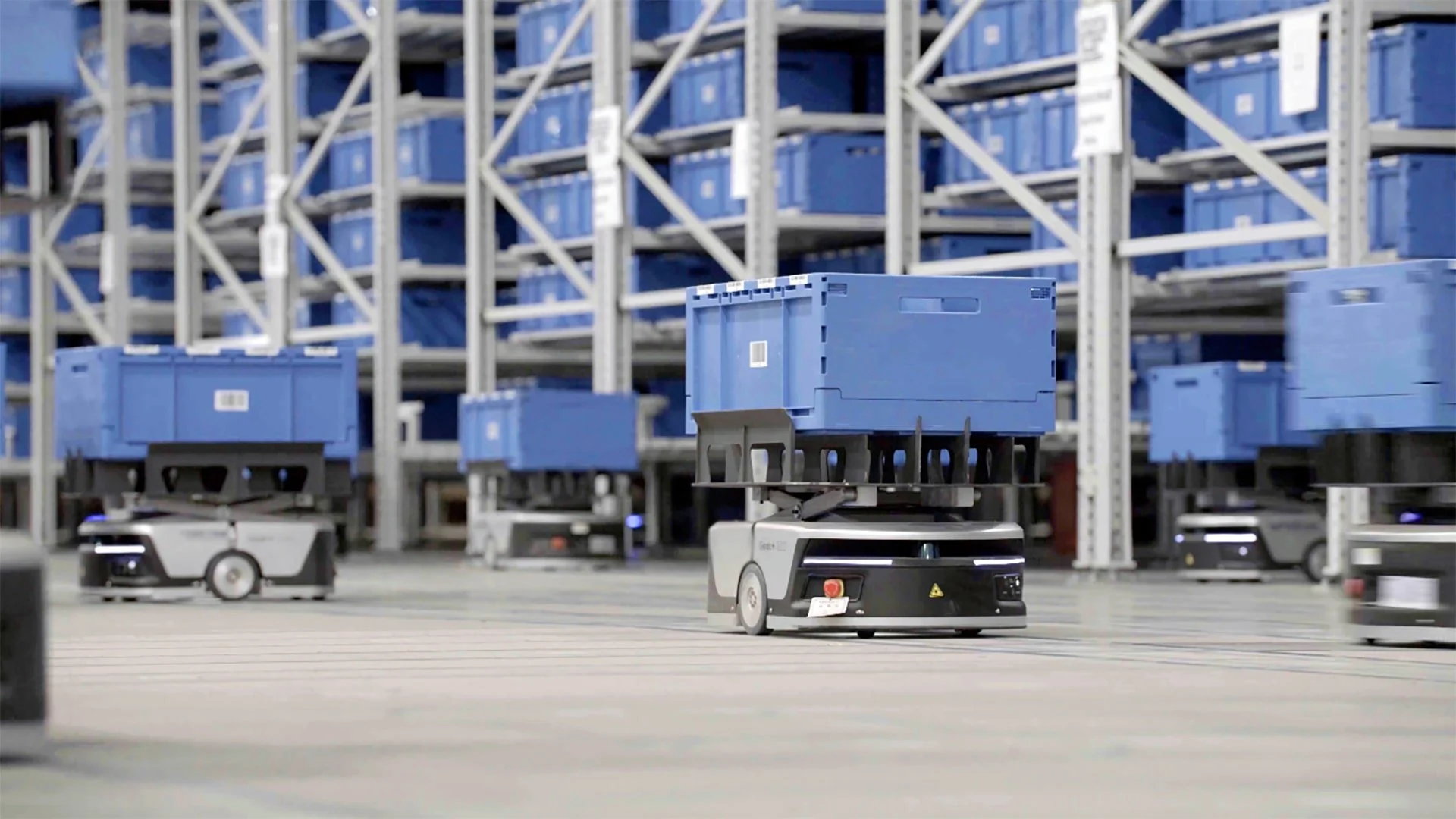
Recent Updates to FCC Covered List Regarding Foreign-Produced Advanced Robotic Devices
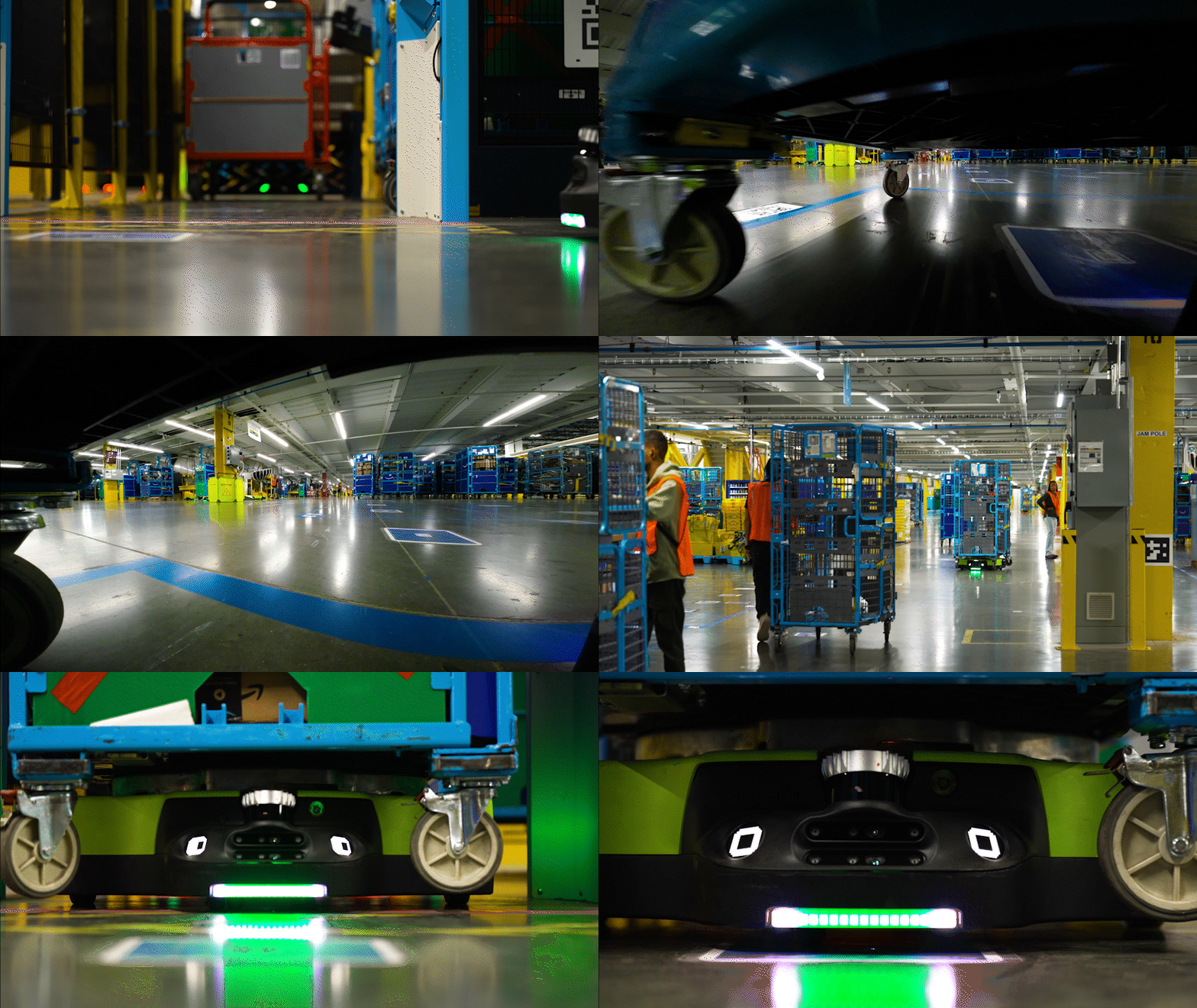
There is another major advantage of automation that is often overlooked.
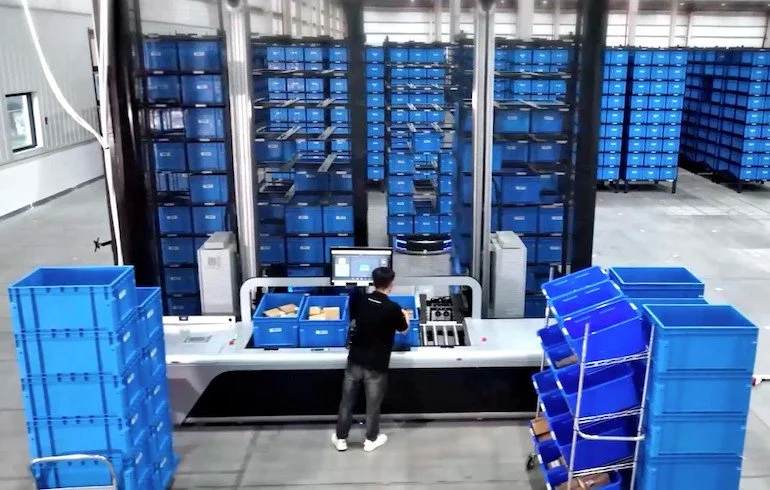
S&S Activewear is one of the more technology-forward apparel companies in North America’s branded-apparel distribution market.
Situated in Arvin, California, the new 700,000 square foot facility is described as its largest and most technologically sophisticated distribution center to date.
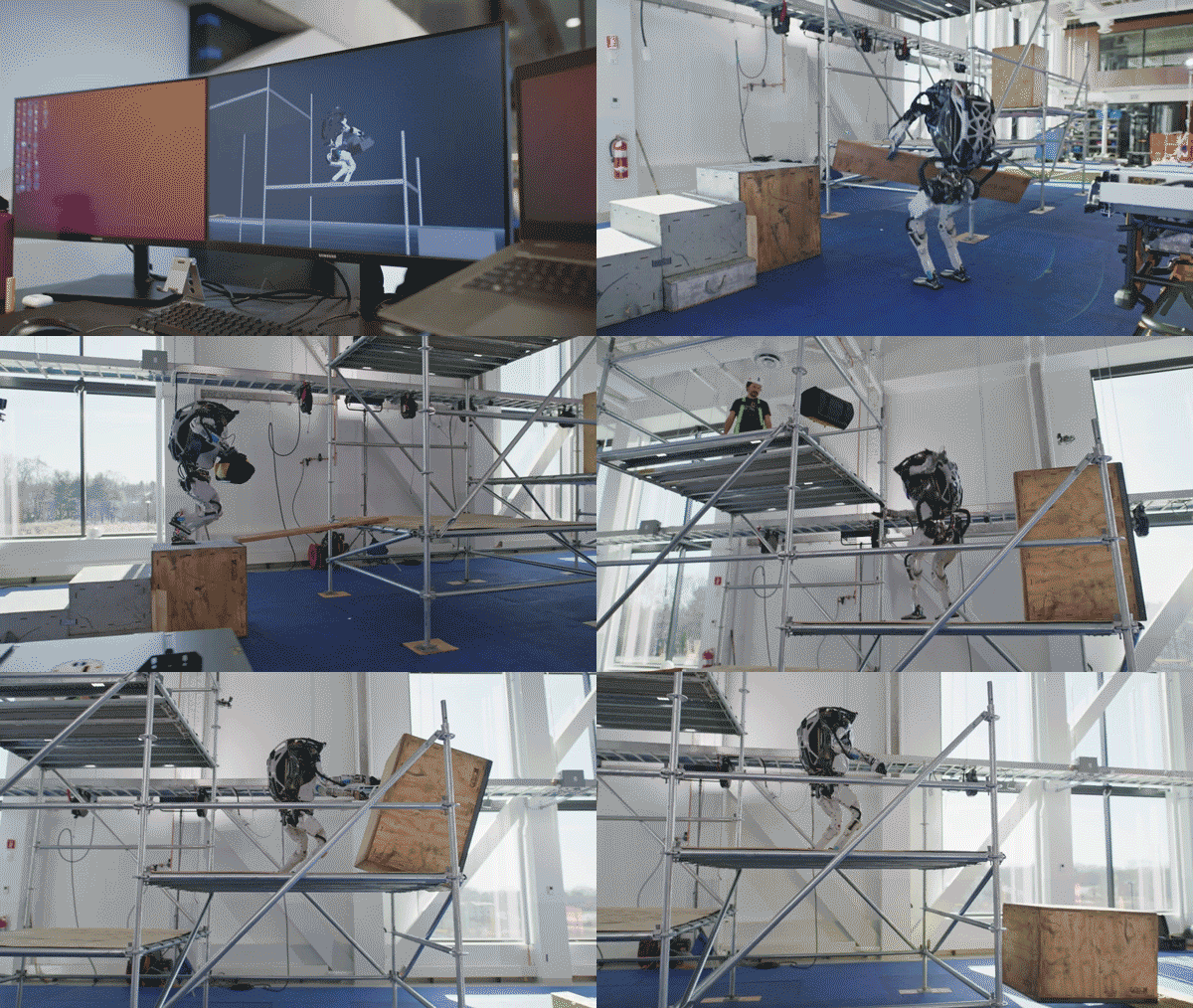
SoftBank is reportedly selling its remaining 9.65% stake in Boston Dynamics to Hyundai Motor Group for US$325 million.
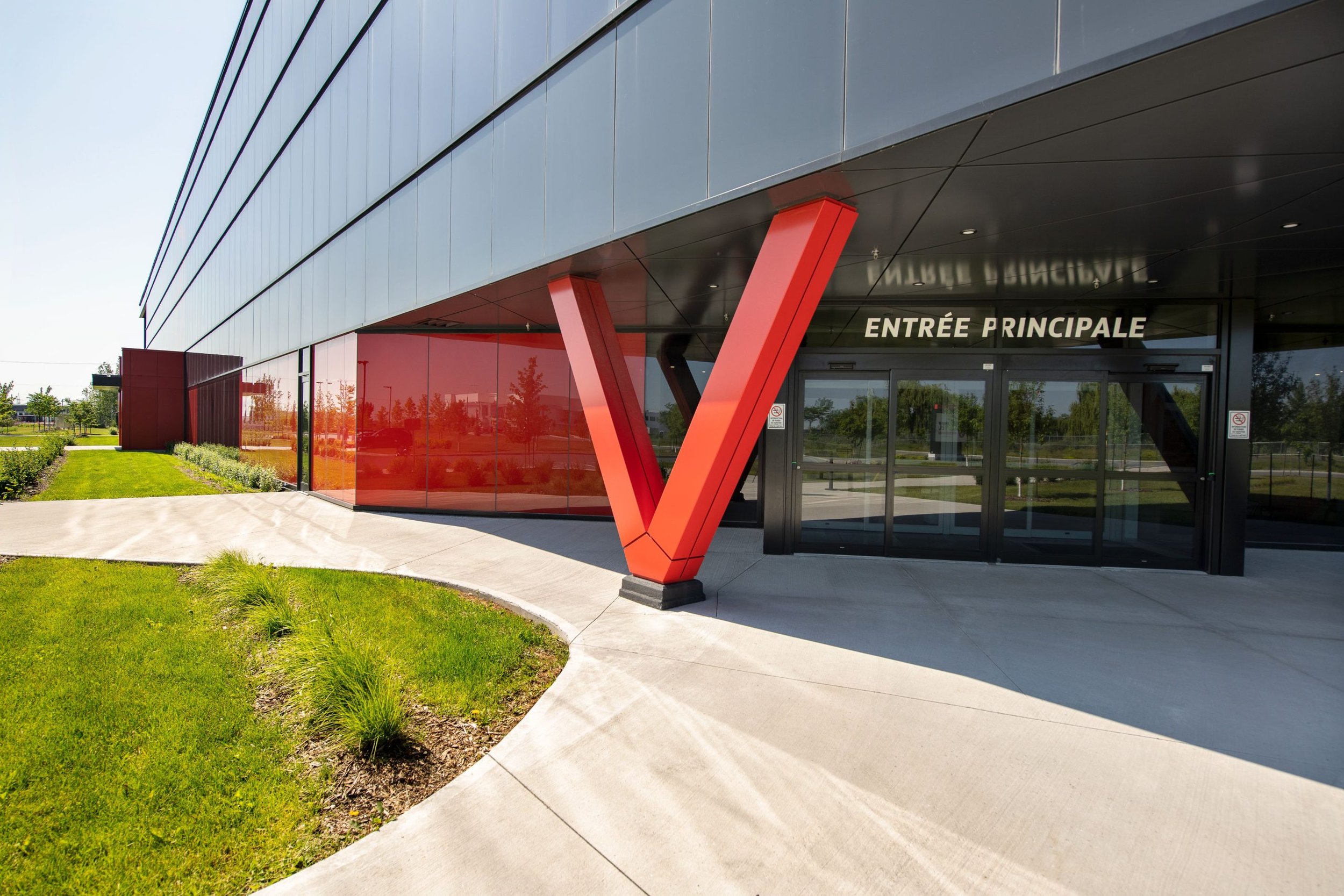
The company had automation. It had robotics. It had government support, customer momentum, press attention, and a massive facility.
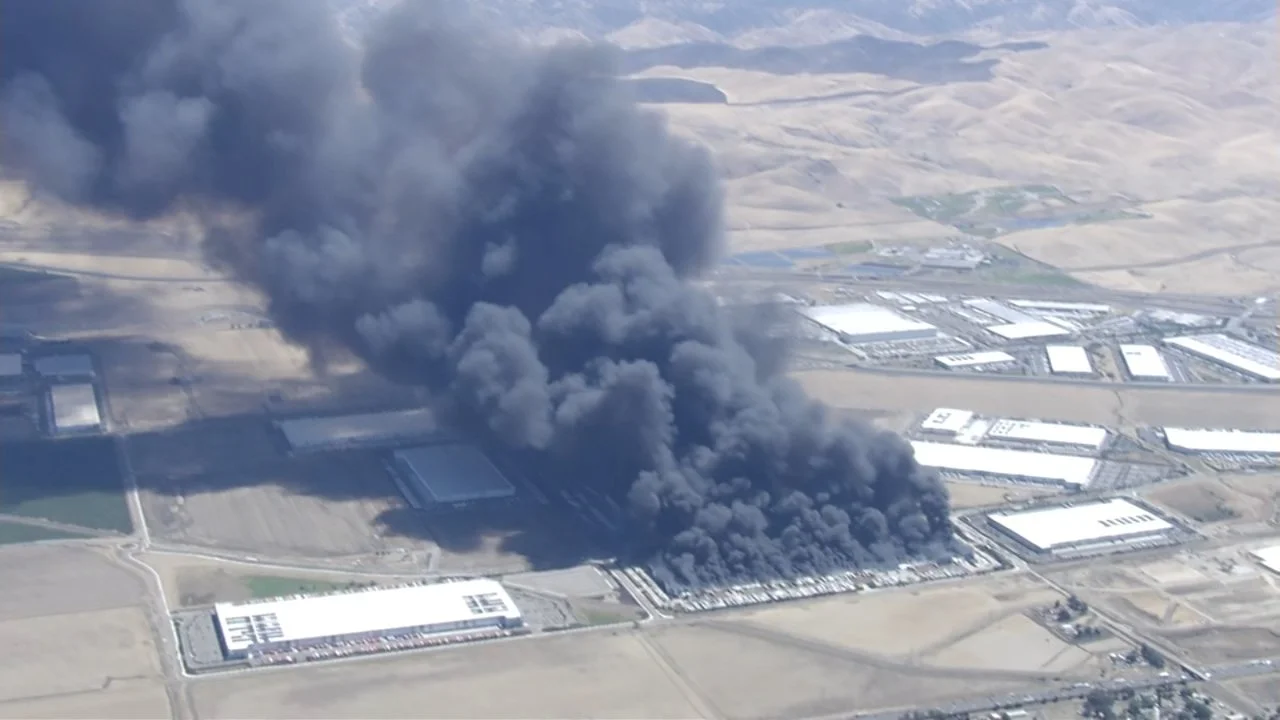
Massive fire destroys 1 million-square-foot Tracy Medline Industries distribution facility
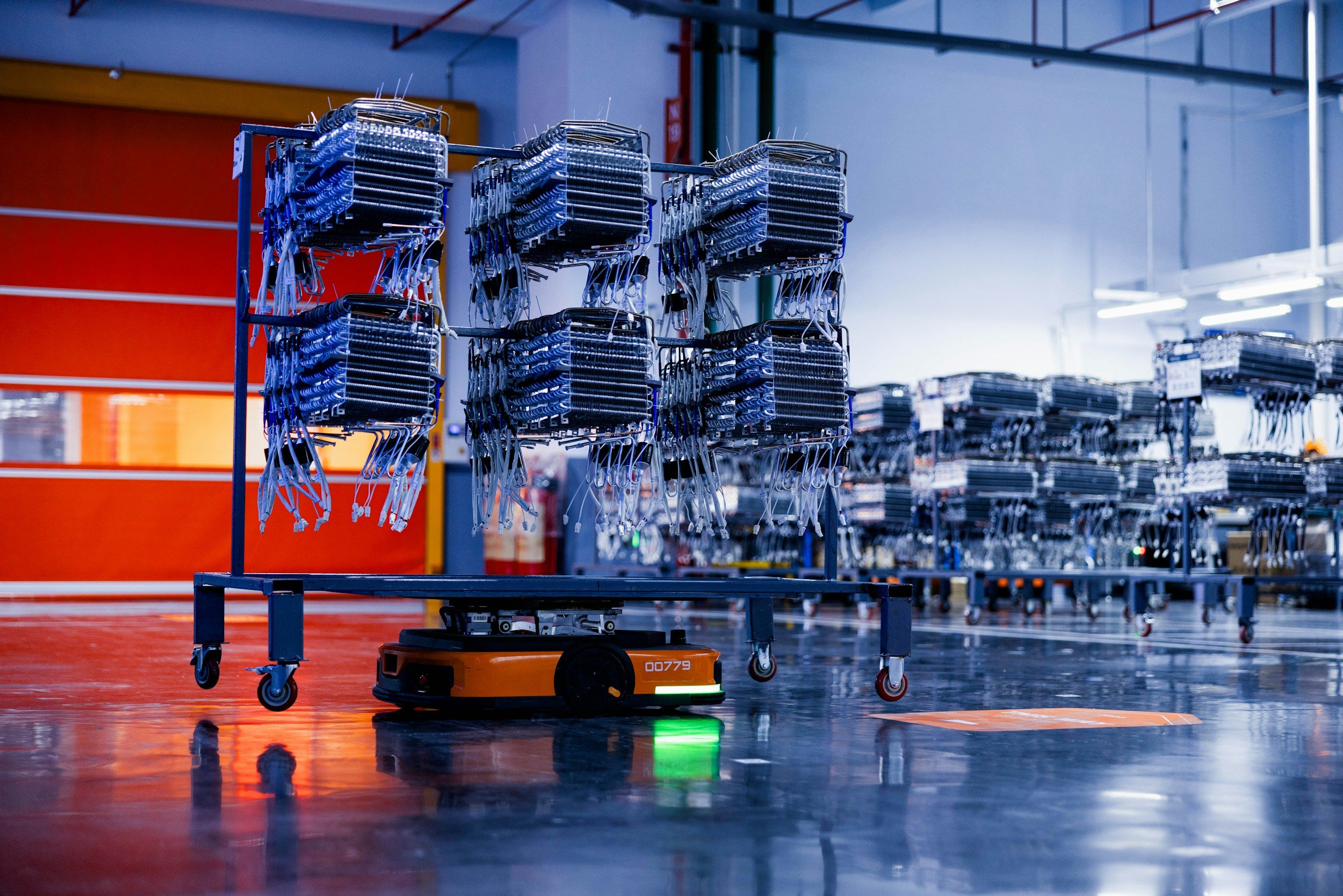
Artificial Intelligence and LLMs are currently being pushed aggressively into logistics, warehouse operations, robotics, and supply chain execution.
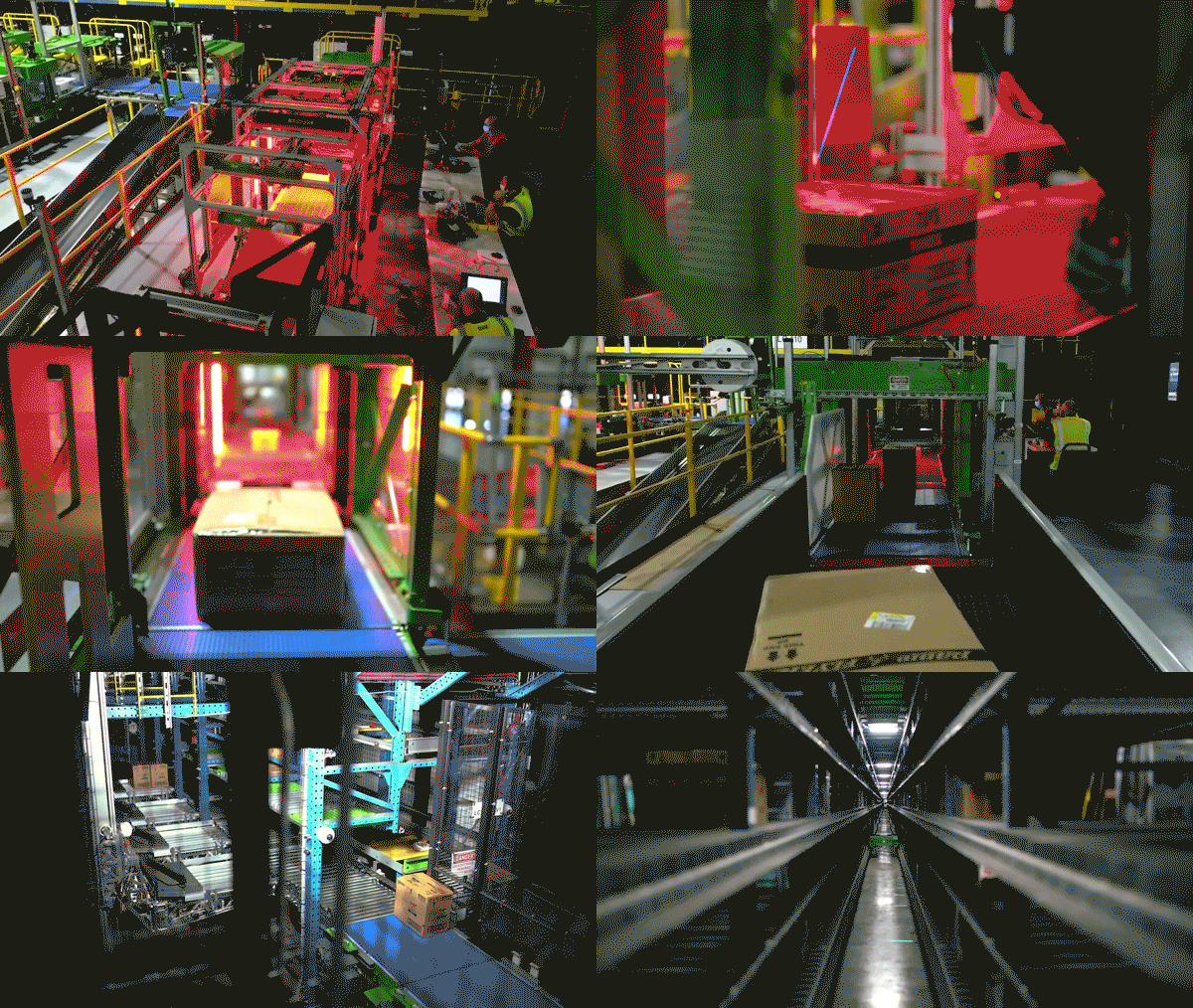
Walmart’s latest comments around same-day fulfillment, 30-minute delivery windows, AI-driven inventory positioning, and supply chain automation should be a wake-up call for the entire retail industry.
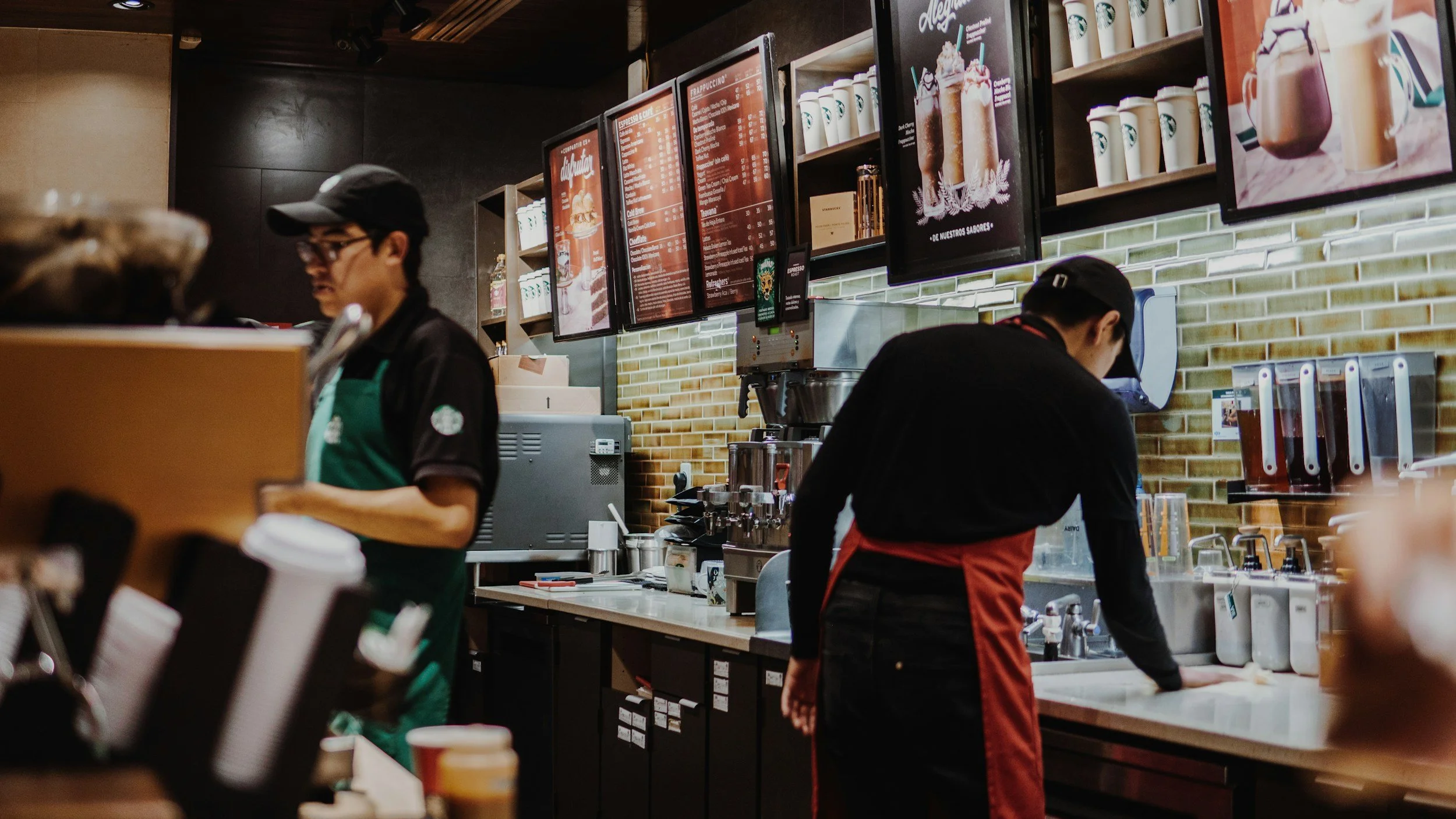
The promise made to Starbucks CEO Brian Niccol was enticing. To eliminate persistent product shortages that hurt sales, the company deployed an automated counting system.
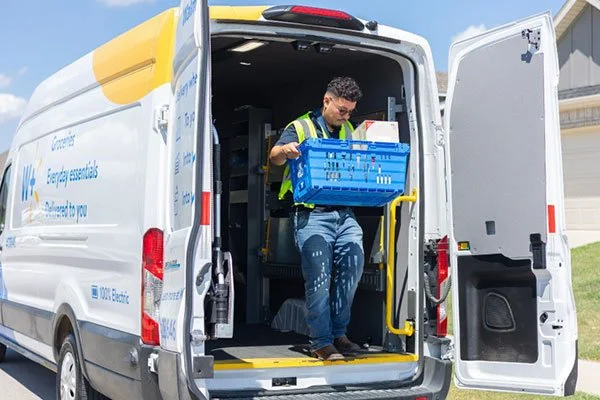
The retail giant is using unlikely spaces to push against Amazon’s recent strategies to capture more customers.
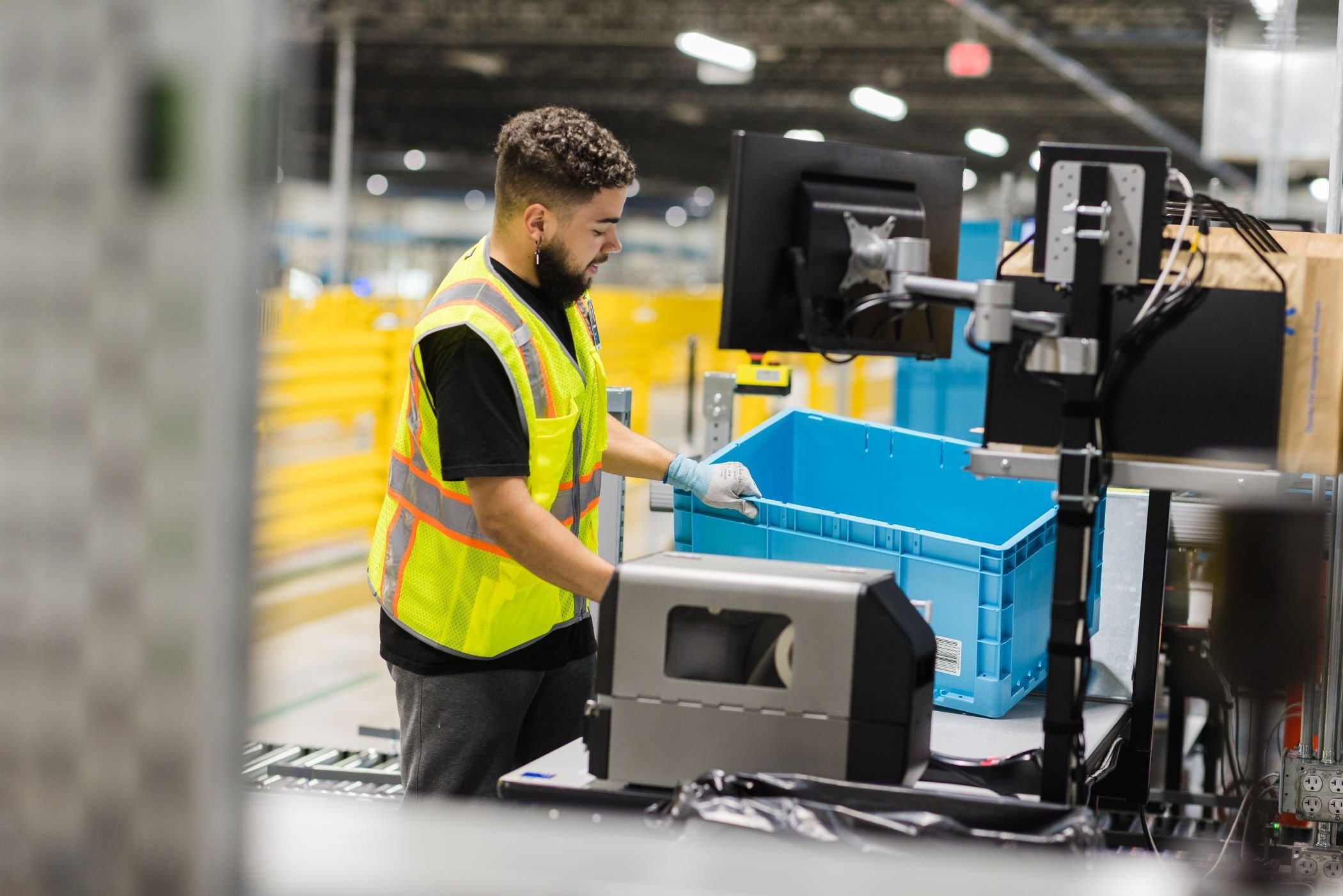
Traditional WMS lacks the real-time visibility into the availability of automated materials handling equipment that a WES brings to the table.
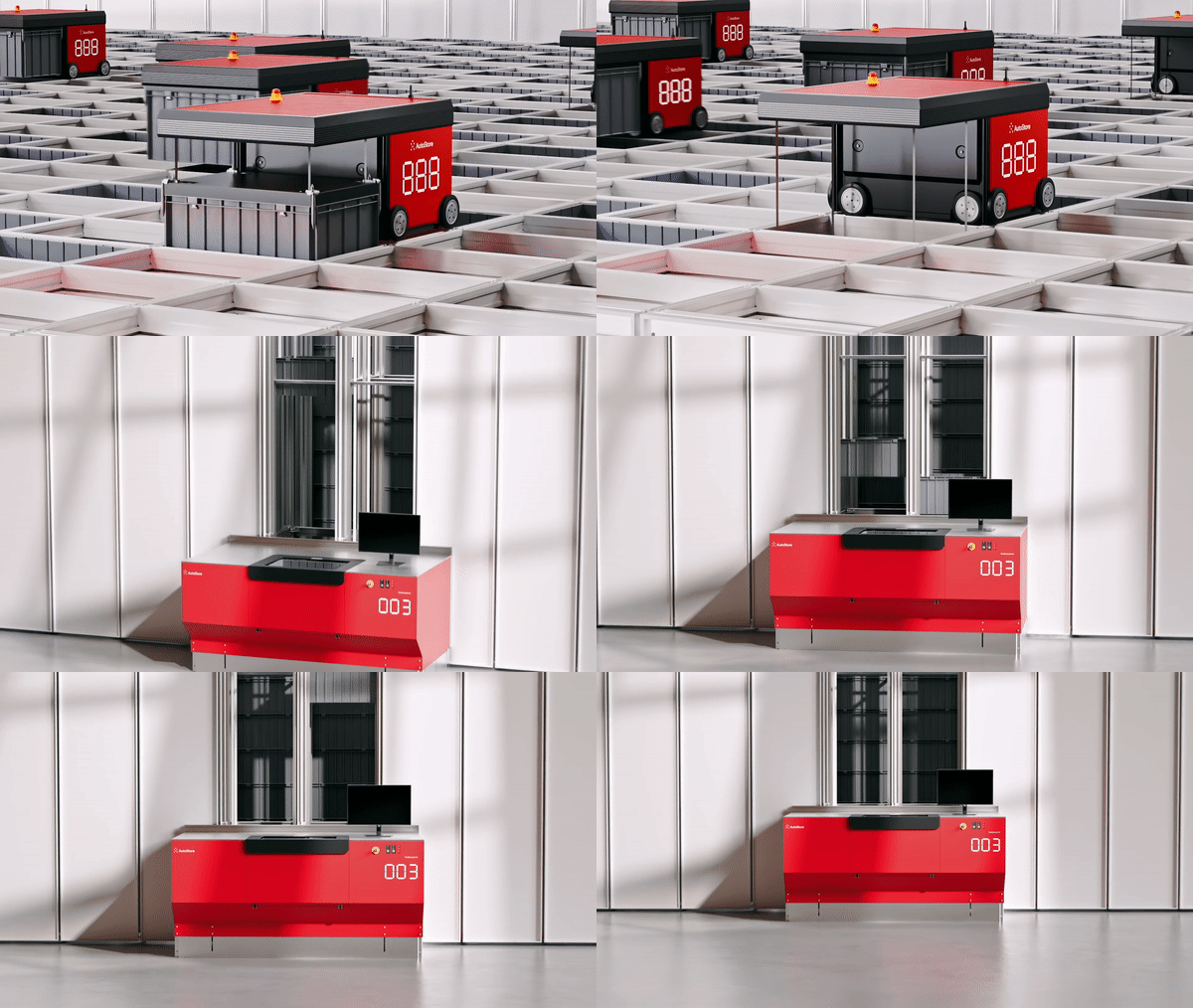
Ulta Beauty has selected AutoStore technology for its new Utah regional distribution hub supporting both stores and growing e-commerce fulfillment.
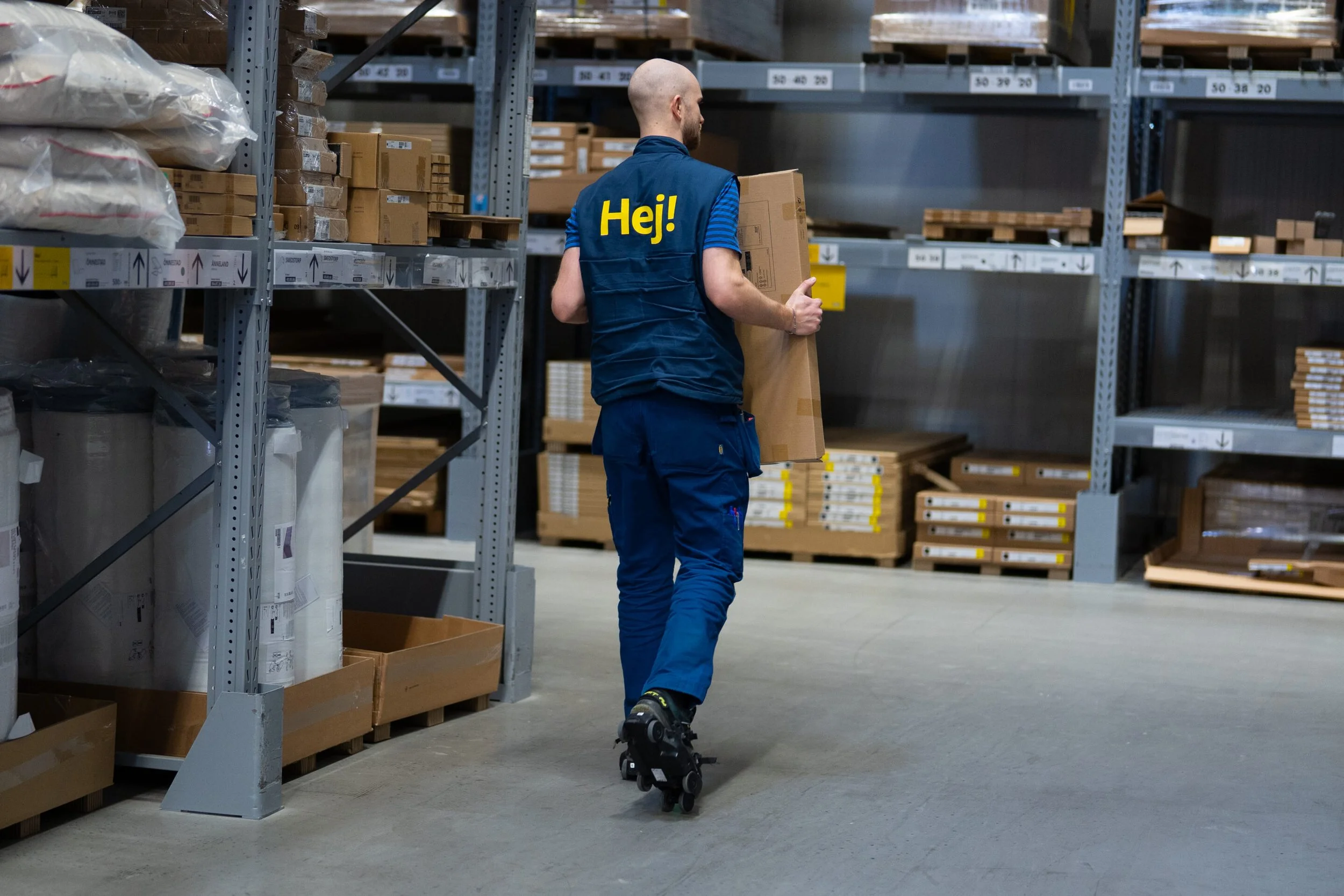
Ikea is testing robotic boots in Helsingborg, Sweden, to speed up order picking and reduce physical strain. Initial measurements showed that employees walked up to twice as fast, and average hourly picking productivity increased by 16%.
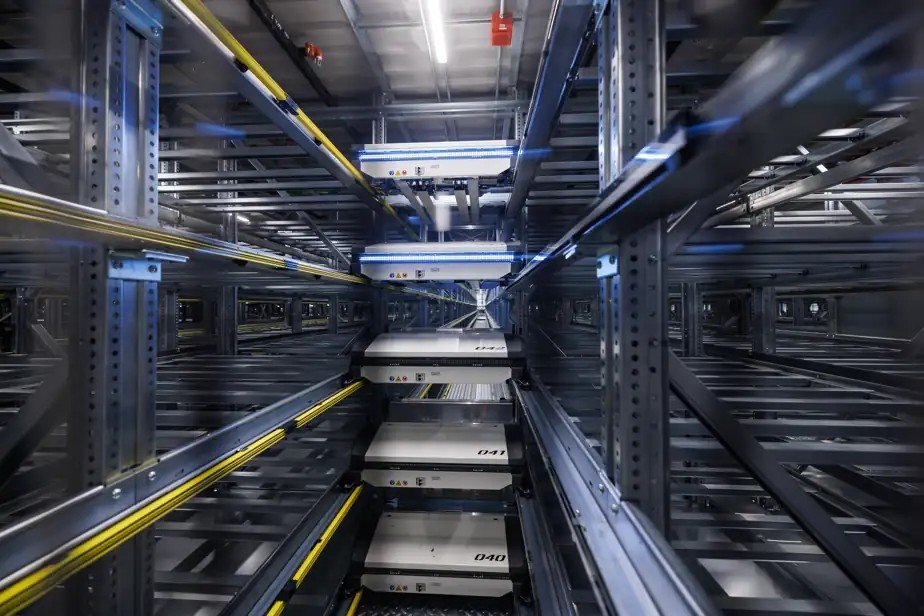
The cost of the SAQ's automated distribution center project, scheduled to begin operations next year, has gone from $48.5 million to $300 million in four years.
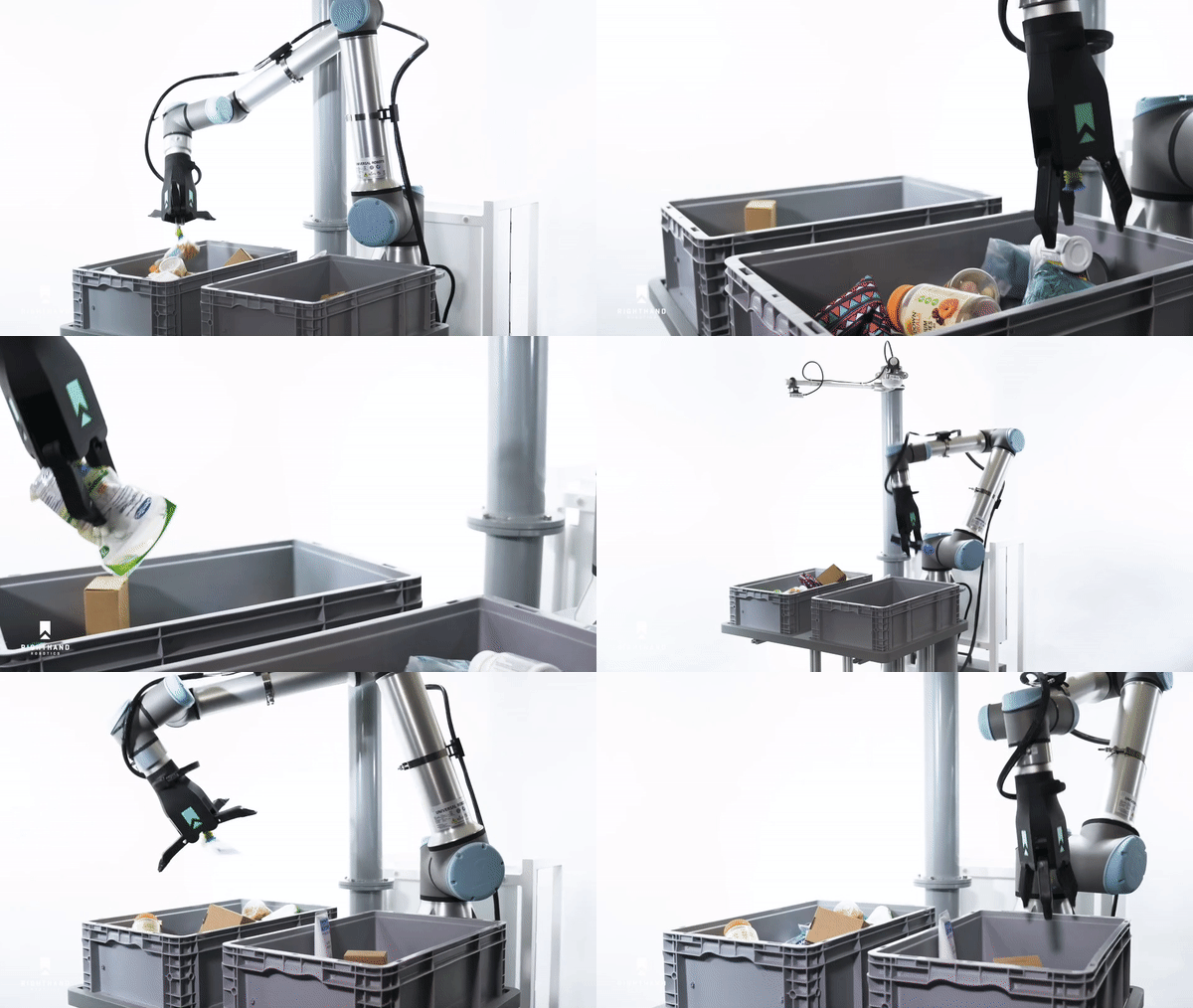
Piece-picking robots are currently one of the hottest solutions in warehouse automation
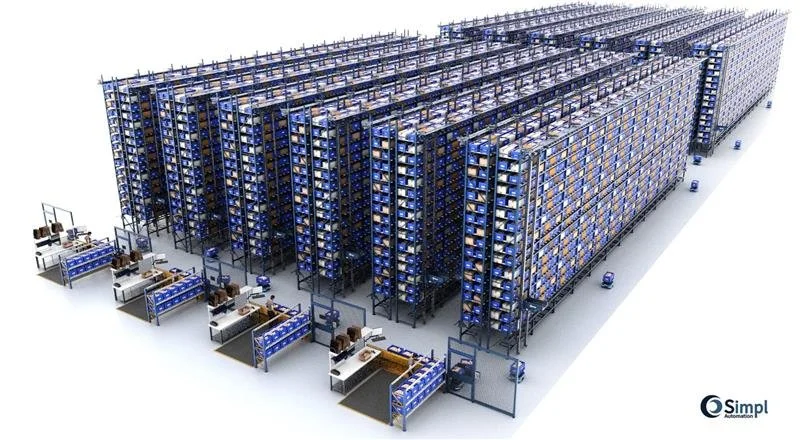
Home Depot acquires warehouse tech firm to boost fulfillment strategy

At Hannover Messe 2026, SAP and Vodafone showcased a pilot conducted at Vodafone’s warehouse in Duisburg,