
Disaster Strikes: The Downfall of a Major Automation Project
Sydney-based Booktopia suffered major setbacks from moving into a new automated customer fulfillment center as the company entered voluntary administration after struggling with the expense of transitioning to a $12 million robot-enabled warehouse facility and the inability to raise further funds.
The Australian e-tailer began building a new highly automated customer fulfillment center (CFC) in Sydney last year in a bid to support future expansion. However, due to the CFC’s operational disruption and costs, Booktopia’s most recent half-year revenue and profit took a dive.
Having been in a trading halt since mid-June to secure more funding, the company announced last week it had entered voluntary administration.


Booktopia's transition to a highly automated customer fulfillment center in Sydney's Strathfield South was to be the company's undoing, with the move requiring a marketing pull-back to withhold sales as inventories and logistics took a temporary hit.
This all happened at a time when Booktopia had already been suffering from delays in deliveries, weaker market conditions, and the high-profile executive departures of its CEO and CFO.
Booktopia was unable to capitalise on the downfall of global competitor Book Depository as it was discontinued last year by Amazon, but Amazon itself remains a potent competitive force in the Australian market, whilst a significant volume of discounted books is still sold by retailers like Big W, Kmart and Target.
It also probably didn't help that Spotify introduced an enormous library of free audiobooks last year to premium subscribers.

Booktopia Co-Founder Tony Nash’s Booktopia has been handed over to administrators. CREDIT:JULIAN ANDREWS
To cope with numerous challenges, a strategic review at Booktopia determined that 50 people would need to be made redundant to save costs, but this also implied a significant redundancies bill that the company could not afford with existing cash reserves that were just $212,000 at the end of March.
For weeks now the group has been trying to wrangle the necessary capital to stay afloat and pay its fired employees, extending share trading suspensions three times before today's announcement.
McGrathNicol Restructuring partners Keith Crawford, Matthew Caddy and Damien Pasfield are undertaking an urgent assessment of Booktopia’s business while options for its sale or recapitalization are explored.
Booktopia in administration after troubled automated warehouse move. >
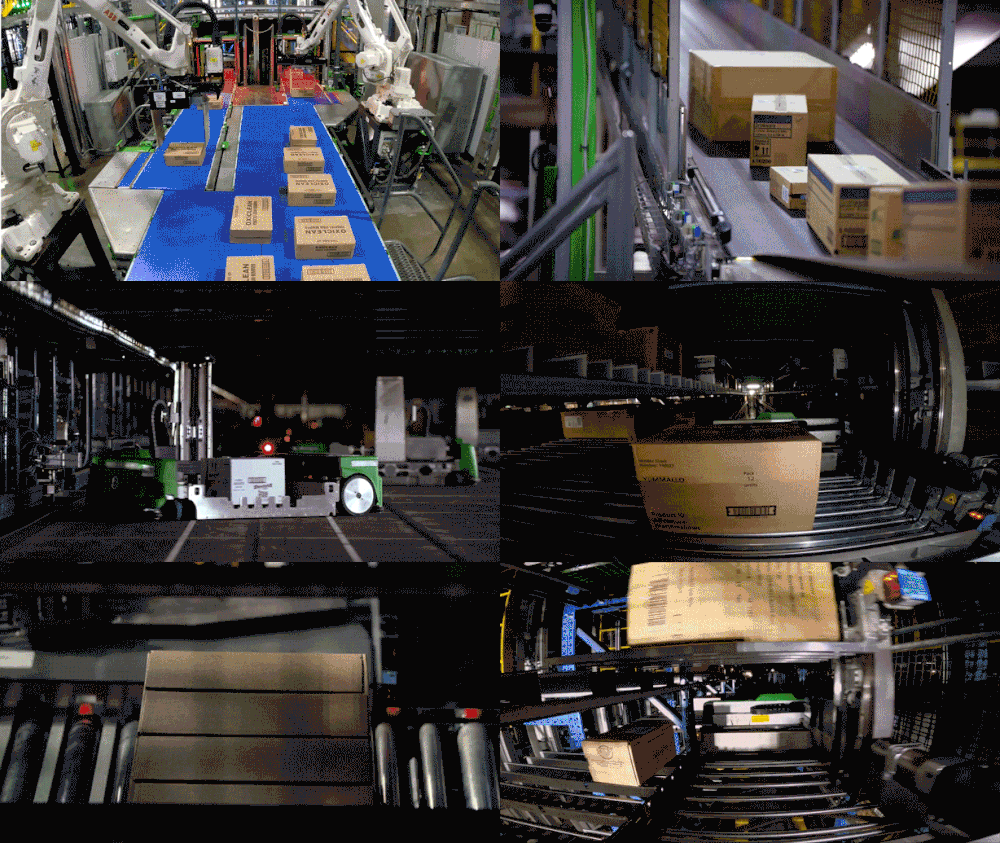
Booktopia showcased its progress on the CFC, including some of the features expected to sit in the new centre.
Following years of high growth and increased demand during COVID, and with the lease on the existing facility due to expire in 2023, the constant retrofitting of the center has proved to be a constraint on the company’s growth and efficiency.
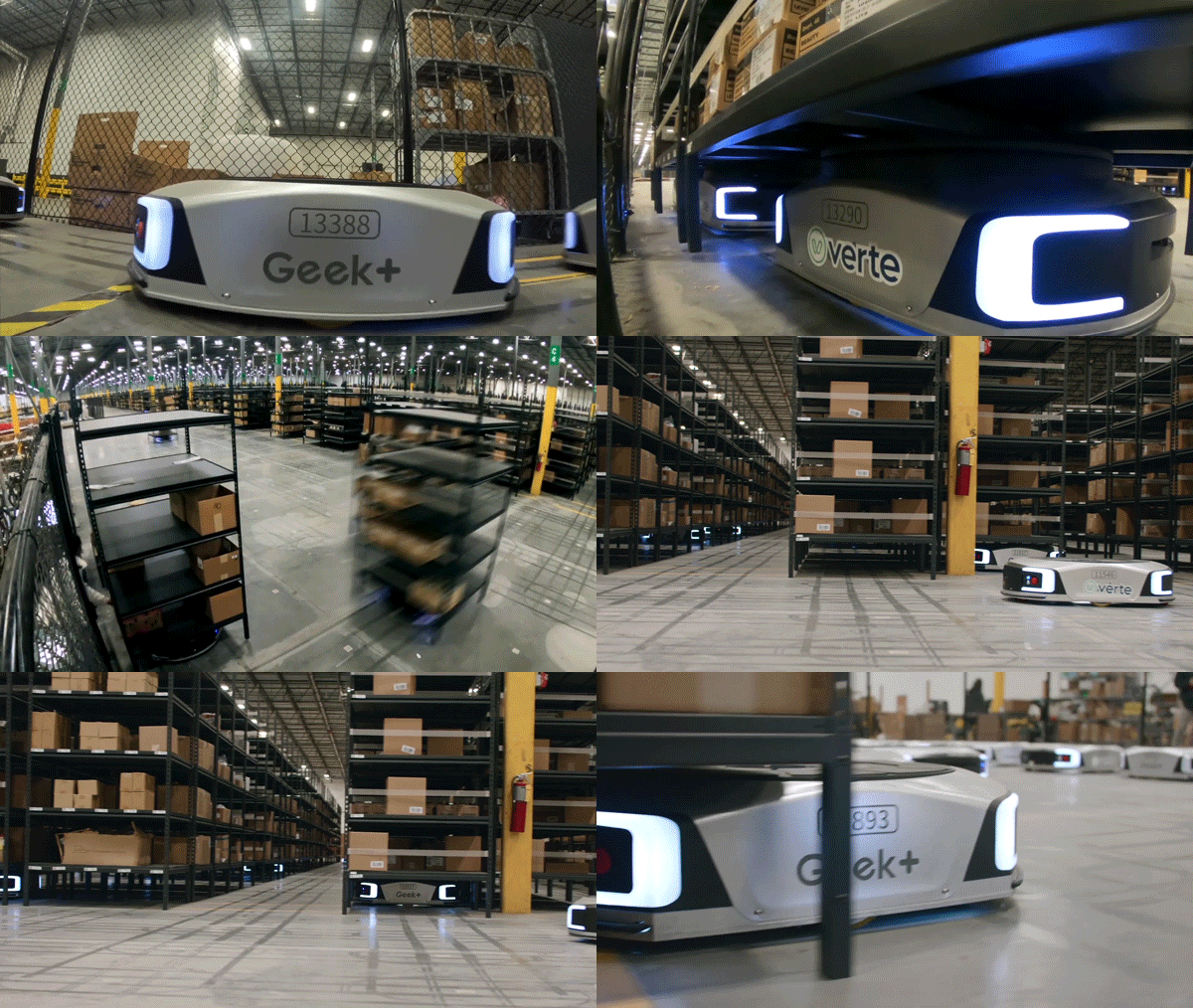
In 2021, Australia’s biggest online book retailer Booktopia deployed autonomous robots to handle packing and dispatch orders at its 14,000sqm distribution centre at Lidcombe, New South Wales, Australia. This new system was promising boosting its efficiency by 800%.
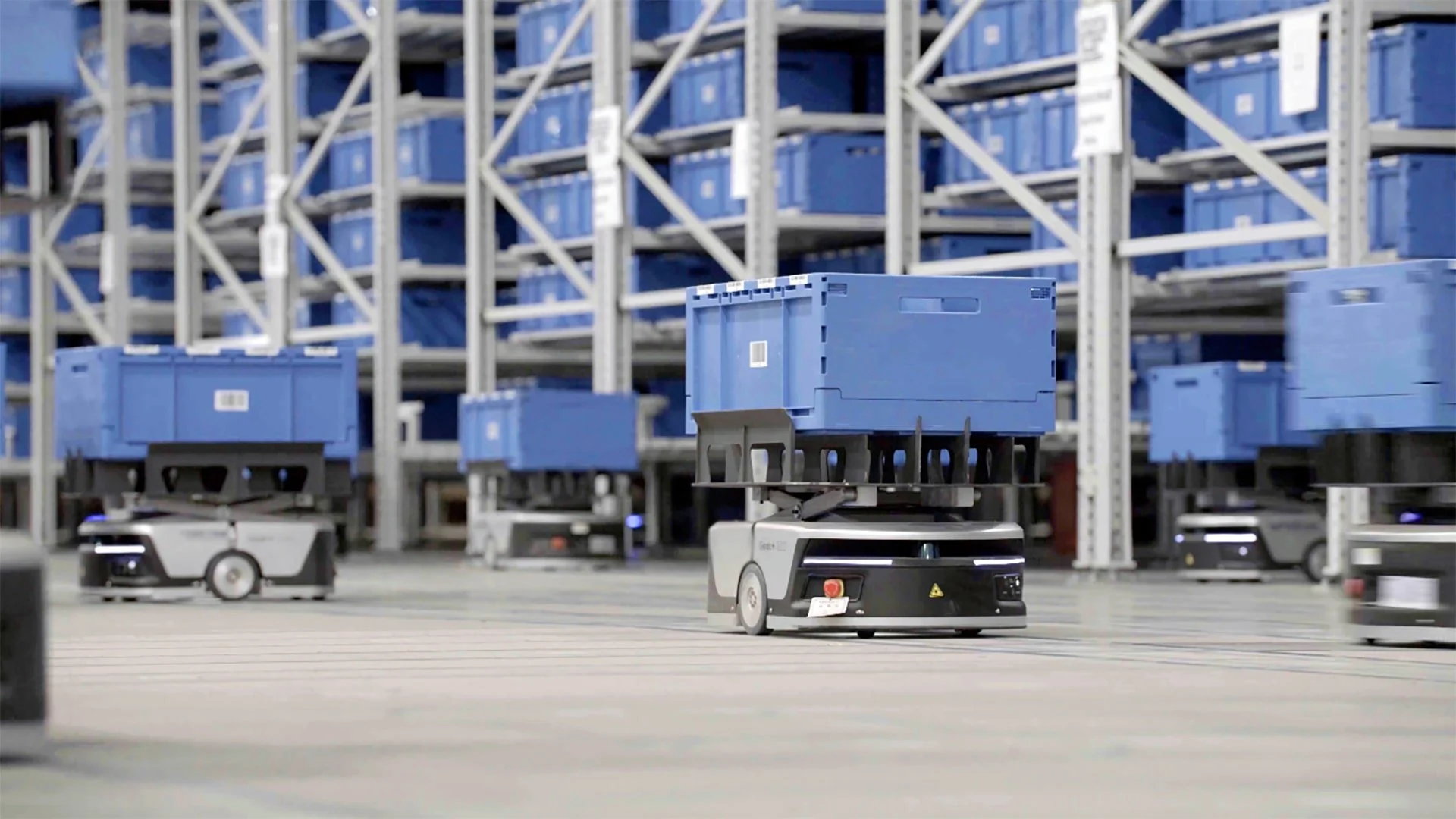
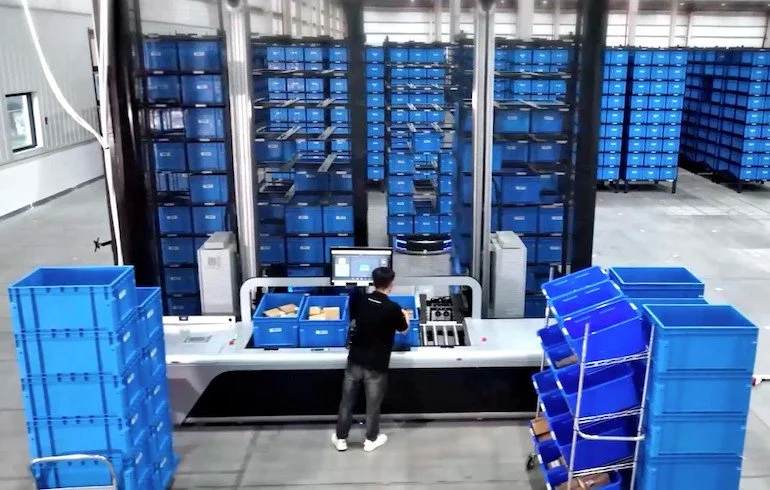
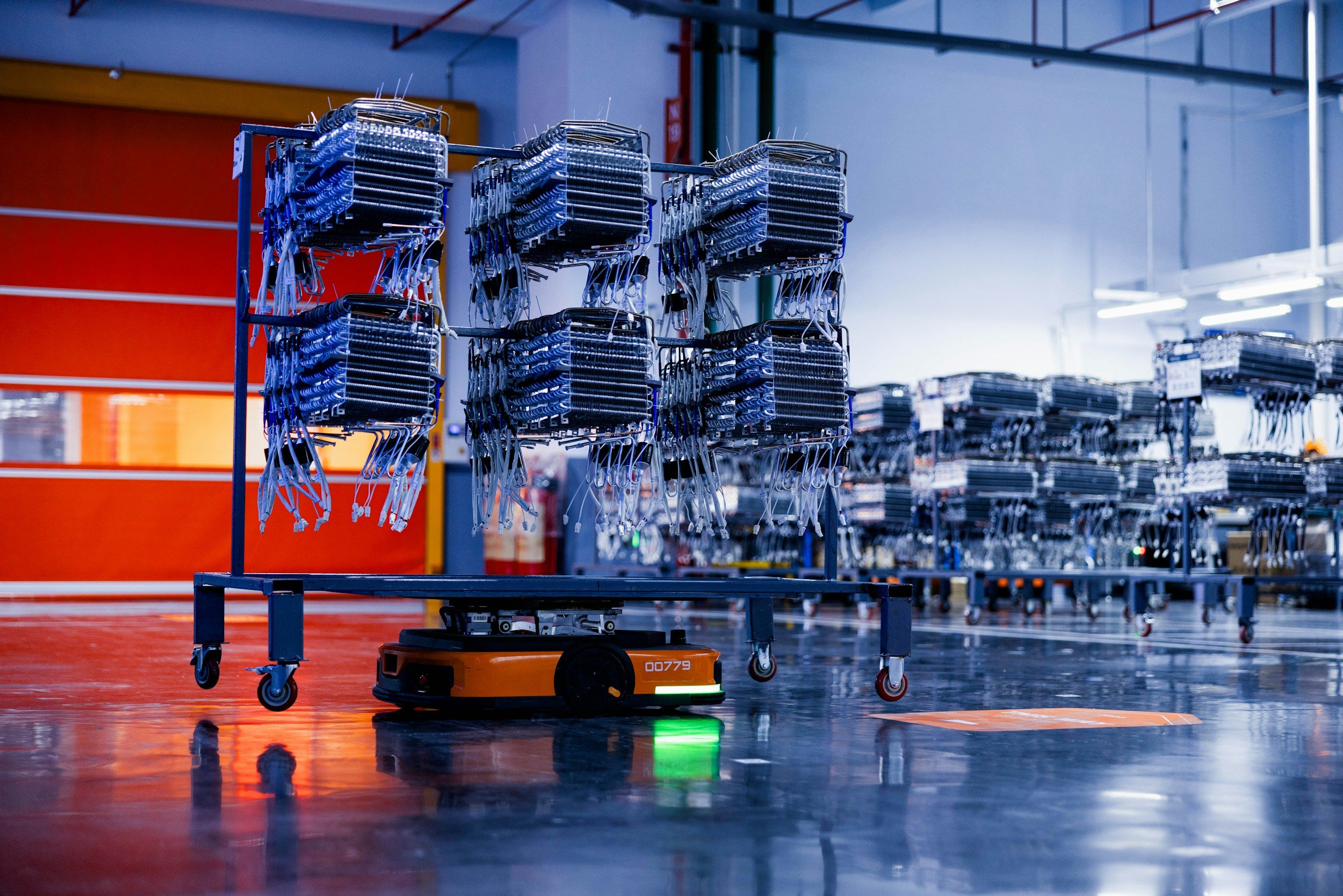
The 17-year-old company, which had an annual turnover of AU$165 million, had chosen HAIPICK robots from Shenzhen-based HAI Robotics. The solution differs from a standard autonomous mobile robot solution in that the robots use a telescopic fork that stretches 4m high. This gives the robots the ability to carry cartons as well as individual totes and to bring multiple cases to pickers or conveyors in one movement. This allowed Booktopia to gain more speed in completing multiple customer orders at one pick station – greatly improving fulfillment and dispatch rates.
"By deploying this innovative robot solution, we have doubled our capacity and significantly improved our picking and put away rates. This gives us the confidence we need to continue to serve our customers," said Tony Nash, CEO at Booktopia.
He added that although the company's key decider for implementing this technology was efficiency gains, they are now finding improvements across their entire operation.






At Hannover Messe 2026, SAP and Vodafone showcased a pilot conducted at Vodafone’s warehouse in Duisburg,