
Amazon's Rumored Bid for Ocado: Disrupting the Grocery Status Quo


Ocado Shares Surge Amid Speculation of Amazon Bid
Shares of UK-based online grocery business Ocado experienced a significant surge, climbing as much as 47 percent, following reports speculating a potential bid from Amazon. The Times newspaper suggested that Ocado, founded by former Goldman Sachs executives, could be of interest to technology giants, including Amazon. Despite recent challenges, such as a pre-tax loss of £501 million and a joint venture with Marks and Spencer reporting losses, Ocado's shares rallied amid the bid rumors.
This article explores the implications of a potential Amazon bid for Ocado and the current state of the online grocery market.
Rumors of Amazon's Interest:
The Times newspaper reported that Ocado might be a target for acquisition by American companies, including Amazon. Shares of Ocado surged by 47 percent in response to the speculation. While both Ocado and Amazon declined to comment on the rumors, the potential bid from Amazon could have far-reaching implications for the online grocery industry.
Ocado's Challenges and Shorted Shares:
Ocado has faced challenges in recent years, including rising interest rates, high inflation, and a slowdown in consumer spending. These factors led to a £501 million pre-tax loss in the previous year, the largest loss in the company's trading history. Additionally, its joint venture with Marks and Spencer experienced a slump. These challenges have made Ocado's shares one of the most shorted on the London market, with 15.5 percent of its free float on loan.
Implications of Amazon's Interest:
If Amazon were to pursue a bid for Ocado, it would be closely scrutinized by the UK's competition watchdog, given Amazon's existing status as a major grocer in the country. The Competition and Markets Authority previously designated Amazon as a food retailer, requiring adherence to specific rules regarding supplier treatment. Amazon has shown interest in expanding its presence in the grocery market, both online and through physical stores.
Ocado's Market Position and Technology:
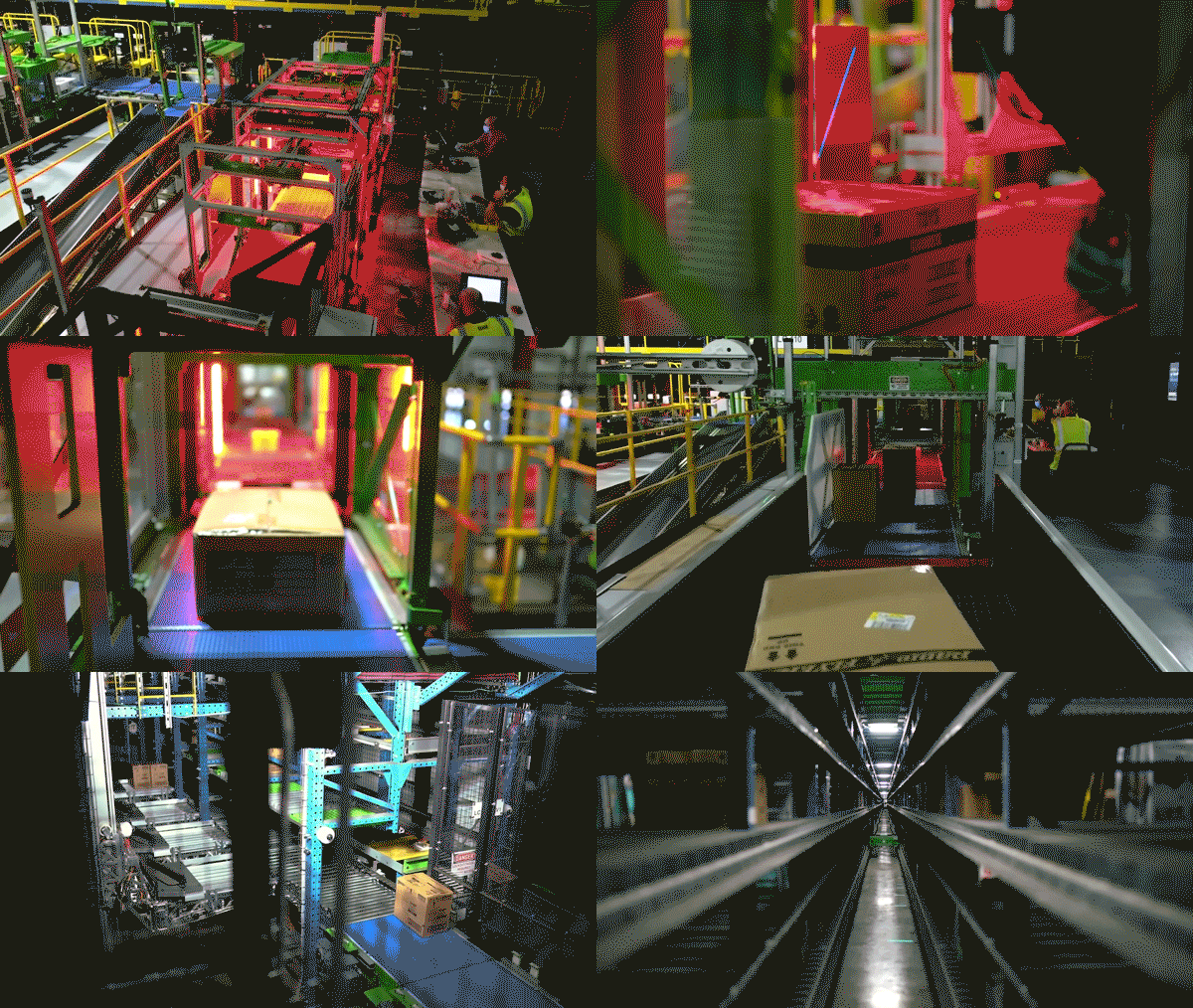
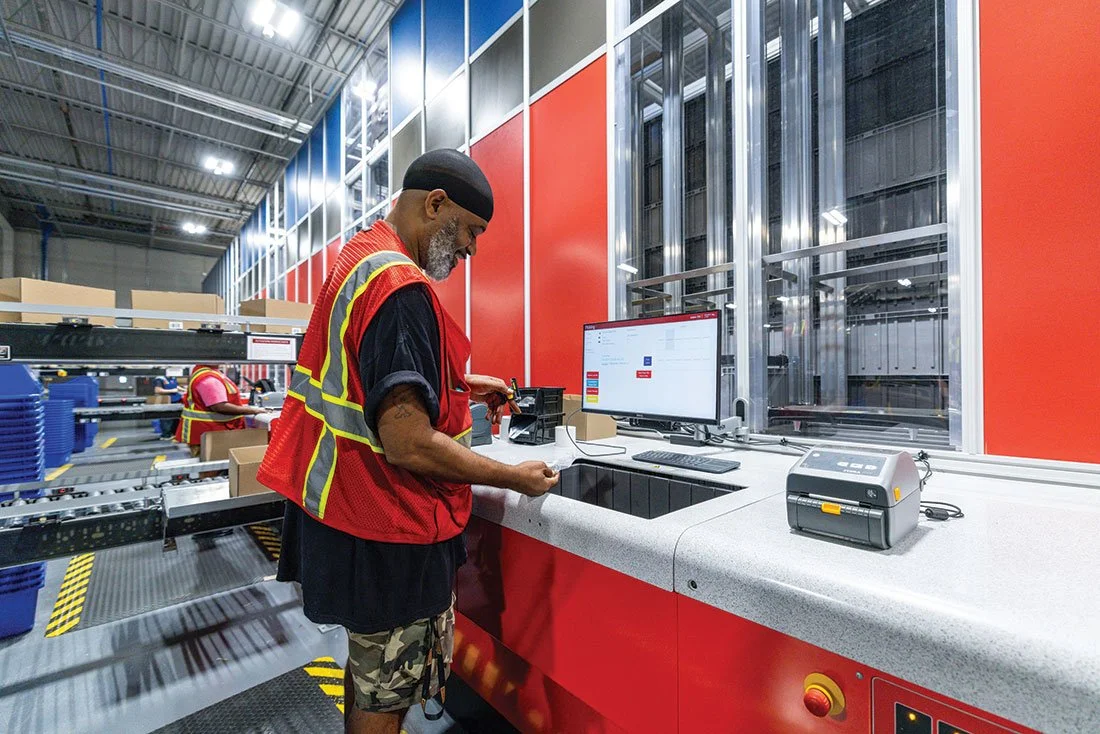
Ocado operates as an online supermarket and provides its warehouse and logistics technology to other retailers. It licenses grocery delivery technology used to serve over 800,000 customers in the UK. Ocado sells its own-brand items and products from Marks and Spencer. Despite the challenges it has faced, Ocado's warehouses and technology have been praised as market-leading and differentiated.
Recent Share Performance and Potential Takeover:
Ocado's shares have struggled in recent times, with an 80 percent decline since reaching a record high during the pandemic-induced online shopping boom. However, rumors of a potential bid from Amazon have revitalized investor interest, leading to a surge in share prices. The share price move followed market speculation that big US tech firms, including Amazon, could be considering a takeover bid for Ocado.
Outlook for Ocado and the Online Grocery Market:
Although Ocado experienced significant growth during the COVID-19 pandemic, its sales have declined as consumers returned to shopping in physical supermarkets. The company's future prospects in becoming a global online grocery partner face challenges, and shareholders may view a potential bid as an opportunity to alleviate their concerns. The online grocery market continues to evolve, with increased competition and the integration of technology in both delivery and brick-and-mortar stores.
Speculation of a potential bid from Amazon has fueled a surge in Ocado's shares, offering a glimmer of hope for the struggling online grocery business. The implications of a bid, if it were to materialize, would be closely monitored by regulatory authorities. As the online grocery market undergoes transformation and competition intensifies, Ocado's fate remains uncertain. Whether it emerges as an independent player or becomes part of a larger conglomerate, the future of Ocado will shape the landscape of the online grocery industry.








At Hannover Messe 2026, SAP and Vodafone showcased a pilot conducted at Vodafone’s warehouse in Duisburg,