
Amazon’s New Lightning-Fast Sustainable Packing Technology
Amazon has unveiled a new automated packing technology, a system designed to decrease packaging for a wide array of everyday items significantly.
Amazon’s new automated packaging machines create paper bags that are made to measure every time.
New machines pack individual items – such as video games, sports equipment and office supplies – in made-to-measure paper bags which are durable and flexible.
Amazon is trialling new packaging machines in Europe and the US that build made-to-fit paper bags around individual items on demand, reducing the volume of packaging for thousands of everyday items.
Using an in-built sensor, the machines scan items such as video games, kitchen gadgets, sports equipment, and office supplies – each of which were previously sent in boxes and cardboard folders – and cut a paper bag from rolls of paper in real time, in order to pack the items securely. Each bag is secured using heat-sealing technology, enabling the machines to pack quickly and accurately, while minimising empty space around the contents. No glue is needed to seal the packaging, which further reduces resource usage.
Each bag is created by the machine at time of packing to securely fit its contents, requiring no additional padding.
The new automated packing technology helps Amazon reduce packaging material across Europe.
Lightweight paper bags used by Amazon are up to 90% lighter than similar-sized cardboard boxes.
By packing items in 100% recyclable light paper packaging, which is made-to-fit without the need for padding, the machines help to avoid more than 26 grams of packaging per shipment, on average. Lightweight paper bags used by Amazon are up to 90% lighter than similar-sized cardboard boxes.
Amazon’s packaging engineers came up with this technology by redesigning machines that previously made plastic packages. The original machines were decommissioned when Amazon stopped packing items in single-use plastic delivery bags at our fulfilment centres across Europe.
“We are constantly innovating, testing and learning when it comes to packaging solutions for our customers”, said Thais Blumer, Head of Sustainable Packaging for Amazon, Europe. “Our trials already show that this technology is efficient, secure and reliable.”
Material science solutions
To adapt the machines, our engineers added new components, allowing them to process thin coated paper, instead of plastic.
“Our material scientists developed a light but durable paper which stretches, is more weather resistant than regular paper, and can be heat-sealed like plastic – but it’s all easily recyclable in your household collections,” added Thais.
The first of these machines, located in Amazon’s fulfilment centres in Mönchengladbach in Germany and Bristol in the UK, have already packed thousands of items for customers.
In the future, we expect that automated packaging technology will be able to pack multiple items in strong paper or cardboard packaging, that's made to measure with very little air space, while protecting items in transit.
Lighter shipments can lead to reduced delivery emissions per package, driving us further towards our goal of achieving net-zero carbon by 2040.
Over the past few years, Amazon has replaced single-use plastic delivery bags with 100% recyclable paper and cardboard packaging for orders fulfilled by our European delivery network. We have also switched single-use plastic air pillows for 100% recycled and recyclable packing paper.
Since 2015, Amazon has reduced the average weight of outbound packaging per shipment by 41% globally, eliminating over 2 million metric tons of packaging material.
Sellers can participate in a programme called Ships in Product Packaging, which ships orders to customers without any Amazon delivery packaging at all. For example, a toaster could be sent in its manufacturer’s box, with only an address label added, instead of being packaged within an additional box from Amazon. In 2022, more than 11% of Amazon shipments worldwide were sent to customers this way.
Our teams are working to improve our packaging and we continue to transform our transportation network to make it more sustainable, including electrifying our delivery fleet and sourcing alternatives to fossil fuels.

Pattison Food Group Modernizes Langley Distribution Centre with Advanced Grocery Automation.
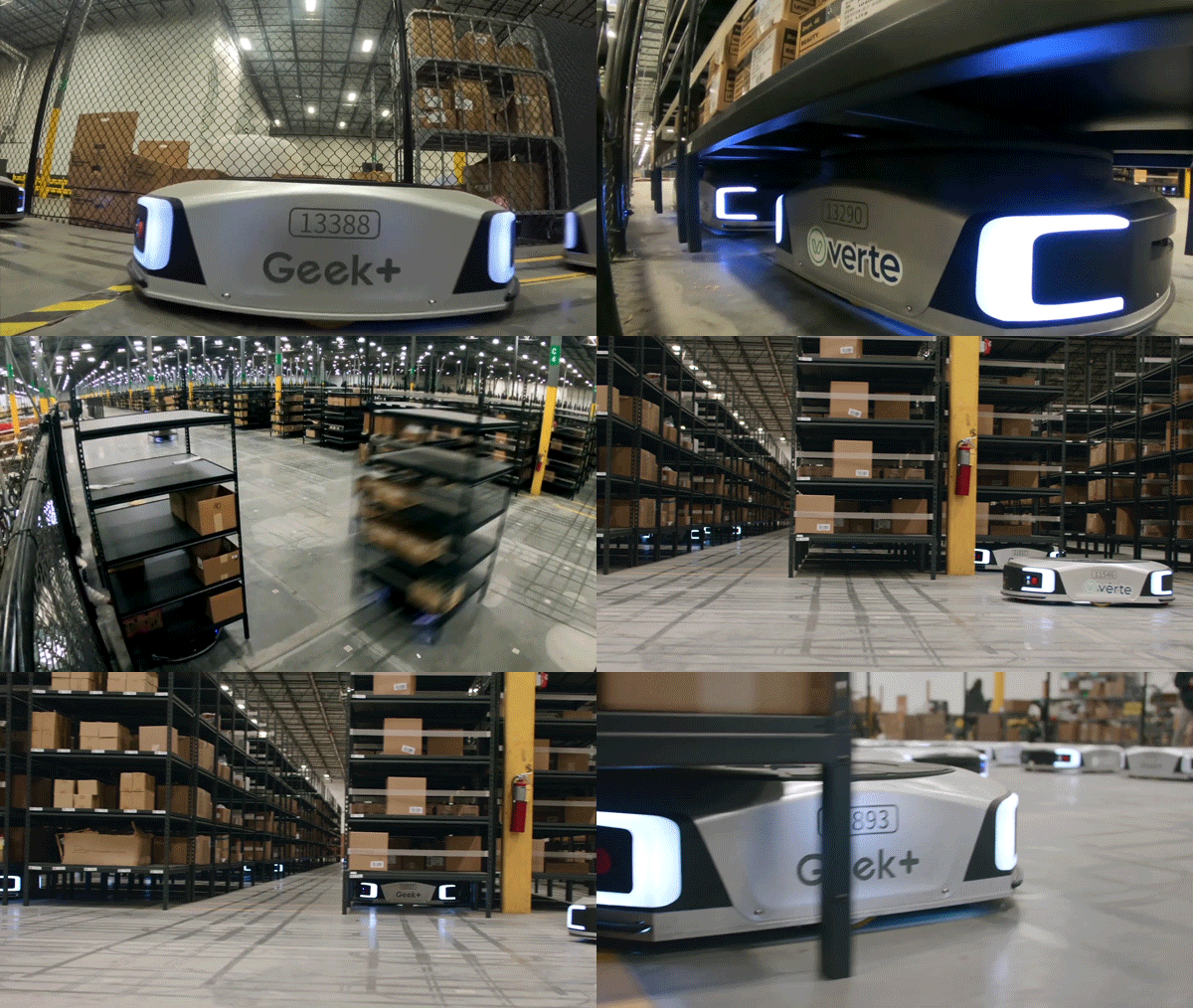
As part of an ongoing warehouse automation modernization project, a fleet of pre-owned ASRS robots is available for purchase.
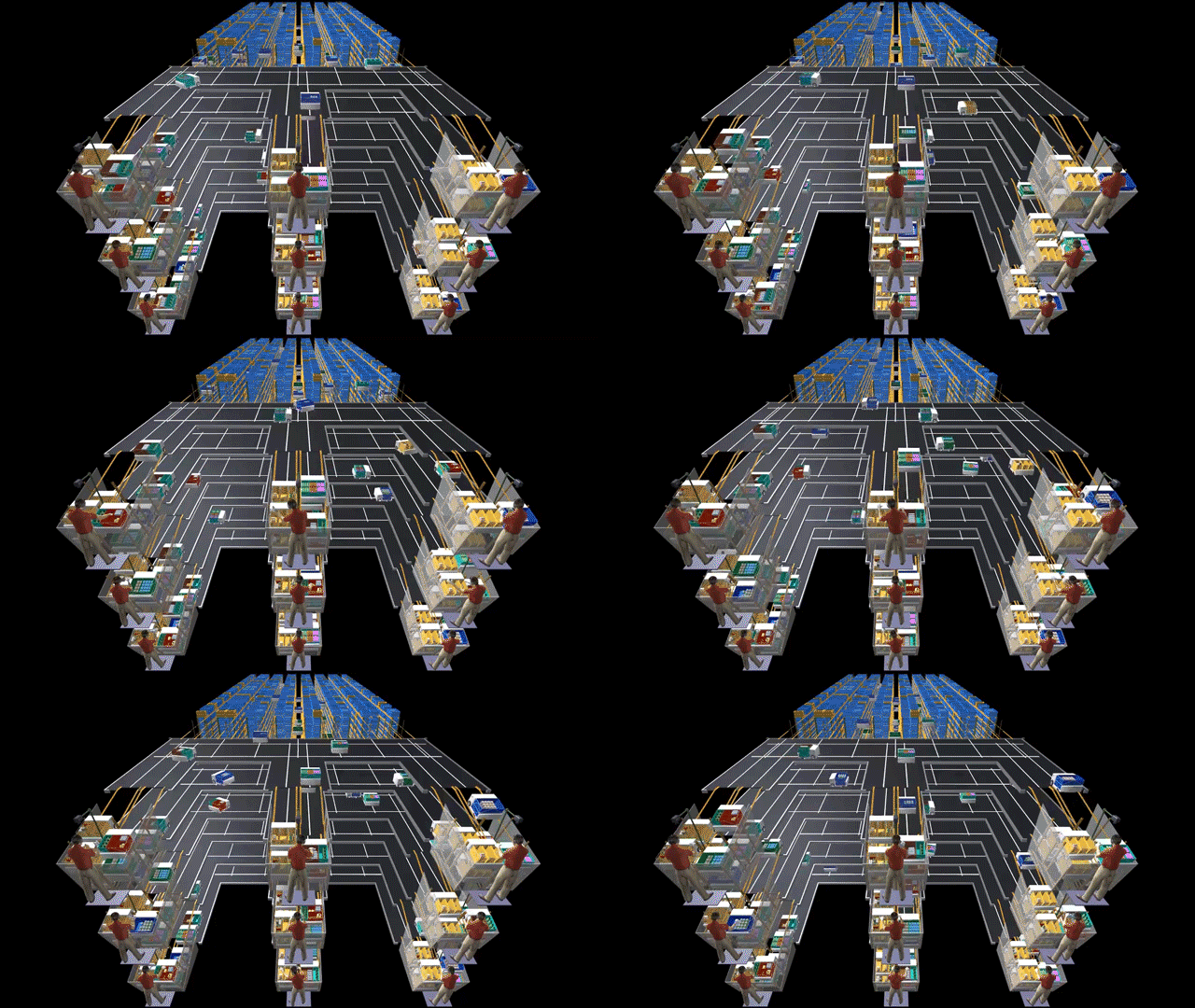
Symbotic’s new SymMicro system begins its first in-store installation, with the potential to expand to 400 Walmart locations.
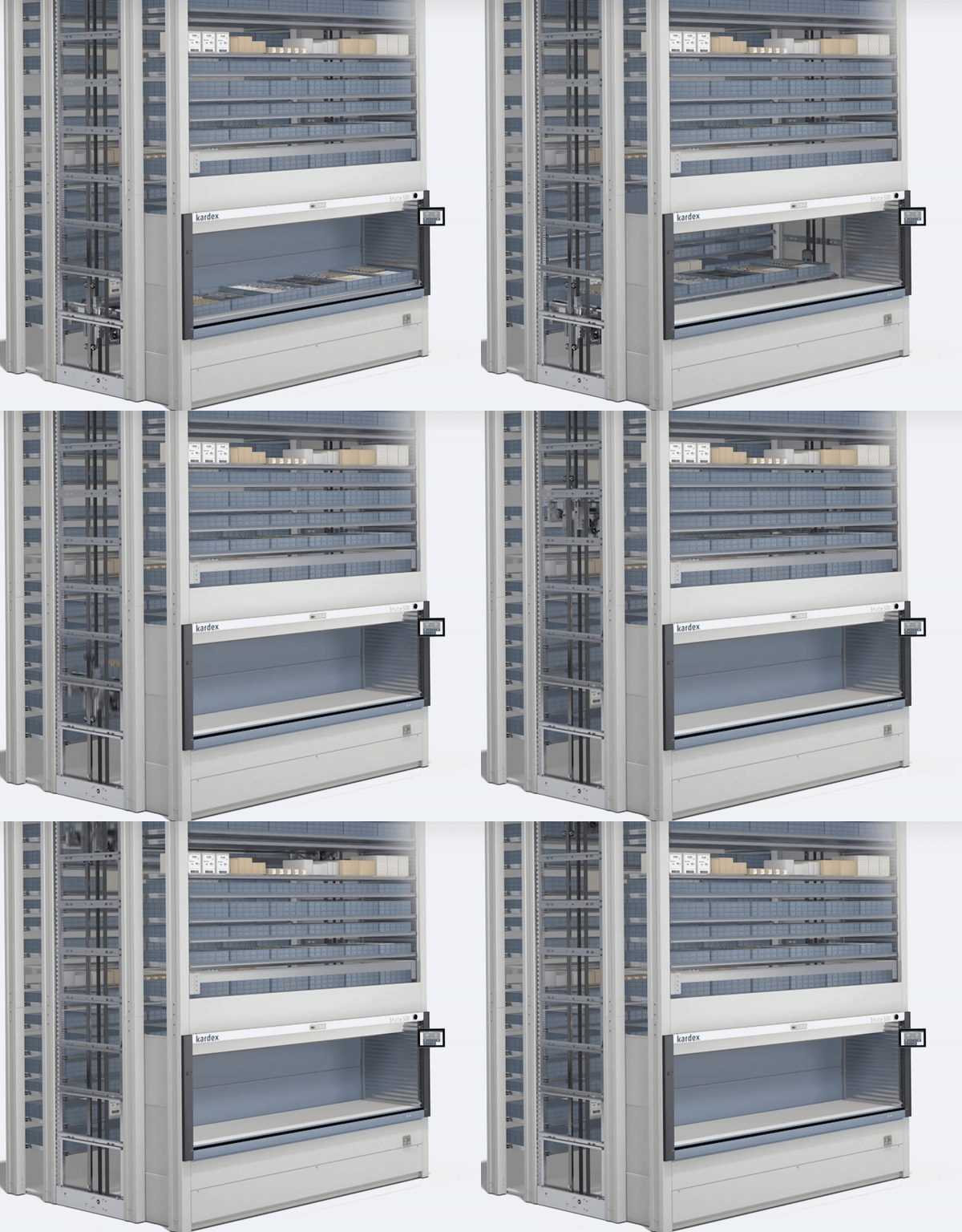
Two brand-new Kardex Shuttle XP 500 vertical lift modules are available for immediate delivery.
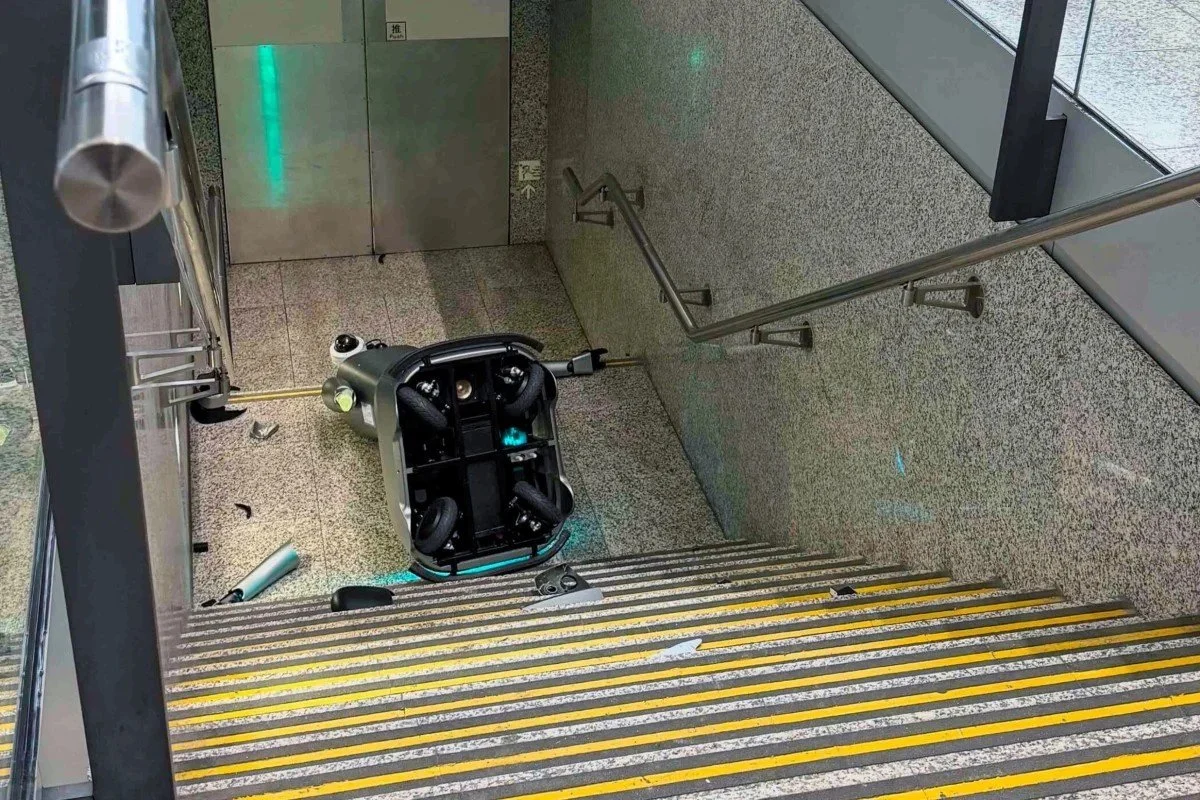
A robot accident at Hong Kong International Airport offers an important lesson about mobile robot safety
Recent Updates to FCC Covered List Regarding Foreign-Produced Advanced Robotic Devices
There is another major advantage of automation that is often overlooked.
S&S Activewear is one of the more technology-forward apparel companies in North America’s branded-apparel distribution market.

Situated in Arvin, California, the new 700,000 square foot facility is described as its largest and most technologically sophisticated distribution center to date.

SoftBank is reportedly selling its remaining 9.65% stake in Boston Dynamics to Hyundai Motor Group for US$325 million.
The company had automation. It had robotics. It had government support, customer momentum, press attention, and a massive facility.
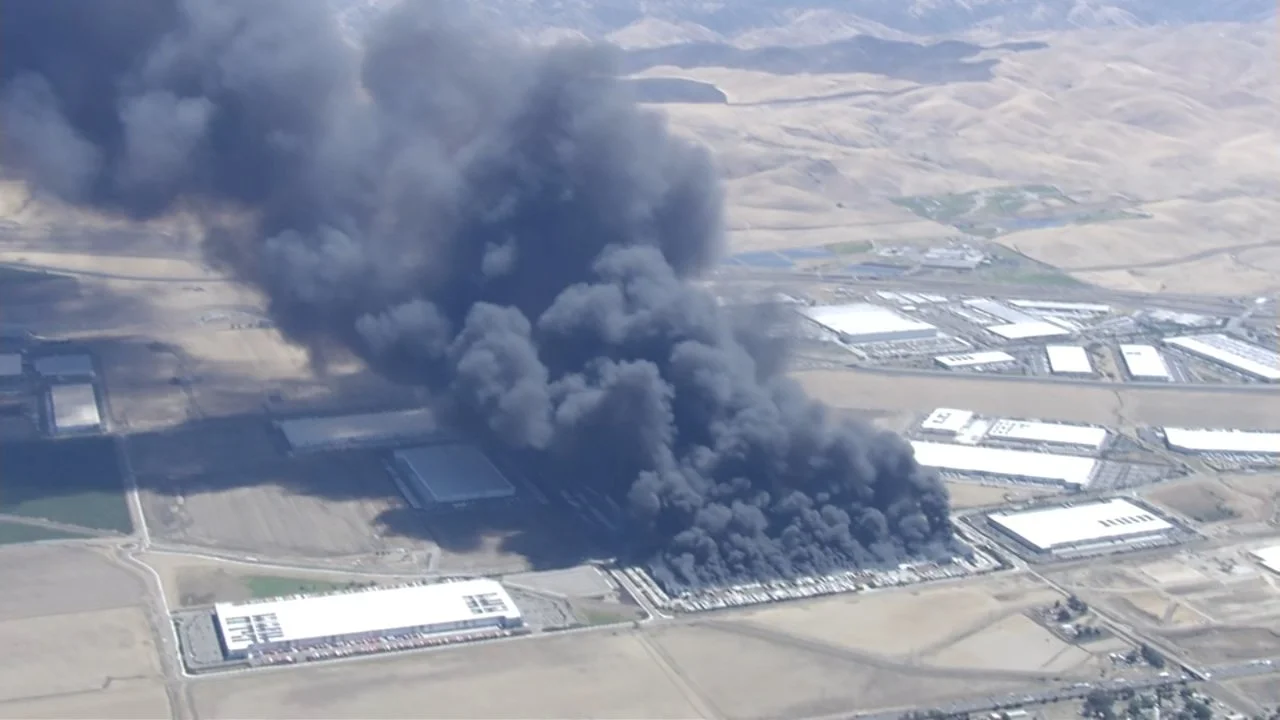
Massive fire destroys 1 million-square-foot Tracy Medline Industries distribution facility
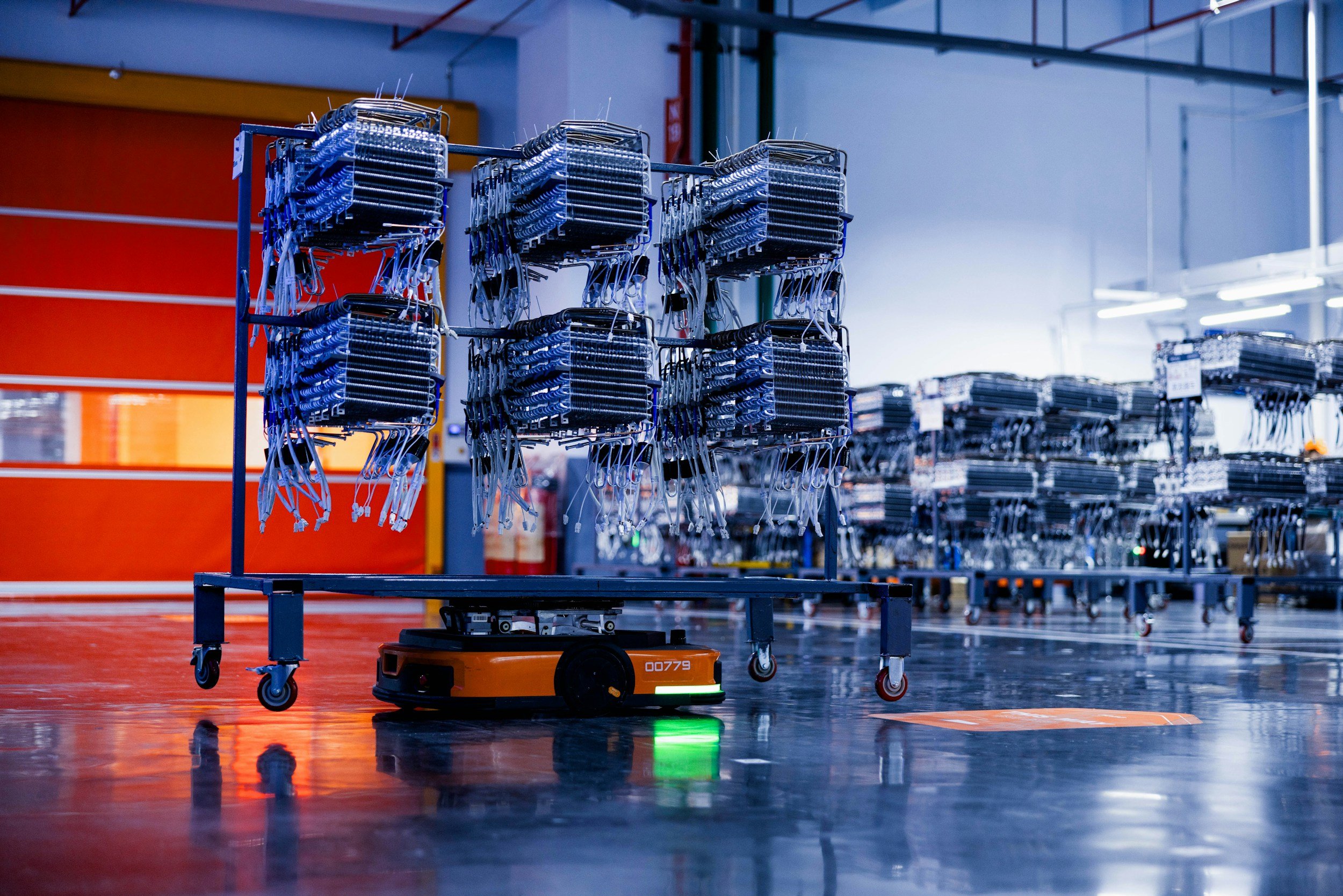
Artificial Intelligence and LLMs are currently being pushed aggressively into logistics, warehouse operations, robotics, and supply chain execution.
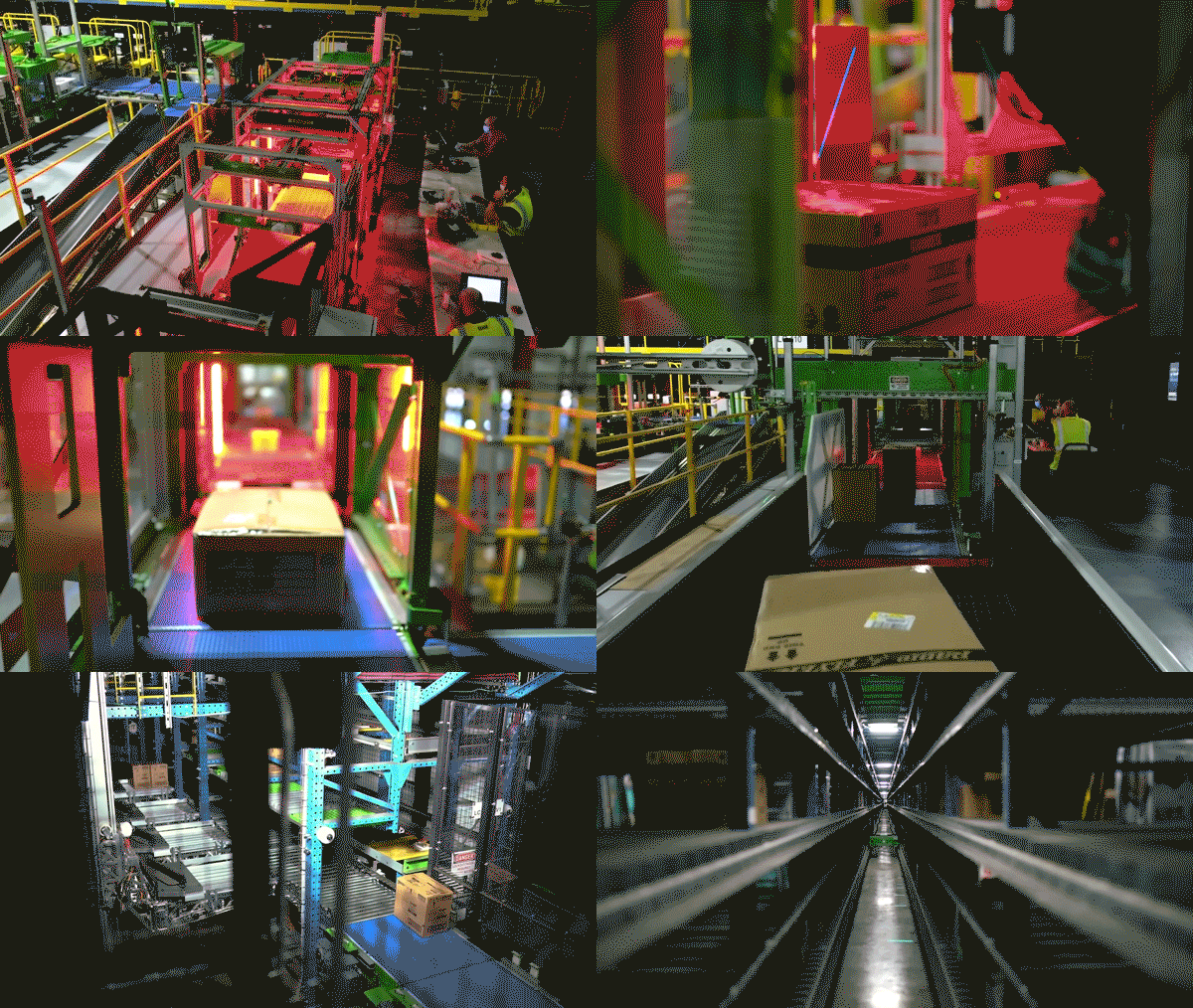
Walmart’s latest comments around same-day fulfillment, 30-minute delivery windows, AI-driven inventory positioning, and supply chain automation should be a wake-up call for the entire retail industry.
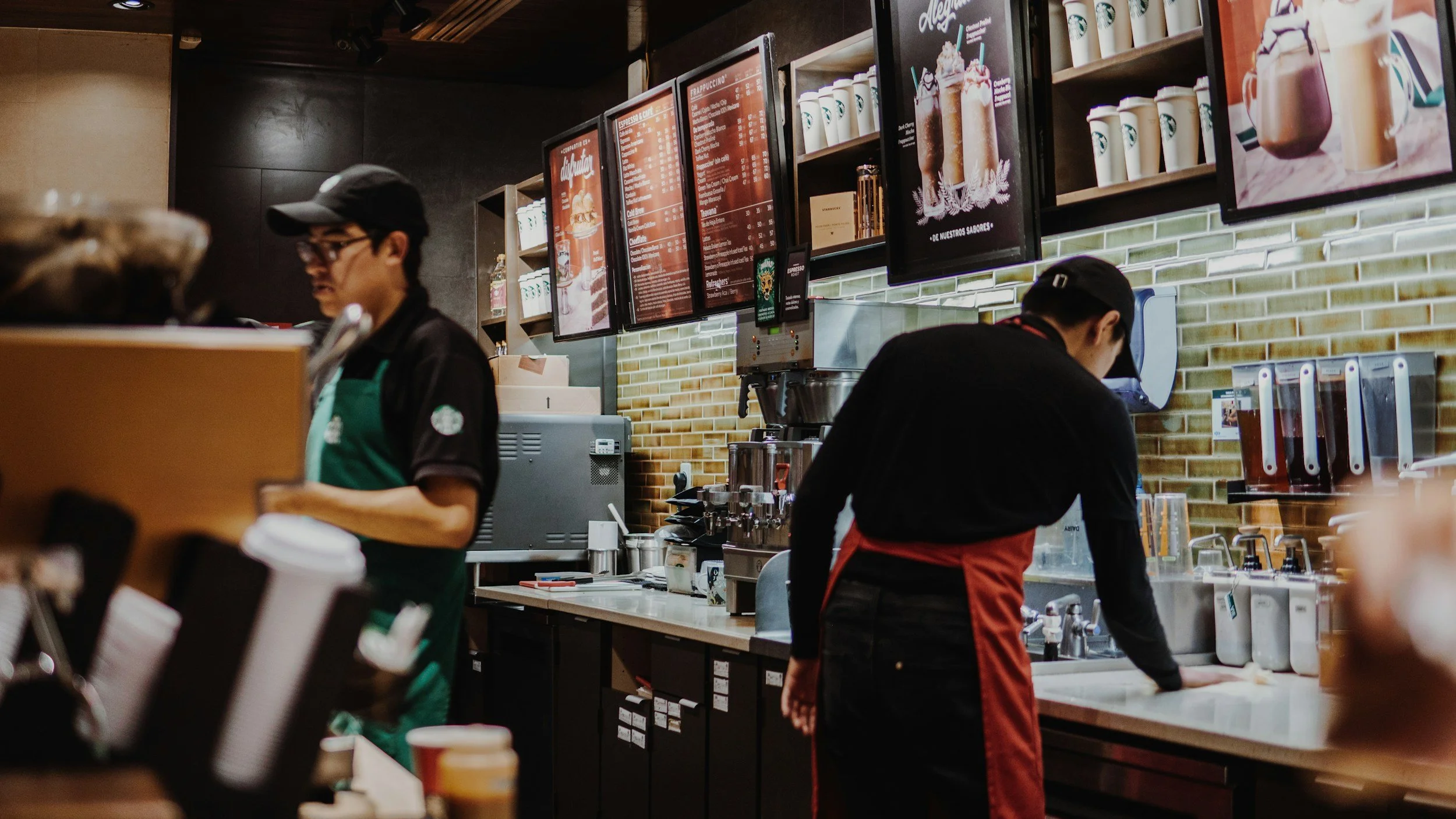
The promise made to Starbucks CEO Brian Niccol was enticing. To eliminate persistent product shortages that hurt sales, the company deployed an automated counting system.
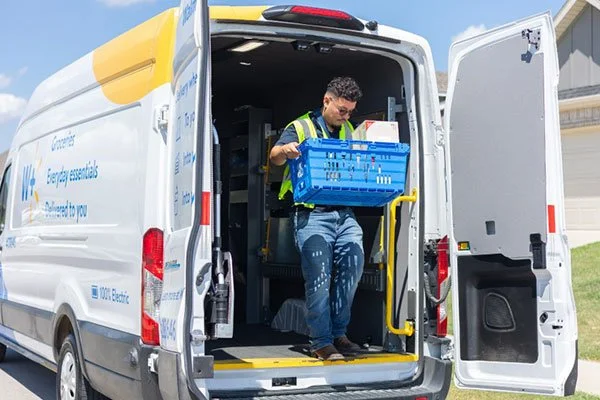
The retail giant is using unlikely spaces to push against Amazon’s recent strategies to capture more customers.

Traditional WMS lacks the real-time visibility into the availability of automated materials handling equipment that a WES brings to the table.
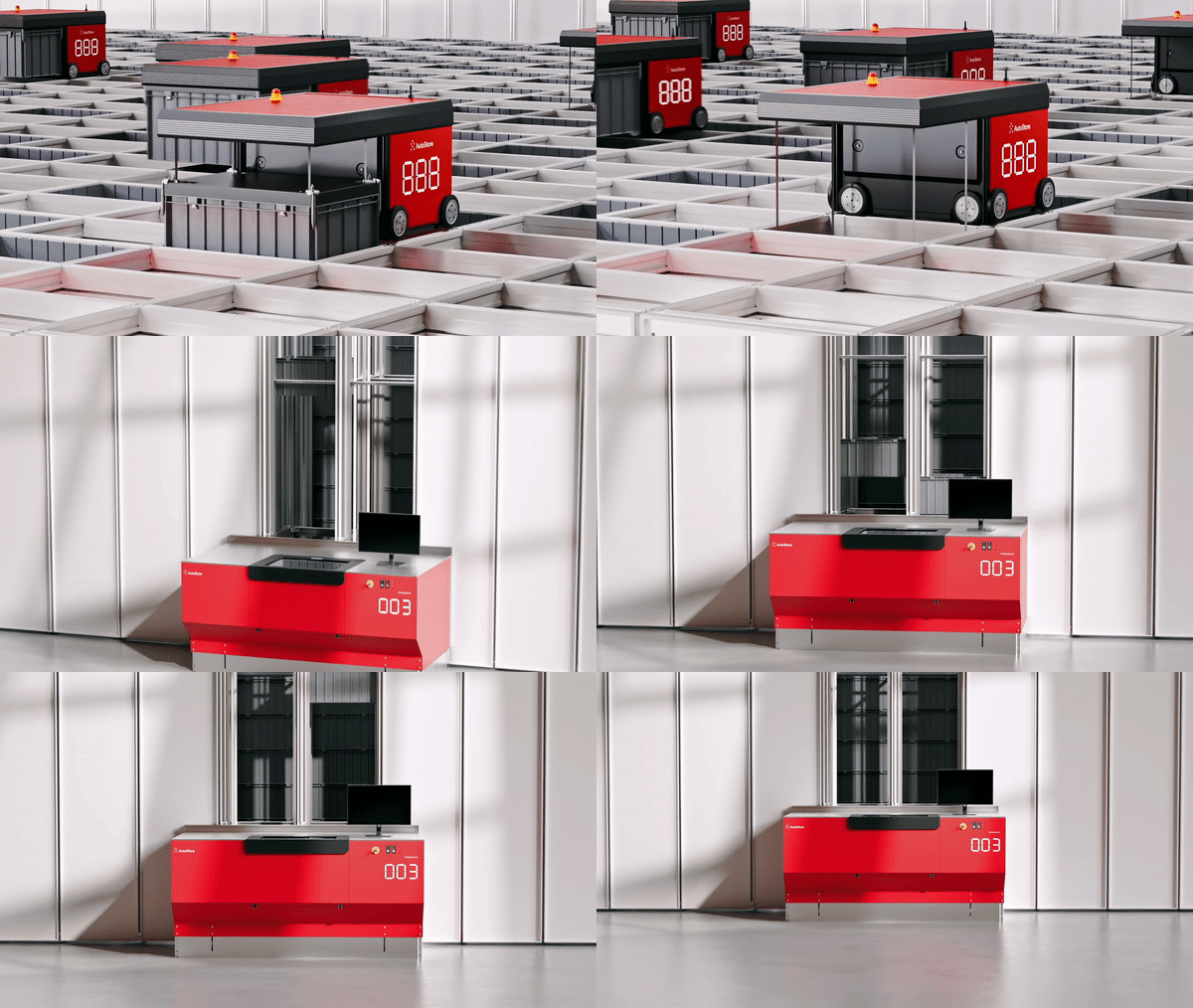
Ulta Beauty has selected AutoStore technology for its new Utah regional distribution hub supporting both stores and growing e-commerce fulfillment.
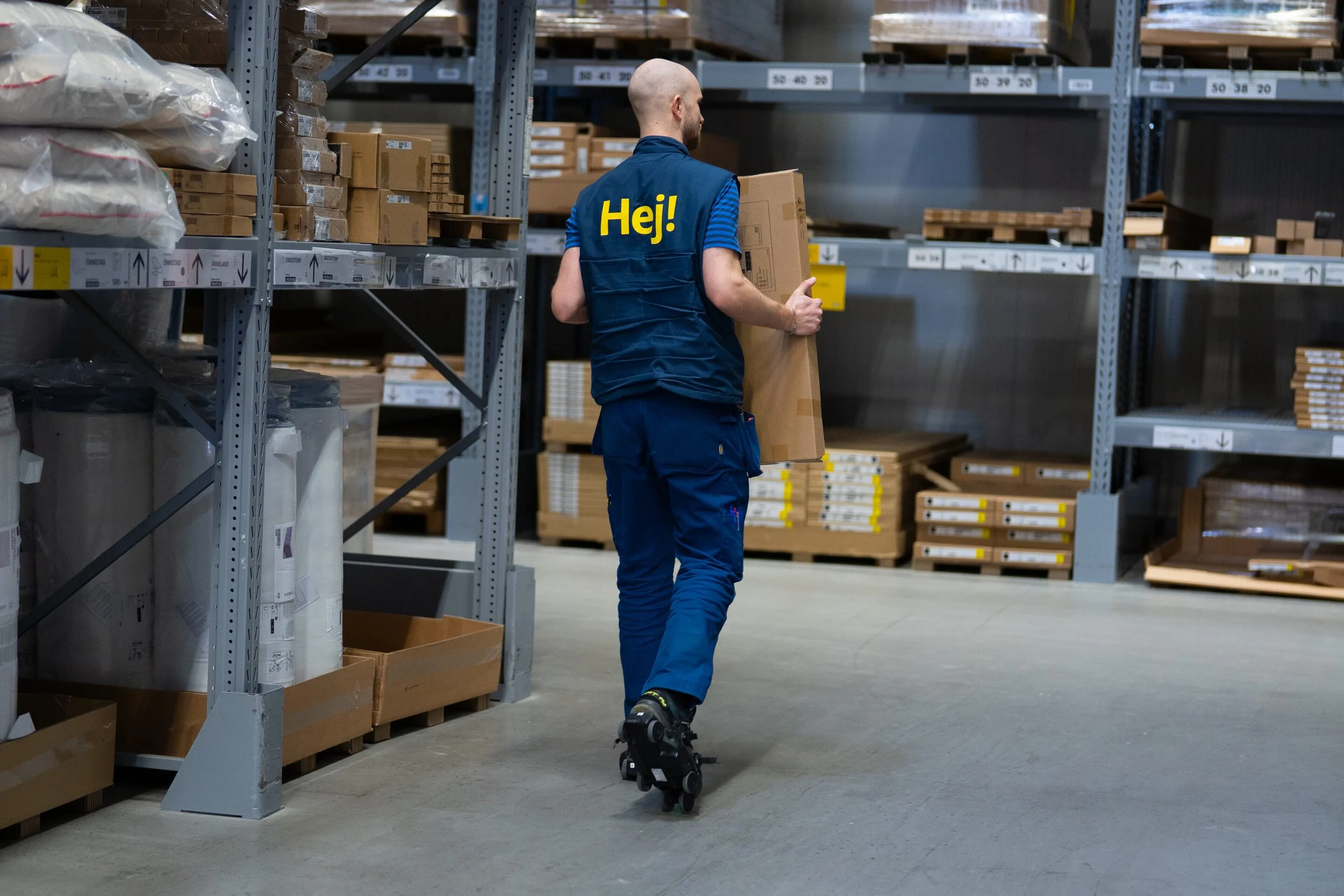
Ikea is testing robotic boots in Helsingborg, Sweden, to speed up order picking and reduce physical strain. Initial measurements showed that employees walked up to twice as fast, and average hourly picking productivity increased by 16%.
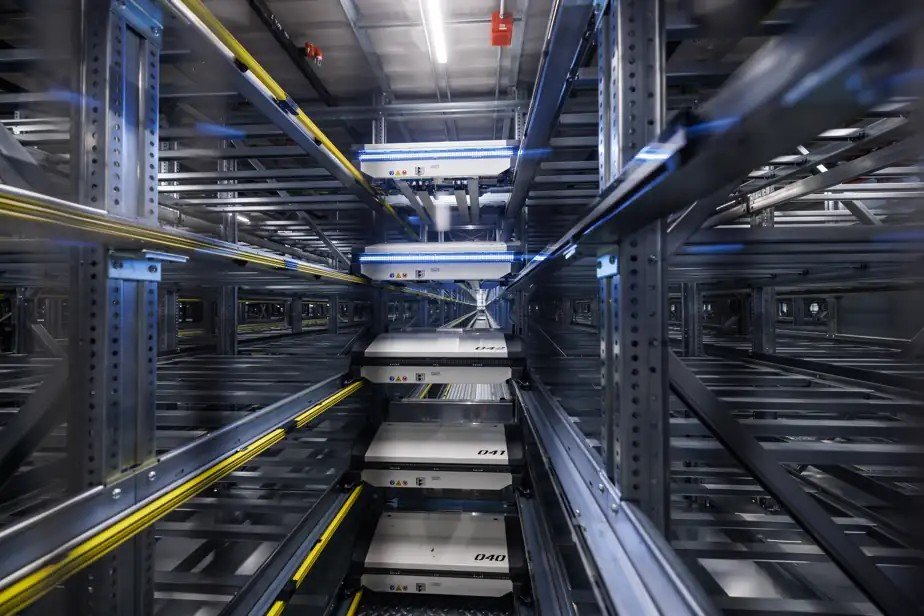
The cost of the SAQ's automated distribution center project, scheduled to begin operations next year, has gone from $48.5 million to $300 million in four years.
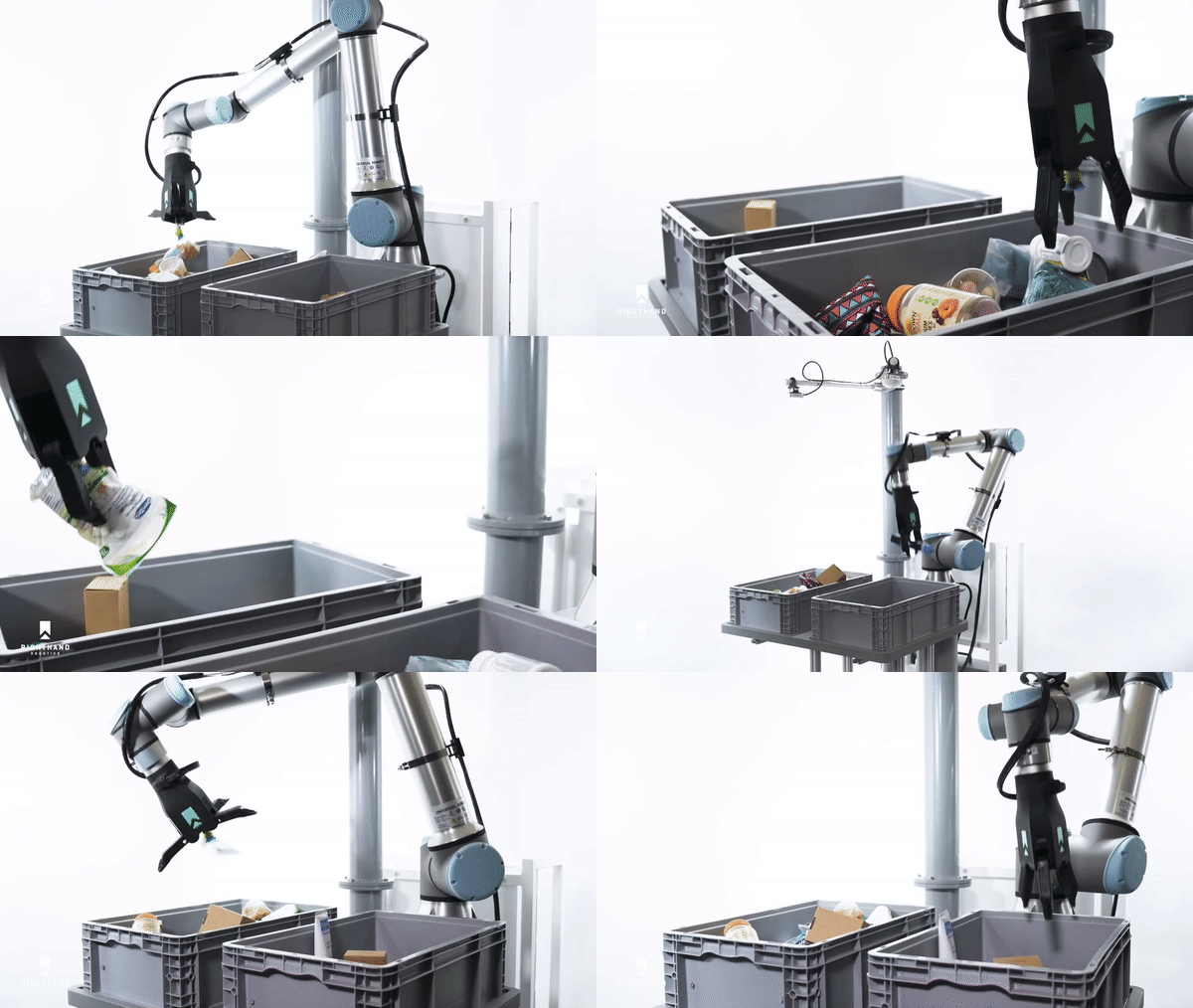
Piece-picking robots are currently one of the hottest solutions in warehouse automation
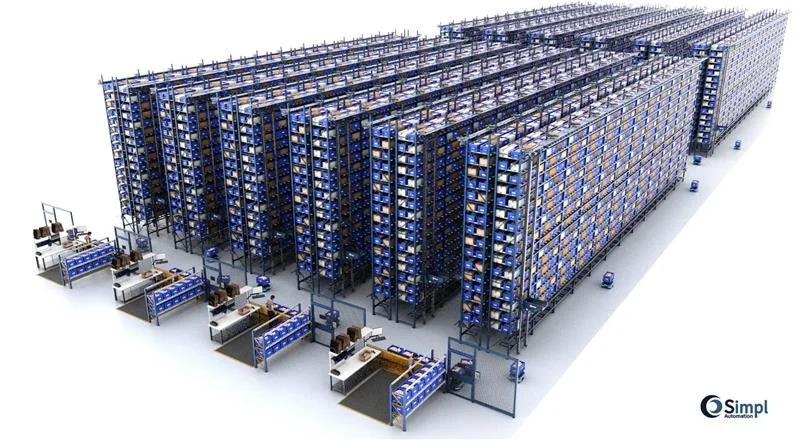
Home Depot acquires warehouse tech firm to boost fulfillment strategy
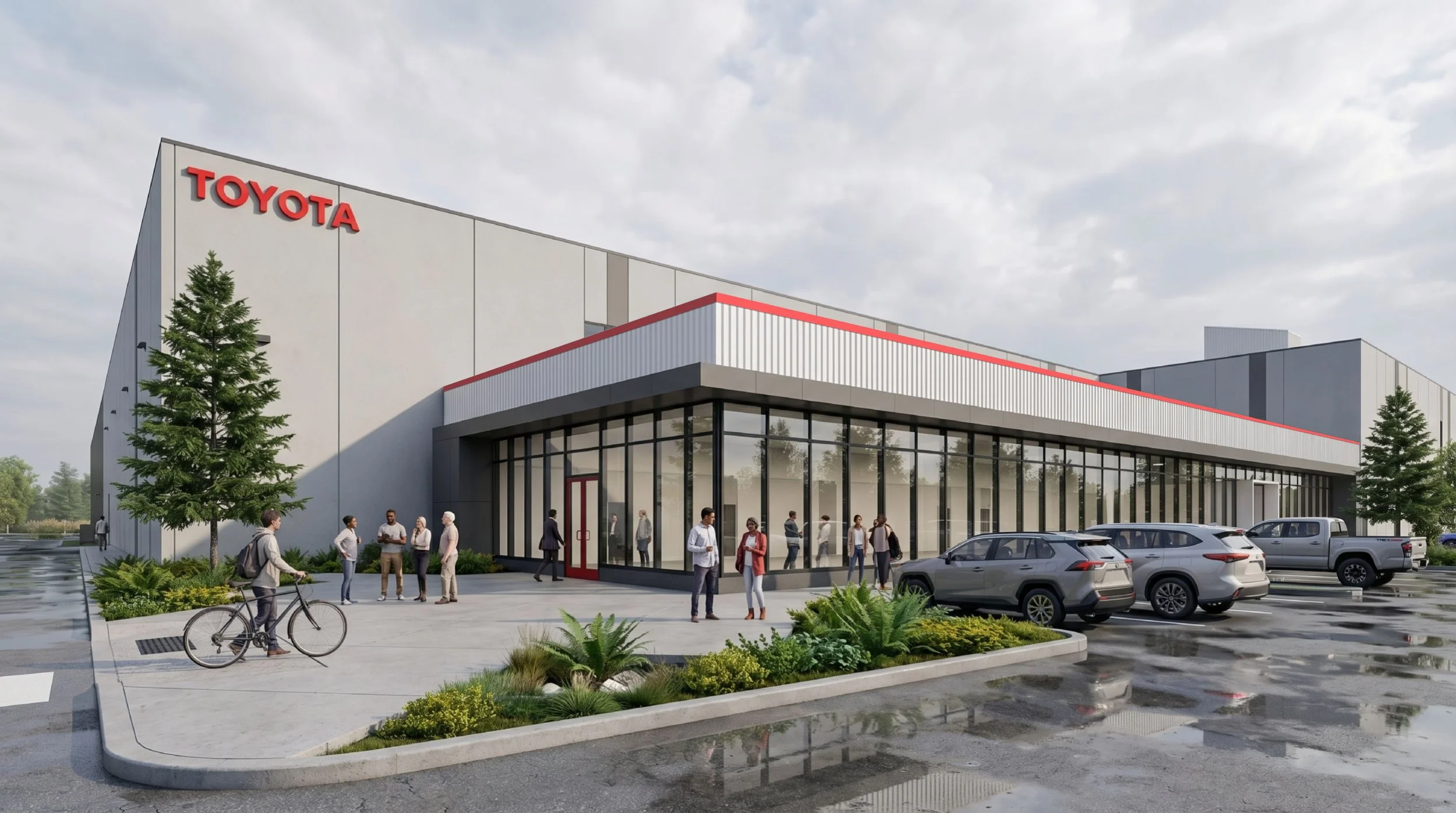
The Surrey facility will primarily serve British Columbia, while Calgary will cover Alberta, Saskatchewan, and surrounding regions.

How Canadian Robotics Forced NASA to Give Us a Seat on the Moon Mission
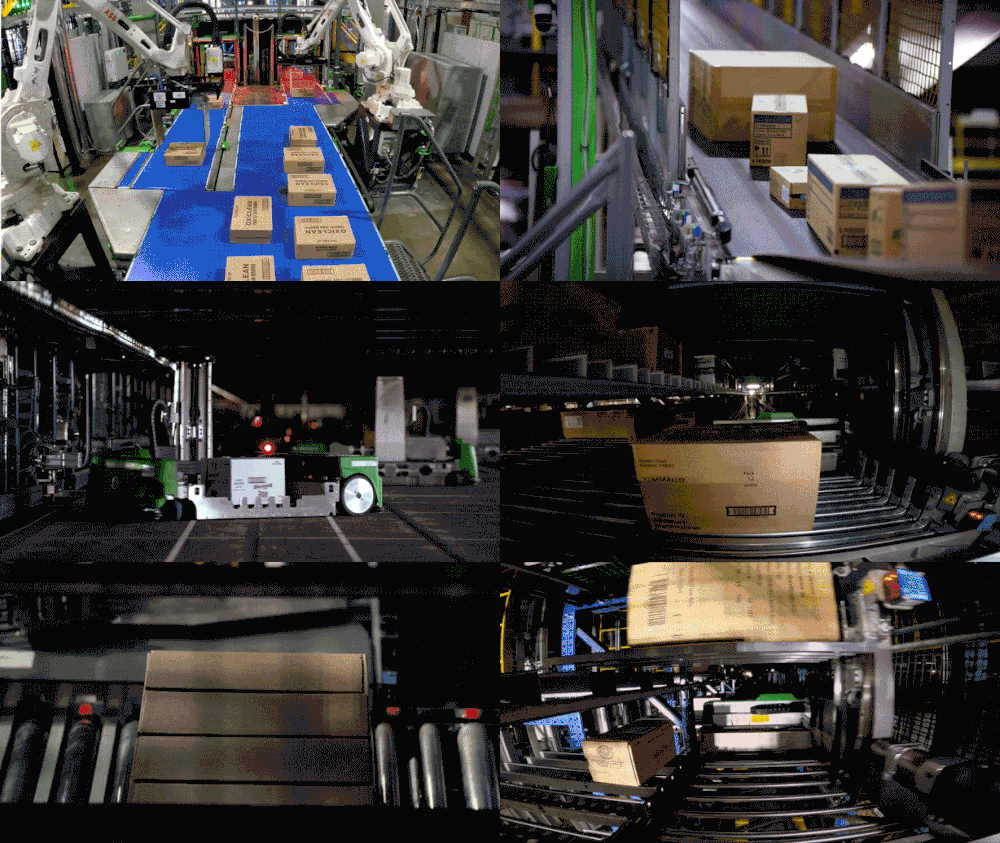
Today, a new layer is beginning to appear in highly automated facilities: the Warehouse Operating System (WOS).
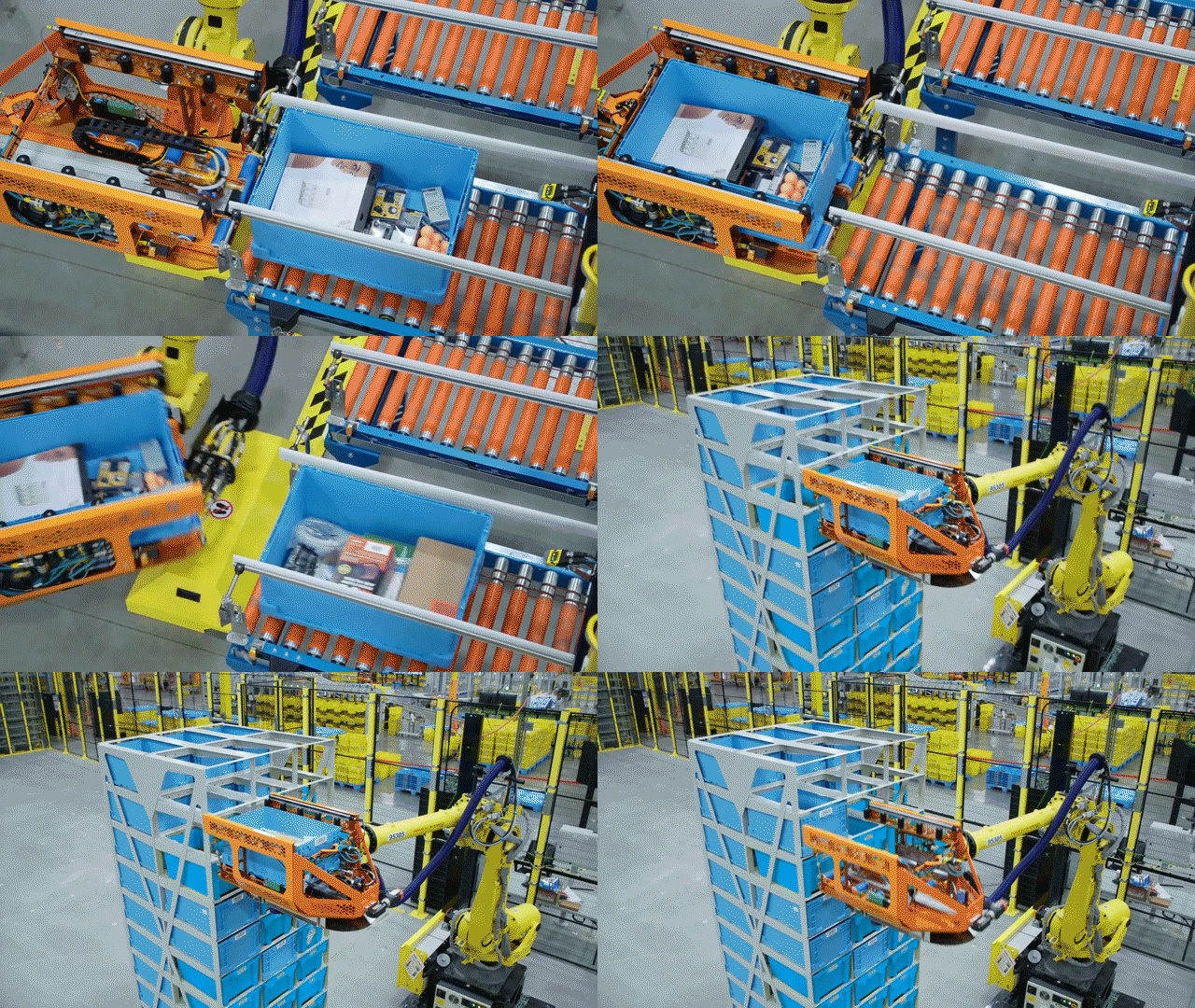
Cainiao plans to build a large-scale global network of robotic warehouses in 2026 as it expands local fulfilment and delivery operations tied to cross-border eCommerce.

Ocado has delivered a cube-based automation system for McKesson Canada, representing a continued expansion of its technology beyond e-commerce grocery fulfilment.
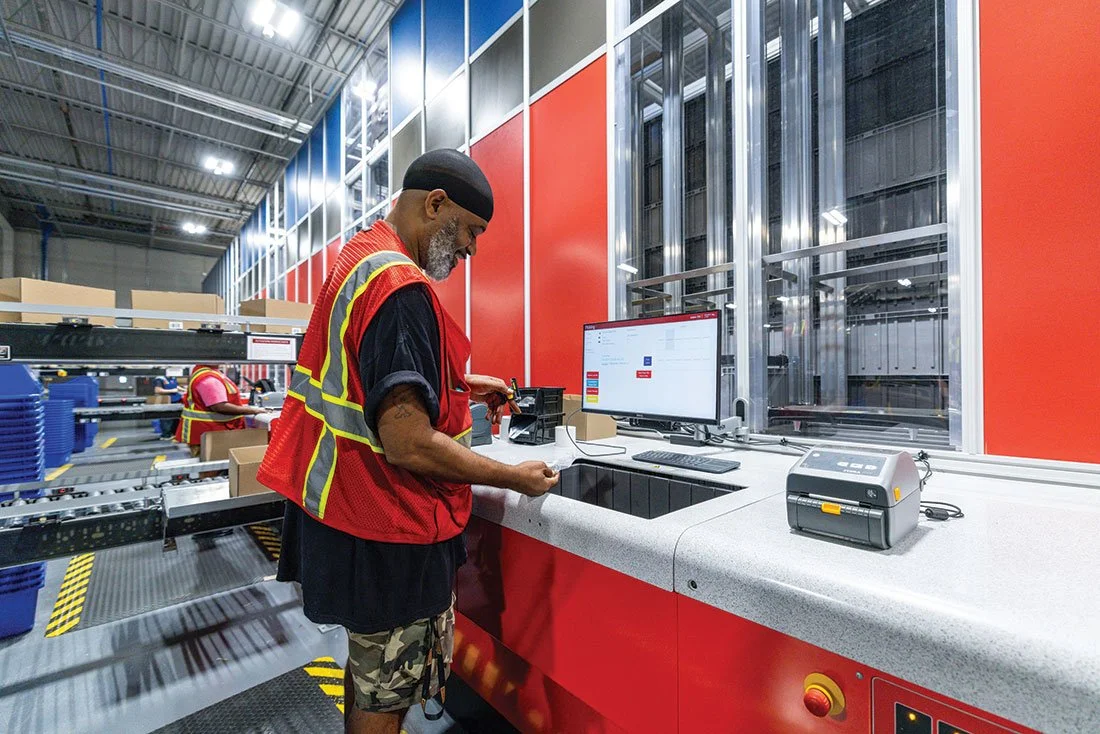
AutoStore reported its 2025 results this week, outlining a year that moved from early caution to clear second-half acceleration.
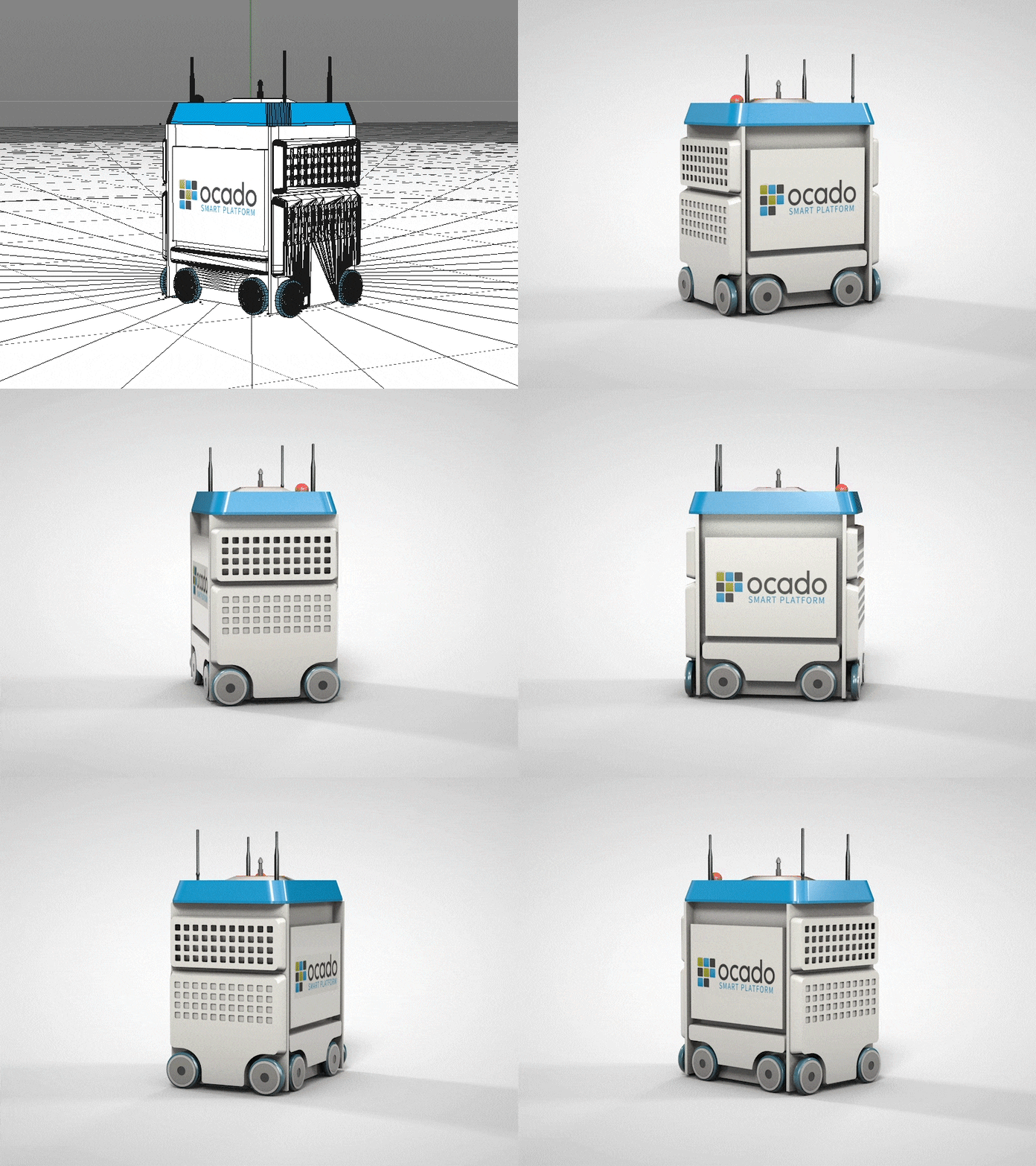
Ocado is facing reports of up to 1,000 job cuts

At Hannover Messe 2026, SAP and Vodafone showcased a pilot conducted at Vodafone’s warehouse in Duisburg,