
Walmart-backed Symbotic Faces Challenges in Expanding Warehouse Automation
The company said its profit margins were squeezed by elongated construction schedules and implementation costs.


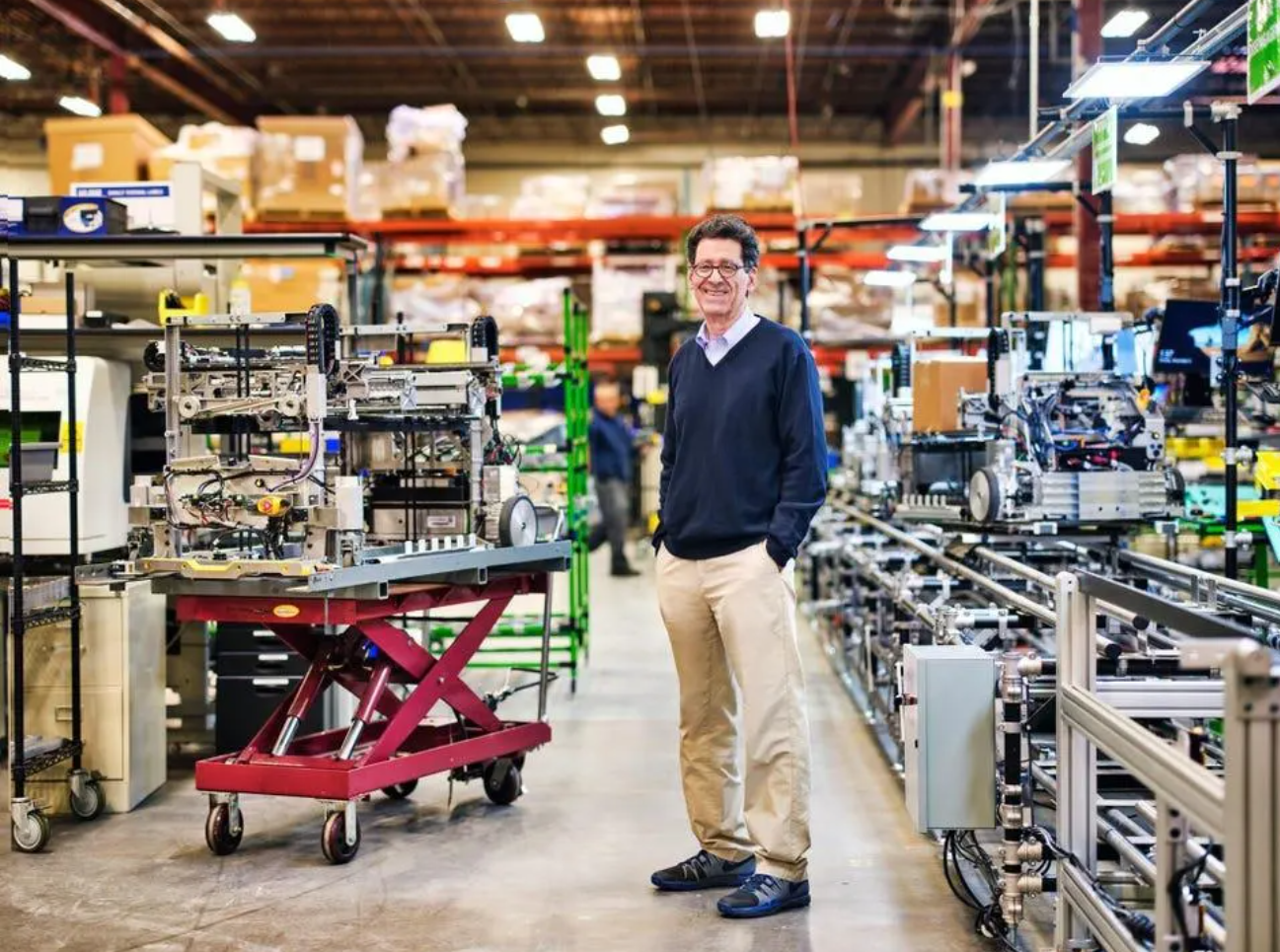
July 29 (Reuters) - Shares of Symbotic slumped more than 13% in extended trading after the robotics vendor forecast current-quarter revenue and adjusted core profit below estimates, hurt by higher costs and slowing deployment of its automation systems.
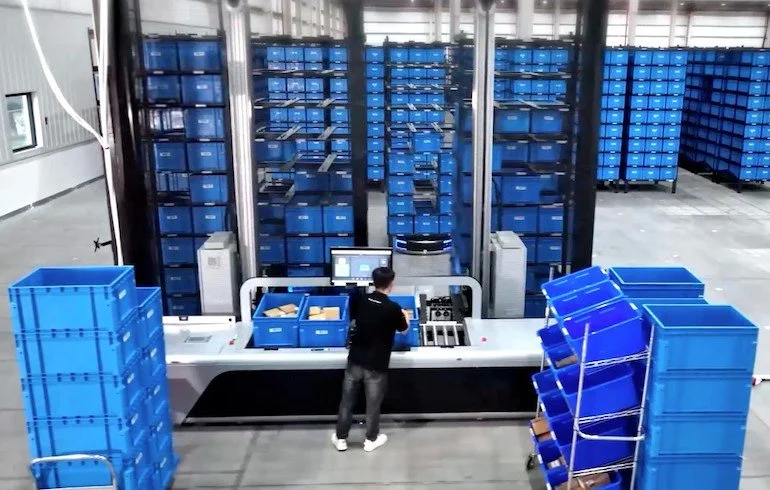
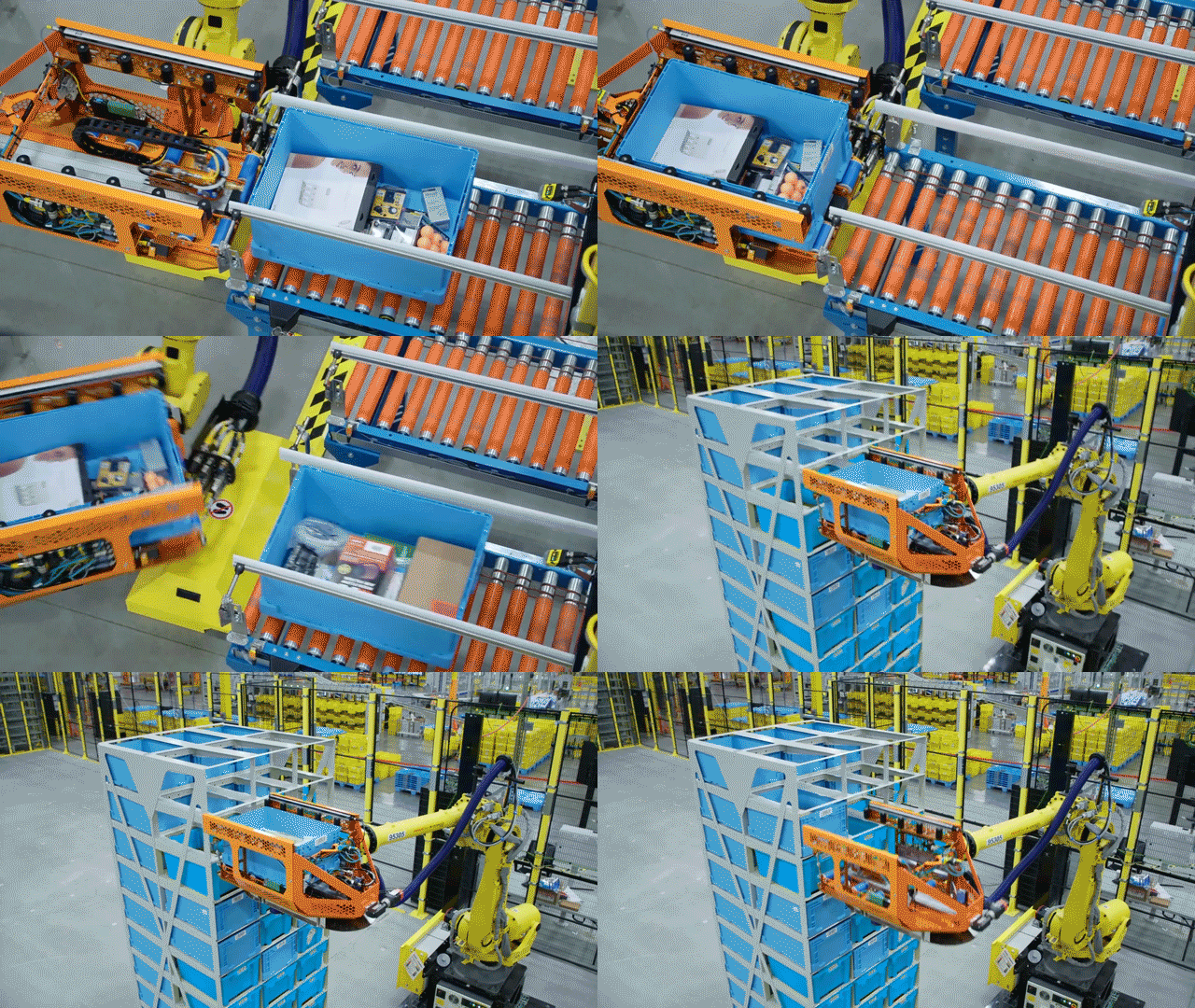
The Walmart-backed firm builds solutions to automate warehouses using artificial intelligence software and robots that can collect, store, and retrieve products. It went public in June 2022 after the company merged with a blank-check firm sponsored by Japan's SoftBank.
"Looking ahead, improving our deployment process may temporarily slow our revenue growth. However, we expect system costs to decline and gross margin to return to historical levels during our fourth fiscal quarter," CFO Carol Hibbard said in a statement.
The company said its profit margin for the April-June period was squeezed by elongated construction schedules and implementation costs.
Symbotic, whose shares have fallen more than 30% so far this year, had a market capitalization of about $21 billion at Monday's close after an 8.2% drop.
July 20 (Boston Globe) - New Hampshire billionaire Rick Cohen made his fortune in the low-margin grocery supply business. Symbotic, his Wilmington robotics company, was supposed to be different, with fat profits coming from installing complex warehouse automation systems for some of the biggest retailers in the country, including Walmart.
But profits are proving more elusive than expected. On Monday night, Symbotic reported a surprise quarterly loss of $14 million and cut its forecast for sales and profits for its next quarter.
Cohen, speaking on a call with analysts, blamed construction delays and an expensive sensor upgrade for the company’s warehouse robots, dubbed “symbots.” Symbotic absorbed the higher costs rather than passing them along to customers, he said.
“For 50 years, I’ve been used to running a business on a 1.5 percent margin and a 6 percent gross profit,” Cohen said, referring to his grocery business, C&S Wholesale Grocers. “We made some choices. We could have fought with the customers over who pays some of these things, but we said, let’s just keep the customer happy.”
Symbotic’s stock dropped 24 percent to $27.25 on Tuesday, its lowest price in more than a year. The company’s stock market value, which peaked at more than $35 billion last year, dropped to under $16 billion.
The disappointing quarterly report also hit Cohen’s net worth. With a 68 percent stake in Symbotic, including family members and trusts according to securities filings, Cohen lost more than $3 billion due to the stock drop.
In Monday’s report, Symbotic said it expects revenue next quarter of up to $475 million, while Wall Street analysts had been expecting $517 million on average, and adjusted cash flow of up to $32 million, below the analyst average of $39 million. With Walmart adding Symbotic systems to all of its largest distribution centers plus orders from other customers, Symbotic said it had a backlog of $22.8 billion.
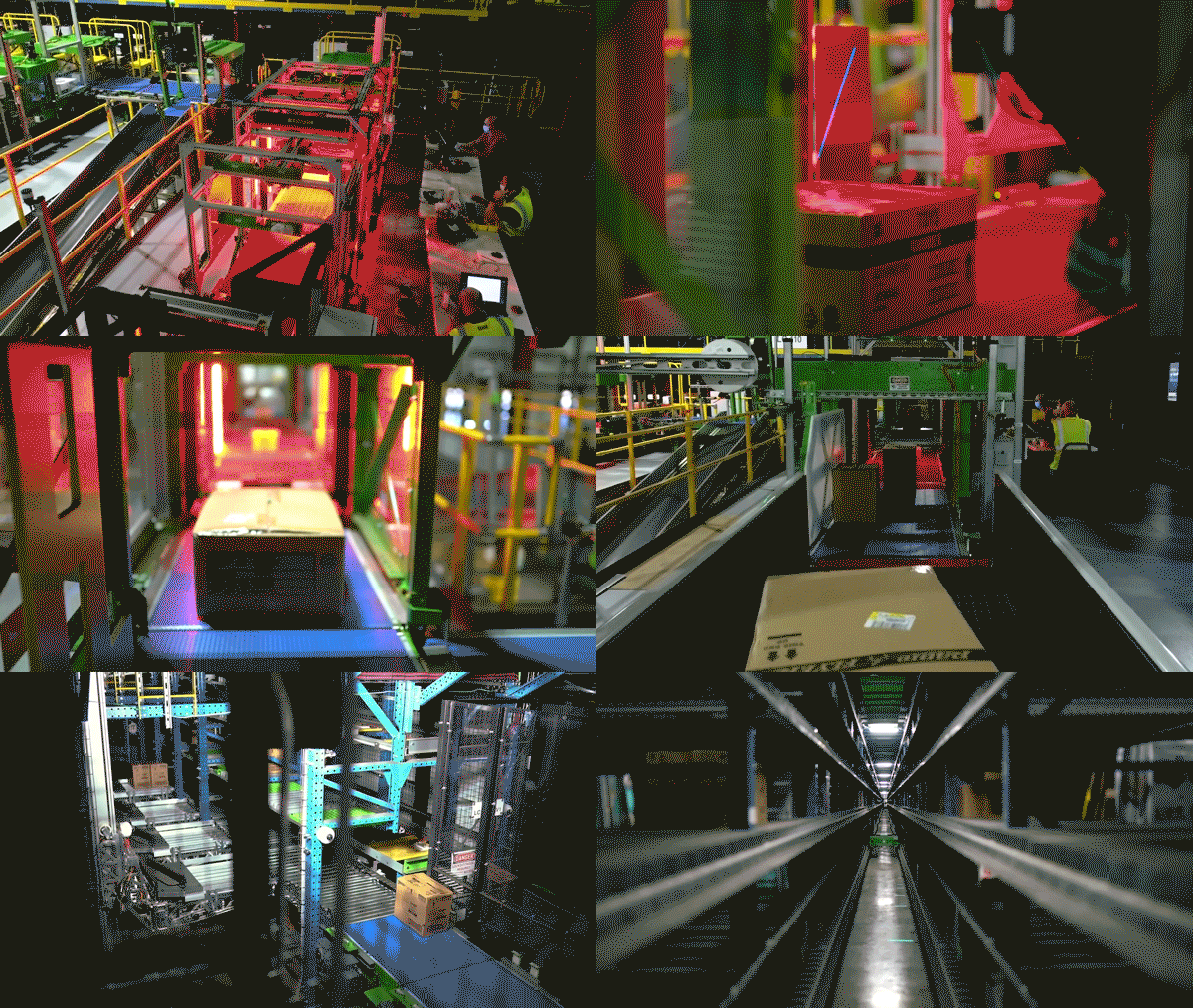
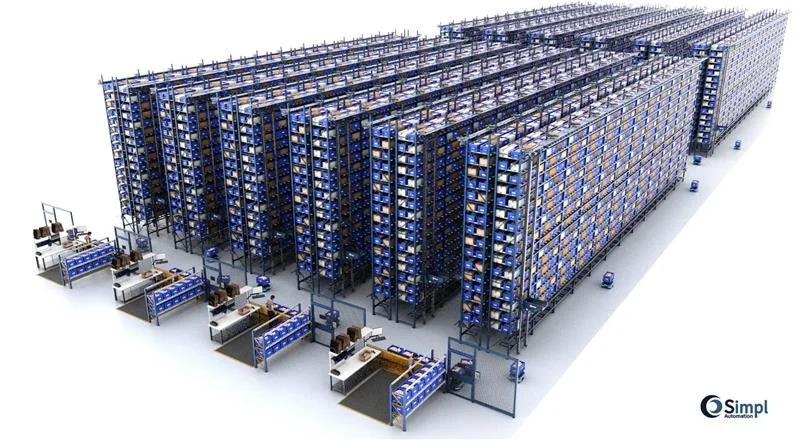
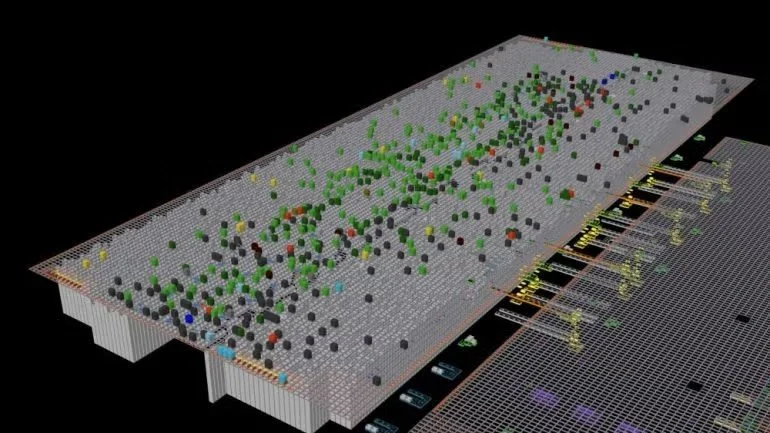
Last year, Symbotic laid off 200 workers as part of a plan to outsource the construction of its robots and massive automation systems, typically 10 stories tall and larger than a football field, built inside warehouses. On Monday, Cohen said some of the delays and cost overruns were due to the outsourcing. As a result, Symbotic will use its own staff for the engineering planning of new installations, he said.
“We’ve been disappointed at the performance for some of the suppliers that we’ve hired and we know we can do it better ourselves,” Cohen said.
Cohen grew interested in warehouse automation while running C&S in the 1990s. He was initially an investor in Symbotic when it started in 2007 and stepped in as chief executive in 2017.
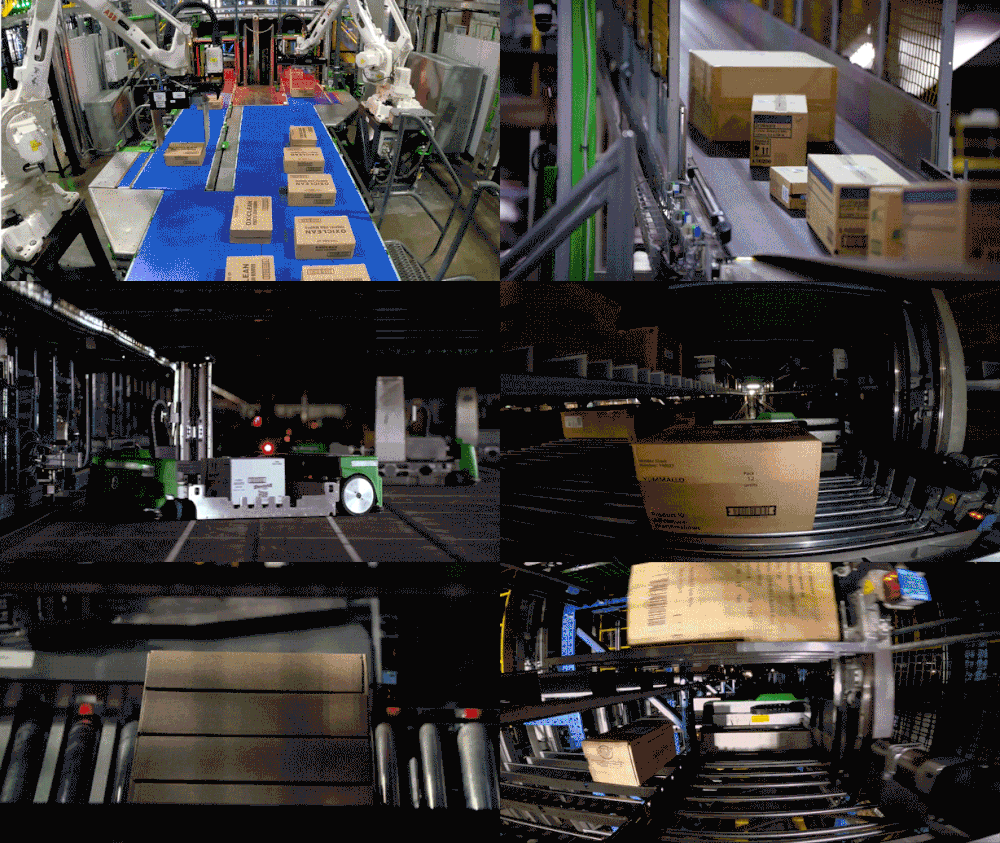

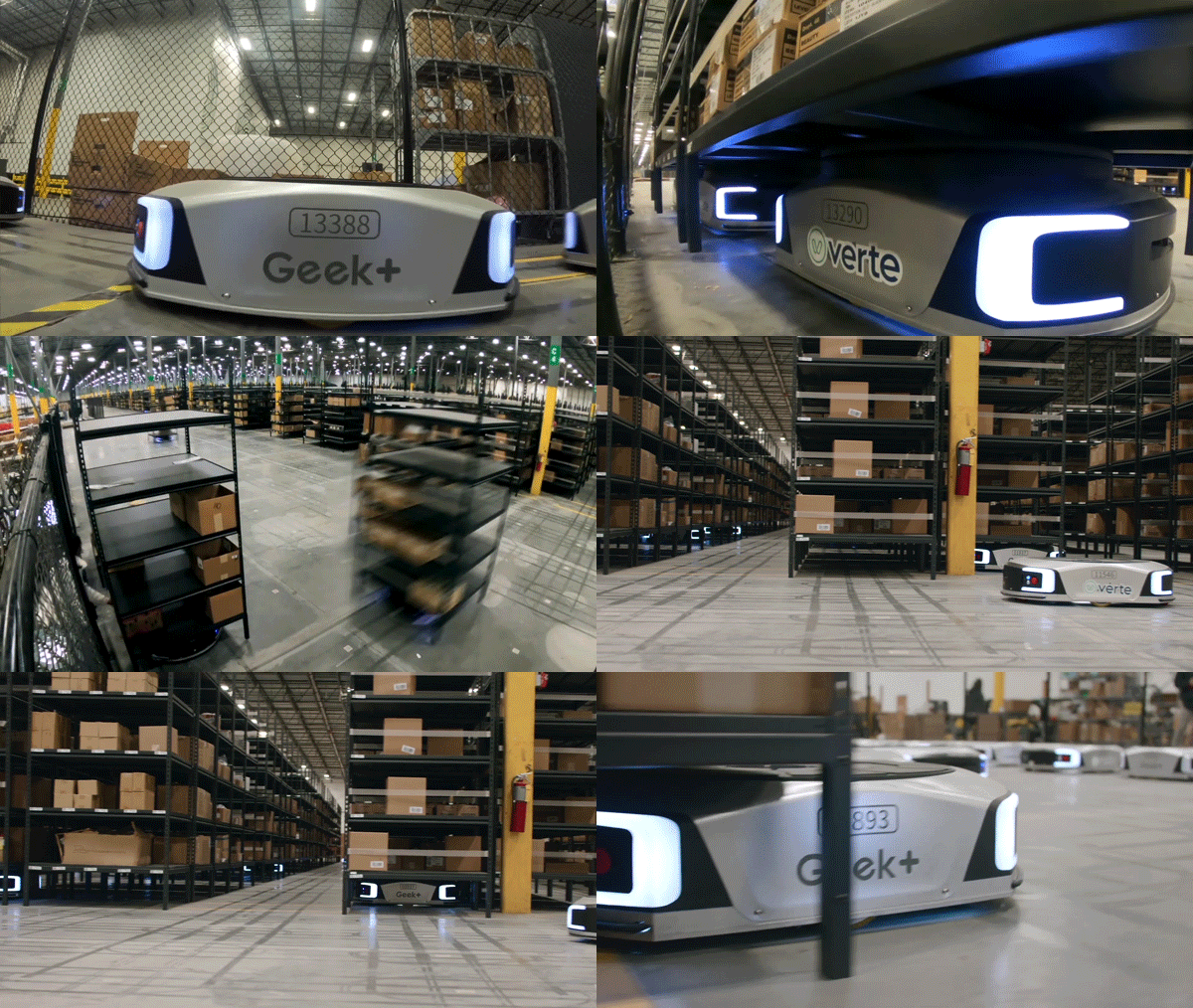
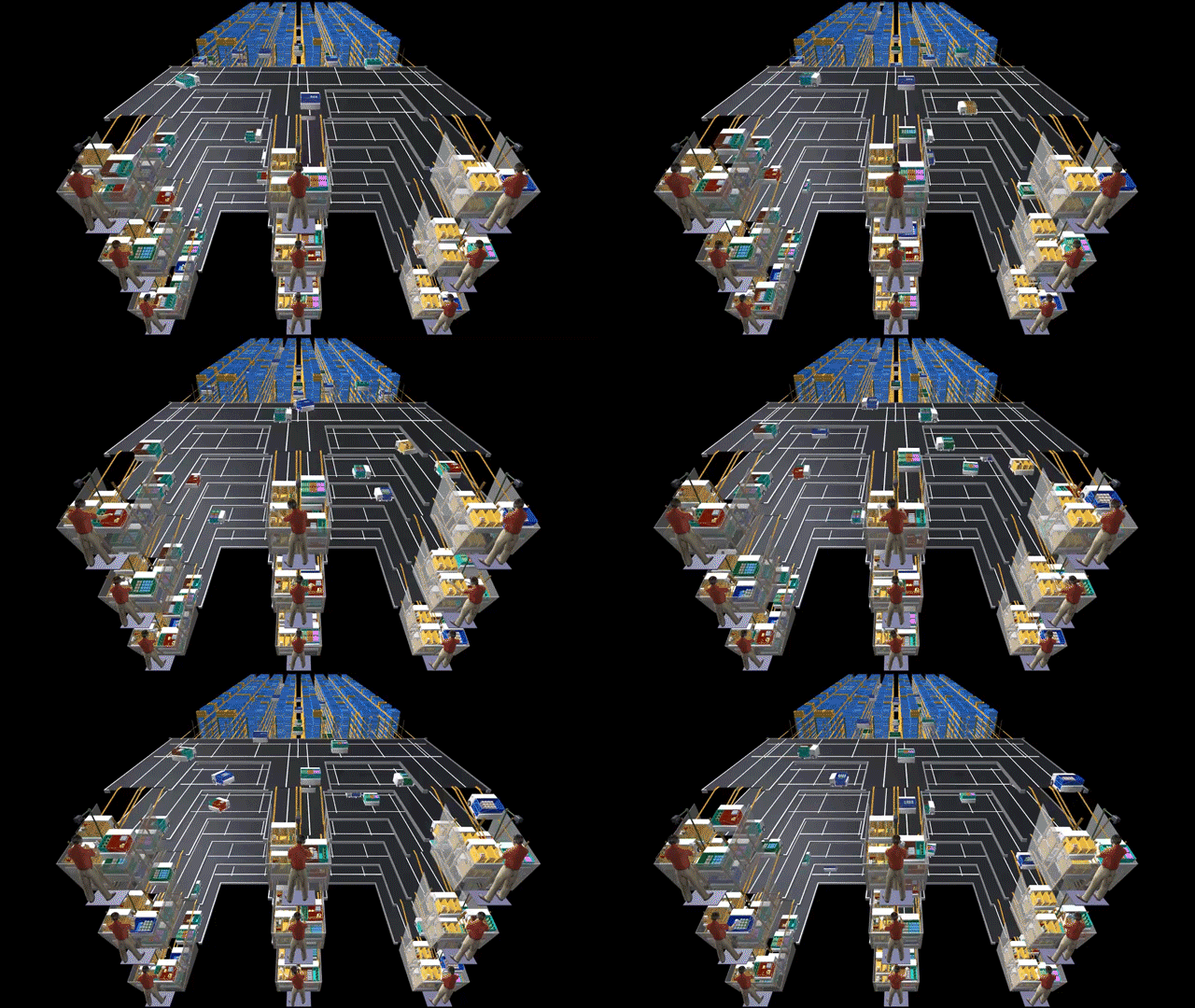

At Hannover Messe 2026, SAP and Vodafone showcased a pilot conducted at Vodafone’s warehouse in Duisburg,